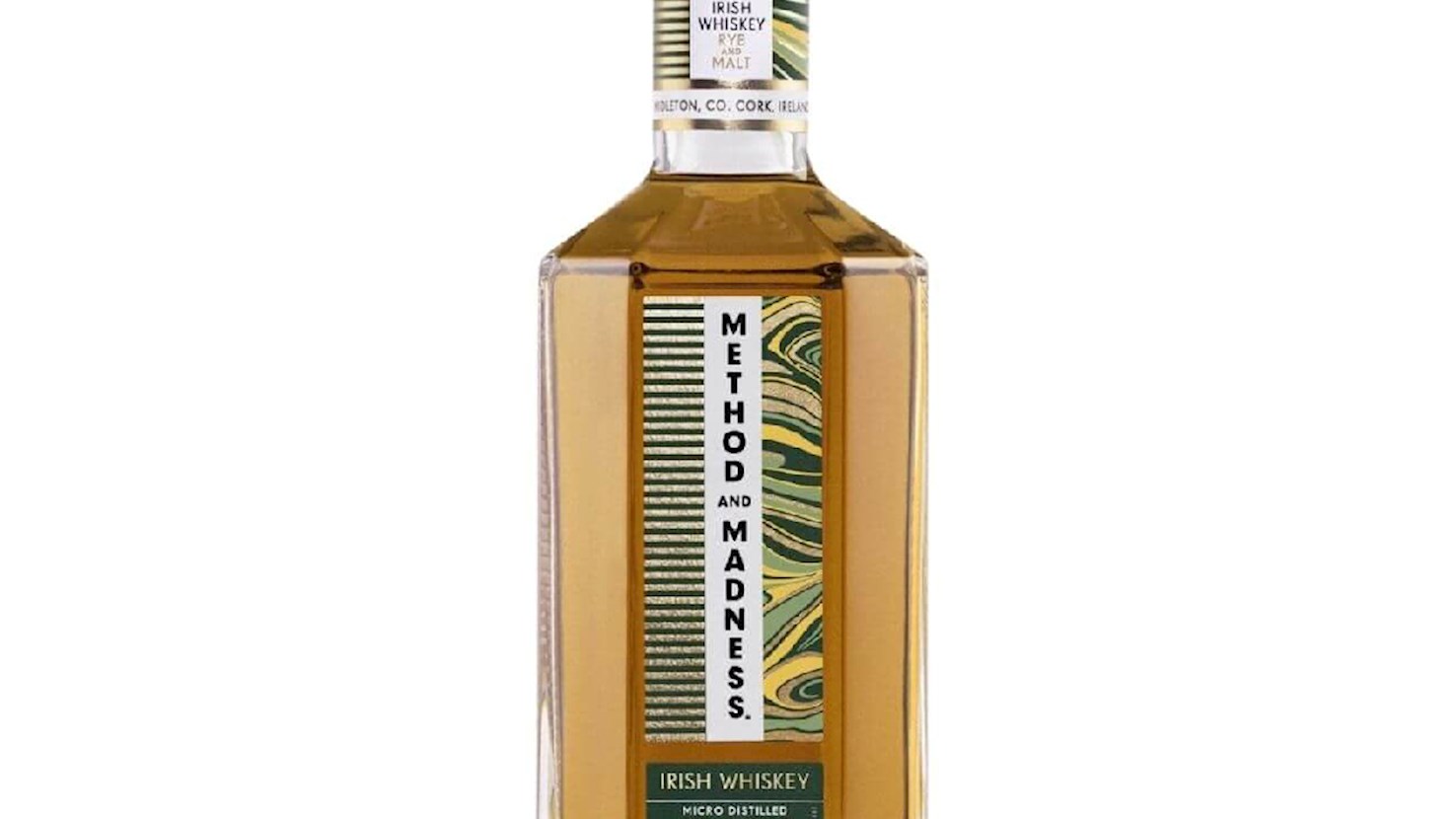
Method and Madness is an innovative Irish whiskey brand developed by the master and apprentice distillers at Midleton Distillery in County Cork, Ireland. The brand embodies a fusion of traditional craftsmanship and experimental techniques, resulting in unique expressions that push the boundaries of conventional whiskey-making.
Each product is meticulously crafted at the Midleton Micro Distillery, where seasoned expertise meets fresh creativity to produce exceptional whiskeys.
Awards
SFWSC - San Francisco World Spirits Competition - Double Gold
(2024, 2023)
NYWSC - New York World Spirits Competition - Double Gold
(2024)
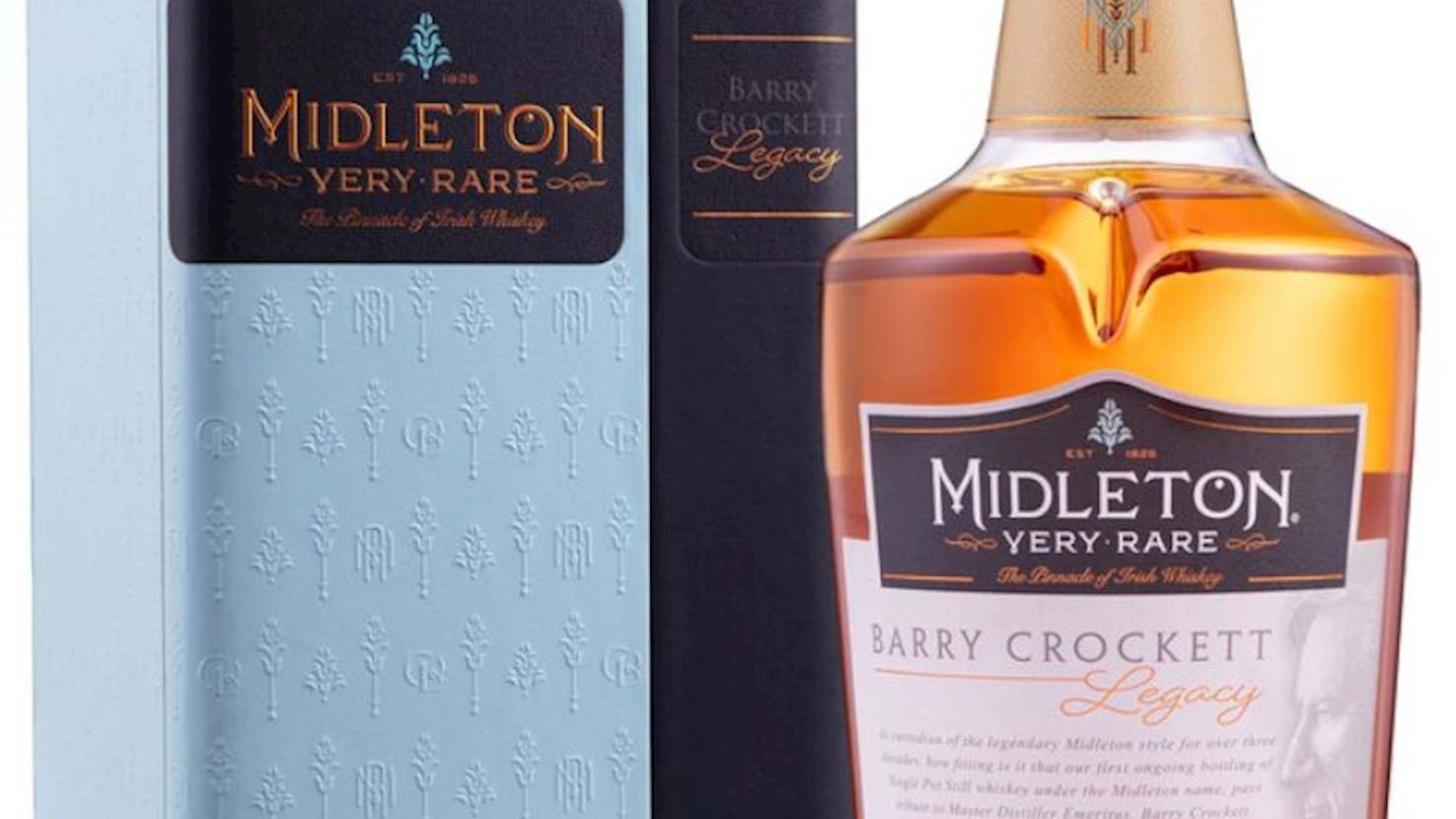
Midleton Very Rare is a prestigious series of Irish whiskeys produced by the Midleton Distillery, located in County Cork. The Midleton Very Rare series, launched in 1984 by Master Distiller Barry Crockett, is an annual release of carefully selected and blended vintages.
Each edition reflects a unique flavor profile, continuing a legacy of quality under current Master Distiller Kevin O'Gorman.
Awards
NYWSC - New York World Spirits Competition - Double Gold
(2024)
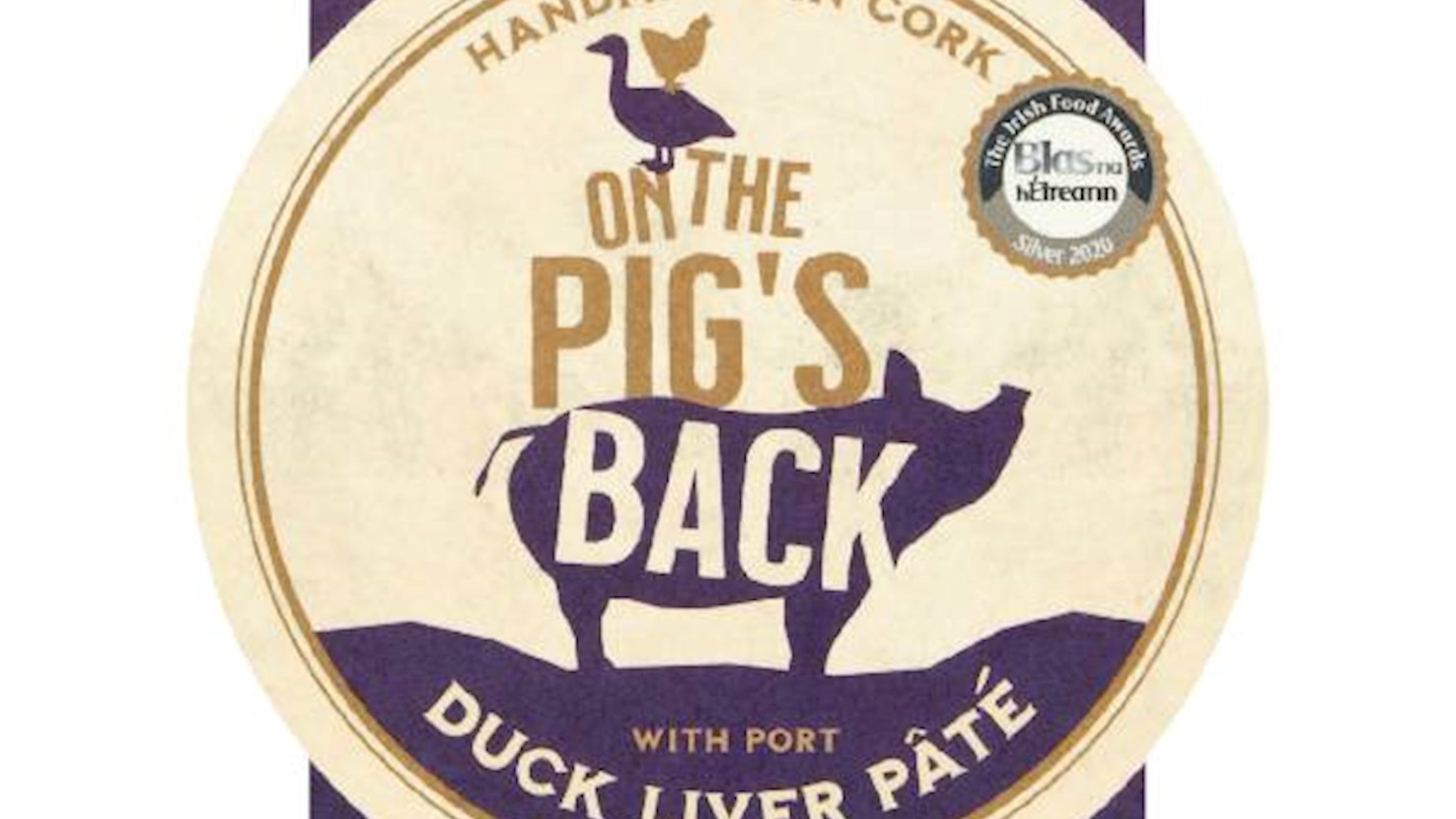
On the Pig’s Back is a renowned producer of fine foods that artfully blends French culinary tradition with high-quality Irish ingredients. Their handcrafted range includes pâtés, terrines, cured meats, and artisan cheeses, all made using traditional methods without artificial additives, flavorings, or industrial gelatin.
Great care is taken in sourcing ingredients—from free-range eggs and rich Irish butter to locally raised pork—ensuring each product delivers full, natural flavor and a satisfying, authentic texture.
Signature offerings include chicken liver pâté with garlic and cognac, pork terrine with dried fruit, and a selection of cheeses and gourmet specialties ideal for charcuterie boards.
Known for its artisanal approach and dedication to quality, On the Pig’s Back has earned a trusted reputation among food lovers seeking honest, delicious, and thoughtfully made delicacies.
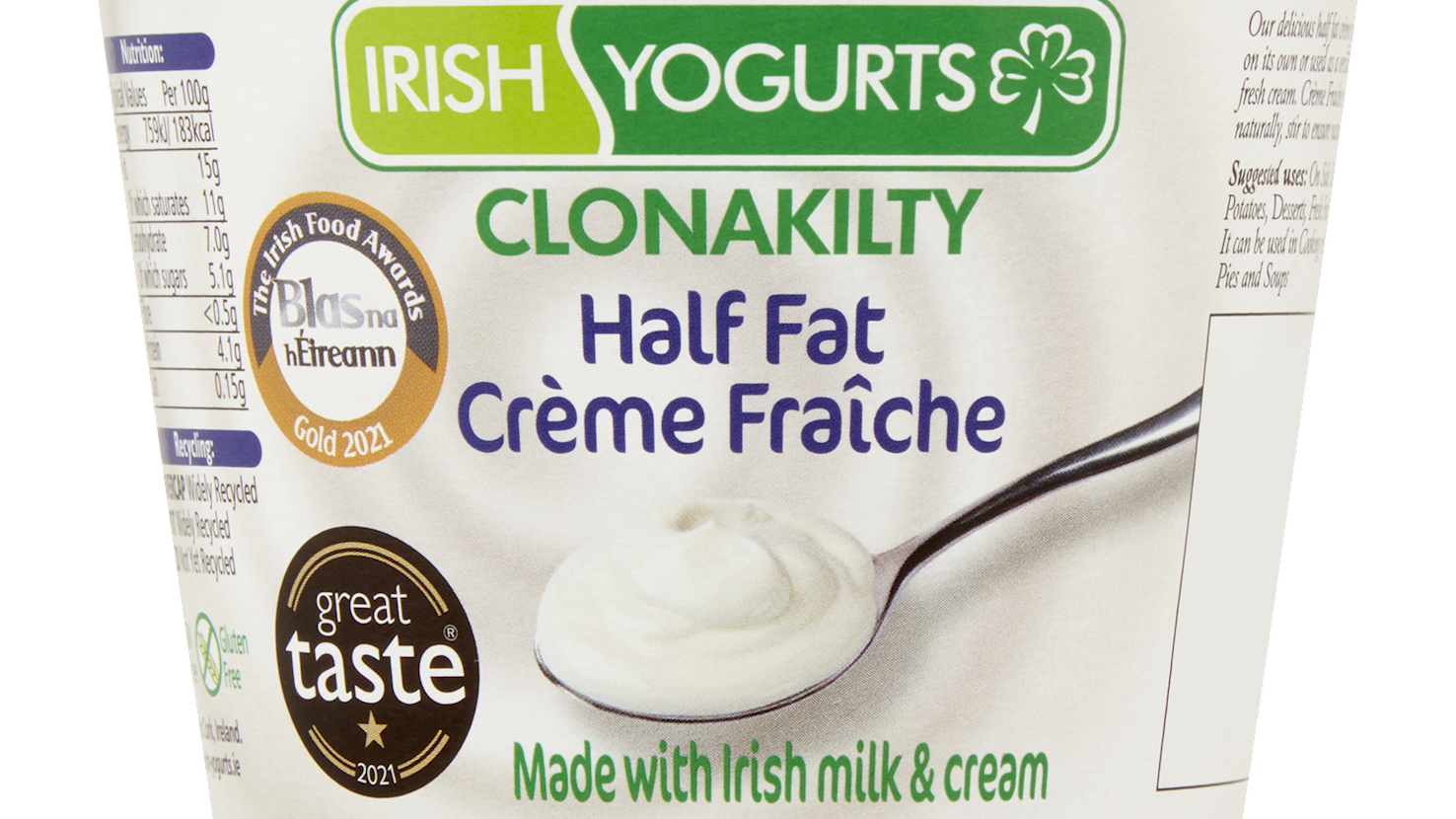
Irish Yogurts Clonakilty is a dairy producer based in Clonakilty, Ireland. The company manufactures a variety of dairy products including stirred and set yogurt, Greek-style yogurt, and crème fraîche.
They source their milk from local Irish farms and emphasize traditional methods in their production processes. Additionally, the company has received recognition for its quality standards and sustainability practices.
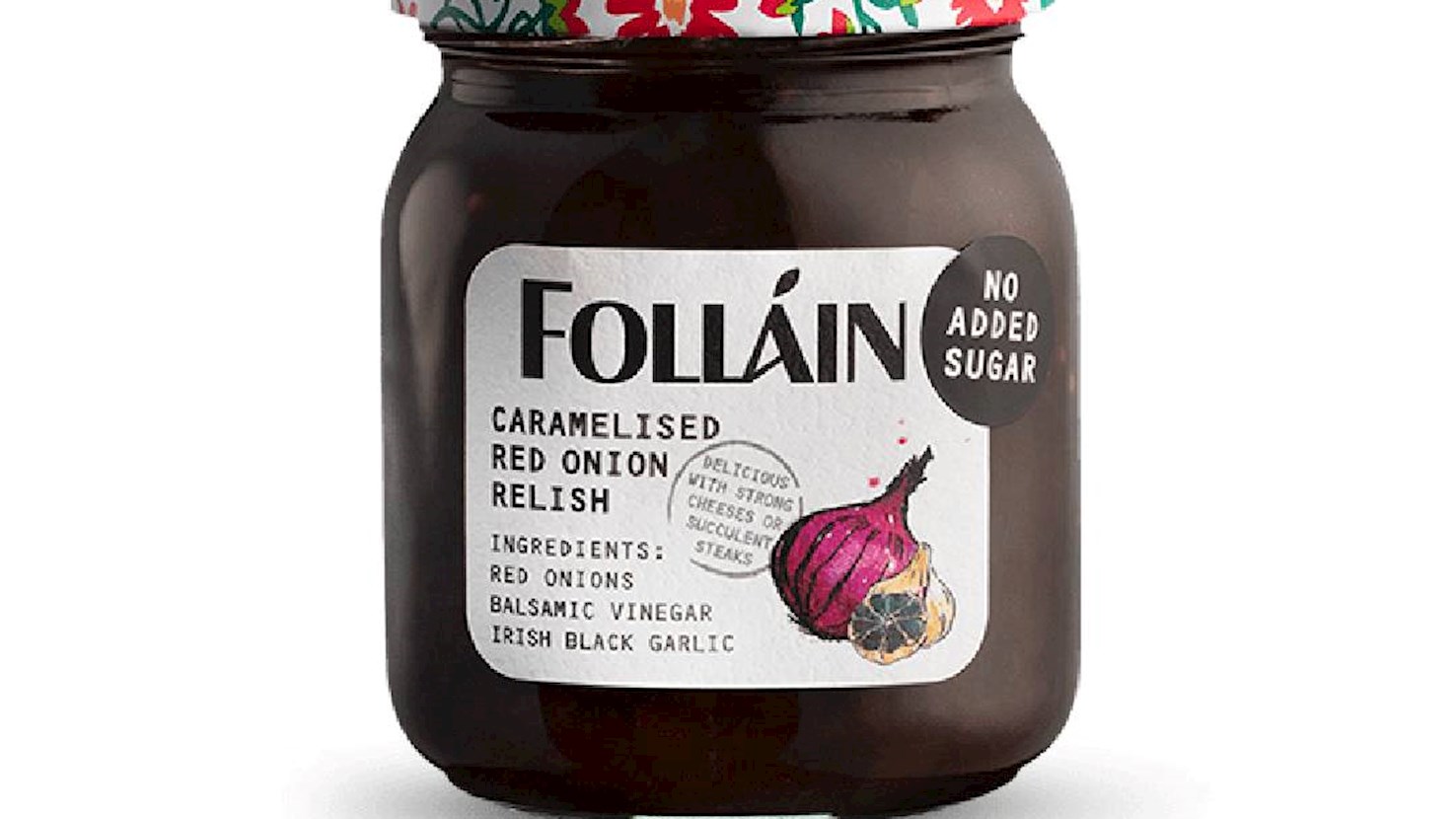
Folláin is a family-run producer dedicated to creating natural jams, marmalades, chutneys, and relishes using traditional recipes. The name, meaning “health” or “wholesome” in Irish, reflects the brand’s core philosophy—simple ingredients, carefully prepared in small batches, with no artificial additives.
All fruits are slow-cooked in open pans to preserve their full flavor and authenticity. Their range also includes no-added-sugar options, made entirely from fruit.
Known for their quality and honest approach, Folláin has earned numerous awards and a loyal following. Staying true to their roots, they continue to blend tradition, clean ingredients, and modern values to deliver great taste and healthier choices.
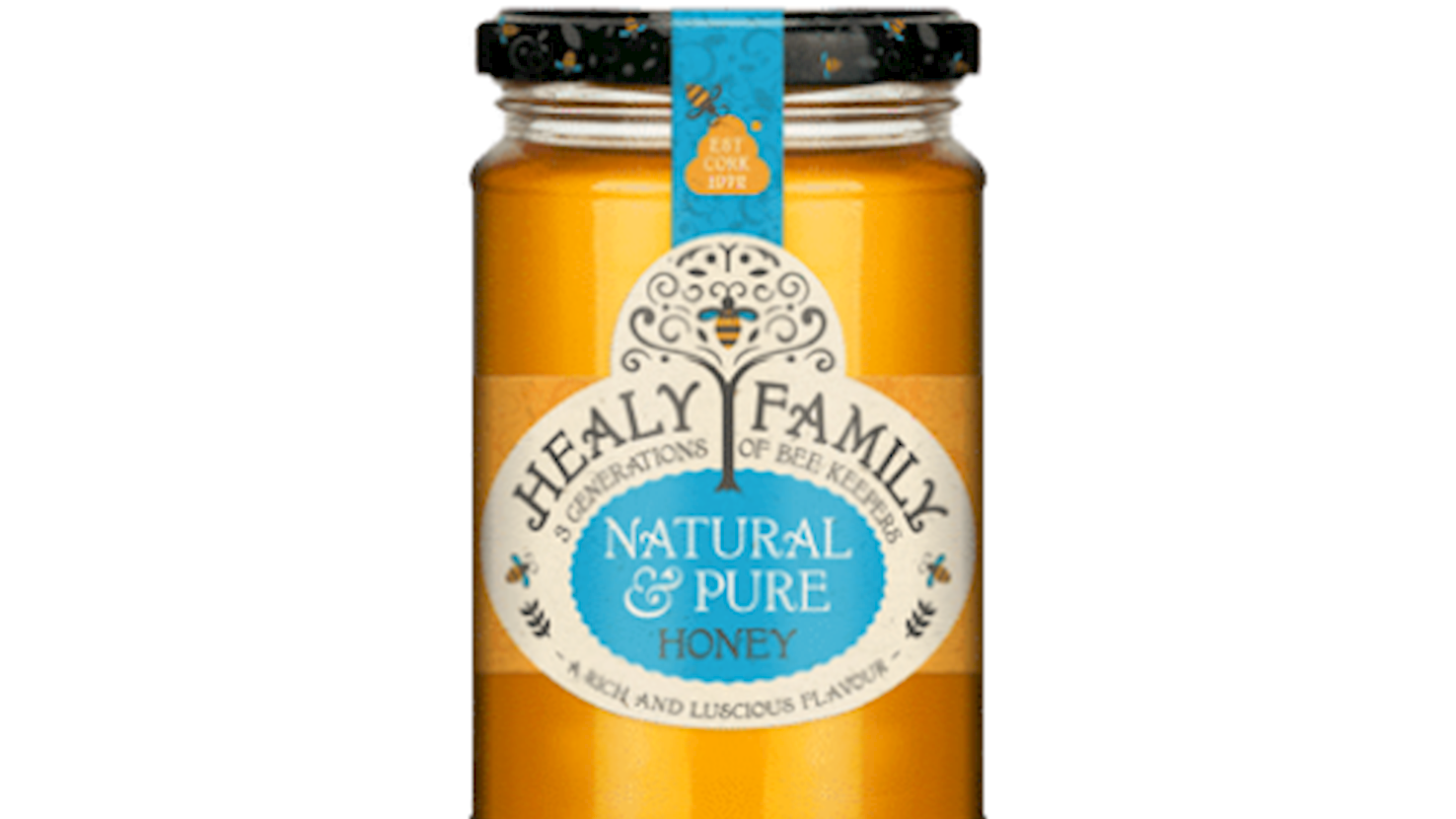
Healy’s Honey is an Irish family brand with a tradition spanning more than four decades, founded in the late 1970s when Patrick Healy turned his passion for beekeeping into a business that has since grown into a renowned name in the natural sweeteners industry. Today, the company is run by the third generation of the family, remaining committed to the founder’s values of quality, authenticity, and respect for nature.
The company is headquartered in Ballincollig, County Cork, from where its products reach shelves across Ireland and abroad. Healy’s Honey combines honey from its own Irish hives with carefully selected varieties sourced from Europe and South America, including Spain, Italy, Bulgaria, Argentina, and Brazil, creating a diverse and rich portfolio.
Their range includes different types of honey, as well as Canadian maple syrup, further emphasizing the brand’s focus on variety and high-quality natural sweeteners. Thanks to the combination of family tradition, innovative practices, and international partnerships, Healy’s Honey today enjoys a strong presence in the market and continues to grow steadily.
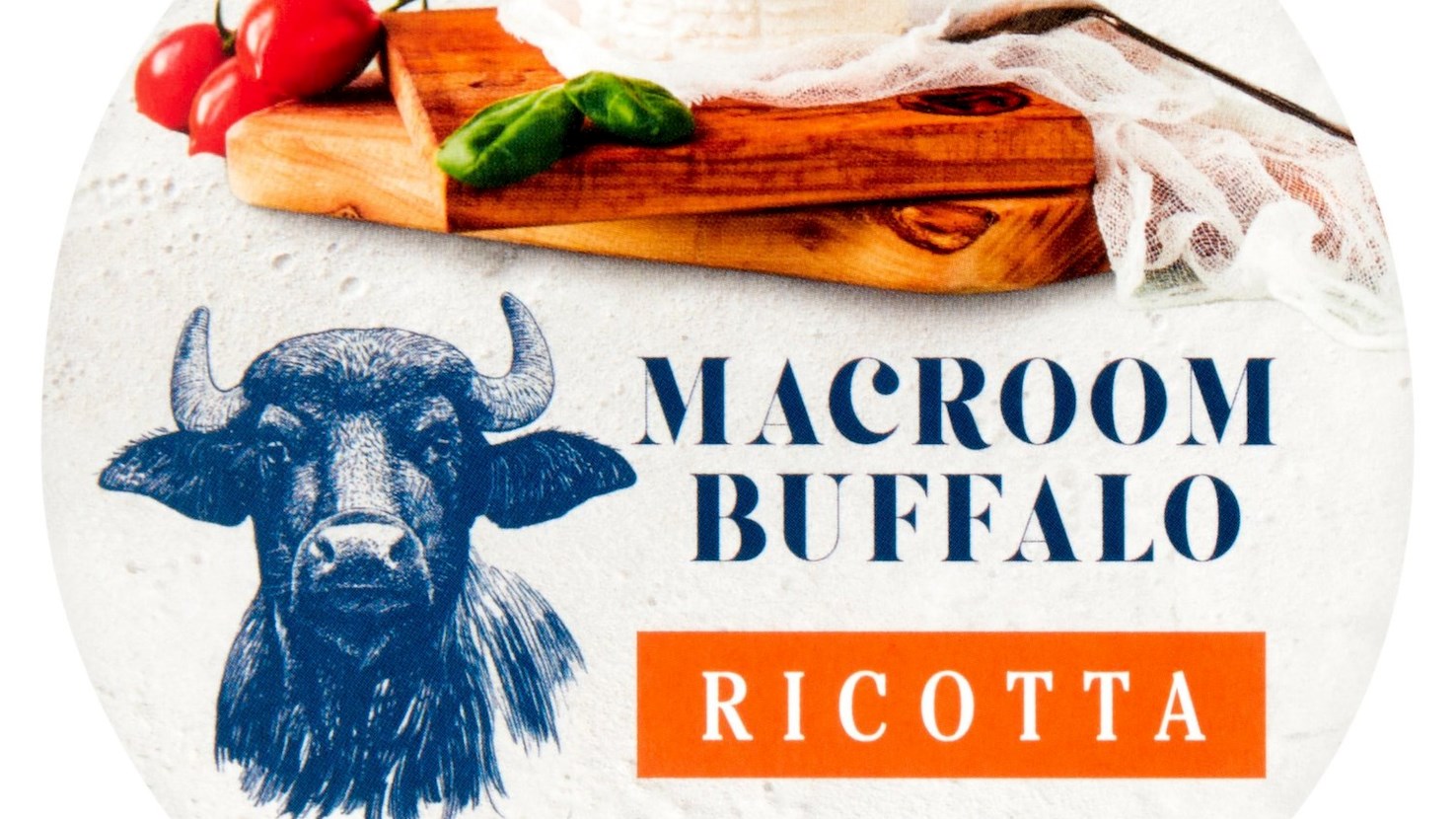
Macroom Buffalo Cheese Products is located in County Cork, Ireland, and is notable for being the first company in the country to produce buffalo mozzarella. The company operates with a herd of over 400 water buffalo.
Their product range includes buffalo mozzarella, ricotta, and halloumi cheeses, which are crafted using traditional Italian cheesemaking methods.
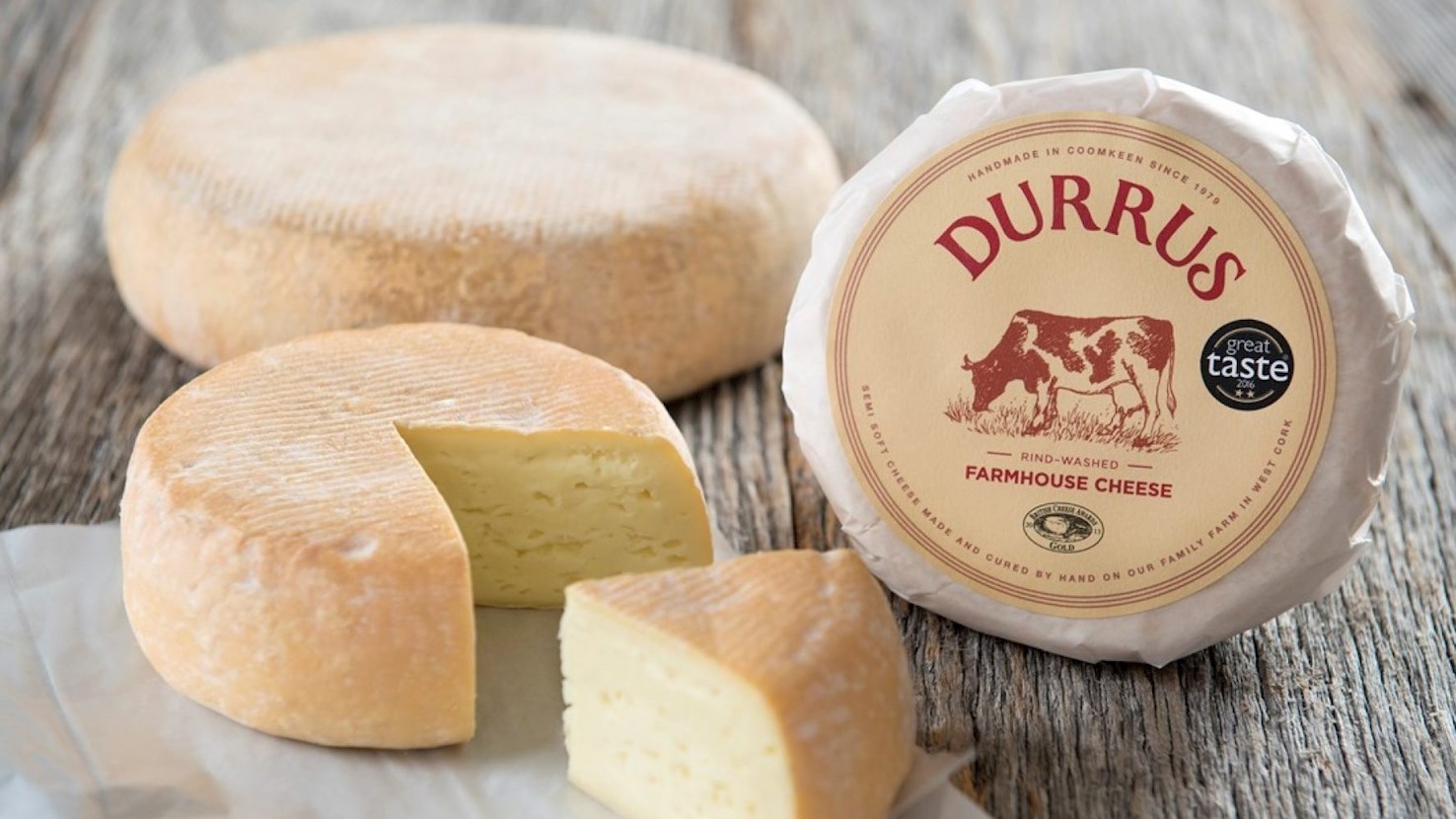
Durrus Cheese, located in Durrus, West Cork, Ireland, was founded by Jeffa Gill in 1979. The company is known for producing handcrafted, semi-soft cheeses using traditional methods.
Durrus Cheese is made from the milk of cows grazed in the local area, which contributes to the distinct flavor of the cheese. The cheeses produced by Durrus are washed-rind, contributing to a creamy texture and complex flavor profile.
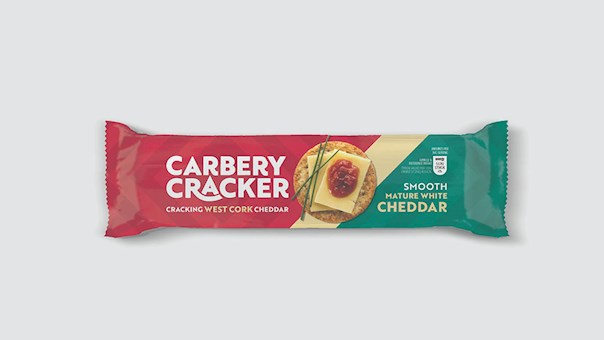
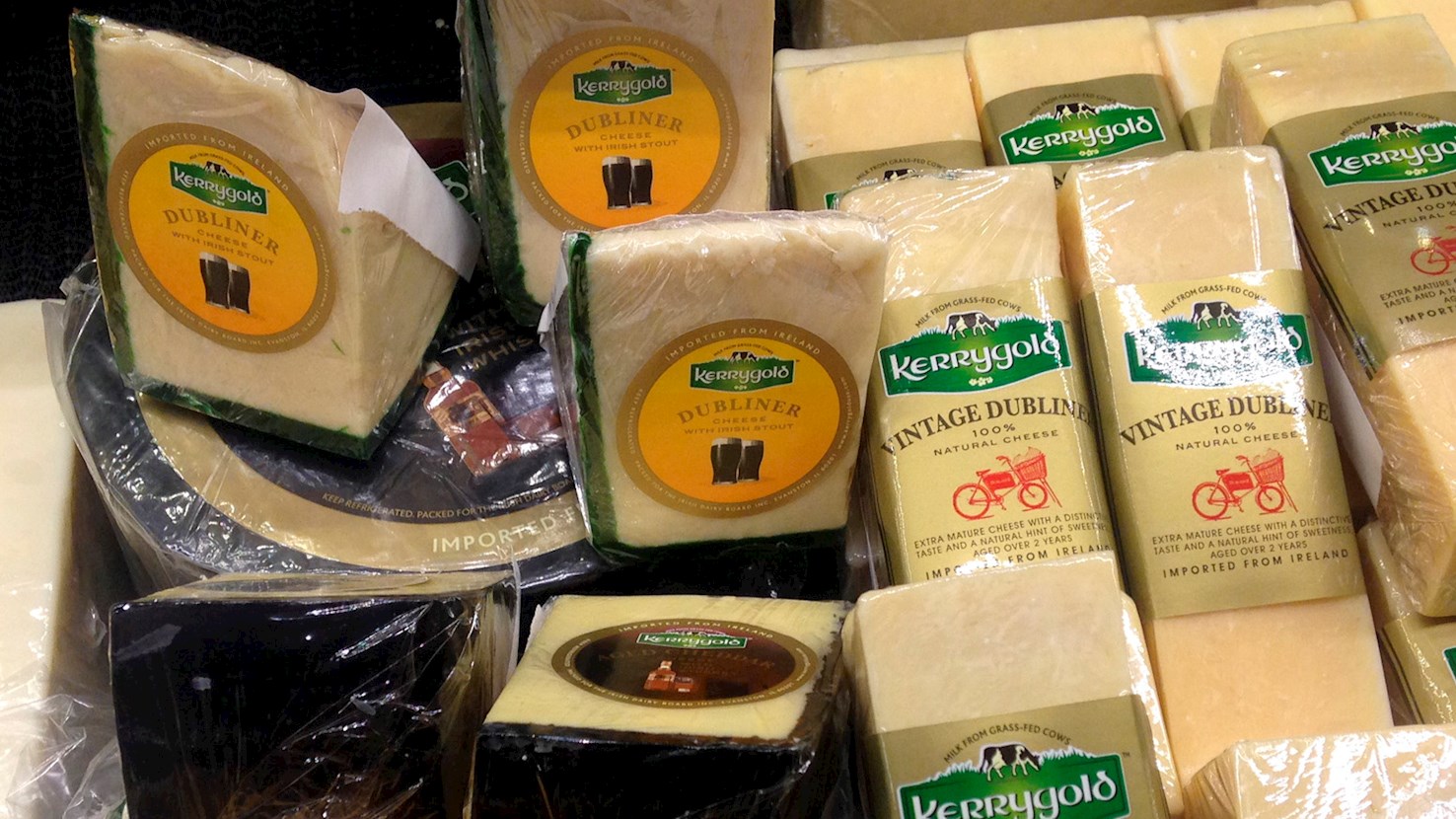
Dubliner is an Irish cheese that comes from County Cork, produced by Carbery, a cooperative of small farmers and dairies. The cheese was originally invented by John Lucey, who still keeps the secret recipe. It was first developed in the 1990s and quickly gained recognition for its distinct character, which sets it apart from both Irish cheddar and continental cheeses. Its name was chosen to highlight its Irish identity while making it appealing to international markets, and though it is not made in Dublin, the brand connection helped introduce it abroad, particularly in the United States where it became a widely exported Irish cheese. The production involves cow’s milk and careful aging, often for more than a year, which gives it a crumbly yet firm texture. The flavor profile is layered, combining nutty sharpness with a subtle sweetness that comes from the aging process. Unlike many cheeses that fit neatly into one style, Dubliner balances qualities found in cheddar, Parmigiano-Reggiano, and Swiss-style cheeses without being identical to any of them. This has made it versatile both in everyday cooking and in more refined dishes. It is commonly served as part of cheese boards, grated over pasta, or melted into sandwiches. In Ireland and abroad, it also finds its way into soups, pies, and gratins where its depth of flavor adds richness. One notable characteristic is its compatibility with drinks, as it pairs well with stout, Irish whiskey, and red wines, which complement its sharp yet slightly sweet notes.
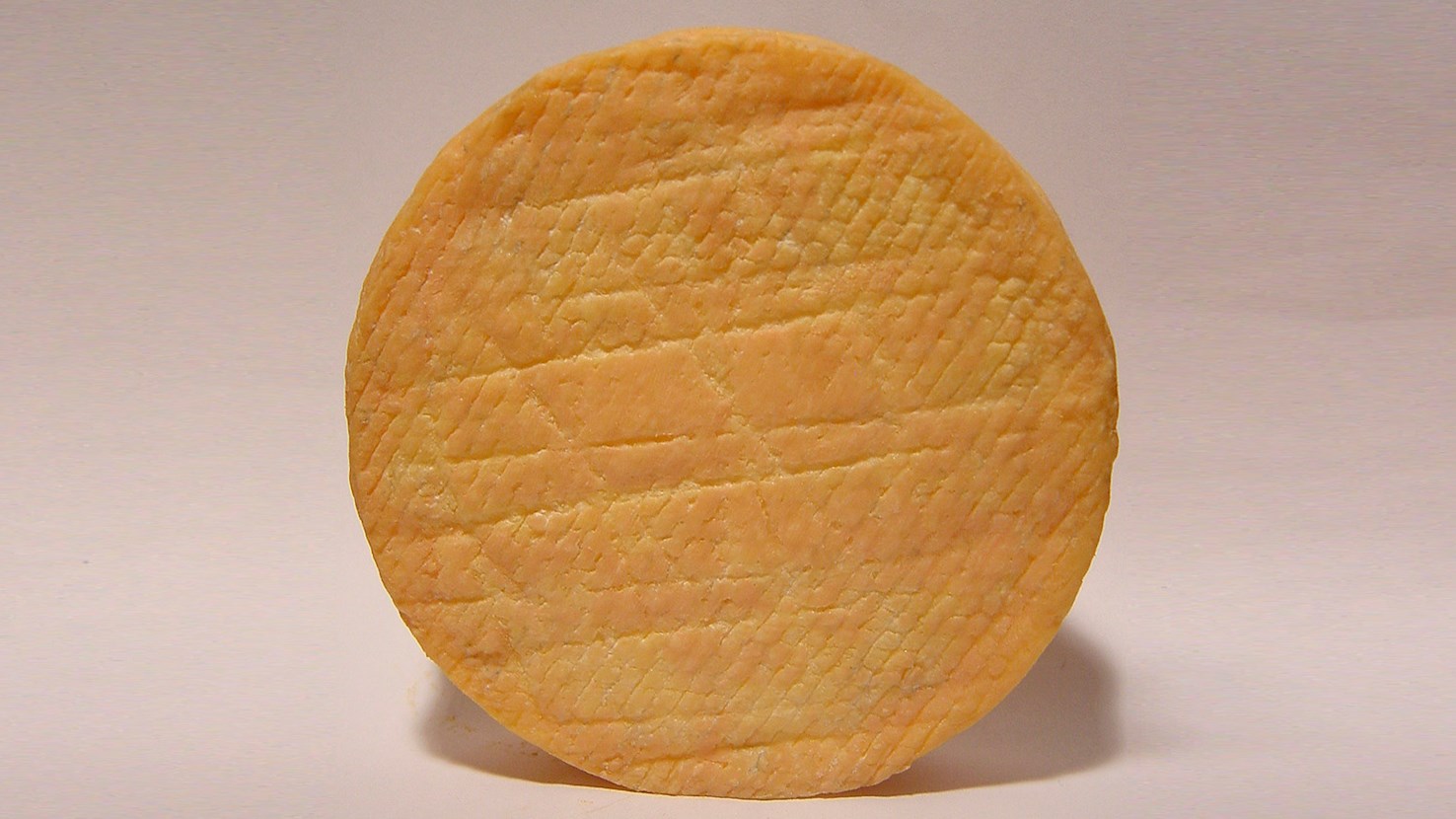
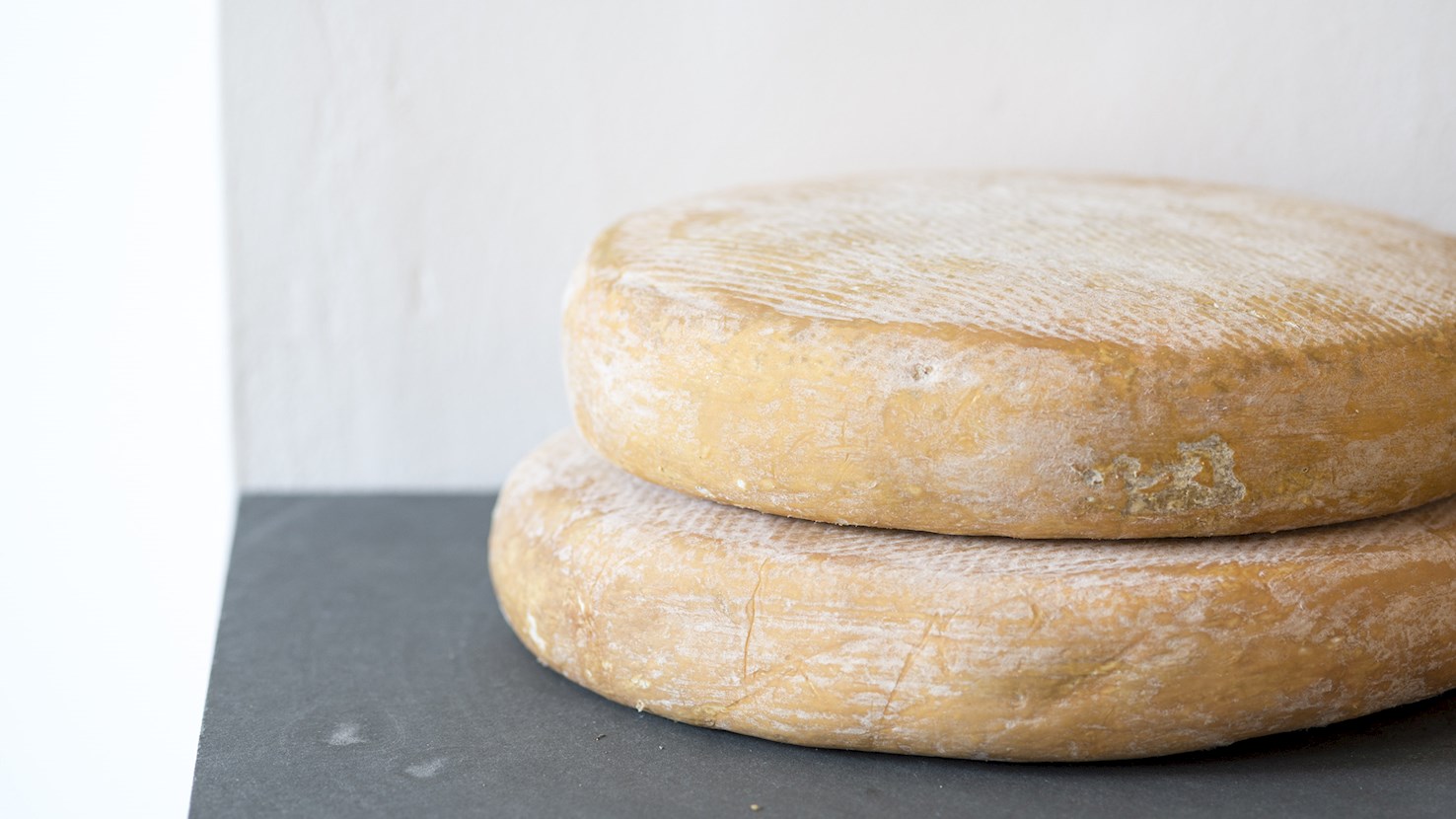
Milleens is a soft washed-rind cheese that comes from the Beara Peninsula in County Cork, Ireland, a rugged coastal area known for its damp climate that lends itself well to cheesemaking. It first emerged in 1976, when Veronica and Norman Steele began producing it on their farm in Eyeries, pioneering the small-scale farmhouse cheese movement in Ireland at a time when industrial production dominated. What set Milleens apart in its early days was the use of milk from Friesian cows grazing on the lush, salty pastures of the region, which gave the cheese a distinctive character and helped demonstrate that Irish farmhouse cheeses could stand alongside European varieties. The cheese is made from cow’s milk and is known for its soft, supple interior with a thin orange-red washed rind that develops during aging. The rind is created by washing the cheese regularly in brine during maturation, encouraging the growth of bacteria that contribute to its earthy aroma and complex flavor. Depending on its age, Milleens can range from mild and creamy with subtle grassy notes to more robust, pungent, and tangy as it ripens. Small wheels are often ready to eat after four to six weeks, while larger formats can develop deeper flavors with longer aging. Milleens is eaten both simply and as part of composed dishes. On its own, it pairs well with Irish brown bread, oatcakes, or fresh apples and pears. It is also enjoyed melted, where its rich texture adds depth to potatoes, vegetables, or grilled dishes. When it comes to pairings, it works well with full-bodied Irish stouts, crisp white wines, or even ciders, each complementing its evolving flavors.
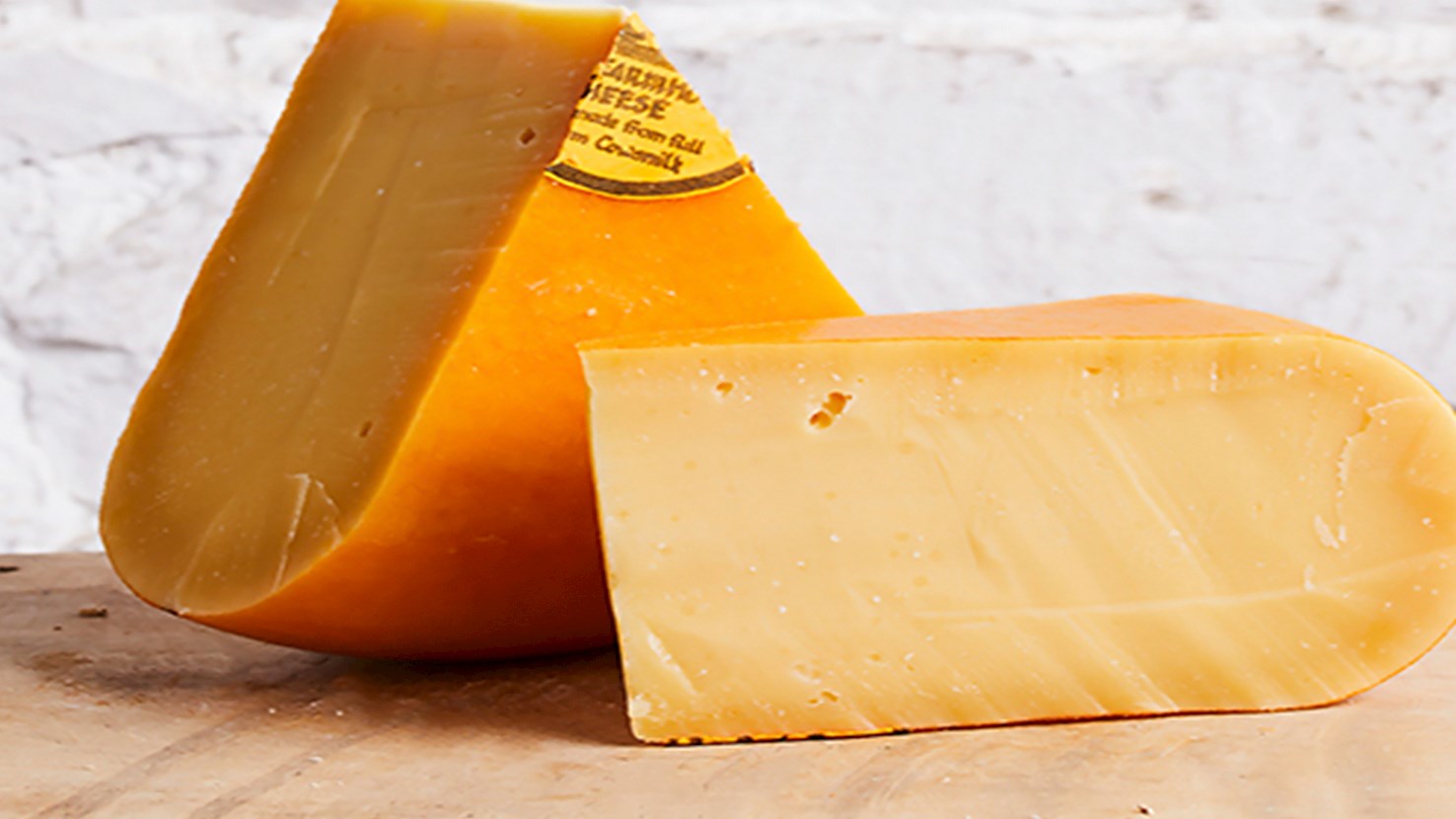
Coolea is a farmhouse cheese produced in the mountains of County Cork, made from cow’s milk and known for its firm texture and mellow, nutty flavor that deepens with age. Its origins lie with Helene and Dick Willems, a Dutch couple who moved to Ireland in the late 1970s and began cheesemaking as a way of bringing a taste of their home country with them. Drawing inspiration from Dutch Gouda while using Irish milk and conditions, they created a cheese that quickly gained recognition for being distinctly Irish despite its continental roots. The making of Coolea follows a process that emphasizes both precision and patience. Fresh cow’s milk is warmed, cultured, and set with rennet to form curds, which are cut, drained, and pressed into wheels. The cheese is then brined, a step that enhances flavor and aids preservation, before being left to mature for anywhere from a few months to over a year. Young wheels are supple and mild with sweet notes of butter and caramel, while longer-aged Coolea develops a firmer, crystalline texture with flavors that edge toward toffee and hazelnut, making it highly versatile for both cooking and eating on its own. At the table, Coolea finds its place on cheeseboards, grated over pasta, or melted into sauces and baked dishes, where its sweetness complements both savory and hearty foods. It pairs well with crisp apples and pears, dark breads, and cured meats, and its toffee-like finish makes it a natural partner for fruit preserves. In terms of drinks, it works well with robust red wines, Belgian-style beers, and Irish stout, which balance its sweetness, while dessert wines like Sauternes bring out its caramel notes.
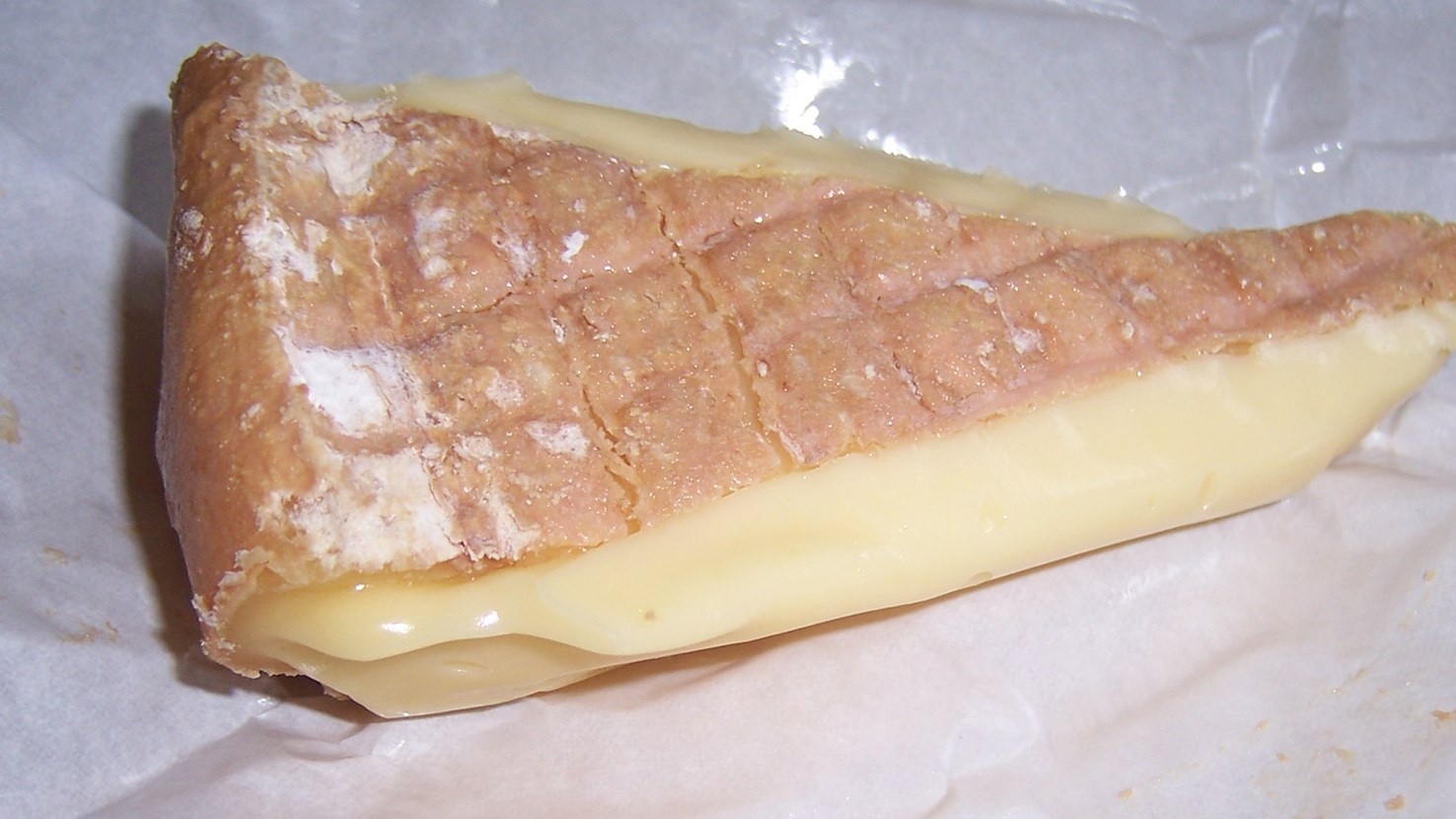
Ardrahan is a washed-rind cow’s milk cheese from Kanturk in Ireland, known for its semi-soft texture, strong aroma, and full-bodied flavor that carries earthy and tangy notes. It was created in the 1980s by Mary Burns on the family farm, reflecting the move among Irish farmhouse producers to revive small-scale, character-driven cheesemaking at a time when the country’s reputation for artisan dairy was still developing. The cheese is crafted from pasteurized cow’s milk, formed into wheels that are washed regularly during maturation to encourage the growth of the sticky, orange-hued rind typical of washed-rind cheeses. This process gives Ardrahan its pungent aroma and distinctive savory taste. The interior is supple and pale, with a creamy consistency that softens as the cheese ripens. Its flavor combines buttery richness with sharp, tangy undertones, making it stand out among Irish farmhouse cheeses. The process of washing the rind and careful ripening creates a cheese that balances intensity with a rounded, lingering finish. Ardrahan is usually eaten sliced with bread or crackers, but it also melts beautifully, lending itself to warm dishes like gratins, baked potatoes, or sandwiches. It pairs especially well with Irish brown bread, crisp apples, and chutneys, and in terms of drink, it complements full-bodied red wines, robust ales, and Irish stout, which balance its intensity. In Ireland and beyond, it is enjoyed as part of cheese boards, pub fare, and home meals, carrying with it both the character of Cork and the broader Irish farmhouse cheese revival.
Gubbeen is a farmhouse cheese from County Cork in the southwest of Ireland, where the mild and damp coastal climate has long influenced local farming and food production. It is a semi-soft cow’s milk cheese, recognizable for its washed rind that develops a pinkish hue and contributes to its distinctive aroma and flavor profile. The story of Gubbeen is tied to family cheesemaking practices that emerged in the late twentieth century, part of a broader revival of Irish farmhouse cheeses, when small producers began turning to artisanal methods to bring new life to rural food culture and diversify farm income. The cheese is made from the milk of cows grazing on the lush pastures of the Gubbeen estate, with each batch carefully monitored from milking to maturation. The process involves washing the rind during aging, which encourages the growth of specific bacteria that shape both the color and the complex, savory taste of the finished cheese. When served, Gubbeen offers a pliant texture that softens further at room temperature, making it suitable for slicing on bread, melting into warm dishes, or presenting on a cheese board. Its flavor sits between creamy and earthy, with subtle nutty and meaty undertones that evolve as it matures. One aspect that sets it apart is the strong connection between the cheese and its place of origin, not only through the milk but also in the way the rind flora reflects the local environment, giving each wheel an unmistakable stamp of its terroir. Today Gubbeen is enjoyed both in Ireland and abroad, found in specialty cheese shops and on restaurant menus where Irish artisanal products are celebrated. It can be eaten on its own, paired with rustic bread, or included in cooked dishes where its melting quality shines. Pairings often highlight Irish accompaniments such as oatcakes, apple chutney, or cured meats, while drinks like craft beer, stout, or a medium-bodied red wine balance its richness.
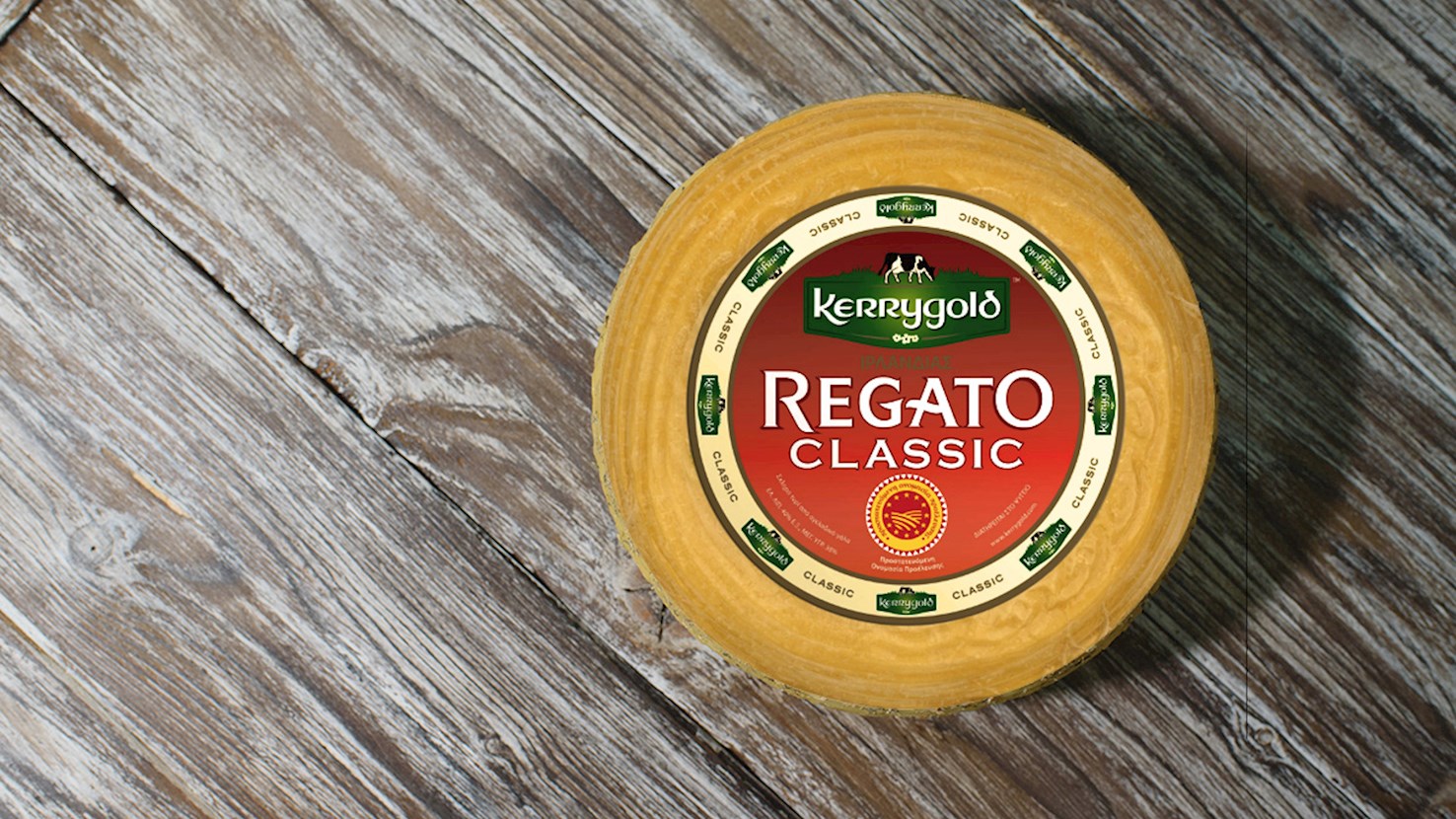
Imokilly Regato is a cows' milk cheese produced by the Dairygold Co-operative. The milk used in the manufacture comes from cows grazing on pasture from March to October in the baronies of Imokilly, Fermoy and Muskerry in south-east Cork, but in times of exceptional shortage, milk from adjacent areas can be used. The milk contains high levels of betacarotene, which gives the cheese its special color and is aged between 12 to 18 hours before production. The rennet and the cultures used in production are unique to Dairygold Mogeely and have been specifically developed for this cheese. The cheese curd is shaped in moulds which incorporate a patented Celtic cord motif on the upper and lower surfaces. Imokilly Regato has a distinctive sweet, piquant aroma which is unique to this cheese. The cheese is salted twice in a brine bath and then traditionally dry-salted by hand. This salting process and maturation of 9 to 12 months slowly develop the characteristic rind of Imokilly. The final product has a creamy yellow color, firm texture and is wheel-shaped. This interesting flavor of the cheese is the direct result of the unique processing and maturing techniques used by Dairygold Mogeely. The producers incorporate traditional cheese-making skills that have been developed since the Gaelic period. Imokilly Regato is well recognized among consumers because of its exquisite taste and is used for preparing pizzas, jacket potatoes, quiches, pasta, and cheese pies.
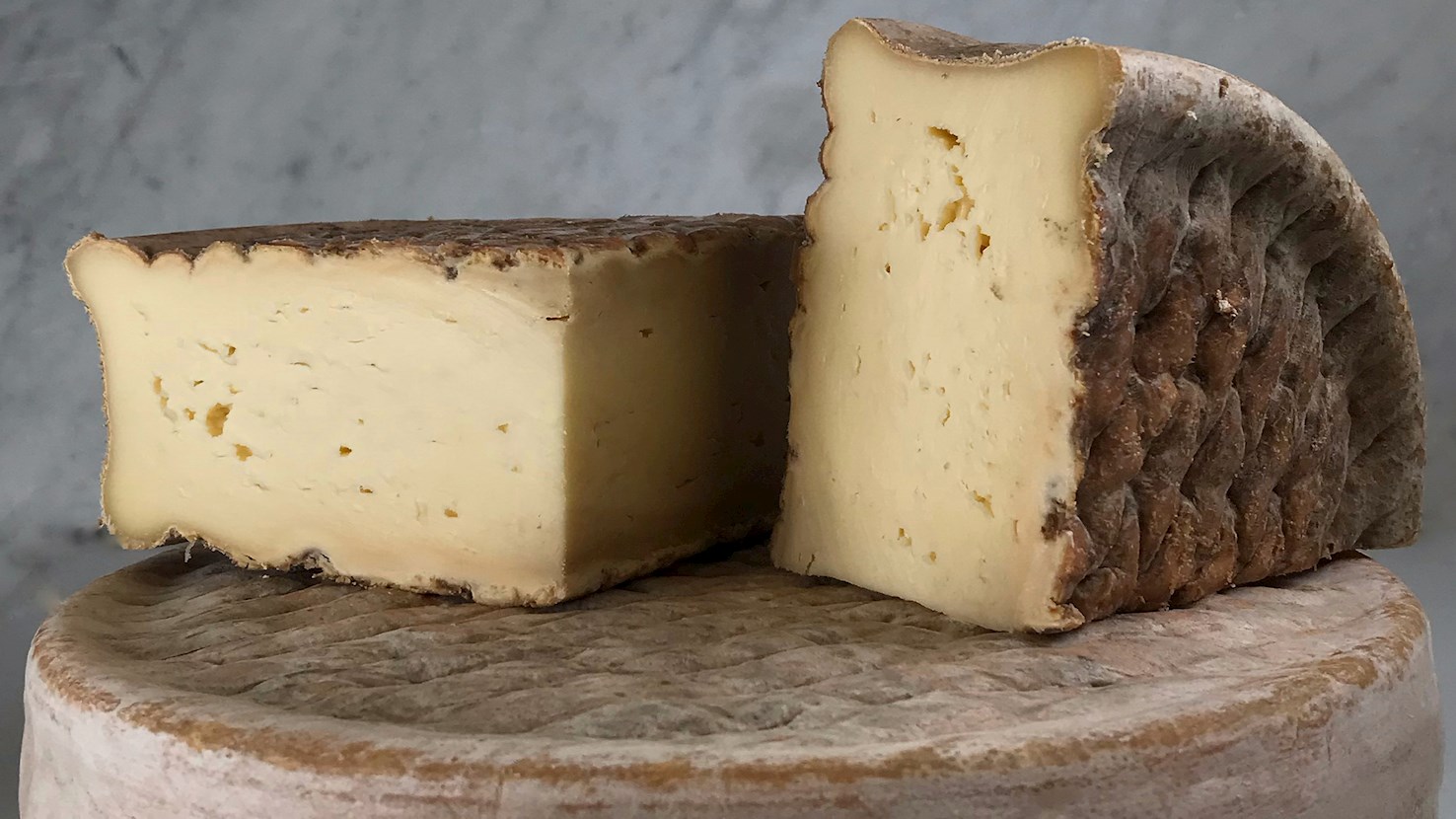
Durrus is a farmhouse cheese from the valley of Coomkeen in West Cork, an area known for its rugged coastline, damp climate, and fertile pastures. It is a semi-soft cow’s milk cheese with a washed rind, celebrated for its balance of creaminess and complexity that reflects both the land and the careful craft of its makers. The origins of Durrus lie in the small-scale cheesemaking movement that gained ground in Ireland in the 1970s, when a handful of artisan producers began reviving old European techniques and adapting them to local conditions, helping to spark a renaissance in Irish farmhouse cheese. From its beginning, Durrus was produced in modest quantities using milk sourced from nearby herds, with the natural bacteria of the environment shaping its rind and giving each wheel a distinct character. The production of Durrus involves washing the rind repeatedly during its maturation, which encourages the development of a golden-brown bloom and a pungent, earthy aroma. The paste is supple and smooth, softening further as the cheese ripens, and its flavors range from mild and buttery in young examples to stronger, nutty, and slightly tangy as it matures. The washed rind process also creates a delicate interplay between the surface flora and the paste beneath, which has become a hallmark of this style. The cheese’s distinctive character comes from its reliance on the moist, maritime air of West Cork, which contributes to the specific microbial environment that shapes both texture and taste. When served, Durrus is versatile. It is eaten as part of a cheese board, spread over crusty bread, or incorporated into warm dishes where its melting qualities can enrich sauces and gratins. Its earthy flavor pairs naturally with Irish accompaniments such as apple or pear preserves, oatcakes, and brown bread. It also sits well beside a pint of stout, craft ales, or a glass of medium-bodied white wine, which balance its richness. In Ireland, it is often enjoyed casually at home as well as in restaurants that highlight artisan produce, while abroad it is found in specialty shops that seek to showcase the diversity of Irish cheesemaking.
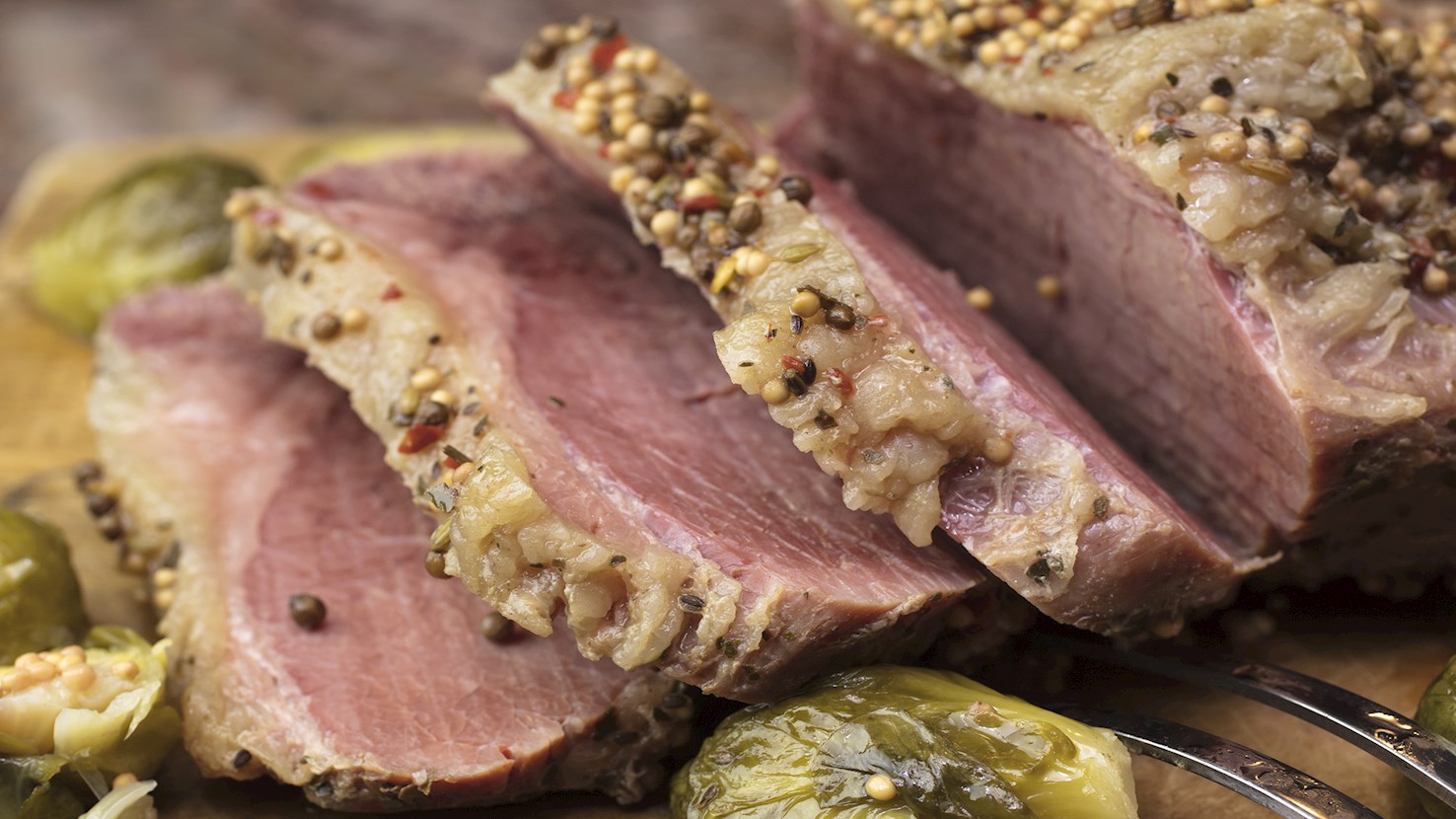
Spiced beef is a cured and seasoned meat dish from Ireland, most strongly associated with Cork, where it has long held a place at the center of festive meals, particularly around Christmas and the New Year. The dish involves curing a joint of beef with a blend of spices, salt, and sugar, followed by cooking until tender, often producing meat that is thinly sliced and served cold. Its origins stretch back to a time when preserving meat was essential, and salting combined with spicing offered both preservation and flavor. References to seasoned and preserved beef can be found in Irish culinary records dating back several centuries, and Cork, with its bustling port and history as a hub of the beef trade, became a natural home for this preparation. The introduction of exotic spices through trade allowed local butchers to create distinctive blends, which gave spiced beef its identity separate from simple salt-preserved meats. Preparation begins with selecting a cut such as silverside or brisket, which is rubbed with a mixture of salt, sugar, and spices that may include allspice, cloves, black pepper, juniper, and nutmeg. The beef is left to cure for days or even weeks, with the flavors gradually penetrating the meat. After curing, it is usually simmered slowly in water, sometimes with additional aromatics, until tender. Once cooled, it is sliced thinly, its texture firm yet yielding, with a balance of savory and sweet notes from the curing mixture. Spiced beef is most often eaten cold, sliced thin and served with bread or alongside salads and pickles, but it can also appear in sandwiches or as part of festive spreads. In Cork households, it is a staple on Christmas Day tables, often served alongside ham and turkey, and it carries a strong sense of regional pride. Beyond festive occasions, it pairs well with robust Irish breads like soda bread, sharp mustards, and pickled vegetables, and it is complemented nicely by dark beers or stout, which mirror its depth of flavor.
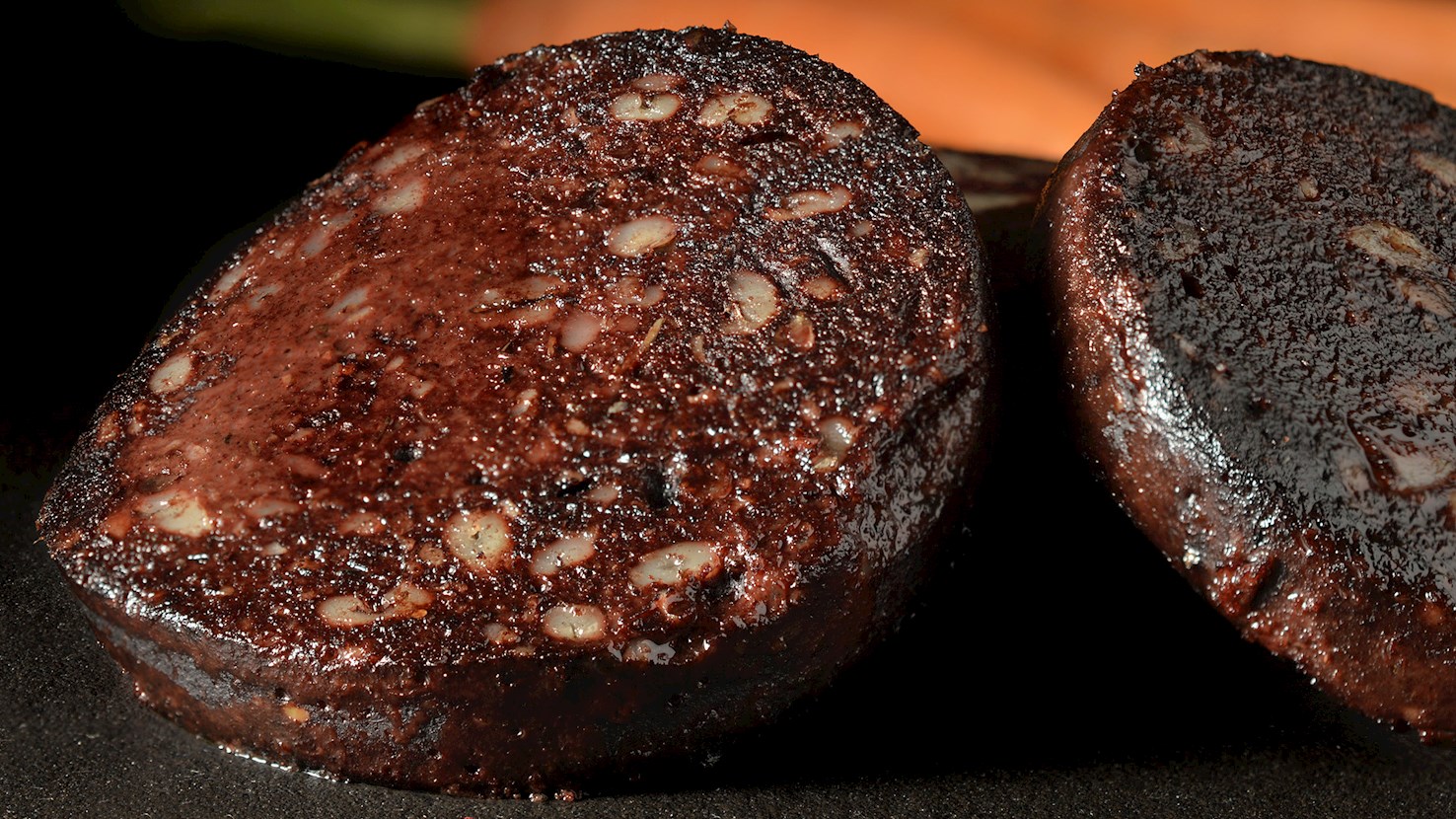
Timoleague brown pudding is a type of blood pudding produced in and around the village of Timoleague in County Cork. It is a regional variant within the Irish pudding family, made from pig’s blood, cereal, fat, onions, and spices, but known for its lighter brown color and milder seasoning compared to darker black puddings. The distinctive hue comes from the balance of ingredients and the specific cooking process, which produces a smooth, slightly grainy texture and a savory, balanced flavor. It is most closely associated with the butchers and small-scale producers of West Cork, where local pork and oats form the basis of its composition. The production of brown pudding in Timoleague developed alongside the region’s established curing and pork-processing industries, which date back to the nineteenth century. Local butchers in Cork and surrounding areas became known for their range of puddings (white, brown, and black) each varying slightly by the ratio of blood, grain, and spice. In Timoleague, the brown pudding became a distinctive middle ground between white and black varieties, using some blood for richness but less than a black pudding, resulting in a lighter color and a more delicate taste. Over time, it became a recognized specialty of the area, and the village name became associated with this particular style of pudding. Preparation begins with fresh pig’s blood mixed with pinhead oatmeal, chopped suet or pork fat, and finely diced onions. Seasonings such as salt, pepper, and mild spices, often nutmeg or allspice, are added. The mixture is blended thoroughly and then filled into natural casings before being gently boiled or steamed until firm. After cooking, the puddings are cooled, sliced, and fried or grilled before serving. The oatmeal gives the finished product a soft, moist consistency, while the moderate use of blood contributes to its characteristic brown shade rather than a deep black tone. The restrained spice mix and balanced fat content allow the flavor of the grain and meat to remain prominent without excessive seasoning. Timoleague brown pudding is eaten throughout Cork and neighboring counties, usually sliced and fried as part of a cooked breakfast or paired with eggs, bacon, and bread. It also appears in contemporary menus, often served with apple purée, mustard cream, or leafy salads. The pudding pairs well with Irish stout, whose roasted malt flavors complement the grain and mild spice, or with dry cider, which balances its richness.
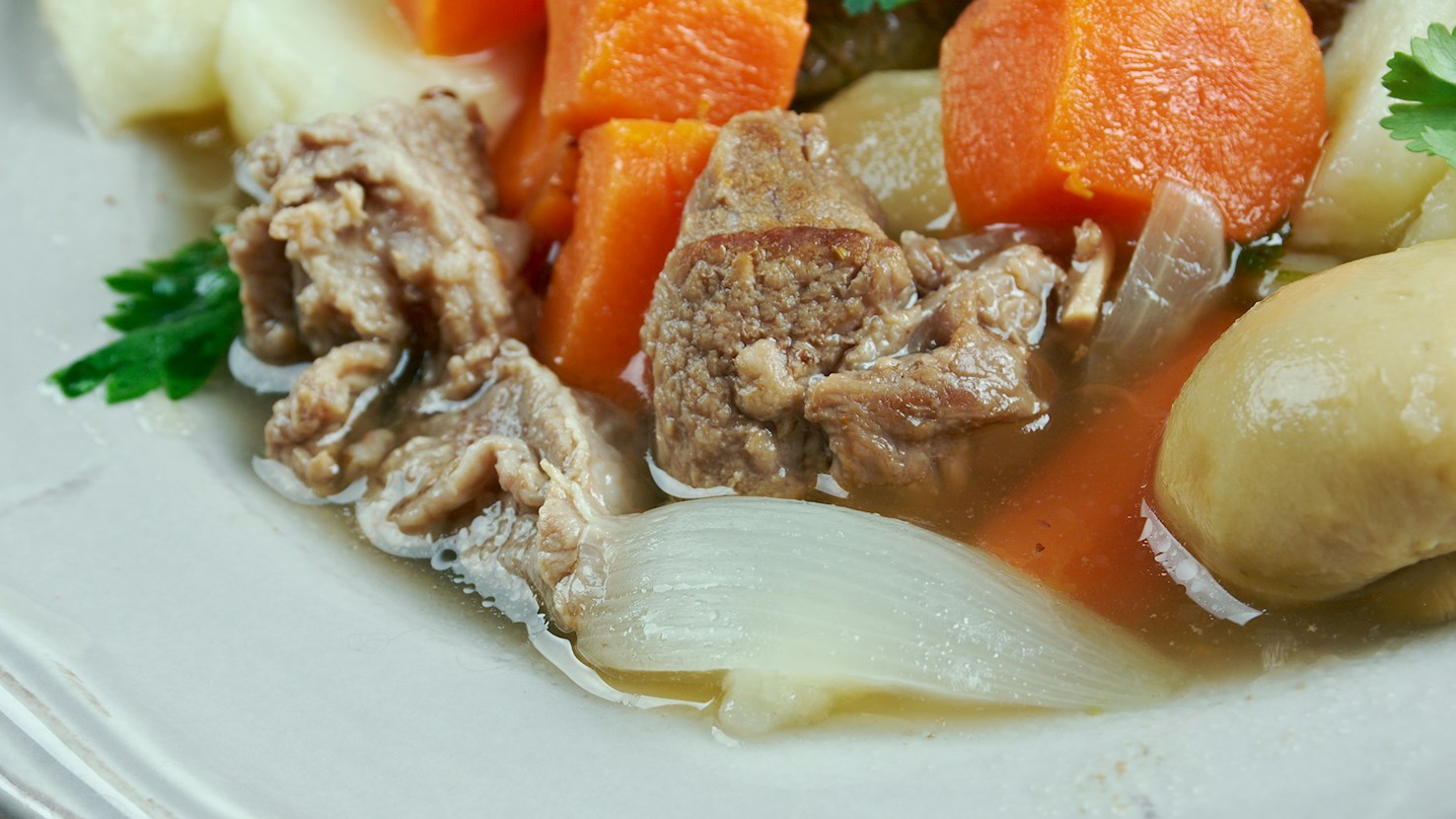
Skirts and kidneys is an old Irish dish originating from Cork, made with pork diaphragm muscle, known as skirts, and pork kidneys. It belongs to the category of meals that arose from necessity and thrift, when butchery offcuts were valued for their affordability and their ability to be transformed into hearty food through slow cooking. This practice ensured that no part of the animal went to waste, a feature of Irish cookery at a time when resourcefulness was central to daily life. The dish emerged in working-class households where pork was widely available, and where kidneys and skirts were cheaper than more fashionable cuts of meat. Recipes were rarely written down, as they were part of household knowledge, but they typically followed the same principles: slow cooking, the use of onions for depth of flavor, and flour or milk to give body to the sauce. Preparation began with cleaning and slicing the kidneys and skirts into bite-sized pieces, before gently frying them in fat or drippings with onions. Stock was then added, sometimes with a small amount of flour to thicken, and the dish was left to simmer until the meat was tender and the kidneys had imparted their distinctive flavor to the gravy. The end result was rich, savory, and filling, made even more substantial when served alongside mashed or boiled potatoes, which absorbed the sauce. Today, skirts and kidneys is seldom prepared, though it occasionally appears in discussions of heritage cooking or in projects that seek to revive nearly forgotten recipes. When it is made, it serves as both a link to past eating habits and a reminder of how Irish cooks worked creatively with what was available. It was eaten primarily in homes rather than public houses or restaurants, with potatoes as the standard accompaniment, though some might have had it with bread for mopping up the sauce.
TasteAtlas food rankings are based on the ratings of the TasteAtlas audience, with a series of mechanisms that recognize real users and that ignore bot,
nationalist or local patriotic ratings, and give additional value to the ratings of users that the system recognizes as knowledgeable.
TasteAtlas Rankings should not be seen as the final global conclusion about food. Their purpose is to promote excellent local foods,
instill pride in traditional dishes, and arouse curiosity about dishes you haven’t tried.
The initial list of top producers was compiled based on available reviews, awards, local recommendations, media and blog coverage, and consumer reviews.
The list will be updated with ratings from TasteAtlas local ambassadors and TasteAtlas users.









What People Say