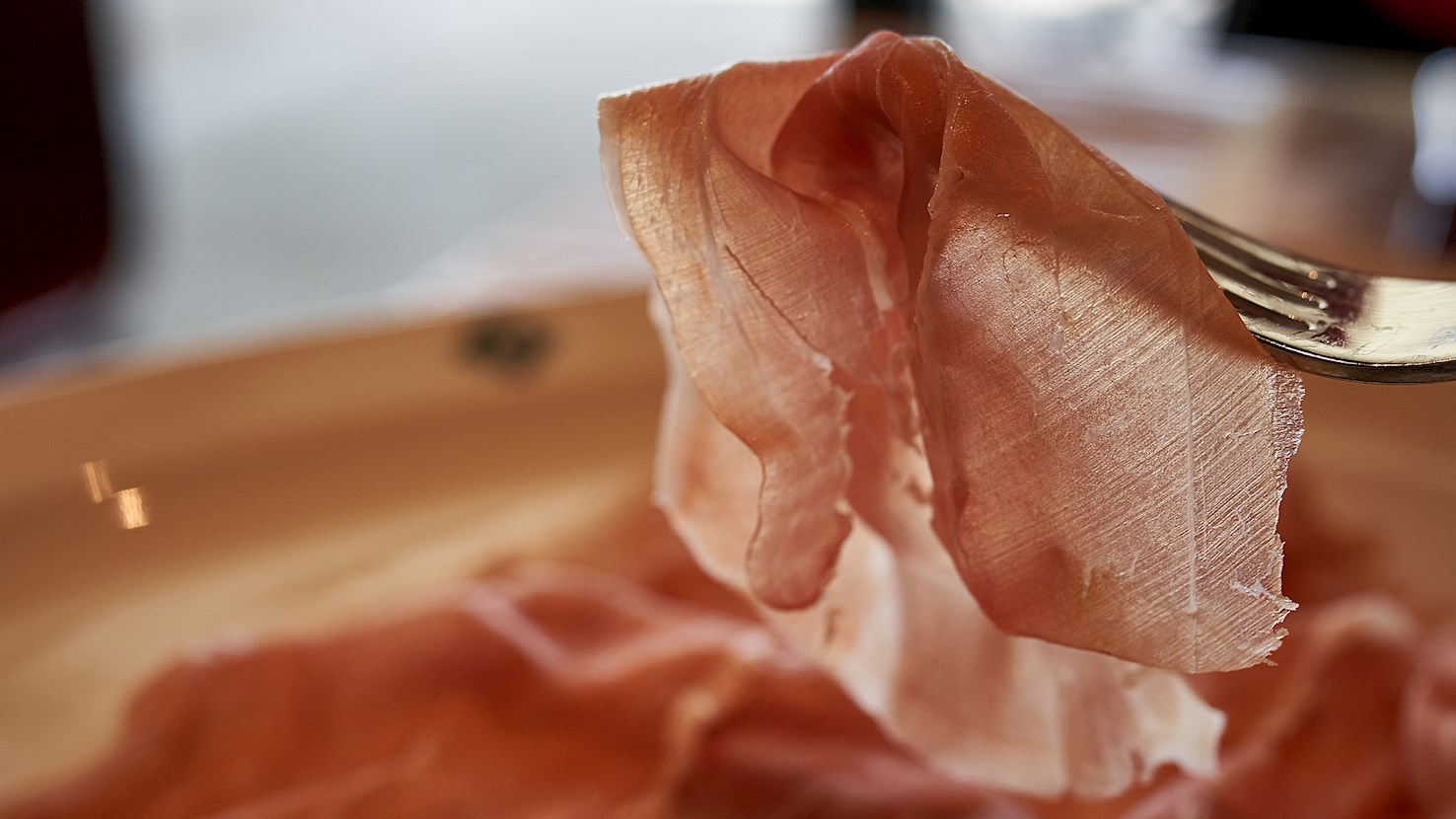
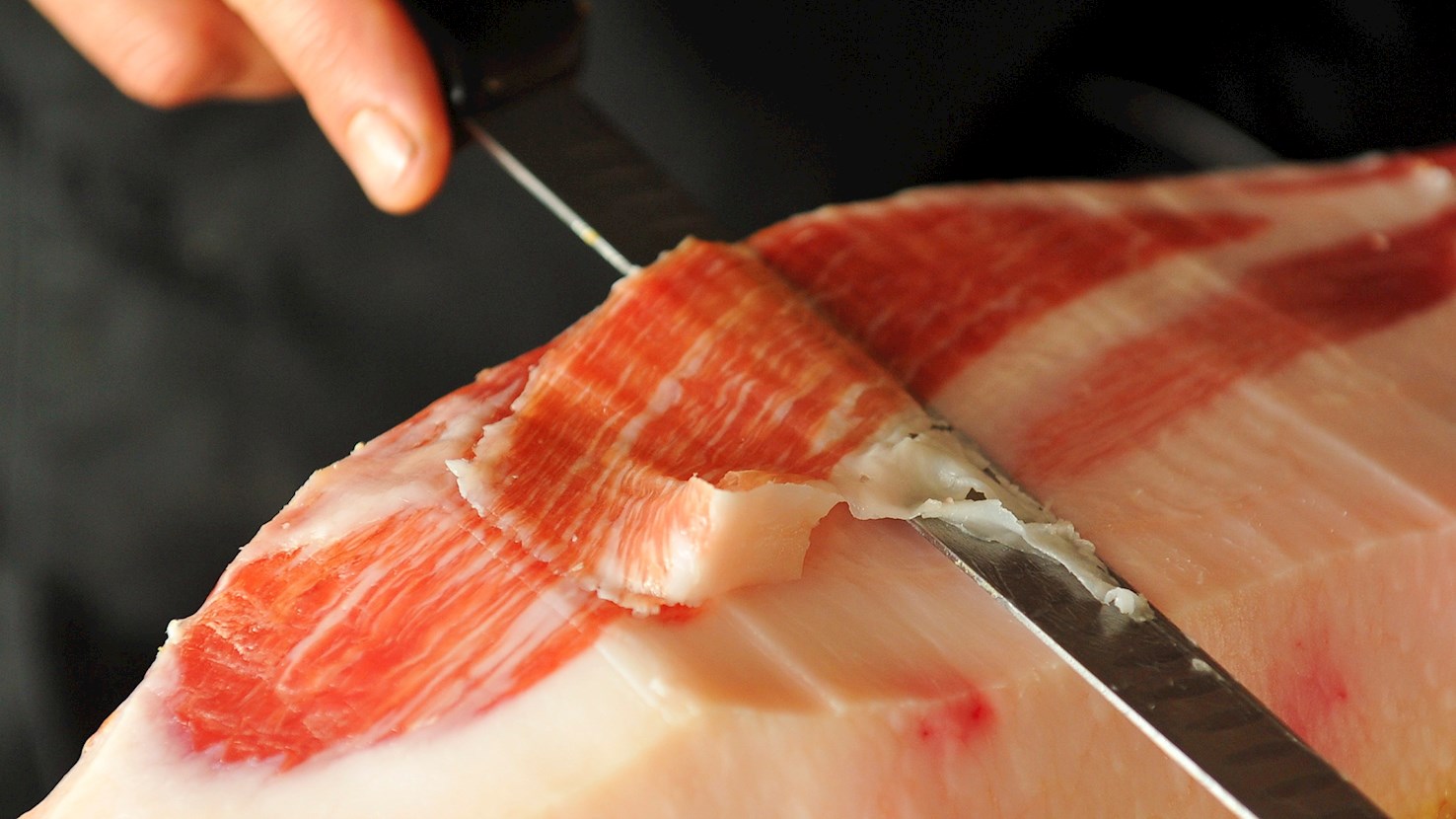
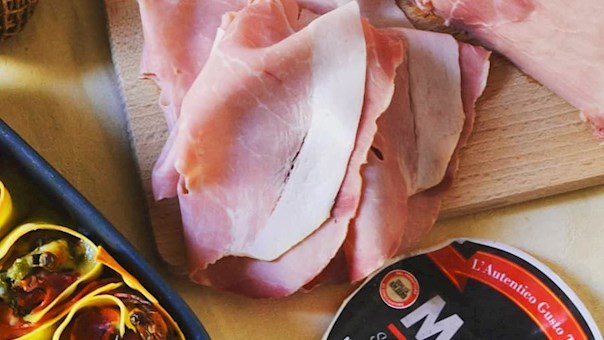
Produced in the hilly area around the town of San Daniele in the province of Udine, Prosciutto di San Daniele is even sweeter and darker in color with a more delicate flavor than in other varieties. In the Friuli-Venezia Giulia region, where the winds from the Carnic Alps meet the breezes coming in from the Adriatic, Prosciutto di San Daniele is made using only local sea salt. The curing process here differs a little from other regions since San Daniele hams are stacked on top of each other and left to mature for at least 13 months. Up until recently, only large pig breeds such as Landrace, Large White and Duroc were used for ham production, however due to an increase in demand, San Daniele hams can now be made with other local breeds. Prosciutto di San Daniele has a rich, sweet flavor and is traditionally served as an appetizer with homebaked breads, melons, and figs.
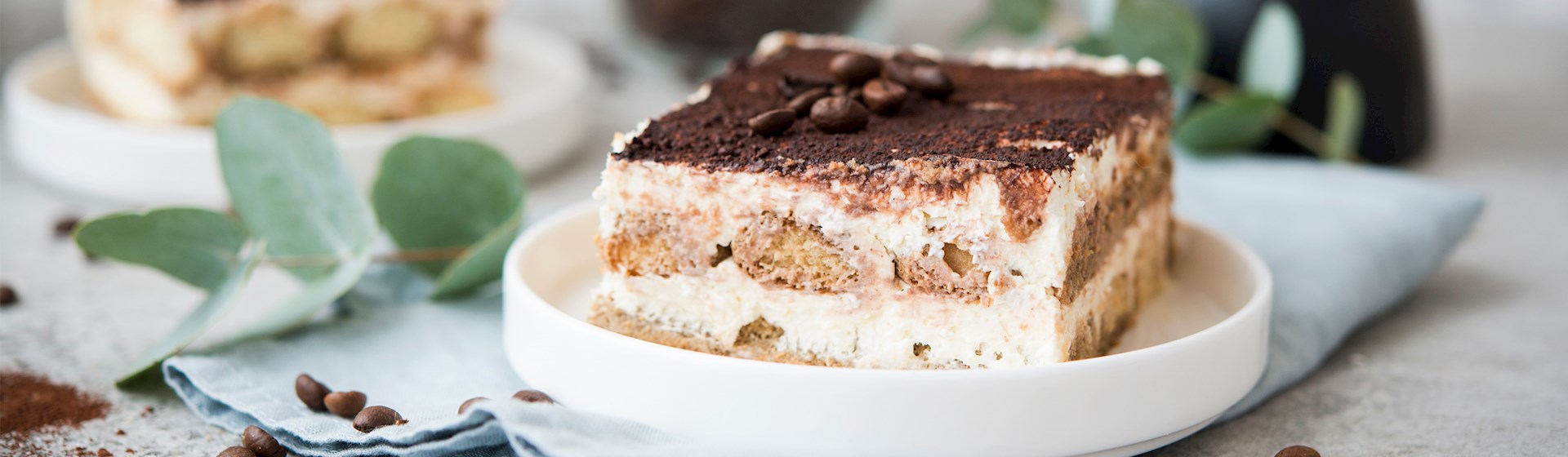
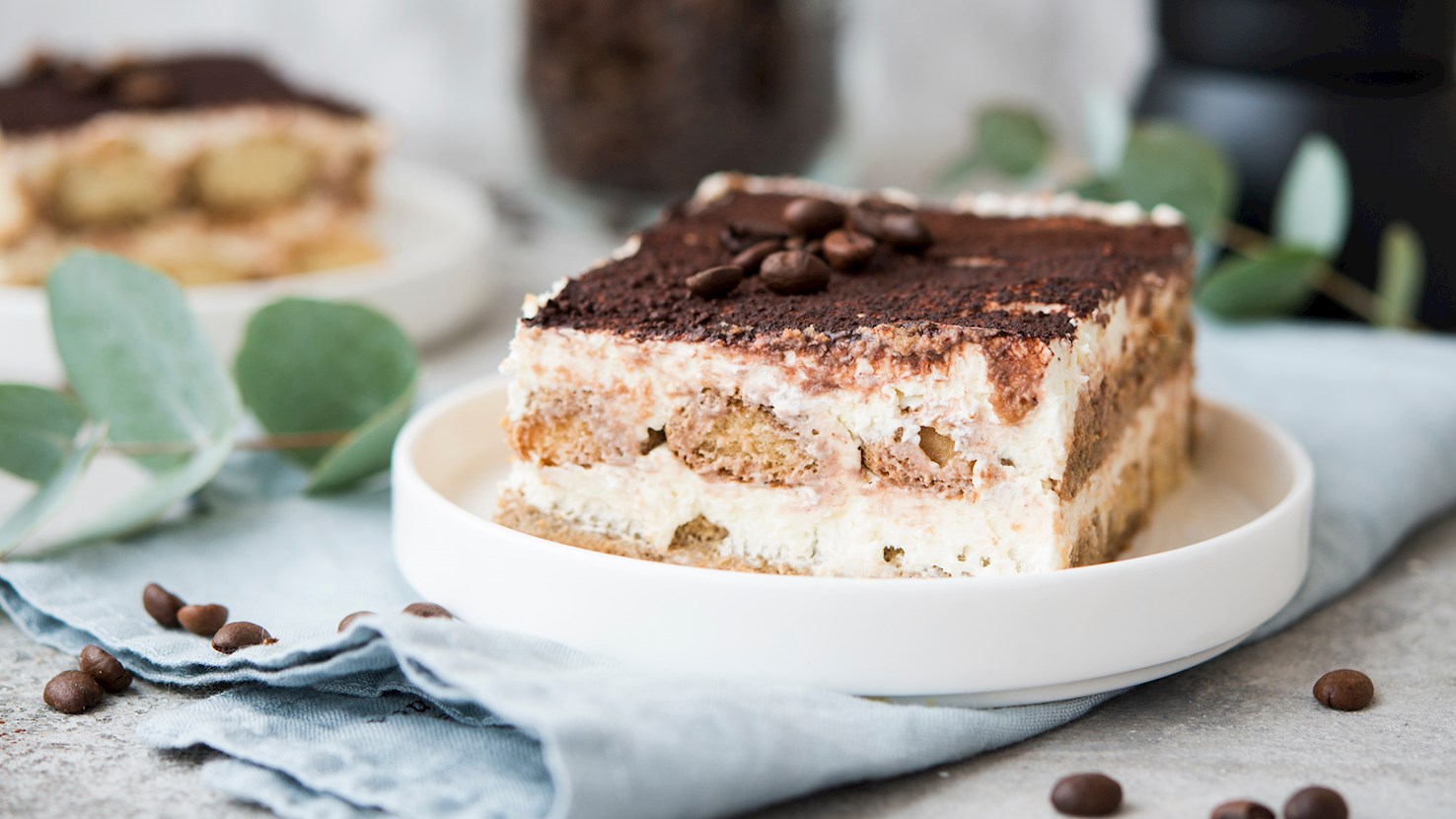
Even though tiramisù is actually a fairly recent invention, this dessert of coffee-soaked ladyfingers layered with mascarpone cream enjoys an iconic status among Italian desserts. Its name stems from the phrase tirami sù, an Italian expression which literally means pick me up, a reference to the uplifting effects of sugar, liquor, and coffee. The origins of tiramisù are heavily disputed between Veneto and Friuli-Venezia Giulia regions, but it is often suggested that the first was made in Veneto in the early 1960s. The earliest documented recipe for tiramisù (interestingly, without alcohol!) was printed in the 1981 spring edition of Vin Veneto magazine in an article on coffee-based desserts by Giuseppe Maffioli, a renowned food critic and member of the Italian Academy of Cuisine. However, in August 2017, Friuli-Venezia Giulia's tiramisu was officially added to the list of traditional regional dishes, but a Veneto local won the Tiramisu World Cup in November 2017, so the playing field is somewhat levelled once again. Regardless of these disputes, the perfect tiramisù should always deliver a serious caffeine kick from a shot of strong espresso, while brandy-fortified Marsala wine adds a nice sweet buzz. In 2021, Ado Campeol, the owner of the restaurant where tiramisù is widely thought to have been invented, has died.
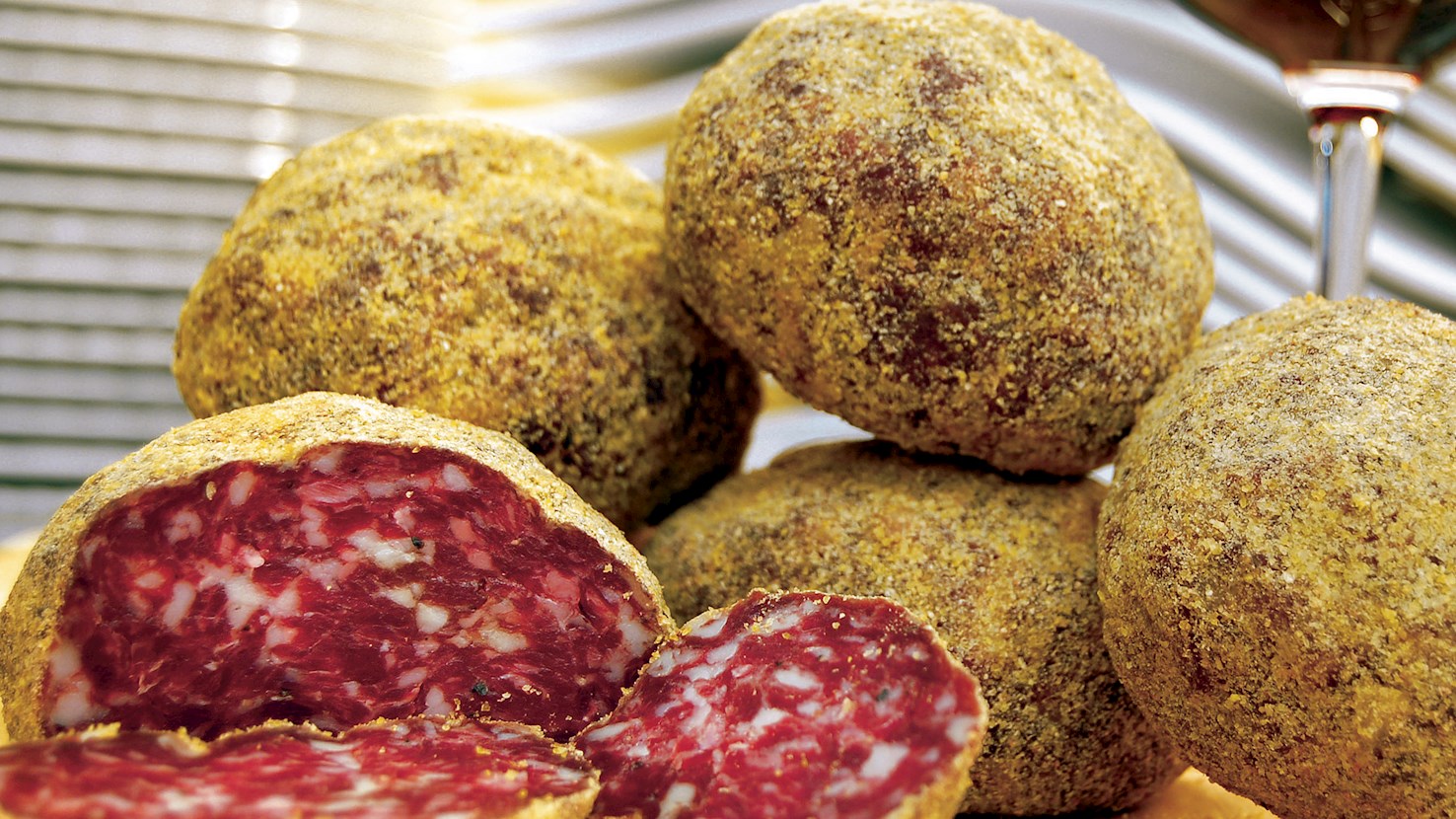
Pitina is a traditional meat product originating from the province of Pordenone. It's made from a paste that contains lean meat (sheep, goat, roe deer, fallow deer, red deer or chamois) and fat (pork belly or shoulder). The meat and fat are seasoned with sea salt or rock salt, garlic, red wine, black pepper, and aromatic herbs. The mixture is shaped into a ball, rolled in maize flour for preservation purposes, and it's then smoked over the embers of juniper wood and left to age. When cut, the pitina is lean with a fine grain. The aroma is smoky, while the flavor is rich and full-bodied. The meat mixture was not stuffed into pig intestines due to the scarcity of swine in the area. Nowadays, most butchers use a combination of mutton, goat, pork, and beef, adding pork fat to soften the texture, while mushrooms or truffles are added occasionally for extra flavor.
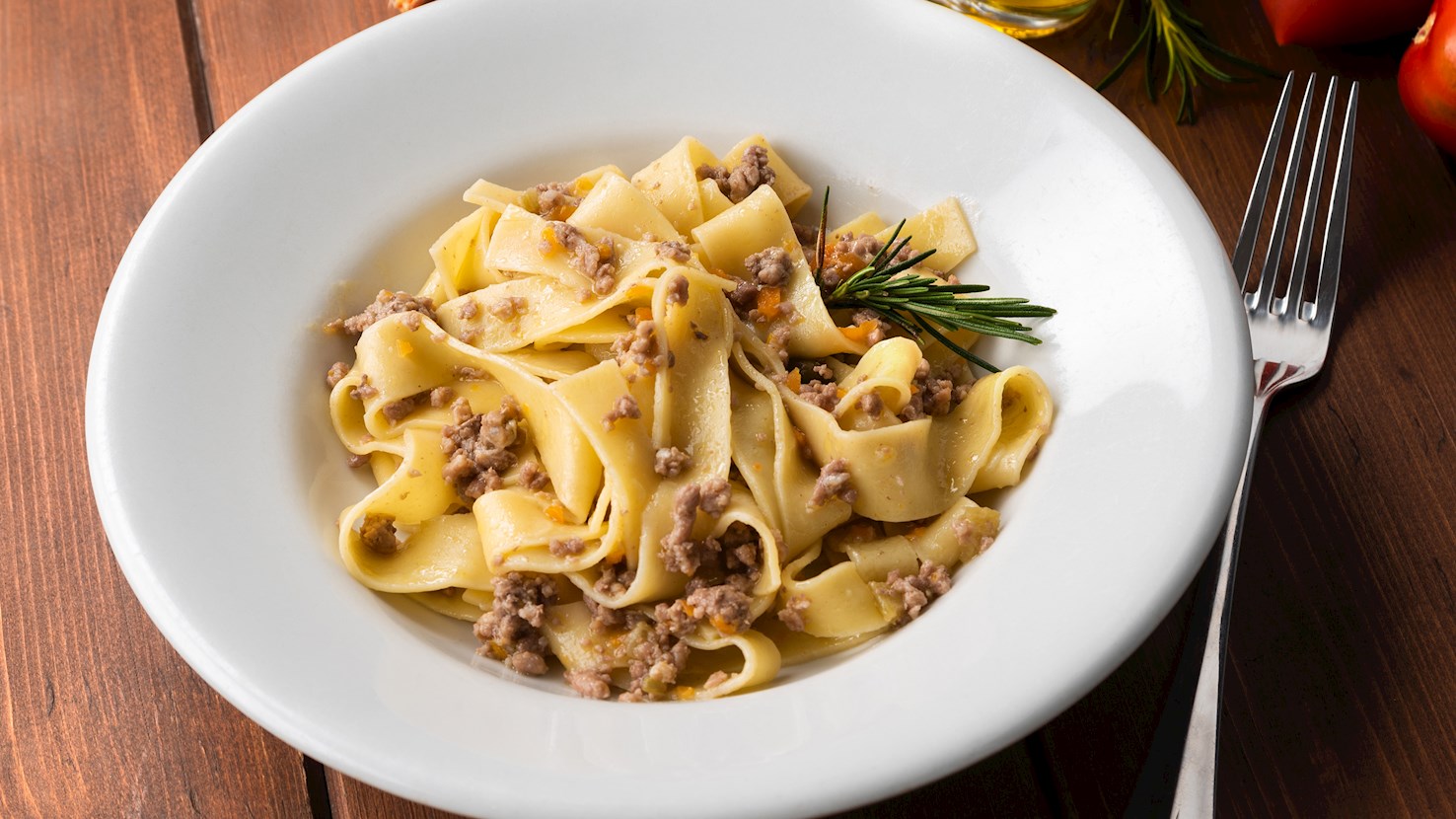
Pappardelle al ragù bianco di anatra is a traditional pasta dish that's especially popular in the Veneto and Friuli-Venezia Giulia area. The dish is usually made with a combination of pappardelle pasta, duck breasts, onions, garlic, carrots, celery, thyme, white wine, olive oil, salt, and pepper. The vegetables, thyme, and garlic are sautéed in olive oil, and then mixed with the duck meat that's cut into cubes. The combination is seasoned with salt and pepper, covered with white wine, and simmered until the alcohol evaporates. A bit of stock or tomato paste are added to the white ragù, while the pasta is cooked in boiling salted water until al dente. The pasta is mixed with the dry ragù, and the dish is sometimes garnished with a few tomatoes before serving. If pappardelle are unavailable, pasta such as tagliatelle can be used instead.
This variety of prosciutto comes from the small northern Italian village of Sauris di Sotto, settled in the region of Friuli-Venezia Giulia. All Sauris hams must come from the Large White, Landrace and Duroc pig breeds. Unlike other Italian hams, prosciutto di Saurisis cured by both salt and smoke, which is a common practice in sub-Alpine Italy due to the influence of Germanic traditions. The hams are smoked for about five days over a combination of woods including birchwood, silver fir, chestnut, beech, and maple, and also herbs like rosemary, sage, thyme, and juniper. This gives their rind a kind of a golden to orange color. After the smoking, prosciutto di Sauris is salted and left to mature. When cut, the color is bright red, with the fat varying from white to pinkish-white. The aroma is delicate and the flavor is sweet, less salty, with a pleasant hint of smoke. Traditionally, Sauris ham is served as an appetizer and paired with light white wines.
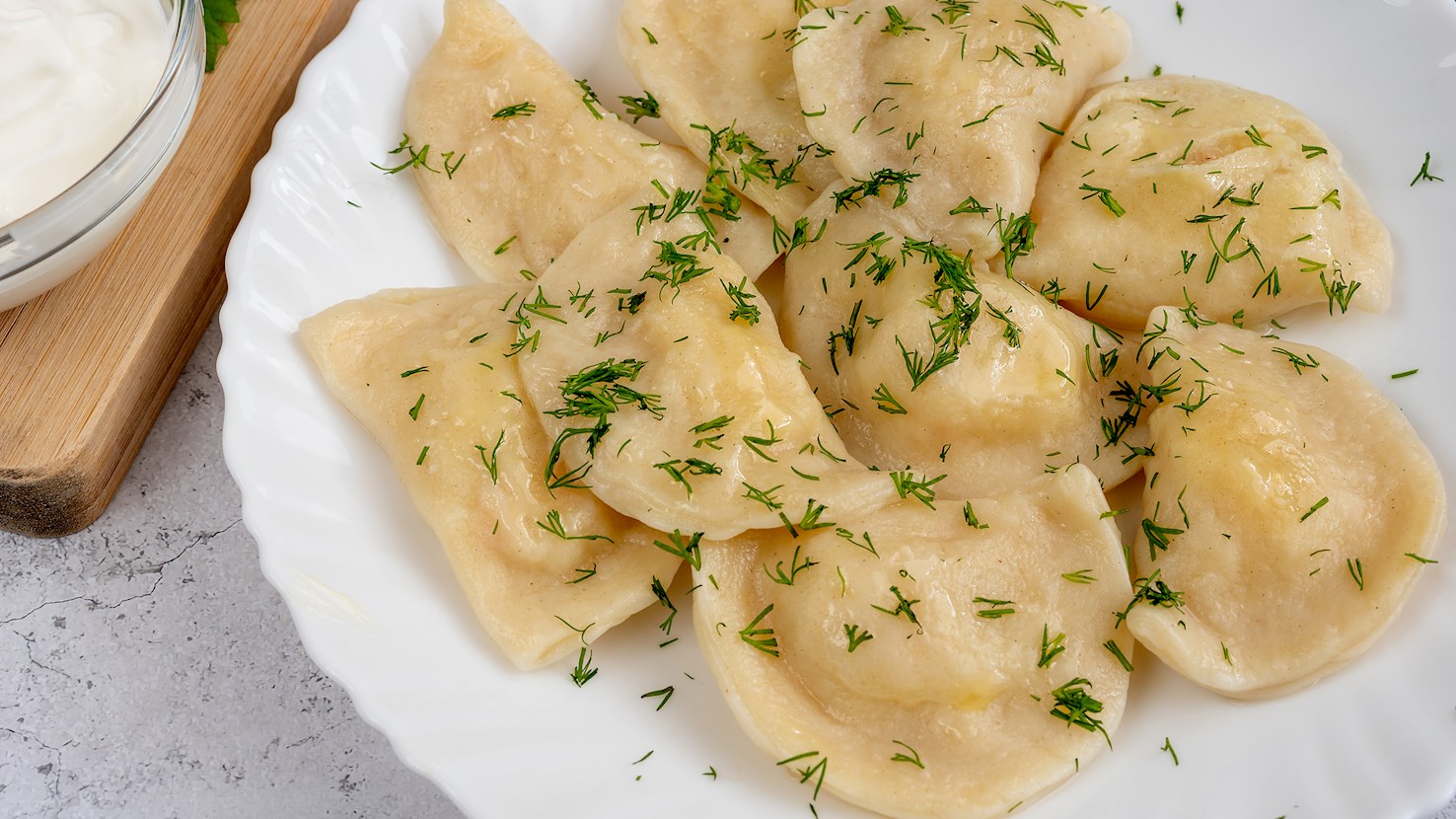
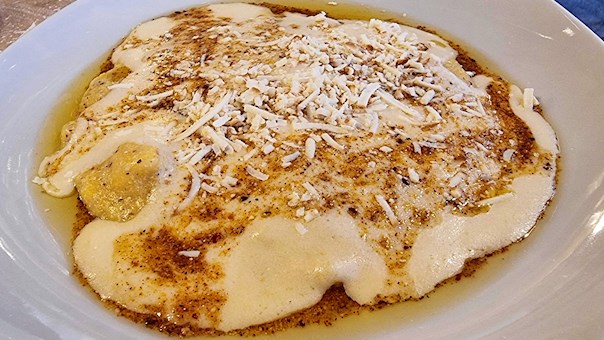
Cjarsons, also spelled cjarsòns, cjalsons, or cjalzons, are stuffed pasta parcels from Carnia, the mountainous area of Friuli-Venezia Giulia. Their defining feature is the unusual balance of sweet and savory flavors, although there is no single standard recipe. Dozens of versions exist, with the filling changing from valley to valley, village to village, and even from one family to another. Some sources count around 50 different variations. The wrapper may be made from soft wheat flour or from a dough containing boiled potatoes. In potato-based versions, the potatoes are mashed and combined with flour and sometimes water until a soft, workable dough forms. It is rolled into a thin sheet and cut into small rounds, which are filled and folded into crescent-shaped parcels. The filling is known locally as pistùm or pastùm. There is no universally accepted filling. Ricotta frequently forms the base, but it may be combined with cinnamon, raisins, cocoa or dark chocolate, crushed biscuits, dried fruit, nuts, apples, pears, herbs, spinach, chives, parsley, mint, jam, rum, grappa, eggs, or milk. Some versions are distinctly sweet, while others lean toward herbs and vegetables. Smoked ricotta may also appear, although it is more closely associated with the final topping. The wide range of ingredients reflects both seasonal availability and the recipes preserved within individual valleys and families. Once filled, the rounds are folded over and sealed firmly along the edges. The parcels are dropped into boiling, salted water and left until the dough is tender and rises toward the surface. They are then lifted out, drained, and transferred to a warm platter. Cjarsons are commonly finished with melted butter and a generous layer of grated smoked ricotta known in Friulian as scuete fumade. Historically, ont could replace fresh butter. Ont is a preserved butter fat made by heating butter to remove much of its water and milk solids, which allowed it to keep longer during periods when refrigeration was unavailable. It was particularly useful in mountain households where fresh butter could not be stored safely for extended periods. The warm fat coats the pasta, while the smoked ricotta adds saltiness and a pronounced smoky aroma. The history of cjarsons is closely associated with the cramârs, itinerant merchants from Carnia who crossed the Alps on foot carrying goods into Central European territories. Their activity extended over several centuries, from at least the late medieval period into the early twentieth century, although the 18th century is especially associated with the spice trade. They carried their merchandise in a crassigne, a small wooden cabinet with drawers worn on the back like a pack. Depending on the period and route, the cramârs traded spices, medicinal herbs, ointments, textiles, and other valuable goods. According to the best-known account of the pasta’s origins, small quantities of cinnamon, cloves, ginger, nutmeg, dried lemon balm, and other valuable ingredients remained in the drawers when the cramârs returned home. Rather than waste these remnants, their families combined them with ingredients already available in Carnia, including ricotta, dried fruit, raisins, apples, pears, herbs, vegetables, honey, grappa, and occasionally cocoa. This helps explain why cjarsons developed such an unusual mixture of Alpine ingredients and spices associated with trade routes through Central Europe. The filling changed according to what remained in the crassigne and what was available at home, giving rise to the large number of recipes still found across Carnia. Cjarsons were especially associated with major celebrations, including Christmas, Easter, weddings, First Communions, and confirmations, when richer and more elaborate foods appeared on the table. Recipes were often passed down within families, with each household maintaining its own version of the filling. Carnic chef Gianni Cosetti played an important role in bringing cjarsons into wider restaurant culture during the 1970s. Rather than inventing or standardizing one definitive formula, he helped rediscover, document, promote, and elevate the many local versions at a time when older Carnic recipes were receiving renewed attention. His work contributed significantly to establishing cjarsons as one of the best-known culinary symbols of Carnia beyond their original family and village settings.
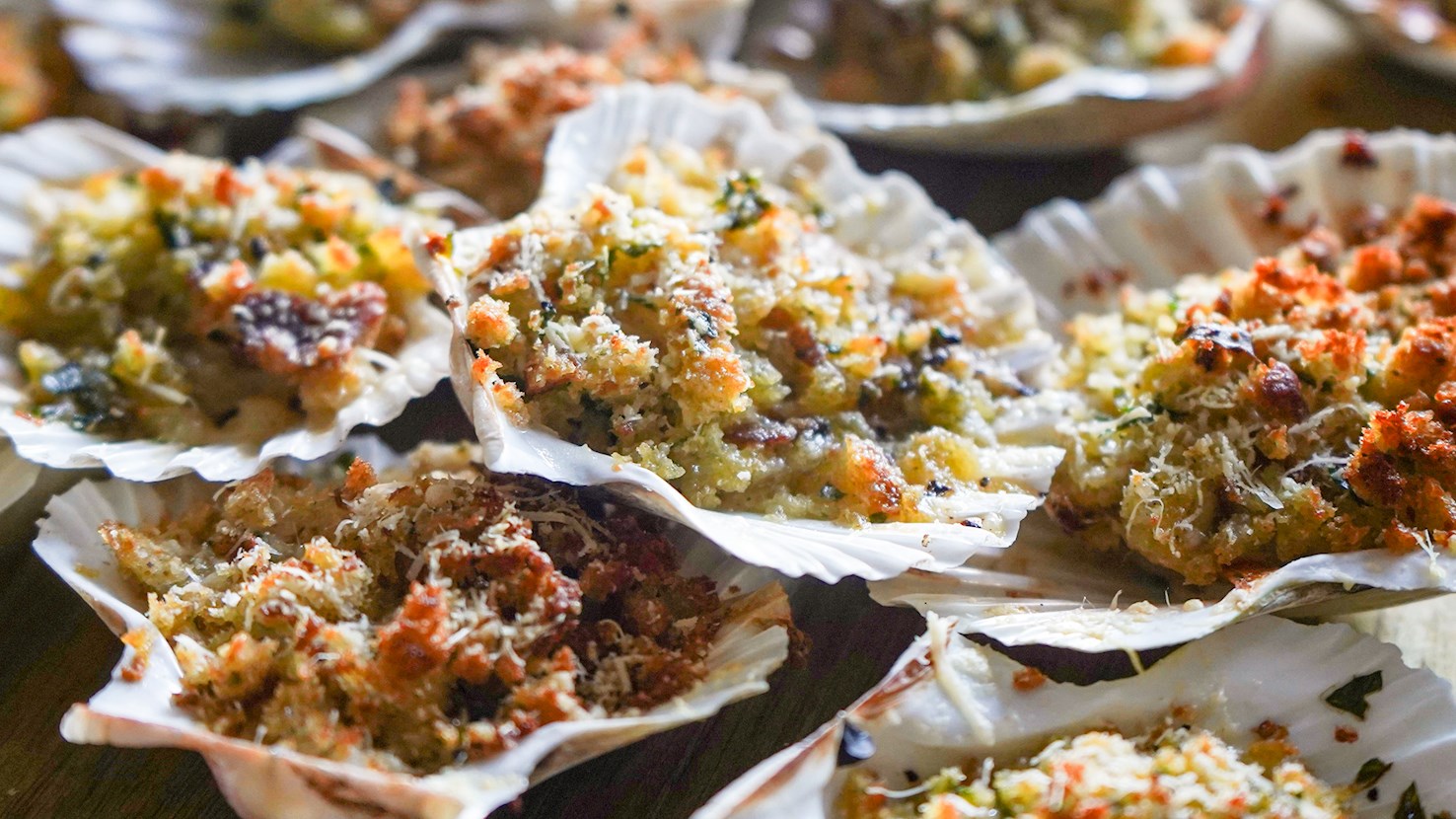
Capesante gratinate is a classic Italian appetizer featuring scallops baked with a flavorful breadcrumb topping. This dish is particularly popular during festive occasions and special gatherings. The preparation involves placing fresh scallops in their shells, topping them with a mixture of butter, onion, and parsley, then sprinkling everything with breadcrumbs. The assembled scallops are then baked until the topping turns golden and crisp, enhancing the delicate flavor of the scallops. This elegant and simple dish showcases the natural sweetness of the scallops complemented by the aromatic and textured crust.
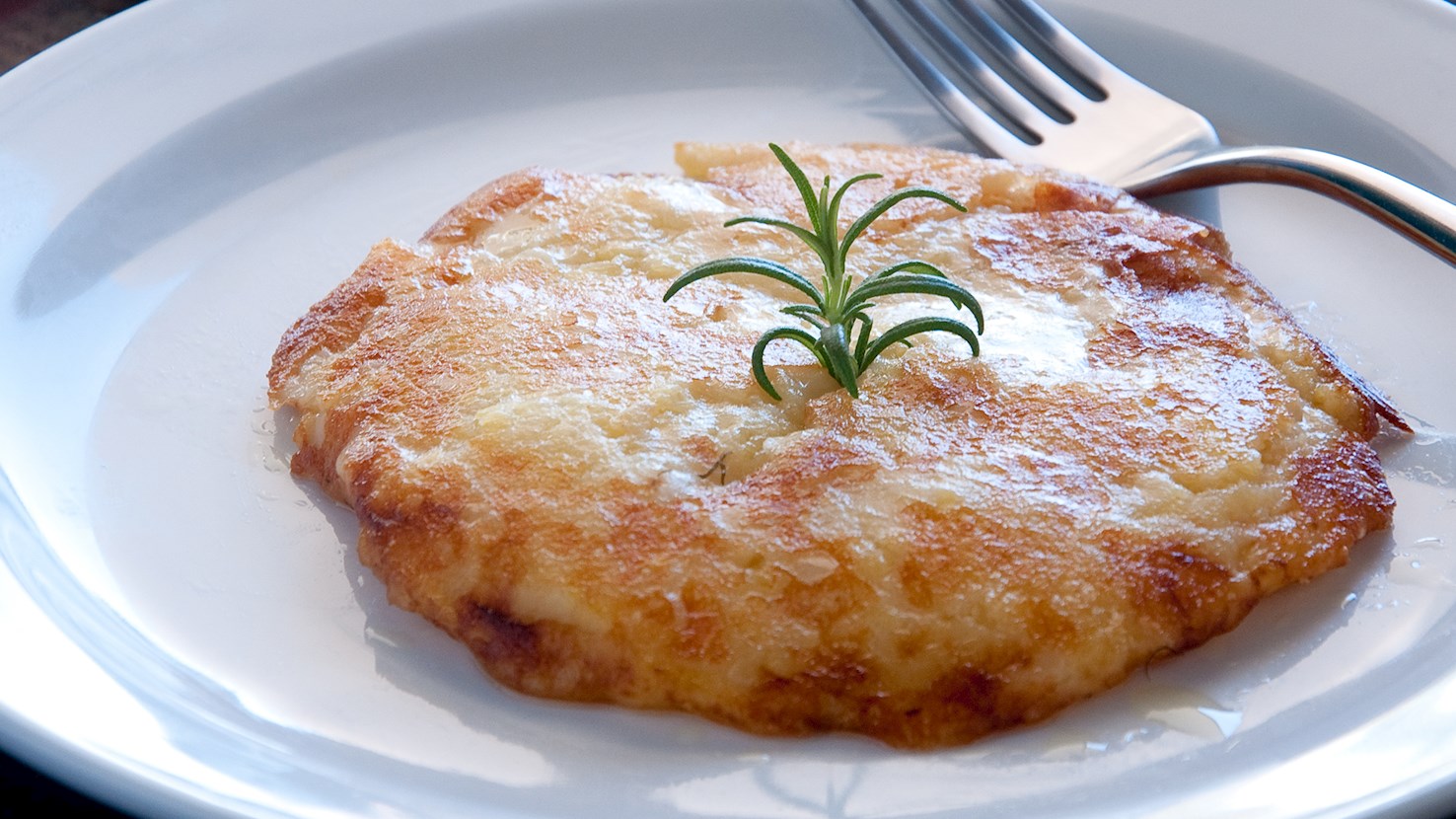
Frico is a traditional dish from the Italian region of Friuli-Venezia Giulia, made with a local delicacy known as Montasio cheese. There are two versions: the frico friabile, a crunchy snack made with cheese fried in olive oil until crunchy, and the more famous frico morbido, the soft one, combining the cheese with potatoes and onions in a succulent, rich pancake, baked or fried until it turns golden and crispy on both sides. Full of flavor, frico is a delicious example of cucina povera. It was invented in the 15th century as a clever way to use strissulis, the leftovers from cheese production. Like with many other popular traditional recipes, many varieties exist, so it can be additionally enriched with pancetta, mushrooms, or tomatoes. The flavor of this dish also changes significantly depending on the aging time of cheese used in its preparation: frico made with fresco and mezzano is not as intense as the one prepared with stagionato or stravecchio. The dish is best served hot, while the cheese is still melted, stringy, and gooey. It can be served as a garnish for soups and stews, or enjoyed sliced, paired with polenta and a glass of hearty red wine.
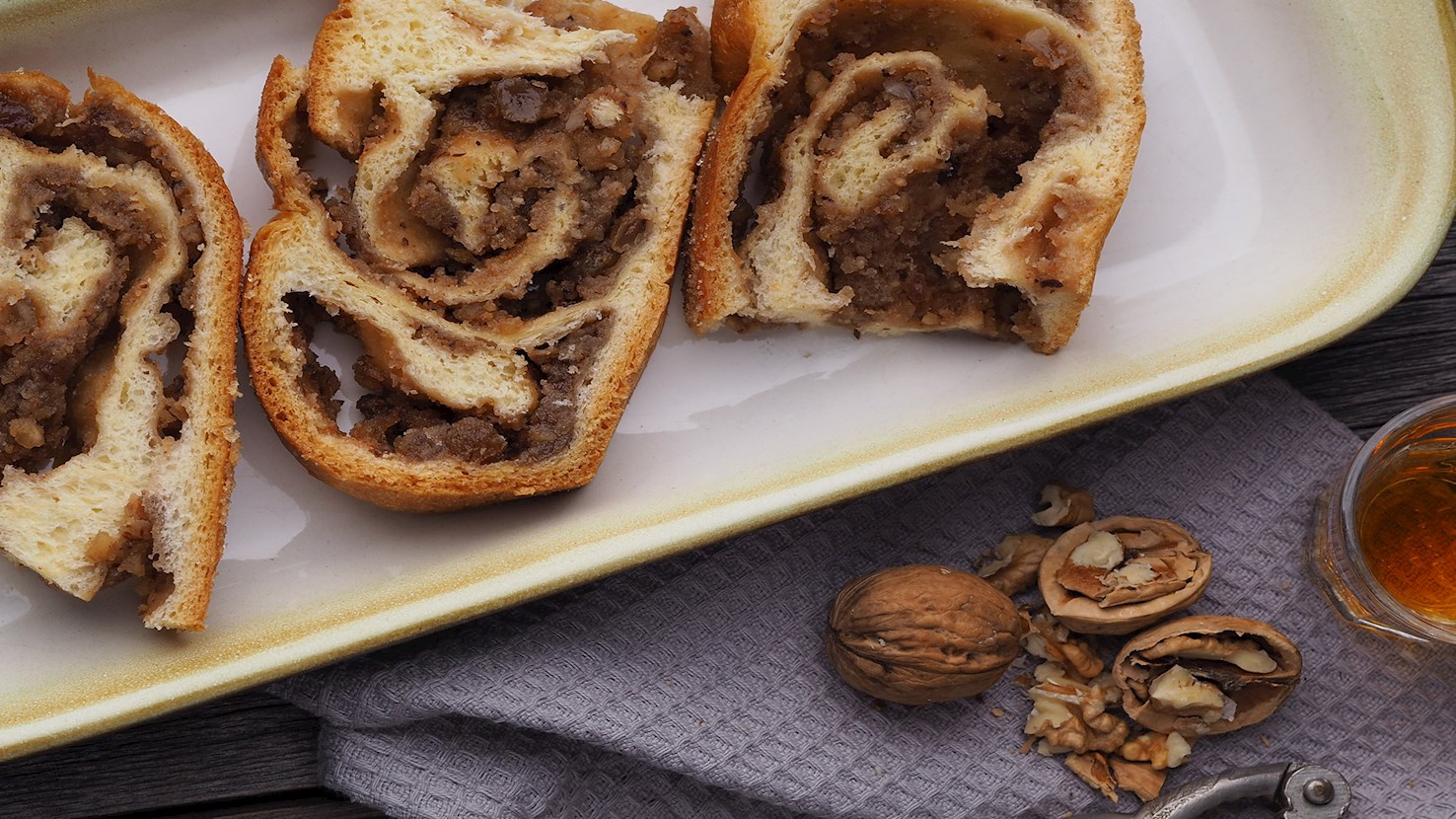
Gubana is a traditional leavened dough cake filled with dried fruits and nuts. It is believed that the cake was invented in either the Valli del Natisone or Cividale by a poor woman who had nothing to sweeten it, so she used what she had – eggs, walnuts, honey, and flour. Although it was originally prepared for Christmas and Easter festivities, gubana is nowadays enjoyed throughout the year, and locals recommend soaking the cake in grappa for the best effect.
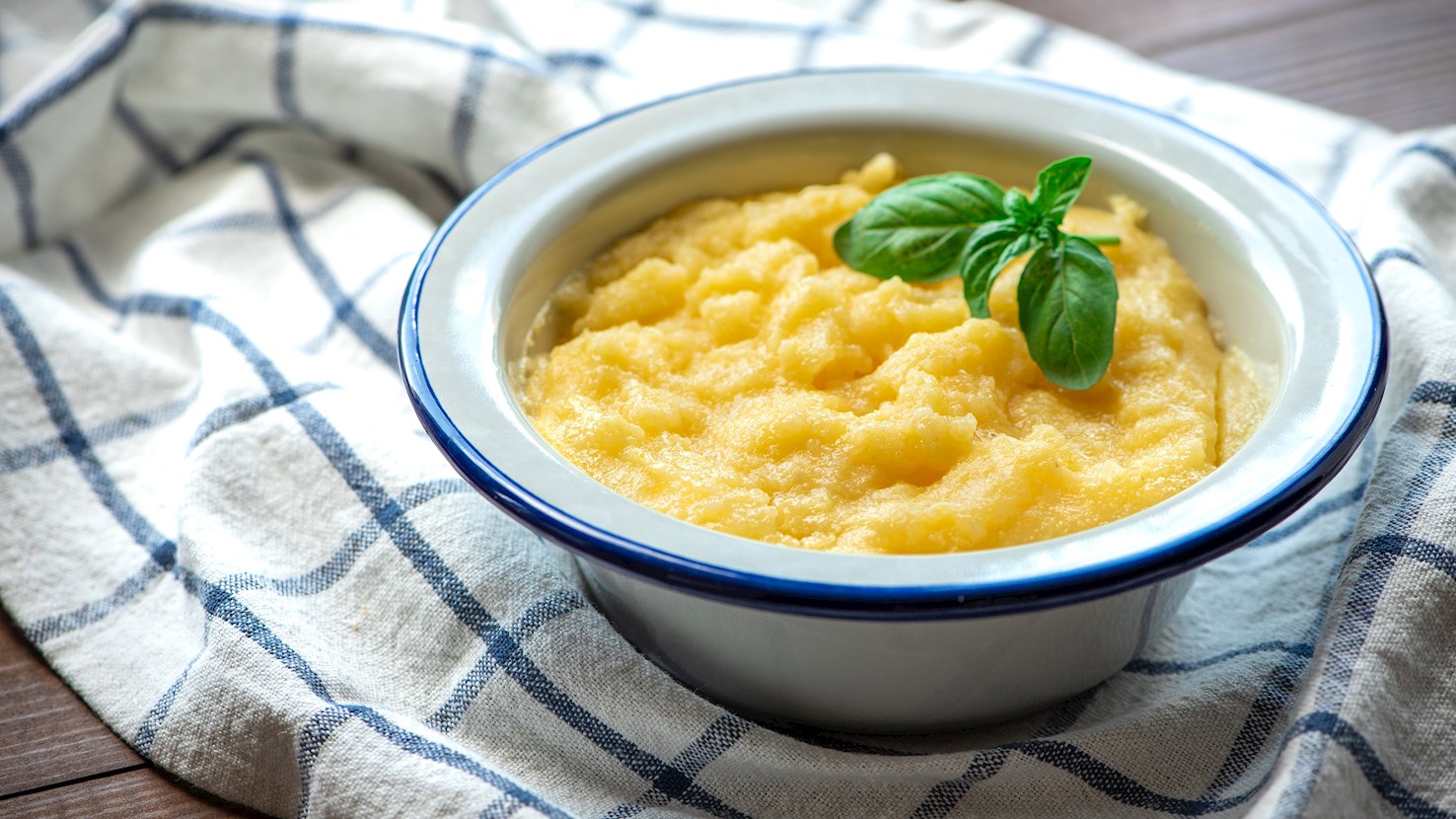
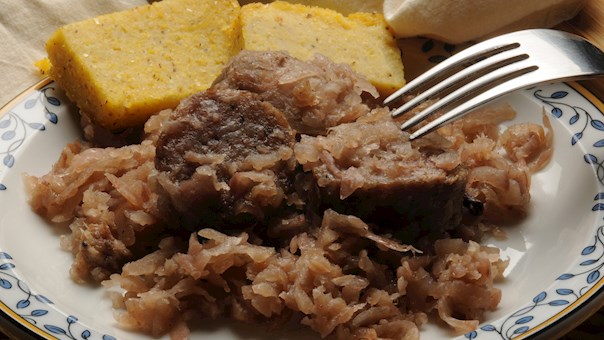
Polenta is an ancient dish of Northern Italian origin, most commonly made from coarse corn flour cooked in water. Although polenta today is characterized by its intense yellow color, before the arrival of corn in Europe in the 16th century, it was made with spelt, rye, and buckwheat, which gave it a much darker color. In Roman times, polenta was called pulmentum, and it was a staple of both peasants and Roman soldiers, who were given portions of grain as field rations. In Italy today, polenta is still made using a copper pot called a paiolo and a long wooden spoon known as a tarello. The boiled polenta is poured onto a flat surface or into a pan and left to cool and harden, and the cooled polenta cake is then traditionally cut into slices with a wooden knife or a cotton thread. Polenta is also characterized by its versatility; it can replace bread or pasta, it can serve as a side to fish or meat, or it can even be grilled and served with tomatoes and mushrooms. Despite its humble beginnings, in recent years, polenta has made a steady move towards gourmet audiences and high-end restaurants.
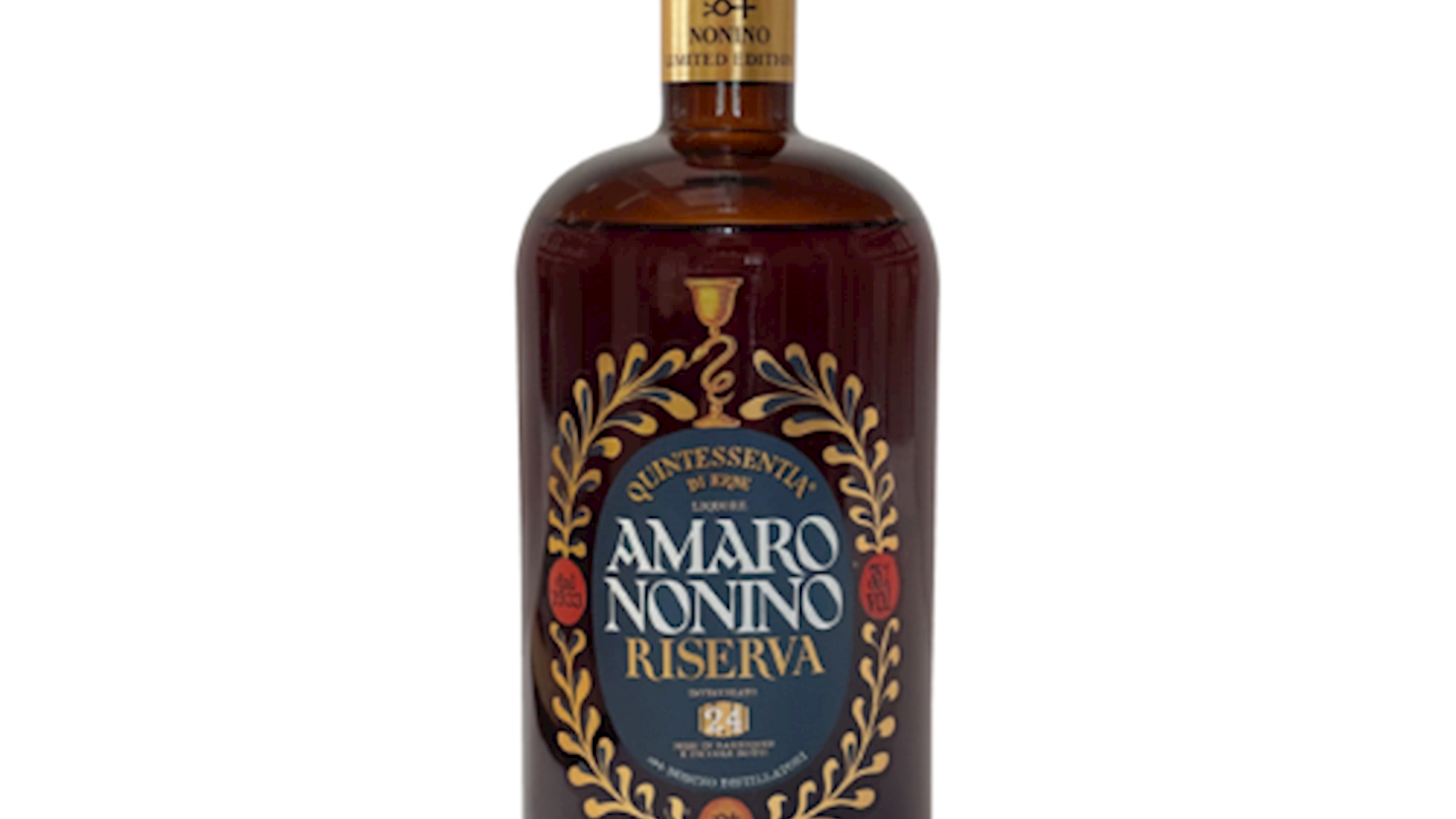
Grappa Nonino is a historic and innovative symbol of Italian distillation tradition, founded in 1897 in the Friuli-Venezia Giulia region by Orazio Nonino. From the very beginning, the Nonino family has embraced a handcrafted approach, distilling exclusively in small copper steam stills, which allows for complete quality control and an authentic character in every product.
Every stage of production, from the selection of raw materials to distillation and aging, takes place within the family’s own facilities, with unwavering dedication to quality and tradition. The brand is recognized for its fusion of heritage, innovation, and sophisticated design, appealing to both classic grappa enthusiasts and a new generation of consumers.
Today, the distillery is run by the three daughters of Benito and Giannola - Cristina, Antonella, and Elisabetta - who continue the family mission with the same passion. Their philosophy is rooted in respect for nature, the use of fresh, locally sourced ingredients, and adherence to an artisanal process that borders on ritual.
Aging in different types of barrels adds further complexity and elegance to each release. Grappa Nonino has become synonymous with Italian luxury in a glass, with every sip telling the story of tradition, family passion, and craftsmanship.
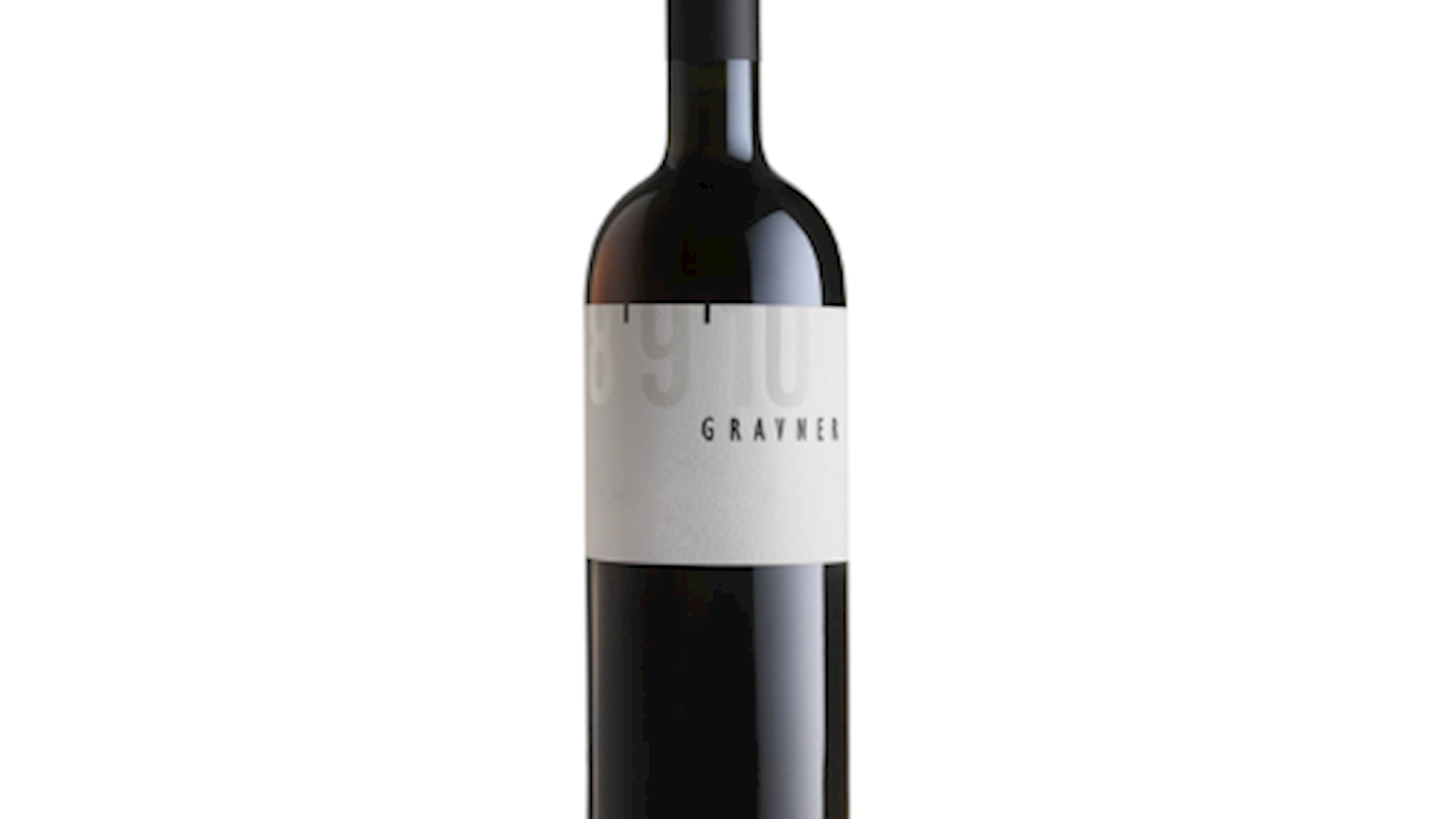
Gravner is a family-owned winery from the village of Oslavia, on the border between Italy and Slovenia, in the Friuli-Venezia Giulia region, recognized for its radical winemaking philosophy and pioneering role in the world of orange wines. Joško Gravner took over the winery in 1973, but it was in the mid-1990s that he made a decisive shift away from modern technology and returned to natural, traditional methods.
His turning point came after a trip to Georgia, where he discovered qvevri - large clay amphorae buried in the ground and used for fermentation and aging. Upon returning home, Gravner completely changed his approach: white wines ferment and macerate on the skins for several months in qvevri, without temperature control, essentially using the technique of red winemaking.
Afterward, the wine spends years aging in large Slavonian oak casks before being released. The varieties he focuses on are primarily Ribolla Gialla and Pignolo, while he has almost entirely eliminated international grapes to concentrate on terroir and the authentic expression of the Collio hills.
Gravner’s wines are intense, layered and complex, often showing aromas of dried fruit, stone fruit, nuts and a subtle oxidative character. Due to the extended skin contact, the white wines develop tannic structure, depth and excellent aging potential.
The winery’s philosophy is that wine should reflect the soil, the vintage and the hands of the winemaker - not technology. Today, Gravner is considered one of the most influential producers of orange wine in the world, frequently cited as a benchmark for authenticity and boldness in winemaking.
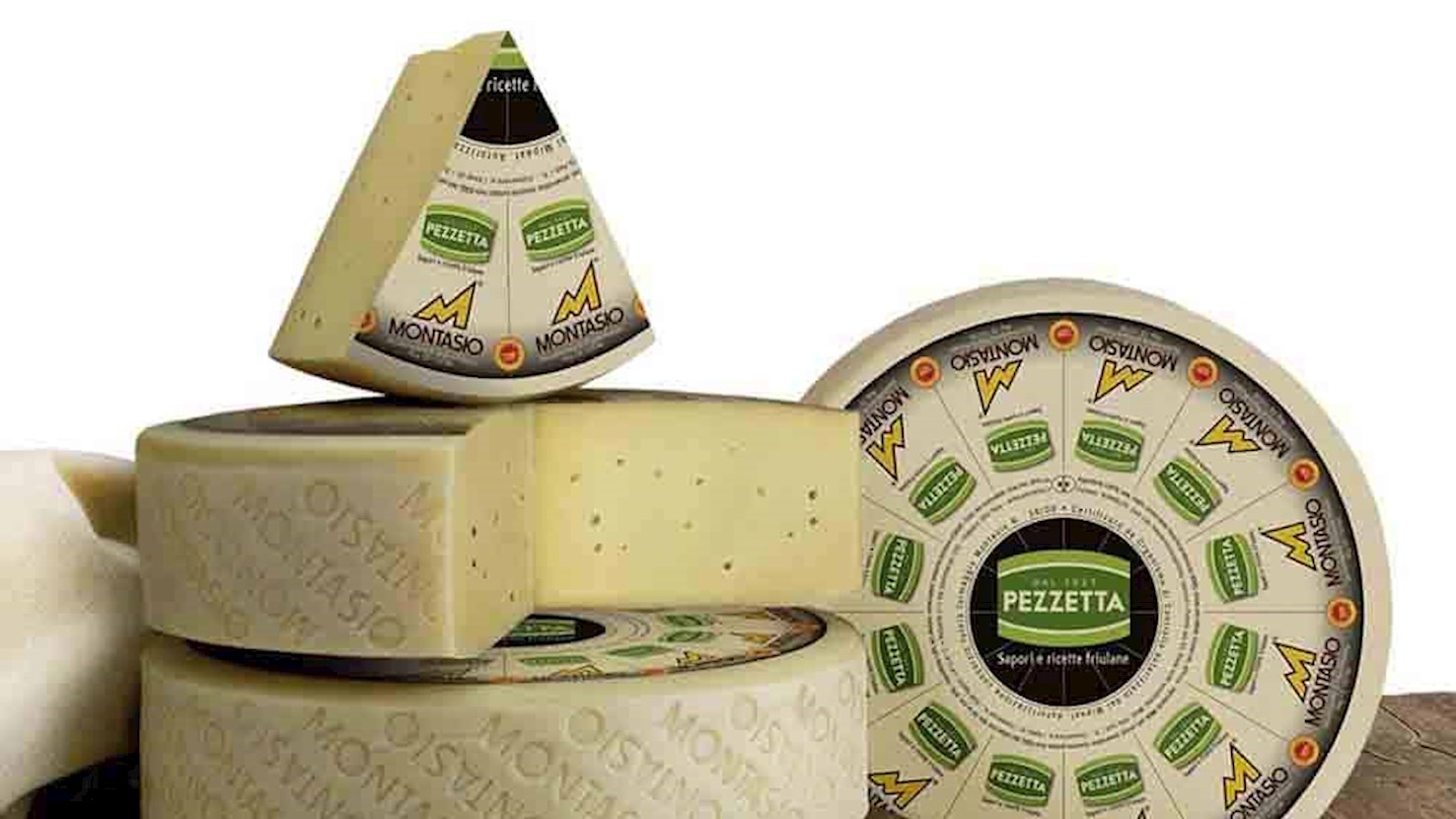
Pezzetta is a cheese producer located in Fagagna, Italy. This company specializes in making traditional Friulian cheeses, utilizing local milk and artisan methods.
Pezzetta focuses on sustainability and preserving local cheese-making traditions.
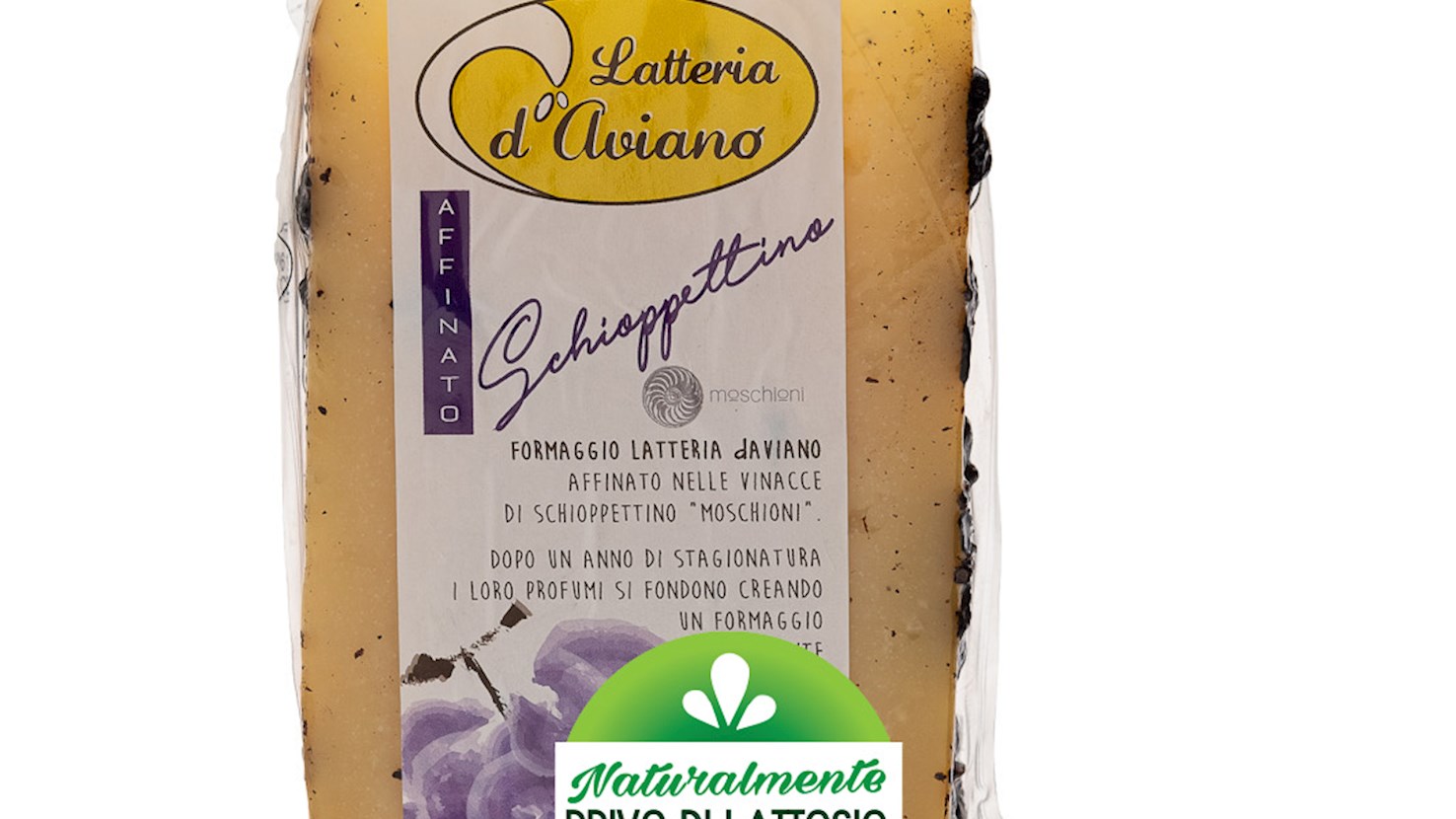
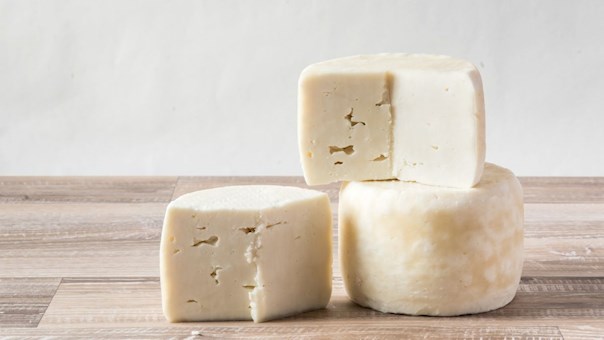
Latteria di Aviano - Del Ben is an Italian cheese producer located in Aviano. The company specializes in producing traditional Italian cheeses, focusing on local milk sources to ensure high-quality products.
Its offerings include a variety of both fresh and aged cheeses.
TasteAtlas food rankings are based on the ratings of the TasteAtlas audience, with a series of mechanisms that recognize real users and that ignore bot,
nationalist or local patriotic ratings, and give additional value to the ratings of users that the system recognizes as knowledgeable.
For the “Top 56 Friulian Foods” list until September 09, 2026, 2,376 ratings were recorded, of which 1,973 were recognized by the system as legitimate.
TasteAtlas Rankings should not be seen as the final global conclusion about food. Their purpose is to promote excellent local foods,
instill pride in traditional dishes, and arouse curiosity about dishes you haven’t tried.
The initial list of top producers was compiled based on available reviews, awards, local recommendations, media and blog coverage, and consumer reviews.
The list will be updated with ratings from TasteAtlas local ambassadors and TasteAtlas users.








What People Say