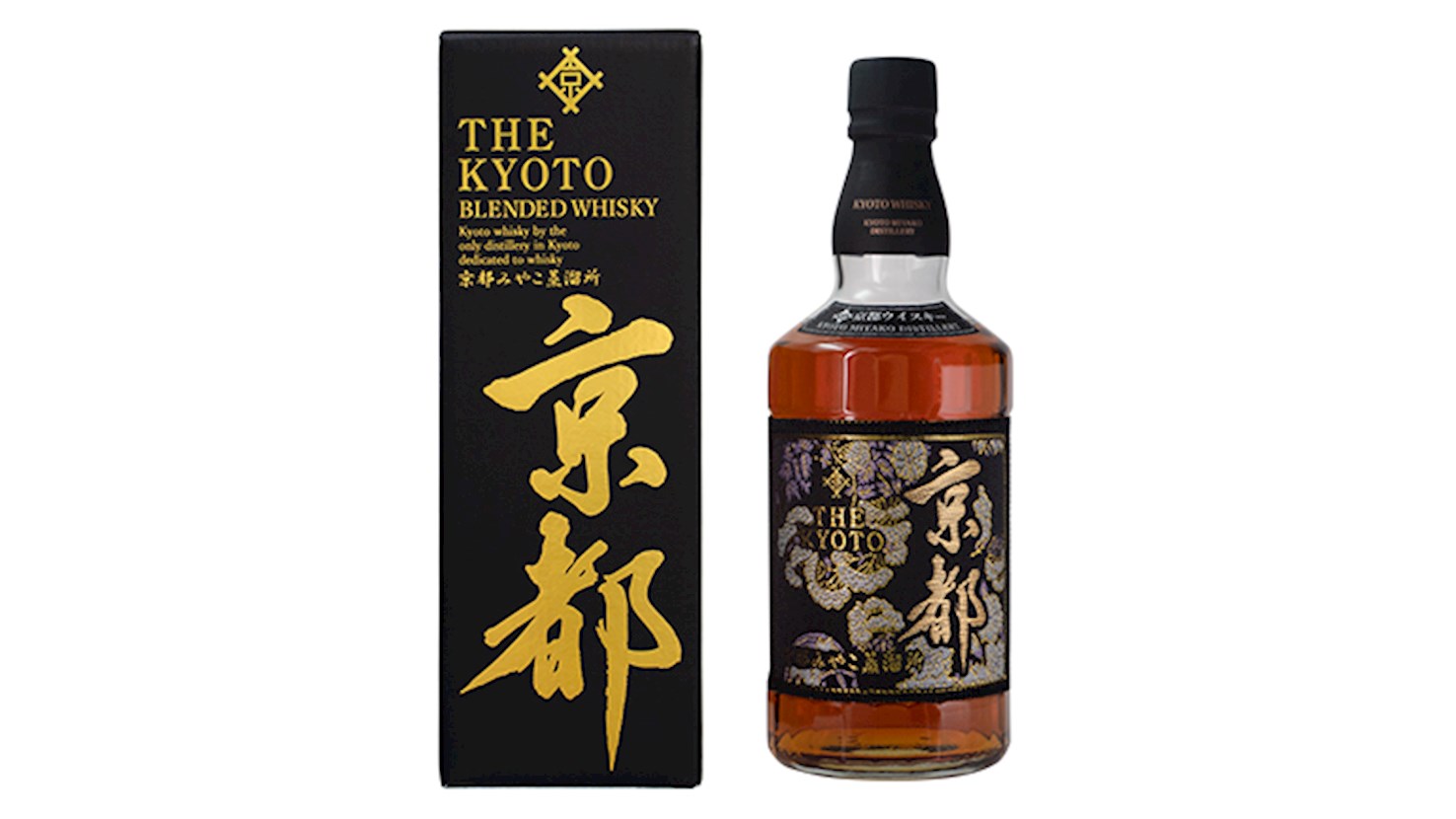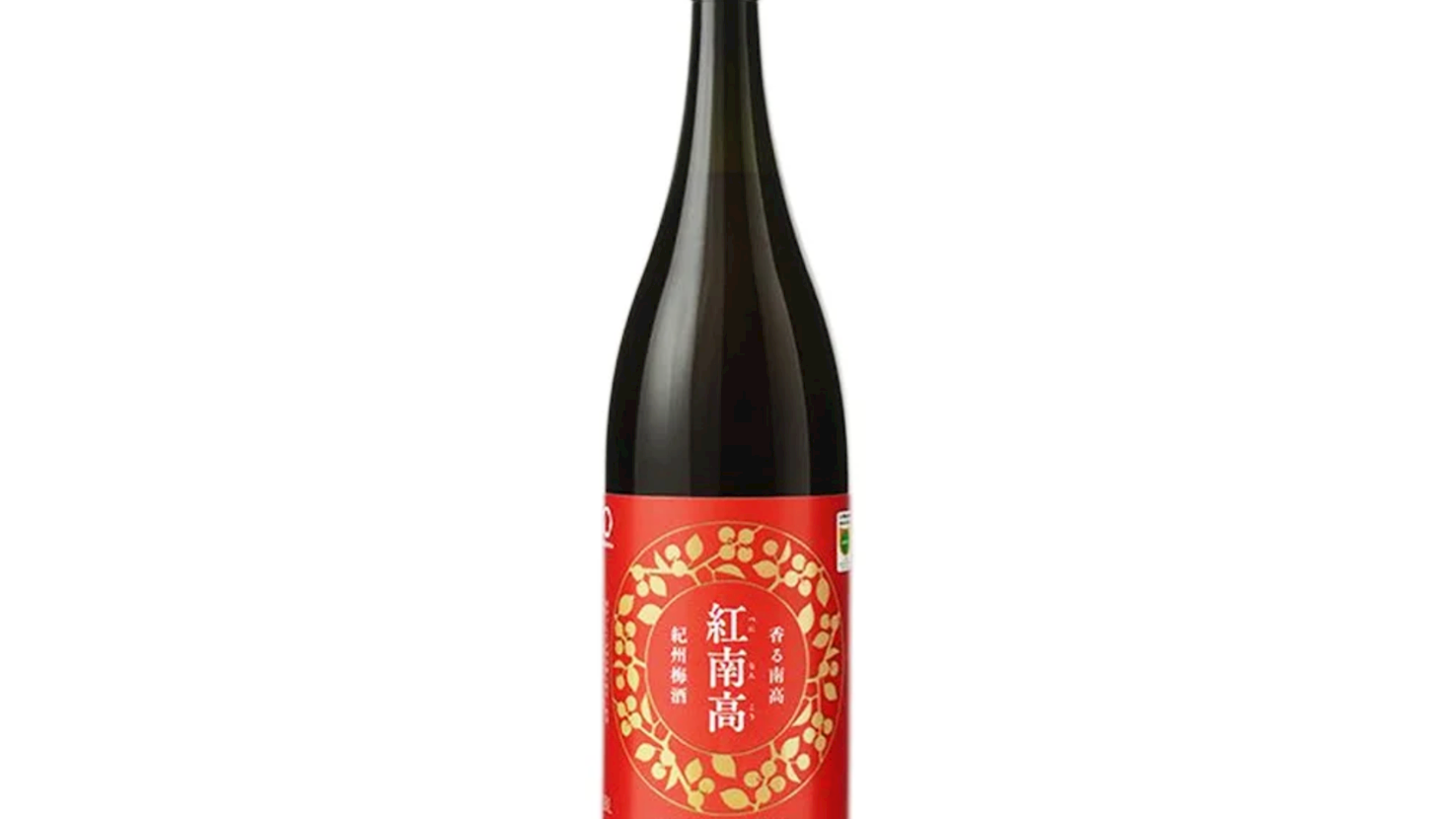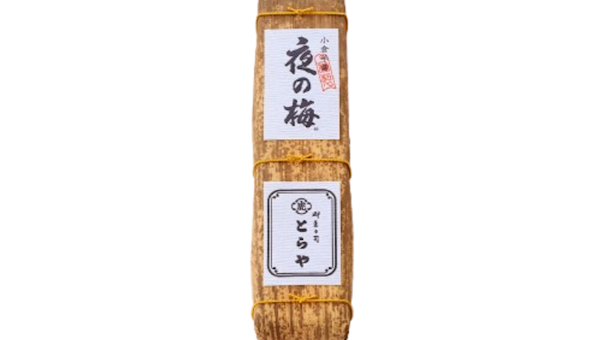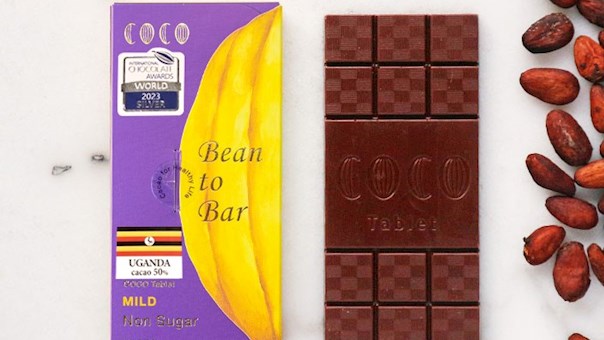
Susumu Koyama, a Japanese patissier, founded es koyama in 2003 in Sanda, Hyogo Prefecture, Japan. The company produces a variety of chocolates and confections, drawing on both local ingredients and international influences. Es koyama has gained attention for innovative flavors and meticulous craftsmanship in chocolate-making.
Awards
International Chocolate Awards - Gold
(2017, 2016, 2015, 2014, 2013)
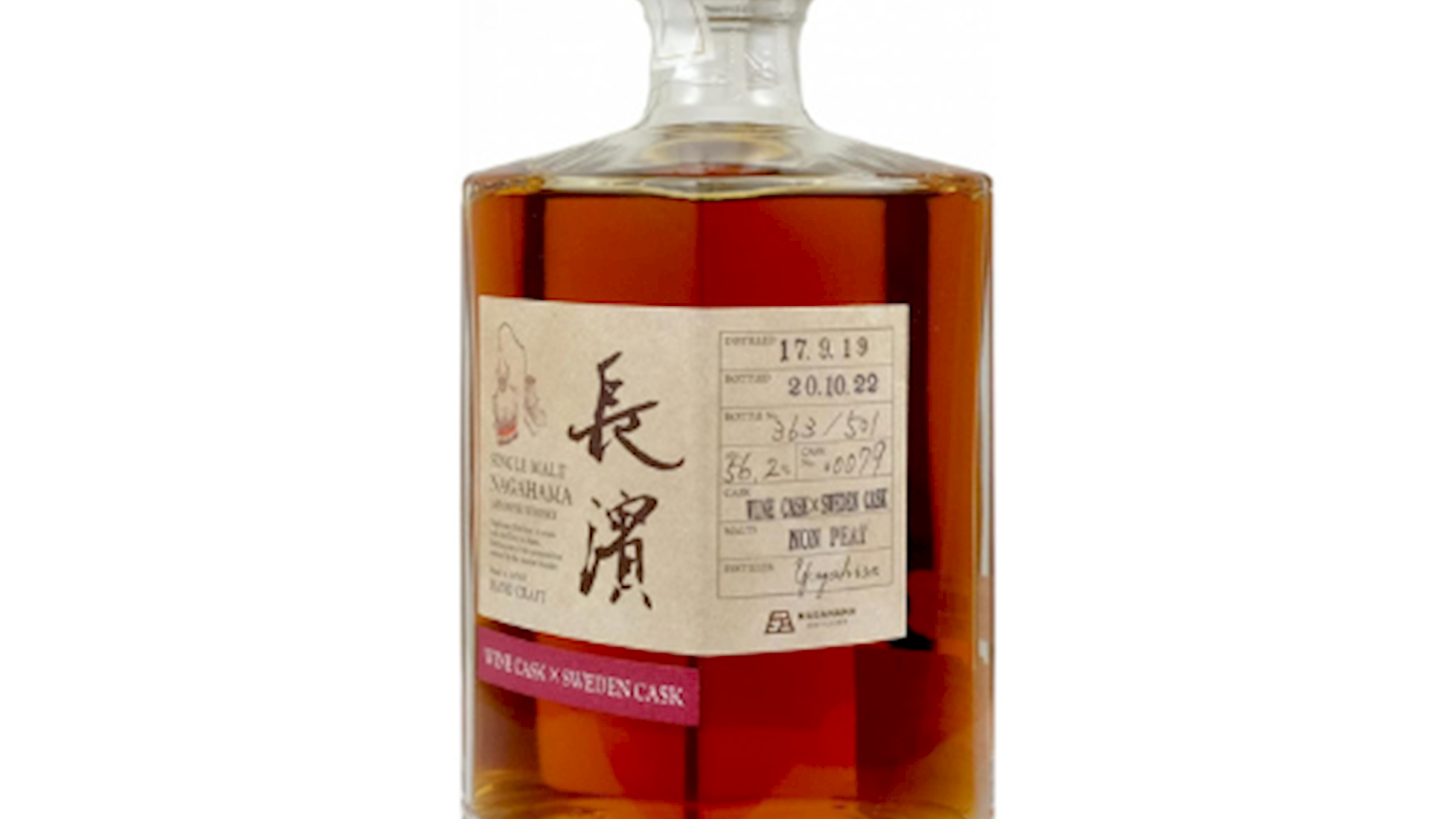
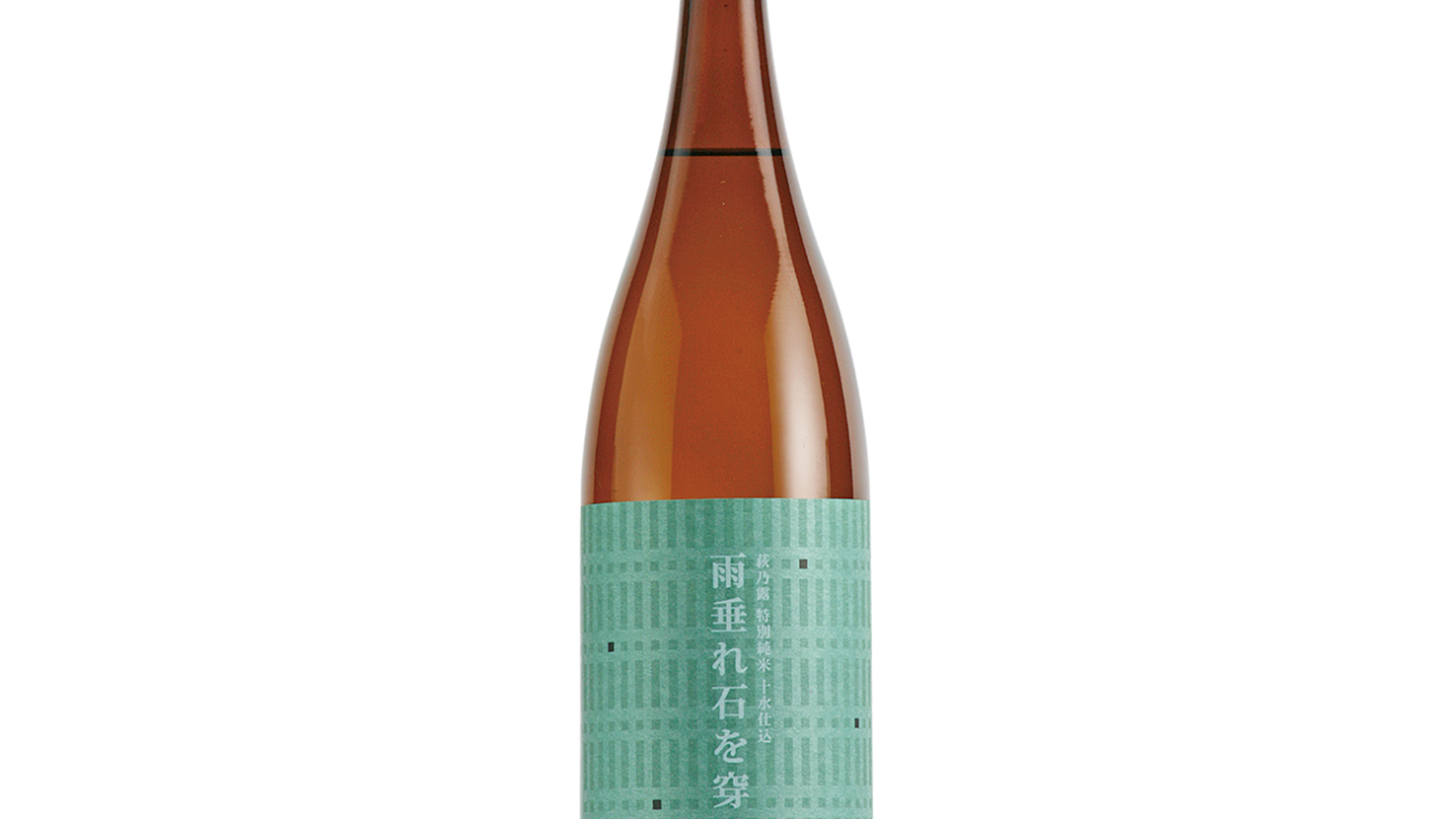
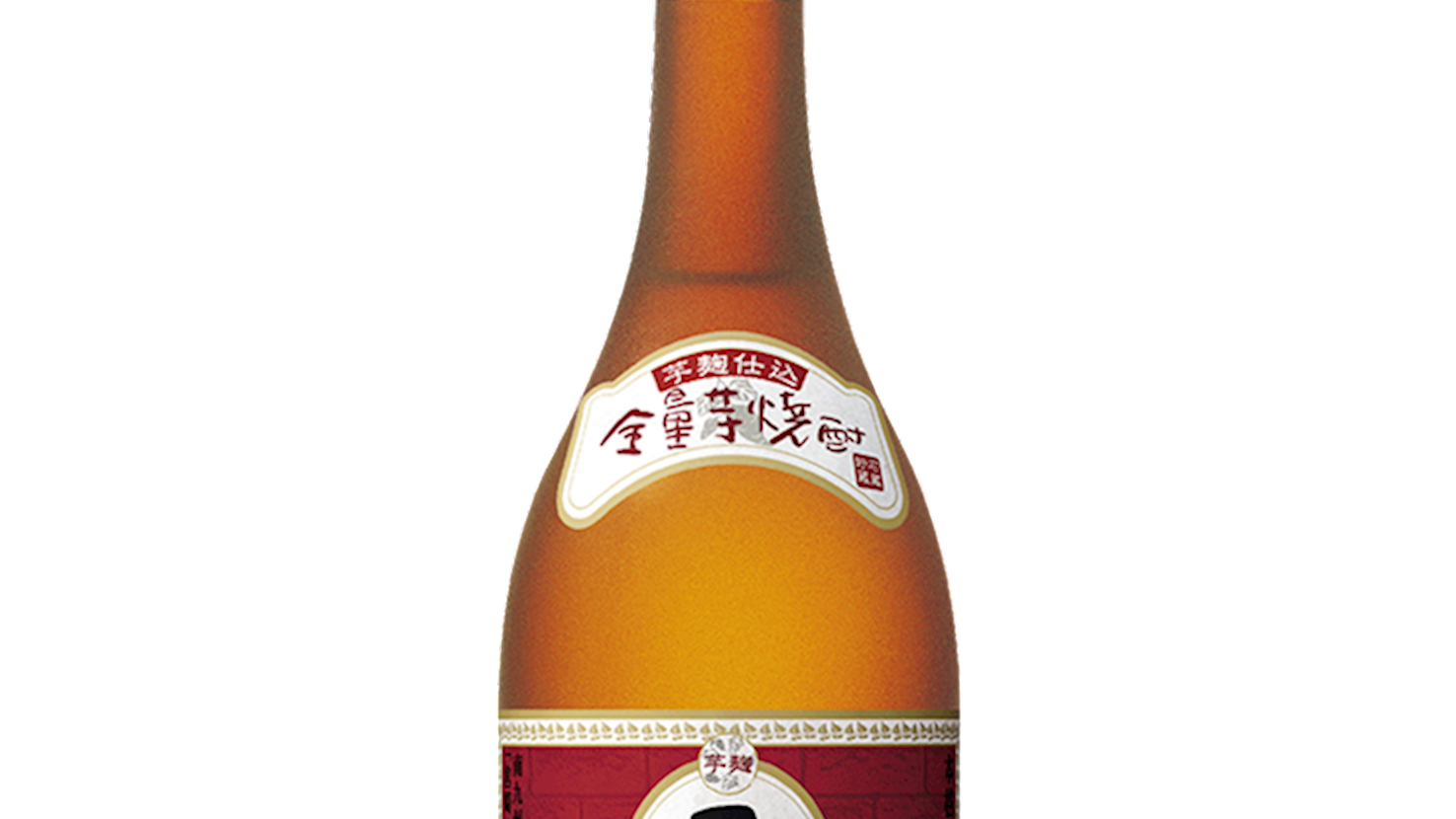
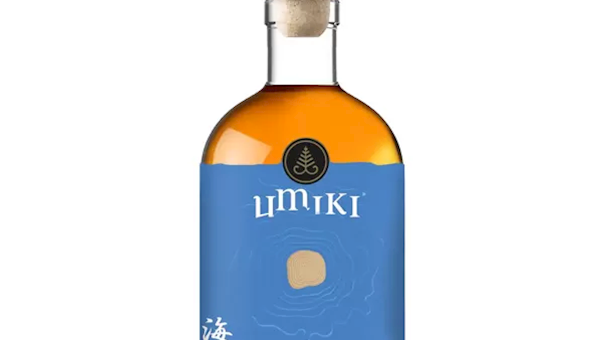
Nagahama Distillery is a Japanese distillery located in Nagahama, Shiga Prefecture. It is renowned for being Japan's smallest distillery, offering artisanal whiskies with unique and bold flavors. Nagahama Distillery uses traditional production methods, focusing on small-batch processes to ensure the highest quality and character in its whiskies. The distillery offers tours where visitors can learn about the whisky-making process, taste their products, and explore the charming surroundings of Nagahama.
Awards
ISC-International Spirits Challenge - Gold
(2024)
IWSC- International wine & spirit competition - Spirit Gold
(2023)
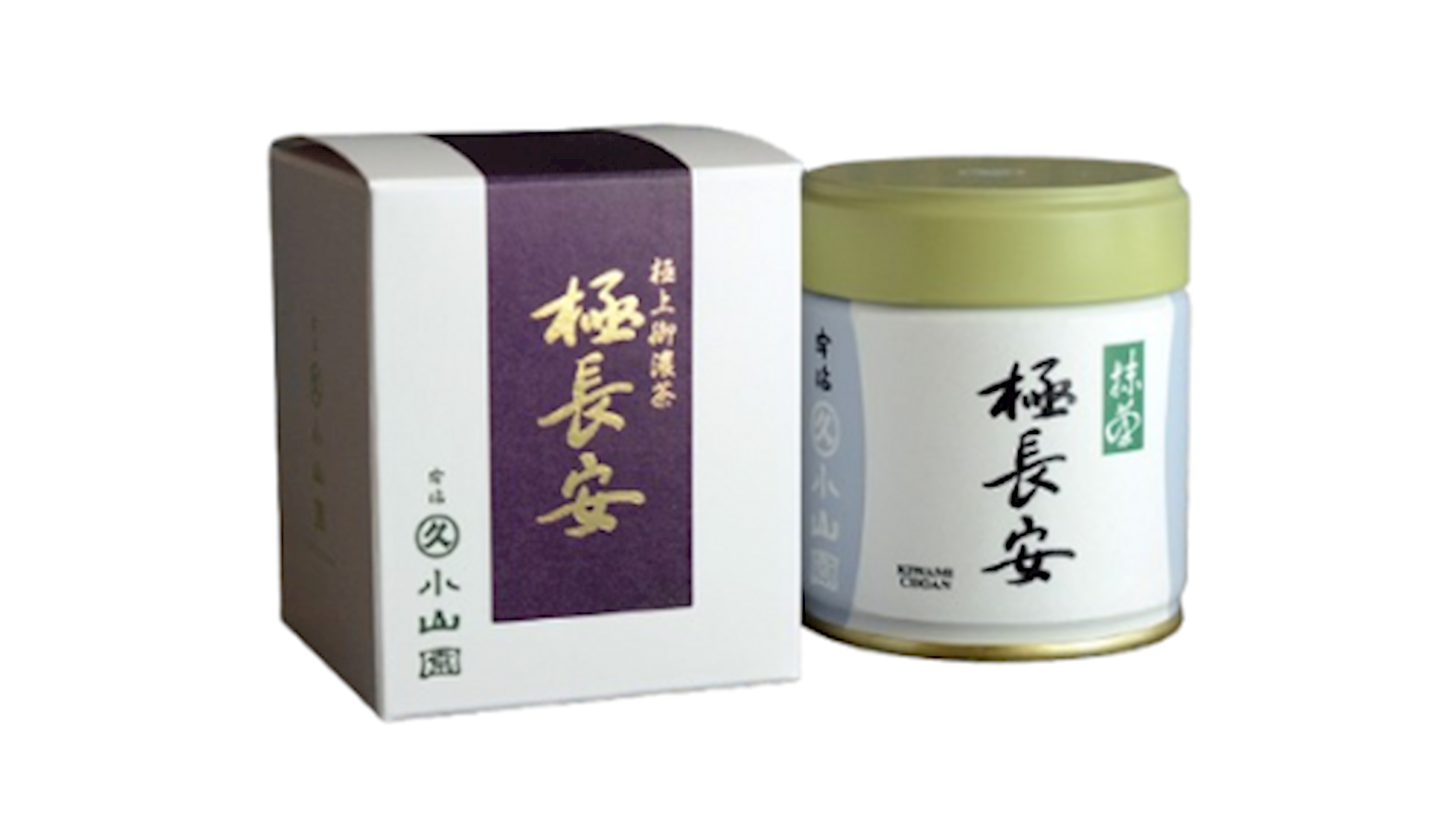
Marukyu Koyamaen is one of Japan’s most respected producers of green tea and matcha, headquartered in Uji, Kyoto Prefecture, a region internationally renowned for its premium tea heritage. The company’s origins trace back to around 1704, when Kyujiro Koyama began cultivating and processing tea in the Ogura area, laying the foundation for what would become a centuries-old tea-making tradition. Over more than 300 years, the Koyama family has refined its expertise in tea cultivation, leaf selection, and processing, establishing Marukyu Koyamaen as a benchmark name in high-quality Uji tea. The company is particularly celebrated for its matcha, produced from shade-grown tencha leaves that are carefully steamed, dried, and traditionally stone-milled into an exceptionally fine powder. Its portfolio includes ceremonial-grade matcha, everyday drinking matcha, and specialized varieties intended for culinary applications and confectionery use. Beyond matcha, Marukyu Koyamaen also produces other classic Japanese green teas, including gyokuro, sencha, hojicha, and genmaicha. The company combines deeply rooted traditional craftsmanship with modern quality control standards, maintaining consistency across its premium tea offerings. Thanks to its longstanding heritage and uncompromising focus on quality, Marukyu Koyamaen remains one of the most recognized and respected names in Japanese tea production.
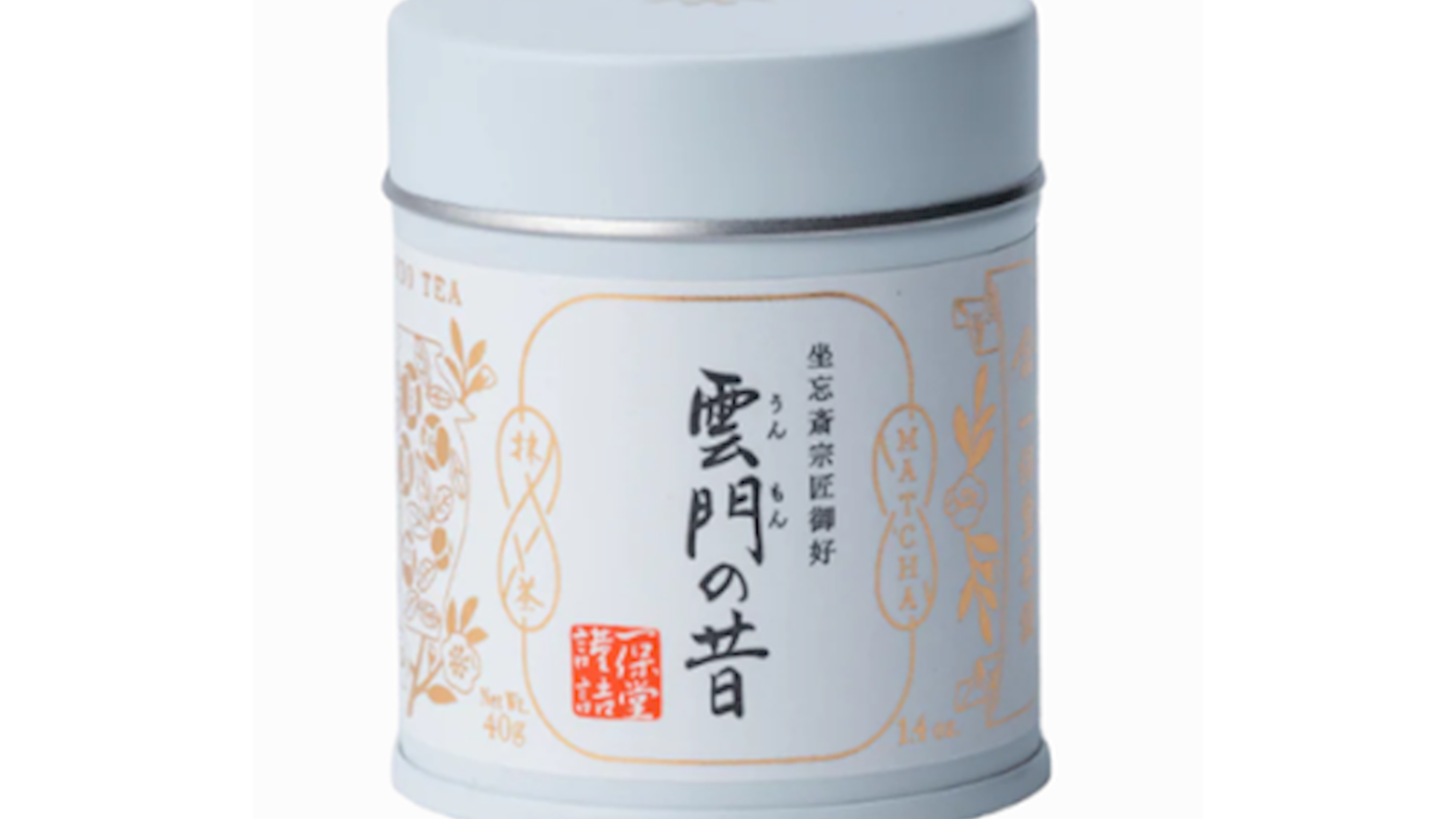
Ippodo Tea is a Japanese family-owned company founded in 1717 in the heart of Kyoto, which has been dedicated to providing the highest quality Japanese green tea for nearly three centuries. Their product range includes a wide variety of teas, such as matcha, gyokuro, sencha, bancha (including hojicha and genmaicha), and tea bags, allowing tea enthusiasts to enjoy premium flavors even when they have limited time. Located in Kyoto, an area known for producing the finest green tea in Japan, Ippodo Tea carefully selects, blends, and processes each of its 30+ varieties to deliver aromatic and well-balanced teas.
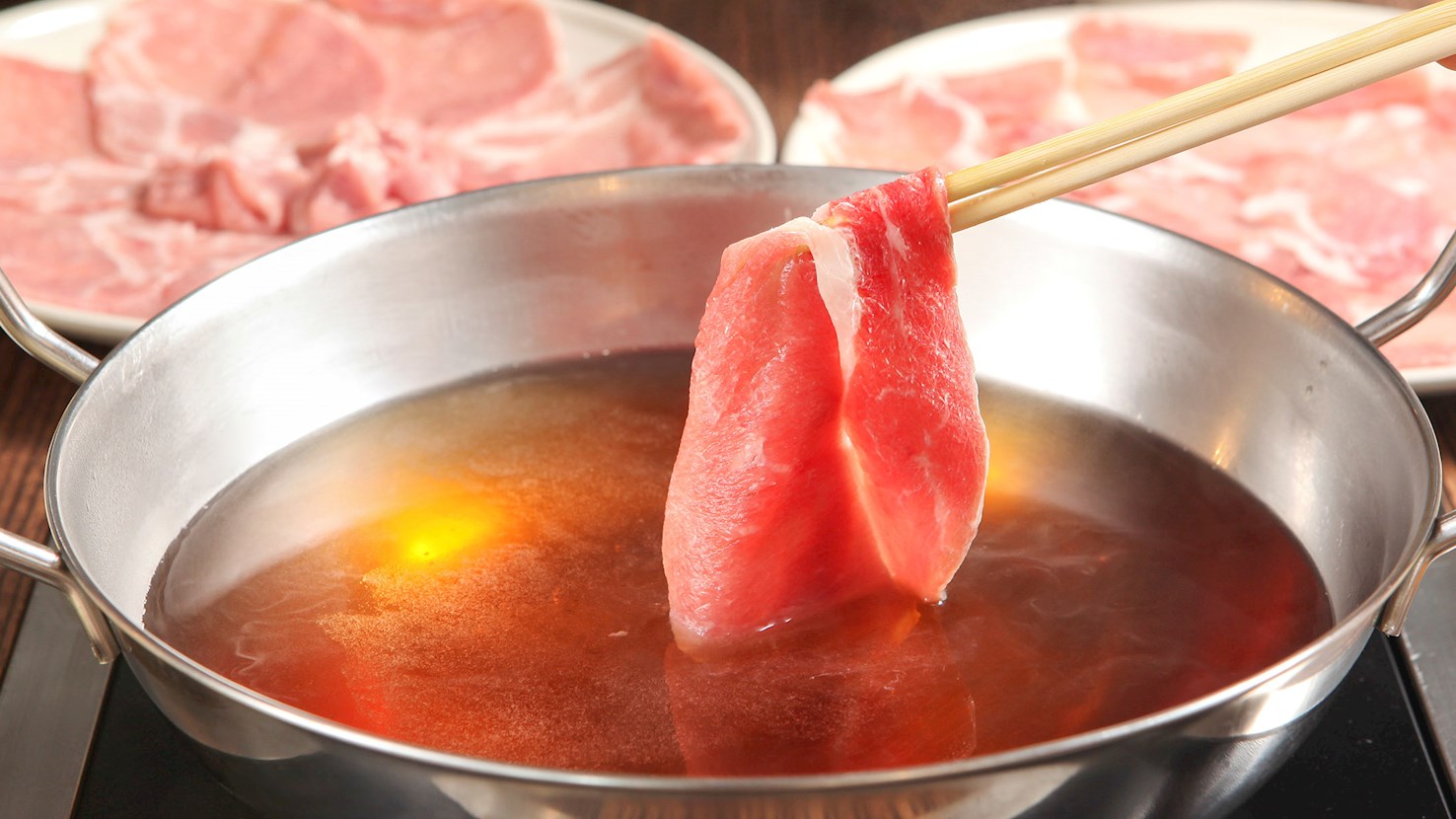
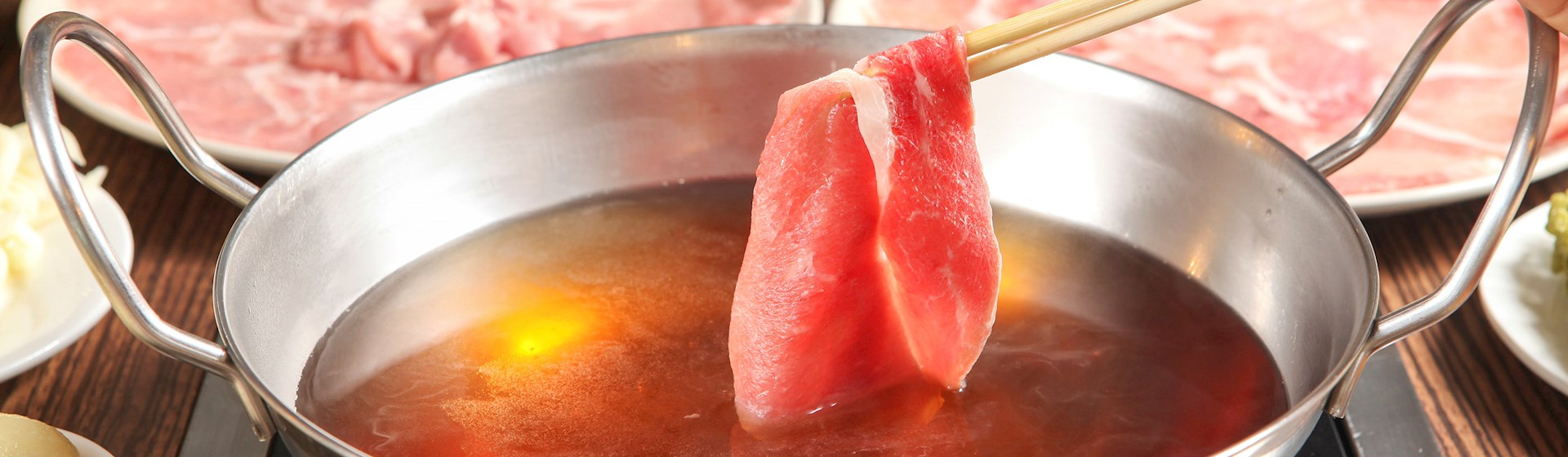
Shabu-shabu is a popular Japanese dish consisting of thinly sliced meat and vegetables cooked in water. The dish is an evolved version of the traditional Mongolian nabemono (one-pot) cooking. Roughly translated to swish-swish, its name is referring to the sound that is made when the sliced pieces of meat go through the water. Although beef is the most popular choice of meat, shabu-shabu can also be prepared with lamb, chicken, pork, duck, crab, or lobster. Steamed rice and a variety of sauces are often served on the side, accompanying the main dish. The dish is typically shared and eaten communally, each consumer dipping a slice of meat in the central pot that is filled with boiling water. Although shabu-shabu originates from China, it was popularized during the 20th century in Osaka, Japan.
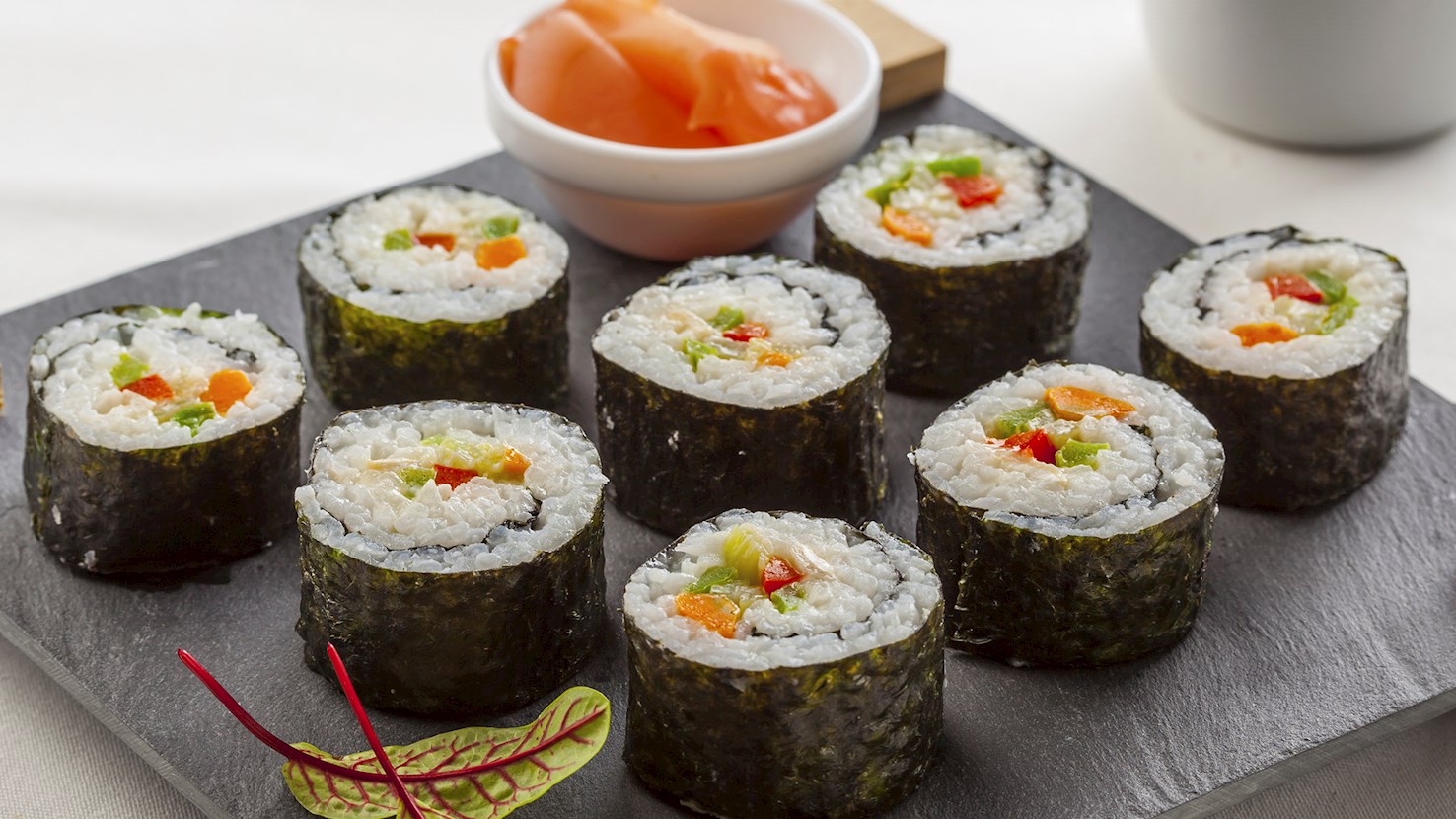
Futomaki is a variety of rolled sushi that is characterized by its large size and a strict balance of used ingredients. The rolls are typically filled with vegetables of different colors, and usually don't contain seafood. Futomaki should be both flavorful and visually appealing, and the ingredients are chosen by how well they accompany each other in terms of visual appeal and flavor. The name of the dish is Japanese for fat roll, the rolls usually being 4 centimeters in diameter and larger, consisting of three components: nori seaweed, which is the outer layer, sushi rice, and selected fillings such as cucumbers, carrots, and mushrooms. Futomaki originated in Kansai as a festival food, and the most common way to eat the dish is with chopsticks, dipped in soy sauce or consumed as it is. On Setsuban, the day before the beginning of a new season, people often consume whole rolls of futomaki as a ritual to ensure good luck.
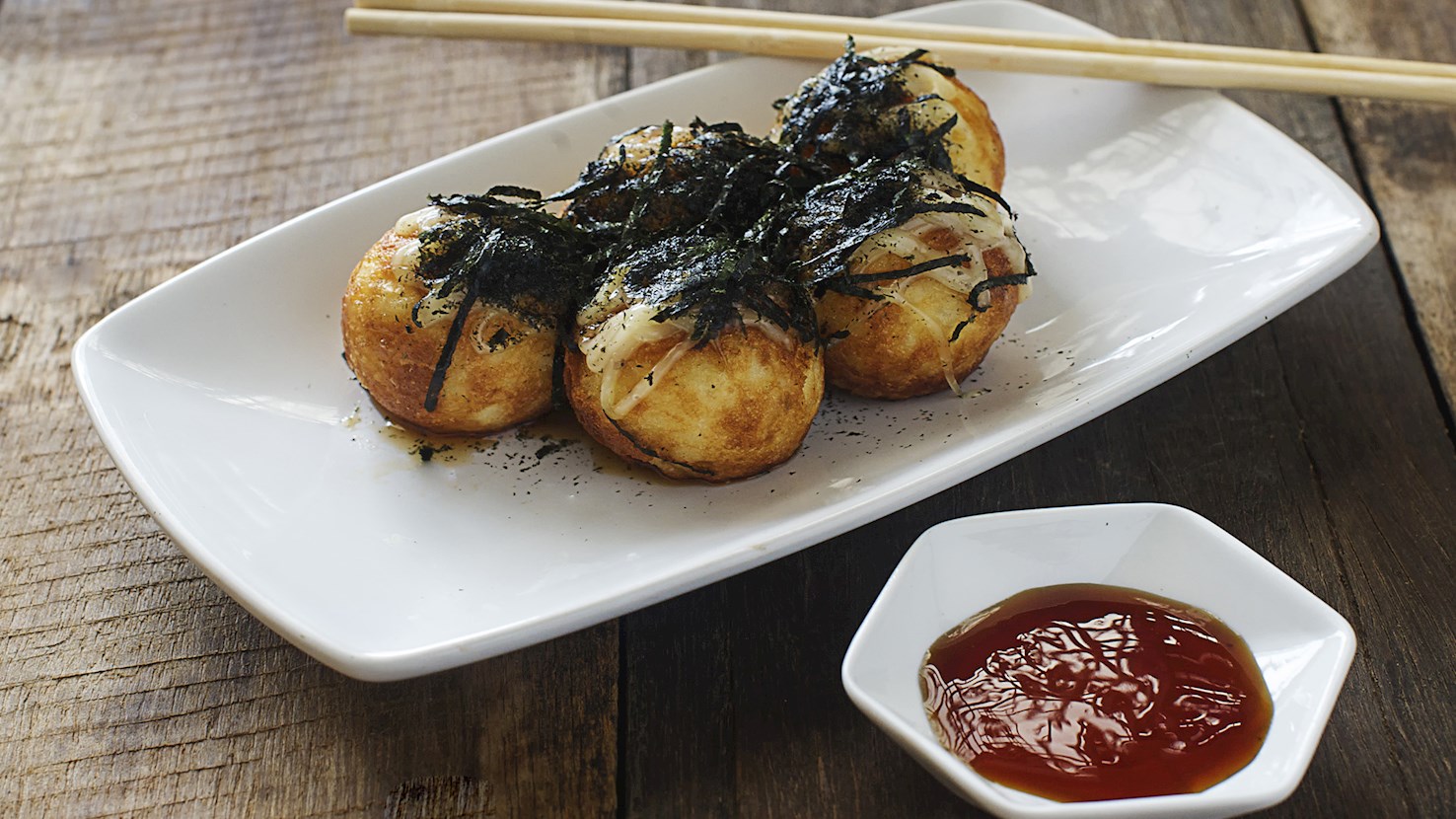
The small, round takoyaki are one of the most famous Japanese snacks, made with a simple egg batter that is enriched with diced octopus pieces. These tiny balls get their signature shape from the traditional iron pan in which they are grilled. The pan is filled with small round molds in which the batter is poured and swirled until the traditional round shape has been developed. The creamy egg mix consists of wheat flour, soy sauce, and dashi stock, and after it has been poured into the sizzling molds it is topped with tender octopus pieces. Sliced scallions, pickled ginger, crispy fried tenkasu pieces, and dried fish flakes are often incorporated to elevate the flavors of the dish. Takoyaki is believed to have originated in Osaka in 1935, and the invention of this Japanese classic is usually linked to Endo Tomekichi, a street vendor who used to sell chobayaki pancakes which were baked in similar molds. He added boiled octopus and other flavorings to create what would become one of the favorite Japanese snacks. Although octopus is the traditional complement to takoyaki, homemade varieties can include many different ingredients. Takoyaki can be found everywhere in Japan: at numerous food courts, stores, bought from street vendors, or served in specialized takoyaki restaurants. They are always served hot and are usually sold in packs of eight or twelve pieces. Traditionally, each serving is topped with a thick takoyaki sauce (similar to Worcestershire sauce), Japanese mayonnaise, a sprinkle of dried seaweed, and a layer of smoky fish flakes.
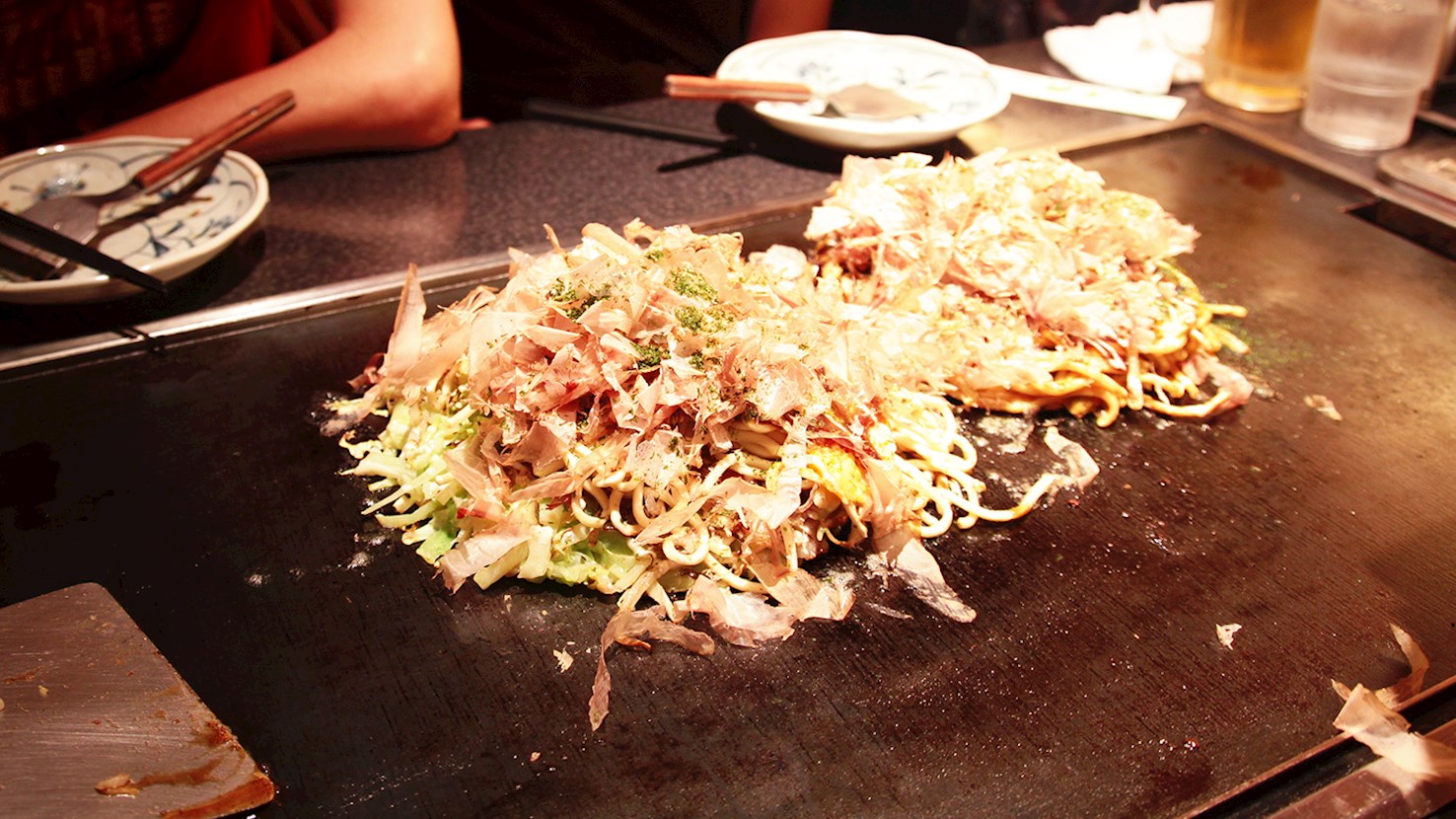
Okonomiyaki is a traditional dish that consists of batter and shredded cabbage. Two main variations come from Osaka (also called Kansai-style) and Hiroshima. The Osaka-style okonomiyaki is prepared by mixing the ingredients together – including grated yam, flour, eggs, water or dashi, and shredded cabbage – and pouring the batter on a hot griddle just like a pancake. Additional toppings and ingredients are all mixed into the batter, such as seafood, meat, and scallions, unlike the Hiroshima-style okonomiyaki, which is layered and the ingredients are cooked separately. Once cooked, the dish is topped with a special sweet and sour okonomi sauce, and usually Japanese mayonnaise and bonito flakes.
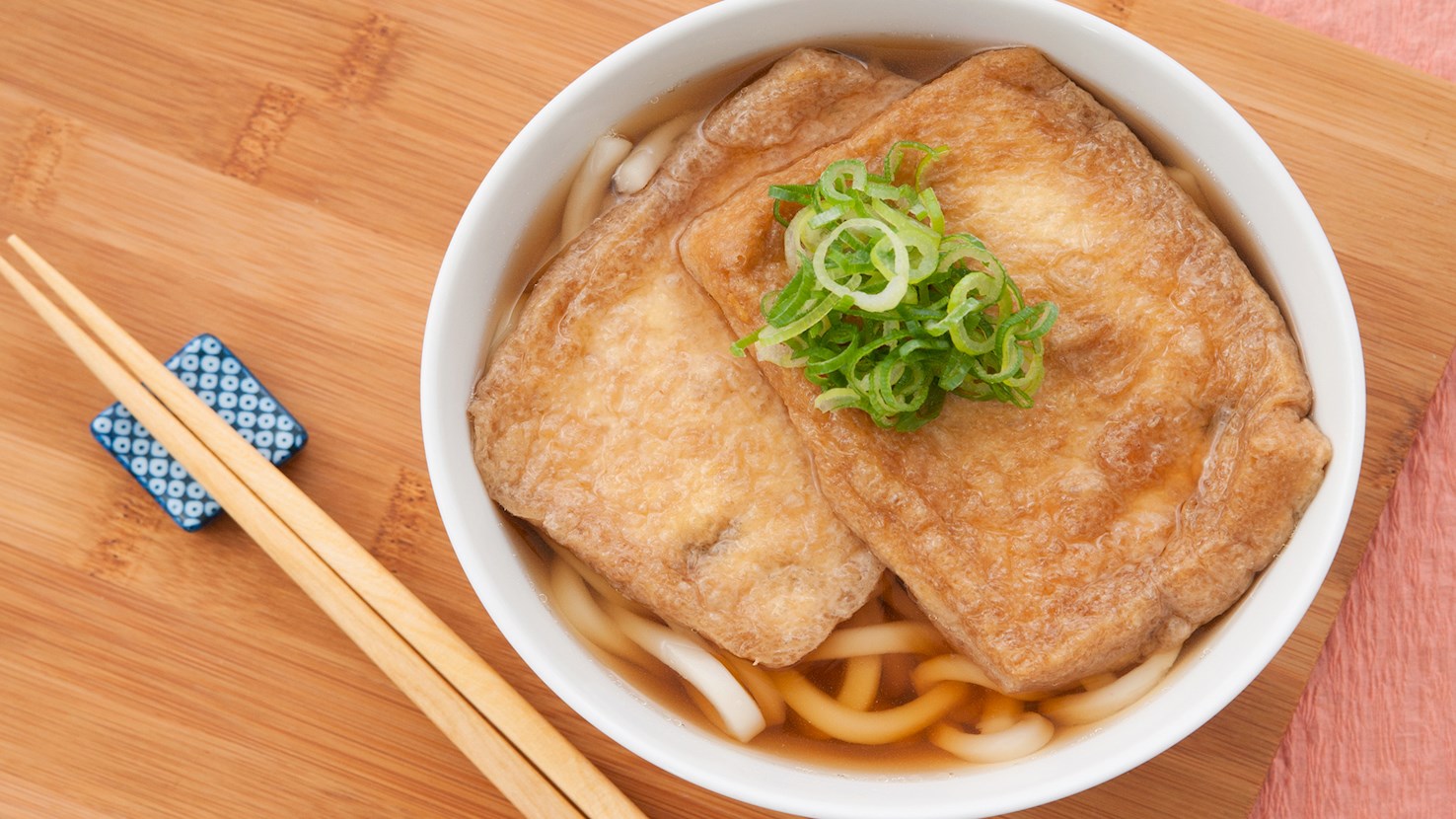
Kitsune udon is a famous Japanese dish which consists of thick udon noodles served in a fragrant dashi broth which is then topped with sliced or whole deep-fried tofu known as aburaage. The name of the dish is translated as fox udon, following the old folk tale which suggests that foxes are great admirers of deep-fried aburaage. Even though the origin of this dish is vague, it is believed that it originated in the 19th-century Osaka, from where it spread throughout Japan and became one of the most common dishes served in traditional Japanese udon restaurants.
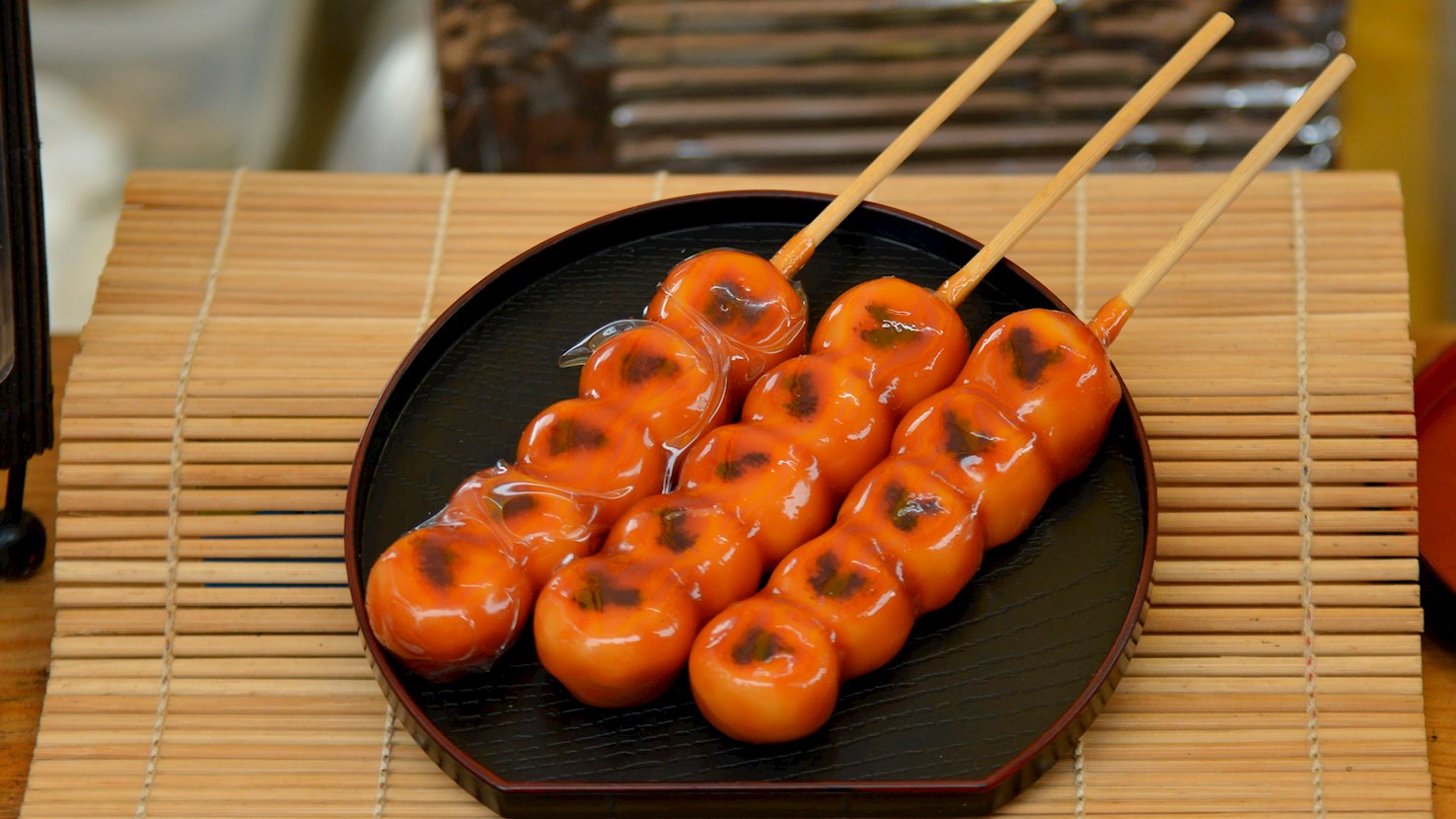
Mitarashi dango is a popular Japanese treat which consists of skewered rice cakes covered in a sweet, sticky soy sauce glaze. They are traditionally made with five round cakes, just like they were initially prepared at the Kamo Mitarashi Tea House in Kyoto. It is believed the name mitarashi stems from their similarity to water bubbles found in the water basins at the entrances of Shinto shrines. Today they are popular throughout the country, readily available at convenience stores and specialized dango shops.
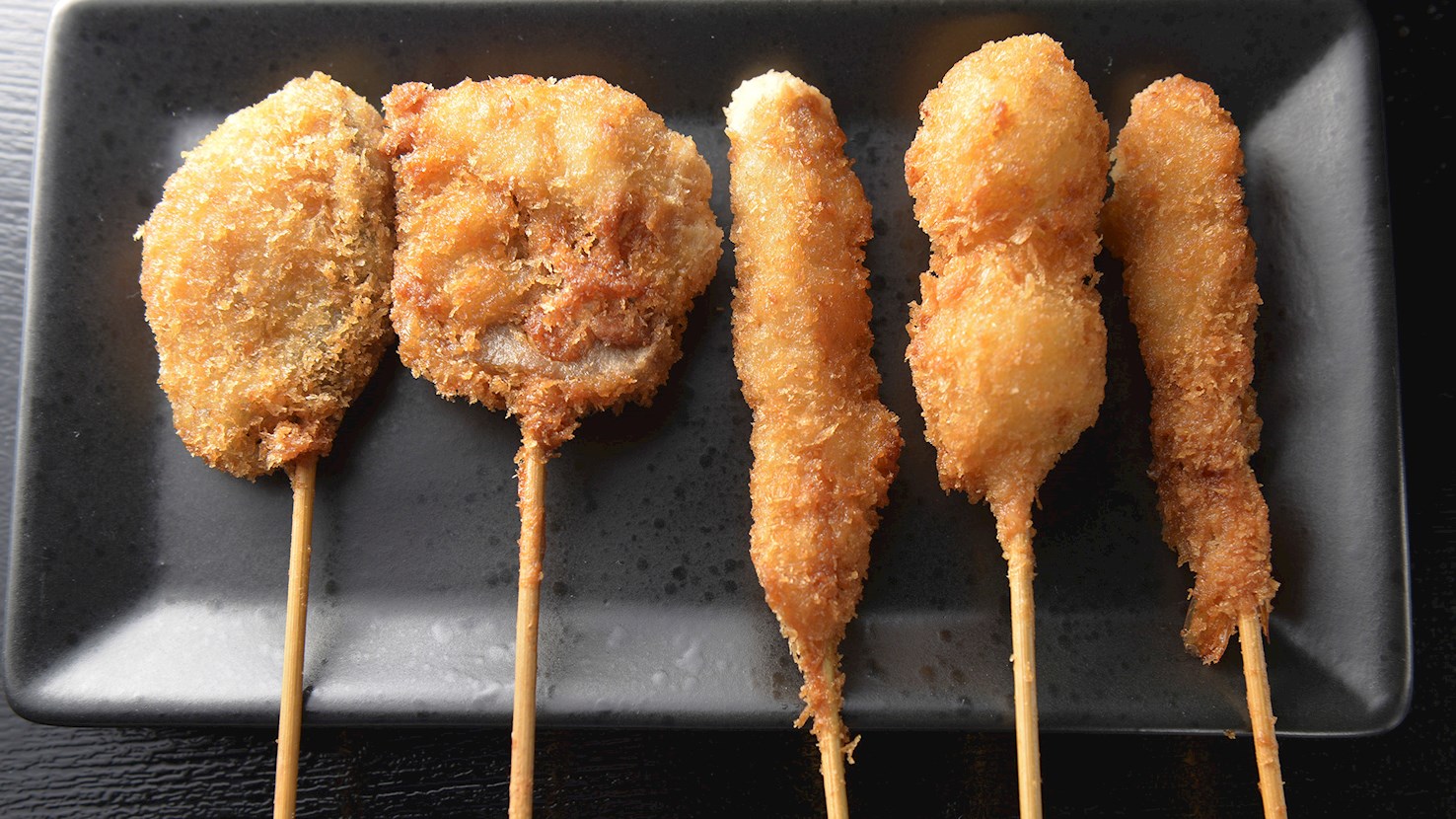
Breaded, skewered with a bamboo stick and deep-fried, the delectable bite-sized pieces of various fish and seafood, pork, chicken, beef, and even horse meat or fresh vegetables are collectively called kushiage, also kushikatsu, and originate from Osaka, a city aptly nicknamed the kitchen of Japan. Kushiage first appeared in the 1920s in Shinsekai, but today, these incredibly popular fried skewers can be enjoyed anywhere from numerous street food stands to kushiage-specialized restaurants that offer a truly unique Japanese dining experience. And while the street snack version of kushiage is simply served with a Worcestershire-like brown sauce which comes in a communal pot, the gourmet kushiage prepared at high-end Asian fusion restaurants is amazingly creative and sophisticated. It is often counterbalanced by small, refreshing side dishes, and comes served with a variety of dipping sauces and condiments, with each skewer pointing to the recommended dip for that variety of kushiage. These most commonly include the classic kushiage brown sauce, ponzu or soy sauce mixed with vinegar or citrus juice, ichimi or chili salt, sesame sauce, and Japanese Kewpie mayonnaise made with apple cider or rice vinegar. Kushiage menus change according to what’s in season, often featuring a countless assortment of varieties and combinations such as shrimps with shiso basil, crab claws, salmon and cheese, shiitake mushrooms, whole garlic cloves, rice cakes, okra, quail eggs, bacon-wrapped asparagus, lotus root, sea tangle with herring roe, monkfish liver, etc. Some places even offer the kushiage version of a popular Osaka soul food called okonomiyaki, which is a savory pancake-like omelet often referred to as the Japanese pizza. The variations are virtually endless and left for food lovers to discover both in Osaka and beyond.
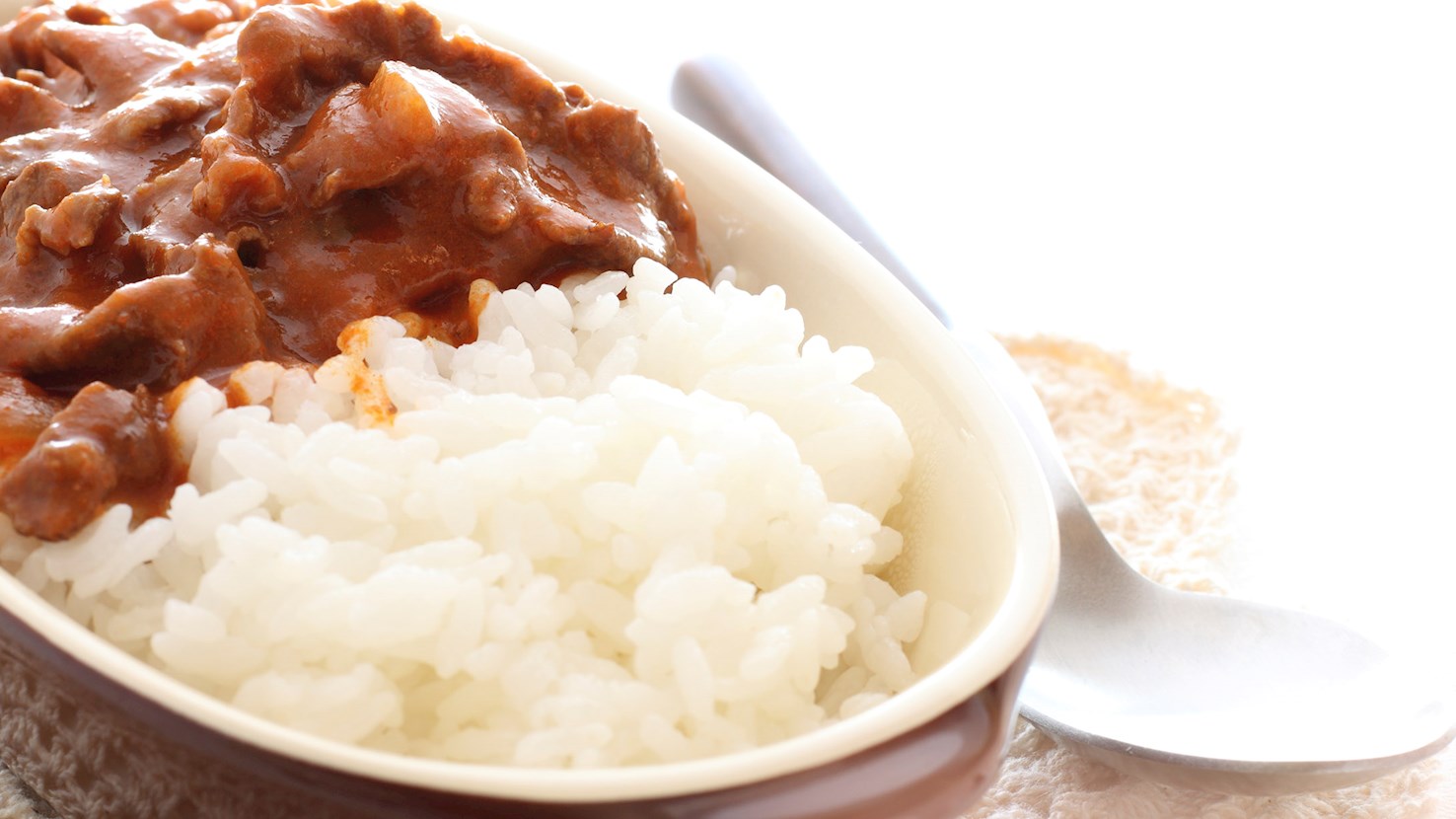
Hayashi rice is a yōshoku (Western-style) dish consisting of tender, thinly sliced beef, earthy button mushrooms, and sweet onions slowly simmered in a rich, dark, and deeply savory demi-glace sauce, served generously over a bed of steamed white short-grain rice. Emerging during the Meiji period—a transformative era when Japan rapidly opened its borders and began adapting European culinary techniques to suit local palates—this comforting stew represents the perfect marriage of French culinary foundations and Japanese gastronomic sensibilities. The etymology of its name remains a subject of colorful culinary debate; the most prominent theories suggest it was either named after Yuteki Hayashi, the founder of the Maruzen bookstore chain, who supposedly invented or popularized the dish by serving it to his friends, or that it evolved as a phonetic Japanese corruption of the English phrase "hashed beef." Another enduring legend credits a chef named Hayashi at the historic Ueno Seiyoken restaurant in Tokyo, one of the pioneering establishments of yōshoku cuisine. Regardless of its true genesis, the dish quickly became a staple of early 20th-century Japanese dining, offering a luxurious yet accessible taste of Western sophistication. The soul of hayashi rice lies in the arduous preparation of its sauce, a classic French demi-glace that, in venerated, old-school yōshoku-ya (Western-style diners), can take days of roasting veal bones and reducing stocks to achieve its signature glossy, mahogany perfection. To this deeply complex base, chefs add red wine, tomato paste, and occasionally subtle, localized enhancements like a splash of soy sauce or Worcestershire sauce to ground the flavor profile with familiar umami notes. Into this bubbling, sweet-and-tart reduction go paper-thin slices of beef—often well-marbled cuts like ribeye or chuck, similar to those used in sukiyaki—along with caramelized onions and mushrooms, which cook rapidly and absorb the sauce's magnificent flavors without turning tough. Unlike the equally iconic Japanese curry, hayashi rice contains no fiery spices, relying instead on a luxurious, mellow balance of sweetness, acidity, and intensely meaty richness. Today, while high-end restaurants still painstakingly craft it from scratch, hayashi rice has become a beloved everyday comfort food across Japan, made effortlessly in home kitchens using convenient, pre-packaged blocks of dehydrated roux, and is often finished with a delicate drizzle of heavy cream or a scattering of bright green peas to provide visual and textural contrast to the profoundly rich stew.
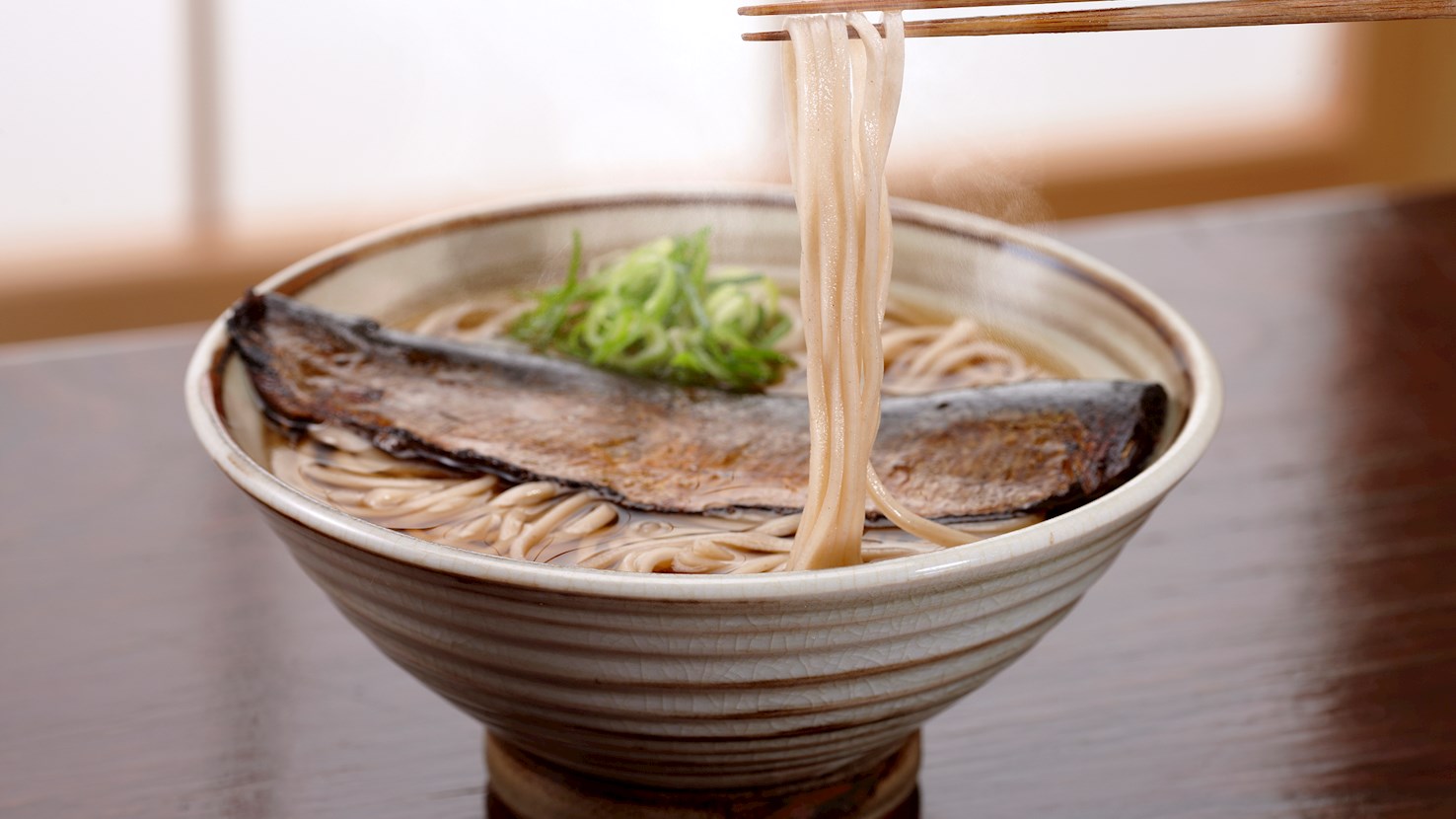
Nishin soba is a traditional dish made with soba noodles. In order to prepare it, herring is served over buckwheat soba noodles in a hot tsuyu broth. The ingredients include soba noodles, herring filets, shiitake mushrooms, sake, sugar, mirin, soy sauce, and dashi. The noodles are placed into bowls, followed by the tsuyu broth, and the dish is then topped with the fish and shiitake mushrooms. Depending on the weather or season, people eat their local specialty noodles hot (when it’s cold outside) or cold (when it’s hot outside). Nishin soba is usually served hot.
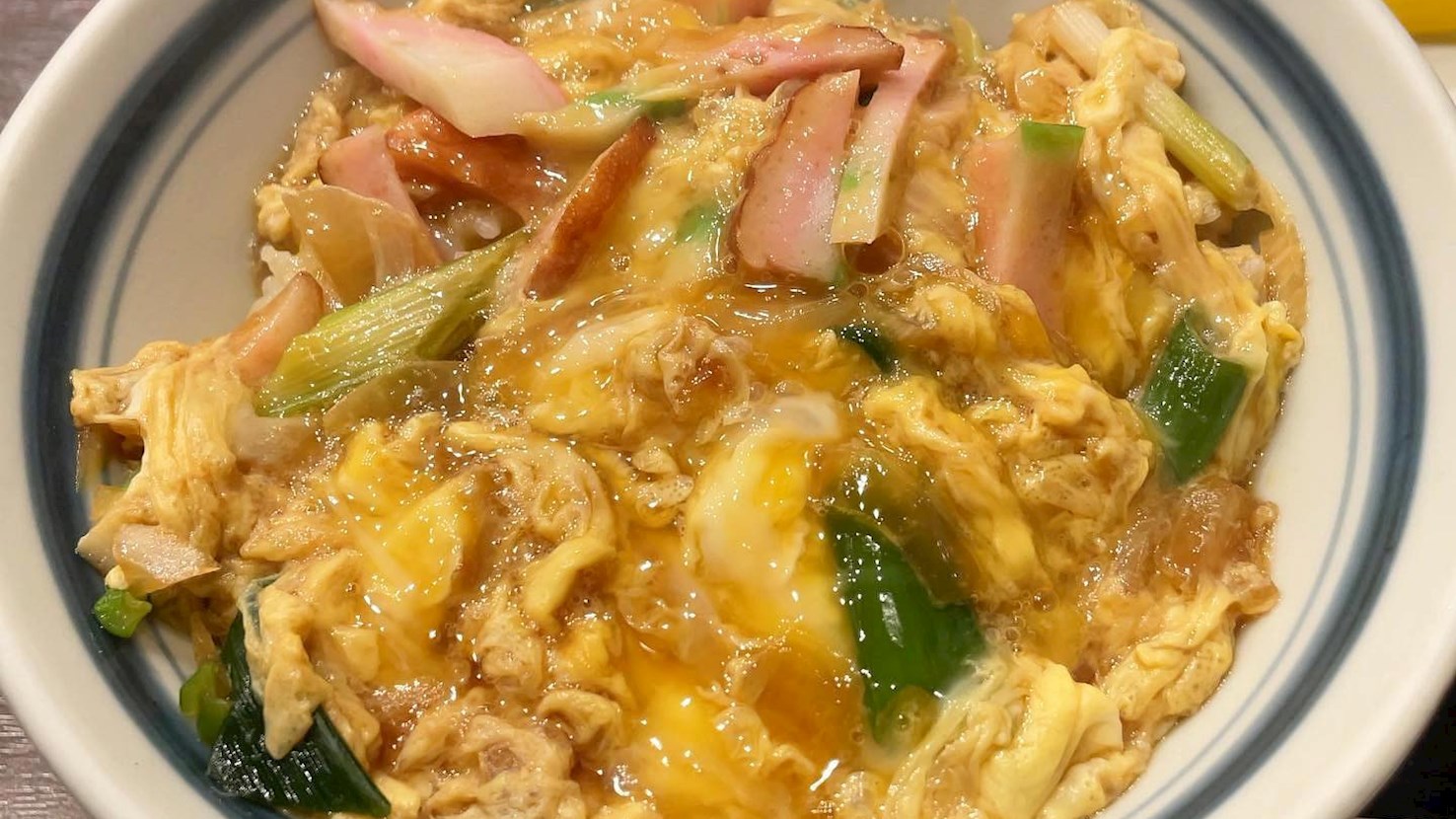
Konoha-don or konoha-donburi is a traditional dish that's especially popular in Kyoto and Osaka. It consists of a bowl of rice with thinly sliced fish cakes, raw eggs, and often scallions and shiitake mushrooms. The egg is spread over the dish in its raw form and it's cooked by the heat of the rice. In some places, people also like to add fried tofu or sliced nori seaweed to further enrich the dish. The word konoha in the name of the dish refers to tree leaves, which are similar to slices of fish cakes.
TasteAtlas food rankings are based on the ratings of the TasteAtlas audience, with a series of mechanisms that recognize real users and that ignore bot,
nationalist or local patriotic ratings, and give additional value to the ratings of users that the system recognizes as knowledgeable.
For the “Top 39 Kansai Foods” list until June 24, 2026, 1,980 ratings were recorded, of which 1,716 were recognized by the system as legitimate.
TasteAtlas Rankings should not be seen as the final global conclusion about food. Their purpose is to promote excellent local foods,
instill pride in traditional dishes, and arouse curiosity about dishes you haven’t tried.
The initial list of top producers was compiled based on available reviews, awards, local recommendations, media and blog coverage, and consumer reviews.
The list will be updated with ratings from TasteAtlas local ambassadors and TasteAtlas users.