shutterstock

Top 14 Limousin Foods

Last updated on August 12, 2026

Best Limousin Food Products
Best Limousin Foods

01
Tart

Clafoutis

3.9 ·

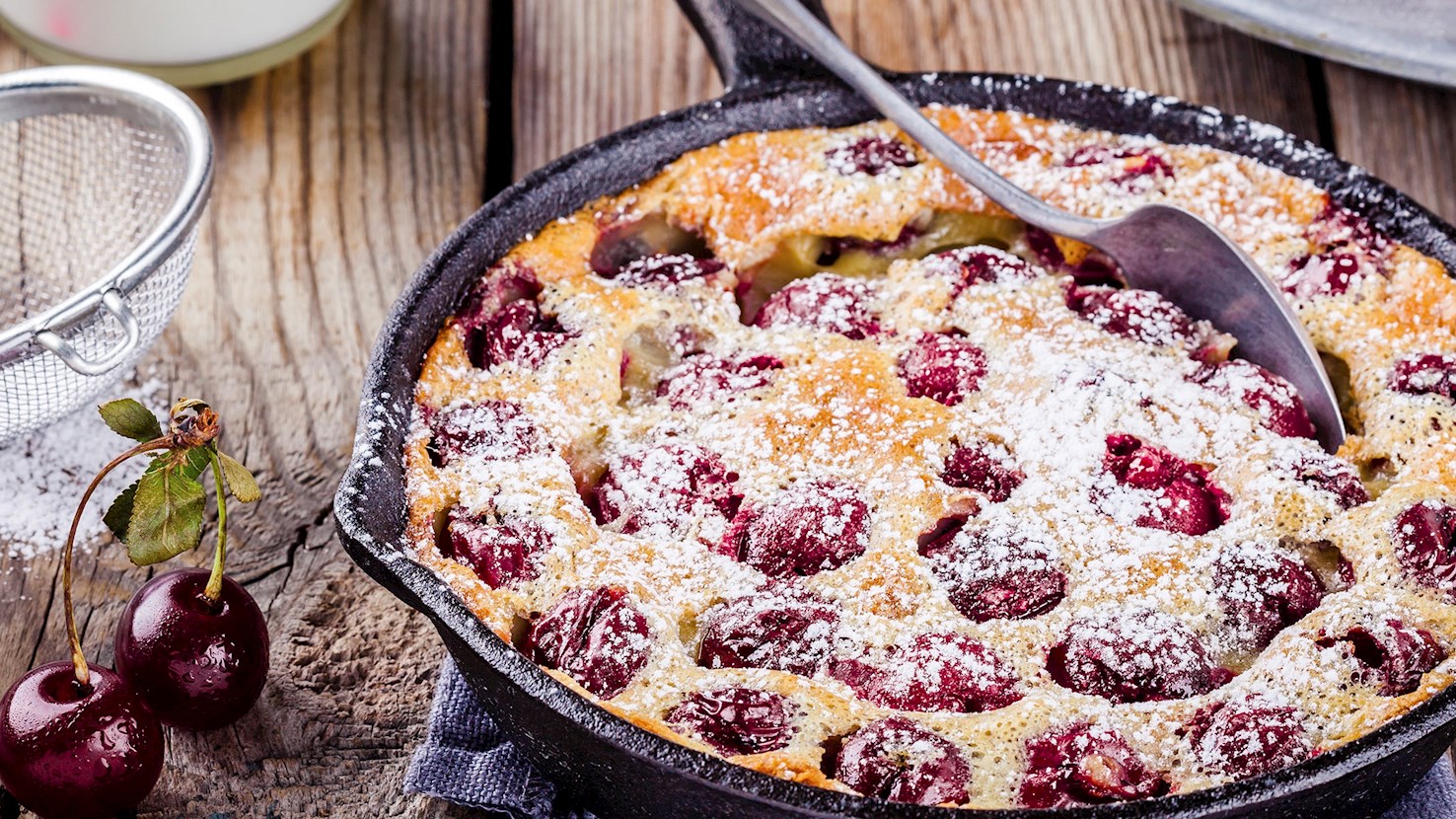
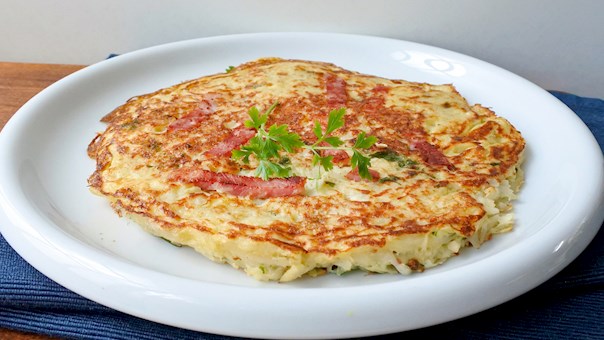
Originating from the Limousin area in France and dating back to at least the mid-1800s, clafoutis is a traditional, crustless French flan, tart, or a type of thick pancake typically consisting of layers of batter and fruit. Its name stems from the French word clafir, meaning to fill. The flan is traditionally topped with pitted black cherries (although some insist that the cherries should be left unpitted), which lend their rich flavor to the clafoutis as it bakes. It is typically served warm, dusted with a hefty dose of powdered sugar, and sometimes with a dollop of cream on the side. If cherries are not available, the dessert can be made with any seasonal fruits, and there is even a savory version of clafoutis filled with cherry tomatoes, mozzarella, prosciutto, potatoes, and ham.

02
Savory Pie

Pâté aux pommes de terre

n/a ·

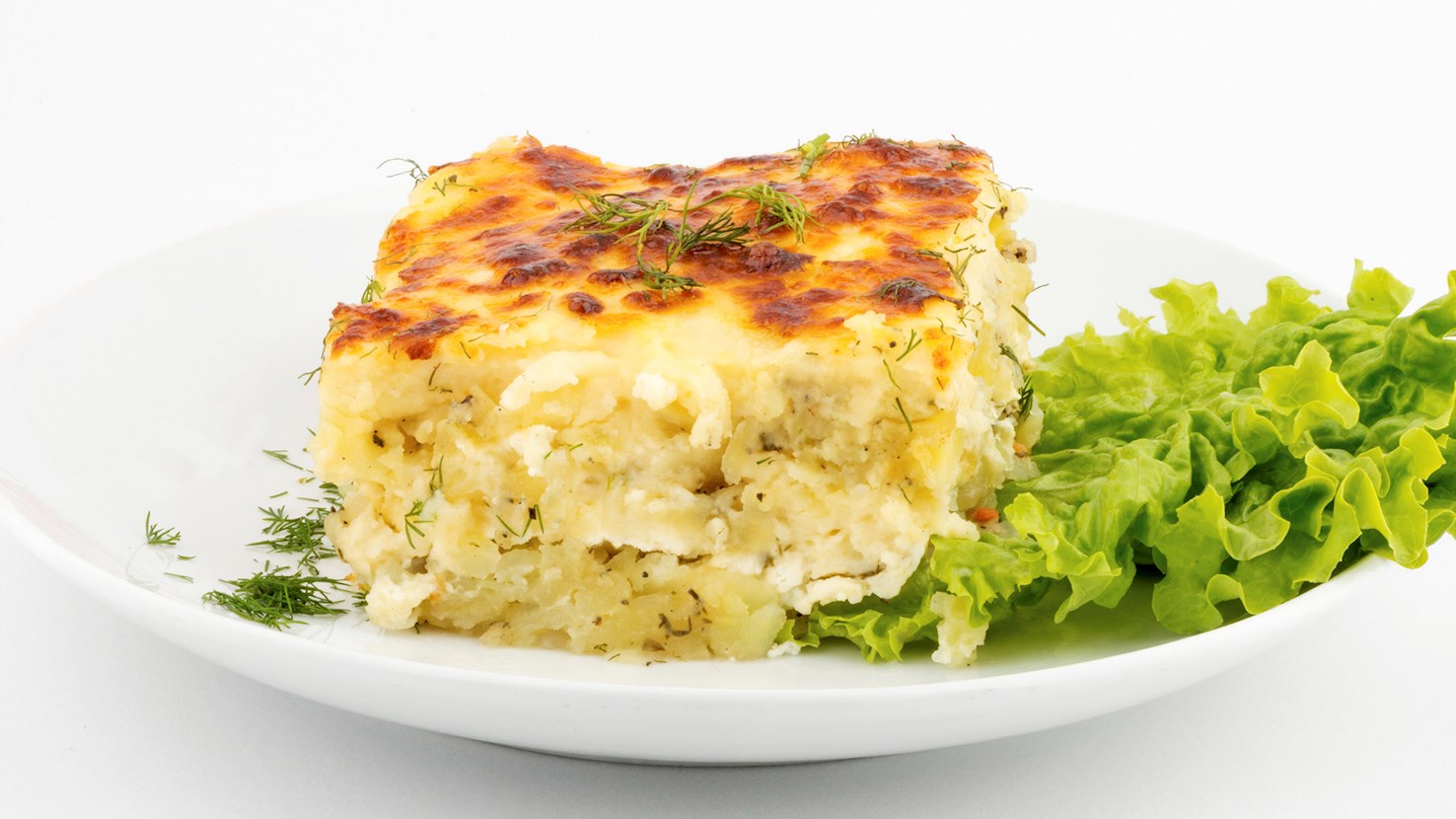
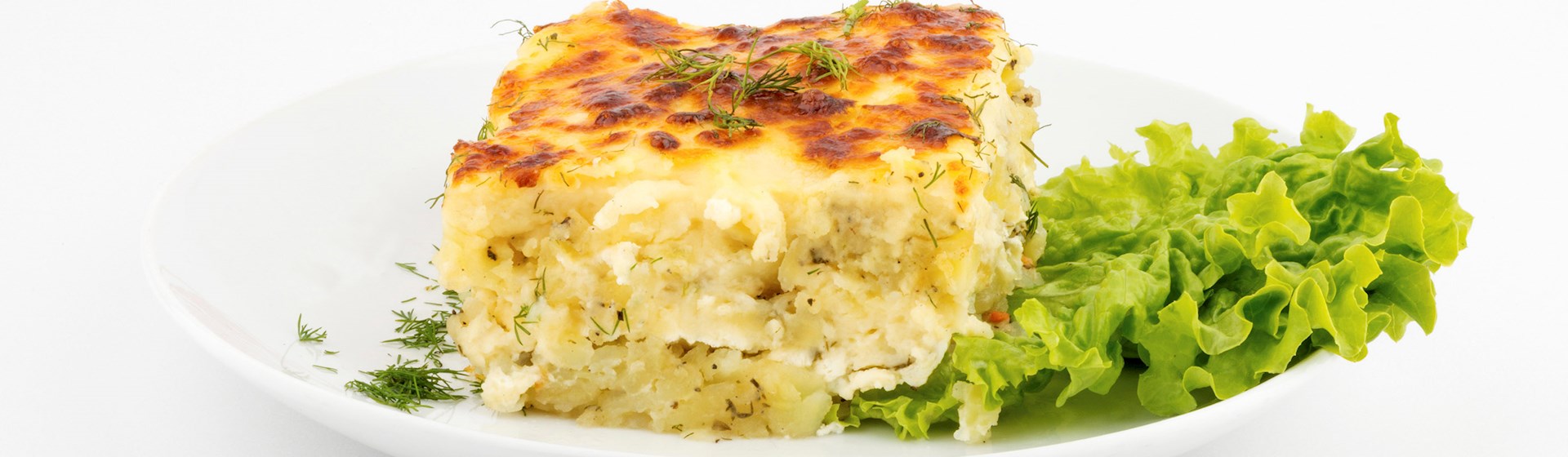
Pâté aux pommes de terre is a savory potato pie originating from the French region of Limousin. It consists of sliced potatoes that are layered with onions, cream, garlic, parsley, salt, and pepper in a flaky puff pastry. Before the 18th century, when potatoes were first brought to France, Limousin pie was made with a combination of crème fraîche and regular bread dough. It can be served either as a main course or as a side dish, and it is usually consumed while still hot. Traditionally, the pie is served with lettuce on the side, and it is recommended to pair it with a glass of cider or red wine.

03
Cake

Gâteau creusois

n/a ·

Gâteau Creusois is a traditional French cake originating from Creuse. It's made with a combination of egg whites, flour, sugar, ground hazelnuts, and butter. The egg whites shouldn't be beaten too much as the cake will rise too much and it will most probably be dry. This cake is often served with custard made from egg yolks, sugar, flour, vanilla, and milk. In the 1960s, a recipe from the 15th century has been found in an old monastery, and it says that the cake used to be cooked in a tile-lined oven. Nowadays, it makes for a great Christmas dessert, ideally served with whipped cream or raspberry coulis.

04
Tart

Flaugnarde

n/a ·

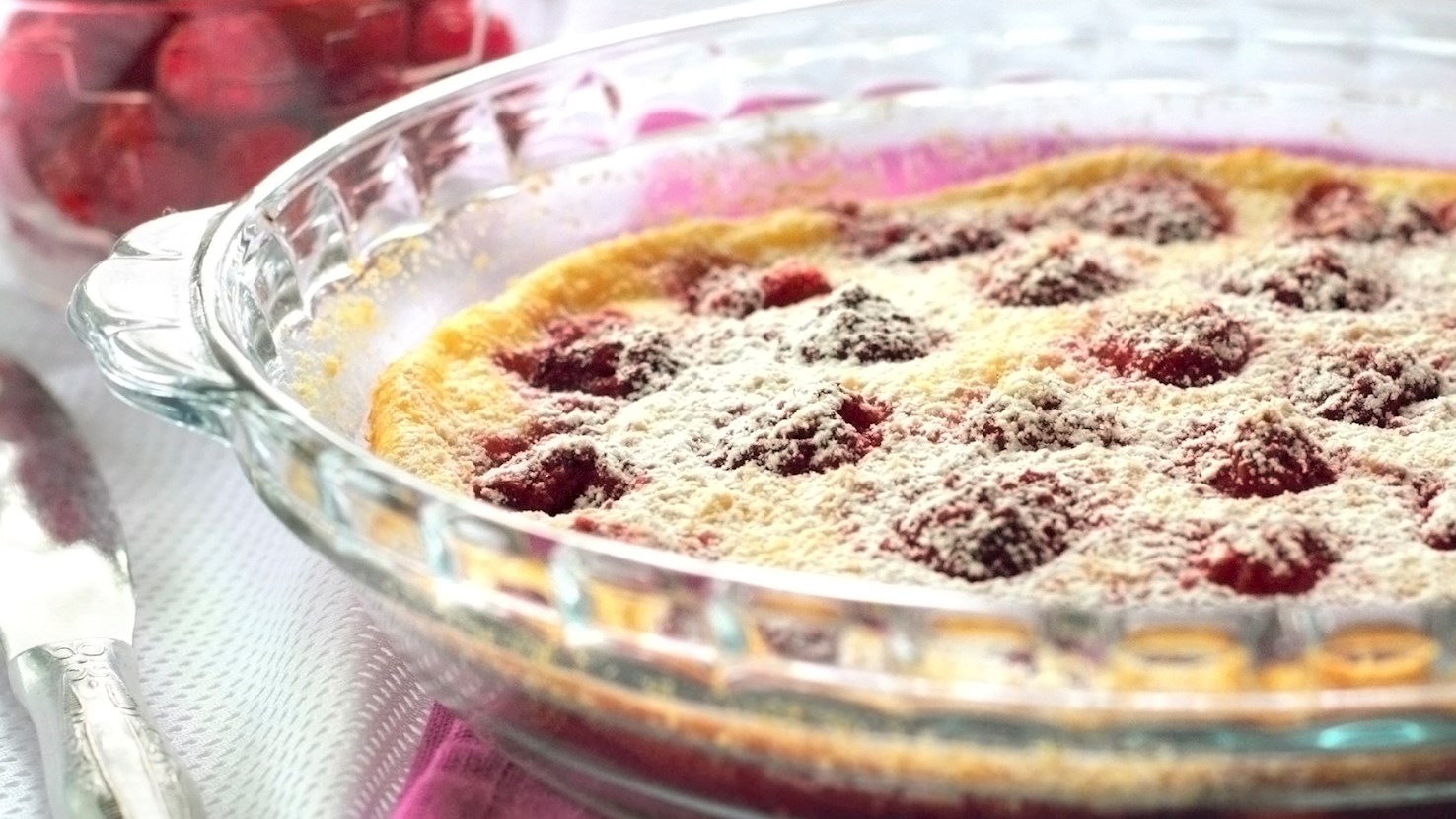
Flaugnarde is a baked fruit flan that is similar to clafoutis. It comes from the French region of Limousin. Clafoutis is made with cherries, but flaugnarde incorporates peaches, pears, plums, apples, raspberries, or any other fruit except cherries. The name of the dish is derived from the Occitan words fleunhe and flaunhard, meaning soft or downy. Baked until golden brown, flaugnarde resembles a large pancake that is commonly dusted with confectioners' sugar. This flavorful dessert can be served warm or cold.

05
Cheese

Cailladou

n/a ·

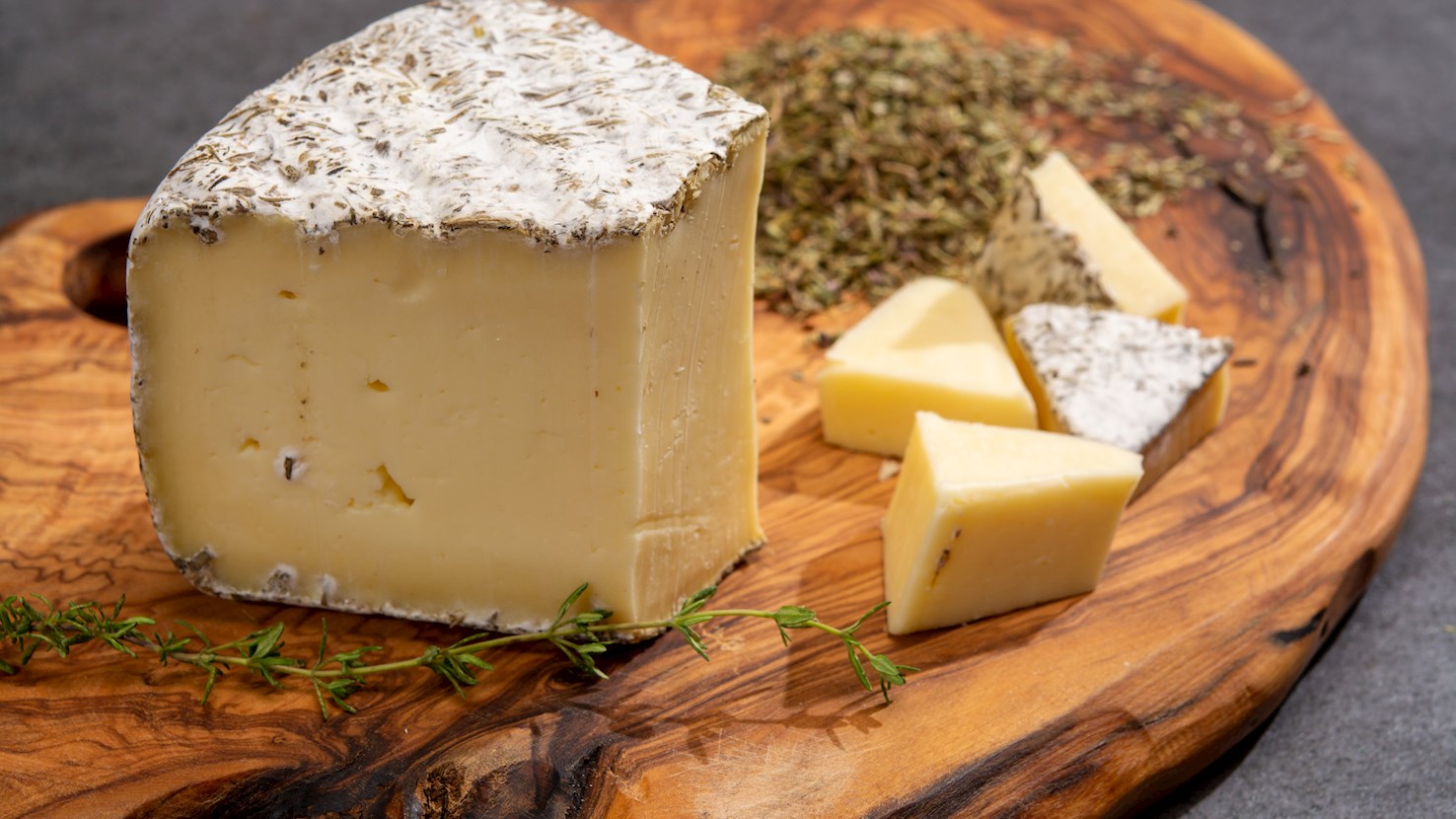
Cailladou is a French cheese originating from Allassac in the department of Correze. This fresh farmhouse cheese is made from raw cow’s milk. The texture is creamy, moist, soft, dense, and slightly grainy. The aromas are reminiscent of fresh milk, while the flavors are delicate, milky, and tangy. When consumed, the cheese is slightly melting on the palate.

06
Sourdough Bread

Pain Tourné

n/a ·
Pain tourné is an elongated, twisted wheat and rye sourdough bread native to the Limousin area within the Nouvelle-Aquitaine region of central-western France. Rural bakers in the Haute-Vienne and Corrèze departments developed this specific shaping technique during the 19th century to solve a practical baking challenge. Wood-fired communal ovens of the era often had uneven temperature distribution, leading to inconsistent baking of standard round boules. By elongating the dough and applying a severe torsion before baking, local agricultural communities maximized the exposed surface area, ensuring a thorough, rapid bake even in the cooler zones of the masonry hearths. Producing this loaf requires mixing coarsely milled local wheat flour, a minor portion of dark rye flour, water, salt, and an active levain. The mixture undergoes a slow, ambient fermentation process to establish a mild lactic acidity. Once proofed, the mass is divided into thick, cylindrical batons. Holding both ends of the cylinder, a baker applies a forceful, opposing twist to the dough, creating deep, spiraling structural fissures along the entire length of the loaf. This deliberate torsion stretches the gluten network tightly across the exterior, which, under the high heat of the oven, bursts and forms highly pronounced, jagged ridges. These elevated ridges bake into a dark, heavily caramelized crust with an exceptionally sharp, crunchy texture, contrasting directly with the dense, chewy interior crumb. After cooling on open wooden racks, the loaf is presented whole and cut at ambient temperature. The high crust-to-structure ratio makes the interior highly effective at soaking up the thin, savory broths of local meat and root-vegetable stews. Slices frequently accompany regional charcuterie, acting as a sturdy textural contrast to smooth, fatty spreads like rillettes or rich terrines made from Limousin pork.
07
Cake

Treipaïs

n/a ·

Treipaïs is a layered dessert from Limousin that has a distinctive triangular shape and combines multiple textures and flavors in a single presentation, with layers of hazelnut praline crunch, nut-based dacquoise, chestnut mousse, and dark chocolate mousse, finished with a chocolate glaze and typically topped with a glazed chestnut and small decorative elements, creating a dessert with contrasts of crunchy, creamy, and airy components. Its creation emerged in the early 2000s when a group of pastry chefs from the Limousin region set out to develop a dessert that symbolized the union of the three departments of the area; the name treipaïs comes from the Occitan phrase for “three countries,” and the triangular form reflects this concept, with each point representing one of the departments. Preparation involves first making the components that contribute distinct textures: a base of crispy hazelnut praline mixed with feuilletine, a dacquoise made from hazelnut and meringue, and two separate mousses — one flavored with cooked chestnuts and the other with dark chocolate; these elements are assembled in layers within a triangular mold, chilled to set, and then coated with a smooth chocolate glaze before being decorated with a glazed chestnut and almond-paste leaves. Variations appear in slight differences in the balance of flavors between the chestnut and chocolate mousses, minor adjustments in the thickness of the dacquoise or praline layer, and occasional use of alternate garnishes, while the defining feature remains the integration of the four main components in a triangular form that highlights the regional symbolism rather than a single homogeneous filling. Treipaïs is eaten chilled as a dessert, often served in individual slices that reveal the layered structure, and it pairs well with coffee, black tea, or dessert wines that complement its rich chocolate and chestnut profiles without masking the delicate contrasts between creamy and crunchy elements.

08
Stew

Potée limousine

n/a ·

Potée limousine is a robust, slow-simmered pork and root-vegetable stew deeply rooted in the agricultural heritage of central France. Rural farming families historically relied on this nourishing, one-pot meal to sustain themselves through harsh winters, brilliantly utilizing their preserved meats and cellar-stored crops. Creating this comforting centerpiece requires soaking heavily salted cuts of pork—frequently a hearty mix of knuckles, ribs, sausages, and cured belly—in fresh water to mellow their intense brine. The revitalized meats are then submerged in a large pot of cold water and brought to a very gentle boil, requiring constant skimming to guarantee a pristine, translucent broth. Once the tough pork fibers begin to yield, a massive harvest of vegetables joins the cauldron, including thick cabbages, carrots, potatoes, turnips, celery, leeks, and onions. A fragrant bundle of fresh herbs, a heavy dusting of black pepper, and a very cautious pinch of salt provide the seasoning as everything bubbles softly together for several hours. During this unhurried cooking phase, the earthy produce absorbs the rich, smoky fat from the meat while simultaneously infusing the liquid with natural sugars, resulting in an exceptionally full-bodied stock. Traditional dining etiquette dictates dividing the feast into two distinct courses: serving the aromatic, clear soup first, followed immediately by a sprawling platter piled high with the tenderized pork and melting vegetables. Individual families routinely adapt the exact ingredients, perhaps swapping in different regional sausages, altering the meat-to-vegetable ratio, or tossing in extra garden herbs based on what is currently available in the pantry. Enjoyed piping hot during frigid weather, this heavy meal fits Sunday suppers and large communal gatherings perfectly. Pouring a glass of firmly structured southwestern French red wine, like a tannic Cahors, effortlessly balances the heavy, fatty pork and the sweet, earthy root veggies.

09
Pork Dish

Enchaud

n/a ·
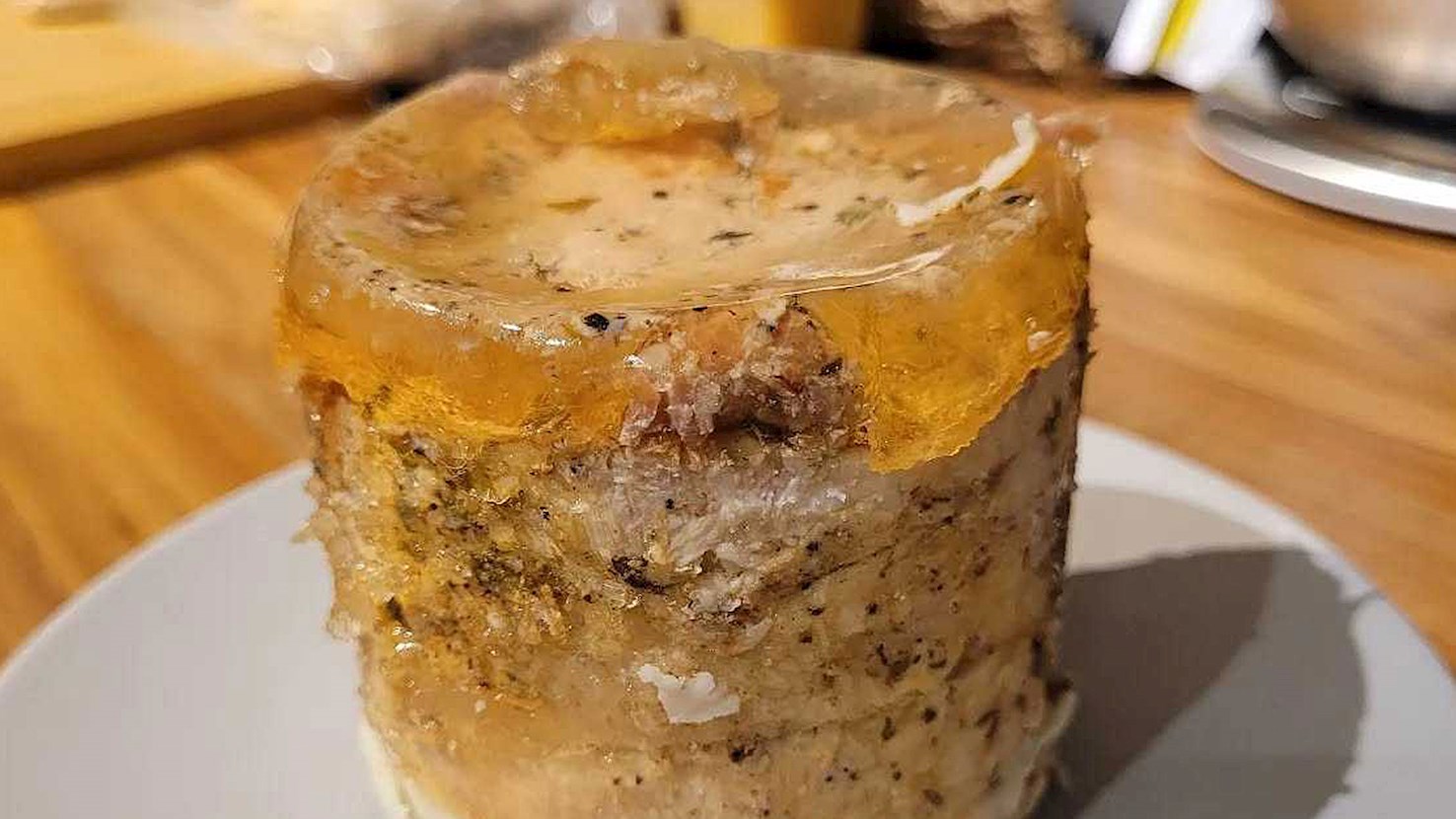
Enchaud is a rustic, fat-preserved French pork roast deeply tied to the agricultural heritage of the Périgord and Limousin regions. Before the invention of modern refrigeration, farming families ingeniously devised this confit-style method to safely store their primary protein source for weeks at a time. Ensuring no part of the animal went to waste, this technique marries practical survival with rich, slow-cooked flavor. Making this historic centerpiece requires taking a substantial cut of pork, usually the shoulder or loin, and heavily seasoning it with salt and black pepper. Deep slits are cut into the meat to embed slivers of raw garlic and occasionally pungent cloves. The seasoned pork is then seared in a heavy pan using rendered duck, goose, or pork fat until a golden crust forms. Once beautifully browned, the roast is transferred to a heavy cast-iron or earthenware vessel. A massive amount of melted lard completely submerges the meat, often accompanied by aromatic bay leaves and sprigs of fresh thyme. A tight-fitting lid goes on, and the pot simmers gently over a low flame or bakes in a cool oven until the meat yields to the gentlest touch. Leaving the finished dish to cool entirely allows the surrounding liquid fat to solidify into an impenetrable, airtight cap, safely sealing the meat for long-term storage in a cool cellar. Regional adaptations frequently add fragrant ingredients like crushed juniper berries, minced shallots, or grated nutmeg to the bubbling fat, while others pour in a splash of white wine or rich meat stock to elevate the savory profile. Tying the raw meat into a tight cylinder before searing is another popular trick, ensuring perfectly round, uniform slices later on. The beauty of this resourceful recipe lies in its extreme versatility at the dining table. The pork is enjoyed steaming hot right out of the oven alongside humble boiled potatoes, earthy green lentils, or a crisp garden salad. Alternatively, carving the chilled, fat-encased meat into paper-thin slices transforms it into an elegant charcuterie offering. Plating these cold cuts with crusty baguette slices, sharp pickles, and a glass of dry white or light-bodied red wine perfectly showcases the enduring brilliance of French countryside gastronomy.
10
Soup

Bourriquette

n/a ·

Bourriquette is a rustic sorrel soup that beautifully balances sharp, tart greens with a comforting potato base. Documented in Limousin regional cookbooks since at least the mid-twentieth century, this humble pot-meal reflects the ingenuity of rural farming families who relied heavily on their garden harvests to sustain themselves. Building this warming bowl requires sweating finely diced shallots until soft, then stirring in a generous handful of fresh sorrel leaves. Chopped root vegetables and savory stock—or simply salted water—join the wilted greens, and the mixture simmers gently until the potatoes are completely tender. While the liquid bubbles away on the stove, small cubes of bread are fried in rich butter to create golden, crispy croutons, and eggs are poached. Plating the meal involves ladling the steaming-hot liquid into wide bowls, carefully nestling a soft-poached egg right in the center, and scattering the buttery croutons over the top. A final sprinkle of fresh chervil or parsley adds an extra layer of herbaceous brightness right before eating. However, slight alterations to the classic formula are possible, such as stirring in heavy cream or milk for a richer texture, or tossing in savory bacon lardons for a smoky, meaty undertone. Substituting Swiss chard or regular spinach easily solves the problem of a meager sorrel harvest, though it noticeably softens the broth's signature bite. Perfect for chilly weather, this steaming appetizer or light main course demands a thick slice of crusty country bread to soak up the runny egg yolk and savory liquid. A crisp white wine or a fruity rosé from southwestern France provides an excellent beverage pairing, while a simple side salad tossed in a nutty walnut oil vinaigrette beautifully mirrors the earthy flavors of the French countryside.

About this Ranking

TasteAtlas food rankings are based on the ratings of the TasteAtlas audience, with a series of mechanisms that recognize real users and that ignore bot, nationalist or local patriotic ratings, and give additional value to the ratings of users that the system recognizes as knowledgeable.

TasteAtlas Rankings should not be seen as the final global conclusion about food. Their purpose is to promote excellent local foods, instill pride in traditional dishes, and arouse curiosity about dishes you haven’t tried.

The initial list of top producers was compiled based on available reviews, awards, local recommendations, media and blog coverage, and consumer reviews. The list will be updated with ratings from TasteAtlas local ambassadors and TasteAtlas users.

What People Say

Similar Lists