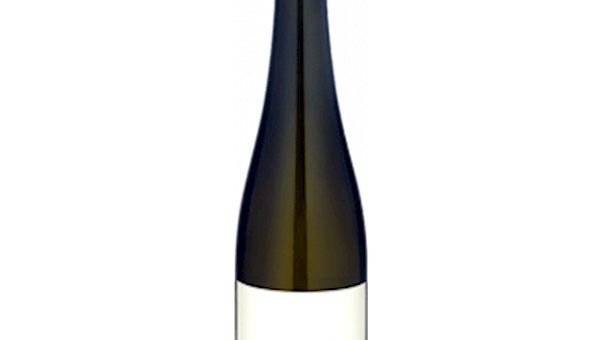
Weingut Ludwig Neumayer is a leading winery in the Traisental region of Lower Austria, known for its clear focus on terroir-driven white wines. Based in Inzersdorf ob der Traisen, the estate is defined by limestone-rich, stony soils that strongly influence the structure and minerality of its wines.
Ludwig Neumayer took over the family estate in the 1980s and transformed it into a quality-oriented winery, becoming one of the key figures in establishing Traisental as a respected wine region. The vineyards are planted exclusively with white grape varieties, primarily Grüner Veltliner and Riesling, alongside Weißburgunder and Sauvignon Blanc.
The poor, calcareous soils naturally limit yields and slow down ripening, resulting in wines with vibrant acidity, precision, and aging potential. The winemaking philosophy is centered on expressing the character of the “stone” terroir, emphasizing clarity, structure, and site-specific identity.
Signature lines such as “Der Wein vom Stein” reflect this concept, showcasing wines that are both concentrated and finely balanced. The overall style is marked by freshness, mineral tension, and restrained elegance rather than opulence.
Today, the winery is considered one of the benchmark producers of Traisental, consistently delivering wines that reflect both origin and meticulous vineyard work.
Pichler winery is located in Oberloiben, in the heart of Austria’s Wachau wine region, known for steep terraced vineyards above the Danube River. The estate has been family-run for more than six generations, with a production philosophy centered on manual work and strict grape selection.
The vineyards lie on quartz and gneiss soils, which contribute to the pronounced minerality of their wines. The winery focuses exclusively on white varieties, primarily Grüner Veltliner and Riesling, which make up almost the entire portfolio.
The wines are produced with minimal intervention, applying organic principles and allowing fermentation to preserve the pure varietal character. Their Grüner Veltliner often shows full body, complex spicy notes, and a subtle saline finish.
Riesling is defined by precise acidity, citrus freshness, and a clear expression of terroir. F.
X. Pichler wines are known for balance, concentration, and strong aging potential.
The winery’s style combines precision and elegance with depth and intensity of flavor. Their wines are sought after by collectors and featured in top restaurants and wine boutiques worldwide.
Thanks to consistent quality and distinctive expression, F. X.
Pichler represents one of the most authentic examples of Grüner Veltliner and Riesling from the Wachau region.
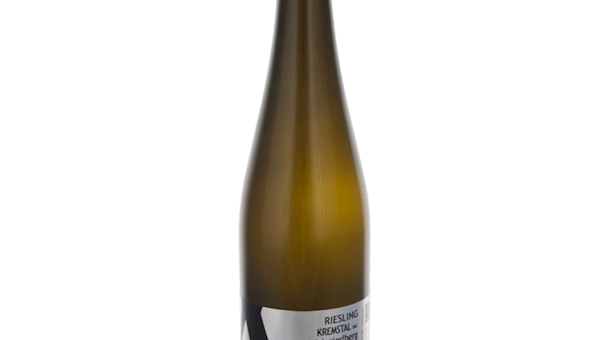
Weingut Franz Hirtzberger is one of Austria’s most respected wineries, rooted in a long family tradition in the village of Spitz, in the western part of the Wachau region. The estate’s vineyards, some of which date back centuries, are located on steep, terraced slopes along the Danube, where a combination of cool climate and rocky soils shapes wines of remarkable precision.
Since taking over in the 1980s, Franz Hirtzberger significantly elevated the estate’s reputation by focusing on top vineyard sites such as Singerriedel, Honivogl, and Hochrain. The winery primarily works with Grüner Veltliner and Riesling, producing wines that clearly reflect their origin.
Viticulture is carried out with strict yield control and careful hand selection, ensuring high-quality fruit. In the cellar, the approach is restrained, with fermentation and ageing designed to preserve purity and terroir expression.
The resulting wines are known for their structure, mineral character, and aging potential. Hirtzberger’s portfolio consistently ranks among the benchmark examples of Wachau, combining concentration with elegance.
Today, the winery is widely regarded as a reference point for Austrian white wines, especially in the premium category.
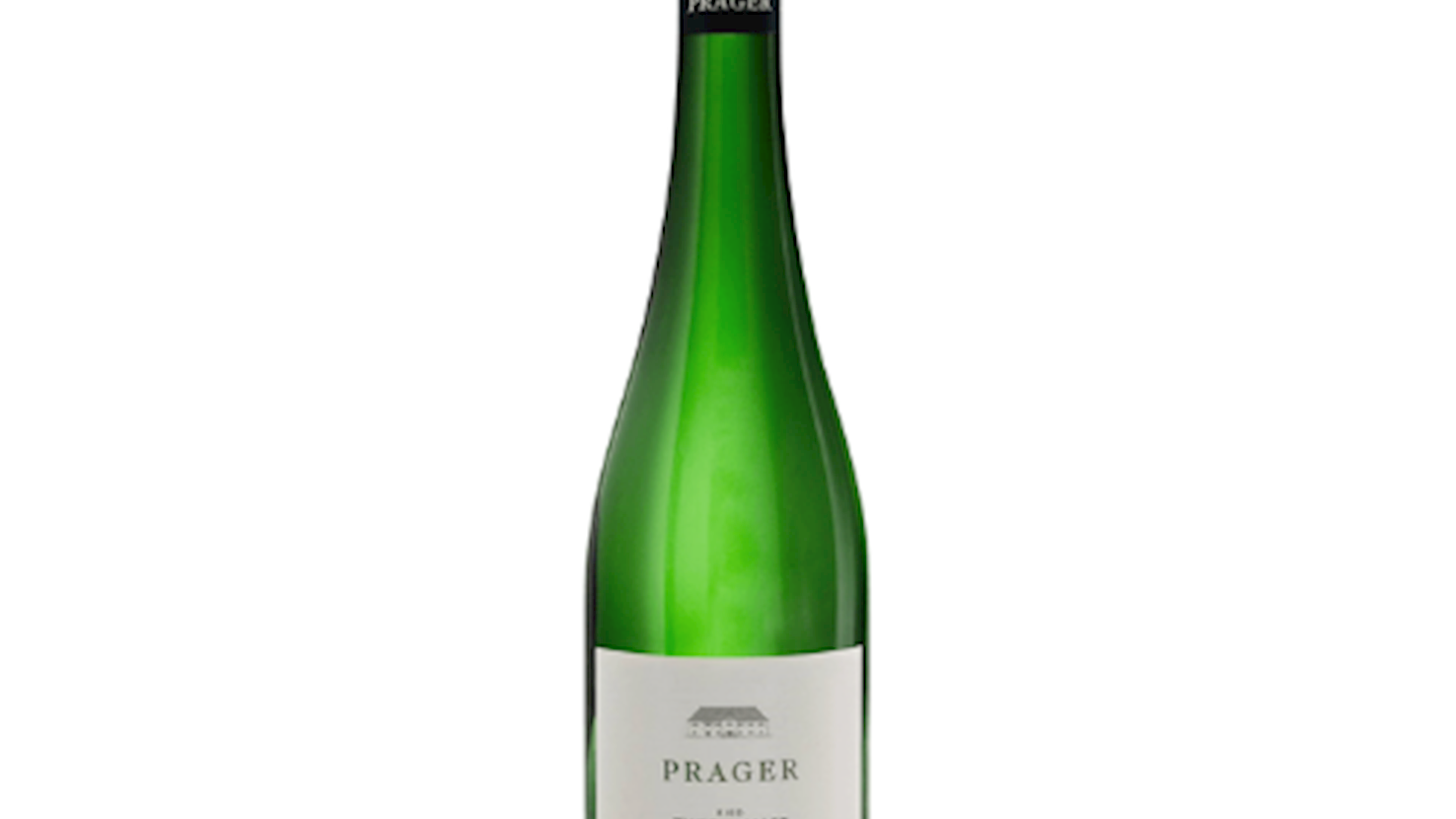
Weingut Prager is one of the most respected family-owned wineries in the Wachau, located in Weißenkirchen along the Danube River. Viticulture on the estate dates back to 1302, while the Prager family has been associated with the property since 1715, with its modern identity shaped from the 1980s onward under the guidance of Franz Prager and later Toni Bodenstein.
The vineyards, covering around 17–18 hectares, are planted primarily with Riesling and Grüner Veltliner, varieties that best express the region’s steep, terraced sites and complex geology. The soils are poor and stony, and combined with strong diurnal temperature shifts, they enable slow ripening and the development of precise, mineral-driven wines.
Prager’s philosophy is rooted in minimal intervention and a deep respect for nature, aiming to capture the individuality of each vineyard site. Notable vineyards such as Achleiten, Klaus and Zwerithaler are known for producing wines of clarity, structure and pronounced minerality.
The style is typically linear, elegant and focused, prioritizing ageing potential and terroir expression over immediate approachability. The winery was also among the pioneers of the modern dry wine style in Wachau and played a key role in establishing the quality standards of the region through the Vinea Wachau association.
Today, Prager is regarded as a benchmark producer, particularly for its refined and long-lived Riesling and Grüner Veltliner wines.
Die Käsemacher GmbH is an Austrian company that specializes in producing a variety of cheeses and dairy products. Based in the Waldviertel region, the company focuses on both traditional and innovative cheese types, incorporating local ingredients and sustainable practices.
Die Käsemacher exports its products to several international markets, emphasizing quality and regional authenticity.
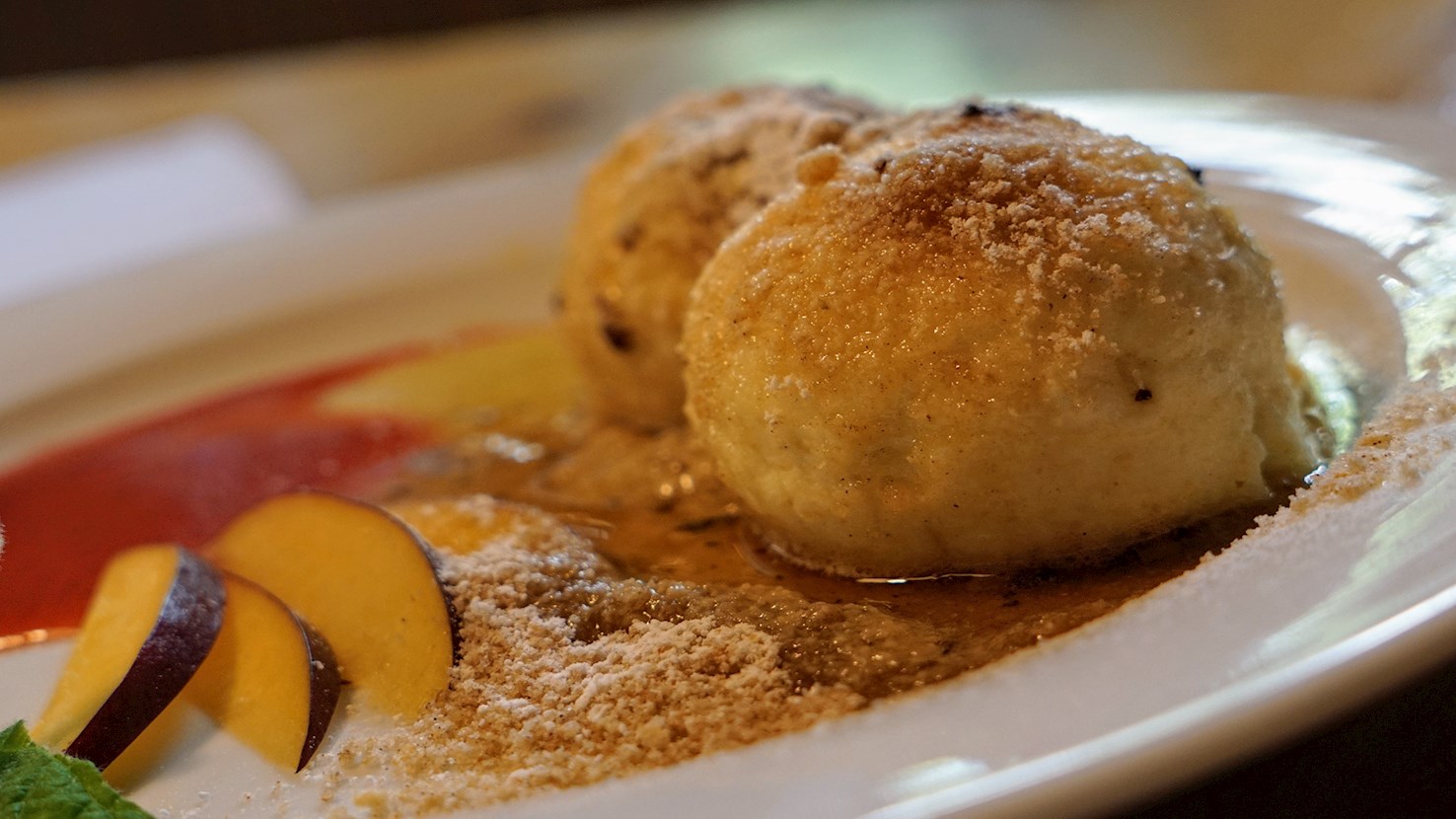
Wachauer marillenknödel is a classic Austrian dish consisting of a depitted Wachau apricot that is encased in a light dough which is then shaped into a dumpling, cooked, and rolled in breadcrumbs that have been fried in butter. The dough can be made either with soft cheese or potatoes, while the breadcrumbs are often seasoned with powdered cinnamon. Although the delectable Wachau apricot dumplings are served generously dusted with icing sugar, some might think that they are served as a dessert, but the dumplings are traditionally consumed as a main dish.
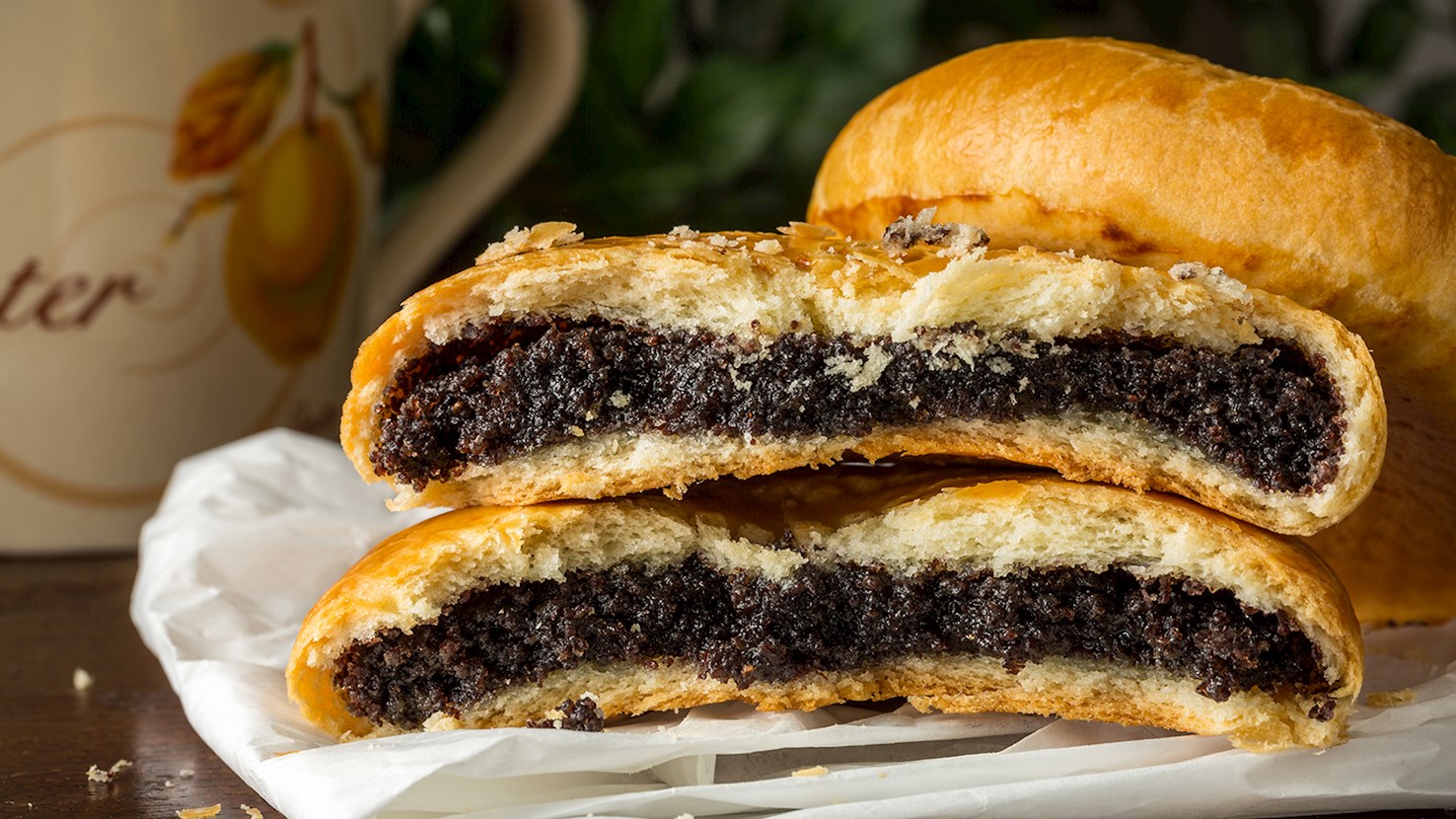
Mohnzelten is the name of a sweet Austrian pastry that's a specialty of the Waldviertel region. It consists of potato dough that's filled with poppy seeds. The dough is made from a combination of boiled potatoes, flour, butter, eggs, cream, salt, and baking powder, while the filling consists of butter, poppy seeds, honey, sugar, cinnamon, rum, and grated lemon zest. Once filled, mohnzelten are shaped into flat balls that are baked until golden brown. They're often taken on picnics and road trips as nutritious and filling snacks. Although the poppy seed version is the original, there are also versions with strawberries or nuts.
Mohnnudeln is a sweet main dish composed of thick potato dumplings and ground poppy seeds, doused with melted butter and dusted with sugar. The place of origin is Waldviertel, and given that this part of Lower Austria has traditionally been known for its production of poppy seeds, the dish in question is also alternatively referred to as Waldviertler mohnnudeln.
Surschnitzel is an Austrian breaded and fried cutlet made from cured pork, distinguished from ordinary pork schnitzel by the salty, seasoned flavor and firmer texture of the meat. It is particularly associated with Austrian country cooking and is commonly found in rural inns, regional restaurants, and family kitchens, especially in Lower and Upper Austria. The dish is prepared much like Schnitzel Wiener Art, using thin slices of meat coated in flour, beaten egg, and breadcrumbs before being fried in hot fat until golden and crisp. Its defining ingredient is Surfleisch, pork that has been cured in salt or a seasoned brine before cooking, which gives the cutlet a more pronounced flavor than fresh pork and, when nitrite curing salts are used, a pinkish interior that can remain visible after frying.
The name combines Sur, referring to the curing process, with Schnitzel, the German word for a thin slice or cutlet of meat. Surschnitzel developed from two established practices in Austrian cooking: preserving pork through salting and curing, and preparing thin cuts of meat by breading and frying them. Curing was particularly important in rural households before refrigeration, when pigs were often slaughtered during the colder months and portions of the meat were preserved for later use. Pork could be salted, brined, smoked, or stored under controlled conditions, allowing households to prepare it in several different ways throughout the year. At the same time, breaded cutlets became increasingly prominent in Austrian cooking during the eighteenth and nineteenth centuries, particularly through the development and popularity of Wiener Schnitzel and its pork-based variations. Combining cured pork with the familiar flour, egg, and breadcrumb coating produced a dish that retained the characteristic preparation of schnitzel while giving the meat a distinctly different taste and texture.
Its preparation begins with pork that has already been cured, usually a relatively lean cut such as loin or leg, although pork neck can also be used for a richer, juicier result. The meat is treated with salt or a curing brine, sometimes seasoned with garlic, juniper, bay leaves, peppercorns, coriander, or other spices. Depending on the curing method, the pork may remain in the mixture for several days or longer, allowing the salt to penetrate the meat and alter its flavor and texture. Modern producers generally use controlled refrigeration and measured curing mixtures to achieve consistent results. Once the pork has been cured, it is cut into slices, commonly around one centimeter thick, and gently pounded to produce relatively thin, even cutlets. Because Surfleisch has already absorbed salt during curing, the meat usually requires little or no additional seasoning before breading.
The cutlets are first coated lightly in wheat flour, which helps the egg adhere, then passed through beaten egg and finally covered with fine breadcrumbs, usually made from dried white bread or rolls. The breadcrumbs are pressed on only lightly so the coating remains relatively loose and can develop a crisp, slightly uneven surface during frying. The breaded cutlets are cooked in a generous amount of hot fat, commonly pork lard, clarified butter, or neutral oil, at a temperature that allows the coating to brown without burning before the meat is fully cooked. The frying fat should be deep enough that the cutlets can move freely, and the pan may be gently shaken during cooking to encourage an evenly browned crust.
The cooking time depends on the thickness of the meat, with thicker cuts requiring a little longer than the very thin cutlets used for some versions of Wiener Schnitzel. The finished Surschnitzel should have a golden, crisp breadcrumb coating surrounding fully cooked but still juicy cured pork. The flavor differs noticeably from that of a schnitzel made with fresh meat: the curing process contributes saltiness and a more concentrated pork flavor, while garlic and other curing spices may remain perceptible after frying. When nitrite-cured pork is used, the interior can retain a rosy color even after cooking, so appearance alone is not a reliable indication of doneness. Although pork is the most common meat used, some Austrian recipes also describe Surschnitzel made from cured veal, following the same basic preparation method.
The dish is closely related to Surbraten, or Surbratl, but the two are distinct preparations. Surbraten is made by roasting a larger cut of cured pork, while Surschnitzel consists of individual slices that are breaded and fried. This difference in cooking technique produces a different texture, with Surschnitzel emphasizing the contrast between the crisp exterior and the seasoned meat inside. Some regional versions are prepared without breadcrumbs or with additional fillings, but the breaded preparation remains the most recognizable form.
Surschnitzel is generally served immediately after frying, while the coating is still crisp, and is commonly accompanied by potato salad, parsley potatoes, fried potatoes, or cabbage salad. Austrian potato salad, often dressed with vinegar, oil, onions, and sometimes broth, is particularly suitable because its acidity balances the richness of the fried coating and the saltiness of the cured pork. Fresh green salad, cucumber salad, or a wedge of lemon can provide a similar contrast, while cranberry or lingonberry preserves are occasionally served with schnitzel preparations in Austrian cooking.
In regional inns and at village festivals, Surschnitzel is often presented as a substantial main course, sometimes with French fries or mixed salads, and it can also be served cold in bread as a snack. The dish is particularly familiar in Lower Austrian wine-growing areas, where cured pork schnitzel may appear at local festivals and wine taverns, although it is not limited to that region. Beer is a common accompaniment, especially Austrian Märzen or a crisp lager, whose mild bitterness and carbonation work well with fried pork. Dry white wines such as Grüner Veltliner, particularly those from Lower Austria, also pair well because their acidity balances the breadcrumb coating and cured meat. Surschnitzel remains a recognizable variation within Austrian schnitzel cooking, defined by the use of cured meat rather than a different breading technique, and is most commonly eaten as a hot main course with potatoes, salad, and a refreshing drink.
TasteAtlas food rankings are based on the ratings of the TasteAtlas audience, with a series of mechanisms that recognize real users and that ignore bot,
nationalist or local patriotic ratings, and give additional value to the ratings of users that the system recognizes as knowledgeable.
TasteAtlas Rankings should not be seen as the final global conclusion about food. Their purpose is to promote excellent local foods,
instill pride in traditional dishes, and arouse curiosity about dishes you haven’t tried.
The initial list of top producers was compiled based on available reviews, awards, local recommendations, media and blog coverage, and consumer reviews.
The list will be updated with ratings from TasteAtlas local ambassadors and TasteAtlas users.












What People Say