Top 9 Traditional Foods
in Maine-et-Loire

Last updated on June 02, 2026

Best Maine-et-Loire food products
01
Liqueur

Distillerie Combier

5 ·
Awards
IWSC- International wine & spirit competition - Spirit Gold (2024)
IWSC- International wine & spirit competition - Spirit Gold Outstanding (2022)
02
Wine

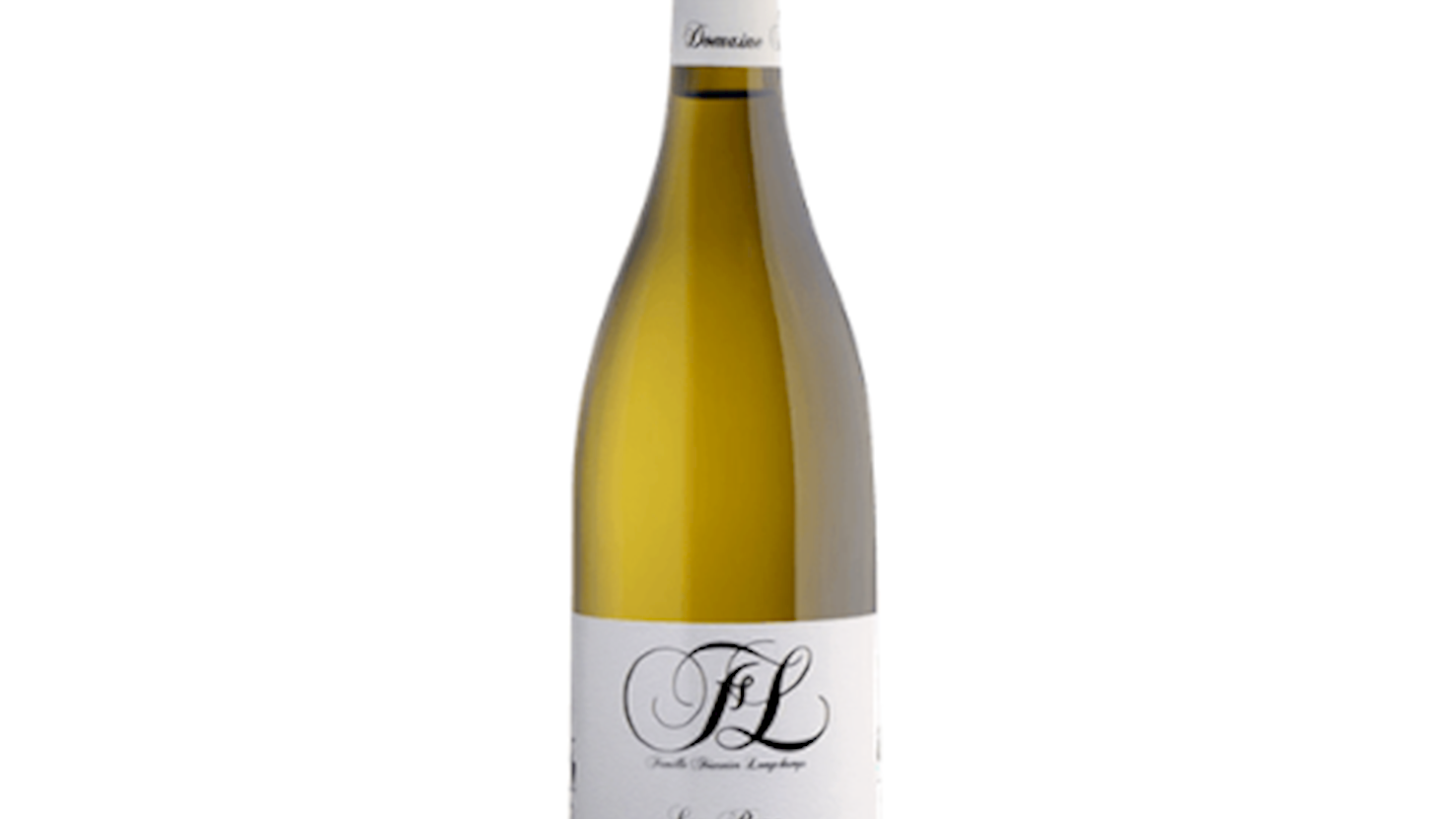
Domaine FL

4.9 ·
Domaine FL (Fournier Longchamps) is a family-owned winery based in Rochefort-sur-Loire in the Anjou region of the Loire Valley, France. The estate was established in the mid-2000s when Philippe Fournier Longchamps consolidated several historic vineyard parcels into a single domain focused on high-quality, terroir-driven wines. The vineyards extend across both banks of the Loire River, planted on diverse soils rich in schist, limestone, and volcanic elements, which contribute to the wines’ pronounced minerality. Production is centered primarily on Chenin Blanc, a variety that in this region delivers wines with strong structure, vibrant acidity, and excellent aging potential, alongside smaller quantities of Cabernet Franc for red wines. The style is precise and expressive, with typical notes of citrus, white flowers, honey, and mineral undertones. The estate is certified organic and follows biodynamic principles, emphasizing manual harvesting and minimal intervention in the cellar. Winemaking often avoids malolactic fermentation to preserve freshness and tension, while oak is used with restraint to maintain clarity of fruit and terroir. Domaine FL is recognized for its work in appellations such as Savennières, Coteaux du Layon, and Quarts de Chaume, producing wines that combine depth, balance, and long-term evolution potential.
Awards
James Suckling - 98 points (2023)
Decanter World Wine Awards - Platinum (2024, 2022)
03
Liqueur

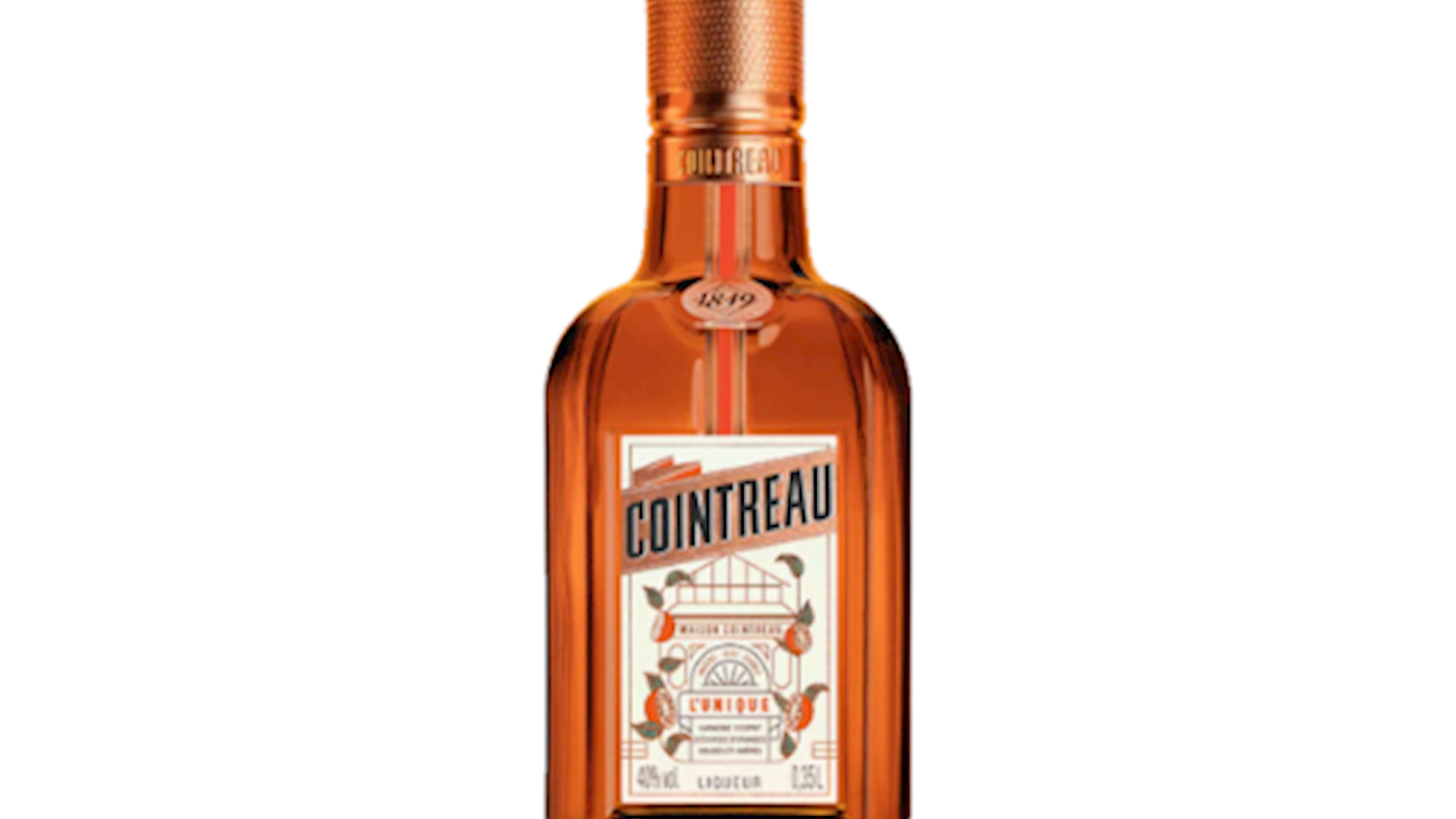
Cointreau

4.9 ·
Cointreau is one of the most recognized names in the liqueur category, defined by its clear orange spirit known as triple sec. Founded in 1849 in Angers by Adolphe and Édouard-Jean Cointreau, the brand evolved from a family background in confectionery into a producer of fruit-based liqueurs, eventually refining a signature recipe that combines sweet and bitter orange peels with neutral alcohol. The result is a colorless liqueur with around 40% ABV, characterized by a precise balance of freshness, citrus intensity, and clean structure. Production relies on the careful selection and drying of orange peels followed by distillation in copper stills, using a method that has remained largely consistent over time. Cointreau has become a reference ingredient in cocktail culture, forming a core component in a wide range of classic recipes such as the Margarita and the Cosmopolitan, where it contributes both aromatic lift and structural balance. Its role is not limited to flavoring but extends to shaping the overall profile of mixed drinks through its clarity and intensity. As part of the Rémy Cointreau group, the brand maintains a strong identity built on consistency and technical precision. International recognition through numerous awards reinforces its long-standing position in the premium segment. Overall, Cointreau represents a focused approach to liqueur production, where a single formulation defines both heritage and global relevance.
Awards
USC- Ultimate Spirits Challenge - Chairman's Trophy (2022)
USC- Ultimate Spirits Challenge - Top 100 (2022)
04
Wine

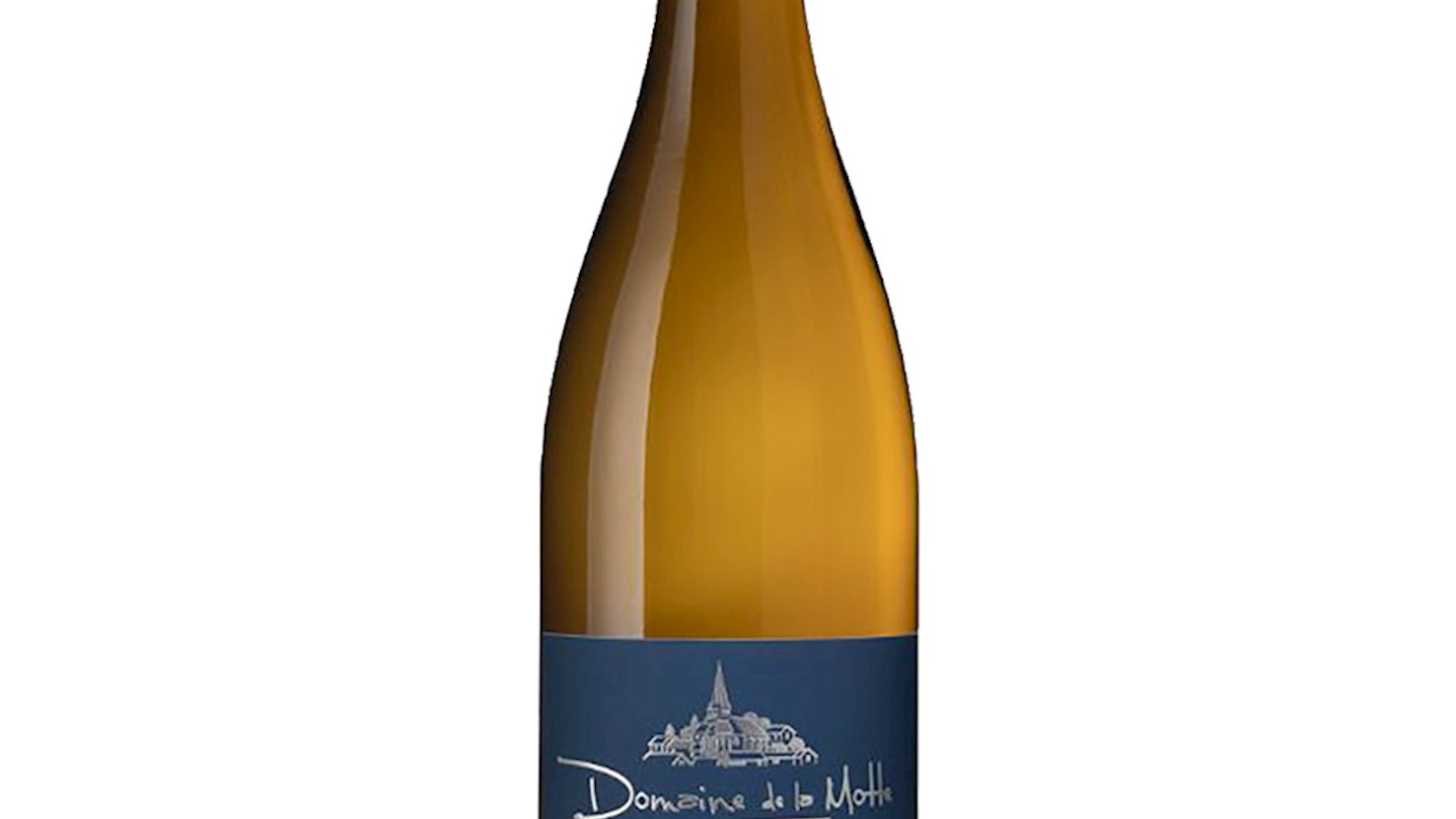
SCEA Domaine de la Motte

4.9 ·
Awards
IWSC- International wine & spirit competition - Gold (2019)
05
Wine

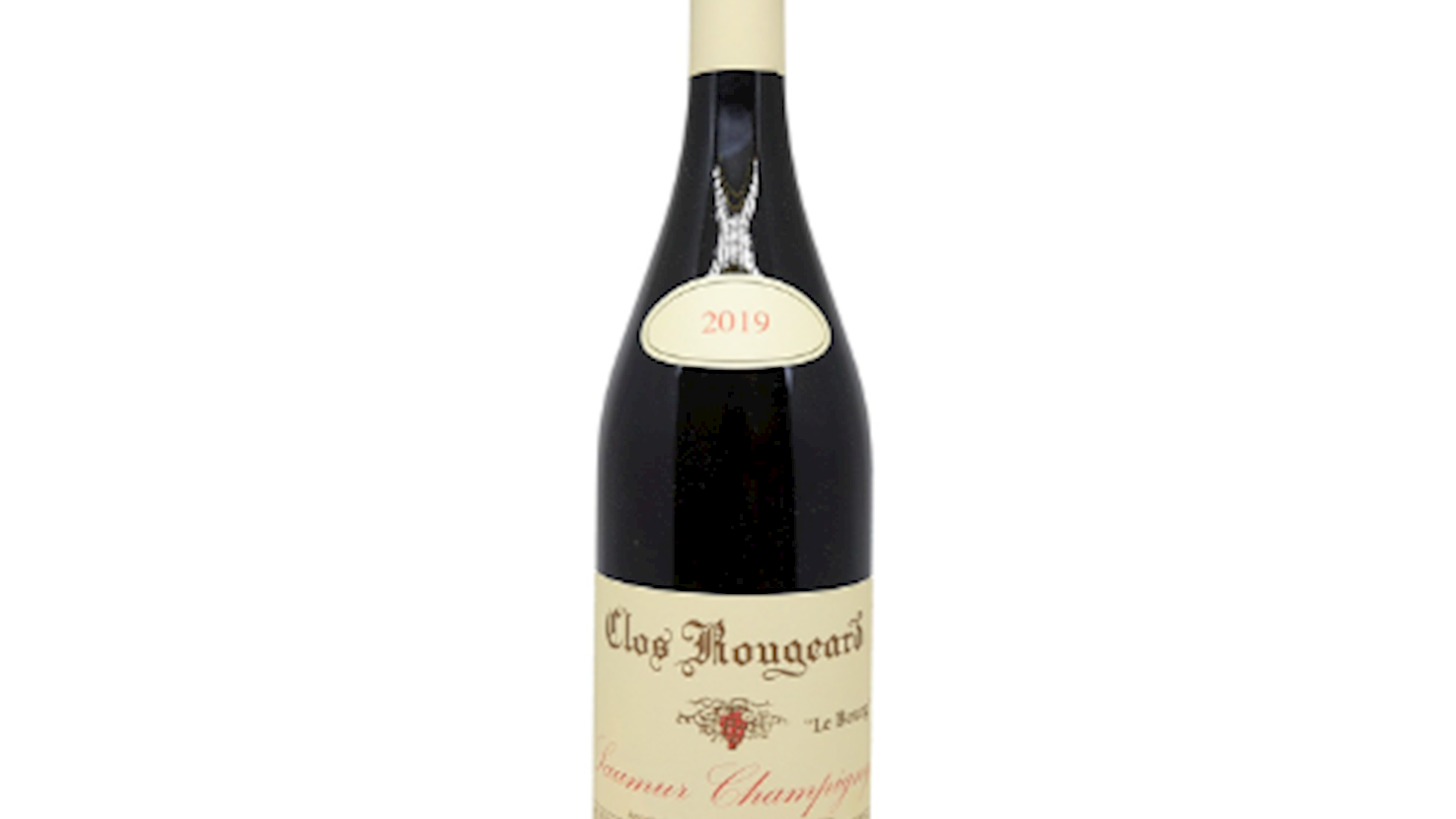
Clos Rougeard

4.9 ·
Clos Rougeard is one of the most revered names in the Loire Valley, particularly within the Saumur-Champigny appellation, known for exceptionally precise, long-lived, and authentic Cabernet Franc wines. The estate originates from the Foucault family, with brothers Charly and Nady having led it for decades under a philosophy of deep respect for the vineyard, minimal intervention, and extremely low yields. The vineyards lie on limestone-tuffeau soils that impart distinctive mineral freshness and structural finesse to the wines. In the cellar, everything is done slowly and traditionally: spontaneous fermentation, extended aging in older barrels, and careful monitoring of each stage without accelerating the natural processes. Clos Rougeard wines are renowned for their unique combination of depth and elegance, showing aromas of blackcurrant, plum, graphite, dry earth, and delicate spice. The palate is always taut, linear, and refined, with tannins that are firm yet remarkably subtle. The estate’s style emphasizes the purity of Cabernet Franc without excessive ripeness or dominant oak, resulting in wines that are at once profound and exceptionally stable. After the passing of the Foucault brothers, the property was acquired by the Bouygues family, though the core philosophy has remained unchanged. Today, Clos Rougeard is regarded as one of the most compelling examples of how Loire Cabernet Franc can express terroir, complexity, and longevity at the level of France’s most prestigious wines.
Awards
Vivino - 4.5
06
Wine

Bouvet Ladubay

4.9 ·
Awards
IWSC- International wine & spirit competition - Gold (2024, 2023)
07
Wine

Coulée de Serrant

4.7 ·
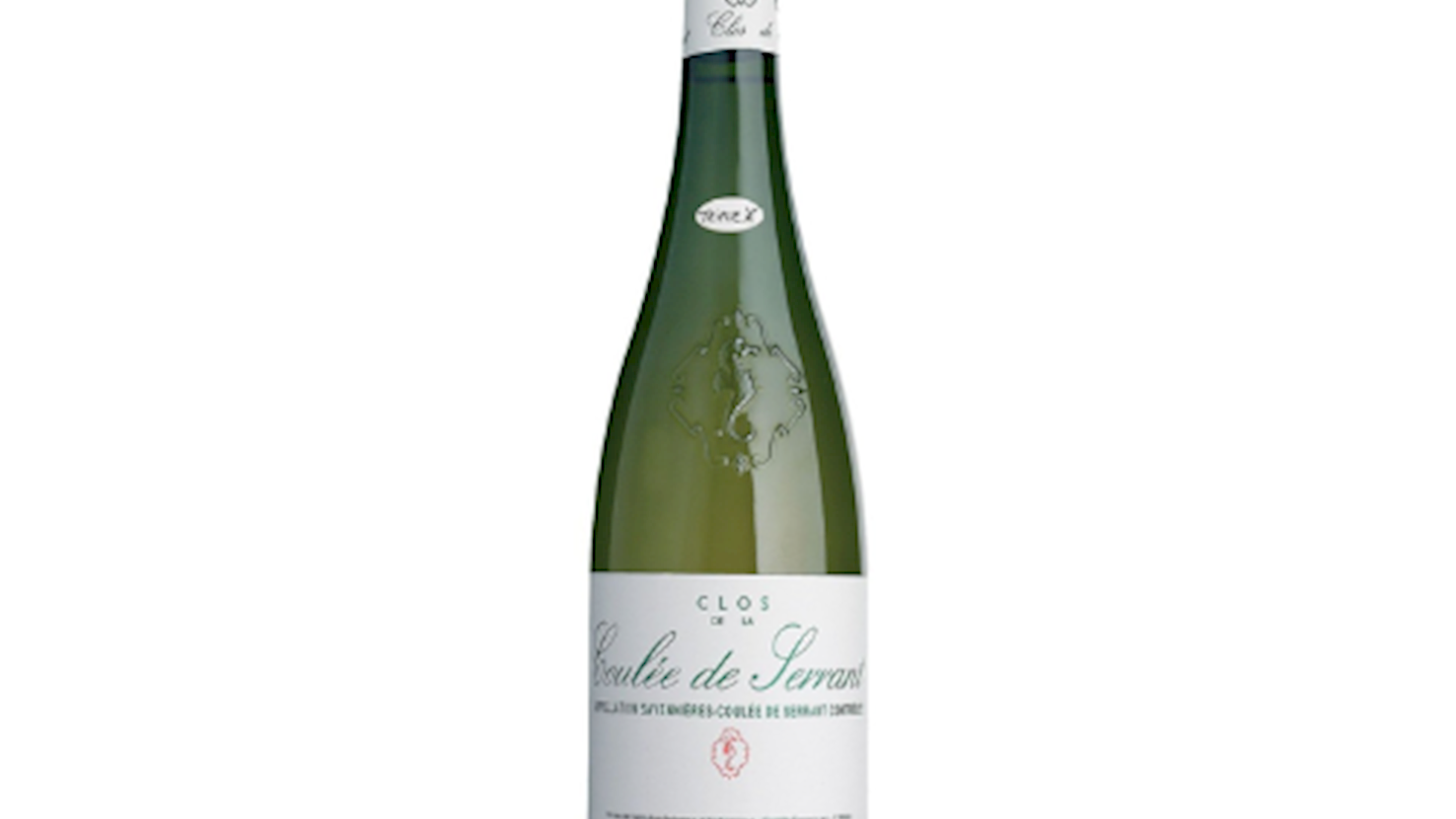
Coulée de Serrant is one of the most distinctive wine estates in France, located in the Loire Valley within the Savennières appellation. The vineyard was planted in 1130 by Cistercian monks and has been cultivated continuously ever since, making it one of the oldest actively farmed vineyards in Europe. The entire Coulée de Serrant appellation consists of just 7 hectares and holds a monopole status, meaning the estate is the sole producer of wine from this appellation. It is owned and managed by the Joly family, with Nicolas Joly - one of the most influential advocates of biodynamic viticulture worldwide - leading the domaine. The vineyards lie on steep slopes overlooking the Loire River, with soils composed of schist and red rock, which give the wines remarkable depth and mineral tension. Winemaking is minimalist: spontaneous fermentation with native yeasts, little to no filtration, and very limited use of new oak, allowing the terroir to remain the dominant voice. Throughout the entire process, the focus is on respecting the soil, biodiversity and authenticity, which is why Coulée de Serrant has become a symbol of wine produced through an almost “direct dialogue” between nature and the vintner. The estate stands as a reference point for those seeking a truly natural approach to winemaking and as an example of how biodynamics can result in wines of exceptional energy, character and longevity.
Awards
Vivino - 4.3
Vivino - 4.1
08
Wine

Château De Chaintres

4.6 ·
Awards
Decanter World Wine Awards - Platinum (2023)
09
Fruit Product

Maison Perrotte

4.4 ·
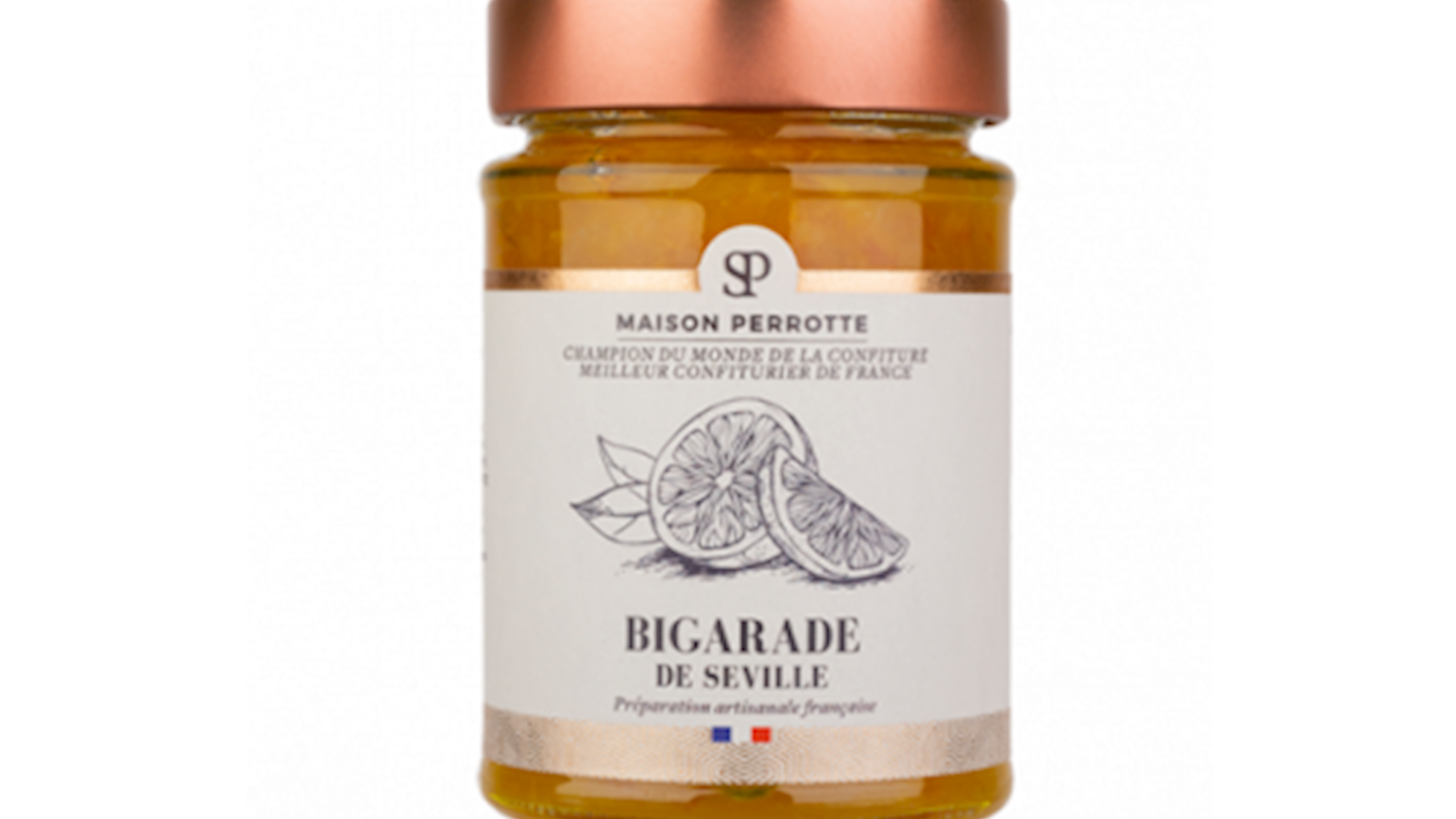
Maison Perrotte is a prestigious French brand specializing in the production of high-end jams, founded by Stéphan Perrotte, a world champion in jam making. His mission has been to elevate jam beyond the role of a simple spread and present it as an authentic gastronomic delicacy. The ingredients are sourced exclusively from France, supplied by carefully selected small producers who focus on seasonal and sustainable cultivation. Production takes place in small batches, using traditional copper cauldrons to preserve the natural aroma, texture, and richness of the fruit. Each jar contains around 62% fruit, significantly higher than the industry average, with only a minimal amount of added sugar, allowing the natural freshness and character of the fruit to shine through. The brand was born from family tradition and inspiration drawn from old recipes, but has since evolved into a modern symbol of French artisanal excellence. Today, Maison Perrotte enjoys international recognition, with its jams ranked among the most esteemed gourmet products, celebrated for their authenticity, elegance, and outstanding quality.
Awards
Concours Général Agricole de Paris - Médaille d'Argent (2014)

Best Maine-et-Loire foods

01
Pork Dish

Rillauds

n/a ·

Rillauds is a traditional specialty originating from Anjou. The dish consists of pieces of pork belly that are placed into a salty, herbaceous brine to soak before they're cooked in lard. Once done, rillauds are served warm or cold, and in the past they were often plated in the shape of a pyramid, then topped with the pig's tail. It's recommended to serve the dish with a fresh green salad on the side, or in fouée bread. Every July, there is the Rillaudée de Brissac-Quincé, where locals and tourists can enjoy dancing, fireworks, and rillaud-making contests.

02
Dessert

Crémet d'Anjou

n/a ·

Crémet d’Anjou is a chilled dairy dessert from the Anjou region made by combining rich dairy elements into an aerated, molded form. Its base ingredients are whipped cream and beaten egg whites, folded together with sugar and often a hint of flavoring such as vanilla. The mixture is set and drained in a perforated mold, so it holds a delicate shape and releases excess liquid before serving. The dessert has been known in the Anjou region since at least the early 1700s and gradually became well established by the early 20th century when French gastronomes noted its very light character and fine dairy quality, reflecting the long history of dairy production in the Loire Valley, with local cream and milk products widely available in markets around . Preparation of crémet d’Anjou begins with whipping fresh cream until it thickens, separately beating egg whites to firm peaks with a bit of salt or sugar, and then folding these components together gently so that the air incorporated into the creams remains; the mixture is traditionally placed into a faisselle or similar perforated mold lined with muslin or cheesecloth, chilled for several hours, and drained so that excess whey separates out, leaving a stable yet airy mass that is unmolded at service time, often accompanied by a fruit purée or coulis for contrast. Common variations adjust the dairy elements, sometimes adding fromage blanc to the whipped mixture for a slightly tangier base or folding in lemon zest, mint, or vanilla for extra flavor, and there are versions served with seasonal fruits such as strawberries, peaches, mirabelles or red fruit coulis that complement the creamy profile; in the nearby region of Nantes a related form called crémet nantais uses similar dairy components and may incorporate additional garnishes . Crémet d’Anjou is intended to be eaten cold as a dessert course, often after a lunch or dinner in spring and summer when lighter dishes are preferred, and it pairs well with a sweet or lightly sparkling wine from the Loire, such as a Côteaux du Layon or a dry sparkling Saumur that balances the richness of the dairy and the sweetness in the accompaniments.

03
Sweet Pastry

Pâté aux prunes

n/a ·

Pâté aux prunes is a pastry from the city of Angers in western France, known for its enclosed pie filled with local Reine-Claude plums, a variety grown widely in the Loire Valley. It is recognized as a seasonal dessert made during late summer when these plums reach full ripeness, and it appears in bakeries and households throughout the Anjou region. Written references from the nineteenth century link the dish clearly to Angers, where bakers and home cooks prepared fruit pies using shortcrust dough and regional stone fruits, with Reine-Claude plums becoming the defining choice due to their availability, firmness and high sugar content. Preparation involves making a dough based on flour, butter, sugar, salt and water, rolled into two sheets. The lower sheet lines the baking dish, and whole or halved Reine-Claude plums, usually unpitted in older versions, are placed inside. Sugar is added depending on the sweetness of the fruit, and the top sheet of dough is sealed over the filling with small vents cut to release steam. During baking, the plums soften and release juice, creating a thick, aromatic filling that contrasts with the crisp pastry. Some variations brush the top crust with beaten egg to encourage a deep golden color, while others rely solely on the butter content of the dough. A feature that sets pâté aux prunes apart from many other fruit pies is the use of whole plums, which allows the fruit to keep its shape and produce a concentrated flavor without collapsing into jam. Pâté aux prunes is eaten warm or at room temperature in Angers and the wider Loire region, often during late summer and early autumn when bakeries produce it daily. It is commonly served plain, though some choose to accompany it with light cream or simple custard. It pairs well with Loire Valley wines such as Rosé d’Anjou or Crémant de Loire, whose acidity balances the sweetness of the fruit, and it also matches non-alcoholic drinks like black tea or mild coffee that complement the pastry without overshadowing the plums.

04
Veal Dish

Grenadins de veau

n/a ·

Grenadins de veau is a veal dish that consists of small medallions taken from the veal filet. Over time the term “grenadin” came to refer to those round, thick cuts of veal, often from the filet or the loin, valued for their tenderness and fine texture. The method of serving the meat in medallion form allowed for quick cooking and elegant presentation, and it became common in French kitchens as a way to highlight high-quality veal in a refined but accessible form. When preparing grenadins de veau the meat is trimmed and sliced into medallions of about two to three centimetres in thickness. They are seasoned with salt and pepper and seared in a hot pan with butter or oil, often starting with butter until it foams, then searing each side for two to four minutes depending on thickness, aiming for a light rosé in the centre. After removal of the meat the pan is deglazed with white wine or perhaps cognac, then cream is added along with sliced mushrooms (such as champignons de Paris) and sometimes a splash of port, and the sauce is reduced until nappant, whereupon the medallions are returned to the pan to coat briefly in the sauce and then plated. Among the common variants one finds grenadins de veau with a mushroom-cream sauce, grenadins au vinaigre balsamique et miel where the meat is finished with a balsamic vinegar and honey reduction, grenadins à la crème d’ail where a garlic cream sauce envelops the veal. One notable feature of grenadins de veau is the use of the filet or high-quality cut of veal that allows for a tender, quick-cooked result and elegant presentation. These medallions are typically served hot as the main course, often accompanied by tagliatelle, potato purée or steamed vegetables, and they pair well with a light red wine such as a Bordeaux Supérieur or with a dry white like a Bourgogne Chardonnay.

05
Sweet Pastry

Bottereaux

n/a ·

Bottereaux are sweet fritters from Maine-et-Loire, Vendée, and Brittany, particularly associated with the Nantes region. Their origin lies in seasonal baking practices, where enriched doughs were turned into festive fried pastries, especially around Carnival and Mardi Gras, when families gathered to share rich foods before Lent. The preparation begins with a yeast-leavened dough made from flour, sugar, milk, eggs, melted butter, and a flavouring such as eau d'vie, orange blossom water or rum; after the dough has rested overnight, it is rolled out thinly, cut into diamond or rectangular shapes, then fried in hot oil until puffed and golden, and finally dusted generously with icing sugar. Variations include adding vanilla, lemon zest, or raisins into the dough, altering the thickness or shape of the fritters, and sometimes changing the frying fat from oil to duck fat for a richer flavour. A unique aspect of bottereaux is their overnight rest and the use of orange blossom water in the dough, which imparts a subtle floral note that distinguishes them from other carnival fritters. Bottereaux are served warm or at room temperature during family gatherings, outdoor fairs, or as winter snacks; they are often paired with coffee or hot chocolate and pair well with dessert wines or fruit liqueurs.

About this ranking

TasteAtlas food rankings are based on the ratings of the TasteAtlas audience, with a series of mechanisms that recognize real users and that ignore bot, nationalist or local patriotic ratings, and give additional value to the ratings of users that the system recognizes as knowledgeable. For the “Top 9 Traditional Foods in Maine-et-Loire” list until June 02, 2026, 3 ratings were recorded, of which 3 were recognized by the system as legitimate. TasteAtlas Rankings should not be seen as the final global conclusion about food. Their purpose is to promote excellent local foods, instill pride in traditional dishes, and arouse curiosity about dishes you haven’t tried.

The initial list of top producers was compiled based on available reviews, awards, local recommendations, media and blog coverage, and consumer reviews. The list will be updated with ratings from TasteAtlas local ambassadors and TasteAtlas users.

Similar lists