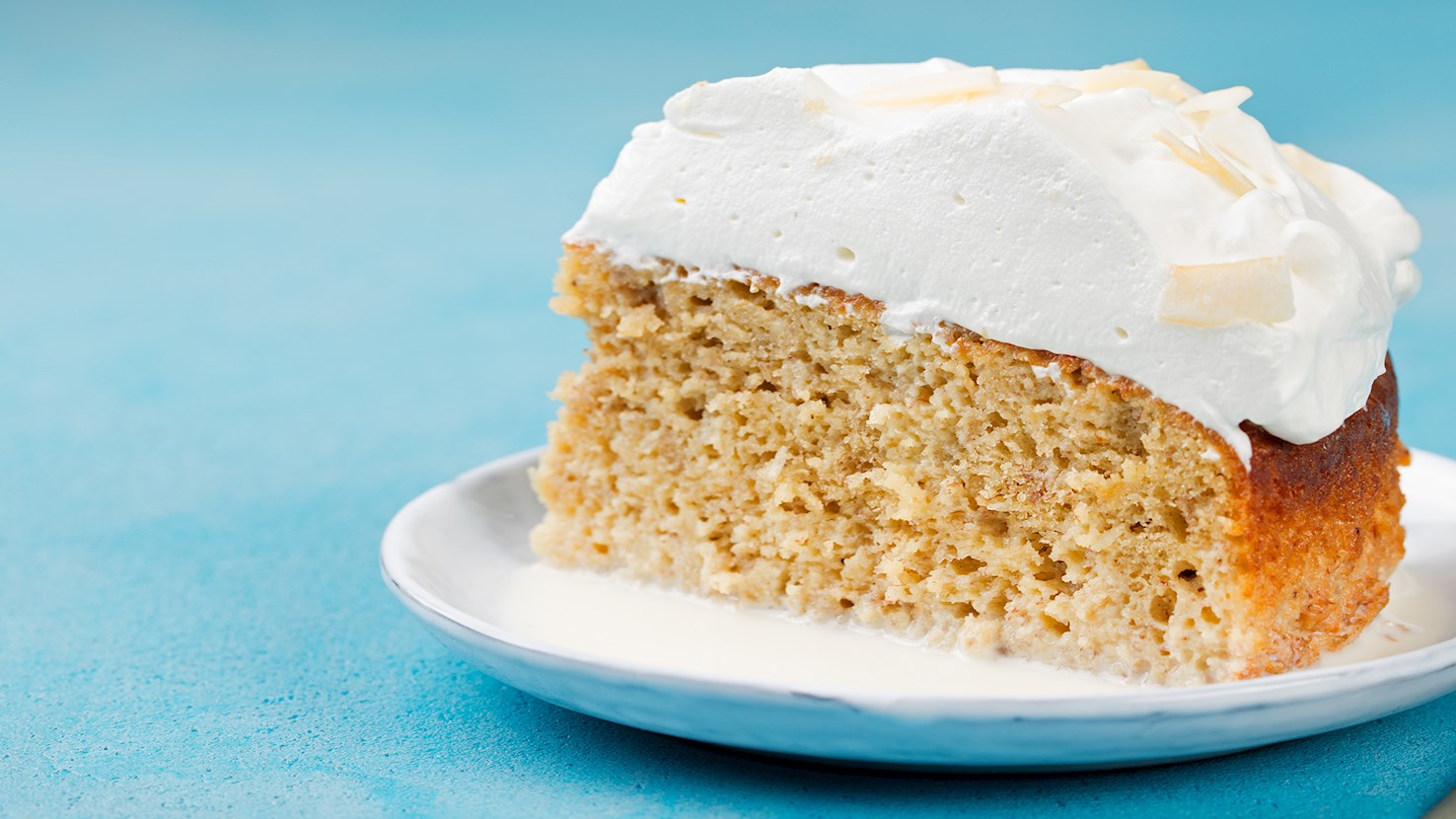
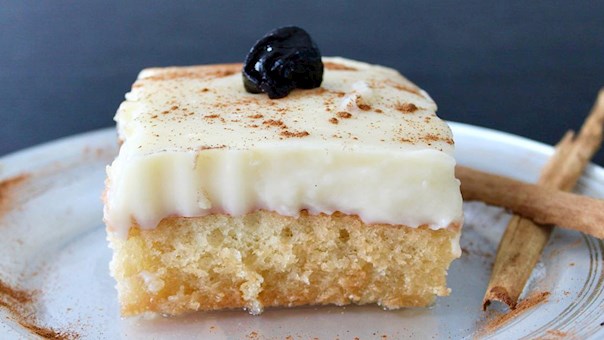
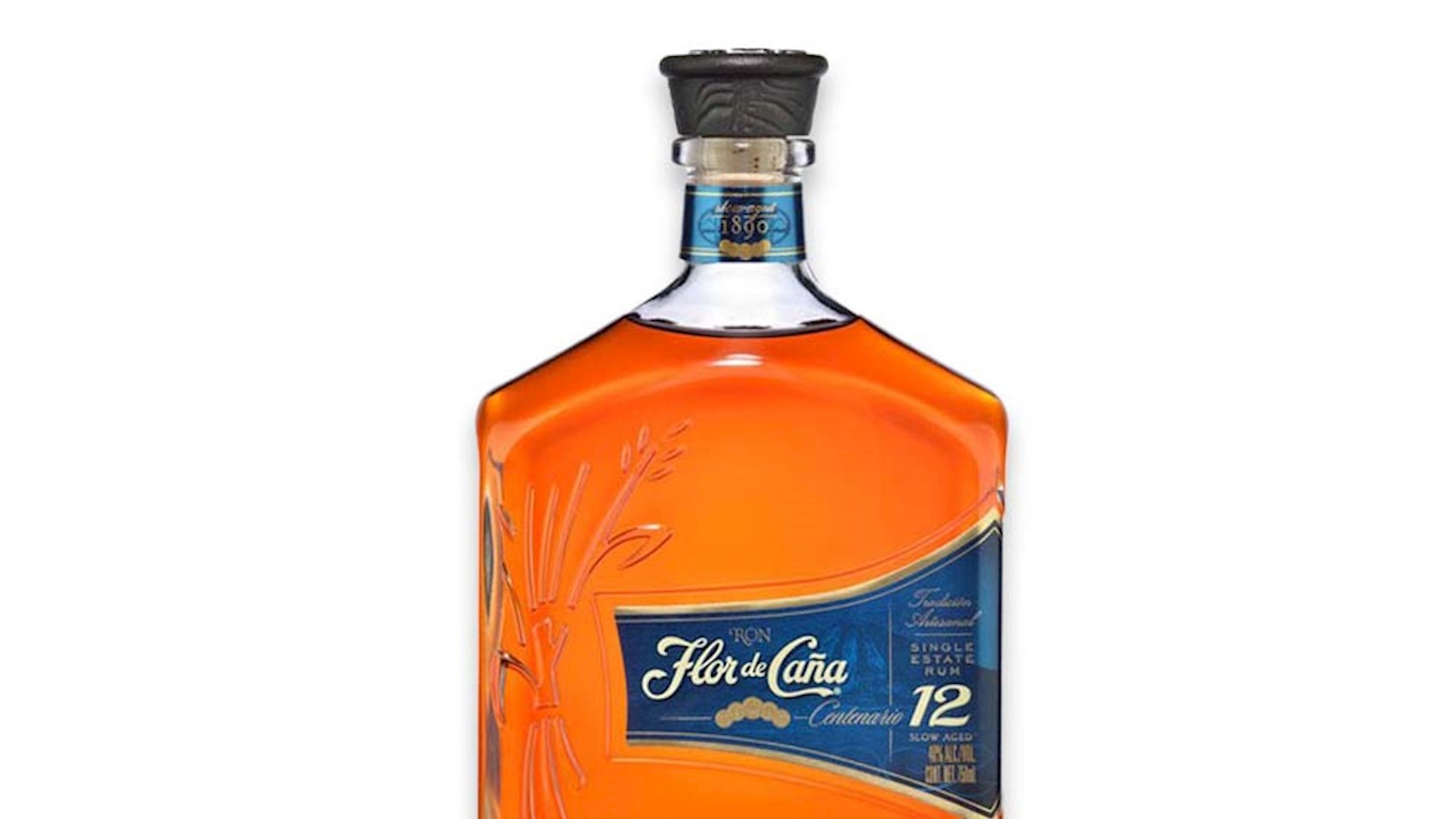
Tres leches cake is a dense, highly saturated sponge cake soaked in a specific mixture of three distinct dairy components consisting of evaporated milk, sweetened condensed milk, and heavy cream or whole milk, which is then topped with whipped cream and distributed widely throughout Latin America, with Mexico, Nicaragua, and coastal regions of the Caribbean basin serving as its primary cultural and commercial hubs. The widespread formulation of this dessert proliferated during the mid-twentieth century following the commercial mass-marketing of shelf-stable canned milk products by transnational food corporations such as Nestlé, who printed structured soaking recipes directly onto the labels of evaporated and condensed milk cans across Central and South America to stimulate consumer demand for manufactured dairy commodities, effectively modifying older European wine-soaked sponge configurations, like British trifles and Italian tiramisu, to suit regional supply chains. Preparation requires baking a light, aerated sponge cake containing a high volume of whipped egg whites and minimal fat, which produces an open, resilient crumb structure that prevents the matrix from collapsing when saturated. Once the cake cools completely, the entire upper surface is punctured repeatedly with a fork or skewer to create vertical fluid pathways, and a thoroughly blended mixture of equal parts evaporated milk, sweetened condensed milk, and heavy cream is poured slowly over the top until the liquid is fully absorbed into the cellular cavities of the baked crumb. Tres leches cake is served chilled directly from the refrigeration unit to stabilize the saturated dairy matrix, sliced into square portions, and standardly garnished with a dusting of ground cinnamon or a single fresh berry to introduce a mild aromatic contrast to the high concentration of sugar. It is eaten globally within pan-Latino restaurants, local bakeries, and domestic households, acting as a centerpiece dessert during birthdays, weddings, Mother's Day celebrations, and quinceañeras across Mexico, Central America, and Latino communities within the United States. For food and beverage pairings, the high sugar concentration and intense dairy fats of the soaked sponge demand bitter, acidic, or highly roasted flavor compounds to strip the palate between bites, meaning it is eaten alongside fresh acidic fruits like mango, passion fruit, or kiwi, and paired with unsweetened hot black coffee, bold espresso, dark roasted chicory teas, or small pours of aged dark rum.
Vaho or baho is one of the most popular Nicaraguan dishes and a great hangover cure. It is made by wrapping a combination of beef, yuca, and plantains in banana leaves, then steaming the concoction. The word vaho means steam or mist, referring to the method of preparation. Onions and peppers are sometimes added to vaho in order to enhance the flavor and texture. This dish is traditionally prepared on weekends and consumed on Sunday afternoon, when it's typically accompanied by curtido (cabbage relish).
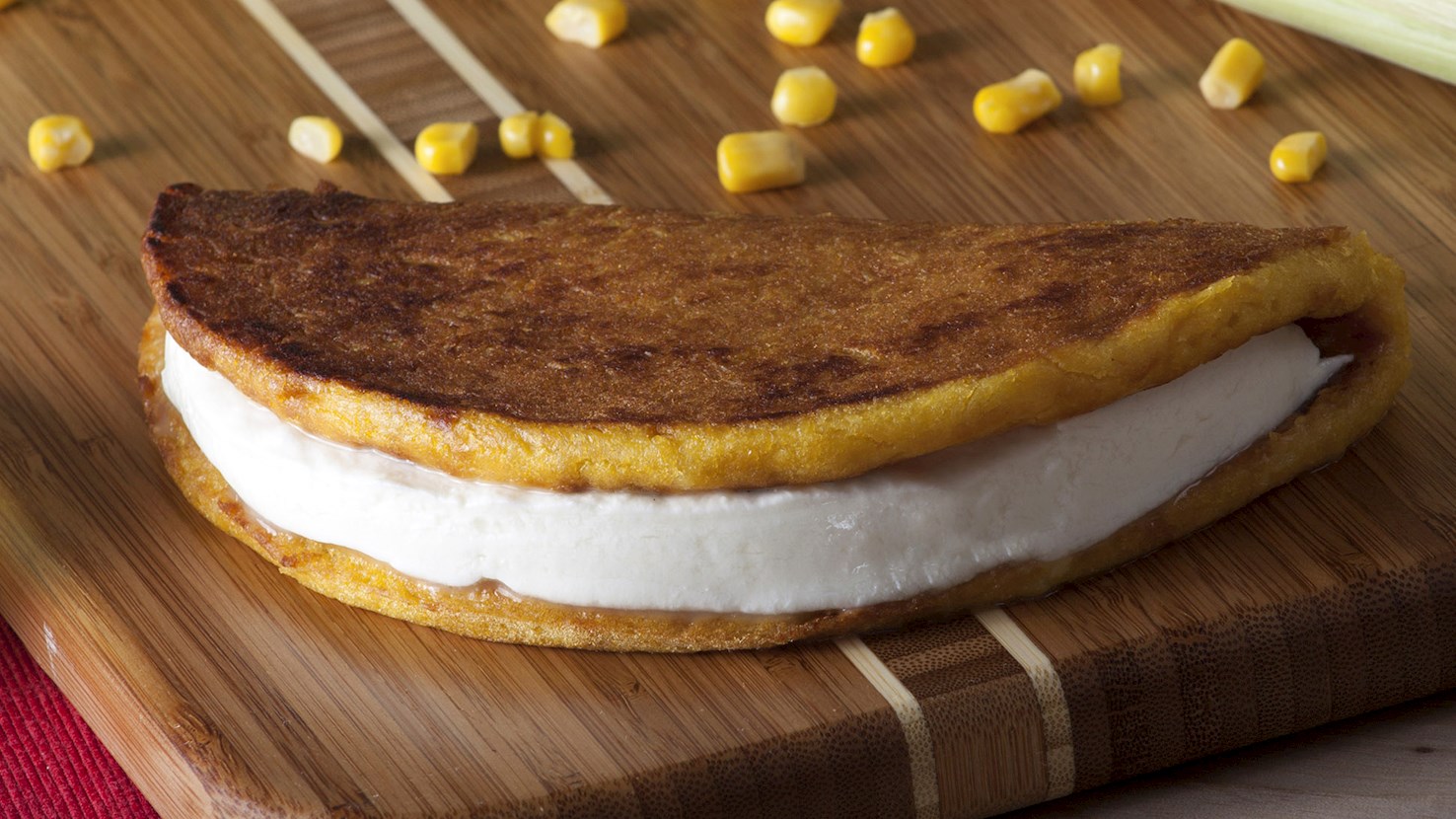
Cachapa, chorreada, arepa de choclo, güirila, toquera, tortilla de choclo, and tortilla changa, are all names that describe a Latin American corn dish that can be categorized as either a pancake, tortilla, or flatbread, depending on the country. It can be made only of corn or have additional ingredients like sugar, water, milk, salt, butter, cheese, and oil. They are typically prepared by street vendors and are either fried or griddled (in Nicaragua, they’re cooked between two banana leaves!) and characterized by a sweet-savory flavor. They can be eaten plain with a beverage, wrapped around a filling, or topped like an open-faced sandwich with things like cheese, shredded pork, sour cream, and eggs. They can be eaten any time of day, but typically they're eaten for breakfast, as a snack, or a quick dinner.
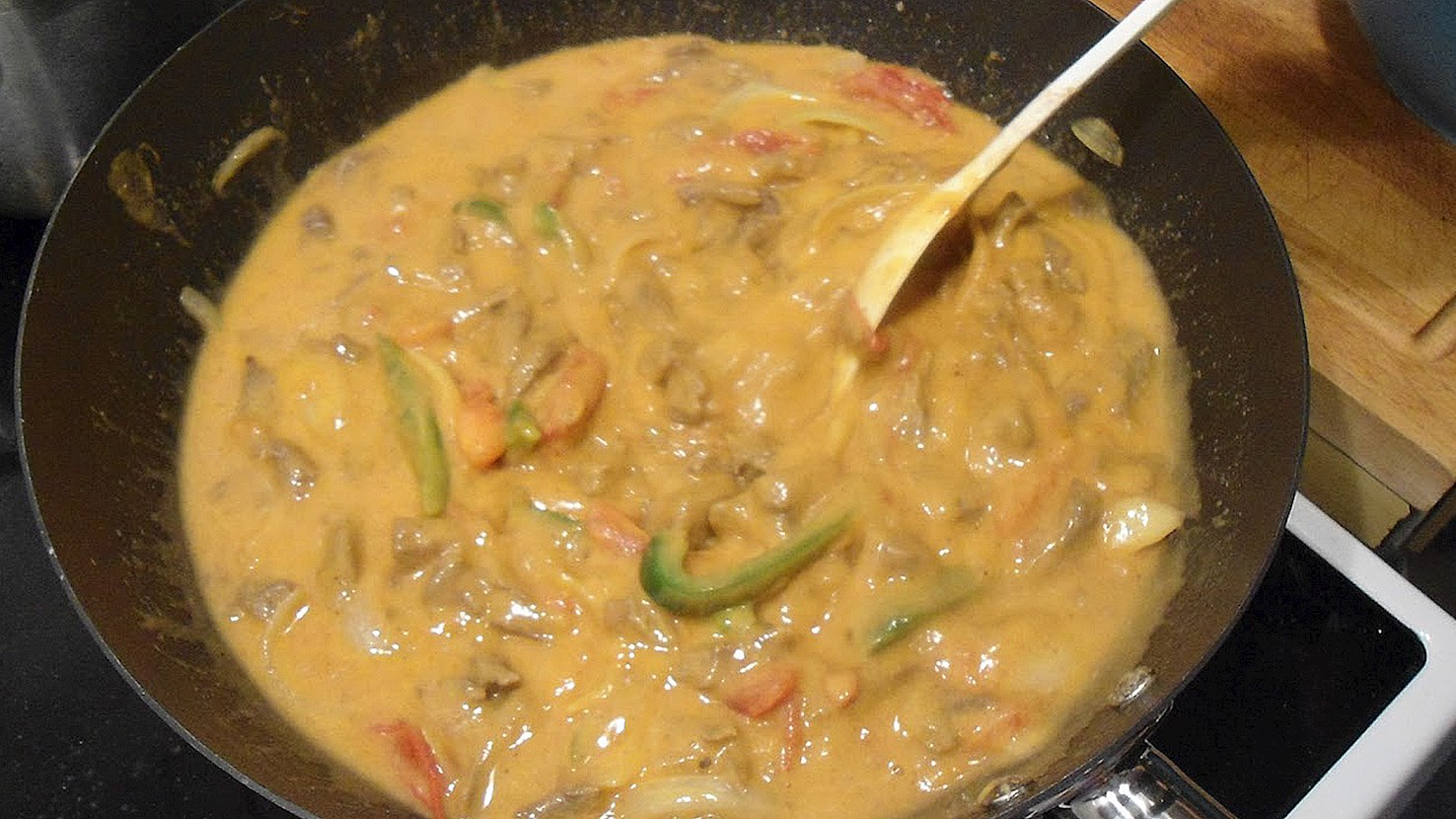
Indio viejo is a thick stew made from shredded beef, corn masa, tomatoes, sweet peppers, onions, and garlic, with sour orange and fresh hierbabuena giving it its characteristic flavor. Achiote is often added for color, giving the dish its warm orange-red appearance. The dish reflects both Indigenous and later colonial influences in Nicaraguan cooking. Maize had been central to the region's food culture for centuries before the Spanish conquest, while cattle and several ingredients now used in indio viejo arrived after European contact. The modern dish combines this older maize tradition with shredded meat, vegetables, and seasonings that became part of Nicaraguan cooking over time. Beef is the most common meat today. A relatively tough cut is simmered with onion, garlic, sweet pepper, and salt until tender, then removed from the broth and shredded into fine strands. The cooking liquid is kept because it forms the base of the stew. Fresh corn masa is loosened with some of the reserved beef broth until it becomes a smooth, pourable mixture. In some parts of Nicaragua, people soften and crumble stale tortillas into the broth instead of using fresh masa. Both methods produce the thick, almost porridge-like consistency that distinguishes indio viejo from a conventional meat stew. Onion, garlic, tomatoes, and chiltoma, the Nicaraguan sweet pepper, are cooked in oil or lard until softened. The shredded beef is added, followed by the diluted corn masa and enough broth to keep the mixture moist. Achiote is commonly stirred in for its earthy flavor and orange-red color. The stew is then cooked slowly, with frequent stirring, until the corn thickens and everything comes together into a dense, creamy mixture. Fresh hierbabuena is one of the dish’s most recognizable seasonings. It is added during cooking or toward the end so its fresh, aromatic flavor remains noticeable. Sour orange juice is usually added near the end as well, bringing acidity that balances the richness of the beef, lard, and corn. Some recipes also include black pepper, cumin, cilantro, or other local herbs, and the exact seasoning varies considerably between households and regions. The finished indio viejo should be thick enough to hold its shape on the plate while remaining moist and spoonable. The beef is distributed throughout the corn mixture rather than sitting in separate pieces, giving every spoonful a combination of meat, maize, vegetables, herbs, and sour orange. Tortillas are one of the most characteristic accompaniments. Rice, ripe plantain, green banana, cheese, cuajada or crema may also be served with it, depending on the region and the occasion. It is particularly associated with family gatherings, patron-saint festivals, and other communal celebrations, where it can be prepared in large quantities. Regional versions appear under related names. In parts of Carazo, similar preparations are known as masa de cazuela, while marol, found particularly in northern Nicaragua, is closely related but has its own local variations. These dishes belong to a broader Nicaraguan tradition of substantial maize-based stews and porridges. The name indio viejo literally means “old Indian.” A popular Nicaraguan story says Spaniards encountered Indigenous people eating from a pot and asked what they were cooking. One local supposedly replied that they were eating an old Indian, discouraging the visitors from trying the food. The story has several versions and belongs to the folklore surrounding the dish rather than to securely documented history.
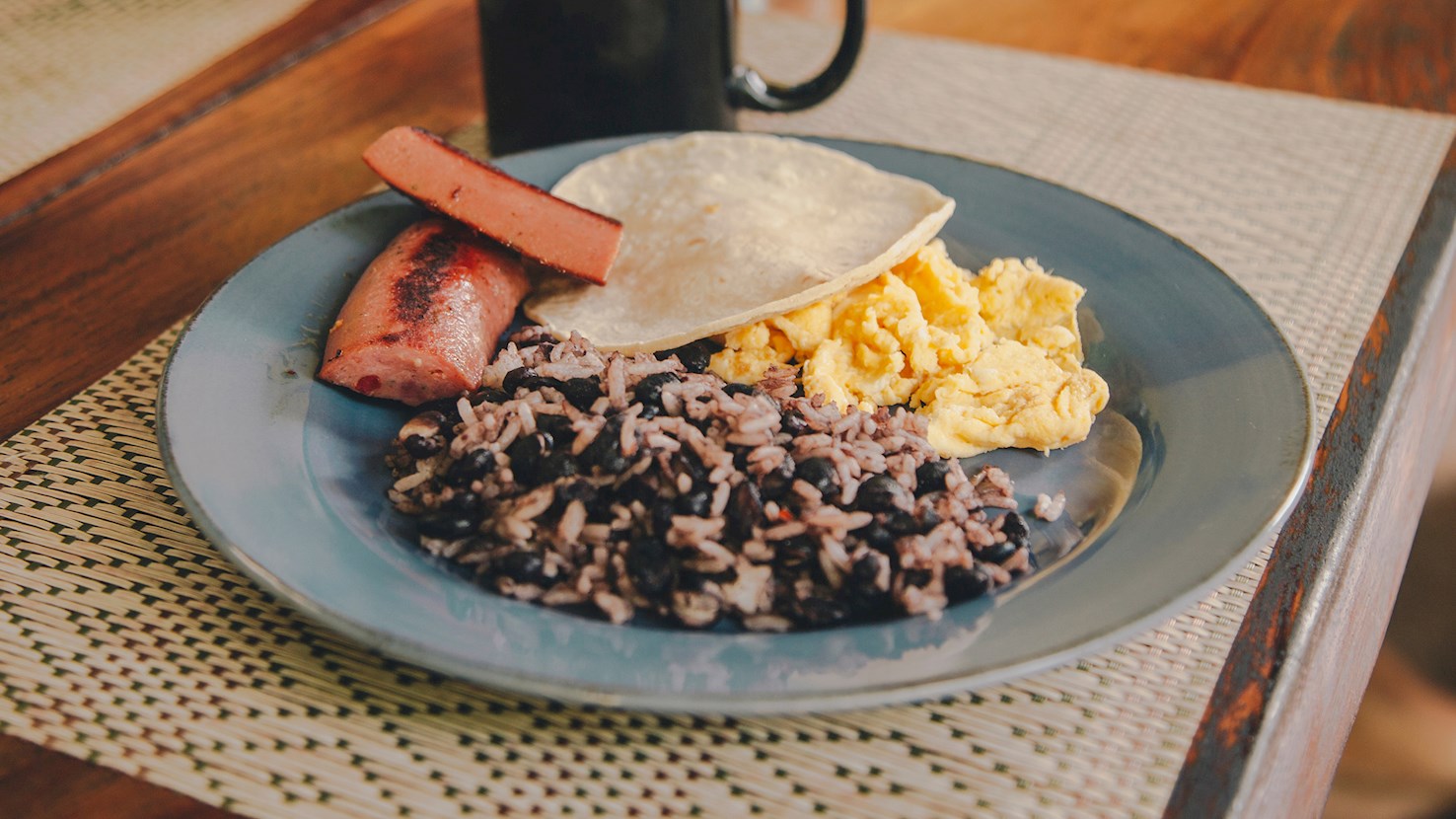
Gallo pinto, sometimes referred to only as pinto, is the traditional national dish of Costa Rica and Nicaragua. Although many variations of the dish exist, at its most basic it is a blend of cooked and fried rice and beans, combined with herbs and vegetables such as cilantro, peppers, celery, and onions. The name of the dish means spotted rooster, referring to the fact that the combination of beans and rice results in a spotted, speckled visual appearance. It is typically served as a side dish, either for breakfast (alongside eggs or meat), lunch or dinner, and sometimes with all three meals of the day. The origins of the dish are probably Nicaraguan, with the name dating back to the 1900s, inspiring a rivalry between the two countries, so it is not just Costa Rican national dish, but Nicaraguan as well. The obvious difference is that the Costa Rican version uses black beans, while the Nicaraguan version uses red beans. Regardless of its origins, the rivalry still continues, and gallo pinto remains a staple of both cuisines, with a small bottle of Salsa Lizano on the side in Costa Rica, a spicy condiment acting as a reminder of which country's version of the dish one is consuming.
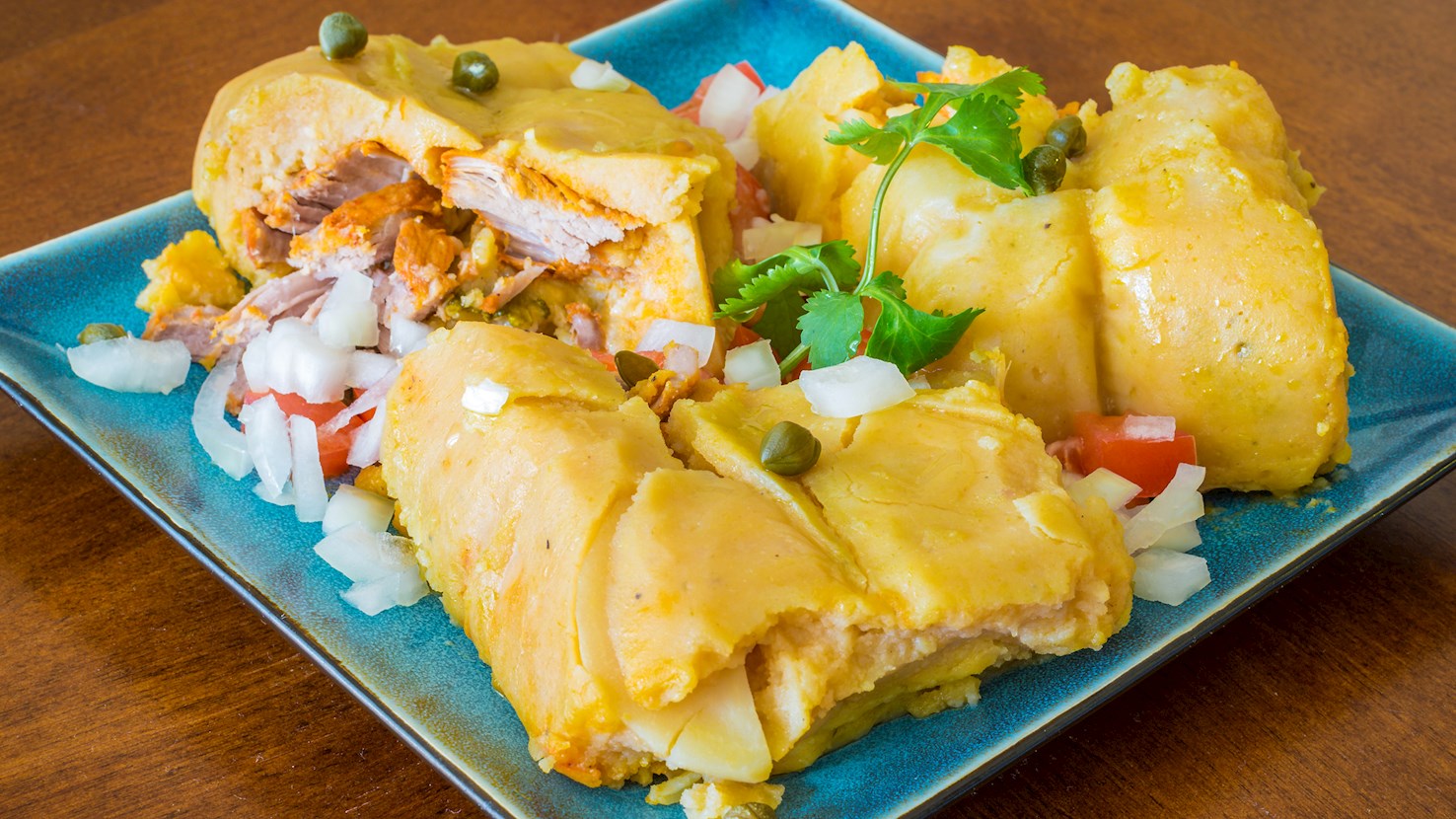
Nacatamal is a type of traditional Nicaraguan tamale made with corn dough which is stuffed with chicken or pork, then wrapped in plantain leaves and steamed. This savory dish usually also contains ingredients such as bell peppers, garlic, potatoes, rice, bitter orange, onions, mint, and chile peppers. On special occasions, nacatamal is often enriched by the addition of prunes, raisins, capers, and olives. It is typically prepared on weekends and served for breakfast, paired with bread and a cup of coffee on the side. The name of the dish is derived from the Nahuatl words nacatl, which means meat, and tamalli, which means tamale. Originally, the dish was prepared with turkey, iguana, tomatoes, annatto, and deer meat wrapped in corn leaves, but during the colonial time, the meat changed to pork and chicken, while plantain leaves substituted corn leaves.
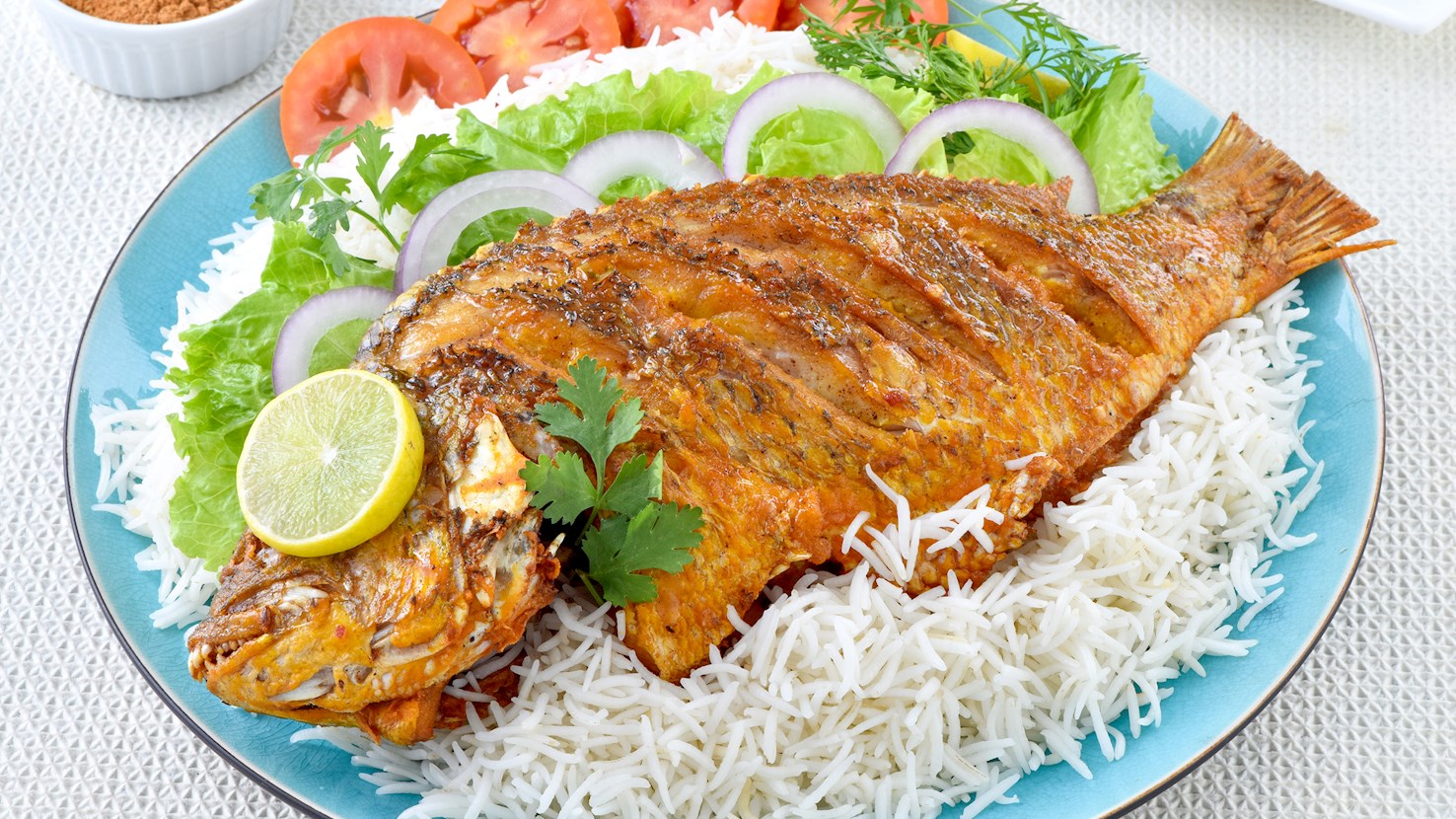
A regional specialty of León, arroz con pescado is a savory dish that consists of rice, shredded fish, and tomatoes. The combination is typically further enhanced with the addition of spearmint and bitter oranges. Common snook (known as róbalo in Nicaragua) or snapper are among the most common choices of fish used for this Nicaraguan delicacy, although other varieties of marine or freshwater fish may also be used. The dish is usually accompanied by a side of cooked green plantains and fresh salad, and it is traditionally enjoyed during Semana Santa (Holy Week), the week before Easter.
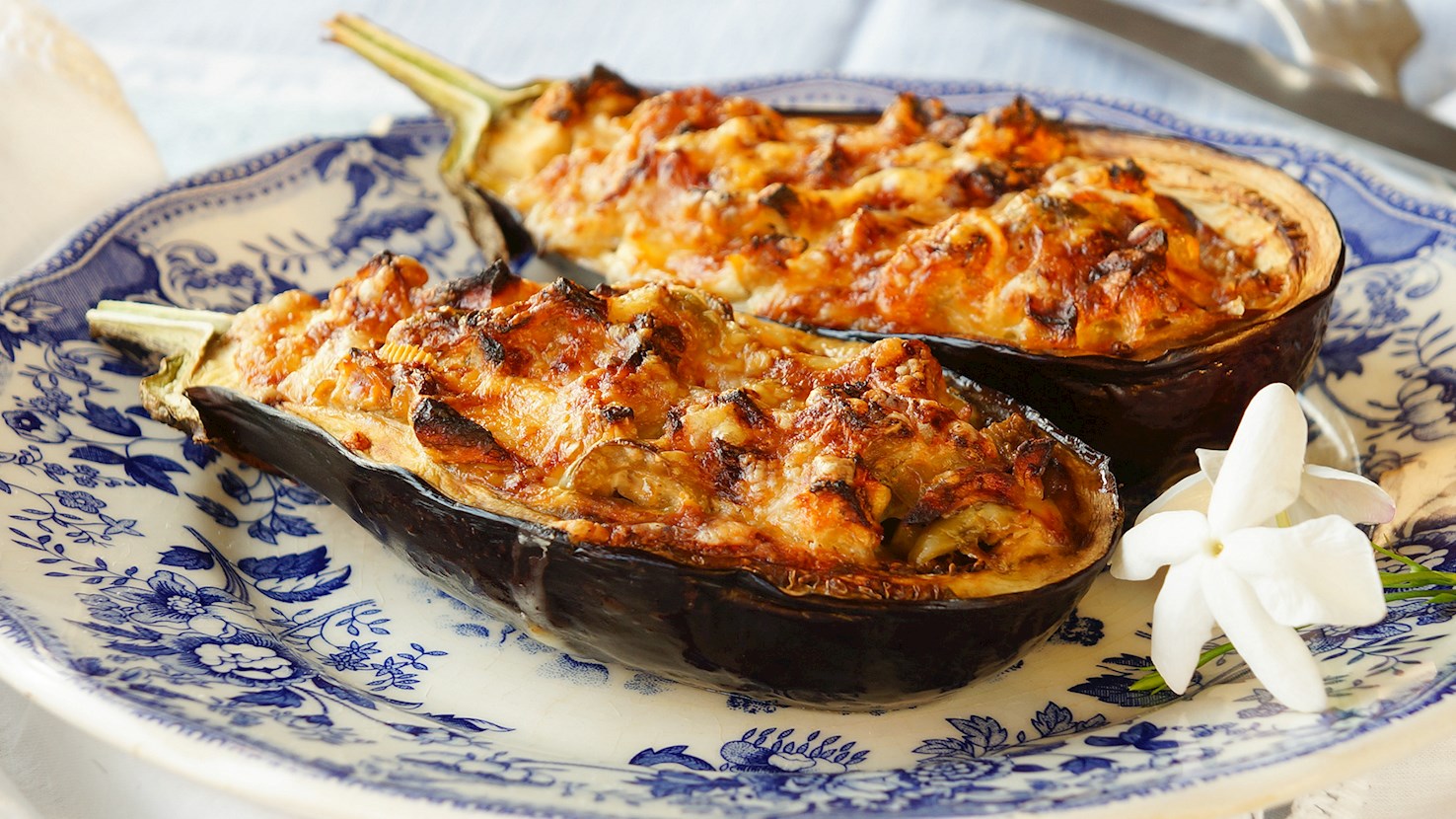
Berenjenas rellenas or stuffed eggplants is a traditional savory specialty originating from Spain. There are many versions of this dish regarding its preparation and the ingredients used for the filling. The eggplants are typically cut along the middle and baked until tender before they have their pulp removed, although they’re occasionally left raw and cooked with the filling. A variety of vegetables, vegetables and rice, or a combination of ground meat (usually pork and beef) and vegetables are most commonly used for stuffing the hollowed eggplants. Typical vegetables contained in the filling include tomatoes, zucchinis, onions, peppers, chili peppers, and mashed potatoes, while the mixture is usually flavored with garlic, salt, pepper, oregano, thyme, rosemary, or parsley. Other common additions to this specialty include sweet corn, slices of bacon, mushrooms, beans, béchamel sauce, or grated cheese such as Manchego or parmesan. The dish is also popular in Spanish-speaking countries such as Nicaragua.
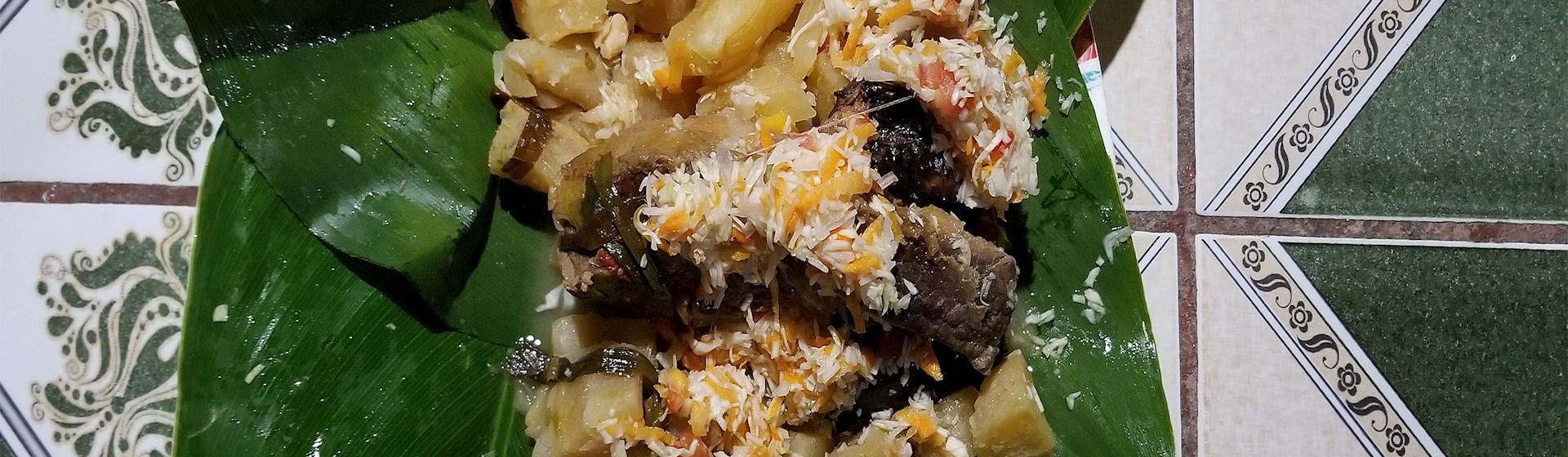
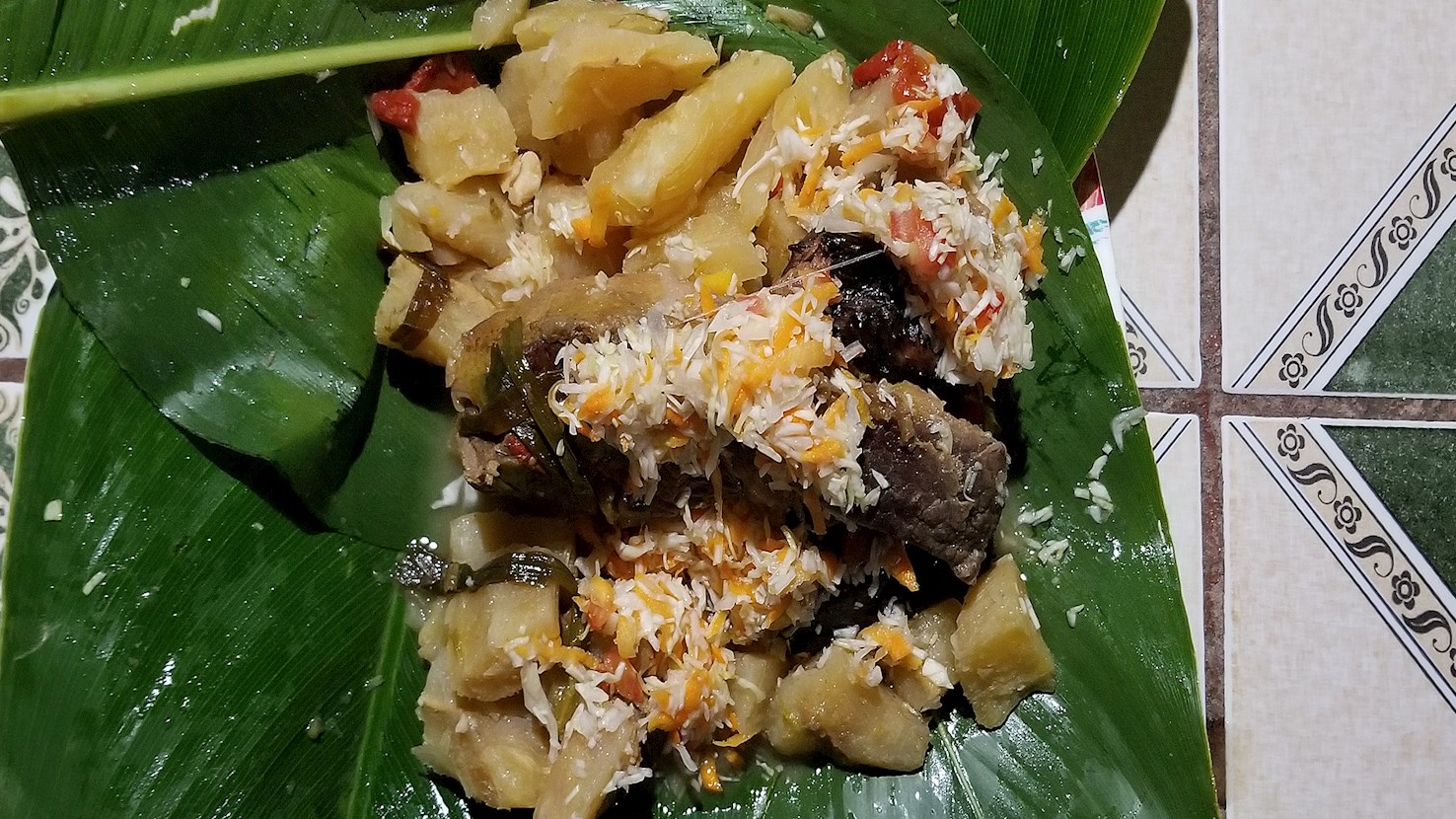
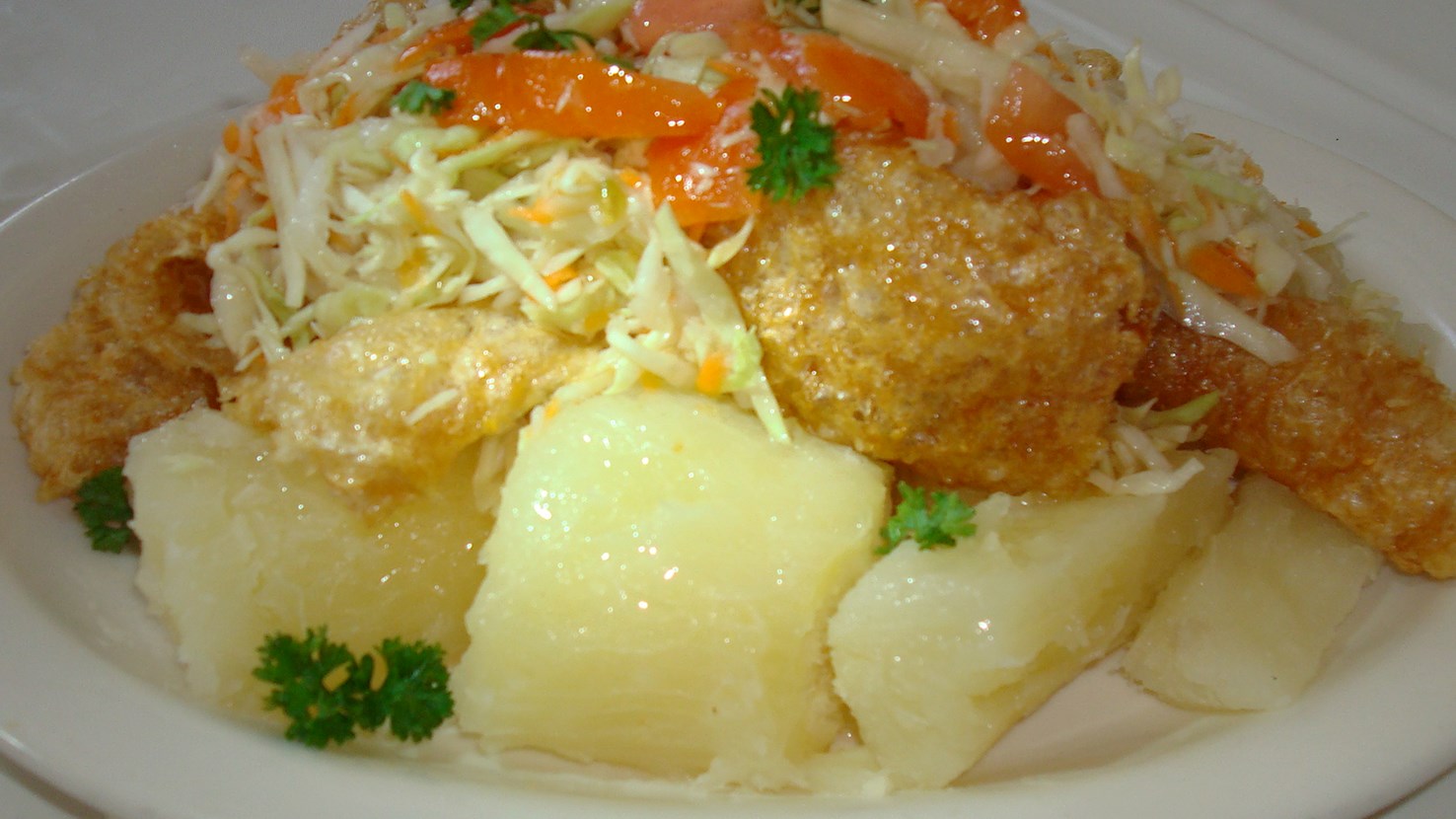
Vigorón is a popular Nicaraguan dish that is often served to unexpected guests and visitors, since it is quickly and easily prepared. It consists of boiled yucca, chopped cabbage, onions, tomatoes, chile peppers, and fried pork rinds known as chicharrones. Some Nicaraguans claim that there is no true vigoron without the addition of mimbro, a tangy fruit from the cucumber tree. The combination of these ingredients comes served in banana leaves when sold by street vendors. It is believed that vigorón was invented in Granada in 1914 by María Luisa Cisneros Lacayo, who had an interesting nickname – La Loca. According to Dr. Alejandro Barberena Pérez, she named the dish after seeing an advertisement for the eponymous medicinal tonic.
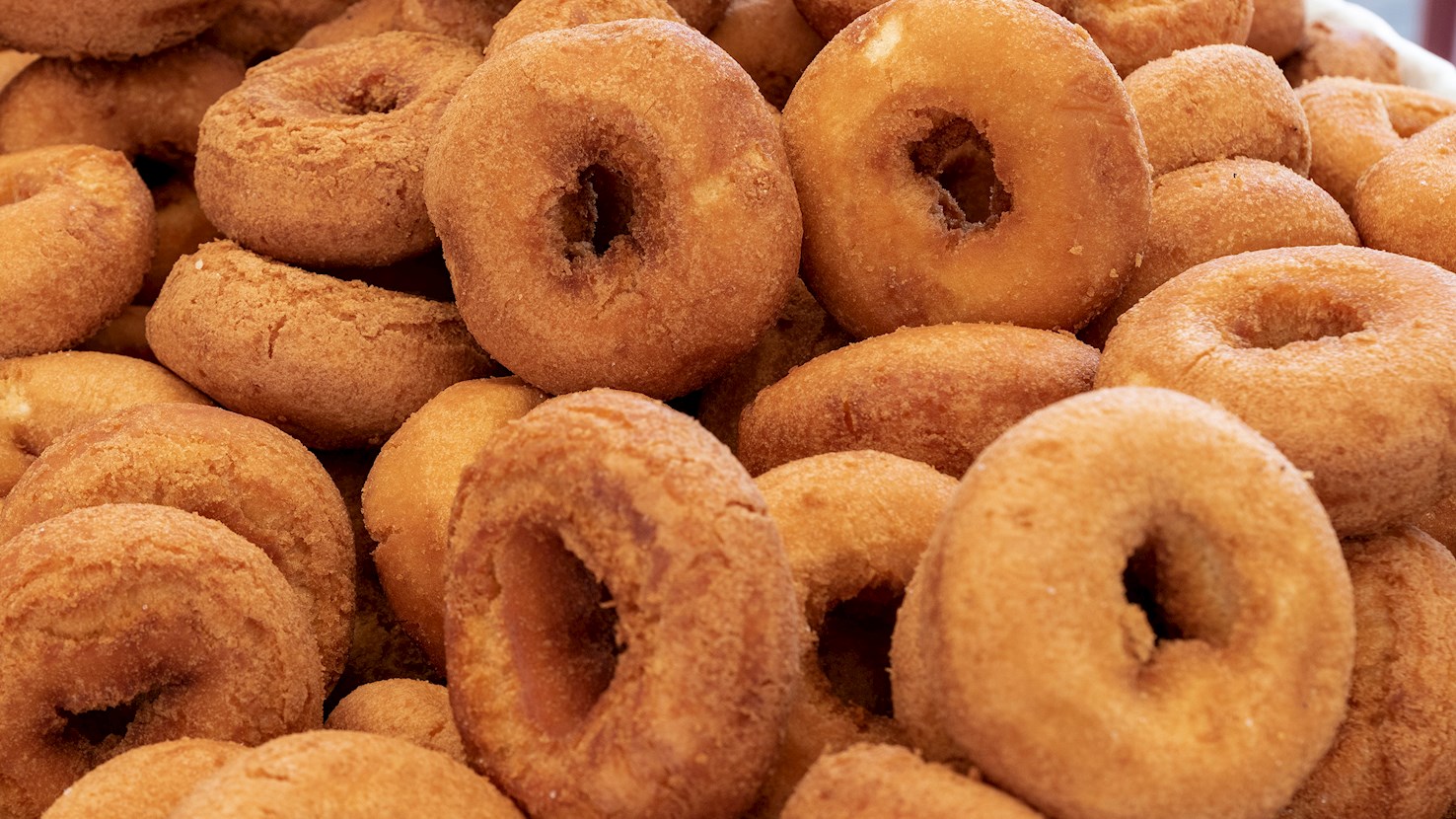
Rosquillas are traditional Spanish deep-fried donuts, characterized by their fluffy texture and a hole in the middle. They are typically prepared during the Holy Week festivities. Although there are many varieties of rosquillas, the classic ones are prepared with a combination of eggs, sugar, milk, oil, lemon zest, flour, baking powder, and anisette, which imparts a unique flavor to these tasty donuts. Another classic variety of rosquillas is made with sweet muscat wine (moscatel), and those donuts are known as rosquillas de vino. After they have been deep-fried, rosquillas are typically served as a sweet snack, topped with cinnamon sugar. Interestingly, in Honduras, the rosquillas are made with corn masa and curd cheese, and they are not deep-fried but baked in the oven.
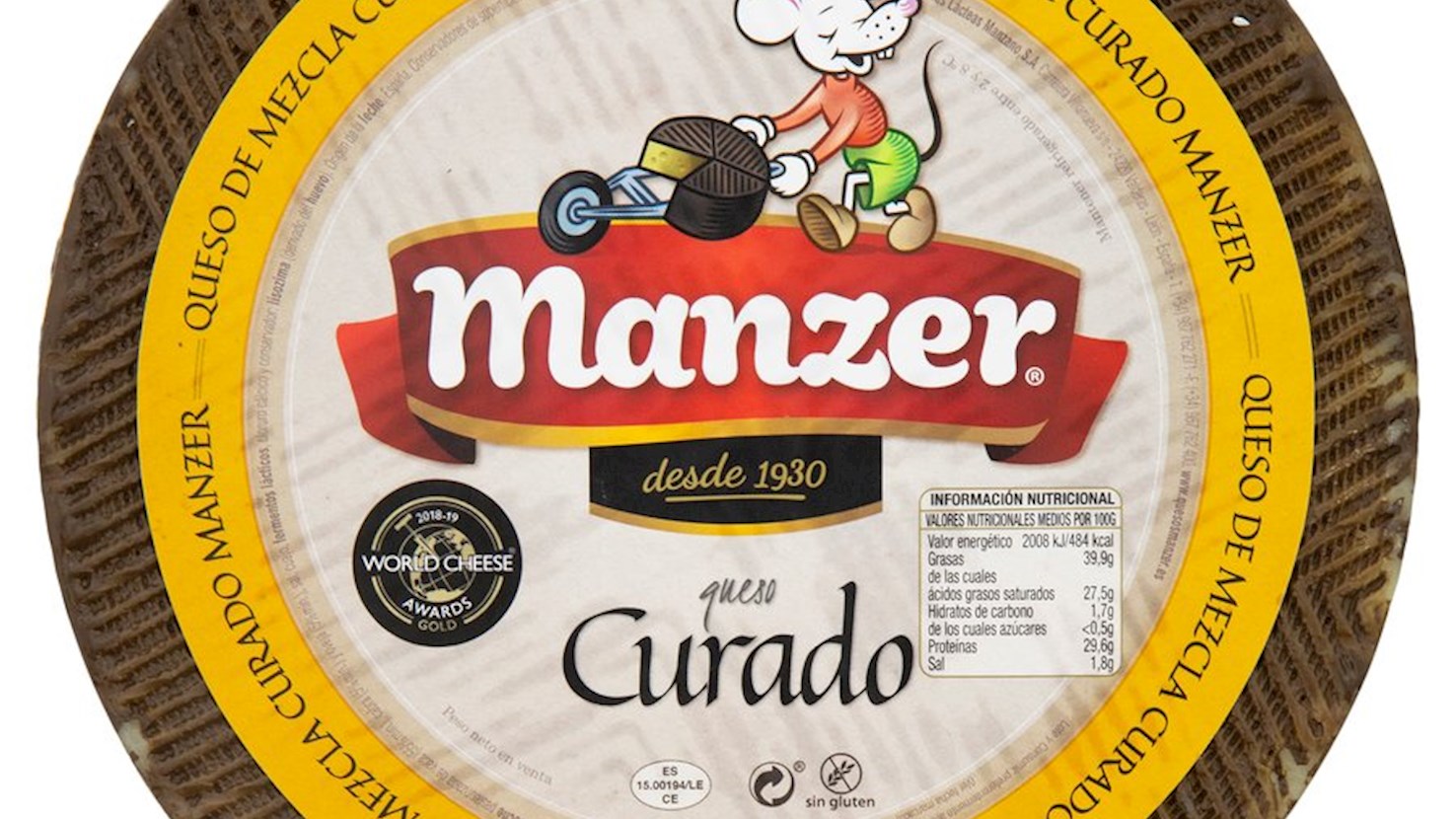
Industrias Lácteas Manzano S.A. is a cheese producer based in Spain, specializing in the production of various cheese types adhering to traditional Spanish cheese-making methods. The company focuses on both national and international markets, offering products that reflect the regional dairy tastes and textures of Spain.
Industrias Lácteas Manzano S.A. incorporates modern technology in its production processes to ensure product quality and safety.
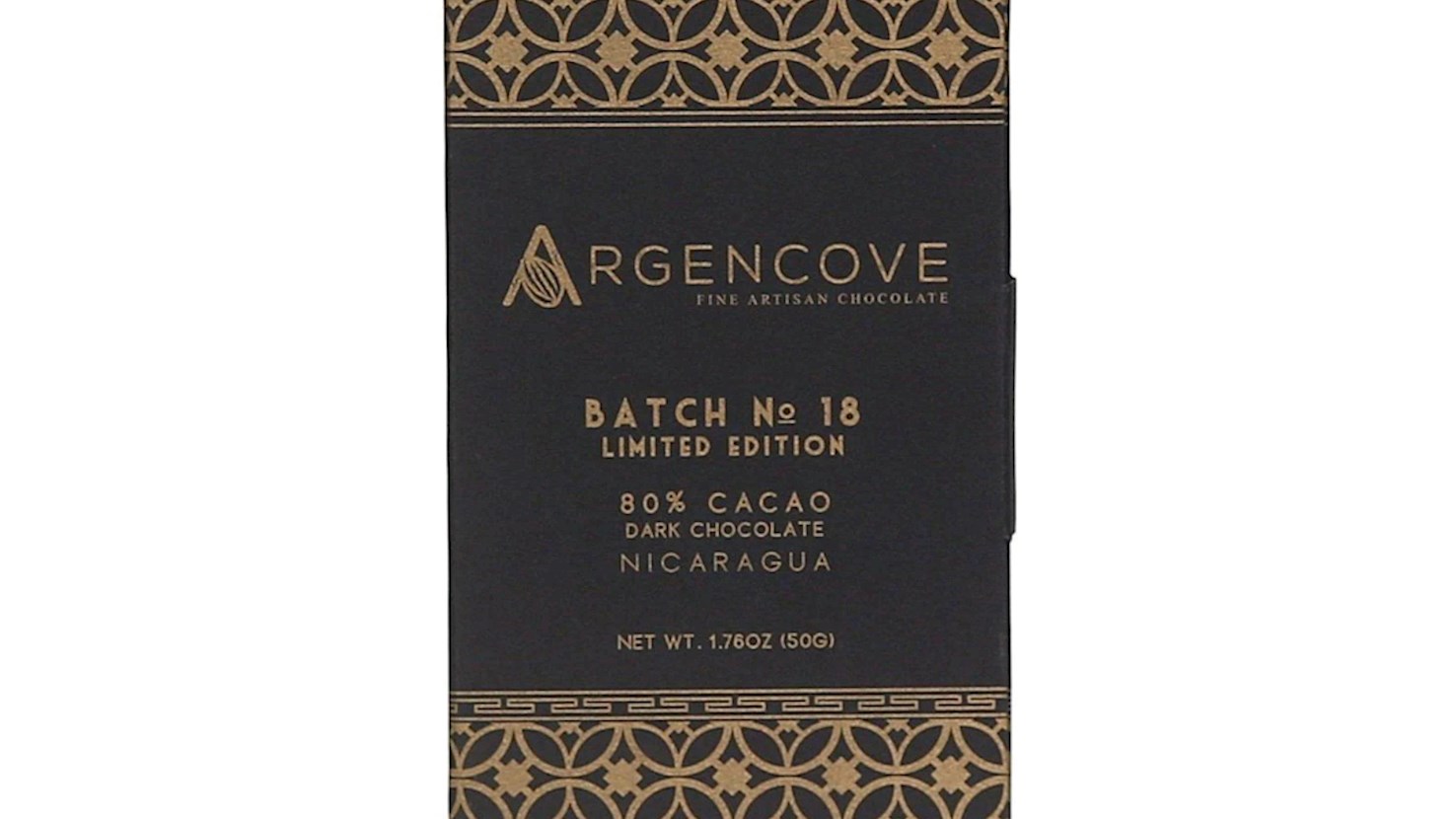
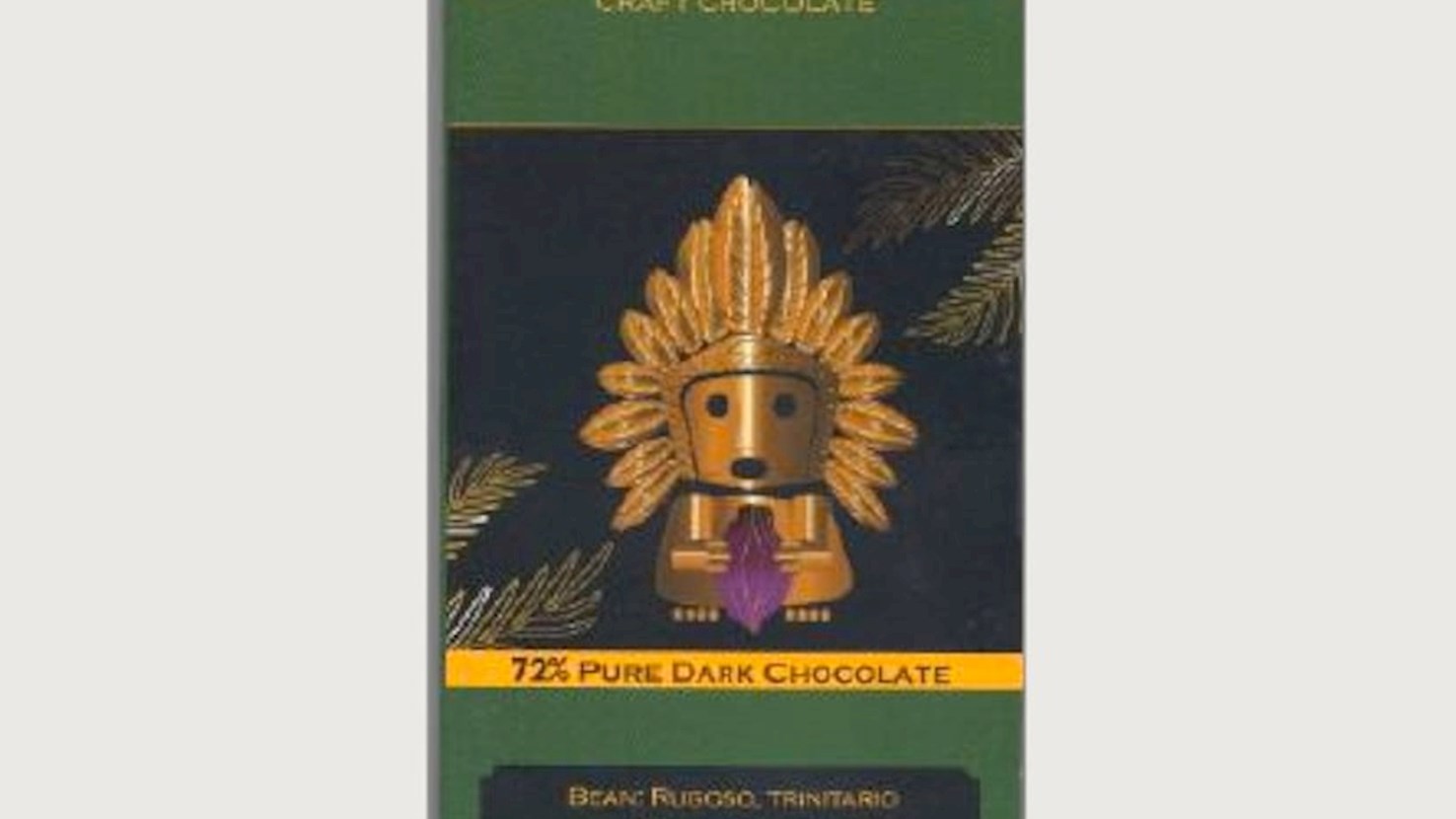
Argencove, based in Granada, is a chocolate producer known for using fine flavor Nicaraguan cacao in their products. They focus on creating single-origin chocolate bars, emphasizing the distinctive taste profiles of the cacao from different regions within Nicaragua.
Argencove handles the entire production process from bean to bar, ensuring high-quality control and traceability.
Queseria Cortijo el Aserradero is a cheese producer based in Andalusia, Spain. The company specializes in handmade artisanal cheeses.
They use traditional methods and milk sourced from locally raised goats and sheep. Their product range includes multiple varieties, such as semi-cured and cured cheeses.
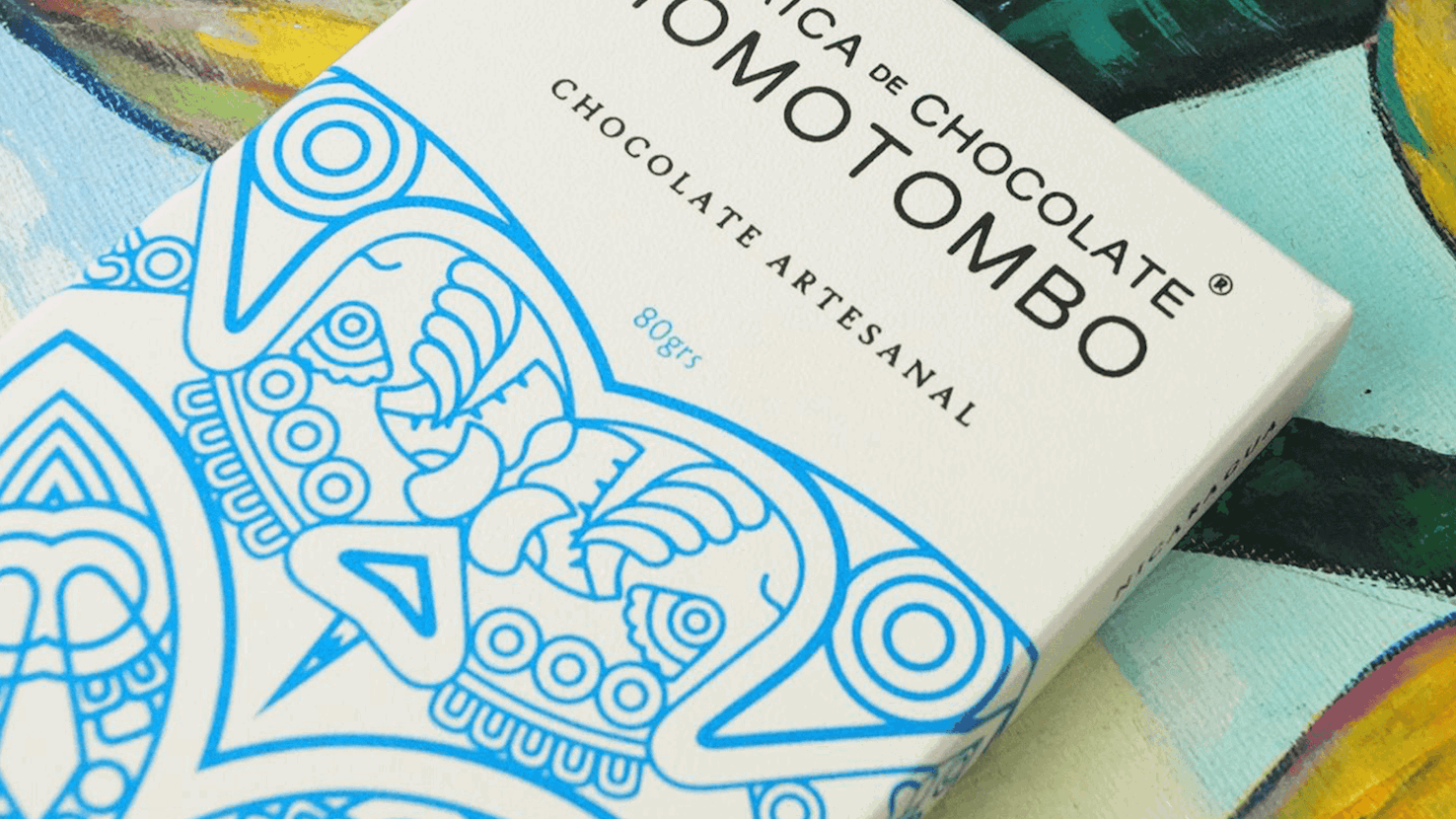
Fabrica de Chocolate Momotombo, located in Managua, Nicaragua, is a chocolate producer that uses locally sourced cacao to create its products. The company is named after a famous Nicaraguan volcano, emphasizing its strong local identity.
Fabrica de Chocolate Momotombo practices a bean-to-bar process, handling all stages of chocolate making from cacao bean roasting to the final product, ensuring control over quality and flavor.
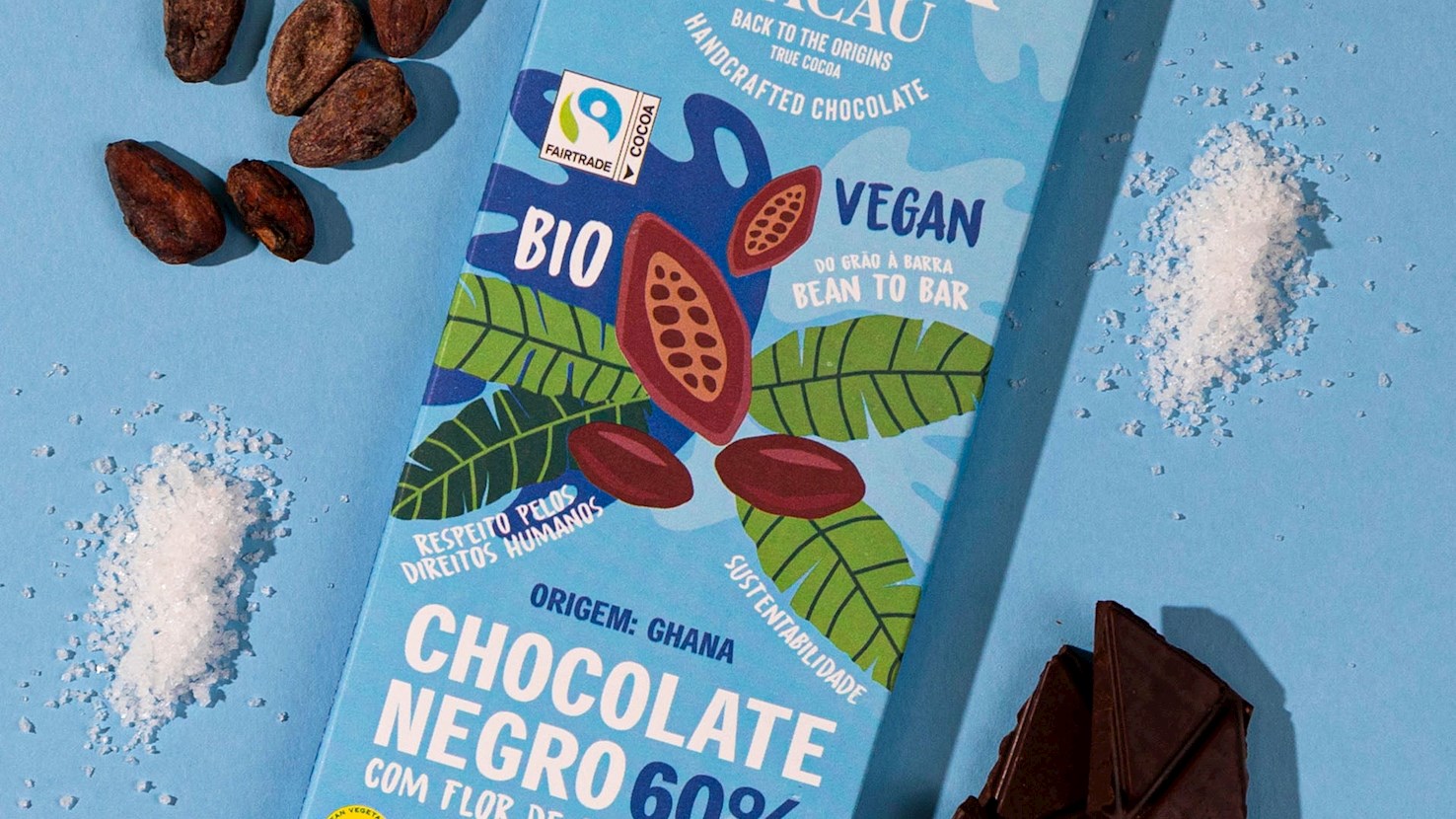
Semilla Escuela Cacao is a chocolate producer based in Managua, Nicaragua. They focus on artisanal chocolate production.
The company is dedicated to empowering local cacao farmers through educational programs. They emphasize sustainable farming practices and fair trade principles.
Their chocolate products are made from locally sourced Nicaraguan cacao beans.
Lapa-Lapa Chocolate is a small-scale chocolate producer based in Granada, Nicaragua. The company focuses on producing high-quality, artisanal chocolate from locally sourced cacao beans.
Lapa-Lapa Chocolate emphasizes sustainable practices and works closely with local farmers to ensure fair trade and organic certification. Additionally, their products often highlight unique, native flavors specific to the Nicaraguan region.
TasteAtlas food rankings are based on the ratings of the TasteAtlas audience, with a series of mechanisms that recognize real users and that ignore bot,
nationalist or local patriotic ratings, and give additional value to the ratings of users that the system recognizes as knowledgeable.
For the “Top 23 Nicaraguan Foods” list until October 21, 2026, 1,559 ratings were recorded, of which 771 were recognized by the system as legitimate.
TasteAtlas Rankings should not be seen as the final global conclusion about food. Their purpose is to promote excellent local foods,
instill pride in traditional dishes, and arouse curiosity about dishes you haven’t tried.
The initial list of top producers was compiled based on available reviews, awards, local recommendations, media and blog coverage, and consumer reviews.
The list will be updated with ratings from TasteAtlas local ambassadors and TasteAtlas users.







What People Say