North Carolina barbecue can be split into two halves – in the east, they use the whole hog, while in the west, also known as Lexington-style barbecue, smokes only the pork shoulder. Eastern barbecue is usually chopped with a vinegar-and-spices-based sauce, while Lexington-style is typically used for sandwiches with a tomato-based sauce. This is probably the oldest type of American barbecue, and the wood used for it is often hickory or oak.
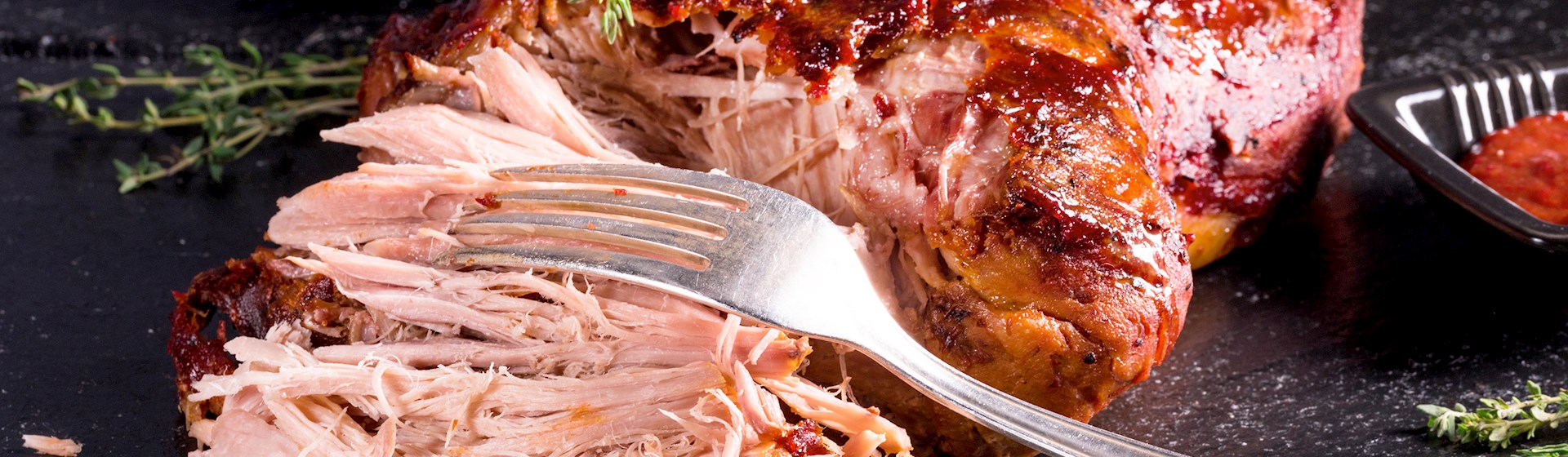
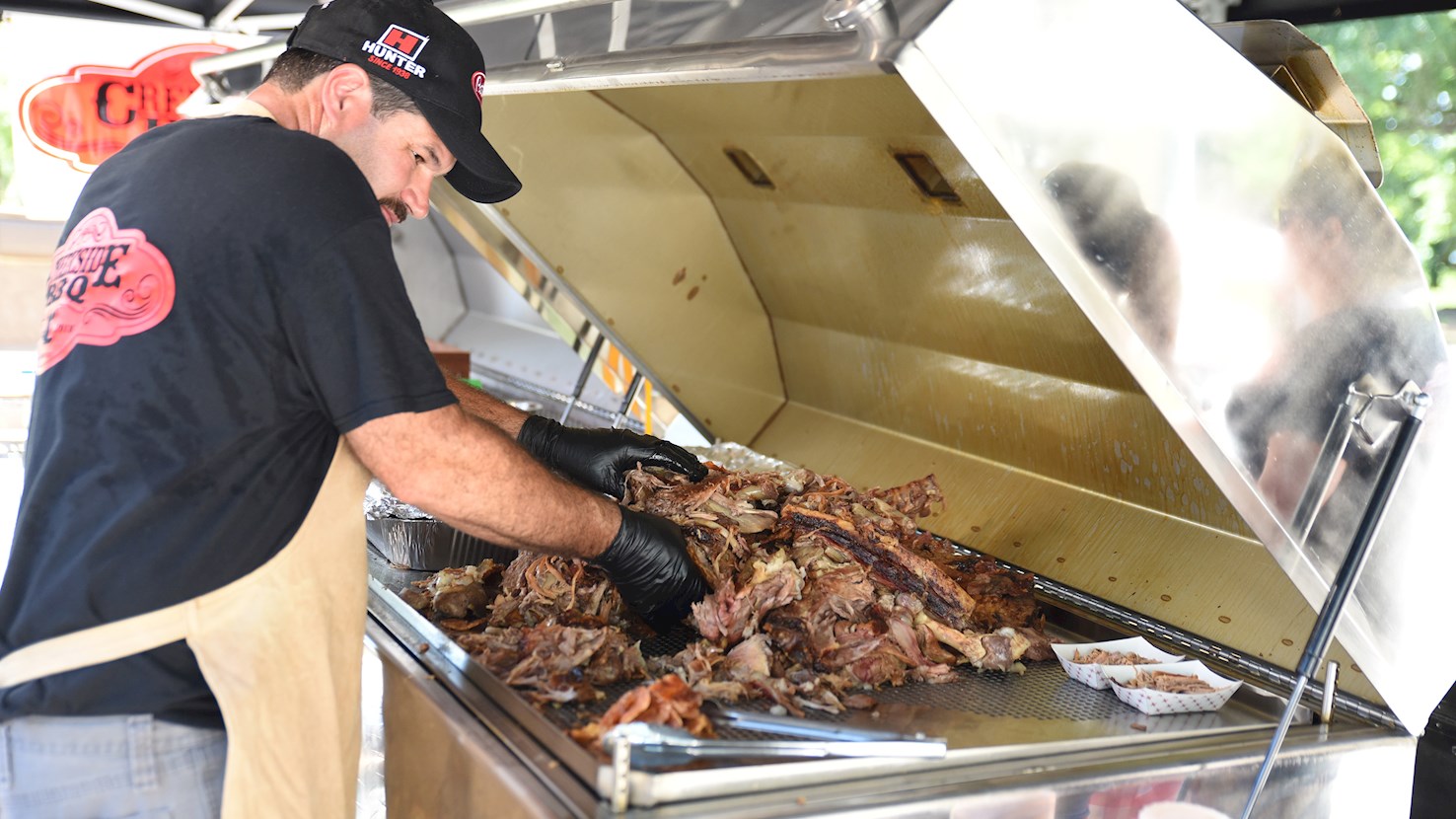
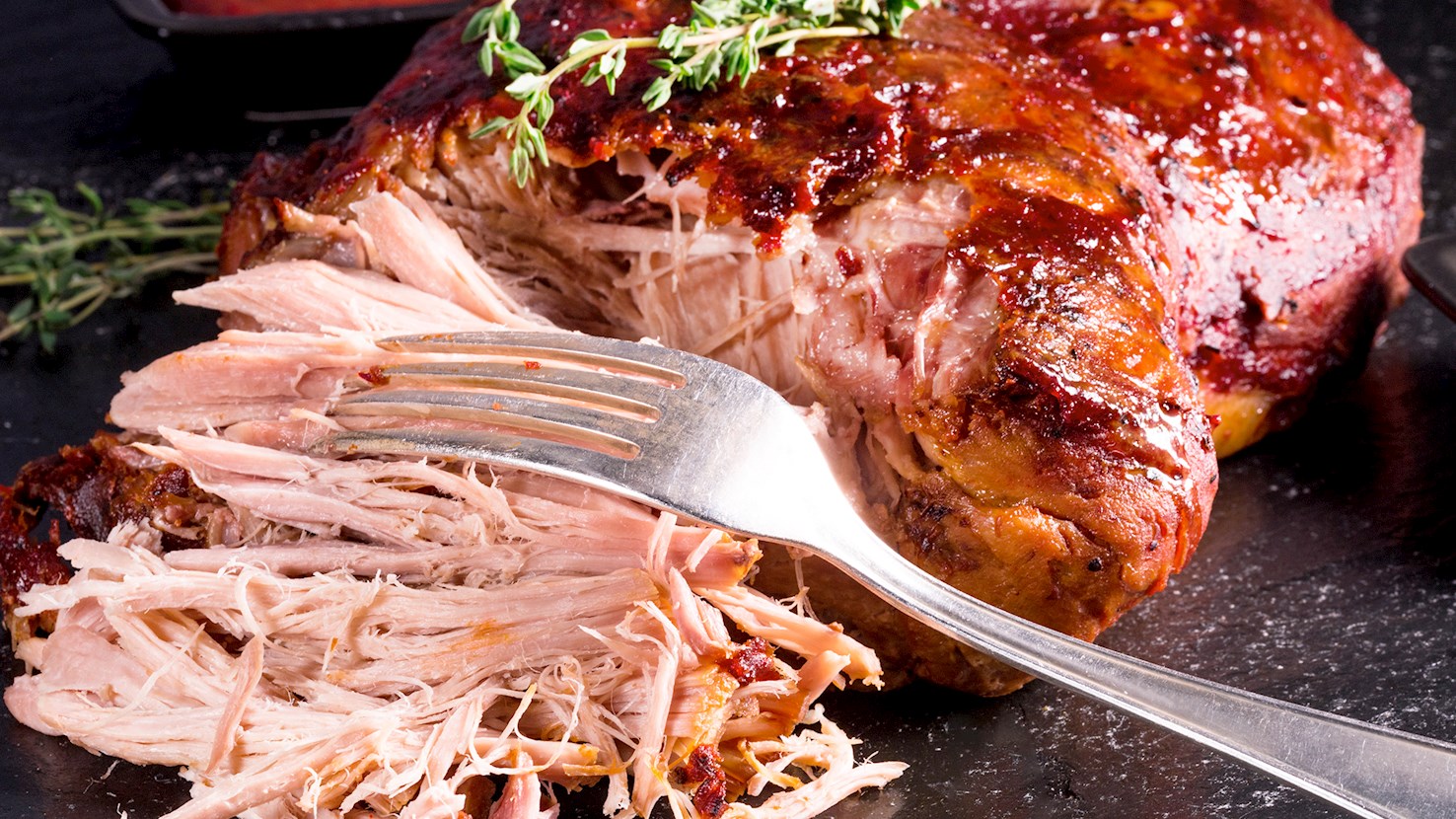
Pulled pork is an American barbecue technique of cooking pork meat slowly over low heat, resulting in tender meat that can easily be pulled into small pieces. It is a specialty that originates from the western part of North Carolina, traditionally using shoulder cuts of pork which are dressed with a vinegar, pepper, and tomato sauce. In the eastern part of the state, the whole pig is cooked and pulled, while the sauce usually doesn't contain tomatoes. Over time, it spread throughout the United States, and pulled pork can be found in many variations, ranging from different cuts of meat and cooking times to marinades and sauces. Today, pulled pork is popular throughout the world and is mostly used in a variety of sandwiches, accompanied by fries, baked beans, and tangy sauces.
Calabash-style seafood is a traditional buffet-style dish originating from Calabash in North Carolina. This feast is typically prepared in Calabash seafood restaurants. The seafood such as fish, crab, shrimp, oysters, mussels, and clams is lightly breaded, fried until golden, then served buffet-style with hushpuppies and honey butter as a traditional accompaniment. Instead of flour, cooks often use cornmeal for the seafood's light coating.
Moravian spice cookies are traditional cookies usually associated with Winston-Salem, North Carolina. This descendent of the German lebkuchen is made with a combination of powerful spices and molasses. The end result is a very thin and crisp cookie that has a reputation of "the World's thinnest cookie". The cookies are usually round, but they can be cut into different shapes such as stars or flowers. They're named after Moravia, which was once part of Czechoslovakia, and the immigrants settled in Germany, and then in Pennsylvania and North Carolina. The spices used for these cookies usually include ginger, cinnamon, and cloves. Over the years, versions made with sugar, lemon, chocolate, and black walnuts have appeared in many households in the region.
Carolina-style hot dogs consist of hot dog sausages in a split bread roll. They are characterized by an established set of condiments including slaw, onions, and chili. The hot dogs are sometimes topped with mustard which either acts as a substitute for slaw or can be added as a fourth condiment. These hot dogs are quite popular due to the sweetness and crunch of slaw that is in contrast with a slight spiciness coming from mustard and chili. Nowadays, the term Carolina-style refers not only to hot dog condiments, but hamburger toppings as well.
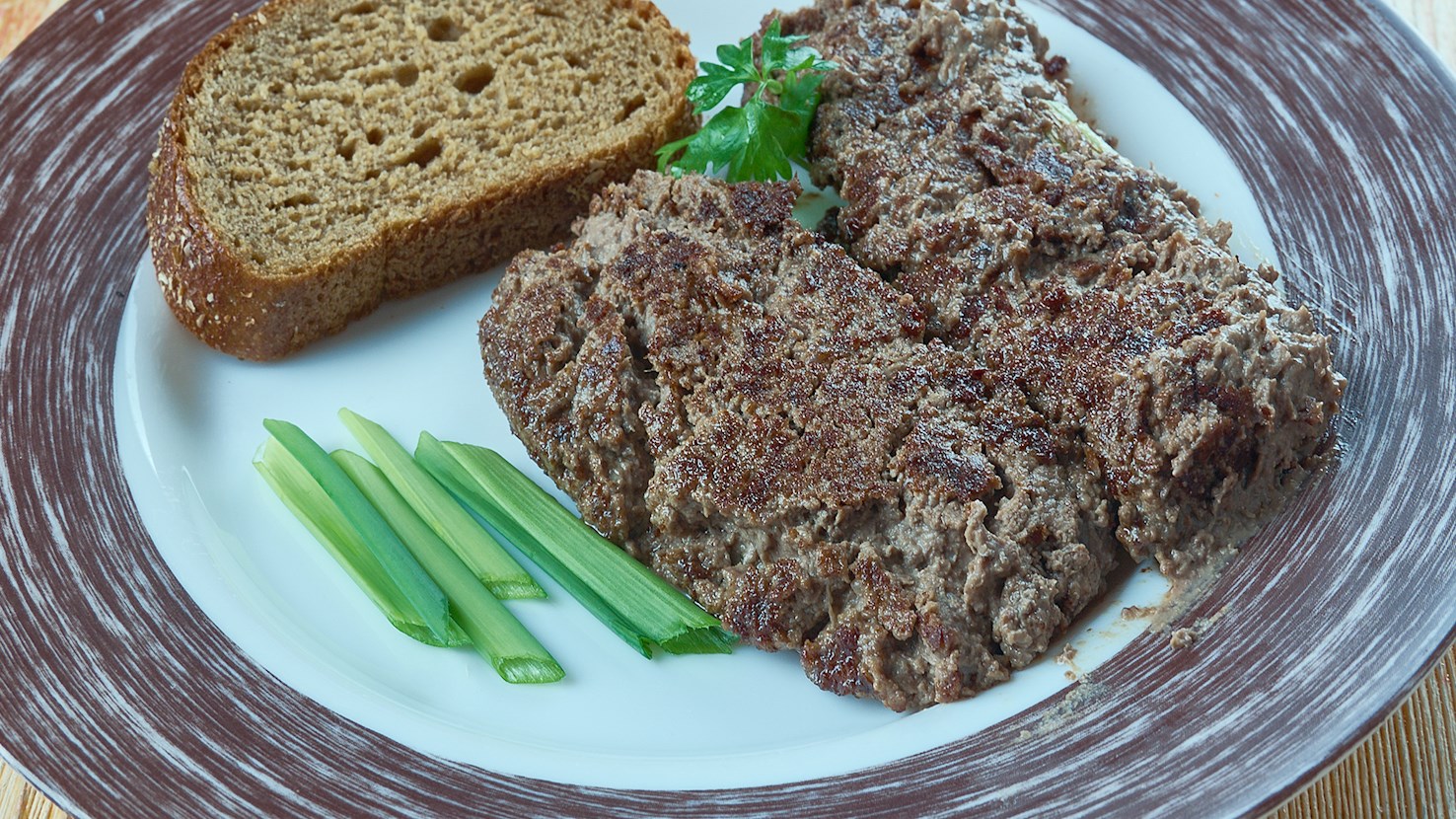
Livermush is a cooked loaf of finely ground pork liver, other pork, cornmeal, and seasonings, usually sliced and fried until the surfaces are brown and crisp. Sage, black pepper, and salt are the usual seasonings, and the meat commonly includes fatty portions of the head, such as pork jowls. Before frying, the loaf is generally gray or gray-brown, with a dense, finely ground interior; a browned slice retains a softer center beneath its crust. Its sage-and-pepper seasoning can give it a flavor similar to breakfast sausage, although the intensity of the liver varies with the recipe. Preparation begins by cooking the liver and other pork until tender, then grinding the meat and combining it with cooking broth, cornmeal, and seasonings. Further cooking turns the mixture into a thick mush, which is packed into rectangular pans and chilled until firm enough to slice. Commercial livermush is sold fully cooked, usually as a refrigerated block, so frying at home or on a diner griddle is a finishing step. Some producers include wheat flour alongside the cornmeal. Livermush is closely related to scrapple and liver pudding, but their names and formulations overlap. Liver pudding is often softer and more spreadable, and commercial recipes for both liver pudding and livermush may contain cornmeal and wheat flour. Under the federal standard for liver meat food products, commercially labeled liver mush must contain at least 30 percent liver, calculated from the liver’s fresh weight. The typical North Carolina recipe uses pork liver, although the federal standard also permits liver from cattle, sheep, and goats. Production and everyday consumption are particularly associated with western North Carolina’s foothills and parts of the Piedmont, with Shelby and Marion among its established manufacturing centers. Families made livermush during the fall hog-butchering season, using liver and head meat and adding cornmeal to stretch the food. The name was already familiar before the Great Depression: the Charlotte News discussed livermush in its 1914 issue as a Southern counterpart to scrapple, and the Morganton News Herald reported in 1915 that it was supplied to patients at the state hospital in Morganton. Commercial businesses subsequently brought household recipes to a wider local market. In 1933, Benjamin Plato Jenkins began selling his family’s livermush near Shelby after the general store he operated with his brother failed during the Depression. According to his grandson Harry Mauney, Jenkins cooked batches in a cast-iron pot over a wood fire and initially sold them from the trunk of his car. Roy and Gurthie Hunter began selling their version in Marion in 1955, first supplying neighbors and local grocers. Packaged loaves became an ingredient households and restaurants could portion and brown without doing the initial cooking and grinding. Shelby and Marion also hold festivals devoted to livermush, where fried sandwiches are among the foods sold. At breakfast, slices commonly accompany eggs and grits or go inside split biscuits. A livermush biscuit may include a fried egg, while sandwiches made with white bread or hamburger buns commonly carry a fried slice and yellow mustard.
Chocolate Lab is an American cheese hailing from Fairview, where it's produced by Looking Glass Creamery. The cheese is made from pasteurized cow's milk. The red rind is washed every other day with a brine solution. The texture is very firm, the aromas are rich, and the flavors are sharp, pungent, and sweet. The cheese wheels are also rubbed with a combination of crushed cocoa and sea salt in order for the rind to develop a rich and rugged finish. It's recommended to pair Chocolate Lab with a glass of Malbec wine or a chocolate stout beer.
Red slaw is a regional version of coleslaw, originating from North Carolina. Also known as barbecue slaw, it's traditionally made with a combination of shredded green cabbage, water, vinegar, sugar, and ketchup, which gives the salad a reddish hue. Red slaw is especially popular in Lexington, where it's served as a part of Lexington-style barbecue. The salad is also often used in hot dogs and sandwiches made with barbecued meat. Depending on the area, red slaw might contain other ingredients such as mustard seeds, black pepper, onions, carrots, or hot peppers, but what's important is that red slaw is always served well-chilled.
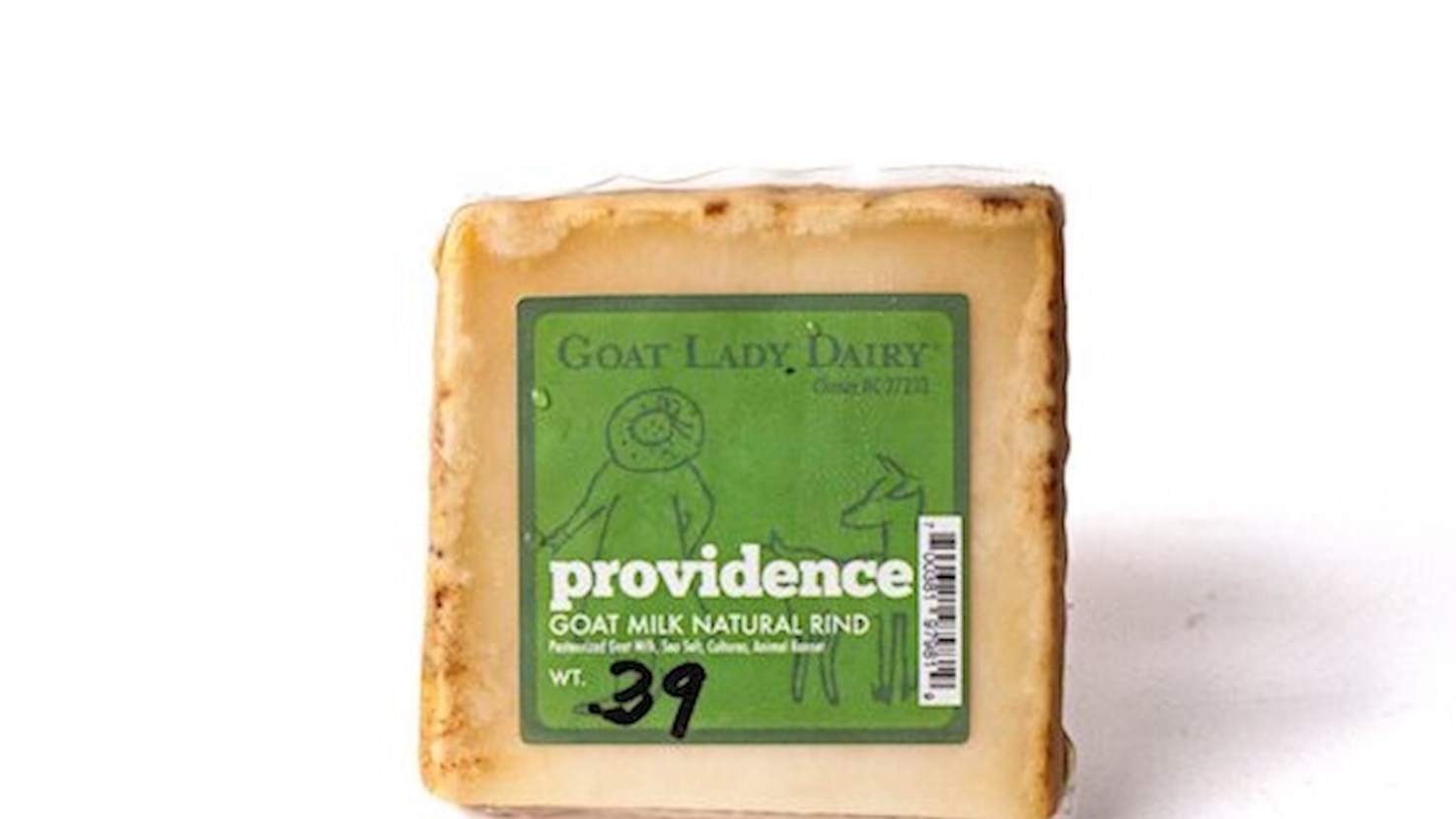
Providence is an American taleggio-style cheese hailing from North Carolina. This semi-soft cheese is made from pasteurized goat's milk and it's left to age for 3 months. During the maturation period, the cheese is brushed and hand-turned, while its rind is washed and develops a hard exterior. The texture is crumbly and compact. The aromas are yeasty and the flavor is creamy. It's recommended to use Providence as a table cheese and serve it with cured meat and olives on the side. Pair it with a glass of dark Syrah.
Pig pickin’ cake is a moist citrus-and-pineapple layer cake from the American South, especially associated with North Carolina and the wider Carolinas, where it became a familiar dessert at pig pickin’s, church suppers, potlucks, reunions, and other large community meals. The name comes from the gatherings where whole hogs were slow-cooked and guests literally picked meat from the pig, with the cake serving as a light, chilled finish after a heavy barbecue meal. The dessert became especially popular in the second half of the 20th century, when boxed cake mixes, canned mandarin oranges, instant pudding, and whipped topping made it easy to prepare for a crowd, and that convenience is still part of its identity. The cake itself is usually based on yellow cake mix combined with eggs, oil, and canned mandarin oranges, which break down into the batter and give the crumb extra moisture and a mild citrus flavor. After baking and cooling, it is covered with a fluffy topping made from crushed pineapple, instant vanilla pudding mix, and whipped topping, sometimes with additional mandarin orange segments or pecans. Rather than having a dense buttercream or cooked frosting, pig pickin’ cake is defined by this cold, creamy pineapple topping, which keeps the overall dessert light despite its sweetness. It is usually assembled as a layer cake or sheet cake and chilled before serving so the topping firms up and the flavors settle together. The combination of orange in the cake and pineapple in the topping is what gives it its recognizable character, and the dessert is generally served cold or well chilled rather than at room temperature. Pig pickin’ cake remains most closely tied to North Carolina barbecue culture and Southern social gatherings, where it is commonly served after pulled pork, coleslaw, baked beans, hush puppies, and other barbecue sides, and it pairs naturally with sweet tea, iced tea, coffee, lemonade, or a simple glass of milk.
Farmer’s Daughter Pickles & Preserves is a family brand devoted to preserving the flavors of the season through artisanal craftsmanship. Inspired by tradition and cherished family recipes, founder April McGreger has created a collection of jams, jellies, pickles, and hot sauces, all made by hand in small batches using carefully selected fruits and vegetables from local, sustainable farms.
Each jar captures pure, natural flavor – free from artificial colors, preservatives, or additives – with just the right touch of organic sugar to highlight the authentic aroma and texture of the ingredients.
Special care is taken to use seasonal and rare fruits, as well as to rescue surplus harvests, contributing to sustainability and reducing food waste.
Farmer’s Daughter products embody the warmth of homemade tradition and a genuine connection to the community, bringing to the table flavors that unite heritage, quality, and a deep love for nature.
Awards
Good Food Award - Winner
(2017, 2016, 2015, 2013, 2011)
Goat Lady Dairy is located in Climax, North Carolina, where it produces a variety of goat cheeses. The dairy, founded in 1995 by siblings Ginnie and Steve Tate, focuses on sustainable and eco-friendly farming practices.
Goat Lady Dairy offers a range of products including fresh chevre, aged cheeses, and flavored varieties. They also host community events like the Cheese Barn and educational farm tours.
Awards
American Cheese Society Judging & Competition Awards - 1st Place
(2024, 2022, 2019, 2018, 2016, 2012, 2005)
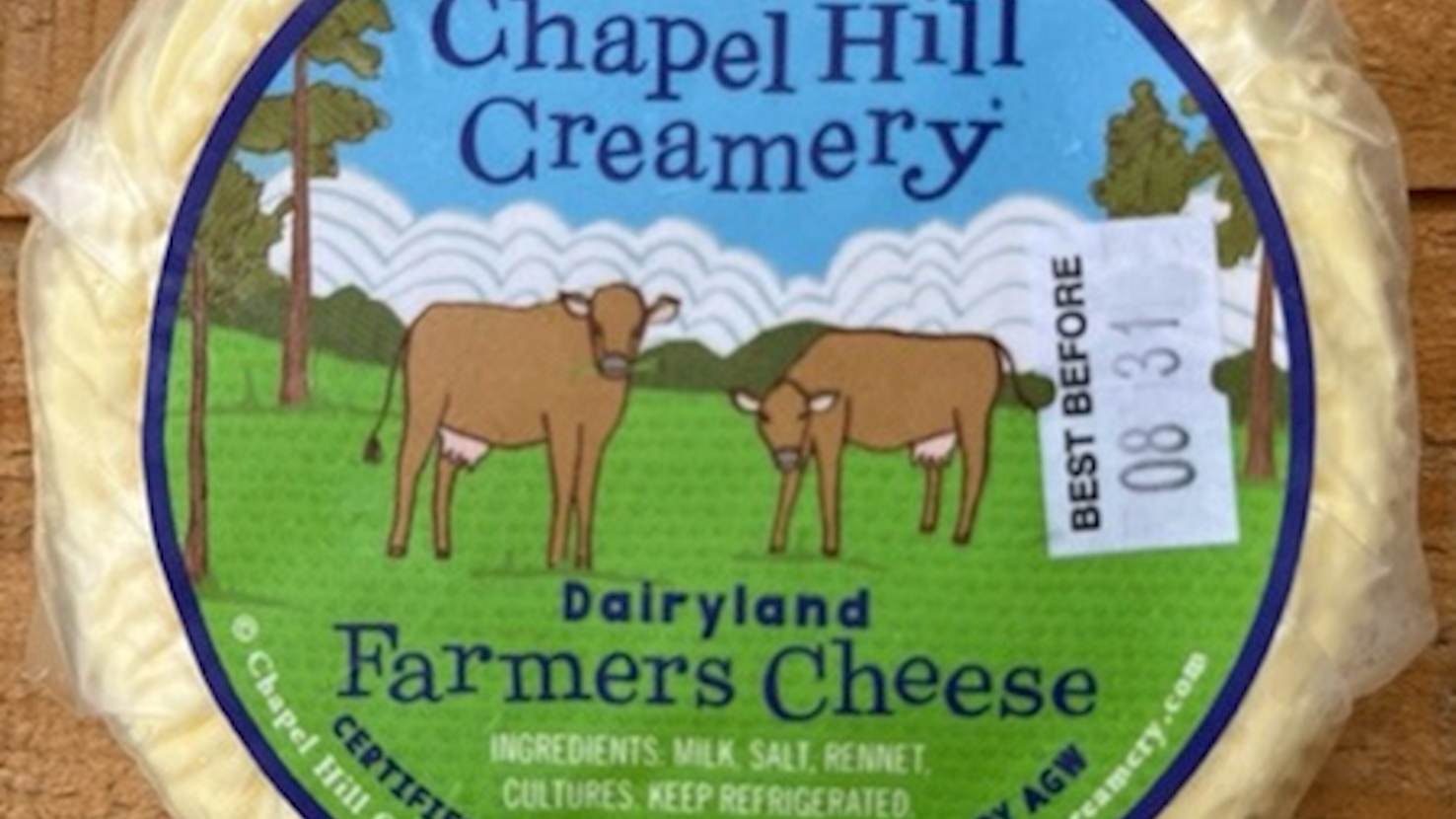
Chapel Hill Creamery, located in Chapel Hill, North Carolina, produces a variety of artisan cheeses using milk from their own herd of pasture-raised Jersey cows. Their product lineup includes fresh and aged cheeses crafted using traditional techniques.
The creamery is committed to sustainable farming practices, aiming to enhance soil fertility and biodiversity on their farm.
Awards
American Cheese Society Judging & Competition Awards - 1st Place
(2018)
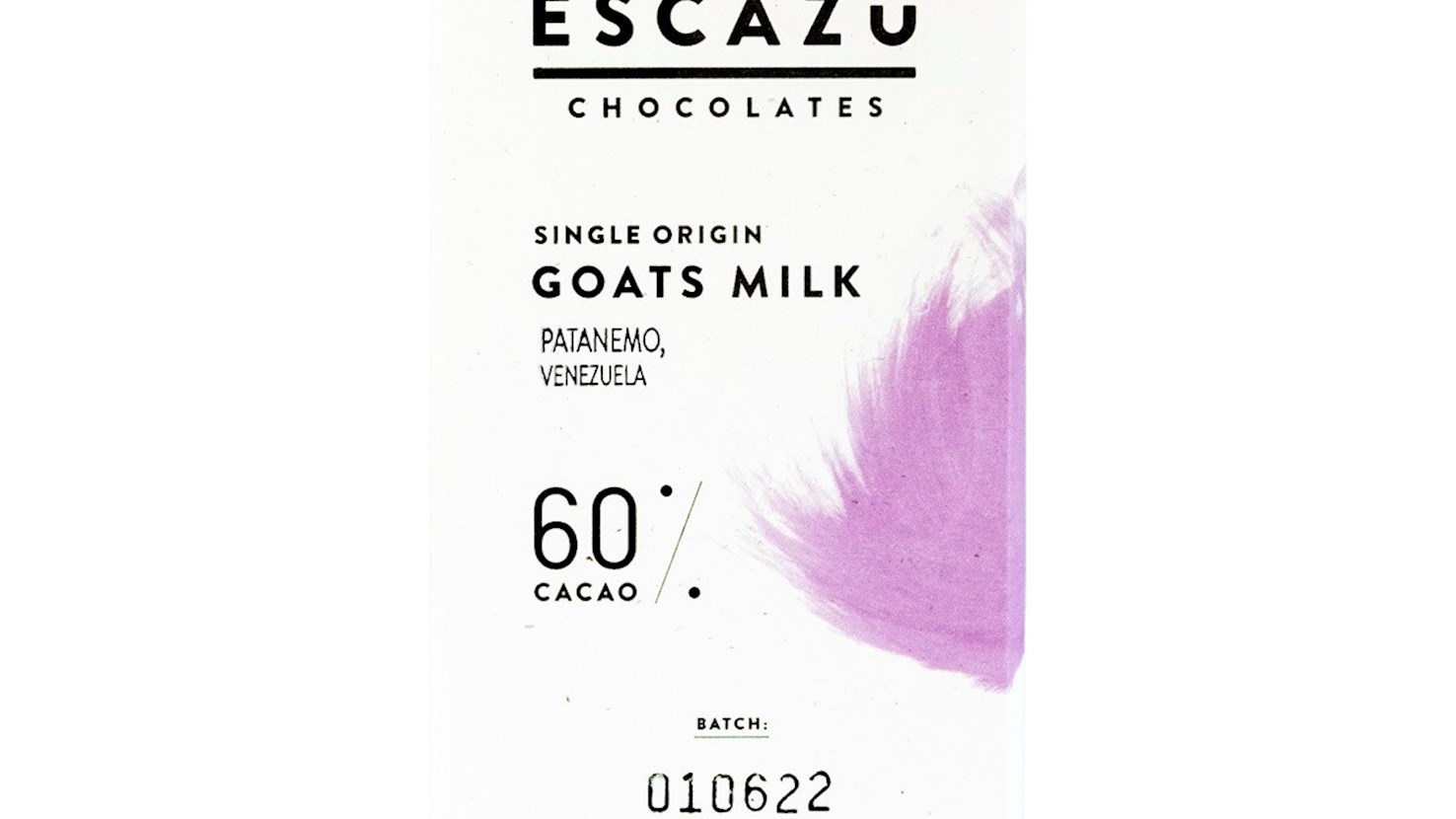
Escazú Chocolates, located in Raleigh, North Carolina, is a small-batch chocolate producer. They specialize in crafting bean-to-bar chocolates, meaning they control every step of the production process from sourcing cacao beans to the final product.
Escazú Chocolates uses traditional methods, including roasting their own cacao beans and grinding them on vintage equipment. They are known for incorporating unique and sometimes local ingredients into their chocolates.
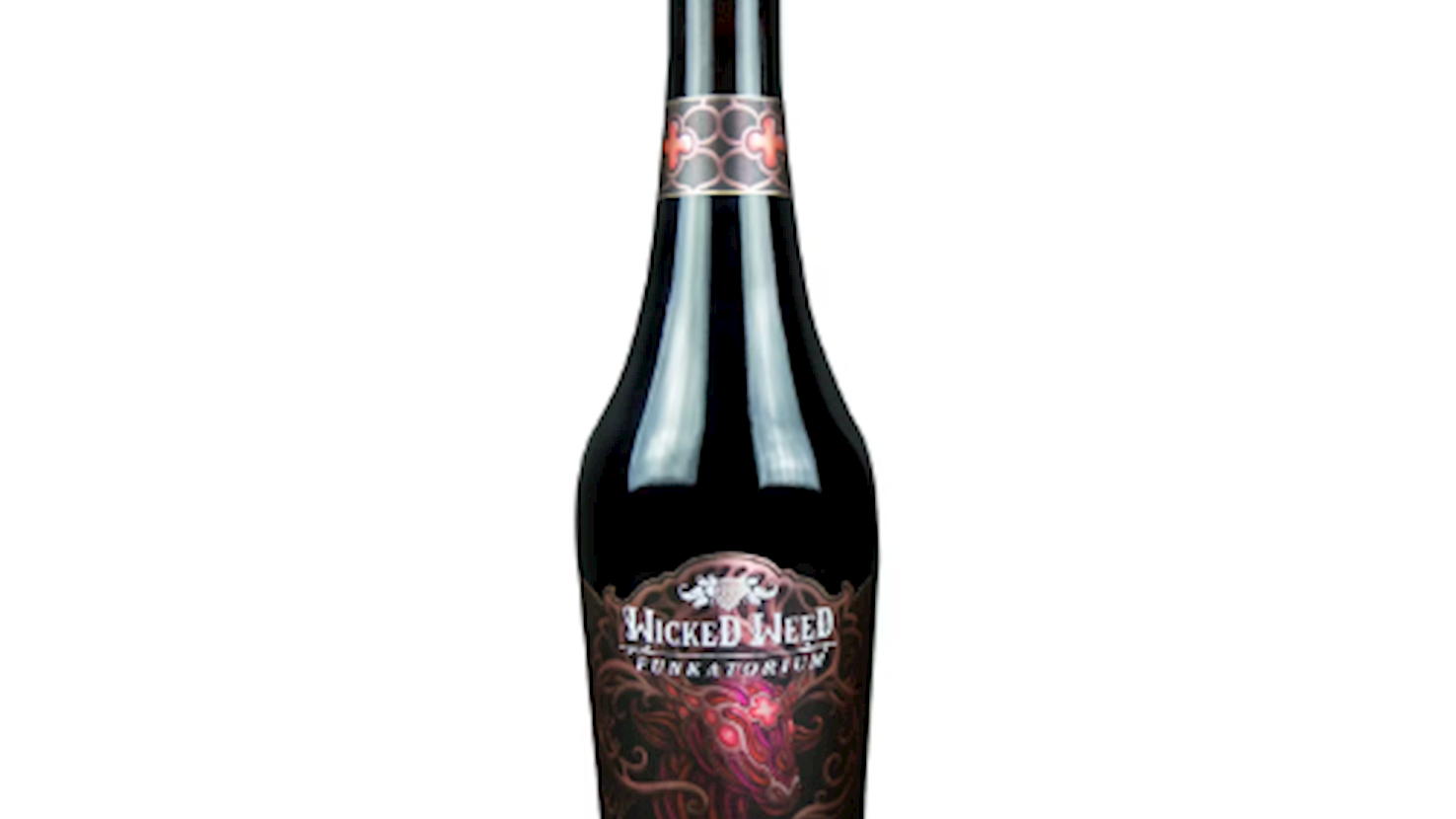
Wicked Weed Brewing is a craft brewery based in Asheville, North Carolina, founded in 2012 by brothers Walt and Luke Dickinson and their friends. The brewery quickly gained a reputation for its innovative approach to beer, combining modern American styles like West Coast IPA with experimental sour ales that utilize wild yeast and undergo barrel aging.
Their original brewpub in downtown Asheville features a restaurant, production facility, and taproom, while the Funkatorium - opened in 2014 - became the first taproom in the southeastern United States dedicated exclusively to sour ales. Their work is characterized by a high level of technical precision, a passion for experimentation, and a strong commitment to the sensory richness of beer.
TasteAtlas food rankings are based on the ratings of the TasteAtlas audience, with a series of mechanisms that recognize real users and that ignore bot,
nationalist or local patriotic ratings, and give additional value to the ratings of users that the system recognizes as knowledgeable.
For the “Top 38 North Carolinian Foods” list until November 11, 2026, 682 ratings were recorded, of which 625 were recognized by the system as legitimate.
TasteAtlas Rankings should not be seen as the final global conclusion about food. Their purpose is to promote excellent local foods,
instill pride in traditional dishes, and arouse curiosity about dishes you haven’t tried.
The initial list of top producers was compiled based on available reviews, awards, local recommendations, media and blog coverage, and consumer reviews.
The list will be updated with ratings from TasteAtlas local ambassadors and TasteAtlas users.














What People Say