shutterstock

Top 37 Northern German Foods
Last updated on June 07, 2026

Best Northern German foods

01
Sweet Pastry

Franzbrötchen

4.3 ·

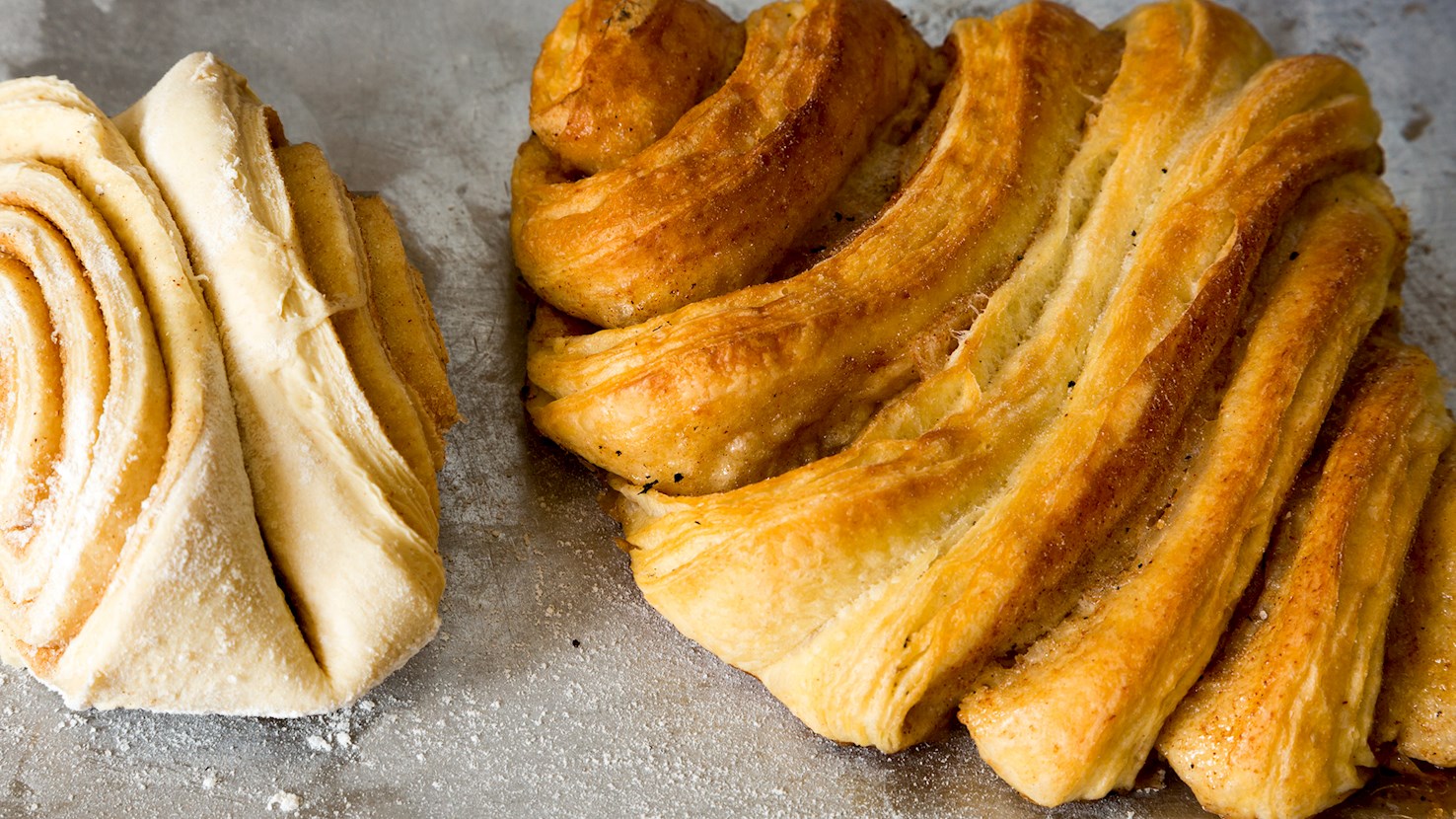
This delicious German sweet pastry is traditionally served with a cup of coffee on the side. Initially made only in the Hamburg area, it is now also available in other German cities. The original recipe for these little pastries includes flour, butter, milk, yeast, and sugar, with a filling consisting of sugar and cinnamon. However, raisins, chocolate, or pumpkin seeds may also be added. The dough is folded multiple times and glazed with butter, developing a sticky coating and rich flavor in the process. The name of this dish is possibly related to the French, who had occupied Hamburg during Napoleon's rule. Alternatively, it is said that a baker from Hamburg once cooked a Franzbrot (French bread) in butter, thus creating the Franzbrötchen.

02
Dry-cured Ham

Holsteiner Katenschinken

4 ·

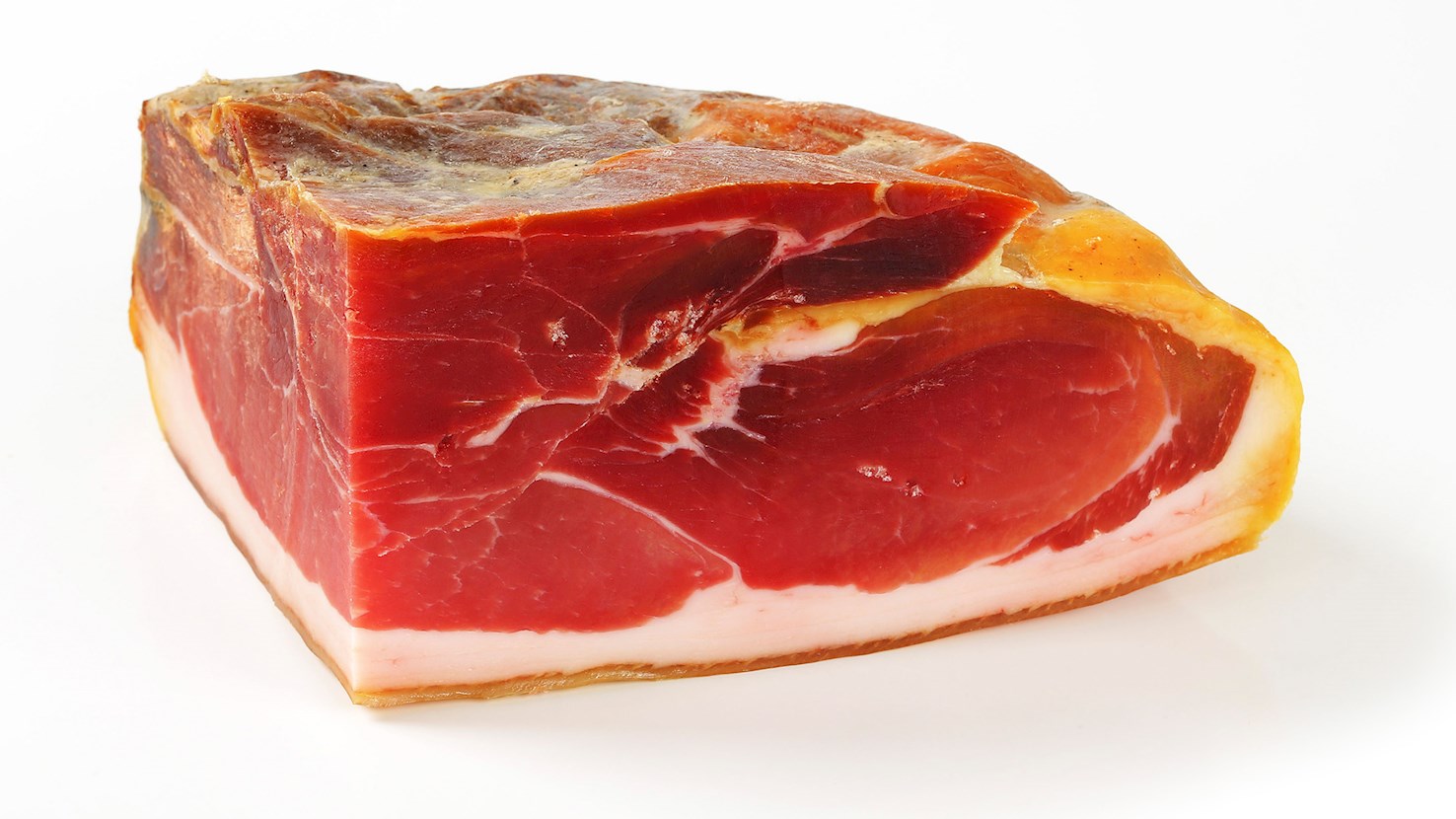
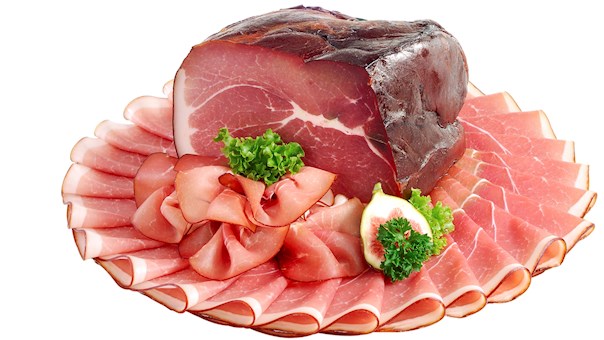
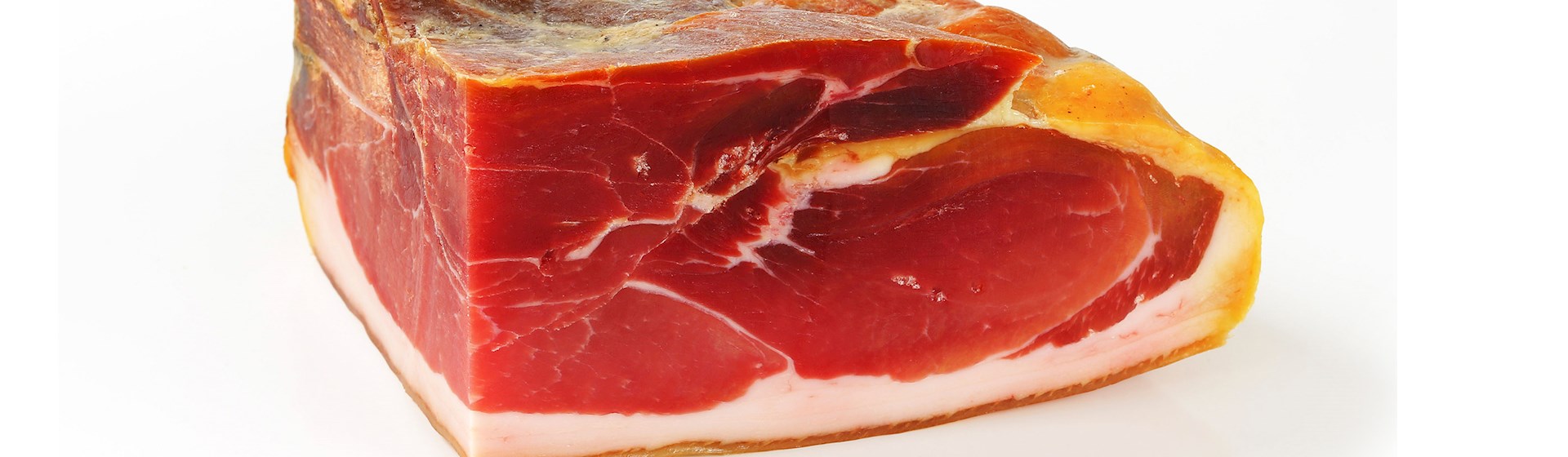
This North German ham is a specialty of the Schleswig-Holstein region. To produce this cured ham, pork meat is smoked for up to eight weeks over an open fire. With the introduction of closed fireplaces, the smoking process shifted to special smoking chambers or barns. The aroma of Katenschinken is strong and intense, however its consistency is very delicate and its flavor is mild. The ham has a mahogany-colored appearance, and it should not be black, sooty, or brown. The original, mildly flavored Holstein ham is suitable for making sandwiches, bread rolls, and other various appetizers. In addition, it is popular as an addition to boiled potatoes and many vegetable dishes, especially asparagus. The ham is often seasoned with freshly ground white pepper and fresh parsley to enhance its flavor. Holsteiner Katenschinken is typically paired with draft beer or a dry white wine, preferably from the same region.

03
Side Dish

Karamellkartoffeln

3.9 ·

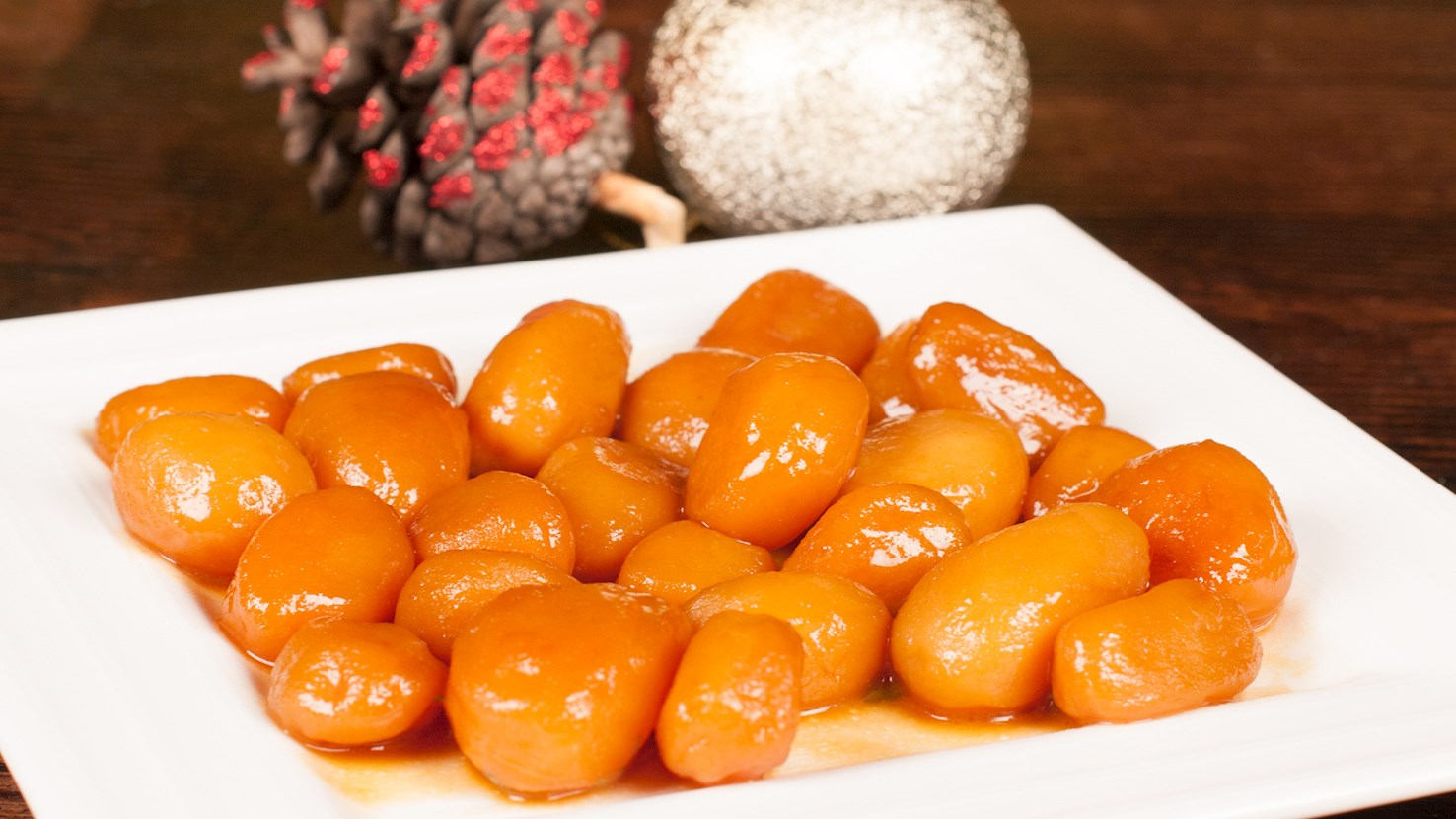
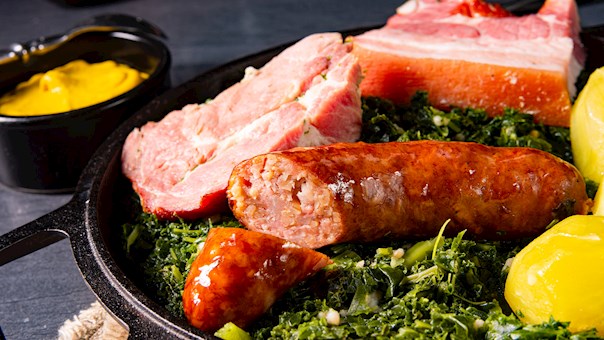
Traditionally associated with Christmastime, brunede kartofler (lit. caramelized potatoes) is a simple, yet immensely flavorful Danish dish, also eaten in the Northern Germany. The dish is usually made with a combination of new potatoes, butter, nutmeg, salt, and sugar. The butter, salt, sugar, and nutmeg are mixed together, and the mixture is poured over boiled new potatoes that have been lined in a greased gratin dish. The ingredients are gently tossed so that all of the potatoes are coated with the mixture. The dish is baked until lightly browned and crisp. Karamellkartoffeln is typically served as an accompaniment to kale ste

04
Cooked Sausage

Braunschweiger

3.8 ·

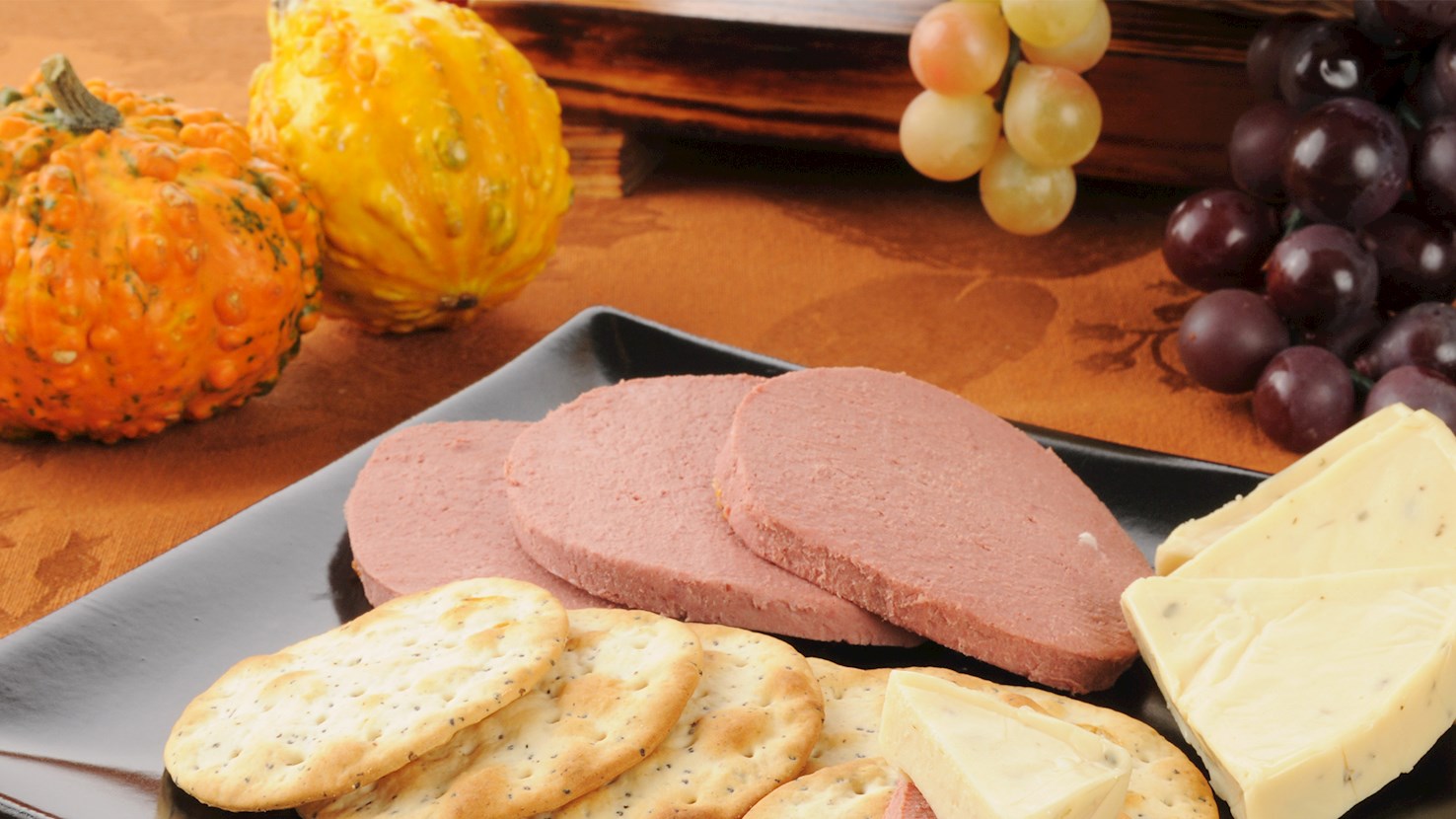
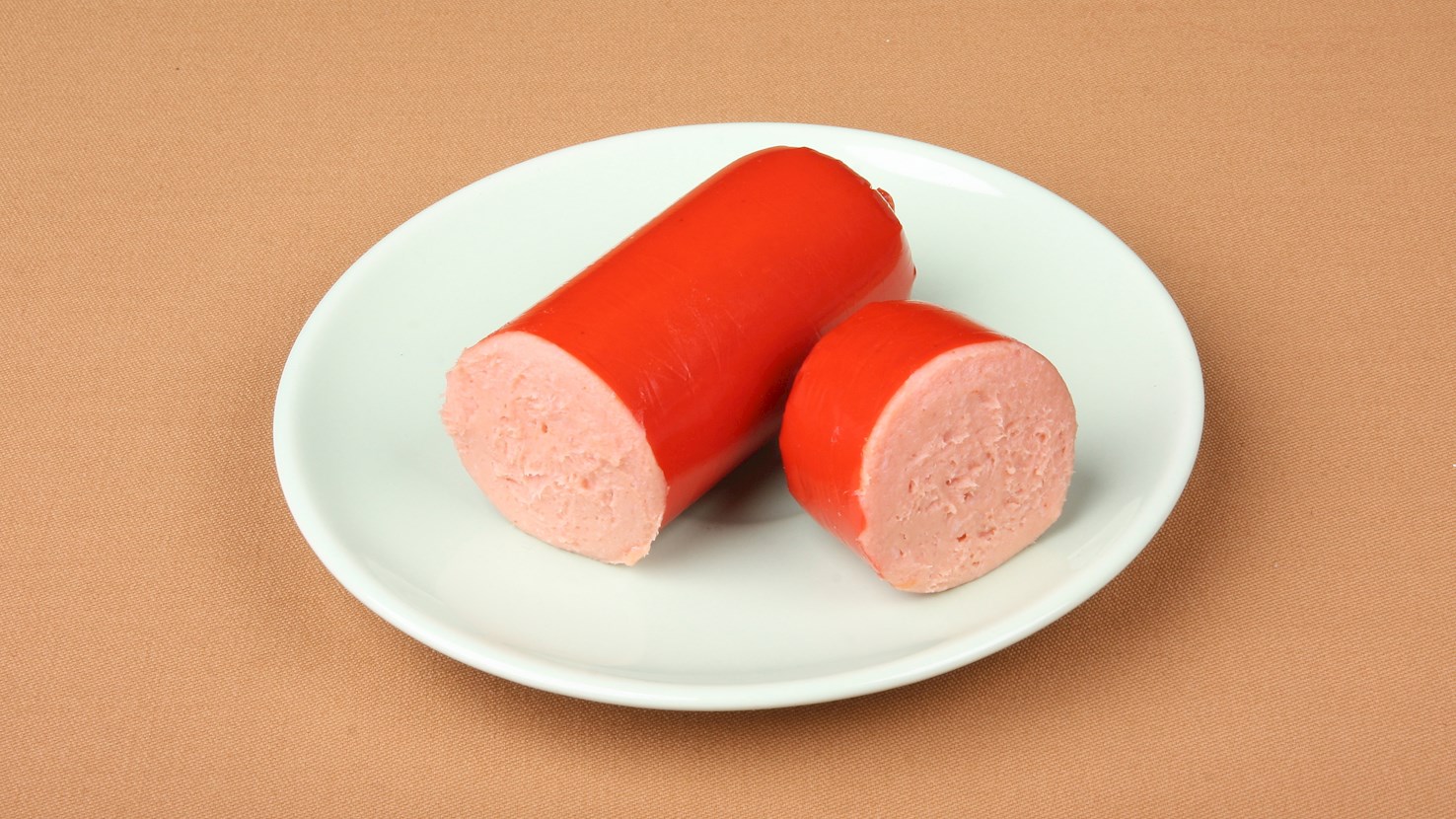
Braunschweiger is a German dish using liverwurst sausage as the main ingredient. The sausage is first sliced into smaller pieces, then combined with smoked meat (such as bacon) in a pan. The two are fried together until they develop a nice, browned color. Braunschweiger is typically served as a main meal, and it is often accompanied by mashed potatoes, vegetables, or pasta.

05
Sandwich

Fischbrötchen

3.8 ·

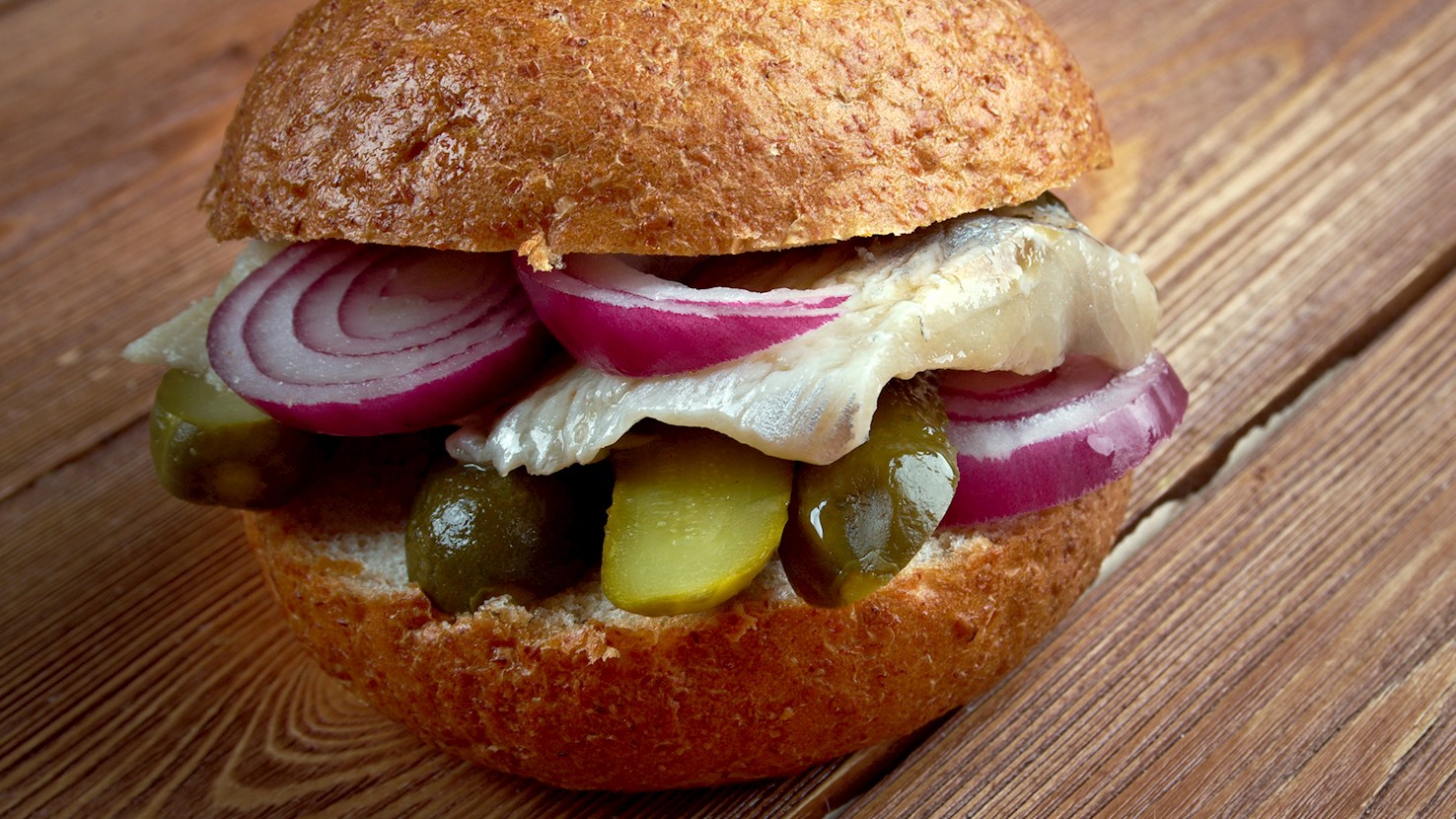
Fischbrötchen is a commonly consumed sandwich in Northern Germany, made with fish and a variety of other ingredients such as pickles, remoulade, onions, lettuce, or horseradish. The ingredients are typically placed in round or elongated bread buns, while the type of fish used in the sandwich is variable – herring, sprat, salmon, and mackerel are among the most common fish used in the preparation of this sandwich, which is commonly served at fast-food stands in the region.

06
Cheese

Holsteiner Tilsiter

3.5 ·

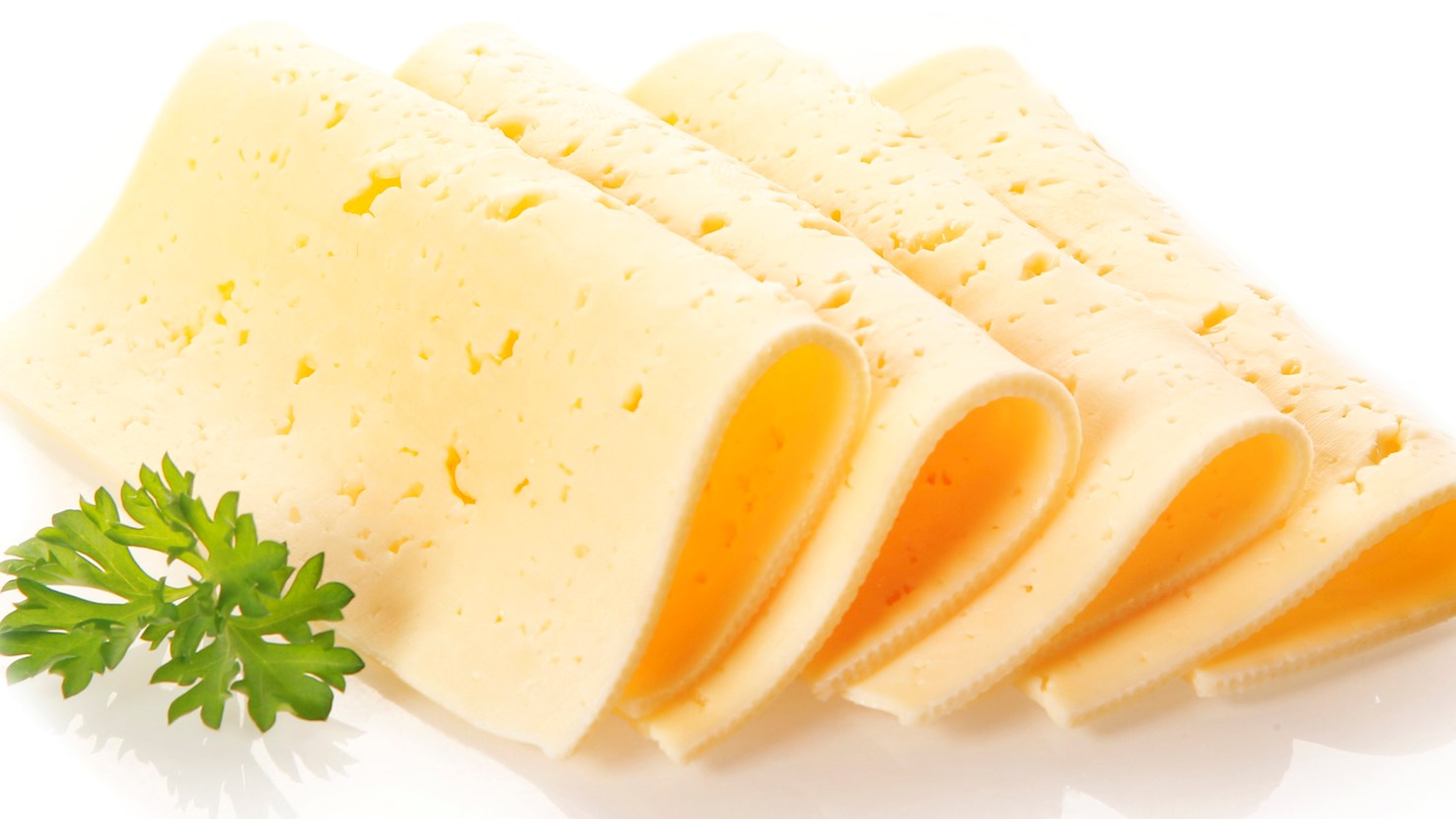
This semi-hard cheese is produced from either raw or pasteurized cow’s milk. It is shaped into a wheel or a loaf with a thin, yellow-brown rind, and it can only be spiced with caraway. The body of the cheese is light-yellow in color, while its texture is supple and springy and features eyes and cracks. Depending on the aging, the flavor of the cheese ranges from mild and aromatic to sharp and spicy. The production of Holsteiner Tilsiter started in the late 19th century in the Schleswig-Holstein region, and all steps in the production process must take place in the same geographical area. The combination of geographical location, climate, and soil has helped to create a unique, high-quality local specialty that is distinguished from other Tilsit cheese varieties. It is paired with cold cuts or used in salads, sandwiches, and casseroles, but it can also be enjoyed as a dessert cheese.

07
Sausage

Teewurst

3.2 ·

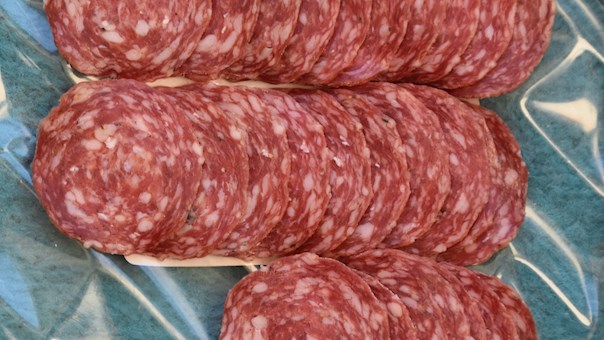
Teewurst is an air-dried German sausage that consists of pork (or pork and beef) and bacon. The finely ground sausage mixture is typically seasoned, stuffed in casings, and cold-smoked over beechwood. Once smoked, the sausage is left to ferment, a process which allows it to be safe for consumption without cooking. Mild and slightly sour, the sausage has a soft and spreadable texture which is why it’s typically enjoyed atop of crackers or open-faced sandwiches. In Germany, this type of sausage was reserved for tea time, hence the tee in its name, meaning tea in German. The creation of this sausage has been attributed to Karoline Ulrike Rudolph, who is also credited for the sausage’s name.

08
Sweet Bread

Bremer Klaben

2.9 ·

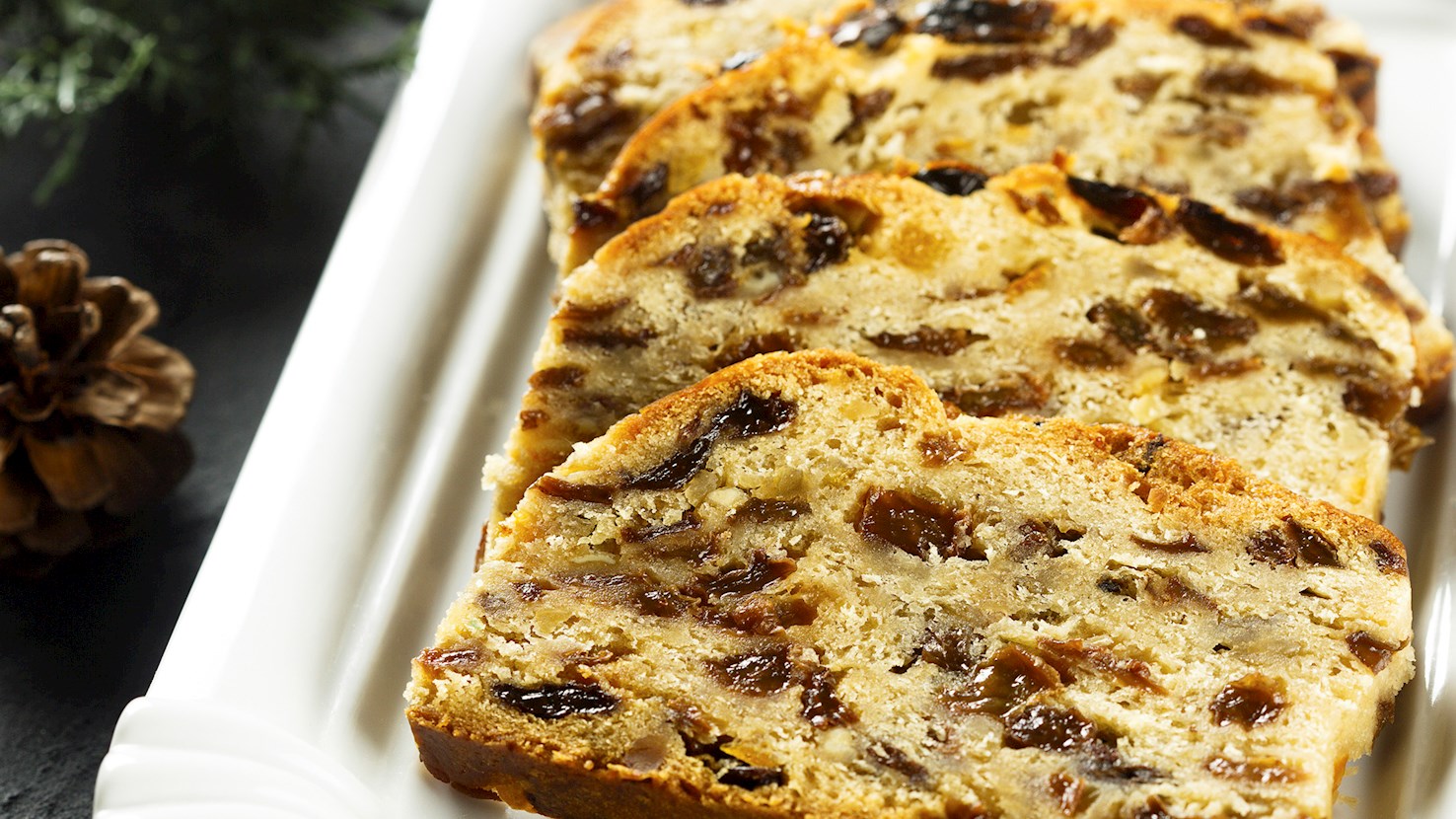
This rich sweet bread is made with a heavy yeast dough mixed with candied fruit and nuts. It is one of the many traditional specialties of Bremen's cuisine. The recipe for Klaben dates back to the 16th century, when bakers in Hanseatic League cities gained access to exotic ingredients they were able to obtain through their member cities. The sweet bread is filled with raisins, almonds, various nuts, and orange and lemon peel. It is not sugar-dusted after baking, as opposed to Dresdner Stollen. The distinctive taste of this holiday favorite comes from the addition of cardamom, rum, or nutmeg. Klaben is usually baked at the beginning of December, and it can stay fresh until Easter.

Best restaurants
09
Cheese

Harzer

2.6 ·

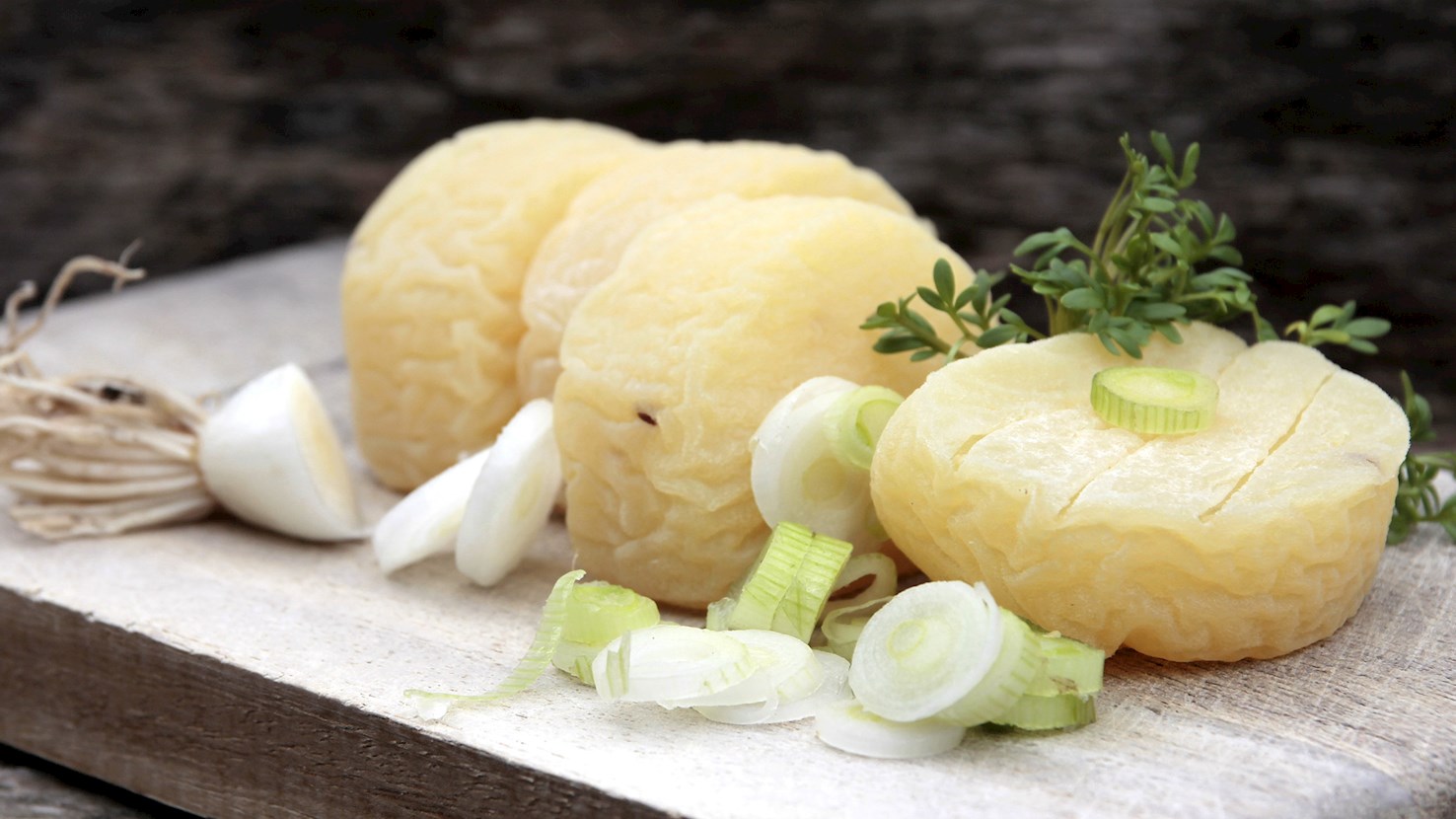
Harzer is a German cheese made from cow's milk. It hails from the Harz mountain region, hence the name. The cheese ripens for a few days up to a week before it's ready for consumption. It contains only 1% fat, which is why it's often used in the world of sport and fitness. Harzer has a strong and pungent aroma, it is often flavored with caraway, and it is usually shaped into small or long logs which are typically wrapped in cellophane before being sold. There are two types of Harzer – one is smeared with yellow bacteria, and the other one with red bacteria, in a version that is spicier than the yellow variety.

10
Crab Dish

Helgoländer knieper

n/a ·

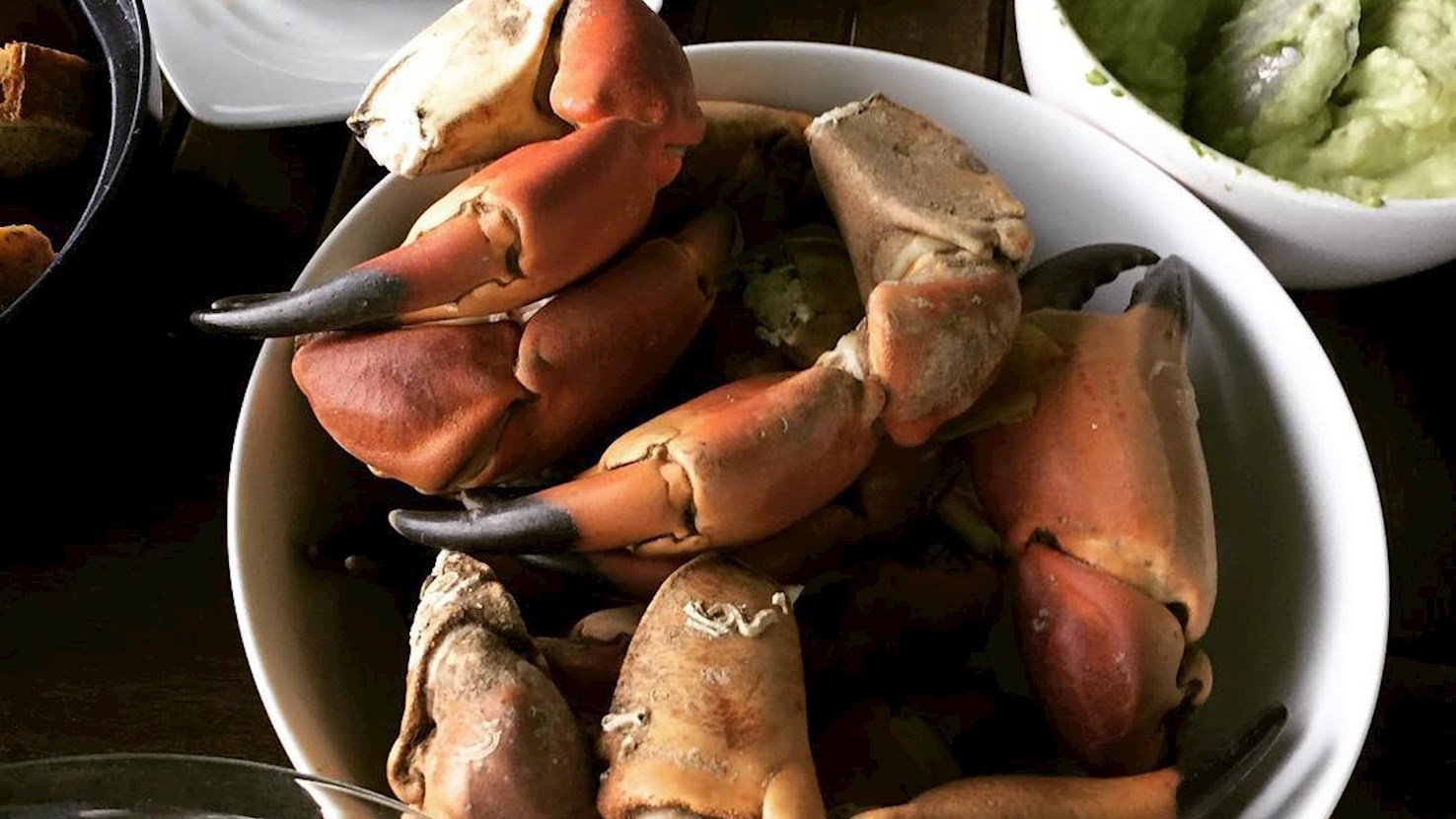
Helgoländer knieper are cooked claws of the brown crab, a specialty of Helgoland, a tiny German island in the North Sea located some 70 km off the coast of Germany. This barren and rocky patch of land has been most famous for lobster fishing, but lobster has all but disappeared since World War II. In contrast, the population of brown crabs (or edible crabs) has been steadily rising, so nowadays, this crustacean is one of the island's main exports. While still on the boat, fishermen remove the claws and use the body for bait. The claws are later cooked in seawater, a traditional method of preparing kniepers (which literally means claws). Once done, the claws are either smashed with a hammer or a crab leg cracker, and a special seafood fork is used to scrape the meat out of the shell. Helgoländer knieper are usually paired with some fresh bread, butter, and various dips, like curry, garlic sauce, or dill and cognac.

Best Northern German food products

01
Spirit

Bene

5 ·
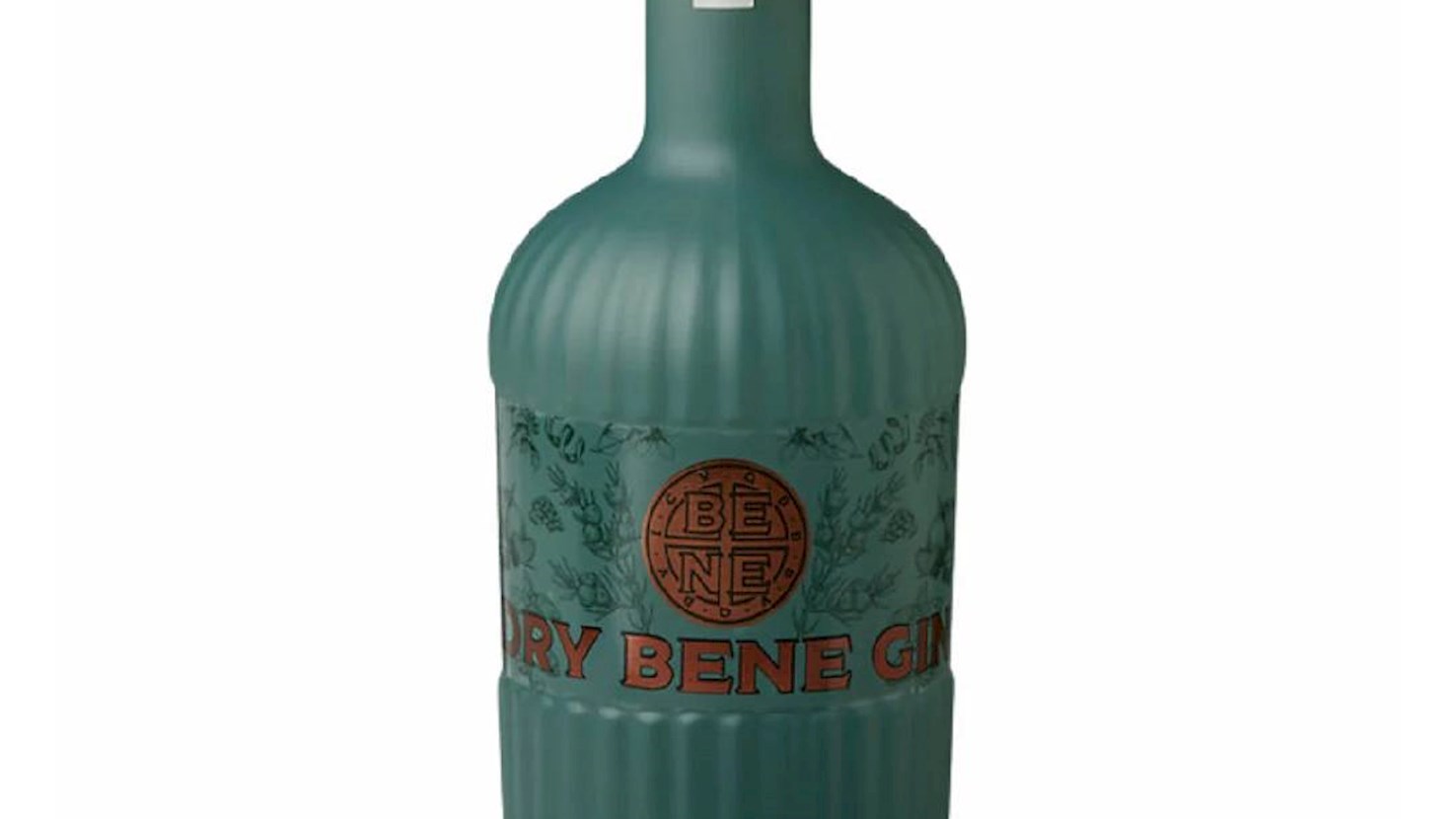
The name "Bene Gin" is inspired by Benedict of Nursia, the founder of the Benedictine Order, whose year of birth, 480 AD, is reflected in the alcohol percentage of this gin. The brand's logo resembles the Benedictine medal, while the copper color, a signature of the brand, pays homage to Saint Benedict as the patron saint of engravers. Bene Gin is produced by HIS Hamburgische Gesellschaft für Investitionen und Spirituosen mbH, based in Hamburg, Germany. Known for its premium quality and unique character, Bene Gin is crafted using carefully selected botanicals that deliver a harmonious balance of juniper, citrus, and subtle spice notes. The distillery emphasizes sustainability and tradition, reflecting these values in both its production process and branding.
Awards
European Spirits Challenge - Gold (2024)
02
Cheese

Rohmilchkäserei Backensholz

5 ·
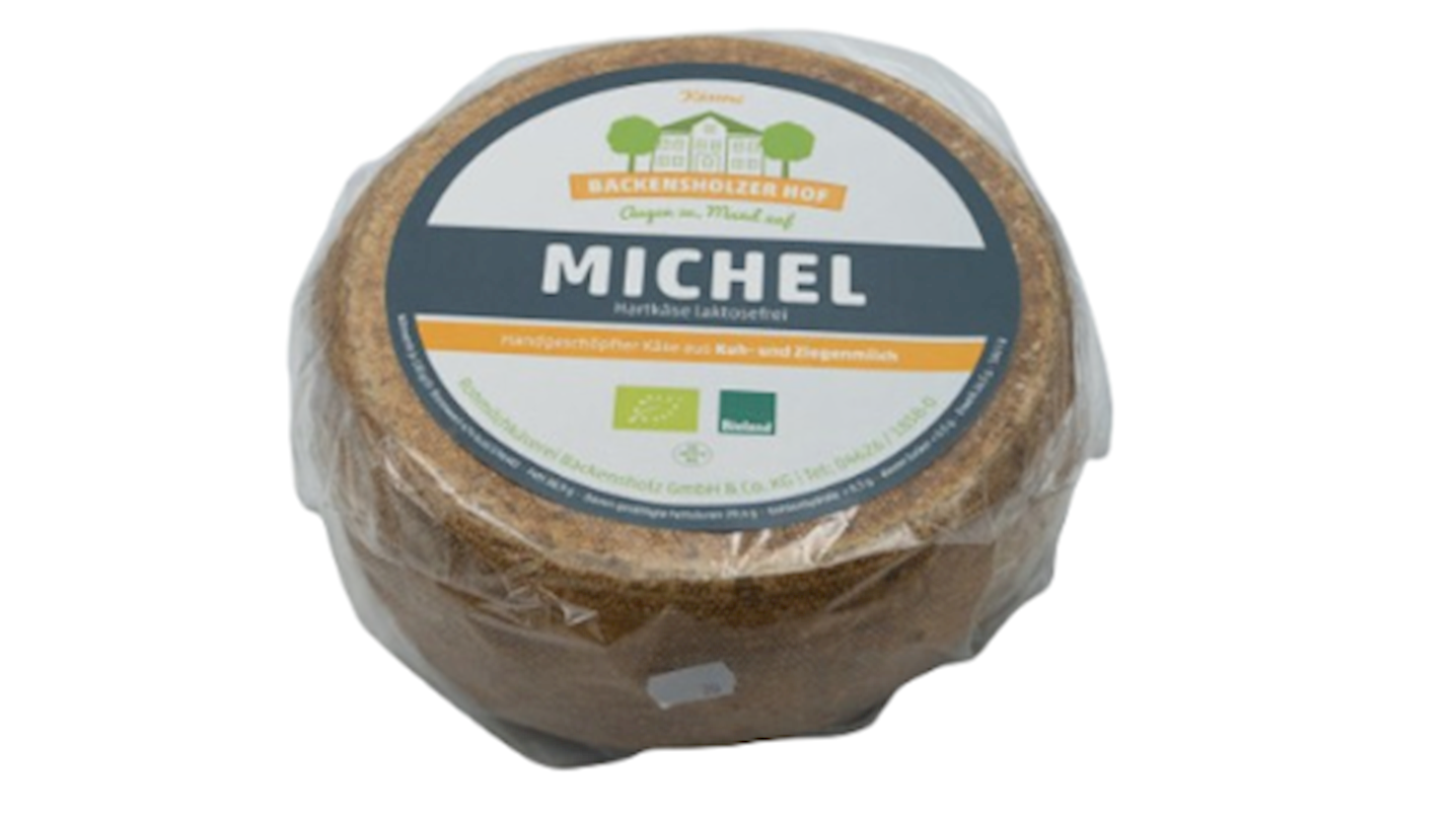
Rohmilchkäserei Backensholz is a cheese producer located in Germany, specializing in organic cheeses made from raw milk. The company is situated in Oster-Ohrstedt, Schleswig-Holstein, and operates with a focus on sustainability and natural cheese production methods. They offer a variety of cheeses, including both cow's milk and goat's milk options, manufactured under strict organic standards.
Awards
World Cheese Awards - Super Gold (2024, 2023, 2022)
World Cheese Awards - Gold (2024, 2023, 2022)
03
Liqueur

Spitzmund

4.8 ·
Awards
World's Best Dairy/Egg - Winner (2024)
World Liqueur Awards - Country Winner (2024)
04
Chocolate

Evers & Tochter Manufaktur

4.7 ·
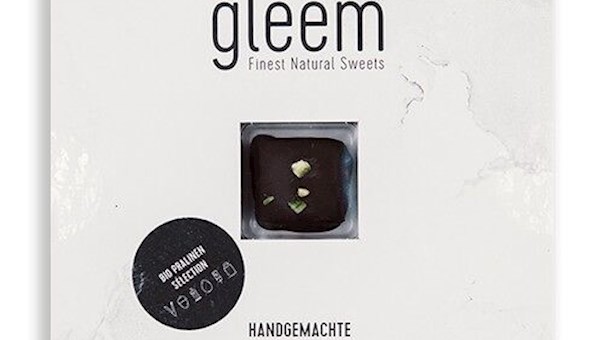
Evers & Tochter Manufaktur is a chocolate producer located in Lübeck, Germany. The company specializes in handcrafted chocolates and prides itself on using high-quality, often organic ingredients. Their product range includes a variety of unique flavors and types of chocolate, catering to diverse tastes and preferences.
Awards
International Chocolate Awards - Silver (2018, 2016, 2015)
05
Liqueur

Der Lachs

4.7 ·
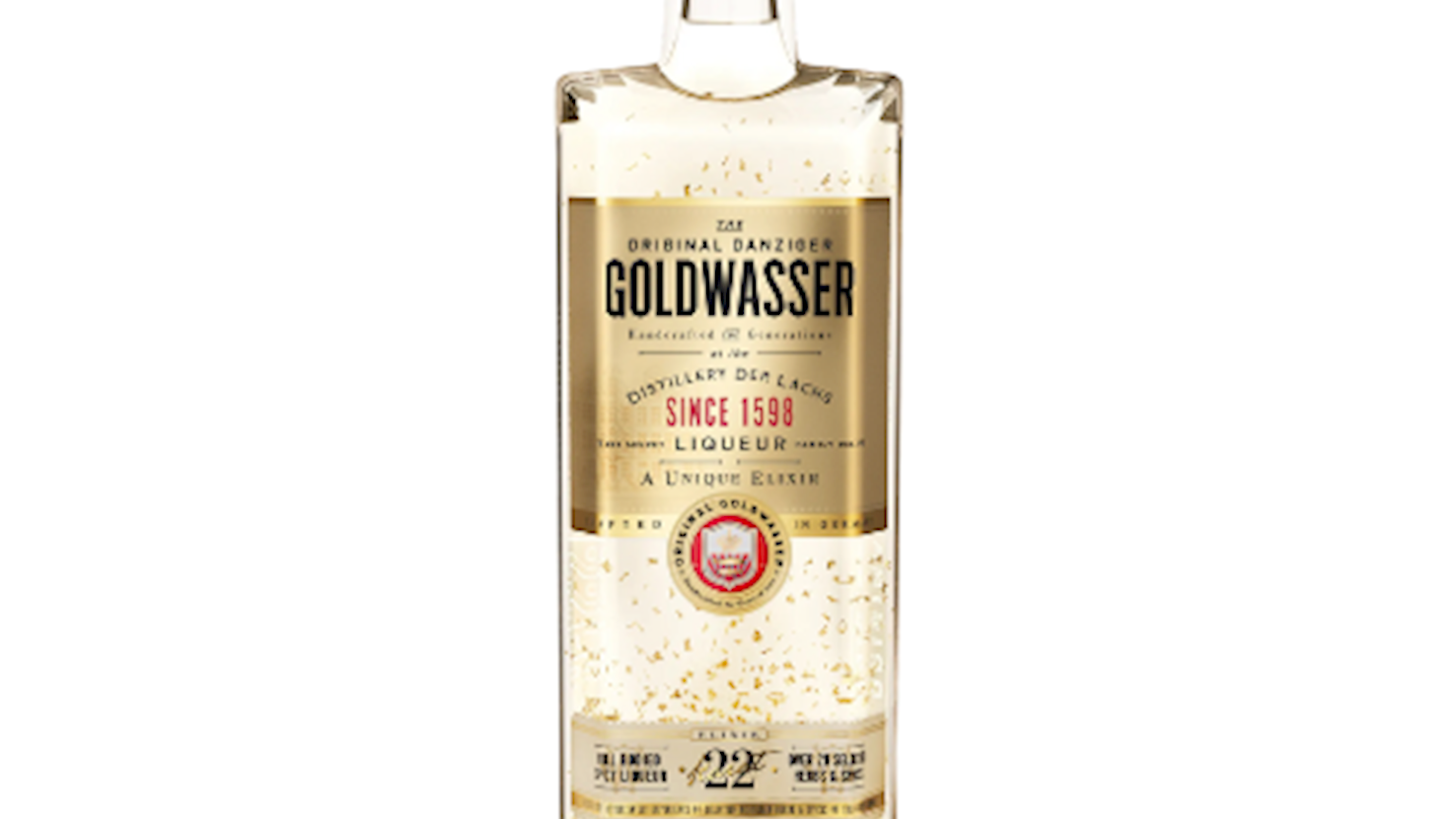
Der Lachs is a historic liqueur producer whose origins date back to the 16th century and is now part of the German distilling group Hardenberg-Wilthen, one of the oldest and most prestigious companies in Germany’s alcoholic beverage industry. The brand is best known for its Original Danziger Goldwasser liqueur, distinguished by 22-carat gold flakes and a unique blend of selected herbs and spices, with an original recipe dating back to 1606. The name “Der Lachs” (the salmon) comes from a house sign in the shape of a salmon that adorned the building of the original workshop of the Vermöllen family, the brand’s founders, and became the emblem of their production. Over the centuries, Der Lachs earned a reputation as a luxurious and symbolic drink, enjoyed at European courts and among high society. Today, as part of the Hardenberg-Wilthen portfolio, the brand preserves its authentic identity, maintaining hand-selected ingredients, traditional production methods, and a distinctive visual style. In addition to Goldwasser, Der Lachs offers other specialty liqueurs that reflect its historical heritage and mastery of distillation, combining centuries-old tradition with modern quality standards.
06
Fruit Product

FrüchteMeer Konfitüren

4.7 ·
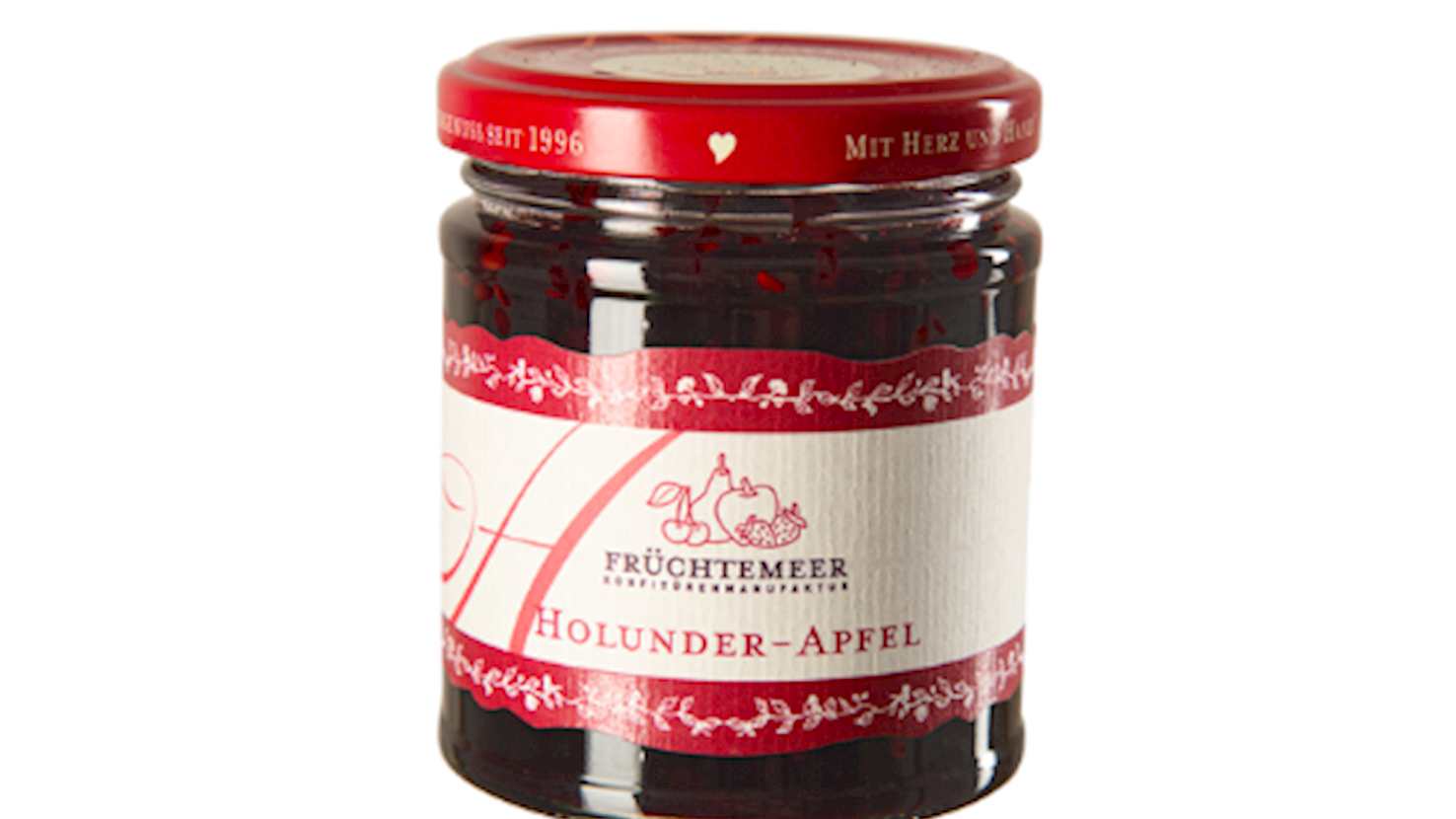
FrüchteMeer Konfitüren is a small German fruit spread manufactory based in northern Germany, in the state of Schleswig-Holstein, building its identity around handmade production and creative flavor combinations. The brand was founded on the idea that classic jams can gain a more contemporary expression through carefully selected ingredients and unconventional aromatic pairings. Their portfolio includes traditional fruit spreads made from strawberry, raspberry, currant, and plum, as well as more modern varieties with mango, passion fruit, or citrus, often enhanced with notes of vanilla, mint, rum, or white chocolate. Production takes place in small batches, allowing for greater control over texture and flavor intensity. Special emphasis is placed on seasonal editions and themed lines, including so-called “maritime” combinations that reflect northern Germany’s coastal culture. In addition to standard jars, FrüchteMeer also offers mini jars designed for tasting and gift sets. Their products are commonly enjoyed as classic breakfast spreads, but also as accompaniments to desserts, pastries, and cheeses.
07
Chocolate

Léonie Corentin Chocolatier

4.7 ·
Awards
International Chocolate Awards - Silver (2023)
08
Chocolate

Trüffel Güse

4.7 ·
Trüffel Güse is a German chocolate producer specializing in handcrafted truffles and chocolates. Located in Germany, the company focuses on using high-quality, often locally sourced ingredients. Trüffel Güse offers a variety of unique flavors and often incorporates seasonal ingredients into its products.
Awards
International Chocolate Awards - Silver (2016)
09
Chocolate

Meybol Cacao

4.7 ·
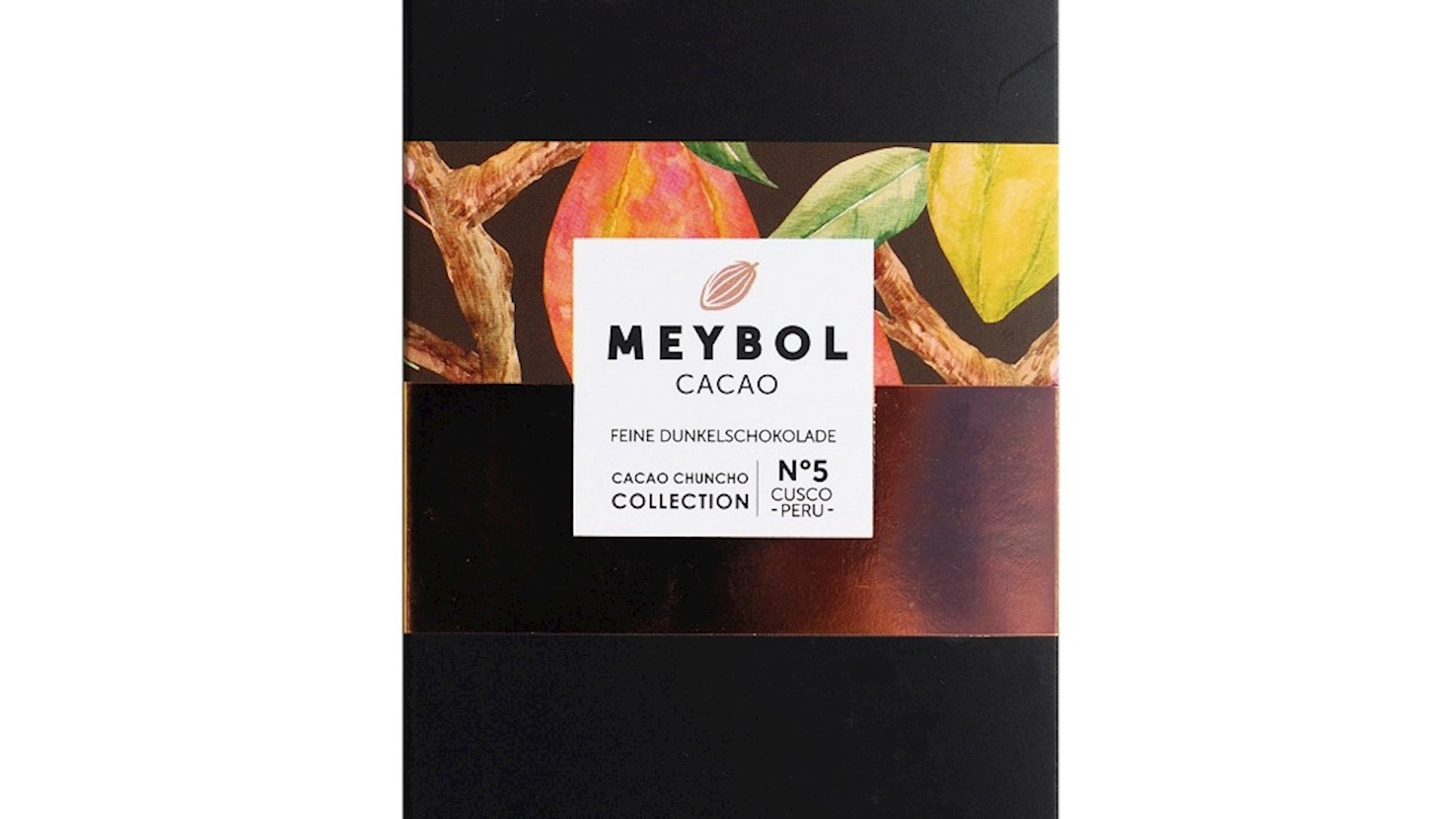
Meybol Cacao is a chocolate producer based in Hamburg, Germany. The company specializes in high-quality chocolate products, sourcing its cacao beans from small, sustainable farms in Latin America. Meybol Cacao emphasizes fair trade practices and supports local farming communities. Their product line includes a variety of dark, milk, and white chocolates, as well as specialty items like single-origin bars.
Awards
International Chocolate Awards - Silver (2023, 2019)
International Chocolate Awards - Bronze (2024, 2022, 2020)
10
Chocolate

Daja Chocolate

4.7 ·
Awards
International Chocolate Awards - Silver (2014)
International Chocolate Awards - Bronze (2019, 2017)
Read more
View all
View map
About this ranking

TasteAtlas food rankings are based on the ratings of the TasteAtlas audience, with a series of mechanisms that recognize real users and that ignore bot, nationalist or local patriotic ratings, and give additional value to the ratings of users that the system recognizes as knowledgeable. For the “Top 37 Northern German Foods” list until June 07, 2026, 563 ratings were recorded, of which 465 were recognized by the system as legitimate. TasteAtlas Rankings should not be seen as the final global conclusion about food. Their purpose is to promote excellent local foods, instill pride in traditional dishes, and arouse curiosity about dishes you haven’t tried.

The initial list of top producers was compiled based on available reviews, awards, local recommendations, media and blog coverage, and consumer reviews. The list will be updated with ratings from TasteAtlas local ambassadors and TasteAtlas users.

Similar lists