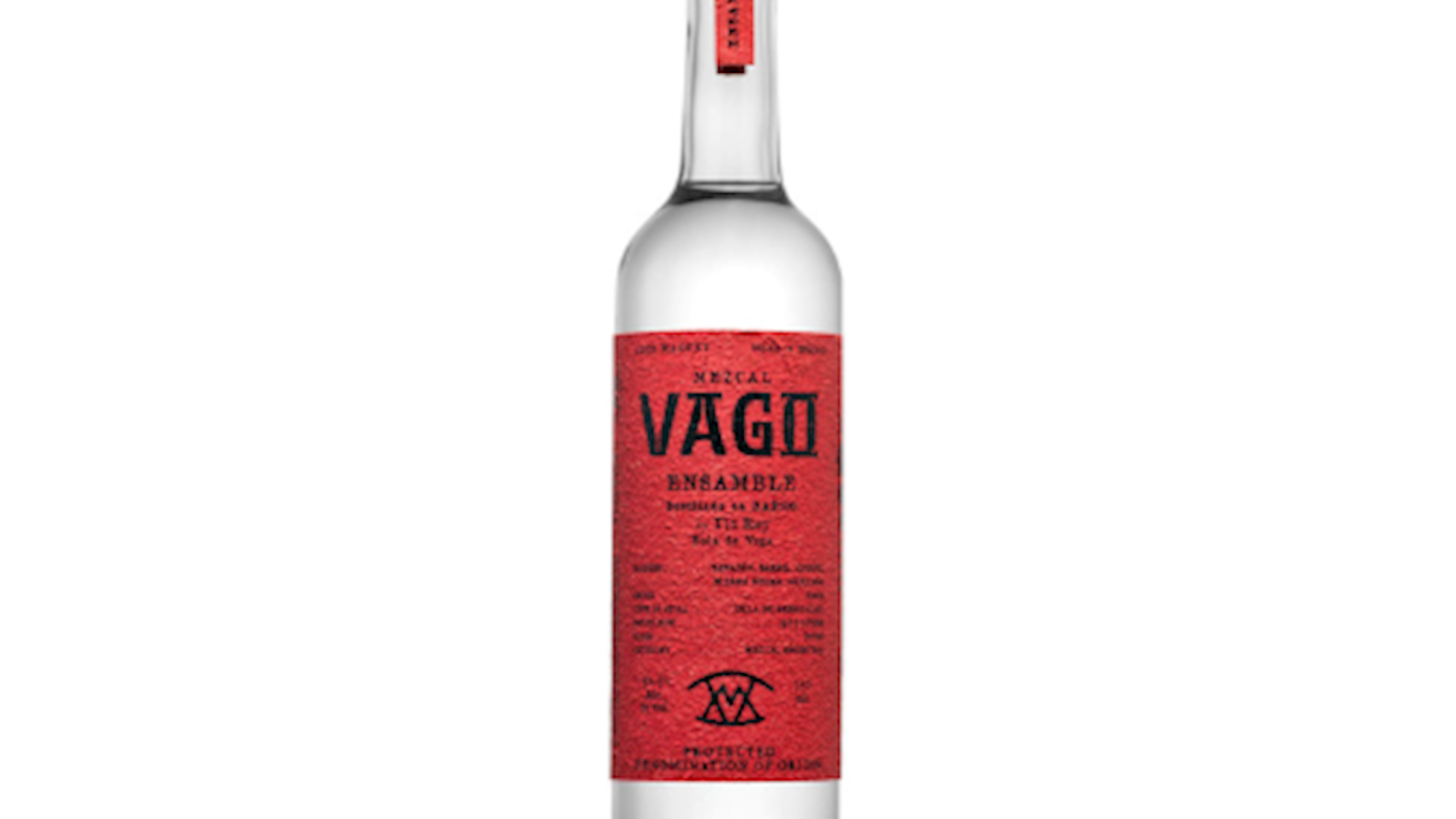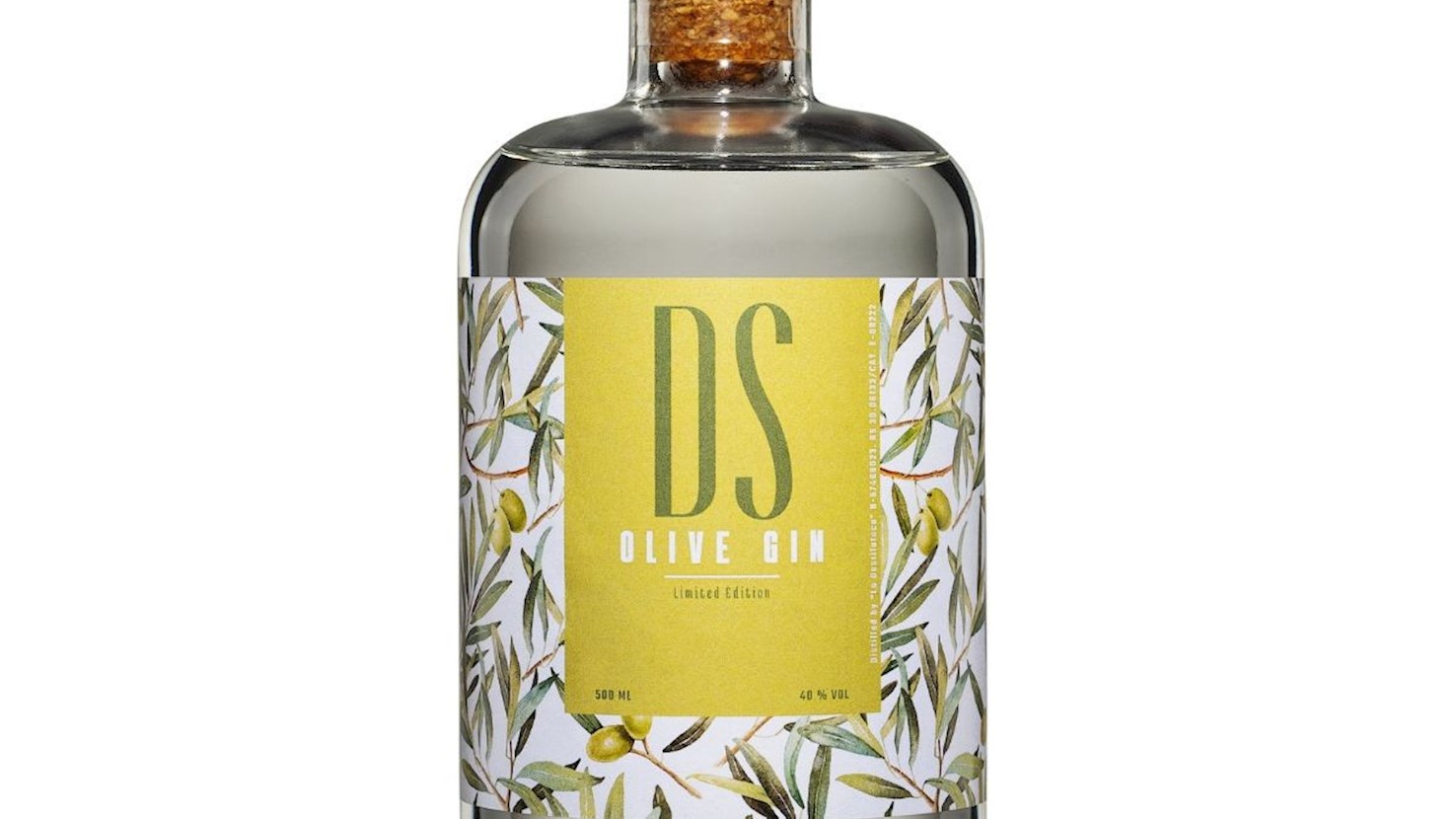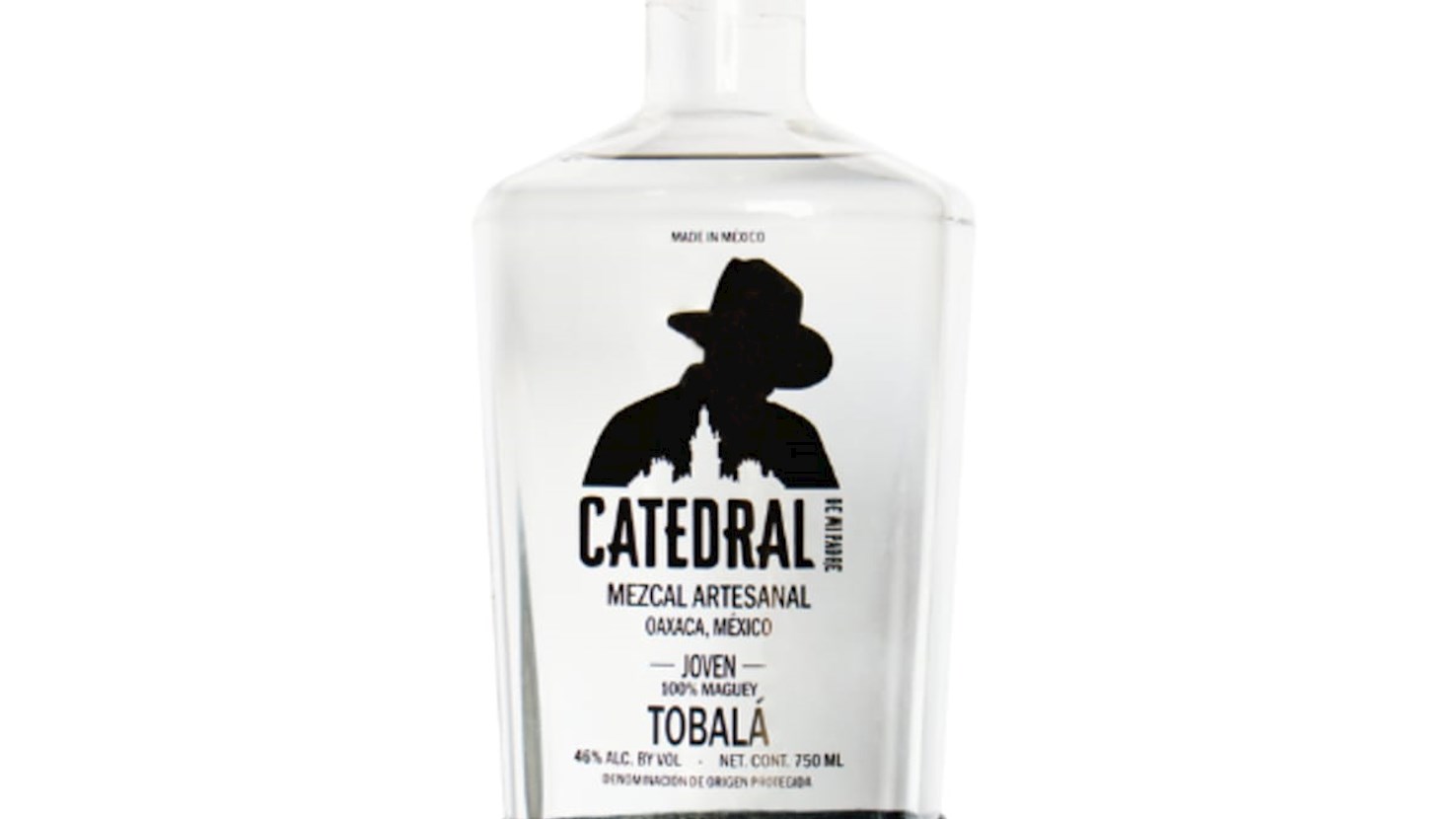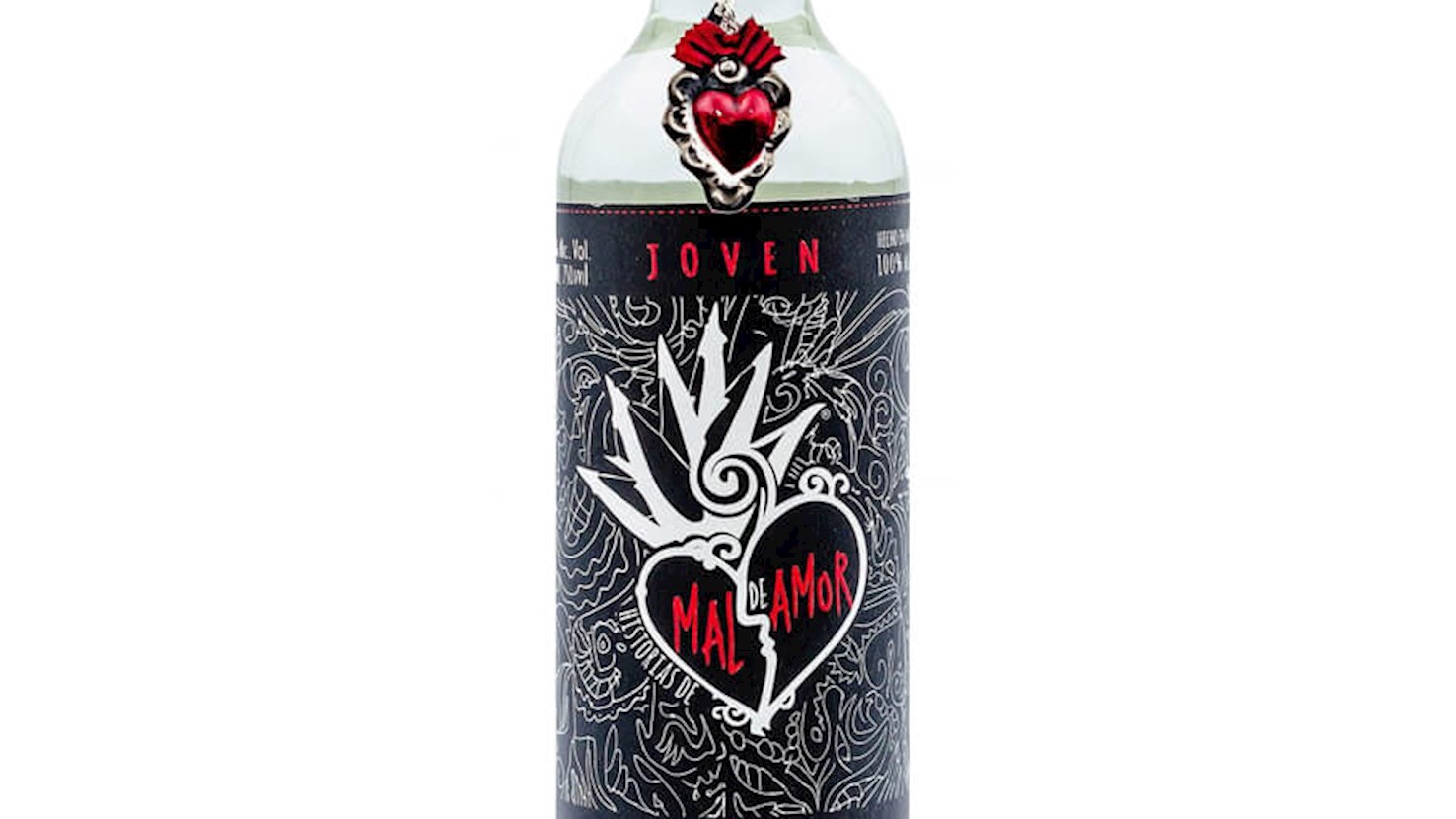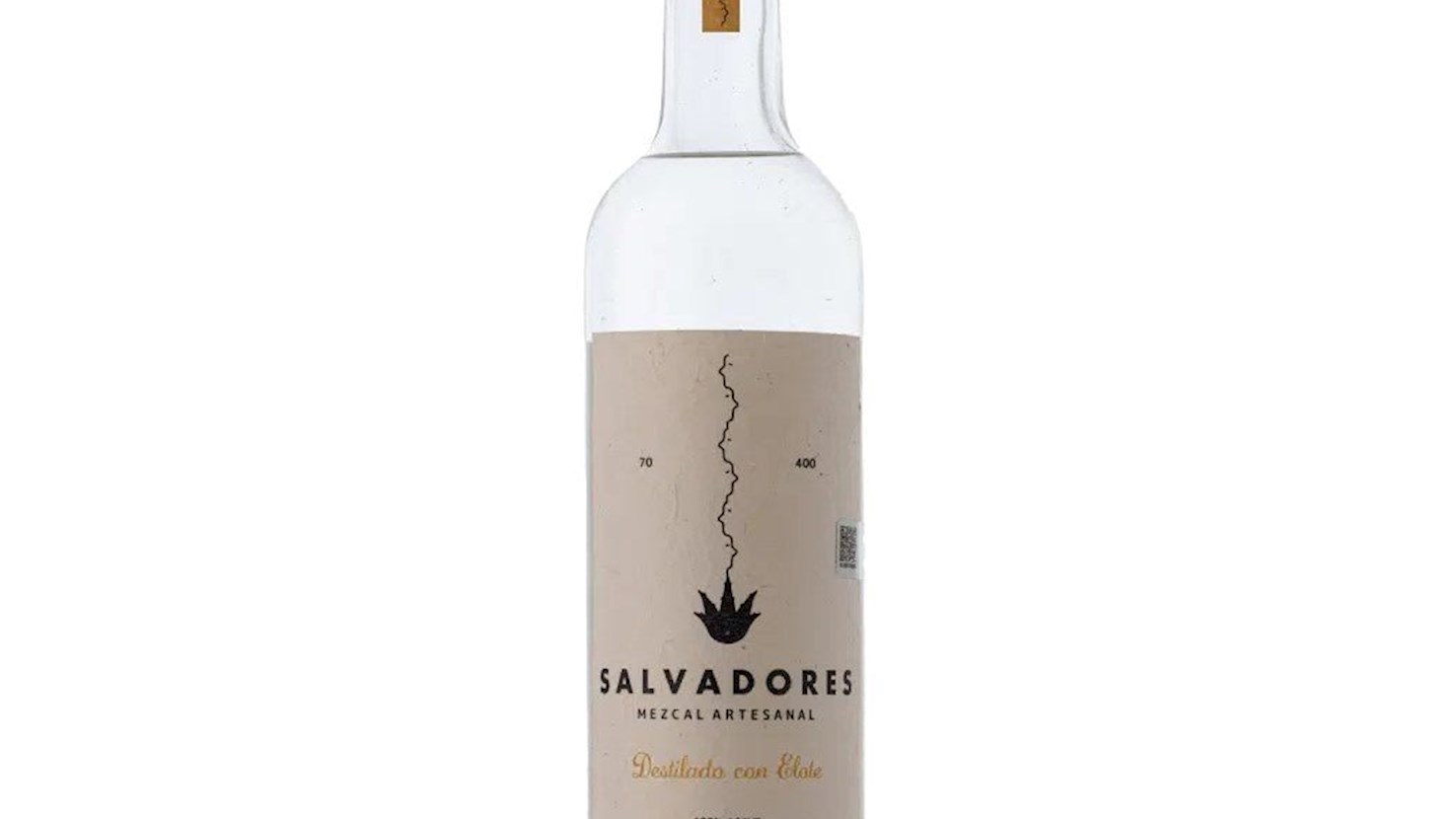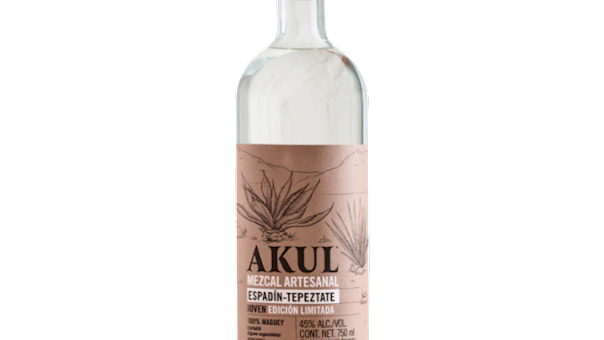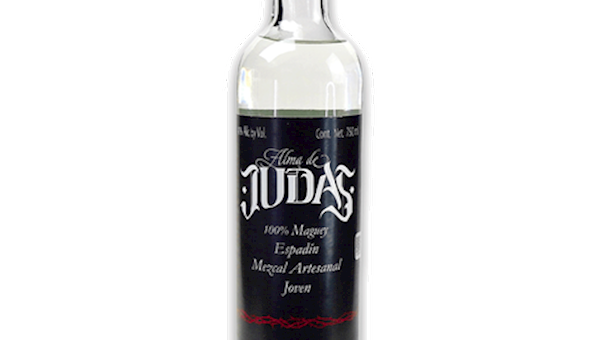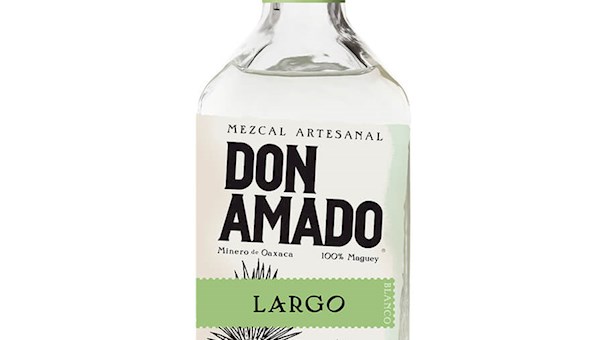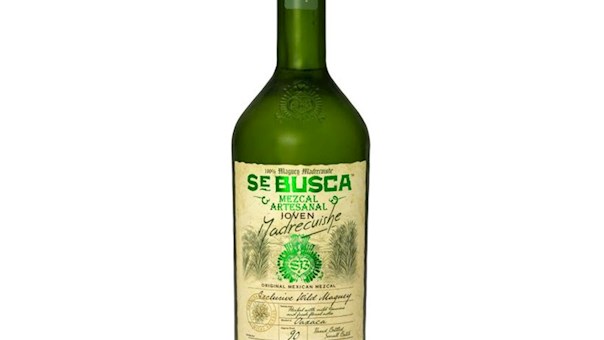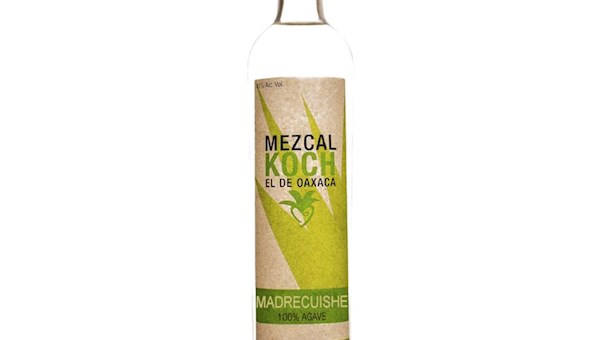
Mezcal Vago is a producer focused on small-batch, artisanal mezcals sourced from remote regions of Oaxaca, Mexico. The brand collaborates with four master mezcaleros, each using traditional methods passed down through generations.
Their mezcals reflect the distinct terroir of the area and the unique craftsmanship of each producer. Mezcal Vago emphasizes authenticity, sustainability, and the deep cultural heritage of mezcal-making.
Awards
SFWSC - San Francisco World Spirits Competition - Double Gold
(2024, 2023)
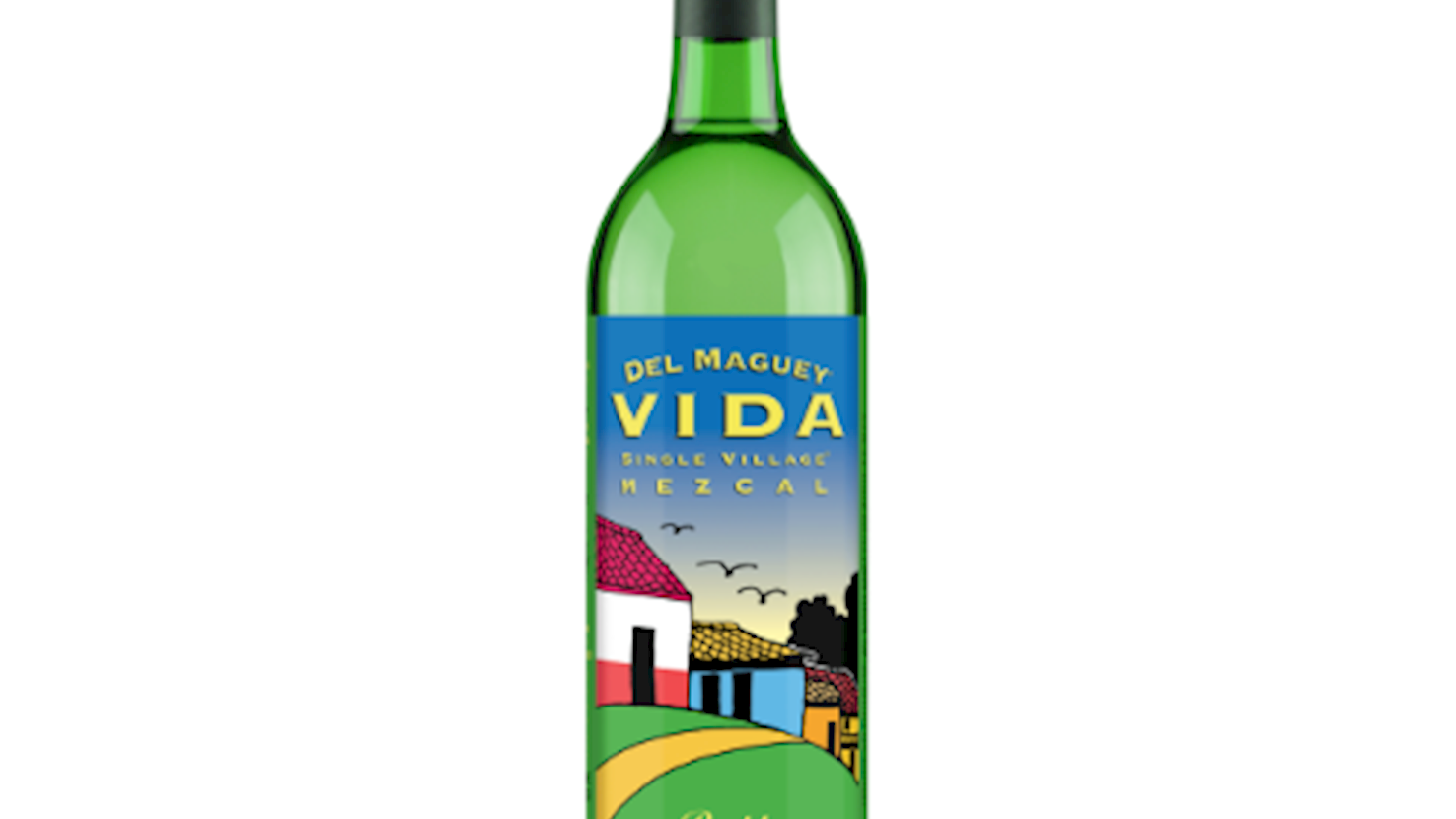
Del Maguey is a mezcal brand founded in 1995 with the goal of introducing traditionally crafted, village-produced mezcal from Oaxaca to the international market. The brand works directly with individual villages and family producers (palenqueros) who follow ancestral production methods, including roasting agave in underground pit ovens, natural fermentation, and distillation in copper or clay stills.
Each bottling is identified by its village of origin, emphasizing differences in terroir, agave species, and artisanal technique. The portfolio includes the Vida collection, widely used in cocktails, as well as Village Tradiciones and Village Varietales expressions that highlight specific agave types and micro-regions.
Flavor profiles range from smoky and mineral-driven to floral, fruity, and spice-accented, depending on the raw material and production style. Del Maguey is recognized as one of the key brands in the global expansion of premium mezcal, with a strong focus on authenticity, provenance, and the preservation of traditional distillation practices.
Awards
SFWSC - San Francisco World Spirits Competition - Double Gold
(2024, 2023)
IWSC- International wine & spirit competition - Spirit Gold
(2024)
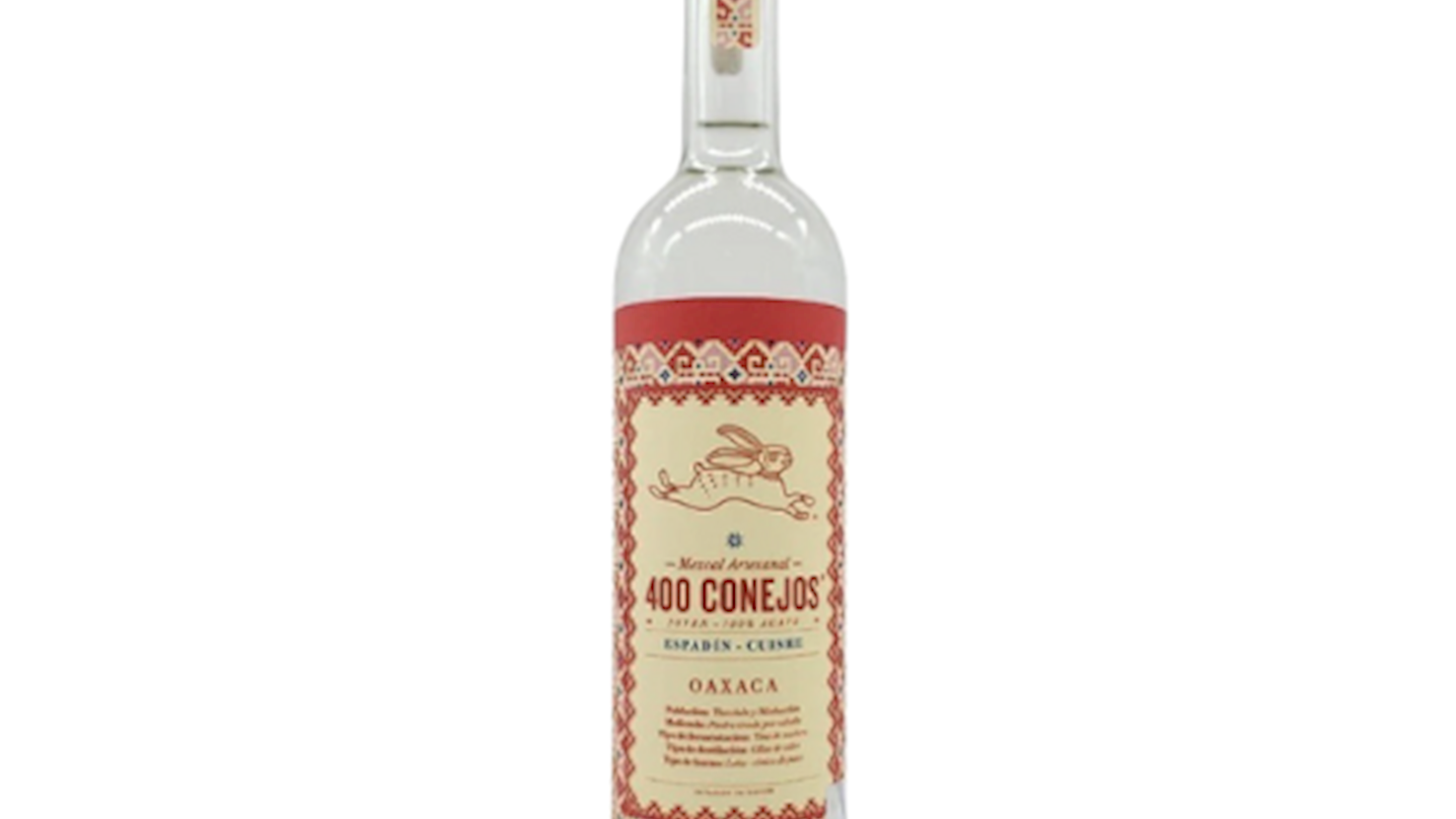
400 Conejos is a Mexican mezcal brand celebrated for its high quality and deep connection to traditional production methods. The name, inspired by Aztec mythology, symbolizes abundance, with "400 rabbits" representing the gods of intoxication.
Their website showcases the brand's offerings, including various mezcal types crafted from carefully selected agave. It also provides cocktail recipes, serving tips, and insights into mezcal culture and heritage.
By blending tradition with modern appeal, 400 Conejos promotes the richness of Mexican mezcal on a global scale.
Awards
NYWSC - New York World Spirits Competition - Double Gold
(2023)
IWSC- International wine & spirit competition - Spirit Gold
(2024)
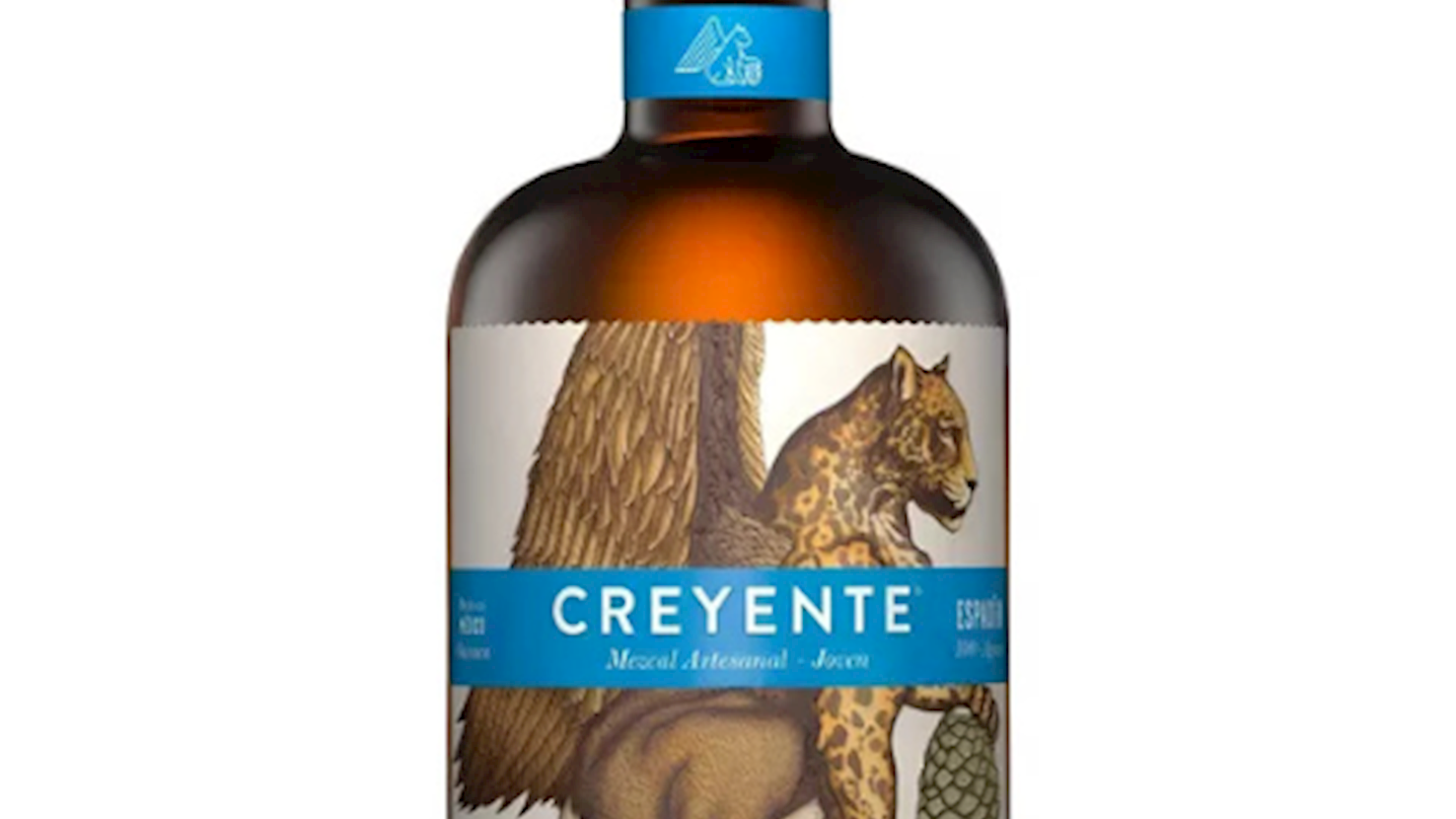
Mezcal Creyente, a premium brand under Proximo Spirits, is renowned for its rich heritage and artisanal craftsmanship. Made from Espadín agave sourced from Oaxaca, it offers a unique blend that balances smoky, earthy, and fruity flavors.
The brand stays true to traditional mezcal-making methods, including roasting agave in underground pits and distilling in copper stills. Its branding draws inspiration from Mexican culture, featuring symbolic imagery rooted in mythology and nature.
Widely available internationally, Mezcal Creyente has gained recognition for its authenticity and exceptional quality.
Awards
IWSC- International wine & spirit competition - Spirit Gold
(2024)
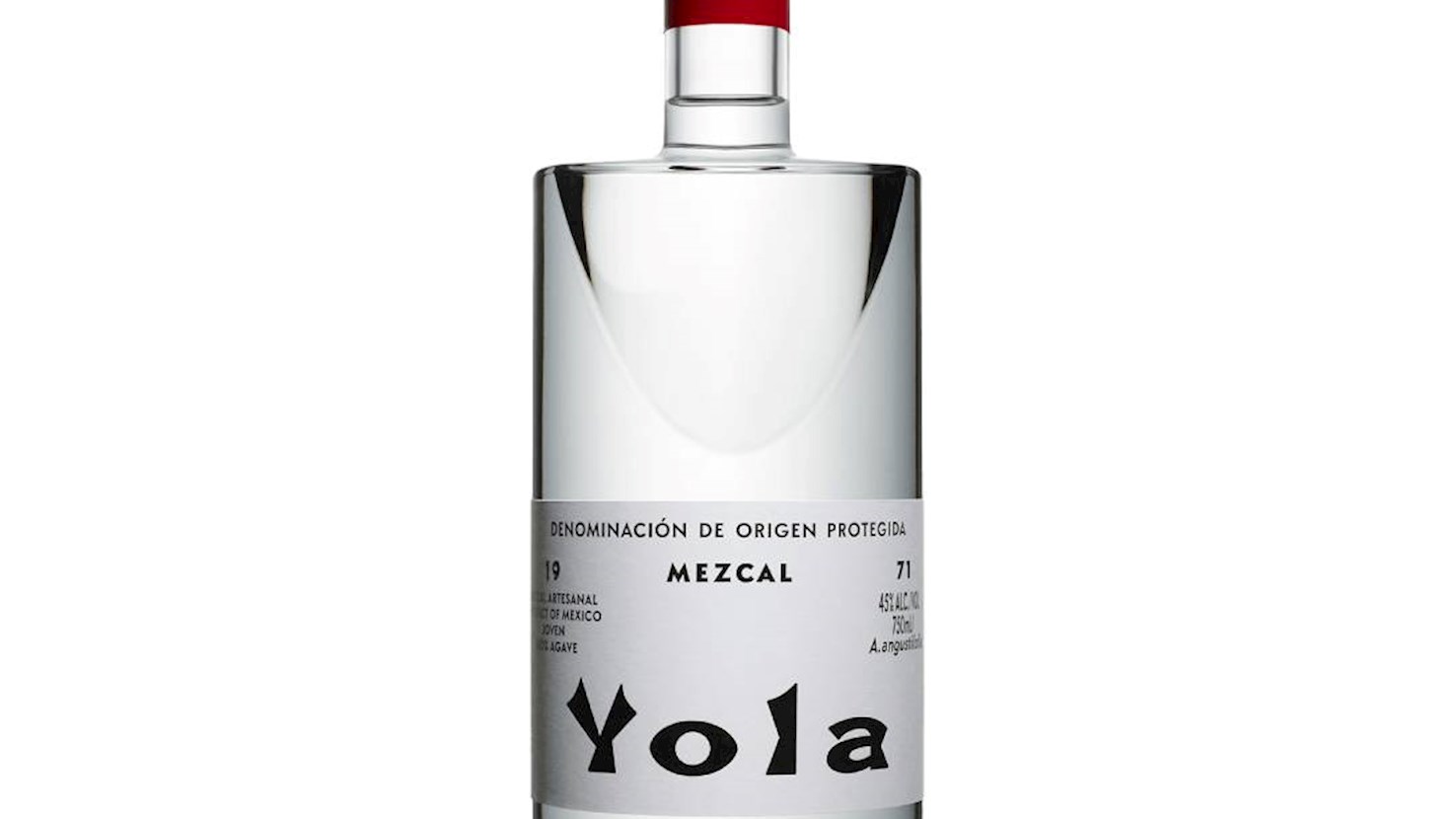
Yola Mezcal is a renowned mezcal producer based in Oaxaca, Mexico, known for its commitment to traditional production methods and empowering women in the local community. The company was founded by Yola Jimenez, Gina Correll Aglietti, and musician Lykke Li, inspired by a mezcal recipe from Yola's grandfather dating back to 1971.
Their mezcal is crafted from organically grown agave on a family farm in San Juan del Río, using artisanal distillation methods that preserve the authenticity and quality of the spirit. Notably, their distillery is entirely women-led, providing fair wages and support to employees, contributing to the economic empowerment of women in the region.
Yola Mezcal is dedicated to preserving the cultural heritage of mezcal while promoting social responsibility and sustainability in its production process.
Awards
SFWSC - San Francisco World Spirits Competition - Double Gold
(2024)
SFWSC - San Francisco World Spirits Competition - Gold
(2024)
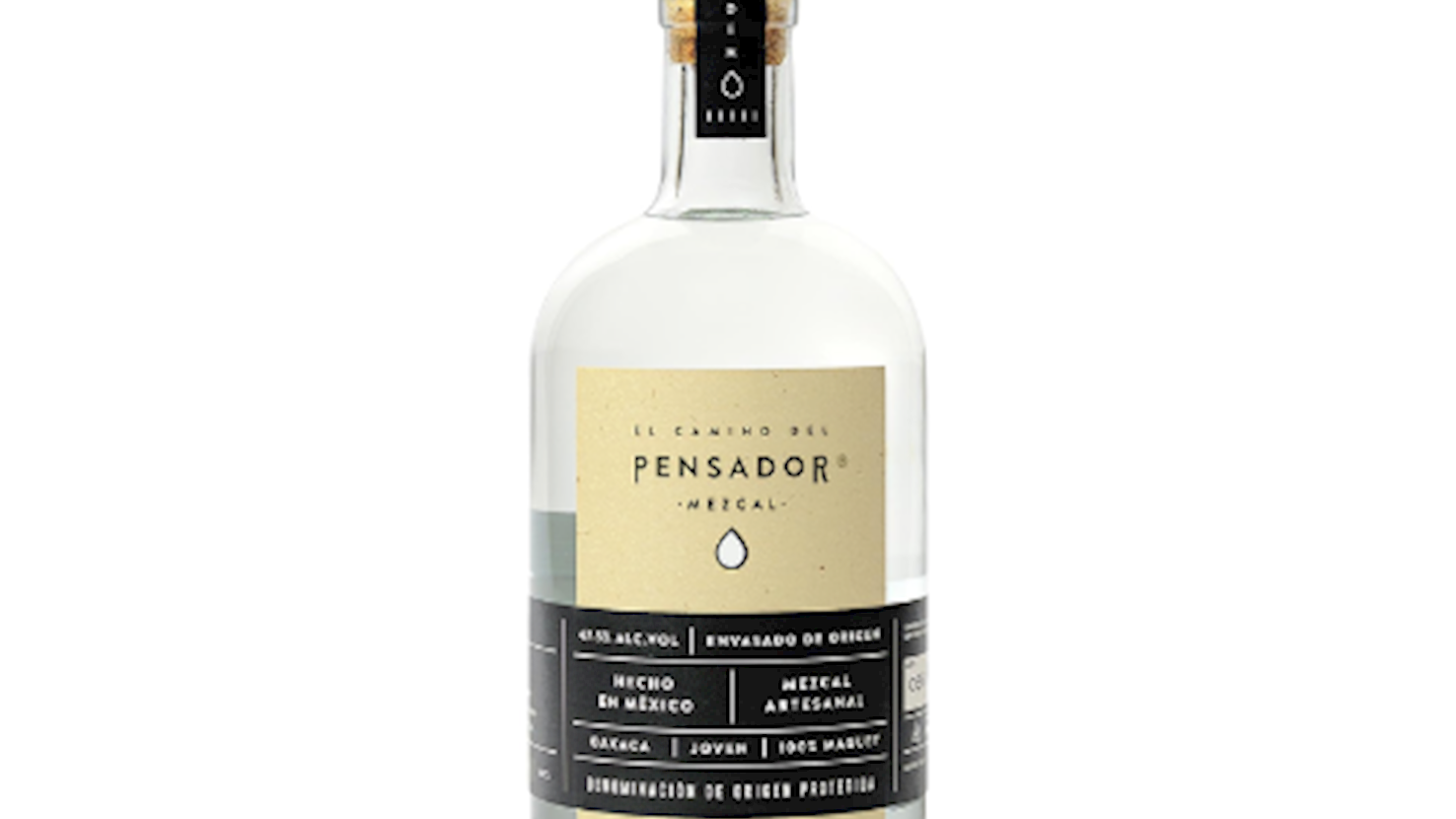
Pensador Mezcal is a Mexican artisanal mezcal brand rooted in the traditions of Miahuatlán, a remote region in southern Oaxaca renowned for its distinctive agave spirits. The brand takes its name from “La Calle Pensamientos”, reflecting its philosophy of encouraging a more thoughtful and mindful appreciation of mezcal.
Pensador works closely with local mezcal-producing families and follows traditional production methods that emphasize the influence of place, craftsmanship, and community. Its mezcals are produced in small batches using agave grown in the region and processed according to long-established local practices.
The brand places a strong emphasis on sustainability and social responsibility, donating a portion of its proceeds to community development projects in Miahuatlán. Pensador has also gained recognition for its commitment to ethical business practices and became the world’s first mezcal brand associated with B Corp certification through its parent company.
The portfolio highlights the terroir of Oaxaca and the unique character of traditional mezcal production. Through its focus on authenticity, heritage, and community impact, Pensador Mezcal represents a modern yet respectful interpretation of one of Mexico’s most iconic spirits.
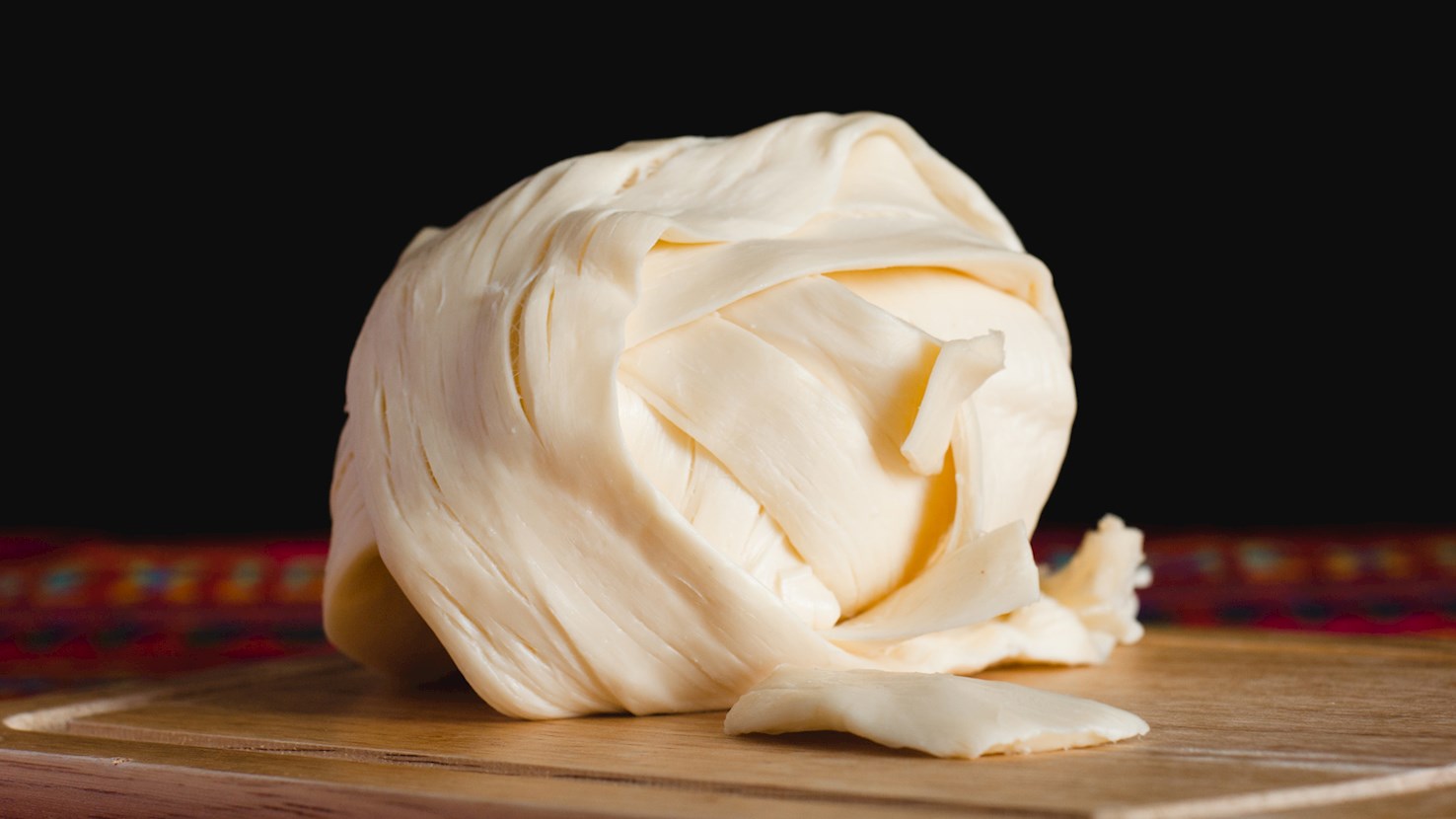
Oaxacan cheese is a semi-soft white cheese made from cow's milk. The cheese is characterized by its stringy texture. It has a savory, creamy, mild and buttery flavor, making it ideal for quesadillas, empanadas, and tlayudas. The cheese has great melting properties, which is the reason why it is often used in numerous baked dishes. It is named after the Oaxaca state in southern Mexico, where it was first produced. The pasta filata cheesemaking process, originally from Italy, was brought to Mexico by Dominican friars that settled in the state of Oaxaca.
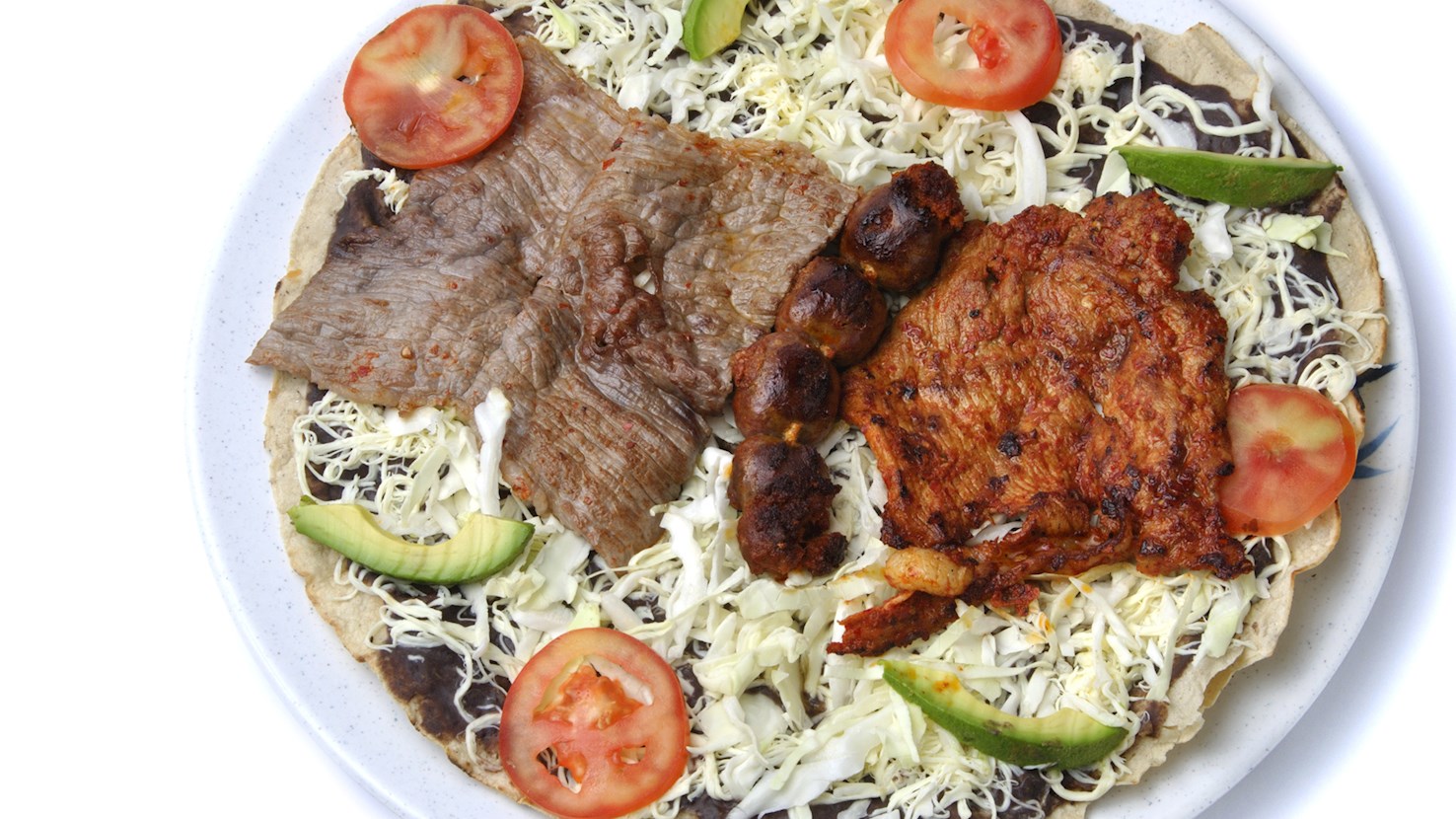
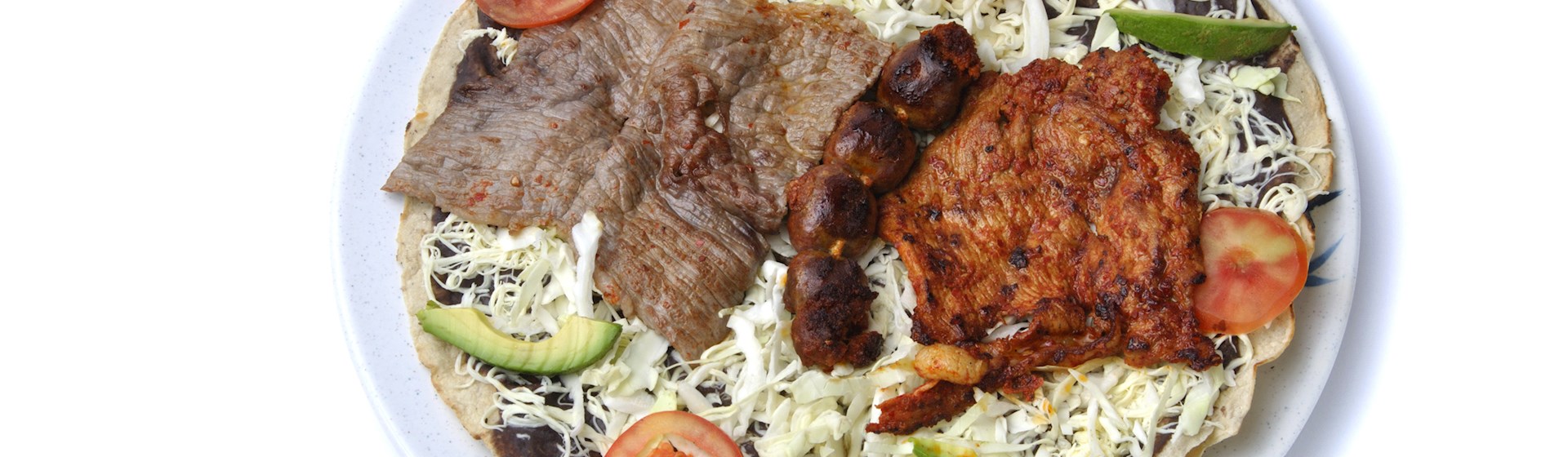
Tlayuda is an Oaxacan street food dish consisting of an oversized corn dough tortilla smothered with asiento lard, refried beans, and quesillo string cheese. The term tlayuda refers both to the dish and the name of the large tortilla. It can be served open-face or folded, and is then additionally topped with a variety of meats, salsas, and guacamole.
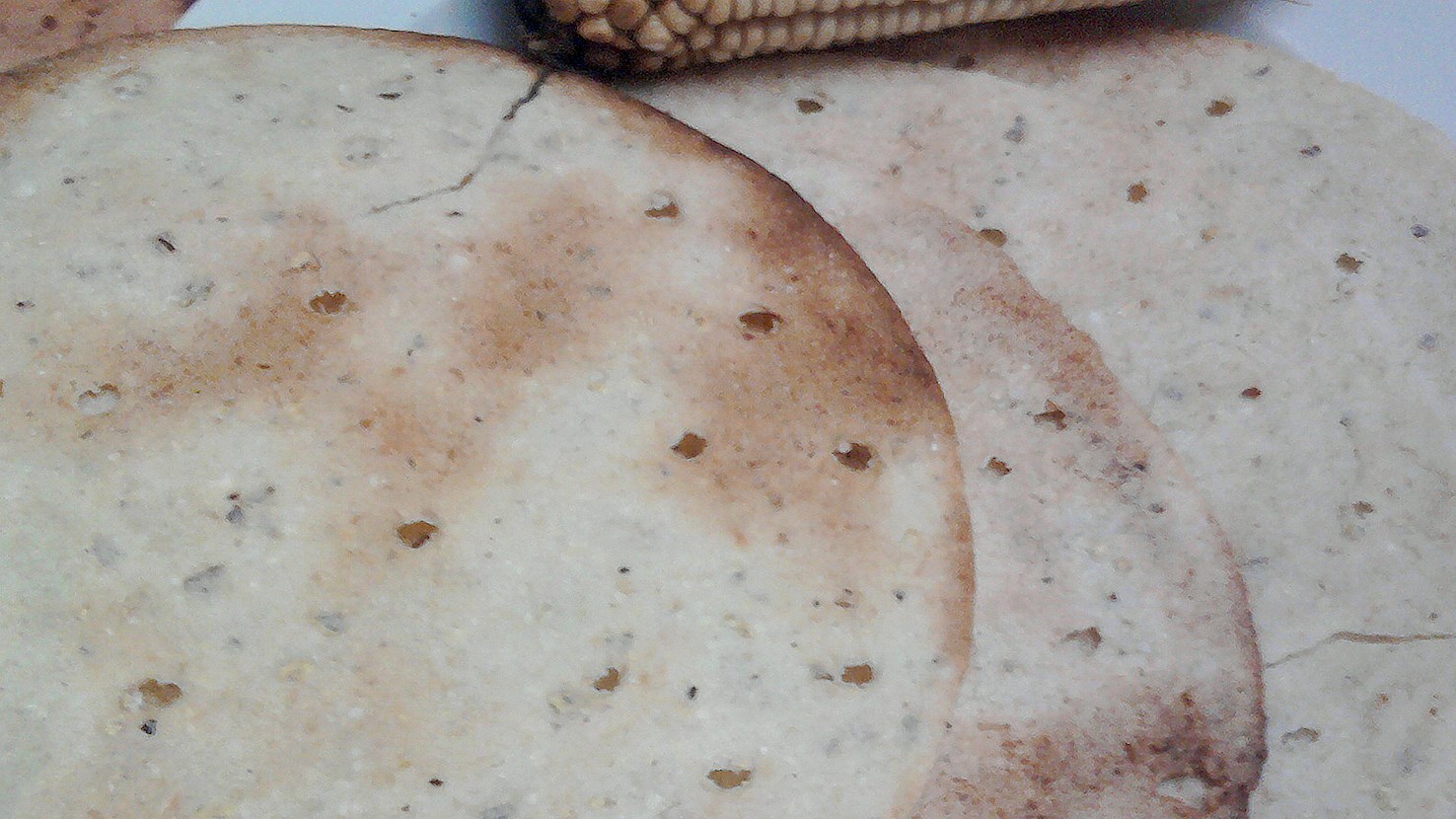
Totopo is a Mexican corn tortilla chip with variable sizes, characterized by numerous holes in the dough. It originates from the Zapotec people in the region of Oaxaca, where the chips are traditionally baked in a clay oven known as a comixcal. Crispy and dry, the tortillas can be cut into various shapes depending on their usage: large pieces can be used for dips, squares can be used as toppings and in a dish called migas, while strips are ideal for soups, salads, and garnishing.
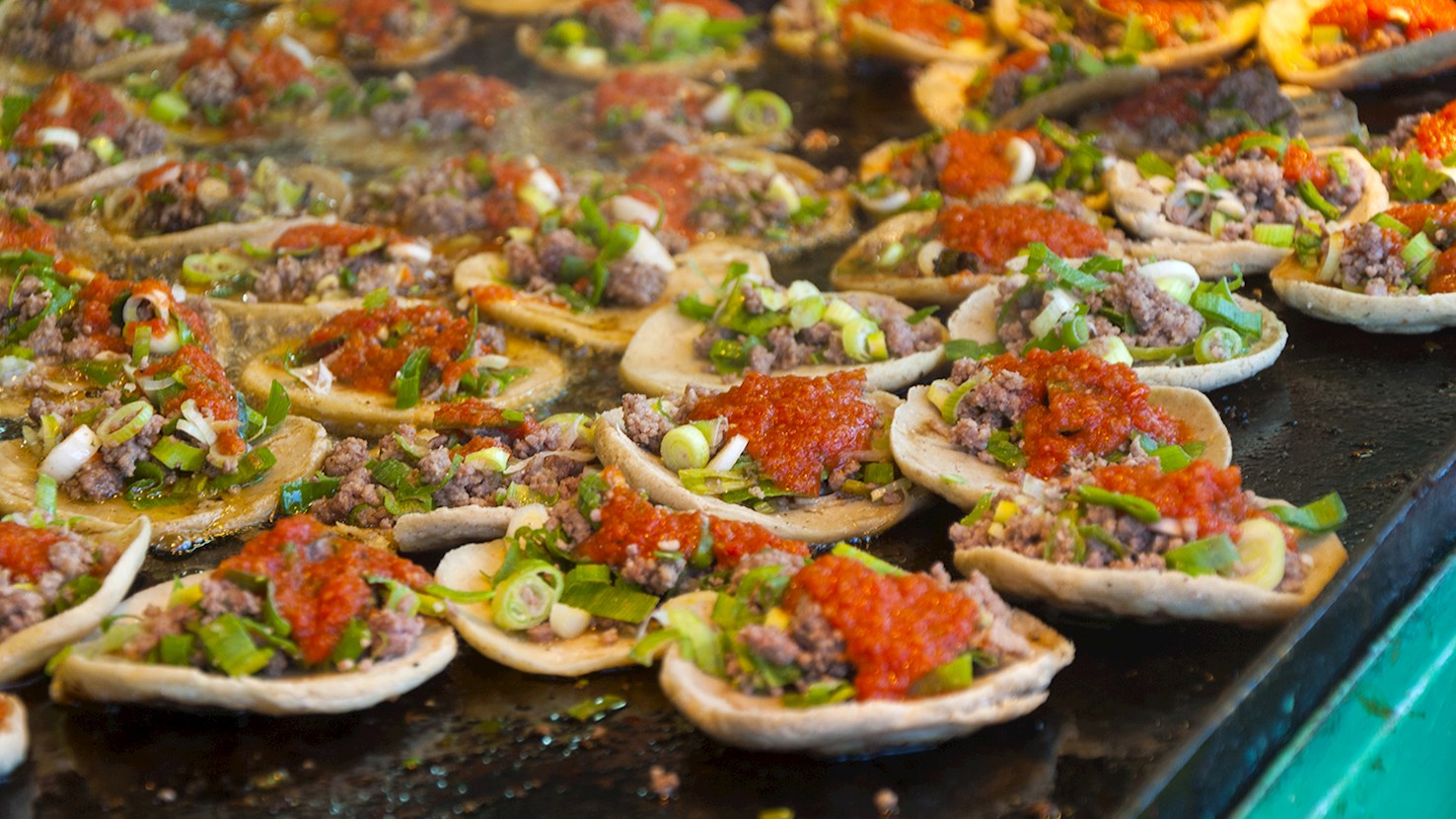
Garnacha is a Mexican dish originating from Oaxaca, in an area known as the Isthmus. The dish consists of a small masa dough disk that is fried in lard, then topped with stewed shredded meat, onions, salsa, queso fresco, and repollo – a combination of vinegar and cabbage. Of course, chili peppers can also be added to the toppings, if desired. Nowadays, garnachas are a common street food in the region, but they are also a staple of the velas – a festival that celebrates the harvest season.
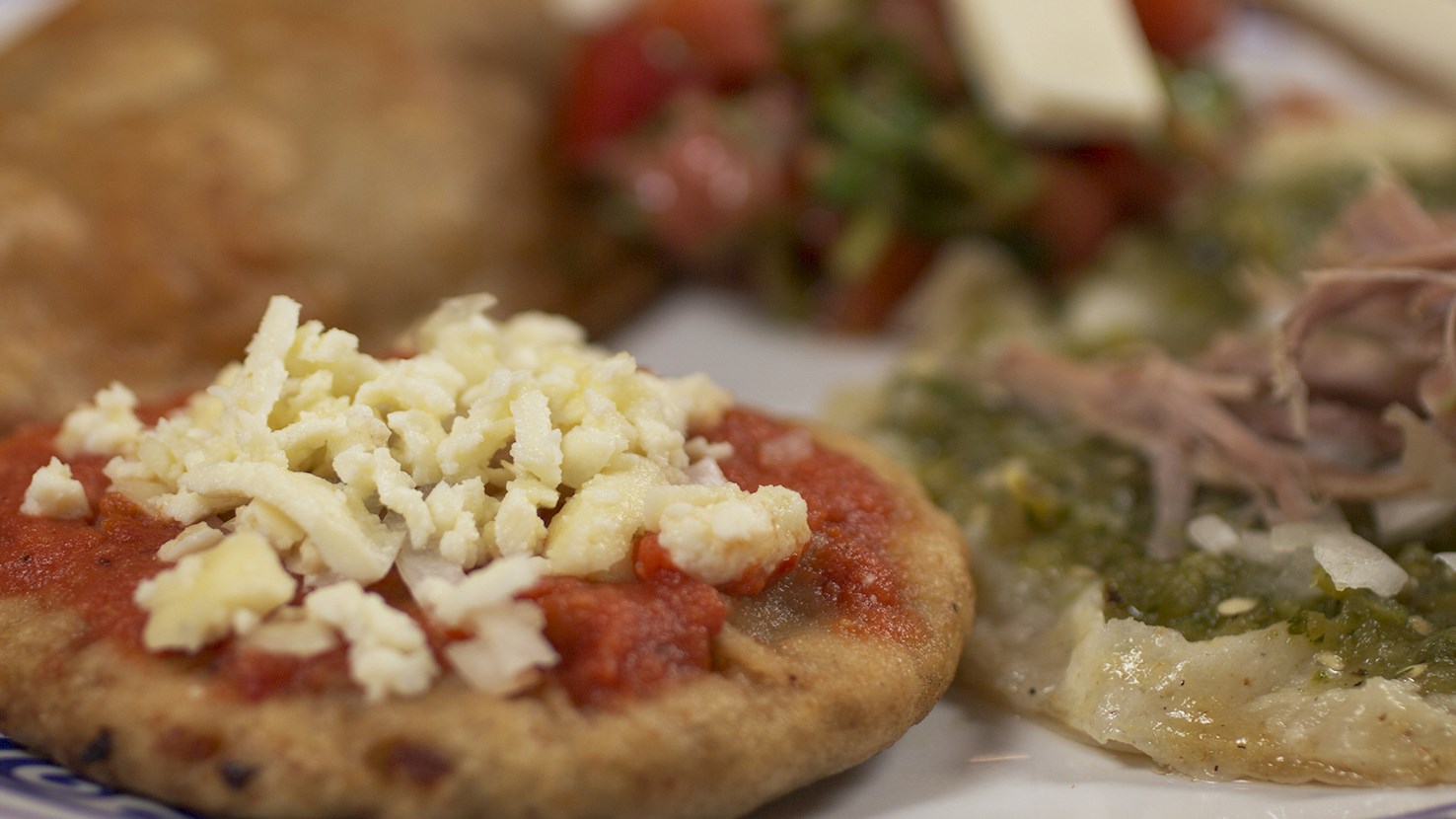
Memela (or tetela) is a popular street food dish originating from the Mexican state of Oaxaca. It is made from masa flour with the addition of refried beans, pressed together into a (usually oval-shaped) tortilla, then cooked on a hot grill. Once the tortilla is done, it is usually filled with red or green salsa, crumbly cheese such as quesillo, and additional toppings such as fries, nopale cactus, or avocado slices. Memela is traditionally folded in half and eaten with hands, just like a taco.
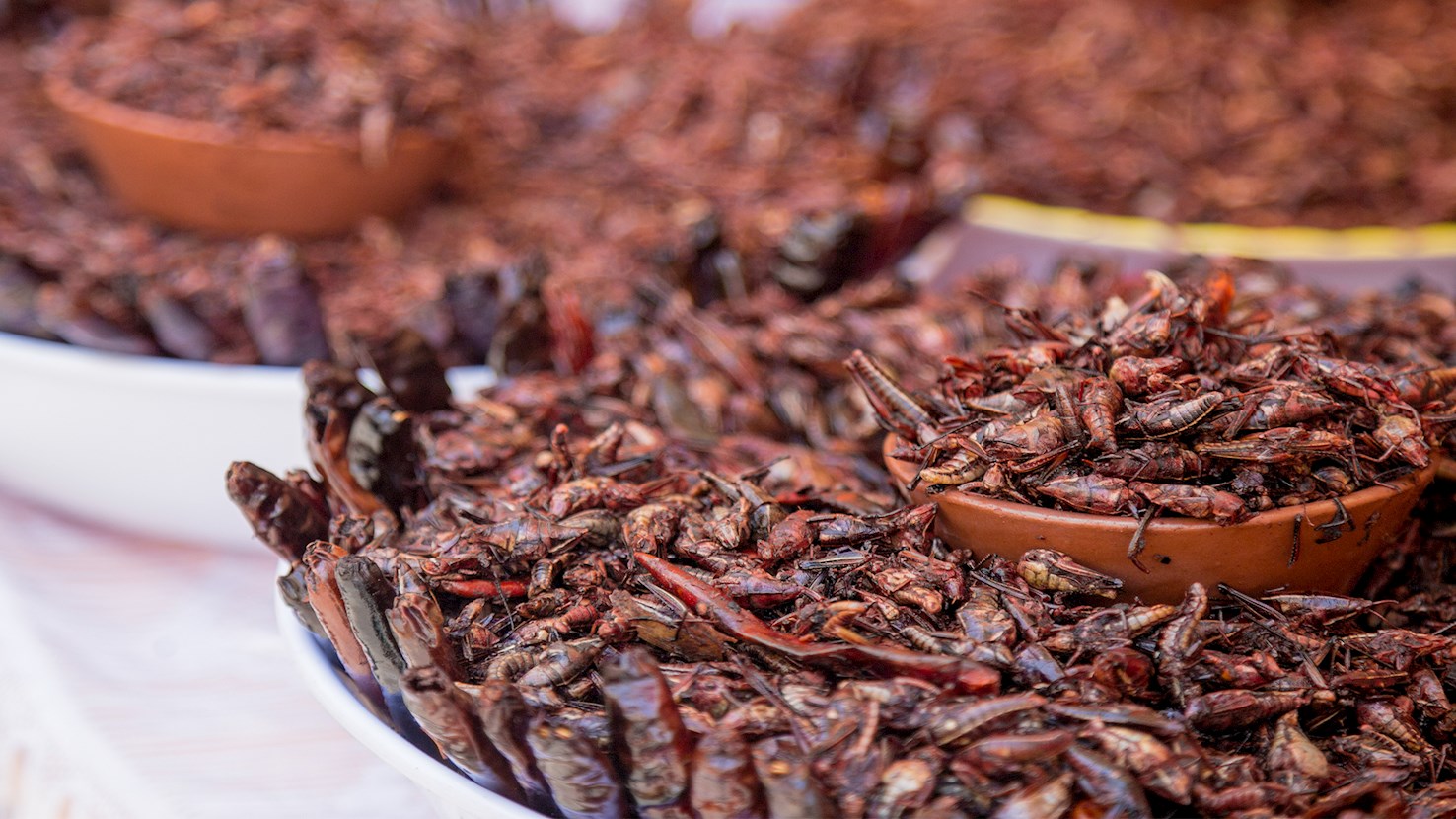
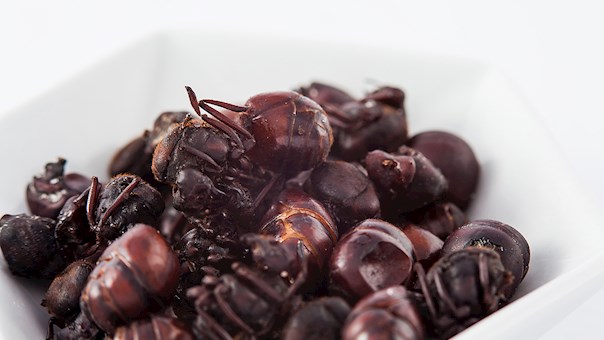
Chapulines are edible grasshoppers that are thoroughly cleaned, toasted on a hot clay griddle, and heavily seasoned with garlic, lime juice, and salt. Walking through a bustling regional market in Oaxaca, you will easily spot these deep red, crispy insects piled high in massive woven baskets. Vendors sell them by the scoop, handing them over in small paper cones to be eaten straight away as a crunchy, high-protein snack. Beyond serving as street food, these toasted insects function as a highly versatile ingredient in many different meals. They get folded into warm corn tortillas with a scoop of fresh guacamole, scattered over massive, crispy tlayudas smothered in melted cheese, or ground directly into fiery salsas to add an earthy, savory depth. Transforming the raw insects into a safe, shelf-stable snack requires a very specific cooking process. After being caught in wild alfalfa fields, the live grasshoppers are soaked in clean water to rinse off any dirt or other impurities. Once washed, they are tossed onto a screaming hot comal—a flat clay or cast-iron griddle. The intense heat instantly neutralizes the insects, firms up the interior, and evaporates their internal moisture. As they toast, generous amounts of fresh lime juice, smashed garlic cloves, and coarse salt are thrown onto the griddle. The grasshoppers absorb these acidic, savory liquids, becoming completely brittle and taking on a dark, rusty red color. Flavor profiles and textures shift considerably depending on the specific harvest and the chosen spices. The smallest, youngest grasshoppers offer a delicate, incredibly crispy texture that shatters instantly, while the fully mature adults provide a much denser, meatier chew. Some spice blends rely exclusively on mild dried chilies for a gentle warmth, while other batches feature an aggressive coating of sal de gusano—a pungent, smoky salt blended with ground, toasted agave worms. The practice of harvesting and eating these insects dates back thousands of years to pre-Columbian Mesoamerica, long before European livestock arrived in the Americas. Indigenous groups recognized the dense swarms not as crop-destroying pests but as a crucial, readily available source of daily protein and essential vitamins. Catching them remains a seasonal, labor-intensive task. Harvesters head into the tall grass at dawn, swinging large sweep nets to capture resting insects before the morning sun warms them and they fly away.
Tacos de chapulines is a traditional dish that can be found in the southern parts of the country. The tacos are made by topping small corn tortillas with a combination of grasshoppers, guacamole, pipian sauce, and lime juice. The grasshoppers are cooked in a skillet over medium heat, then sprinkled with lime juice. The tortillas are placed on a grill or a griddle, then spread with guacamole and topped with the grasshoppers and pipian sauce before serving. It's recommended to try tacos de chapulines in Oaxaca in the summer rainy season, known as tiempos de agua, when chapulines are easily caught.
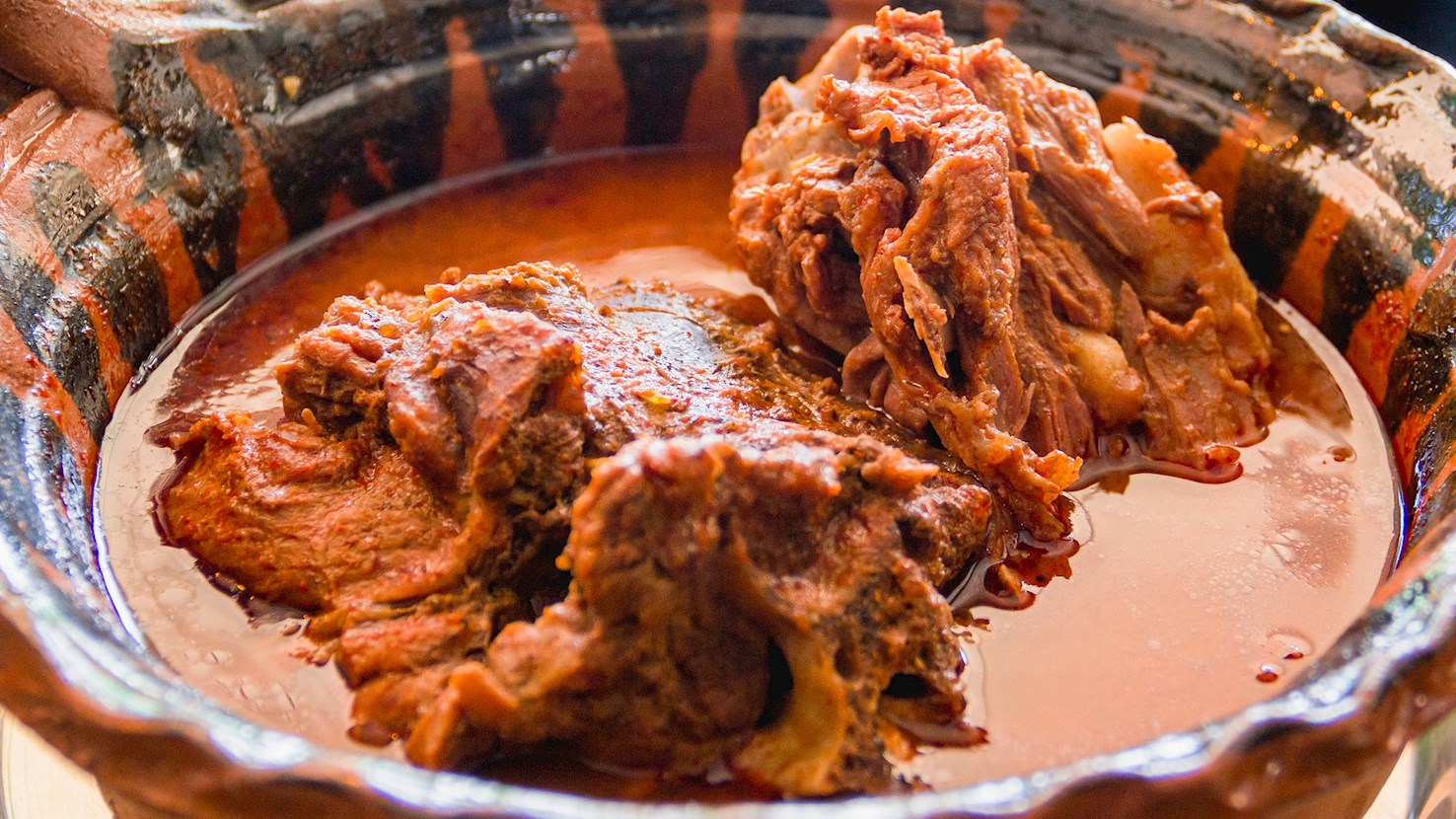
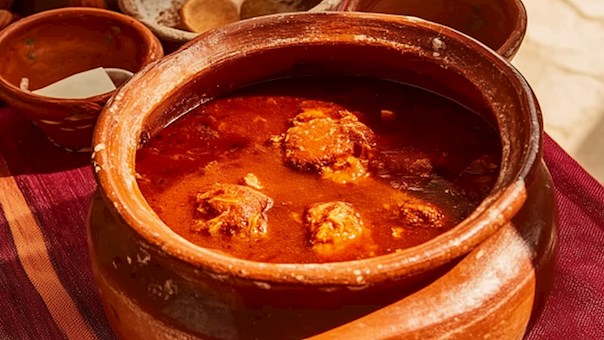
Mole de caderas is a traditional dish from the Mixteca region, particularly in Puebla and Oaxaca. It is a seasonal delicacy prepared in the autumn during "La Matanza," an annual goat harvest that begins in late October. Deeply rooted in indigenous culinary traditions, the dish features goat hip and spine bones, which are heavily salted and sun-dried to preserve and intensify their flavor. These bones are simmered to create a rich broth, enhanced with guajillo and costeño chiles for spiciness, tomatoes and tomatillos for acidity, and aromatic herbs like cilantro and epazote. Green beans add texture, while guaje seeds impart a slightly bitter flavor. The result is a robust, spicy, and savory stew with complex flavors, often served with tortillas and sometimes rice. Mole de caderas holds significant cultural importance, celebrated during communal festivals that include music, dance, and rituals, reflecting regional agricultural and culinary heritage. It symbolizes the blend of indigenous cooking methods and local ingredients, embodying the rich traditions passed down through generations in the Mixteca region.
Patitas de puerco en frijol negro is a traditional dish originating from Oaxaca. The dish is made with a combination of pork feet, white vinegar, onions, garlic, epazote leaves, black beans, and salt. The pork feet are covered with water and vinegar, then boiled with the beans, onions, and garlic. Next, epazote leaves and salt are added to the pot and the dish is cooked until the pork feet become soft and the beans are fully cooked. Once done, the dish is served in bowls and it's often accompanied by lime wedges and sliced jalapeños.
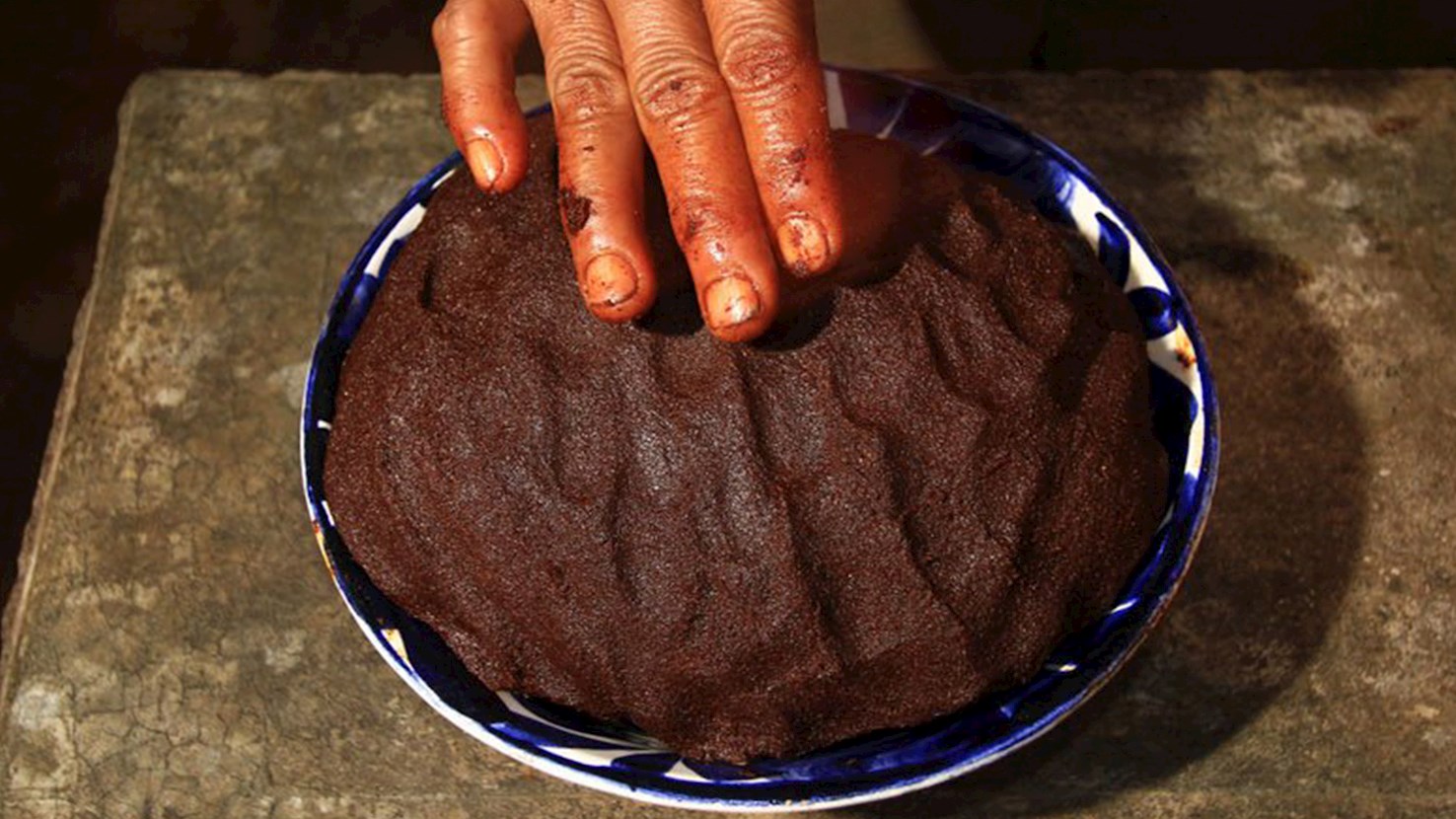
Chintextle is a Mexican smoked chili paste originating from the region of Oaxaca. It is made with pastilla chilis, dried shrimps, avocado leaves, garlic, vinegar, oil, and salt. Originally, chilis were milled in a volcanic rock grinder (called metate) along with other ingredients. Nowadays, pastilla chilis are roasted, then blended with other ingredients, while vinegar and oil are gradually added until a spreadable paste is formed. There are many variations of chintextle, so almonds, black beans, pumpkin seeds, and pecans can be added to further enrich the already intense flavor. Since it is very nutritious, Oaxacan peasants used to take it to work, where they would spread it on tlayudas (large tortillas). Chintextle can also be used as a semi-dry rub for meat and fish dishes.
TasteAtlas food rankings are based on the ratings of the TasteAtlas audience, with a series of mechanisms that recognize real users and that ignore bot,
nationalist or local patriotic ratings, and give additional value to the ratings of users that the system recognizes as knowledgeable.
For the “Top 21 Oaxacan Foods” list until July 01, 2026, 1,620 ratings were recorded, of which 509 were recognized by the system as legitimate.
TasteAtlas Rankings should not be seen as the final global conclusion about food. Their purpose is to promote excellent local foods,
instill pride in traditional dishes, and arouse curiosity about dishes you haven’t tried.
The initial list of top producers was compiled based on available reviews, awards, local recommendations, media and blog coverage, and consumer reviews.
The list will be updated with ratings from TasteAtlas local ambassadors and TasteAtlas users.