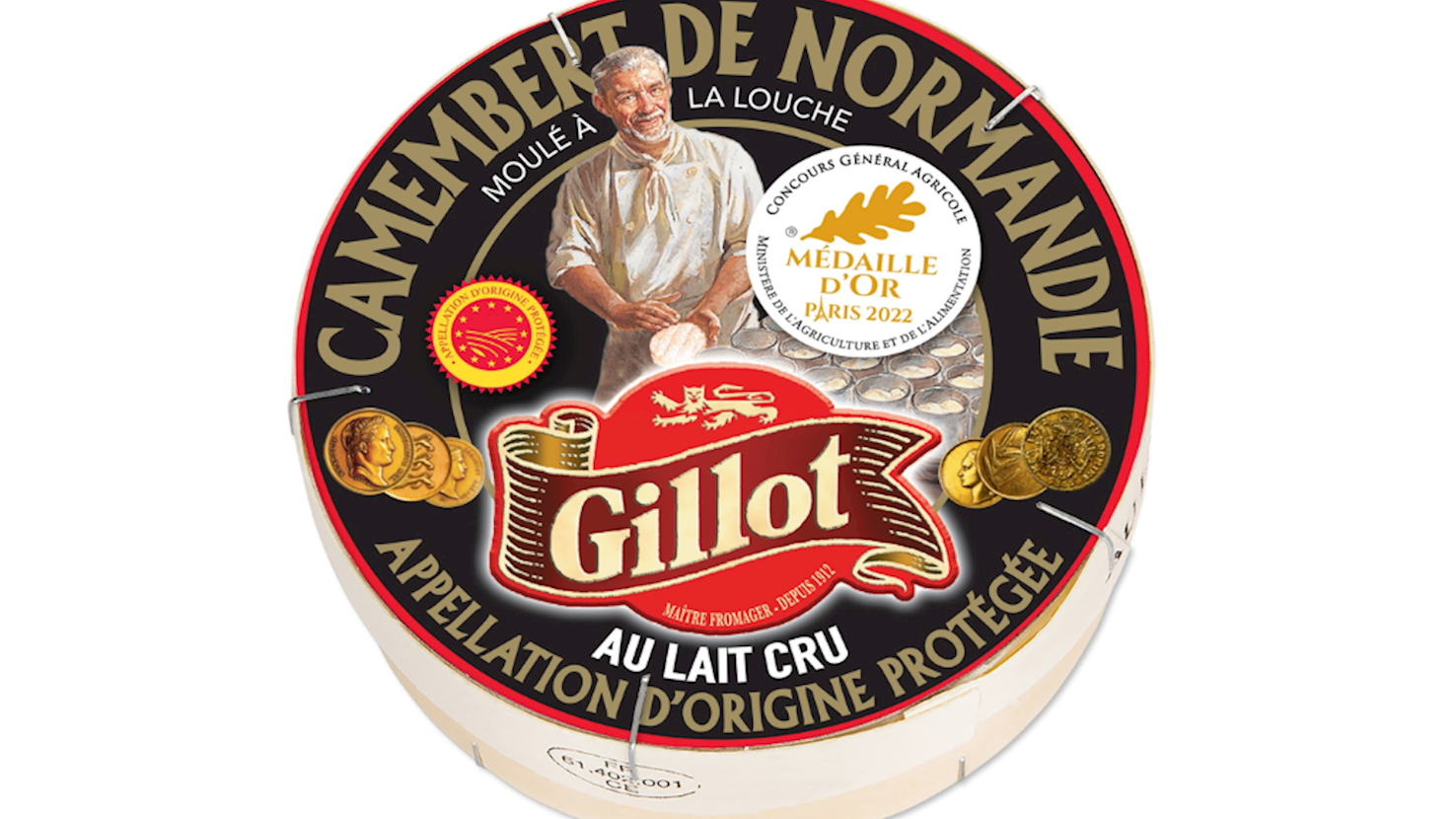
Founded in 1912 in Saint-Hilaire-de-Briouze, in the Orne department of Normandy, Fromagerie Gillot stands as a symbol of artisanal excellence and one of the last independent dairies in the region producing cheeses with Protected Designation of Origin (PDO) status. Among their finest is the renowned Camembert de Normandie - a quintessential emblem of French cheese heritage. The cheesemaking tradition has been preserved through six generations, and the dairy is currently run by the Fléchard family, committed to upholding traditional values. Gillot is especially known for using hand-ladled raw milk, a meticulous method that enhances the cheese’s full flavor and authentic texture. All milk is sourced from local farms within a 40 km radius, with a strong focus on animal welfare, environmental sustainability, and pasture-fed livestock. The dairy is also a pioneer in producing organic raw milk cheeses, merging innovation with heritage. Fromagerie Gillot has been awarded the prestigious “Entreprise du Patrimoine Vivant” (Living Heritage Company) label, recognizing its essential role in safeguarding French gastronomic culture.
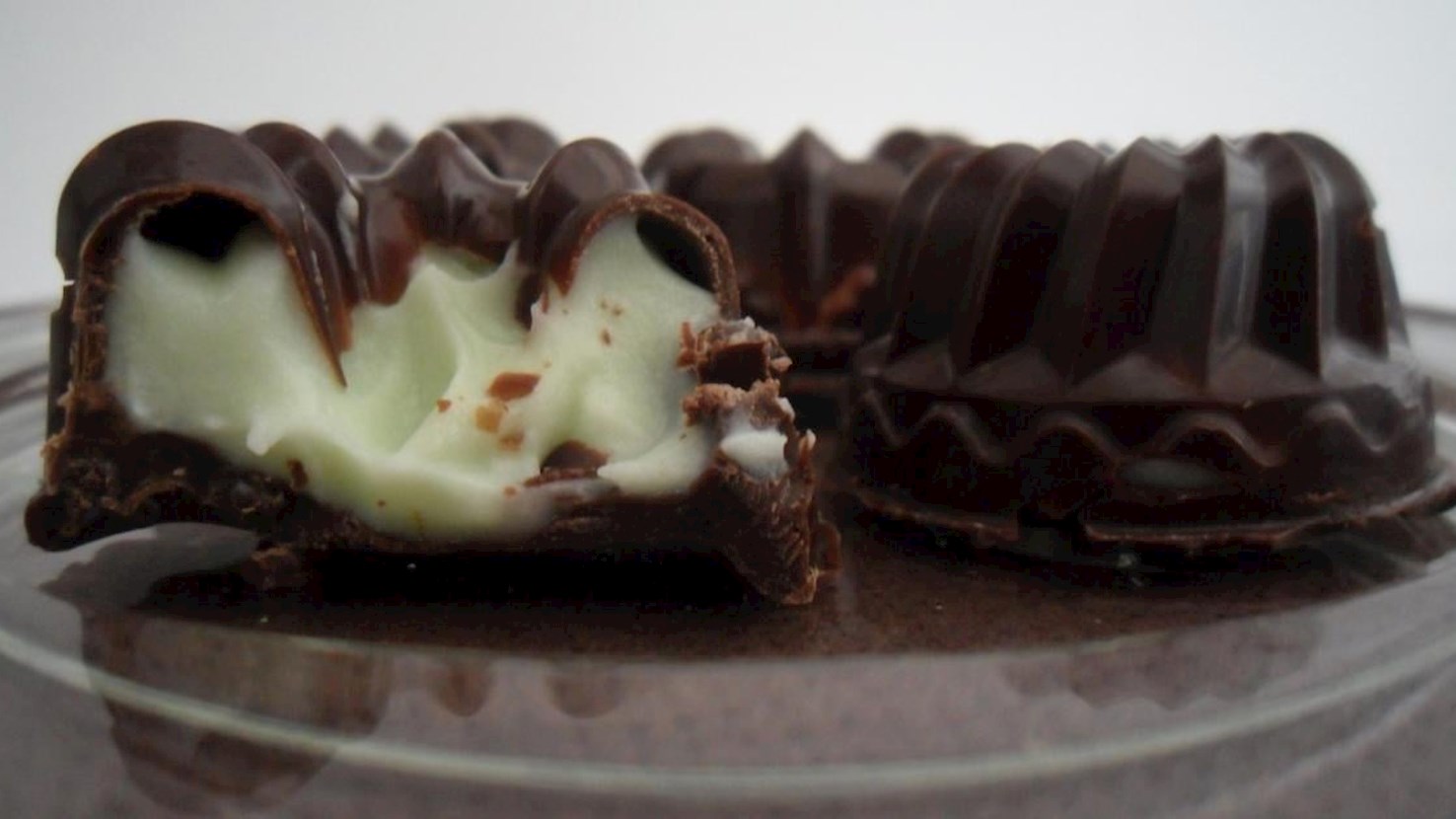
Le Petit Chocolatier is a chocolate producer based in Alençon, France. It offers a range of artisanal chocolates crafted using traditional methods. The company emphasizes the use of high-quality ingredients in its creations.
Awards
International Chocolate Awards - Silver
(2019, 2018)
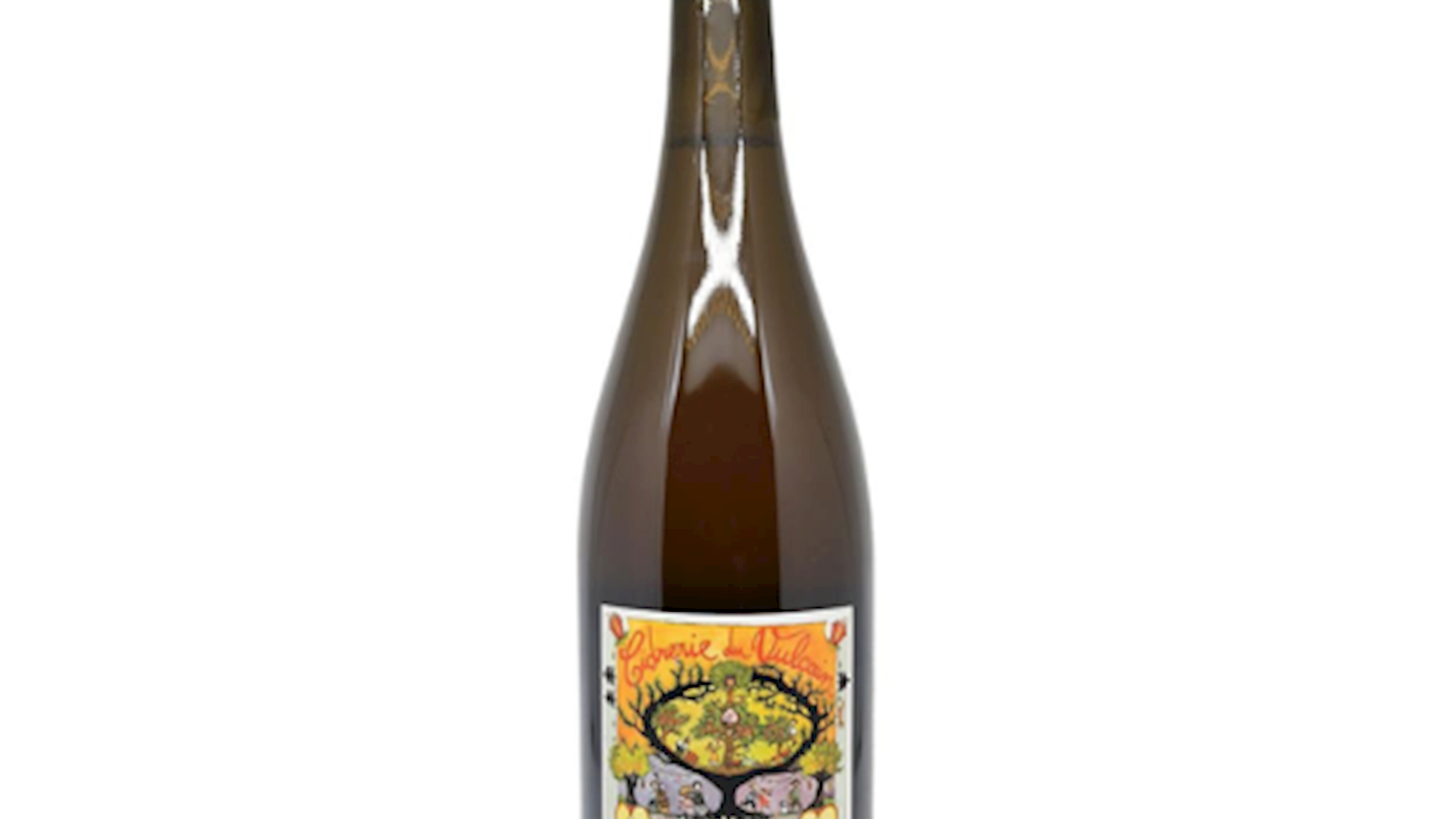
Cidrerie du Vulcain, led by Jacques Perritaz, is now based in Normandy, in the village of Juvigny-Val-d’Andaine. In 2022, Perritaz purchased a farm, securing his own orchards and production space, thereby strengthening the foundation of his work. The fruit he uses comes from old apple, pear, and quince trees, often abandoned or forgotten varieties that he rediscovers and revives. Fermentation takes place spontaneously with indigenous yeasts in stainless steel or lined tanks, and he often employs the ancestral method, bottling before fermentation is complete. This process results in natural carbonation and an authentic character, without disgorging or additional processing. His work reflects a fusion of Swiss experience, gained in Fribourg working with old orchards, and the rich traditions of Normandy as a historic center of cider and perry. In this way, Perritaz has developed a distinctive style rooted in minimal intervention and authenticity. Today, Cidrerie du Vulcain stands as an example of a producer that successfully combines tradition, terroir, and innovation, preserving rare varieties and creating drinks that captivate with their natural purity and sense of origin.
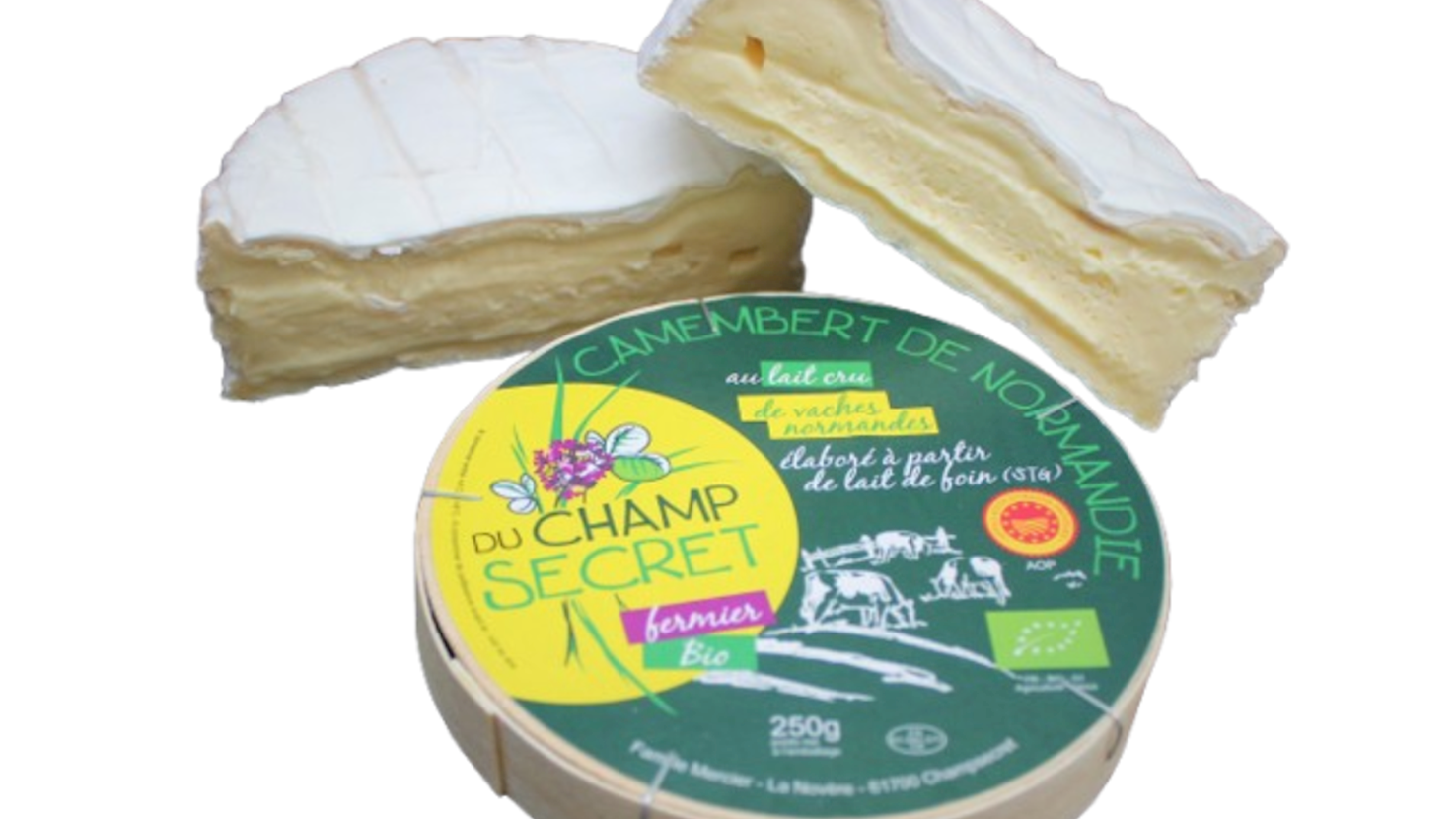
Ferme du Champ Secret is a family-run farm located in the village of Champsecret, in the Orne department, in the heart of the Normandy countryside, known for its gentle hills and orchards. This farm is distinguished by its production of authentic Camembert cheese. Their Camembert is unique because it is made exclusively from the milk of Normandy cows that are fed on pasture and hay, with no silage used. The cheese is made from raw milk, hand-ladled in five steps, and aged on-site for 4 to 6 weeks, which gives it a rich, creamy flavor and a characteristic bloomy rind. In addition to Camembert, the farm also produces other dairy products such as fresh cream, butter, and more. The farm also offers guided tours, which include visits to the farm and the dairy, as well as tastings of their products.
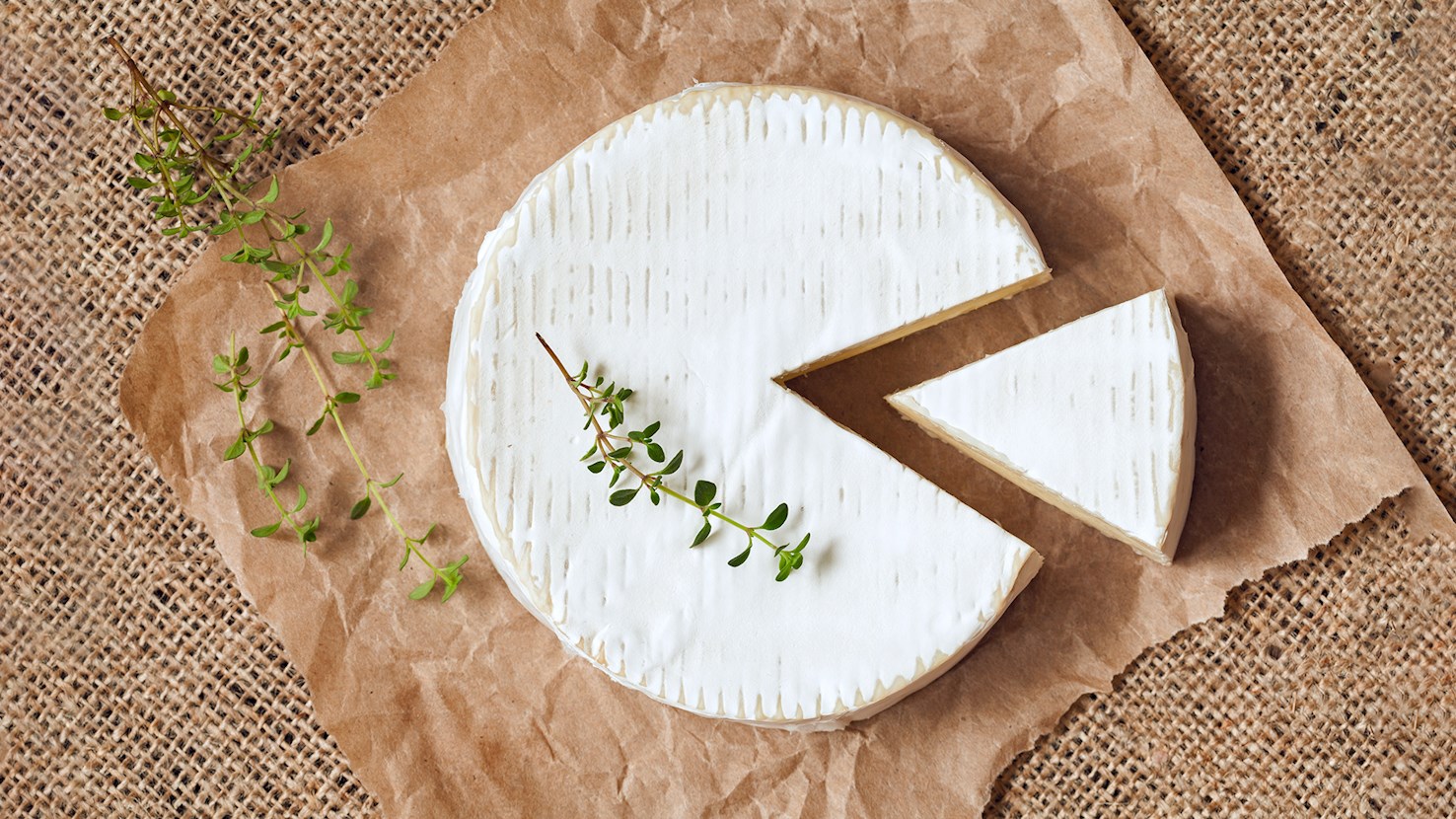
Camembert de Normandie, Normandy's most famous and iconic cheese is made from raw cow's milk and weighs an average of 250 grams. The flavor is intense, pungent and similar to that of mushrooms, grass and butter, while the aroma is moldy and cabbage-like. As one legend says, a farming woman named Marie Harel protected a priest who was on the run and in return, he gave her the recipe for the Camembert we know today. The cheese is ladled into molds by hand, dry-salted, then matured for 30 to 35 days. Its body is soft and creamy while its exterior is covered with a white, moldy rind. Camembert is usually packed in a small wooden box, to prevent the running and spilling of its gooey interior. It is best to try it with sliced apples, crusty baguettes, hard ciders or even in desserts.
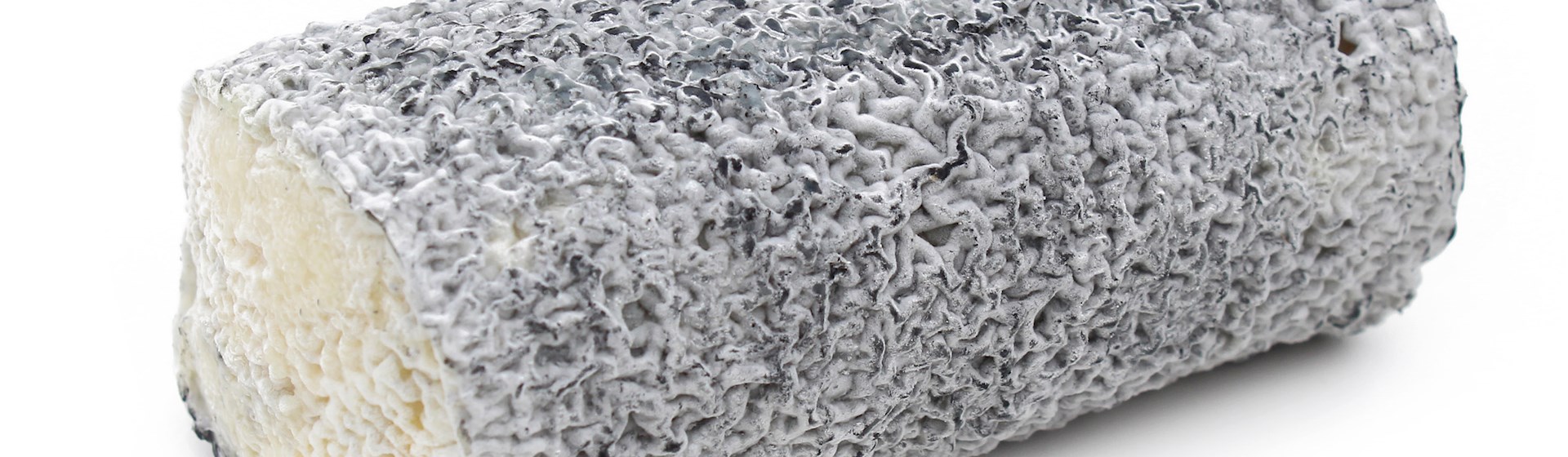
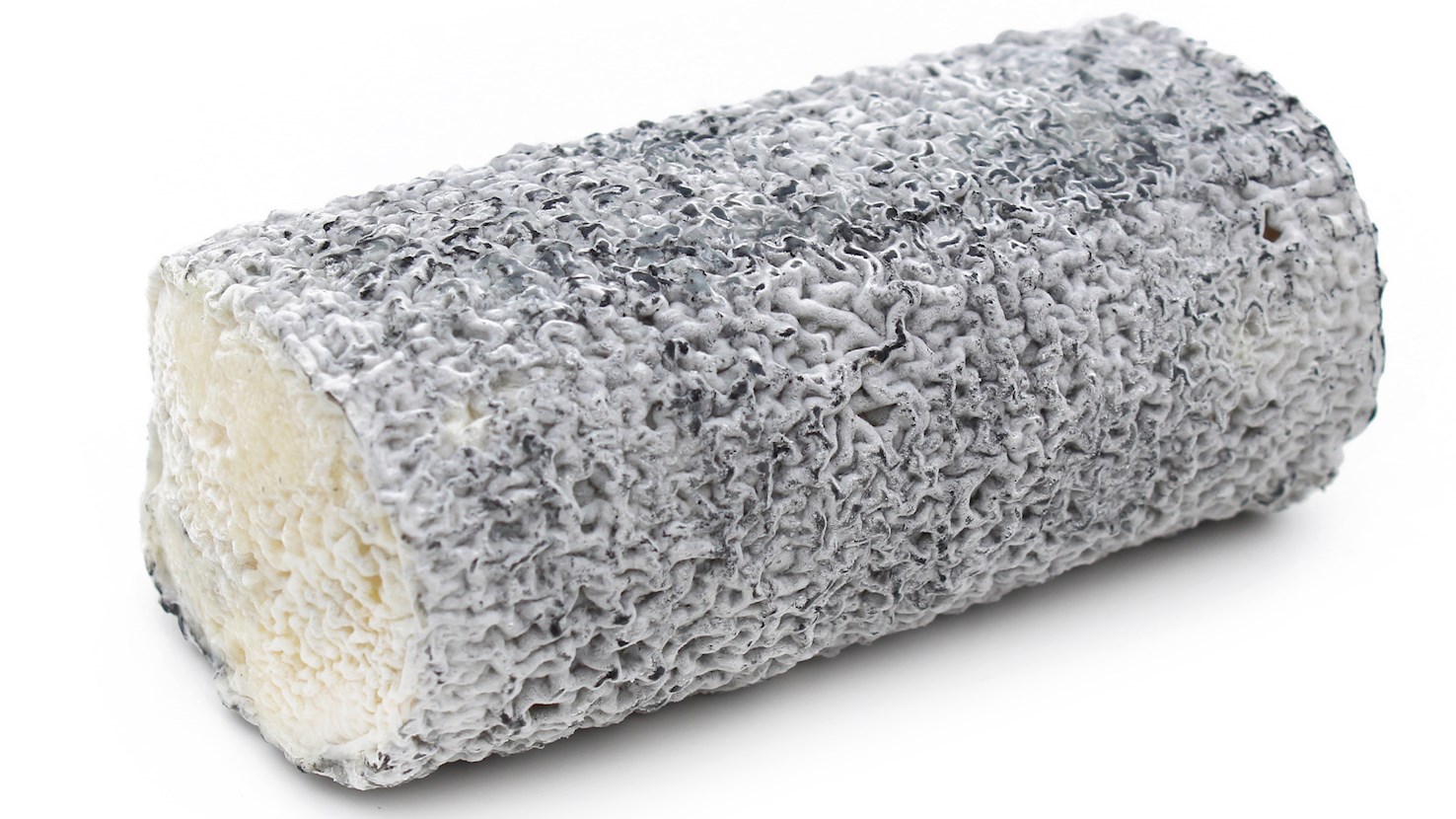
Bûchette basilou is a traditional cheese that’s produced in Saint-Julien-sur-Sarthe, Orne, Normandy. The cheese comes in the shape of a log, and it’s made from raw goat’s milk. It’s usually left to age for at least 10 days before consumption. Underneath its ashy bloomy rind, the texture is soft and creamy. The aromas are lactic and goaty, while the flavors are fresh and goaty with hints of hazelnuts. As the cheese ages, its flavors become even more pronounced.
Bec de Flers is a sweet pastry from the town of Flers in Normandy. It consists of a puff pastry shell filled with a stewed mixture of apples and rhubarb. The pastry was developed by local food artisans specifically to establish and promote Flers's culinary identity. Its status was formalized in 1987 during a gastronomic exhibition, which led to the creation of the local "gastronomy brotherhood." While the brotherhood initially focused on a savory dish called le gousset Flérien, the bec de Flers became an integral part of their mission to showcase the town's heritage. The making of the pastry starts with cooking a compote of apples and rhubarb. This mixture is enclosed in rolled puff pastry, sealed tightly, and baked until the exterior is well-risen and golden brown. The technique requires precision to ensure the pastry layers separate and crisp fully without becoming soggy from the fruit filling's moisture. Bec de Flers is best enjoyed warm or lukewarm to maintain the contrast between the flaky crust and the melting fruit. It is sold in local bakeries as a dessert or snack and is the centerpiece of the brotherhood’s annual competition held on the third Sunday of September. It pairs naturally with regional beverages such as hard cider, as well as coffee, tea, or lightly sweet white wines.
Boudin noir de Mortagne‑au‑Perche is a blood sausage from Mortagne-au-Perche, a small town in the Orne department. Mortagne-au-Perche and its surrounding area serve as the centre of production for this sausage, with local charcutiers (butchers/sausage makers) producing it under methods and recipes that have become associated with the town’s identity. The association between Mortagne-au-Perche and boudin noir grew during the twentieth century. Though charcuterie in the region had some reputation in the nineteenth century, the sausage itself gained wide fame after it was presented at the 1931 Paris Colonial Exhibition. In the following decades Mortagne-au-Perche solidified its reputation for quality black pudding; in 1963 the local guild Confrérie des Chevaliers du Goûte-Boudin was founded to promote the sausage, and since then an annual fair — Foire au Boudin de Mortagne-au-Perche — is held every third weekend of March, drawing charcutiers and enthusiasts from around France and beyond. Boudin noir de Mortagne-au-Perche has fresh pork blood, pork fat, and slow-cooked onions as core ingredients. Charcutiers carefully combine these components, seasoning minimally, to preserve the flavour of the blood while balancing it with fat and aromatic onion. The mixture is stuffed into natural casings, then cooked — typically by poaching or gentle simmering — so that the sausage coagulates without bursting. The technique demands experience: producers in Mortagne are said to rely on their judgement of fresh blood’s colour and consistency, and seasoning must be calibrated precisely. When served, the sausage is often heated and sometimes pan-fried or served simply after poaching. At the fair and in local restaurants it may be offered with apples (sliced or sautéed), potatoes, or simple vegetables. The rustic character and pronounced profile of the sausage are typically balanced by the sweetness or acidity of the accompaniment. Boudin noir de Mortagne-au-Perche holds a distinctive place among French blood sausages because of its reputation, the concentration of skilled charcutiers in one small town, and a long-standing community and institutional support that preserves its method of production. This sausage is eaten throughout the Mortagne-au-Perche region and beyond; butchers in the town and local restaurants offer it all year, with special visibility during the March fair. It is served as a main dish or part of a meal, typically hot, accompanied by boiled or sautéed potatoes, apples or seasonal vegetables. Beverage pairings often include regional cider, which complements the richness and earthy tone of the sausage, or light to medium-bodied red or white wines from Normandy or nearby regions.
Boudin blanc d’Essay is a white sausage from the town Essay, composed of finely minced pork (often ham), whole milk, eggs, seasoning and encased in sausage casing to form a smooth, pale sausage. It was introduced in 1881 by a local pork butcher whose recipe had been learnt during the war of 1870 from another butchery artisan. This sausage’s identity developed as pork butchers in Essay refined the processing of meat, milk, eggs and mild seasoning into a cohesive, gently textured product that could be cooked simply and served at festive meals — over time it became strongly associated with the town, and local recognition grew through artisanal production rather than large-scale industrial methods. To prepare it for eating, the boudin blanc is first gently poached or boiled to ensure even cooking, often starting from cold water; then it may be pan-fried or grilled to give a light, golden exterior without rupturing the casing. Serving often involves slicing the sausage and accompanying it with simple side dishes such as lightly sautéed potatoes, apples or other humble vegetables. The fine meat-milk-egg mixture gives it a smooth texture and mild taste that contrasts with darker, heavier sausages. What sets boudin blanc d’Essay apart from many sausages is its reliance on milk and eggs rather than blood or heavy fats, which produces a delicate, pale sausage with a mild, creamy flavour profile and a gentle texture — qualities that allow it to take on subtle seasoning and pair well with modest accompaniments rather than demanding overpowering sides. This sausage is eaten in Normandy and sold in local charcuteries, and it is especially popular around holiday periods such as Christmas but available year-round as well; local gastronomic societies such as Confrérie des Compagnons du Boudin Blanc d’Essay hold an annual national contest for the best boudin blanc to promote quality and craftsmanship. Boudin blanc d’Essay is best enjoyed warm, paired with simple home-style sides. In terms of beverages it goes well with light to medium wines: a dry white wine such as a Loire valley wine or an Alsace Riesling works neatly to balance the sausage’s richness, while a light red or a modest regional cider can also work well.
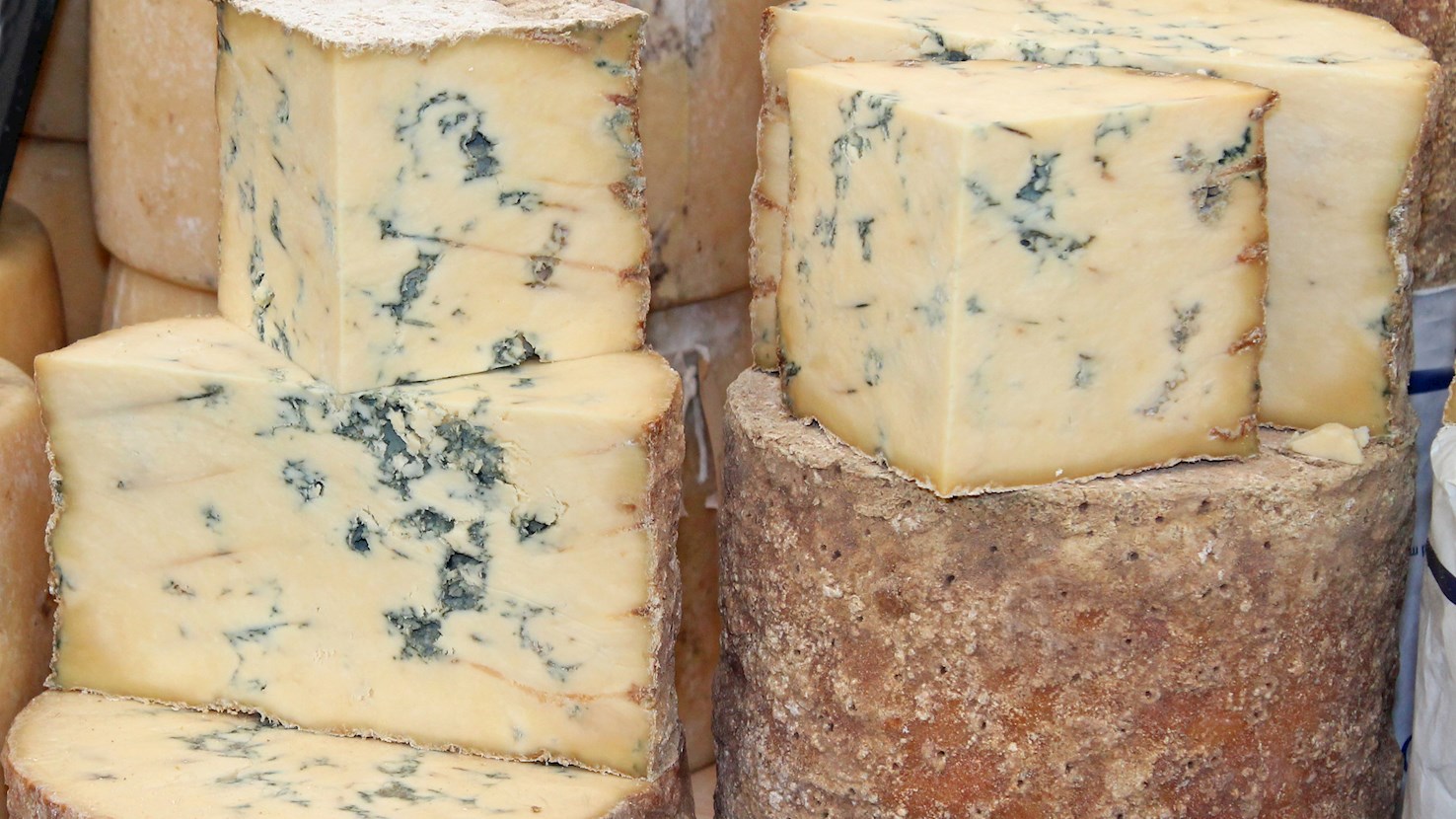
Bleu de Saint-Jean is a French cheese originating from Orne in Normandy. This blue cheese is made from raw cow’s milk and it weighs about 1 kilogram. Underneath its natural rind that’s full of small craters, the texture is hard, dense, and supple, with blue-grey marbling running throughout the body. The aromas are buttery and reminiscent of stables, while the flavors are pleasant, balanced, and buttery. Bleu de Saint-Jean is aged for at least 5 weeks before consumption.
TasteAtlas food rankings are based on the ratings of the TasteAtlas audience, with a series of mechanisms that recognize real users and that ignore bot,
nationalist or local patriotic ratings, and give additional value to the ratings of users that the system recognizes as knowledgeable.
For the “Top 6 Traditional Foods in Orne” list until June 07, 2026, 0 ratings were recorded, of which 0 were recognized by the system as legitimate.
TasteAtlas Rankings should not be seen as the final global conclusion about food. Their purpose is to promote excellent local foods,
instill pride in traditional dishes, and arouse curiosity about dishes you haven’t tried.
The initial list of top producers was compiled based on available reviews, awards, local recommendations, media and blog coverage, and consumer reviews.
The list will be updated with ratings from TasteAtlas local ambassadors and TasteAtlas users.