shutterstock

Top 15 Traditional Foods
in the Province of Ferrara

Last updated on June 10, 2026

Best Province of Ferrara food products
01
Chocolate

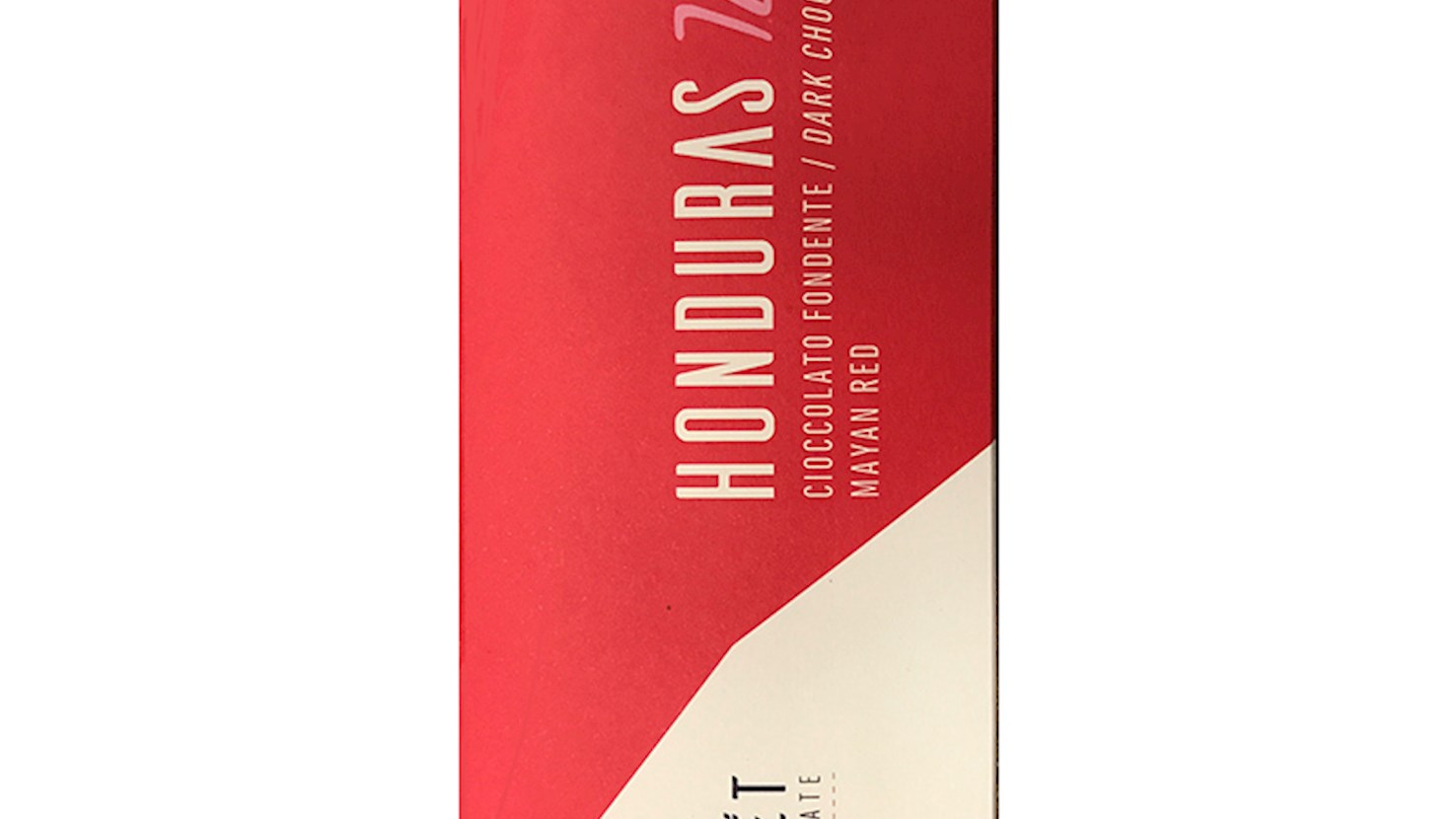
Rukét

4.9 ·
Rukét is a chocolate producer located in Sant'Agostino, Italy, specializing in single-origin and bean-to-bar chocolates. The company focuses on creating high-quality artisan chocolates by controlling the entire production process, from the selection of cocoa beans to the finished product. They use traditional methods and prioritize environmentally friendly practices in their manufacturing processes.
Awards
Tavoletta D'Oro - (2018)
02
Beer

Biren

4.3 ·
Awards
European Beer Star - Gold (2023)
03
Pasta Variety

Le Stagioni d'Italia

4 ·
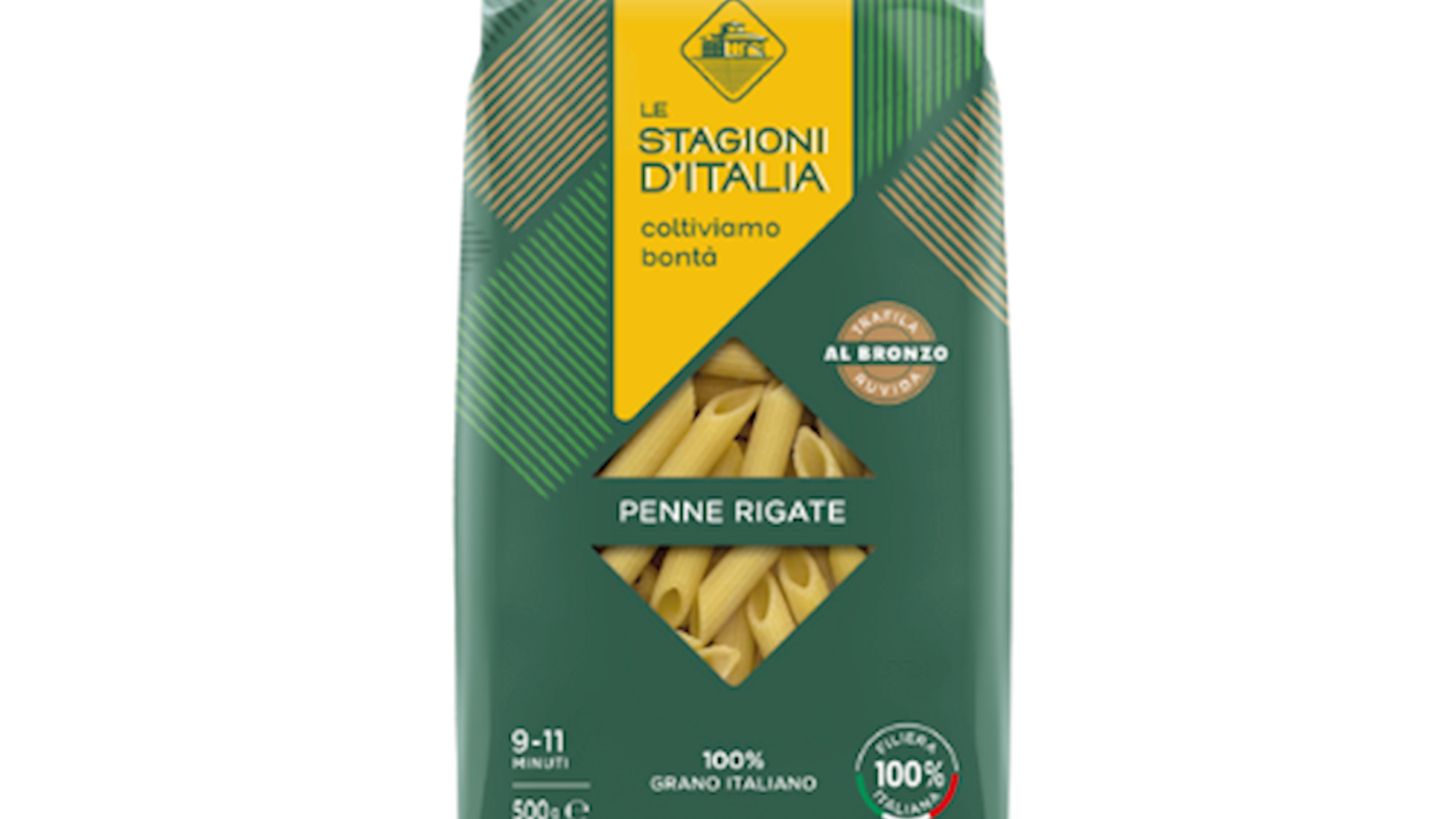
Le Stagioni d’Italia is a premium Italian food brand founded by the agricultural giant Bonifiche Ferraresi, with a mission to create high-quality and sustainably produced products through innovative farming and responsible practices. The brand is distinguished by its short supply chain: the grain is cultivated on Italian fields, carefully monitored by agronomists, and then processed using traditional methods - including milling and bronze extrusion - to preserve the rich flavor and nutritional value. Its main product line is dry pasta, featuring classic formats such as fusilli, penne, rigatoni, and spaghetti, all made from 100% Italian durum wheat semolina, often using the heritage variety “Senatore Cappelli.” This particular wheat is valued for its deep roots, which reduce water consumption, and its high content of protein and fiber. Le Stagioni d’Italia combines agricultural expertise with artisanal food production, offering a true experience.

Best Province of Ferrara foods
01
Pasta

Cappellacci di zucca Ferraresi

4.1 ·

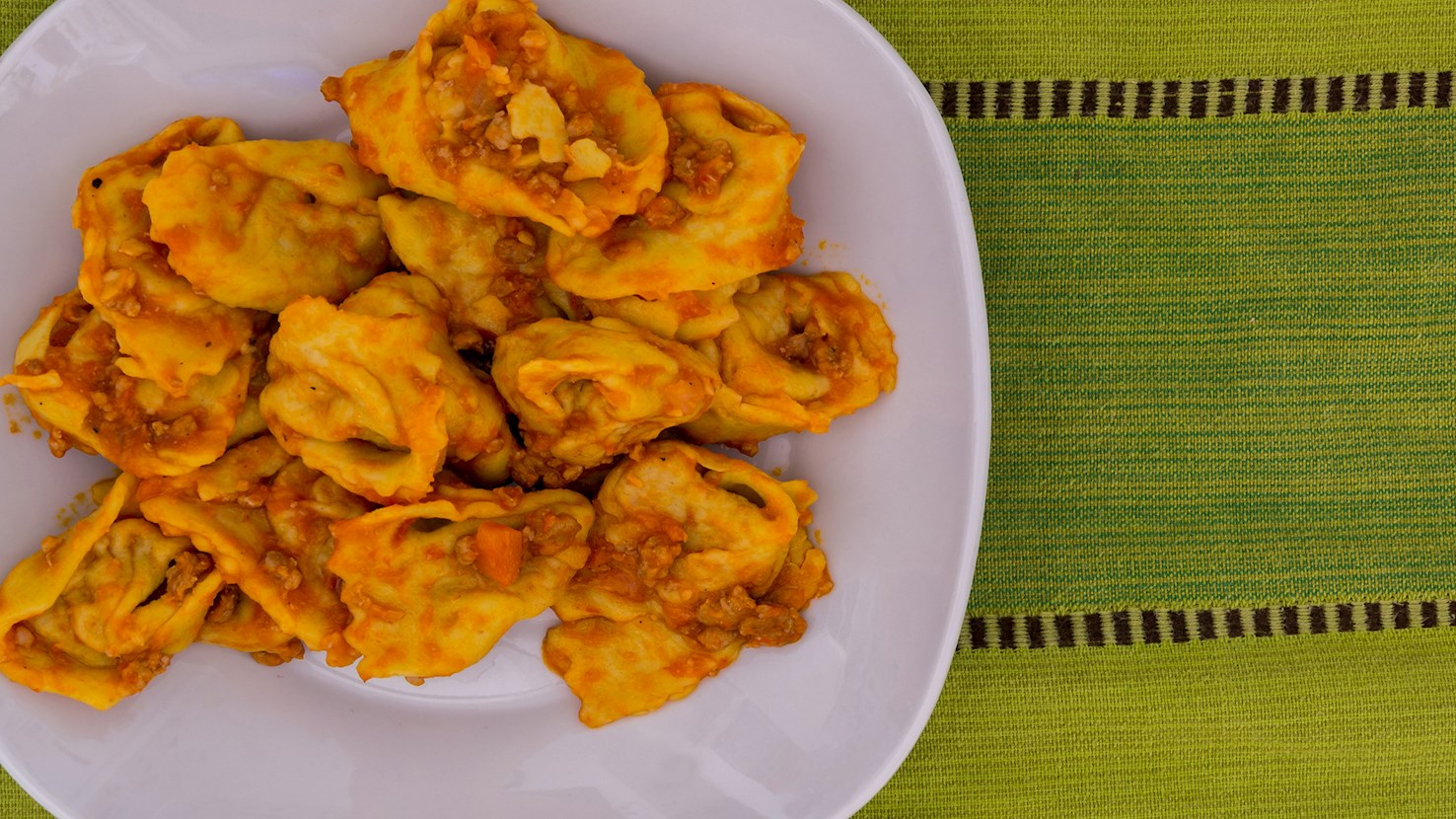
The pumpkin hats of Ferrara — as translated in English — are a type of fresh filled pasta made with a delicious filling of velvety, pre-cooked butternut squash, or zucca violina in Italian, and grated parmesan cheese, while nutmeg imparts a warm, sweet, and spicy flavor. Ferrara's signature pasta dish has a tradition dating back to the Renaissance: the first recipe was written in 1584 by Giovanni Battista Rossetti, the court cook of Alfonso II d'Este, Duke of Ferrara. Cappellacci are commonly served doused in melted butter, with fresh sage and a sprinkle of parmesan, but they can also be enjoyed with a tomato or meat sauce.

02
Chocolate Cake

Torta Tenerina

4.1 ·

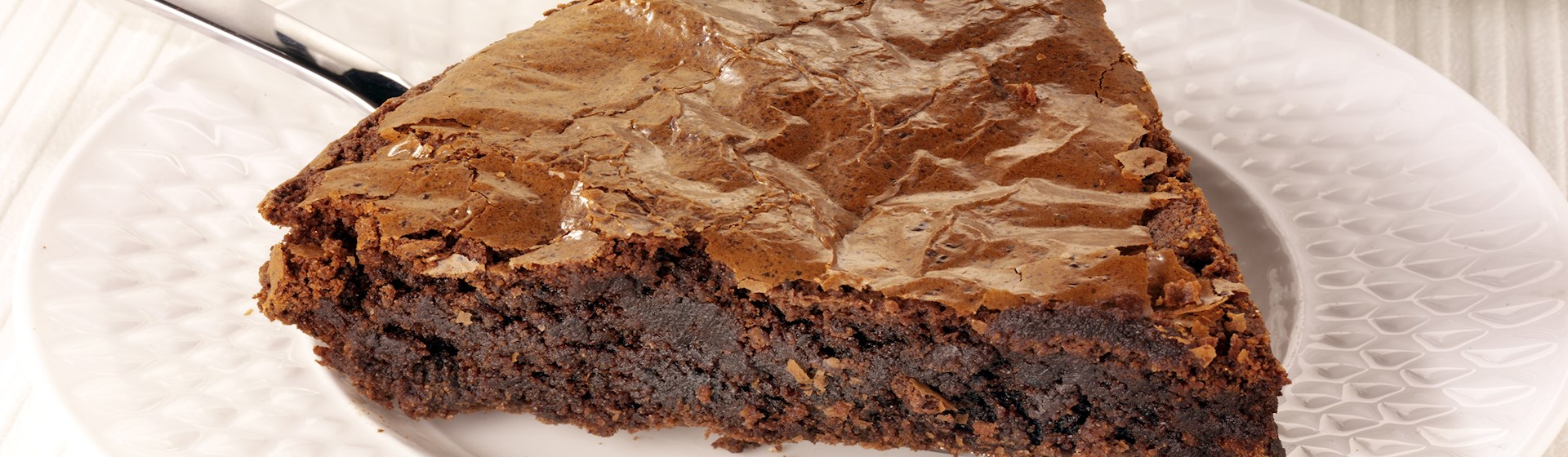
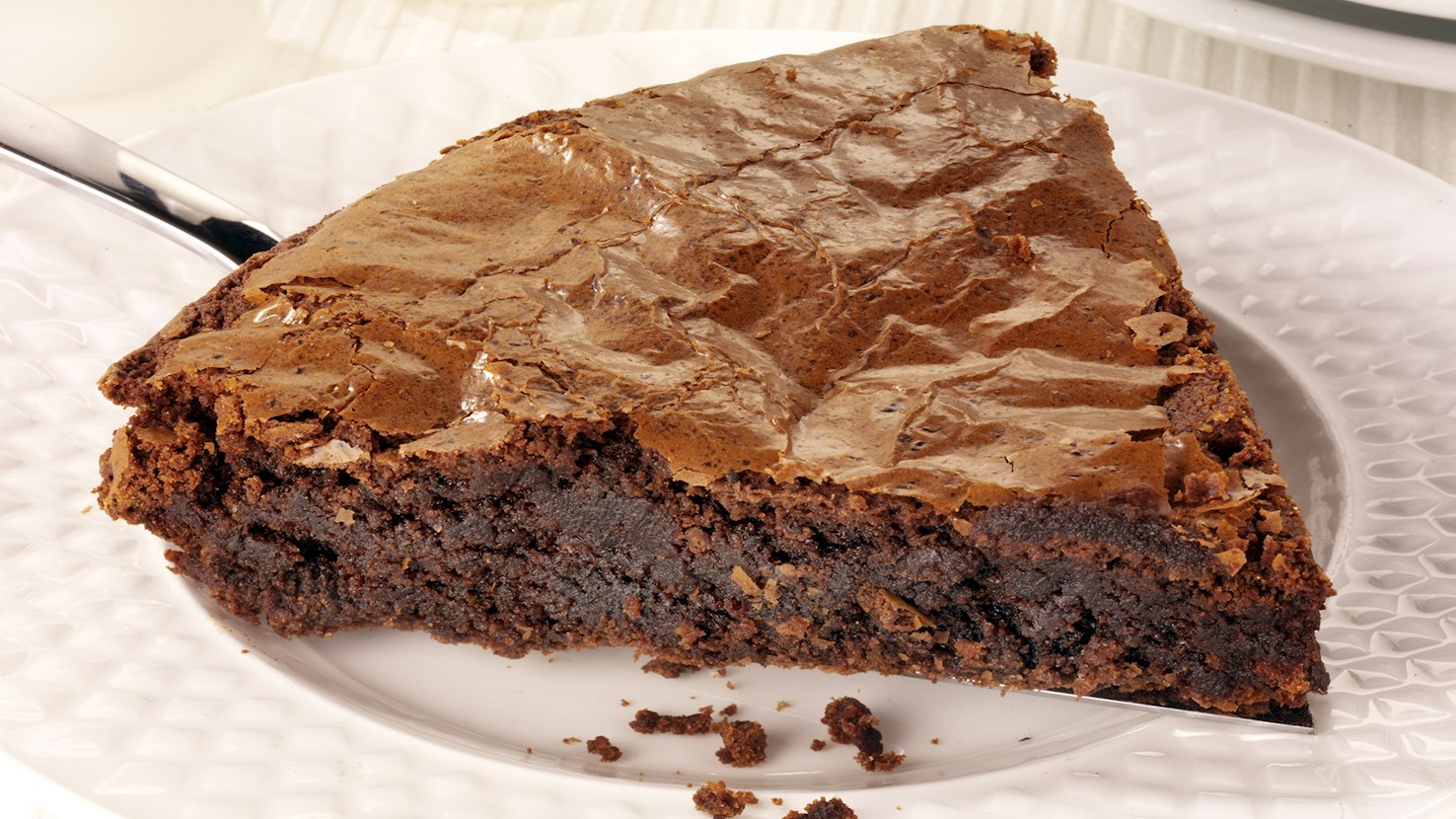
Ferrara's pastry chefs created torta tenerina in the early 1900s to honor Elena Petrovich, the queen of Montenegro and the wife of the Italian King Vittorio Emanuele III. The name of this Italian classic translates to tender cake, and with only five ingredients - chocolate, butter, eggs, sugar, and cornstarch, this flourless dessert truly lives up to its name. Torta tenerina has a light, meringue-like crust that holds its rich, yet incredibly light and tender chocolate heart. This traditional treat is found in almost every patisserie in Ferrara, but it is also equally popular throughout the country.

03
Pasta

Tortelli di zucca (Pumpkin Tortelli)

4 ·

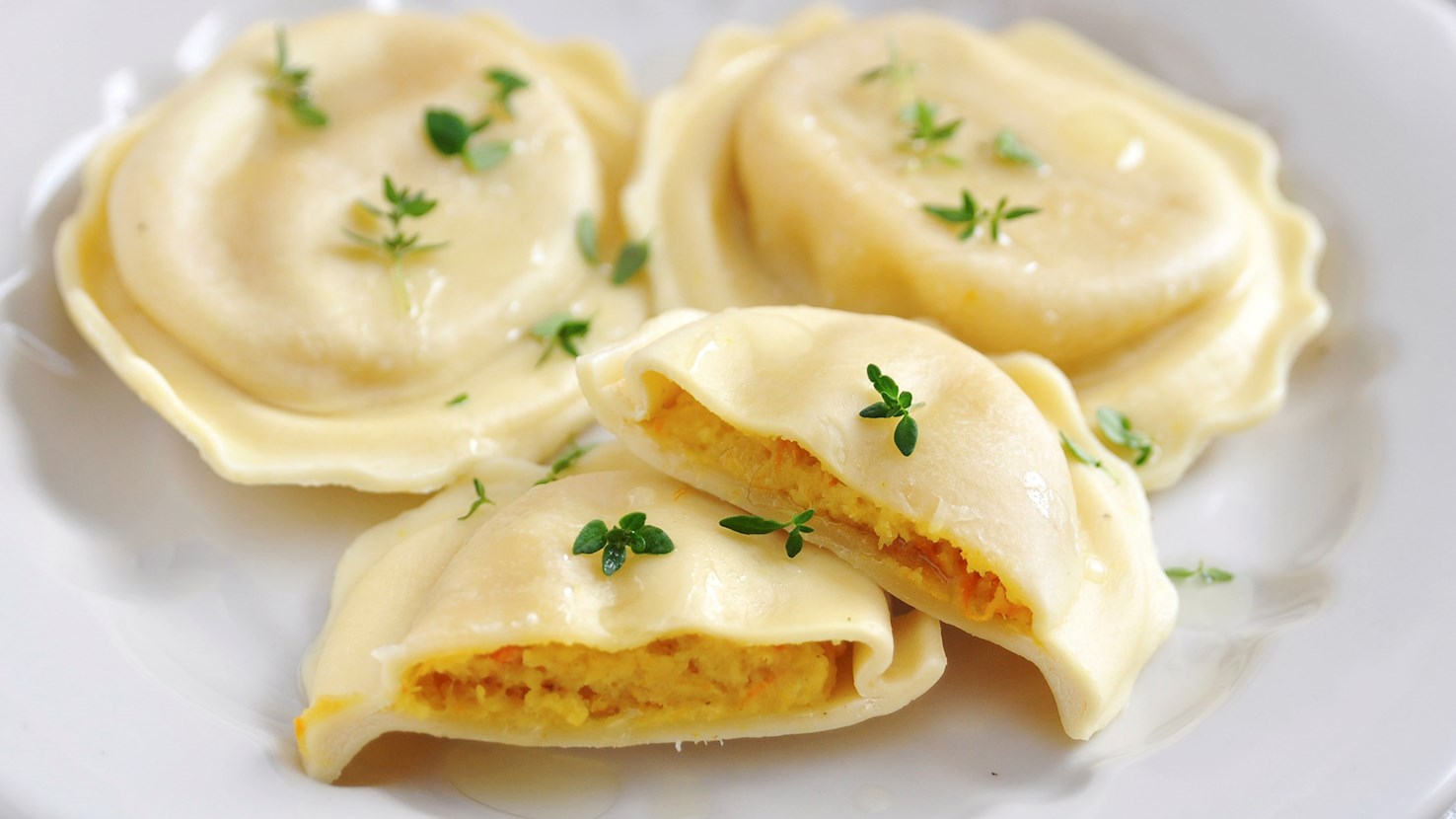
Tortelli di zucca is a popular Italian dish consisting of tortelli or ravioli pasta with a pumpkin filling. The origin of this dish is disputed between Mantua and Ferrara, with both cities claiming paternity over the recipe. The stuffing for tortelli is usually made with sweet pumpkin, bitter amaretto cookies, savory parmesan cheese, and fruit mustard, resulting in a unique, unusual flavor that is beloved by many. People from the region traditionally prepare the dish for special occasions, such as Christmas Eve, when tortelli di zucca are paired with a sauce consisting of butter and sage.

04
Dessert

Zuppa Inglese

3.6 ·

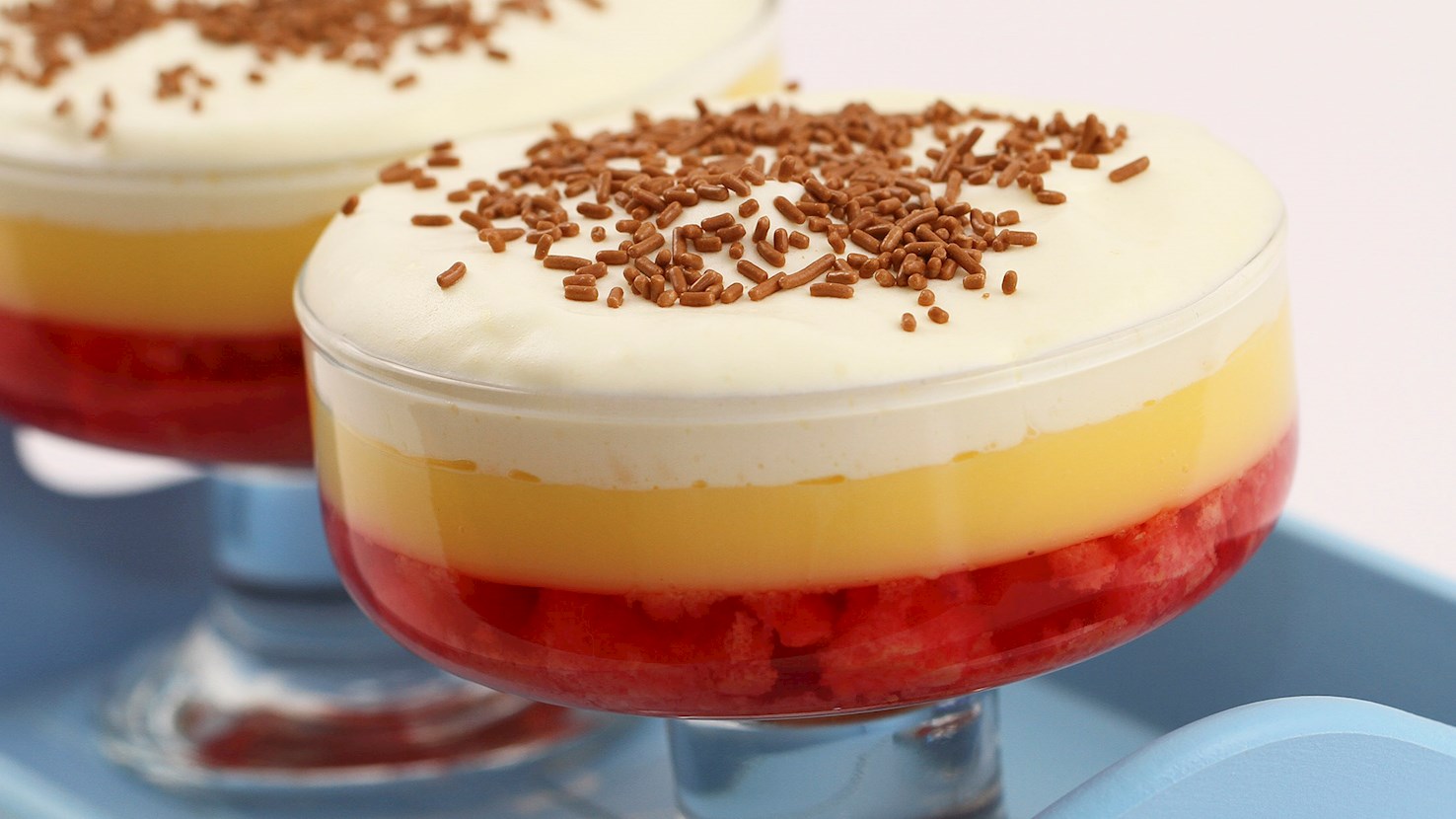
Despite its name, zuppa Inglese (lit. English soup) is an original Italian layered dessert consisting of pastry cream and sponge cake that is soaked in Alchemers liqueur. The dessert was first made in the 16th century for Dukes of Este, who resided in Ferrara. According to a popular theory, it was invented by the court chefs when a diplomat from Ferrara wanted a trifle, a traditional British dessert, upon his return from a trip to England. Since the court chefs didn't have all the necessary ingredients, they made their own version, using sponge cake, pastry cream, and Alchermes herb liqueur for color. Zuppa Inglese is also made with a layer of chocolate cream, which was not included in the original recipe. Today, the dessert is usually not sold in bakeries nor cafés, as it is something that is commonly made at home. There are also numerous modernized versions of zuppa Inglese, with added ingredients such as coffee, plum jam, almonds, and candied fruits. As a testament to its popularity, there is even a gelato flavor called zuppa Inglese in Italy.

05
Sourdough Bread

Coppia Ferrarese

3 ·

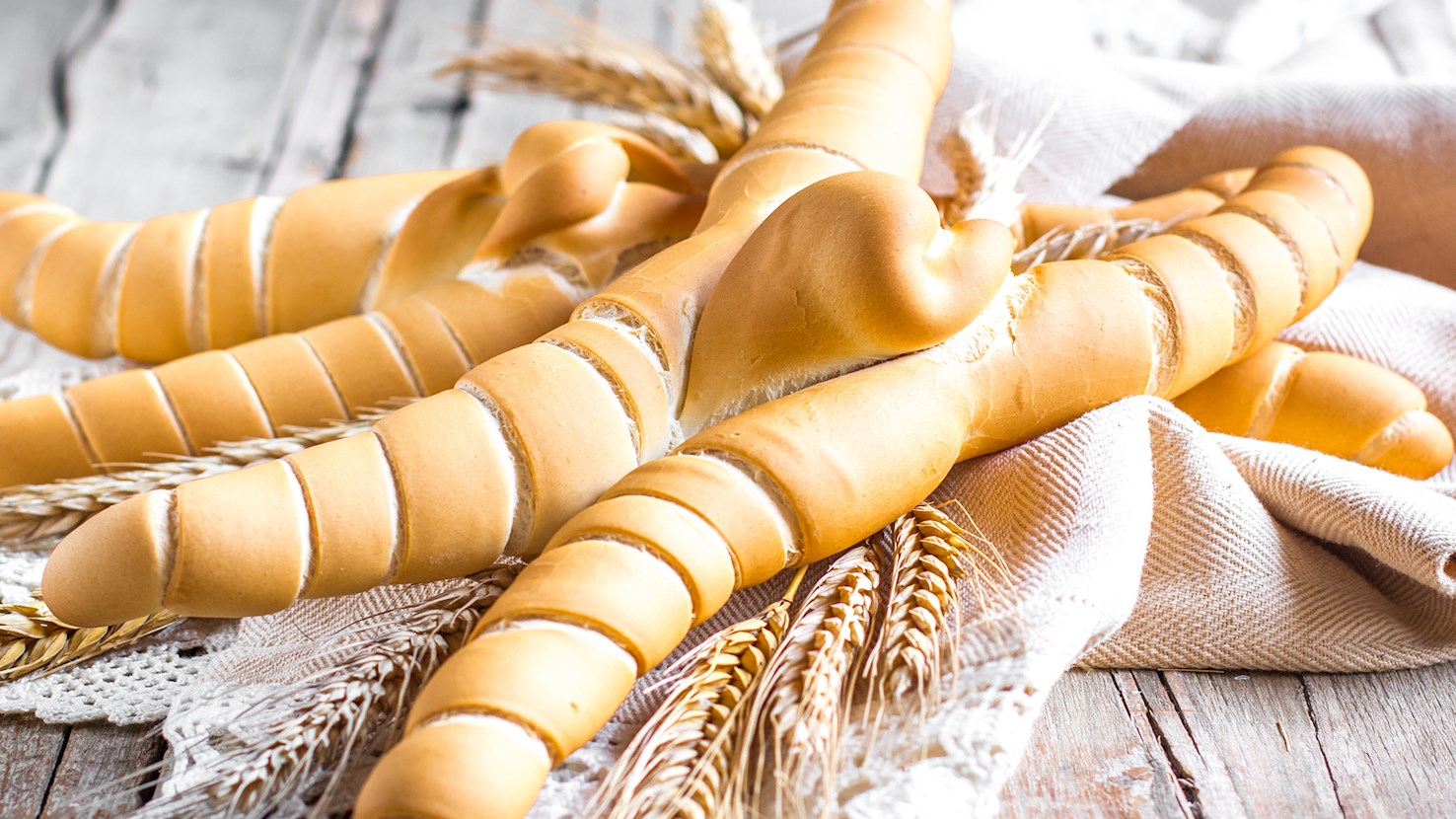
Shaped like a double twisted loaf, this traditional bread is prepared with flour, pork lard, extra-virgin olive oil, sourdough, salt, water, and malt. Characterized by its golden color and a distinctive taste, coppia is a signature dish of Ferrara that evolved from the original versions of pane intorto (lit. twisted bread), which dates back to the 12th century. Because of its distinctive shape, it is recommended to consume the elongated parts first, while the center can keep fresh for a longer time. In 2001, coppia was registered as a Protected Geographical Indication.

06
Cake

Pampapato di Ferrara

3 ·

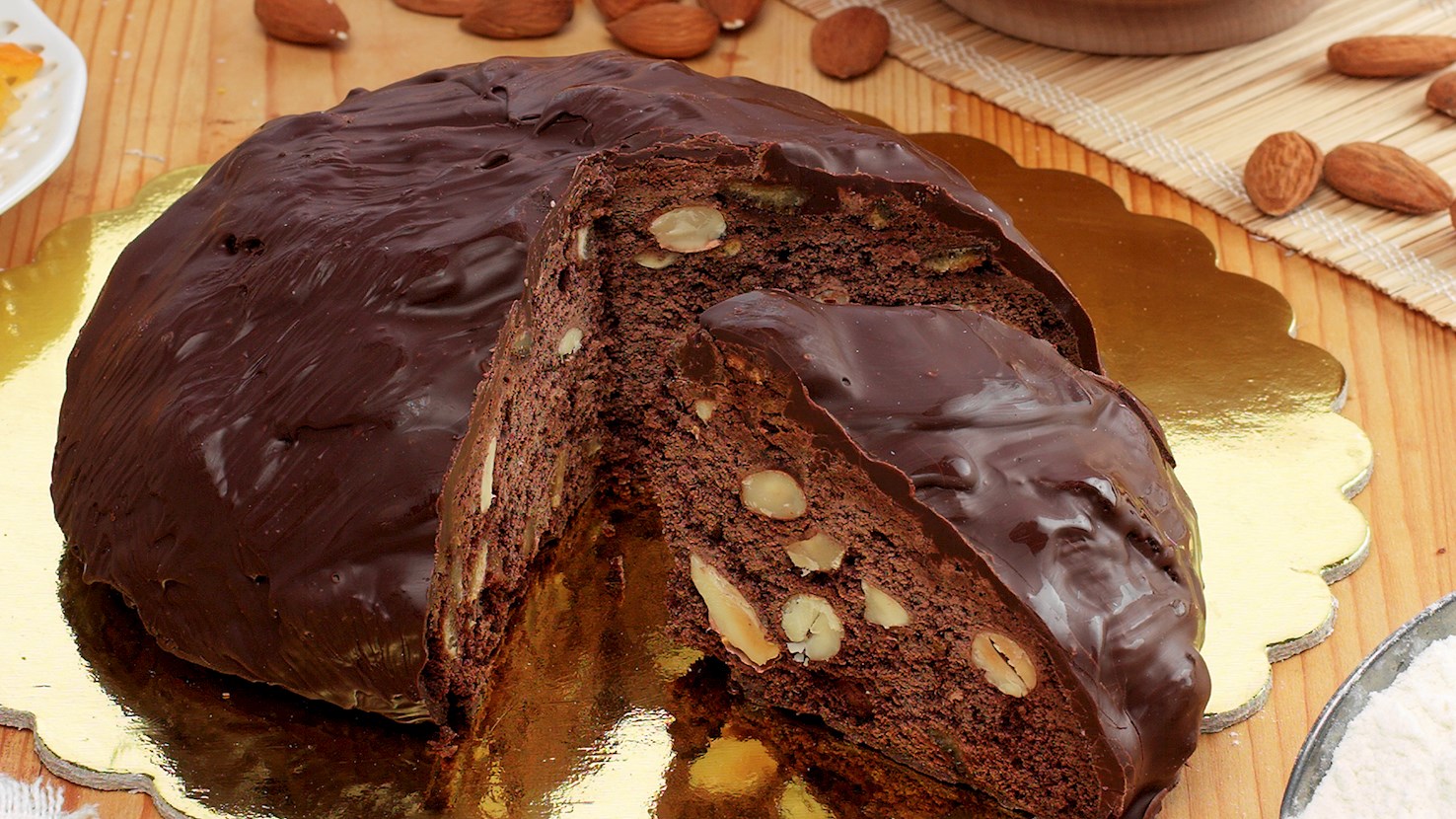
The peppered bread of Ferrara is a traditional Christmas fruitcake studded with whole almonds, hazelnuts, and candied fruit. It is flavored with cocoa, honey, cinnamon, cloves, and (sometimes) black pepper - hence the name pampepato. Its origins can be traced back to the 15th century. According to legend, the cloistered nuns of the Corpus Domini monastery in Ferrara—inspired by an old recipe of the great Renaissance cook Cristoforo di Messisbugo—created the cake to be sent to the great personages of the time, including high clergy, which is why Ferrara's fruitcake is also known as pan del papa, meaning bread of the pope. This Christmastime treat is not only popular throughout Emilia-Romagna but it's also a favorite in the neighboring regions of Umbria and Tuscany.

07
Pasta

Lasagne alla ferrarese

n/a ·

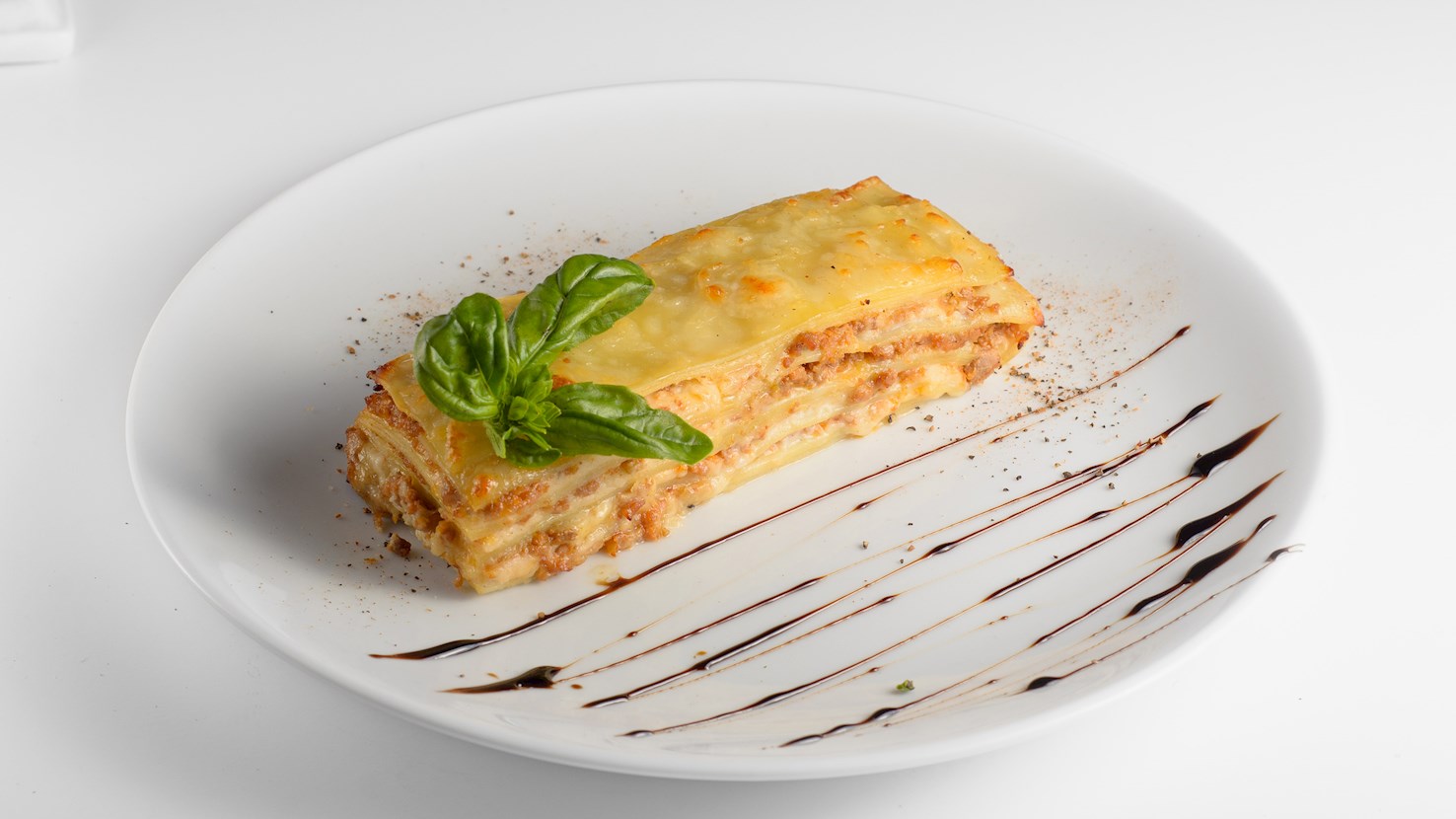
Lasagne alla ferrarese is a traditional lasagna dish originating from Ferrara. This complex version of lasagna consists of three main parts – pasta, ragu, and white sauce. The lasagna sheets are usually made with a combination of spinach, flour, semolina, eggs, and olive oil. The meat sauce is made with a combination of pancetta, pork loin, beefsteak, prosciutto crudo, onions, carrots, celery, tomato paste, beef stock, red wine, chicken livers, peas, heavy cream, salt, and pepper. The white sauce (béchamel) is made with butter, flour, milk, salt, and nutmeg. The lasagna sheets are cooked and placed over béchamel in a large ovenproof dish. The pasta is topped with the meat sauce and grated parmesan, and the process of layering is repeated so that the top layer is béchamel and grated cheese. The lasagne are baked in the oven until golden and bubbling, and the casserole is ready to be enjoyed. Lasagne alla ferrarese are typically saved for special occasions.

08
Cooked Sausage

Salama da sugo

n/a ·

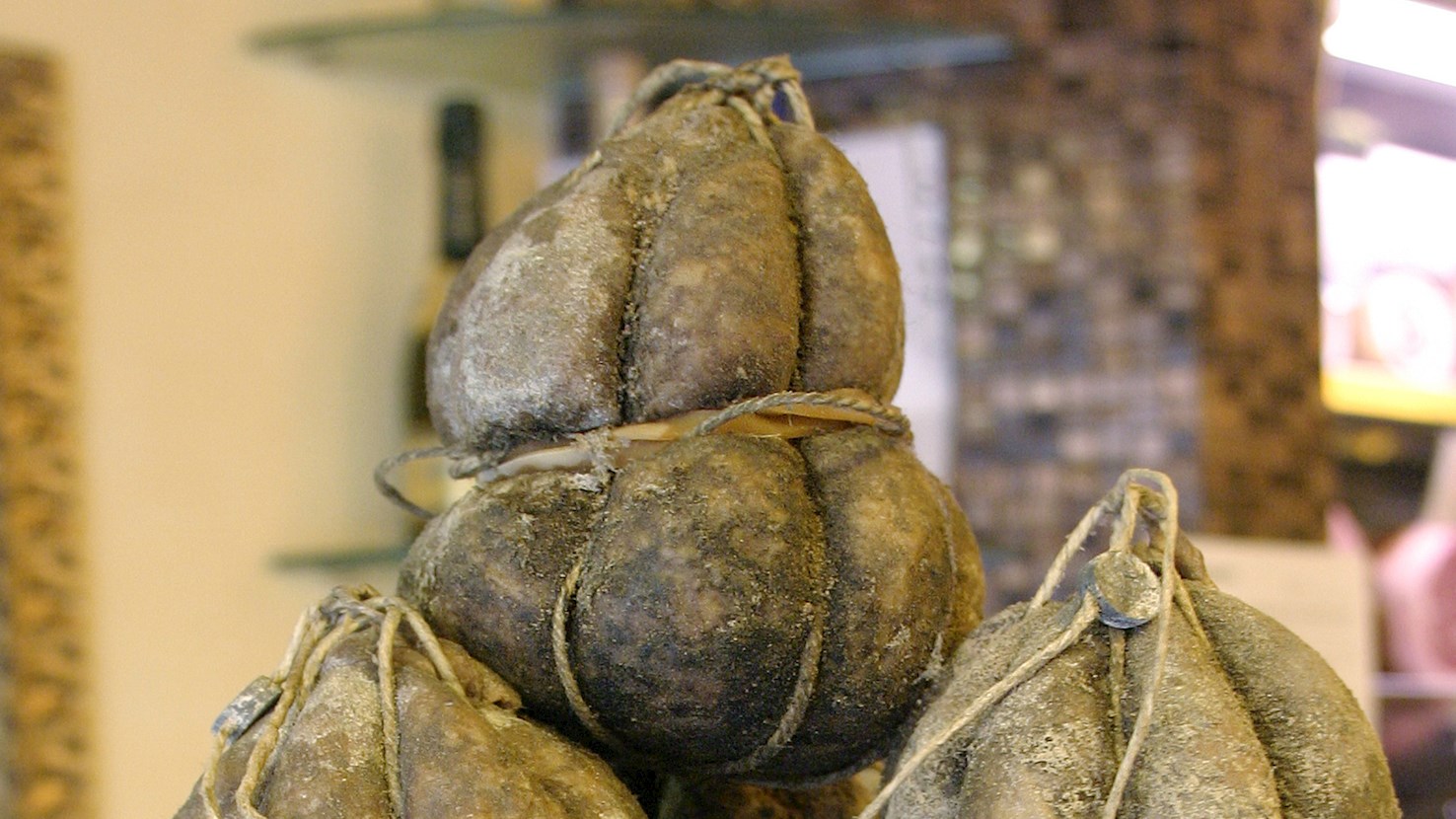
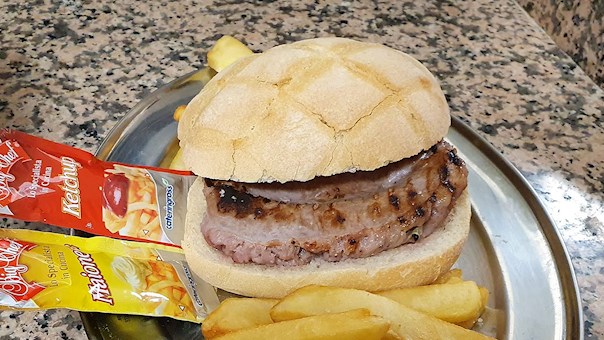
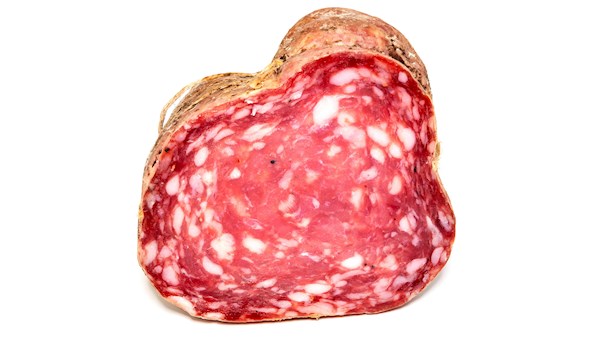
According to many historical records, the origins of this fine Italian pork sausage can be traced back to a pre-Renaissance time, and it is still today produced exclusively in the Emilia-Romagna region, namely the province of Ferrara. Salama da sugo is made with different pork cuts such as coppa di collo (neck), lardo di gola (neck fat), pancetta (belly), fegato (liver), and lingua (tongue). The finely minced meat is seasoned with salt, pepper, cloves, nutmeg, and cinnamon; red wine is added and the mixture is then stuffed into pork casings, tightly bound with twine and finally left to age for about 6 to 9 months. Characterized by its intense spicy flavor, salama da sugo comes in two varieties: cruda (raw) and cotta (cooked). Traditionally, this sausage is boiled and served hot, alongside mashed potatoes, puréed pumpkin, or figs and melons.

09
Appetizer

Sformato di zucca (Pumpkin Flan)

n/a ·

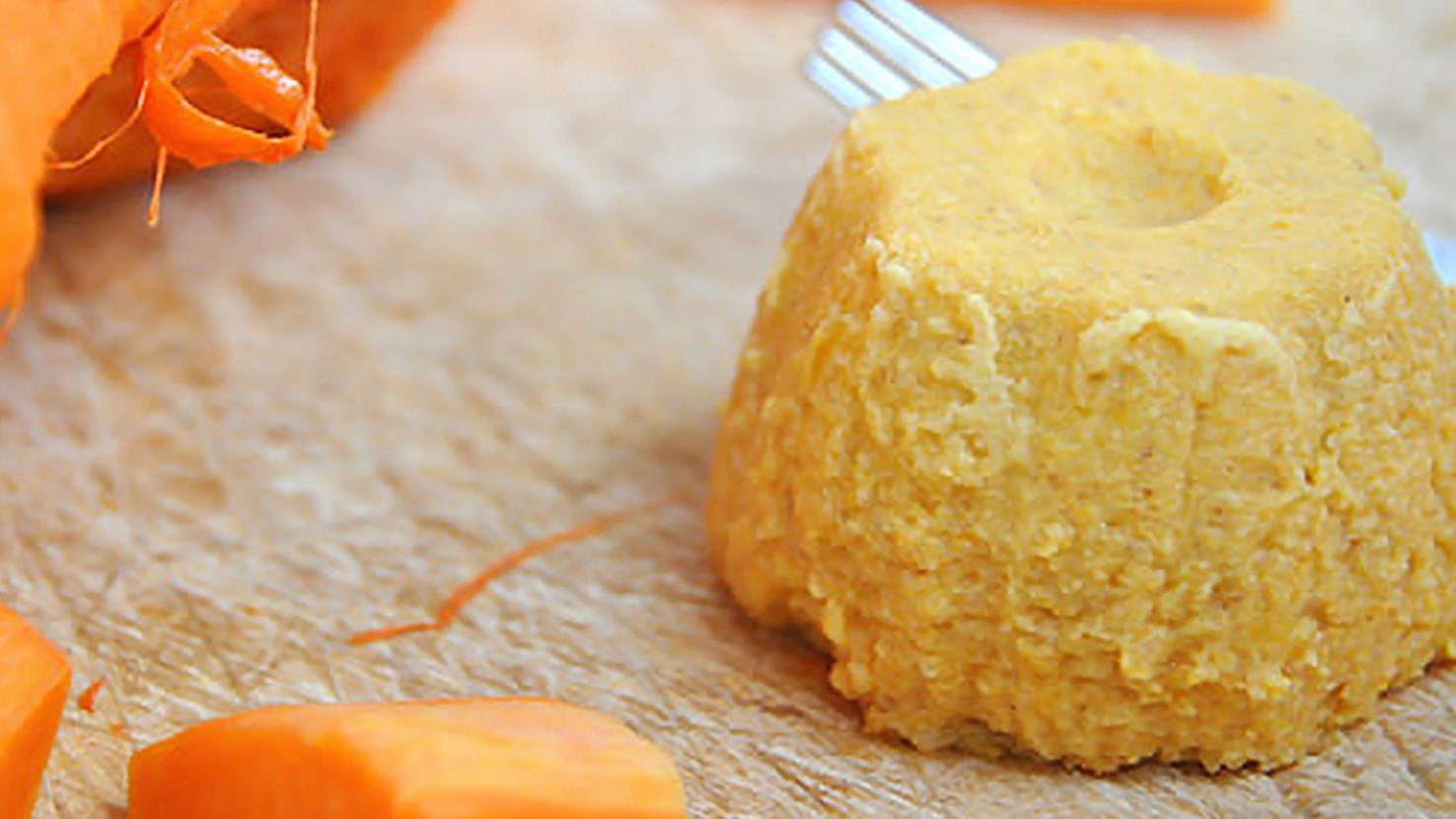
In Italy, pumpkin flan is an autumnal dish most often enjoyed as a starter or appetizer. The name comes from the Italian sformare, meaning to unmold, though it doesn't have to necessarily be unmolded as it can also be served in ramekins or any other dish that it was baked in. Sformato di zucca usually starts with a base of béchamel sauce that is enriched with eggs and mashed pumpkin, and it is typically flavored with parmesan and nutmeg. Lastly, the flan is topped with grated scamorza or some other cheese that melts well. In Friuli, the dish is known as flan di zucca.

10
Cake

Ciambella Ferrarese

n/a ·

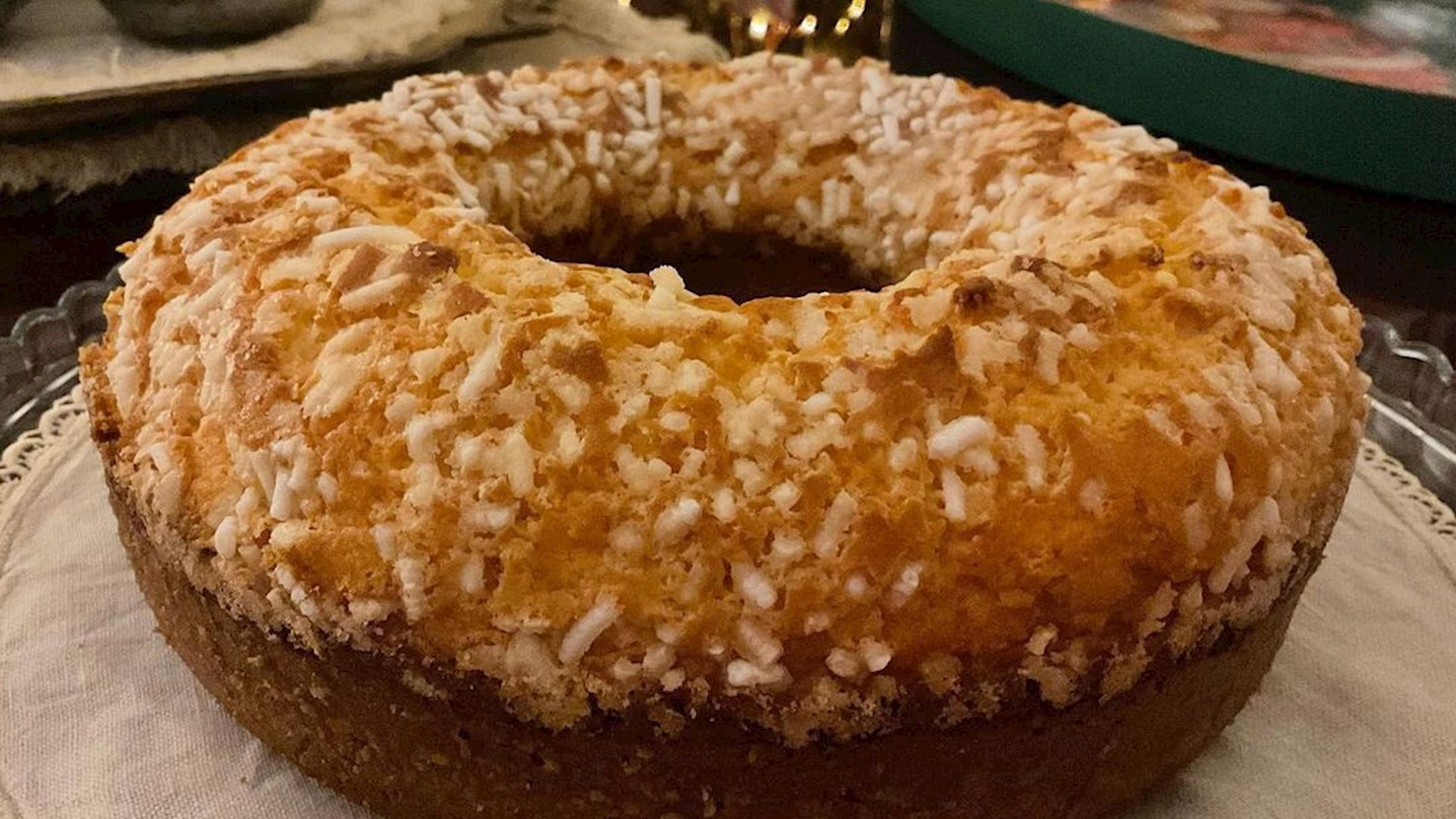
A delicacy from Ferrara, ciambella or brazadèla is a traditional ring-shaped pound cake that can also be made in the form of cookies. Ciambella is flavored with anise and lemon, and it is typically prepared for Easter. According to tradition, this delicious treat is commonly enjoyed dipped in red wine.

About this ranking

TasteAtlas food rankings are based on the ratings of the TasteAtlas audience, with a series of mechanisms that recognize real users and that ignore bot, nationalist or local patriotic ratings, and give additional value to the ratings of users that the system recognizes as knowledgeable. For the “Top 15 Traditional Foods in the Province of Ferrara” list until June 10, 2026, 417 ratings were recorded, of which 276 were recognized by the system as legitimate. TasteAtlas Rankings should not be seen as the final global conclusion about food. Their purpose is to promote excellent local foods, instill pride in traditional dishes, and arouse curiosity about dishes you haven’t tried.

The initial list of top producers was compiled based on available reviews, awards, local recommendations, media and blog coverage, and consumer reviews. The list will be updated with ratings from TasteAtlas local ambassadors and TasteAtlas users.

Similar lists