shutterstock

Top 6 Traditional Foods
in Pyrénées-Orientales

Last updated on June 10, 2026

Best Pyrénées-Orientales food products

01
Wine

Cazes

4.6 ·
Awards
Decanter World Wine Awards - Platinum (2016)
02
Wine

Château Rombeau

PHI

4.6 ·
Awards
Decanter World Wine Awards - Platinum (2018)
03
Wine

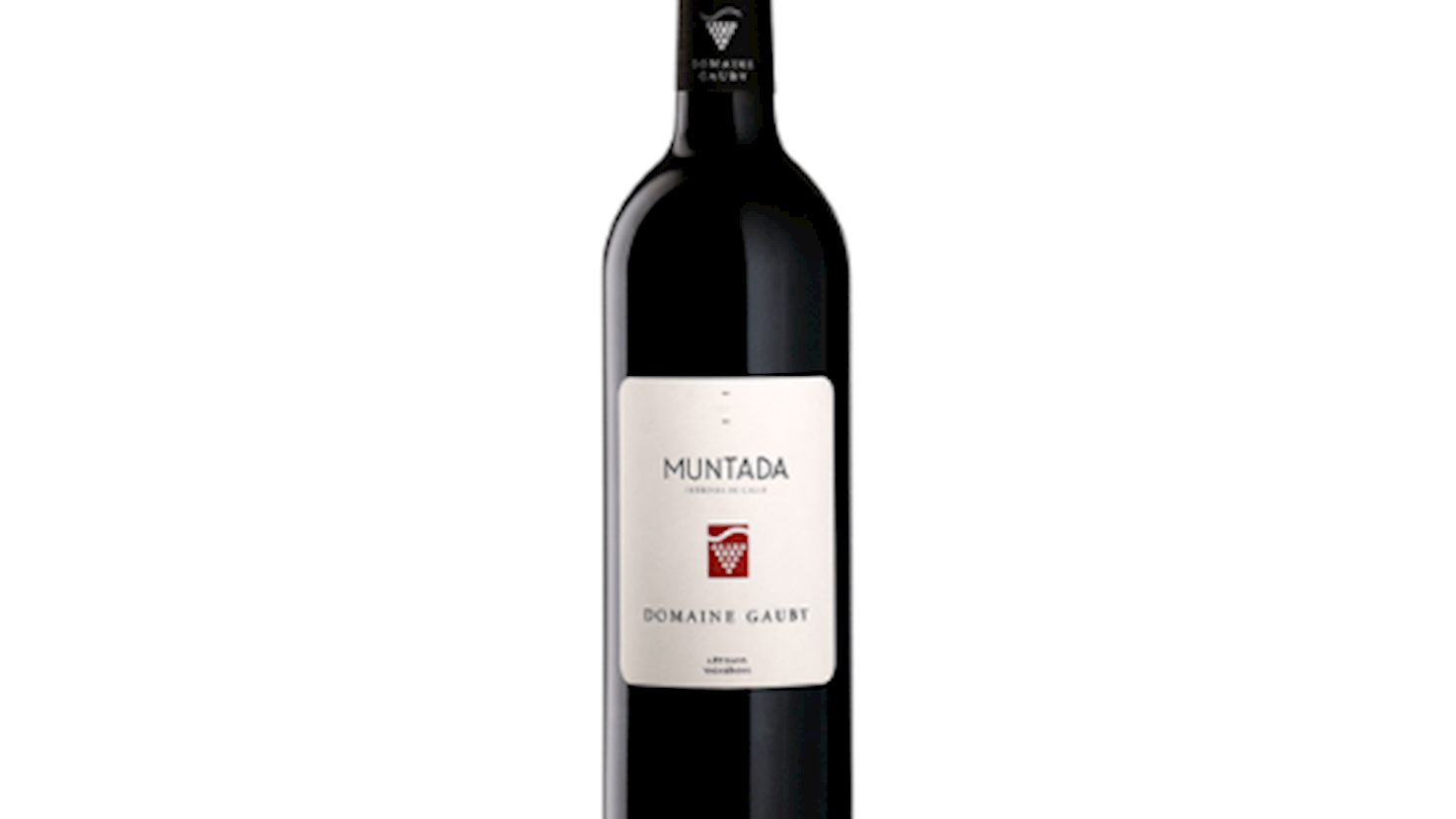
Domaine Gauby

4.6 ·
Domaine Gauby is one of the most influential estates in Roussillon, located in the village of Calce, an area shaped by strong winds, elevation, and a complex geological structure that creates a distinctive terroir. The estate is run by the Gauby family, known for transitioning to fully organic and biodynamic farming in the mid-1990s, eliminating all chemical treatments and focusing on restoring biodiversity in their vineyards. The vines include many old parcels, some over a century in age, planted on limestone, schist, clay, and marl soils that give the wines depth, layers, and pronounced minerality. Their cellar philosophy is built on minimal intervention: spontaneous fermentation, very low or no added sulphur, avoidance of filtration, and the use of cement tanks, large wooden foudres, and neutral barrels instead of new oak. The resulting style stands in complete contrast to the stereotype of “heavy southern wines” - Domaine Gauby produces bottles that are bright, precise, aromatically pure, and strikingly elegant. Today, the estate is a benchmark for authentic Roussillon wines and a key reason why Calce has become a symbol of the modern, terroir-driven approach to viticulture in southern France. These wines are long-lived, complex, and rewarding, ideal for those seeking depth, subtlety, and a clear sense of place in the glass.
Awards
Vivino - 4.2
Vivino - 4.1
04
Wine

Department 66

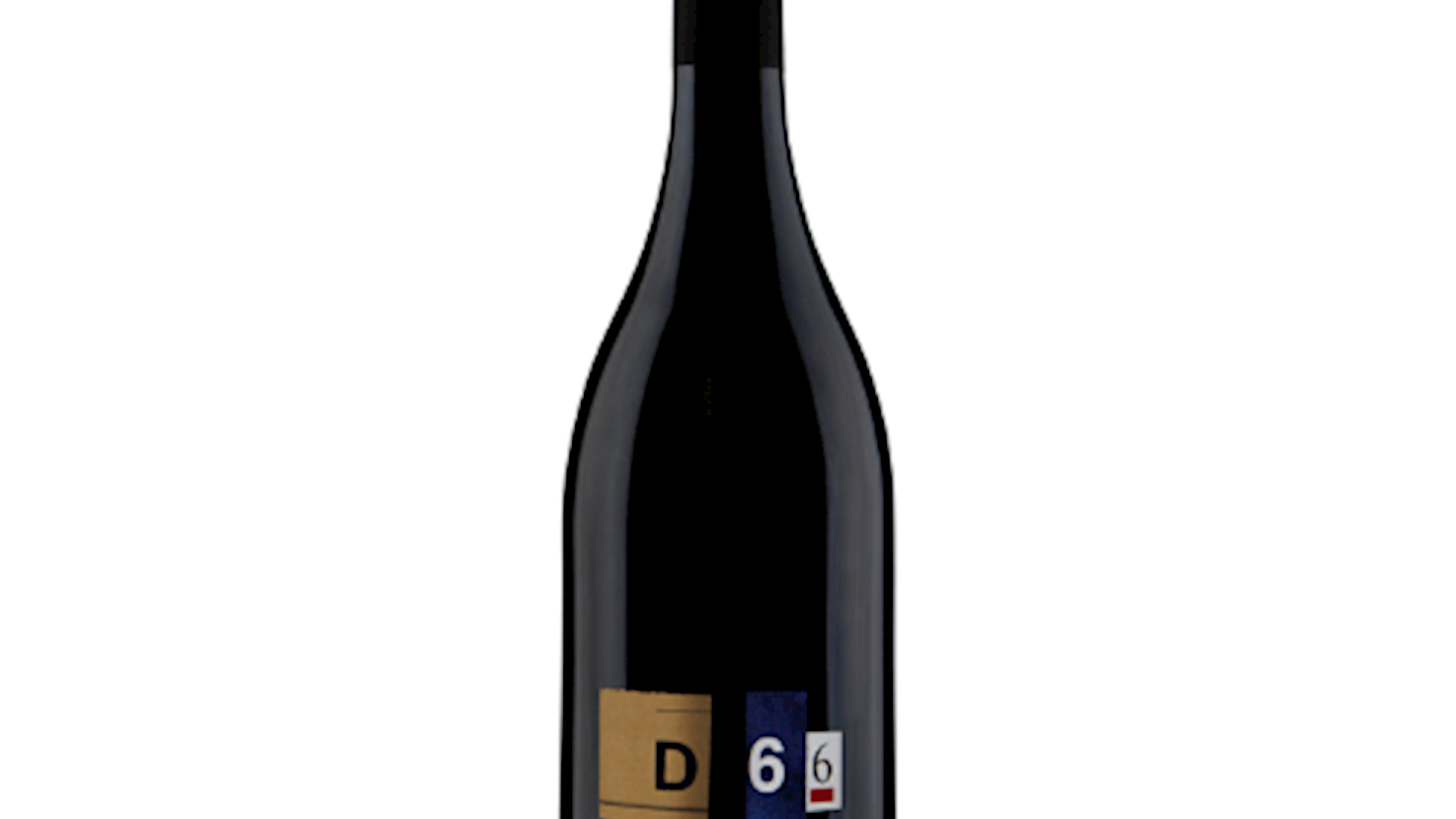
D66

4.5 ·
Department 66 is a contemporary wine project based in the Roussillon region of southern France, founded by Australian winemaker Mike Baker with the aim of showcasing the diversity and identity of individual terroirs rather than a single estate. Instead of owning vineyards, Department 66 works closely with a network of small growers across Roussillon, sourcing grapes from carefully selected parcels that reflect different soil types, altitudes, and microclimates. The project focuses on Mediterranean varieties such as Grenache, Carignan, Syrah, Macabeu, and Grenache Blanc, often from old vines cultivated on schist, limestone, or clay-limestone soils. Winemaking is deliberately minimal-intervention, emphasizing native fermentations, restrained use of oak, and clarity of fruit and site expression. The wines are typically labeled by cuvée name rather than appellation hierarchy, highlighting place and character over classification. Stylistically, Department 66 wines are known for their balance, freshness, and transparency, combining Mediterranean ripeness with tension and precision. The project has gained strong recognition for presenting a modern, terroir-driven interpretation of Roussillon that bridges artisanal tradition with an international, contemporary sensibility.
Awards
Vivino - 4.1
Wine-Searcher - 91/100
05
Wine

Vignobles Dom Brial

4.4 ·
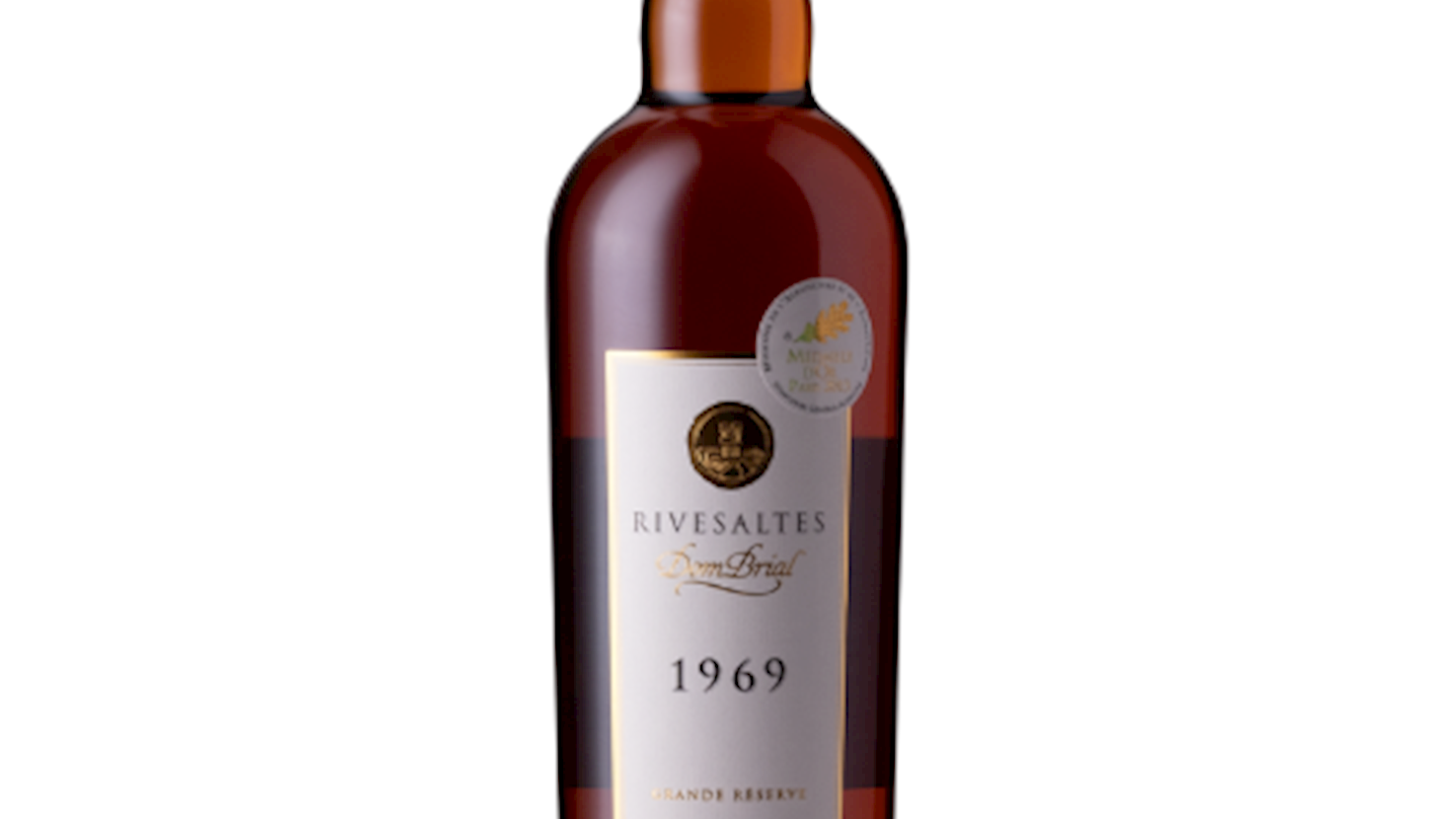
Vignobles Dom Brial is a prominent wine estate located in the Languedoc-Roussillon region of southern France. Known for producing a diverse range of wines, the estate spans several terroirs within the Roussillon and Languedoc regions, benefiting from the Mediterranean climate and rich soils. The winery produces both red and white wines, with a focus on Syrah, Grenache, and Mourvèdre for reds, and Chardonnay and Viognier for whites.
Awards
Berlin Wine Trophy - Grand Gold (2021, 2020, 2019)
Asia Wine Trophy - Grand Gold (2018, 2017)
06
Wine

Les Vignobles du Rivesaltais

4.4 ·
Les Vignobles du Rivesaltais is a cooperative of winemakers located in the Rivesaltes region, in the heart of Occitanie, southern France. Established to unite local winegrowers, the cooperative focuses on preserving traditional winemaking practices while enhancing the production of wines that showcase the region's unique character.
Awards
Berlin Wine Trophy - Grand Gold (2023, 2022, 2018)
Portugal Wine Trophy - Grand Gold (2023, 2022)

Best Pyrénées-Orientales foods

01
Stew

Boles de Picolat

2.8 ·

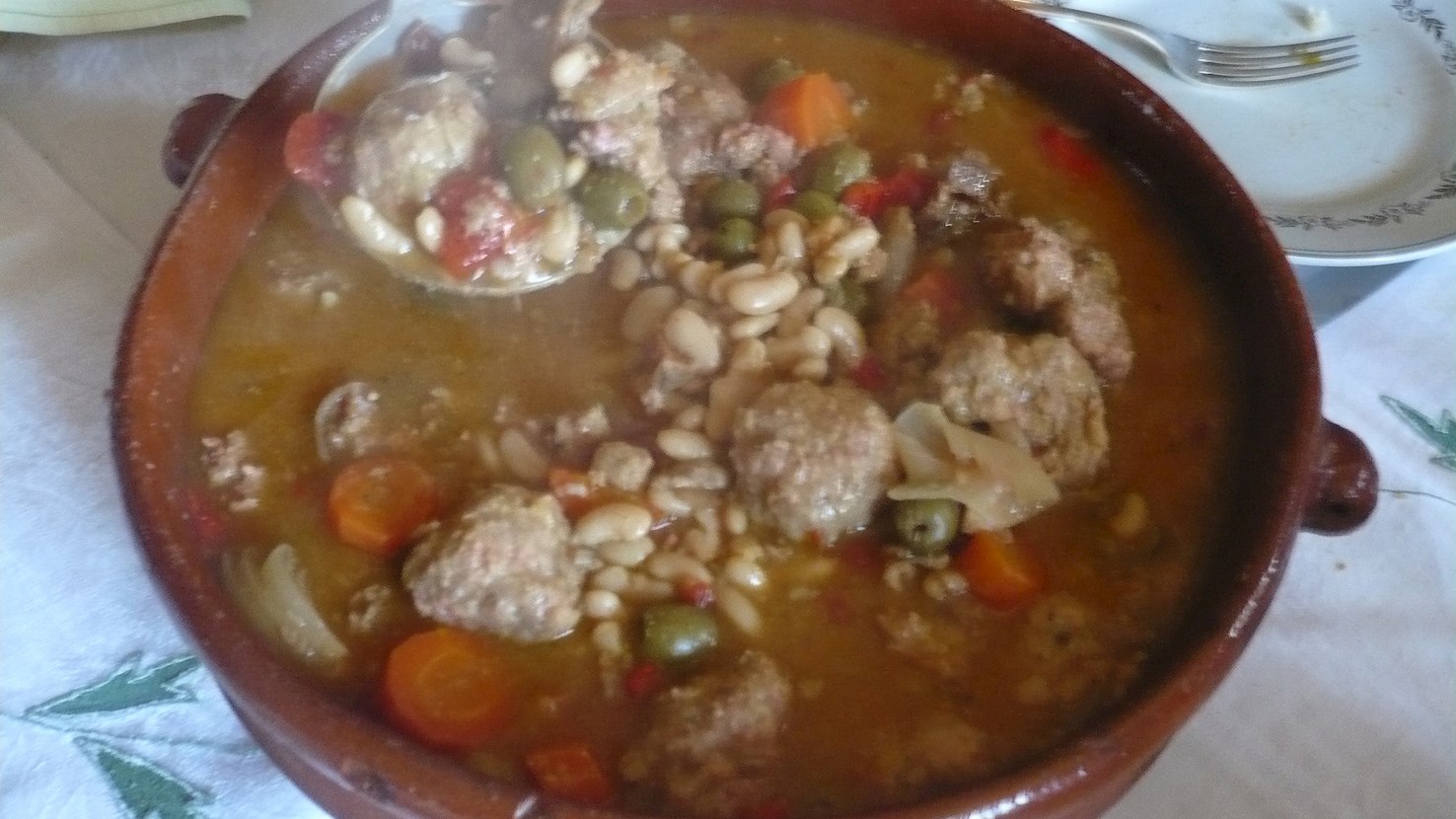
Boles de picolat is a traditional Catalan dish in which meatballs and olives are simmered in a rich sauce. Other ingredients include carrots, garlic, cepes mushrooms, tomato purée, and olive oil. The meatballs are often prepared with a combination of pork and beef mince, flour, eggs, and onions. They're fried in olive oil, then combined with the sauce. Once prepared, the dish is served with white beans, chickpeas, or rice on the side. It's important to note that the dish and some of the ingredients vary from restaurant to restaurant.

02
Cooked Sausage

Pa de fetge

n/a ·

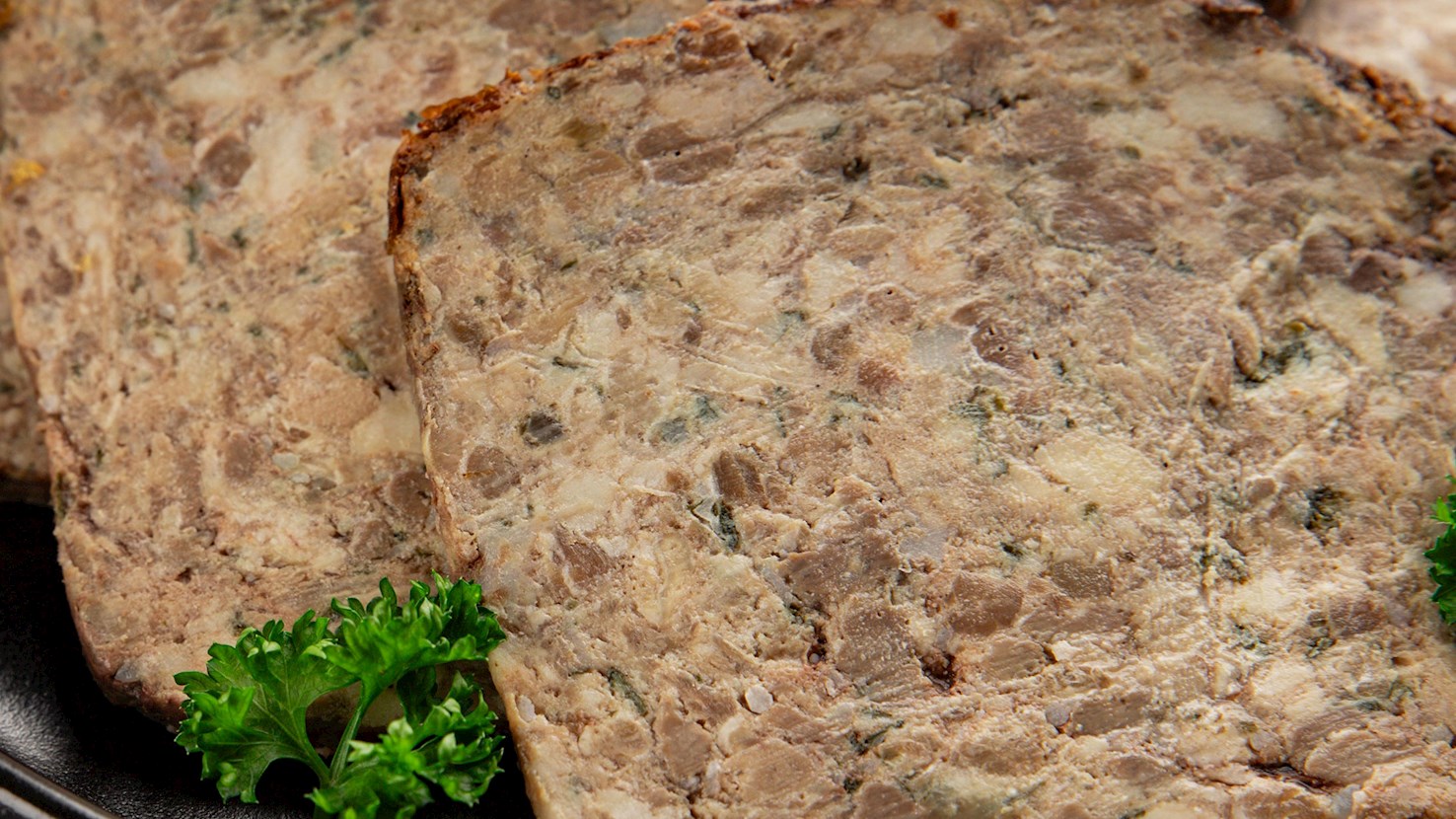
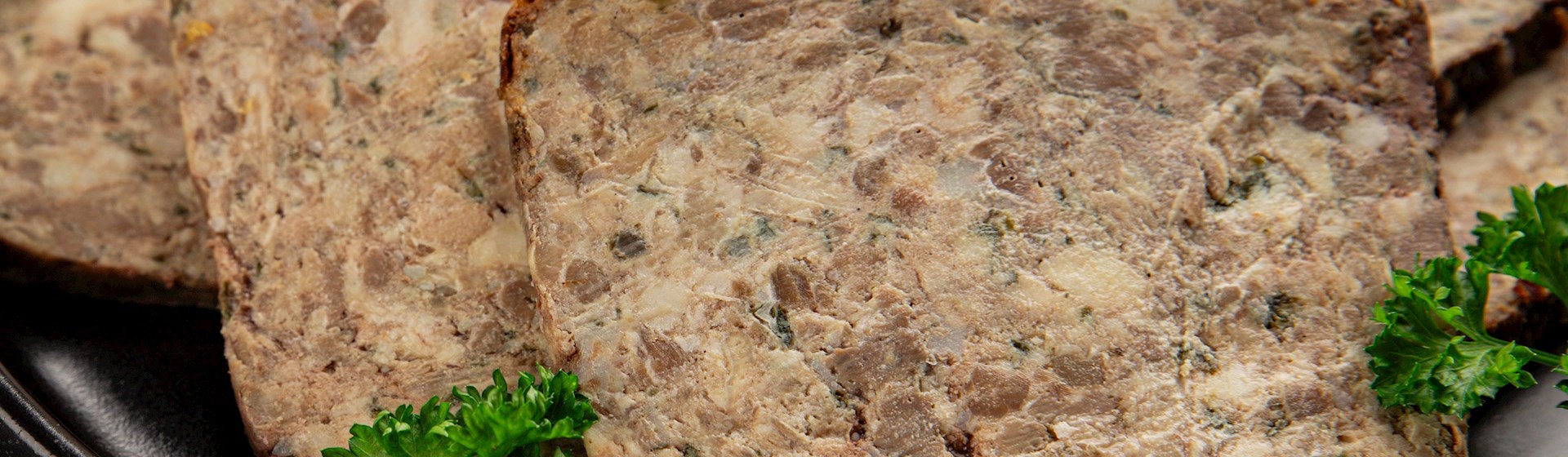
Pa de fetge is a cooked pork-liver preparation from the Pyrénées-Orientales area of France, within the historic region of northern Catalonia. It developed as part of the winter pig slaughter, when every edible part of the animal was preserved for later use. The name, meaning “liver bread” in Catalan, refers to its loaf-like shape and compact texture rather than any inclusion of bread. The mixture is composed of pork liver, lean meat, fat from the belly or neck, and whole eggs, all finely minced and seasoned with salt, pepper, and sometimes garlic and parsley. The seasoned mixture is stuffed into the cleaned pig’s stomach or packed into a terrine mold, then cooked slowly for several hours in hot water or in the oven until firm. Once cooled, it is sliced into dense, moist pieces that reveal a pale reddish-brown interior with a delicate, earthy aroma. Variations appear between villages: some versions use a finer grind for a smooth consistency, others retain coarser texture; in some cases milk is added to soften the mixture, or herbs such as thyme and bay leaf are used for flavor. A distinctive feature of pa de fetge is the balance of richness and minerality from the high proportion of liver combined with the creaminess provided by the fat and eggs. It is eaten both cold and warm—cold in thin slices with bread and pickles, or warm in thicker portions accompanied by salad or vegetables—and pairs well with rustic white or rosé wines from Roussillon, which complement its deep flavor without masking its subtle sweetness.

03
Stew

Bouillinade

n/a ·

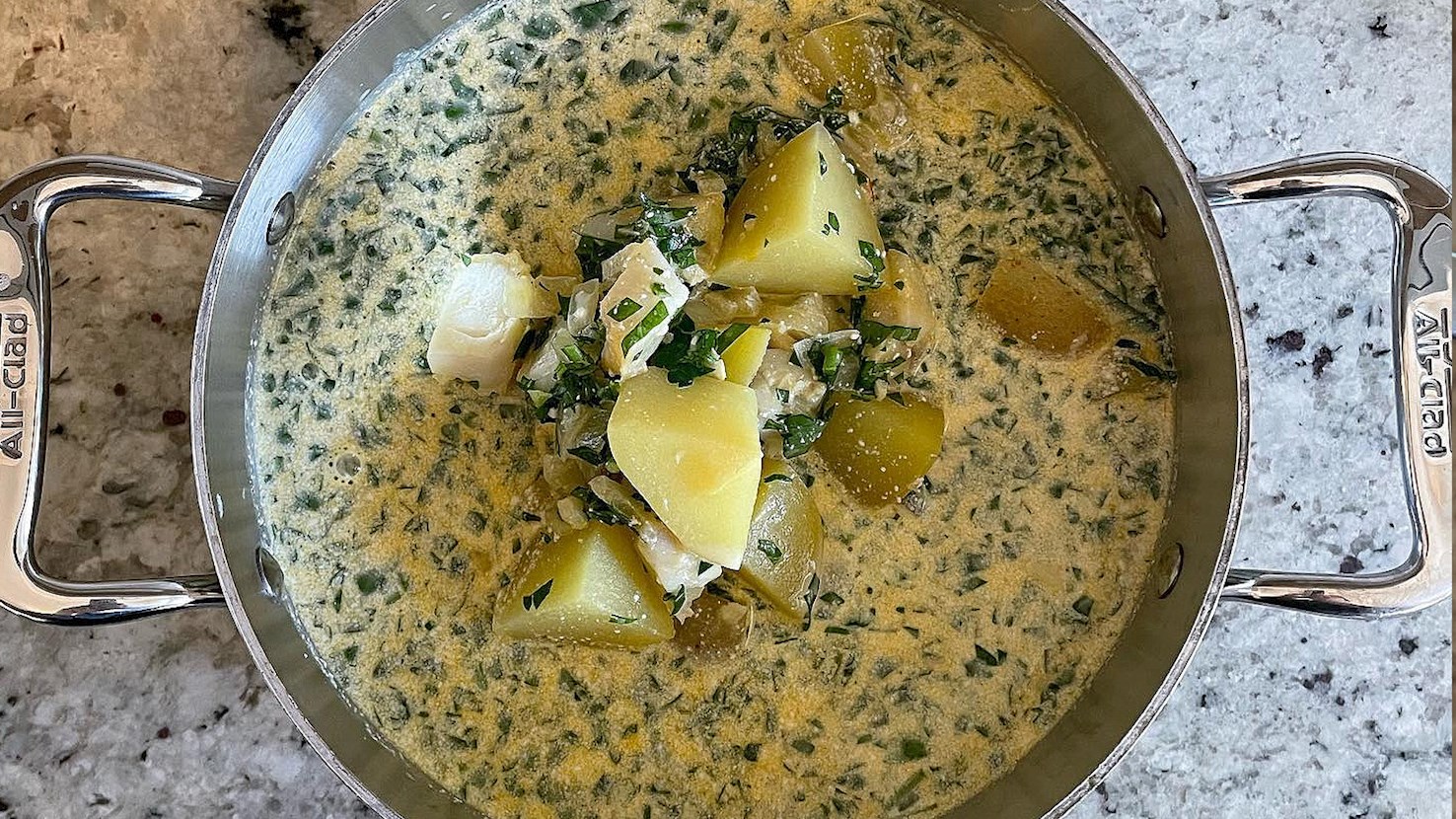
Bullinada is a traditional seafood and potato stew, associated with the Catalan cultural and historical domain, which means both the Spanish Catalonia and French Catalonia (the region of Pyrénées-Orientales). Bullinada is a warm, creamy, and nourishing dish mostly prepared during winter. When talking about seafood, bullinada can be prepared several ways: with only white fish, with only shellfish and prawns, or with a combination of all. This stew is served with fresh, crusty bread and paired with a light, white wine.

04
Game Dish

Perdreau à la catalane

n/a ·

Perdreau à la catalane is a traditional dish originating from the region of Pyrénées-Orientales. The dish is made with a combination of partridges, onions, garlic, flour, salt, pepper, olive oil, and bitter oranges. The partridges are cut in half, browned in olive oil, and removed from the pan. The onions and garlic are sautéed in the same oil, and then mixed with flour, water, salt, and pepper. The dish is simmered for a few minutes and the partridge halves are returned to the pan. The dish is cooked over low heat for about an hour. In the last ten or twenty minutes, the oranges that have been cut into slices and blanched are added to the sauce, and the dish is then ready to be served. The same dish can also be made with pigeons or pork tenderloin instead of partridges.

About this ranking

TasteAtlas food rankings are based on the ratings of the TasteAtlas audience, with a series of mechanisms that recognize real users and that ignore bot, nationalist or local patriotic ratings, and give additional value to the ratings of users that the system recognizes as knowledgeable. For the “Top 6 Traditional Foods in Pyrénées-Orientales” list until June 10, 2026, 15 ratings were recorded, of which 13 were recognized by the system as legitimate. TasteAtlas Rankings should not be seen as the final global conclusion about food. Their purpose is to promote excellent local foods, instill pride in traditional dishes, and arouse curiosity about dishes you haven’t tried.

The initial list of top producers was compiled based on available reviews, awards, local recommendations, media and blog coverage, and consumer reviews. The list will be updated with ratings from TasteAtlas local ambassadors and TasteAtlas users.

Similar lists