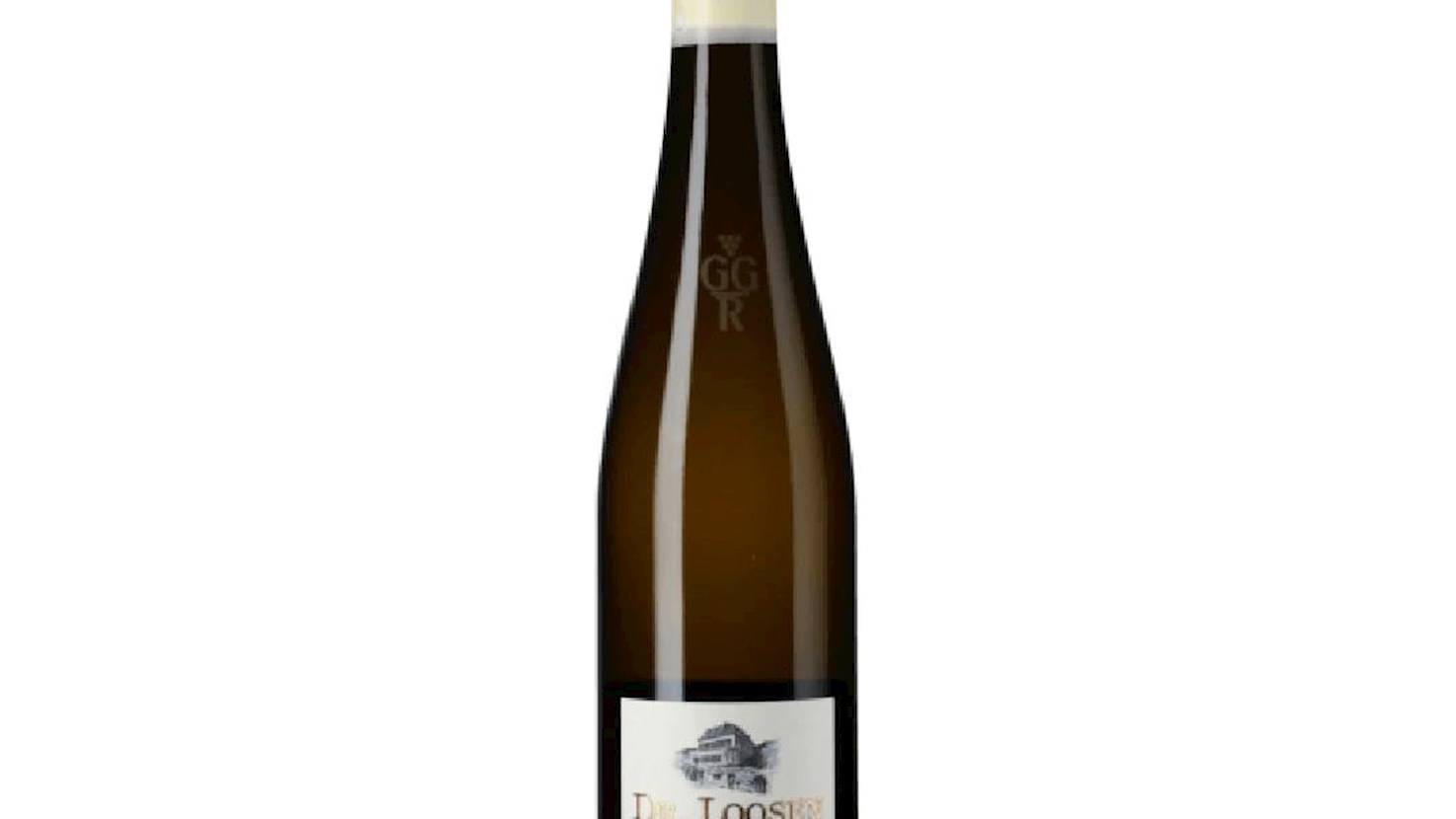
Weingut Dr. Loosen is a family-owned winery located in the Mosel wine region.
The estate has been in the Loosen family for over 200 years, specializing in Riesling wines. Under the leadership of Ernst "Erni" Loosen since 1988, the winery has gained international acclaim for producing high-quality Rieslings that reflect the unique characteristics of their vineyards. The estate's vineyards are situated on the steep slopes of the Middle Mosel, featuring various soil types, including red slate, blue slate, and red volcanic conglomerate.
Some of the vines are up to 140 years old and ungrafted, contributing to the distinctiveness of their wines. Dr.
Loosen produces a full range of Riesling styles, following family traditions: dry wines inspired by the paternal Loosen side and Prädikat wines influenced by the maternal Prüm family branch.
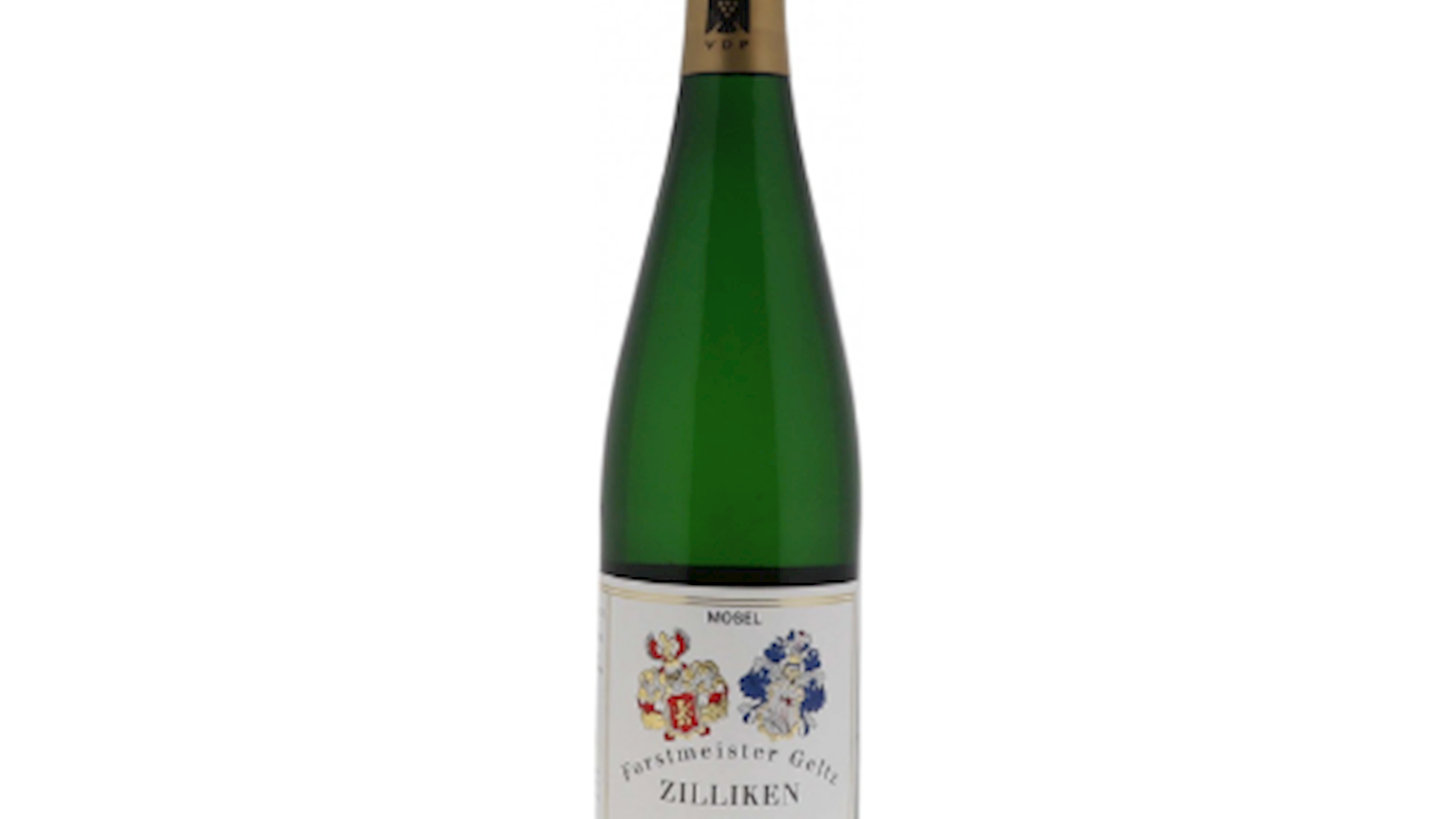
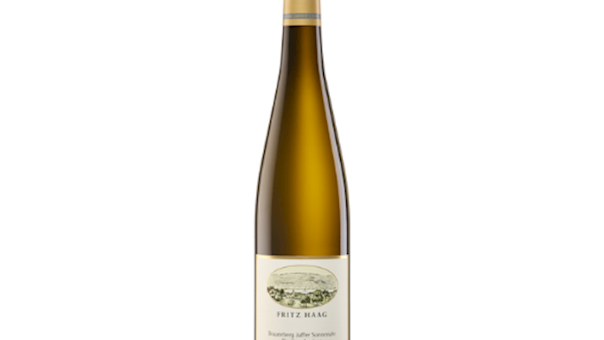
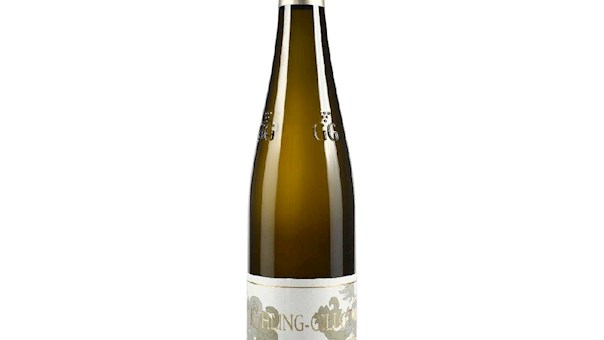
Weingut Forstmeister Geltz-Zilliken is a historic family-owned German winery with origins dating back to 1742, located in Saarburg in the Saar subregion of the Mosel. The estate is widely recognized for its Riesling wines, which are considered among the most precise and age-worthy expressions of the variety in Germany.
A key vineyard is the renowned Saarburger Rausch, a steep, slate-rich site that produces wines with pronounced minerality, freshness, and finesse. The Zilliken family has maintained a traditional approach to viticulture and winemaking over generations, including spontaneous fermentation and a careful balance between natural sugar and acidity.
Their style ranges from dry to Prädikat wines with residual sweetness, always marked by clarity and site expression. Aromatically, the wines show citrus, green apple, white flowers, and distinct mineral and saline notes.
They are known for their longevity, developing complex tertiary characteristics over time. Today, Weingut Forstmeister Geltz-Zilliken stands as one of the benchmark producers in the Saar, with a strong international reputation for purity and terroir-driven wines.
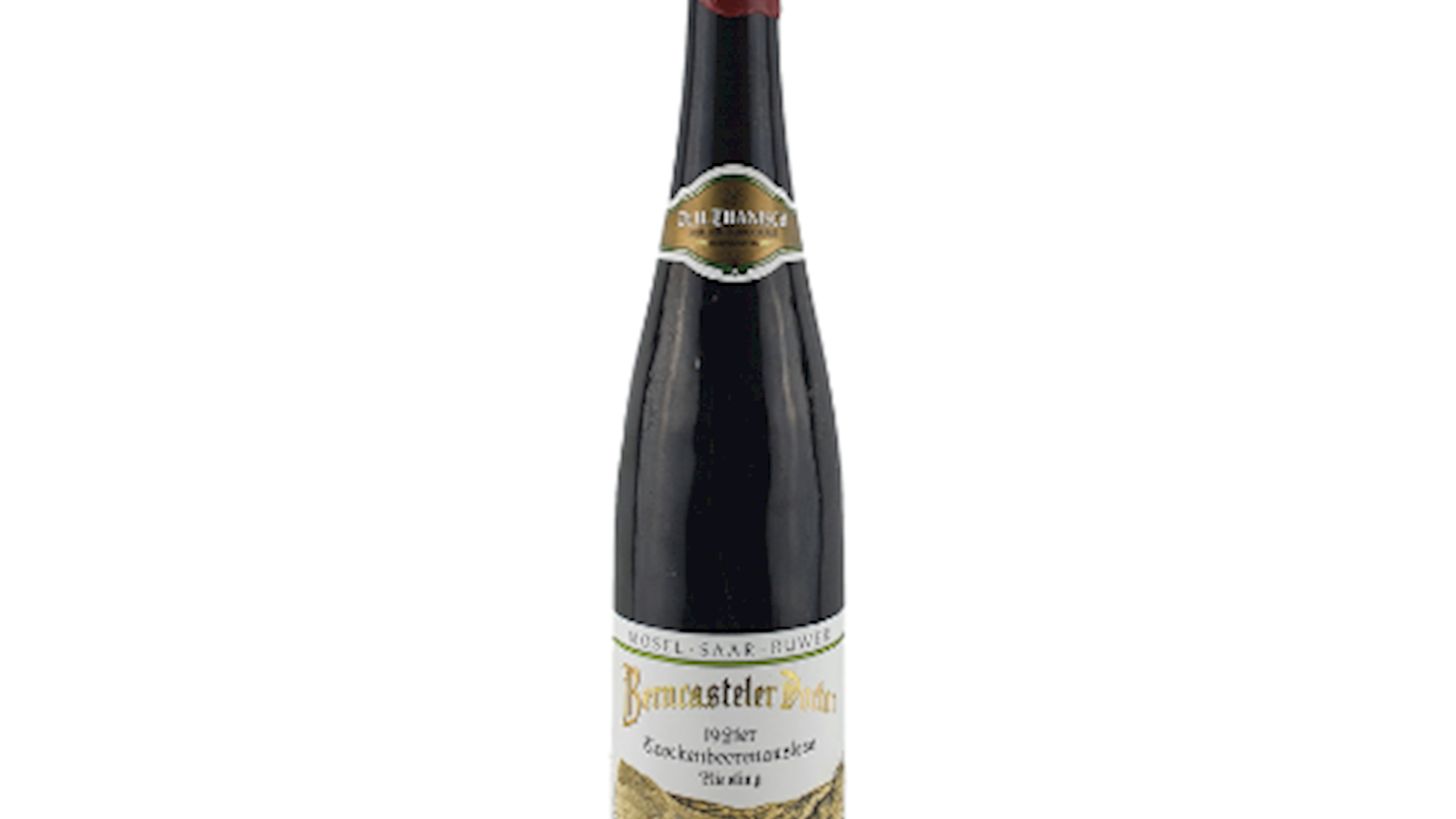
H. Thanisch - Erben Thanisch is a historic family-owned winery based in Bernkastel-Kues in the Mosel, with a winemaking tradition spanning more than 385 years and 12 generations.
The estate is notable for its long-standing continuity of female leadership, dating back to the late 19th century when Katharina Thanisch took over the winery and shaped its identity. Today, it is run by Sofia Thanisch, who continues this legacy with a clear focus on quality and origin.
The winery is almost entirely dedicated to Riesling, sourced from steep, slate-rich vineyards that define the Mosel’s signature style. Its most famous site is the renowned Bernkasteler Doctor, one of Germany’s most prestigious vineyards, known for producing highly complex and age-worthy wines.
The style is defined by precision, elegance, and a fine balance between fruit, acidity, and minerality. As a member of the Verband Deutscher Prädikatsweingüter (VDP), the estate adheres to strict standards of origin and quality.
Weingut Wwe. Dr.
H. Thanisch - Erben Thanisch represents a classic expression of Mosel Riesling, combining tradition, terroir, and long-term consistency.
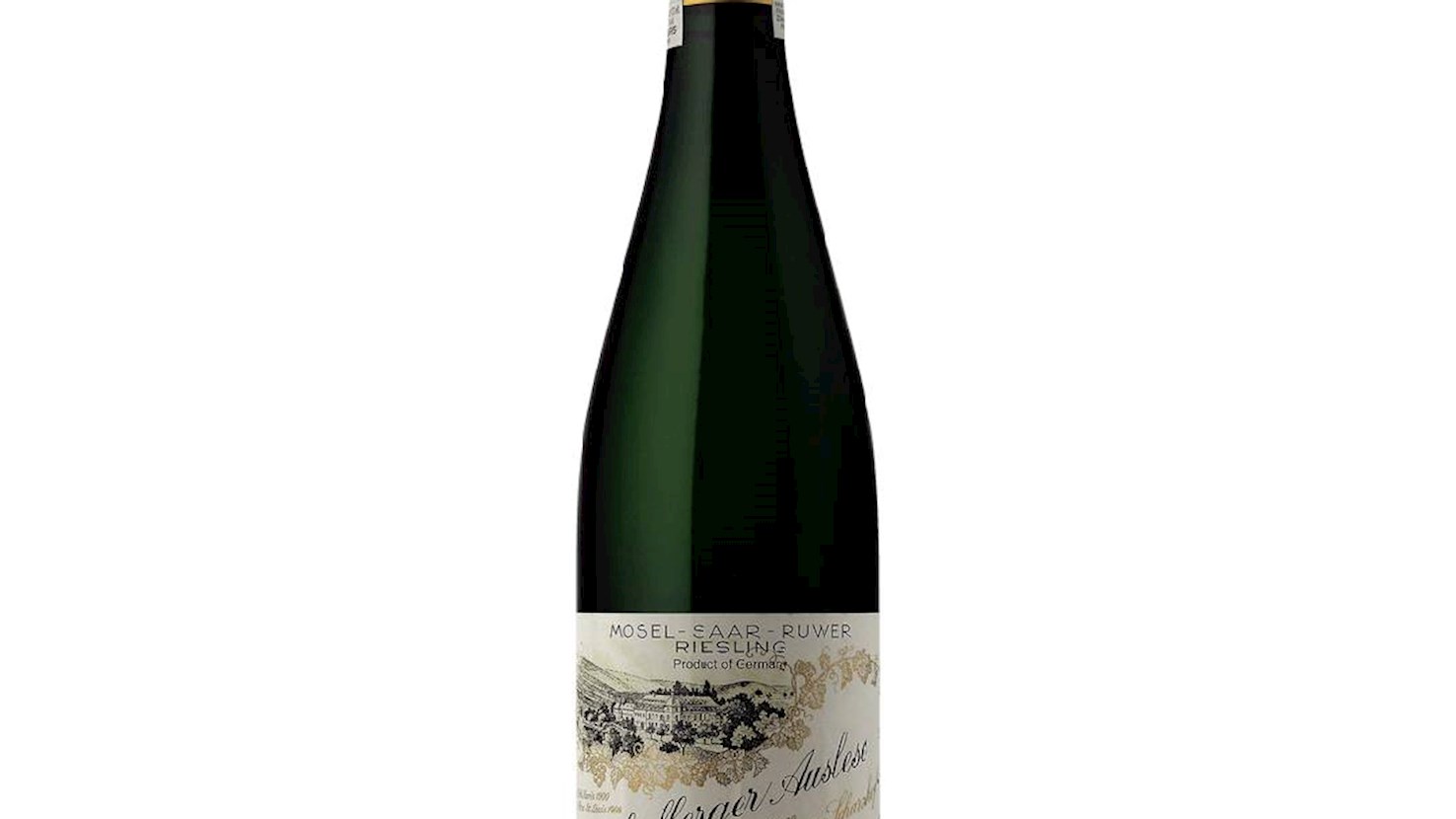
Egon Müller – Scharzhof is one of the most revered names in German winemaking and a true benchmark for world-class Riesling. With a family tradition dating back to the 18th century, the estate is today led by Egon Müller IV, a dedicated guardian of heritage, precision, and timeless quality.
Nestled on the steep slopes above the Saar River, the winery cultivates vines in the legendary Scharzhofberg vineyard — a site renowned for its slate soils and exceptional microclimate.
Harvesting is done entirely by hand, with low yields and minimal intervention to preserve the purity and expression of the terroir.
The estate is devoted exclusively to Riesling, crafting wines that range from elegant Kabinett and Spätlese styles to rare and opulent Trockenbeerenauslese. These wines are known for their clarity, freshness, depth, and remarkable aging potential.
Respected worldwide for its unwavering commitment to excellence, Egon Müller – Scharzhof holds a prestigious position among the world’s greatest producers.
Its membership in the renowned Primum Familiae Vini reflects a legacy built on tradition, authenticity, and exceptional craftsmanship.
Prüm (J.J. Prüm) is one of the most esteemed family-owned estates in Germany’s Mosel region, synonymous with exceptional Riesling.
Founded in 1911 by Johann Josef Prüm, the estate builds on centuries of family winemaking tradition, with roots tracing back to the 12th century.
Today, it is led by Dr. Manfred Prüm and his daughter, Dr.
Katharina Prüm, who uphold a philosophy of crafting wines of outstanding elegance, longevity, and precise expression. With around 22 hectares planted exclusively to Riesling, the estate encompasses some of the Mosel’s most prestigious sites, including Wehlener Sonnenuhr, Graacher Himmelreich, Bernkasteler Lay, Badstube, and Zeltinger Sonnenuhr.
Many of the vines remain ungrafted, allowing for a pure and authentic expression of the terroir.
J.J. Prüm wines are celebrated for their finesse, harmonious balance, and remarkable aging potential—whether it’s a fresh Kabinett or an opulent Beerenauslese.
Each bottle is a meeting of tradition, craftsmanship, and purity, evolving beautifully over the years to reveal ever-greater complexity and depth.
At its core, J.J. Prüm embodies the very soul of the Mosel—wines that are delicate yet full of character, crafted to captivate lovers of fine Riesling around the world.
Weingut Keller is a family-run winery from Flörsheim-Dalsheim in Rheinhessen and is regarded as one of Europe’s most influential producers of dry Riesling. Its history dates back to the late 18th century, while today’s quality is shaped by Klaus-Peter and Julia Keller, whose work is defined by deep respect for the vineyard and minimal intervention.
Their most important sites, such as Hubacker, Kirchspiel, and Morstein, lie on limestone- and clay-rich soils that give the wines pronounced minerality and a clearly defined sense of terroir. Yields are intentionally kept low, and harvesting is done entirely by hand, often in several passes to select only perfectly ripe grapes.
Fermentation occurs spontaneously with native yeasts, contributing to complexity and a refined textural depth. As one of Germany’s most respected producers, Weingut Keller holds a prominent place in the contemporary wine scene and remains a benchmark for top-quality, terroir-driven Riesling.
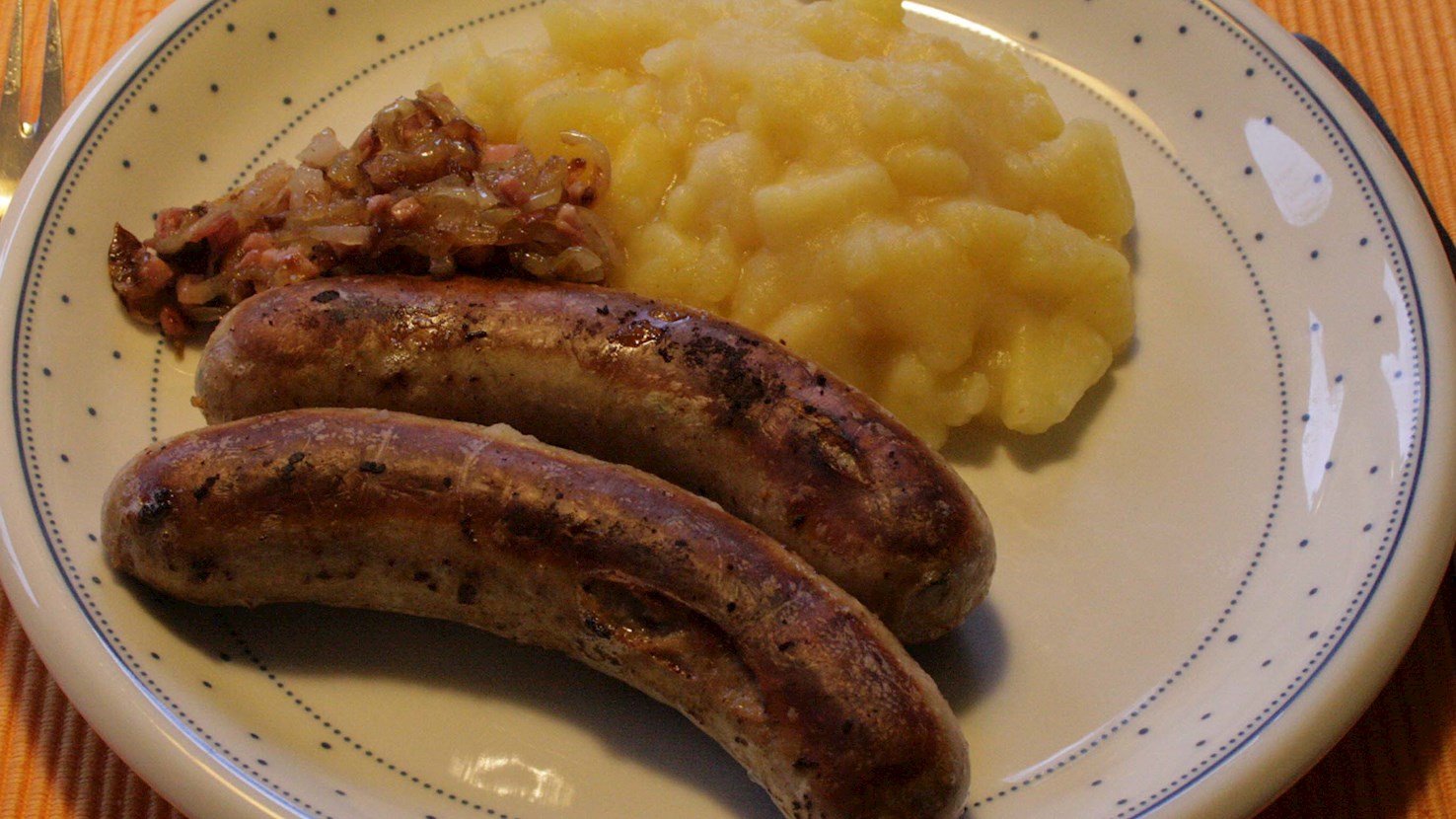
Himmel und Erde is a traditional dish originating as far back as the 18th century. Literally translated, the name of the dish means Heaven and Earth, derived from the old word for potatoes – Erdapfel. The dish consists of mashed potatoes that are paired with apple sauce. It is most commonly served with meat dishes, while purists insist on having a blood sausage on the side. In that case, the dish is sometimes referred to as Himmel, Erde, und Höllen (Heaven, Earth, and Hell). Today, there are numerous variations on the original recipe depending on the region, but the classic version is still the most popular in Rhineland, its place of origin.
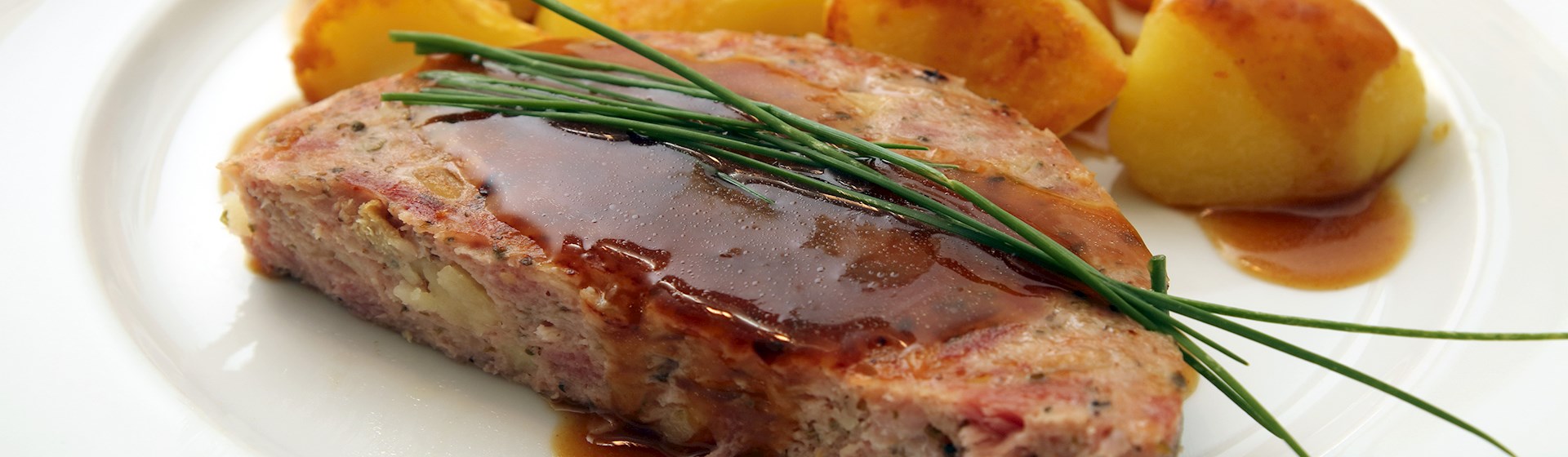
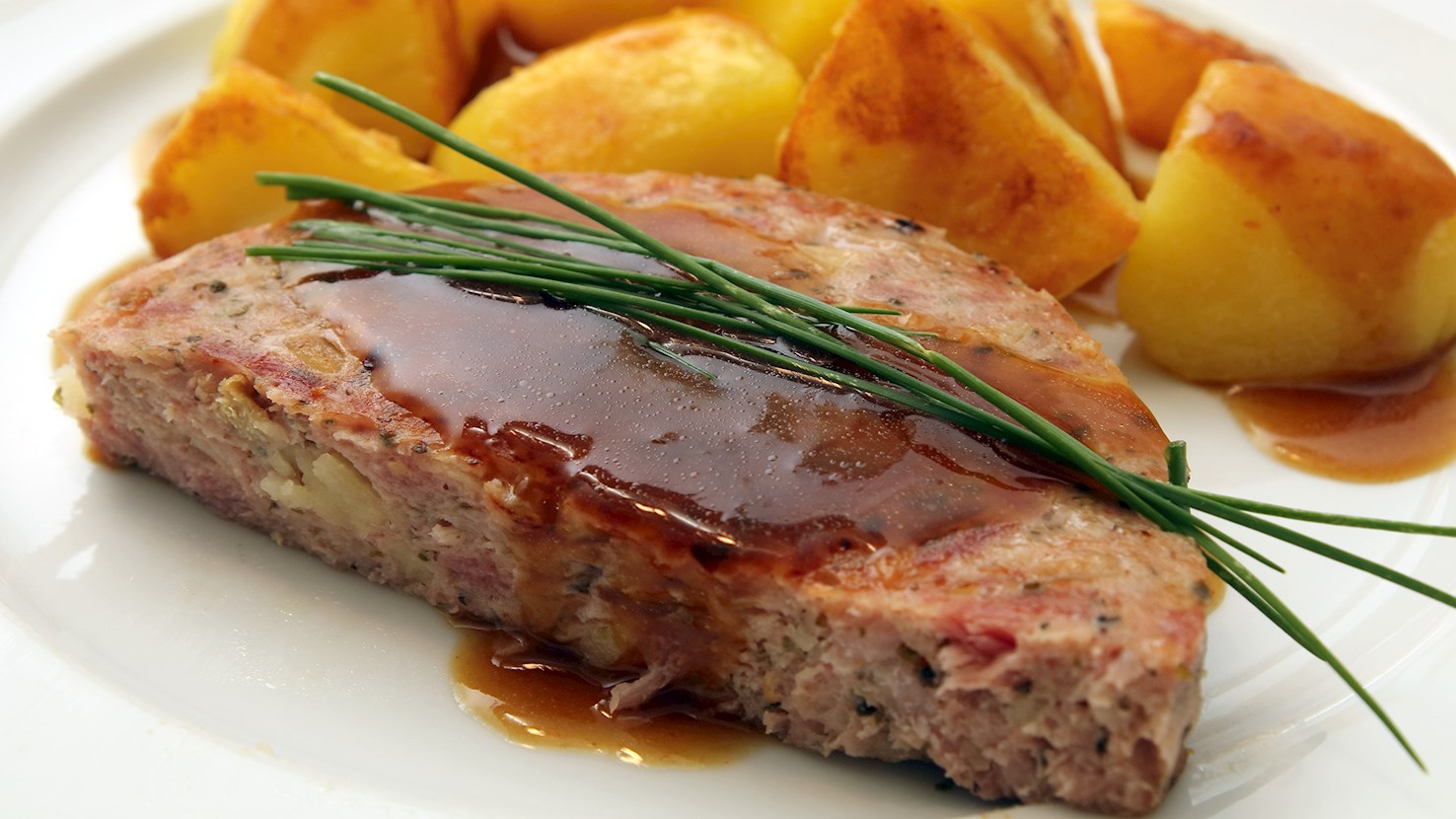
Saumagen is a large, intact pig’s stomach, densely packed with pork, diced potatoes, and sharp spices. The stomach is not merely a casing but an essential structural part of the meal. Unlike thin artificial casings or standard intestines, it is a thick, resilient, muscular organ that can hold a substantial amount of chopped meat and starch. During the final cooking stages, its outer wall forms a dense, crisp crust around the softer filling. Because of the organ’s size and toughness, the preparation requires considerable manual labor, from cleaning and processing the stomach to filling and securely sealing it. The stuffing depends on precise dicing and a broad mixture of aromatics, partly to balance the strong offal notes of the raw casing. The base is built from equal ratios of lean pork and firm, waxy potatoes, both chopped into small, even cubes. Some recipes also add minced beef to deepen the savoriness. The main seasoning blend is assertive, with generous amounts of white pepper, freshly grated nutmeg, dried marjoram, and sharply flavored chopped onions. In addition to the typical seasonings, many versions also add a more complex layer of aromatics, including whole cloves, crushed coriander seeds, fresh thyme, minced garlic, dried bay leaves, ground cardamom, sweet basil, earthy caraway seeds, sharp allspice, and flat-leaf parsley. Once the raw ingredients are fully mixed, the stuffing is packed tightly into the cleaned stomach cavity. Both open ends are tied firmly with heavy butcher’s twine to prevent leakage. Cooking the stuffed stomach requires strict temperature control. It is lowered into a wide vat of hot water kept just below the boiling point. A rolling boil must be avoided, because excessive turbulence and heat can rupture the muscular wall and spill the meat-and-potato filling into the cooking water. After a long period of poaching, the stuffed stomach is cooled completely. It is then placed on a heavy wooden block and sliced crosswise into thick slabs, usually measuring between half an inch and one inch. These large circular slices are fried in an open pan coated with rendered fat until the exposed potatoes turn dark golden brown and the outer ring of stomach tissue blisters into a hard, brittle shell. The history of saumagen is closely tied to the Palatinate. Two main theories explain its origins. One documented theory connects it to 18th-century agricultural workers who developed the stuffed stomach as a practical way to use slaughtering leftovers, stretching scraps of meat and fat with cheap potato starch. A second documented theory holds that it served as the centerpiece of the local Schlachtfest, the ceremonial autumn pig slaughter festival marking the end of the grape harvest and the beginning of winter. During the early 20th century, Luise Wilhelmine Henninger helped bring the preparation back from obscurity. She ran Weinhaus Henninger in the municipality of Kallstadt from 1871 to 1951 and refined the ingredient ratios, elevating saumagen to a celebrated regional specialty. Her success directly prompted a nearby Riesling vineyard in Kallstadt to adopt the permanent name “Saumagen Kallstadt.” Saumagen gained a much wider international profile in the late 20th century through Helmut Kohl, who served as Chancellor from 1982 to 1998 and had a strong attachment to this specialty from his native Palatinate. He regularly placed saumagen on state dinner menus, serving thick slices of stuffed stomach to visiting heads of state, including Margaret Thatcher, Mikhail Gorbachev, Ronald Reagan, and Bill Clinton. Although domestic critics dismissed the menu choice as intensely provincial, local butchers saw a major rise in sales during and immediately after these state visits. Across the Atlantic, immigrant settlers from the Palatinate carried the concept of saumagen into Pennsylvania Dutch communities in the United States. There, the dish is known as seimaage, hogmal, stuffed hog maw, or “Dutch goose.” Unlike the poached version from the Palatinate, this adaptation skips the water bath entirely. The raw stuffed stomach is placed directly into a hot oven and baked for several hours. It historically served as the main course for Thanksgiving harvest meals, taking the place of roasted turkey. Modern culinary competitions, especially the Internationale Pfälzer Saumagen-Wettbewerb held in Landau, have pushed the filling in more unconventional directions, including versions made with chopped deer meat or freshwater fish. In Schifferstadt, the Schlotte Carnival society has also awarded a literal Order of the Saumagen every year since 1992. At the table, the sizzling pan-fried slices are served straight from the skillet on a wide ceramic plate. A large, steaming mound of sharp fermented sauerkraut and a heavy scoop of smooth mashed potatoes sit beside the meat. In the eastern wine-growing districts of the Palatinate, the rich pork and starches are usually paired with a tall glass of completely dry white wine. Farther west, toward the dense Palatinate forest, large mugs of cold locally brewed beer replace the wine.
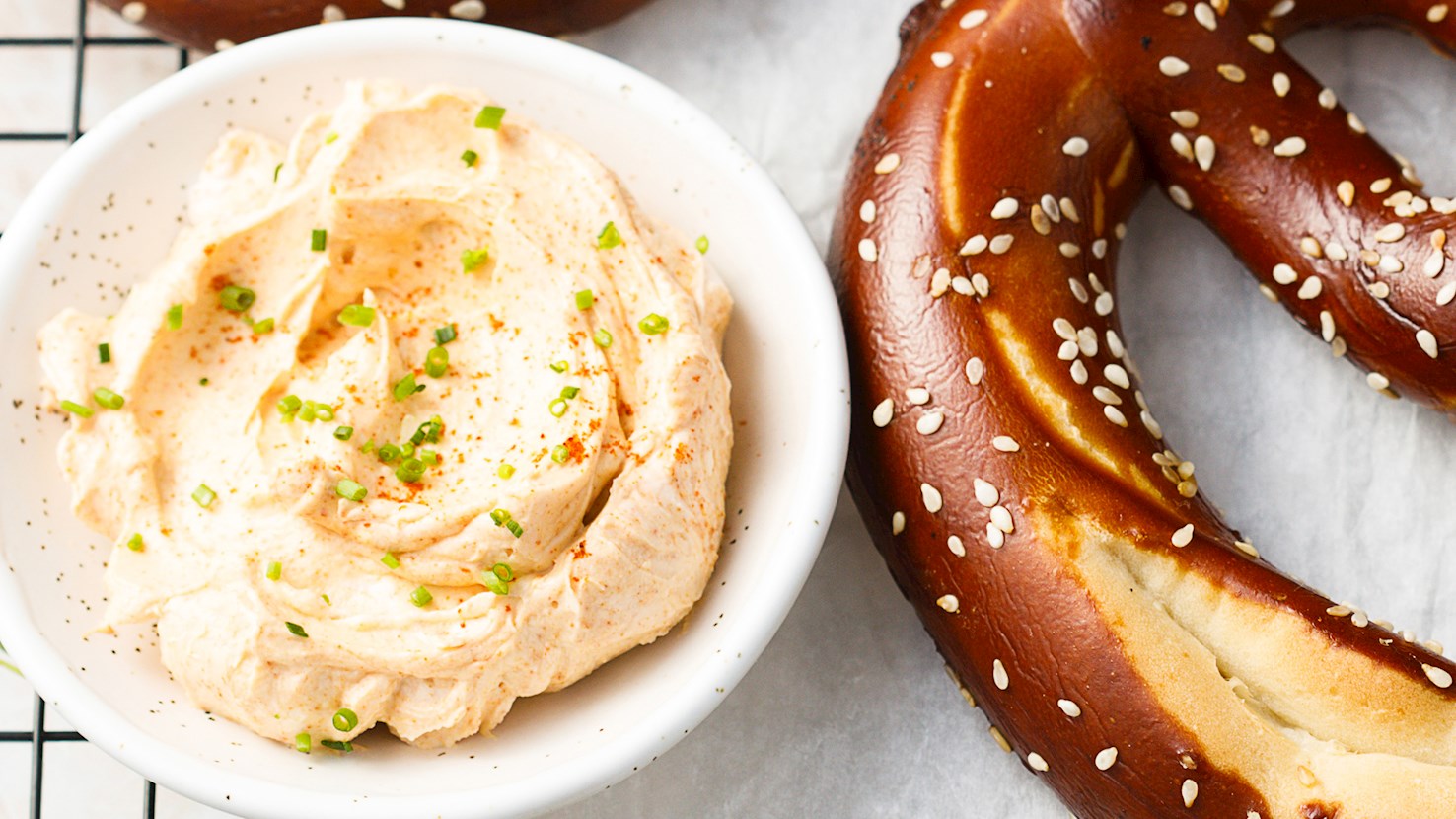
Originally from Mainz, meenzer spundekäs is a type of traditional cream cheese dip or spread. It typically consists of a mixture of cream cheese, quark, sour cream, finely chopped onions, and garlic, seasoned with sweet paprika, salt, and freshly ground pepper. The dip is usually topped with sliced onions and served with salty pretzels. It is typically paired with a glass of wine or a cold beer. Boiled potatoes and radishes can also accompany the dip, or they can be smeared on bread. Rich and creamy, this cheese dip is a staple at restaurants and wine taverns throughout the region. Besides Mainz, the dip is also commonly consumed throughout Rheinhessen and Rheingau regions. Its name is derived from the German words Spund, referring to the conical cork of a wooden wine barrel, and Käse, meaning cheese. Every year, a Spundekäs competition is held in honor of this Mainz specialty, known as Rheingau sucht den Super-Spundekäs, meaning Rhine District seeks the Super-Spundekäs.
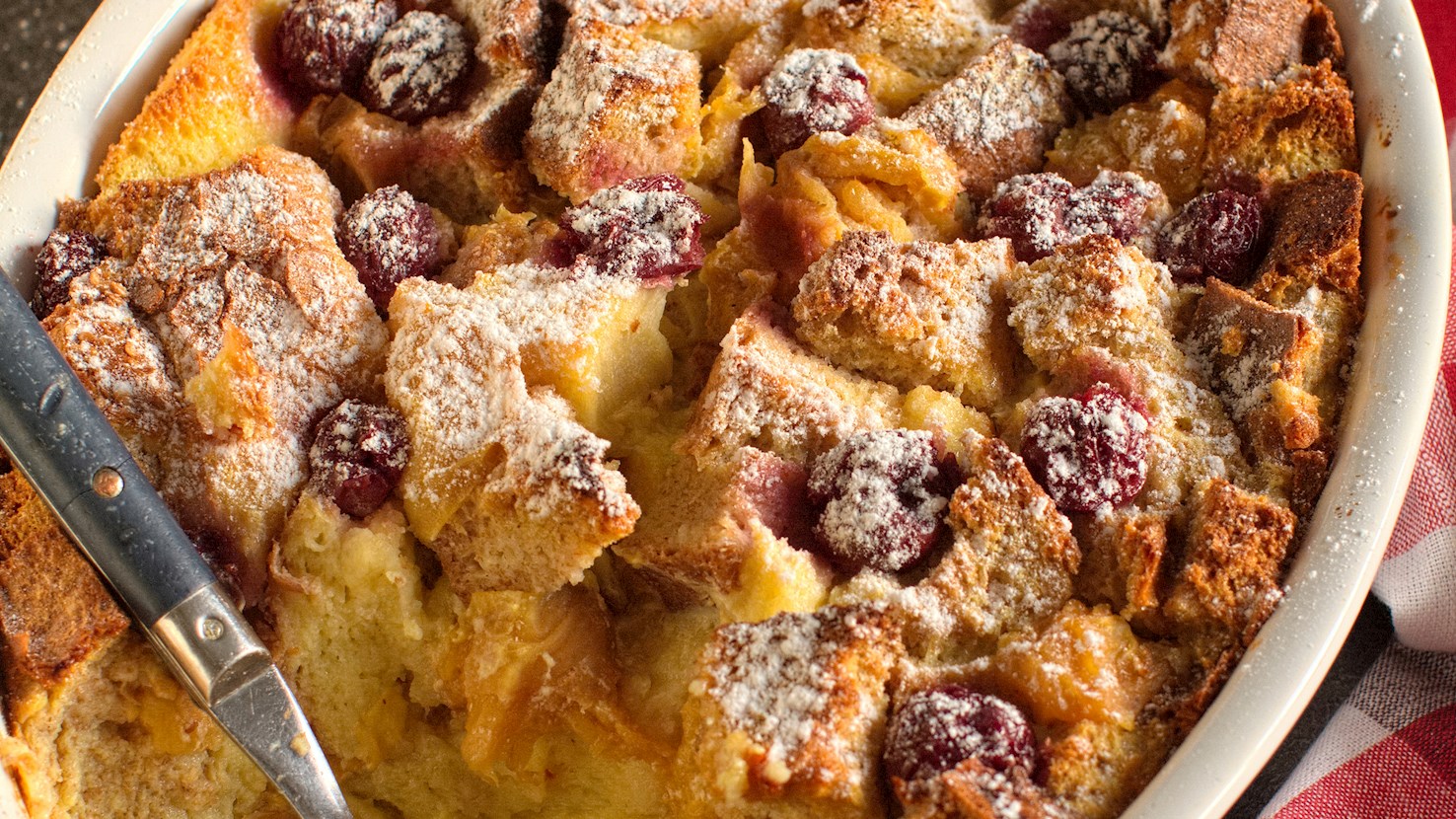
Kirschenmichel is a buttery German bread pudding enriched with sweet cherries. A common dessert in southern Germany, this sweet treat is typically flavored with cinnamon, cloves, Kirsch liqueur, vanilla extract, or almond extract. Moist and sweet, this bread pudding can be enjoyed warm, at room temperature, or chilled. It is usually dusted with powdered sugar and accompanied by vanilla custard, whipped cream, or ice cream. Kirschenmichel is generally consumed as a simple after-lunch dessert, but it is sometimes eaten for lunch as well.
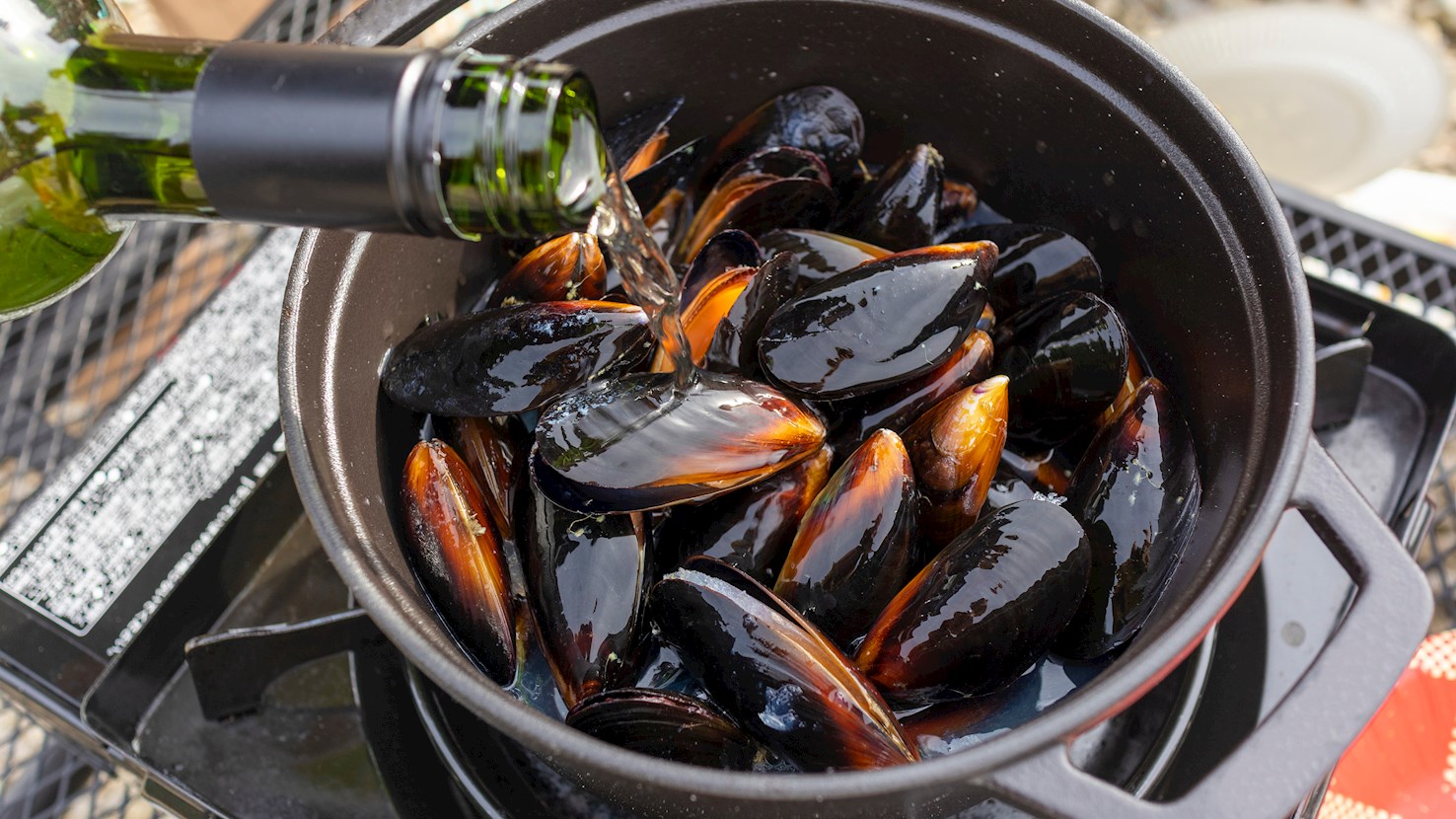
Muscheln rheinische art is a traditional dish originating from the Rhine region. The dish is made with mussels from the North Sea and white wine from the middle and upper Rhine region as key ingredients. The mussels are cooked in vegetable stock and white wine, then served in their shells with a bit of stock. The dish is traditionally accompanied by brown bread and butter on the side. It’s usually served as an appetizer, but it can also be served as the main course. There are a few variations on the dish, so beer is sometimes added to the stock instead of wine.
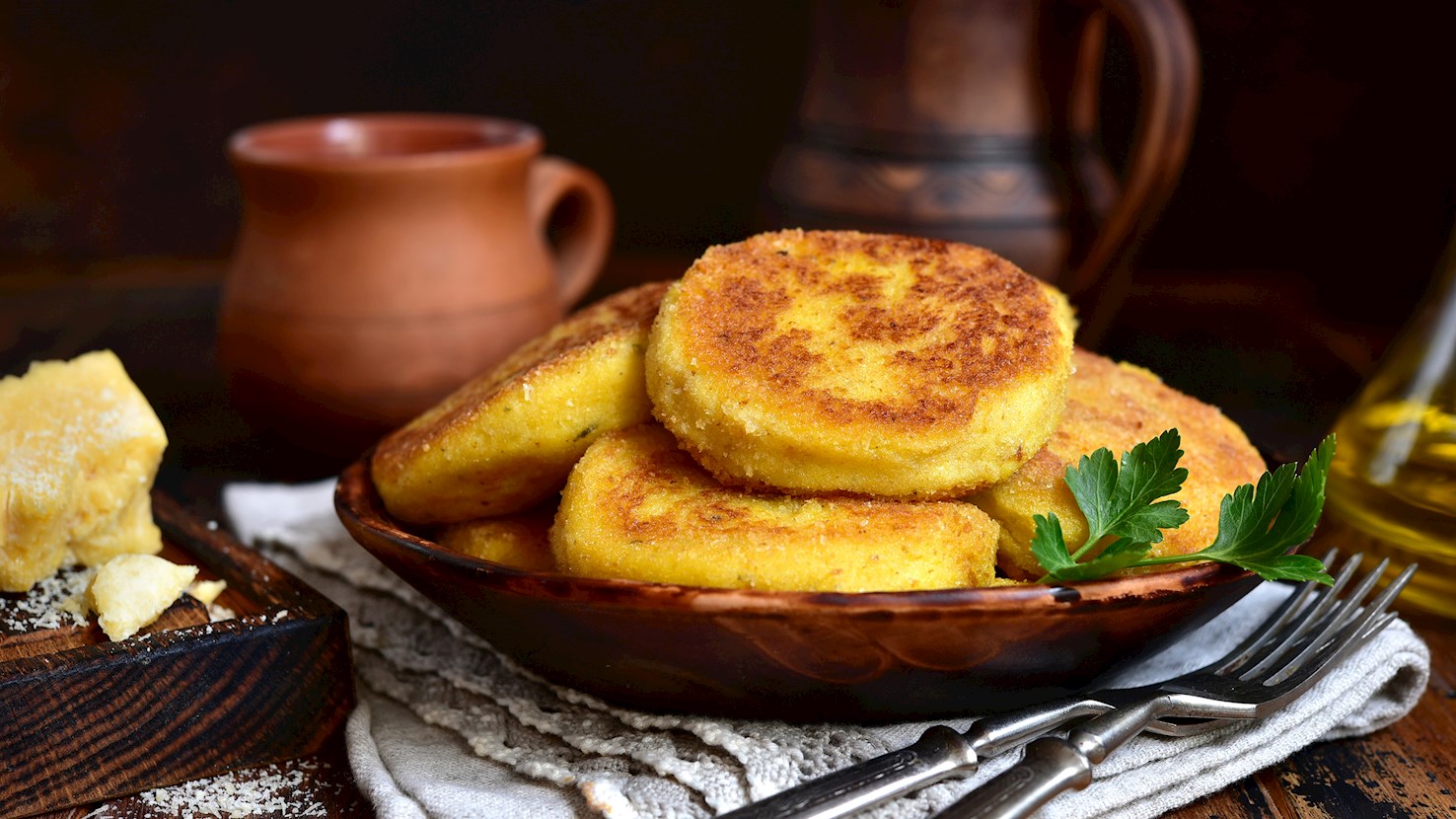
Gedadschde is a traditional dish originating from the Palatinate region. These simple patties are made with a combination of mashed potatoes, flour, milk, salt, sugar, and oil. Shredded cheese can be added to the mixture if desired. The mixture is shaped into patties, then fried in oil on both sides until golden brown. The patties are served as a side dish or a snack, and it’s recommended to pair them with a dollop of mayonnaise.
Backesgrumbeere is a baked potato dish from the Palatinate region. The dish developed in the Palatinate in connection with village baking ovens, where families cooked full meals alongside bread while the oven was hot, and potatoes became a central ingredient after they spread widely in regional farming. Preparation begins by peeling and thinly slicing raw potatoes, cutting pork and onions into pieces, layering everything in a greased baking dish, seasoning each layer, adding a little water or broth, covering the dish, and baking it slowly until the potatoes are soft and the meat has released its fat, with the cover removed at the end to brown the top. Common variations include using fresh or smoked pork, adjusting the amount of onion, or adding small amounts of other herbs, while the basic structure of raw potatoes and pork baked together stays the same. The dish is eaten hot and served as a main course in homes, taverns, and regional events, most often with green salad or pickled vegetables, and it is usually paired with beer or dry white wine.
Schweinepfeffer is a strongly seasoned German meat stew known in parts of the Rhineland, Palatinate, and Hesse, where marinated pork is cooked in a spiced sauce that is thickened with pig’s blood. The dish developed in regions where butchering and household cooks made use of all parts of the animal and created hearty meals suited to cold seasons, and by the nineteenth century it was established across central and southwestern German kitchens as a substantial stew. Preparation begins by cutting pork shoulder or neck into coarse cubes and marinating it with vinegar or wine, oil, onions, and spices, after which the meat is seared and simmered slowly in red wine or vinegar with additional seasonings, and the sauce is bound with pig’s blood stirred in off the heat or thickened with alternatives such as browned flour or grated dark chocolate so the sauce becomes smooth and coating. Common variations involve the substitution of blood with other thickeners, the precise mix of spices, and the balance of vinegar or wine acidity. Schweinepfeffer is eaten hot and served as a main course in homes and regional restaurants, most often accompanied by potato dumplings, boiled potatoes, red cabbage, or, in some areas of the Pfalz, salty steamed dumplings (dampfnudeln), and it is paired with hearty sides and robust regional wines or beer.
Rheinischer kartoffelsalat is a potato salad from the Rhineland that is made from potatoes, mayonnaise, onions, pickles, pickle liquid or vinegar, salt, pepper, and frequently apples or boiled eggs. Potatoes became a staple food in the Rhineland during the eighteenth century as agriculture expanded along the Rhine, and potato salads developed in a region shaped by trade, preserved foods, and a preference for dishes that could be prepared ahead and served cold. Preparation commonly involves boiling waxy potatoes in their skins, cooling and peeling them, cutting them into slices or cubes, mixing them with finely diced onions and pickles, and folding them into a dressing of mayonnaise seasoned with pickle liquid or vinegar, salt, and pepper, often lightened with a small amount of broth or yogurt, followed by a resting period so the flavors blend evenly. Common variations include the addition of diced apples for freshness, chopped hard-boiled eggs, mustard for sharper seasoning, or herbs such as chives or parsley, and some versions reduce the amount of mayonnaise in favor of sour cream or yogurt, while vinegar-only dressings are uncommon. The salad is eaten cold or at room temperature and is served in homes, taverns, butcher shops, and at gatherings, most often alongside sausages, cold cuts, roast meats, or fish dishes, with bread and beer or local wine typically accompanying it.
Pfälzer blutwurst is a cooked blood sausage from the Palatinate region with a firm, sliceable texture rather than the spreadable consistency of other blood sausages. It features a dark brown to deep red color and a moist, compact interior studded with visible pieces of pork fat. The flavor is pronounced and savory, with a mineral depth balanced by the natural sweetness of onions and gentle spices. Rooted in the region's rural pork-processing culture, the sausage was developed to utilize the entire animal during home slaughtering, turning highly perishable blood into a durable, filling food suitable for cellar storage. The preparation involves mixing cooked pork meat and fat with strained fresh blood, sautéed onions, salt, and spices. This mixture is stuffed into natural casings and gently simmered until the blood proteins coagulate evenly, ensuring the structure sets without becoming dry. Pfälzer blutwurst is typically eaten cold or lightly warmed, sliced thickly. It is a staple of everyday meals and cold platters, where its richness is best balanced by acidic sides and simple starches such as dark bread, sauerkraut, potatoes, and mustard. While variations exist—some incorporating grains or bread—the defining characteristics remain the same.
TasteAtlas food rankings are based on the ratings of the TasteAtlas audience, with a series of mechanisms that recognize real users and that ignore bot,
nationalist or local patriotic ratings, and give additional value to the ratings of users that the system recognizes as knowledgeable.
TasteAtlas Rankings should not be seen as the final global conclusion about food. Their purpose is to promote excellent local foods,
instill pride in traditional dishes, and arouse curiosity about dishes you haven’t tried.
The initial list of top producers was compiled based on available reviews, awards, local recommendations, media and blog coverage, and consumer reviews.
The list will be updated with ratings from TasteAtlas local ambassadors and TasteAtlas users.







What People Say