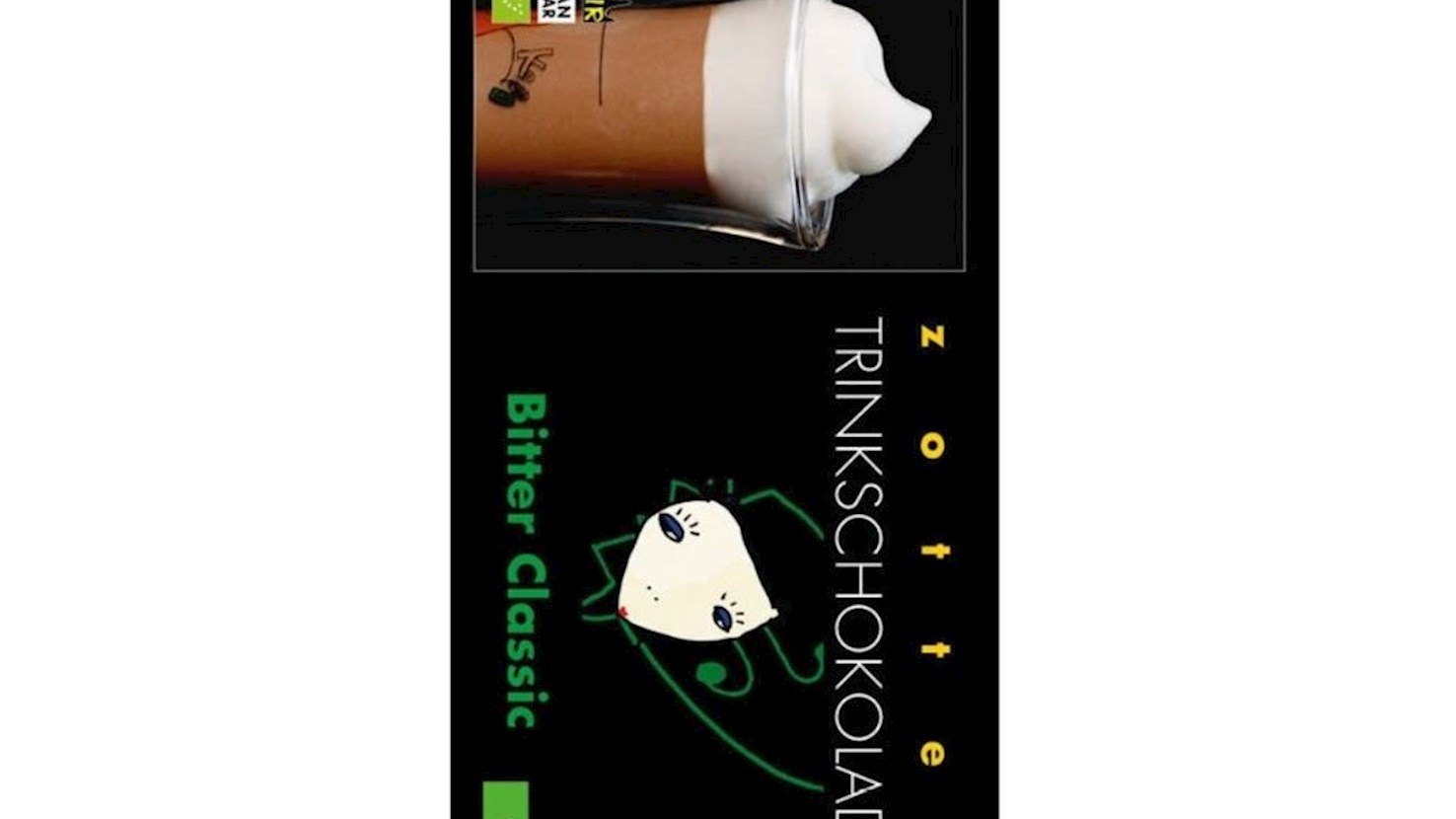
Zotter Chocolate, headquartered in Riegersburg, Austria, is a company known for producing organic and fair-trade chocolates. Established in 1987 by Josef Zotter, the company initially operated as a confectionery business before transitioning to chocolate manufacturing in 1999.
Zotter is distinctive for its wide variety of unique flavors, offering over 400 different types of chocolate bars. The company is committed to sustainability, sourcing cocoa beans directly from cooperatives and small farmers.
Zotter operates a "bean-to-bar" production, where the entire chocolate-making process, from roasting beans to packaging, is managed in-house.
Awards
Academy of Chocolate - Gold
(2018, 2016)
Academy of Chocolate - Silver
(2018, 2017, 2016, 2011)
Almenland Stollenkaese is a cheese producer located in Austria, specifically in the region known as the Almenland Nature Park in Styria. The company specializes in producing cheese that is aged in a natural cave, or "stollen," which contributes to the unique flavor profile of their products.
They offer a variety of cheeses, including their signature Stollenkäse, which is matured in these cave environments, taking advantage of the constant temperatures and humidity levels ideal for cheese aging.
Awards
World Cheese Awards - Super Gold
(2023)
World Championship Cheese Contest - Best of Class
(2024, 2022, 2020, 2018, 2016, 2014, 2012)
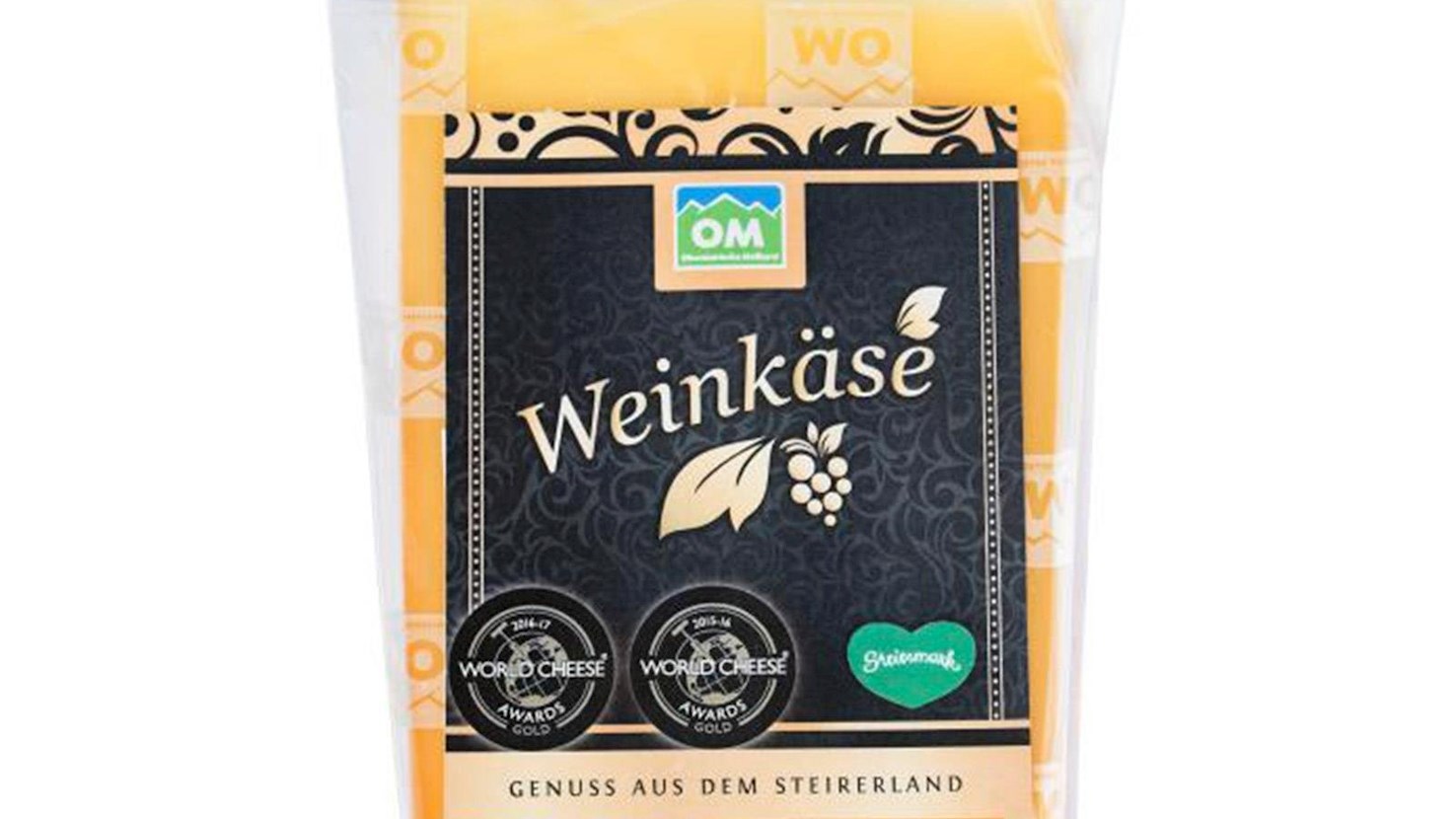
Obersteirische Molkerei is a dairy cooperative based in Knittelfeld, Austria, specializing in the production of various cheese types alongside other dairy products like milk and yogurt. Established in 1900, it sources high-quality milk from about 1,400 local dairy farmers in the region, where high alpine pastures contribute to the distinct flavor of its products.
The cooperative is known for implementing sustainable practices and modern technology in dairy production.
Awards
World Cheese Awards - Super Gold
(2024)
World Championship Cheese Contest - Best of Class
(2024, 2022, 2020, 2014, 2010)
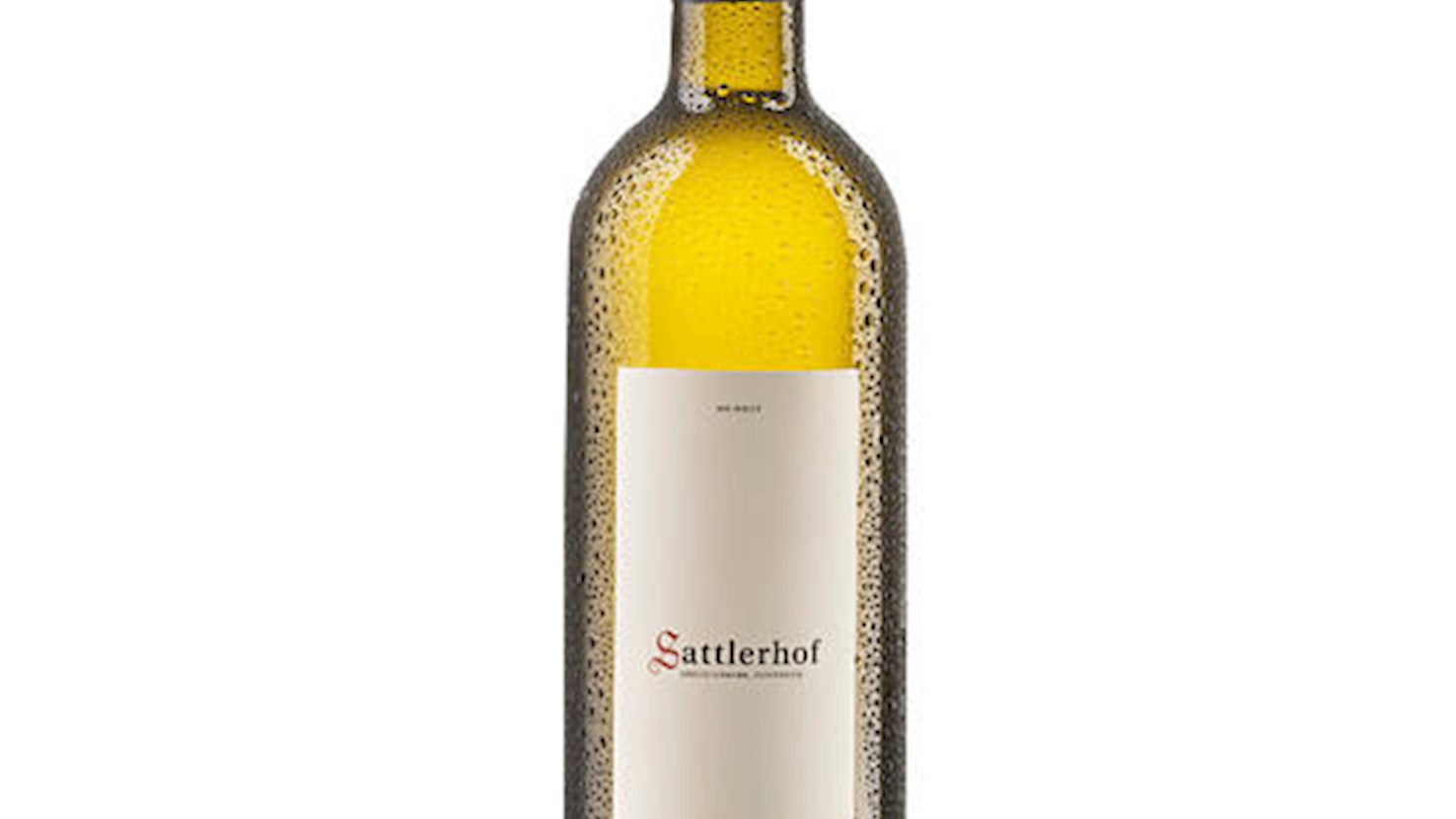
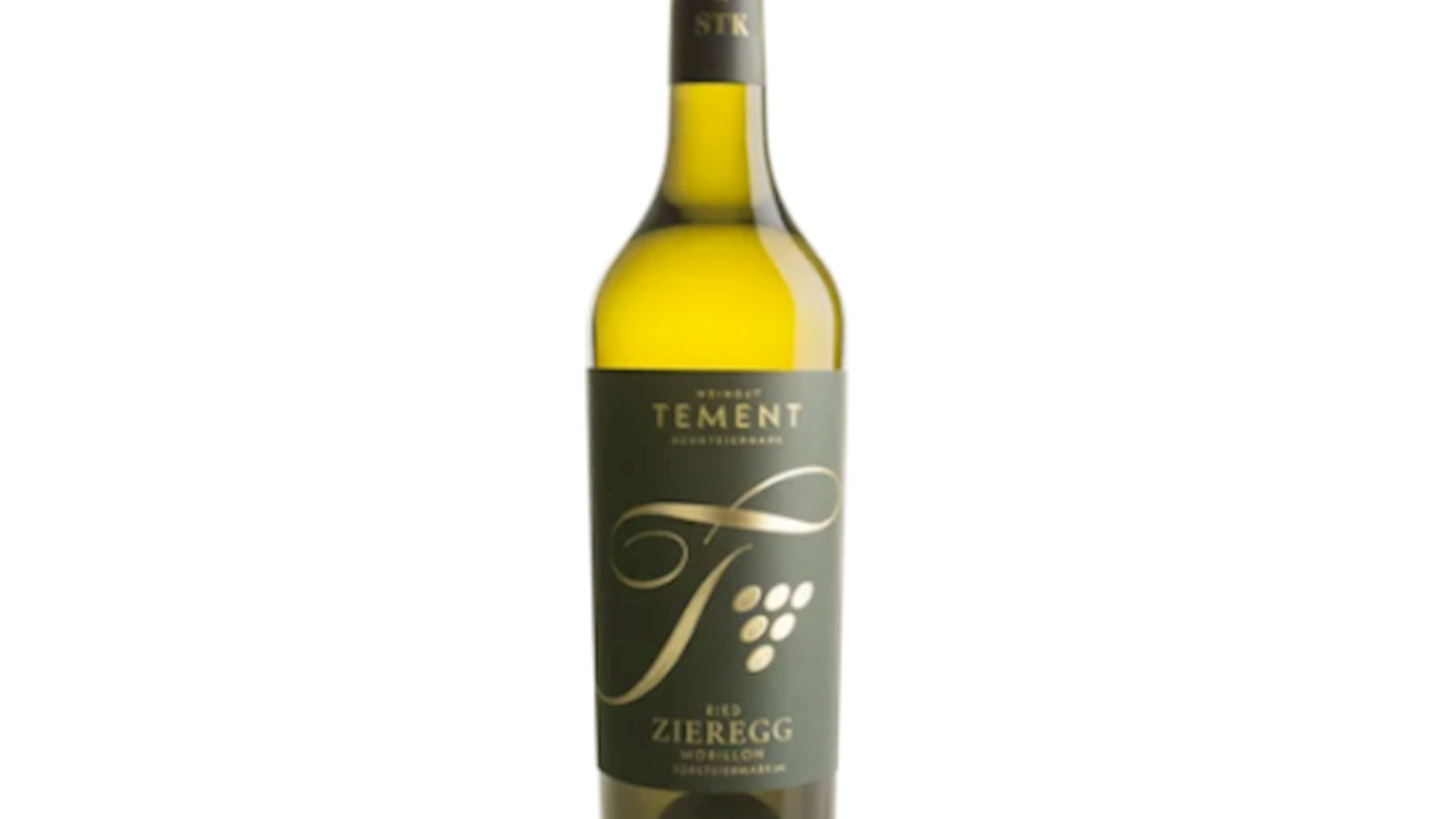
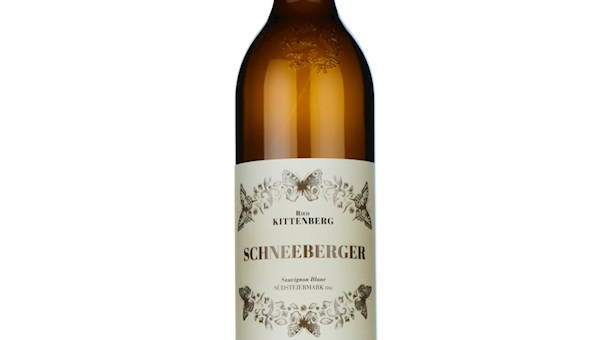
Weingut Tement is one of the leading wineries in Austria’s Südsteiermark (South Styria), known for producing precise, mineral-driven, and age-worthy white wines. Founded in 1959, this family-owned estate is now run by Manfred Tement together with his sons Armin and Stefan, who continue to develop a strong focus on terroir and sustainable viticulture.
The vineyards are located on steep hills along the Slovenian border, where a cool climate and diverse soils - particularly marl and limestone - contribute to the wines’ aromatic intensity and freshness.
Tement is especially recognized for its Sauvignon Blanc, considered among the finest in Austria, while also producing Chardonnay (Morillon), Weißburgunder, and other varieties. A key vineyard site is Zieregg, one of the most prestigious in the region, known for its complex microclimate and outstanding aging potential.
The estate follows organic practices in the vineyards, combined with a low-intervention approach in the cellar, including spontaneous fermentation and extended lees aging for higher-tier wines. The style is defined by purity, precision, and pronounced minerality, with a clear balance between ripeness and freshness.
Weingut Tement is widely regarded as a benchmark producer of South Styria, consistently emphasizing site expression and long-term sustainability.
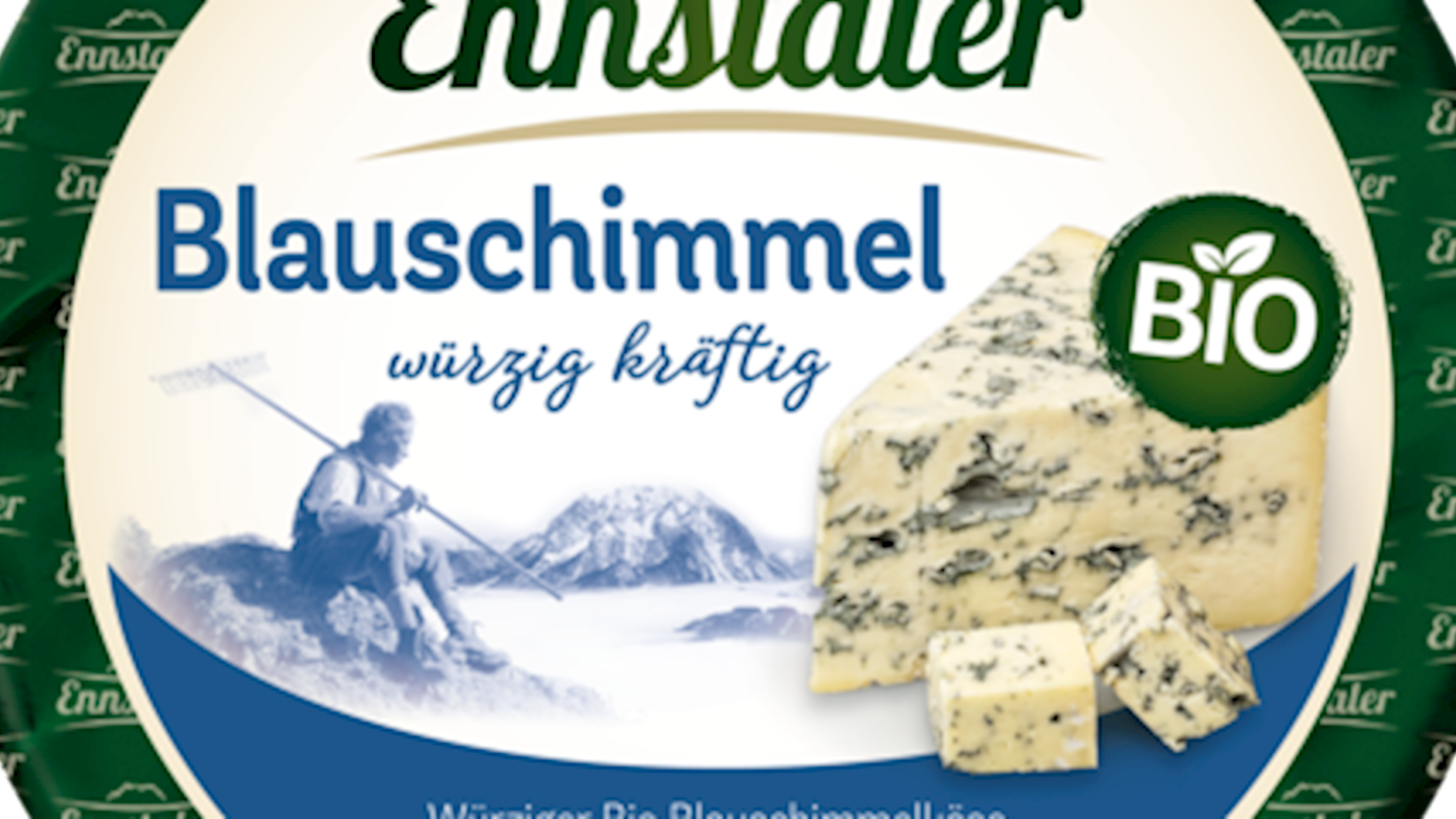
Ennstal Milch KG is a cooperative dairy company located in Stainach, Austria. It was established in 1902 and is known for producing a variety of dairy products, including cheese, yogurt, and milk.
The company focuses on sustainable production practices and is committed to using milk from local farmers in the Ennstal region. Ennstal Milch KG also exports products to several countries, enhancing its presence in international markets.
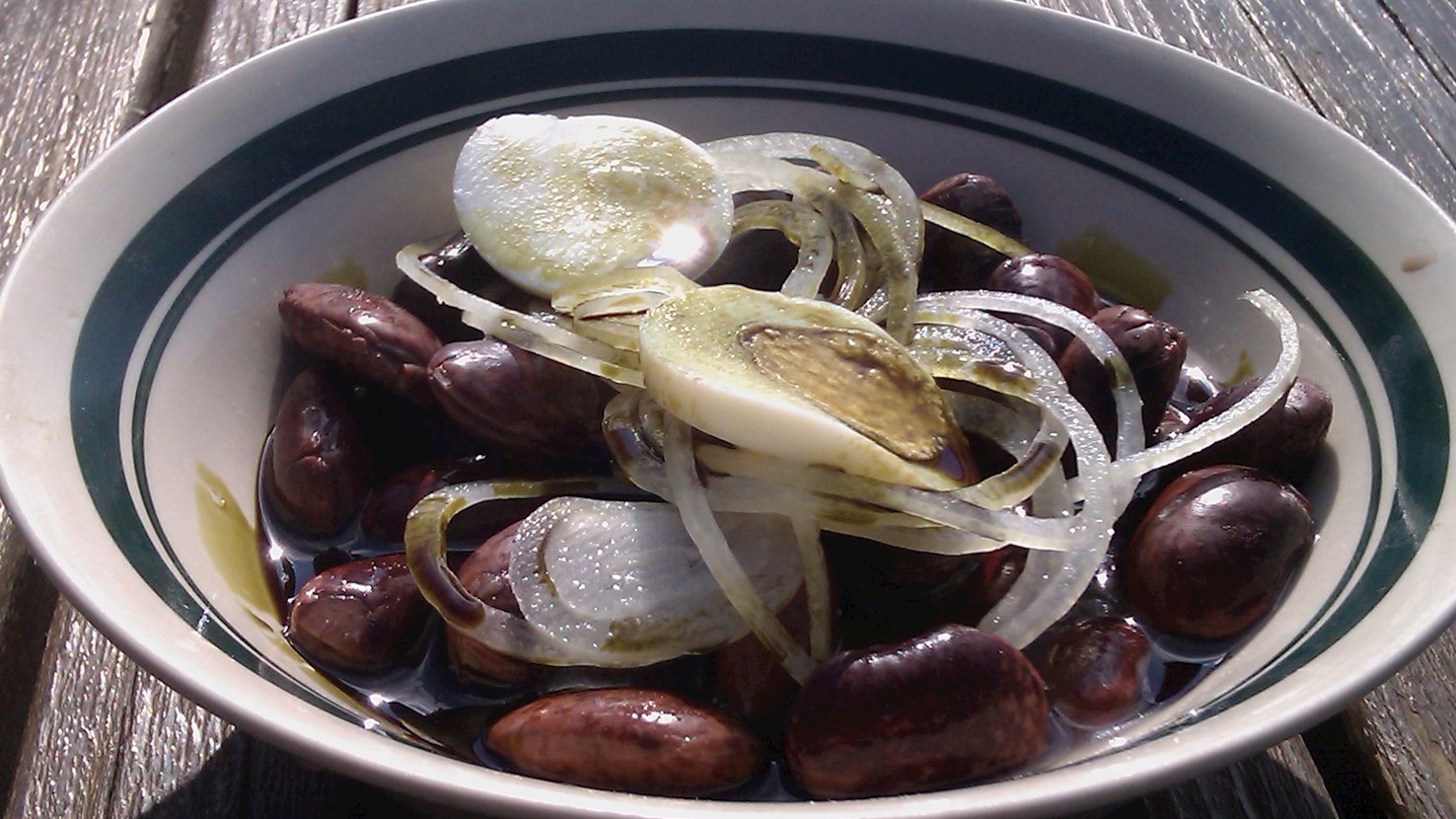
Käferbohnensalat is one of the most traditional dishes from the Austrian state of Styria. Käferbohnen, literally meaning beetle beans, also known as Styrian scarlet runner beans, are a variety of extra large, lilac-violet speckled beans that have been grown in Styria ever since the 16th century. In this simple salad, previously soaked and cooked beans are flavored with vinegar, pumpkin seed oil, onions (grated horseradish can be used instead), salt, pepper, and a pinch of sugar. This basic, traditional recipe is sometimes additionally enriched with hard-boiled eggs, peppers, corn, or tomatoes.
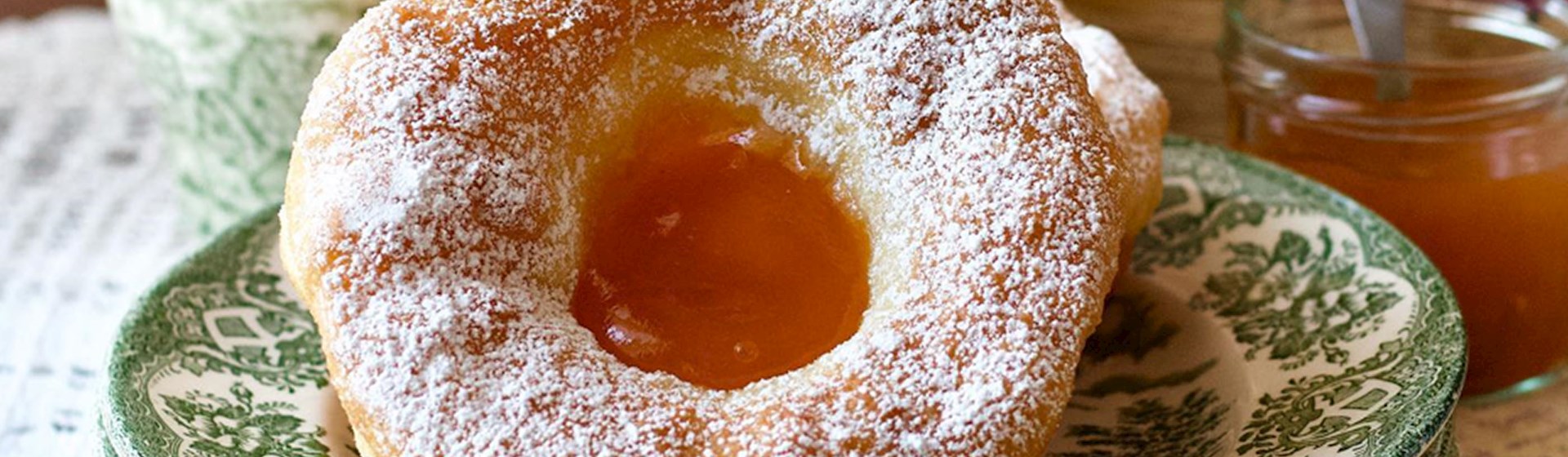
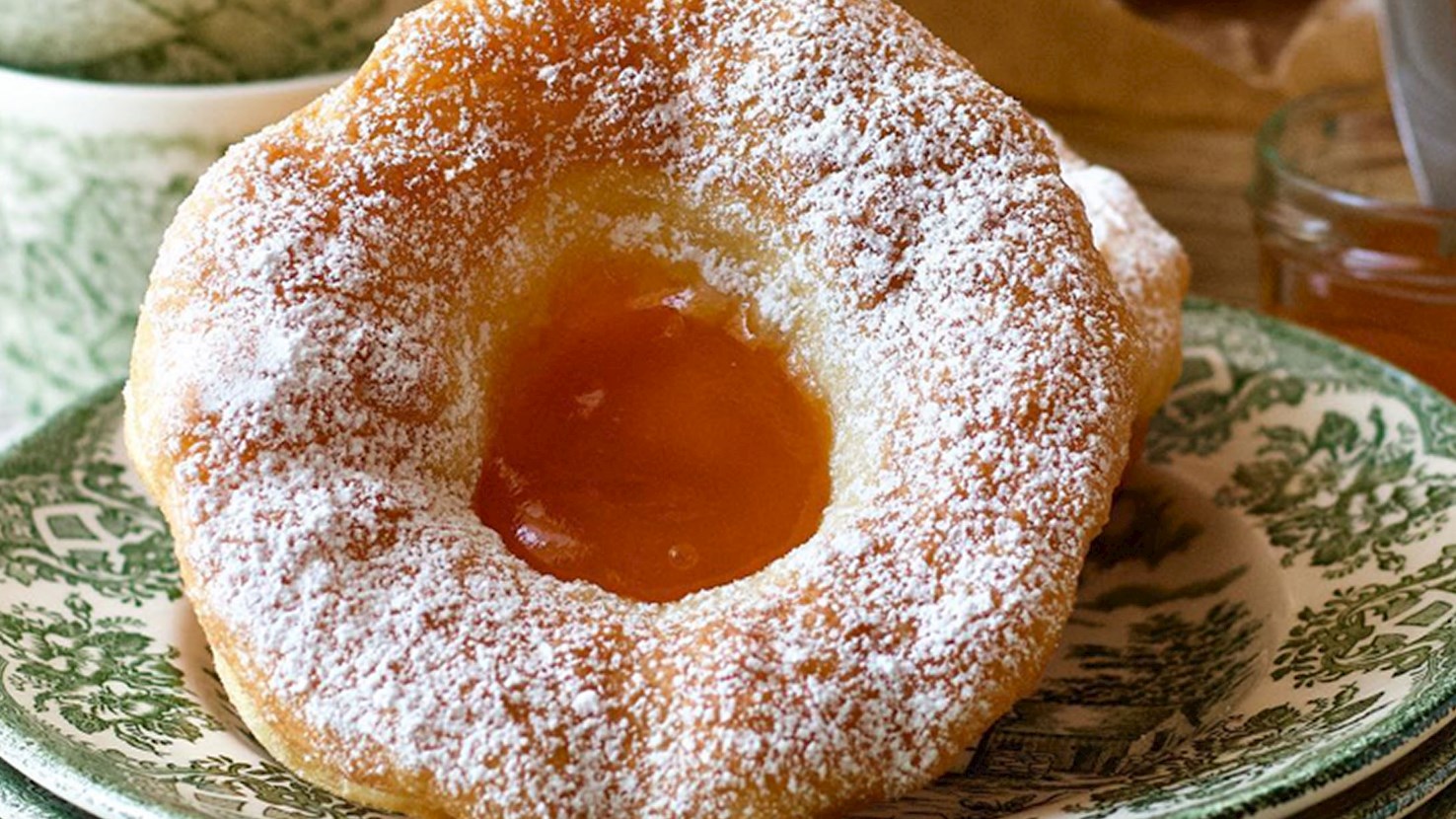
Bauernkrapfen is a traditional pastry that is especially popular in the regions of Styria and Carinthia. They are similar to doughnuts and are often enjoyed as a treat during carnivals, festivals, and other celebratory events. These pastries are made by first forming a yeasted dough into a ring shape, then frying it in oil until golden brown. After frying, the bauernkrapfen are usually dusted with powdered sugar, though some versions may be filled with jam, similar to a jelly doughnut. Like many traditional dishes, there can be variations in the recipe for bauernkrapfen depending on the region or the personal preferences of the cook. Some versions might include additional ingredients like vanilla, rum, or lemon zest for extra flavor.
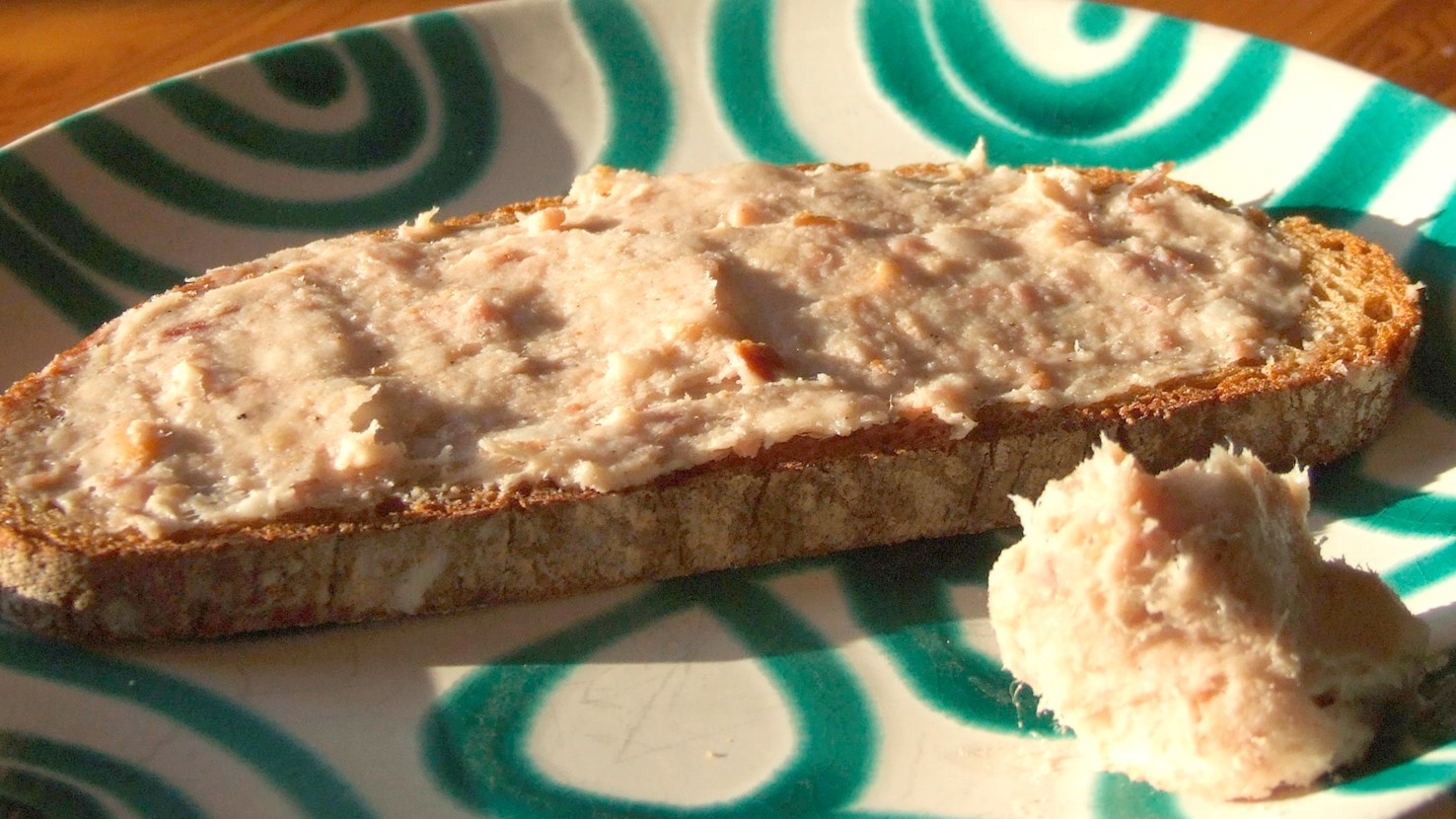
Verhackert is a coarse spread made from smoked pork fatback or bacon, finely chopped or minced and seasoned with garlic, onion, salt, pepper, and occasionally marjoram or caraway. It is especially associated with Styria and Carinthia, where it is commonly spread thickly over dark farmhouse bread and served as part of a brettljause, the cold platter of bread, cured meats, cheese, pickles, and spreads found throughout rural Austria. In parts of Carinthia, a closely related preparation is known as sasaka. Verhackert has been documented as part of Austrian snack culture since at least the beginning of the 20th century. However, the method itself comes from an older household practice of preserving and making full use of fatty pork. Its name derives from the German verb hacken, meaning to chop, which directly describes the original preparation: cured or smoked pork fat was chopped repeatedly with a heavy knife until it reached a coarse, spreadable consistency. Before meat grinders became common, this was done on a dedicated chopping block with a special chopping knife, equipment that was part of the kitchen inventory on many farms. The pork fat used for verhackert was first salted and then smoked for several weeks, which both preserved it and gave the finished spread its characteristic smoky flavor. The rind was removed, and the fat was chopped into pieces roughly the size of peas rather than processed into a completely smooth paste. The mixture was then packed firmly into a stoneware or earthenware container whose interior had been coated with pork lard. A layer of melted lard could also be poured over the surface, limiting air contact and helping preserve the contents. Modern versions are more often made by passing smoked bacon or fatback through a meat grinder, sometimes with garlic and onion, producing a finer, more uniform texture while retaining the same basic character. Some Styrian recipes use almost nothing beyond smoked pork, salt, pepper, and lard, while others include generous amounts of garlic, onion, marjoram, or caraway. Pumpkin seed oil occasionally appears in contemporary Styrian versions, adding a nutty flavor and linking the spread with another strongly regional ingredient, but it is not essential to verhackert. The fat content is central to the dish rather than incidental: verhackert should be soft enough to spread at serving temperature, with small pieces of smoked pork still providing texture. It is normally eaten cold or cool rather than cooked, most characteristically spread over thick slices of dark rye or mixed-grain bauernbrot. Raw onion rings, pickled cucumbers, radishes, and peppers provide a sharp, fresh contrast to the salty, fatty spread, and verhackert is commonly served with smoked meats, sausages, cheeses, hard-boiled eggs, and horseradish. It is also used as a cooking ingredient. In Styria, small amounts can enrich heidensterz, potato dishes, cabbage salads, or a roux, and melted verhackert can be poured over potato salad. In Carinthia, related sasaka is used in vegetable dishes and as a filling for noodles or sausages, and spread over crisp flatbreads. These uses take advantage of the same qualities that make it effective on bread: rendered pork fat carries flavor and the smoked meat and seasonings contribute salt and depth without requiring many additional ingredients. Verhackert is particularly common in Styrian buschenschänken and other places serving cold regional snacks, where it is eaten in relatively small quantities because of its richness. Dark bread remains its most important accompaniment, while sour pickles and fresh onions cut through the fat and keep the combination balanced. In Styria, a dry white wine such as Sauvignon Blanc, welschriesling, or a crisp Schilcher rosé works especially well, while beer is an equally natural pairing with the smoke and salt.
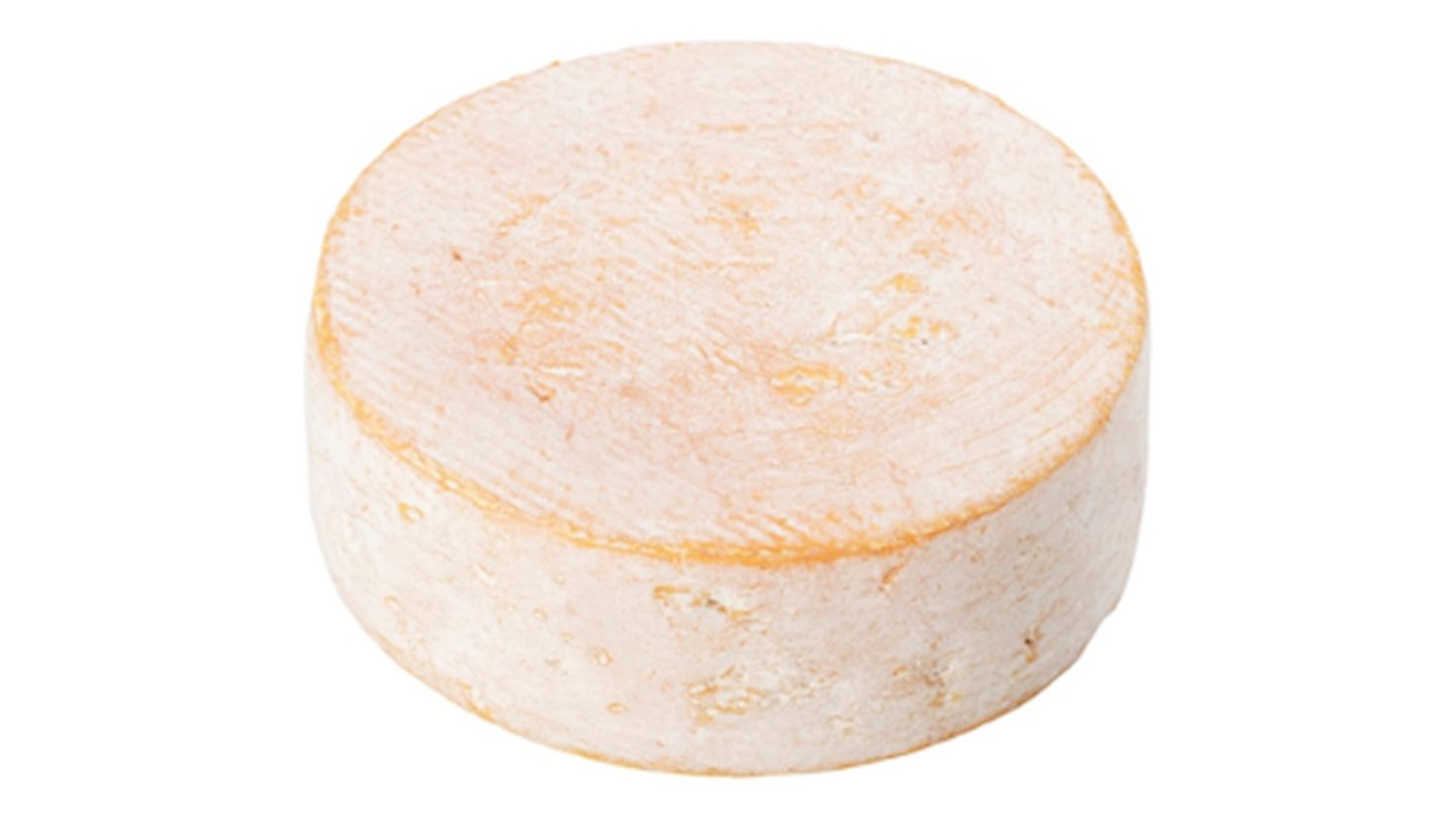
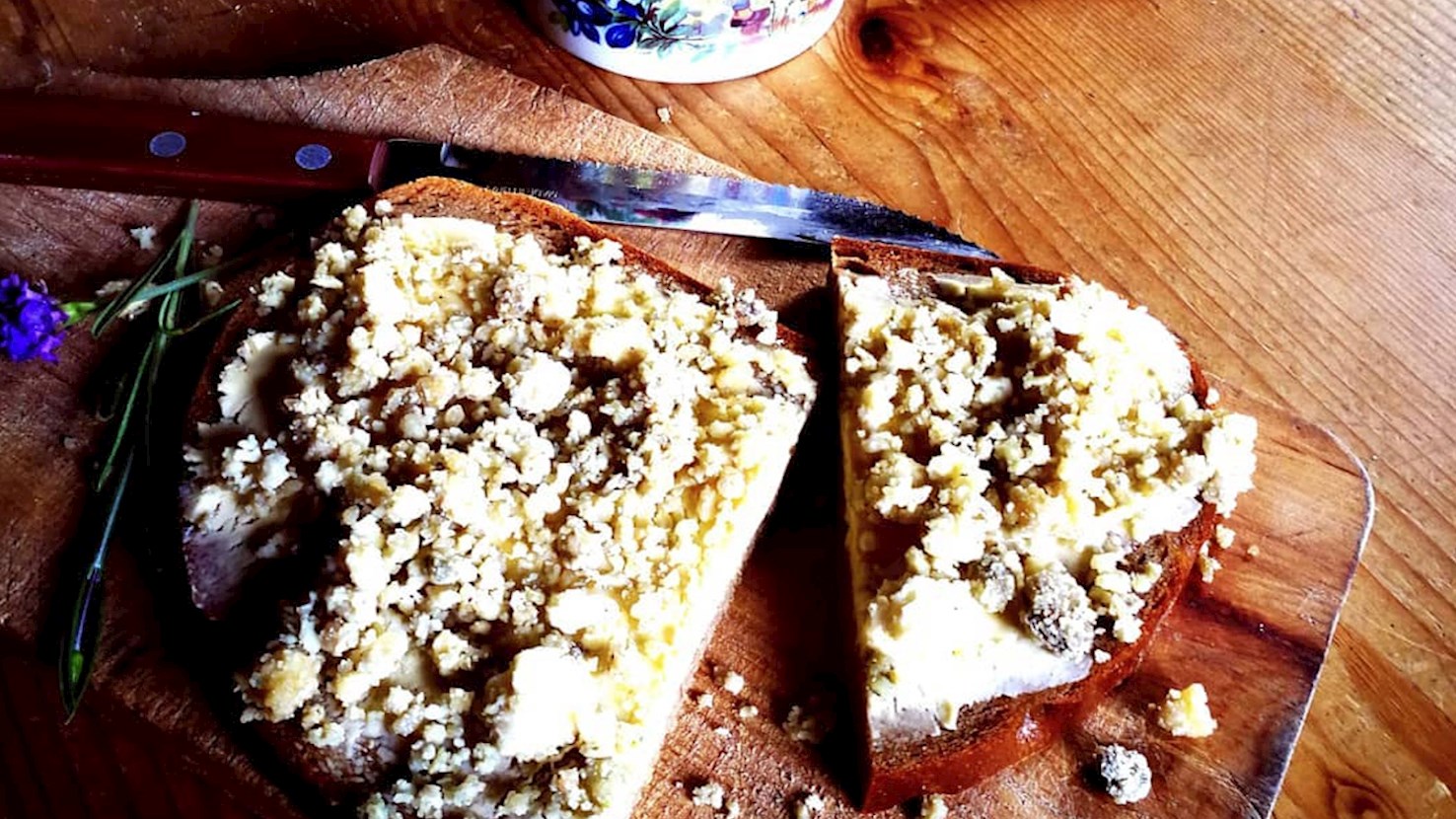
Ennstaler Steirerkas is a traditional cheese hailing from the district of Liezen in Styria. The cheese is made from pasteurized or raw skimmed cow’s milk, while small amounts of spices, herbs, pepper, or berries may also be added. Underneath its mold-ripened rind, the texture of the cheese is crumbly, granular, and patterned by mold veins. The cheese is usually left to mature for at least 3 weeks before consumption. The aromas are intense, robust, spicy, and earthy, with mild notes of ammonia. The flavors are sour, piquant, strong, sharp, and spicy. It’s recommended to enjoy the cheese on a slice of buttered bread.
Rindfleischsalat mit Kürbiskernöl is an Austrian dish that translates to "beef salad with pumpkin seed oil". This dish combines thinly sliced, cooked beef (often leftovers from a roast or boiled beef) with a variety of ingredients such as onions, pickles, and sometimes beans or other vegetables. The salad is dressed with pumpkin seed oil, a specialty of the Styria region in Austria, known for its nutty flavor and deep green color. Vinegar and mustard are often added to the dressing to balance the richness of the oil and beef. The salad is typically served cold, making it a refreshing and hearty dish that is especially popular in the warmer months.
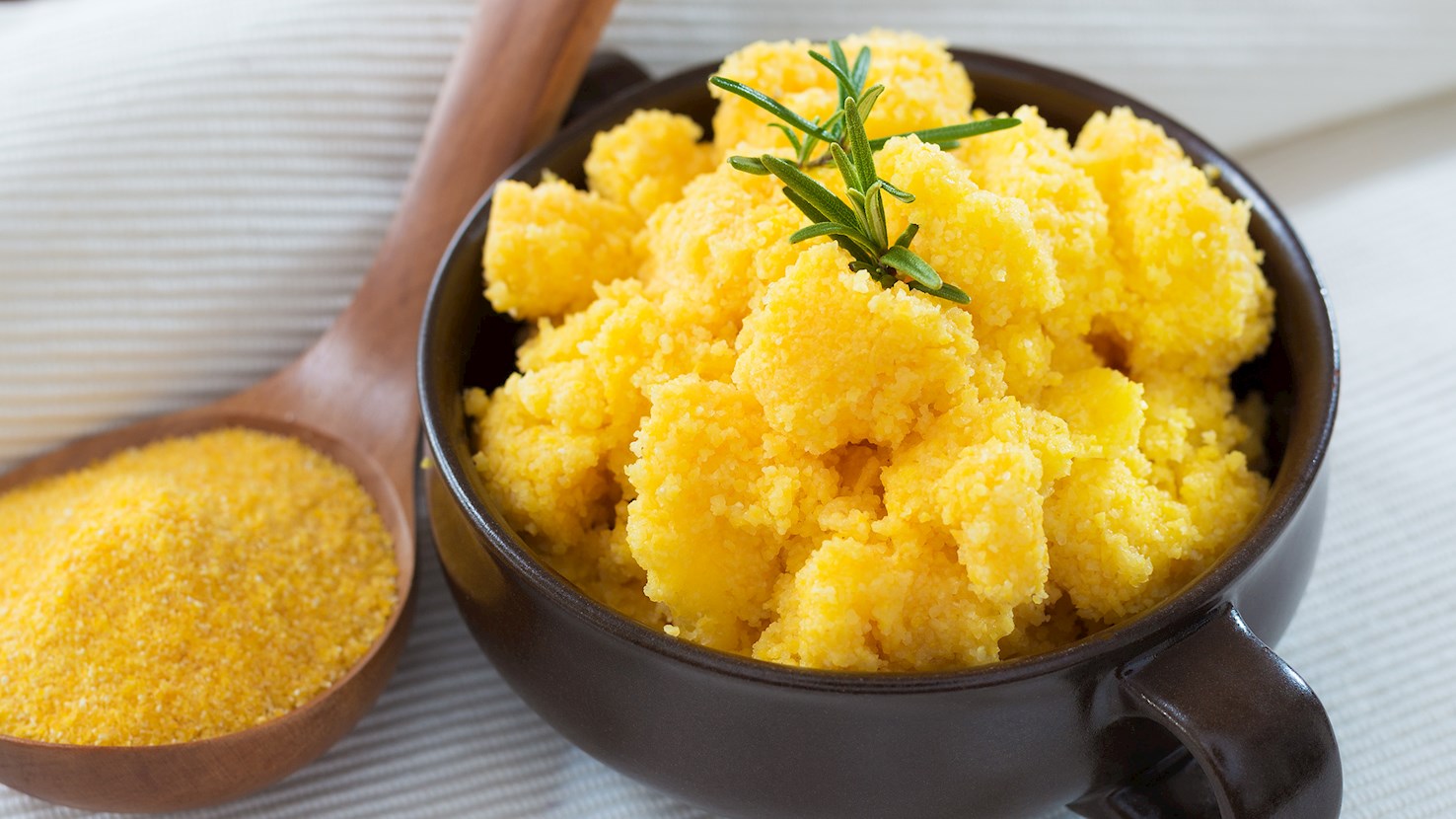
Steirischer heidensterz is a traditional rural dish made with buckwheat flour. Believed to have originated in the 15th century in the Austrian state of Styria, it is made by quickly pouring the buckwheat flour into boiling water with a pinch of salt, which creates large flour lumps. The water is then drained, and the lumps are mashed and mixed in a pot of melted lard. The compound is lightly stirred and left to cook for another few minutes until it is firm. Traditionally, the dish is served with a local version of mushroom soup or dumpling soup, but it can also be accompanied by sour milk. Heidensterz started out as peasant food because of the accessibility of the ingredients and its nutritional value, but in the early 19th century, it was declared a national dish in Styria and a culinary delicacy for all citizens, not only peasants.
Sterz is a traditional peasant dish that consists of simple, everyday ingredients, typically a combination of flour, fat, water, and salt. It is mostly associated with the Austrian regions of Burgenland and Styria, although different varieties of this flour mash are also found in other parts of Austria, Slovenia, Bavaria, and Croatia. The dish can be made with various types of flour such as wheat flour, rye flour, buckwheat flour, spelt flour, or a combination of any of these flour kinds. To make sterz, the flour is typically lightly browned before it is cooked in boiling salted water and stir-fried with fat (traditionally with lard). Other common ingredients contained in this dish include eggs, milk, pork cracklings, bacon bits, beans, and onions. Depending on the addition to the basic flour mixture, there are numerous types of sterz, including eiersterz (egg sterz), mehlsterz (flour sterz), grammelsterz (with pork cracklings), kukuruzsterz (also called turkensterz, a cornmeal sterz), riebelsterz (potato sterz), and blutsterz (with pig blood). A popular variety of sterz in both Burgenland and Styria is heidensterz, a type of buckwheat flour-based sterz, which is considered a national dish in Styria. Traditionally, sterz dishes are enjoyed with soups or used as an einladen (filling) for soups, although they are also commonly eaten for breakfast with milk.
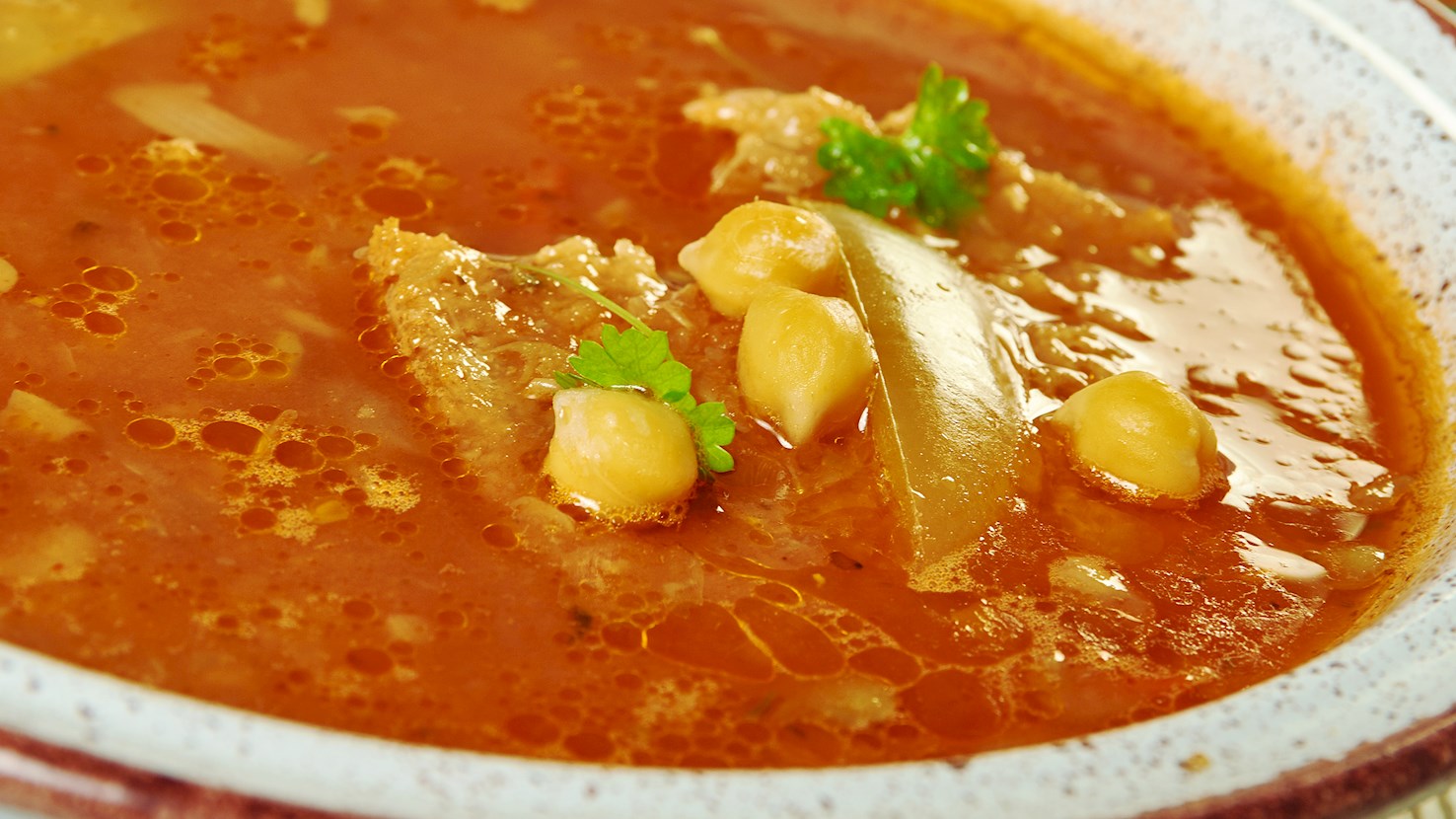
Klachelsuppe is a traditional soup originating from Styria. The word klachel in the name of the soup refers to its key ingredient – pork knuckle. The soup also contains soup greens such as carrots, celery, and parsley, bay leaves, juniper berries, peppercorns, marjoram, sour cream or heavy cream, flour, salt, pepper, and a dash of white wine, if desired. The pork knuckle is cooked with the vegetables, and the bones are later removed, while the meat is chopped into small pieces. The flour is mixed with the cream, and the combination is stirred into the soup with seasonings and white wine. The meat is then returned to the pot for a while, and the soup is traditionally served hot. It's recommended to pair it with heidensterz, a dish made with greaves and buckwheat flour.
TasteAtlas food rankings are based on the ratings of the TasteAtlas audience, with a series of mechanisms that recognize real users and that ignore bot,
nationalist or local patriotic ratings, and give additional value to the ratings of users that the system recognizes as knowledgeable.
TasteAtlas Rankings should not be seen as the final global conclusion about food. Their purpose is to promote excellent local foods,
instill pride in traditional dishes, and arouse curiosity about dishes you haven’t tried.
The initial list of top producers was compiled based on available reviews, awards, local recommendations, media and blog coverage, and consumer reviews.
The list will be updated with ratings from TasteAtlas local ambassadors and TasteAtlas users.








What People Say