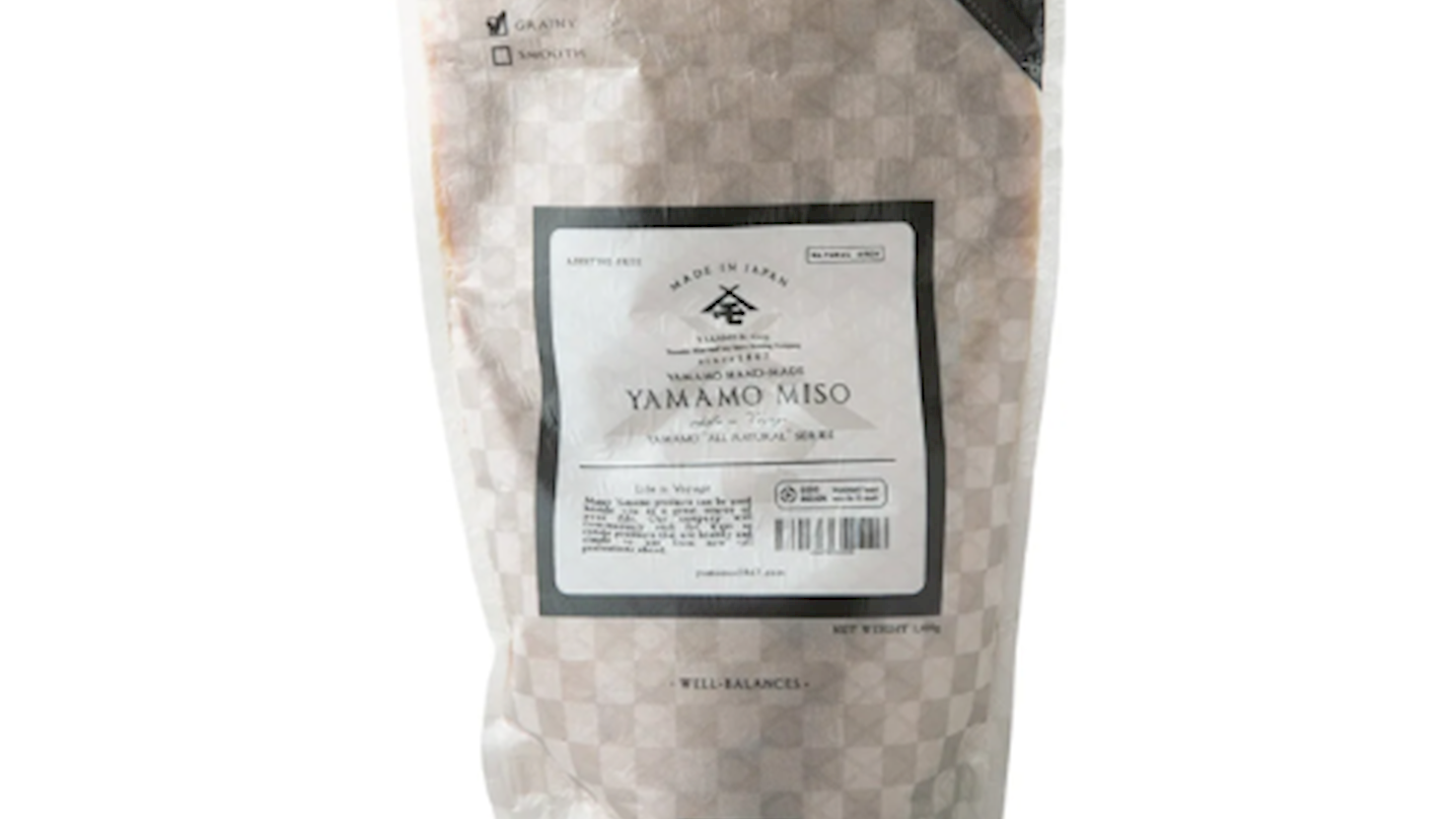
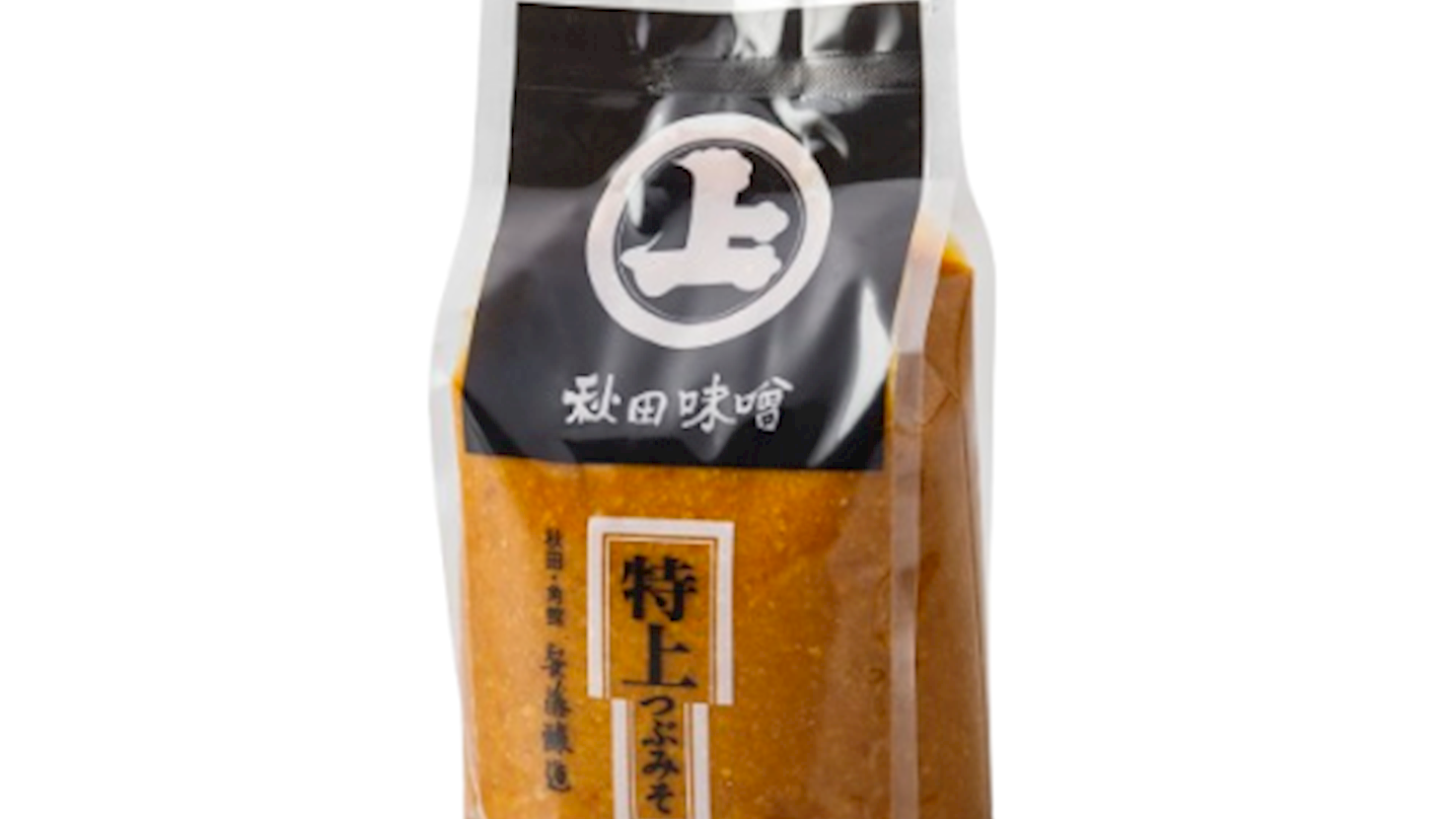
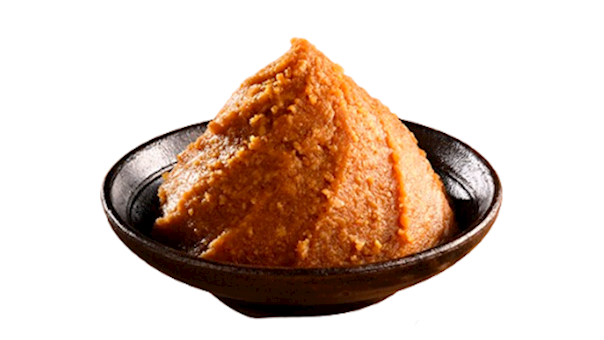
Yamamo is a family-run artisanal company founded in 1867 in Yuzawa City, Akita Prefecture, and has been producing miso paste and soy sauce for seven generations. What sets Yamamo apart is its unique blend of tradition and innovation: while remaining faithful to time-honored fermentation techniques in wooden barrels and using local ingredients (soybeans, rice, wheat, and natural water from Akita), they also experiment with new fermented products and conceptual design.
Their philosophy integrates Japanese aesthetics, art, architecture, and gastronomy into a holistic experience. Yamamo’s products are characterized by complex umami profiles, long natural fermentation without additives, and remarkable purity of flavor.
They are especially known for their innovative lines of fermented sauces and seasonal miso pastes. Beyond production, Yamamo also offers tasting experiences and workshops, opening their historic house to visitors as both a cultural and culinary destination.
Their commitment to craftsmanship, sustainability, and aesthetics makes them one of the most forward-thinking fermentation producers in Japan.
Ando Jozo is a family-owned company with over 160 years of tradition in producing miso paste and soy sauce, located in the city of Ina in Nagano Prefecture. Founded in 1867, the company is built on a philosophy of respect for nature, the local community, and artisanal craftsmanship passed down through generations.
Their production combines traditional fermentation methods using large wooden barrels with carefully selected ingredients - locally grown soybeans, rice, and Himalayan salt. They place special emphasis on a slow, additive-free fermentation process to develop a rich umami flavor and preserve nutritional value.
Ando Jozo’s products are known for their authenticity and delicate complexity, offering a wide variety of miso pastes as well as hand-crafted soy sauce. Their commitment to sustainability, transparency, and the preservation of tradition makes them one of the most respected producers in Japan.
Ishimago Honten is a family-run artisanal workshop from Akita Prefecture, founded in 1855, specializing in the production of miso paste and soy sauce using traditional fermentation methods. Their production relies on locally sourced ingredients - soybeans, rice, and wheat grown in Akita, along with sea salt from Okinawa - and takes place in old wooden barrels housed in historic storehouses registered as cultural heritage sites of Japan.
Ishimago Honten remains committed to time-honored techniques passed down through generations, including the manual preparation of koji starters and natural fermentation processes that can last over a year. Their product line includes various types of miso paste, tamari, and shoyu sauces, all known for their rich flavor, deep umami, and exceptional quality.
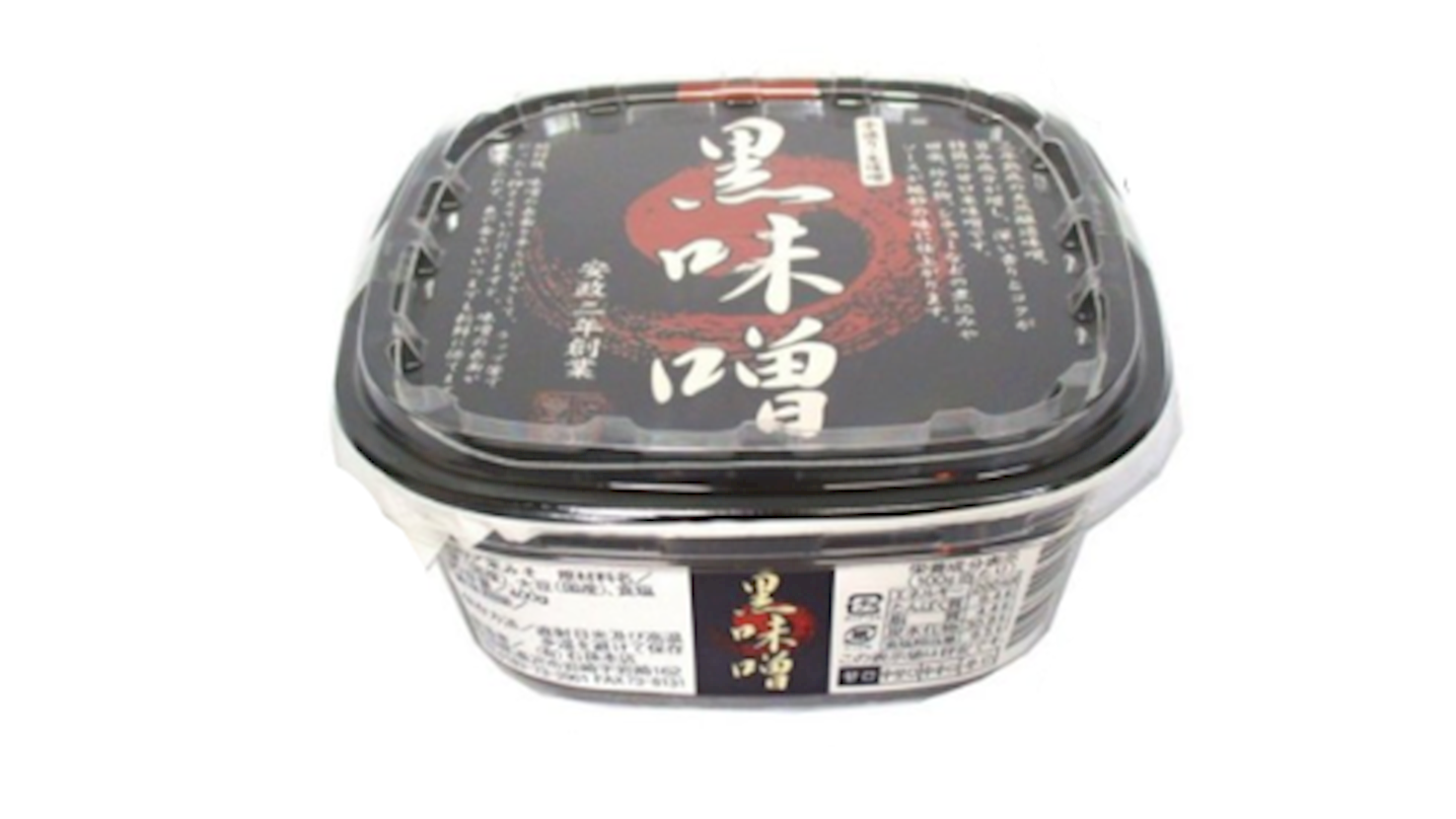
One of their standout offerings is the Black Miso, crafted in limited quantities using traditional methods and often featured in fine dining. Ishimago Honten also welcomes visitors - offering guided tours, tastings, and workshops for those interested in experiencing authentic Japanese fermentation firsthand.
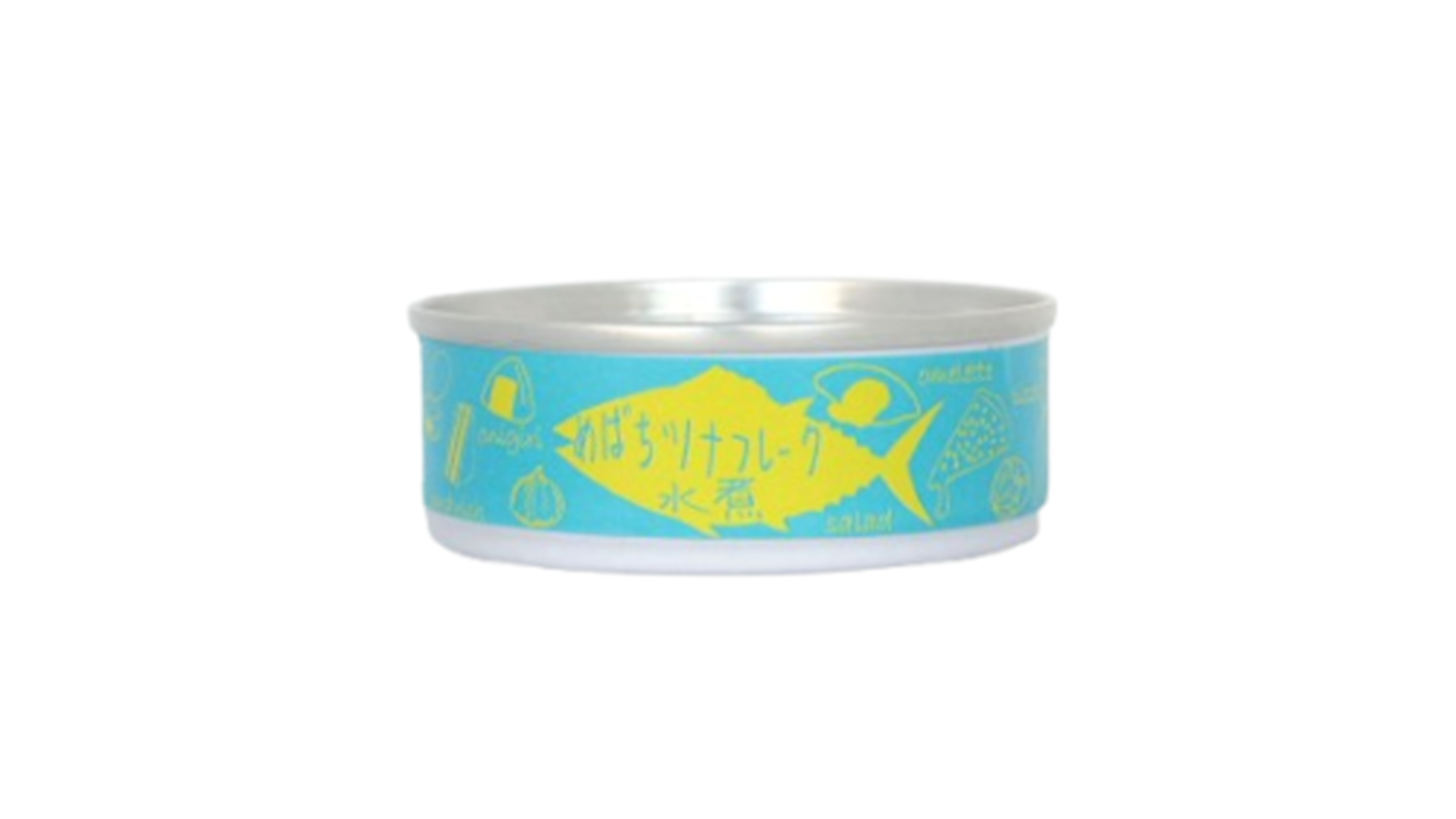
Time Canning is a Japanese company specializing in premium canned fish, based in Rikuzentakata in Iwate Prefecture, an area known for the rich fishing grounds of the Sanriku coast. Their production focuses on processing fresh fish without freezing the raw material beforehand, which preserves the natural texture and quality of the meat.
The fish is handled manually, from cleaning to placing it into cans, a practice that stands out in an industry dominated by automation. Time Canning products are frequently used in cooking demonstrations to show how high-quality canned fish can be incorporated into simple dishes such as ramen, salads or soups.
Time Canning exemplifies how canned fish can be a high-quality product, designed for consumers who value authenticity and full traceability of origin.
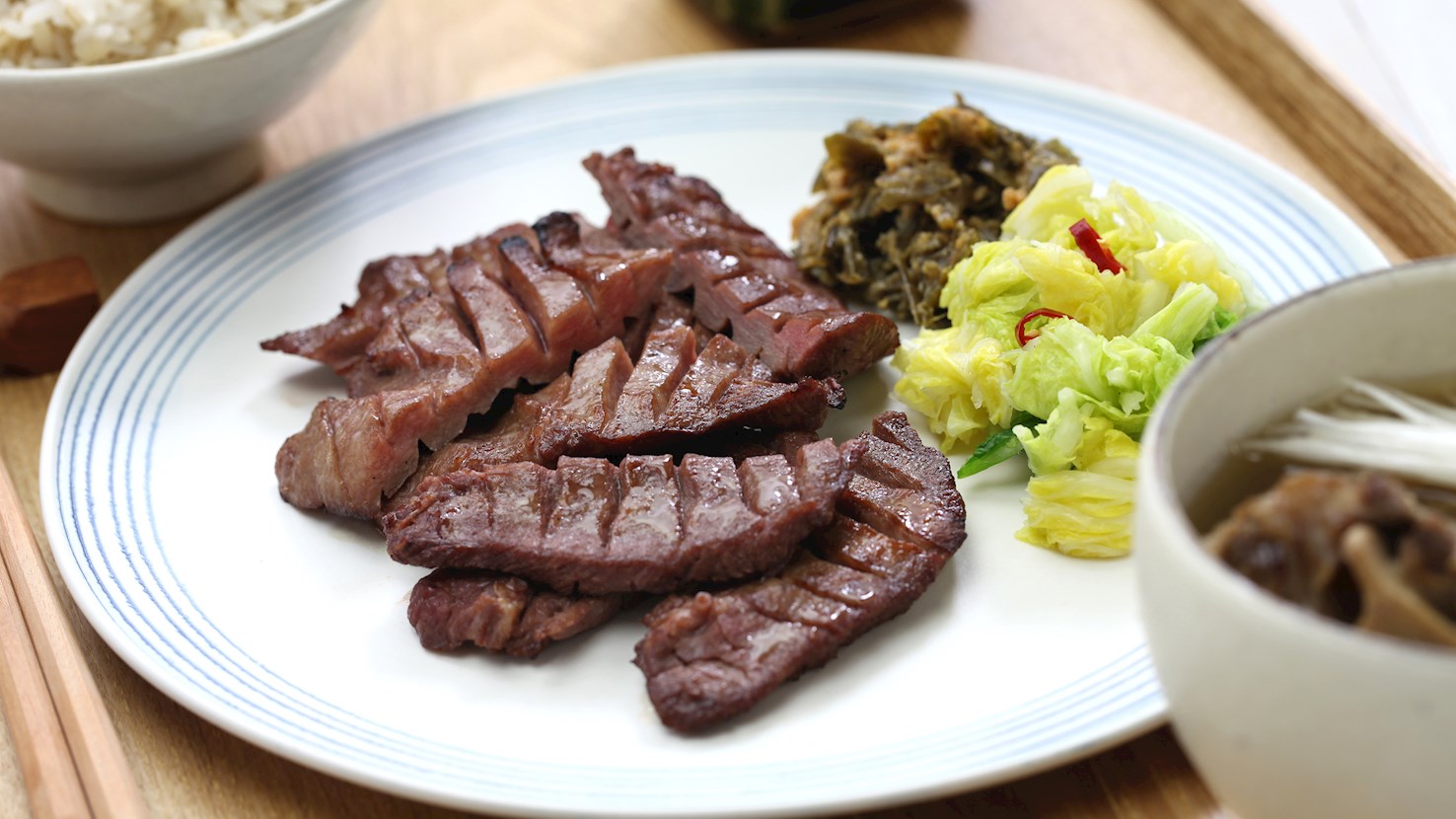
Gyutan is a Japanese dish originating from Sendai. It consists of pieces of thinly sliced beef tongue that's cooked on a charcoal grill. It's typically seasoned with salt or soy sauce-based tare sauce before grilling. The dish is usually accompanied by pickled vegetables, a combination of steamed rice and barley known as mugi gohan, or oxtail soup. Gyutan can also be served as a donburi over steamed rice, or as a curry, which is also accompanied by rice. It's believed that the dish was invented in 1948, when a local yakitori restaurant started to specialize in beef tongue dishes.
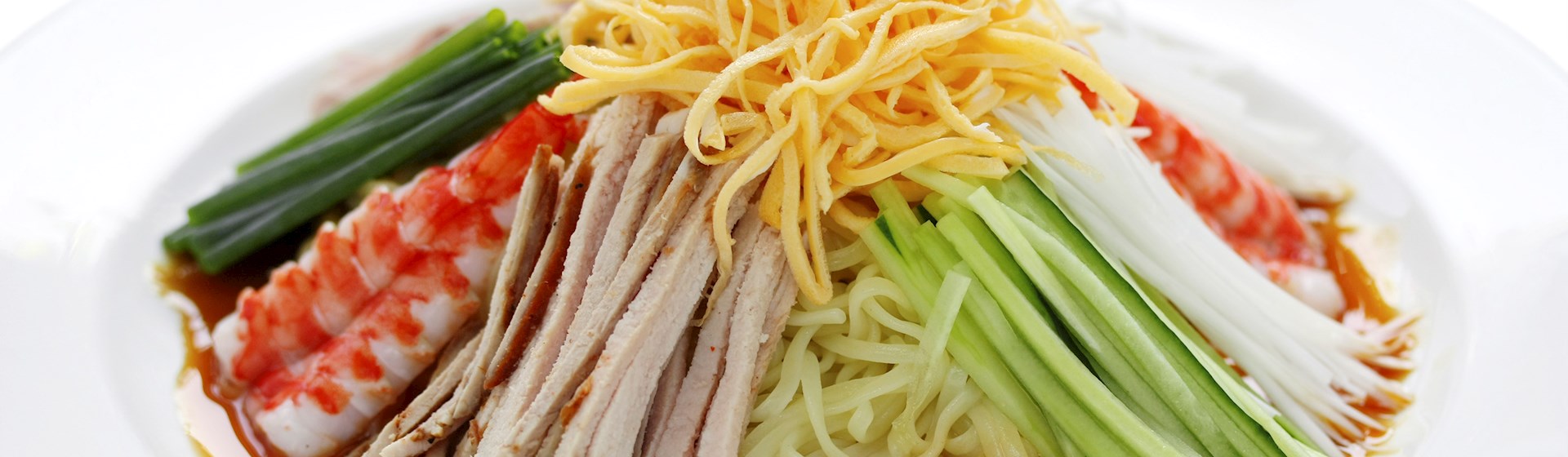
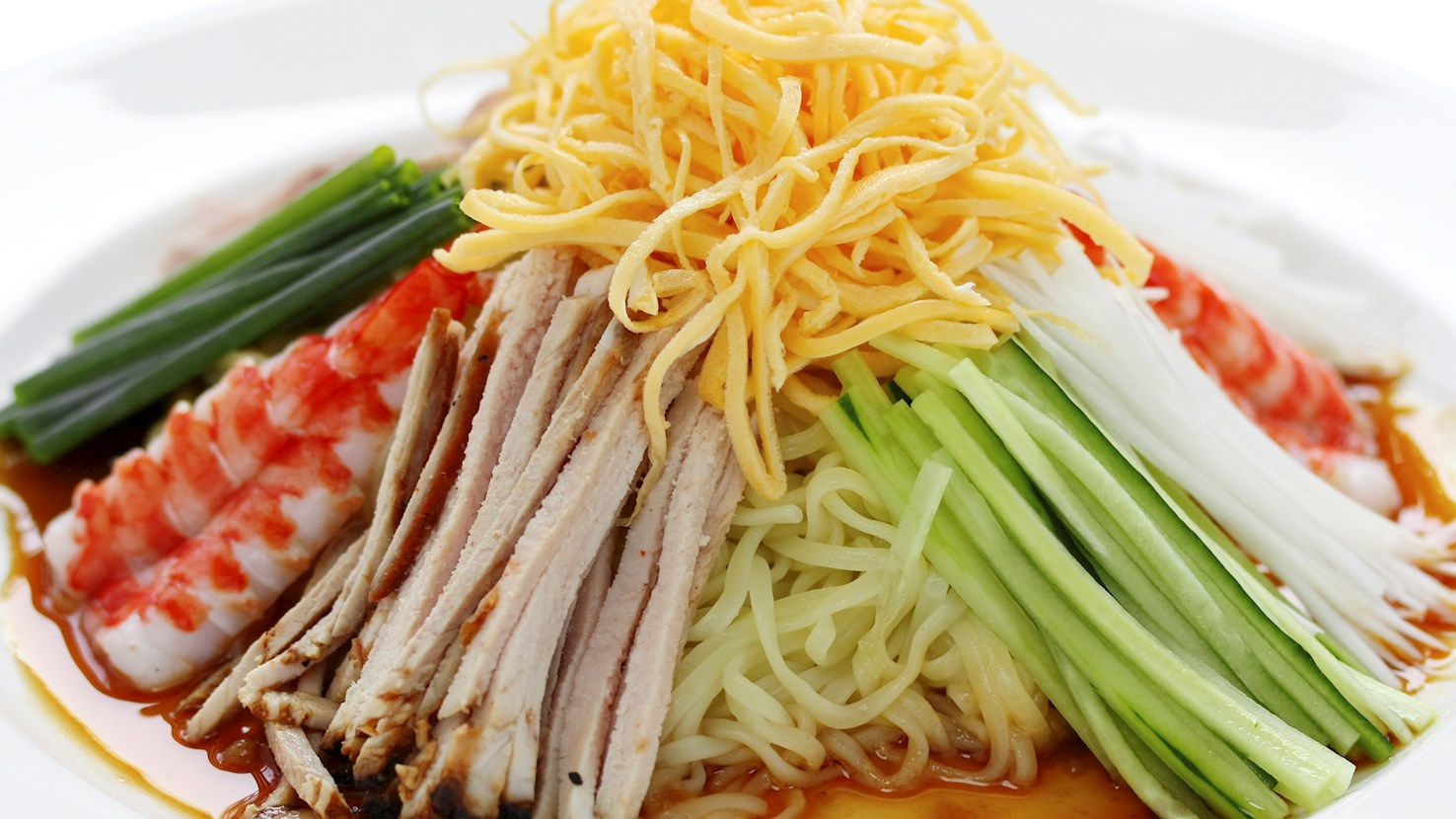
Hiyashi chūka is a chilled summer noodle meal consisting of cold ramen noodles topped with a colorful array of thinly sliced ingredients and dressed in a tart, chilled sauce. Despite the name containing a geographic reference to China, the item was entirely invented within Japan during the Showa period. Two distinct origin stories exist, both stemming from the need to combat the severe decline in hot soup noodle sales during the sweltering summer months. In 1933, the Yosuko Saihankan restaurant in Kanda, Tokyo, launched a menu item called Gomoku Hiyashi Soba, which arranged ten different toppings to visually resemble the slopes of Mount Fuji. A few years later, in 1937, the Sendai-based restaurant Ryutei created a similar cold item called Ryang-ban-men, utilizing cabbage, carrots, and a soy-vinegar dressing to provide nutritional balance in the extreme heat. Following World War II, the item gained massive nationwide popularity, eventually becoming synonymous with the arrival of summer. Establishments famously hang specific paper banners reading "Hiyashi chūka hajimemashita," signaling to the public that the hot weather has arrived and the cold noodles are finally available for purchase. Constructing the meal begins by boiling fresh wheat ramen noodles. Immediately after boiling, the hot strands are plunged directly into an ice-water bath or rinsed vigorously under cold running water. The chilling removes the sticky surface starch and tightens the wheat structure, resulting in a highly firm, chewy texture. The cold noodles are completely drained and placed in the center of a wide, shallow dish, frequently made of clear glass to emphasize the cooling aesthetic. The toppings are cut into thin, matchstick-like strips to blend seamlessly with the noodles' shape when lifted with chopsticks. Standard additions include thin strips of golden egg crepes known as kinshi tamago, pink boiled ham, roasted char siu pork, imitation crab sticks, crisp green cucumbers, blanched bean sprouts, and red tomatoes. The ingredients radiate outward from the central mound of noodles, creating a bright, high-contrast color palette. The entire assembly is generously drenched in a chilled dressing just before serving. The most widespread dressing combines soy sauce, water, rice vinegar, sugar, and sesame oil, yielding a sharp, sweet-and-sour profile. Another highly favored sauce variation relies heavily on rich, creamy sesame paste, creating a denser, nuttier flavor. A dollop of spicy yellow mustard is almost always placed on the rim of the plate, to be mixed into the liquid according to individual heat preferences. Across the Kansai region, the dish is simply referred to as reimen, which translates directly to "cold noodles," while the northern island of Hokkaido categorizes it as hiyashi ramen. In the Tokai region, particularly around Nagoya, a massive squirt of mayonnaise is mandatory, heavily squeezed directly over the arranged ingredients to add extra fat and tang. In Yamagata Prefecture, ice cubes are sometimes placed directly on the noodles to keep the temperature near freezing throughout the meal. Consuming the bowl of hiyashi chūka requires using chopsticks to vigorously mix the neat arrangement, ensuring the cold sauce thoroughly coats every strand and slice of vegetable before eating. The transition from a restaurant exclusive to a home staple occurred in 1960, when the Daikyu noodle company in Sendai began selling the first instant chilled noodle packs, which included a pre-mixed liquid soup sachet, thereby cementing cold noodles as a ubiquitous summer staple across the country.
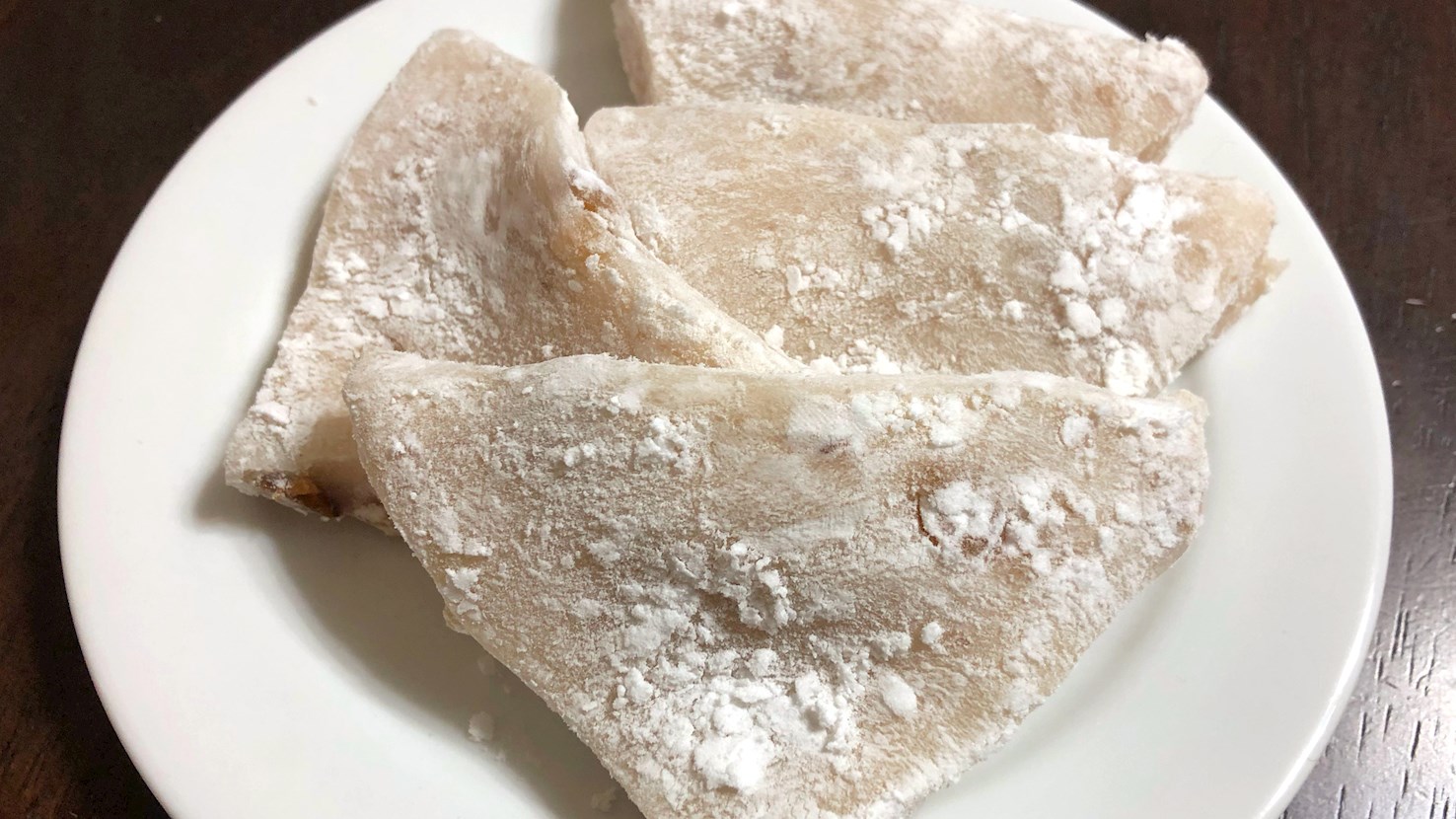
Kurumi is a traditional combination of mochi—sticky rice cakes—and a creamy walnut sauce that hails from Iwate Prefecture. Nowadays, mochi cakes are usually bought pre-packed, and before they are coated in the walnut paste, they can be toasted and dipped or soaked in water. The walnut paste is usually made with roasted walnuts that are ground in a mortar together with sugar and soy sauce.
Kaiyaki-misu is a traditional dish originating from the Tsugaru region in Aomori prefecture. The dish is made by simmering scallops, eggs, leeks, and scallions in miso-based broth. The ingredients are traditionally cooked in a large scallop shell, and it's said that the longer the shell is used for the preparation of kaiyaki-misu, the more flavor it will add to the dish. In the past, mothers used to prepare this dish for their sick children. Nowadays, depending on the area, pieces of fish might be used instead of scallops.
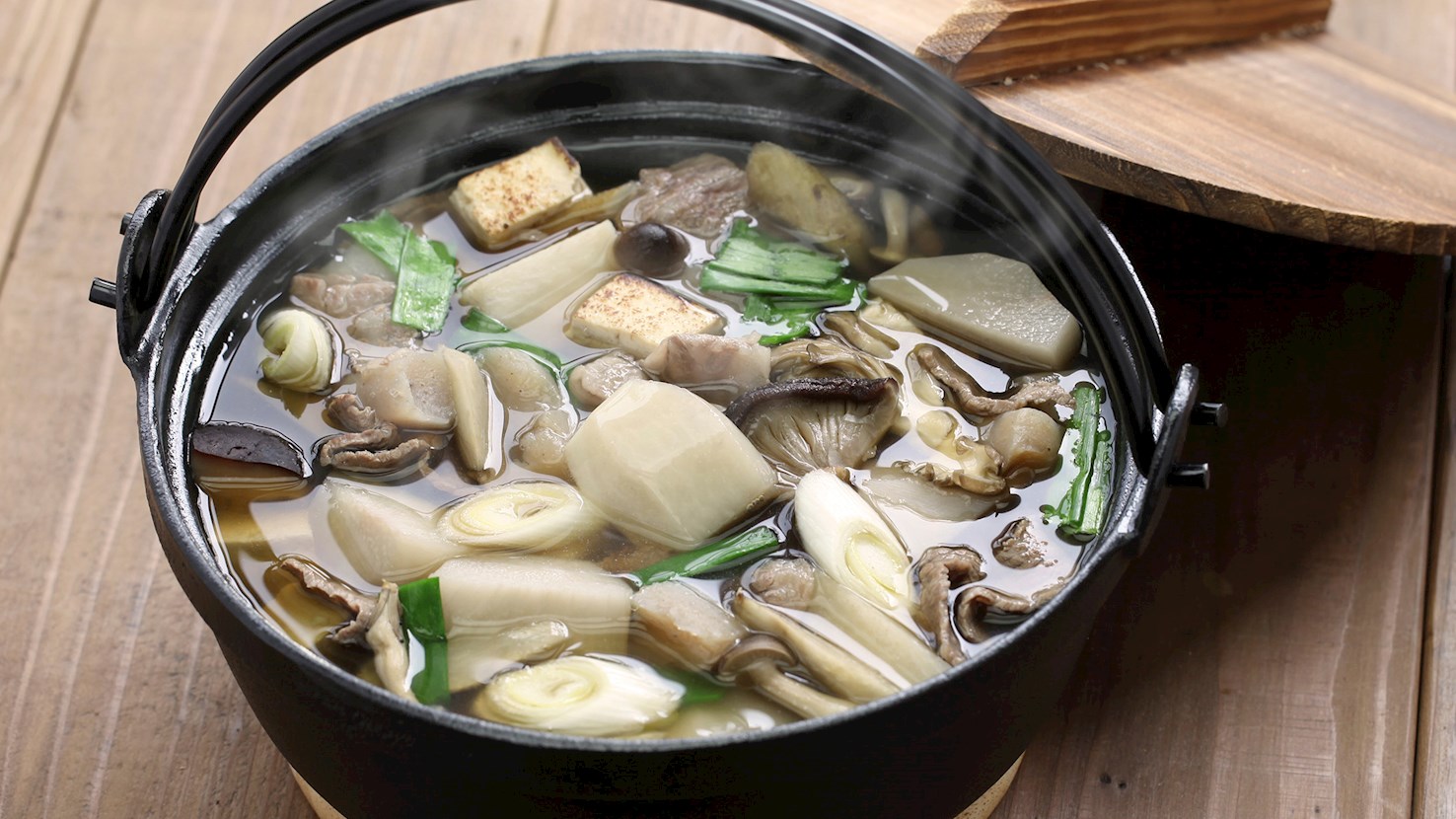
Imoni is a hearty Japanese meat stew with many regional varieties. It is most commonly consumed in the Tohoku region, where most prefectures have their favorite imoni style and a preferred choice of ingredients. In the Yamagata prefecture, imoni is usually prepared with beef and various vegetables, all doused in a slightly sweet broth made with soy sauce, sake, and sugar. In the neighboring Miyagi prefecture, a crucial element is miso paste, which is added to the soy sauce broth. An entirely different style is employed in the city of Shonai, where the favorite choice of meat is pork, which is paired with miso-based soups. Regardless of the choice of meat and the type of broth, most imoni versions include sweet taro roots and a variety of different vegetables such as konnyaku, Welsh onion, cabbage, or mushrooms. Imoni is a seasonal dish, typically prepared during the colder seasons, and it is culturally significant for many citizens. One of the ancient traditions in Yamagata are the communal festivities where friends and family gather on the river banks and cook imoni in large pots over an open fire. Each September, the city of Yamagata organizes the annual Imoni Festival, where this comforting stew is cooked in an enormous six-meter pot.
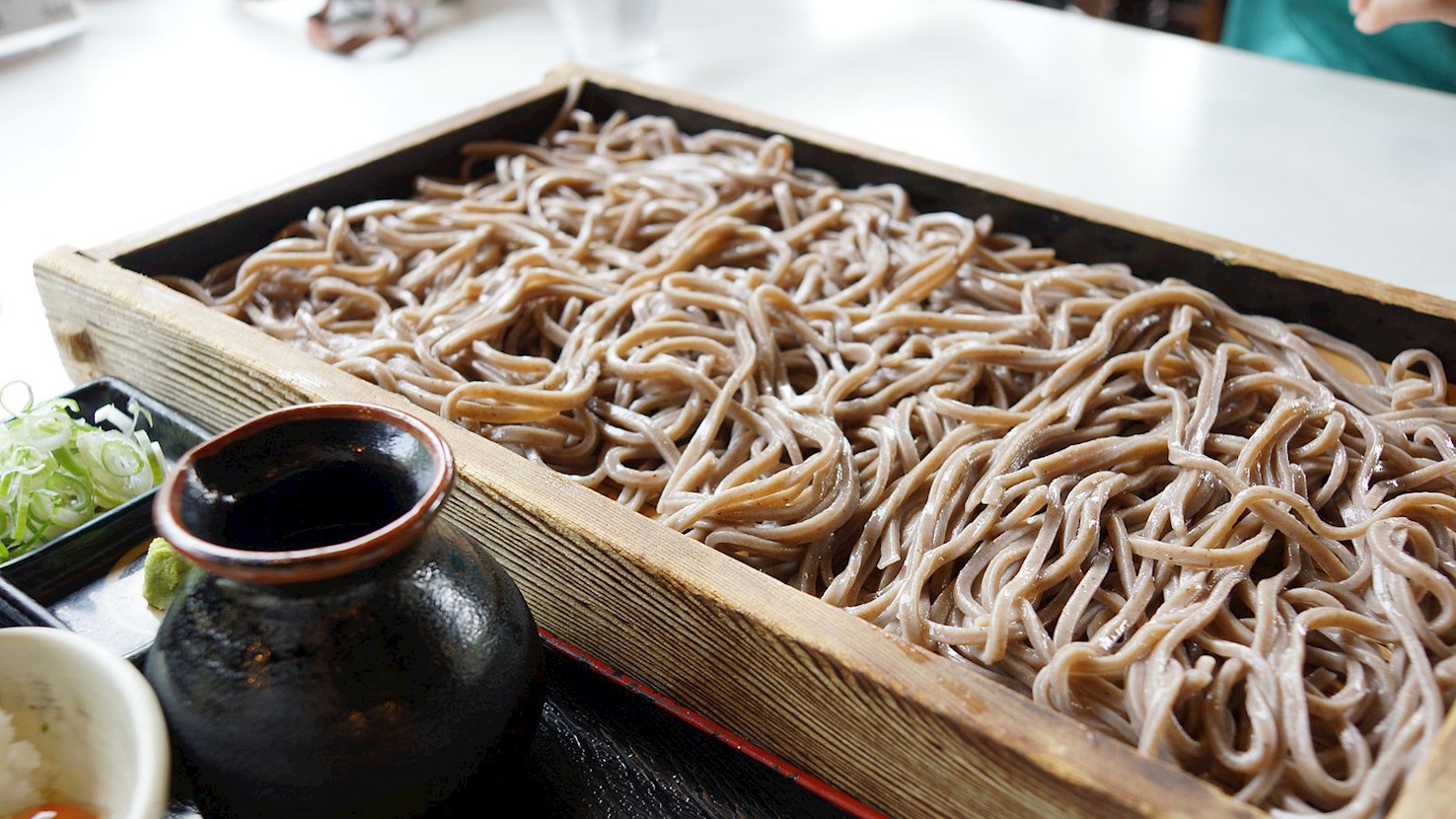
Ita soba is a traditional type of Japanese soba noodles, made from buckwheat. This type of soba noodles is a specialty of Yamagata Prefecture. The soba noodles are cut slightly larger than your regular soba noodles, and they're very reminiscent of soba noodles that are made in the countryside. This is also known as the most simple soba style. The buckwheat noodles are traditionally served on large boards called ita, hence the name of the dish. Due to the fact that unpolished soba flour is used for these noodles, the aroma and texture of buckwheat is greater than in other soba types. Once served, ita soba is often accompanied by a broth in which the noodles are dipped before eating.
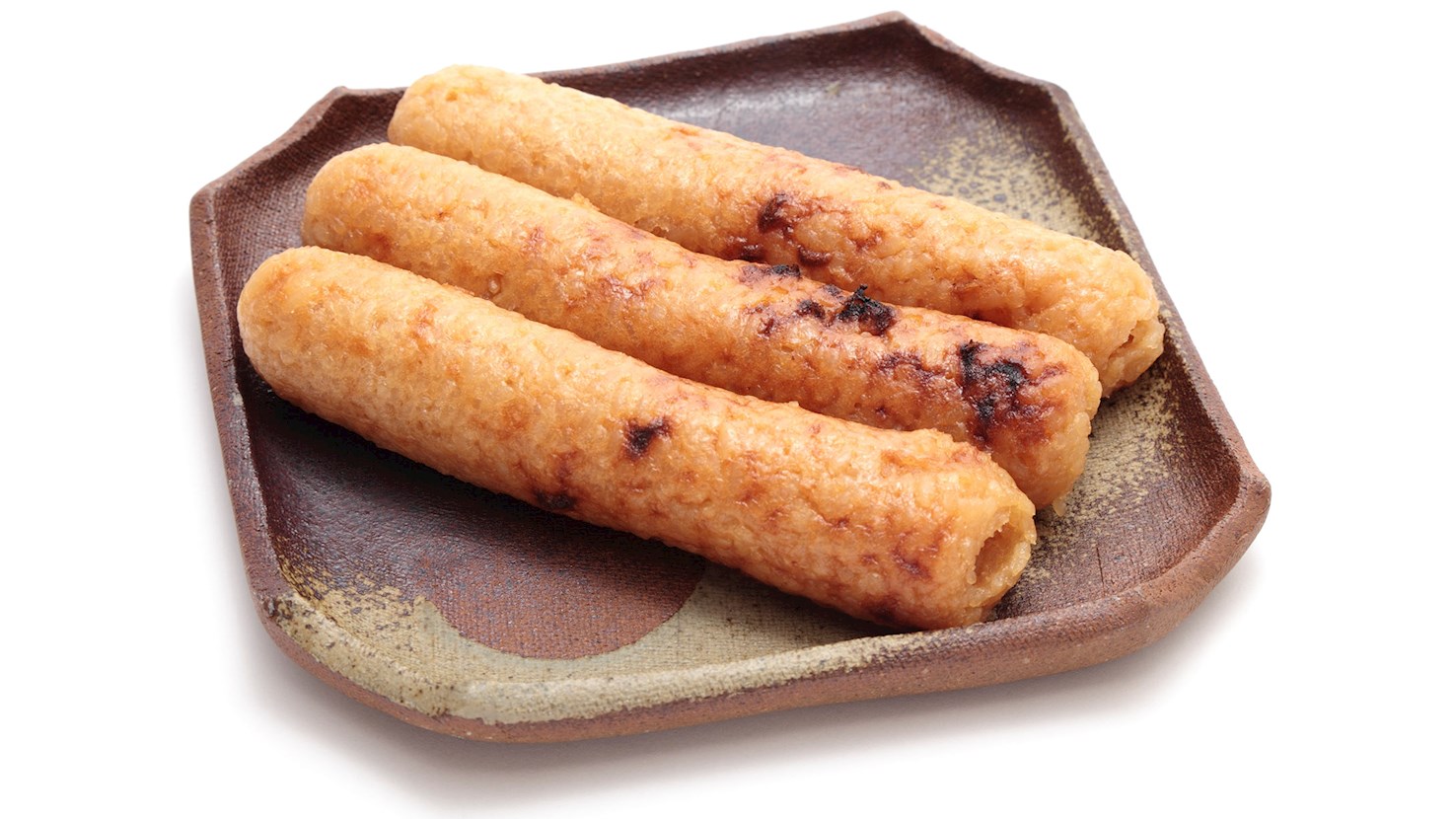
Kiritanpo is a traditional dish with origins in the Akita prefecture. It is made from cooked, half-smashed rice that is placed on a skewer, shaped into cylinders, then toasted over an open fire. The dish is traditionally consumed from autumn to spring, especially in November, when newly harvested rice is brought to the markets. It is quite common to serve kiritanpo to guests and visitors in Japan. Locals usually place kiritanpo in a hotpot with chicken, green onions, Japanese parsley, and mushrooms, but kiritanpo can also be grilled over the fire together with miso. There are two theories about its origin: one says that the woodcutters used to wrap leftover rice around a stick and consume it with miso, while they were working in the woods, and the other theory says that bear hunters from Akita prefecture served it as an accompaniment to game meat dishes. Regardless of the origins, both theories suggest that the people found a way to use the limited rice supplies instead of wasting them, and that is how kiritanpo was born. Today, one can consume kiritanpo at the annual Kiritanpo Festival, held in Odate.
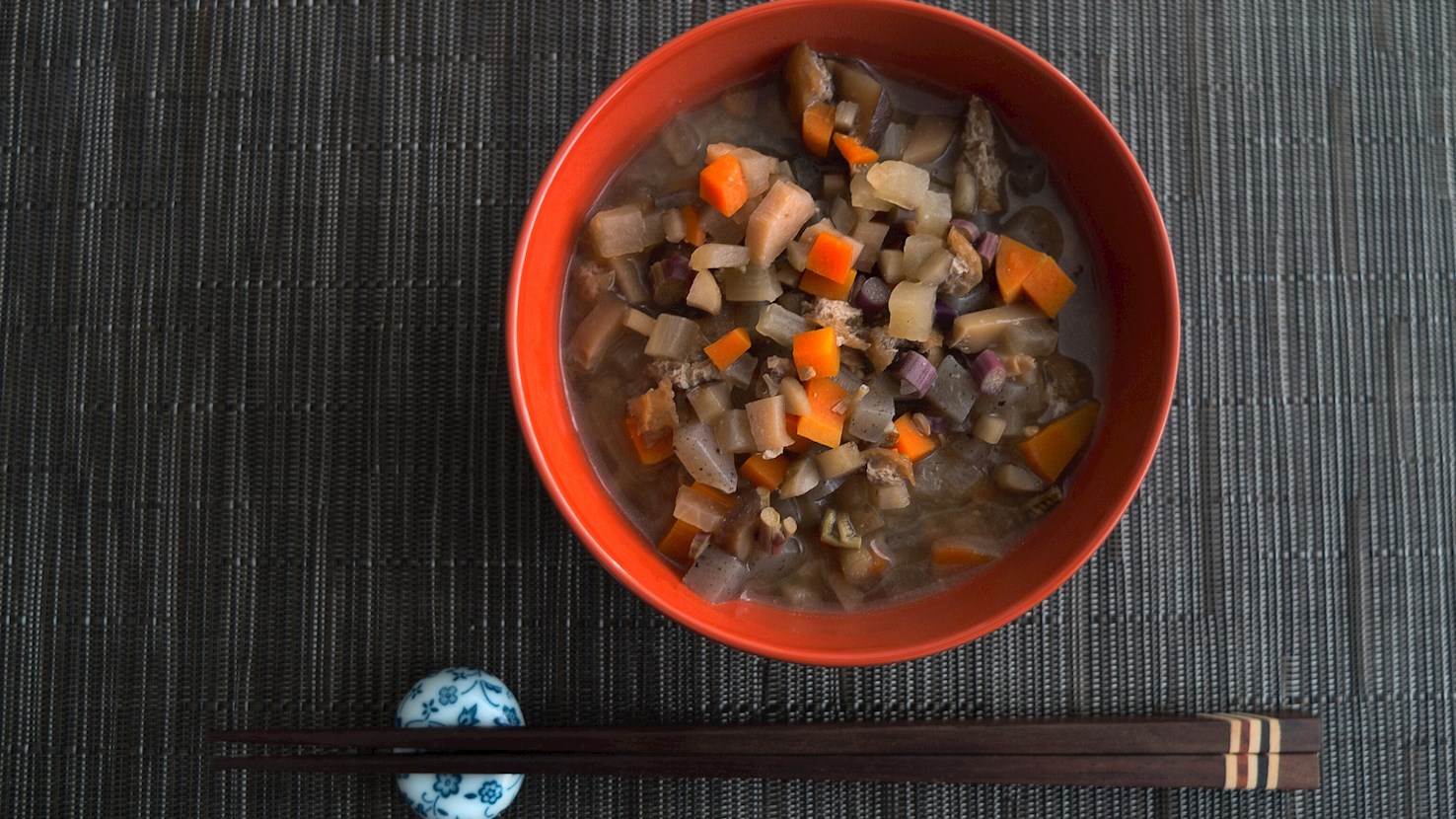
Kenoshiru is a traditional soup originating from the Tsugaru region in Aomori prefecture. This nutritious country-style soup is made with a variety of ingredients: dried or deep-fried tofu, mountain vegetables such as warabi (bracken shoots), zenmai (fiddlehead fern), and fuki (Japanese butterbur), and vegetables such as carrots and daikon. The ingredients are finely chopped and cooked with soy sauce or miso. The name of the soup is derived from kayu-no-shiru, meaning rice soup, because in the past rice was a luxury item so people used to cook chopped veggies that look similar to rice. Nowadays, the shapes if the ingredients and seasonings may vary depending on the area and the specific tradition of each household.
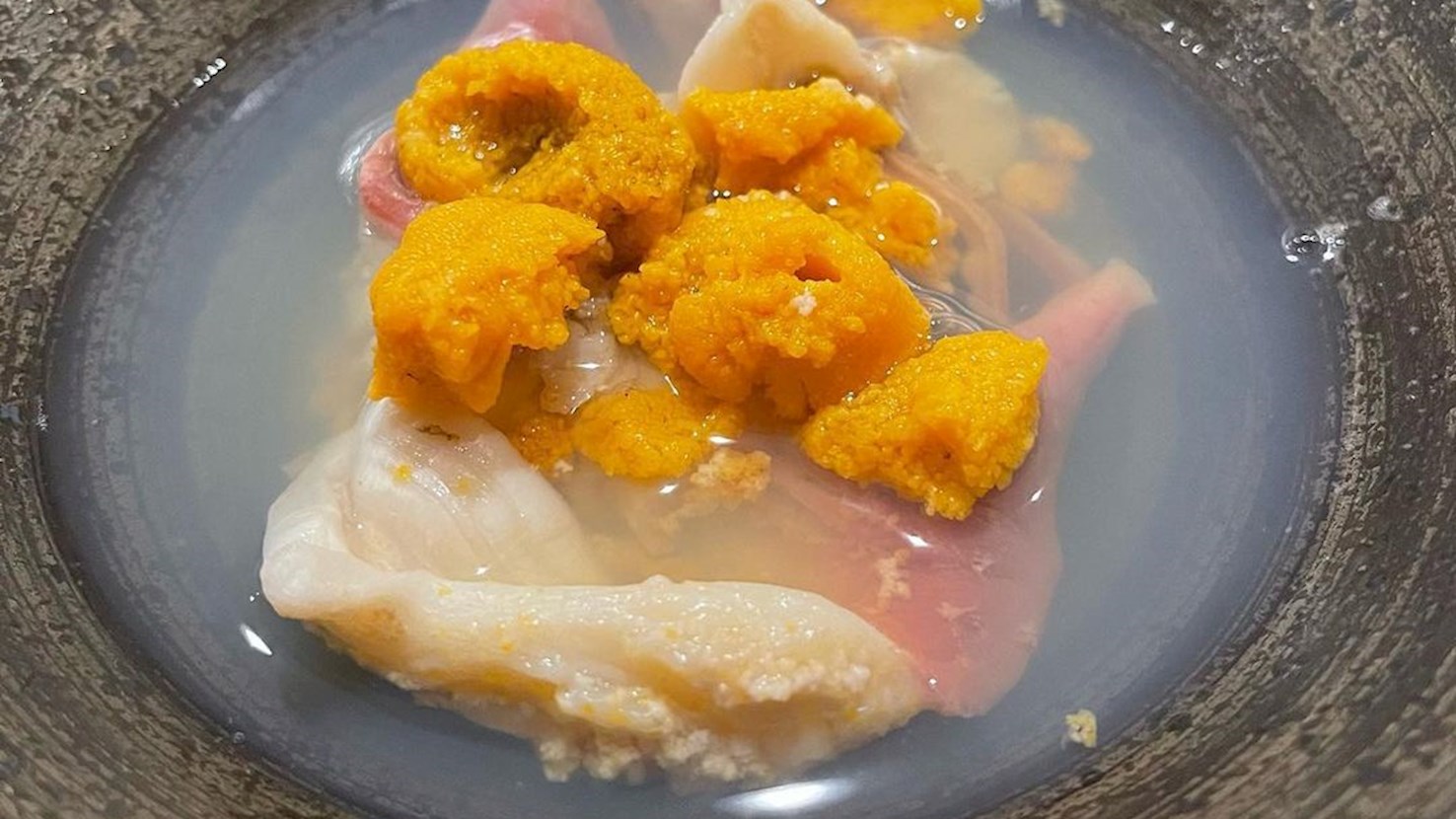
Ichigoni is a traditional soup and a specialty of Hachinohe in the prefecture of Aomori. The soup is made with sea urchin, abalone, and a seafood broth. It's typically served with green onions and thinly sliced shiso herb. Ichigoni is considered a luxurious dish, which is why it's often prepared and served for festive and celebratory occasions or New Year. In the town of Hachinohe, there's an annual Ichigoni Festival at the end of every July. The name ichigoni means strawberry, referring to the poetical visual appearance of sea urchins in the cloudy broth – they look like wild strawberries in the morning dew.
TasteAtlas food rankings are based on the ratings of the TasteAtlas audience, with a series of mechanisms that recognize real users and that ignore bot,
nationalist or local patriotic ratings, and give additional value to the ratings of users that the system recognizes as knowledgeable.
TasteAtlas Rankings should not be seen as the final global conclusion about food. Their purpose is to promote excellent local foods,
instill pride in traditional dishes, and arouse curiosity about dishes you haven’t tried.
The initial list of top producers was compiled based on available reviews, awards, local recommendations, media and blog coverage, and consumer reviews.
The list will be updated with ratings from TasteAtlas local ambassadors and TasteAtlas users.









What People Say