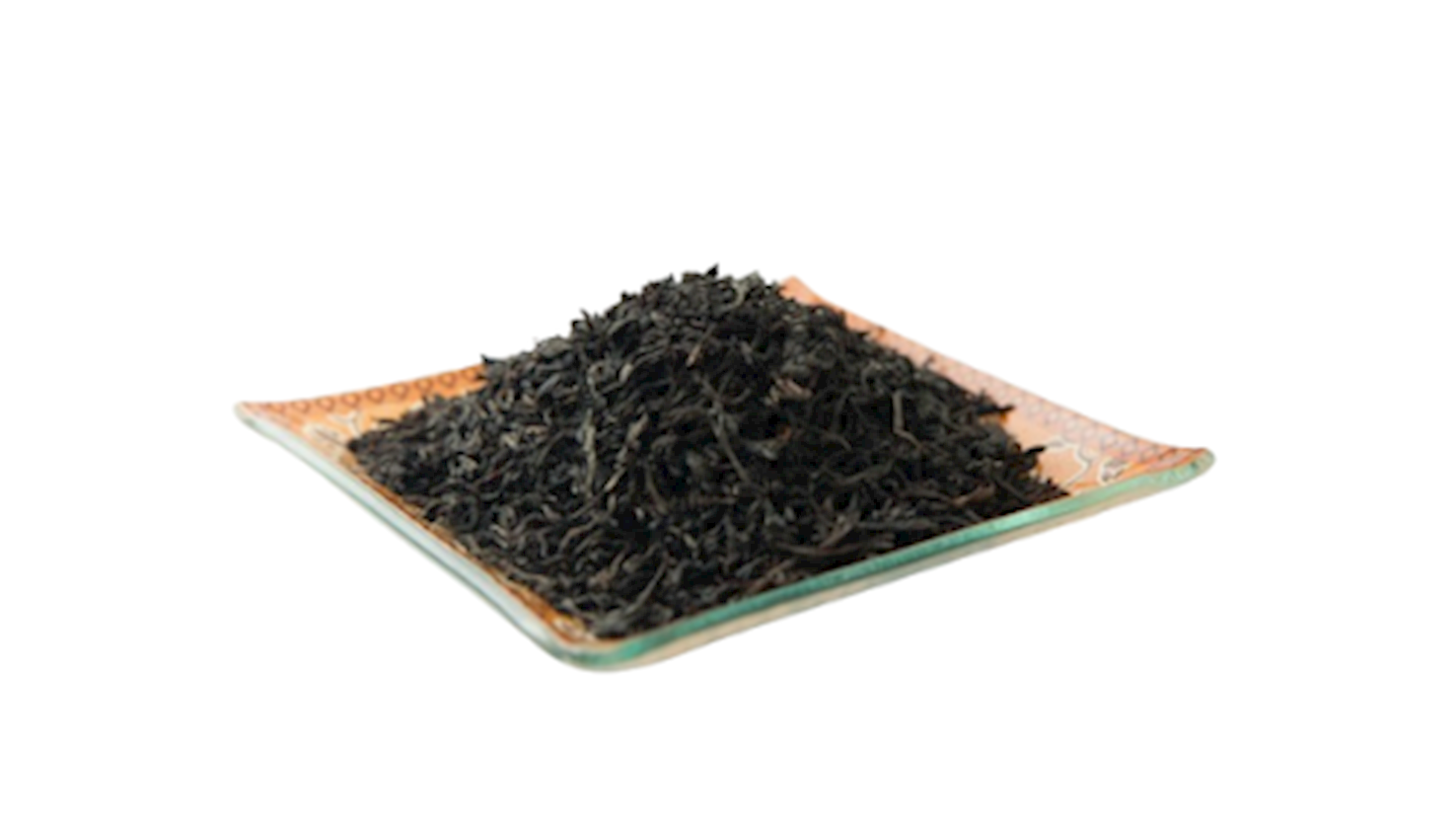
Bukit Sari is one of the oldest and largest organic tea plantations in Indonesia, located in West Java and spanning more than 1,400 hectares of certified ecological cultivation. Their assortment includes green, black, white and premium “imperial” teas, each reflecting the distinctive climate and volcanic soil of West Java.
The plantation relies on its own natural mountain spring and implements sustainable energy solutions, including a small hydroelectric system, which helps reduce its overall environmental footprint. Full control over the entire process - from hand-picking to final packaging - ensures that their teas retain authenticity, a clearly expressed terroir and the high quality expected from a specialized grower.
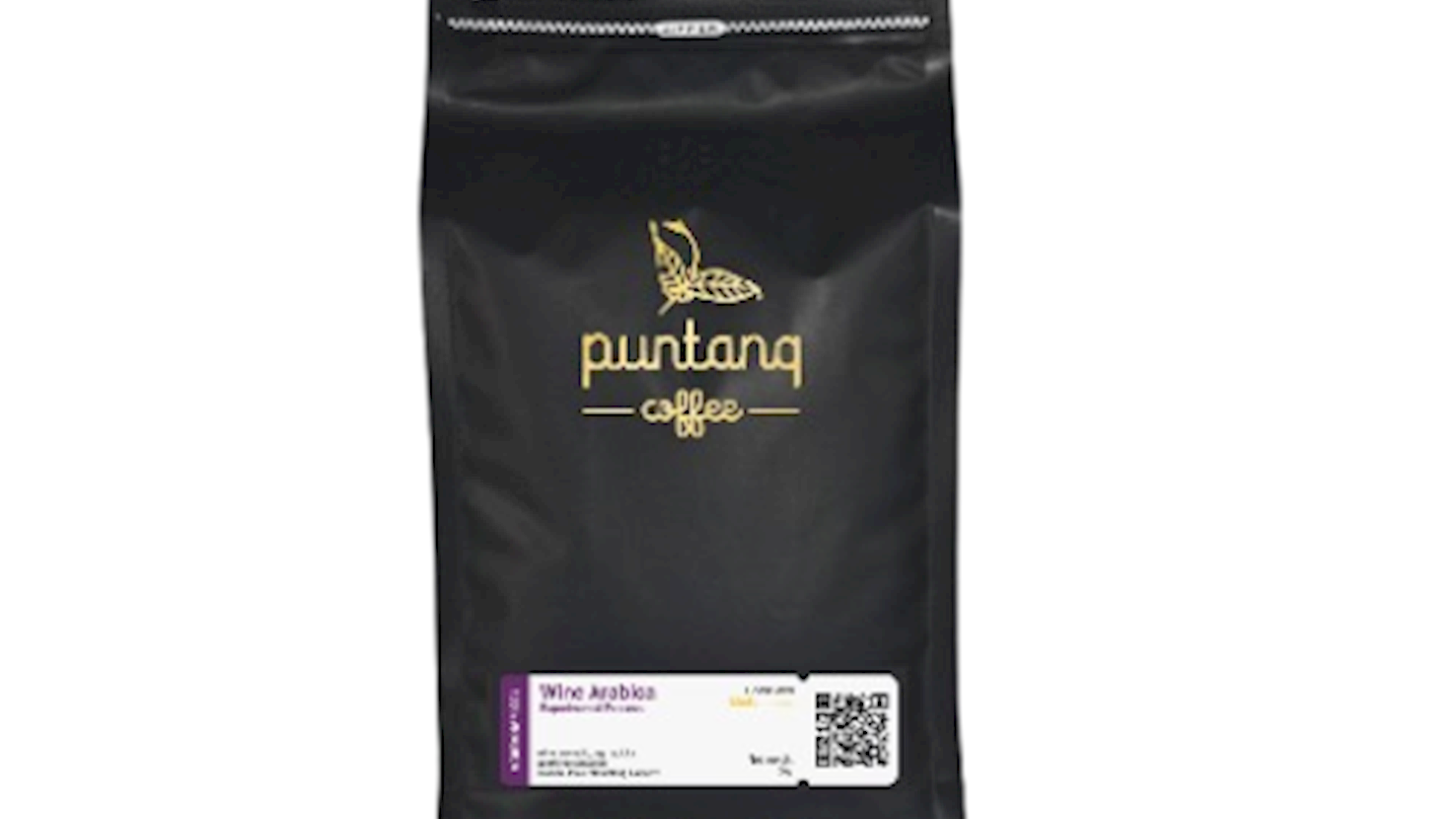
Puntang Coffee is a specialized coffee producer from Indonesia that focuses on high-quality Arabica varieties grown exclusively on Mount Gunung Puntang. Their philosophy is encapsulated in the slogan “Pantang Pulang Tanpa Kopi Puntang”, which translates to “Don’t go home without Puntang Coffee”.
They guarantee origin authenticity - all of their coffees come from the Gunung Puntang region, known for its rich volcanic soil and ideal conditions for coffee cultivation.
Their production includes various processing methods, such as washed, natural, and wine processing, which enhance the flavor complexity. The Arabica beans they use are carefully selected and handpicked at altitudes between 1,200 and 1,500 meters, contributing to their distinctive aromatic profile.
Puntang Coffee emphasizes freshness as a core value - the coffee is roasted in small batches to ensure it reaches customers at peak flavor. Their coffees are celebrated for their rich aroma, balanced taste, and fruity notes.
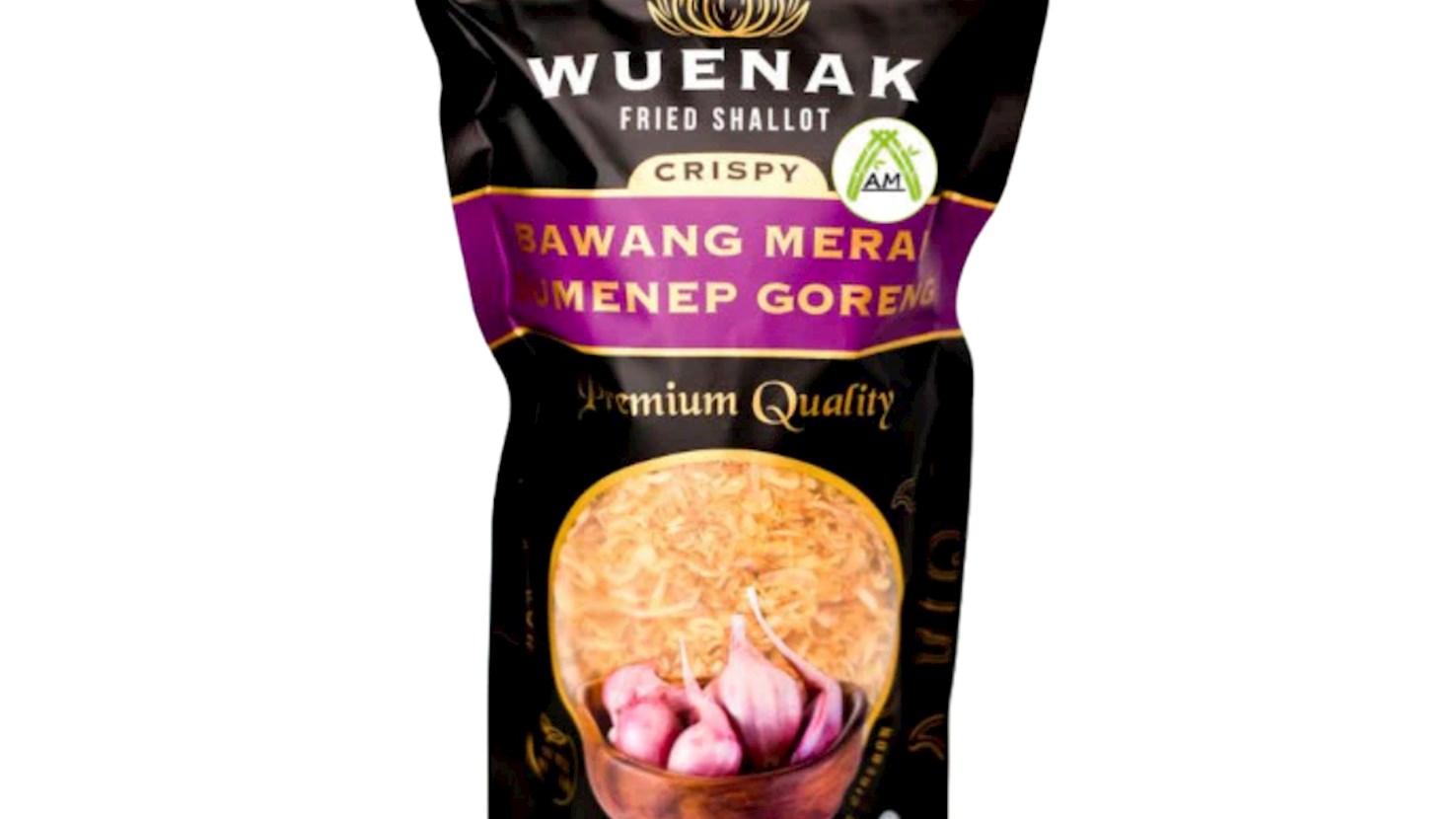
Bawang Goreng Wuenak is a delicious Indonesian snack made from crispy fried shallots. The shallots are thinly sliced and fried to a golden-brown crisp, creating a savory and slightly sweet flavor.
Known for its crunchy texture and rich aroma, Bawang Goreng Wuenak is commonly used as a garnish for traditional Indonesian dishes like nasi goreng (fried rice), soto (soup), and gado-gado (vegetable salad). Its authentic taste and high-quality ingredients make it a favorite snack and flavor enhancer in Indonesian cuisine.
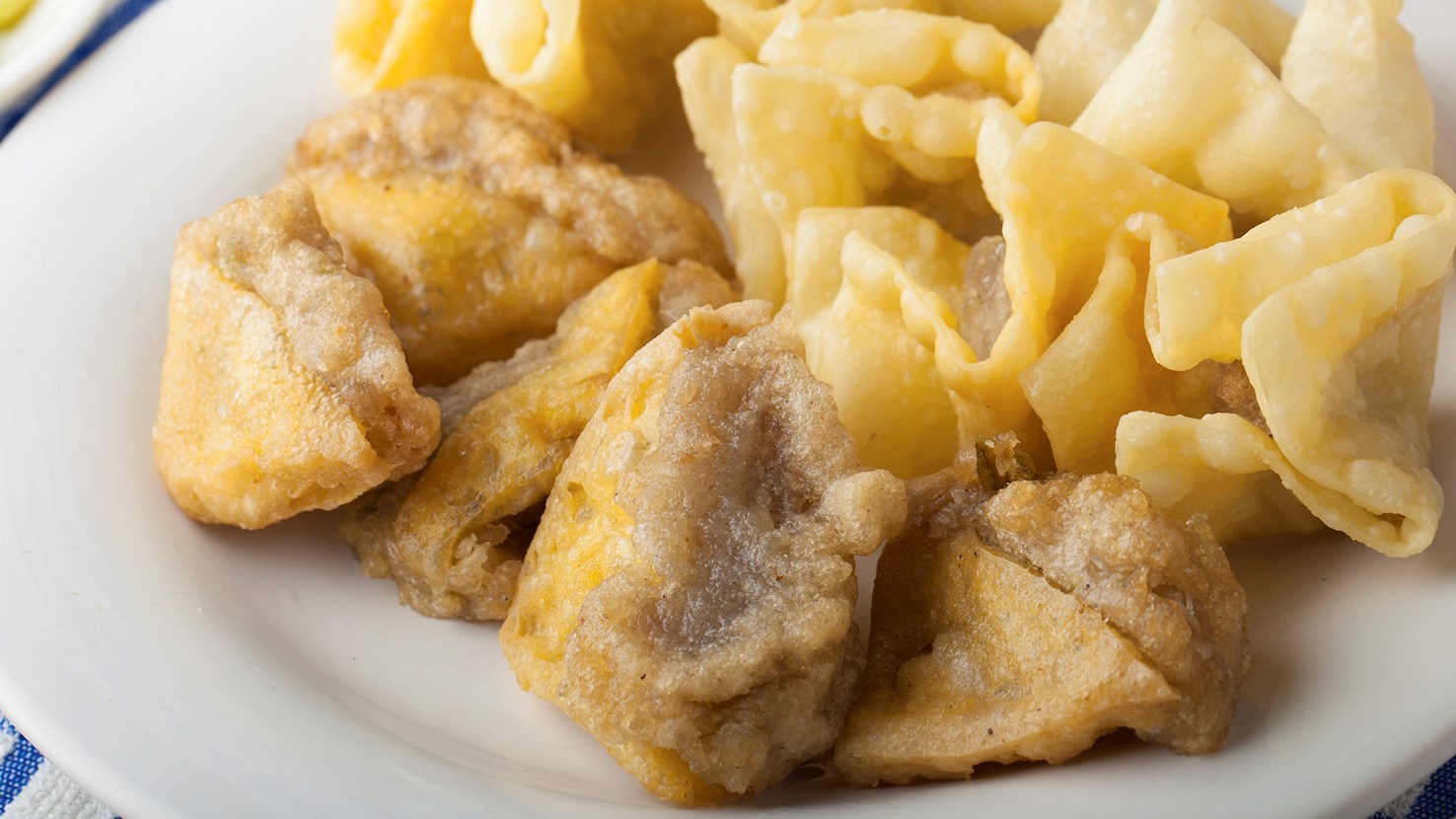
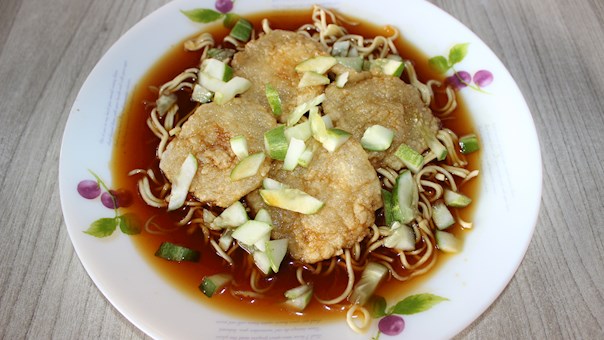
One of the most famous snacks in Indonesia is batagor, a fried fish dumpling served in a traditional spicy sauce. It has roots in the Chinese culinary tradition, which has left a trace on many Indonesian dishes. Although this famous snack is reminiscent of the more famous Chinese dumpling, its distinguishable characteristic is that it is fried, not steamed. The most common fish used to make the dish is wahoo, but tuna, mackerel, and even prawns can also be used. Potatoes, tofu, or cabbage are also occasionally added to the dish. Batagor is the perfect snack because of the way it is served. When fried, the dumplings are cut into small bite-sized pieces and covered in peanut, soy, and chili sauce with a splash of lime juice. It was invented in the 1980s in Bandung, but today it can be found throughout Indonesia. Since it is quickly prepared, it is commonly sold by street vendors, but it can also be found in many Indonesian restaurants.
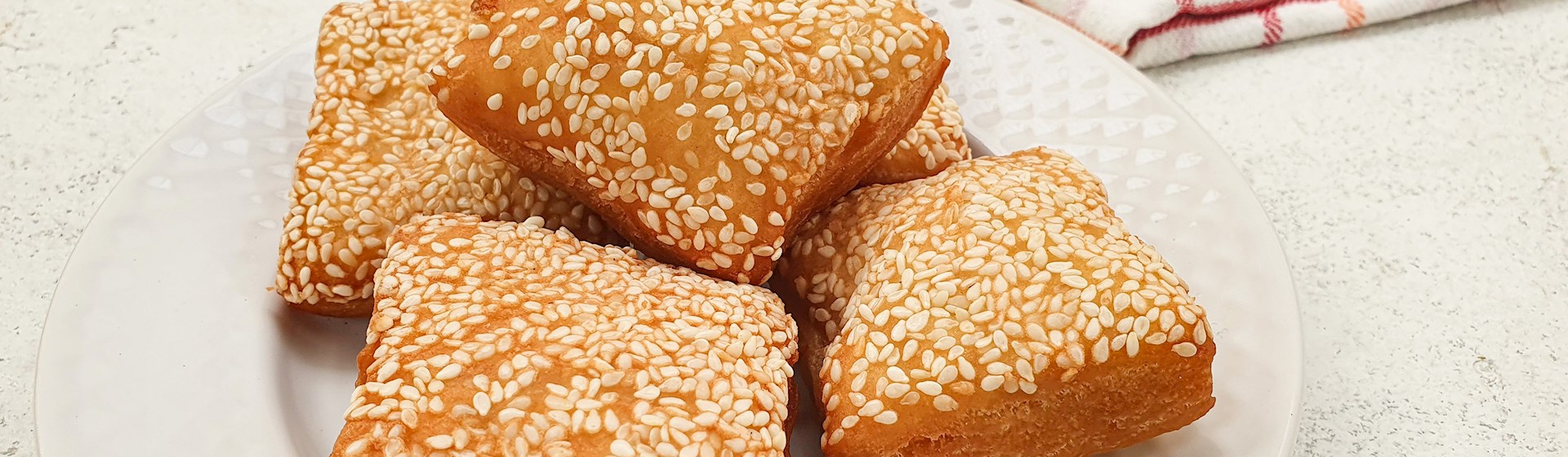
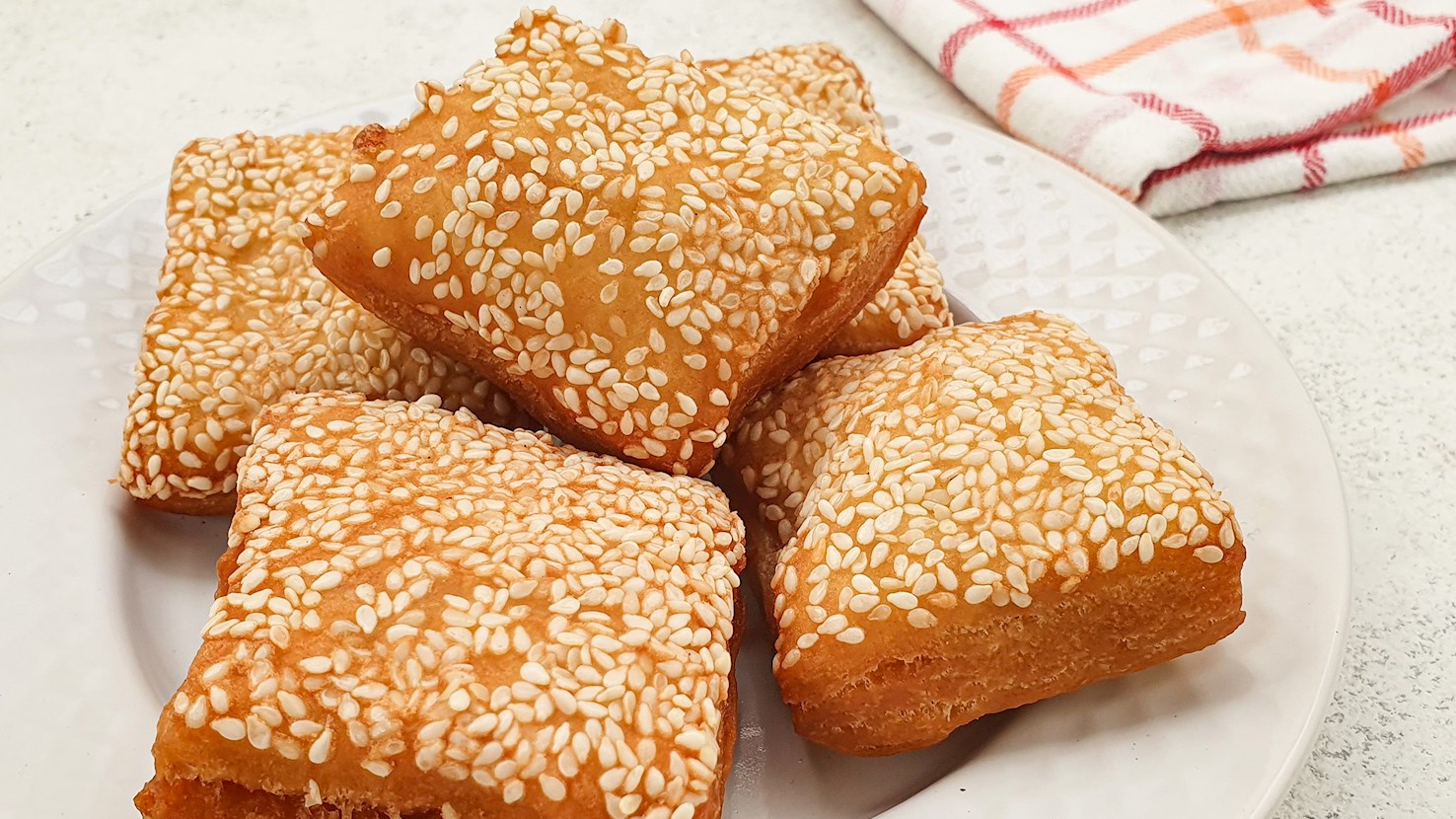
Odading is a sweet fried dough snack from Bandung, the capital of West Java. It is made by preparing a yeast-based dough enriched with sugar, milk, and sometimes eggs, then shaping it into flattened squares or rectangles before deep-frying until golden brown and puffed. The texture of odading is light and airy on the inside with a slightly chewy crust that becomes crisp as it cools. The name is believed to have originated during the colonial period, when Dutch and local influences merged in urban markets and home kitchens, leading to recipes that combined European-style enriched dough with local cooking techniques. The preparation of odading begins by mixing all-purpose flour with yeast, sugar, salt, and milk, then kneading until a smooth dough forms. The dough is left to rise until doubled in volume, then rolled out and cut into uniform pieces. Each piece is rested briefly to develop air pockets that create the characteristic fluffiness when fried. Once shaped, the dough is fried in moderately hot oil so it cooks through evenly without burning on the outside. Finished odading is sometimes sprinkled with additional sugar or brushed with a thin sugar syrup for extra sweetness. Odading is commonly eaten as a snack or breakfast item and is often sold by street vendors and small shops in Bandung, where it has long been a familiar part of everyday food culture. It is usually served warm, either plain or accompanied by coffee or tea. The snack gained renewed popularity in Indonesia after a viral video humorously promoted odading as “bread of an iron man,” which sparked national interest and boosted sales for many local vendors.
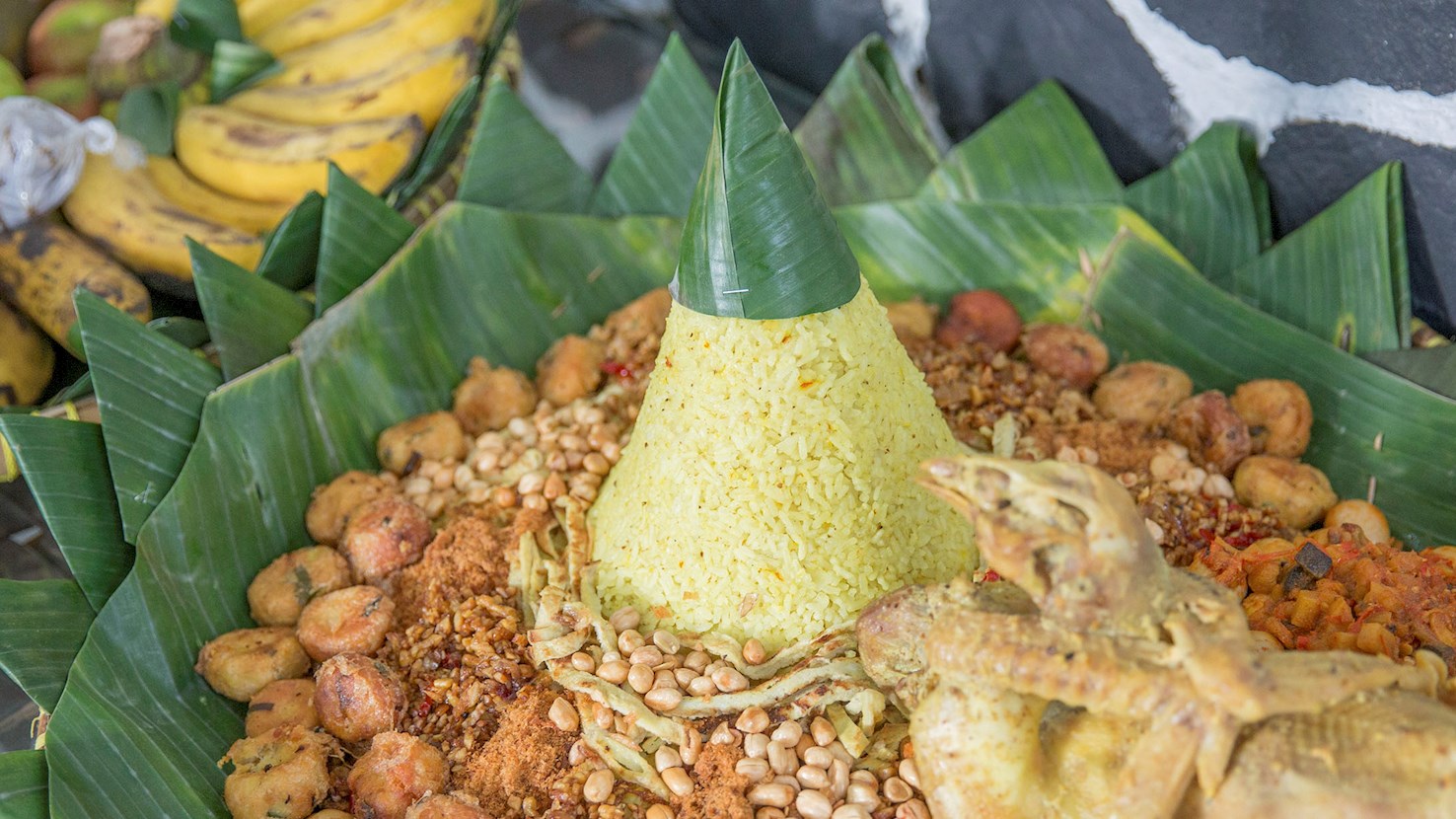
Traditionally associated with the island of Java, this complex Indonesian dish consists of a heap of cone-shaped rice that is surrounded by numerous other traditional Indonesian dishes. Due to its complexity, tumpeng is usually prepared for special occasions, and like many other dishes in Indonesia, it has a strong symbolic meaning. The shape of rice is a reminder that everything leads to higher power, and the height of the cone symbolizes the importance of deities in Indonesian culture. The dishes served around the rice represent abundance and prosperity, and everything is usually presented on a round plate to symbolize continuity. If served on special occasions, tumpeng represents the most prestigious dish of the ceremony. After saying their blessings, the attendees will cut the top of tumpeng to symbolize the beginning of the feast.
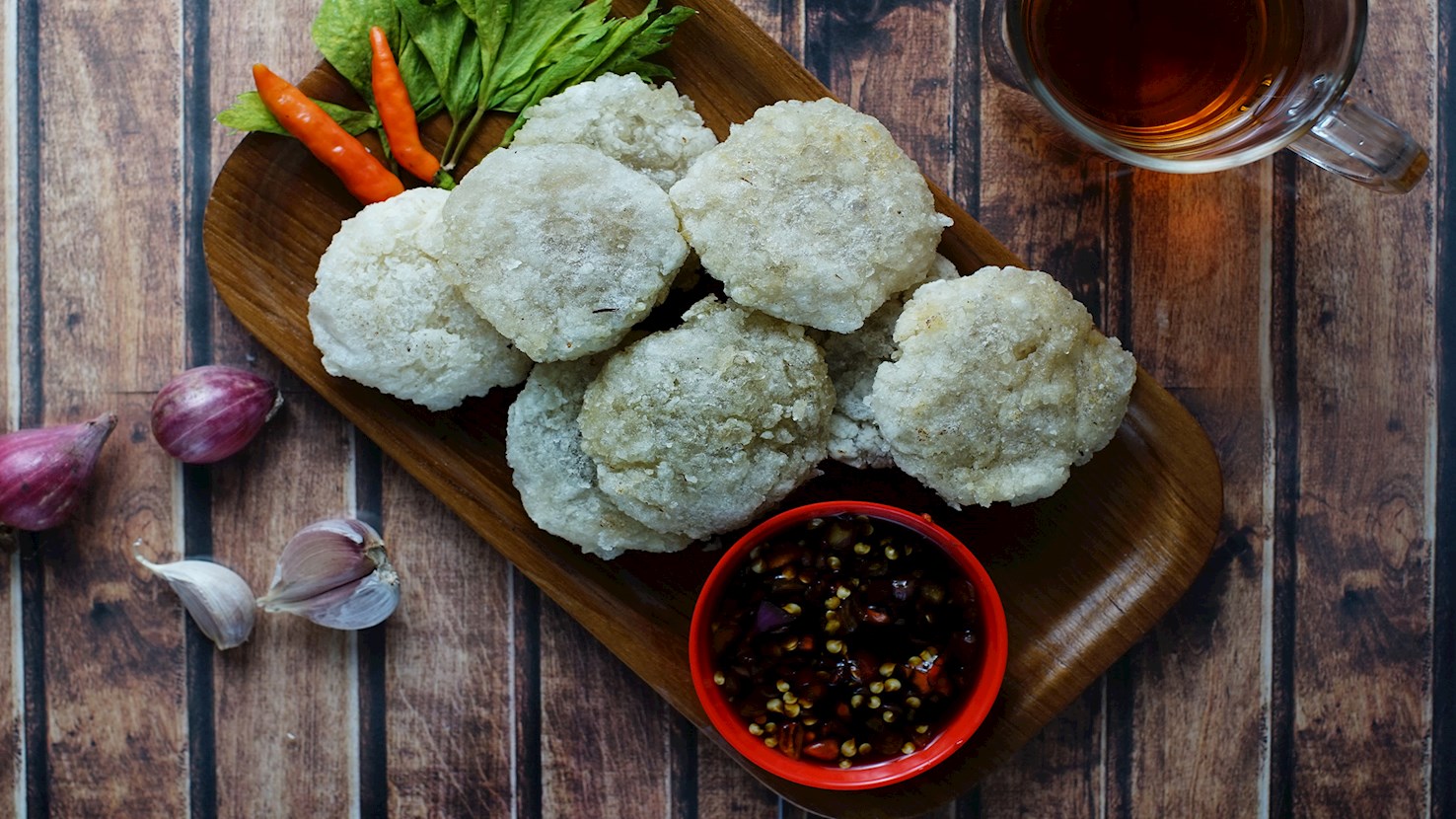
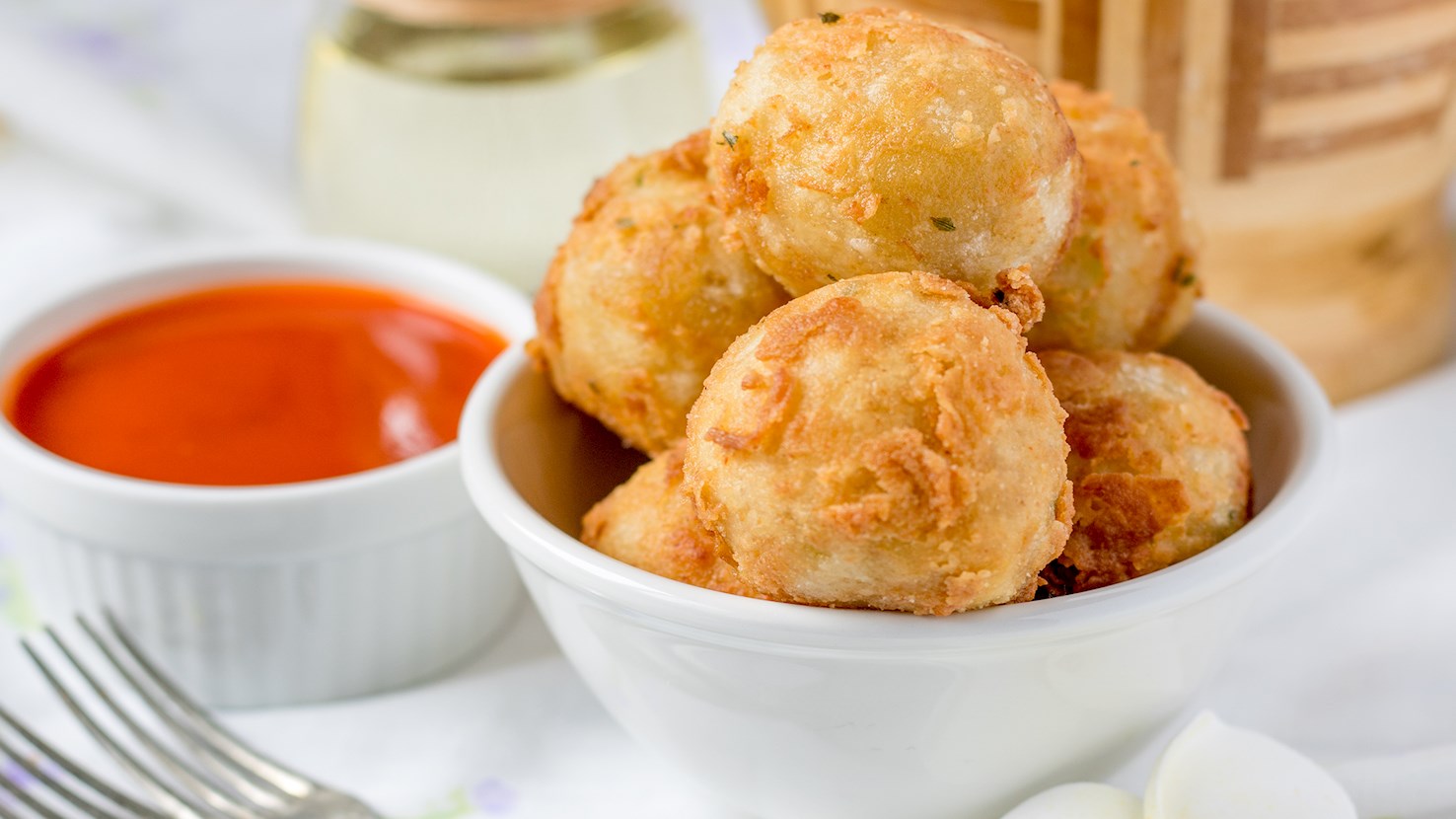
Cireng is a popular Indonesian street food snack made from fried tapioca flour dough, known for its crispy exterior and chewy, elastic interior. The name cireng is a shortened form of aci digoreng in Sundanese, which literally means “fried tapioca starch.” Originating from West Java, especially among Sundanese communities, cireng has become widely loved across Indonesia for its addictive texture and versatility. The dough is typically made from tapioca flour mixed with water, garlic, scallions, salt, and sometimes ground coriander or chicken stock powder, then shaped into small discs or irregular chunks before being deep-fried until golden. While the outside turns crispy, the inside remains springy and chewy, a texture that Indonesians refer to as kenyal. Cireng is often served with a variety of dipping sauces, the most common being a spicy sweet soy sauce (cabe rawit + kecap manis) or rujak sauce made from palm sugar, tamarind, and chili. There are also modern variations filled with cheese, chicken, or spicy beef, making cireng a snack that blends traditional flavor with playful innovation. Loved for its simplicity, affordability, and satisfying chew, cireng is a quintessential Indonesian street snack, often sold by roadside vendors, at school canteens, or in traditional markets, enjoyed by people of all ages as a crunchy and comforting treat.
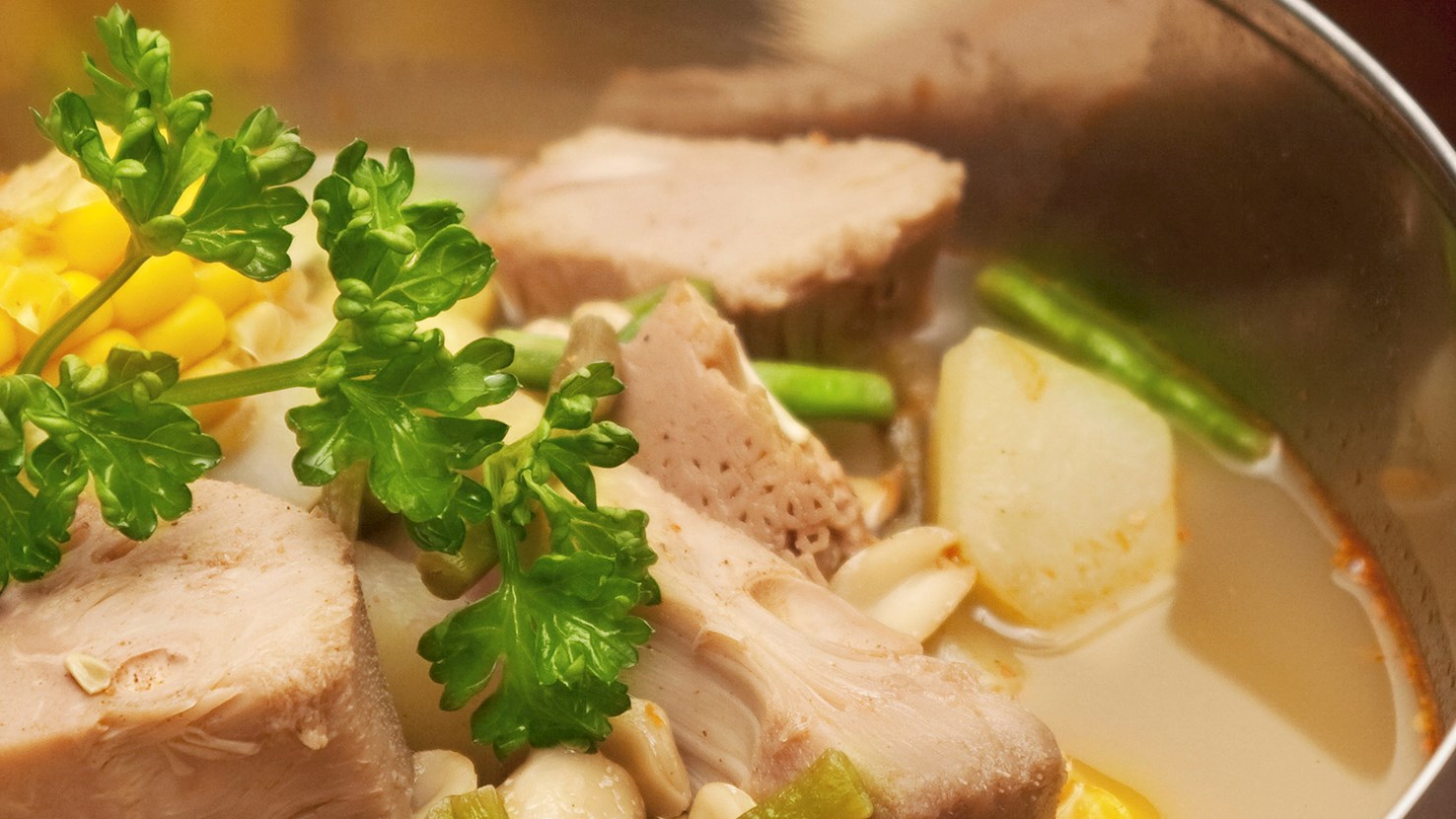
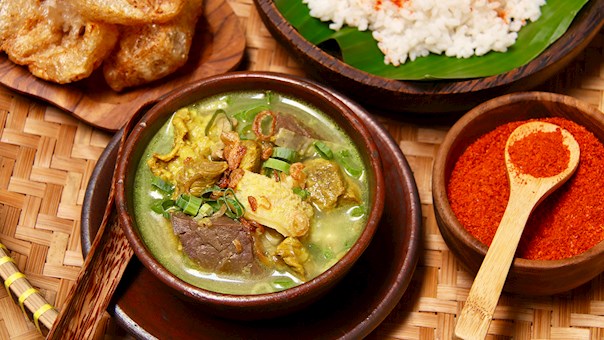
Sayur asem is a sweet and sour vegetable soup. Often referred to as tamarind soup, it is one of the favorite vegetable dishes in Indonesia. The entire dish is based on tamarind, an unusual plant commonly grown in Southeast Asia, which gives the dish a distinctive sour taste. Other traditional Indonesian ingredients in sayur asem include jackfruit, melinjo, long beans, bilimbi, pumpkin, corn, and chayote. Sayur asem originated among the Sundanese people residing in West Java. However, their original recipe for this traditional soup has been adapted across Indonesia. Employing the available ingredients, numerous different varieties of sayur asem have been created. Usually, these newly formed varieties were named after a region of their origin. This soup is extremely versatile and can be served as an appetizer, first course, or a side dish with the main meal. Most commonly it is served alongside rice, fried chicken, tempeh, tofu, and fried or salted fish. It is traditionally prepared during summer, when it is typically served warm.
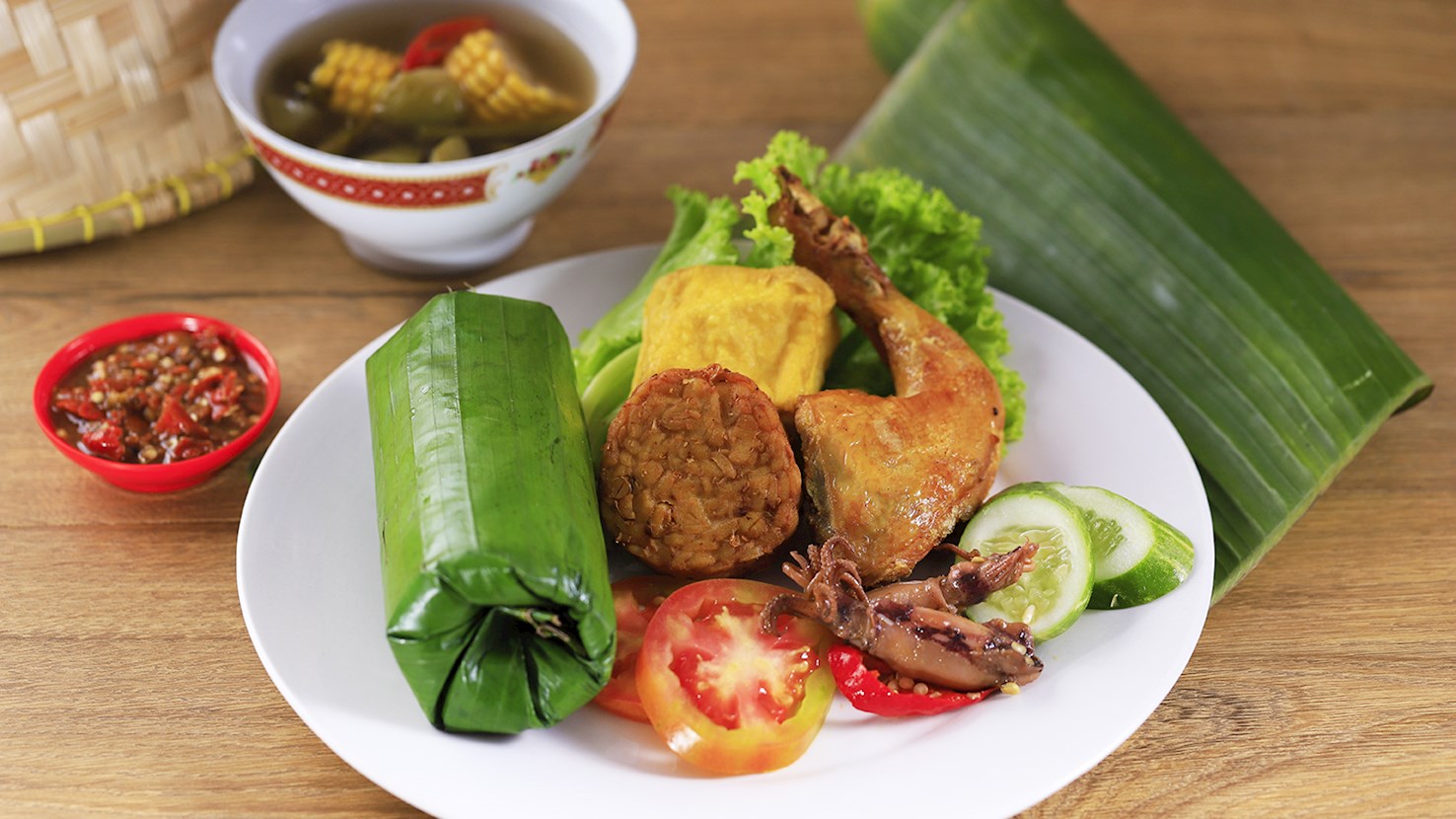
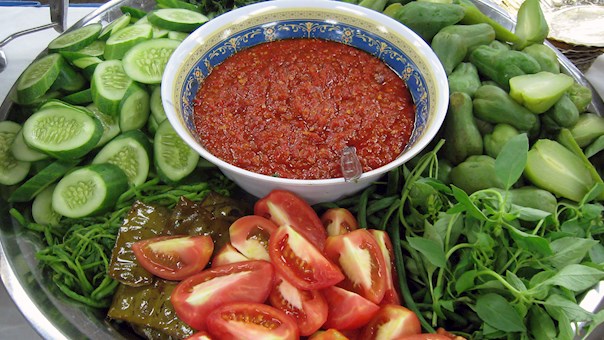
Nasi timbel is a traditional Sundanese dish from West Java that features steamed rice wrapped in banana leaves and served with a variety of savory accompaniments. The name "timbel" refers to the method of rolling hot rice tightly inside banana leaves, a practice that not only keeps the rice warm but also infuses it with a subtle, earthy aroma. The rice, typically white or sometimes red, is the central element and is usually paired with a variety of side dishes such as fried or grilled chicken, fried tofu and tempeh, salted fish, or occasionally fried duck. These proteins are often accompanied by a generous helping of sambal terasi, a spicy chili sauce made with shrimp paste, and lalapan — a raw vegetable assortment that may include cucumber, tomatoes, cabbage, long beans, and fresh basil leaves. The freshness of the vegetables contrasts beautifully with the heat of the sambal and the richness of the fried components. In some traditional settings, nasi timbel is also served with a light, sour vegetable soup called sayur asem, which adds another layer of flavor and freshness to the meal. It is a common sight in West Javanese homes, traditional eateries, and roadside warungs, often enjoyed during communal meals, family gatherings, or festive occasions.
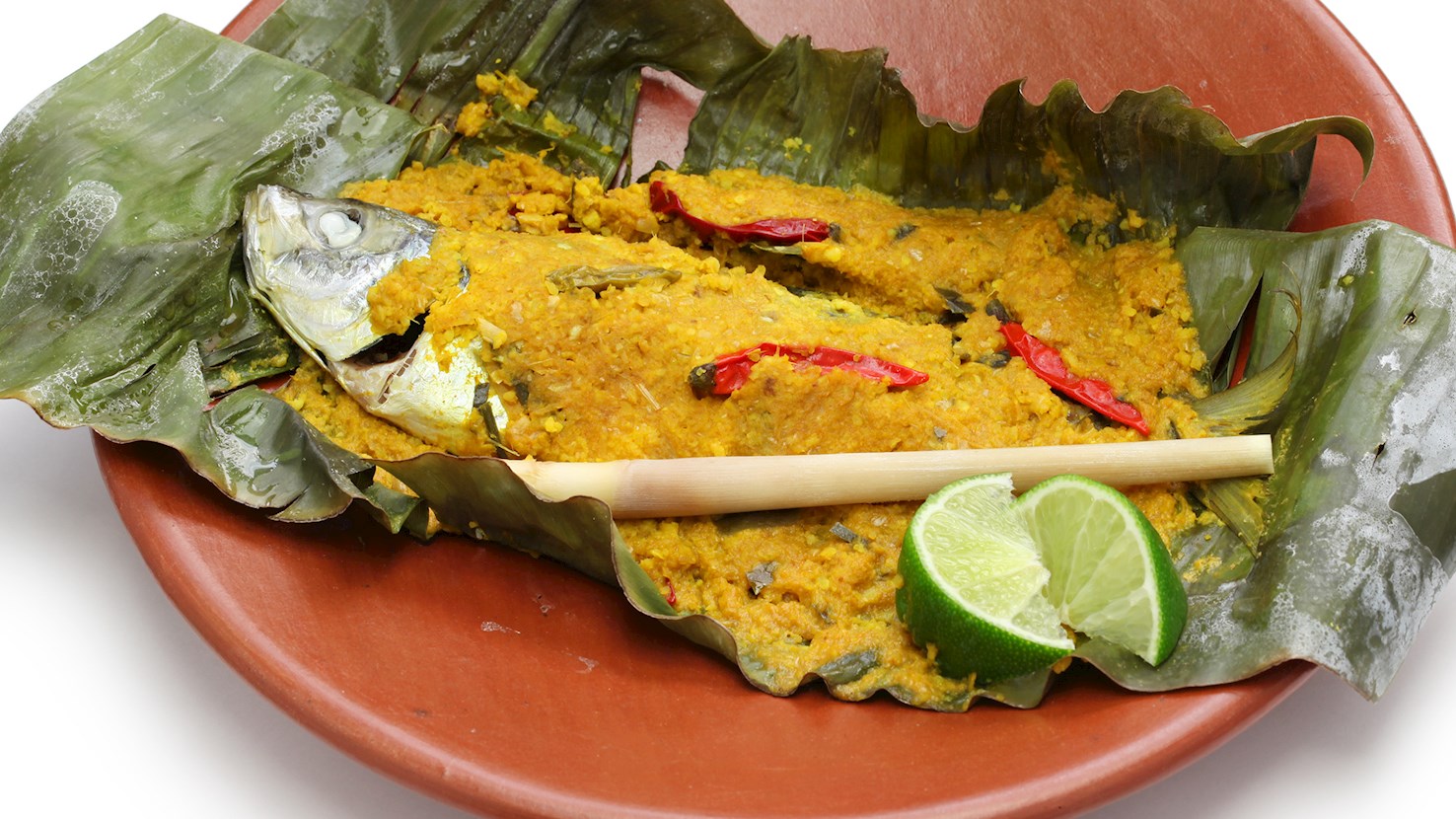
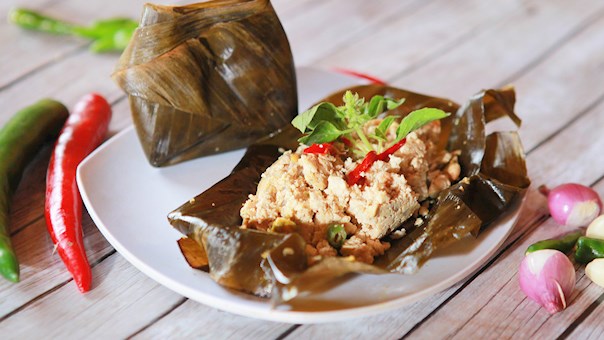
Pepes ikan is an Indonesian dish consisting of fish marinated in a rich, aromatic spice blend, wrapped in banana leaves, and then steamed or grilled. It originates from the Sundanese cuisine of West Java, though it is popular across many parts of Indonesia and often adapted according to regional preferences. The name “pepes” refers to the cooking technique of enclosing seasoned ingredients in banana leaves before applying gentle heat, allowing the flavors to infuse and the fish to cook in its own juices. “Ikan” simply means fish in Indonesian, and a variety of freshwater or saltwater fish can be used, such as mackerel, tilapia, carp, or snapper. The preparation begins with a spice paste, commonly made by grinding together shallots, garlic, turmeric, ginger, galangal, candlenuts, red chilies, lemongrass, and sometimes tomatoes or shrimp paste. The fish is cleaned and rubbed with salt and lime juice to reduce any fishy odor, then coated thoroughly with the spice paste. Fresh herbs like salam leaves (Indonesian bay leaves), and sliced tomatoes or chili peppers may be added for additional layers of aroma and flavor. The marinated fish is placed on a sheet of banana leaf, which is then folded tightly and secured with bamboo skewers or toothpicks. Once wrapped, the packages are typically steamed until fully cooked, allowing the banana leaf to soften and the fish to absorb the spices. After steaming, the pepes can be served directly or lightly grilled to enhance aroma and create a subtle char on the leaf’s surface. The banana leaf not only holds the moisture but also imparts a gentle, earthy fragrance to the dish, resulting in a tender texture and balanced, savory flavor. Pepes ikan is commonly served with steamed rice and fresh vegetables or sambal. It is a familiar dish in Sundanese households and often appears in daily meals, roadside eateries, or during family gatherings. In some variations, the dish may use coconut milk in the spice blend or substitute fish with tofu, tempeh, or chicken.
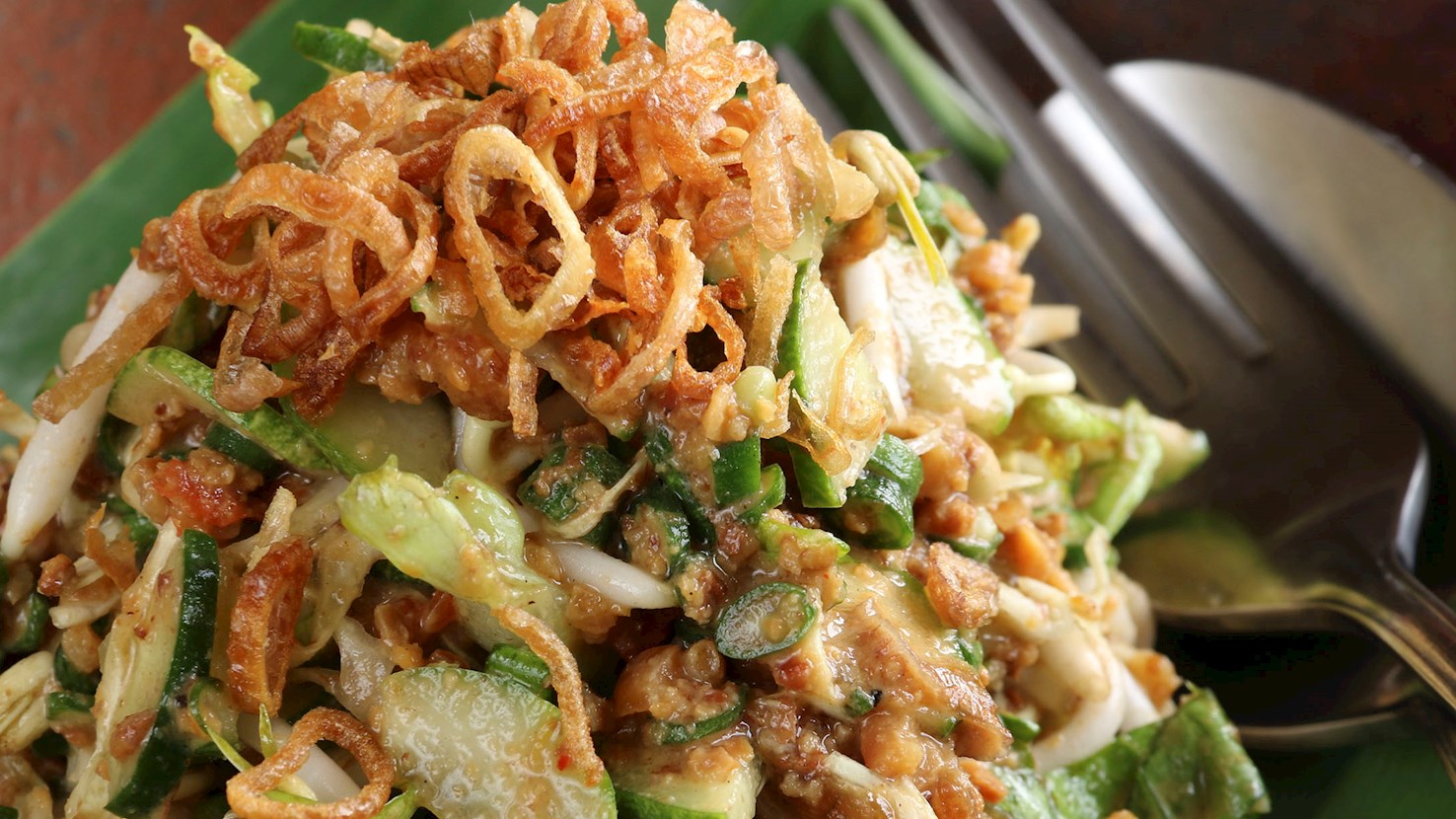
Karedok is the traditional Indonesian version of a vegetable salad. This simple and healthy dish calls for fresh and raw ingredients which are sliced and served with a traditional peanut sauce. The most common vegetables in karedok include cucumbers, cabbage, long beans, Thai basil, bean sprouts, and eggplant, however, other vegetables can be used as well. The sauce is made by grinding fried peanuts together with salt, palm sugar, and chili. The flavor of the sauce can be adjusted with other ingredients such as shrimp paste or garlic. Due to the usage of peanut sauce, karedok is often compared with another Indonesian specialty, gado-gado, but it is still distinguished by the usage of only raw ingredients. Karedok originated in West Java and is traditionally associated with the Sundanese ethnic group. In Indonesia, karedok can be found at food stalls, traditional hawker-style food courts, and restaurants. However, for the Sundanese community, it represents a daily dish, eaten at any time of the day, and it is usually served together with rice, tofu, tempeh and krupuk - traditional Asian prawn crackers.
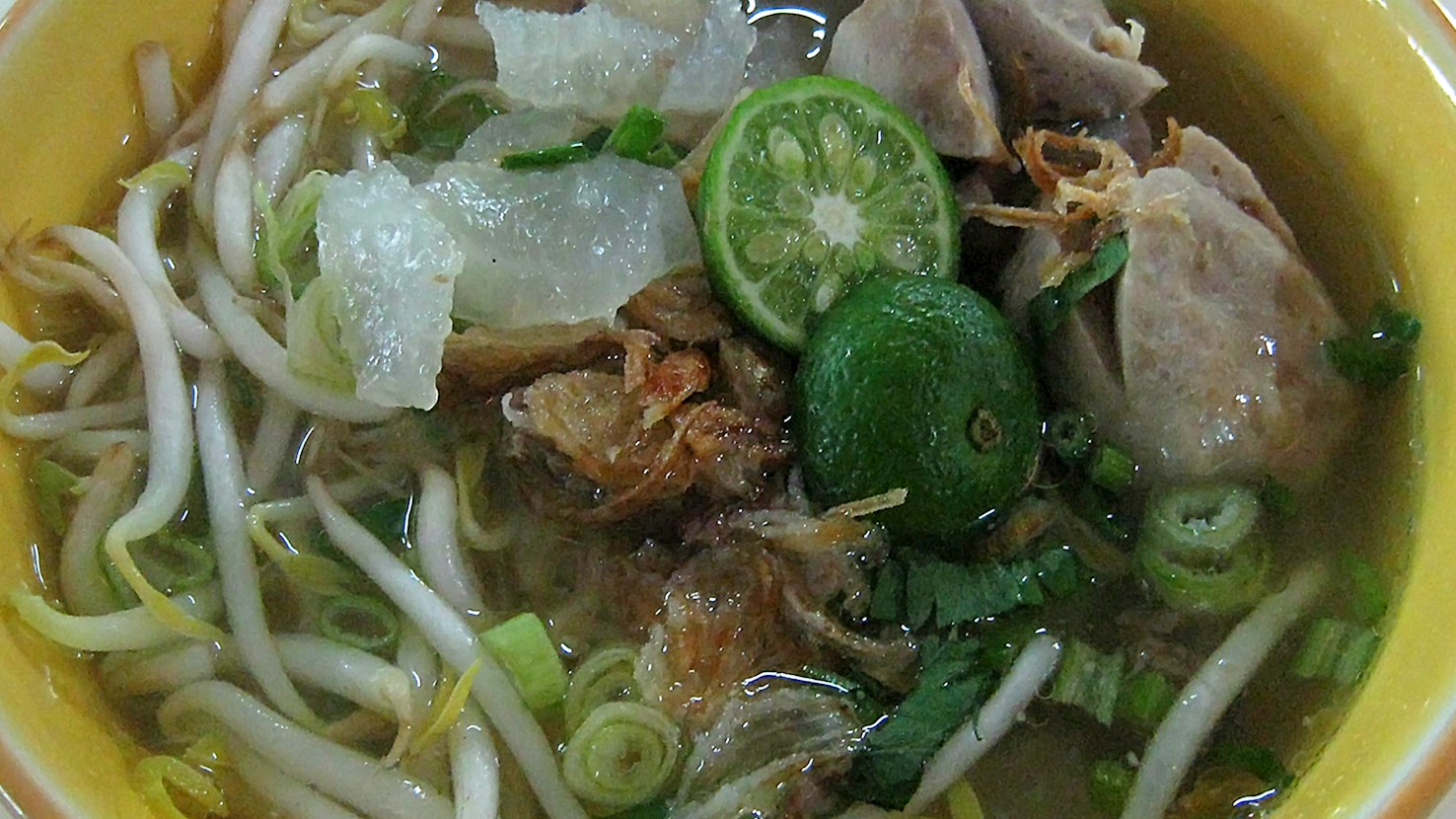
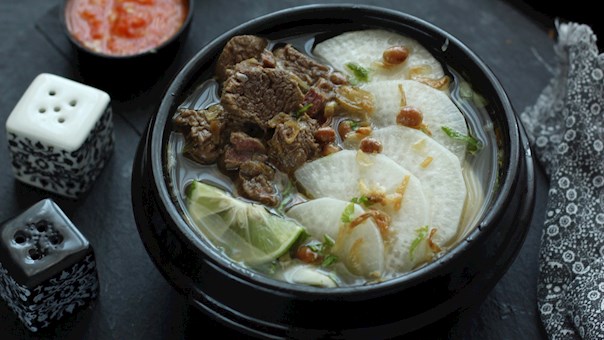
Mie kocok is an Indonesian noodle soup hailing from the city of Bandung, West Java. Its name, which literally means "shaken noodles," comes from the old method of shaking the noodles in a perforated tin container while dipping them into hot water to loosen and heat them. This hearty and savory dish features flat yellow noodles served in a rich, flavorful beef broth, usually made from beef bones, marrow, and various aromatics. It's often topped with boiled beef tendon (kikil), bean sprouts, sliced scallions, celery, and a squeeze of lime juice. The broth is usually light in appearance but deeply umami, sometimes enriched with kecap manis (sweet soy sauce) or garlic oil depending on the vendor. One of mie kocok’s signatures is the inclusion of bone marrow—either served inside large bone cuts or already scooped into the soup—which gives the broth a luxurious, fatty depth. Served steaming hot and often accompanied by sambal and kerupuk (crackers), it’s a comforting and filling street food favorite in West Java and beyond.
Cilok is a quintessential Indonesian street food snack that hails from West Java. Its name is derived from the Sundanese phrase aci dicolok, which translates to "poked tapioca," referring to the chewy texture of the tapioca-based dough and the traditional way it is served: skewered on bamboo sticks. Widely beloved across Java and beyond, cilok is the kind of humble yet addictive snack that blends texture, flavor, and local charm in a single bite-sized morsel. The base is made from tapioca flour, known locally as aci, which gives the dumplings their signature chewy consistency, similar to mochi or gnocchi. The dough is typically enhanced with garlic, salt, pepper, and sometimes a touch of all-purpose flour to provide more structure. Once shaped into small balls, the cilok is boiled until it rises to the surface, signaling that it’s fully cooked and ready for serving. What elevates cilok from simple starch to savory street food staple is its accompaniment, usually a thick, slightly sweet, and spicy peanut sauce, often drizzled with sweet soy sauce (kecap manis) or fiery sambal for an added kick. In the bustling alleys and roadside stalls of Bandung, cilok is often sold by itinerant vendors who announce their arrival with the clang of metal bowls or the rhythmic call of “cilok, cilok!” Children and adults alike flock to them, eager for this affordable and comforting snack that costs just a few thousand rupiah. While the traditional cilok is plain and unfilled, modern variations have emerged to suit evolving tastes: some are stuffed with minced chicken or beef, others are served in a rich broth, or even battered in egg and deep-fried in a dish known as cilor.
TasteAtlas food rankings are based on the ratings of the TasteAtlas audience, with a series of mechanisms that recognize real users and that ignore bot,
nationalist or local patriotic ratings, and give additional value to the ratings of users that the system recognizes as knowledgeable.
TasteAtlas Rankings should not be seen as the final global conclusion about food. Their purpose is to promote excellent local foods,
instill pride in traditional dishes, and arouse curiosity about dishes you haven’t tried.
The initial list of top producers was compiled based on available reviews, awards, local recommendations, media and blog coverage, and consumer reviews.
The list will be updated with ratings from TasteAtlas local ambassadors and TasteAtlas users.



What People Say