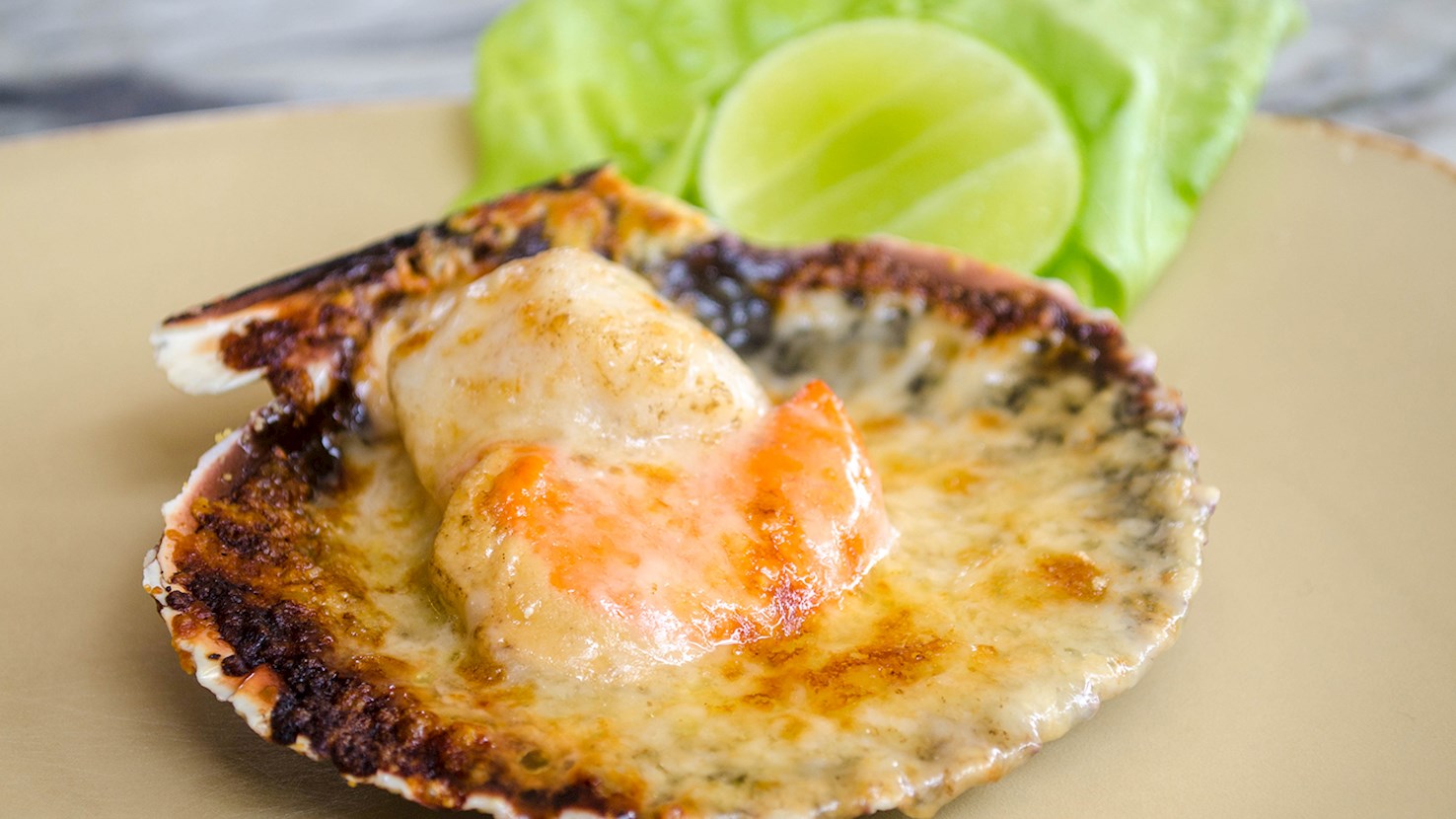
Conchitas a la parmesana is a traditional dish that's served as an appetizer. It consists of scallops that are topped with grated parmesan, then placed under the broiler for a few minutes. When served, the cheese should be bubbling, but the scallops will remain almost raw. The ingredients used for the dish include scallops, Worcestershire sauce, lime juice, butter, salt, pepper, and grated parmesan cheese. The dish is served immediately, while still piping hot, ideally with lime wedges on the side.
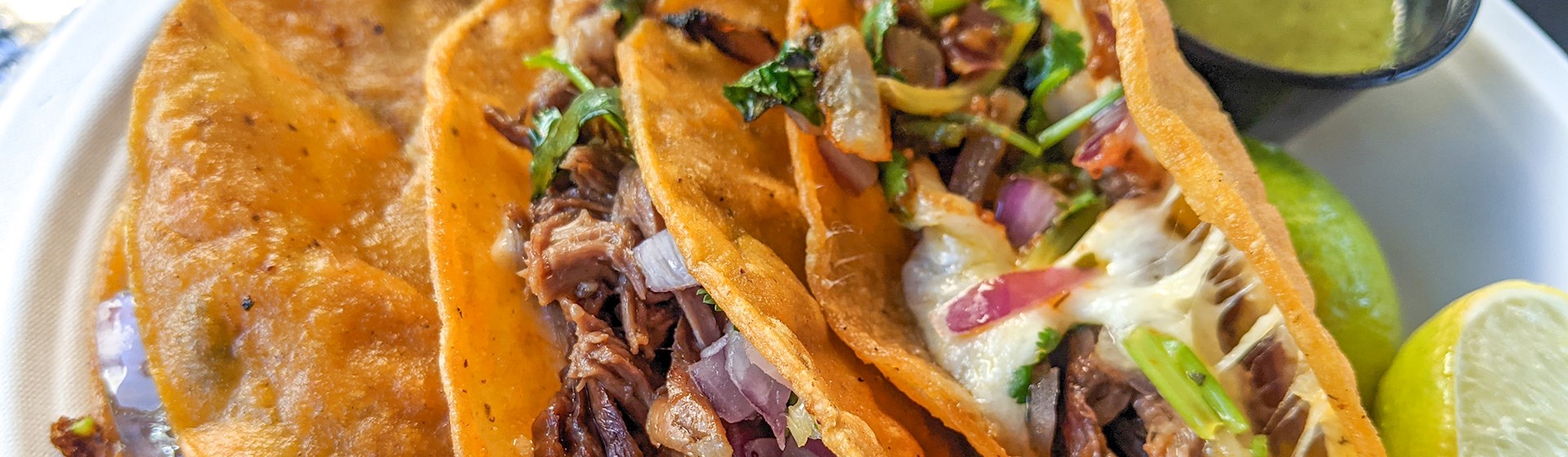
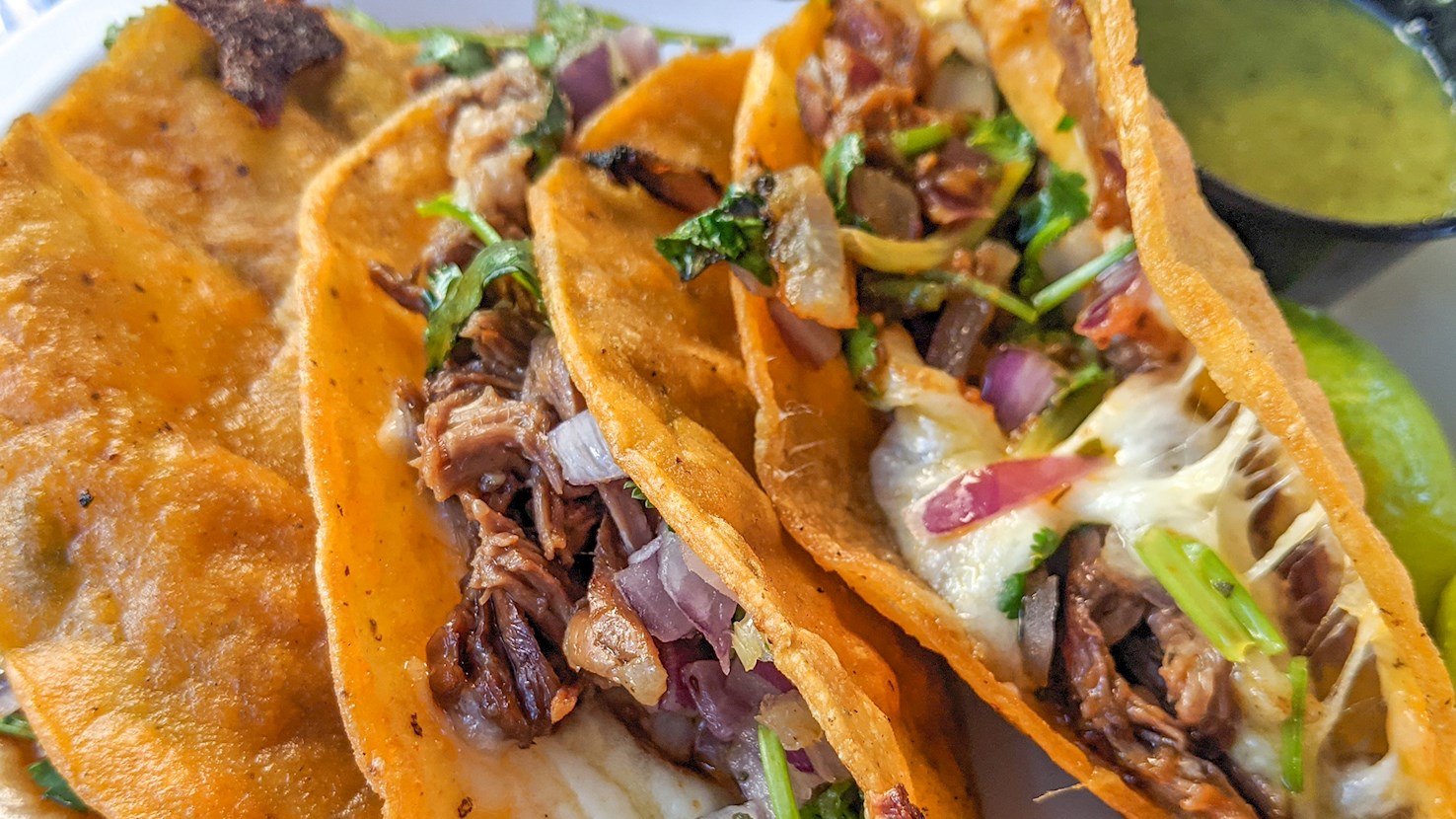
Quesabirria is a popular Mexican street food dish, a fusion between birria (a traditional Mexican meat stew) and quesadillas. The dish originates from Tijuana and typically consists of large tortillas filled with birria-style cooked meat (usually beef) and a generous amount of melted cheese. The tortillas are cooked on the stove until the cheese melts and the outside of the tortilla becomes crispy. Quesabirria is often accompanied by a side of broth, or consomé, for dipping, adding another layer of flavor to the dish.
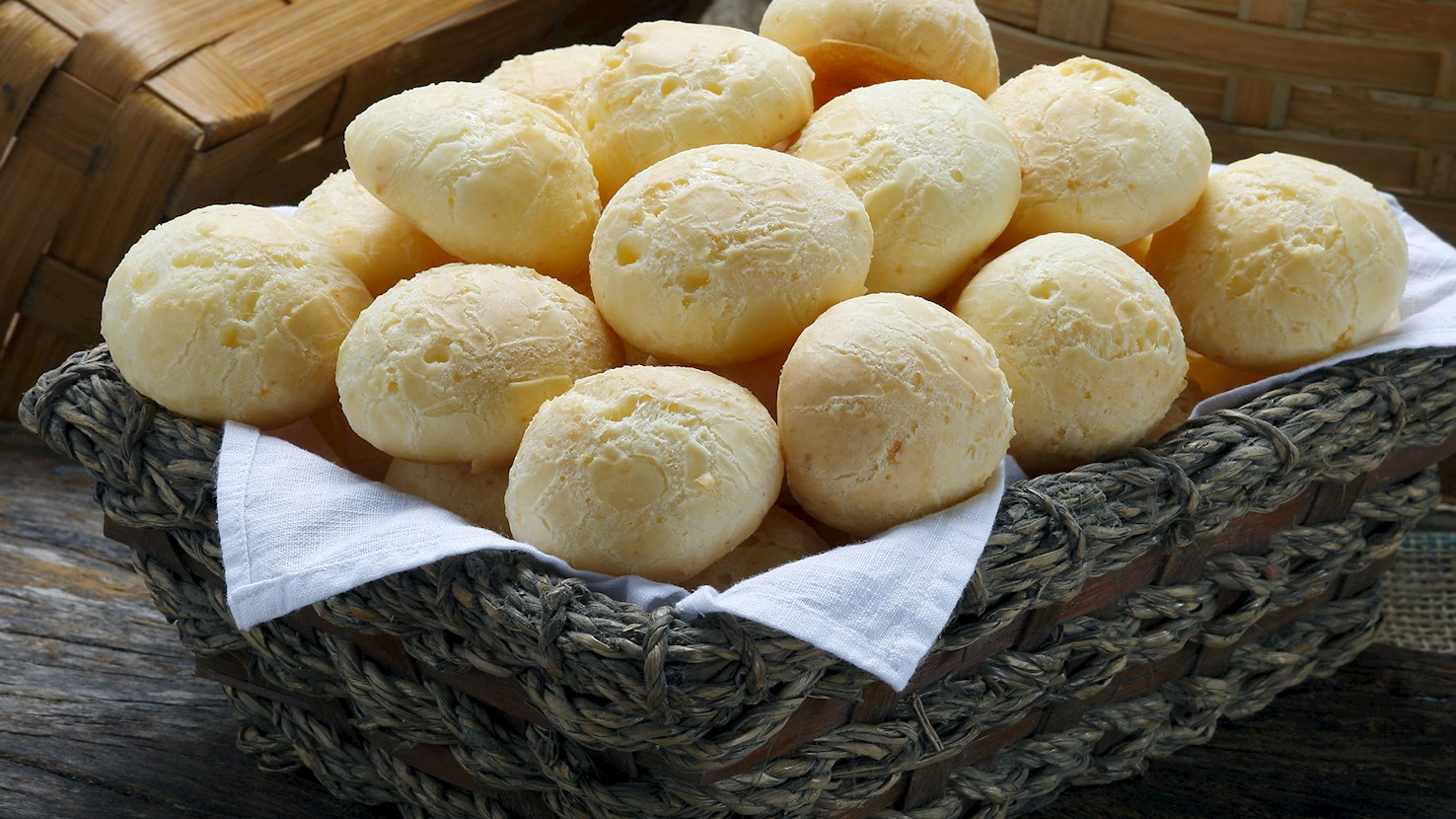
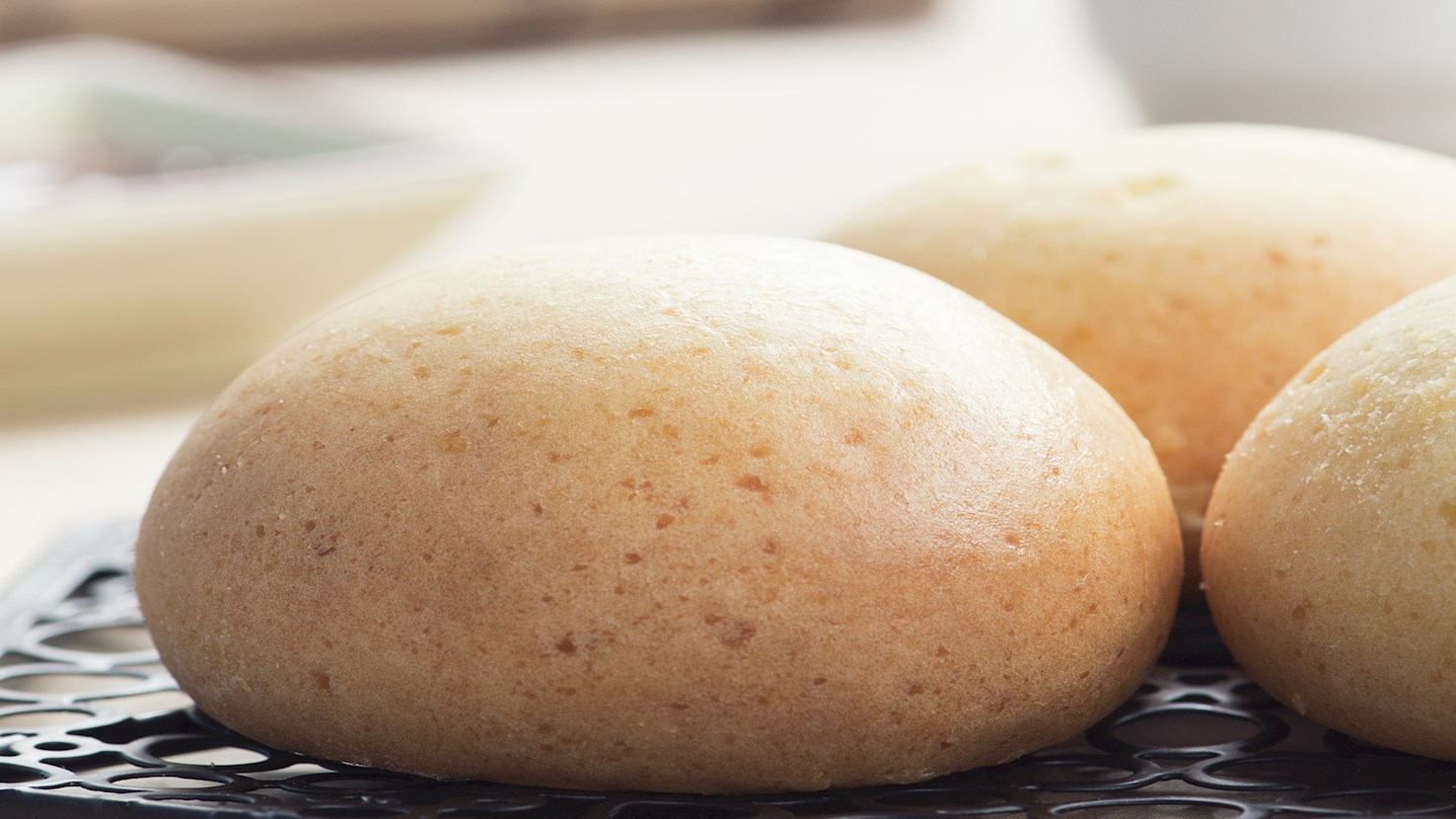
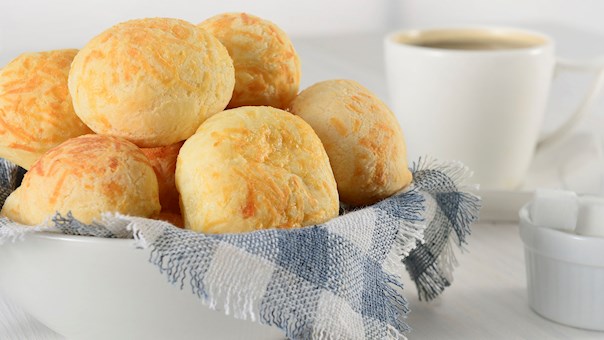
Pan de bono is a traditional bread consisting of cassava starch, cornmeal or corn flour, queso fresco, eggs, and sugar. The bread is shaped into bagels or balls that are slightly larger than golf balls. Pan de bono is similar to other South American cheese breads like pan de queso, difference being added conr flour or cornmeal, and a hint of sweeteness due to the addition of sugar. It is usually served warm with a cup of hot chocolate on the side. Some claim that the name pan de bono was created after an Italian baker in Cali who used to yell pane del buono (good bread), while others say that it is named after a place called Hacienda El Bono, where it was first made.
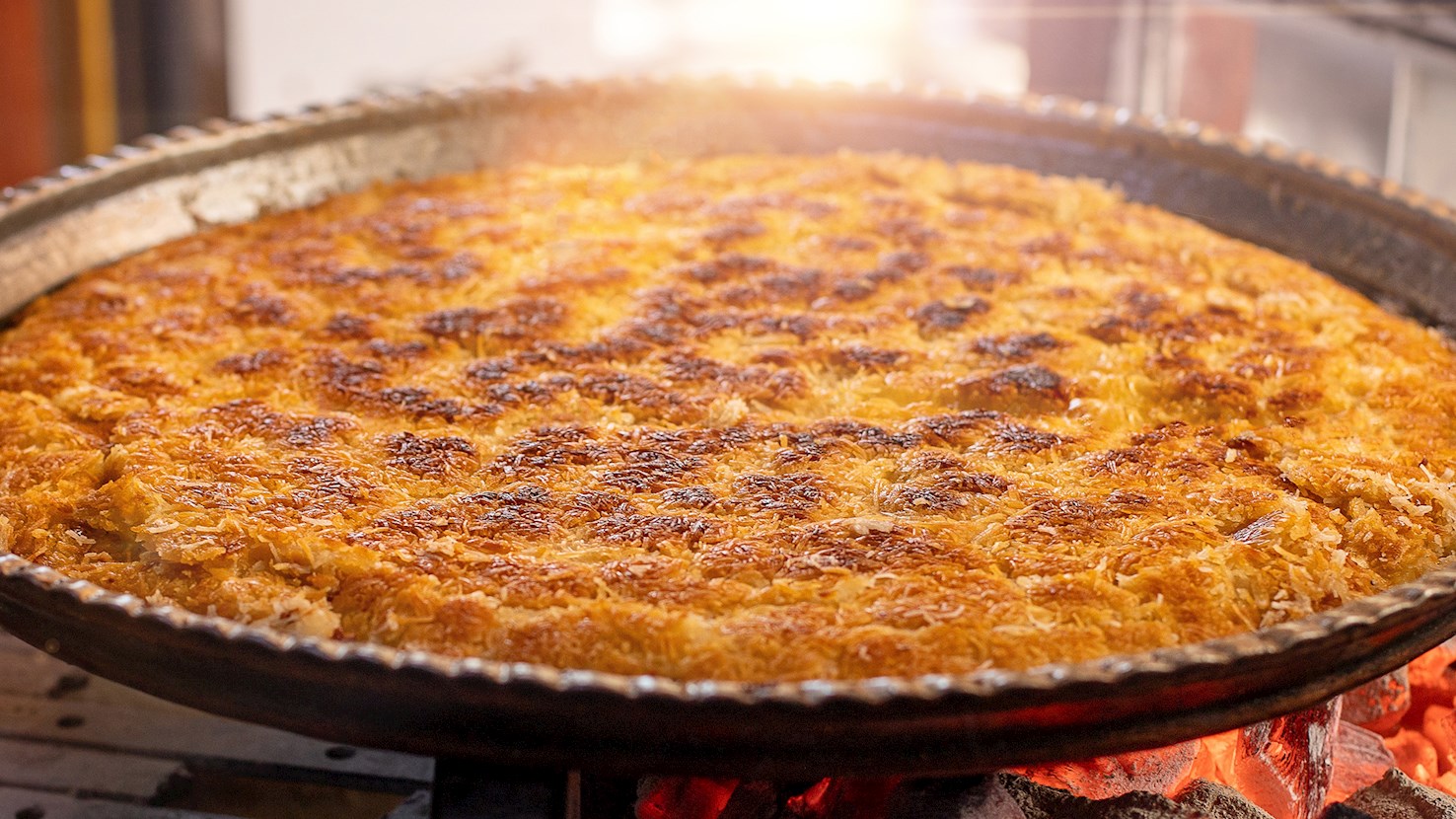
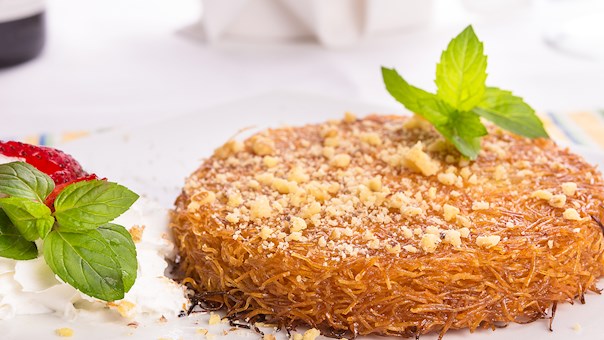
Antakya künefesi is a traditional kunāfah variety hailing from the ancient Turkish city of Antakya, made from shredded phyllo pastry filled with creamy unsalted cheese. The origins of this dish can be traced back to the Ottoman Empire, and to this day, it has remained one of the authentic representatives of Antakyan culinary heritage and traditions. To make Antakya künefesi, the pastry is first prepared by shredding phyllo dough into thin strips and placing it into a flat, round tray. The dough, in this form known as kadayıfın, is then topped with a mixture of unsalted cheese, traditionally Hatay peyniri, and another layer of shredded phyllo dough. After the concoction is baked on both sides (a step that makes this kunāfah variety unique), it is soaked with hot, sweet syrup made with sugar, water, and lemon juice. Antakya künefesi is served warm and garnished with chopped pistachios, walnuts, or hazelnuts. In 2006, this delicious dessert received the Protected Geographical Indication certificate.
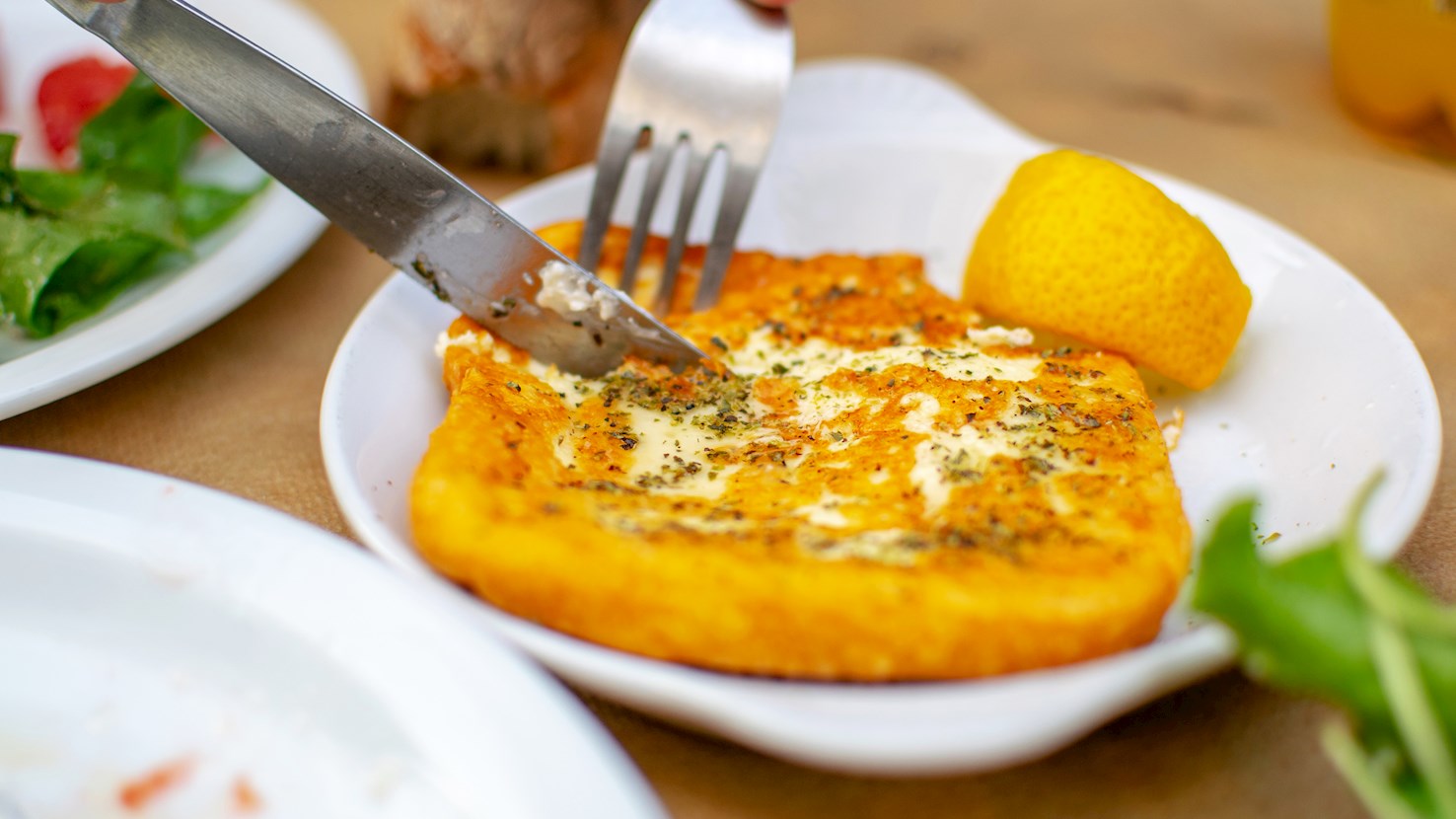
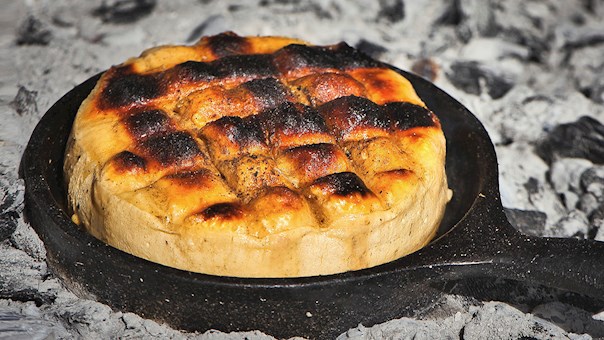
Saganaki is a highly popular Greek appetizer where various vegetables, meats, or seafood such as shrimp or mussels are wrapped in cheese, then pan-fried or seared. The cheese can also be prepared on its own, without any accompaniments. It is then pan-seared until it develops its distinctive golden crust, and served in the so-called sagani, a small, two-handled pan in which it was fried. In the past, the word saganaki referred to a method of spicing up the local cheese by Greek peasants, who would pan-fry different varieties of cheese such as feta, kashkaval or manori. While regional variations of the dish include the use of formaela cheese in Arachova and halloumi in Cyprus, the cheese used in a typical Greek saganaki is usually graviera, kefalograviera, kasseri, kefalotyri, sheep's milk feta or any other firm cheese that melts well without losing its shape. Saganaki is sometimes enlivened by a splash of traditional Greek spirits like Metaxa brandy or Ouzo, an anise-flavored aperitif. Outside of Greece, particularly in the US, saganaki is typically flambéed at the table, and this flaming culinary showmanship is a tradition which reportedly first started in Chicago's Greektown. When the lighter comes out to ignite the pan, one can often hear "Opa!", the Greek expression for joy. After cheering, the diners usually cut off chunks of cheese that are crispy on the outside and soft and runny on the inside, and then sprinkle their saganaki with lemon juice, savoring it with some freshly baked pita bread.
Almojábana is a traditional and Puerto Rican bread (although it is also popular in other countries of Latin America) that is very similar to pandebono. Pandebono is usually made with yuca flour and costeño cheese, while almojábanas are made with cuajada white cheese and cornmeal flour. Almojábanas are baked until they develop a spongy texture and a golden brown color of the exterior. This small, round bread is traditionally served warm.
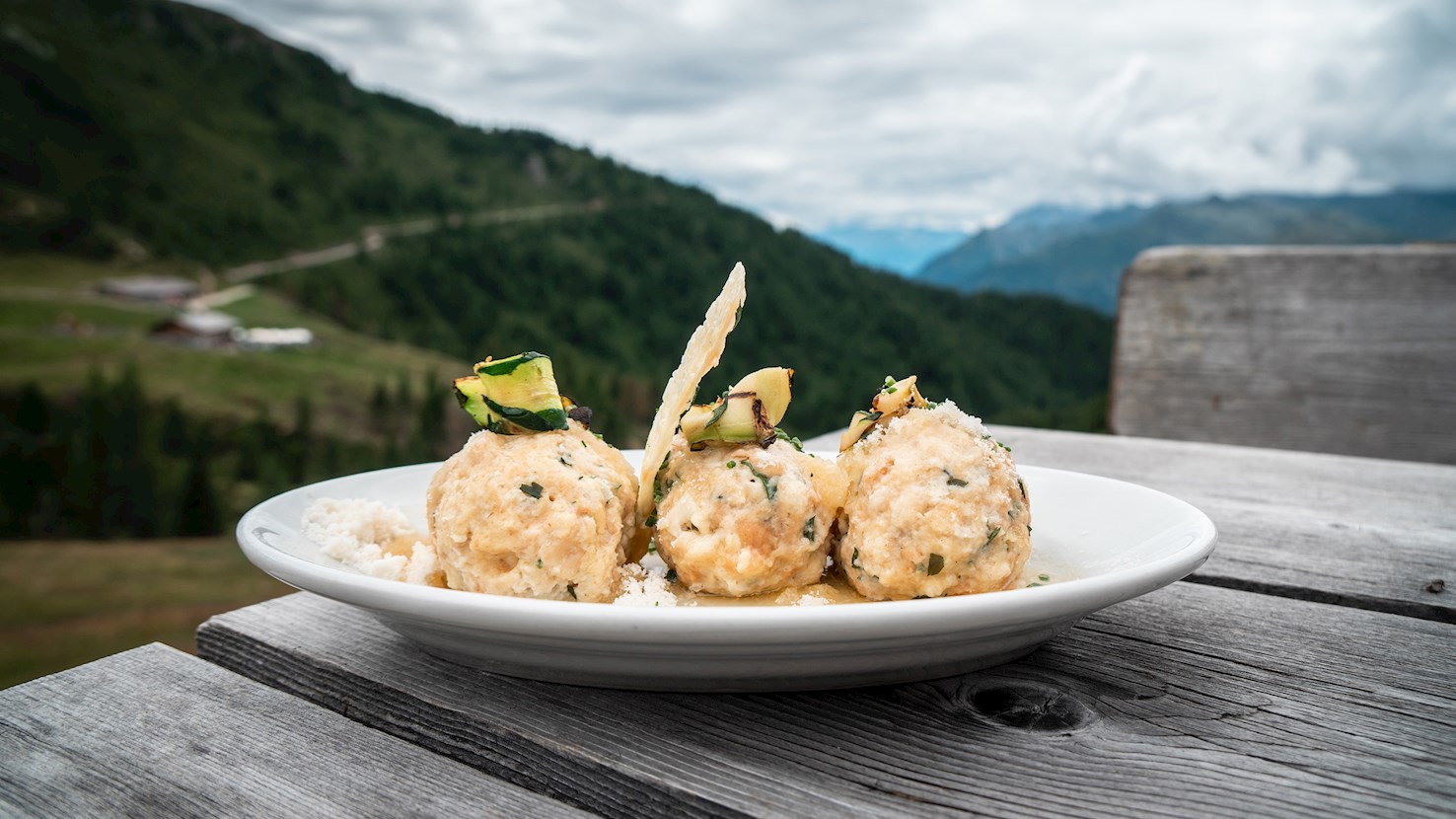
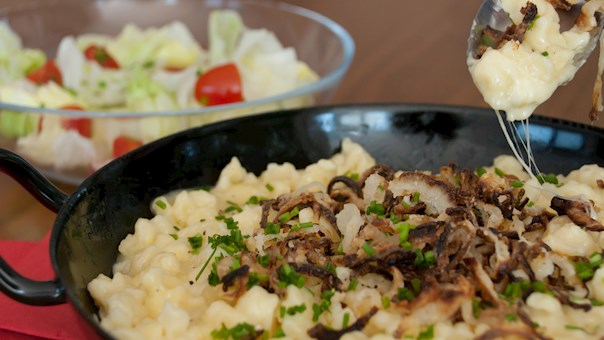
Käseknödel is a traditional dumpling enriched with cheese originating from Tyrol and South Tyrol. These cheese dumplings are typically served as a side dish that shows an inventive way of using leftover stale bread. The stale bread is mixed with cheese, eggs, butter, milk, onions, parsley, salt, and pepper. Käseknödeln are usually boiled in water or fried in butter on both sides until golden brown and then served in a broth or with various salads and stews.
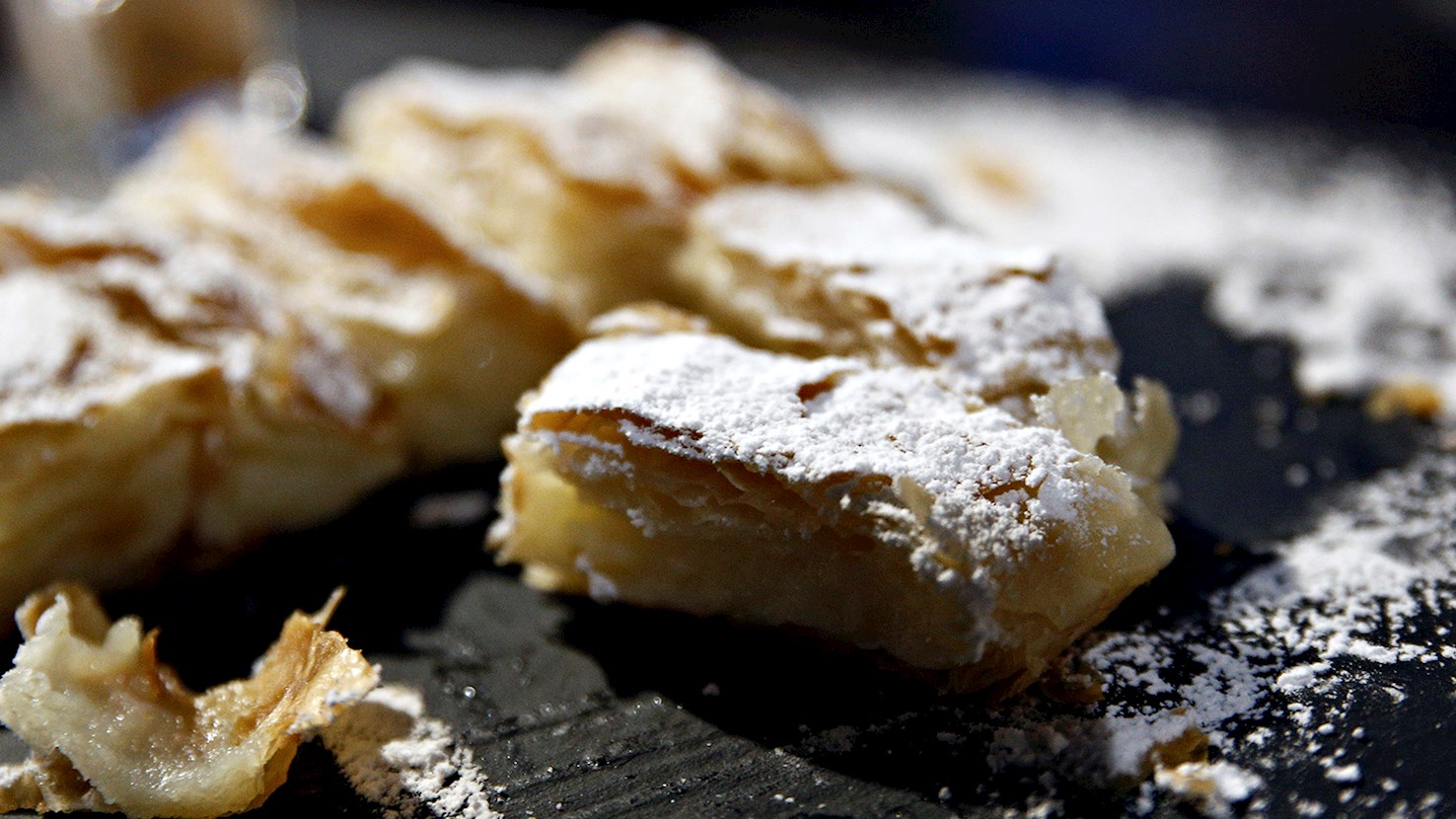
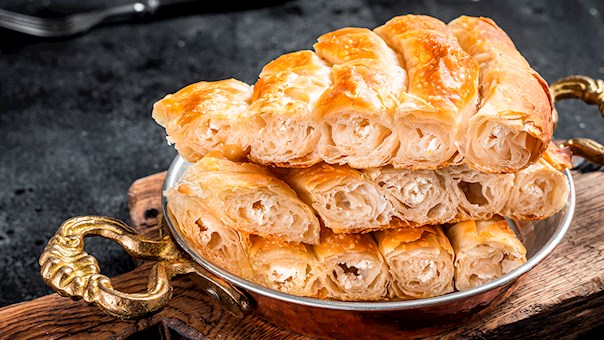
Bougatsa is a traditional, rustic Greek pie consisting of a phyllo pastry layered with a filling of semolina custard, although there are variations with minced meat or cheese. The name of the dish is a derivation of the Ottoman word pogatsa, denoting a pie filled with cheese. Bougatsa has origins from the Byzantine period, when Constantinople was Greek, and it began as a dough that was stuffed with numerous sweet and savory fillings. Over time, bougatsa evolved to incorporate a thinly rolled, hand-made phyllo pastry. As many Turkish immigrants settled in Northen Greece, bougatsa became a specialty of Serres and Thessaloniki. Today, the pies can be found throughout Greece in specialty shops called bougatsopolia, selling bougatsas exclusively.
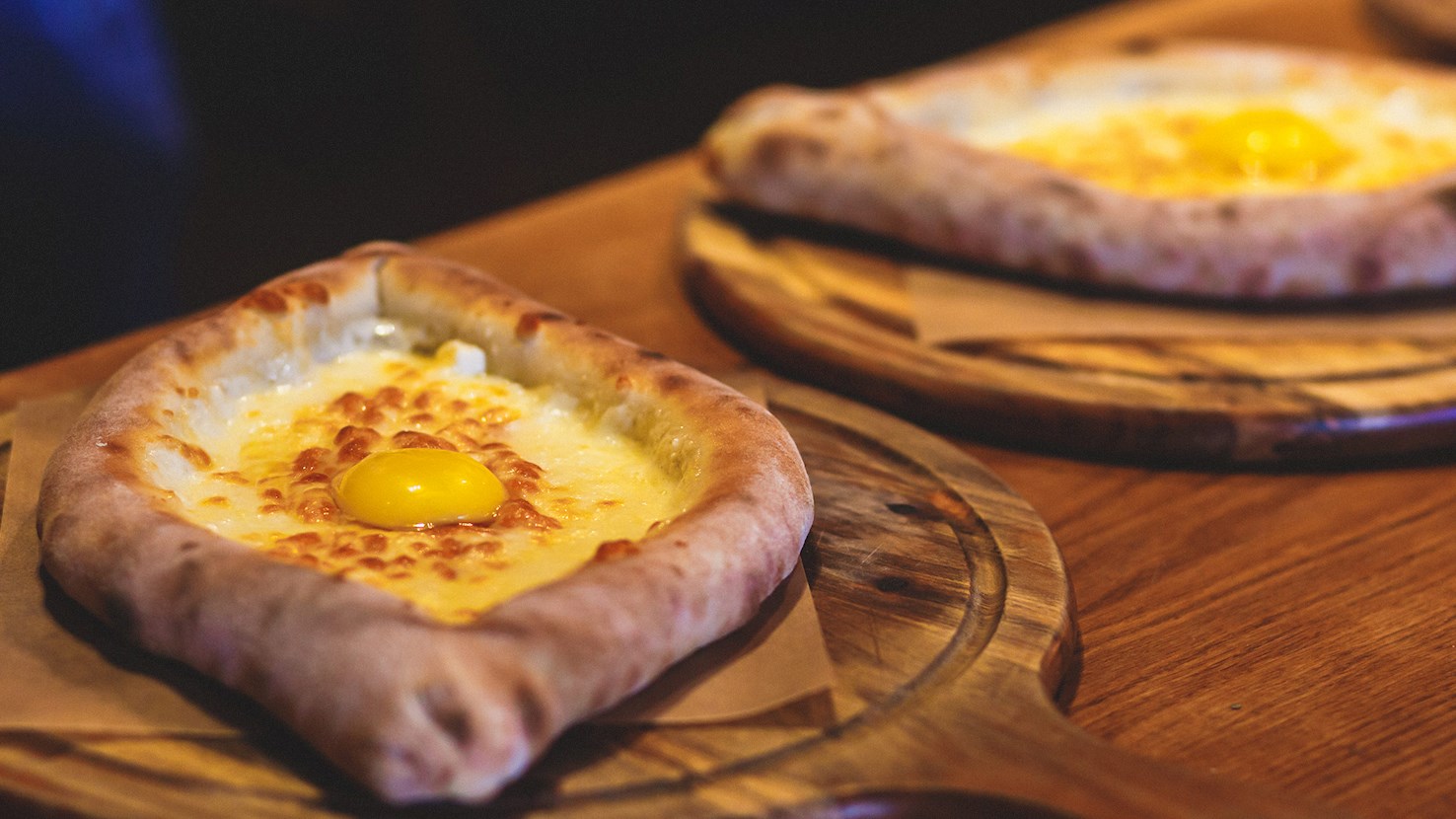
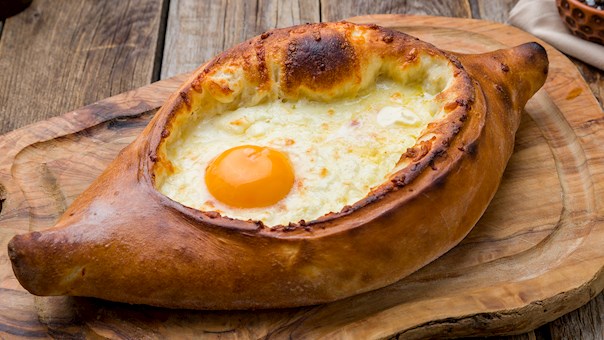
One of the most popular khachapuri varieties, adjarian is an open-faced pie that is filled with a combination of cheese and eggs. The base is made from yeasted dough that is rolled into an oblong shape and traditionally comes filled with Sulguni or Imeretian cheese, or the combination of both. The dish is finished off with an egg that is placed on top, and the pie is then additionally baked until the egg is partially set. This boat-shaped pie hails from the coastal Adjaria region, and it is usually served with a slice of butter on top.
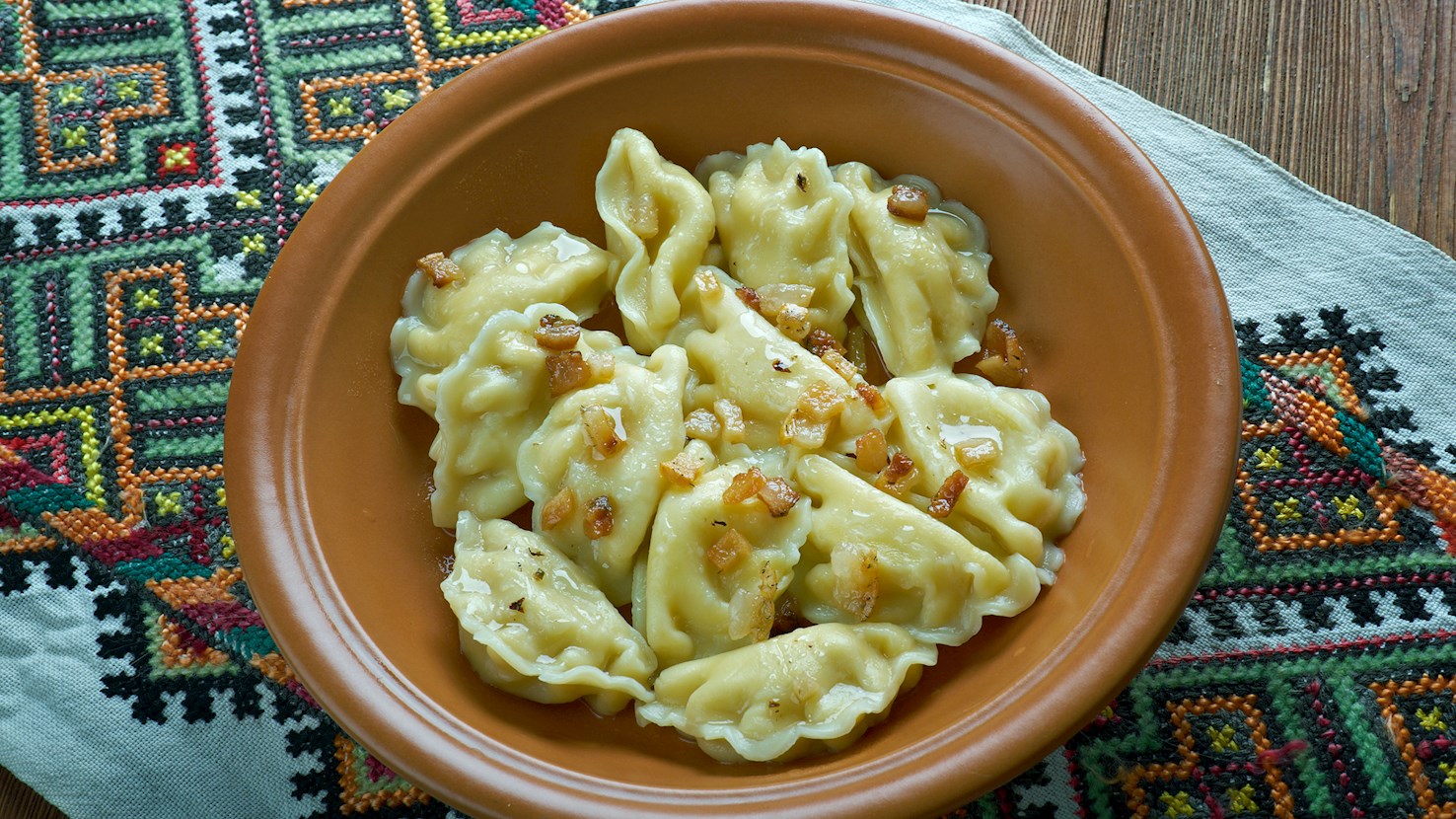
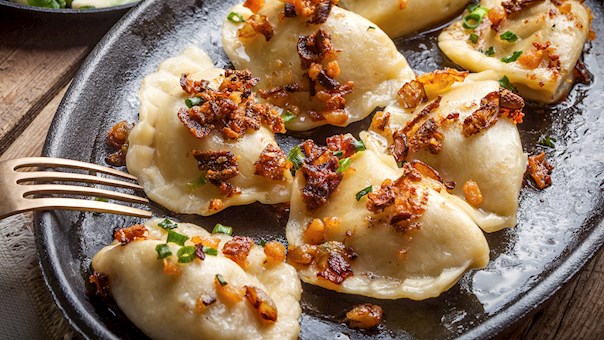
Originating from the historical region of Red Ruthenia, these soft, crescent-shaped dumplings are filled with a combination of potatoes and cheese, which is occasionally modified with various seasonings or fried onions. Pierogi ruskie are usually boiled and shortly fried until they develop a crispy texture. The dumplings are often served sprinkled with cracklings, crispy fried onions, or bacon, and can be enjoyed as a hearty appetizer or as a main course. In Ukraine, the pierogis are called varenyky, and they are so popular that there is even a monument celebrating varenyky in the city of Cherkasy. The sweet, fruit-filled version of varenyky is typically served with sugar and sour cream.
TasteAtlas food rankings are based on the ratings of the TasteAtlas audience, with a series of mechanisms that recognize real users and that ignore bot,
nationalist or local patriotic ratings, and give additional value to the ratings of users that the system recognizes as knowledgeable.
For the “100 Best Rated Dishes with Cheese” list until August 17, 2026, 1,026,063 ratings were recorded, of which 678,656 were recognized by the system as legitimate.
TasteAtlas Rankings should not be seen as the final global conclusion about food. Their purpose is to promote excellent local foods,
instill pride in traditional dishes, and arouse curiosity about dishes you haven’t tried.









What People Say