


shutterstock

97 Best Rated
Dishes with Goat

Last updated on November 17, 2026
01

Sate kambing

4.5 ·

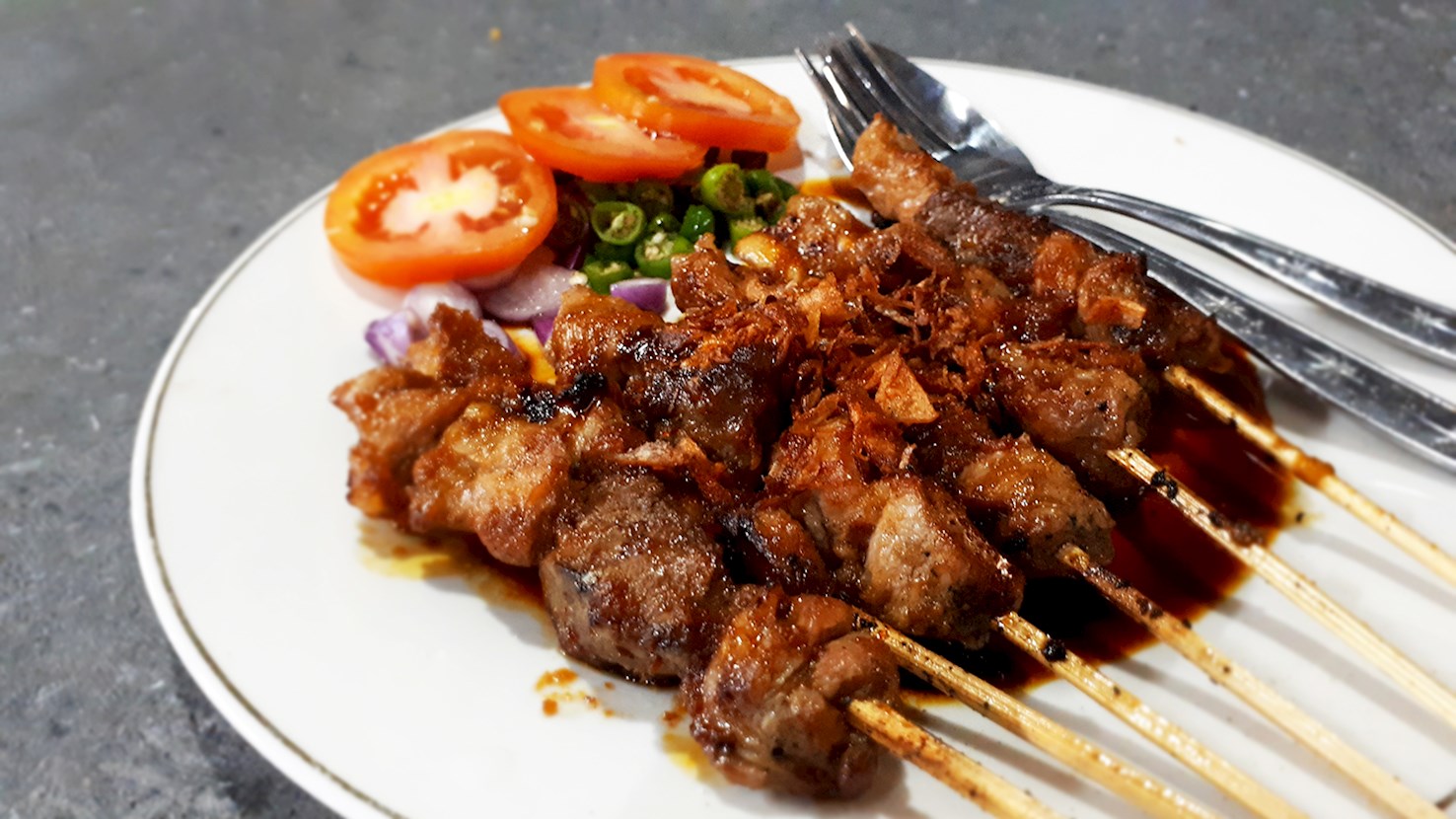
Sate kambing is a traditional dish and a type of satay prepared with goat or mutton as the main ingredient. The meat is cut into chunks or cubes and it's marinated in a combination of ingredients such as kecap manis (sweet soy sauce), galangal, ground shallots, pineapple juice, and (often) chili peppers. After it's been marinated, the meat is placed on skewers that are larger and thicker than the ones used for chicken satay as the texture and thickness of mutton or goat is tougher than chicken. The skewers for sate kambing are usually made from bamboo. The meat is grilled, then served with kecap manis sauce, peanut sauce, or chili sauce, consisting of shallots, bird eye chili peppers, and kecap manis. Some like to eat sate kambing with steamed rice or rice cakes on the side. This type of sate is especially popular in Java.

02

Seco de cabrito

4.4 ·

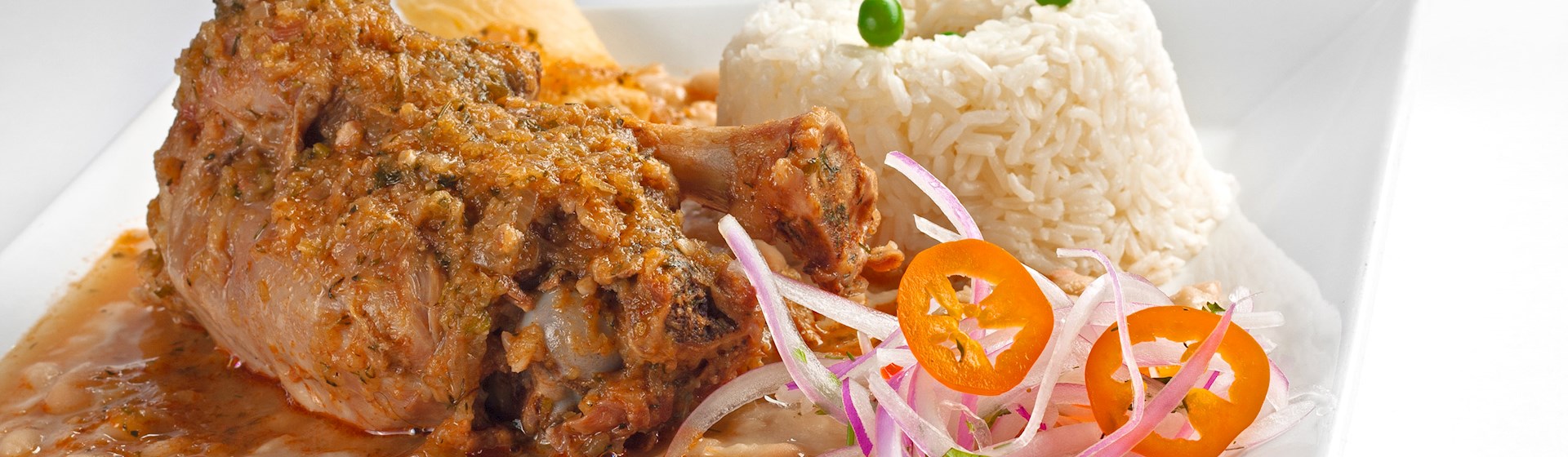
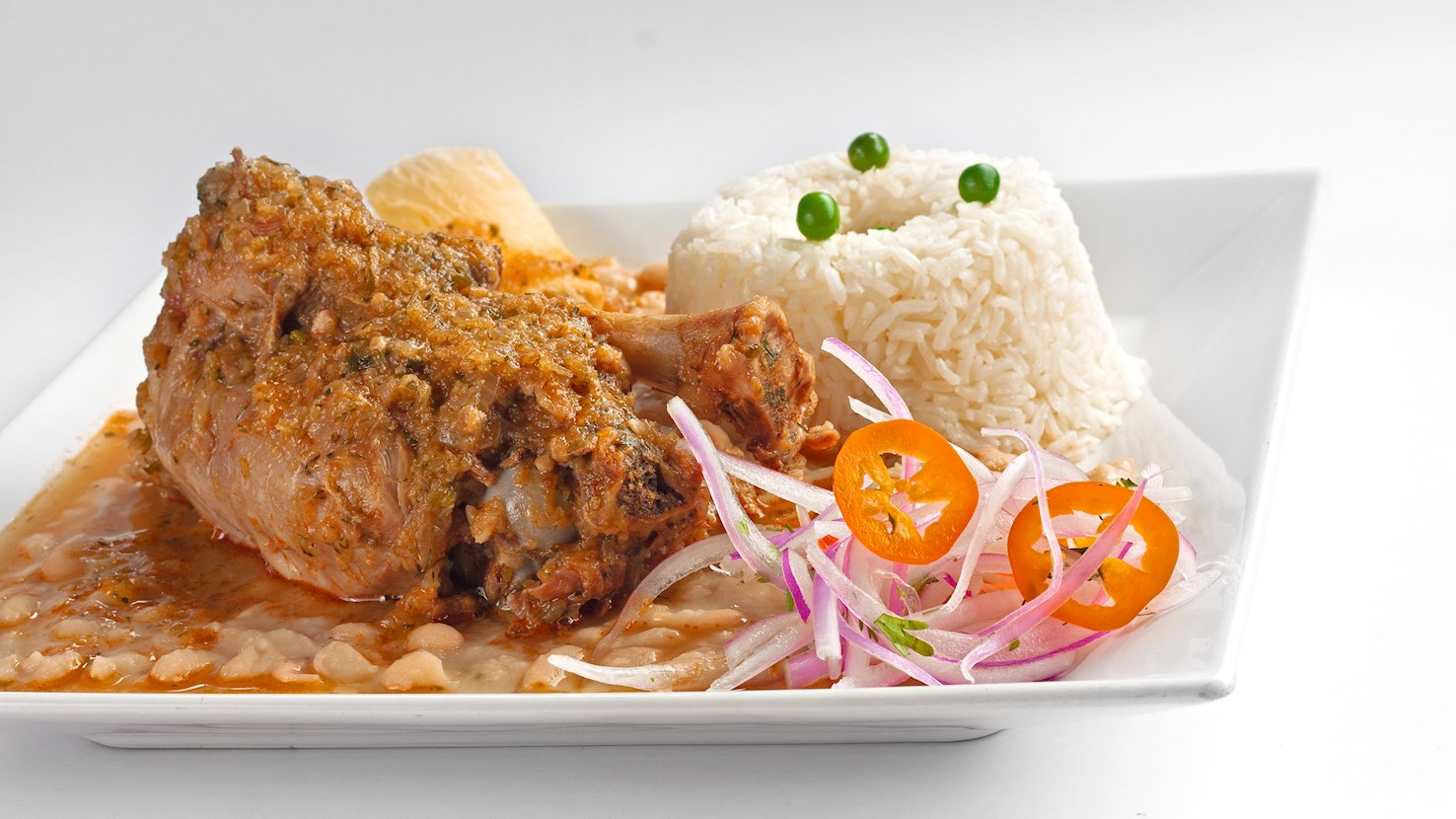
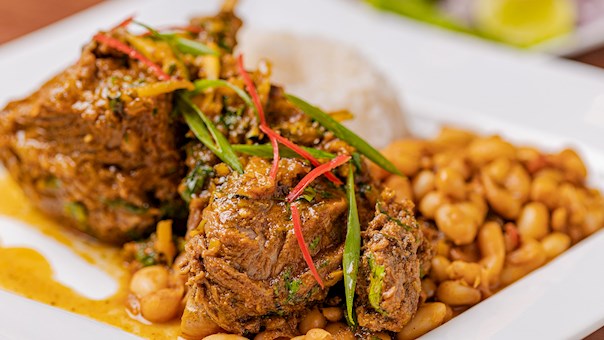
Seco de cabrito is a traditional dish that was originally prepared in the north of the country, but nowadays it's also popular in coastal areas. It consists of goat meat that's cooked with hot peppers, peas, carrots, and cilantro sauce. The list of ingredients also includes onions, cumin, garlic, oregano, oil, and seasonings. The meat is fried, then cooked with the other ingredients until the sauce becomes thick. Once done, seco de cabrito is traditionally served with rice, beans, and boiled cassava as a one-dish meal. This dish is often prepared for festive events such as family celebrations, and it can also be reheated and served the next day.

03

Antikristo

4.4 ·

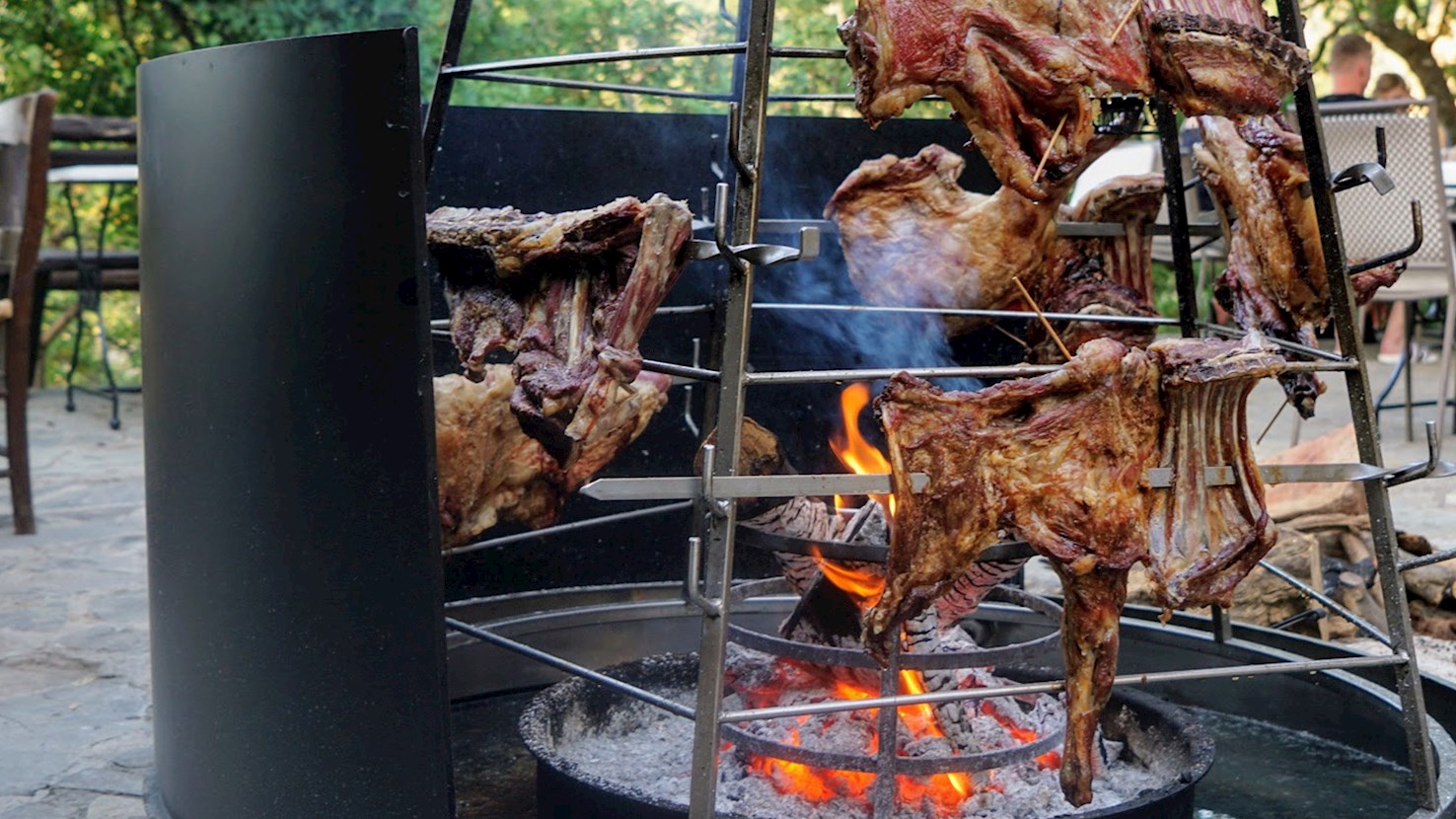
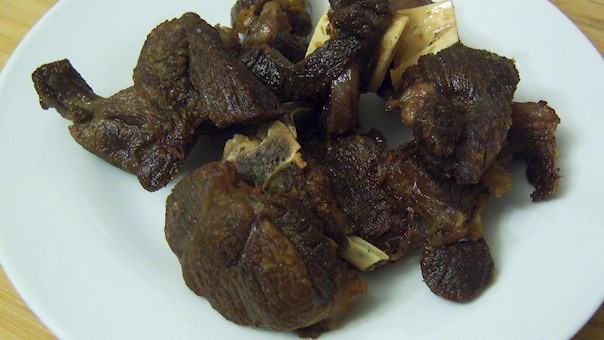
Antikristo is a traditional technique of cooking meat on Crete. A young lamb (or a goat, on rare occasions) is cut into four pieces (called goulidia), salted, then placed on big wooden skewers that are arranged around the fire in a circular formation, taking into consideration the direction of the wind, the intensity of the fire, and the distance between the fire and the meat. This process lets the meat cook in its own fat and salt with the heat coming from the flames instead of coals. The name antikristo means across the fire, describing this unique technique. The meat is slowly cooked, sometimes up to 6 hours, and it develops different flavors in the process. In the past, antikristo was common in the villages of Psiloritis mountain, but nowadays it can be found anywhere in Crete. Traditionally, it's prepared and cooked exclusively by men, most often shepherds.

04

Hyderabadi biryani

4.4 ·

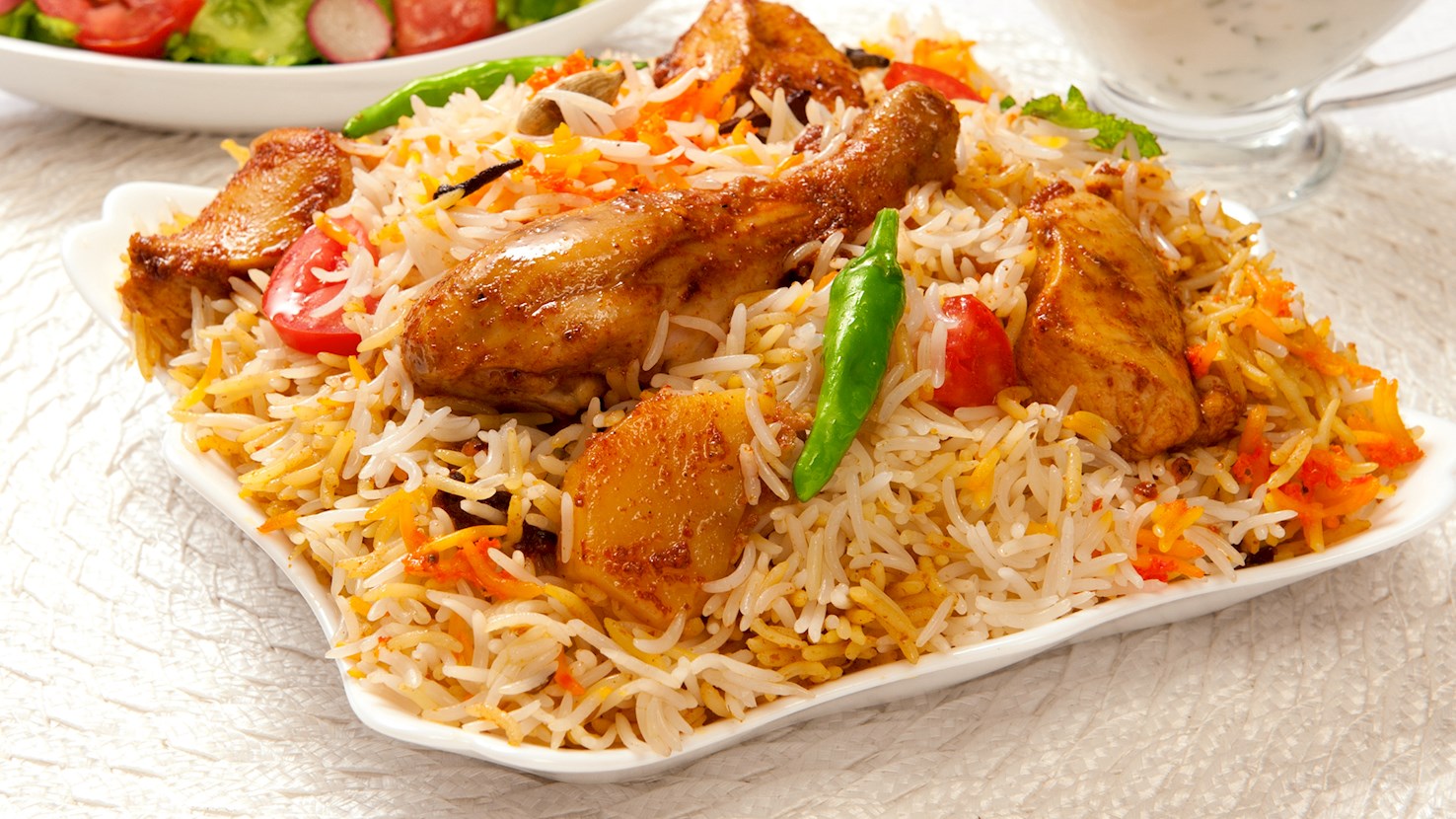
Hyderabadi biryani is a South Indian dish consisting of basmati rice, goat, mutton, or chicken meat, lemon, yogurt, onions, and saffron. There are two main varieties of the dish – kachchi (raw) and pakki (cooked). It is said that Hyderabadi biryani's richness of flavor is due to the unique process of cooking raw rice and raw meat together with exotic spices, unlike other places where meat and rice are cooked separately. The special cooking style, known as dum, is believed to have come from Persia during the Mughals' regime in India.

05

Barbacoa

4.3 ·

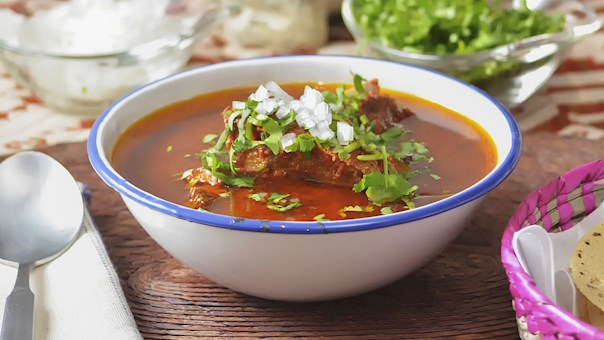
Barbacoa is a term that is mostly associated with Mexico and refers to an ancient technique of cooking meat in underground ovens. There are numerous regional varieties, which usually differ in the type of meat or the cut, but the most common options include lamb, goat, or mutton—and animal heads are traditionally regarded as a favorite barbacoa specialty. Mexican barbacoa involved digging a hole in the ground, lining the bottom and the sides with rocks, and adding a layer of burning wood, which would then be covered with agave leaves. They would then place the meat on the leaves, and the hole would be covered and sealed. An additional flame would be lit on top to keep animals away, and the meat would be left to cook overnight. Throughout history, the word barbacoa has been associated with numerous meanings. The first mention of the word had Caribbean origins, where it was used for a contraption created with a framework of sticks. Another popular belief is that the word barbecue has its roots in the same word. Mexican barbacoa tradition is believed to have its origins in the ancient Mayan and Aztec cultures. However, they did not use the name barbacoa. In some parts of Mexico, the words pibil, tatema, and birria are used to describe similar dishes cooked under the ground, but it is believed that they are all babacoa styles. Barbacoa is particularly popular in northern Mexico and the southern United States regions. Due to health and safety regulations, the original barbacoa is becoming increasingly rare.

06

Kleftiko

4.3 ·

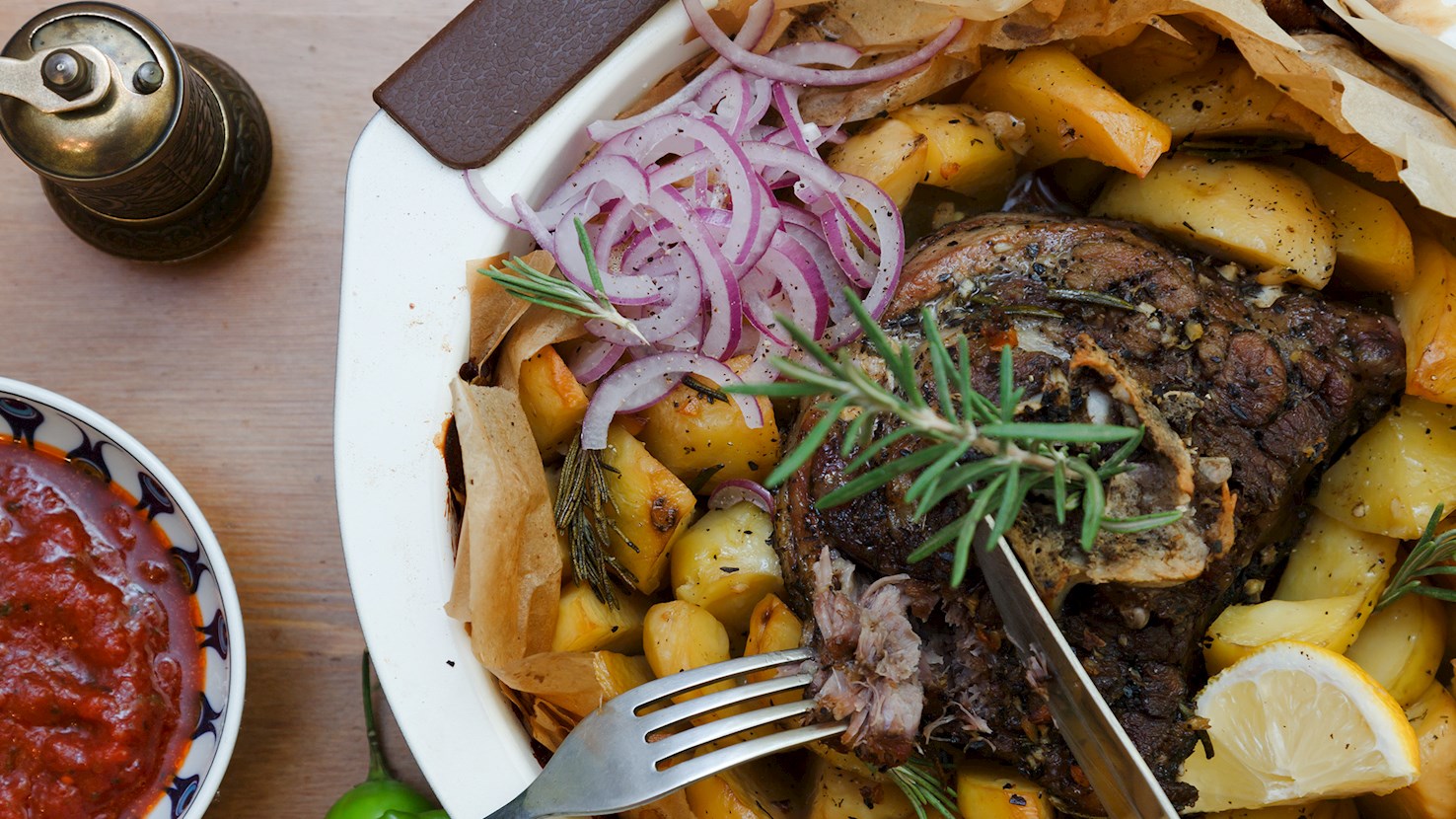
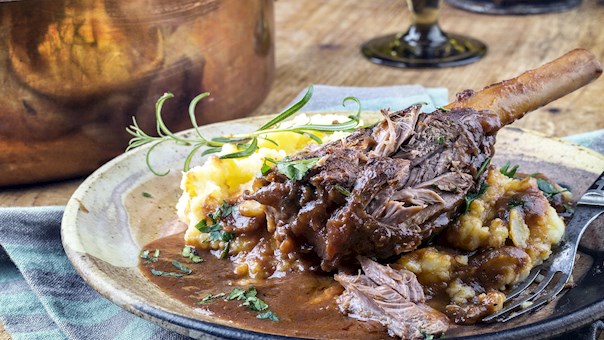
Kleftiko is a typical Greek dish that is commonly prepared at festive events and celebrations, consisting of a succulent piece of lamb or goat meat that is wrapped in foil and baked in airtight ovens. Also spelled as klephtiko, the name comes from the Klephts, mountain rebels from the Greek Revolution who cooked the food underground, so that no aromas or steam could escape, as it could reveal their positions. The cooked food was typically stolen, as klepht is also the root of the word kleptomaniac, describing a person with the urge to steal. Today, the meat is slowly cooked in a bowl so that it remains juicy and falls off the bone. Kleftiko is usually cooked with potatoes that soak up some of the flavorful meat juices. Other accompaniments may include red peppers and tomatoes. It is recommended to pair the dish with a glass of red wine on the side.

07

West Texas-Style Barbecue

4.3 ·

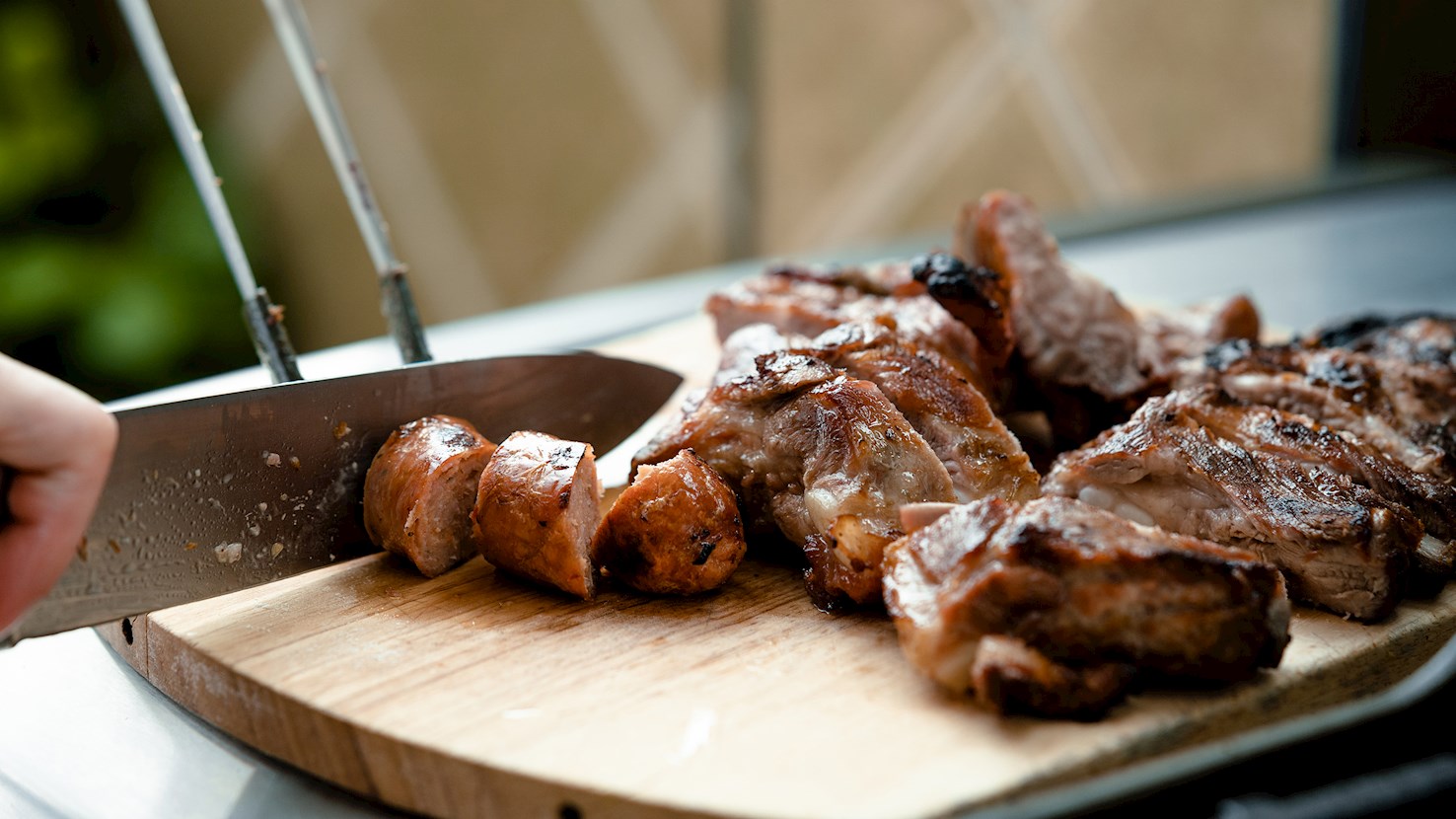
West Texas barbecue (a.k.a. cowboy-style) is a type of American regional barbecue style in which the meat is not smoked, but cooked directly over mesquite coals instead. Goat, mutton, chicken, and beef are the most typical types of meat used in this barbecue-style. The cooking time is fast, so thinner meat such as sausage, ribs, and chops are typically more successful with this barbecue method.

08

Keema

4.3 ·

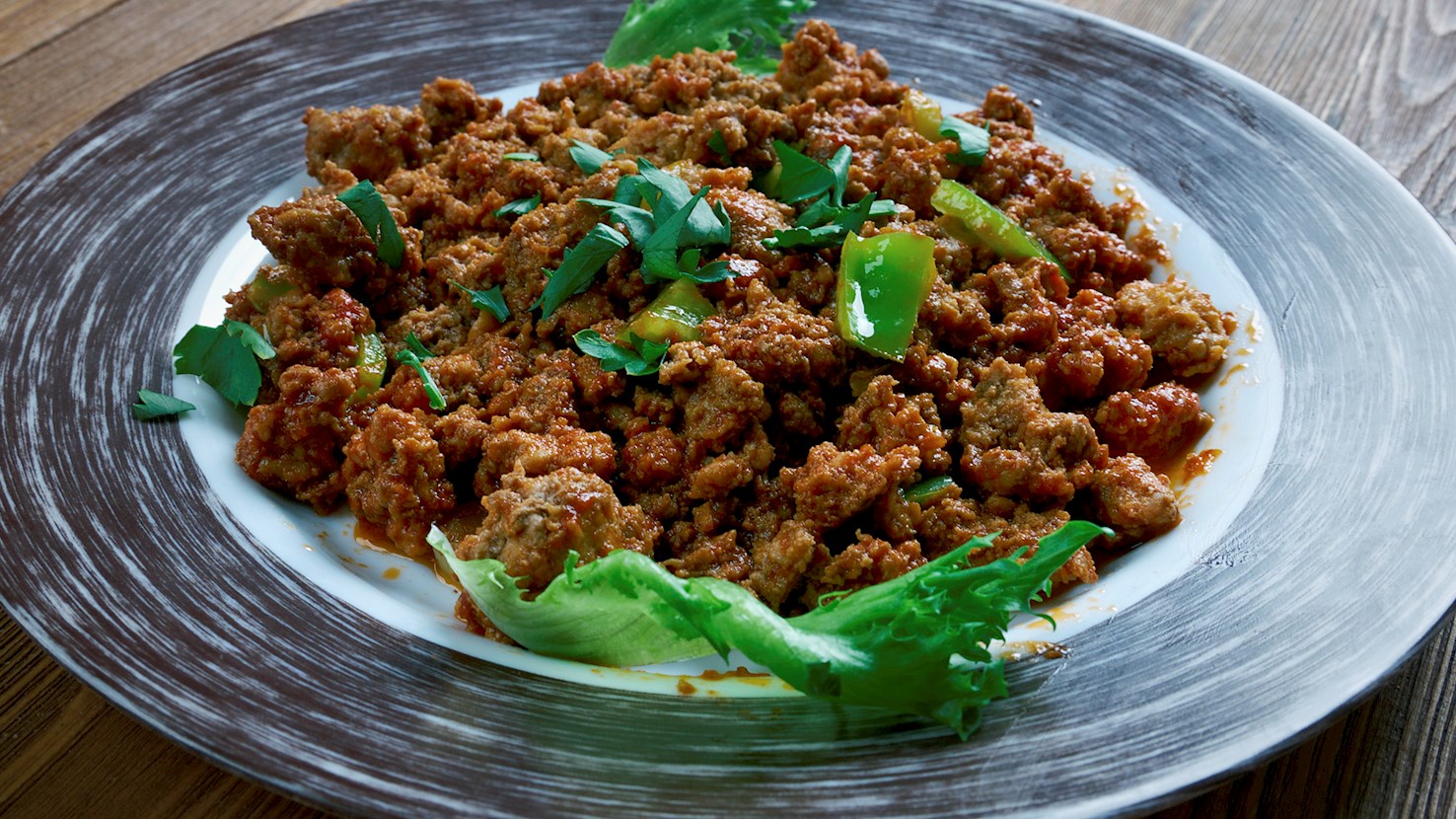
Keema is a stew that is usually prepared as a curry with ingredients such as minced lamb or chicken meat, green peas, ginger-garlic paste, chili, onions, ghee, and garam masala spices. The name of the dish means minced meat in Urdu. Although keema is most popular in north India, Pakistan, and Bangladesh, some believe that the dish has Persian origins due to the fact that it was first mentioned as a recipe in Ain-I-Akbari (a document about emperor Akbar's empire). Keema is commonly served as a main dish, accompanied by pav buns or naan and other flatbreads. It can also be used as a filling for samosas and parathas.

Best restaurants
09

Maafe

4.2 ·

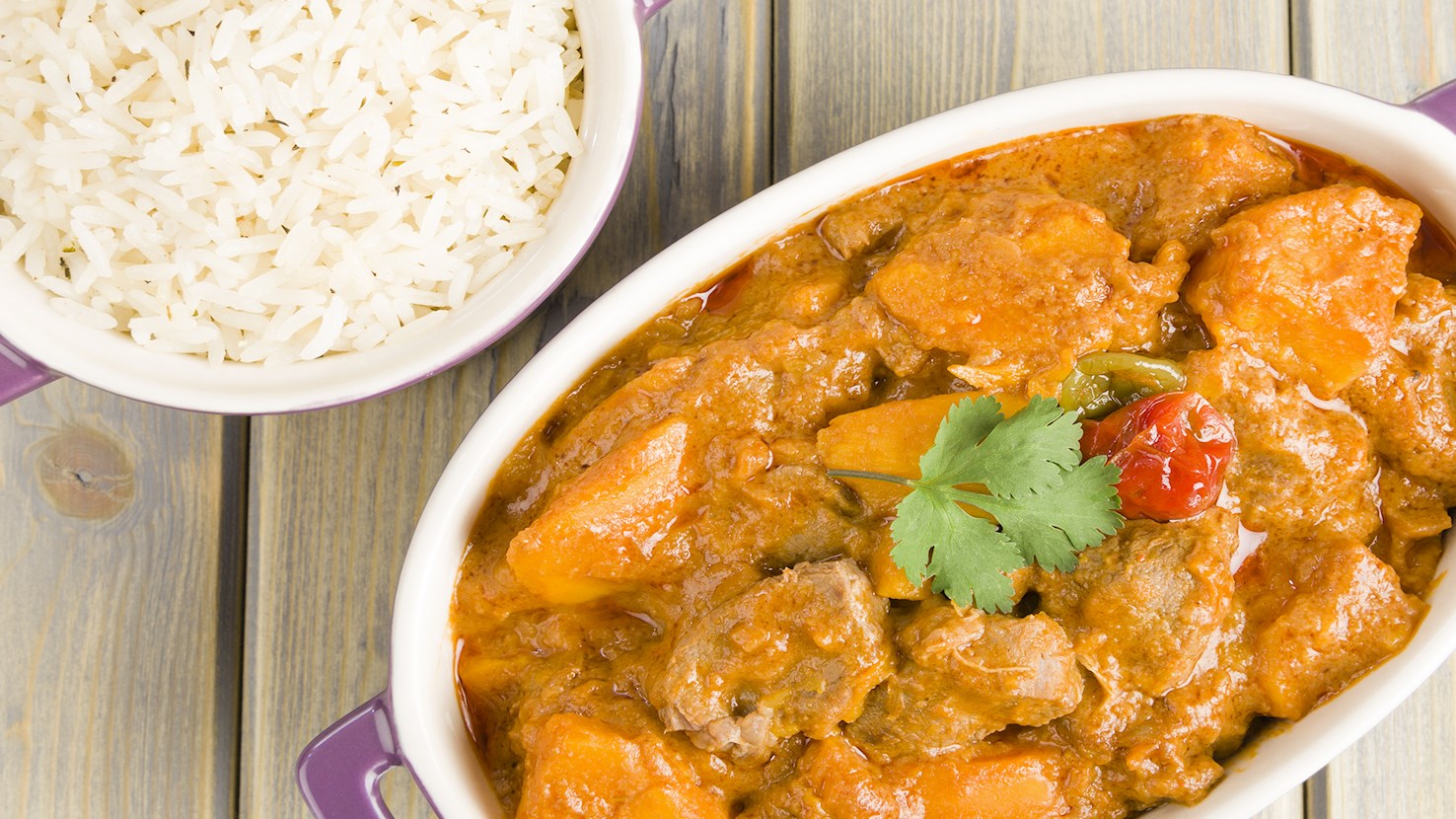
This traditional stew, occasionally also referred as a sauce or soup, is enjoyed throughout the West and Central Africa, but it is believed it originated among the Bambara people in Mali. It comes in numerous regional variations, but each version is created with roasted peanuts that are ground into flour and make the basic sauce of the dish. The list of additional ingredients is extensive, and it typically includes tomato paste, fish or meat, usually beef, lamb, goat, or chicken, various vegetables, and numerous spices such as ginger, turmeric, coriander, or cinnamon. The variations often differ in texture and consistency, while the side dishes are regionally influenced and may include anything from rice to couscous, fufu, or sweet potatoes.

10

Kokoretsi

4.2 ·

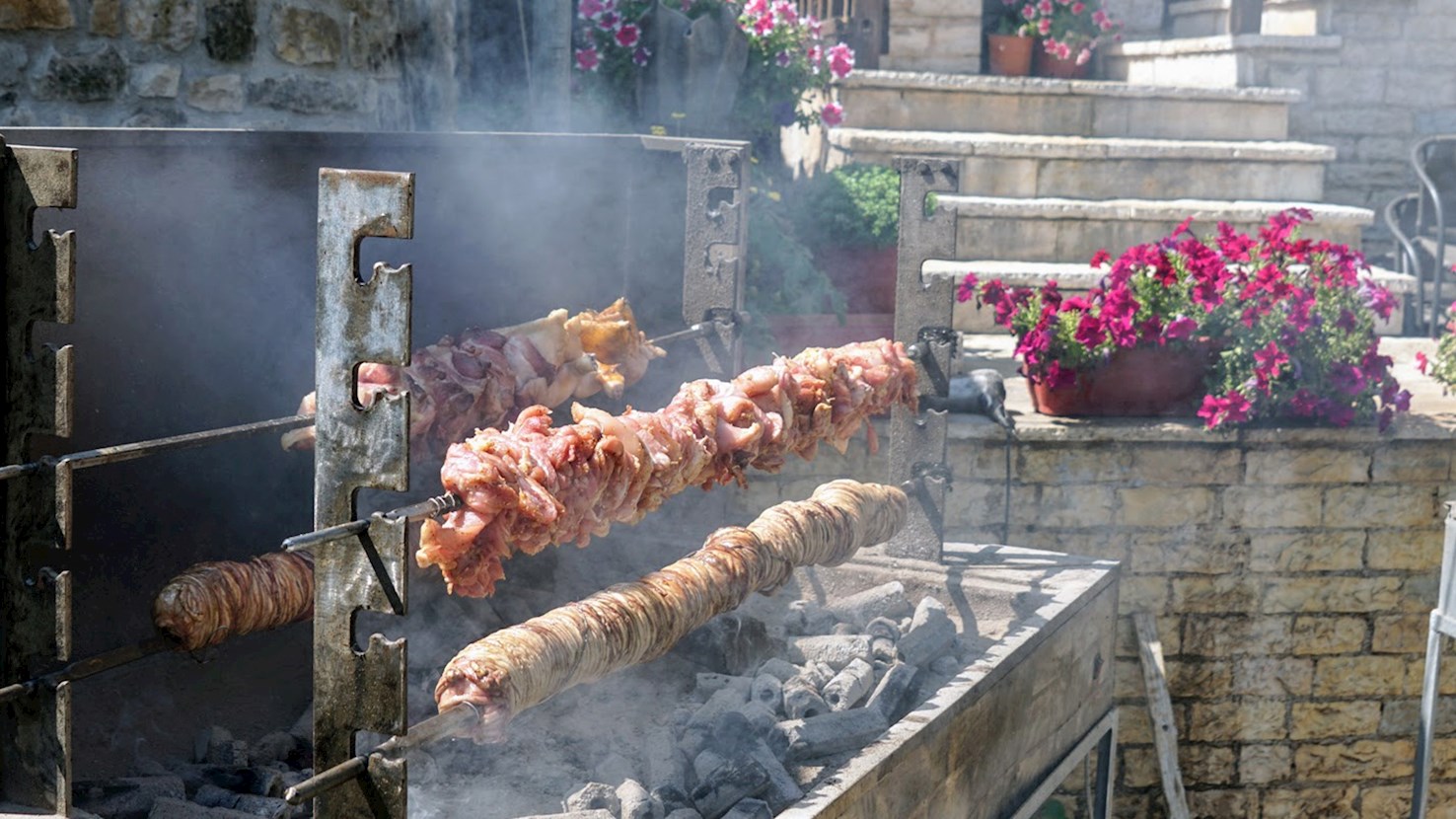
Kokoretsi is a traditional dish consisting of lamb or goat offal that is chopped into tiny pieces, seasoned with lemon juice, olive oil, salt, and pepper. The offal is then skewered, covered with caul fat to keep the pieces in place, and cooked over charcoal. It is traditionally consumed as an appetizer or meze on Easter Sunday in Greece. Although it is associated with Easter, it can usually be found throughout the year across the country. Kokoretsi is also popular throughout the Balkans, and the name of the dish comes from the Albanian word kukurec, meaning tripe. Being an internationally popular dish, kokoretsi is sometimes served as a sandwich on a flatbread, when it is topped with numerous spices and tomatoes, while others like to put it into a baguette with pickles and bell peppers.

About this Ranking

TasteAtlas food rankings are based on the ratings of the TasteAtlas audience, with a series of mechanisms that recognize real users and that ignore bot, nationalist or local patriotic ratings, and give additional value to the ratings of users that the system recognizes as knowledgeable. For the “97 Best Rated Dishes with Goat” list until November 17, 2026, 1,058,865 ratings were recorded, of which 705,319 were recognized by the system as legitimate.

TasteAtlas Rankings should not be seen as the final global conclusion about food. Their purpose is to promote excellent local foods, instill pride in traditional dishes, and arouse curiosity about dishes you haven’t tried.

What People Say

Similar Lists