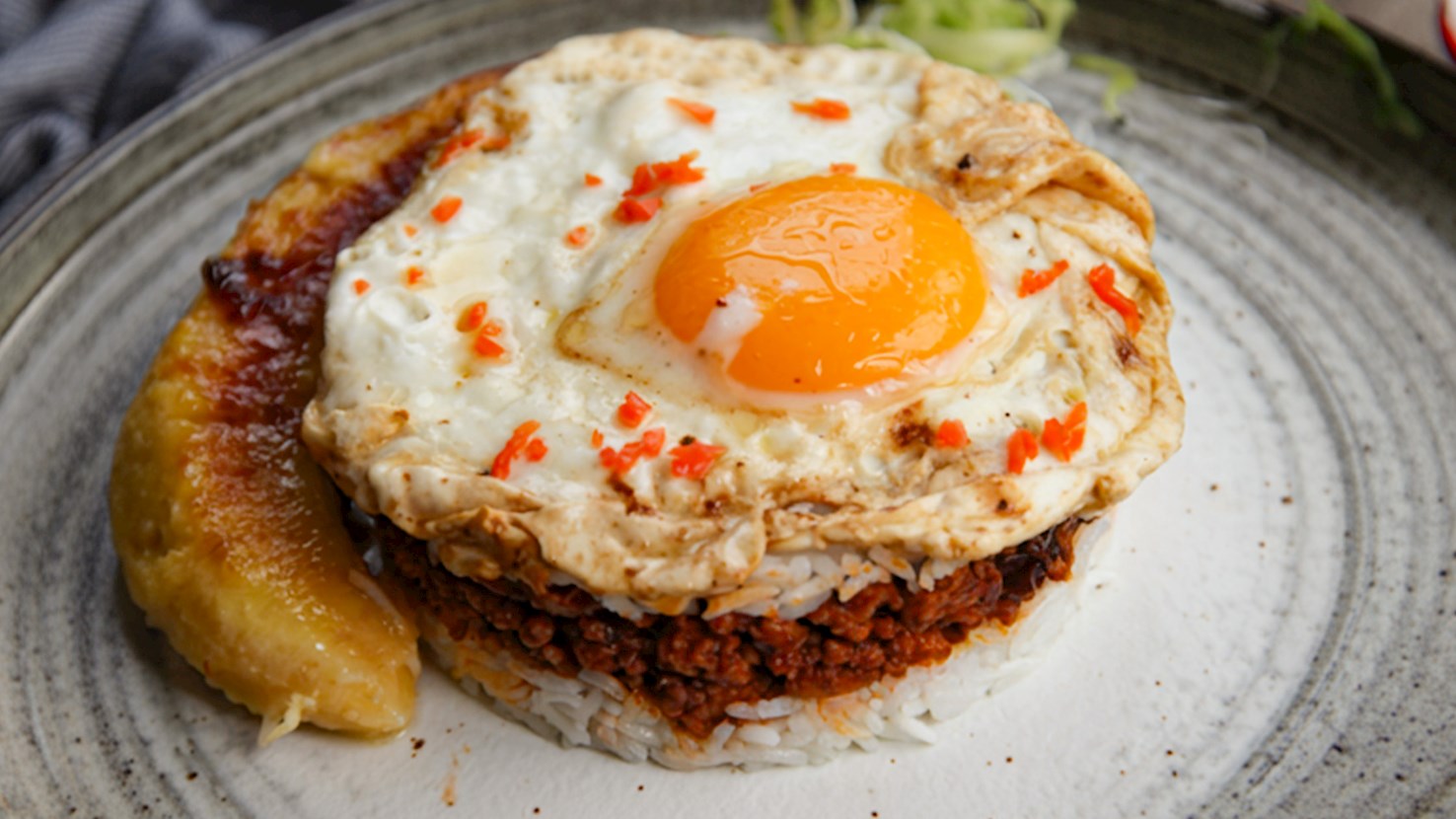
Arroz tapado is a Peruvian dish that is easy to prepare and inexpensive. It is made with rice, carrots, ground beef, tomato paste, onions, garlic, black olives, and chopped hard-boiled eggs. This dish is layered, usually in a way where rice is on the bottom and on the top, with the other ingredients sandwiched in the middle layer. Once assembled, arroz tapado is garnished with parsley and served with green salads, plantains, or avocado slices on the side, if desired.
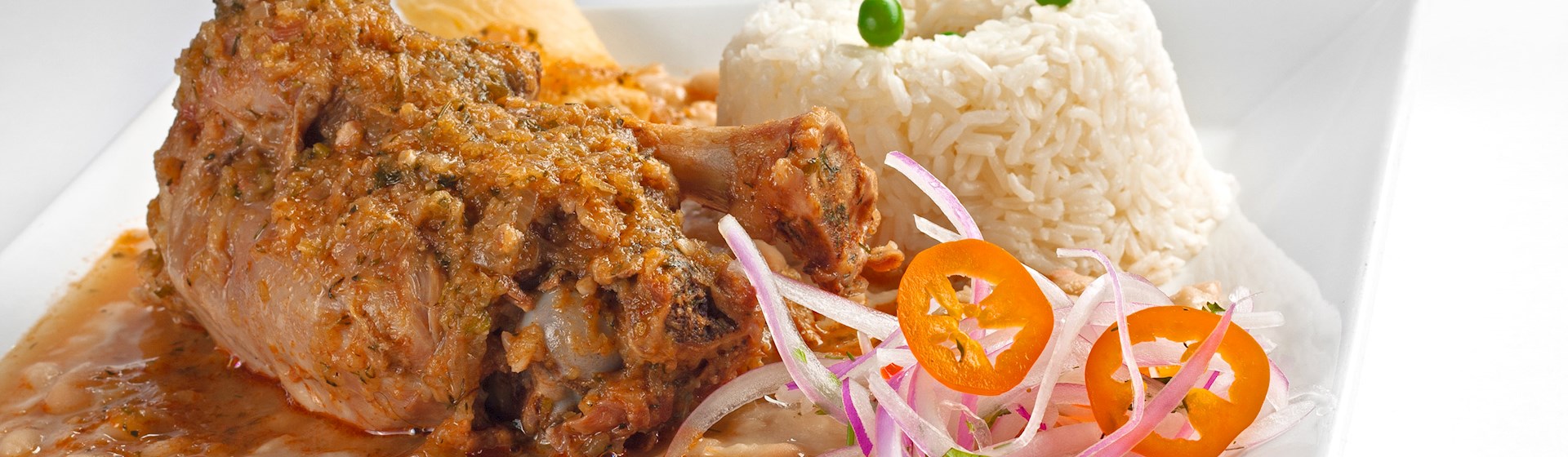
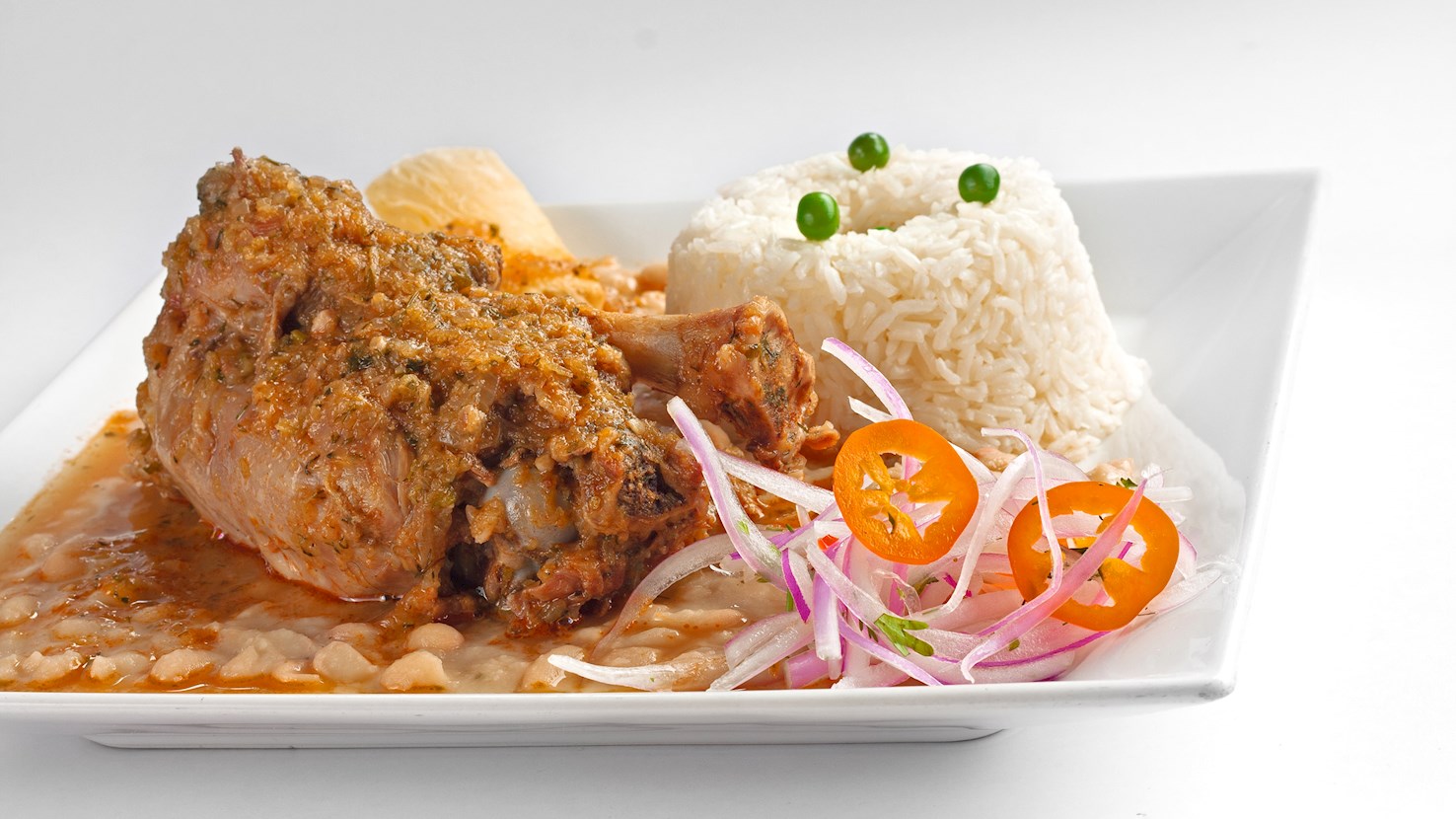
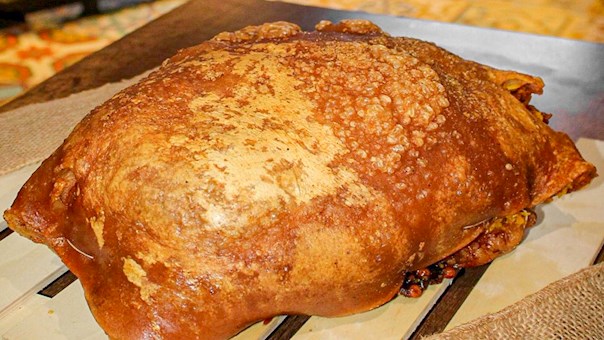
Seco de cabrito is a traditional dish that was originally prepared in the north of the country, but nowadays it's also popular in coastal areas. It consists of goat meat that's cooked with hot peppers, peas, carrots, and cilantro sauce. The list of ingredients also includes onions, cumin, garlic, oregano, oil, and seasonings. The meat is fried, then cooked with the other ingredients until the sauce becomes thick. Once done, seco de cabrito is traditionally served with rice, beans, and boiled cassava as a one-dish meal. This dish is often prepared for festive events such as family celebrations, and it can also be reheated and served the next day.
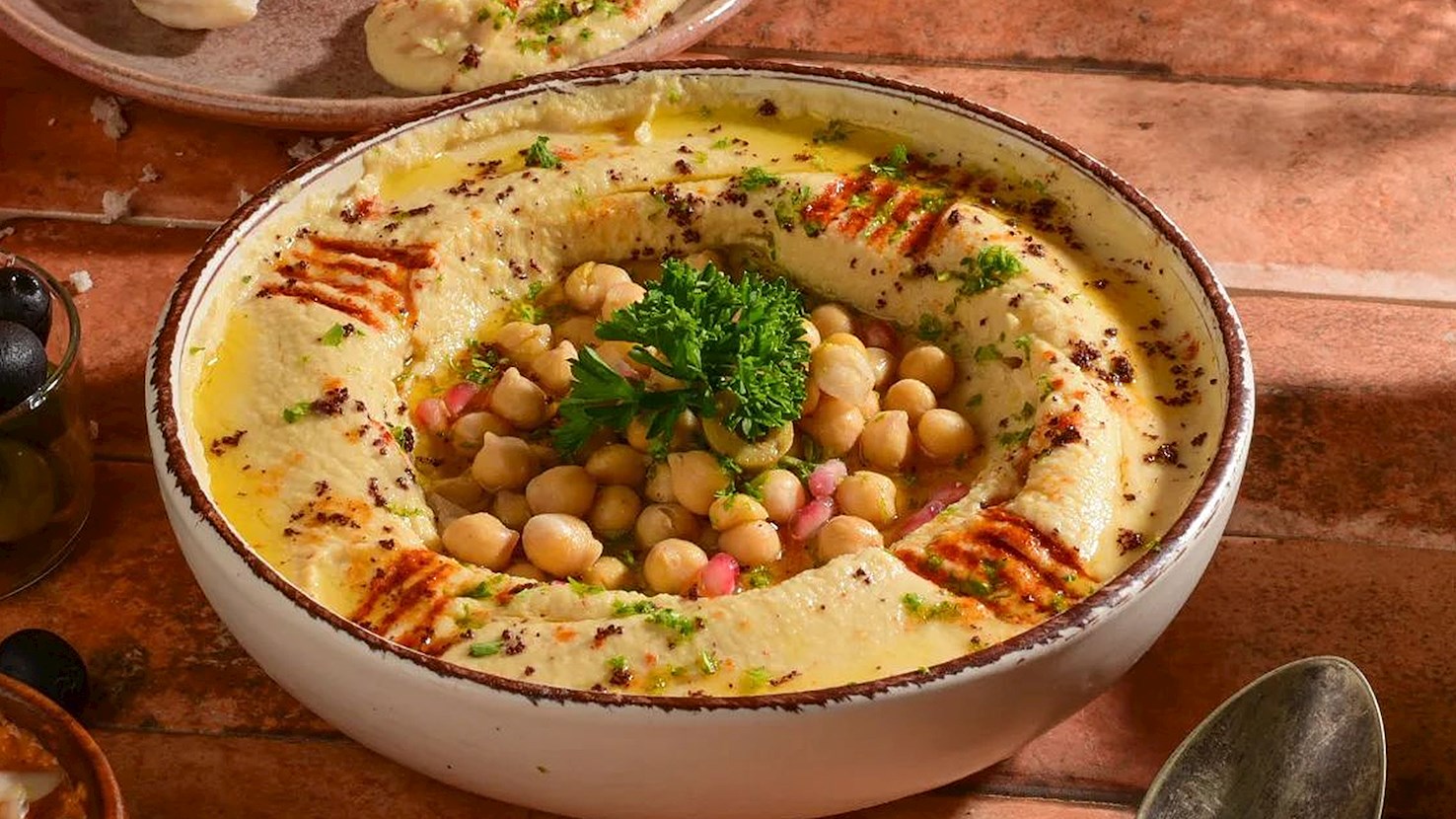
Hummus Beiruti is a Lebanese version of hummus, the famous chickpea-based dip. This version adds a large amount of garlic and spices to it. It’s usually made with a combination of chickpeas, olive oil, garlic, yogurt, tahini, cold water, cumin, lemon juice, chili peppers, chopped parsley, and paprika. Once prepared, this hummus version is plated and garnished with a drizzle of olive oil, chopped parsley, and mint leaves. Hummus Beiruti is served with freshly baked pita or lavash flatbread.
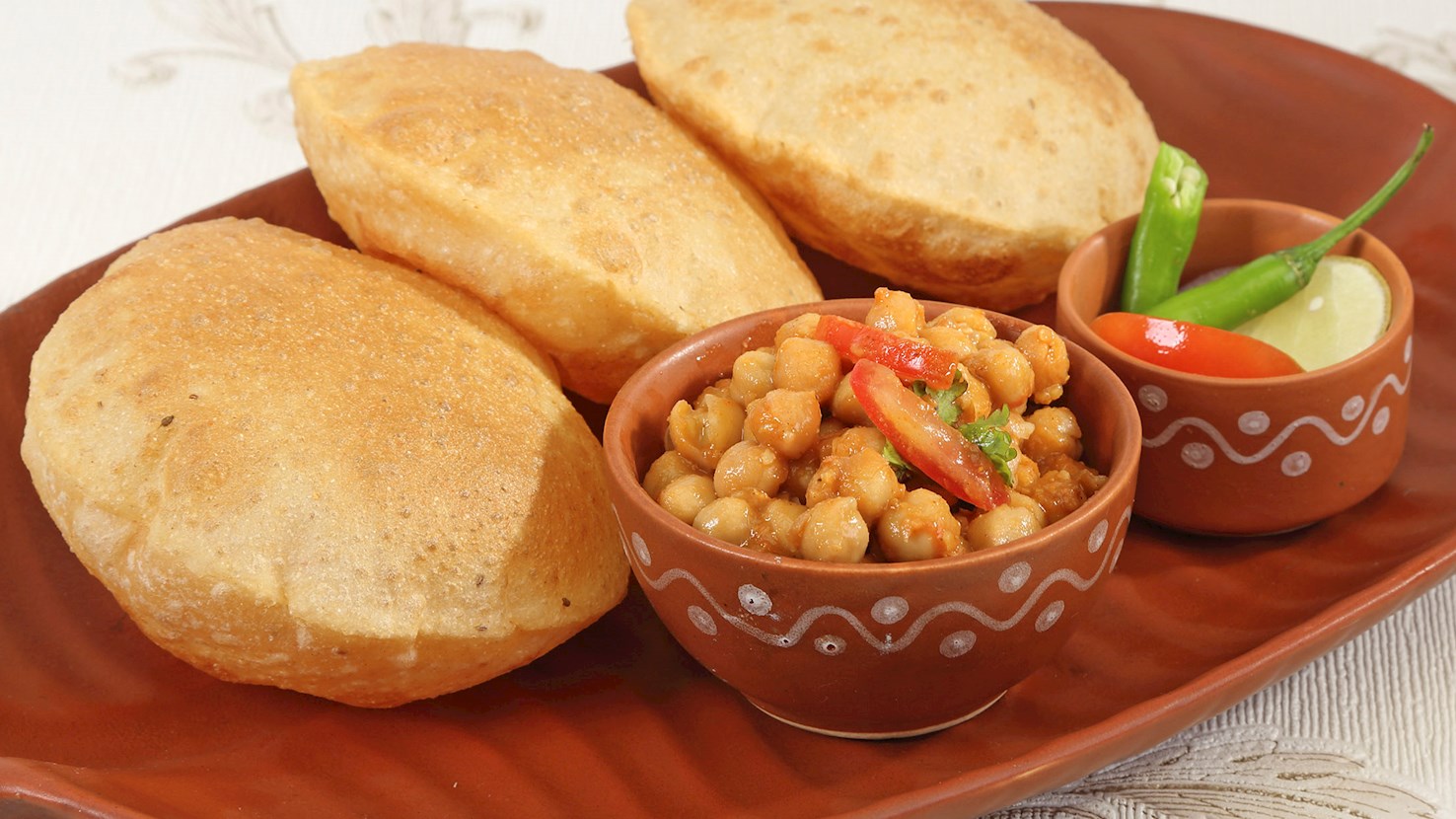
At its core, chole bhature is a combination of two dishes: chole - a spicy chickpea curry, and bhature - a type of fried bread made with maida flour. Popular throughout North India, the dish was invented in Delhi in the 1940s. It is commonly accompanied by onions, pickles, mint chutney, and chilled lassi. Chole bhature can be found at most street carts in North India, but it can also be easily prepared at home. Although it can be eaten any time of the day, chole bhature is especially popular in the morning, when bhature are filled with potatoes or cottage cheese, making it a heavy, nutritious breakfast.
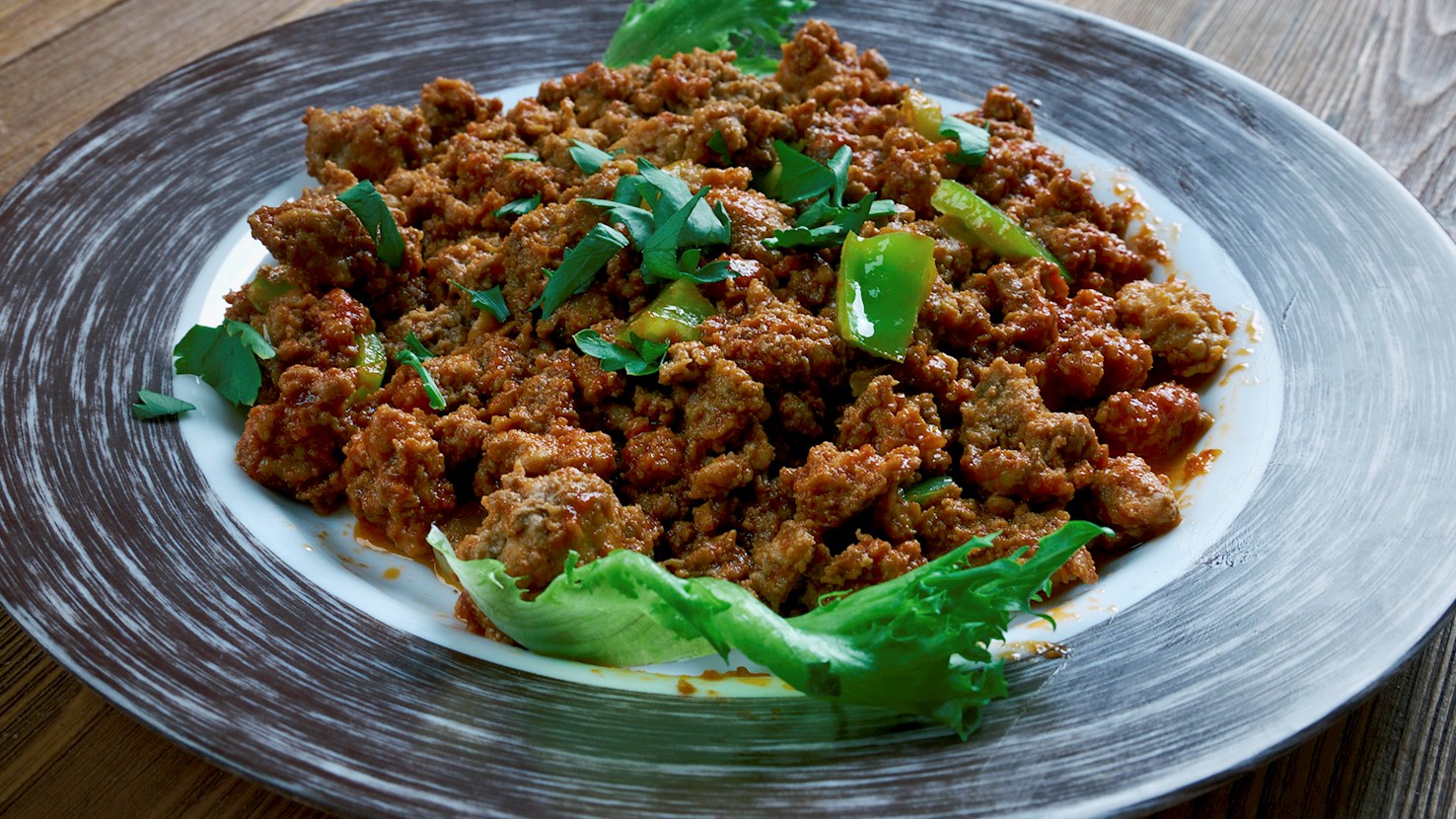
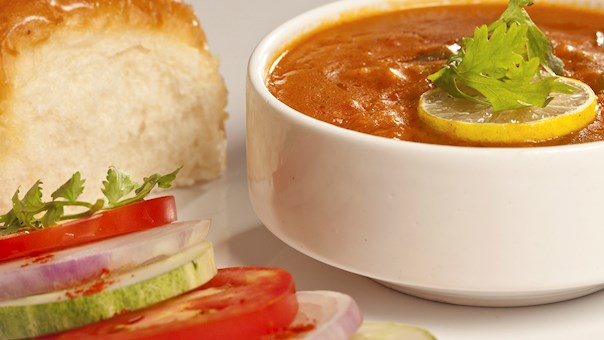
Keema is a stew that is usually prepared as a curry with ingredients such as minced lamb or chicken meat, green peas, ginger-garlic paste, chili, onions, ghee, and garam masala spices. The name of the dish means minced meat in Urdu. Although keema is most popular in north India, Pakistan, and Bangladesh, some believe that the dish has Persian origins due to the fact that it was first mentioned as a recipe in Ain-I-Akbari (a document about emperor Akbar's empire). Keema is commonly served as a main dish, accompanied by pav buns or naan and other flatbreads. It can also be used as a filling for samosas and parathas.
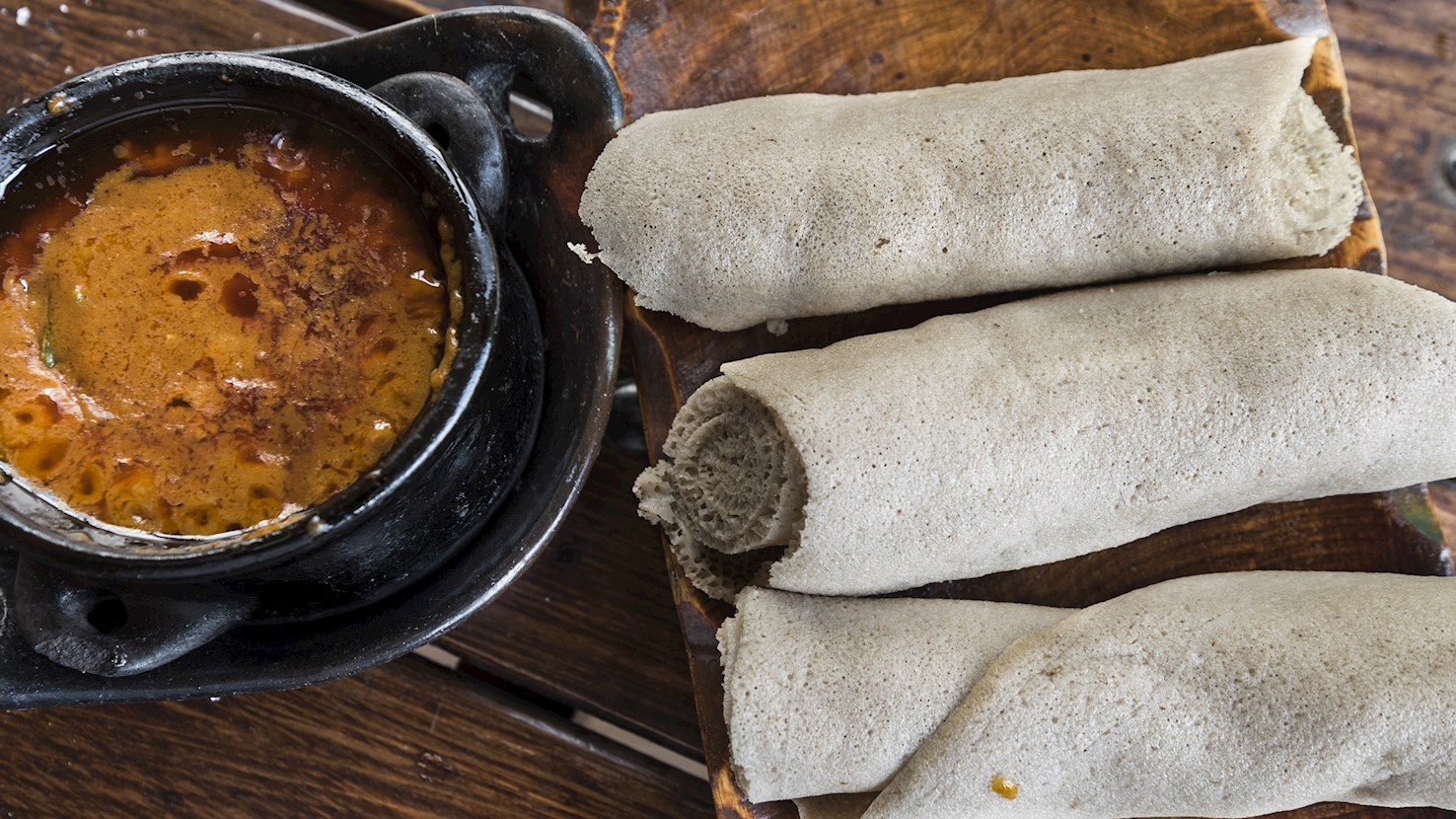
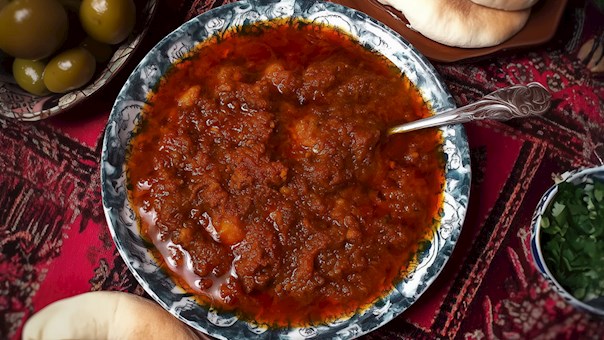
Shiro wat or tsebhi shiro is an Ethiopian and Eritrean stew made with chickpeas or broad beans as main ingredients, along with garlic, onions, ginger, tomatoes, and chili peppers. The chickpeas give this stew a nice texture and nutty flavor, but they can be replaced by shiro powder, which is a combination of chickpea flour and various spices. The dish is traditionally prepared for special occasions such as Ramadan and Tsom. It is recommended to serve shiro with injera flatbread on the side.
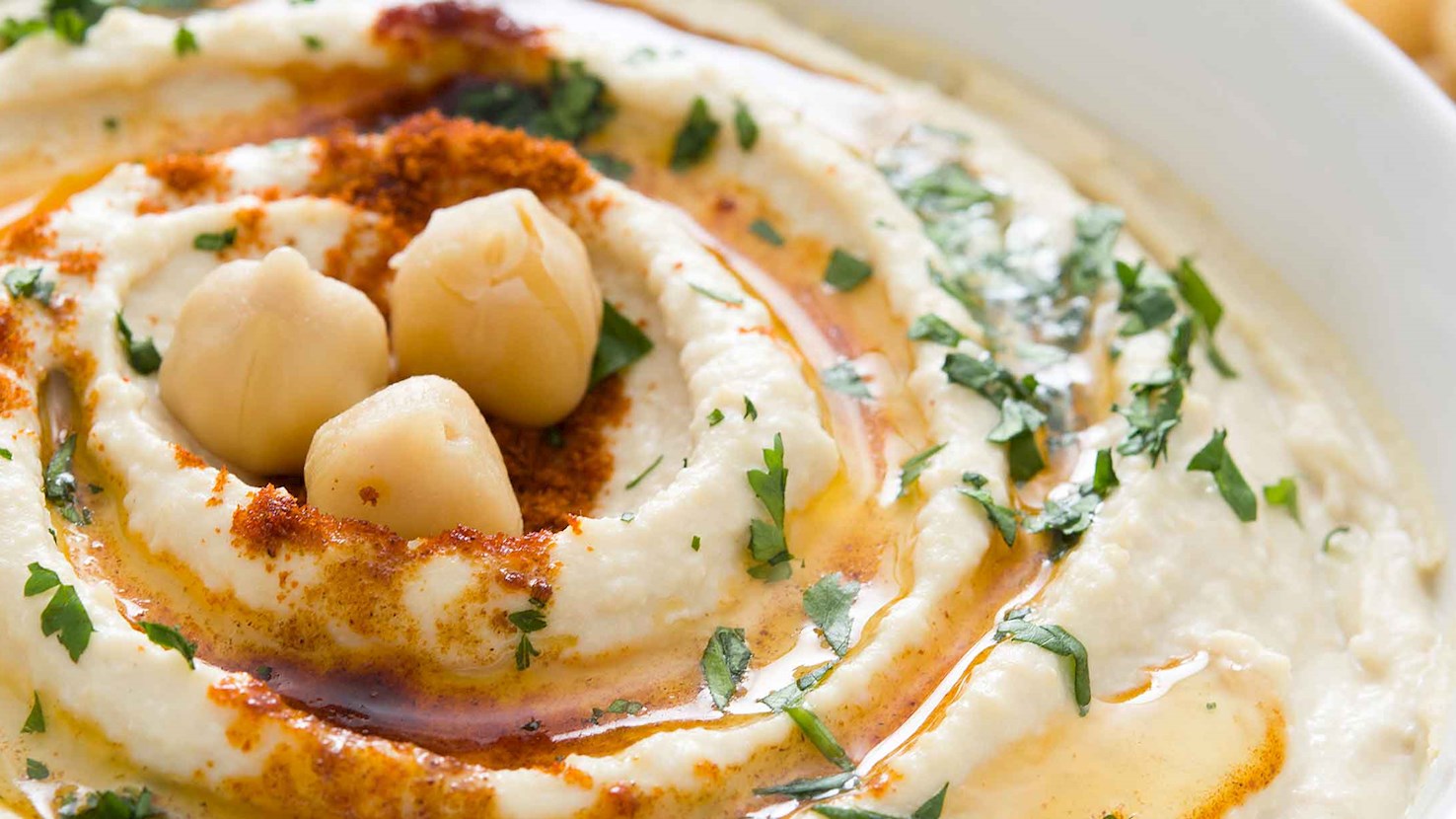
Hummus is a creamy dip made primarily from cooked and mashed chickpeas blended with tahini, olive oil, lemon juice, and garlic. It originates from the Middle East, where it has been a dietary staple for centuries, especially in countries like Lebanon, Palestine, Israel, Syria, and Jordan. Hummus’s roots can be traced back to ancient times (earliest mention of hummus dates back to 13th-century Egypt), when legumes and seeds were common sources of nutrition in the Levant. Over time, the combination of chickpeas and tahini evolved into a dish that balances earthy, nutty, and tangy flavors. While recipes vary slightly across regions, the core ingredients remain consistent, emphasizing freshness and quality. The smooth texture and rich taste make hummus both versatile and widely appealing, able to serve as a simple snack or a complement to more elaborate meals. Preparation involves soaking and cooking dried chickpeas until tender, then blending them with tahini paste, freshly squeezed lemon juice, crushed garlic, and extra virgin olive oil to create a velvety consistency. Salt is added to enhance the flavors, and the mixture is often garnished with a drizzle of olive oil, a sprinkle of paprika or sumac, and sometimes fresh herbs or whole chickpeas. Hummus can be served chilled or at room temperature, paired with pita bread, vegetables, or as part of a larger mezze platter. Hummus enjoys widespread popularity not only in the Middle East but globally, embraced as a healthy and flavorful dish. It is commonly found in homes, restaurants, and markets, representing both everyday nourishment and a dish for social gatherings.
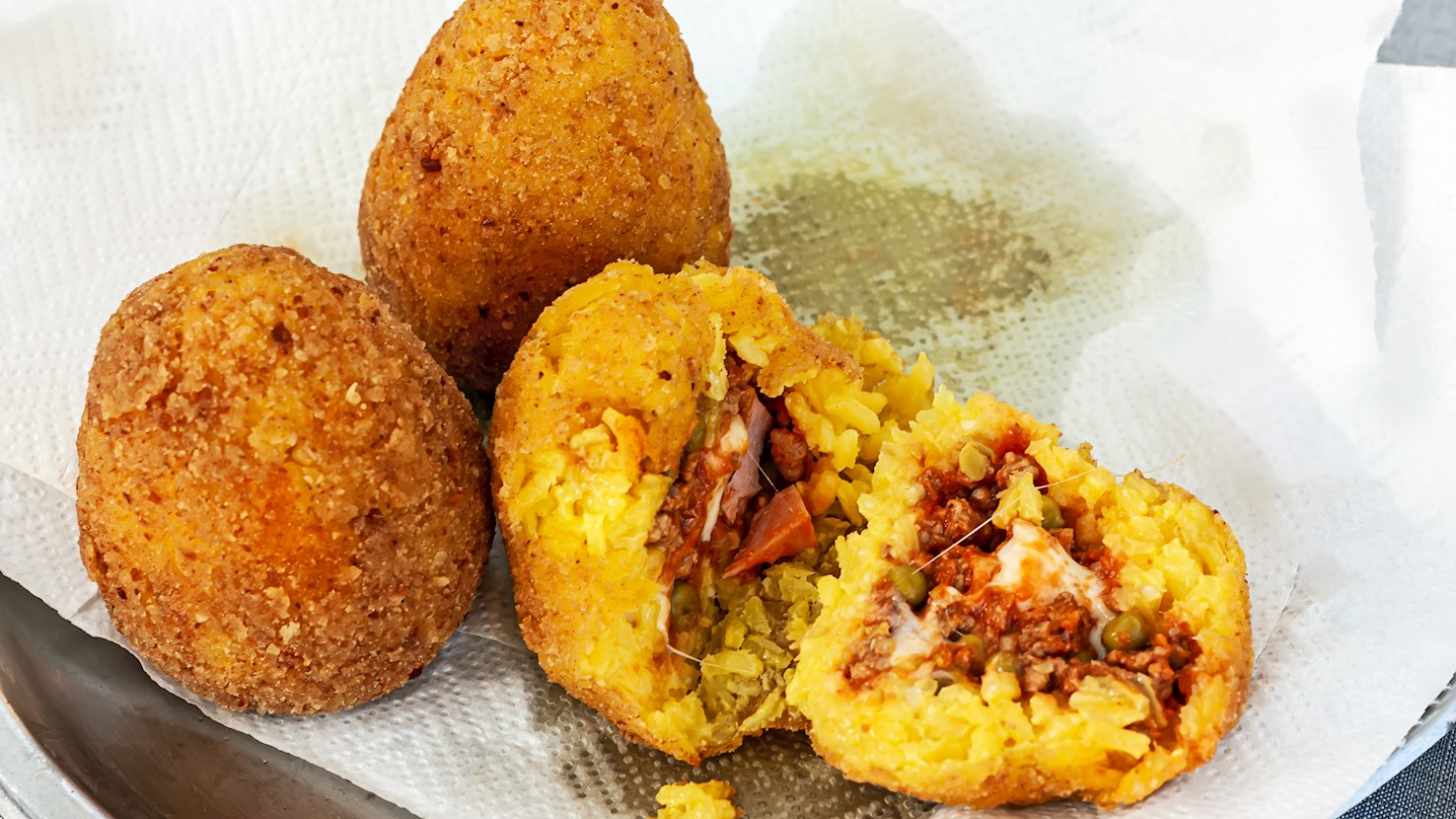
Arancini are big, golden rice balls filled with a savory combination of ingredients in the center. These balls are especially popular in Sicily. The fillings often include meat sauce with peas, dried prosciutto, cheeses such as mozzarella and pecorino, tomatoes, or dried capers. The balls are rolled in breadcrumbs and fried in hot oil, developing the characteristical golden color of the exterior. A popular theory says that the dish was invented in the 10th century during the Kalbid rule of Sicily. The name of the dish is derived from the Italian word for orange, arancia, referring to the similarities in visual appearance and color, so arancini means small oranges. Warm, delicious, and oily, arancini can often be found throughout southern Italy at numerous street carts. Every year on December 13th, there is a festival of Santa Lucia in Palermo, when the city is filled up with kiosks and carts selling these aromatic treats that are prepared specifically for the festival. During the holiday, there is even a sweet version of the dish, dusted with cocoa and sugar. Interestingly enough, western Sicilians call these snacks arancina in singular form, while eastern Sicilians call it arancino.
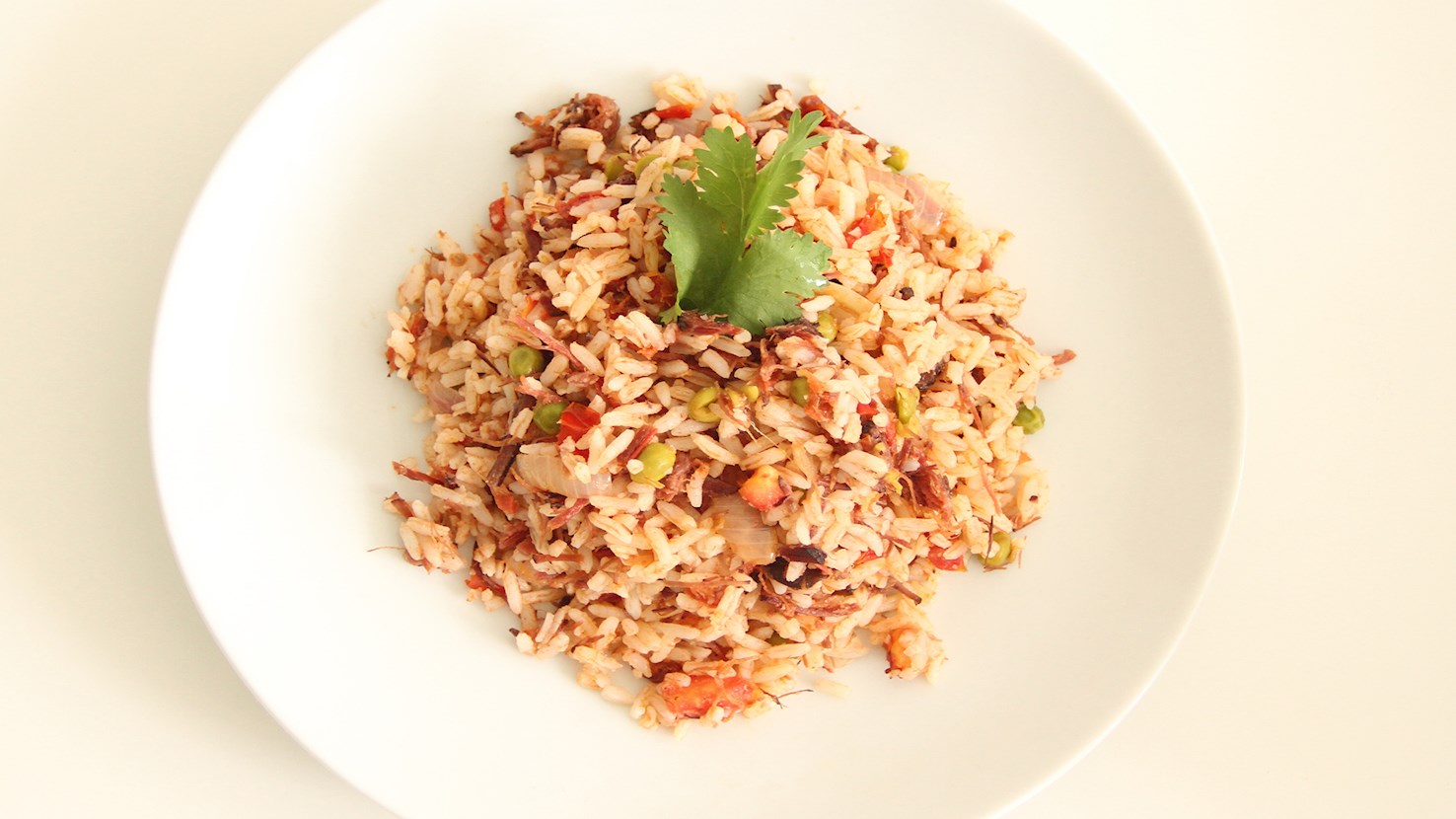
Baião is a traditional folk dance of the Brazilian Ceará region, which was popularized by two musicians, Humberto Teixeira and Luís Gonzaga, in a song called Baião-de-dois (baião for two). The name of the song attached itself to the dish of the same name, consisting of freshly picked black-eyed peas and rice cooked together, reminiscent of a couple dancing the baião. The dish has numerous varieties throughout the region, so some cooks add dried beef (carne de sol), while the others add pork or cheese to the combination. Garnishes may include freshly chopped coriander and chives. The history of the dish dates back to the time of great difficulties, when food was scarce and nothing could go to waste, so, like many other dishes, this one was also created out of necessity, combining rice, beans, and kitchen leftovers.
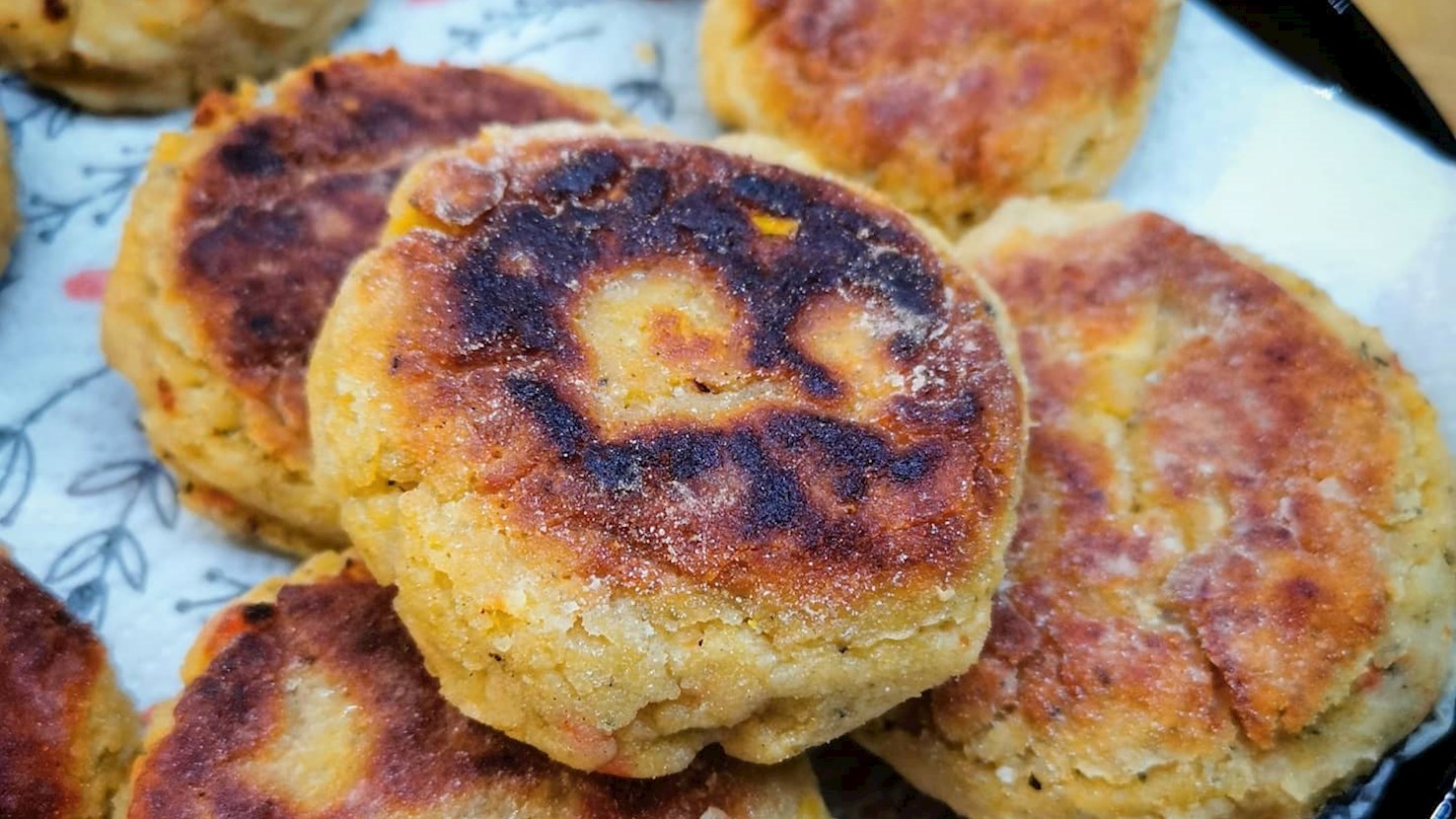
Pitaroudia is a traditional dish originating from Rhodes. These fritters are made with a combination of chickpeas, onions, tomatoes, mint, cumin, and seasonings. The dried chickpeas are soaked, boiled, then coarsely ground and mixed with onions, grated tomatoes, mint, salt, pepper, and cumin. The fritters are fried in olive oil until golden brown. Once done, pitaroudia is often served with tzatziki dip on the side.
TasteAtlas food rankings are based on the ratings of the TasteAtlas audience, with a series of mechanisms that recognize real users and that ignore bot,
nationalist or local patriotic ratings, and give additional value to the ratings of users that the system recognizes as knowledgeable.
For the “100 Best Rated Dishes with Peas” list until August 17, 2026, 1,026,063 ratings were recorded, of which 678,656 were recognized by the system as legitimate.
TasteAtlas Rankings should not be seen as the final global conclusion about food. Their purpose is to promote excellent local foods,
instill pride in traditional dishes, and arouse curiosity about dishes you haven’t tried.











What People Say