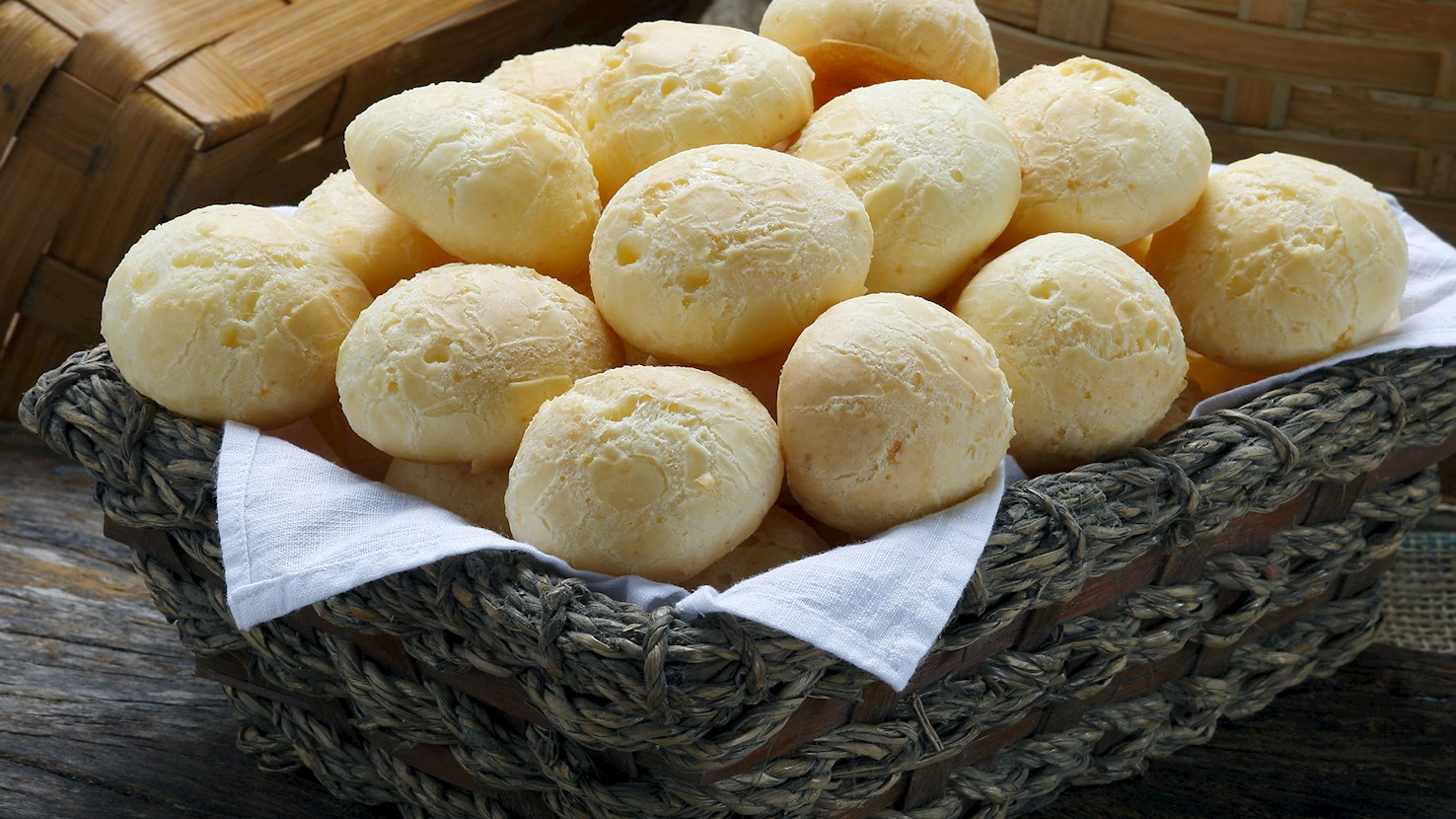
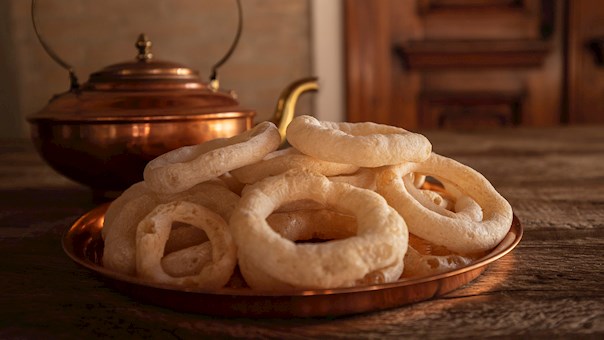
Pan de bono is a traditional bread consisting of cassava starch, cornmeal or corn flour, queso fresco, eggs, and sugar. The bread is shaped into bagels or balls that are slightly larger than golf balls. Pan de bono is similar to other South American cheese breads like pan de queso, difference being added conr flour or cornmeal, and a hint of sweeteness due to the addition of sugar. It is usually served warm with a cup of hot chocolate on the side. Some claim that the name pan de bono was created after an Italian baker in Cali who used to yell pane del buono (good bread), while others say that it is named after a place called Hacienda El Bono, where it was first made.
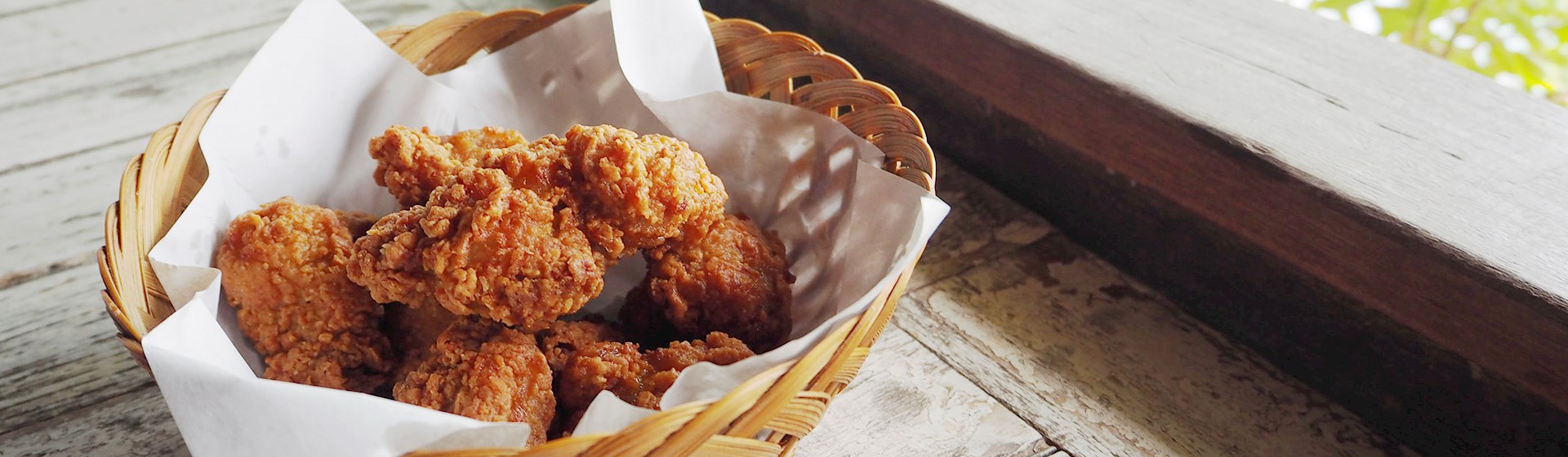
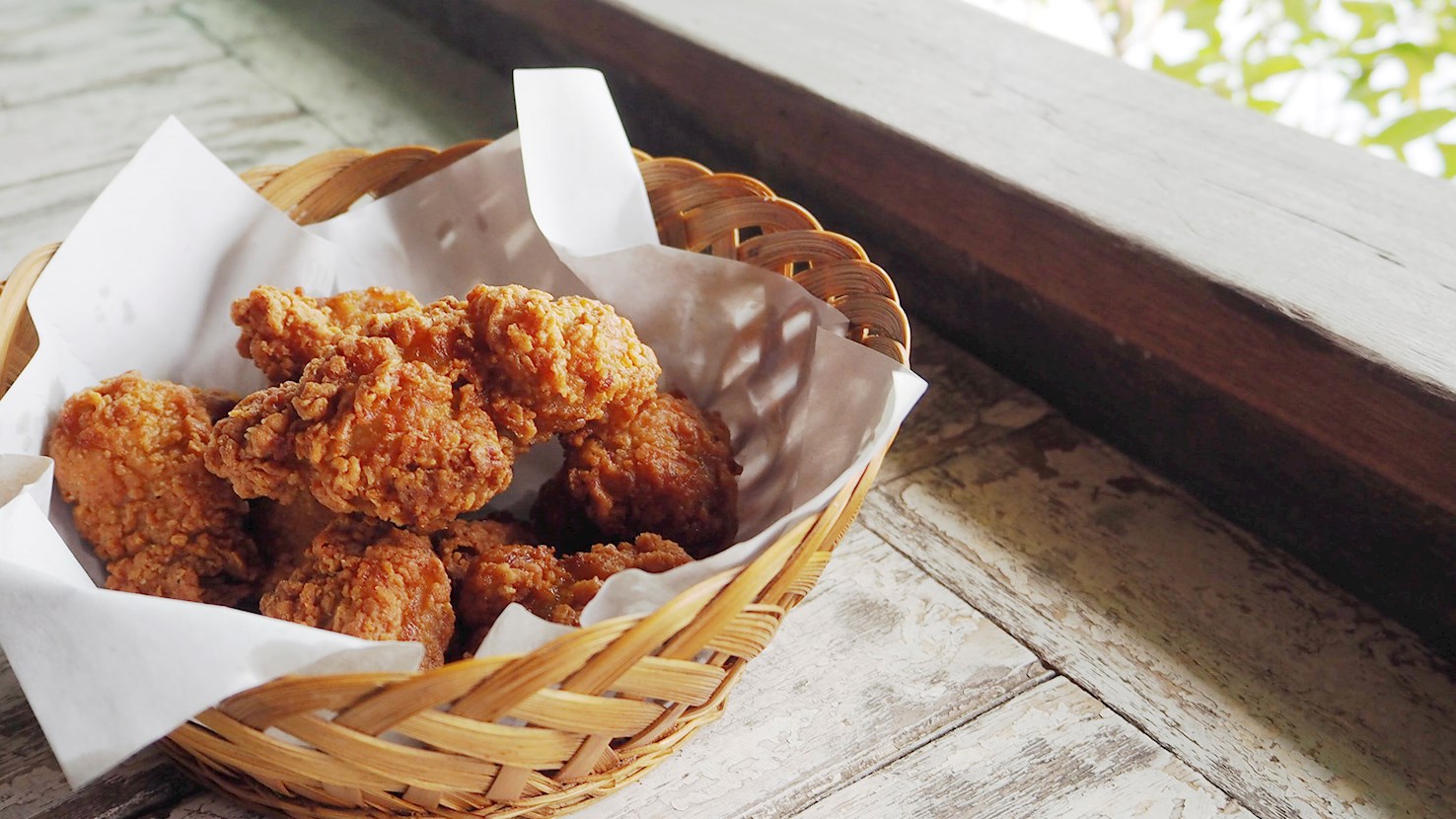
Also known as dry-frying, karaage is a Japanese cooking technique in which various foods are first lightly coated in arrowroot starch, then deep-fried. The use of arrowroot starch preserves the natural water content of fried foods and produces a crispy outer surface, but alternatively, other coating ingredients such as wheat flour, tapioca, or potato starch can also be used. Karaage can be used for frying various meats and fish, but it is most often associated with chicken, and involves a special variant called tatsutaage, where pieces of chicken are first marinated in a mixture of sake, soy sauce, and sugar which are then lightly covered with arrowroot starch and deep-fried. This method makes the meat succulent on the inside and particularly crispy on the outside. If not specified otherwise, karaage usually refers to fried chicken, but apart from chicken, the technique is sometimes used with other ingredients such as askarei (flounder), ika (bits of squid), and gobo (burdock root). Japanese karaage dishes are usually seasoned with garlic and ginger, and served with soy sauce on the side. They are a staple of informal Japanese gastropubs called izakayas, casual places for after-work drinks and snacks, but they are also available freshly fried as take-out food in numerous supermarkets and convenience stores.
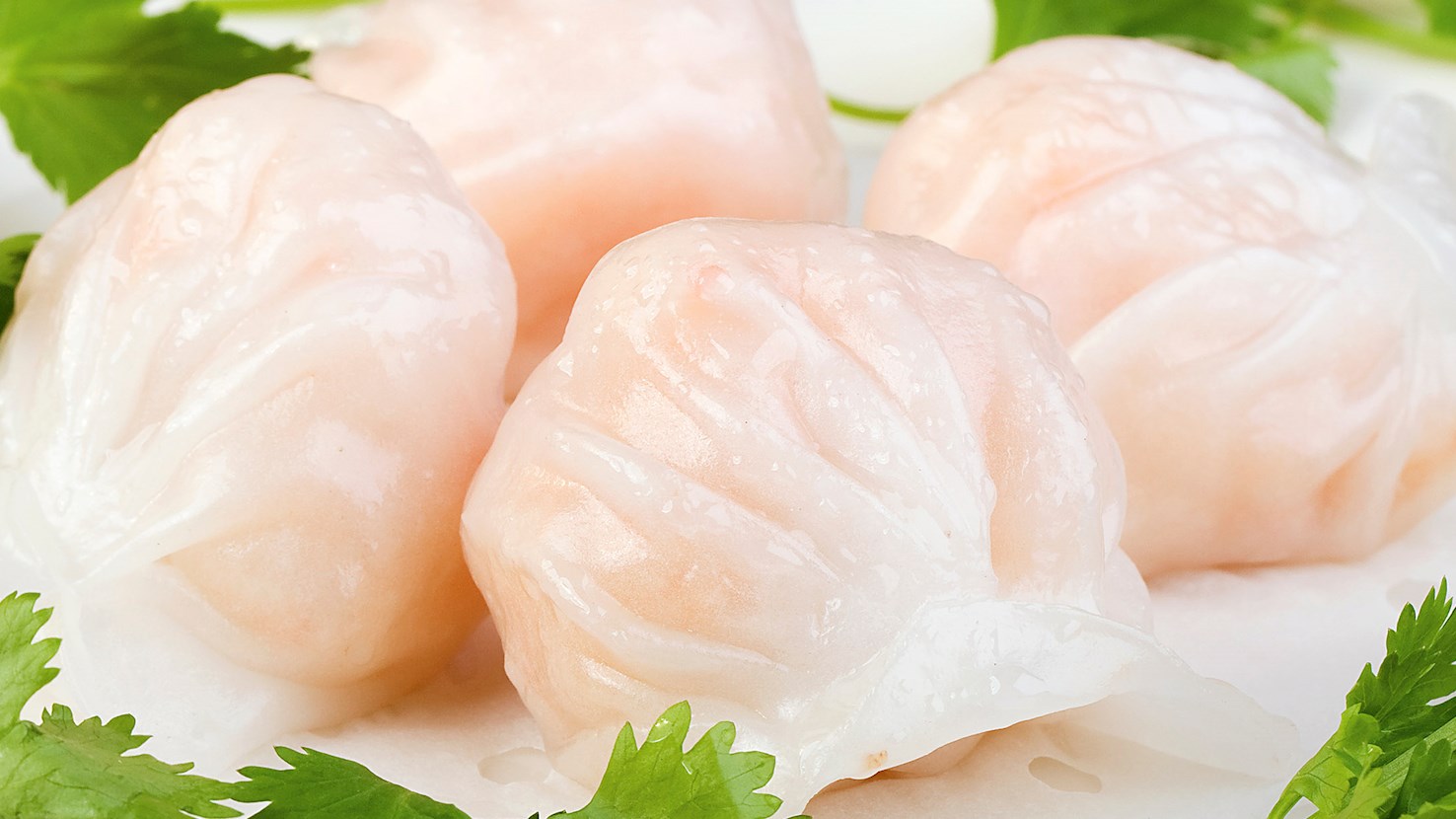
Har gow is a Cantonese dumpling characterized by a delicate, translucent wrapper enveloped around a shrimp filling. The dish was created out of necessity when the owner of a small, family-style teahouse from Guangzhou came up with an idea to buy the shrimp from local fishermen and use it to make dumplings that the locals would love. The idea was a great success, and since the beginning of the 19th century, shrimp dumplings were a staple in many teahouses. Today, har gow dumplings are a part of dim sum where they are commonly paired with sieu mai, a Cantonese dumpling with pork and mushrooms. Due to the particular way in which the wrapper is folded, the main visual feature of har gow is its pleated shape, ideally having even up to 9-13 pleats. The wrappers are made with a combination of wheat starch, corn starch, and lard, filled with a mixture of either minced or whole shrimp and bamboo shoots. Once steamed, the dough should be chewy and almost see-through, but firm enough to be handled with chopsticks, whereas the filling should remain crisp.
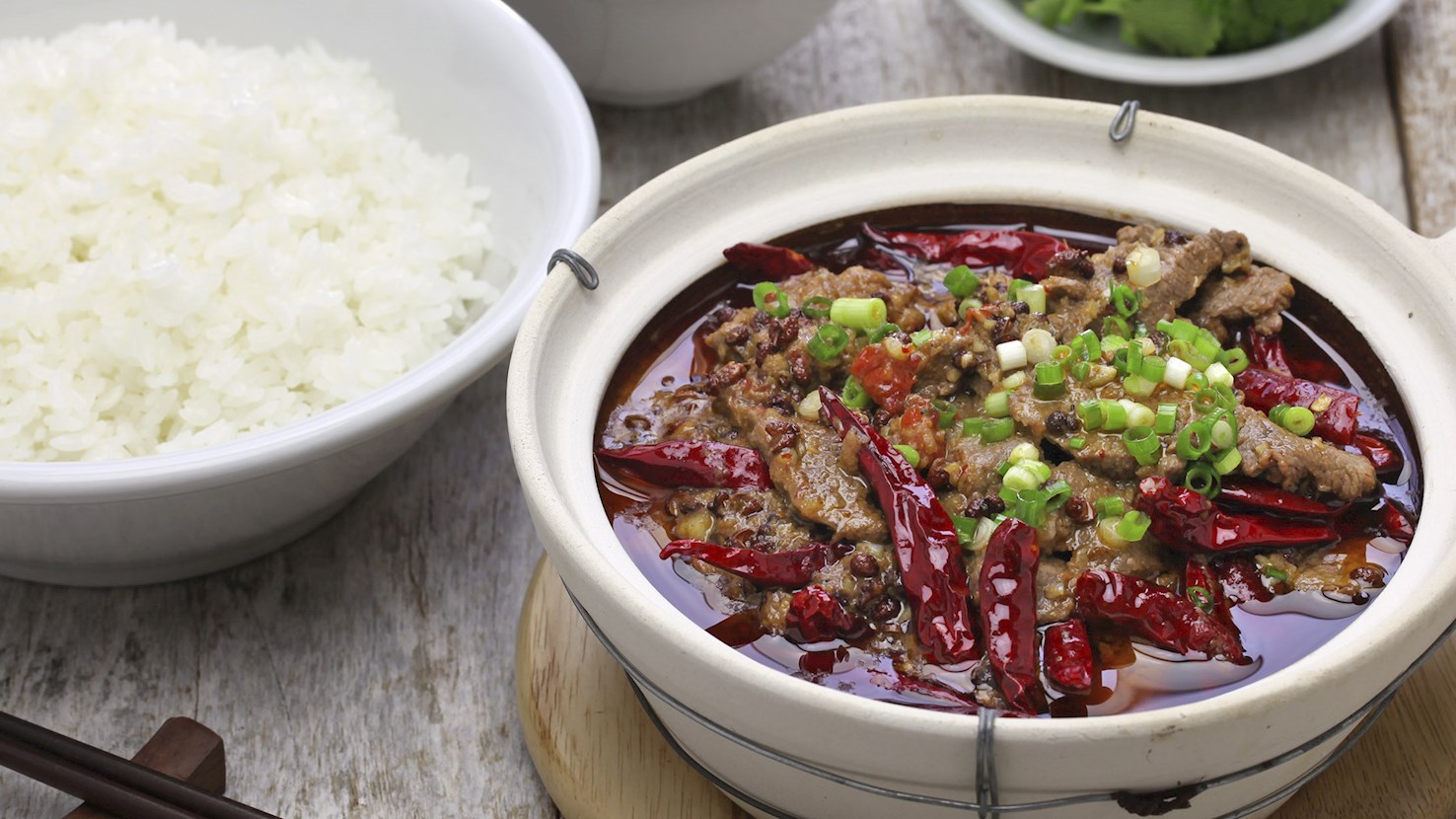
This traditional Sichuan technique translates as water-boiled. It employs thin slices of meat or fish that are shortly cooked in water or broth and are then placed on a bed of various vegetables such as onions, mushrooms, spinach, bean sprouts, or celery. The dish is then doused in a fiery sauce made with fried chilis and Sichuan peppercorns, and lastly, it is finished off with generous amounts of sizzling oil. Shuizhu-style dishes are characterized by their pungent, spicy flavor, while the main ingredients stay fresh and tender. It is believed that the technique first appeared among the farmers who needed a quick and filling meal, and later it developed into a popular cooking style and a restaurant staple.
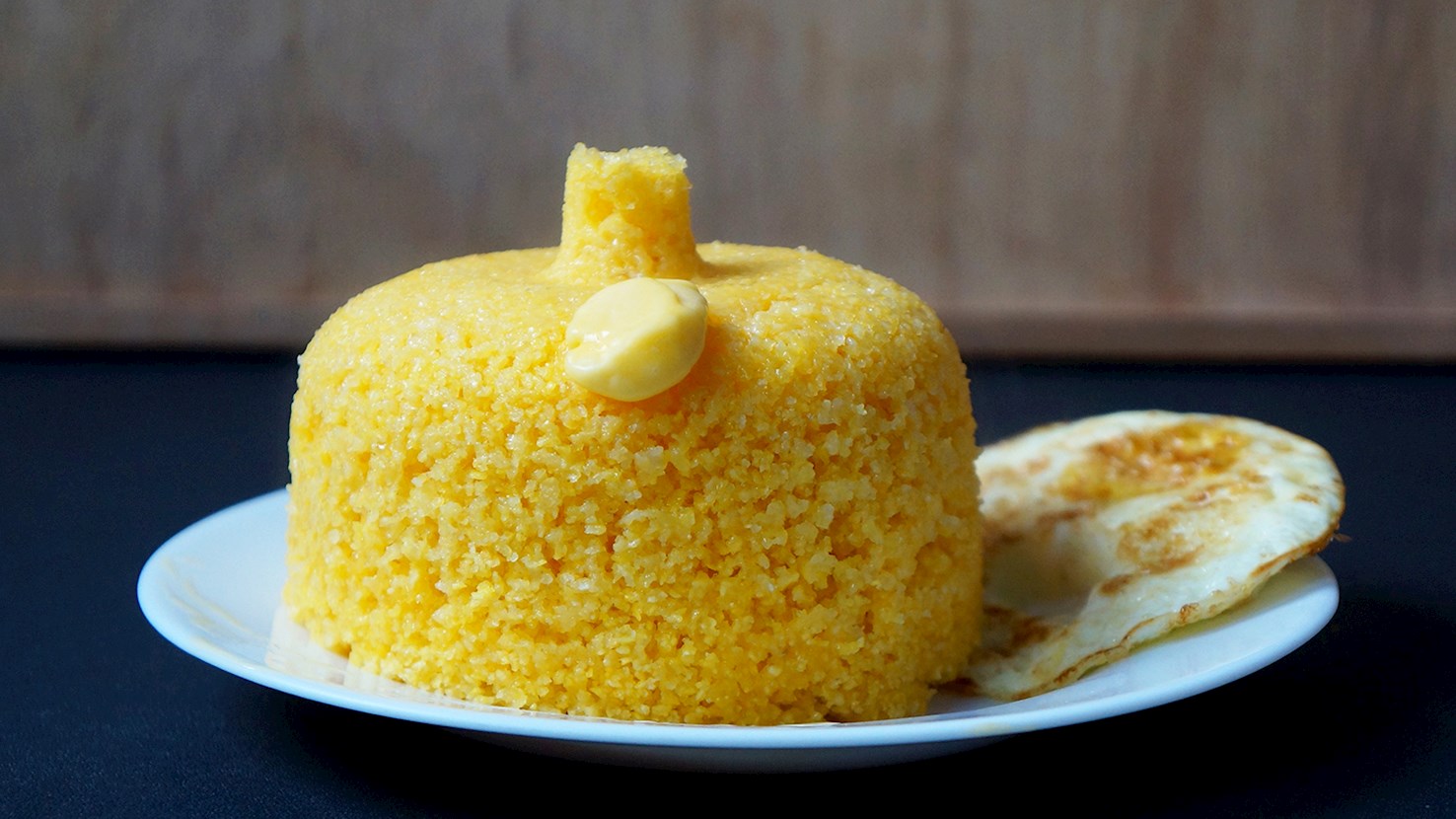
Cuscuz nordestino is a traditional dish from the Northeast region of Brazil. It is prepared with corn flour, salt, manioc starch, and either water or coconut milk. The combination of these ingredients is steamed until fragrant. Once prepared, cuscuz nordestino is cut into slices and served hot. This nutritious, inexpensive, and simple dish was brought to Brazil by Portuguese colonizers, and today it's a staple in the Northeast of Brazil – in some places, it's even used as a replacement for bread.
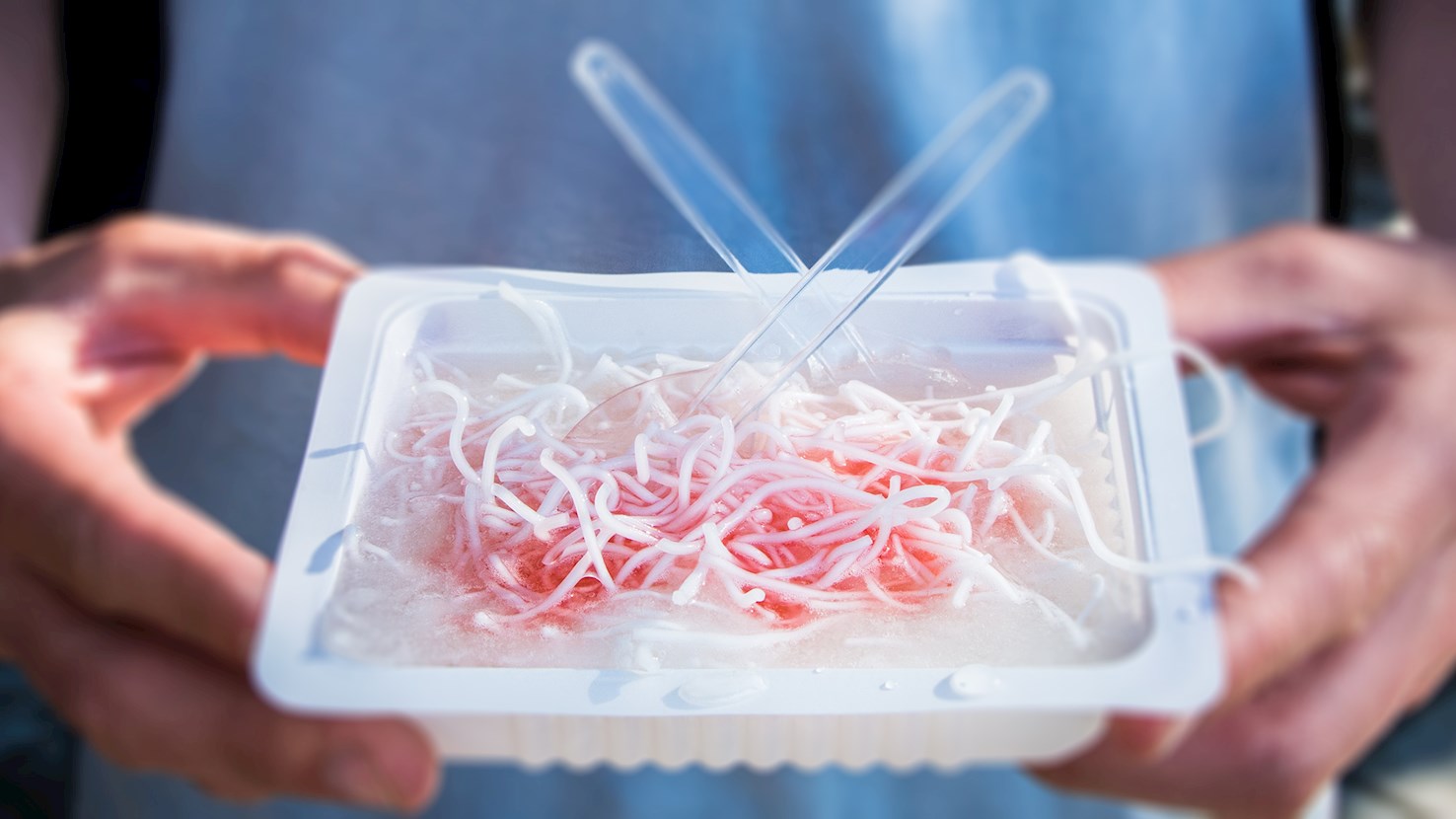
Faloodeh is an Iranian frozen dessert originating mainly from Shiraz, recognized for its combination of thin vermicelli noodles mixed into a lightly sweetened, semi-frozen syrup flavored with rosewater and lime juice. This distinctive confection stands out among Persian sweets for its refreshing, icy texture and delicate floral aroma. It has been part of Iran’s culinary identity for centuries and is still a popular way to cool down during hot seasons. The origins of faloodeh are believed to trace back to the ancient Persian Empire, where early forms of chilled desserts were prepared using snow from the mountains stored in yakhchals, the domed ice houses designed to keep ice and food cold. Over time, methods for freezing sweetened liquids evolved into more sophisticated recipes, with faloodeh emerging as a recognizable preparation by the medieval period. The dessert eventually spread along trade routes, influencing and inspiring similar iced dishes in South Asia and beyond. Preparation begins with rice starch, which is cooked into a smooth, thick paste, then pressed through a sieve to create delicate, noodle-like strands. These strands are cooled quickly to firm up their shape. Separately, a light syrup is prepared from water and sugar and infused generously with rosewater. Once the syrup is chilled, the noodles are mixed in and the mixture is partially frozen, stirred regularly to form a granular, slushy consistency rather than a solid block of ice. In some regions, a splash of fresh lime or sour cherry juice is stirred in for a tart edge that balances the sweetness. Faloodeh is served in shallow dishes or glass bowls, often garnished with extra lime juice or a drizzle of sour cherry syrup. Many shops offer it with a scoop of Persian saffron ice cream (bastani sonnati) on top, creating a contrasting blend of textures and flavors. Throughout Shiraz, it is sold in dedicated dessert parlors and from small stands, especially in the warm evenings when people gather outdoors to socialize and cool off.
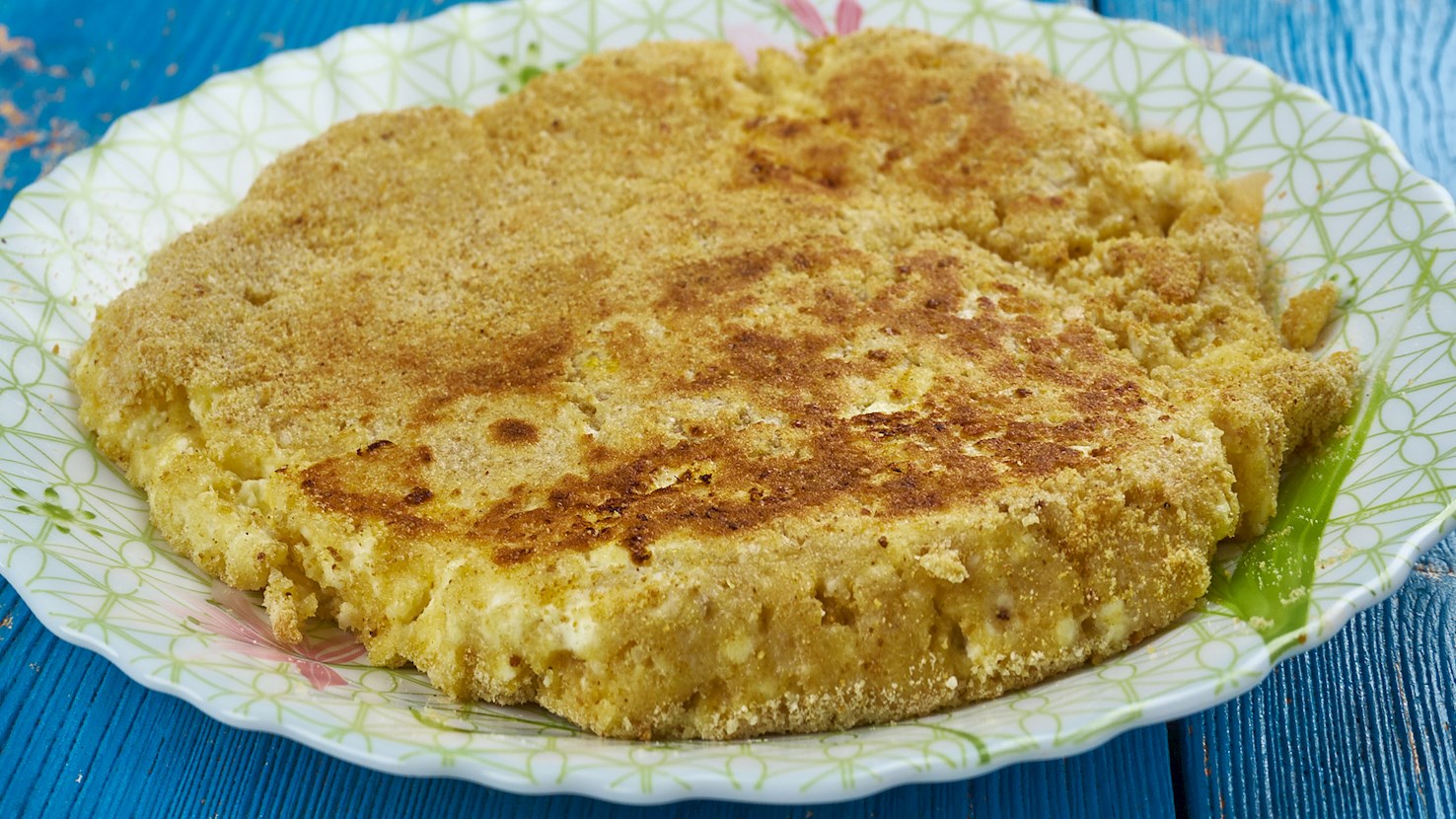
Mbeju is a traditional, starchy Paraguayan flatbread made with either manioc or farina flour. As a result, it is highly nutritious and looks like a pancake with a crumbly texture. Besides flour, mbeju consists of salt, water, oil, and, optionally, crumbled cheese. This starchy treat is usually consumed for breakfast, although some consume it as a quick and easy dinner.
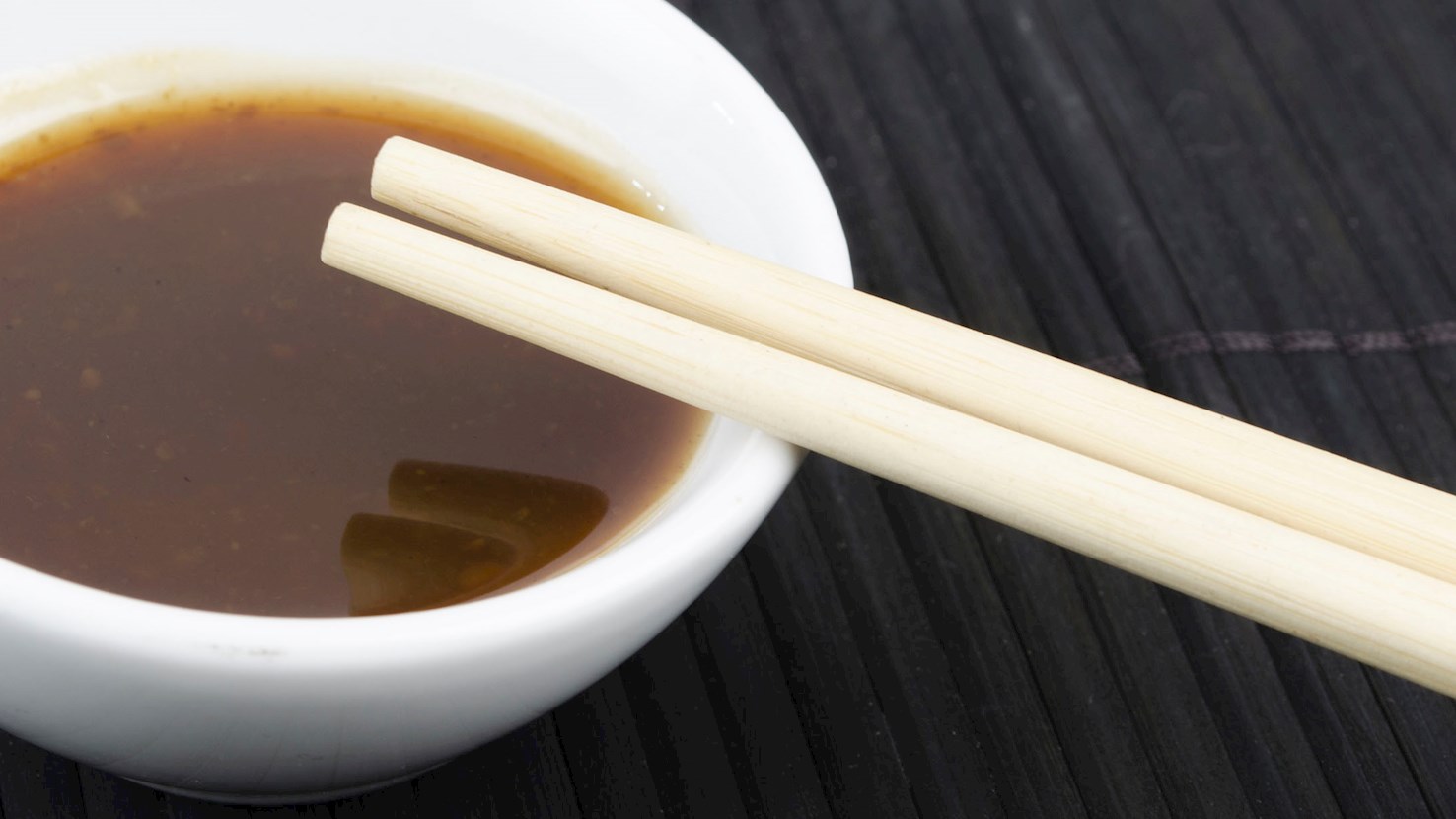
Hoisin sauce is a thick, dark brown sauce, commonly used in Cantonese and northern Chinese cooking. It is known for its balanced combination of sweet, salty, and umami flavors, and is made from fermented soybeans blended with sugar, vinegar, garlic, and various spices. The sauce is used both as a glaze for meat and as a dipping sauce, contributing flavor depth and color to a range of dishes. Its name, derived from the Cantonese word “hoisin” meaning “seafood,” refers not to its ingredients but to the sauce’s early use in dishes often paired with fish or shellfish. Today, hoisin sauce is found throughout Asia and in international Chinese cuisine, where it is a common accompaniment to roasted meats, noodles, and spring rolls. The sauce developed during the late imperial period in China, when fermentation techniques were widely applied to preserve soybeans and create seasonings such as soy sauce and bean paste. In the southern provinces, cooks began combining these pastes with sweeteners and aromatics to produce a thicker, more versatile sauce suitable for glazing and dipping. It spread quickly through urban markets and restaurants, particularly in Guangdong and Hong Kong, and was later adopted in Beijing-style cuisine where it became an essential component of dishes such as Peking duck. Modern versions vary slightly by region and manufacturer, but the core flavor profile, a combination of sweetness, salt, and fermented richness, remains constant. Preparation begins with a base of fermented soybean paste, which is mixed with sugar or molasses, vinegar, garlic, chili, and five-spice powder. The mixture is cooked slowly until thickened and then cooled to achieve a smooth, glossy texture. In commercial production, starches are sometimes added for consistency, and preservatives are included for shelf stability. The resulting sauce is dark and viscous, with a strong aroma and a flavor that combines the savoriness of fermented beans with the sweetness of sugar and the tang of vinegar. The depth of flavor comes from the fermentation process, which produces complex umami compounds that interact with the other ingredients to create balance. Hoisin sauce is eaten throughout China and across East and Southeast Asia, and it has become a familiar element in global Chinese cuisine. It is found in restaurant kitchens and household pantries alike, used both as a cooking ingredient and as a condiment. The sauce pairs well with meats such as duck, pork, and beef, as well as with tofu and grilled vegetables. It is commonly served alongside steamed buns or pancakes in Beijing-style dishes and with noodle soups in southern China. For beverages, it complements light teas such as jasmine or oolong, whose floral notes balance its richness, while beer or dry white wine can provide contrast when served with roasted or spiced meats.
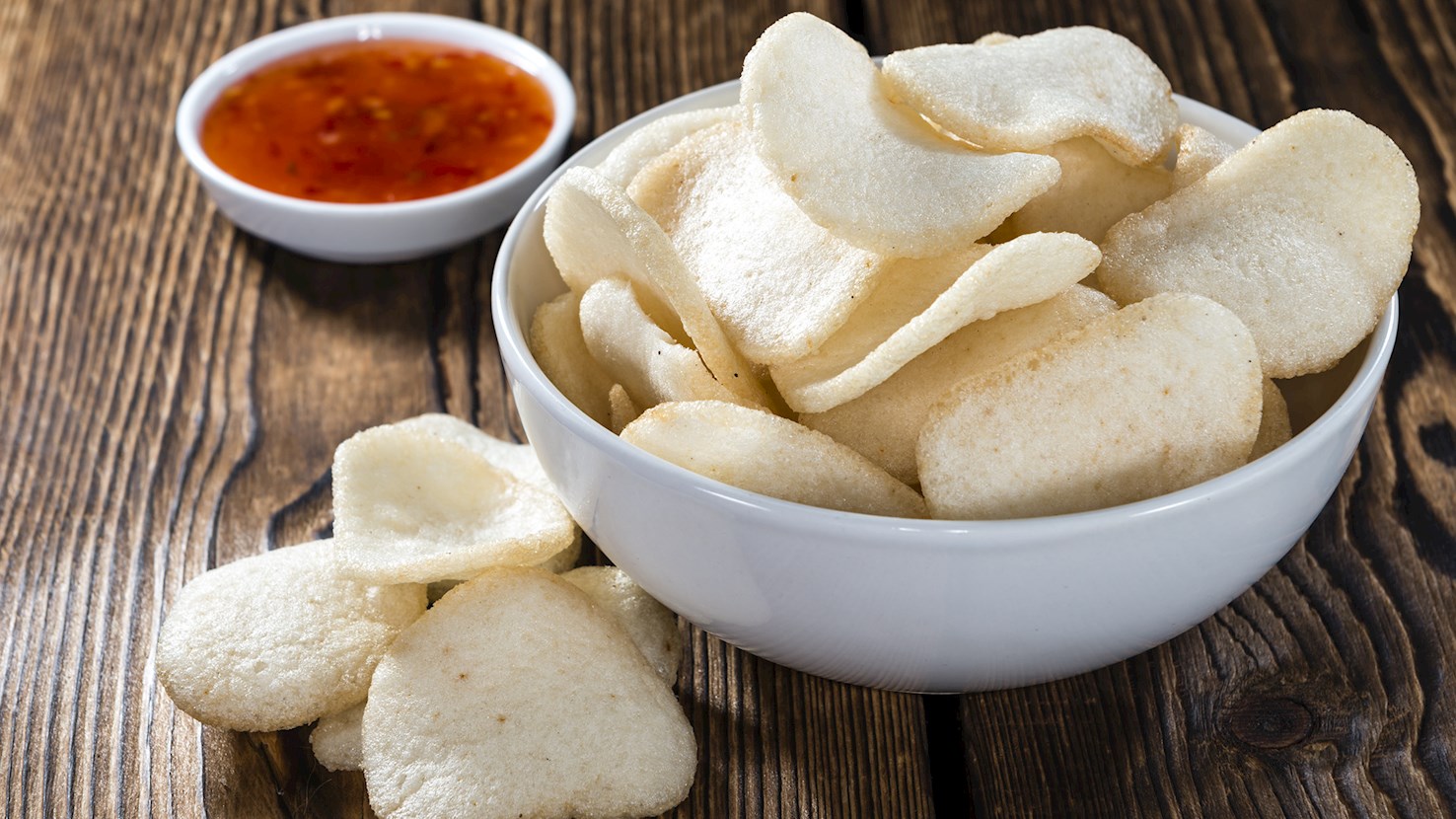
Krupuk encompasses a vast group of Asian crackers that are typically made with starch and additional ingredients, which are used as flavorings. These crispy crackers are a staple in Asia, but they are strongly associated with Indonesia, which boasts with the largest number of varieties. In Malaysia, they are known as keropok and in the Philippines as kropek. The most common types consist of seafood, and the most popular version is krupuk udang—internationally known as prawn crackers. Most krupuk are served as a topping or an accompaniment to various dishes, but they are also enjoyed as a quick, convenient snack. They are available in pre-packed versions and are often sold by street vendors. Due to historical relations, these crackers are also found in the Netherlands where they are known as kroepoek.
Taho is a sweet Filipino dessert which consists of fresh soft tofu doused in arnibal syrup and sprinkled with plump sago pearls. Similar desserts can be found in numerous Asian countries, and most of them call for the usage of the softest tofu variety, known as silky tofu, which has a tender and creamy texture and an incredibly soft consistency. Shortly heated or steamed, it is covered in sweet arnibal syrup (made with melted brown sugar) and enriched with mild vanilla flavors. Usually, the dessert is topped with chewy sago pearls which are similar in appearance and texture to tapioca. Taho is usually sold by street vendors who sell this traditional delicacy in the early morning as a sweet, protein-packed breakfast.
TasteAtlas food rankings are based on the ratings of the TasteAtlas audience, with a series of mechanisms that recognize real users and that ignore bot,
nationalist or local patriotic ratings, and give additional value to the ratings of users that the system recognizes as knowledgeable.
For the “40 Best Rated Dishes with Starch” list until June 17, 2026, 1,000,987 ratings were recorded, of which 657,348 were recognized by the system as legitimate.
TasteAtlas Rankings should not be seen as the final global conclusion about food. Their purpose is to promote excellent local foods,
instill pride in traditional dishes, and arouse curiosity about dishes you haven’t tried.