shutterstock

Top 26 Fish Roes
in the World

Last updated on July 08, 2026

Best Fish Roe Types in the World

01

Beluga Caviar

4.2 ·

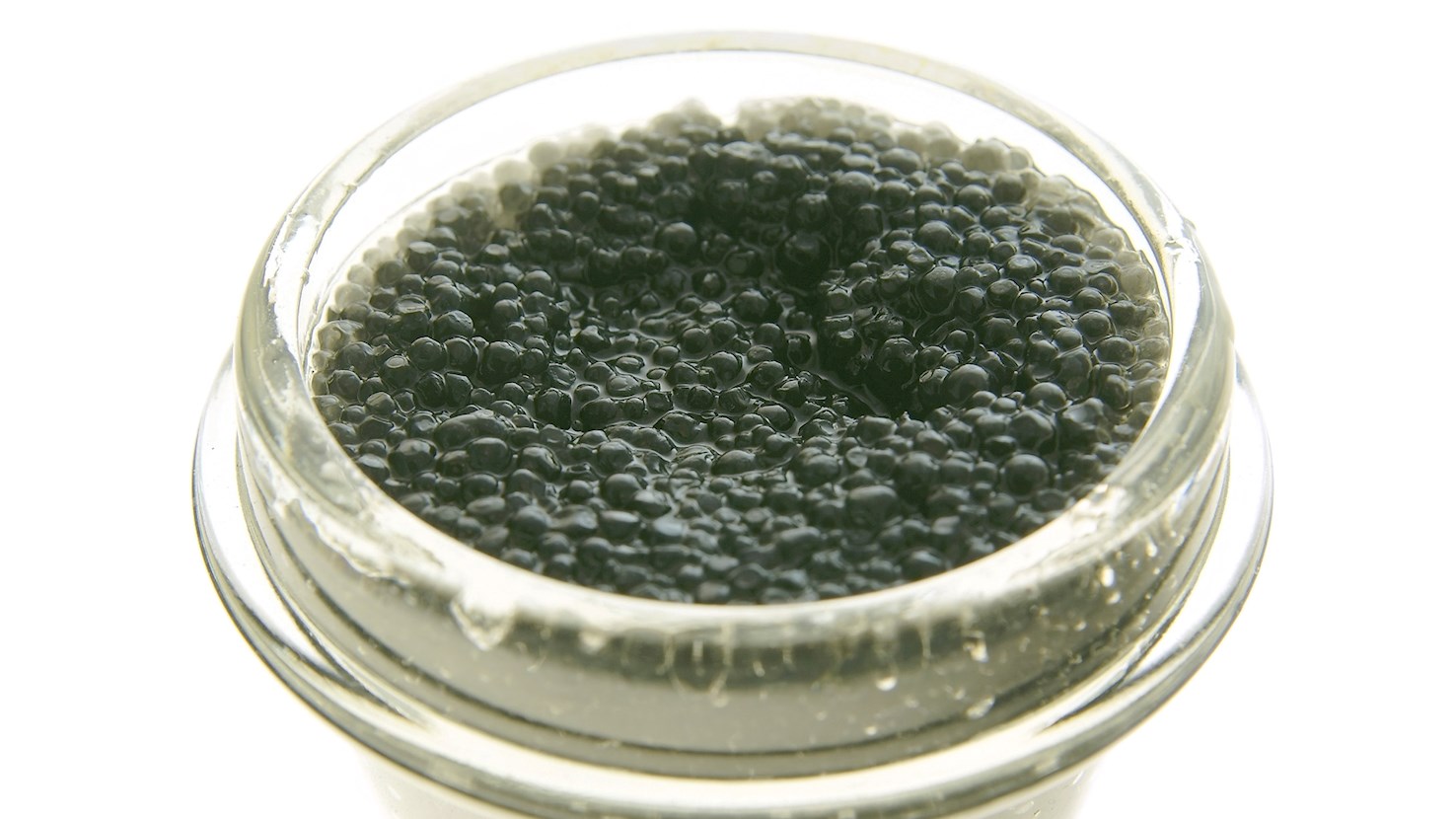
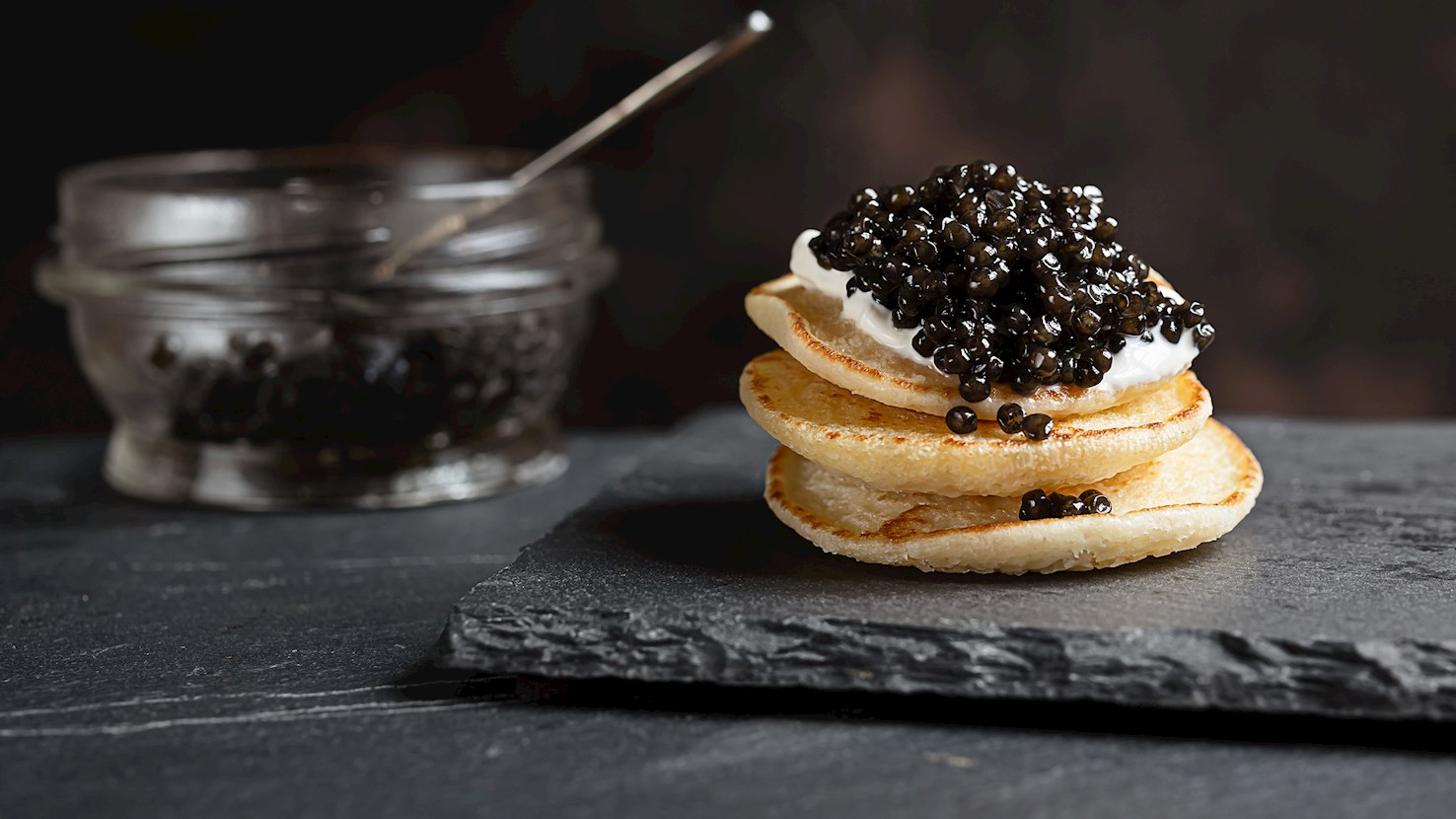
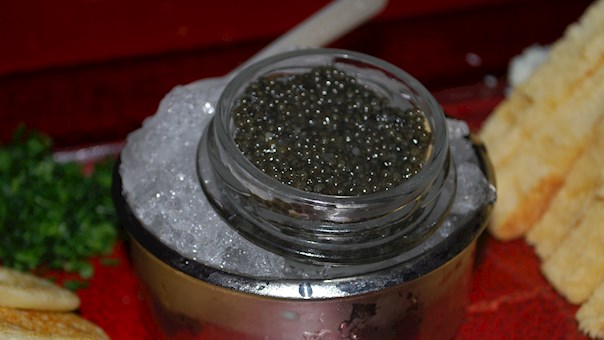
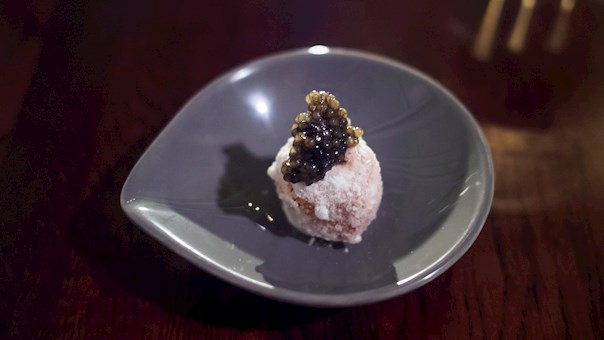
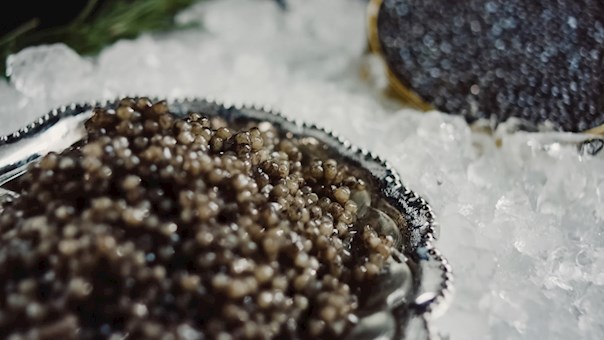
Beluga caviar (the roe of beluga sturgeon) is one of the most prized caviar varieties in the world. Since it can take up to 25 years for the animal to mature and start producing roe, this caviar is extremely rare, expensive, and extravagant. Beluga caviar beads are large, plump, and firm, with a color that can range from light to dark gray. With a delicate, tender, and almost buttery flavor, beluga caviar can be eaten plain, allowing the complex layers to develop individually. It is also commonly combined with boiled potatoes, blini pancakes, or sour cream. Recently, wild beluga varieties have become critically endangered, partially due to wild poaching in the Caspian Sea, and strong sanctions have been introduced to limit the production, sales, and trade of this rare ingredient.

02

Osetra Caviar

4.2 ·

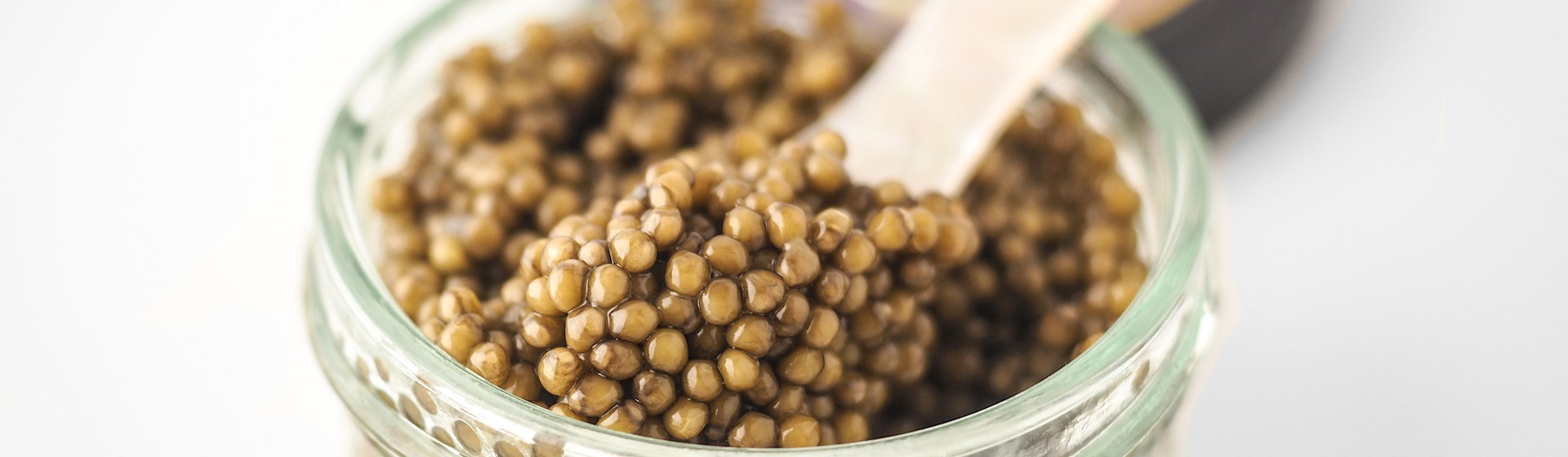
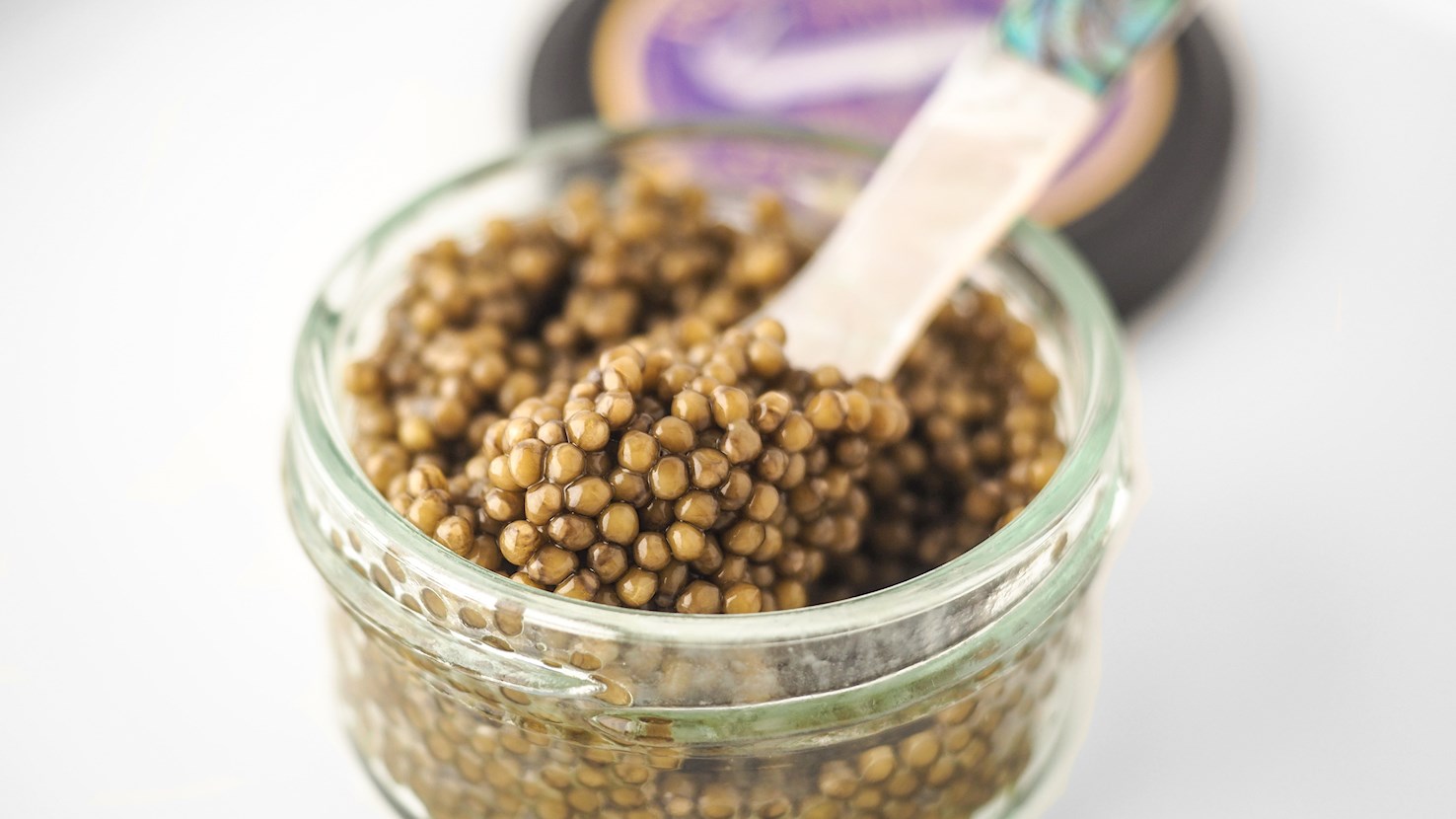
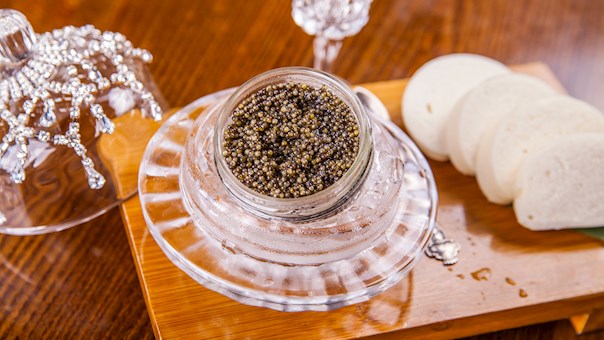
Osetra is a prized caviar variety that is harvested from the Russian osetra sturgeon (Acipenser gueldenstaedtii). Osetra is native to the Caspian Sea, the Black Sea, and the Sea of Azov, including their river basins. Since it is a critically endangered species, it is rarely found or caught wild, and caviar is mostly harvested from farmed varieties. Osetra has medium-sized eggs that often vary in color, flavor, and texture. They typically range from olive green to dark brown, sometimes with an appealing golden hue. Their texture is firm, while the flavor is usually briny, buttery, and distinctively nutty. Caviar is graded by color, and larger and lighter eggs are considered of better quality. Osetra caviar can be enjoyed on its own, but it also works well when served with creamy sauces, seafood, or poultry. It should be noted that the term osetra caviar is not regulated and is often loosely used. Producers tend to use it regardless of the type of sturgeon roe. By the 1990s, the number of sturgeons significantly declined, mostly due to overfishing and pollution. Several countries now ban the sales of wild caviar for various environmental and political reasons. At the same time, aqua farms became the future of caviar trade. Sustainable and ethical farms are now the most reliable places to buy caviar. Their caviar is more consistent since the sturgeons are fed a controlled diet. This has also influenced the price, and caviar has become more accessible. Caviar trade now does not depend on the location, and the focus has been shifted to the type of sturgeon—which should always be clearly labeled—and ethical and sustainable harvesting methods.

Best producers
03

Tarako

4.2 ·

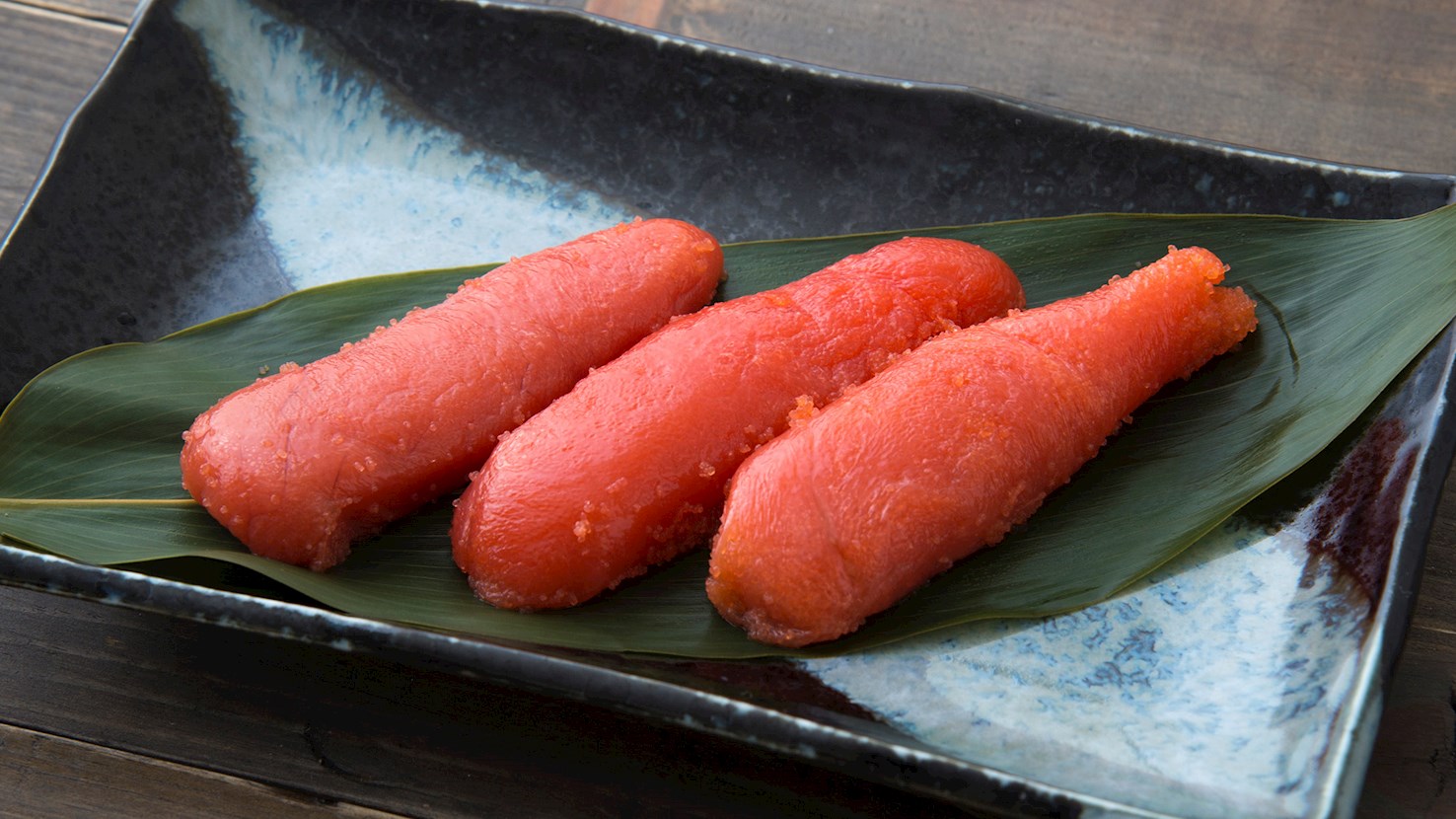
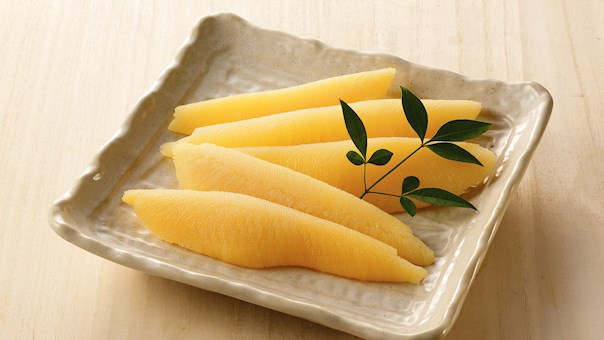
Tarako is a type of roe mostly harvested from Alaska pollock, but since the fish is closely related to cod, it is often labeled as cod roe. It is a type of salted roe with a light pink color, incredibly tender texture, and a mild and neutral flavor. This roe can be eaten plain or incorporated into various dishes. It is often used as a topping on rice dishes and sushi, but it can also be cooked and used in sauces. When salted and marinated in spices, it goes under the name mentaiko.

04

Ikura

4.0 ·

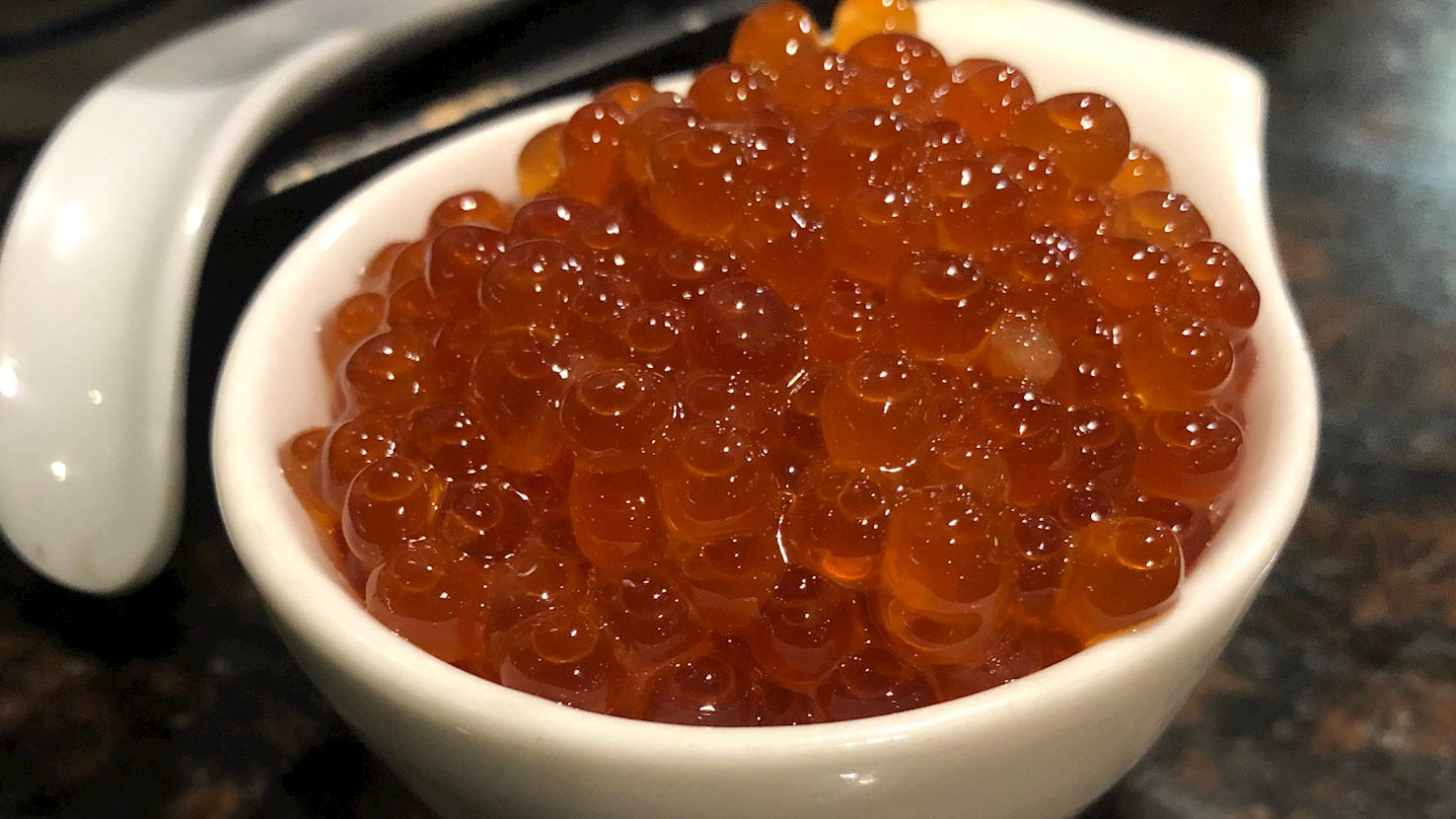
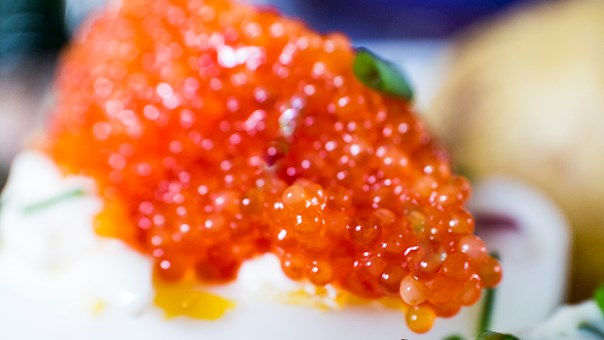
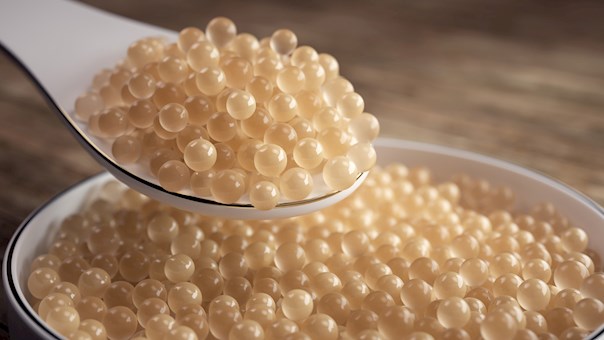
Ikura (also known as salmon roe) are round, almost transparent salmon eggs, an unusual ingredient which is especially popular in Japan. After they have been removed from the sack, creating individual plump orbs, the eggs undergo the curing process which usually includes salt or brine. During the Taisho period in Japan, which started in 1912, the Russians introduced the tradition of curing salmon roe to the Japanese. However, the Japanese adjusted the recipe to their tastes and started using fragrant soy sauces, sake, and rice wine for curing, giving the roe a deeper and distinctively Japanese flavor. The strong and flavorful Japanese curing brine managed to remove the unpleasant smell from the roe, and at the same time preserved it for a longer period. The tradition of eating salmon roe has not been popularized as soon as it was introduced - it was only in the 1980s that it started to become a staple ingredient in sushi restaurants around Tokyo. Today, it is still an important sushi component, but the most common dish which incorporates ikura is ikuradon, a bowl of freshly steamed fluffy rice topped with a spoonful of this flavorful ingredient. It is also often served with traditional Japanese dishes such as grated daikon or various noodle dishes. Although it is often replaced with cheaper and more available versions, ikura is regarded as a highly specific variety in which the combination of flavors creates a truly spectacular eating experience.

05

Siberian Sturgeon Caviar

4.0 ·

Siberian sturgeon is mostly prized for its dark and glossy caviar. As the name suggests, Siberian sturgeon (Acipenser baerii) is mainly associated with Siberian rivers, lakes, and seas. The population is listed as endangered on the IUCN Red List, and caviar is mostly harvested from farm-raised sturgeons. This caviar ranges from dark brown to black, and it typically has medium-sized, glistening beads. The flavor is earthy, nutty, buttery, and subtly sweet. It can be served on its own—preferably well-chilled—or paired with simple dishes such as the classic combination of blini pancakes and crème fraiche. By the 1990s, the number of sturgeons significantly declined, mostly due to overfishing and pollution. Several countries now ban the sales of wild caviar for various environmental and political reasons. At the same time, aqua farms became the future of caviar trade. Sustainable and ethical farms are now the most reliable places to buy caviar. Their caviar is more consistent since the sturgeons are fed a controlled diet. This has also influenced the price, and caviar has become more accessible. Caviar trade now does not depend on the location, and the focus has been shifted to the type of sturgeon—which should always be clearly labeled—and ethical and sustainable harvesting methods.

Best producers
06

Bottarga

4.0 ·

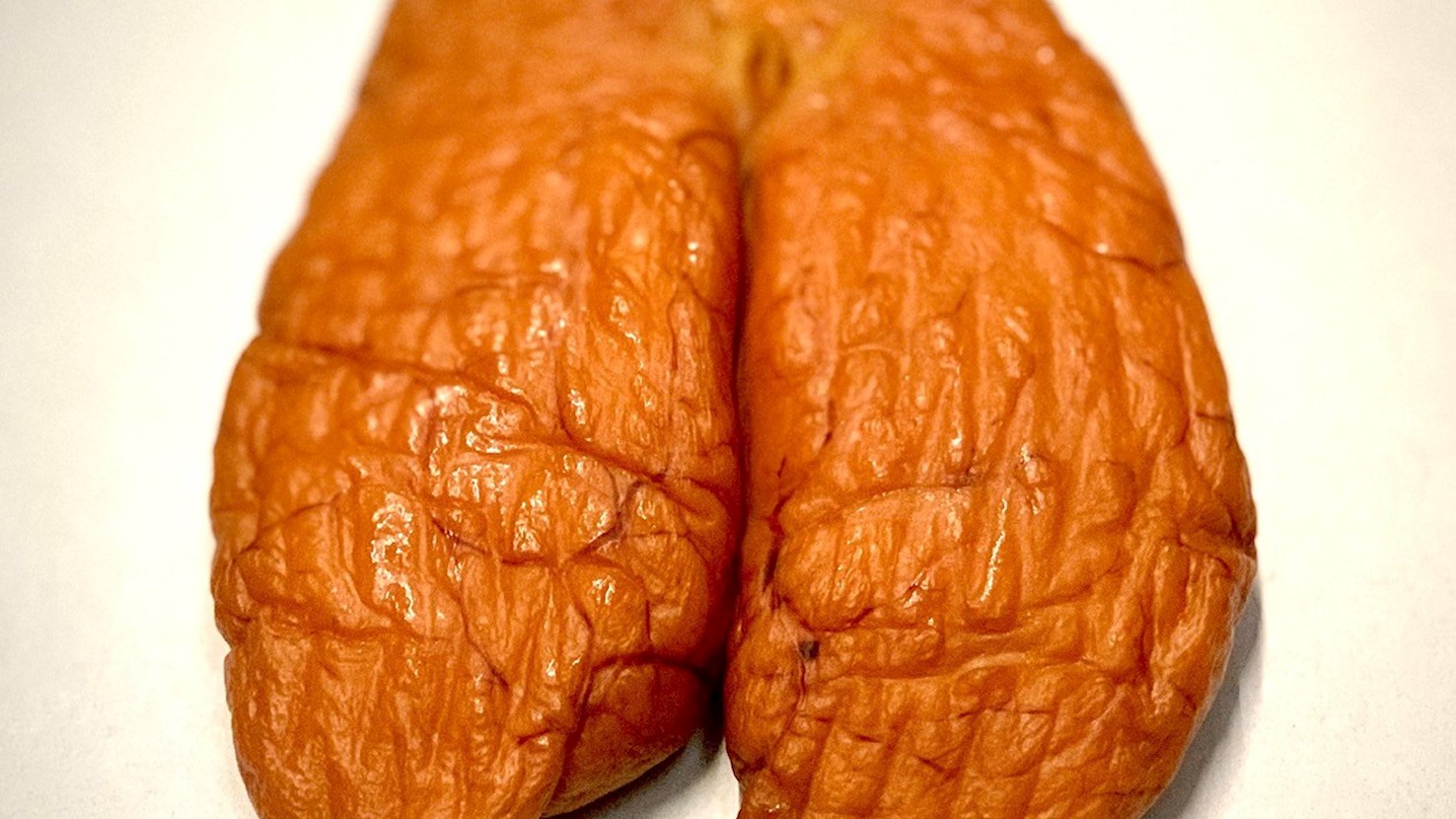
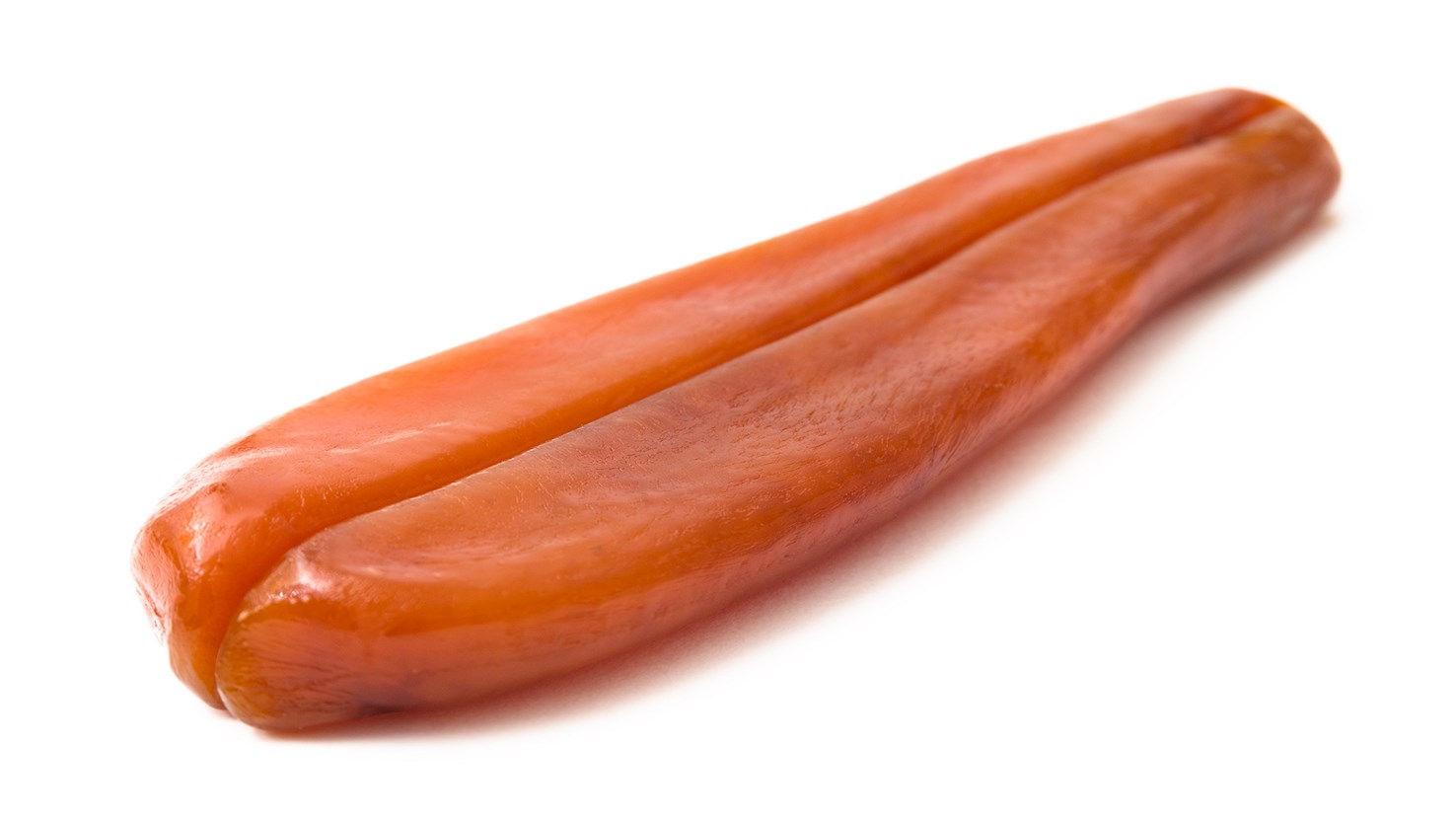
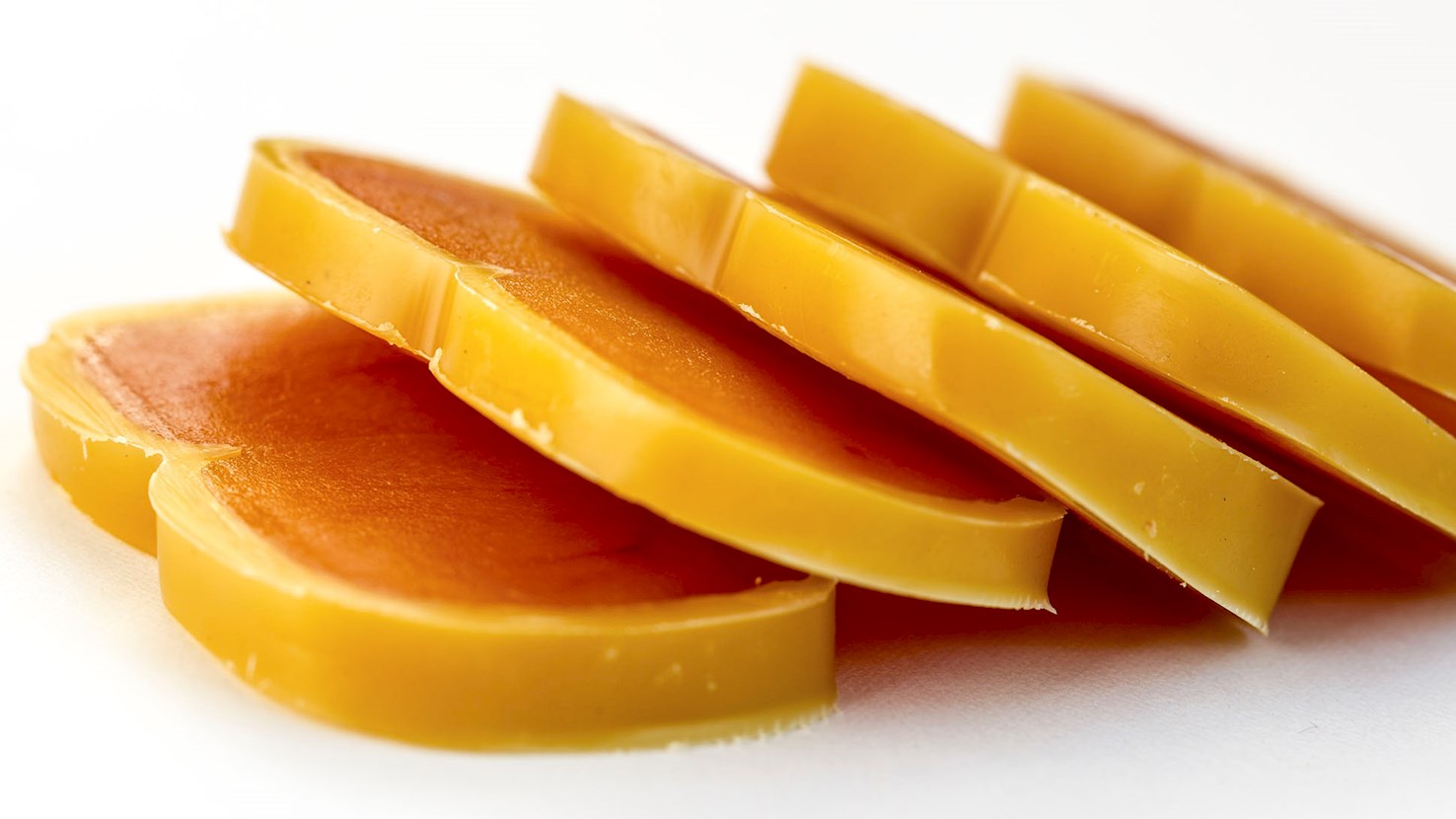
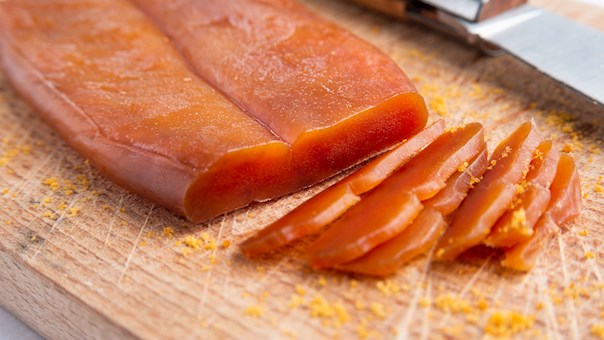
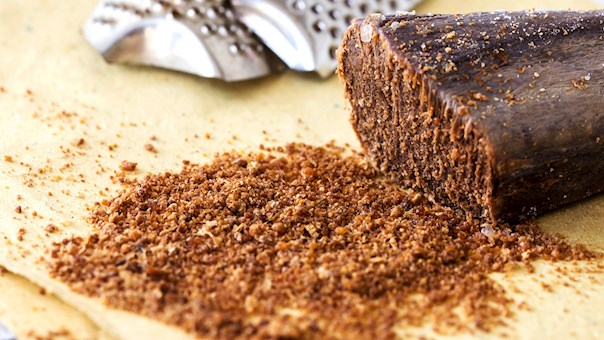
Bottarga is an Italian delicacy consisting of a dense, salt-cured fish roe from tuna, mullet, or swordfish that resembles a petrified sausage, as it is first left to harden and is then coated with beeswax. It has a salty flavor with a silky texture. Bottarga is often grated over pasta or egg dishes, although it can also be cut into smaller pieces, drizzled over with lemon juice, and served as an appetizer.

Best producers
07

Mentaiko

3.9 ·

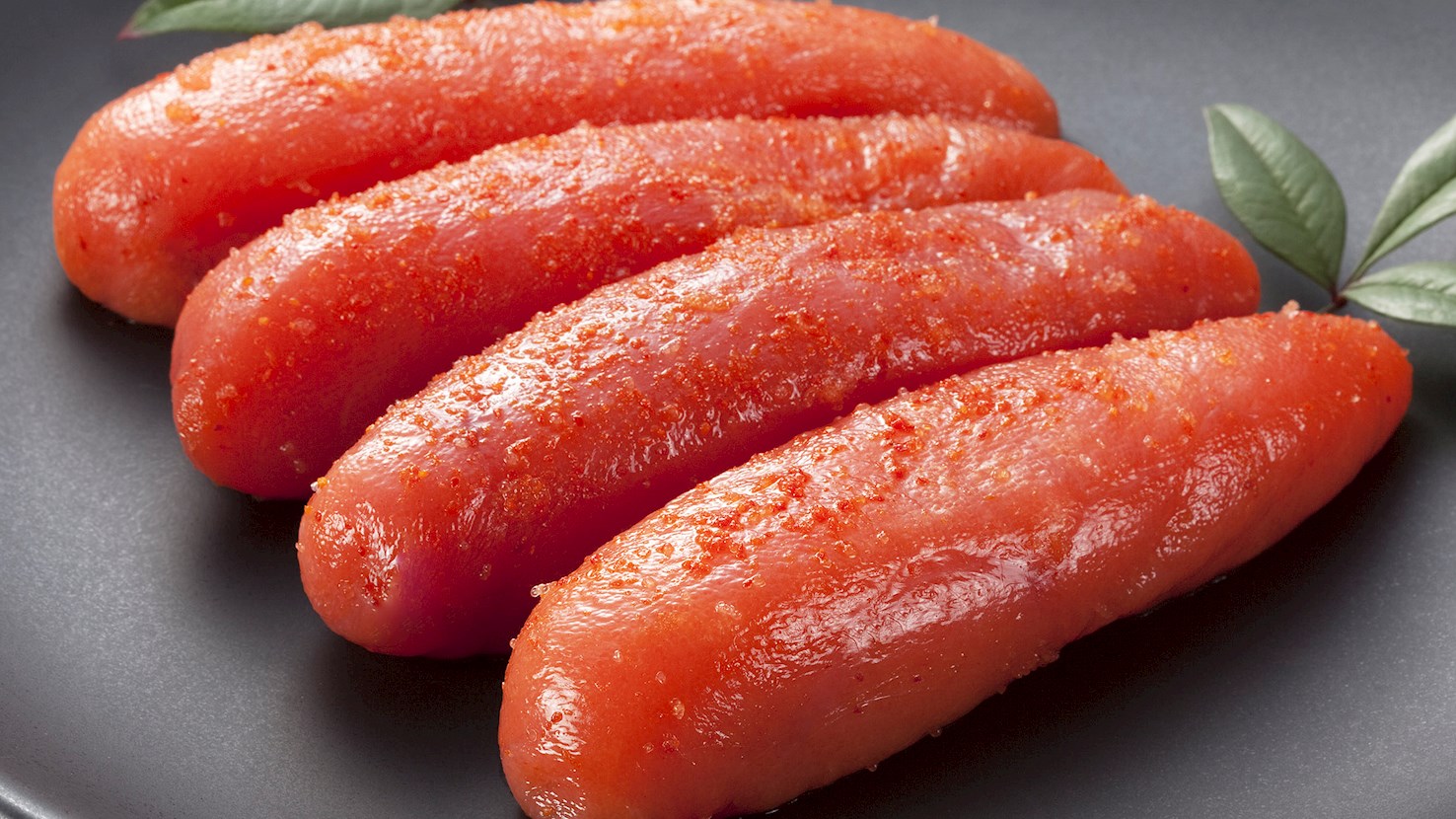
Mentaiko or myeongnanjeot a term describing whole sacks of marinated Alaskan pollock roe, commonly eaten in Japan and South Korea. Quite often, it is mistaken for tarako (salted version), and since Alaska pollock is closely related to cod, the product is often labeled as cod roe. The marinating process contributes to its savory, salty, and somewhat spicy flavor, which perfectly combines with its creamy texture. It originated in South Korea, where it has been enjoyed since the 17th century. After WWII, it became available in Japan, particularly among the traders in the region of Hakata, and soon it became a prevalent ingredient nationwide. As fish roe, it is mostly consumed as a sushi ingredient. It is also used as a topping on various rice dishes or yakitori. One of the most popular ways to eat it is in combination with spaghetti. It is often used as a side dish when it is traditionally lightly roasted on a grill. Mentaiko is found in Japanese grocery stores in various forms such as mentaiko paste, frozen and dried mentaiko, and even mentaiko sauce. The variety marinated in chili peppers is usually labeled as karashi mentaiko.

08

Masago

3.9 ·

Masago is a Japanese term for the capelin roe (Mallotus villosus). The roe usually has small, pale-colored beads, and producers frequently dye it red, black, green (wasabi), or yellow (yuzu). Masago is usually cheaper than similar roe varieties, such as ikura (salmon) or tobiko (flying fish). It usually has a milder flavor and less crunch, so it is best used as a garnish or paired with neutral-flavored dishes. The most common use of masago is as a sushi garnish—usually as a topping for rolls or hand-rolled sushi. It is often falsely marketed as the slightly more esteemed tobiko.

09

Avgotaracho Messolongiou

3.7 ·

This exceptional Greek delicacy, which was first referenced in writing in 1668, is made from whole roe of the gray mullet. The fish are caught in the shallow waters of the lagoons of Messolongi-Etolikos, Kleisova and Bouka between the estuaries of the Aheloos and Evinos rivers in western Greece. The production of this so-called 'Greek caviar' takes time – once the fish are caught, the roe is gently removed, dried in their membranes, and then salted before they are separated and put into brine. Once they become pale and flat, they are hung to dry for several months. When ready, they are encased in beeswax to naturally protect their unique flavor. Avgotaracho Messolongiou is an highly nutritious food with high levels of amino acids, omega-3, and vitamins. It has a distinct aroma and a slightly salty flavor. This yellow or orange 'caviar' is often included on lists of the most delicious foods in the world. Although there are many ways to enjoy Avgotaracho Messolongiou, the simplest and most delicious is with a drizzle of lemon and extra virgin oil. It can be served with bread, pasta, or alongside Ouzo and Tsipouro. It can even be served in cocktails – martinis taste even better with Avgotaraho Messolonghiu instead of olives.

10

Tobiko

3.7 ·

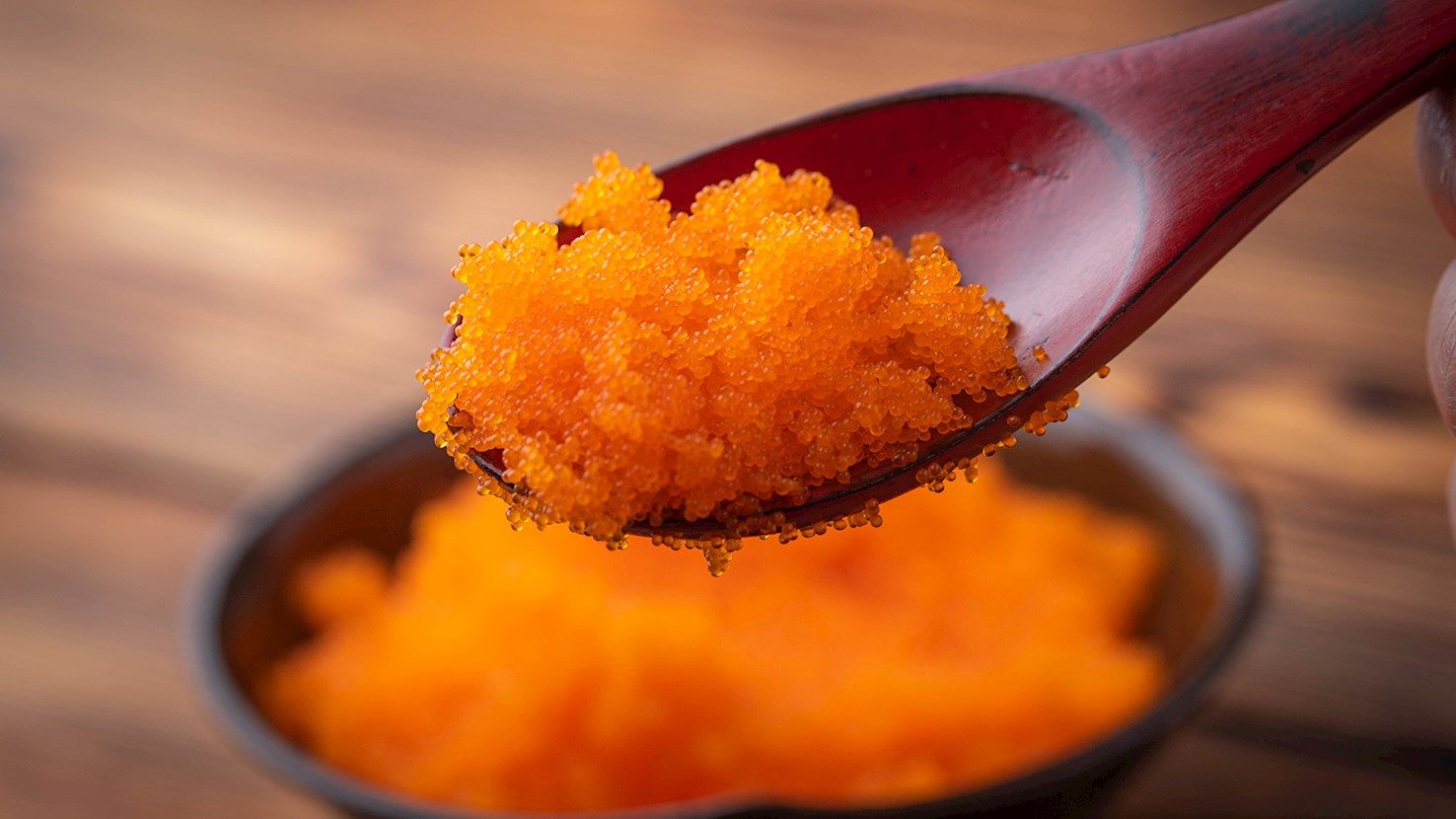
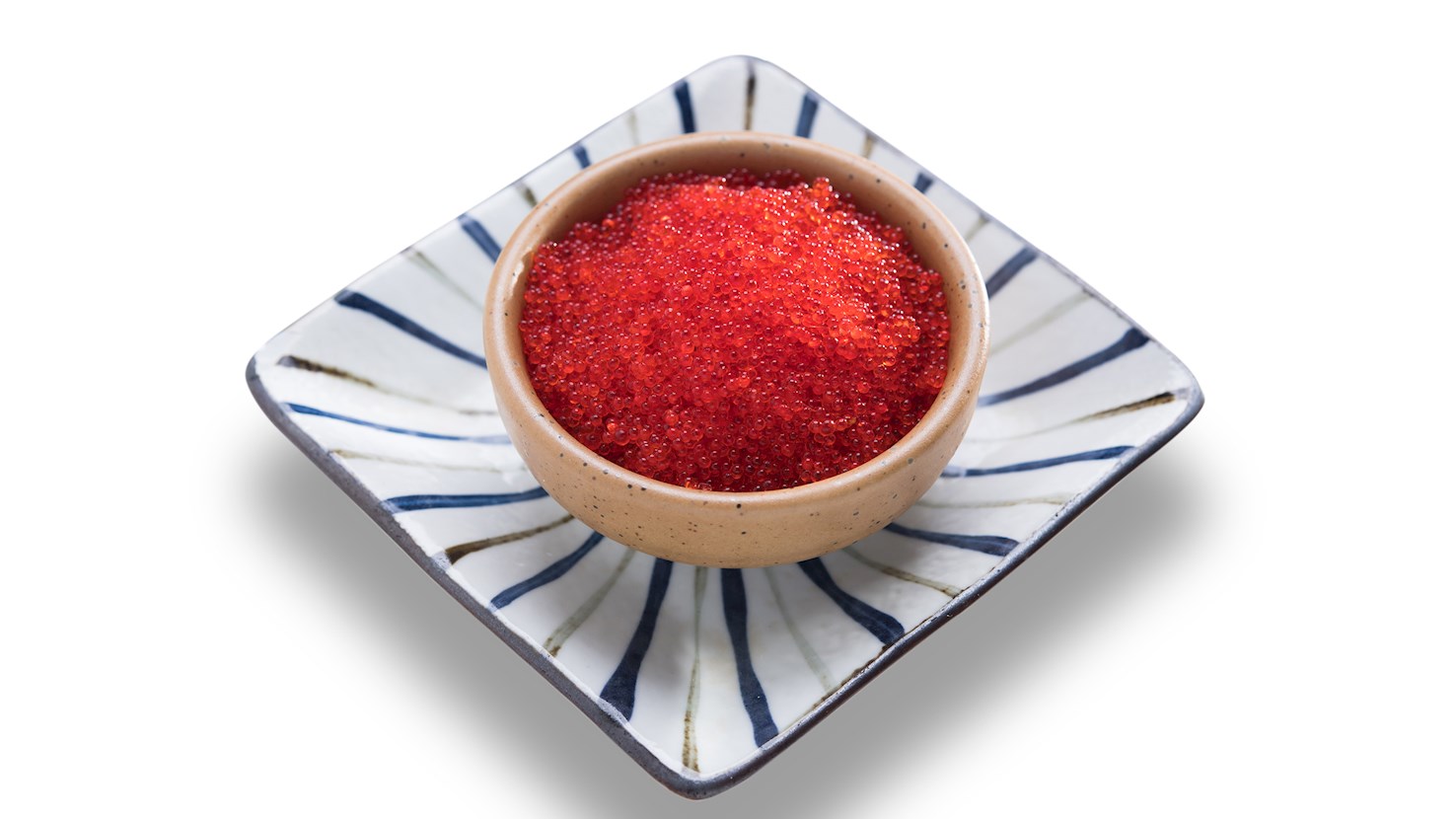
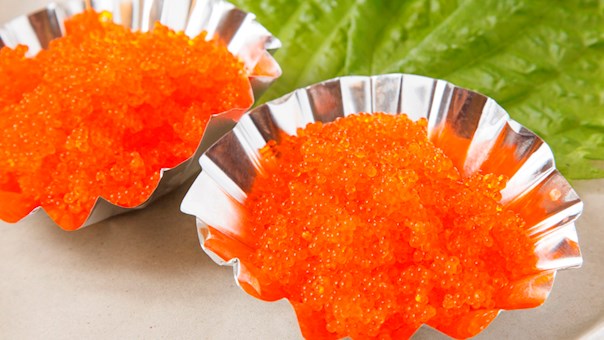
Tobiko is a Japanese term for flying fish roe. The natural color of this roe is bright orange, but sometimes other ingredients, such as squid ink or yuzu, can be added to impart the roe with various colors and slightly alter its flavor. Tobiko eggs are smaller than ikura (salmon roe), but they have a similar crunchy texture. Their flavor is often described as salty, smoky, and subtly sweet. Tobiko can be enjoyed on its own, but it is mostly used as an ingredient in gunkan sushi or as a garnish on various sushi rolls.

Best Fish Roes in the World
01

Petrossian

5.0 ·

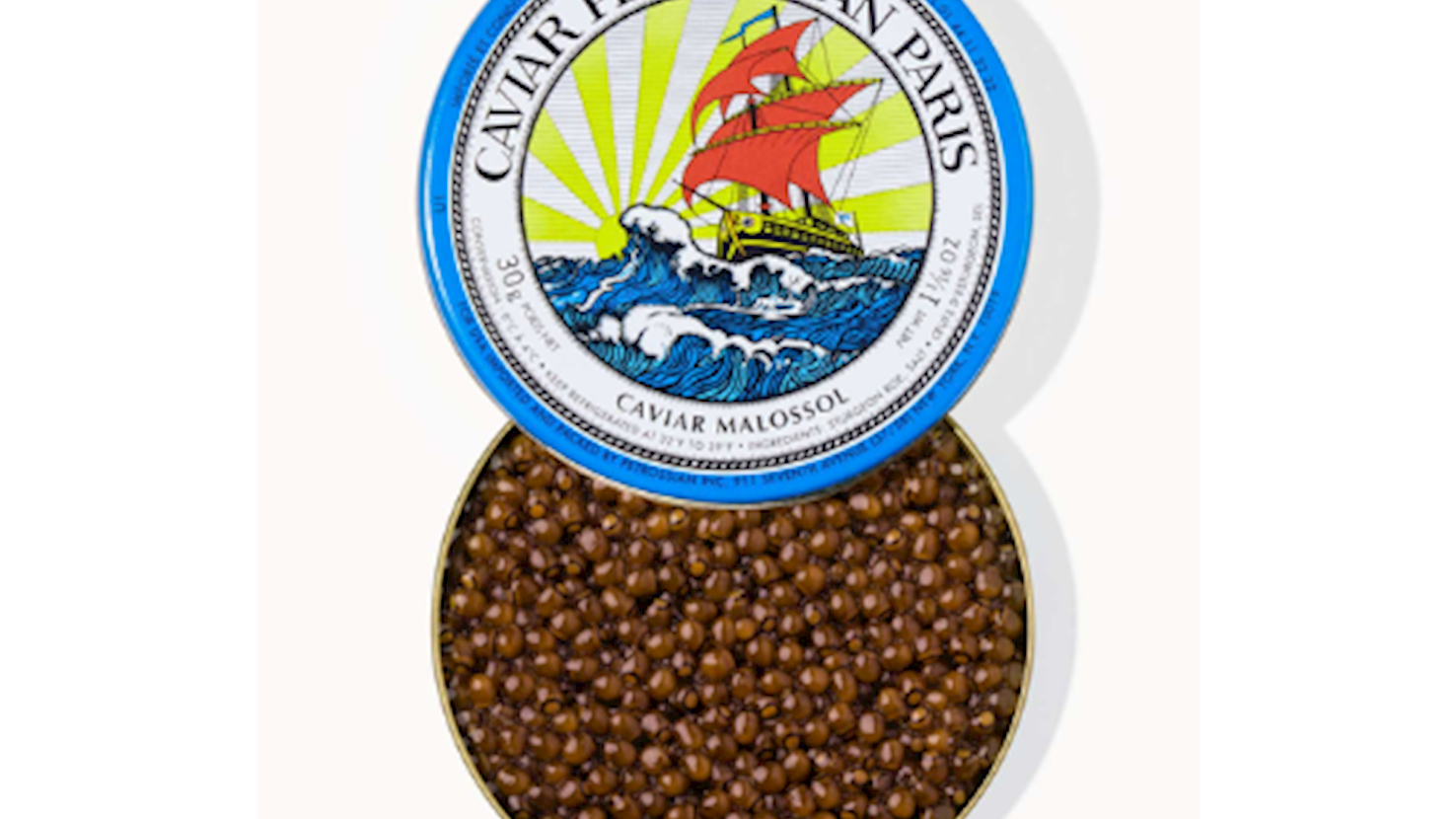
Petrossian is one of the most iconic names in French luxury gastronomy, internationally recognized for its long-standing expertise in caviar and fine delicacies. Founded in Paris in 1920 by Armenian brothers Melkoum and Mouchegh Petrossian, the company played a defining role in introducing caviar to French haute cuisine and transforming it into a global symbol of refinement and luxury.

Over more than a century, Petrossian has evolved from a specialist caviar house into a broader gourmet brand offering smoked salmon, seafood delicacies, foie gras, truffle products, pastries, chocolates, and curated gastronomic gift collections. The company’s core identity remains rooted in its expertise in sourcing, selecting, salting, and maturing caviar rather than farming sturgeon directly, with craftsmanship and sensory precision central to its positioning.

Petrossian is also known for pioneering its own concept of “caviarology”, emphasizing deep product knowledge and tasting expertise. While firmly anchored in French savoir-faire, the brand maintains strong ties to its Armenian heritage and the historic caviar traditions of the Caspian region.

Its original Paris boutique remains a landmark of the brand’s identity, while Petrossian has expanded internationally through boutiques, restaurants, and premium retail distribution. Today, Petrossian is widely regarded as one of the global benchmark brands in the world of high-end gourmet food and luxury caviar.

02

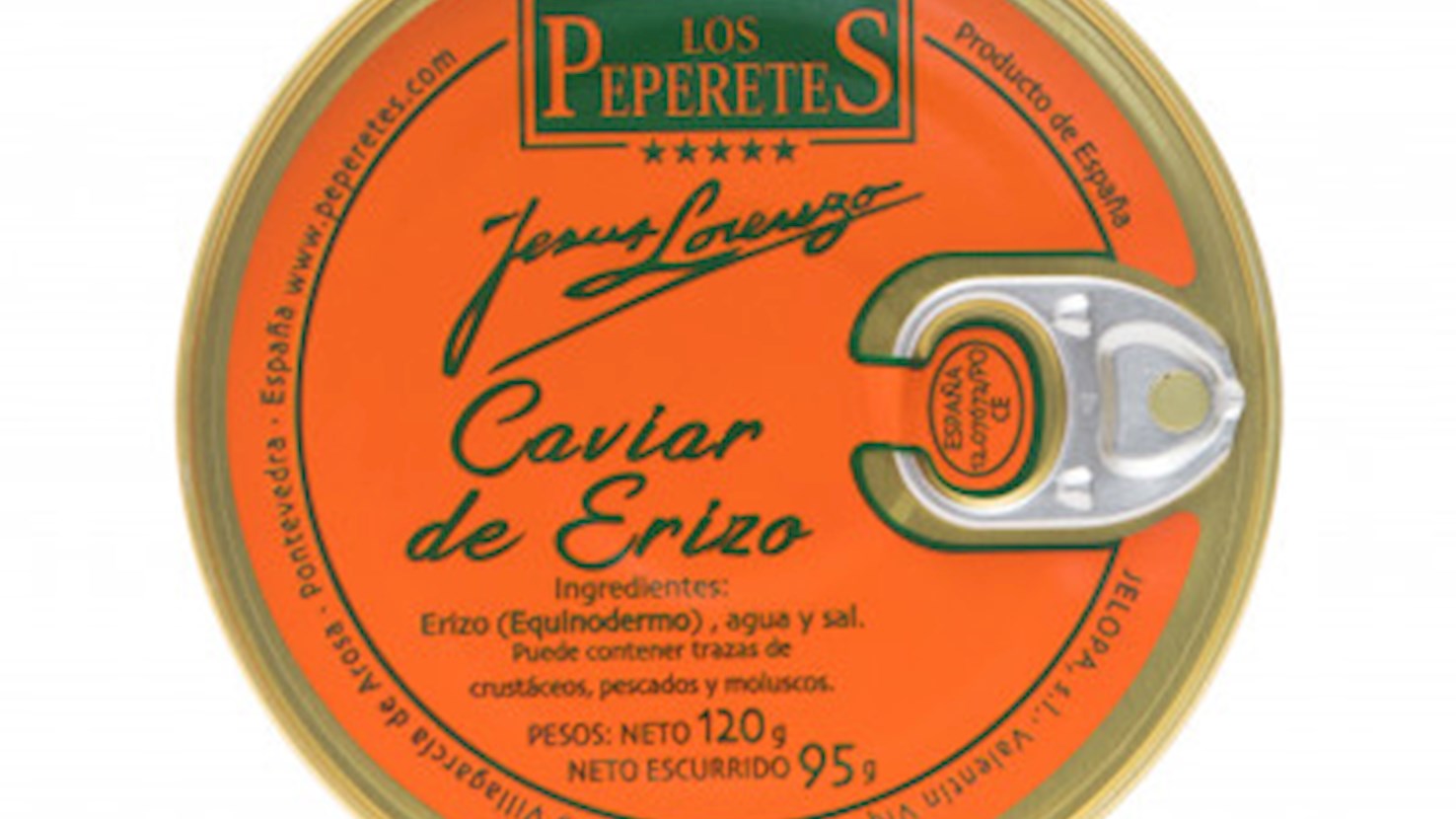
Los Peperetes

5.0 ·

Founded by Jesús Lorenzo in the 1990s, the Los Peperetes is celebrated for its commitment to traditional, artisanal methods that enhance the natural flavors of its seafood. Known for products like octopus, razor clams, mussels, and sardines, Los Peperetes sources locally from the Galician coast, where the seafood is cleaned, cooked, and packed by hand.

Their meticulous preparation process ensures high-quality taste and presentation, appealing to gourmet and culinary markets worldwide. The brand has become emblematic of Spanish culinary heritage and is recognized in international canned fish rankings.

Awards
World's 101 Best Canned Products from the Sea - Top 10 Sardines (2024)
World's 101 Best Canned Products from the Sea - Top 10 Tuna (2024)
03

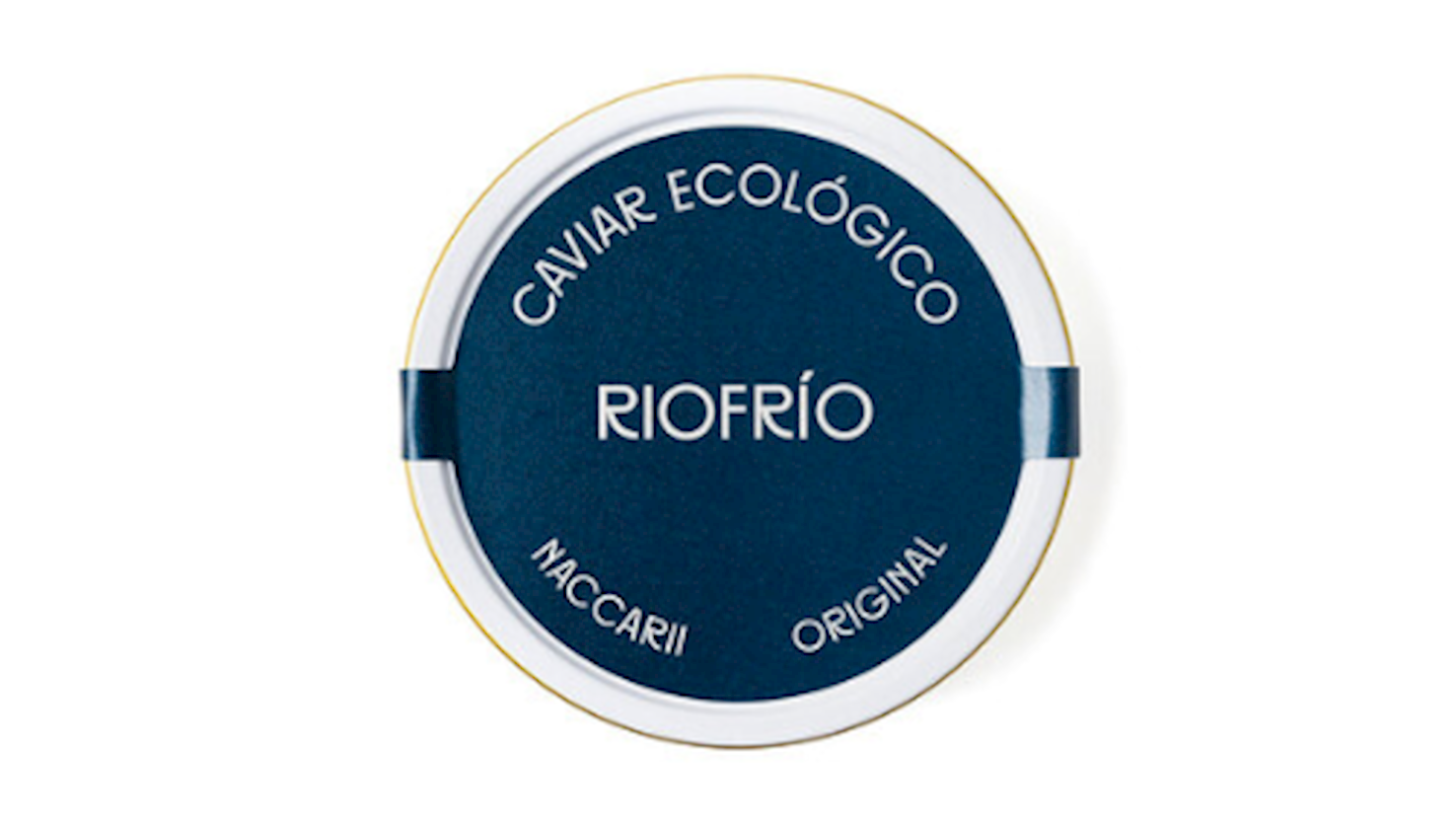
Riofrío Caviar

4.9 ·

Riofrío Caviar is a premium Spanish caviar produced in the village of Riofrío in the province of Granada, Andalusia. The origins of the farm date back to 1963, when the site was selected for sturgeon farming because of its exceptionally pure spring water and stable natural conditions.

These cold, oxygen-rich waters provide an environment similar to the natural habitat of sturgeon, allowing the fish to grow slowly and naturally. Riofrío is internationally recognized for producing the first certified organic caviar in the world, obtained without preservatives and under strict standards of sustainable aquaculture.

The farm raises several species of sturgeon, including Acipenser naccarii, a rare Mediterranean species whose roe is valued for its refined character. The production process is long and demanding, as female sturgeons may take around 18 years to reach maturity before their roe can be harvested.

After extraction, the caviar is processed using traditional methods and lightly salted to preserve the natural flavor and delicate texture of the eggs. Riofrío caviar is known for its clean, elegant taste with subtle nutty and mineral notes, as well as a smooth, creamy mouthfeel.

Due to its quality and limited production, it is widely used in high-end gastronomy and served in fine dining restaurants across Europe.

04

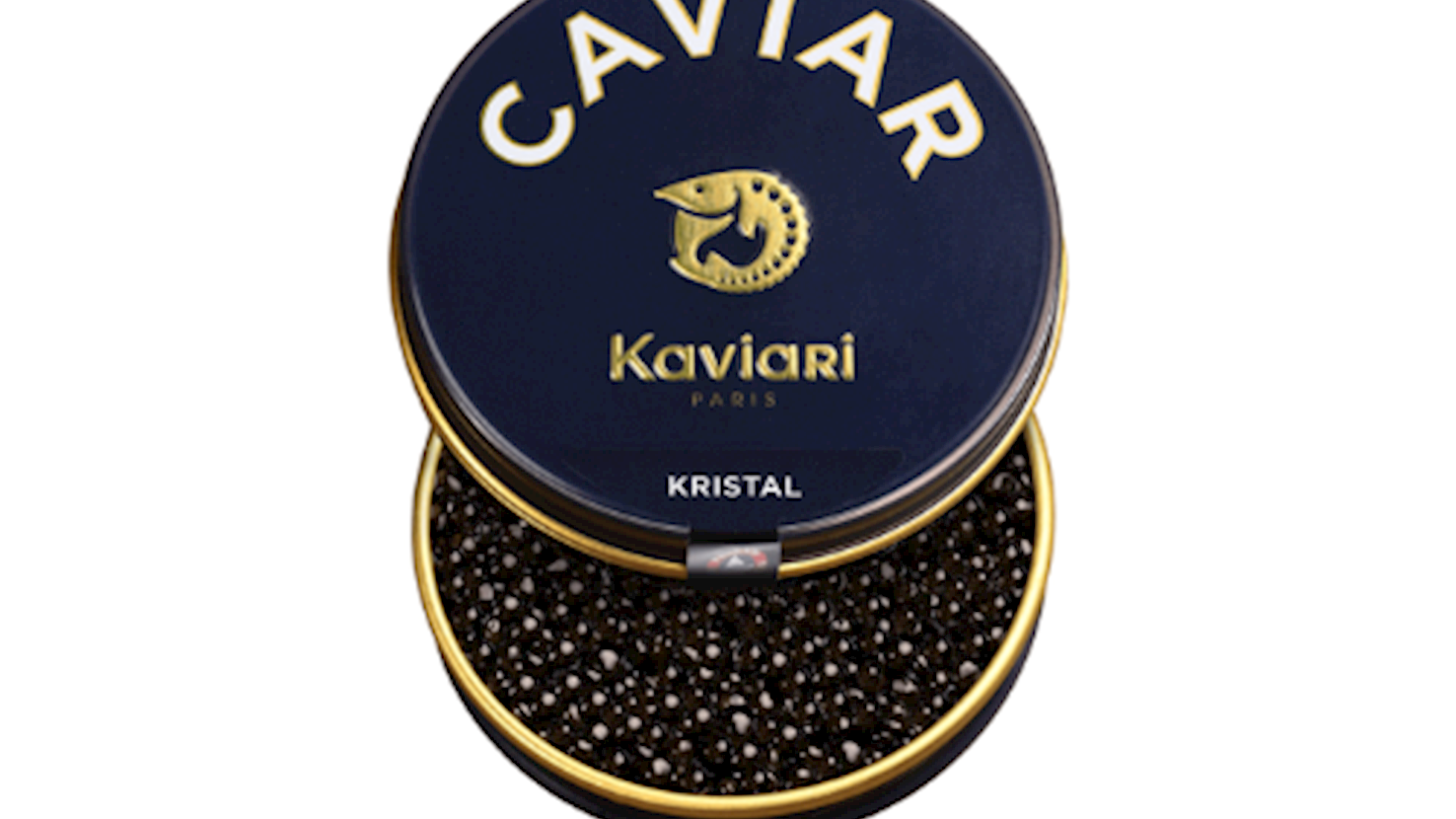
Kaviari

4.9 ·

Kaviari is a Paris-based caviar house founded in 1980 by Jacques Nebot and Raphaël Bouchez. The brand specializes in selecting, maturing and distributing premium caviar, with a strong focus on traceability, consistency and close relationships with carefully chosen sturgeon farms.

Originally created during the era of wild caviar, Kaviari later adapted to the global shift toward farmed sturgeon, maintaining its role as a specialist rather than a conventional producer. Its portfolio includes several caviar selections such as Kristal, Ossetra, Baeri, Sevruga and Beluga, alongside smoked fish, taramas, seafood delicacies and fine grocery products.

Kaviari is particularly respected among chefs and luxury restaurants, supplying many high-end culinary establishments in France and abroad. The brand’s Paris site, La Manufacture Kaviari, also functions as a space dedicated to caviar maturation, tasting, education and professional exchange.

Its identity combines French gourmet savoir-faire with a contemporary approach to responsible sourcing and product transparency. Today, Kaviari is considered one of the important modern caviar houses in France, positioned between traditional luxury gastronomy and chef-driven fine dining.

05

Prunier

4.9 ·

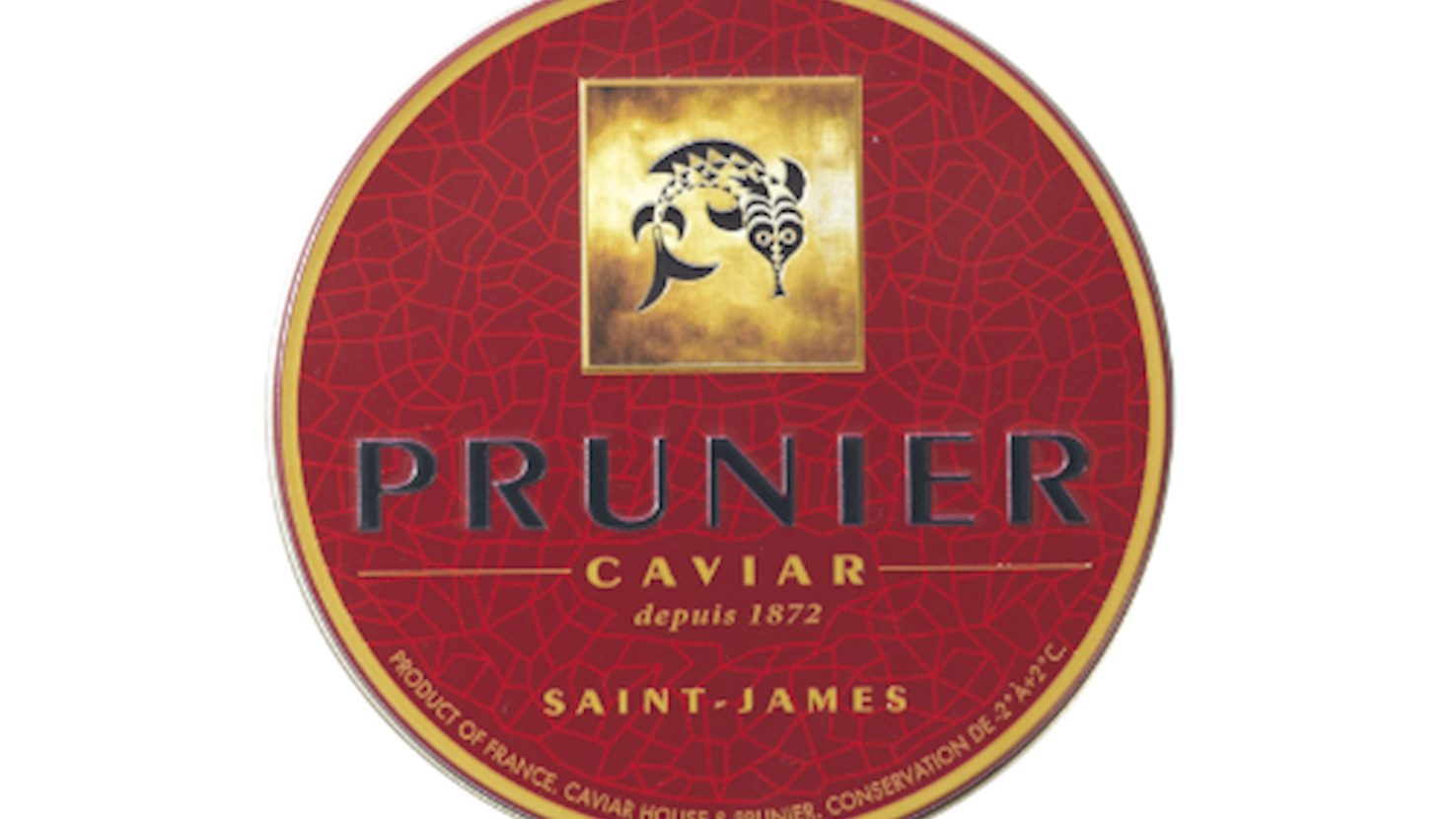
Prunier is a historic French caviar and seafood house founded in Paris in 1872 by Alfred Prunier. Originally established as a refined seafood restaurant, it became closely associated with oysters, champagne, fish and later caviar, building a reputation as one of the pioneering names in French luxury seafood gastronomy.

Prunier is especially important in the history of caviar because it became the first French caviar producer in the early twentieth century and later developed one of the world’s earliest sturgeon farming and processing centres in Dordogne. Today, the brand is known for French caviar made from sturgeon raised in France, with a strong emphasis on controlled production, maturation and traceability.

Its portfolio includes several caviar selections, such as Saint-James, Paris, Malossol and Heritage, along with seafood delicacies and gourmet products connected to the brand’s restaurant heritage. Prunier combines the tradition of Parisian fine dining with a specialist approach to caviar production, positioning itself as one of the reference houses for French caviar.

The brand remains closely linked to Parisian art de vivre, while its production story is rooted in French aquaculture and long-term expertise in sturgeon farming.

06

Antonius Caviar

4.8 ·

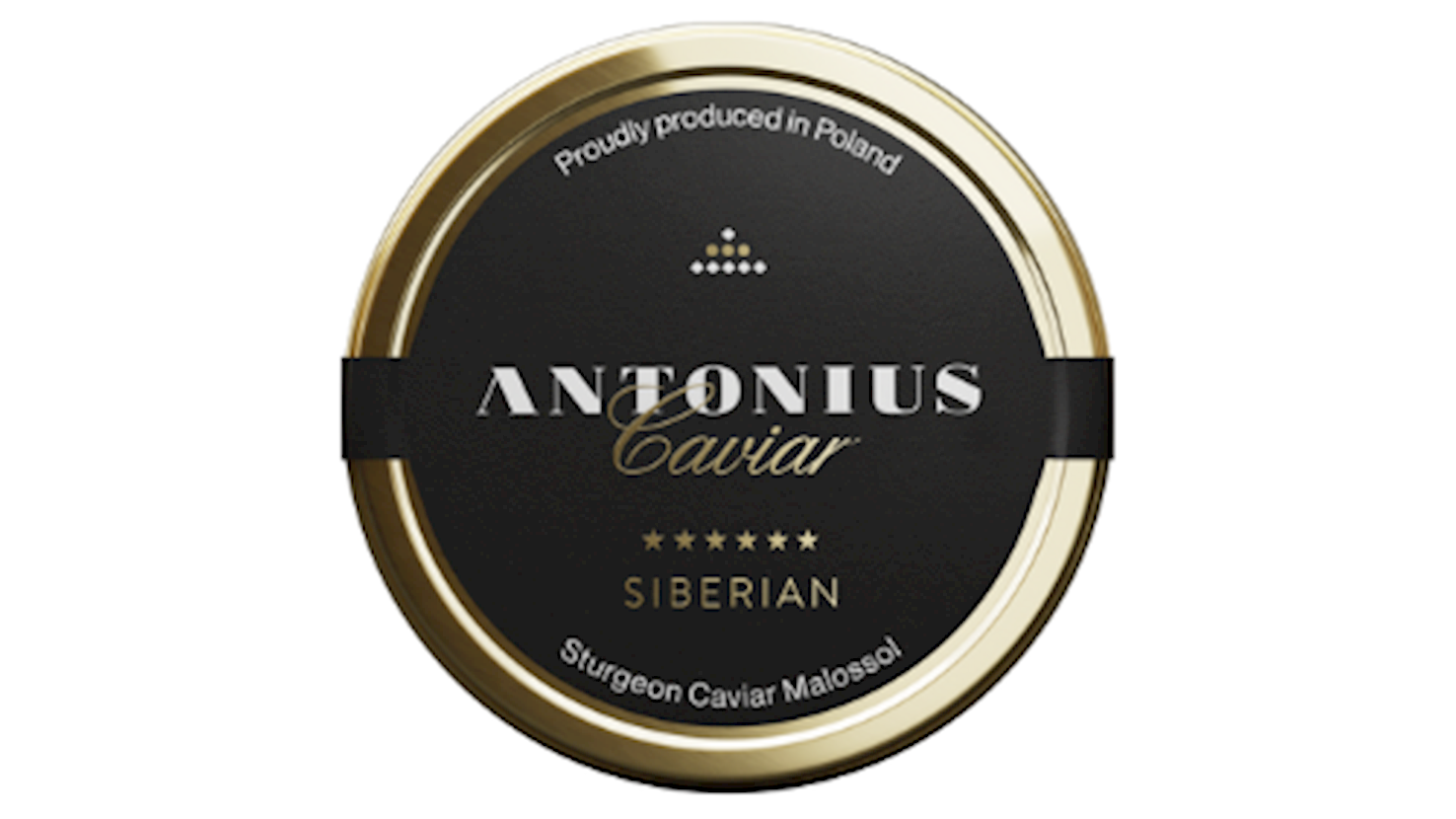
Antonius Caviar is a premium caviar brand from Poland, built on decades of expertise in sturgeon farming and recognized as one of the leading caviar producers in Europe. The brand is rooted in a family tradition and based on full control of the production process, from fish breeding to final packaging.

All sturgeon are raised exclusively on the company’s own farms, under strictly controlled and sustainable conditions, without reliance on wild populations. This approach ensures consistent quality and complete traceability of origin.

The caviar is produced using the traditional Malossol method, with a minimal amount of salt and without pasteurization, preserving the natural texture and depth of flavor. The portfolio includes varieties such as Siberian sturgeon and Oscietra caviar, known for their clean, elegant, and subtly nutty profiles.

Limited and rare selections, including albino caviar, further highlight the brand’s craftsmanship. The entire roe processing is done by hand, following strict hygiene and food safety standards.

Antonius Caviar operates in compliance with international quality and food safety certifications. Its products are distributed globally and featured in high-end restaurants.

The brand positions itself at the intersection of tradition, modern aquaculture, and sustainability. The focus remains on authenticity, natural taste, and long-term resource preservation.

07

Caviar & Cocktails

4.8 ·

Caviar & Cocktails is a caviar producer based in Shrewsbury, England. They specialize in offering a variety of caviar products sourced from sustainable sturgeon farms.

The company also provides curated cocktail pairings designed to complement their caviar selection.

Awards
Great Taste Awards - 3 Stars (2022)
08

Armatore

4.7 ·

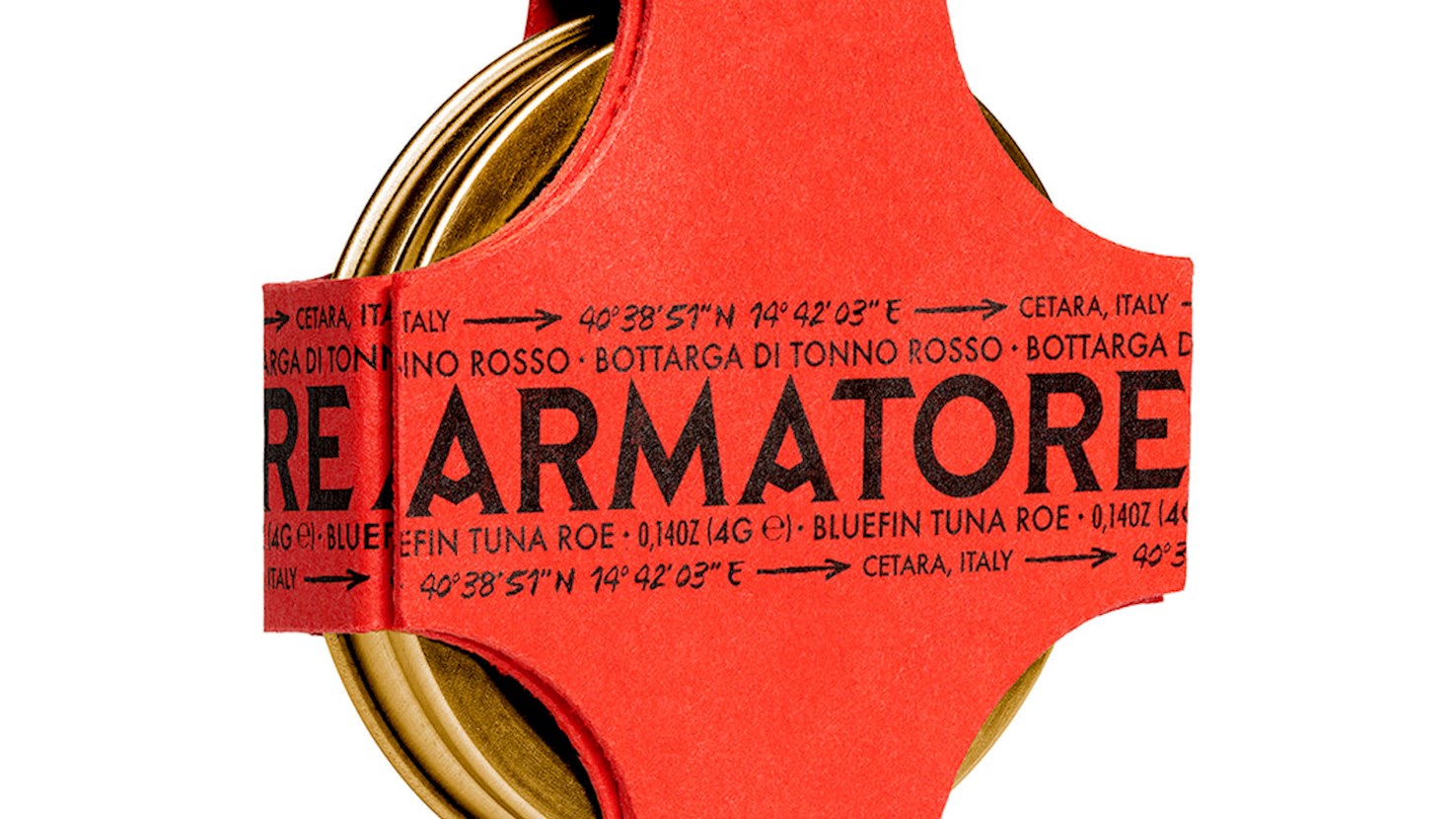
Armatore is an Italian producer of premium seafood preserves and specialty fish products based in the fishing village of Cetara on the Amalfi Coast in the Campania region. The brand is built on a multi-generational family fishing tradition, with the Della Monica family engaged in tuna and anchovy fishing for four generations.

The company specializes in bluefin tuna, anchovies, and other Mediterranean fish species, maintaining control over the entire process from catch to processing. A strong emphasis is placed on sustainable fishing practices and marine ecosystem preservation, ensuring full traceability and responsible resource management.

Its products are crafted according to the traditional recipes of Cetara, one of Italy’s most renowned centers for anchovy processing. In addition to preserved tuna and anchovies, the range includes bottarga, Colatura di Alici di Cetara, seafood pâtés, and other Mediterranean delicacies.

Armatore is particularly known for its hand-processed anchovies, which mature for several months in wooden barrels, as well as for its products made from Mediterranean bluefin tuna. The company combines local fishing heritage with modern quality and sustainability standards, creating products aimed at both gourmet consumers and professional gastronomy.

Today, Armatore is regarded as one of the leading producers of seafood delicacies from Cetara and an important ambassador of the culinary traditions of the Amalfi Coast.

Awards
Great Taste Awards - 2 Stars (2021)
09

Osborne & Sons (Shellfish)

4.5 ·
Awards
Great Taste Awards - 2 Stars (2024, 2023)
About this ranking

TasteAtlas food rankings are based on the ratings of the TasteAtlas audience, with a series of mechanisms that recognize real users and that ignore bot, nationalist or local patriotic ratings, and give additional value to the ratings of users that the system recognizes as knowledgeable. For the “Top 26 Fish Roes in the World” list until July 08, 2026, 702 ratings were recorded, of which 540 were recognized by the system as legitimate. TasteAtlas Rankings should not be seen as the final global conclusion about food. Their purpose is to promote excellent local foods, instill pride in traditional dishes, and arouse curiosity about dishes you haven’t tried.

The initial list of top producers was compiled based on available reviews, awards, local recommendations, media and blog coverage, and consumer reviews. The list will be updated with ratings from TasteAtlas local ambassadors and TasteAtlas users.

Similar lists