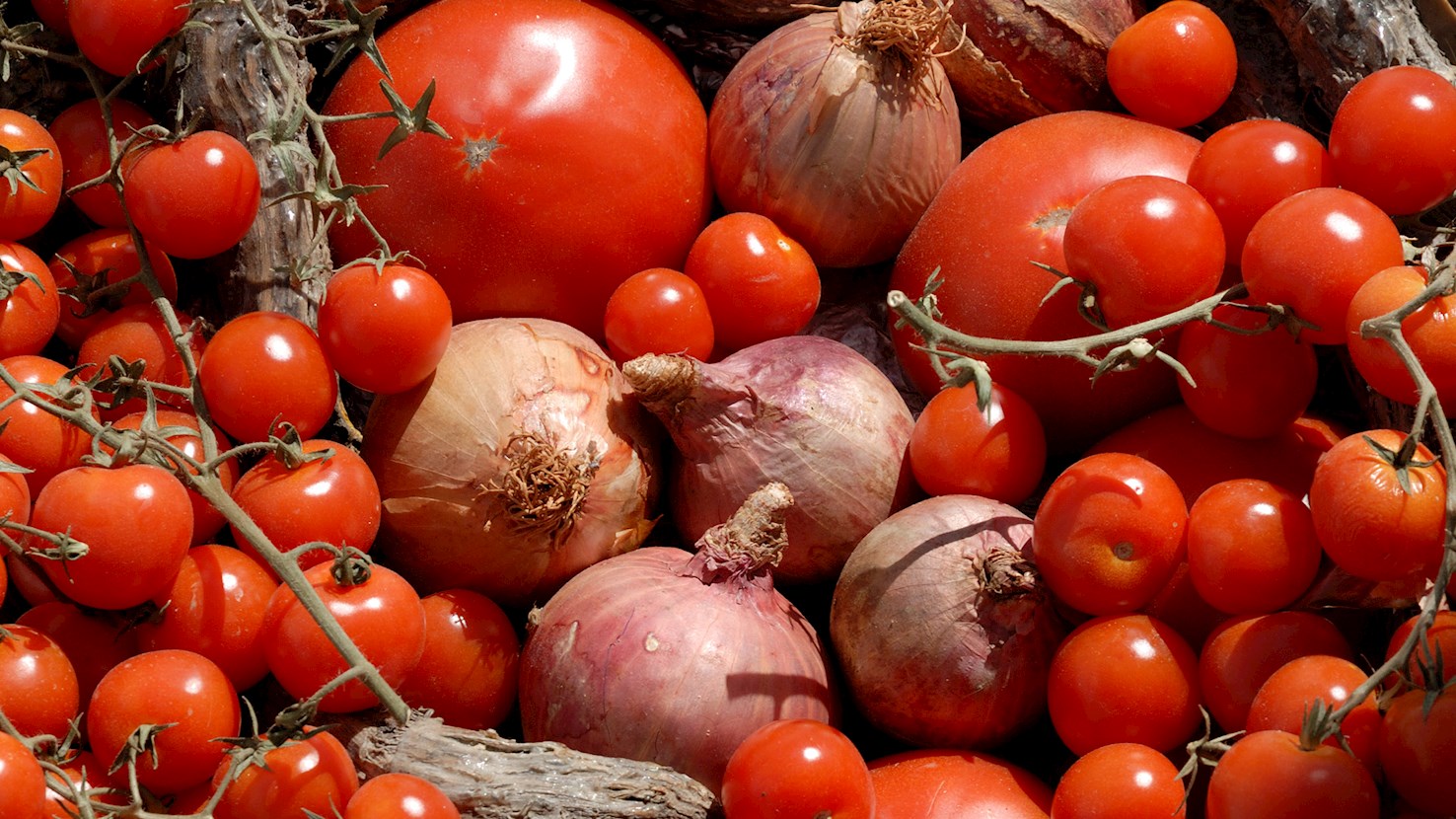
These small tomatoes come from a local variety produced on the islands of Santorini, Thirasia, Palea Kameni, Nea Kameni, Aspro, Christiani, and Askania in the Cyclades in the southern Aegean Sea. The production, treatment, and processing of these tomatos must be carried out exclusively within this area in order to avoid deterioration in the quality of this fragile fruit. Tomataki Santorinis is a deep red color and has a firm, not particularly moist flesh with a high seed content. These tomatoes owe their distinctive characteristics to the climatic conditions and the limey, alkaline soils of the area. It has high levels of acidity and, due to the alkaline soil, a high sugar level when ripe. It has been recorded that tomato cultivation began on the island of Santorini in the 1870s. Today, Santorini tomatos are widely recognized as a product of exceptional quality and are used in a range of recipes.
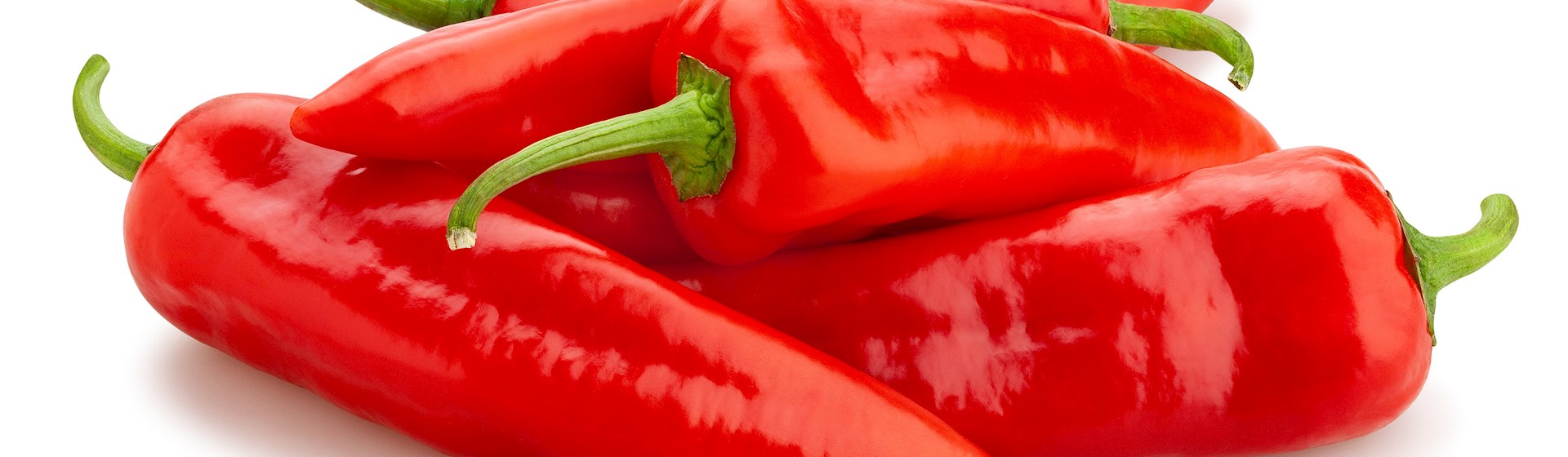
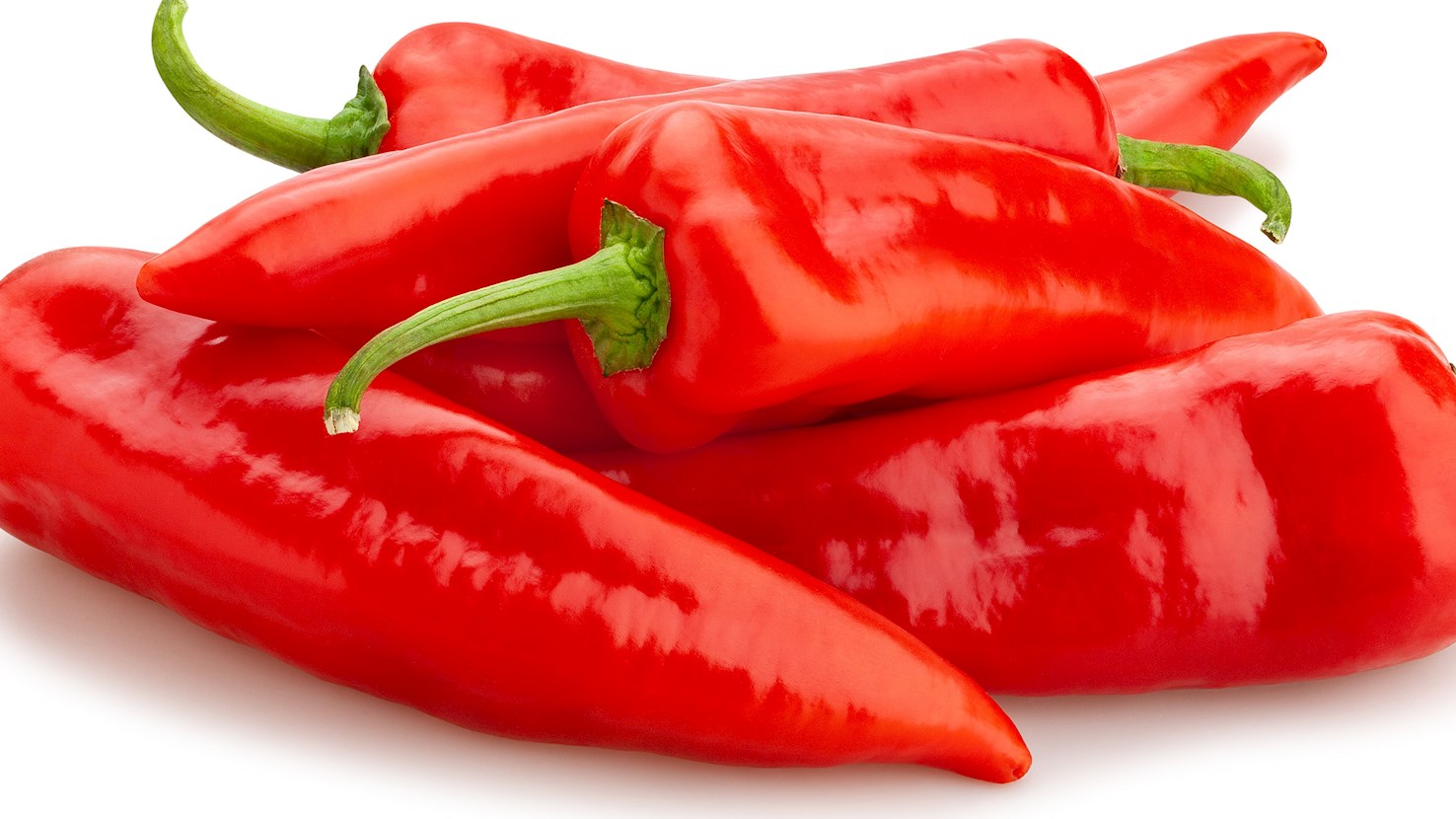
Florina is a Greek pepper cultivated in Western Macedonia and the area of Florina, hence the name. The peppers have a deep red color and they're shaped like a cow's horn. The harvest takes up to 18 weeks, and they ripen to maturity after mid-August. It is said that a good Florina pepper should be firm, thick, bright in color, and sweet in flavor. These versatile peppers can be used in salads, sauces, pasta dishes, or meat dishes, but they're usually roasted and stuffed with ingredients such as feta, meat, rice, or shrimps. To make things even more simple, Florina peppers can be roasted, sliced, and combined with olive oil, sea salt, and garlic for a tasty appetizer.
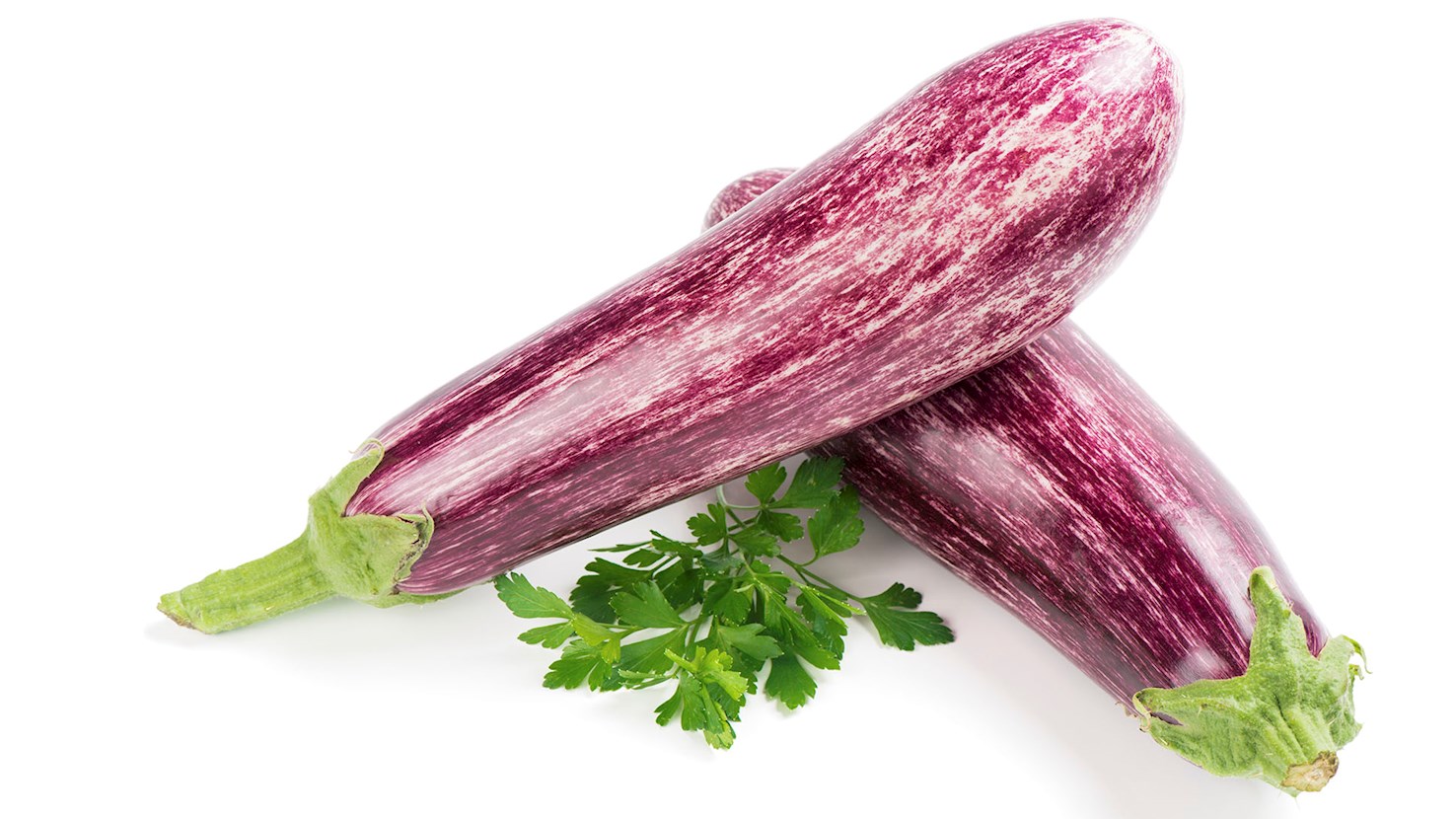
This eggplant is produced exclusively in Arcadia prefecture near the town of Leonidio. These purple, slightly curved aubergines with unusual white stripes are cultivated outdoors on the sandy soils of the area. They are harvested from May to November. What sets them apart from other eggplant varieties is their white stripes and their very mild, almost sweet taste with a lack of bitterness. Tsakoniki Melitzana Leonidiou is used as a basic ingredient in many recipes, and is often prepared as 'melitzanaki', a spoon sweet. A festival is held every year in August to promote these local eggplants, during which eggplant recipe competitions are held and more than 50 different dishes are prepared.
Bakalika peppers are small, elongated green peppers grown in the Northern Greece, with primary production centered around the city of Serres. The development and cultivation naming of this crop date back several decades into the mid-twentieth century, when local smallholders routinely collected these small peppers at the end of the summer harvest cycle and delivered them directly to local village grocers, or bakalides, who steeped the raw vegetables in large barrels of vinegar brine to create pickled preserves for winter storage. The foundational arrival of the agricultural variety within this region stems directly from the geopolitical shifts following the Greco-Turkish War, when its seeds were brought to the region by Greek refugees from Bursa (Prusa), Asia Minor, after the compulsory population exchange of 1923, allowing the displaced families to re-establish their agricultural heritage in the alluvial soils of Macedonia. Over time, the crop inherited the colloquial descriptor bakaliki, or grocer's pepper, differentiating it from the larger, sweet red varieties grown in neighboring regions such as Florina. The physical preparation of bakalika peppers relies on picking the fruit early while the skin remains a uniform light green hue, long before the starches fully transform into red sugars, ensuring the pepper remains crisp and measures no more than eight centimeters in length. The harvested units are washed, cleared of surface dirt, and sorted, as approximately 160 to 170 individual peppers are required to constitute a singular kilogram of mass due to their lightweight, thin-walled biological structure. They are then either packed raw into glass jars submerged in an acidic medium composed of white wine vinegar, sea salt, water, and grape must to inhibit bacterial action, or pan-fried whole in high-smoke-point olive oil over high heat for two to three minutes until the thin skin blisters and softens. Its structural density is combined with an uneven piquancy ratio, where the absence of a thick, fleshy interior pulp allows the heat of a frying pan or vinegar brine to immediately saturate the inner seeds, resulting in a flavor profile that combines a crunchy, grassy, sweet green pepper base with occasional, unpredictable bursts of mild capsaicin heat depending on the specific microclimate of the Serres soil bed. The item is served whole at room temperature when pickled or hot directly from the pan when blistered, with the stem left intact to function as a manual handle during consumption. Bakalika peppers are eaten throughout tavernas, domestic dining areas, and meze bars across Macedonia and the wider Greek mainland, typically positioned as an opening shared appetizer or a counter-balancing side component to dense, fatty main courses. For food and beverage pairings, the sharp acidity of pickled bakalika peppers or the mild bitterness of blistered green skin requires salty dairy proteins and dry, crisp mineral liquids to clear the palate, meaning it is eaten alongside blocks of barrel-aged feta cheese, rubbed with dried oregano and extra virgin olive oil, paired with grilled lamb chops or pork souvlaki, or served as a direct accompaniment to small glasses of resinous white Retsina wine, dry Assyrtiko, or clear, anise-infused Ouzo.
TasteAtlas food rankings are based on the ratings of the TasteAtlas audience, with a series of mechanisms that recognize real users and that ignore bot,
nationalist or local patriotic ratings, and give additional value to the ratings of users that the system recognizes as knowledgeable.
For the “Top 4 Greek Fruit Vegetables” list until July 22, 2026, 213 ratings were recorded, of which 106 were recognized by the system as legitimate.
TasteAtlas Rankings should not be seen as the final global conclusion about food. Their purpose is to promote excellent local foods,
instill pride in traditional dishes, and arouse curiosity about dishes you haven’t tried.