

shutterstock

Top 28 Italian Fruit Vegetables

Last updated on November 25, 2026

Best Italian Fruit Vegetable Types
01

Pomodoro S. Marzano dell'Agro Sarnese-Nocerino

4.6 ·

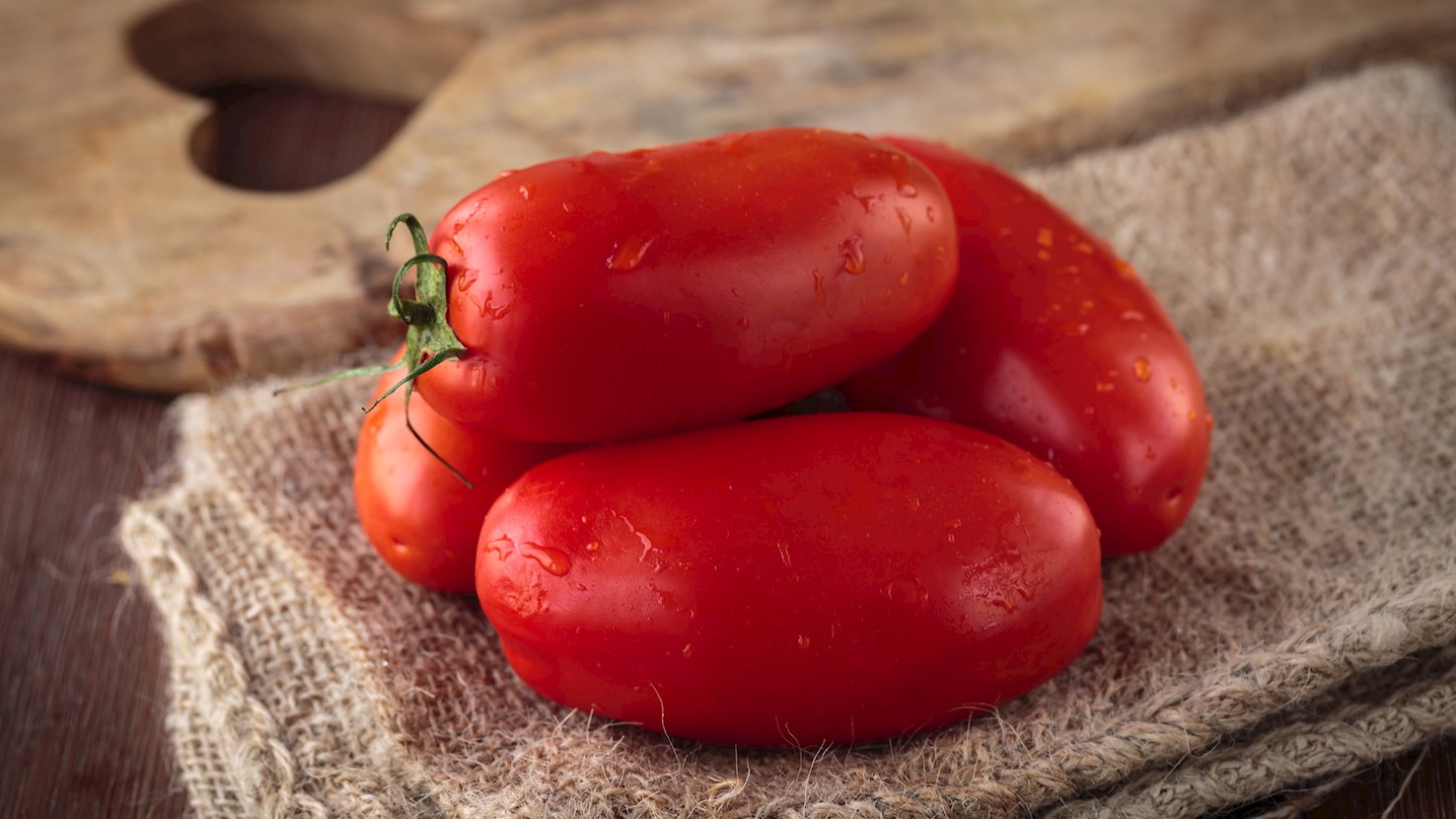
Prized by many chefs as the best of its kind, Pomodoro S. Marzano dell’Agro Sarnese-Nocerino is a variety of plum tomato grown along the banks of Sarno River in the fertile volcanic plains south of Mount Vesuvius, namely within the provinces of Naples, Salerno and Avellino. Locally known as 'the king of tomatoes', San Marzano peels quite easily and is characterized by an almost seedless flesh, bright red color and a delicate, bittersweet flavor. Even though San Marzano tomatoes are commonly used in a wide variety of Italian dishes, they have been designated as the only tomato variety that can be used for Vera Pizza Napoletana, the genuine Neapolitan pizza.

02

Pomodoro di Pachino

4.5 ·

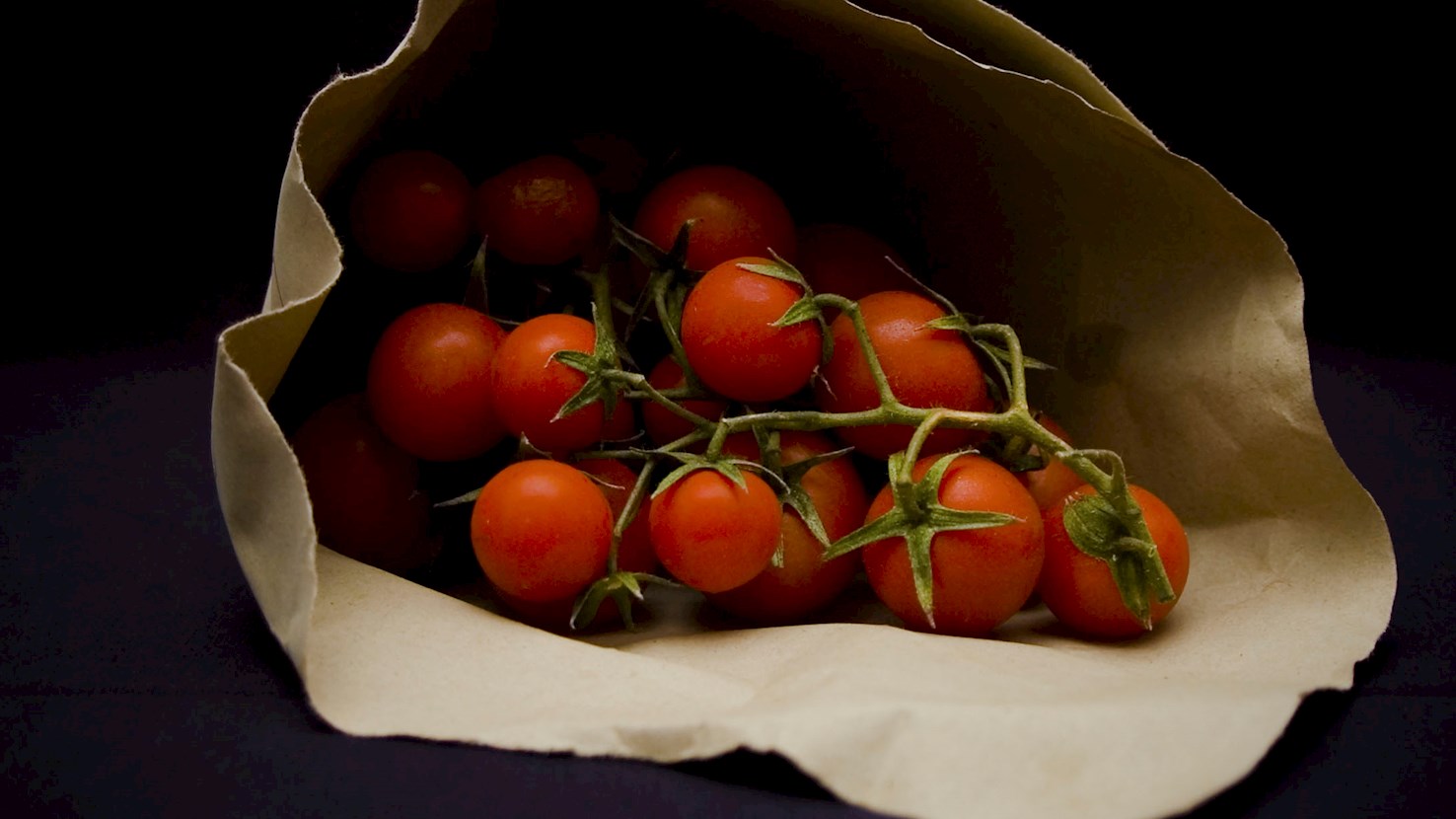
Named after its town of origin, pomodoro di Pachino refers to various varieties of fresh tomatoes grown within the Sicilian province of Syracuse. The sweet flavored Pachino tomatoes are characterized by a particularly succulent flesh and prized for their long shelf life. They are best enjoyed fresh, and typically used as an ingredient for mixed salads, cold pasta dishes or for pizza toppings. Also, according to old Sicilian culinary traditions, Pachino tomatoes are often sun-dried and preserved in olive oil in which way they can be used for making pâtés and tapenades, various flans and a seemingly limitless number of pasta dishes.

03

Datterino

4.4 ·

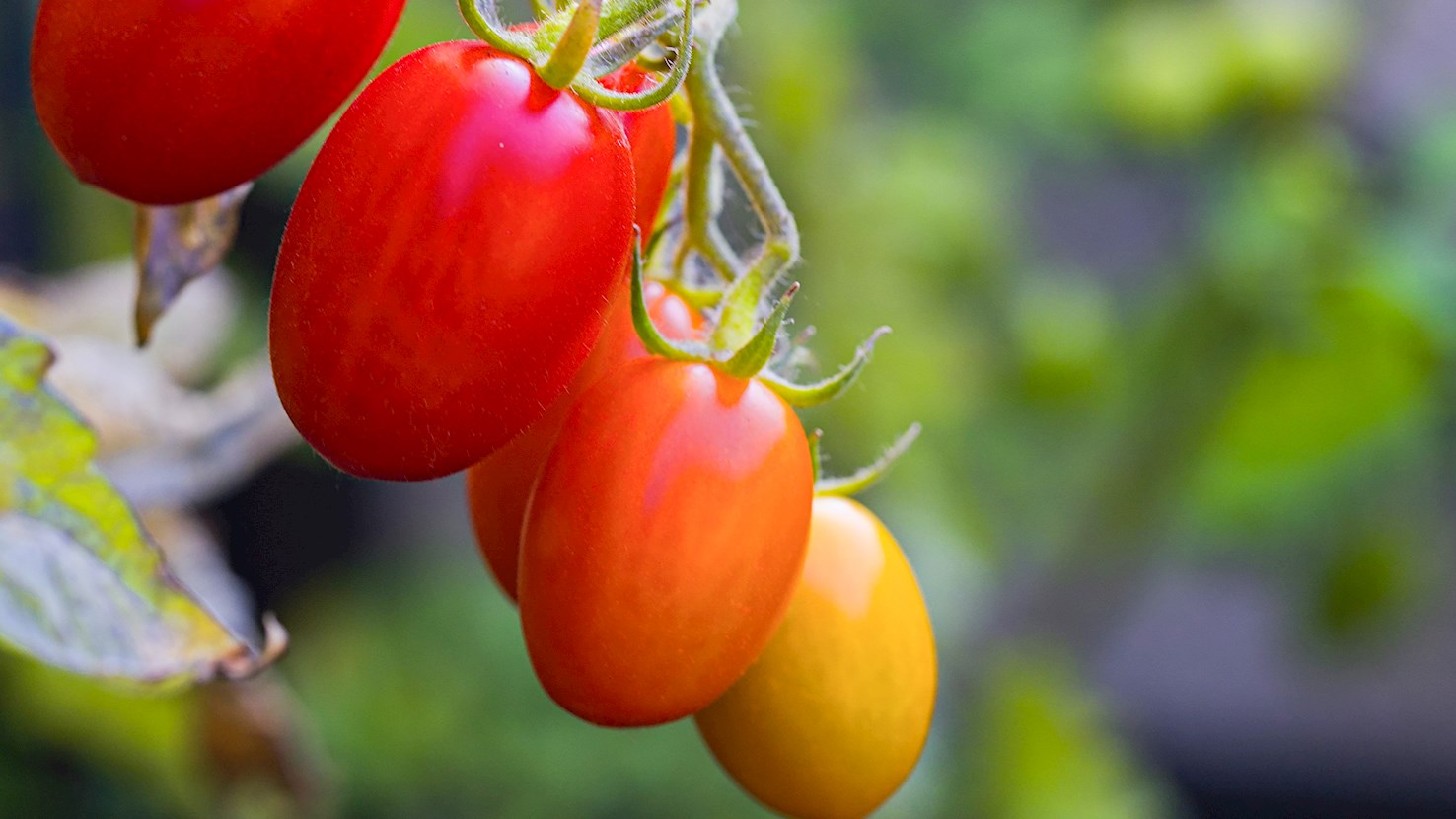
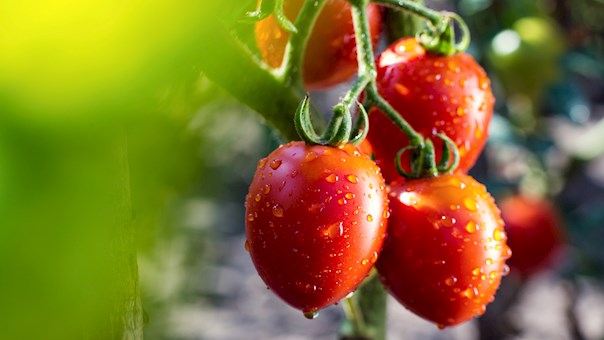
Datterino is a variety of tomato originating from Sicily, known for its sweet and intense flavor. It is small and oval-shaped, resembling a date, with a weight ranging from 15 to 40 grams (0.5 - 1.3 oz). The pulp is firm with low water content, a thin skin, and few seeds, making it ideal for fresh consumption in salads or for preparing sauces and preserves. The plant is vigorous, producing abundant clusters of tomatoes that have a long shelf life after harvesting.

04

Costoluto fiorentino

4.1 ·

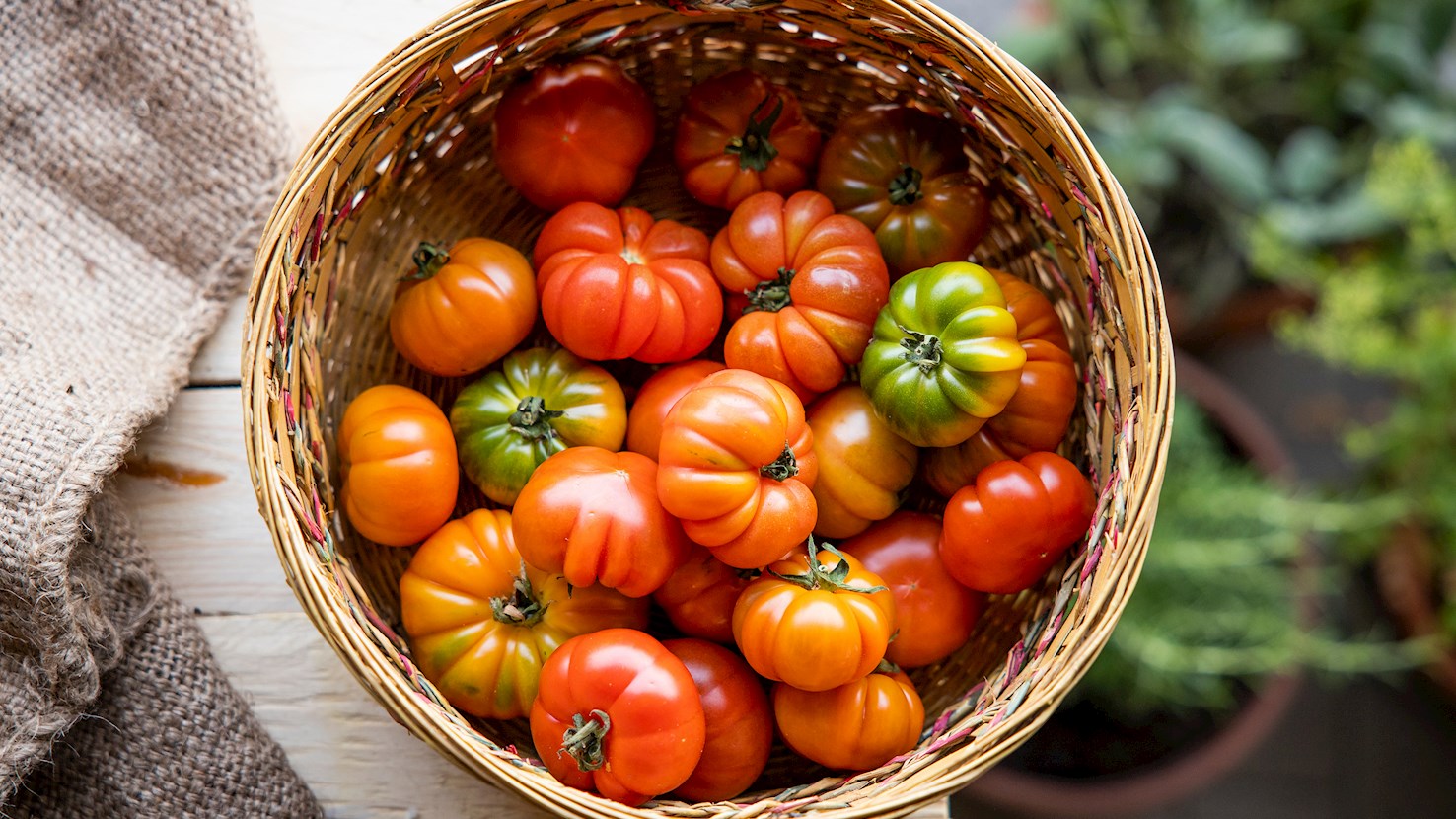
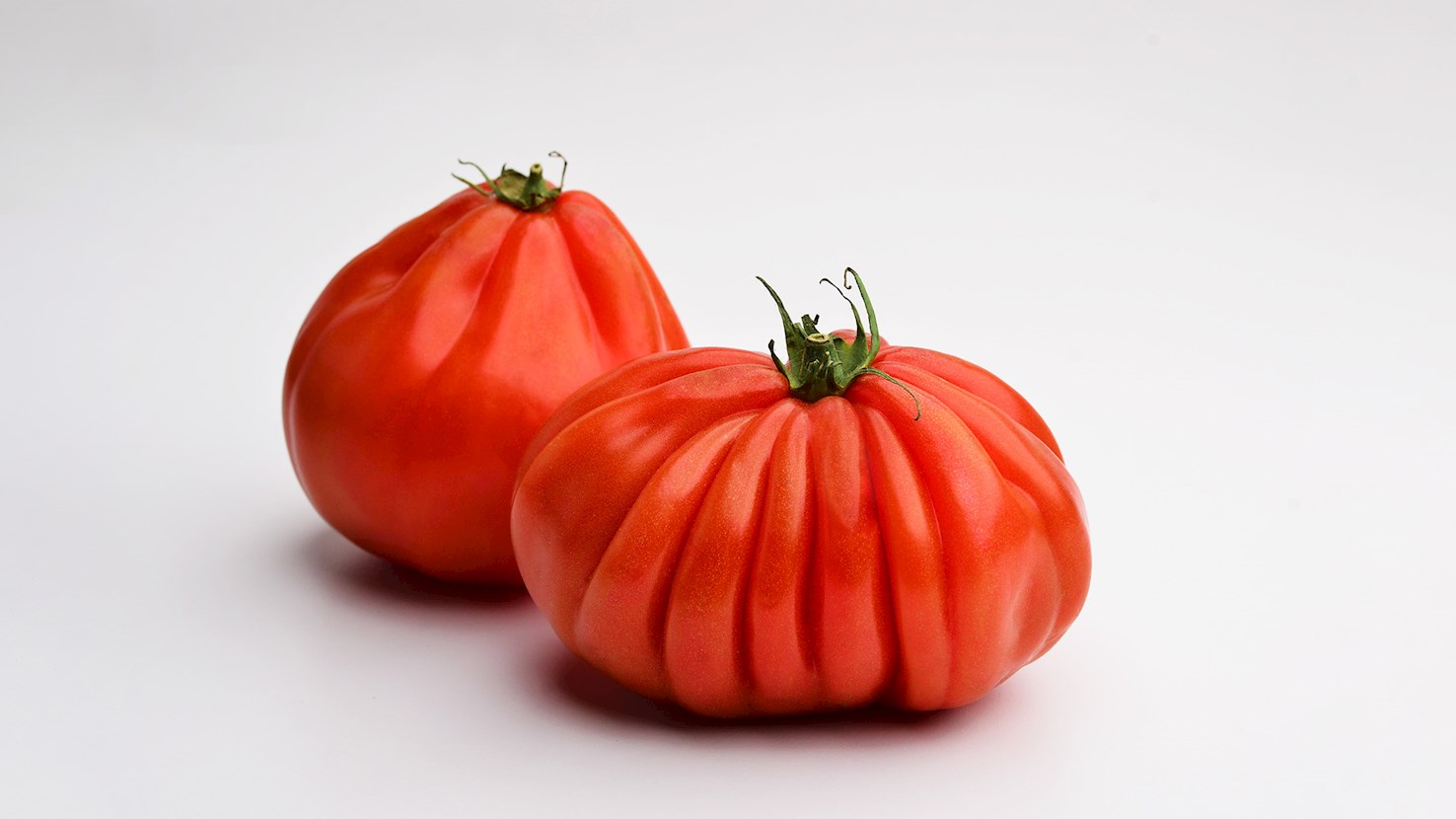
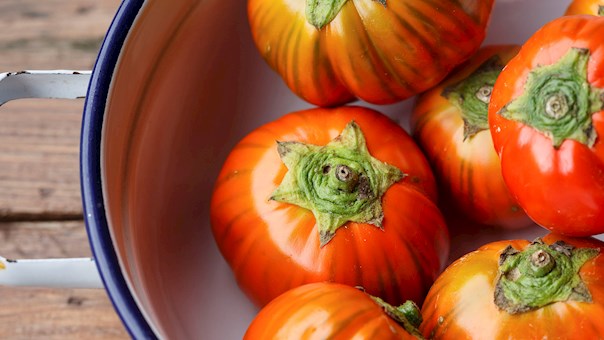
Costoluto fiorentino is a tomato variety originating from Florence. This heirloom has a distinct flattened and heavily ribbed shape. When mature, the color of the tomato is a brilliant deep red. These tomatoes have a meaty and juicy texture that is high in sugar and acid, making them one of the best varieties for cooking and making rich sauces or soups such as pappa al pomodoro. They are also used fresh, sliced and added to sandwiches or salads.

05

Pomodorino del Piennolo del Vesuvio

4.1 ·

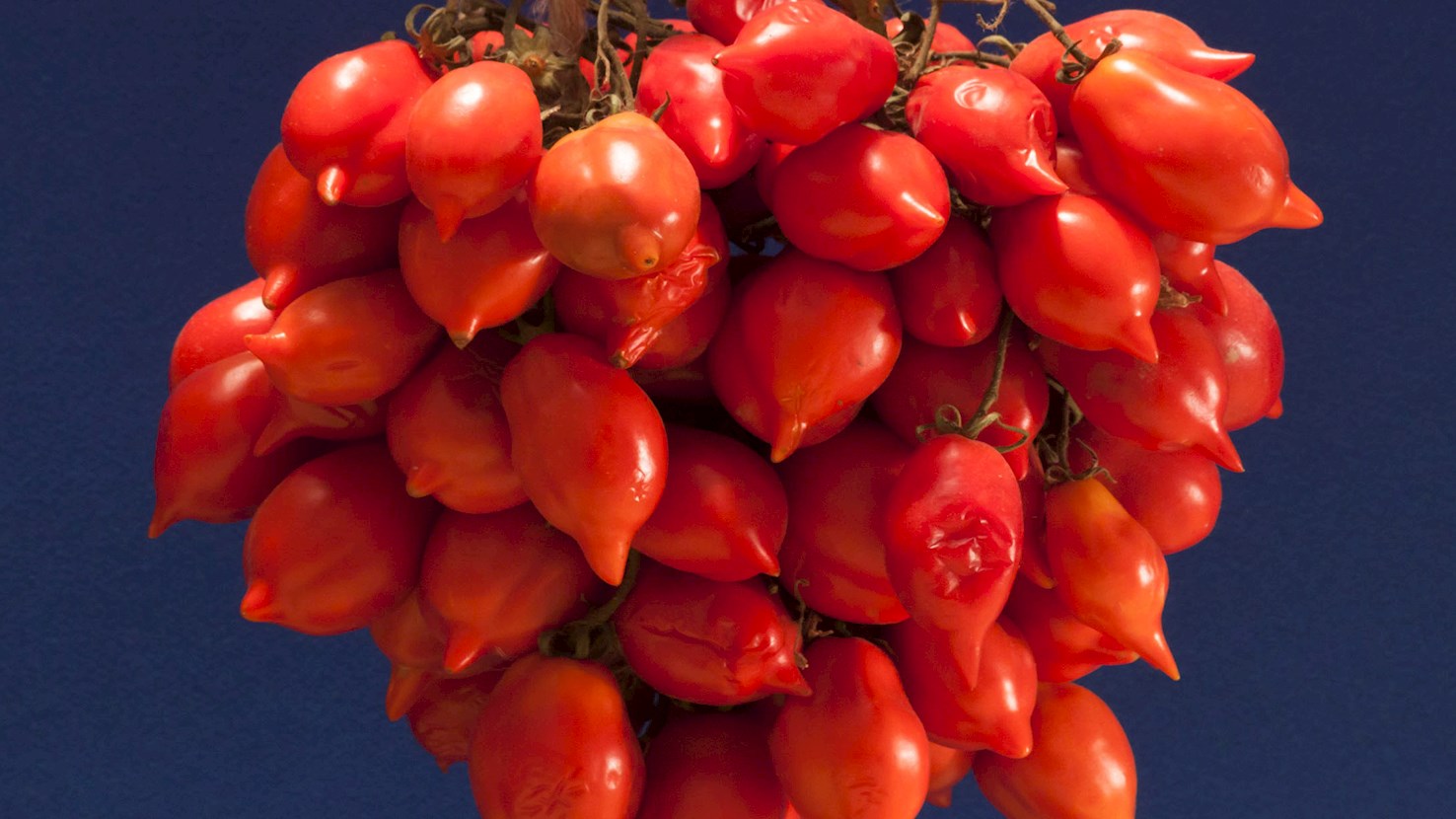
Grown and produced in the province of Naples, namely within the Vesuvio National Park, Pomodorino del Piennolo del Vesuvio refers to cherry tomatoes which are marketed al piennolo, braided in bunches and sun-dried. As the tomatoes slowly dry out, their sweet flavor and aroma become more intense and concentrated. Thanks to this old Vesuvian method of preserving, these fragrant cherry tomatoes can be enjoyed year round. Piennolo tomatoes are amazingly versatile and typically used as pizza topping or for preparing a wide variety of traditional Neapolitan pasta dishes like Scialatielli con salsiccia and Tagliatelle alle vongole or even desserts such as Millefoglie del Vesuvio.

06

Cuore di bue

3.8 ·

Cuore di bue (which means "oxheart" in Italian) is a traditional heirloom tomato variety known for its large, piriform shape, thin skin, and meaty, juicy flesh. It is a beefsteak-type tomato, prized for its sweet, delicate flavor and low acidity, making it ideal for raw consumption. This variety is particularly popular in northern Italy, especially in Liguria and Piedmont, where it is a key ingredient in fresh summer salads. Unlike many modern tomatoes, cuore di bue has few seeds and little water content, which makes it perfect for caprese salads, sandwiches, and bruschetta, as well as for slicing and enjoying with a drizzle of olive oil. It comes in various sizes, often weighing between 300 and 500 grams (10.5-17.5 oz), and its shape can be slightly irregular, with prominent lobes. The skin is very thin, so it is delicate and should be handled with care. Because of its high pulp-to-seed ratio, it is also used in sauces and cooking, though its best qualities shine when eaten raw. This variety is still cultivated using traditional methods, often in small-scale farms, and is highly sought after in Italian and Mediterranean cuisine.

07

Peperoni Cruschi

3.7 ·

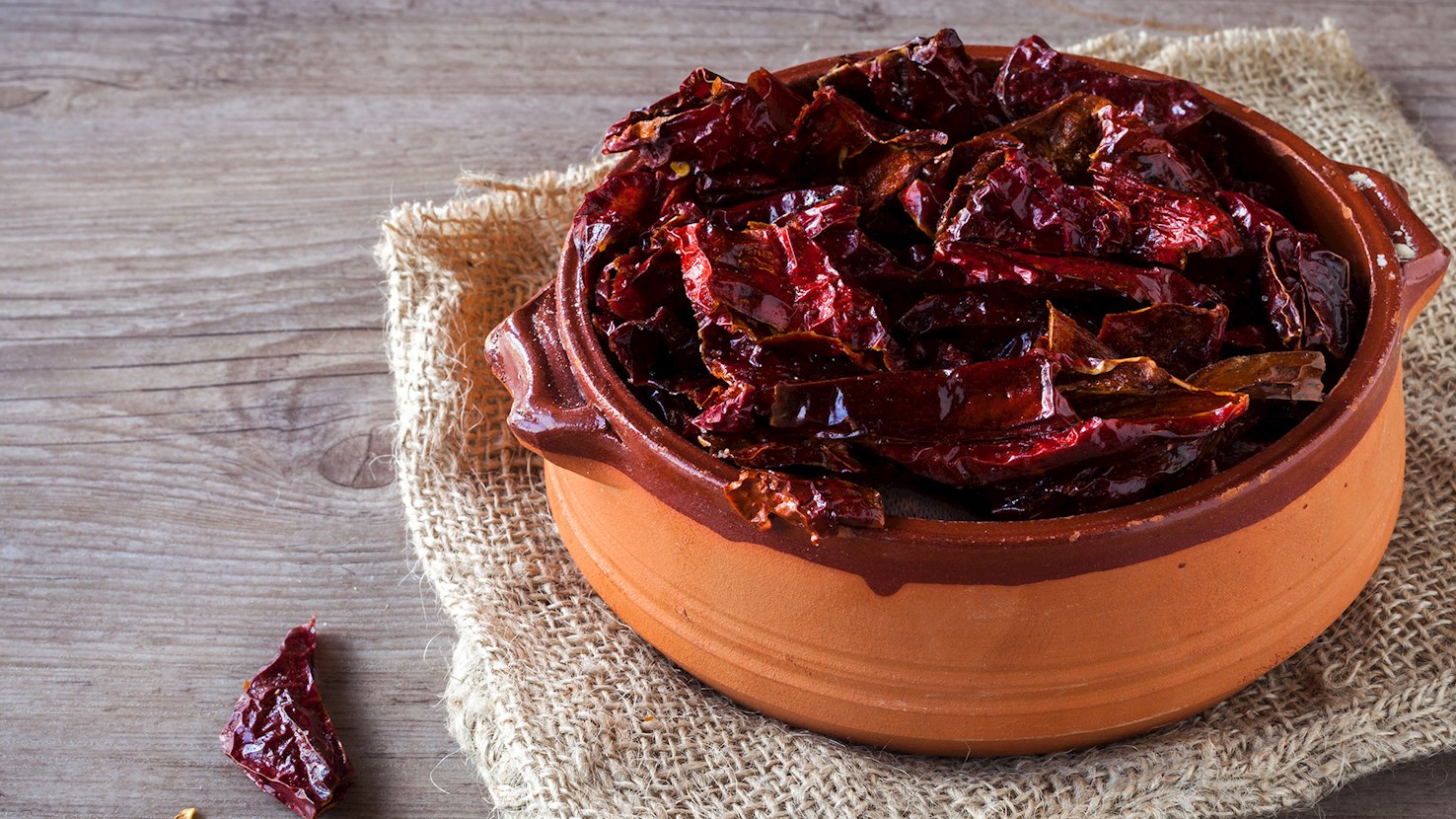
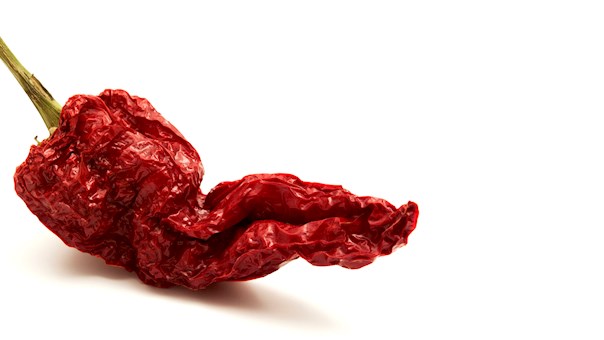
Peperoni cruschi are flakes of crumbled fried heirloom peppers grown around Senise in the Italian region of Basilicata. Small, red, elongated, and slightly curvy Senise peppers have a sweet flavor with only a hint of heat. Due to the fact that these peppers have very little flesh, they are easily preserved by drying in the sun, but their full potential is shown when they're carefully fried in olive oil, salted, then broken into crispy flakes full of flavor. Peperoni cruschi can be enjoyed on their own, as a crunchy side dish, or used as a flavor enhancer, sprinkled over vegetables, frittatas, or pasta.

08

Zucca Mantovana

3.7 ·

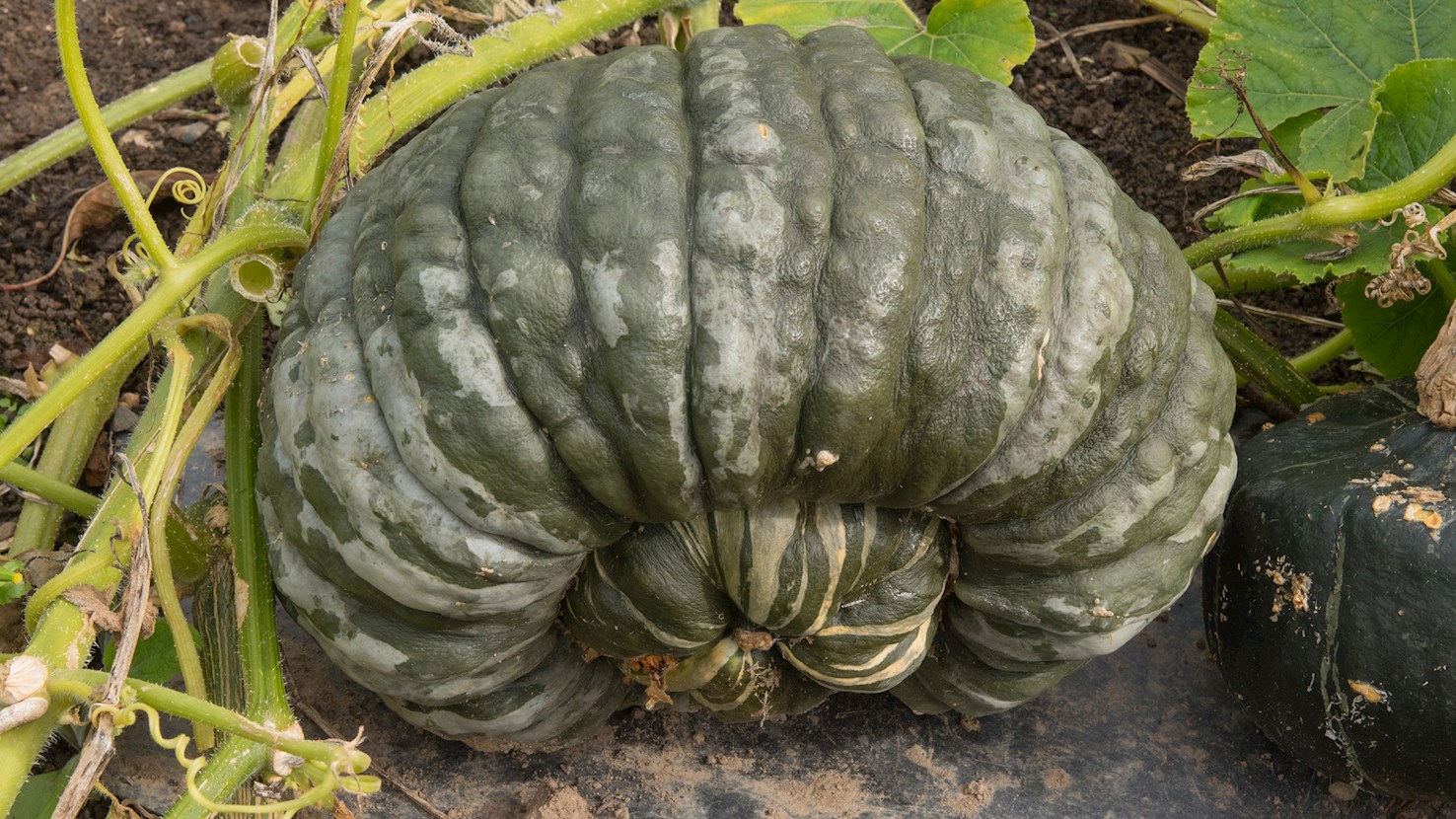
The historic city of Mantua, located in Lombardy's southeastern corner is famous for its pumpkins – you can find zucca of every size, shape, and color there. The Marina di Chioggia variety is round with flattened top and bottom, wrinkled skin, and greyish-green color, and due to its sweet and compact pulp, it is often considered to be the best among edible pumpkins. The Americana and Violino are also very popular, but the most typical and popular variety is the turban-shaped Capello del Prete (lit. priest's hat), with a sweet, bright orange pulp. In Italy, pumpkins are harvested from April to August, then left in the sun to mature. Commonly enjoyed in autumn, pumpkin is the undisputed star of local gastronomy, used in both savory and sweet dishes. Literary every part of the plant is edible: the flowers, the leaves, the seeds, and the pulp. It can be cooked, grilled, or baked, used in soups, broths, risottos, pasta dishes, cakes, pastries, and even in jams, but the symbol of Mantuan cuisine are definitely the famous tortelli di zucca alla Mantovana – pasta filled with pumpkin pulp, parmesan cheese, mostarda Montovana, and crumbled amaretti biscuits, served in sage butter and sprinkled with locally produced parmesan cheese.

09

Friggitello

3.4 ·

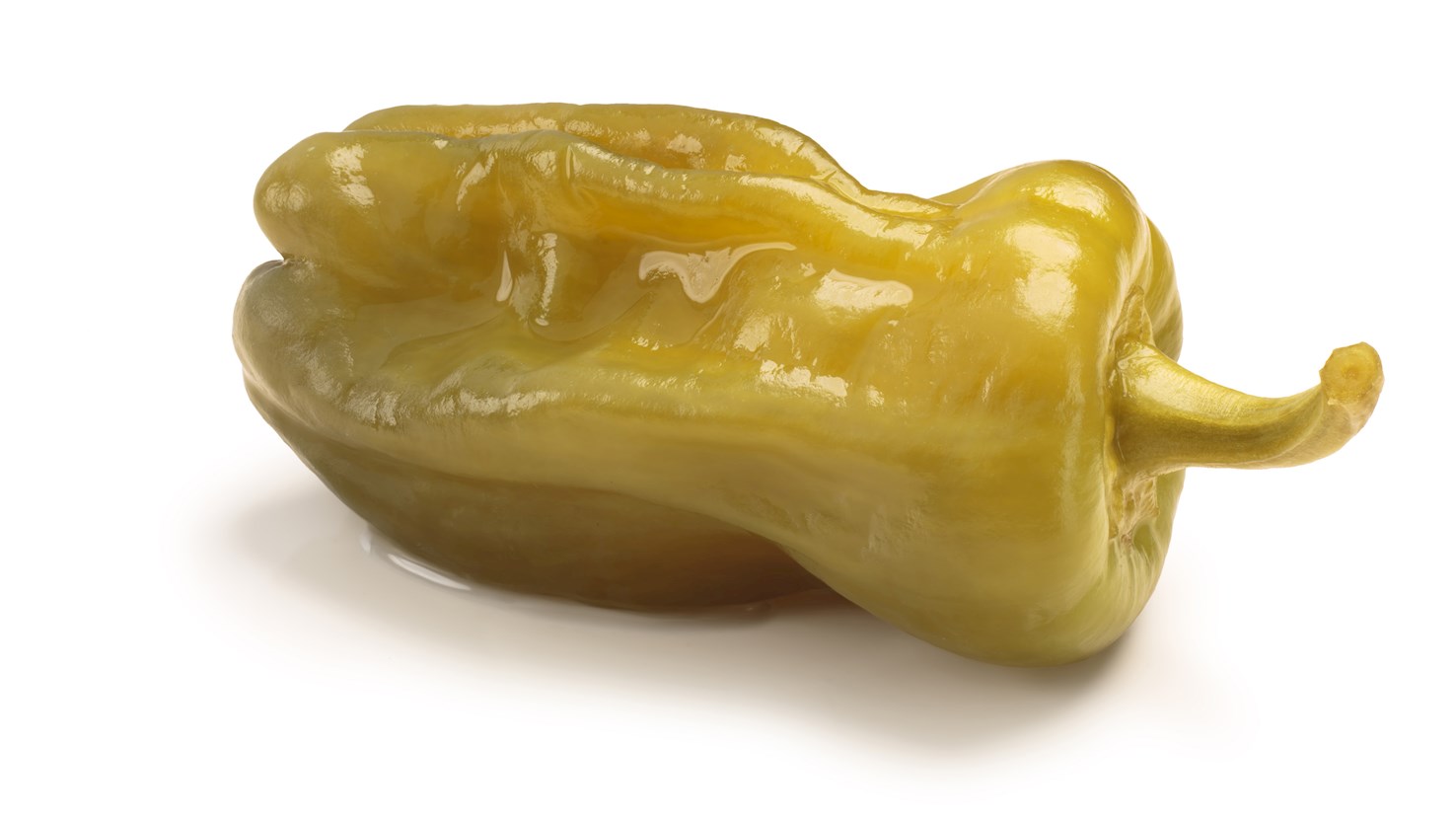
Friggitello is a southeastern Italian pepper variety (Capsicum annuum) that's also known as friarielli, puparulill, or sweet Italian peppers. These peppers are elongated and have a conical shape and thin waxy skin. The flesh is pale green and crisp, while the flavors are slightly sweet with a mild heat. As the pod matures, it turns scarlet red in color. Friggitello peppers are available from late summer through fall, and they're usually sautéed in oil with garlic, basil, and tomatoes. When fresh, these versatile peppers are often used in egg dishes, salads, stews, soups, and casseroles. They can also be stuffed, pickled, or dried.

10

Peperone di Pontecorvo

n/a ·

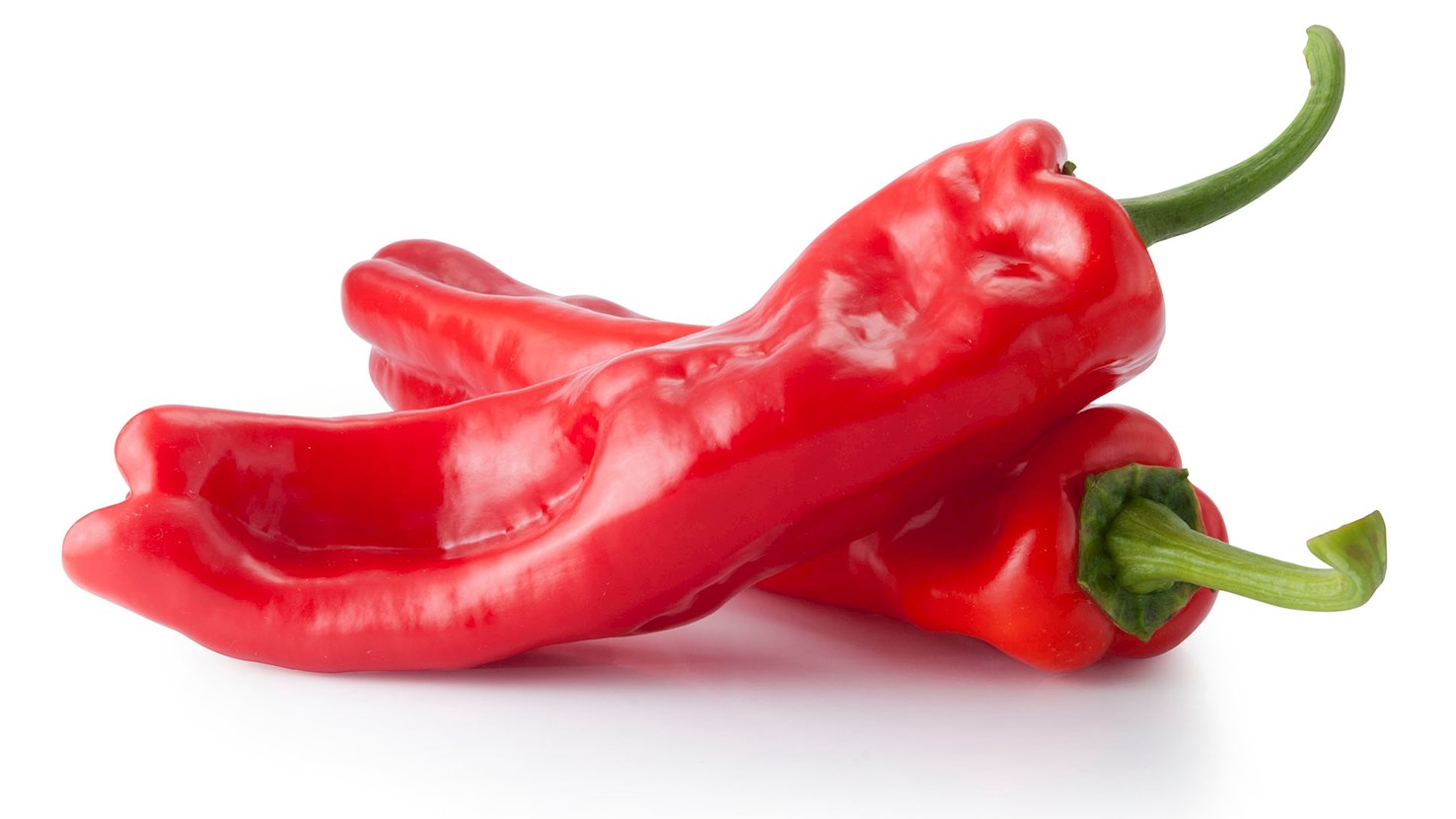
Named after a small town known for its agriculture, Peperone di Pontecorvo is fresh pepper of the Cornetto variety grown within the province of Frosinone. It is distinguished by its sweet flavor, a very thin skin, and delicate flesh. Thinly sliced, Pontecorvo peppers are excellent in various salads, but they're also often grilled or preserved in oil and served with charcuterie and cheeses. For a fancy appetizer, Pontecorvo peppers can be blended into a tapenade and spread over crunchy crostinis or bruschettas.

Best Italian Fruit Vegetables
01

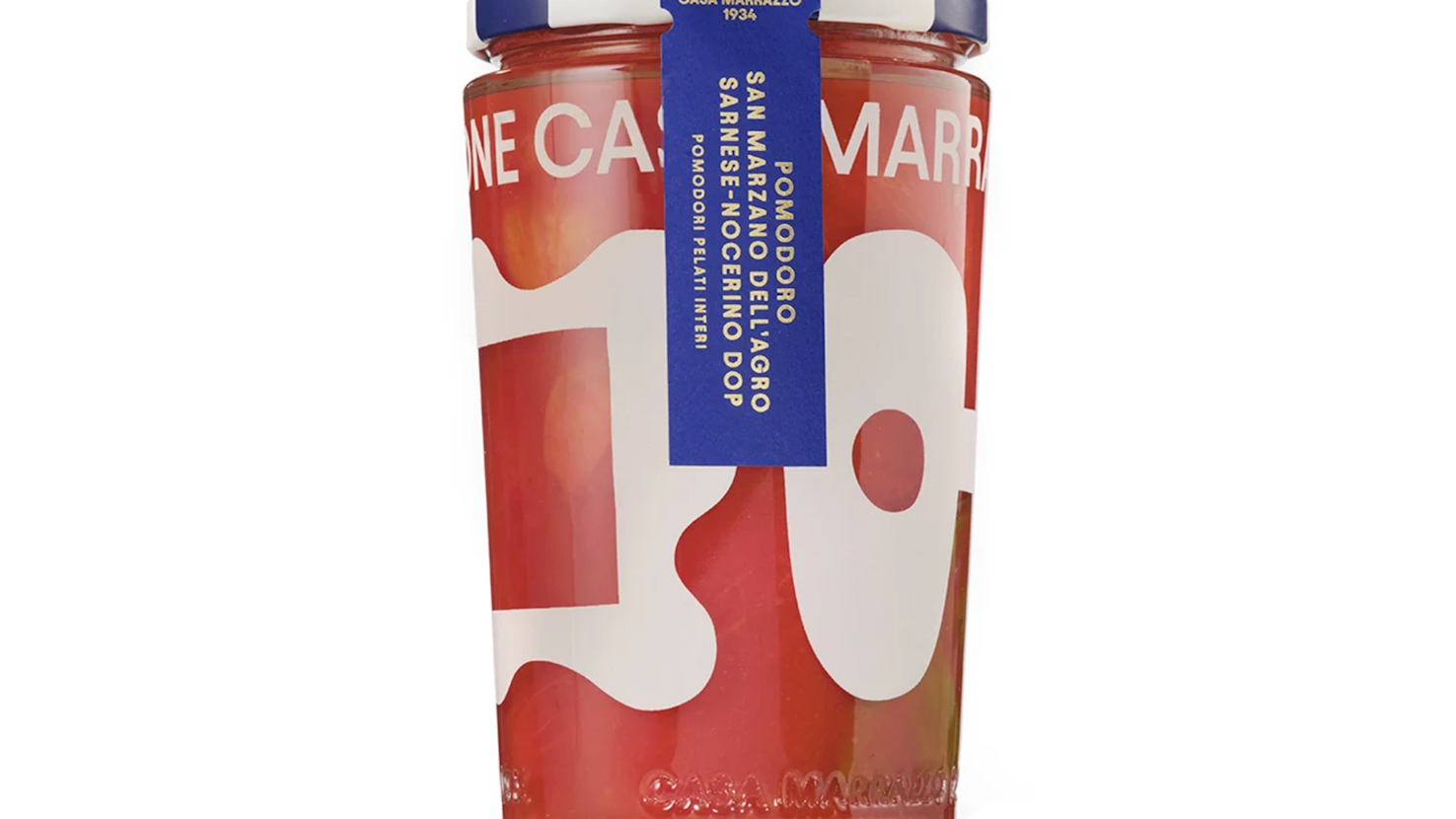
Casa Marrazzo

4.7 ·

Casa Marrazzo is an Italian family-owned producer of artisanal preserved food products based in the town of Pagani in the Campania region, with a heritage dating back to 1934. The company originated from a family farm established by Pasquale Marrazzo in the early 20th century, while in the 1970s his son Carmine expanded the business by developing the production of preserved fruits and vegetables using traditional processing methods. Today, the third generation of the Marrazzo family continues to lead the company, preserving its commitment to authentic Campanian flavors through artisanal production. The product range includes tomatoes and tomato-based products, vegetables preserved in oil and brine, legumes, ready-made sauces, organic products, and other traditional specialties from southern Italy. Casa Marrazzo combines traditional preservation techniques with modern food safety standards, while much of the production process still relies on careful manual handling and meticulous selection of raw ingredients. The brand is particularly recognized for products that reflect the gastronomic heritage of the Agro Sarnese-Nocerino area and the foothills of Mount Vesuvius, with a strong emphasis on authenticity and the origin of its ingredients.

02

Solania

4.7 ·

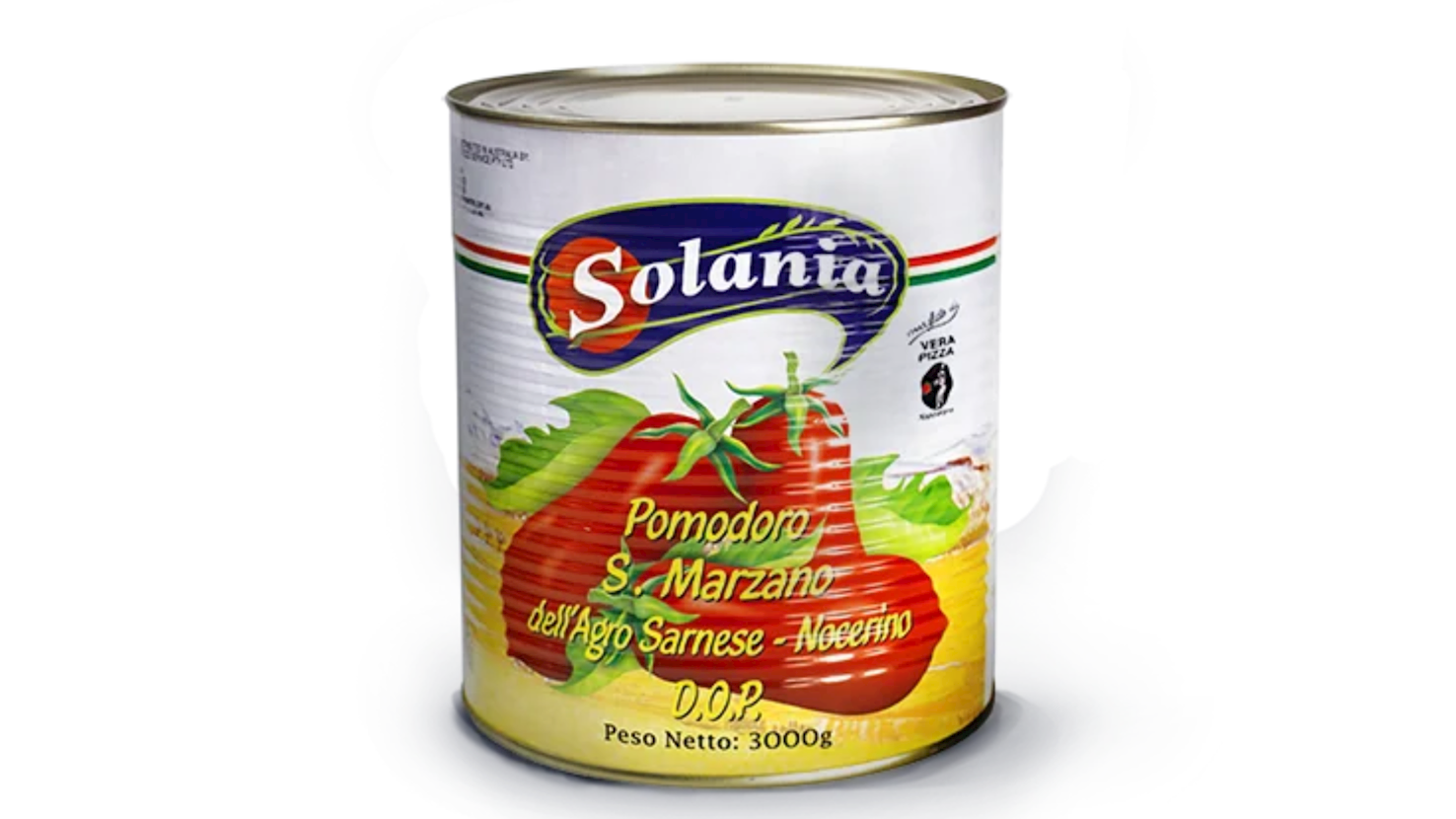
Solania is a family-owned producer of canned tomatoes based in the province of Salerno, in Italy’s Campania region. The Napoletano family, led by Giuseppe, founded the company in 1993 after years of growing and selling fresh tomatoes.

Its flagship product is whole peeled Pomodoro San Marzano dell’Agro Sarnese-Nocerino PDO. Solania oversees production from seed to can. After harvest, the tomatoes are sorted, briefly blanched, peeled, and sorted again before packing. The range also includes peeled yellow tomatoes, tomato pulp, passata, datterini and ciliegini tomatoes, and ready-to-use sauces.

Solania supplies retailers and foodservice businesses in Italy and exports to markets including the United States, Japan, and Australia, both under its own brands and for private-label customers. Through its Il Mio San Marzano project, restaurants and pizzerias can choose a plot, follow production from sowing to harvest, and receive the finished product with their own label.

03

Gustarosso

n/a ·

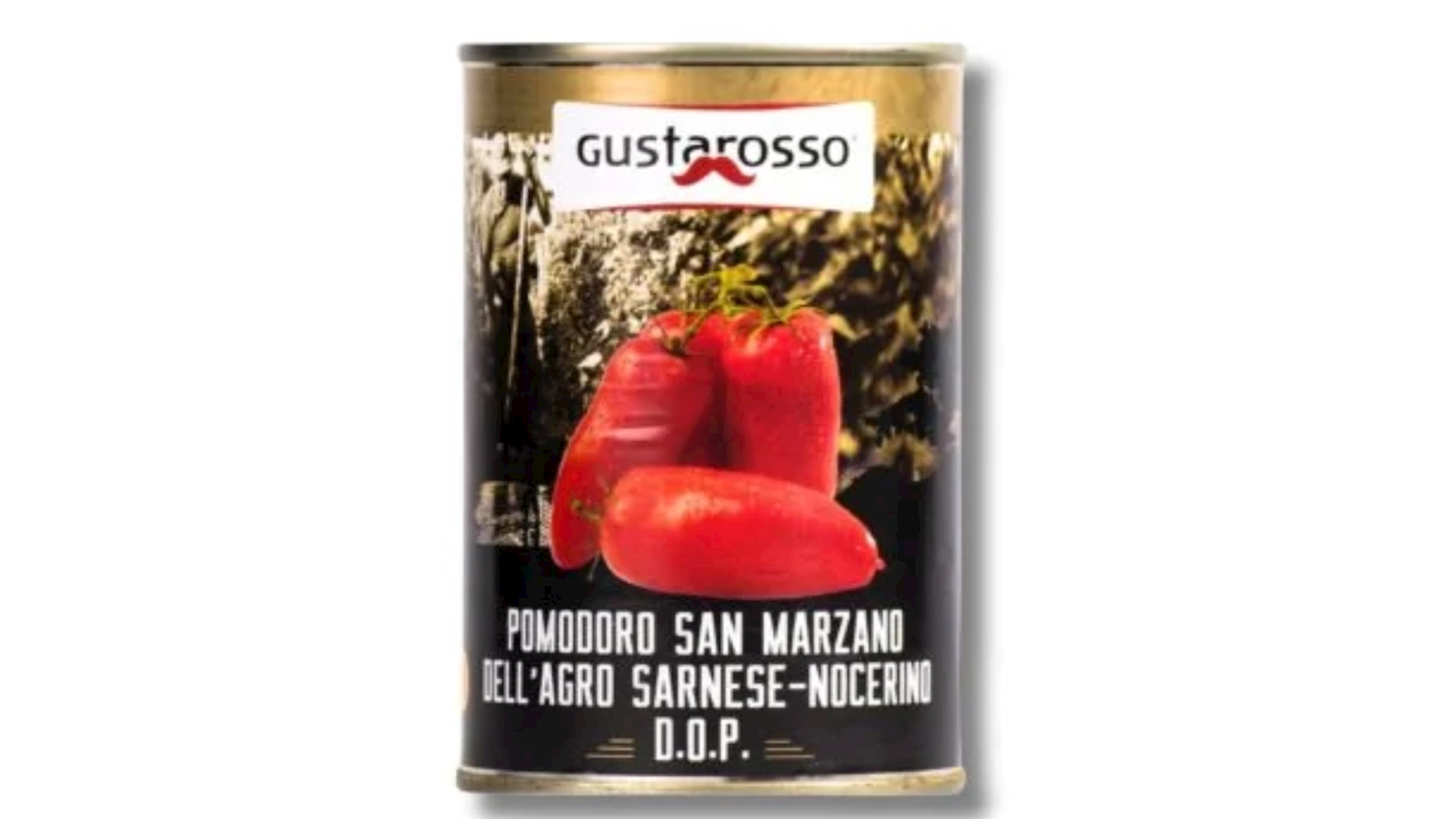
Gustarosso is an Italian producer of tomato products and the flagship brand of DaniCoop Società Cooperativa Agricola, based in Sarno, Campania, in the heart of the Agro Sarnese-Nocerino area. The cooperative was founded in 1995 with the aim of bringing together local farmers and preserving the traditional cultivation of tomatoes native to this region. Today, it brings together more than 200 growers who cultivate a range of tomato varieties, including Pomodoro San Marzano dell'Agro Sarnese-Nocerino DOP, within a strictly controlled and fully traceable production chain. The company works exclusively with growers from Campania, where tomatoes are harvested by hand at peak ripeness and processed shortly after harvest to preserve their natural flavor, aroma, and nutritional qualities. Its product range includes peeled tomatoes, tomato passata, cherry tomatoes, tomatoes in juice, tomato concentrates, and other tomato-based products intended for both home cooking and professional gastronomy.

About this Ranking

TasteAtlas food rankings are based on the ratings of the TasteAtlas audience, with a series of mechanisms that recognize real users and that ignore bot, nationalist or local patriotic ratings, and give additional value to the ratings of users that the system recognizes as knowledgeable.

TasteAtlas Rankings should not be seen as the final global conclusion about food. Their purpose is to promote excellent local foods, instill pride in traditional dishes, and arouse curiosity about dishes you haven’t tried.

The initial list of top producers was compiled based on available reviews, awards, local recommendations, media and blog coverage, and consumer reviews. The list will be updated with ratings from TasteAtlas local ambassadors and TasteAtlas users.

What People Say

Similar Lists