shutterstock

Top 6 Venetian Fruits

Last updated on June 01, 2026

Best Venetian Fruits
01

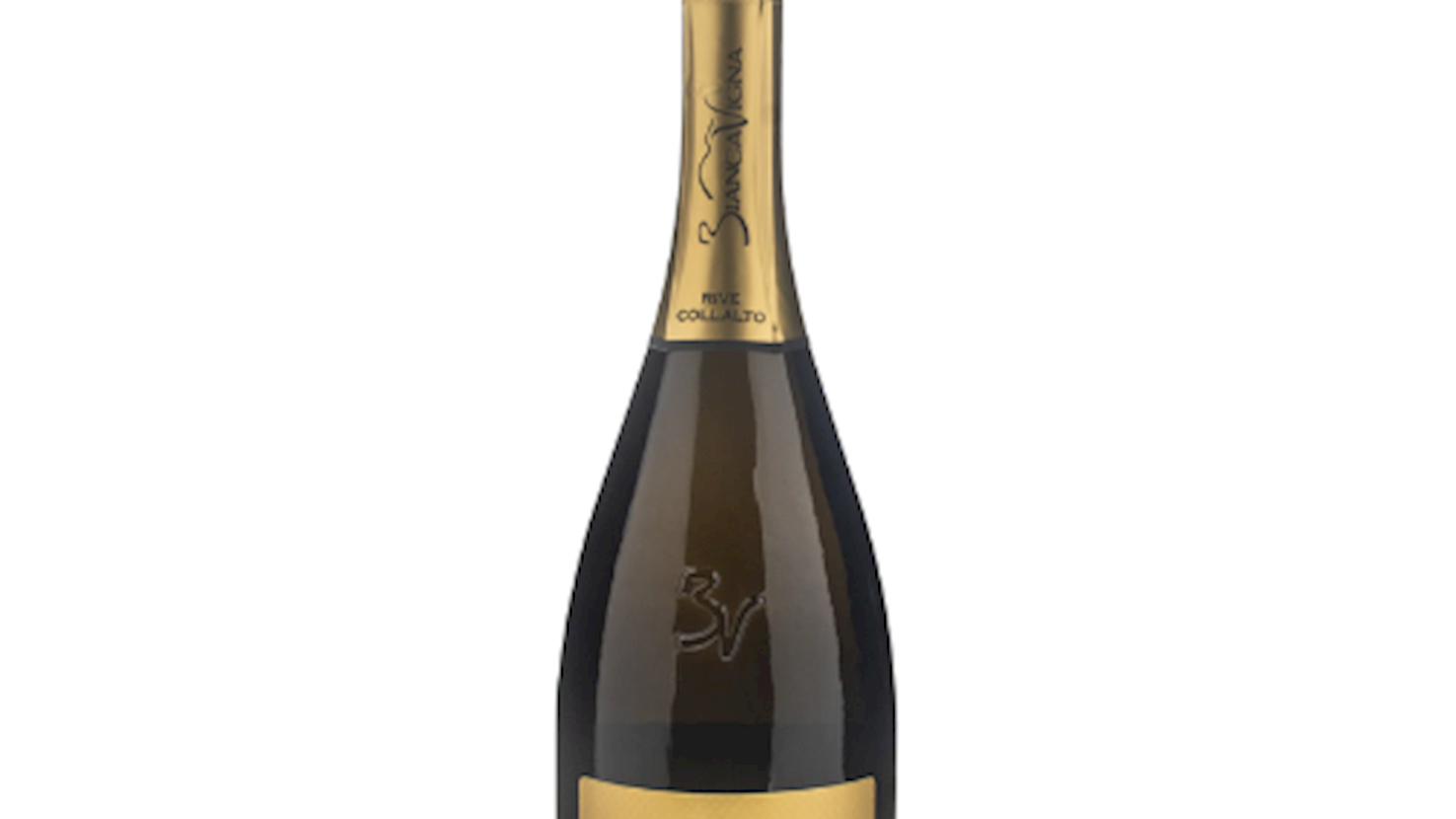
BiancaVigna

4.9 ·
BiancaVigna is a family-run winery located in the Conegliano Valdobbiadene area of Veneto, founded in 2004 by Elena and Enrico Moschetta on the basis of a long-standing family tradition in viticulture dating back to the early 20th century. Its vineyards are spread across steep, hillside sites such as Ogliano, Soligo, San Gallo, and Collalto, all within the Conegliano Valdobbiadene Prosecco Superiore DOCG zone, allowing each wine to reflect specific microclimatic and soil conditions. Production focuses primarily on Glera, with an emphasis on precision in both vineyard management and winemaking to preserve freshness, clarity of fruit, and refined mousse. BiancaVigna places strong importance on sustainability, applying integrated vineyard management practices, with part of the range certified organic. The winery itself is designed according to CasaClima Wine standards, prioritizing energy efficiency and reduced environmental impact. The style of the wines is clean and contemporary, marked by elegant aromatics of pear, apple, and subtle floral notes, balanced by vibrant acidity and a mineral-driven finish. Alongside classic expressions, the estate produces “Rive” bottlings that highlight the distinct identity of individual vineyard sites.
Awards
IWSC- International wine & spirit competition - Gold (2023, 2022)
Vivino - 3.7
02

Adami

4.1 ·
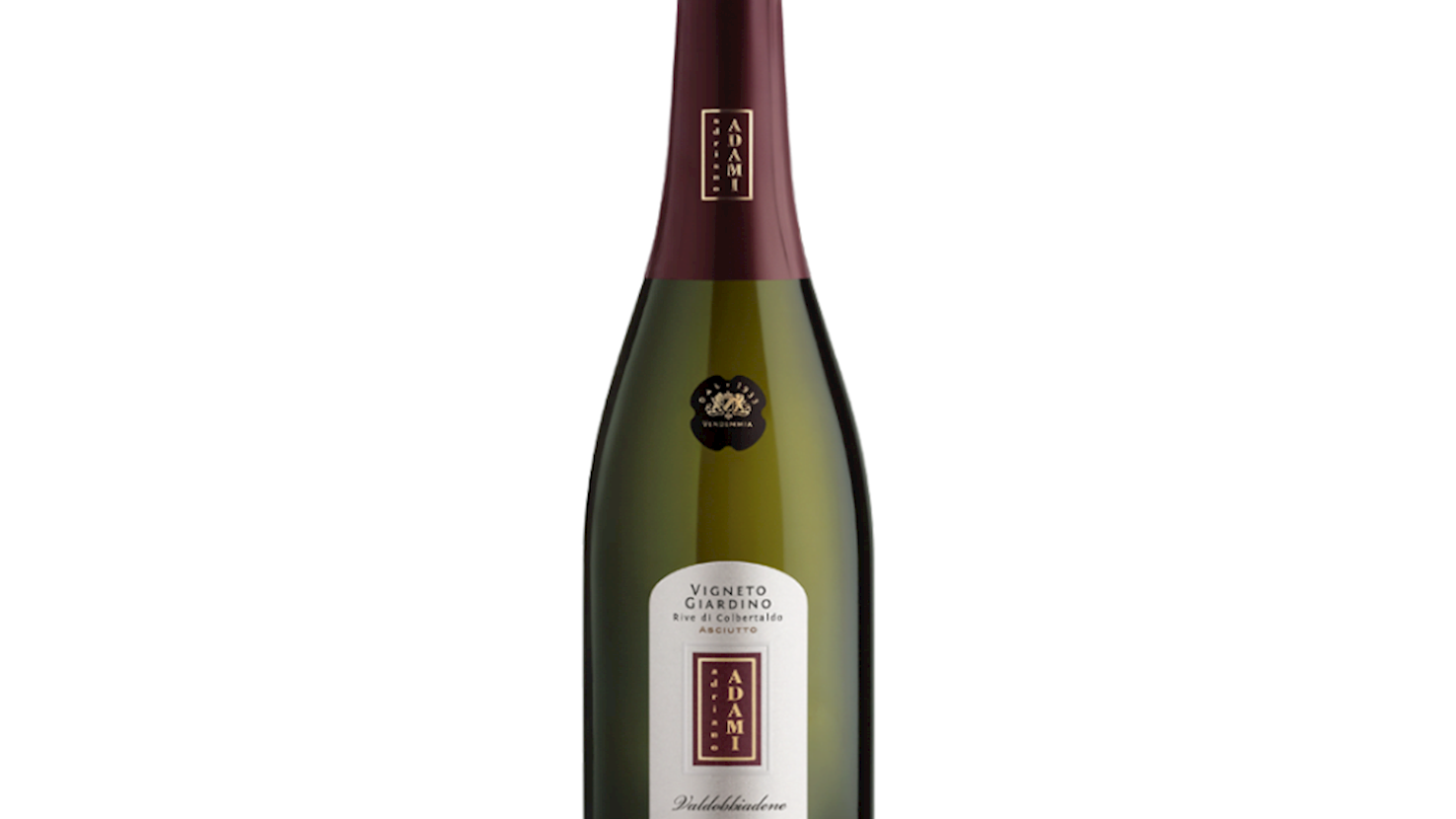
Adami is a renowned family-owned winery based in Valdobbiadene, in the Veneto region of Italy, dedicated for over a century to the production of premium Prosecco Superiore DOCG wines. The winery was founded in 1920 by Abele Adami, who purchased the historic Vigneto Giardino vineyard in Colbertaldo. In 1933, Abele presented the first single-vineyard Prosecco at a national wine exhibition in Siena, laying the foundation for the production of wines with clearly defined origin and identity. Today, the winery is managed by the third and fourth generations of the Adami family – Armando and Franco, along with their successors – who continue the tradition while incorporating modern enological techniques. Adami owns and cultivates approximately 50 hectares of vineyards, some of which are family-owned and others managed in partnership with local growers. The vineyards are located on the steep hillsides of Valdobbiadene, benefiting from diverse microclimates and soil types, which contribute to the production of wines with distinct character and complexity. Adami is a symbol of high-quality Prosecco, built on deep respect for tradition and a continuous drive for innovation. Their wines faithfully express the terroir of Valdobbiadene and the Adami family's commitment to excellence in every aspect of winemaking.
Awards
Vivino - 3.9
03

Nino Franco

4.1 ·
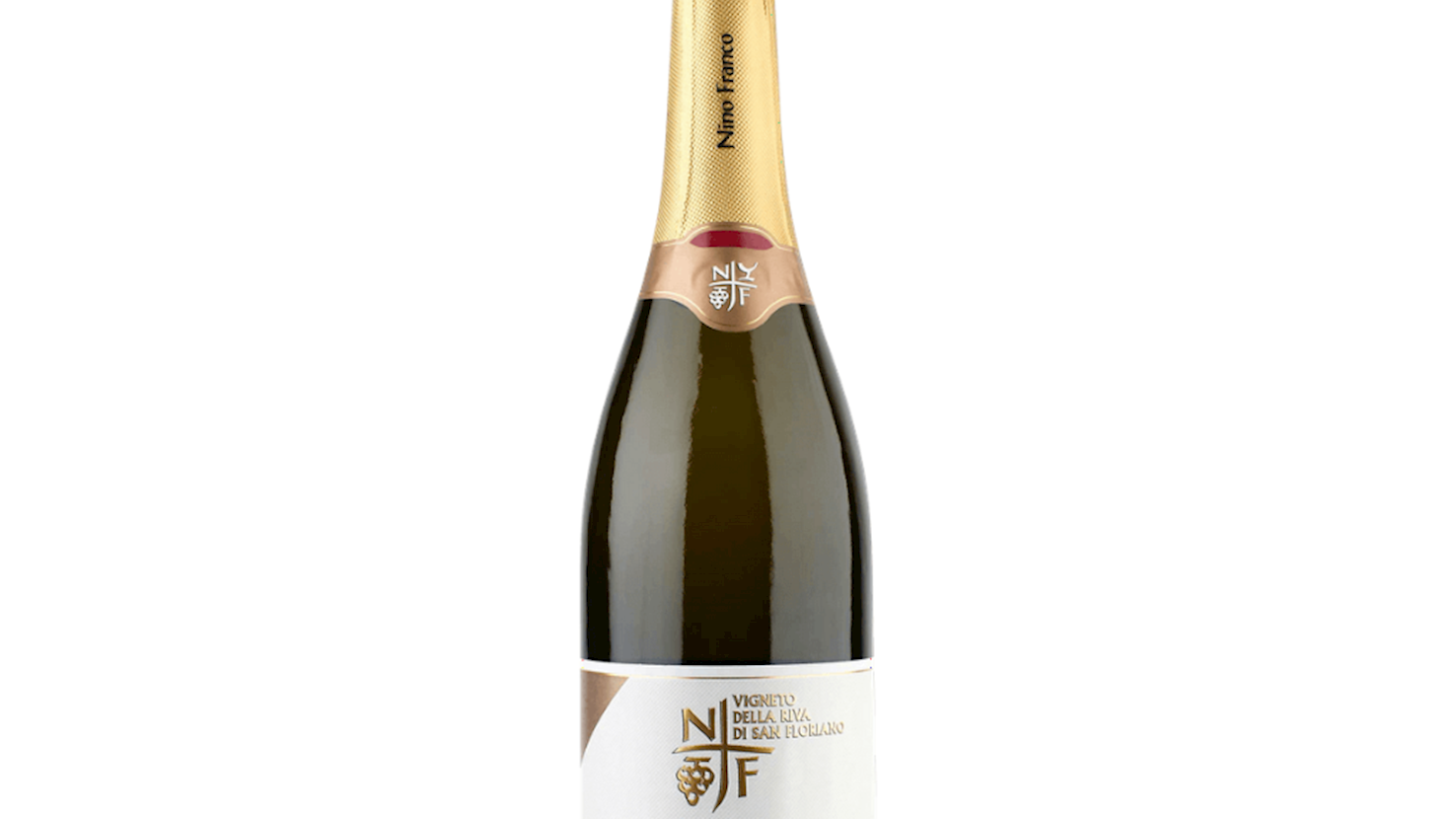
In the heart of Valdobbiadene, one of the most prestigious winegrowing regions in northern Italy and a protected designation of origin for Prosecco Superiore DOCG, the story of Nino Franco has been unfolding for over a century. Founded in 1919 by Antonio Franco, this family-run winery not only stands at the very foundation of prosecco tradition but also redefines its modern, sophisticated expression. Today, the winery is led by Primo Franco, the third generation of the family, whose work in the 1980s was instrumental in modernizing the entire prosecco sector. He was among the first to recognize the importance of vineyard identity and bottle quality over soulless mass production. Under his leadership, Nino Franco has become a winery that blends technical precision with emotional authenticity. Their wines are made exclusively from the Glera grape variety, hand-harvested from the steep slopes of Conegliano-Valdobbiadene, and vinified with remarkable care to preserve the natural aromatic profile and minerality. Today, the winery combines a craft-based approach with modern technology, and every step - from vineyard to bottle - is guided by a deep respect for the land, for time, and for heritage.
Awards
Vivino - 3.8

Best Venetian Fruit Types

01

Corvina

3.7 ·

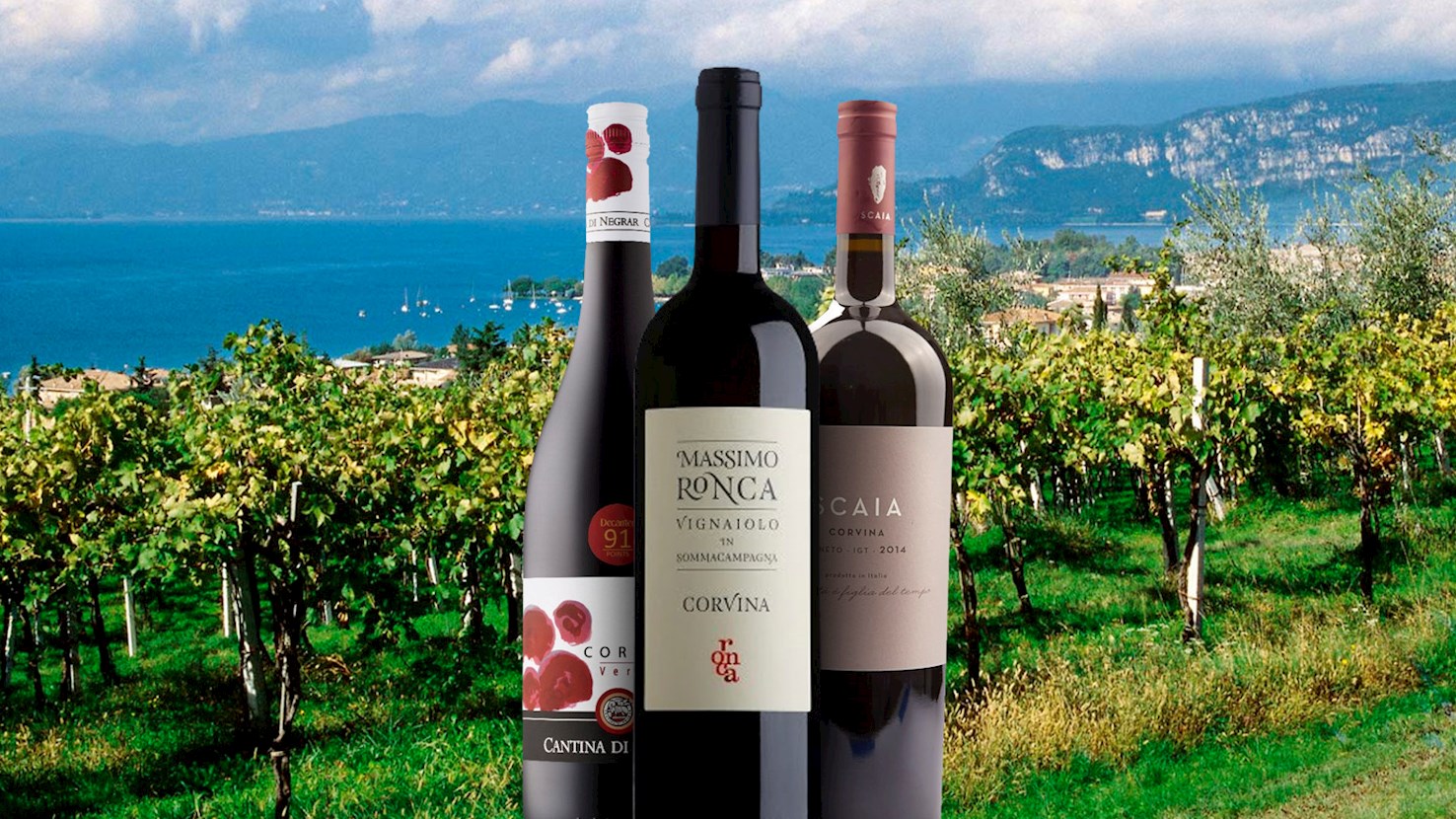
Corvina is an Italian red grape variety that is mostly planted in Veneto. This thick-skinned red grape is best known as the backbone of many blends such as Valpolicella and Bardolino. Dried Corvina grapes are used for the production of dense and rich Amarone della Valpolicella and a local dessert wine Recioto della Valpolicella. Varietal Corvina wines are mostly used in IGT (Indicazione Geografica Tipica) designations. Corvina usually produces light to medium-bodied wines that typically have bright acidity, floral and cherry aromas, and nutty nuances reminiscent of almonds. Dry varietals and blends made with Corvina will usually pair well with meat sauces, risottos, aged cheese, and various types of meat dishes.

02

Pesca di Verona

n/a ·

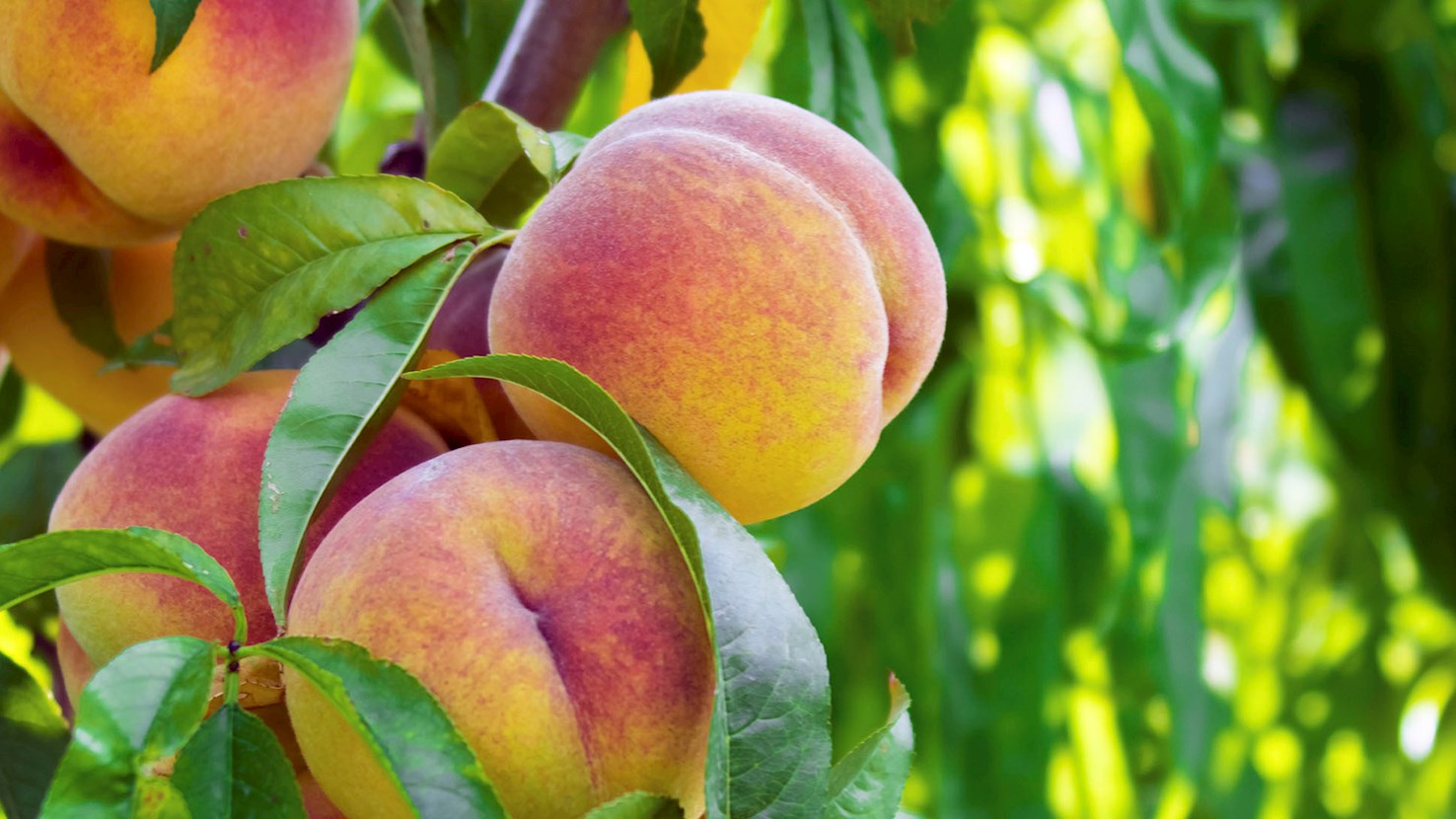
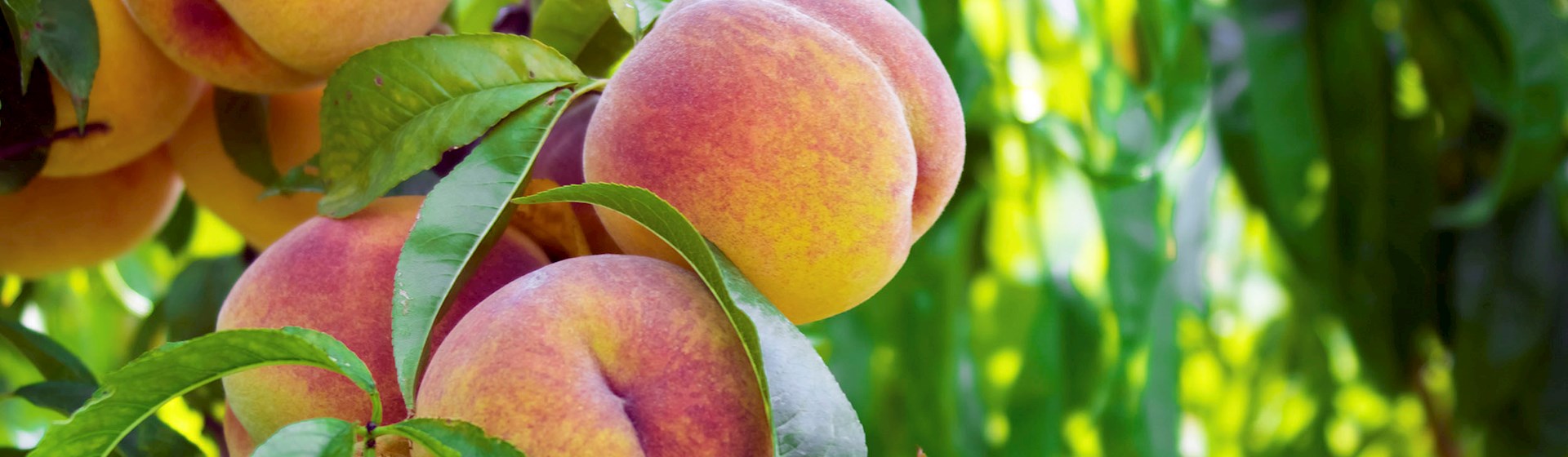
Named after its province of origin, Pesca di Verona refers to fresh peaches of the following varieties: Polpa Bianca (white fleshed), Polpa Gialla (yellow fleshed) and Nettarina a Polpa Gialla (yellow fleshed nectarine). Grown in the fertile plains around Lake Garda, Verona peaches are characterized by their juicy flesh and a well-balanced, sweet to slightly sour flavor. The refreshing and thirst-quenching properties of Verona peaches make them a perfect summer fruit. They can be enjoyed fresh in various fruit salads or used for preparing a number of different desserts, ice-creams, jams and preserves.

03

Ciliegia di Marostica (Marostica cherries)

n/a ·

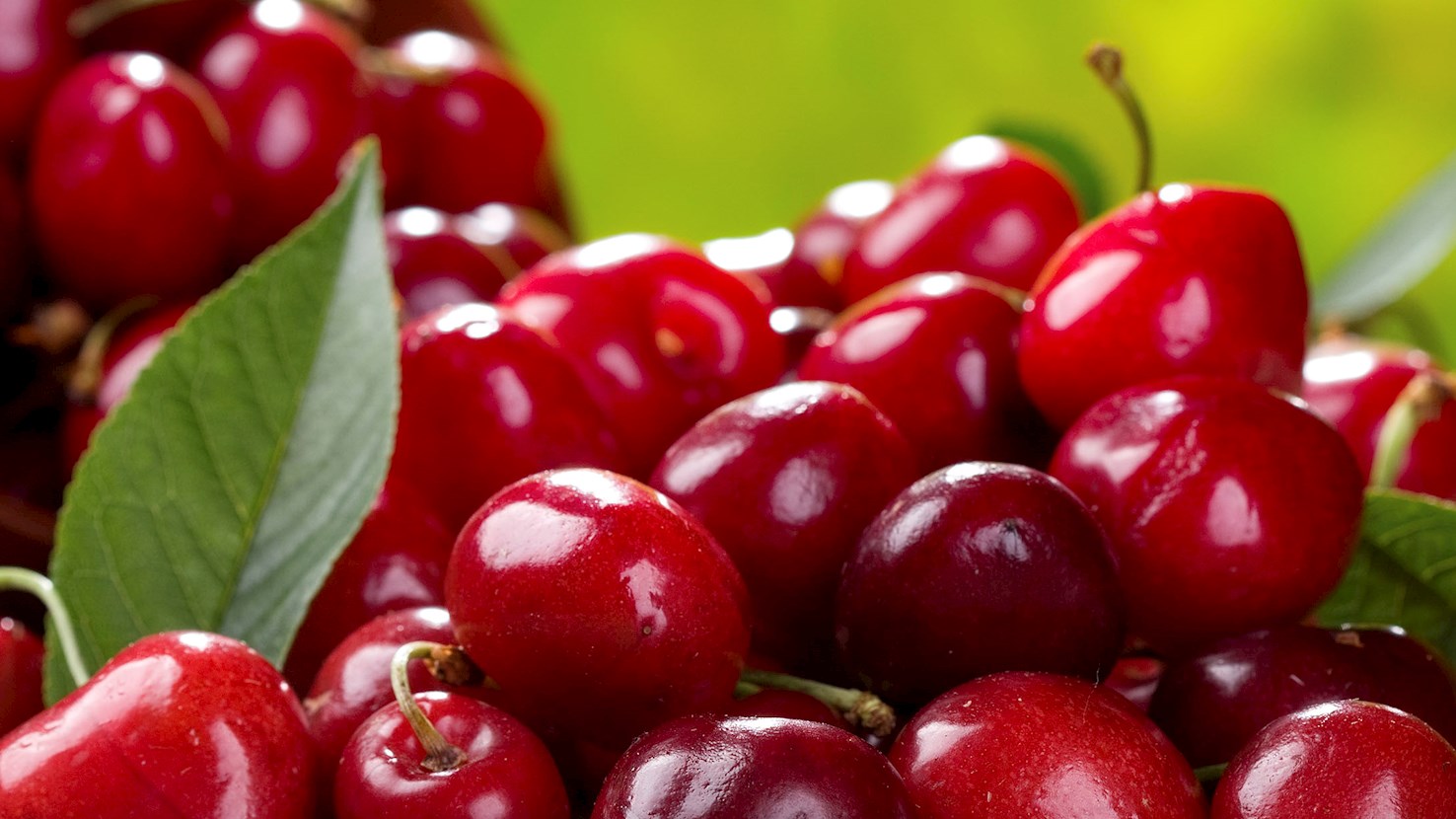
Found almost exclusively in hilly areas with fertile soil rich in potassium, Marostica cherries are grown in Veneto's province of Vicenza. The juicy Ciliegia di Marostica is packed with vitamins, polyphenols and sugars, and thus highly prized from a nutritional point of view. Depending on the variety, the color of Marostica cherries ranges from flame red to crimson. Even though fresh cherries make for an excellent snack, Marostica cherries are often used for preparing various jams, liquors and desserts such as Bavarian cream. Also, they go particularly well with grappa and cherry or red wine.

04

Glera

n/a ·

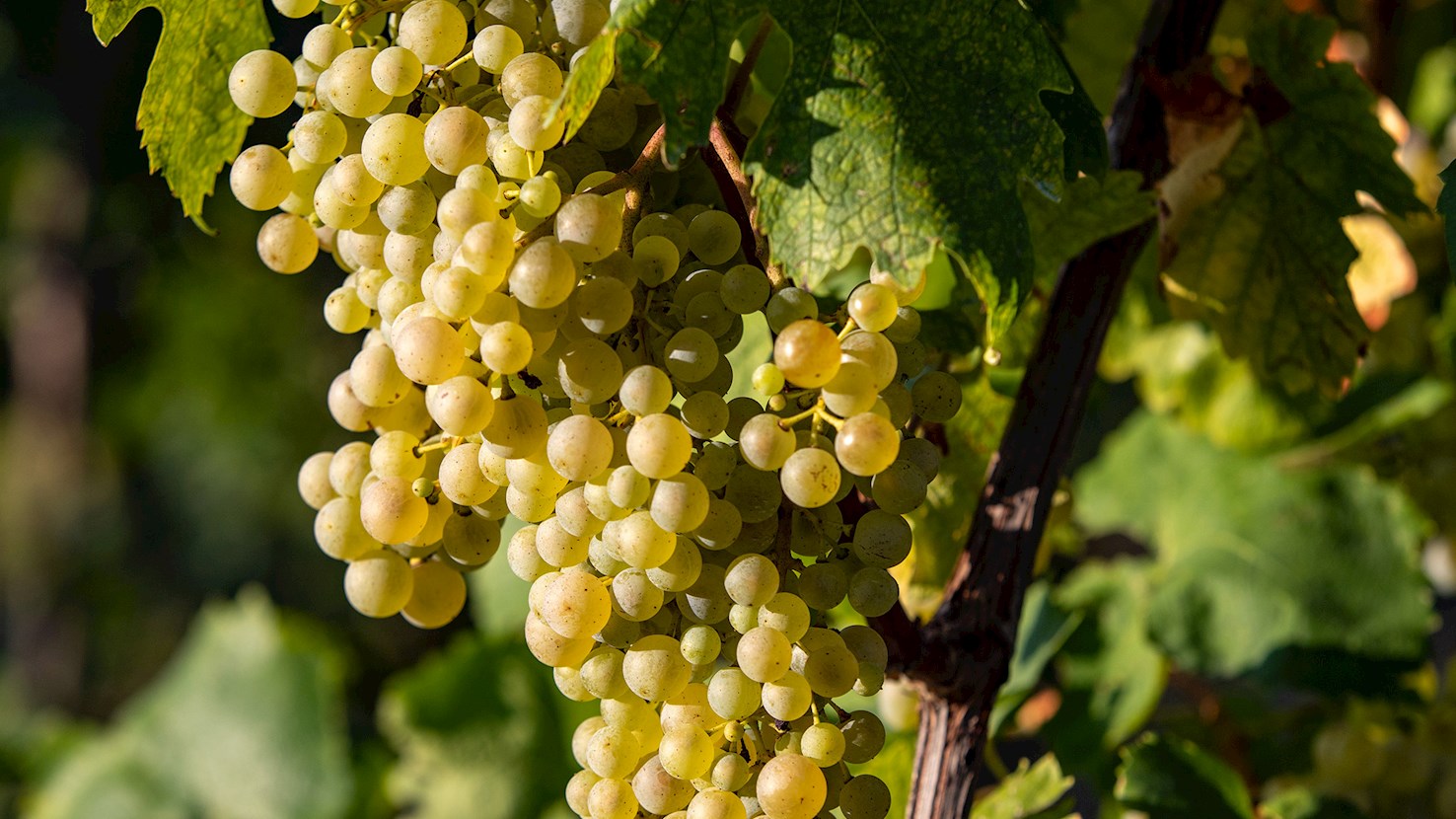
Glera is a variety of white grape of Italian origin, cultivated probably some 2,000 years ago during the Roman times. Glera is a key grape in the production of the Italian sparkling wine Prosecco, an internationally recognized wine with a Protected Designation of Origin status. The majority of Glera grapes are grown in the Prosecco region of Italy, which encompasses areas in the Veneto and Friuli Venezia Giulia regions. The name change from Prosecco to Glera was to help protect the Prosecco wine designation and to ensure that only sparkling wines produced in the specific Prosecco regions could be labeled as Prosecco. Therefore, wines made from the Glera grape but produced outside the Prosecco region must use the grape's name, Glera, rather than the Prosecco designation. Glera grapes are known for producing wines with high acidity, light floral aromas, and flavors of green apple, pear, and white peach. When used in Prosecco, they are typically processed using the Charmat method, where the secondary fermentation that gives the wine its bubbles happens in large steel tanks, making Prosecco fresher, lighter, and more fruit-forward compared to its French cousin, Champagne, which undergoes secondary fermentation in the same bottle that reaches the consumer.

05

Garganega

n/a ·

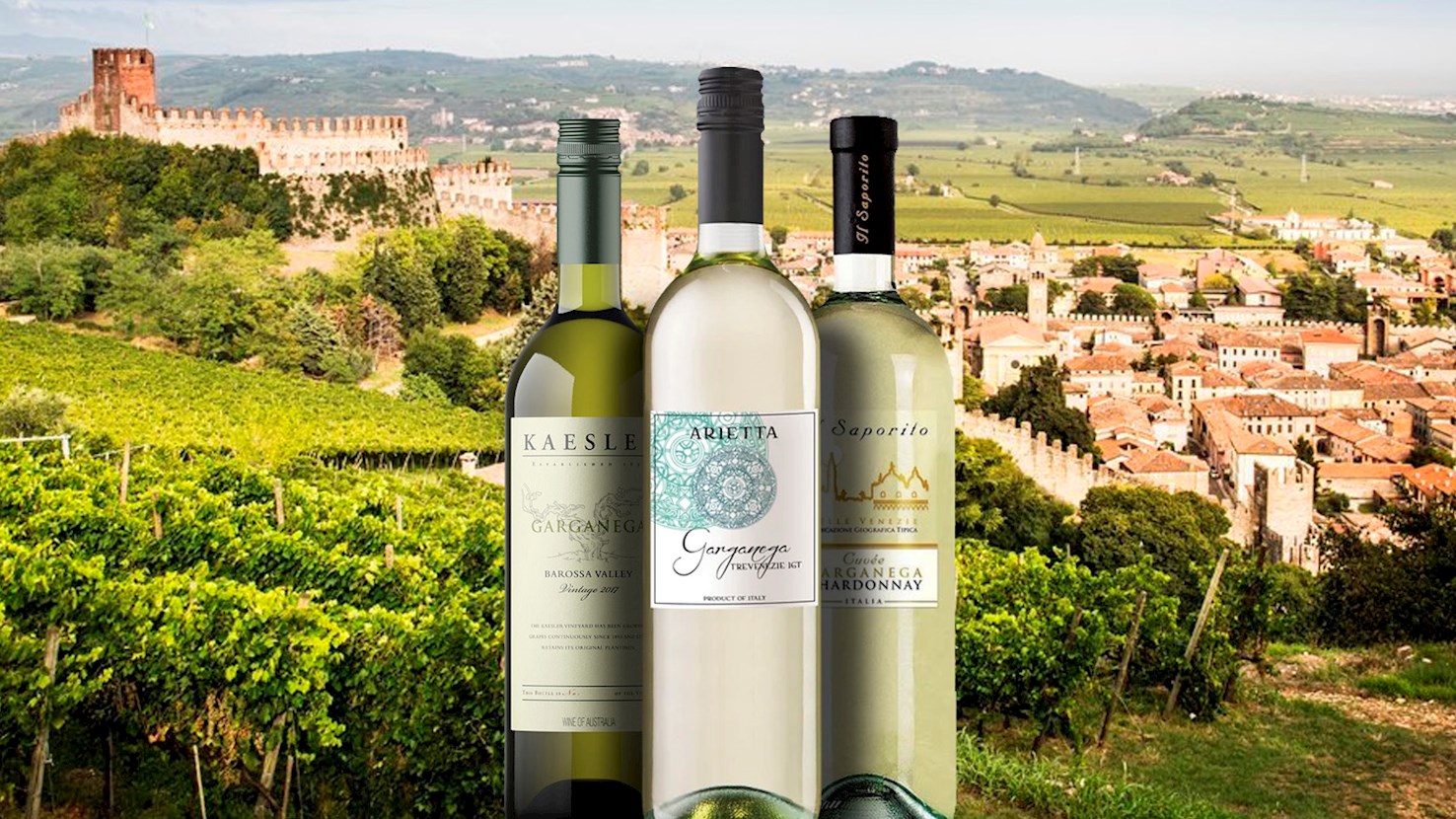
Garganega is one of the oldest and the most important grape varieties in Italy. It is planted in different regions, but its foreground is in Veneto, where it is used in the production of Gambellara DOC and the renowned Soave wines—both in DOC appellation and the somewhat superior Soave Classico DOCG. Garganega is quite versatile, and though it is mostly made into dry white wines, it is also used in the production of dessert and sparkling styles. Garganega-based wines are usually straw yellow, but their color may become more intense with age. Dry wines mostly display aromas of flowers, apples, and almonds, while dessert styles typically include notes reminiscent of honey and dried fruit. Dry Garganega wines can be enjoyed as an aperitif, but they also pair well with seafood, white meat, risottos, vegetable-based dishes, and fresh cheese.

06

Oseleta

n/a ·

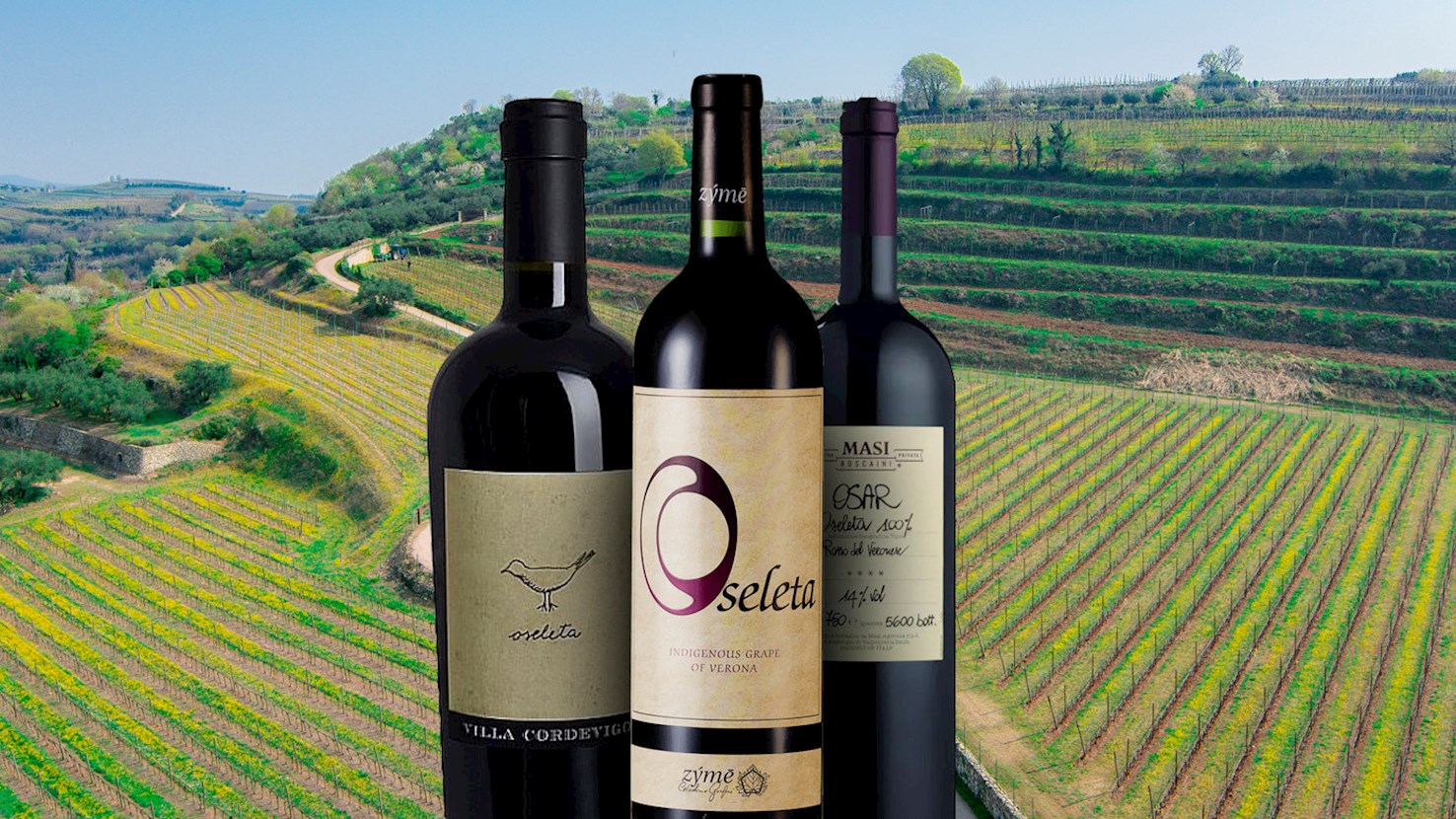
Oseleta is one of the ancient, almost extinct Italian grapes that was reintroduced in the 1970s. This red grape is native to Verona, where it was mainly used in local red blends to add structure and color. Although still rare, some producers use it to produce unique varietal wines. These wines have deep ruby, almost purple color. They have an intense aroma reminiscent of ripe red and dark berries, along with some herbal and mineral nuances. On the palate, they are tannic, fruity, and spicy. Not much is known about Oseleta’s origin. It has been proven that it is related to Corvina Veronese and Rondinella, two flagship regional varieties. It is sometimes suggested that it might have been domesticated from wild grapes. Due to low yields, Oseleta is still rarely cultivated. Oseleta wines are best paired with game and aged cheese.

Read more
View all
View map
About this ranking

TasteAtlas food rankings are based on the ratings of the TasteAtlas audience, with a series of mechanisms that recognize real users and that ignore bot, nationalist or local patriotic ratings, and give additional value to the ratings of users that the system recognizes as knowledgeable. For the “Top 6 Venetian Fruits” list until June 01, 2026, 30 ratings were recorded, of which 17 were recognized by the system as legitimate. TasteAtlas Rankings should not be seen as the final global conclusion about food. Their purpose is to promote excellent local foods, instill pride in traditional dishes, and arouse curiosity about dishes you haven’t tried.

The initial list of top producers was compiled based on available reviews, awards, local recommendations, media and blog coverage, and consumer reviews. The list will be updated with ratings from TasteAtlas local ambassadors and TasteAtlas users.

Similar lists