Prolactine France is a cheese producer based in Chambéry. The company specializes in the production and distribution of various types of French cheeses. They operate within the dairy industry, focusing on quality and traditional cheese-making methods.
Awards
World Cheese Awards - Super Gold
(2024, 2022, 2021)
Culture Cheese Magazine Best Cheeses issue - Best
(2023)
Mons Fromager Affineur is a renowned family-owned company based in the Auvergne-Rhône-Alpes region of France, with roots dating back to the 1960s when it was founded by the Mons family. Today, it is led by Hervé Mons, a respected cheese expert and recipient of the prestigious Meilleur Ouvrier de France title, who, together with his brother Laurent, continues the family’s legacy of excellence in the world of cheese. The company collaborates with over 130 local milk producers, fostering long-term, trust-based relationships grounded in quality, sustainability, and respect for geographical origin. Production takes place in two modern dairies that combine traditional craftsmanship with contemporary hygiene and technological standards, with particular emphasis placed on preserving natural processes and authentic flavors. Their aging facilities are a vital part of flavor and texture development, where cheeses mature for months under constant care and supervision. Mons distributes its products to more than 30 countries, including the United States, Japan, Sweden, and Canada, establishing itself as a global ambassador of French cheesemaking artistry.
Fromagerie Guilloteau, located in Pélussin, France, is a cheese producer established in 1981 by Jean-Claude Guilloteau. The company is notable for using ultrafiltration methods in cheese production, a technique that retains more nutrients and proteins in the cheese. They produce a variety of soft cheeses, including the popular Saint Angel and Florette.
Fromageries Paul Dischamp is a family-owned creamery based in the Auvergne region of France, producing and aging traditional cheeses with Protected Designation of Origin (AOP) status since 1911. The company began by aging Saint-Nectaire cheese in cellars rich in volcanic stone, which contributed to the development of unique aromas.
It combines traditional methods with modern technologies. Today, the third generation of the family, Jean-Luc Dischamp, continues the legacy. Their production facilities in Saint-Flour and Saint-Nectaire focus on the crafting and aging of cheeses such as Cantal, Saint-Nectaire, Bleu d’Auvergne, and Fourme d’Ambert.
They place special emphasis on collaborating with local farmers and preserving the regional terroir. Their cheeses are recognized for their high quality and authenticity, making them a favorite among cheese lovers.
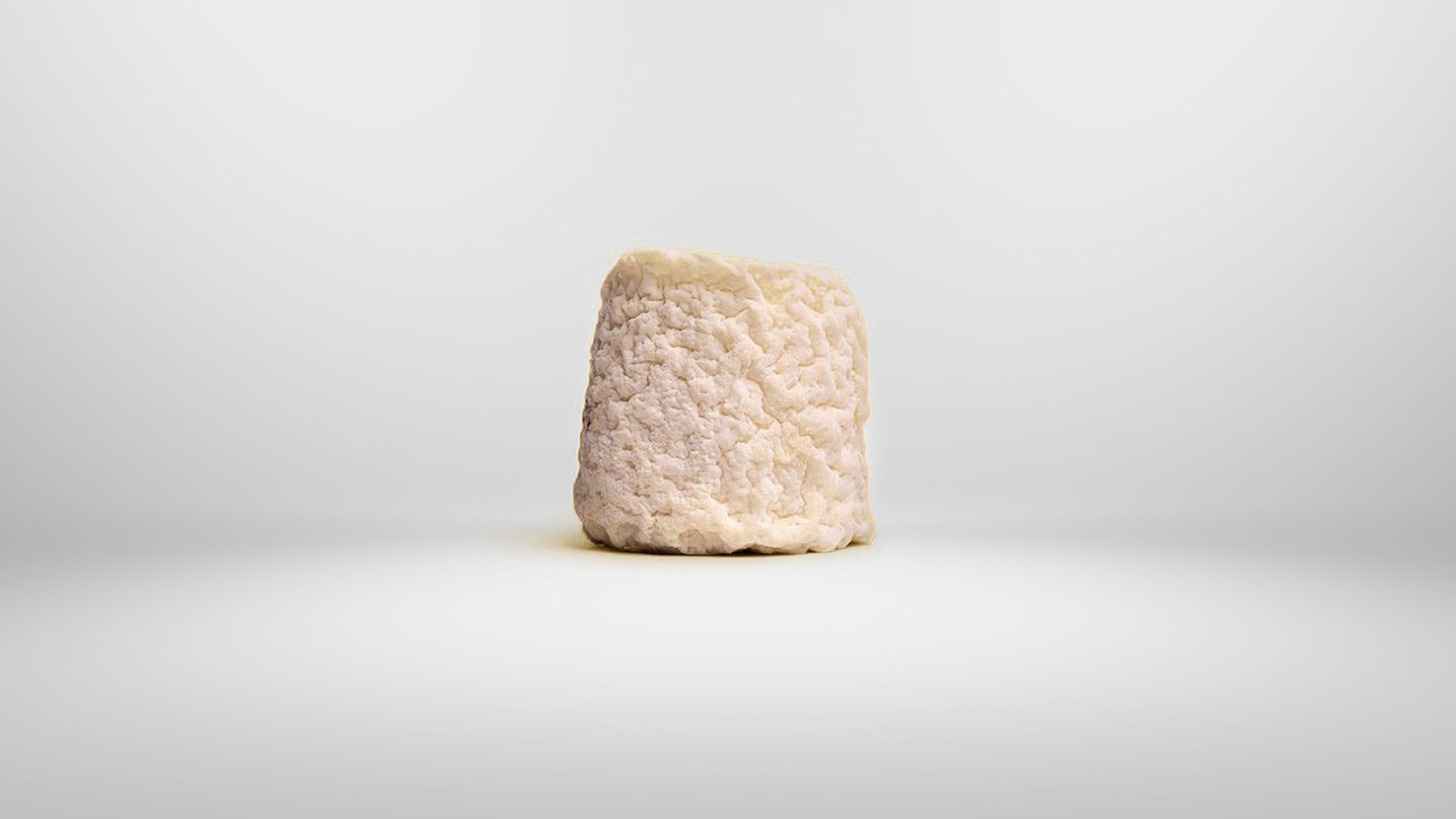
Picodon is a small, round cheese made from goat's milk, with a minimum weight of 60 grams, produced in the Ardéche and Drôme regions in France. Its rind is thin, with yellow or white mold speckled with blue on the exterior. The maturation period is at least 14 days. On the inside, it is white or yellow, with a fine texture that becomes crumbly if it is matured for a longer period of time. Its flavor is fresh and clean, with a balance of salty and acidic notes, but it gets concentrated and sharp if it is matured longer, when the cheese loses half of its mass by drying out. Picodon is best eaten after a meal, paired with red or dry white wines, garlic and shallots.
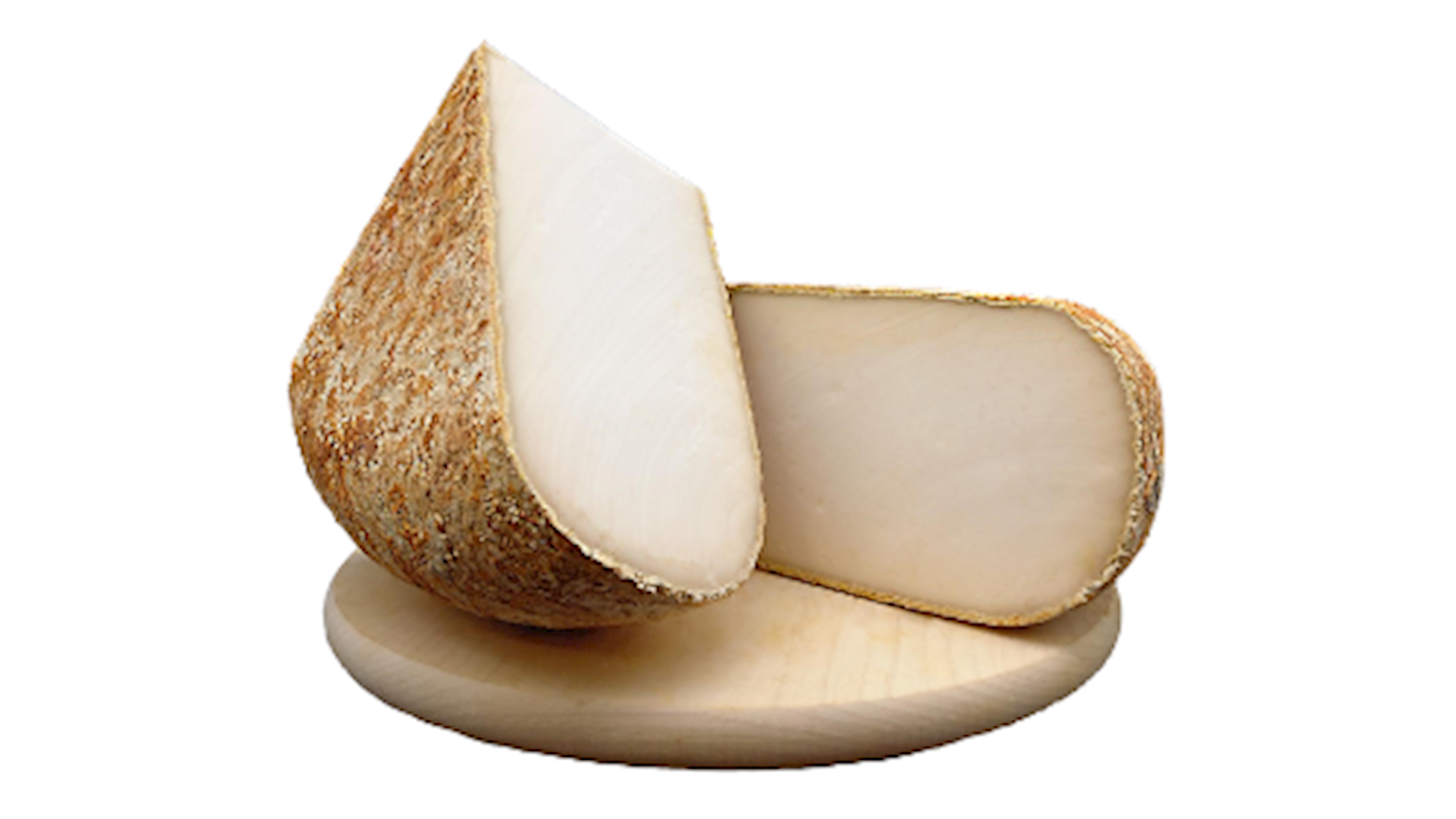
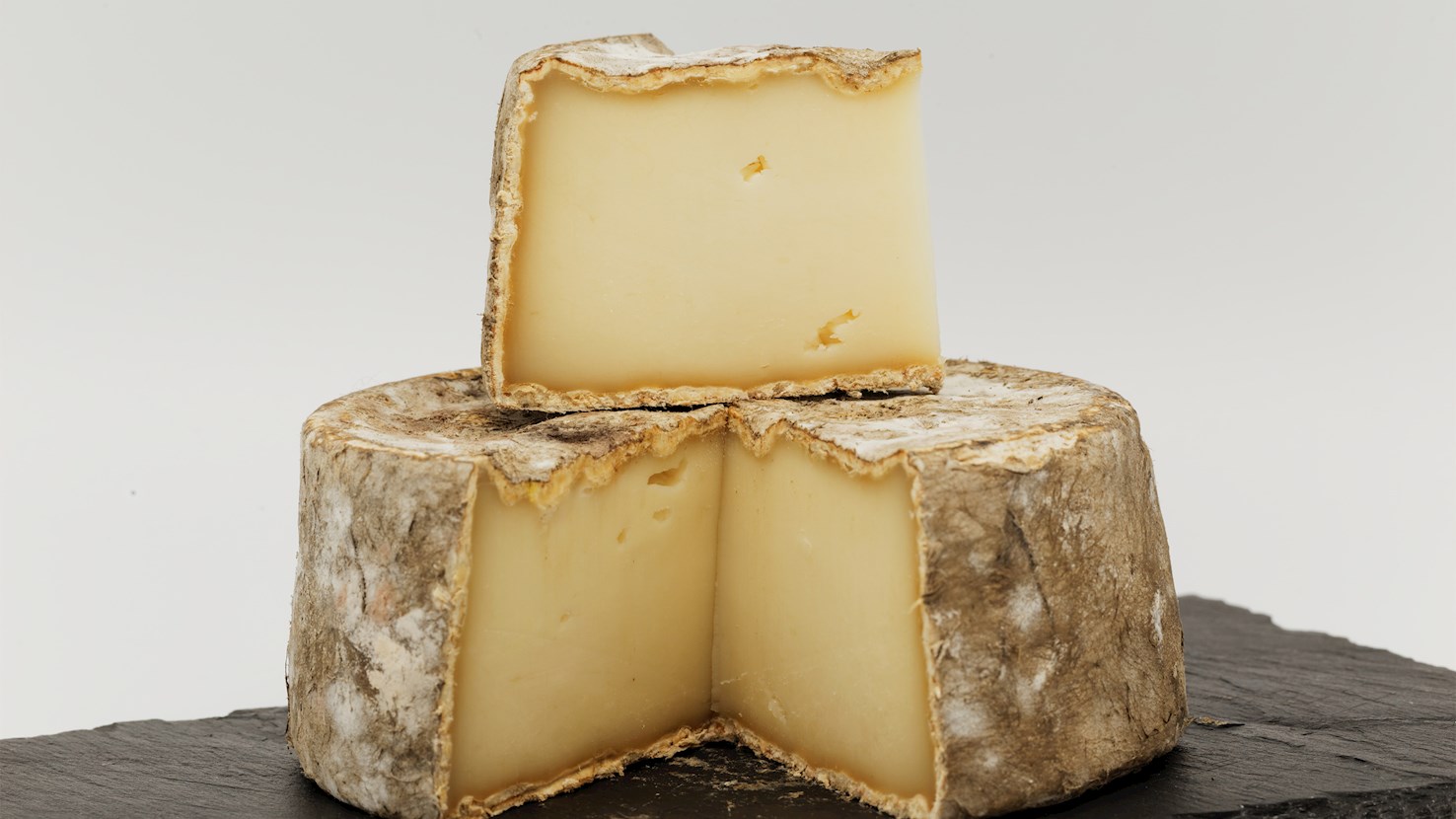
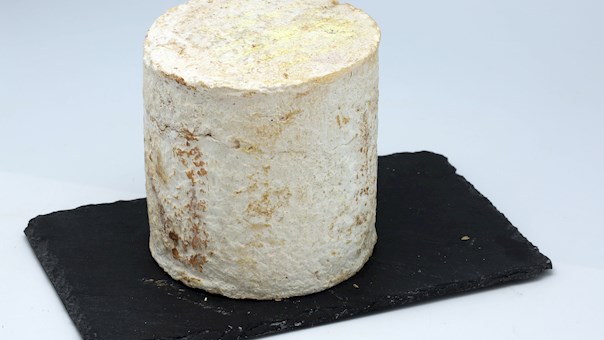
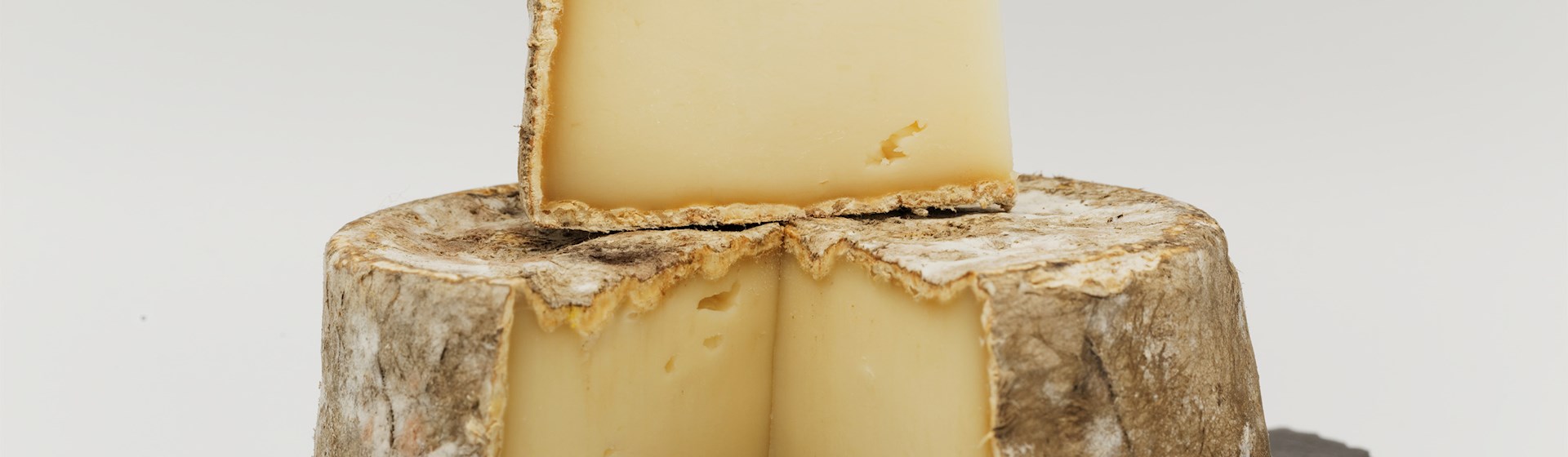
Tomme de chèvre is a traditional cheese hailing from Savoie. The cheese is made from raw goat's milk. Underneath its bloomy rind, the texture is creamy, pliable, and smooth. The aromas are pungent, barnyardy, earthy, and goaty, while the flavor is fruity, sweet, citrusy, and nutty on the finish. Tomme de chèvre ages for 7 weeks before it's ready for consumption. It's especially good when paired with bread and potatoes, but it can also be melted like a raclette. Regarding wine, pair it with white Savoie wines such as Chignin, Apremont, or Roussette. This mountain cheese was invented in the 17th century.
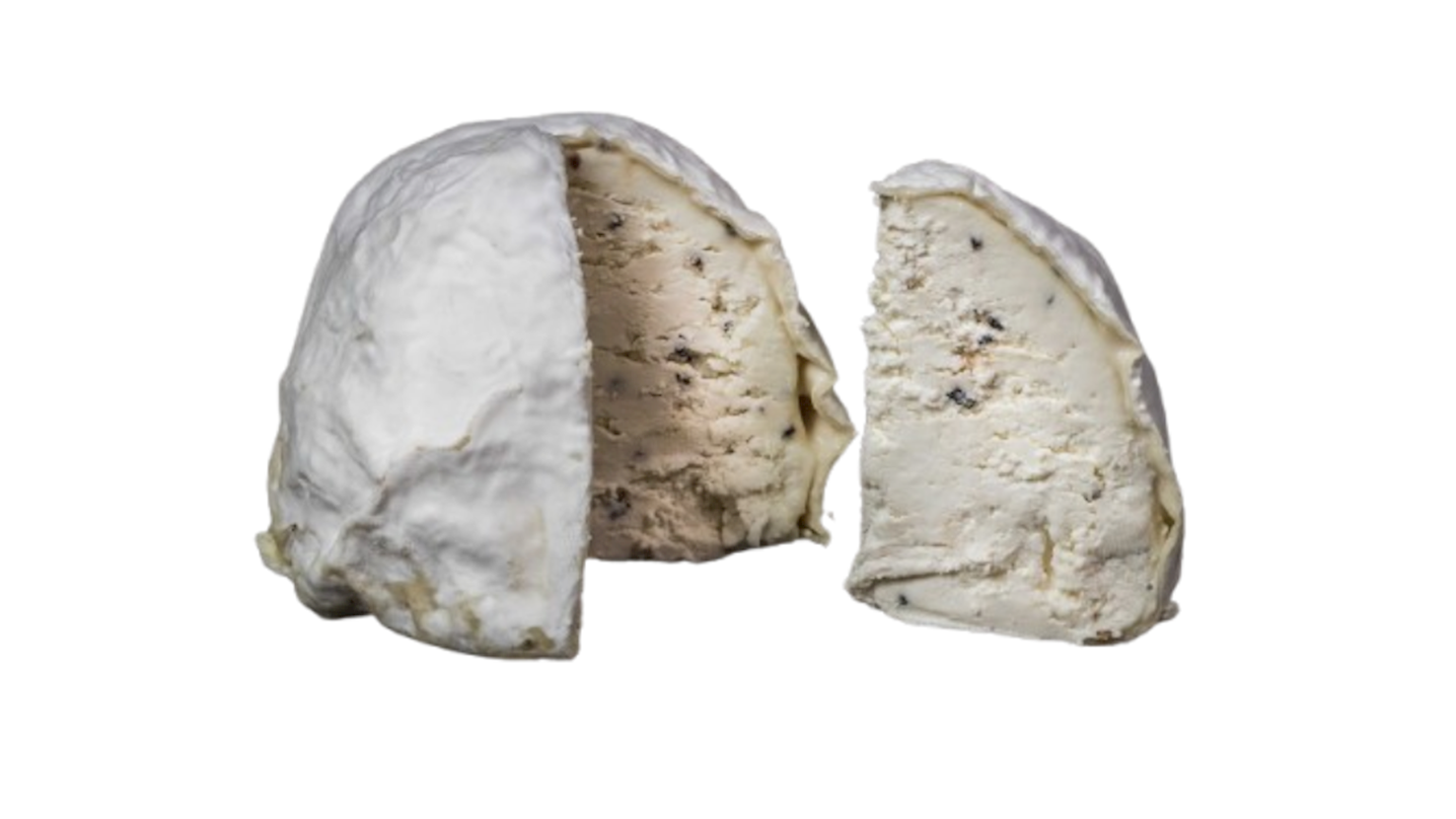
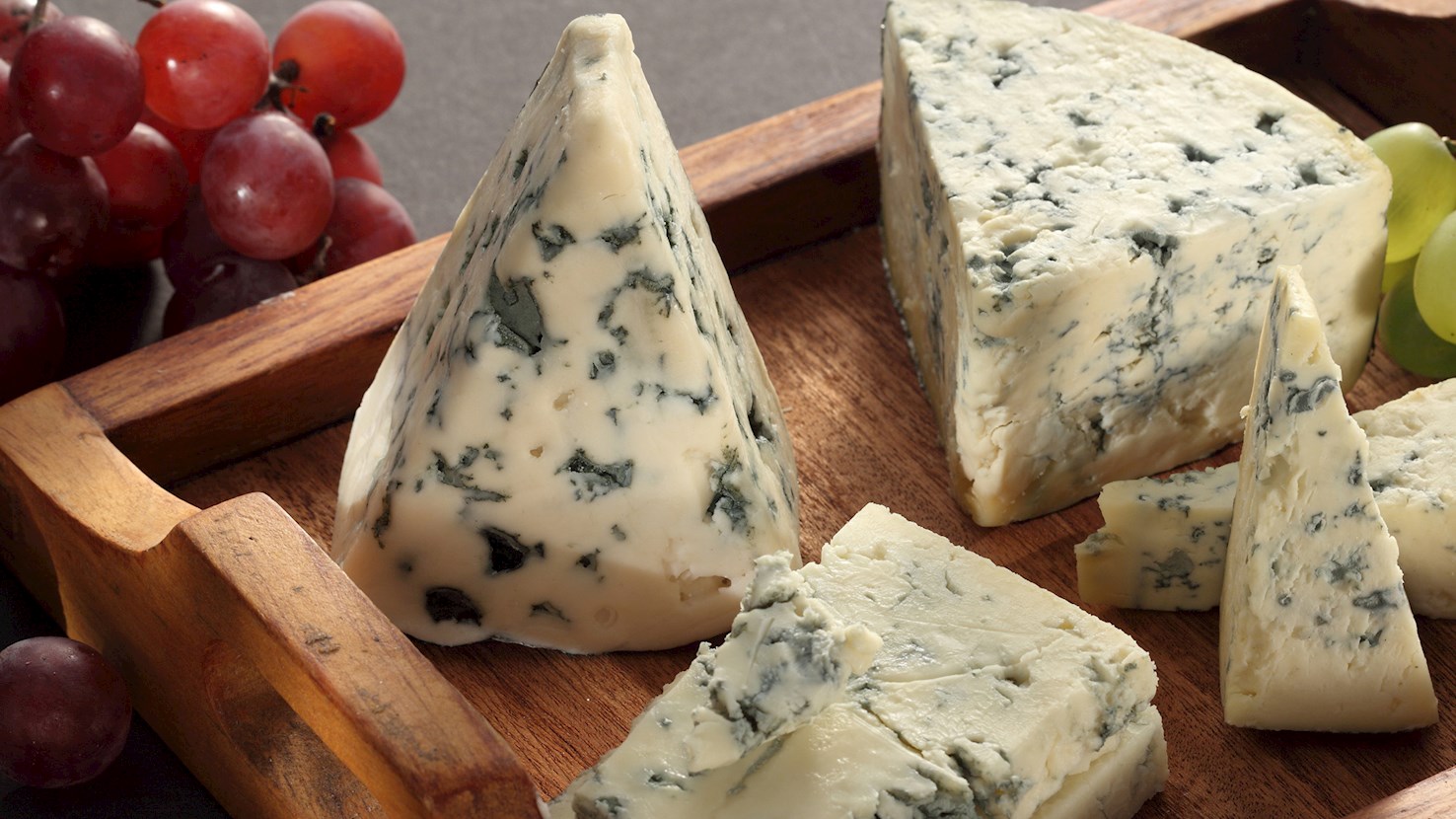
Bleu de chèvre is a traditional cheese hailing from Auvergne. This blue cheese is made from pasteurized or raw goat's milk. The rind is covered with ash, and underneath it the texture is soft and supple, with pockets of blue mold that are distributed throughout the paste. The aromas are subtle, while the flavors are creamy, strong, and salty, with a subtle goaty tang on the finish. It's recommended to pair Bleu de chèvre with a glass of Sauvignon Blanc.
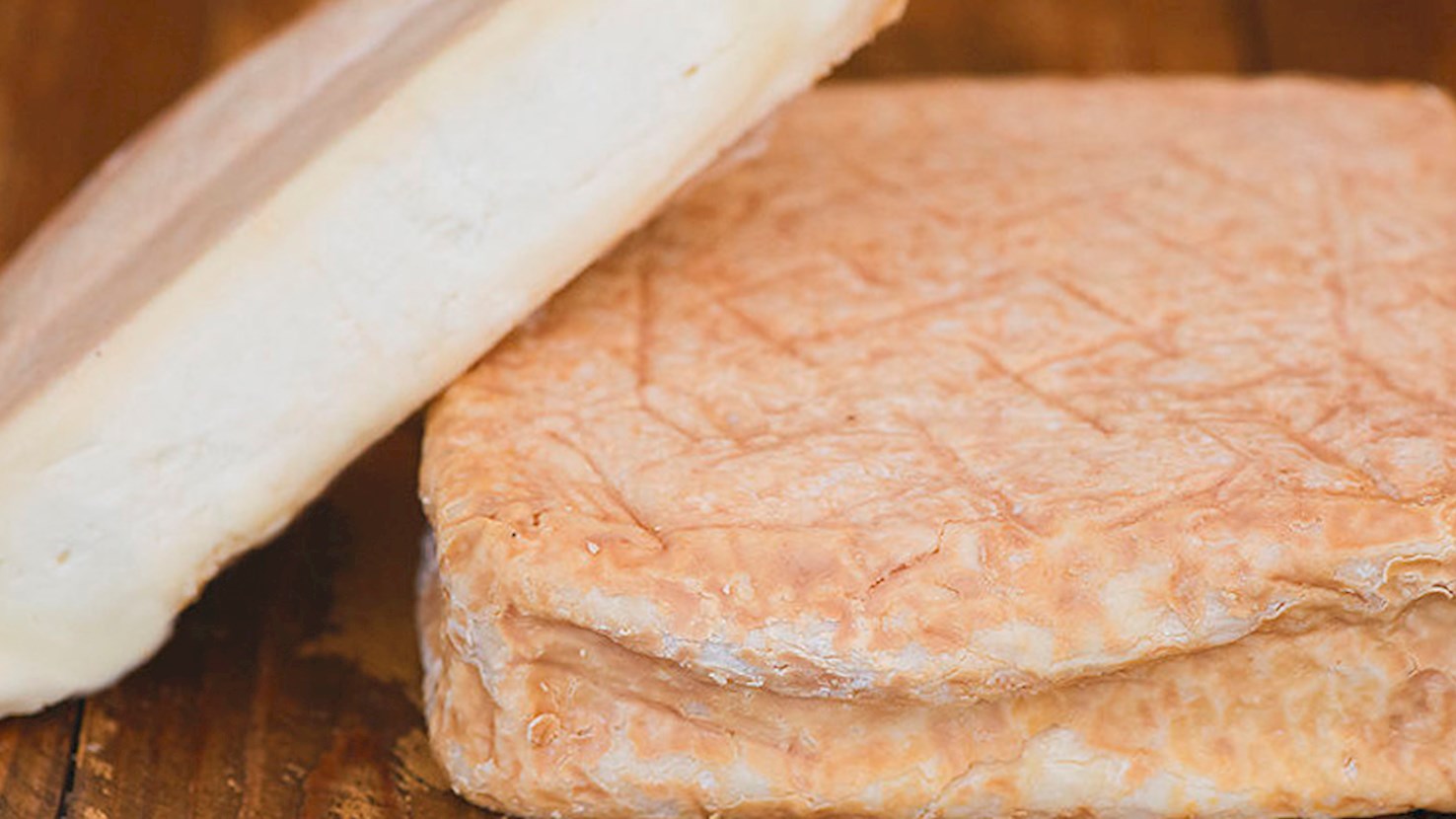
Chevrotin is a mold-pressed cheese made from goat's milk in the region of Haute-Savoie in France. It has a fine white rind and is packaged with a thin sheet of spruce boards on its base that can be removed. The boards allow the cheese to drain during the maturation period and also help with regulating the humidity in the package. Its flavor is slightly sweet, yoghurt-like, and unusual, with the aroma of goats, nuts, and flowers from the mountainous region. The texture is smooth and fine, slightly crumbly, perfect for pasta dishes or roasted vegetables. Pair Chevrotin with light dry wines.
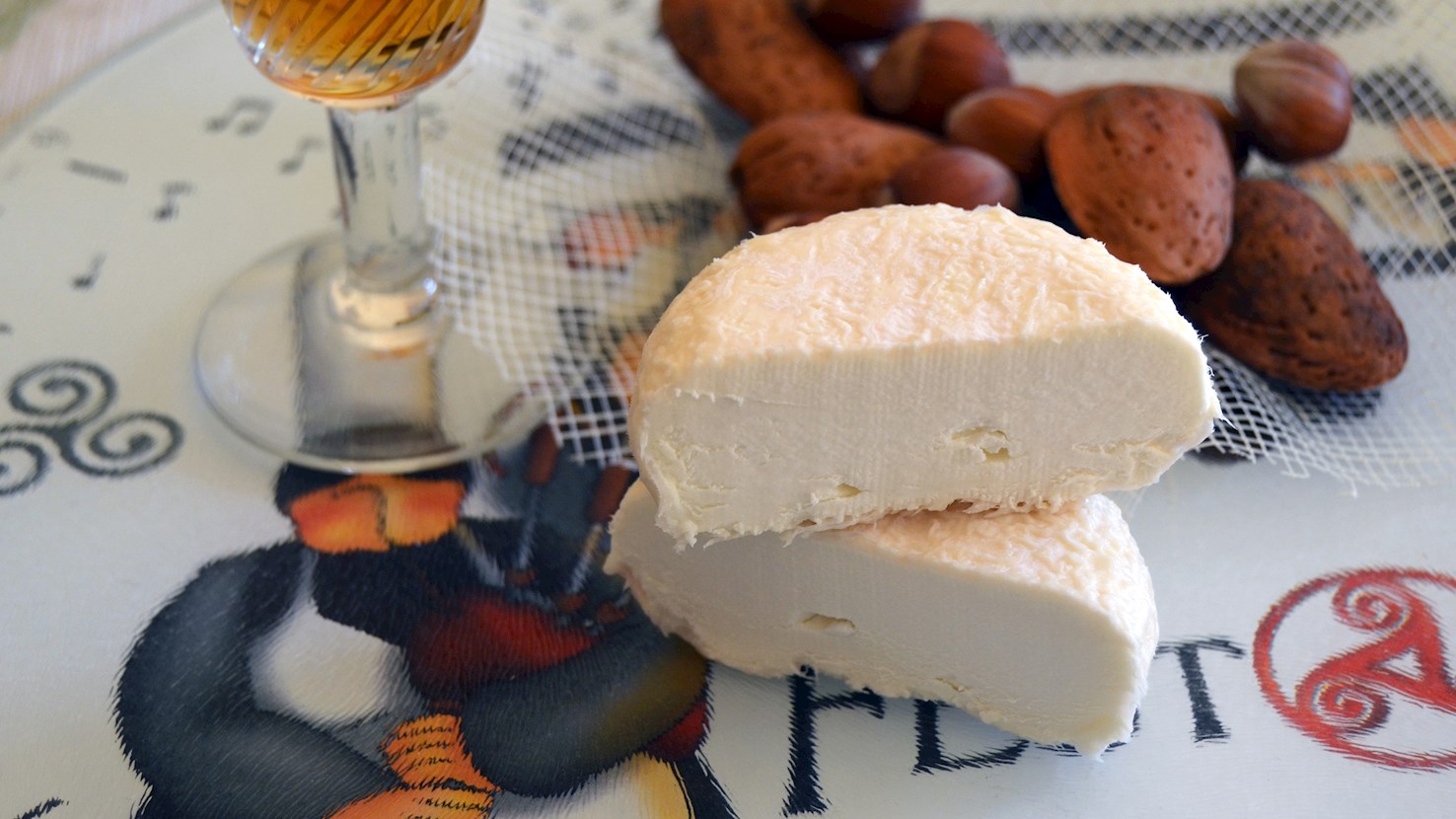
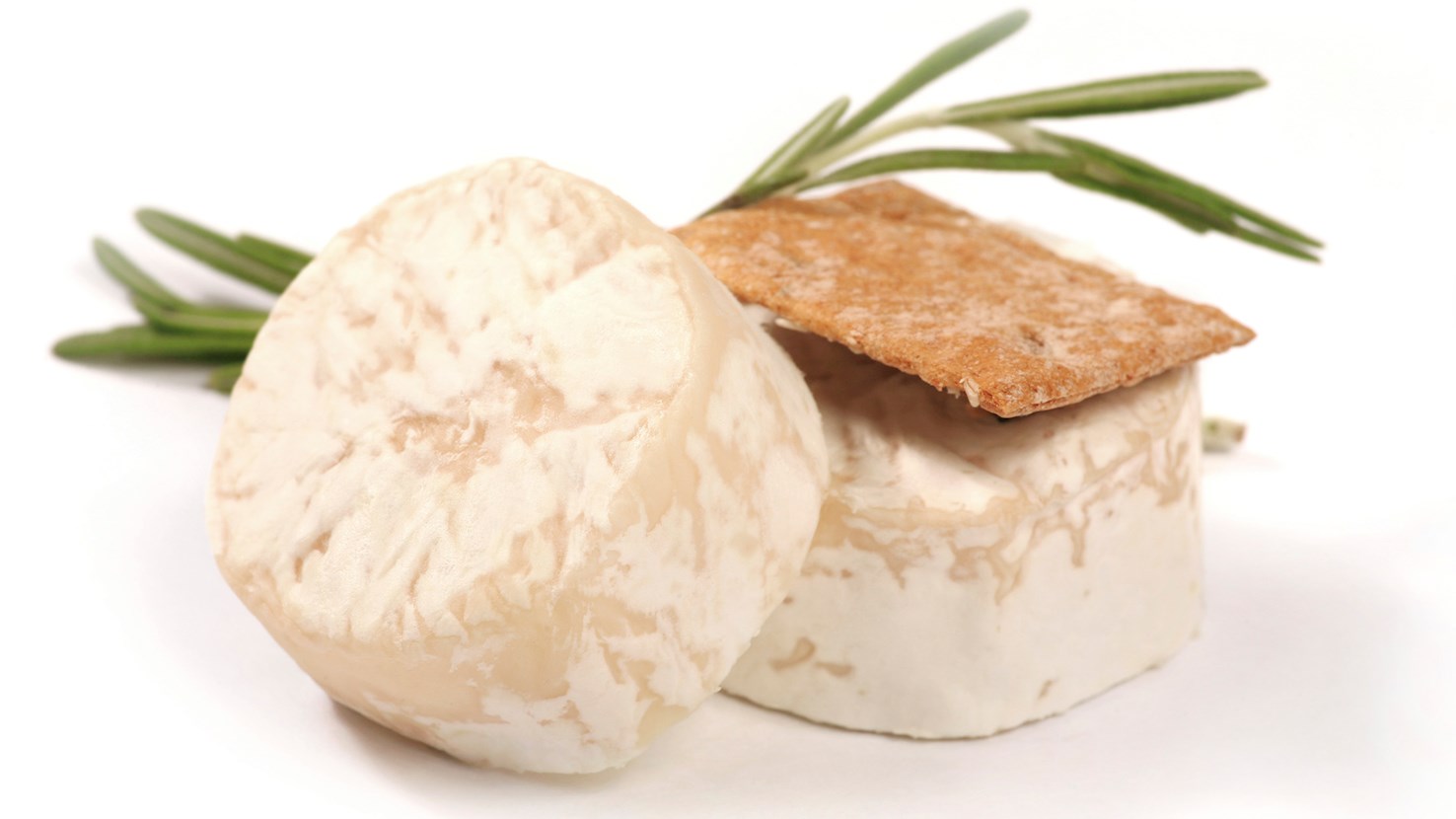
Rigotte de Condrieu is a small, soft cheese made from raw goat's milk in the French region of Rhône-Alpes. Its name comes from the word rigot, meaning 'small stream', and the city of Condrieu near Lyon. Its flavor develops upon maturity (at least three weeks), with a nutty, sweet, slightly acidic taste and honey, acacia and hazelnut undertones. Rigotte has a dry, bloomy, wrinkled rind on the exterior while on the interior it has a texture that is quite moist and creamy. It is best when paired with a round white wine or with a bold red wine and used in salads or as an appetiser.
Tarentais is a small, round, and semi-soft cheese made from raw goat's milk that's produced in the Savoie region's Tarentais Valley, hence the name. It is produced mostly farmhouse, on a small scale by the region's cheesemakers. Tarentais has a silky but dense texture that results from how it's produced — the curd is gently handled, locking in as much moisture as possible, and the whey is drained slowly. At the beginning of the ripening, tarentais is poured over with white wine, and once it's at four weeks of ripening, its outside becomes covered with blue, yellow, and white molds and tiny brown patches. The cheese matures anywhere from 15 days to 3 months, and its flavor changes as it ages. When young, tarentais is fresh, citrusy, and tangy but turns piquant once it reaches six weeks.
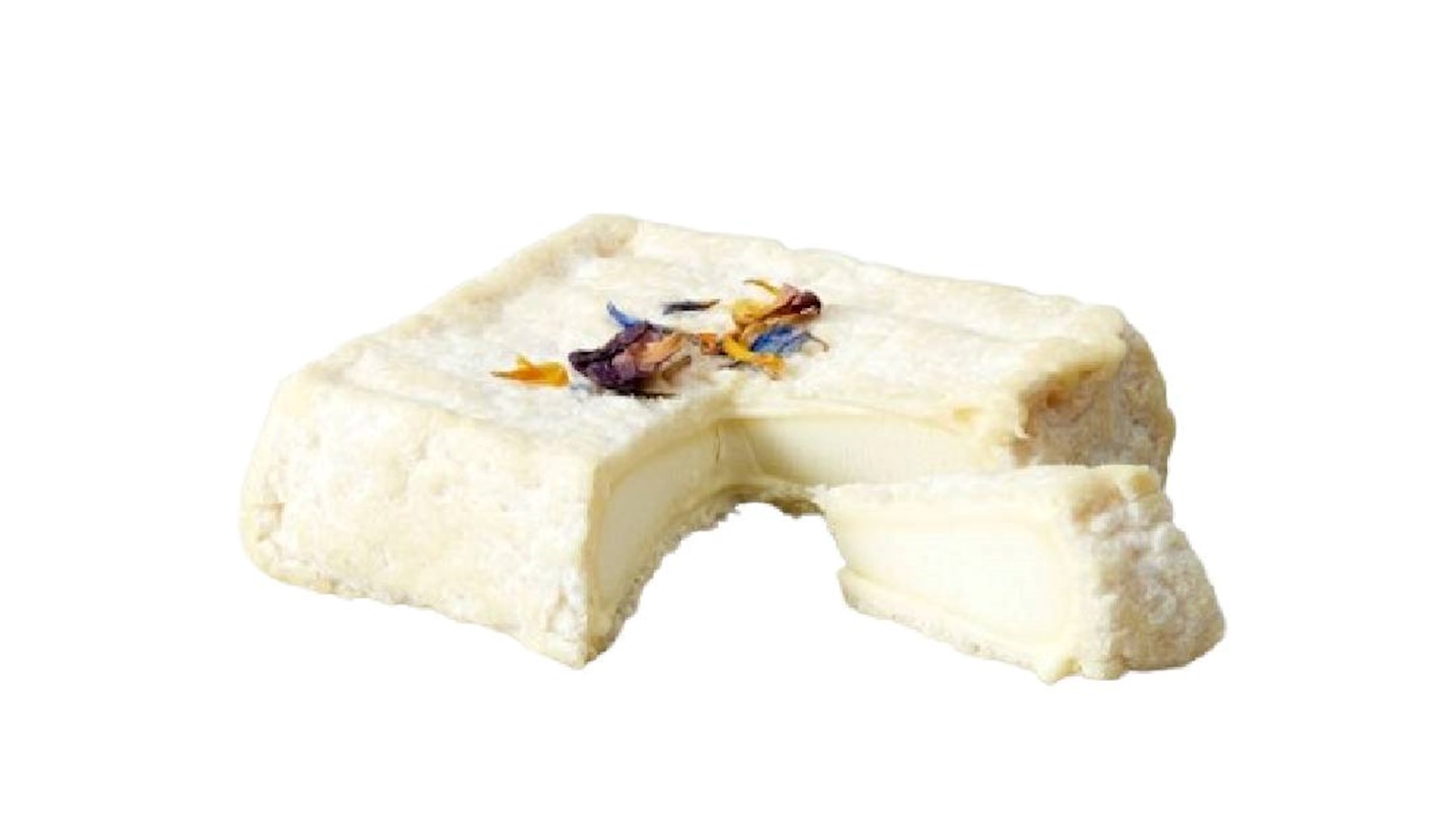
Caillé doux de Saint-Félicien is a goat’s-milk cheese from France, produced in the northern part of the Ardèche department around the village of Saint-Félicien. Its roots lie in mountain dairy farms where goats were milked daily and cheese makers developed a rapid-coagulation method called caillé doux to process warm milk immediately after milking, aiming to produce a soft, mild curd rather than the firmer goat cheeses common in other areas. In its production whole raw goat’s milk is used, immediately processed without reheating, rennet and small amounts of mesophilic or thermophilic starter cultures are added to coagulate under warm conditions; once the curd forms (in about two to three hours) it is roughly cut to speed whey drainage, molded and drained for three to five hours with one or more turnings, then unmolded, salted on both faces, dried for two to four days and aged for approximately two weeks in a room at around 8-15 °C with about 80% humidity until the flat disc (typically 8-10 cm / 4 inches in diameter, 1.5-2 cm / 0.5 inches high, weighing about 90-110 g / 3-4 oz) develops a thin cream-colored rind sometimes flecked with white or bluish moulds and the interior becomes a smooth, creamy, ivory-white paste with a mild, slightly nutty taste and very low acid bite. Common variants include cheeses made at slightly higher altitude or with small additions of local herbs which subtly shift the flavour profile, also some producers choose to age a little longer than the standard two weeks to deepen aroma and soften paste further. A unique characteristic of Caillé doux de Saint-Félicien is its method of immediate warm-milk processing (no delay, no reheating) which limits acidification and gives it its “doux” (sweet) quality, distinguishing it from most goat cheeses in the region. It is eaten at room temperature as part of a cheese plate or as a delicate finish to a meal, commonly paired with crusty country bread, fresh figs or raw vegetables and works well with a crisp dry white wine from the Rhône-Alps area or a light rosé that complements its creamy texture and gentle goat-milk flavour.
Foudjou is a cheese-fortified spread from France produced in the Drôme and Ardèche departments. It emerged in rural kitchens of those two areas where goat’s-milk cheeses like fresh chèvre and firmer aged types such as Picodon or Rigotte de Condrieu were repurposed when they became too dry. Production begins with fresh goat’s cheese that is mashed and firmer goat cheese that is grated; the mixture is layered in a large stone jar or terracotta pot, alternating grated cheese and mashed cheese, then garlic and pepper are added, a spirit-based eau-de-vie or white wine is poured in along with olive oil, the jar is sealed, and it is placed in a cool environment to mature for several months until a reddish film appears on top. Variants include use of white wine instead of eau-de-vie in the Drôme version, shorter or longer maturing times sometimes reaching up to a year in local households, and occasional inclusion of herbs or sun-dried tomatoes. What distinguishes Foudjou is its categorization as a “fromage fort” spread made exclusively from goat cheeses preserved under oil or spirit rather than sold in wheel form, giving it a distinctive role as a rich, savory condiment. Foudjou is typically eaten at room temperature spread on slices of country bread, or used as a flavor component with raw vegetables or lentils, and it pairs well with crisp white wine, dry rosé or even a light single malt whisky if one wants to complement its intense goat-cheese character.
Rogeret des Cévennes is a goat’s-milk cheese from the Ardèche department in France. It emerged in the Cévennes region where small-scale goat herding and cheese making developed over centuries on steep slopes enriched with chestnut and shrub-rich pasture. The production process begins with fresh goat’s milk which is coagulated, then ladled into molds forming small rounds, allowed to drain for a short period, and then aged in humid caves or cellars for about three weeks until the rind develops a natural pinkish-red or reddish-brown hue tinged with bluish molds. Its paste is soft, smooth and pale-ivory, offering a fruity and lightly hazelnut-accented flavor along with characteristic goat cheese aroma. Variants exist when the milk comes from different goat breeds or from higher altitudes, yielding subtle differences in texture or aroma, and some makers slightly extend the ageing past three weeks to deepen the rind development and intensify the aroma. A noteworthy characteristic of rogeret des Cévennes is its small size—typically about 6 to 7 cm (2.5-3 inches) diameter and weighing around 80-90 g (3 oz)—which differentiates it from larger goat-milk cheeses and allows for rapid maturation and freshness of flavor. Rogeret des Cévennes is best served at room temperature on a cheese platter or with country bread, fresh figs or raw vegetables, and pairs naturally with a light red wine such as a Beaujolais or a fresh rosé, as well as with a crisp white from the region that can balance its mild goat aroma and soft texture.
Fouchtra is a French cheese hailing from Cantal in Auvergne. The cheese is made from pasteurized goat's (or sometimes cow's) milk and it's usually left to age for 3 months before it's sold. Underneath its moldy rind, the texture is soft and silky. The flavors are subtle, mild, and distinctive, with an almondy aftertaste. It's recommended to pair this semi-soft cheese with full-bodied red wines such as Vacqueyras or Saint Joseph. In Auvergne, fouchtra is also a swear word.
TasteAtlas food rankings are based on the ratings of the TasteAtlas audience, with a series of mechanisms that recognize real users and that ignore bot,
nationalist or local patriotic ratings, and give additional value to the ratings of users that the system recognizes as knowledgeable.
For the “Top 14 Aurhalpin Goat Cheeses” list until June 05, 2026, 103 ratings were recorded, of which 79 were recognized by the system as legitimate.
TasteAtlas Rankings should not be seen as the final global conclusion about food. Their purpose is to promote excellent local foods,
instill pride in traditional dishes, and arouse curiosity about dishes you haven’t tried.
The initial list of top producers was compiled based on available reviews, awards, local recommendations, media and blog coverage, and consumer reviews.
The list will be updated with ratings from TasteAtlas local ambassadors and TasteAtlas users.