Argiolas Formaggi is a family-run cheese producer from Sardinia, based in Dolianova and founded in 1954, widely regarded as a relevant producer of traditional Sardinian cheeses. The dairy focuses on sheep’s and goat’s milk sourced from local farms, reflecting the Mediterranean environment and the natural diet of the herds. Its range includes classic Sardinian cheeses such as Pecorino Sardo and Fiore Sardo, alongside more contemporary expressions like spiced pecorino, aged and semi-hard cheeses with varying maturation periods, and a selection of goat cheeses. The production process combines inherited artisanal knowledge with controlled modern technologies, ensuring strict quality standards without compromising authenticity. Particular attention is given to texture, balance of salinity, and the gradual development of aromas during aging. Argiolas Formaggi is also recognized for adapting its portfolio to modern consumer needs, including the production of lactose-free cheeses. The dairy maintains a strong connection to local pastoral traditions and the cultural identity of Sardinia. Beyond production, it is known for organized visits and tastings that offer insight into the cheesemaking process. Its products are distributed both within Italy and internationally. Argiolas Formaggi positions itself as a balance between continuity, regional identity, and carefully managed innovation in the world of artisanal cheese.
Awards
Italian Cheese Awards - Nominee
(2022, 2018, 2017)
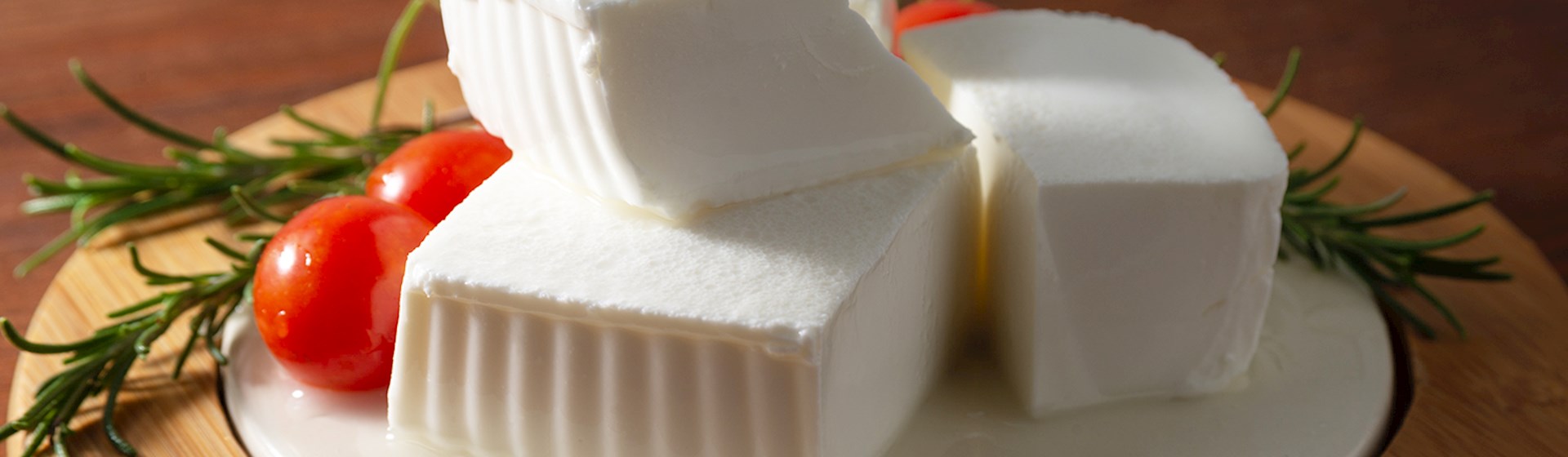
Capridor is a semi-hard Italian cheese originating from Sardinia. It is made from goat’s milk and matures for about three months. Its edible rind is moldy, while the texture is compact and soft, and the body is straw yellow in color. The flavors of capridor are quite mild and aromatic.
Casu axedu is an Italian cheese hailing from Sardinia. The cheese is made from sheep's or goat's milk. After the curd has been shaped, it's often left to drain for 2 days before it's placed into brine, where it can stay conserved for a long time. The process turns the soft and sweet cheese into an acidic and pungent one. When fresh, it's usually served as an accompaniment to vegetables and salads, but it can also be spread on bread. Once matured, the cheese develops a harder texture and can be grated over pasta dishes and soups.
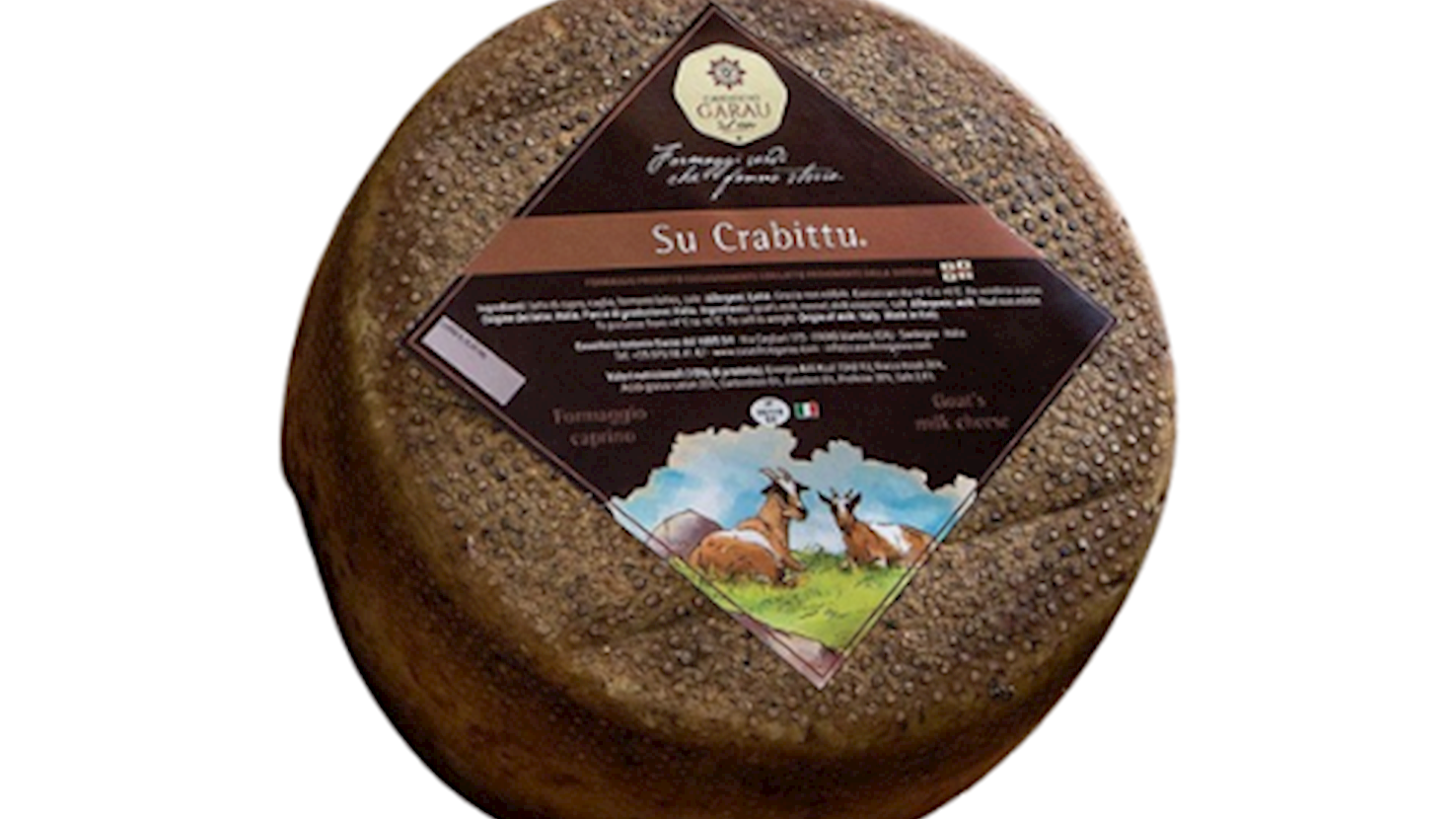
Su callu, fundamentally known as su callu de crabittu, is a highly intense, creamy, and spreadable goat cheese produced exclusively on the island of Sardinia, Italy, with primary concentration in the central mountainous and pastoral region of Nuoro. The existence of this specific dairy product is deeply tied to the ancient, pre-Roman pastoral systems of the Mediterranean basin, where isolation and scarce resources compelled early Nuragic shepherding communities to maximize the preservation of every component of a slaughtered animal, leading to a long-documented survival practice wherein the natural stomach enzymes of unweaned milk-fed kids were utilized as both a processing container and a coagulation mechanism to secure a durable, portable food supply during extended seasonal migrations across the limestone peaks of the Gennargentu range. The preparation of su callu relies entirely on the slaughter of a young kid goat that has consumed exclusively its mother’s milk immediately prior to processing. The fourth stomach compartment, known as the abomasum, is carefully excised with its internal content of raw, undigested maternal milk completely intact. The open ends of the stomach pouch are securely tied off with twine, and the exterior surface is lightly salted, rubbed with olive oil or lard, and hung in cool, well-ventilated curing rooms or smoky shepherd huts for a maturation period spanning two to four months, during which the high concentration of endogenous rennet and natural gastric lipases inside the stomach wall aggressively hydrolyze the milk fats and proteins, transforming the liquid milk entirely into a dense, pasty curd without any external human intervention, heating, or culture inoculation. The cheese is served at room temperature, sliced directly through both the outer stomach lining and the inner paste, or split entirely open longitudinally to allow the internal paste to be spooned or scraped out onto serving surfaces. It is eaten primarily within private pastoral homes, rural agri-tourism estates, and specialized regional taverns across Sardinia, spread thinly over crisp pieces of pane carasau or roasted slices of homemade sourdough bread. For food and beverage pairings, the overwhelming spice, high fat density, and extreme gamey acidity of su callu require equally assertive flavors to withstand its profile, meaning it is eaten alongside structured, high-alcohol, and tannic Sardinian red wines such as Cannonau di Sardegna, sweet, fortified dessert wines like Malvasia di Bosa, or accompanied by strong wildflower or strawberry tree honey to chemically mitigate the intense burning sensation on the palate.
Su Casu in Filixi is the only Sardinian goat's milk cheese aged in layers of fresh eagle fern fronds, which impart a distinct herbaceous profile and leave a permanent botanical imprint on the rind. This specific dairy product originates from the Barbagia di Seulo area of central Sardinia, specifically centered around the municipalities of Seulo and Esterzili, though production also extends to neighboring towns like Seui and Villagrande Strisaili. The development of this cheese was driven by the necessity for shepherds to preserve fresh goat cheese during the high temperatures of the Mediterranean summer months. By wrapping the cheese in fern leaves, producers regulated the humidity of the wheels and protected the surface from external contaminants while utilizing the natural antimicrobial properties of the vegetation. Preparation begins with the coagulation of raw goat's milk using calf or kid rennet at a temperature maintained between 35 and 38 degrees Celsius. Once the curd reaches the required consistency, it is broken into small granules and placed into molds to allow the whey to drain. After a brief period of firming, the fresh wheels are removed from the molds and dry-salted. The specific phase of production involves layering the cheese with fresh fronds of the Pteridium aquilinum fern, commonly known as eagle fern. The cheese is placed in ventilated wooden containers or baskets, with layers of ferns alternating between each wheel. This aging process typically lasts from fifteen to thirty days, during which the leaves transfer specific aromatic compounds to the rind and paste. The fern leaves prevent the formation of unwanted molds while allowing the internal paste to remain moist and supple. A specific physical attribute of Su Casu in Filixi is the impression of the fern leaflets left upon the soft rind, which often takes on a pale green or yellowish hue due to contact with the plant matter. The flavor profile is characterized by the clean taste of goat's milk complemented by herbaceous and earthy notes derived from the fern tannins. Serving involves removing the fern leaves and slicing the cheese into thick wedges. It is eaten primarily in the inland mountainous areas of Sardinia as a standalone appetizer or as part of a regional cheese selection. It is frequently consumed with pistoccu or carasau flatbreads. Food pairings include fresh broad beans, seasonal pears, or wildflower honey which balances the herbaceous acidity of the goat's milk. Beverage pairings typically involve light white wines from the region such as Vermentino di Sardegna or Nuragus di Cagliari, which complement the earthy tones of the cheese without overwhelming its delicate structure.
Caggiu de crabittu is a traditional Sardinian goat cheese made from the abomasum of a young goat (kid) and goat milk. The kid must be fed exclusively on its mother’s milk from birth until slaughter. Before slaughter, the kid continues to suckle to ensure the abomasum is full. After slaughter, the stomach is emptied and the milk is filtered and reinserted into the stomach to activate lactic ferments, transforming it into a creamy paste. The filled stomach is tied with string, dried, and smoked for about 20 days. The resulting rennet can weigh between 250 and 700 grams (10 oz to 1.5 lbs). This product has been made for centuries in Sardinia, following traditional methods, and is recognized as a Traditional Agri-Food Product (PAT) in Italy.
TasteAtlas food rankings are based on the ratings of the TasteAtlas audience, with a series of mechanisms that recognize real users and that ignore bot,
nationalist or local patriotic ratings, and give additional value to the ratings of users that the system recognizes as knowledgeable.
For the “Top 5 Sardinian Goat Cheeses” list until June 15, 2026, 15 ratings were recorded, of which 6 were recognized by the system as legitimate.
TasteAtlas Rankings should not be seen as the final global conclusion about food. Their purpose is to promote excellent local foods,
instill pride in traditional dishes, and arouse curiosity about dishes you haven’t tried.
The initial list of top producers was compiled based on available reviews, awards, local recommendations, media and blog coverage, and consumer reviews.
The list will be updated with ratings from TasteAtlas local ambassadors and TasteAtlas users.