


shutterstock

Top 26 Turkish Ground Meat Dishes

Last updated on June 15, 2026
01

Beyti kebab

4.4 ·

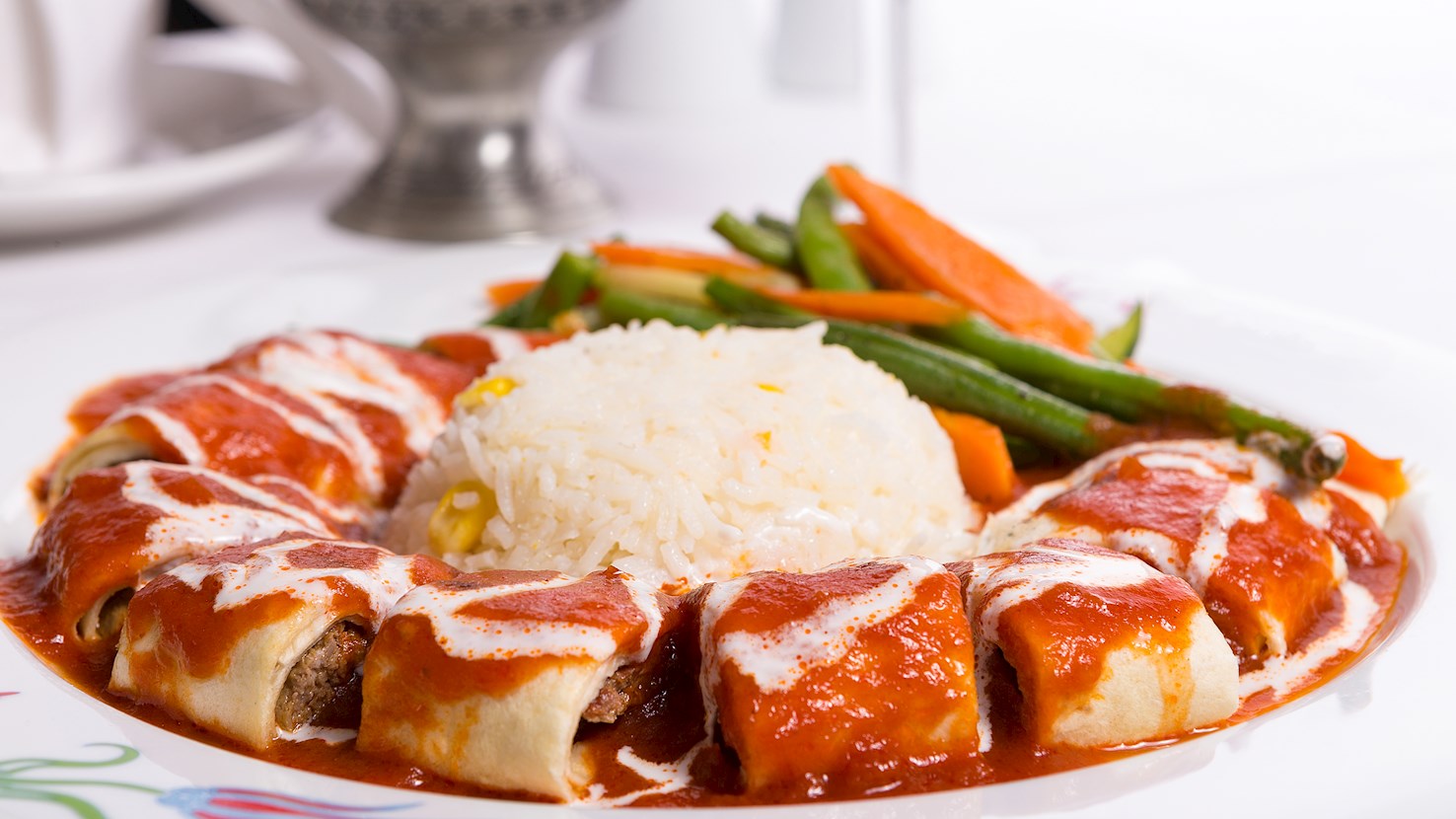
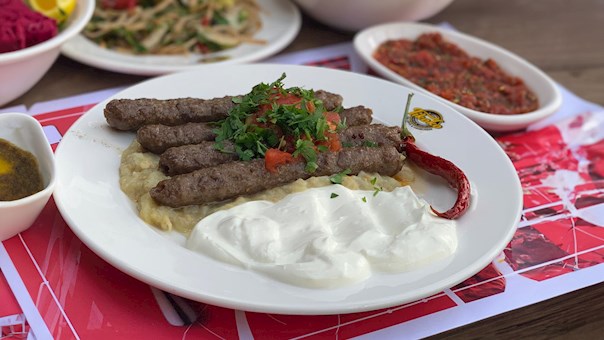
Beyti is a traditional kebab variety originating from Istanbul. It consists of ground lamb or beef that's seasoned with spices, grilled on a skewer, then served wrapped in lavash, cut into pieces, and topped with tomato sauce and yogurt. The ground meat is typically mixed with onions, eggs, garlic, cumin, coriander, salt, breadcrumbs, paprika, and black pepper. Lavash or phyllo pastry is brushed with butter, then wrapped around the grilled kebabs into a roll. The rolls are cut diagonally, then topped with a sauce consisting of tomatoes and butter, while the yogurt is usually served in the center of the rolls or on the side. Some people serve the dish with bulgur or steamed rice, while garnishes might include ghee and pistachios. This kebab variety was named after Beyti Güler, a restaurant owner from Istanbul who invented the dish in 1961.

02

Adana kebap

4.4 ·

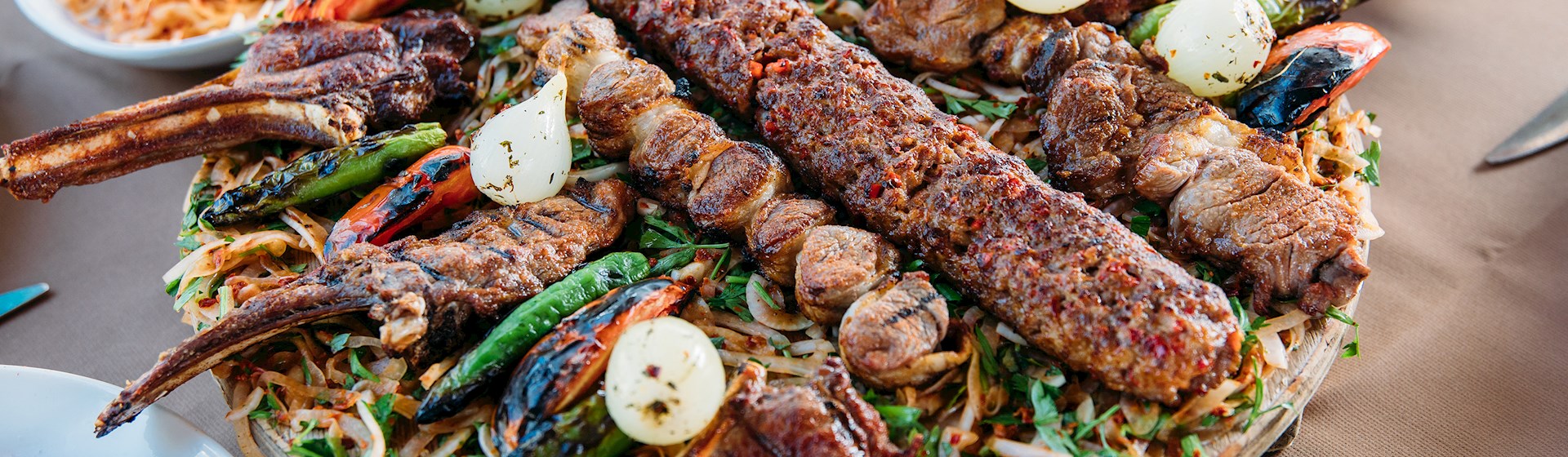
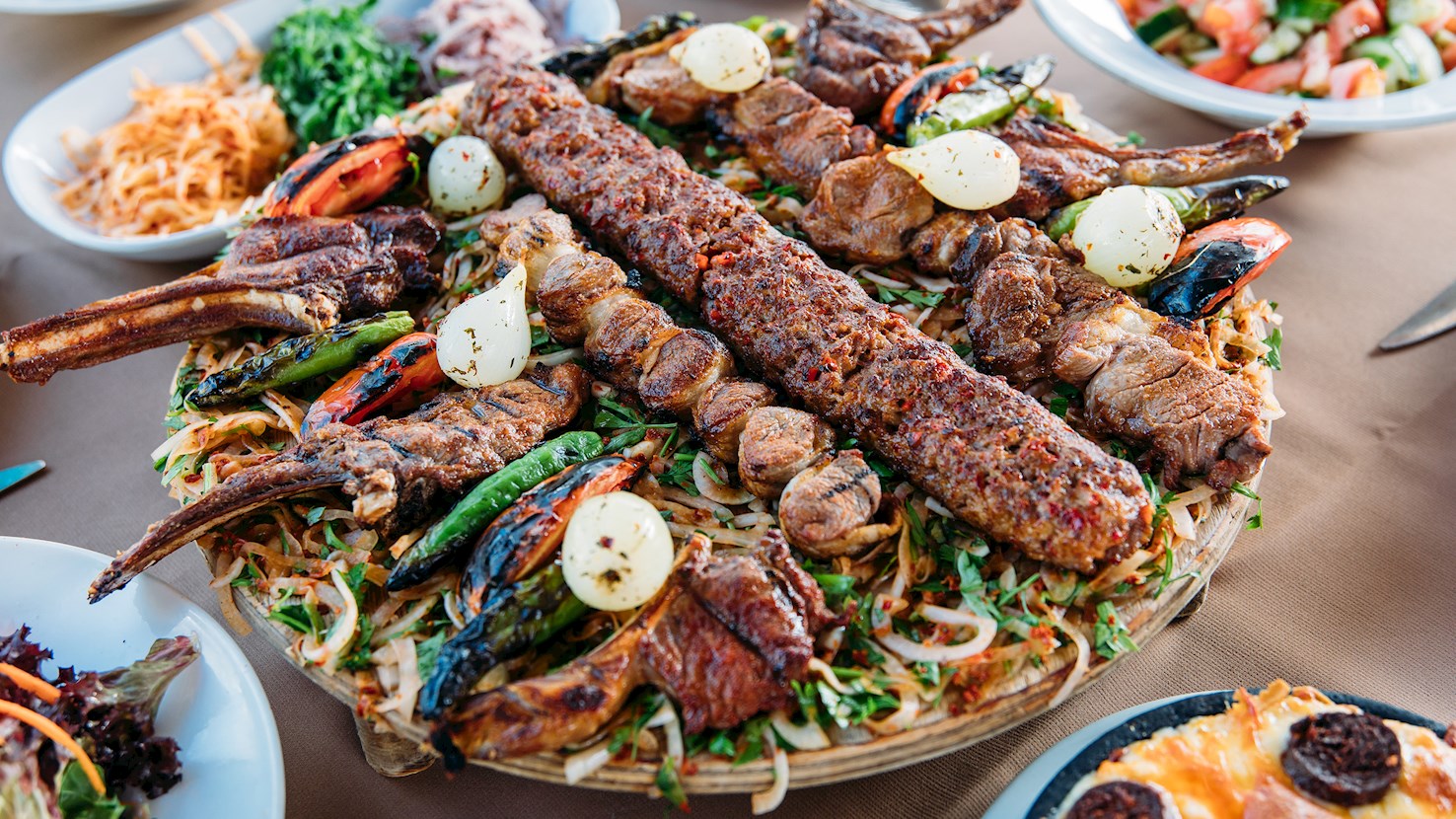
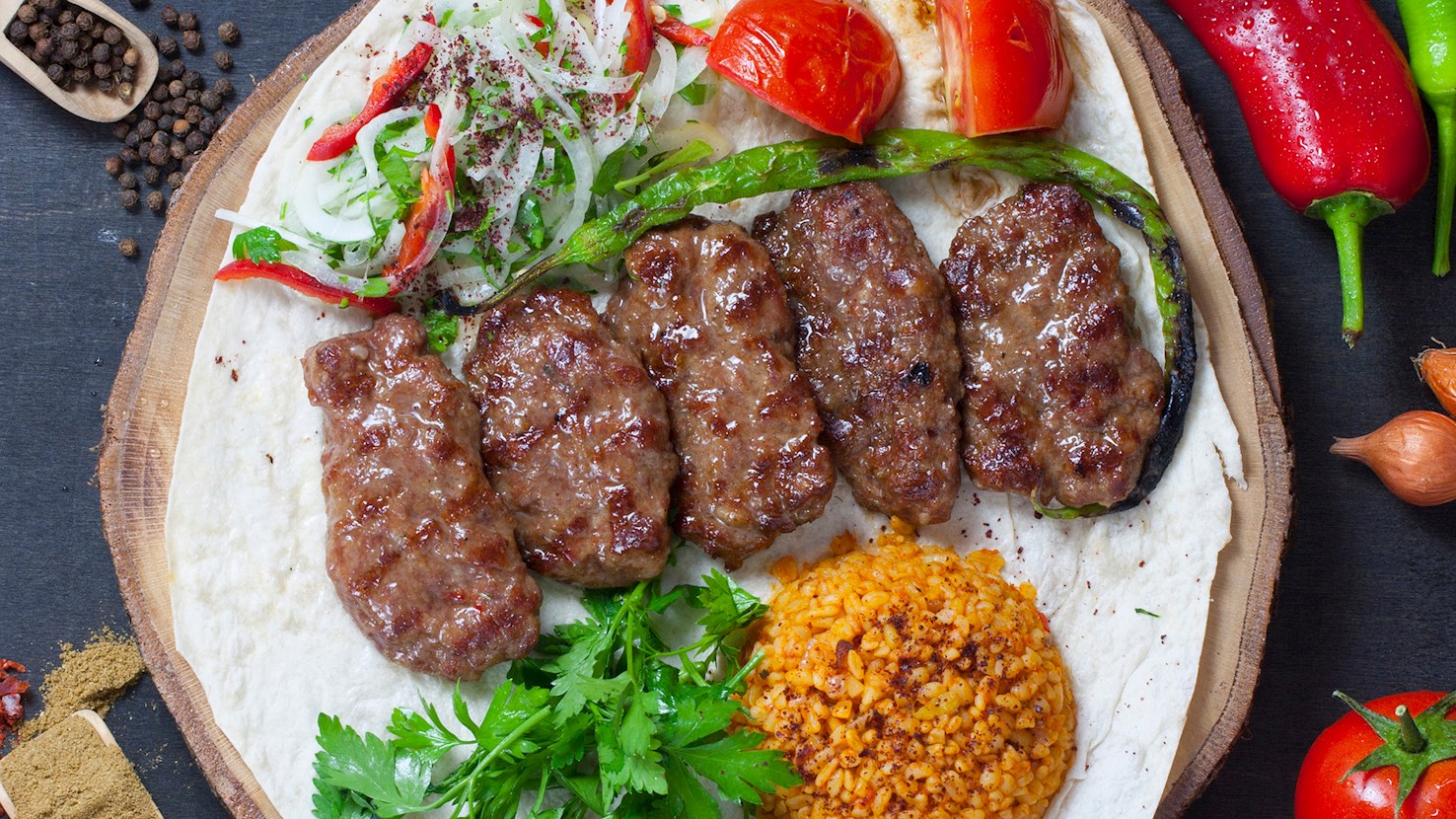
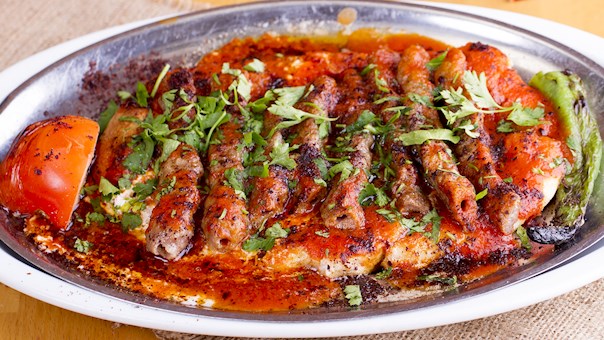
Adana kebap is a popular skewered meat dish named after one of the most famous kebab cities in the country, Adana. This kebab is made with ground lamb and tail fat that are kneaded together with garlic, onion, paprika, and hot red pepper flakes, giving it a deep red color and a spicy flavor. The whole concoction is typically placed around large and flat metal skewers, then grilled. Once it's done, the grilled meat is traditionally served on a platter over flatbreads, peppers, and tomatoes, or stuffed into pita bread along with a salad consisting of parsley and red onions. Before the pita is rolled, the meat is usually topped with roasted chilies, salt, cumin, and sumac. It is recommended to pair Adana kebap with ayran – a slightly salty, yogurt-based beverage or şalgam, a non-alcoholic fermented beverage made from vegetables and red carrots.

03

Islama köfte

4.3 ·

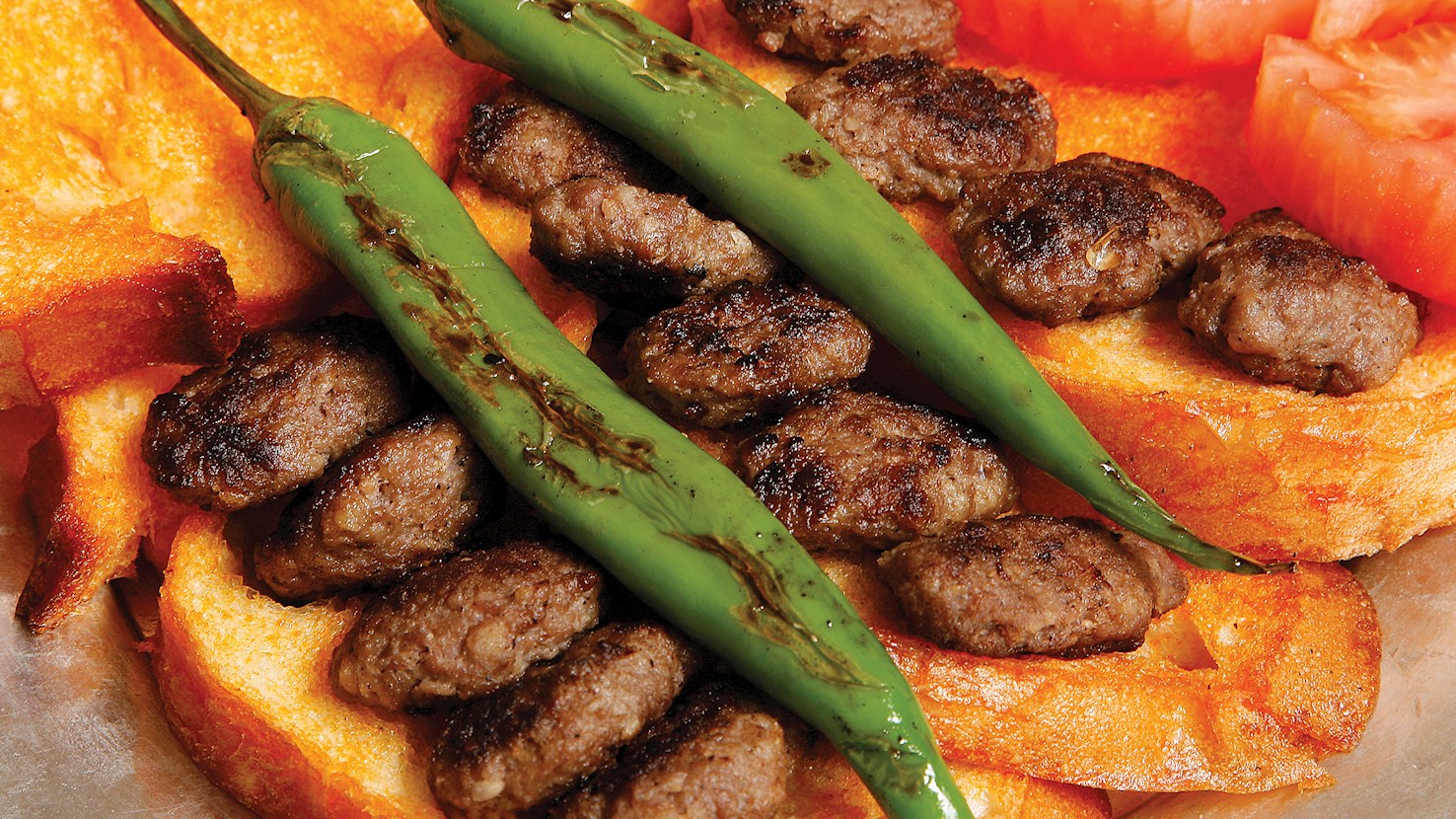
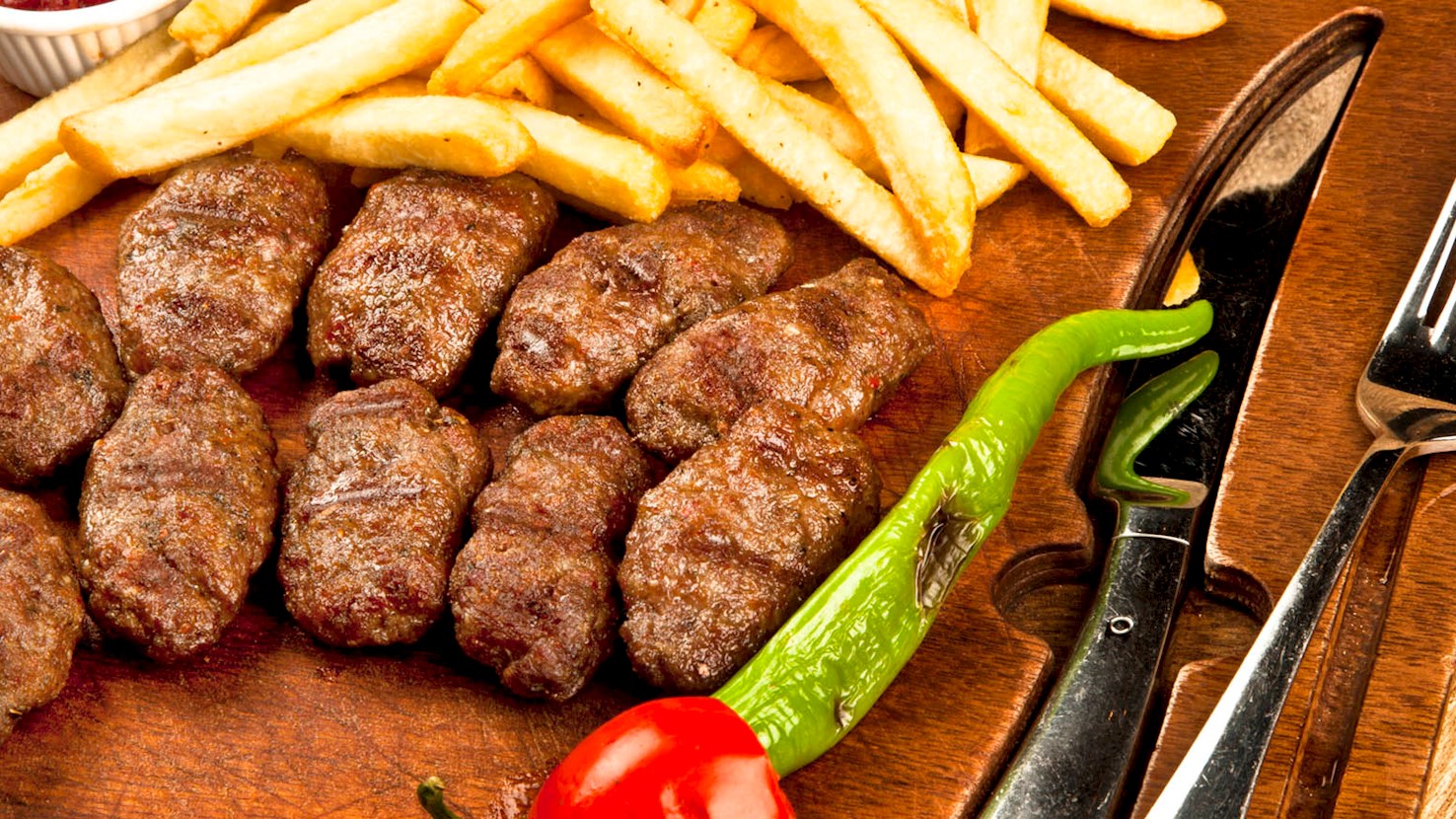
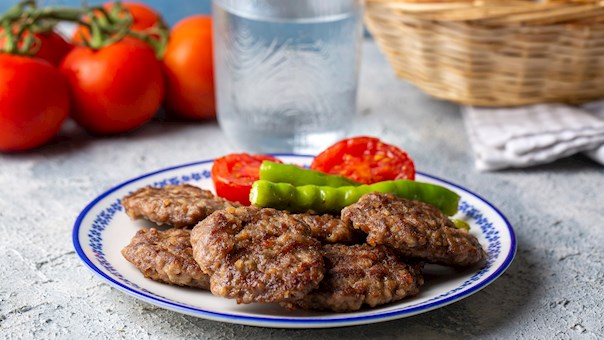
Islama köfte are traditional Turkish meatballs originating from Adapazarı, the capital of Sakarya province. The meatballs are usually made with a combination of grated stale bread, ground beef, onions, garlic, cumin, paprika, eggs, salt, and pepper. Once the mixture has been shaped into meatballs, they're either grilled or fried in oil over medium heat on both sides. The bread is sliced and dipped in a mixture of beef stock, oil, and paprika before it's grilled (or fried in the same pan with the meatballs). Hot green peppers and sliced tomatoes are also grilled or fried, and once everything is fully cooked, it's arranged on a plate with the peppers and tomato slices on the sides.

04

Sarma

4.2 ·

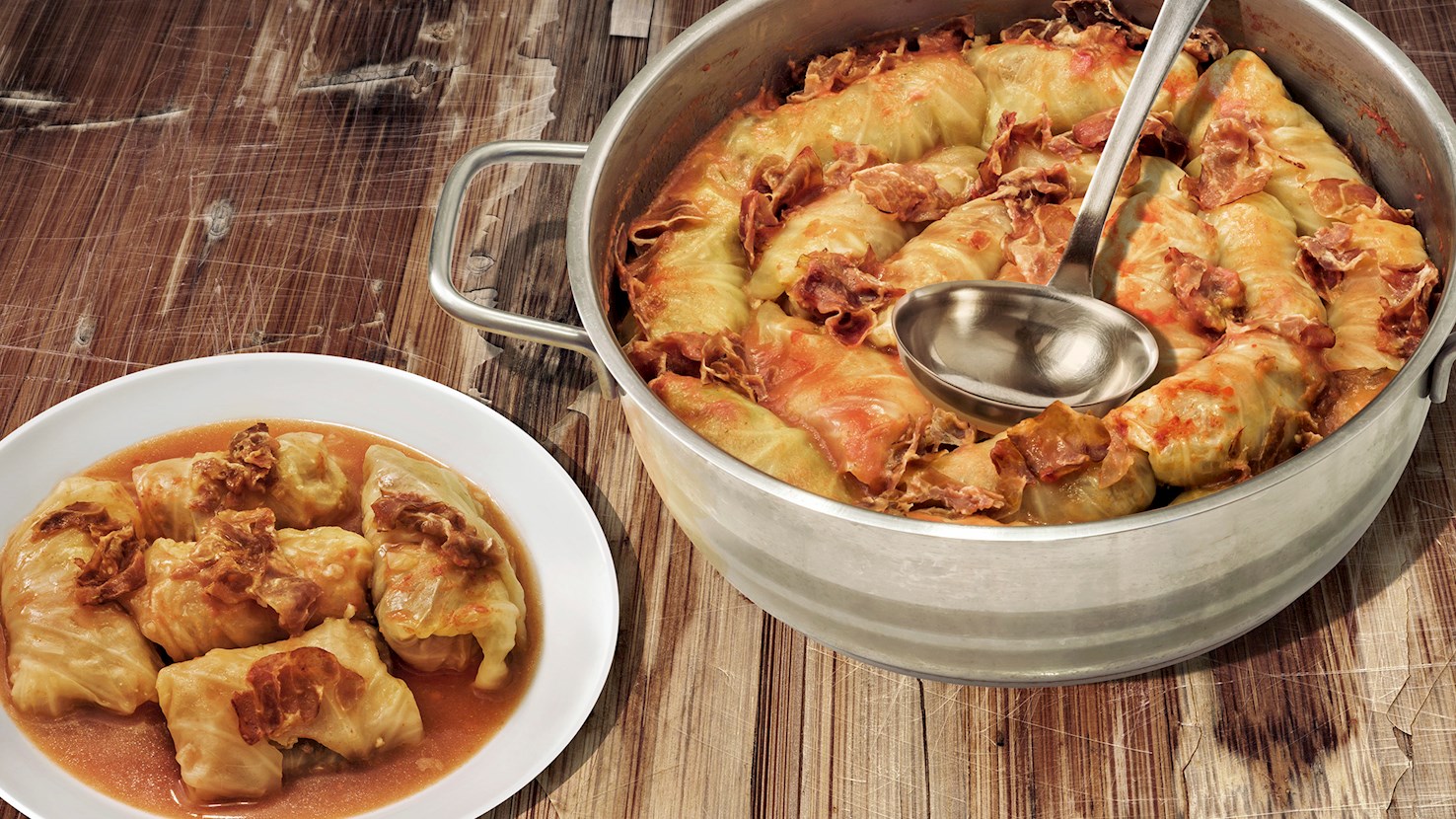
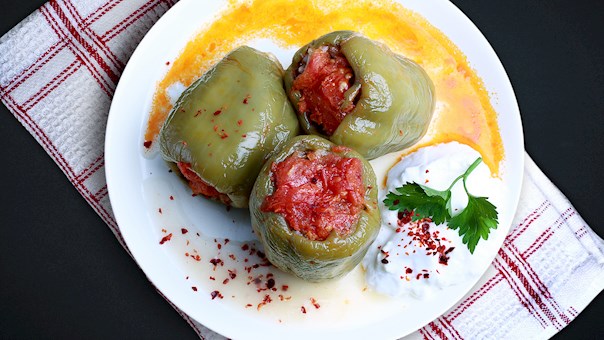
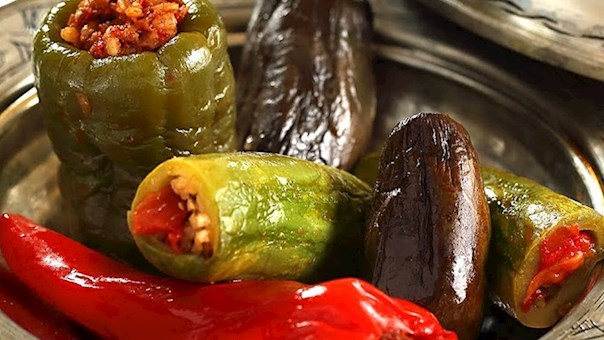
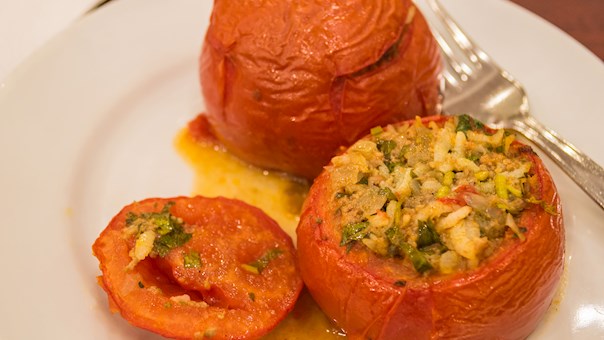
One of the staples of traditional Turkish cuisine, sarma consists of a filling that is snugly surrounded by leaves or leafy vegetables. There are numerous versions of this dish but the mixture typically combines ingredients such as minced meat, rice or bulgur, various herbs, seasonings, red pepper, paprika, ground sumac, or tomato sauce, while the typical wrapping usually includes vine, cabbage, or sauerkraut leaves, or a variety of leafy vegetables such as collard greens and swiss chard. Having its roots in the Ottoman Empire, sarma is also traditionally consumed in the Balkans, the countries of Central Europe, the South Caucasus, and the Middle East. Although it is commonly enjoyed as a filling lunch or dinner (typically during the winter season), sarma is often prepared on special occasions and holidays. The dish is usually accompanied by plain yogurt, mashed potatoes, and crusty bread on the side.

05

Karnıyarık

4.1 ·

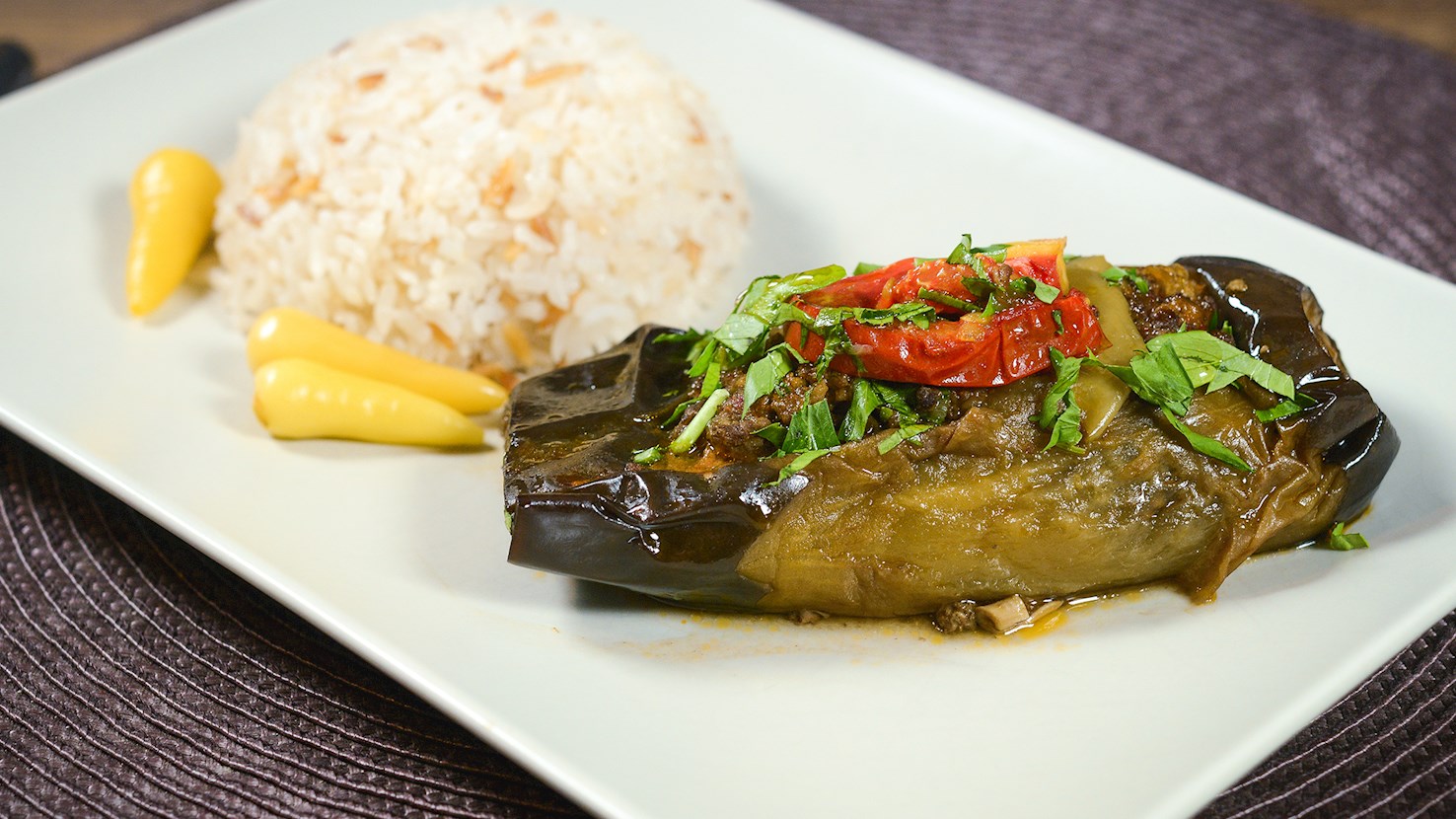
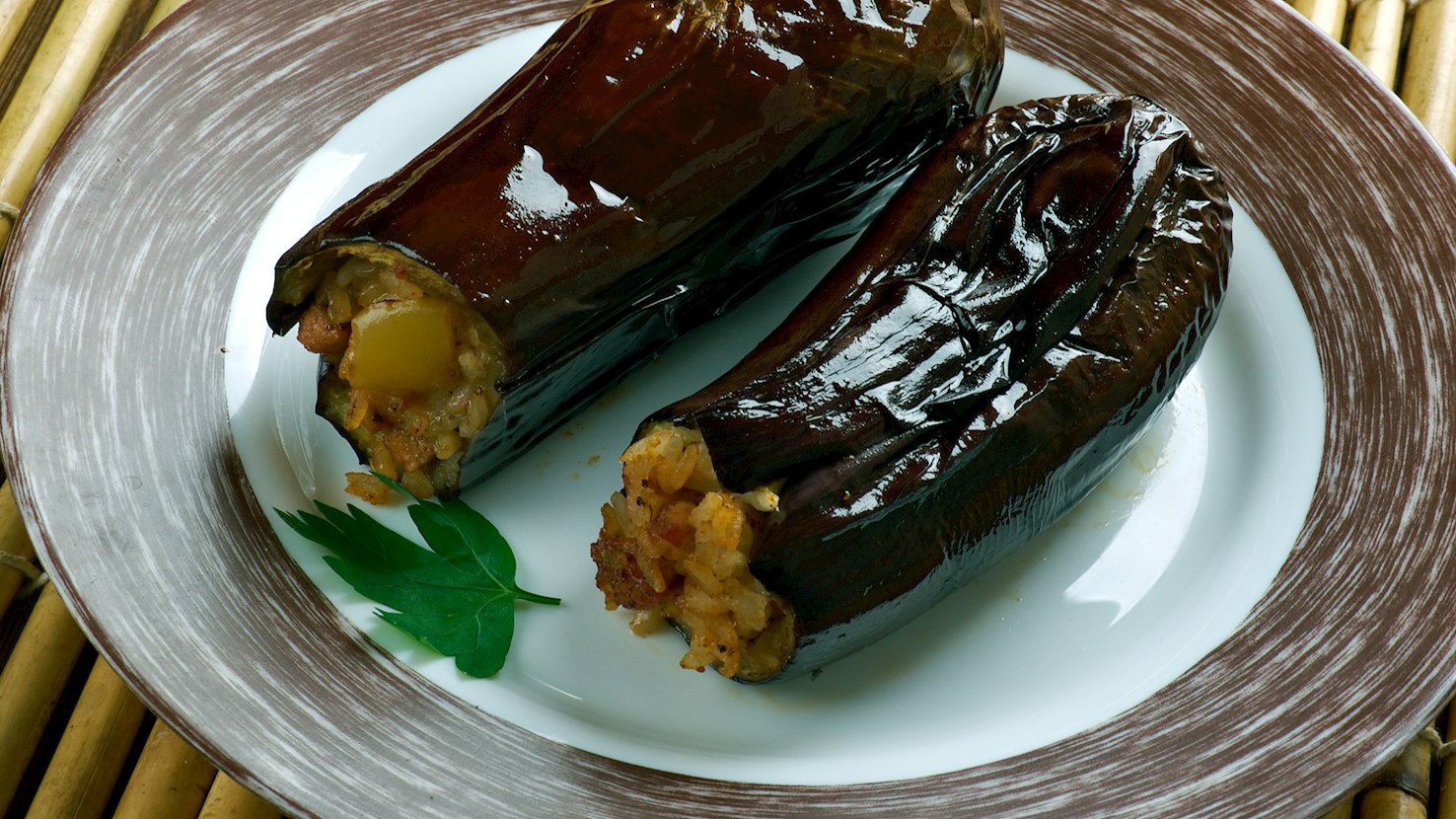
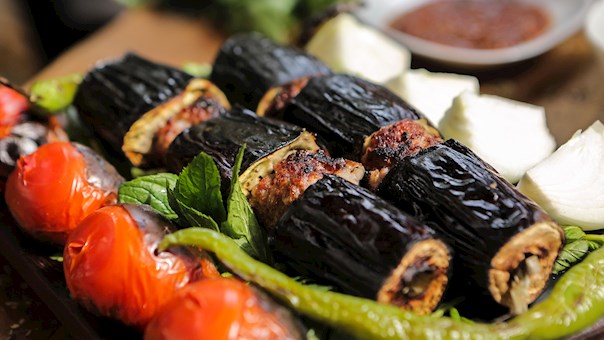
Karnıyarık is a classic Turkish dish consisting of eggplants that are stuffed with a combination of ground meat (usually beef), tomatoes, and onions. The filling is typically seasoned only with salt and pepper, but garlic and parsley can also be added for extra flavor. The stuffed eggplants are then baked in the oven, and the dish is traditionally served either warm or at room temperature. It is recommended to serve it with rice and yogurt on the side.

06

Köfte

4.1 ·

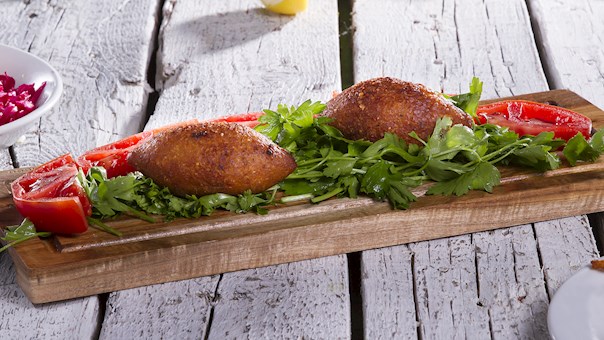
Kofta or köfte are walnut-sized fried meatballs, usually made from ground beef or lamb. It is a popular Turkish meze dish that is often prepared for special occasions and cocktail parties, since the meatballs are quite easy to prepare and can be easily consumed with a toothpick. Köfte come in various degrees of spiciness and in numerous forms - from egg-coated and fried kadin budu to Adana kofte from the south-east of Turkey. In eastern Turkey, the most popular variety is called içli köfte, full of flavor due to large amounts of butter in the filling. Another interesting variety is called cizbiz kofta, one of the most popular street food items in the country, its name coming from the sound which the thin meat patties make when placed on the grill. Whether fried, stewed, drenched in sauce, or grilled, the variations are virtually infinite and every kofta dish pairs well with a glass of turnip juice and fried potatoes on the side.

07

İnegöl köfte

4.1 ·

The most famous Turkish meatball dish was invented by Mustafa Efendi, a Turkish immigrant from Bulgaria who came to İnegöl in the late 19th century. İnegöl köfte are made with breadcrumbs and a mixture of ground beef or lamb, seasoned with only onions. They are grilled, and usually served as a main course. Although these delicious meatballs are nowadays found all over the country, it is said that the best ones are prepared in İnegöl.

08

Kayseri yağlaması

4.1 ·

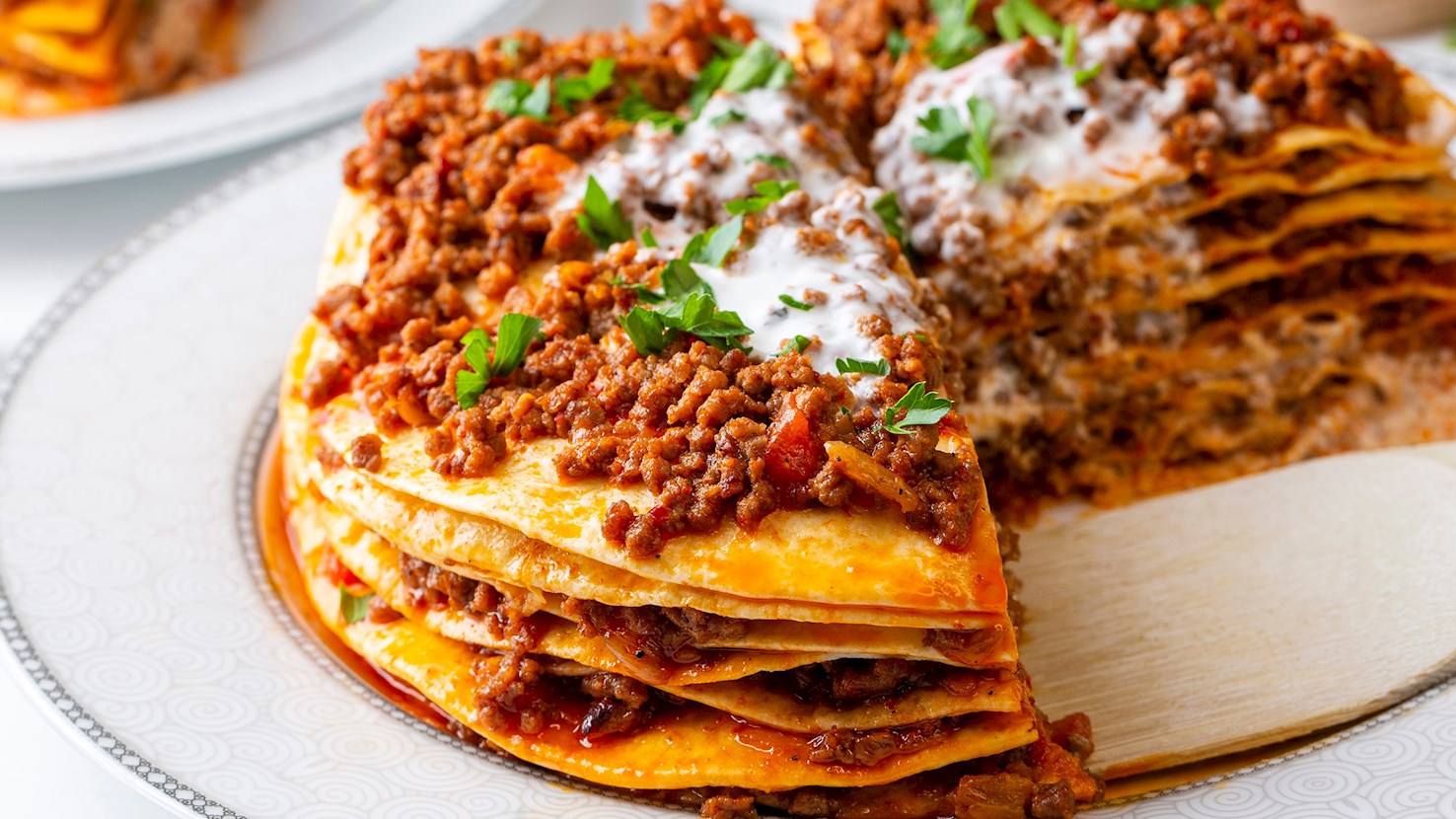
Kayseri yağlaması is a traditional dish from the city of Kayseri in central Anatolia that consists of thin, soft flatbreads layered with a savory filling of minced meat (usually lamb or beef), finely chopped onions, tomatoes, green peppers, and a blend of spices like paprika, black pepper, and cumin. The flatbreads are stacked with the meat mixture spread between each layer, creating a flavorful, lasagna-like dish. Once assembled, the stack is cut into portions and typically served with garlic yogurt and a garnish of parsley. The dish is juicy and aromatic, with the flatbreads soaking up the seasoned meat juices and the cool tang of the yogurt providing a perfect contrast. It's a beloved part of Turkish cuisine, often prepared for family gatherings and special occasions.

09

Çiğ köfte

4.1 ·

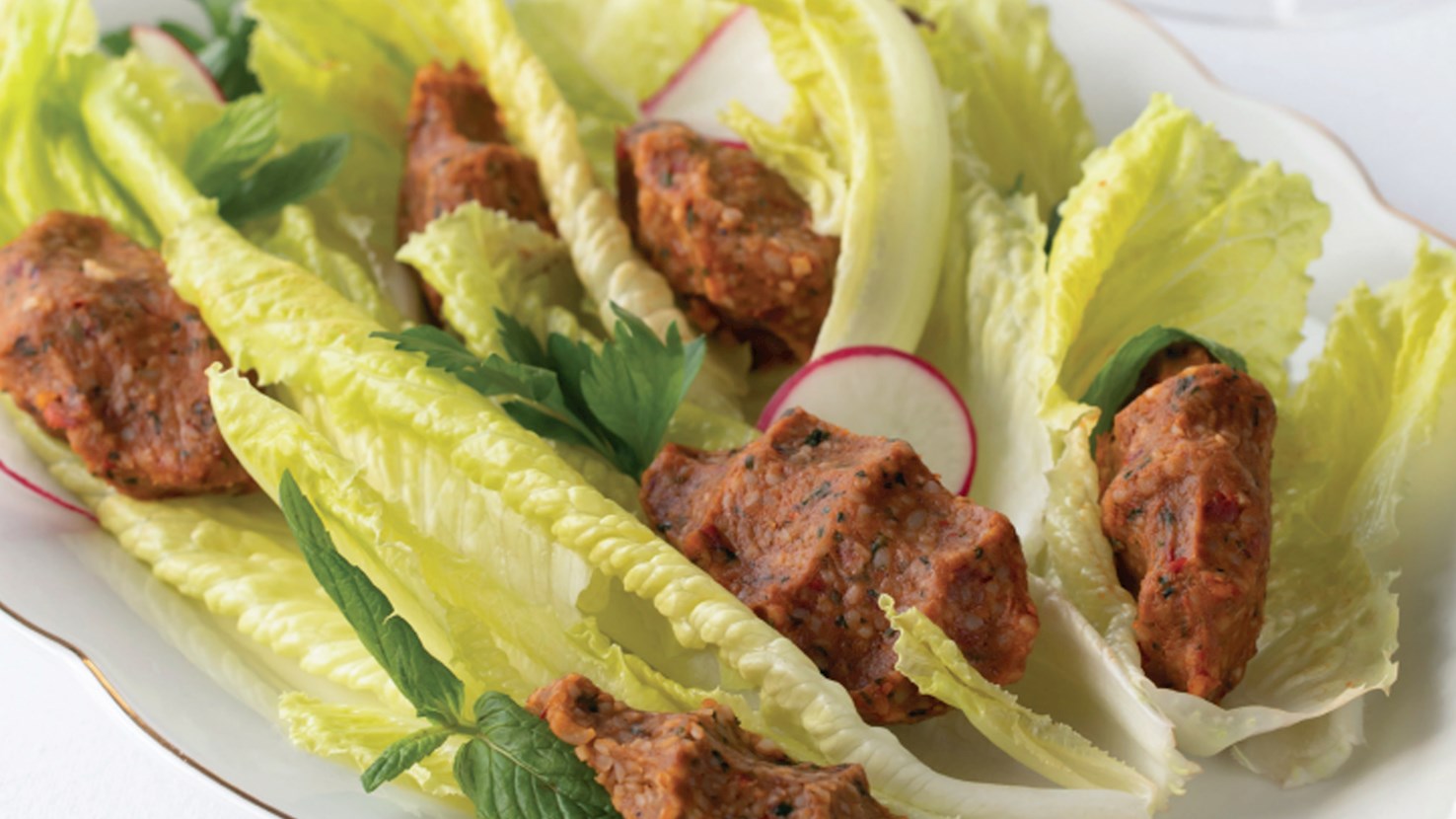
Çiğ köfte is the Turkish version of steak tartare, traditionally made with high-quality ground raw beef (or lamb) that is combined with tomatoes, onions, garlic, pepper, and a selection of Turkish spices. The dish is consumed as a meze, and it is typically served almost cold. Nowadays, due to food safety regulations and health concerns, the meat is almost always replaced with bulgur and ground walnuts, but these vegetarian versions are so good that people mostly can’t tell them from the real thing.

10

İzmir köfte

4 ·

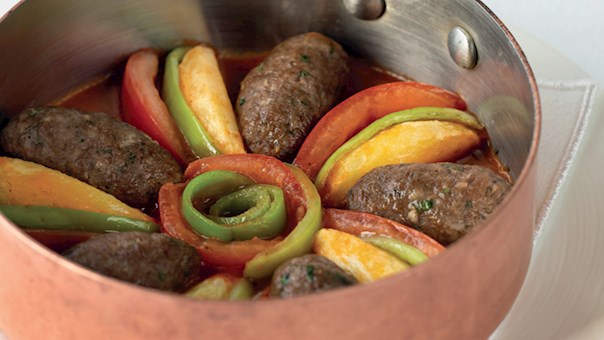
İzmir köfte is a Turkish comfort food dish consisting of köfte (meatballs), peppers, and potatoes in a simple tomato sauce. The dish can either be prepared on a stove or baked in the oven. Köfte are typically made with ground beef or lamb, onions, flour, stale bread, and eggs, flavored with a variety of spices such as red pepper flakes, cumin, black pepper, and mint. Before serving, İzmir köfte are traditionally garnished with chopped parsley on top. It is recommended to use plain rice or a slice of crusty bread as accompaniments. The dish originated and was named after Smyrni, or modern-day Izmir, where it was initially prepared by Greek citizens and was called soutzoukakia smyrneika. It is believed that the dish was brought to other areas in Greece in the 1920s, following the great migration after the Greco-Turkish War.

Read more
View all
View map
About this ranking

TasteAtlas food rankings are based on the ratings of the TasteAtlas audience, with a series of mechanisms that recognize real users and that ignore bot, nationalist or local patriotic ratings, and give additional value to the ratings of users that the system recognizes as knowledgeable. For the “Top 26 Turkish Ground Meat Dishes” list until June 15, 2026, 6,514 ratings were recorded, of which 3,602 were recognized by the system as legitimate. TasteAtlas Rankings should not be seen as the final global conclusion about food. Their purpose is to promote excellent local foods, instill pride in traditional dishes, and arouse curiosity about dishes you haven’t tried.

Similar lists