shutterstock

Top 15 Asian Indica Rice

Last updated on May 31, 2026

Best Asian Indica Rice
01

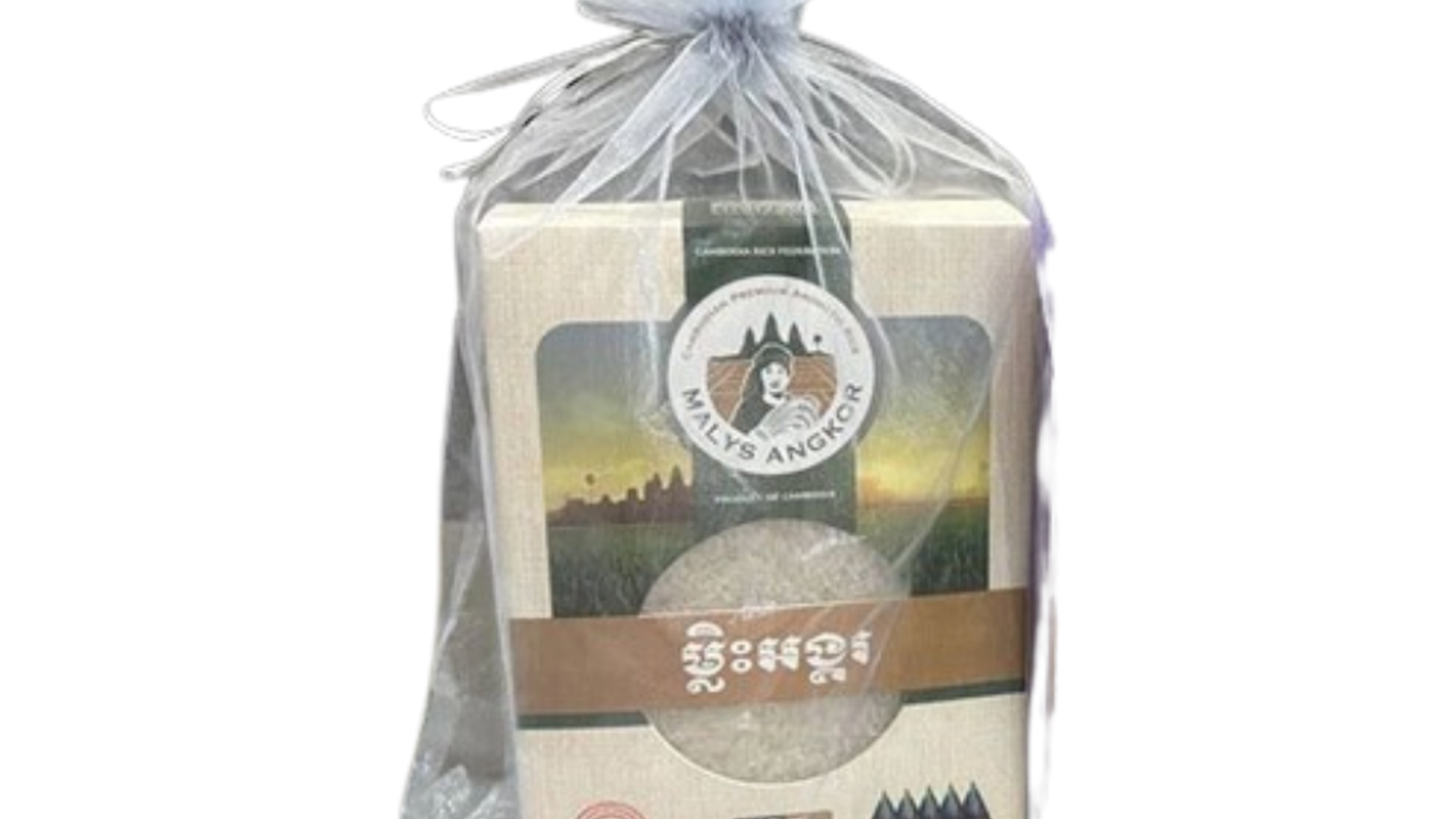
Malis Angkor

5 ·
Malys Angkor is a certification brand that represents the highest quality of Cambodian aromatic rice and is owned by the Cambodia Rice Federation. This mark guarantees that the rice originates from verified sources in Cambodia and meets the highest standards in terms of quality, flavor, and origin. The Malys Angkor brand includes highly prized varieties such as Phka Rumduol and other traditional types, known for their delicate texture, jasmine fragrance, and slightly sweet taste. The brand was created to unify and promote the identity of Cambodian rice on the global market, and its authenticity has been recognized through multiple wins of the prestigious "World’s Best Rice" award. Malys Angkor is not just a brand - it is a symbol of national pride, sustainable agriculture, and the exceptional culinary value of Cambodia.
Awards
International World Rice Conference - World’s Best Rice (2024, 2022, 2018)
02

Gạo Ông Cua

5 ·
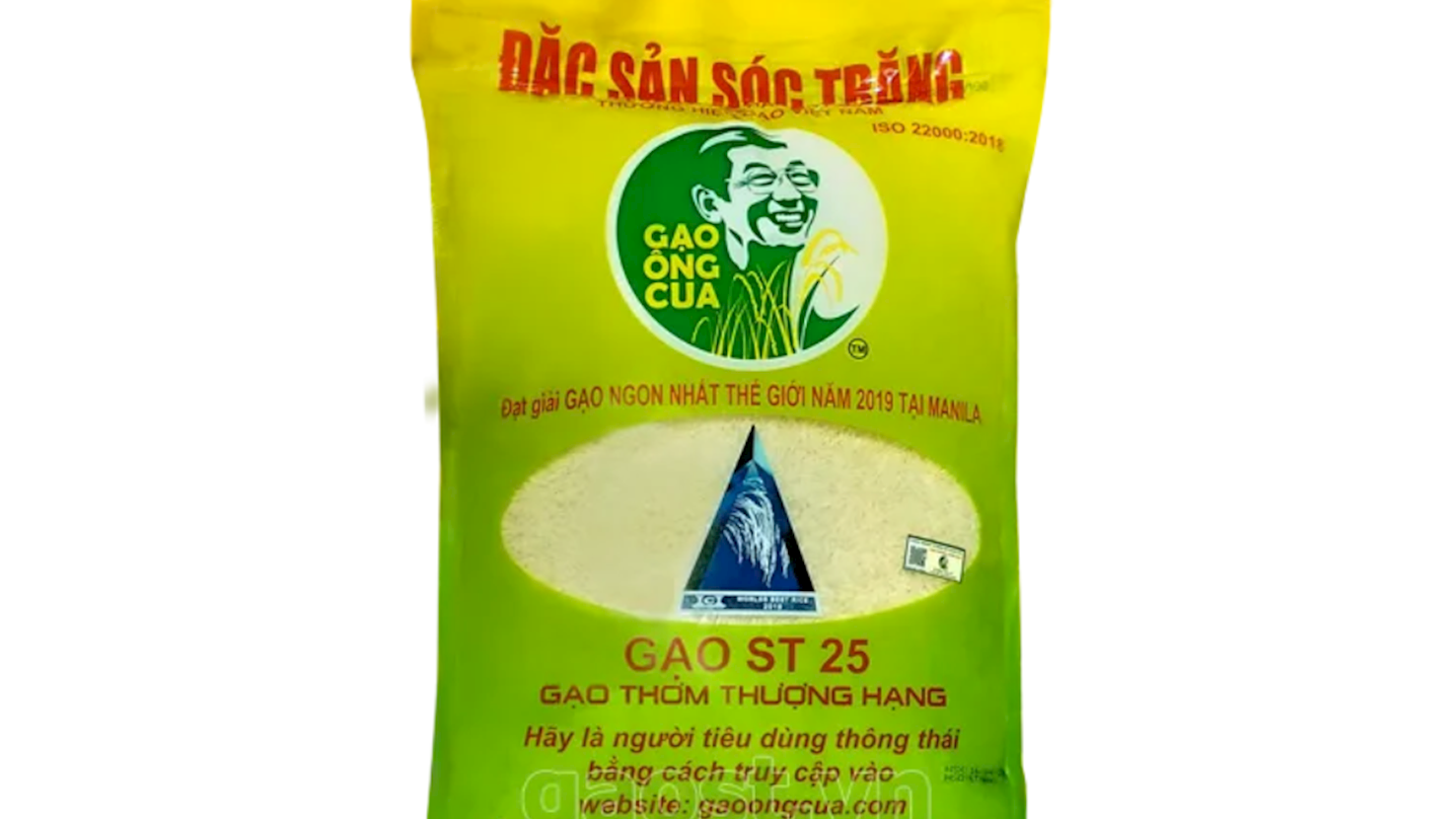
Gạo Ông Cua is a prestigious Vietnamese rice brand originating from the Mekong Delta, renowned for its superior quality and authenticity. The brand is named after engineer Hồ Quang Cua, the principal developer of the famous ST24 and ST25 rice varieties, which have won multiple awards at international rice competitions, including the title of “World’s Best Rice” in 2019 and 2023. These varieties are the result of years of scientific research and carefully selected agricultural practices, aimed at producing rice with exceptional taste, aroma, and nutritional value. Gạo Ông Cua is especially distinguished by its ST25 variety – a long, glossy grain that remains fluffy and fragrant after cooking. The brand represents a modern Vietnamese approach to agriculture, combining tradition, science, and sustainability, and is increasingly recognized both domestically and on the international market.
Awards
International World Rice Conference - World’s Best Rice (2023, 2019)
03

Royal Umbrella

4.9 ·
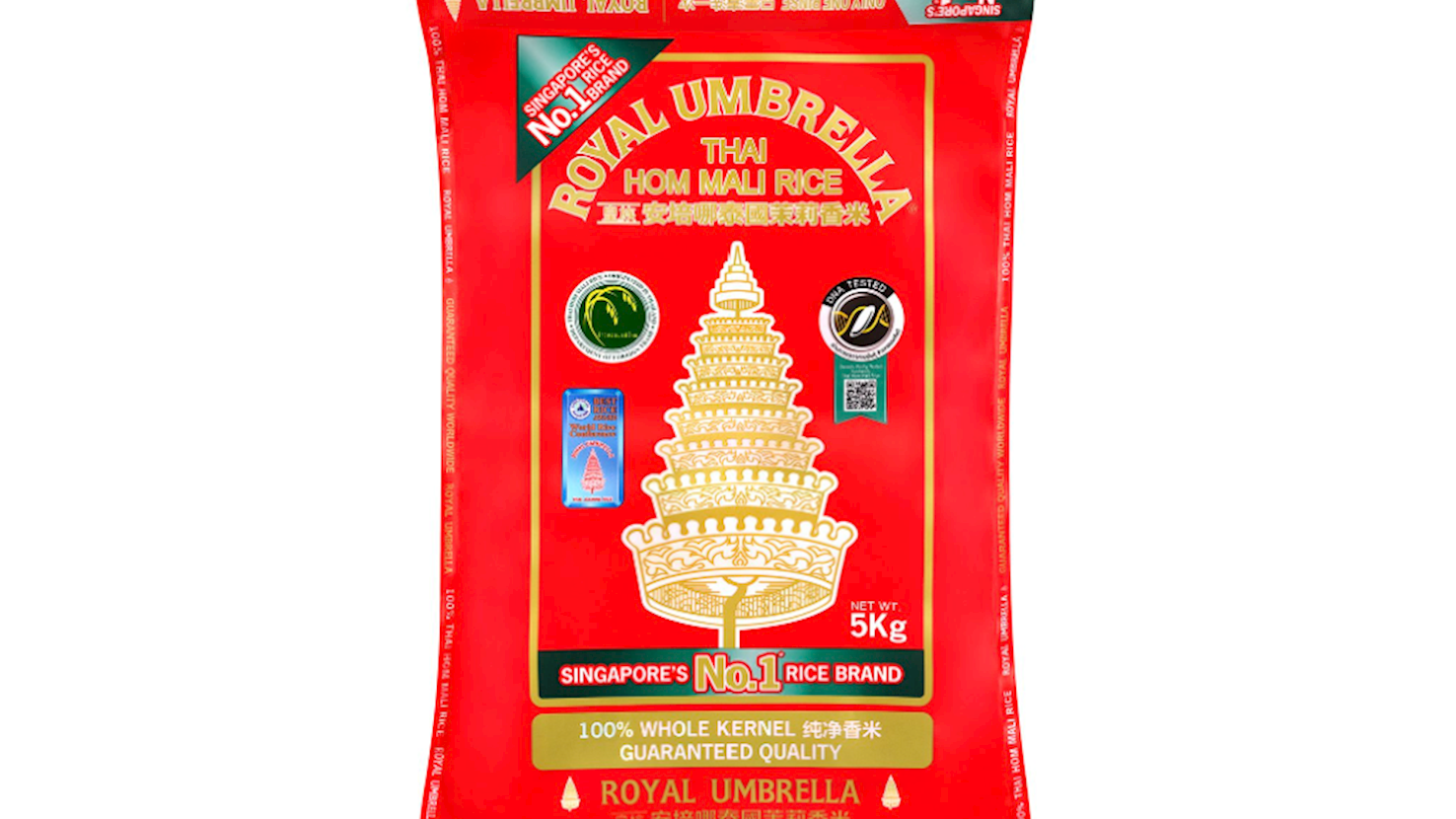
Royal Umbrella is a prestigious Thai rice brand known for its superior quality, authentic flavor, and consistent production. The brand is owned by C.P. Intertrade, a subsidiary of the powerful Charoen Pokphand Group, which is the largest agro-industrial conglomerate in Asia. Its most renowned product is Thai Hom Mali Jasmine Rice, a premium Thai jasmine rice grown in the northeastern regions of Thailand, known for their fertile soil, pure water, and favorable tropical climate—conditions that contribute to the rice’s distinctive jasmine aroma, delicate flavor, and light, fluffy texture after cooking. Royal Umbrella combines traditional expertise with modern technology in its operations. The production process involves state-of-the-art milling and processing equipment, and every batch undergoes rigorous quality control - from harvesting to packaging. Royal Umbrella rice is used in households, restaurants, and hotels around the world and is highly valued for its versatility in cooking - perfect for traditional Thai dishes as well as international recipes such as risottos, sushi, and other rice-based specialties. Recognizable by its red packaging and iconic golden umbrella emblem, this brand holds a leading position in the global export of Thai rice.
04

India Gate Foods

4.8 ·
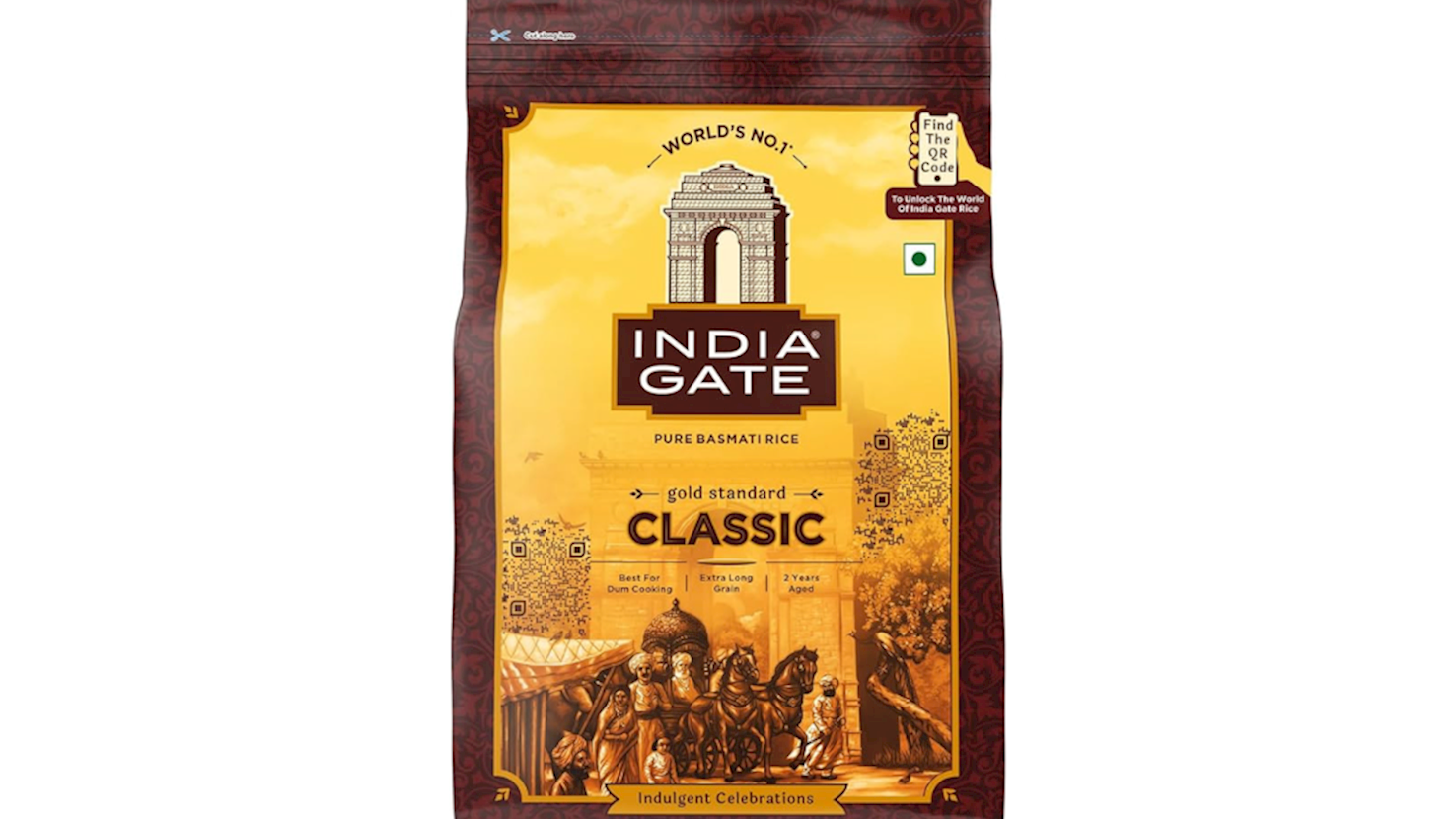
India Gate Foods is a leading global brand of basmati rice, recognized for its superior quality, rich aromatic profile, and a tradition that spans over 130 years. The brand is owned by KRBL Limited, the world's largest producer and exporter of basmati rice, headquartered in Noida, India. Founded in 1889, the company launched the India Gate brand in 1998, which has since become a symbol of trust and quality in households across more than 80 countries worldwide. India Gate Foods offers a wide range of products, including premium basmati rice varieties such as Classic, Super, Tibar, and Feast Rozzana, as well as specialty options like brown basmati rice and regional grains. Thanks to advanced processing technologies, strict quality control, and a strong commitment to preserving the natural taste and characteristics of the grain, India Gate has become the first choice for both everyday consumers and professional chefs seeking authenticity in their culinary creations.
05

Golden Phoenix

4.8 ·
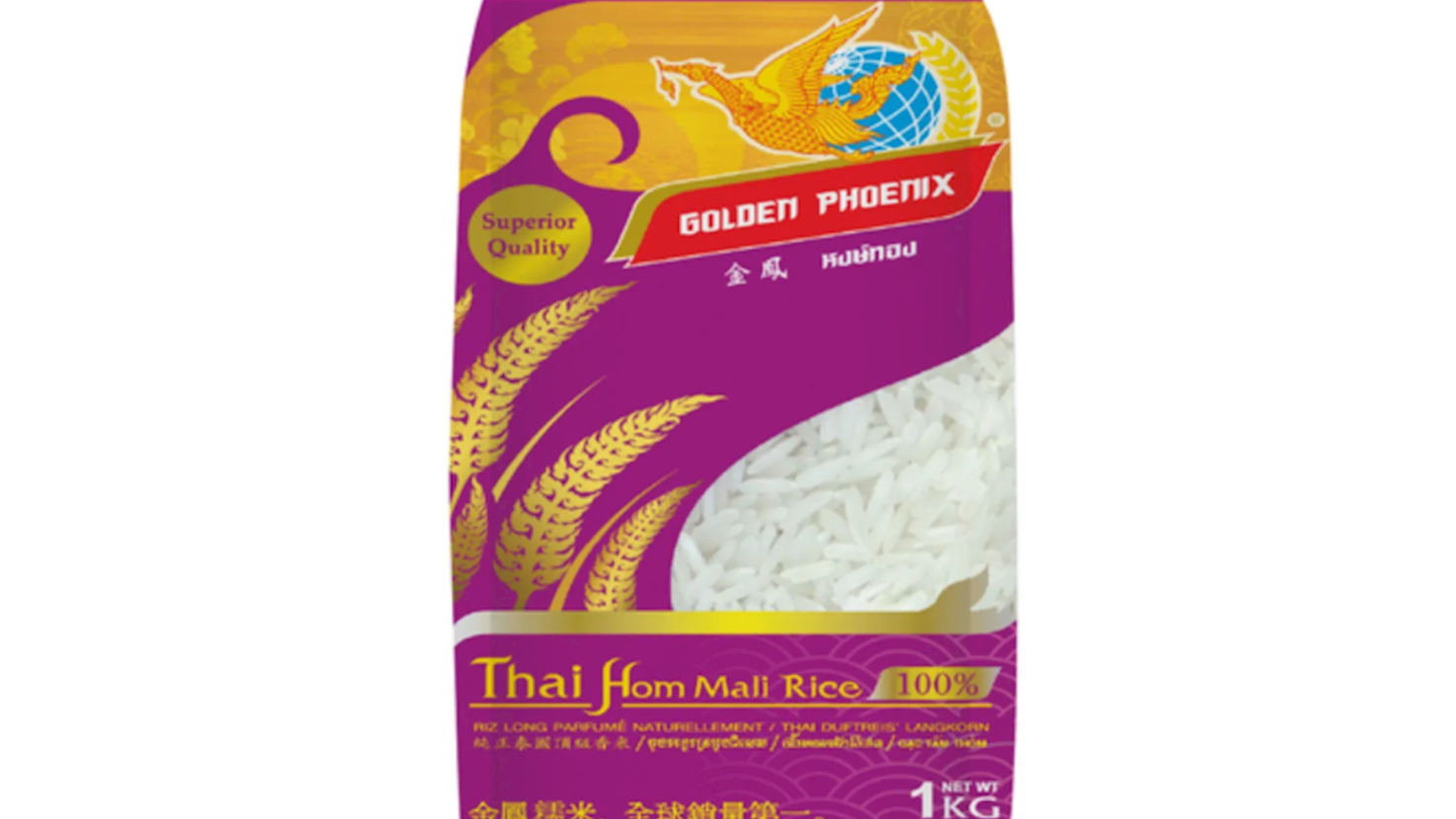
Golden Phoenix is one of the most recognized Thai rice brands, known for producing authentic and high-quality Thai Hom Mali jasmine rice - a variety celebrated worldwide for its distinctive aromatic fragrance, delicate texture, and slightly sticky grain once cooked. Founded in 1937, Golden Phoenix is part of the Chia Meng Group, one of the oldest and most respected rice companies in Thailand, headquartered in the northeastern region of the country, at the heart of the most fertile areas for jasmine rice cultivation. Golden Phoenix stands out for its combination of tradition and modern technology. The company utilizes fully automated systems for cleaning, selecting, and packaging the rice, ensuring consistent quality and impeccable hygiene. Every grain undergoes strict quality control, and the brand places special emphasis on preserving the rice's natural characteristics - including the pandan-like aroma, a natural marker of authentic Thai jasmine rice. The brand’s products are highly valued by both professional chefs and households seeking genuine Thai quality in every meal. Golden Phoenix has become a symbol of reliability, excellence, and the true experience of traditional Thai cuisine.
06

Zaki Al Salem

4.8 ·
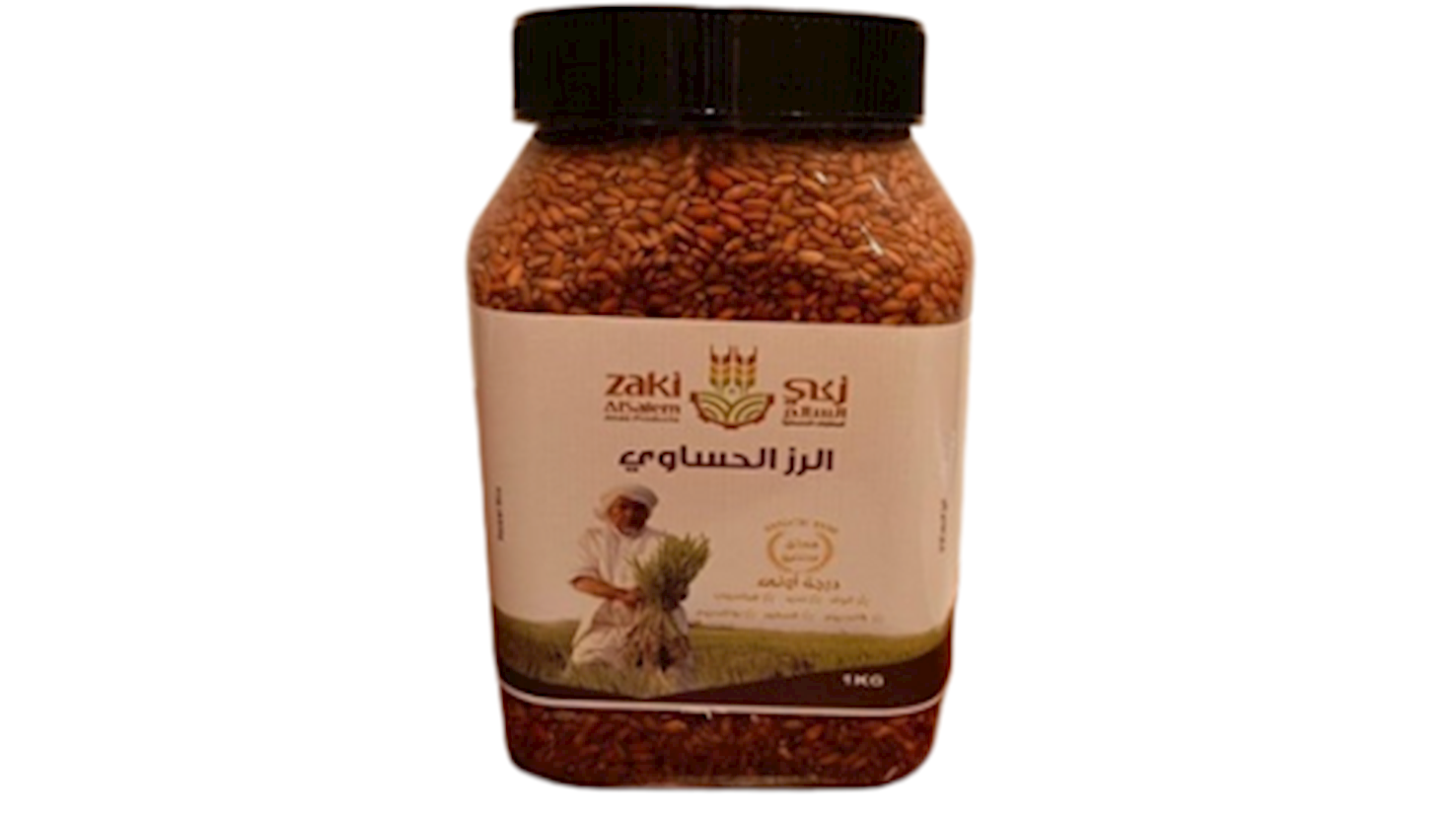
Zaki Al-Salem is one of the most renowned and expansive agricultural enterprises in Saudi Arabia, located in the Al-Ahsa region - an area often described as the agricultural heart of the country. The family business, managed by brothers Zaki and Jafar Al-Salem, continues a long-standing tradition of farming established by their father and grandfather, preserving generational knowledge and expertise. The farm covers approximately 3,000,000 square meters, with a primary focus on cultivating the native Al-Hassawi rice, a variety that holds a special place in Saudi culinary heritage. Zaki Al-Salem Farm produces nearly half of the nation’s total Al-Hassawi rice output, making it a key player in preserving and promoting local agricultural identity. In addition to rice, the farm cultivates fruits, vegetables, watermelons, sunflowers, and other crops, using an advanced irrigation system based on artesian wells from the Al-Ahsa oasis. Modern soil management techniques and efficient resource use ensure high productivity and sustainability even in harsh desert conditions. The visual identity of the brand reflects a balance between tradition and modernity, while the farm itself stands as a symbol of resilience and intelligent agriculture in an arid environment. Thanks to its consistency in quality, sustainable practices, and dedication to the local community, Zaki Al-Salem has become a model of how domestic agricultural producers can successfully combine heritage, innovation, and social responsibility.
07

Daawat

4.7 ·
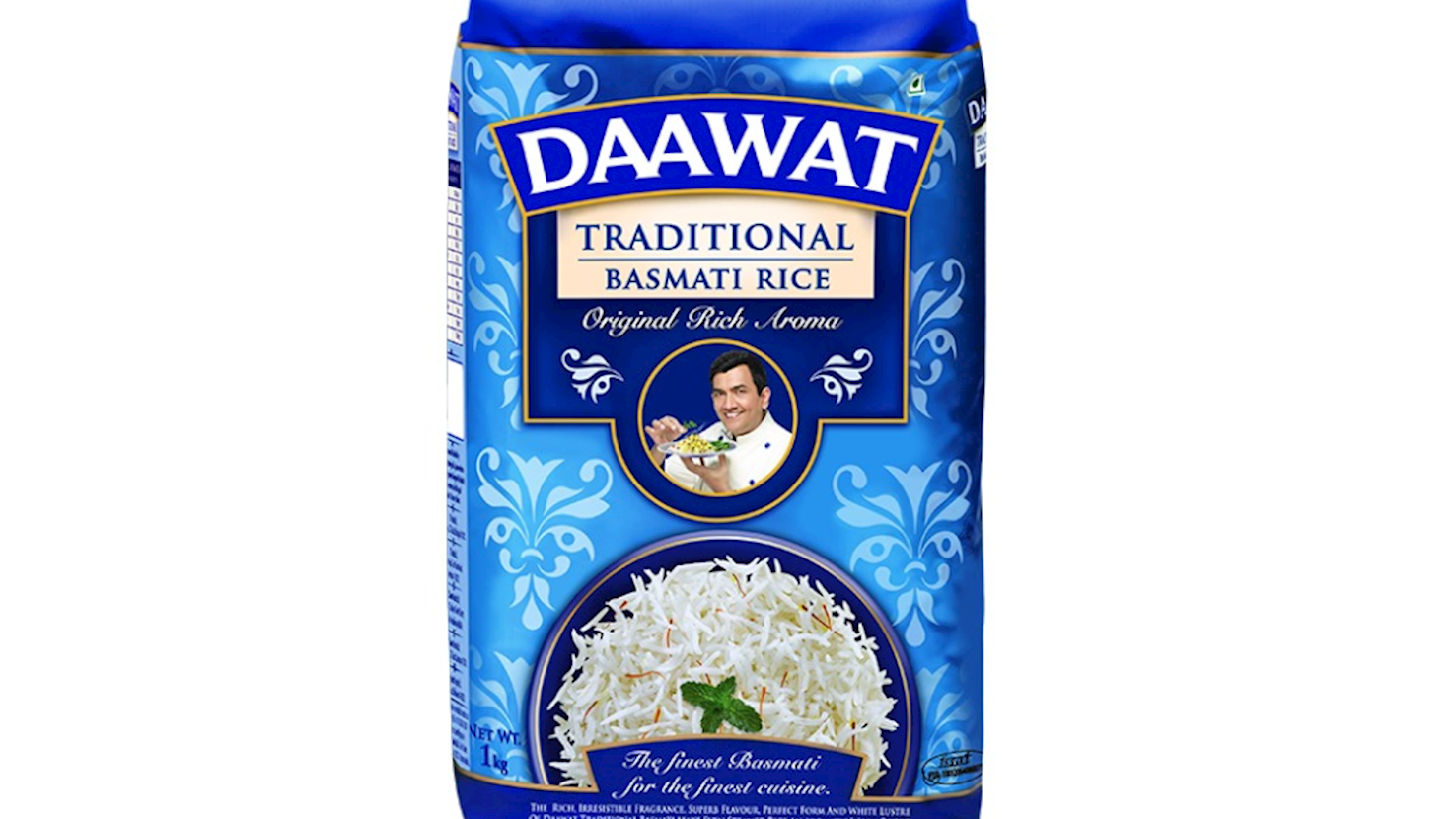
Daawat is one of the most recognized basmati rice brands in India, known for its superior quality, rich flavor, and long, aromatic grains. Owned by LT Foods, Daawat stands out for its careful grain selection, collaboration with over 80,000 farmers, and the use of modern production technologies. One of the key features of Daawat rice is its aging process, where the grains are aged for up to two years. This enhances the flavor, improves the texture, and gives the rice its distinctive aroma. The aging takes place in specialized silos, and advanced methods of cleaning, dehusking, and grading are applied to ensure top quality in every pack.
08

Lal Qilla Rice

4.7 ·
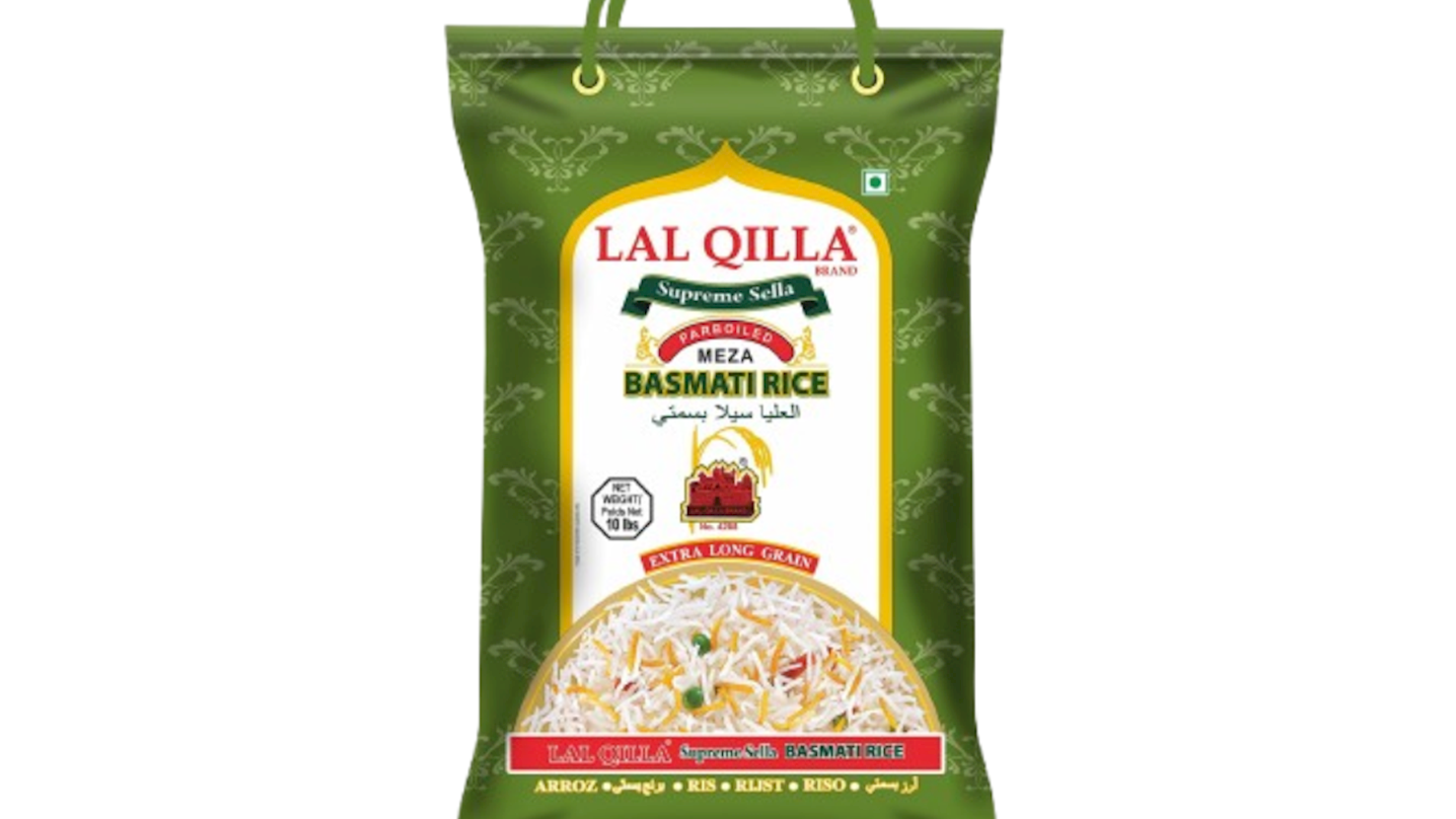
Lal Qilla is a renowned basmati rice brand that represents a fusion of rich Indian tradition and premium quality. Owned by the company Amar Singh Chawal Wala (ASCW), founded in 1901 in Amritsar, Lal Qilla is the result of over a century of dedication to producing the finest basmati rice. The rice is cultivated in the fertile foothills of the Himalayas, where the unique climate and soil contribute to its distinctive aroma, taste, and texture. Lal Qilla basmati rice is known for its exceptionally long, slender grains that elongate and remain fluffy after cooking, making it ideal for dishes like biryani and pilaf. Its characteristic fragrance and mild nutty flavor are the result of a meticulous two-year aging process. The company offers a broad range of products, including both traditional and more contemporary rice varieties. Thanks to high quality standards and international certifications, Lal Qilla has become a global leader in the basmati rice industry, with a presence in over 70 countries worldwide. Its philosophy is based on a blend of tradition, innovation, and commitment to excellence, making Lal Qilla a synonym for authentic Indian basmati rice.
09

Falak

4.6 ·
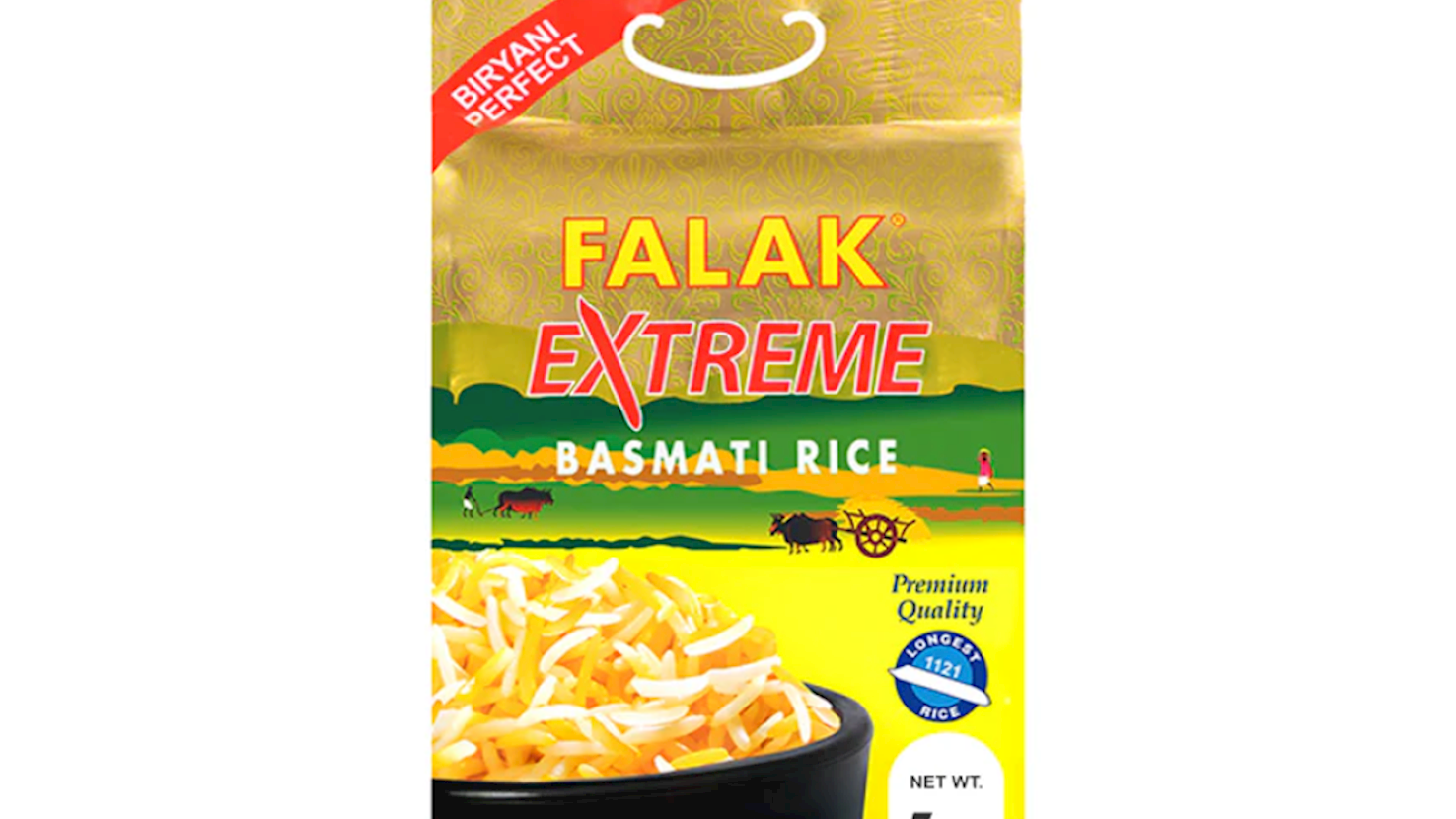
Falak Rice is one of Pakistan’s leading brands specializing in the production and export of premium-quality basmati rice. The brand is part of Matco Foods, a company established with the vision of bringing the authentic flavors of Pakistan to dining tables around the world. Sourced from the fertile fields of Punjab and irrigated by the pure waters of the Himalayas, Falak rice is known for its exceptional grain length, rich aroma, and consistent texture. The brand is recognized for selecting only the finest varieties, which undergo rigorous quality control before reaching consumers. Today, Falak is present in over 65 countries, including key markets in the Middle East, Europe, the United States, Africa, and Asia, and is regarded as a symbol of authentic taste and reliable quality. Through innovation, sustainability, and commitment to the highest standards, Falak continues to earn the trust of consumers and remains a leader in the packaged rice category.
10

Guard Rice

4.6 ·
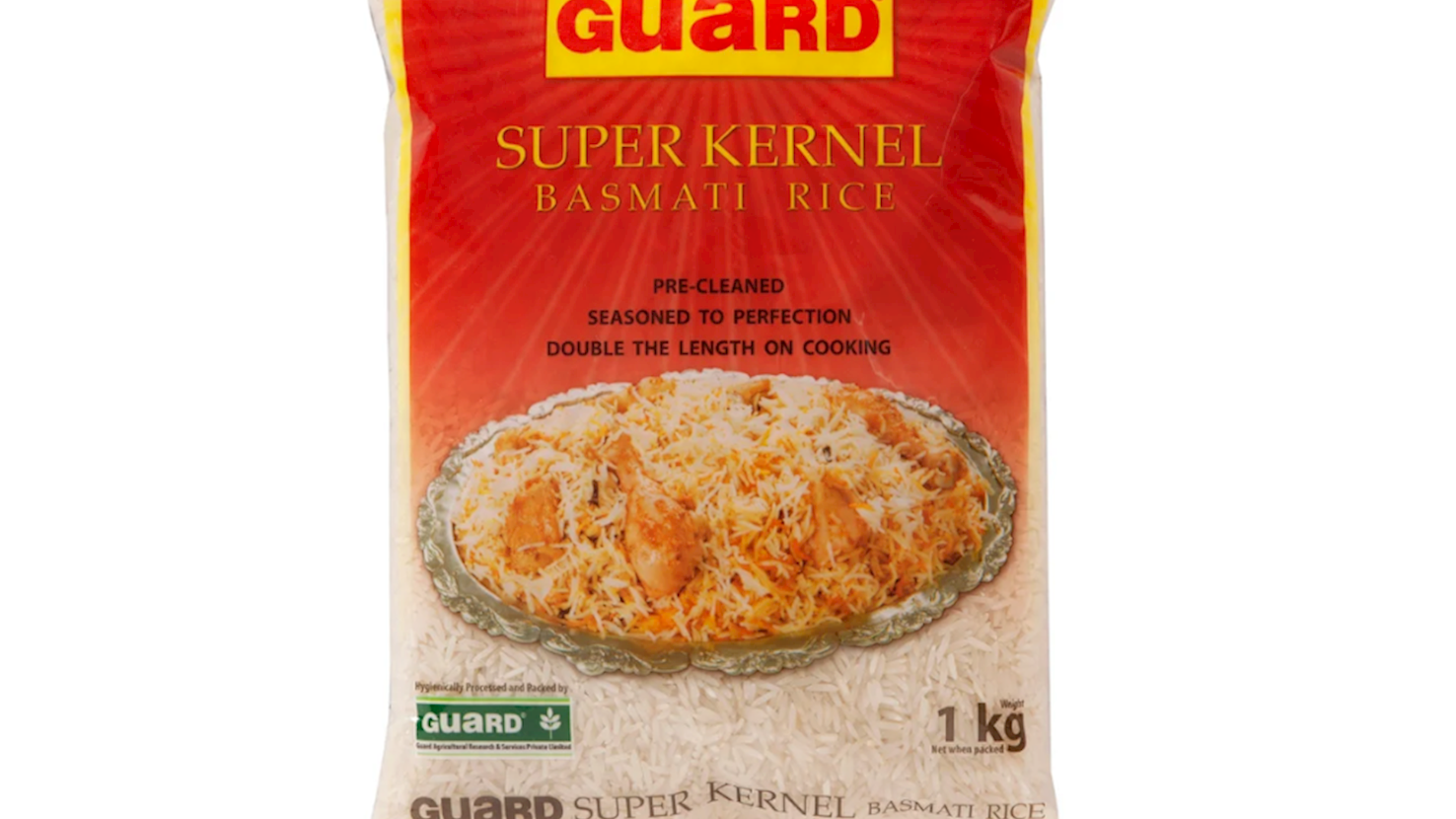
Guard Rice is the oldest Pakistani basmati rice brand, with a rich heritage dating back to 1948. Established as part of the Guard Group of Industries, Guard was the pioneer in introducing packaged and branded basmati rice in Pakistan - at a time when rice was mostly sold in bulk without any brand identity. This initiative revolutionized the rice industry and set new standards for quality, consistency, and brand recognition. Guard Rice was also the first private brand in Pakistan to establish its own research and development center dedicated to hybrid basmati and non-basmati rice varieties. With a strong focus on innovation, advanced technology, and stringent quality control, the company earned a reputation as an industry leader both domestically and in over 45 international markets. As the oldest basmati rice brand in Pakistan, Guard represents not just tradition and authenticity, but also a lasting commitment to innovation, sustainable practices, and customer satisfaction. Its flagship products - such as Super Kernel Basmati, Ultimate Basmati, and Tibar - have become synonymous with premium quality and decades of trust.

Best Asian Indica Rice Types
01

Khao Hom Mali

4.3 ·

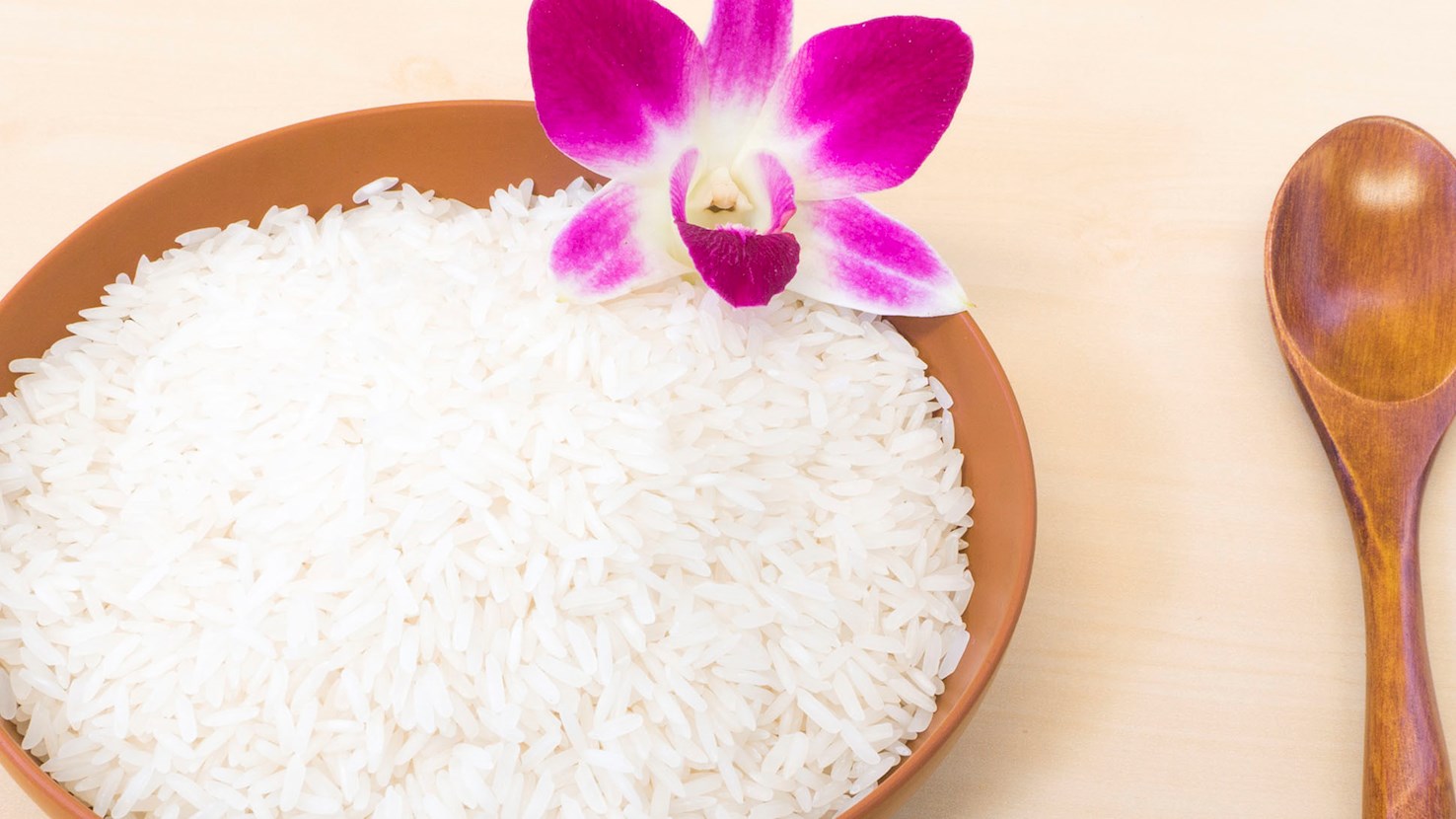
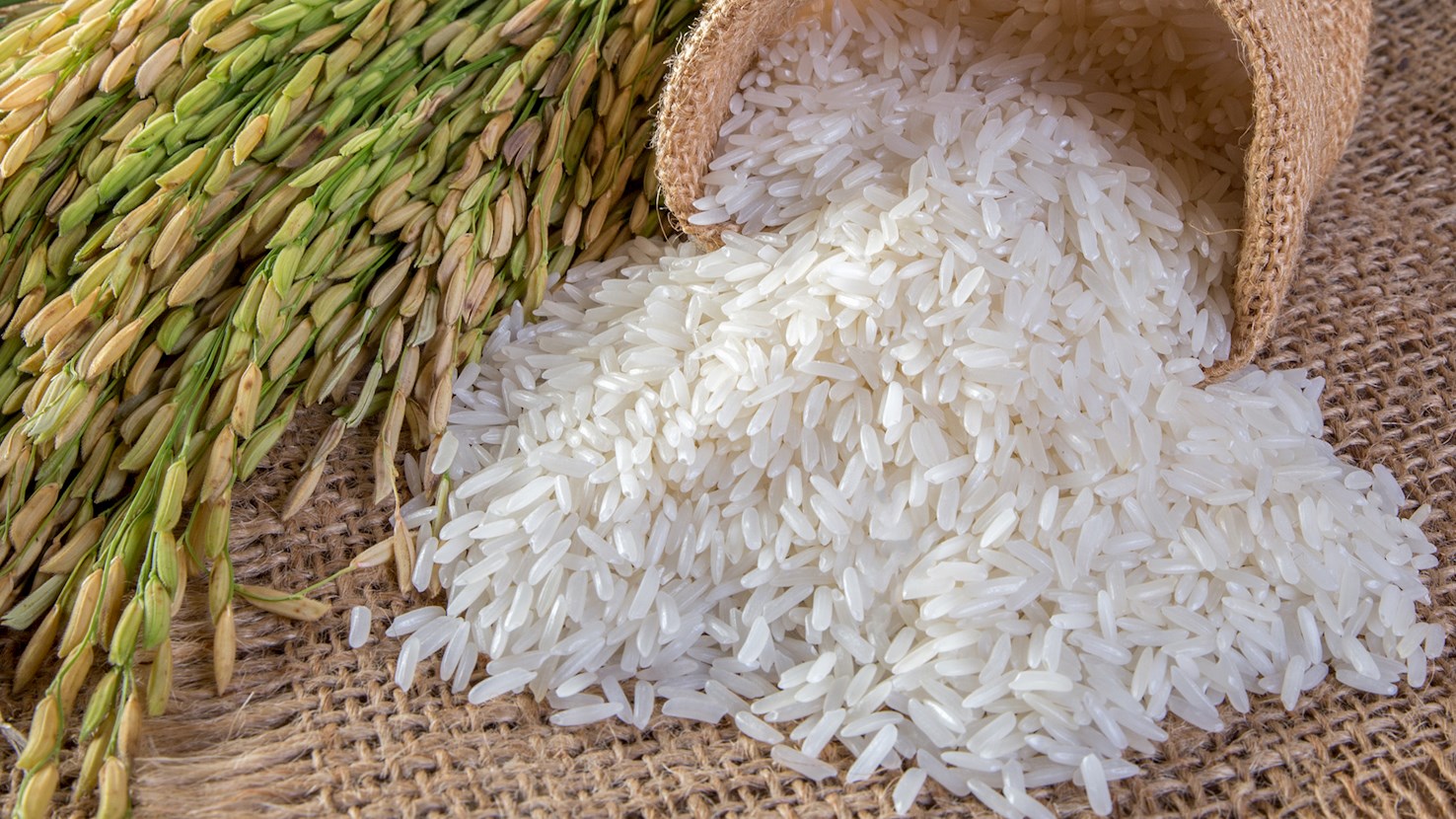
Khao Hom Mali is Thai jasmine rice, a premium variety of long-grain aromatic rice that is famous for its fragrant aroma, soft texture, and slightly sweet flavor. The name itself reflects its characteristics: "khao" means rice, "hom" means fragrant, and "mali" means jasmine, referring to its delicate floral scent, reminiscent of jasmine flowers. Primarily grown in Thailand's northeastern and central regions, Khao Hom Mali rice is cultivated under specific climatic conditions that enhance its natural fragrance and cooking qualities. The best-known regions for jasmine rice production include Ubon Ratchathani, Surin, Roi Et, and Yasothon, where the soil and weather contribute to superior rice quality. Among these, Khao Hom Mali Thung Kula Rong-Hai is considered the highest grade, recognized for its Geographical Indication (GI) certification, ensuring authenticity and origin. Unlike regular long-grain rice, Khao Hom Mali remains soft, slightly sticky, and fluffy when cooked, making it ideal for Thai cuisine, particularly dishes like green curry, Thai stir-fries, and grilled meats. It is often prepared without rinsing before cooking to preserve its natural fragrance. Internationally, Thai Hom Mali rice is regarded as one of the best rice varieties in the world, and it is a staple in Thai households, restaurants, and premium exports. It is celebrated not only for its exceptional texture and aroma but also as a symbol of Thailand's rich agricultural heritage.

02

Basmati

4.2 ·

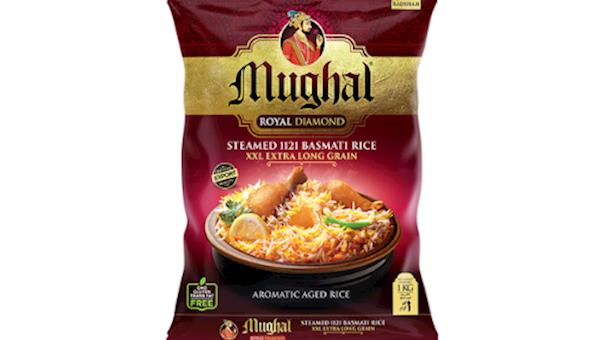
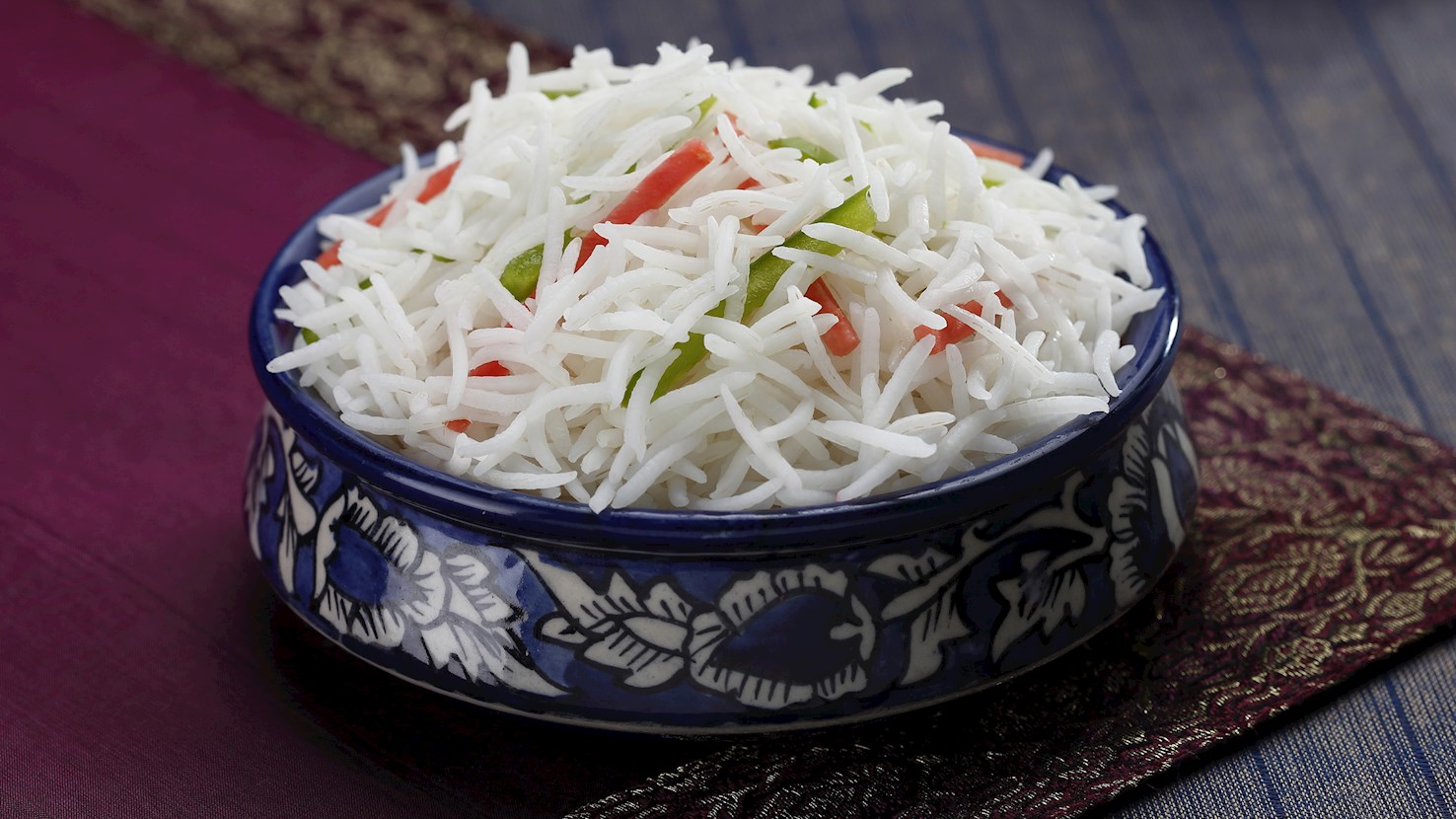
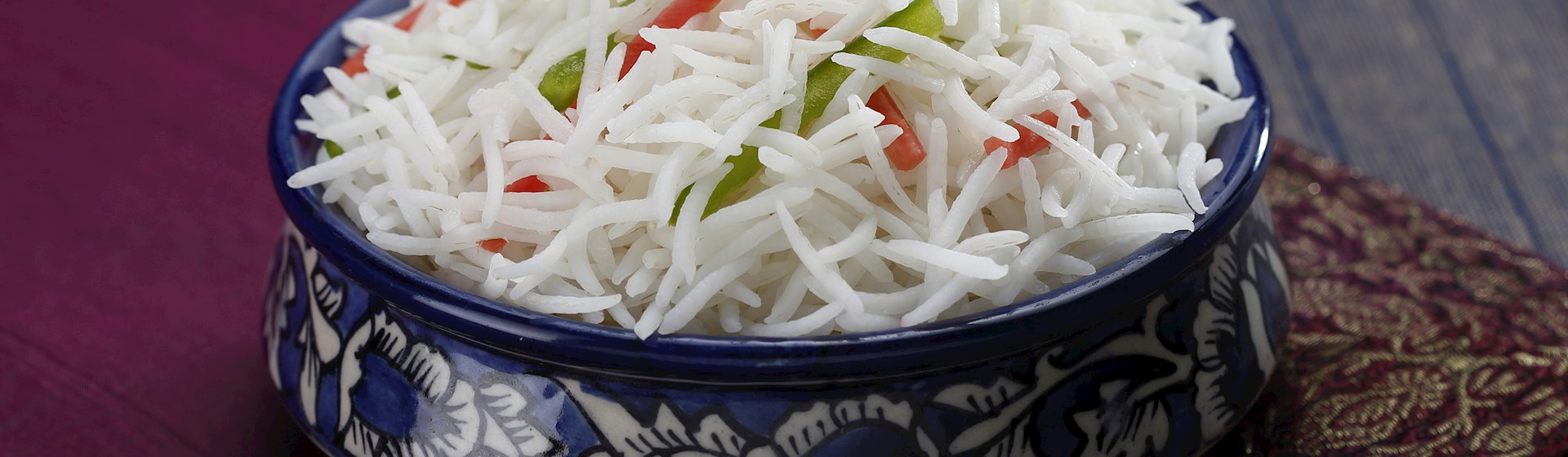
Basmati is a long-grain rice variety that was originally grown and cultivated in India and Pakistan. The rice is characterized by its flavor and aroma, which is very nutty, floral, and slightly spicy. Once cooked, the grains remain individual and don't stick to each other, which allows curry and similar stew and sauces to coat every grain. The longer the grain, the better the rice, and the best basmati grains have a slightly golden hue. The name basmati means fragrant in Hindi, referring to its aromas and flavors. In India, the state of Haryana is the largest cultivation area, while in Pakistan, it's the Punjab province. Basmati contains a small amount of fat and high amounts of good carbohydrates, along with magnesium, selenium, vitamin B, and antioxidant elements, making it very healthy as well as being flavorful and aromatic.

03

Khao Hom Mali Thung Kula Rong-Hai

4 ·

Khao Hom Mali Thung Kula Rong-Hai is jasmine rice also known worldwide as Thai Fragrant Rice or Thai Jasmin Rice, produced in a vast open area in the center of Northeast Thailand, in the provinces of Roi-et, Mahasarakam, Surin, Yasothon and Srisaket. It comes in two varieties - brown or white rice. The rice is elongated, slim, glossy and transparent, with a floral scent of pandanus leaves. Its texture is smooth, and the rice hull is of a straw-like yellow color. After being cooked for 15 to 20 minutes, it tastes slightly sweet, delicate, velvety and spongy and the texture becomes smooth, sticky and creamy. It is mostly used in Southeast Asian cuisine, and it is important to wash it before cooking to remove any excess starch or dust.

04

Al-Hassawi rice

n/a ·

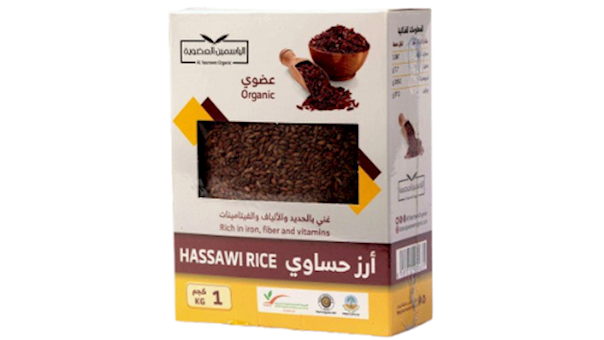
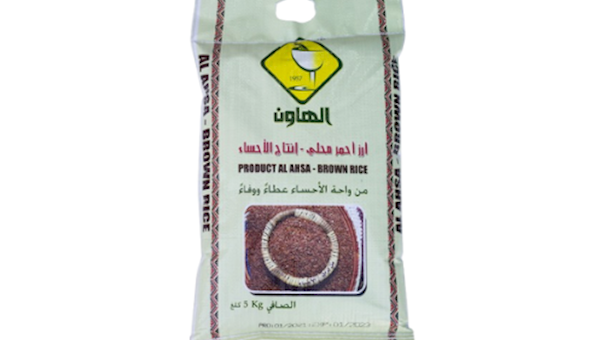
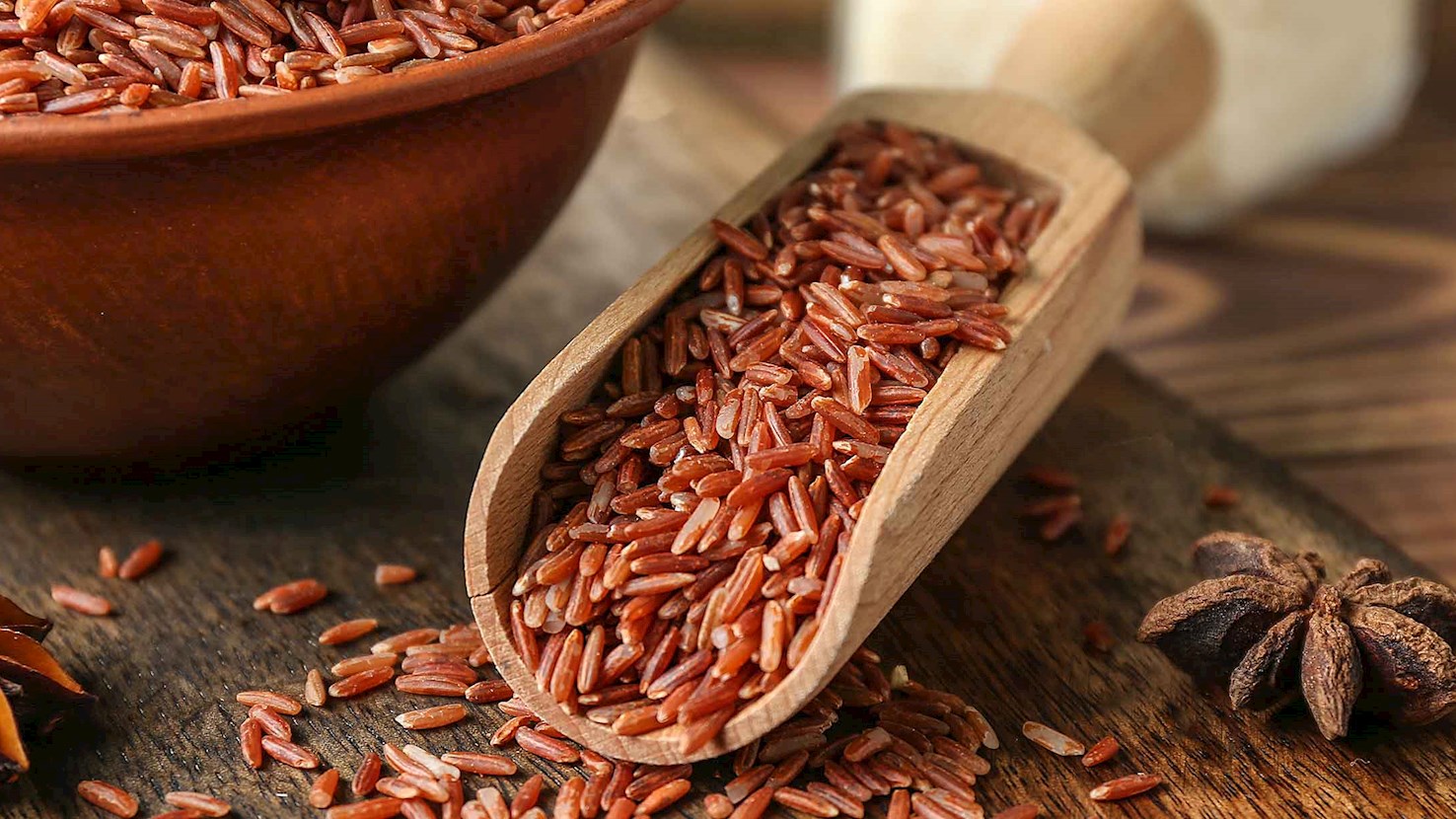
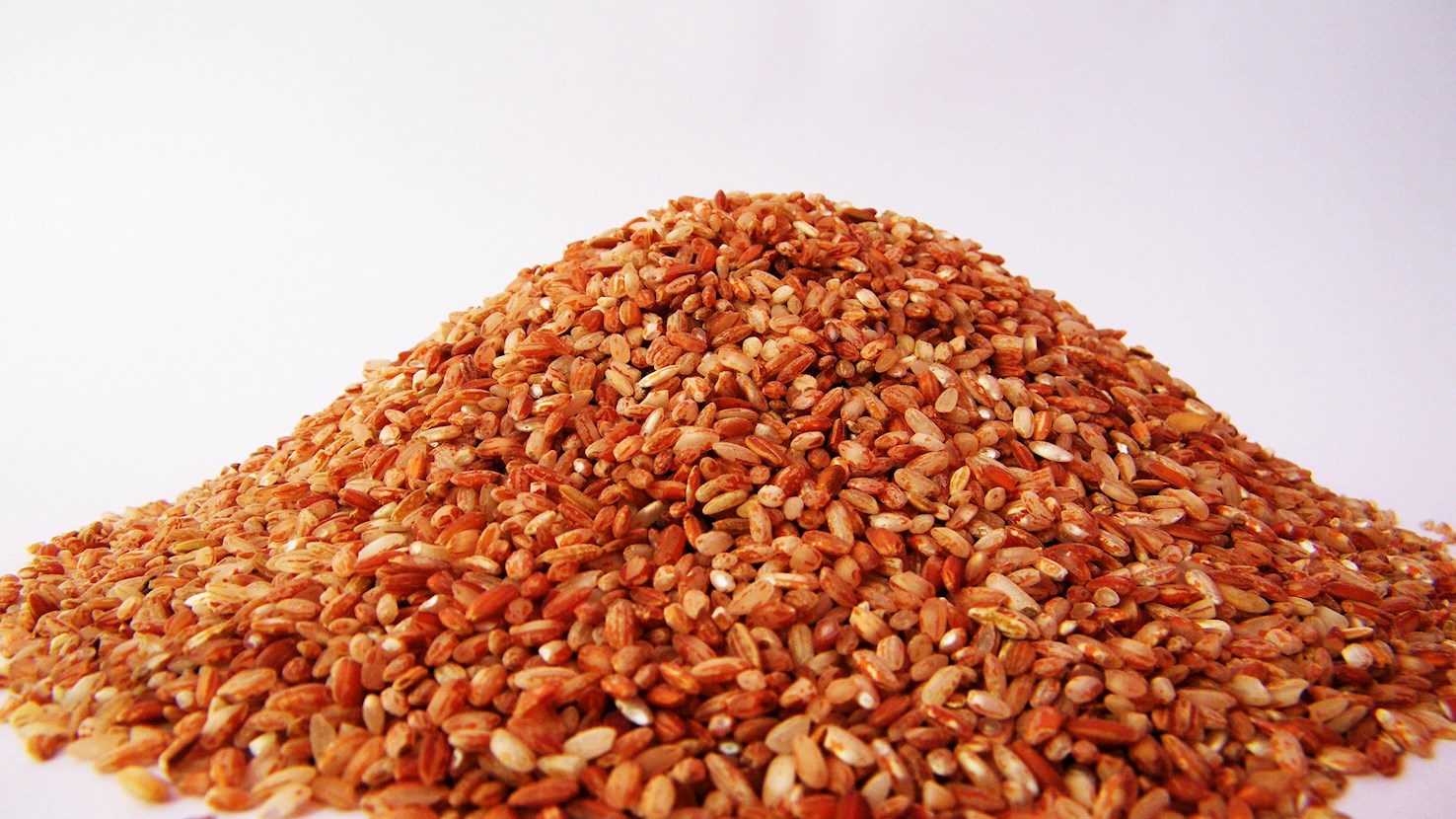
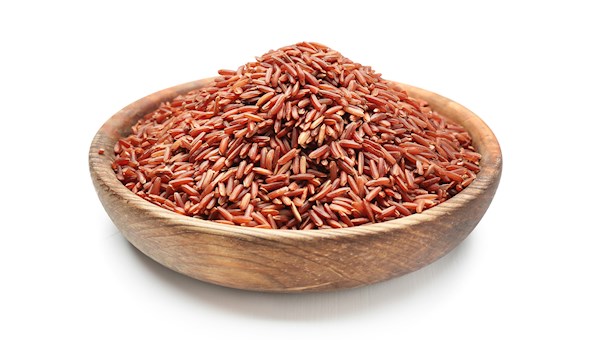
Al-Hassawi rice, cultivated in the al-Ahsa oasis of Saudi Arabia's al-Sharqiyya region, thrives in an arid climate with scorching temperatures of up to 48°C/118°F. This unique rice variety has adapted to the challenging environment, relying on meticulous care and substantial irrigation. The cultivation process begins with planting in fertile soil (sanaa), followed by the transfer of seedlings to dedicated rice-growing plots. Here, they are submerged in water for an extended period, typically eight days to two weeks, until they nearly submerge entirely. The rice seedlings continue to receive abundant water for about 40 days until the water is entirely removed. Between July and August, the seedlings grow and, after, are moved to bigger plots where they stay until harvest time, between November and December. Al-Hassawi rice is a distinctive red variety. Its exceptional taste is most pronounced when cooked with spices or accompanied by meat. This resilient rice variety, renowned for its ability to withstand harsh conditions, has earned its place as a staple in the local cuisine of the Al-Ahsa Oasis, showcasing the enduring traditions and adaptability of Saudi Arabia's agricultural heritage.

05

Sona Masuri

n/a ·

Sona Masuri rice, often referred to as the “pearls of South India,” is a lightweight, aromatic medium-grain rice that holds a deeply rooted place in the everyday cuisine and agricultural identity of Andhra Pradesh, Telangana, and Karnataka. It is the result of a successful cross between two older varieties, Sona and Mahsuri, developed by Indian agricultural scientists to offer a balanced grain with both fragrance and resilience. What sets Sona Masuri apart is its subtle aroma, delicate texture, and versatility, making it a favored choice for everything from steamed rice to festive preparations like pongal, pulihora, and bisibele bath. Though not as globally known as basmati, Sona Masuri plays a parallel role in the domestic kitchens of southern India. It is lighter on the stomach, cooks faster, and has a clean, slightly nutty flavor that pairs beautifully with both simple dal and complex curries. Unlike sticky japonica varieties or the long, fluffy grains of indica types like basmati, Sona Masuri strikes a soft balance, it cooks to a tender, cohesive finish without being mushy or overly dry. This balance makes it not only ideal for traditional Indian dishes but also adaptable to a wide range of global cuisines that benefit from a medium-grain rice with structure and subtlety. Grown primarily in the fertile deltas of the Krishna and Godavari rivers, Sona Masuri rice thrives in the rich alluvial soil and abundant water systems of the region. Cultivation is meticulous, often involving generational farming communities that understand the seasonal rhythm and soil dynamics required to yield its signature quality. Exported widely to Indian diaspora markets, particularly in the United States, the Gulf, and Southeast Asia, Sona Masuri has come to symbolize the taste of home for millions living abroad.

Best producers
06

Nàng Thơm chợ Đào

n/a ·

Nàng Thơm chợ Đào is a traditional rice variety originating from Vietnam's Mỹ Lệ commune in Cần Đước district, Long An province. Literally translated, the name means the virgin Thom of the Red Market, with the word Thơm presumably meaning scented in reference to the distinctive aroma of this rice variety. It was first sold in the Red Market, hence the word Đào in its name. The rice grains are small and long, with a small pinkish kernel inside called hạt lựu, meaning pomegranate seed. After cooking, the rice also develops a slightly sweet flavor, which is why it's more prized and a bit more expensive than most other varieties. It's also difficult to grow this rice variety because of the specific soil and weather conditions in the region. Interestingly, since the 19th century, this rice was used as a primary offering to emperor Minh Mang.

07

Samba rice

n/a ·

Samba is a traditional rice variety. The grain is short and ovular, hard, and less fluffy than other varieties when cooked. The flavor is slightly sweet and reminiscent of corn. The rice is available in two varieties, white and red. Samba has a higher content of sucrose than Nadu rice, but it's more appreciated for its flavor. Although it's produced throughout the country, the red samba variety is more common in the south. In general, samba is used for special occasions, family celebrations, and it's also offered at the harvest festival marking the end of Maha season.

Best producers
08

Suwandel

n/a ·

Suwandel is a traditional rice variety of Oryza sativa. This white rice has a unique aroma and a milky flavor. It also has more vitamins than other rice varieties, along with high amounts of fat, carbohydrates, and micronutrients. The name is derived from the word suwandha, meaning fragrance, referring to the fragrant aroma after the rice has been cooked. The cultivation of suwandel takes longer than with other types of rice, and 5 to 6 months typically need to pass until the rice is ready for harvesting. Suwandel is usually prepared with cardamom and turmeric or cumin and ghee, and it's especially popular at ceremonies and festive occasions.

09

Kaima

n/a ·

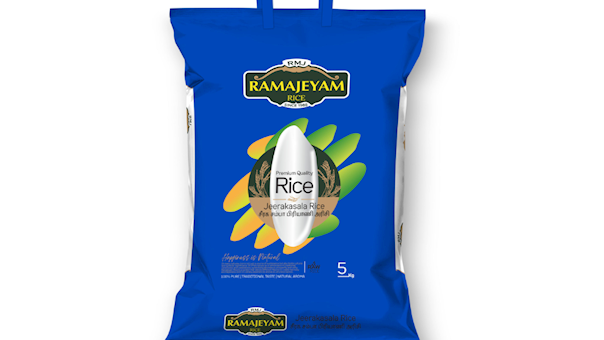
Kaima rice, also known as jeerakasala rice, is a variety of short-grain, aromatic rice that is primarily grown in the Indian state of Kerala, particularly in the Malabar region. This variety of rice is known for its distinctive aroma and flavor, which has been compared to that of cumin, and it is often used in traditional Malabar cuisine. One of the key characteristics of kaima rice is that it doesn't require pre-soaking before cooking, unlike many other types of rice. It also has a unique texture when cooked - the grains remain separate, which makes it an excellent choice for dishes that call for distinct, separate grains of rice, such as biryani. In that regard, kaima is a key ingredient in Malabar biryani, a popular regional dish known for its rich and aromatic flavors. The rice's ability to absorb flavors makes it ideal for this layered, spiced dish. Although kaima rice may not be as internationally well-known as basmati rice, it is highly valued in the regional cuisines where it is used.

10

Kuruluthuda

n/a ·

Kuruluthuda is a unique type of rice originating from Sri Lanka. This red rice variety is cultivated for up to five or six months before harvest time and it's rich in fiber and proteins. Five to six tons of Kuruluthuda rice are produced monthly, but the yield depends on seasonality and harvesting cycles. It's recommended to soak the rice in water for about half an hour before cooking. The rice is usually boiled with pandan leaves and salt before consumption. It's a staple in many Sri Lankan recipes such as steamed Kuruluthuda with cardamom, Kuruluthuda cooked in garlic oil and aromatic red onion, or curry leaf-tempered rice with five spices. When the rice is soaked, it can be ground into flour with the help of a mortar and pestle. Interestingly, it is believed that this red rice variety also improves bladder function.

Read more
View all
View map
About this ranking

TasteAtlas food rankings are based on the ratings of the TasteAtlas audience, with a series of mechanisms that recognize real users and that ignore bot, nationalist or local patriotic ratings, and give additional value to the ratings of users that the system recognizes as knowledgeable. For the “Top 15 Asian Indica Rice” list until May 31, 2026, 357 ratings were recorded, of which 304 were recognized by the system as legitimate. TasteAtlas Rankings should not be seen as the final global conclusion about food. Their purpose is to promote excellent local foods, instill pride in traditional dishes, and arouse curiosity about dishes you haven’t tried.

The initial list of top producers was compiled based on available reviews, awards, local recommendations, media and blog coverage, and consumer reviews. The list will be updated with ratings from TasteAtlas local ambassadors and TasteAtlas users.

Similar lists