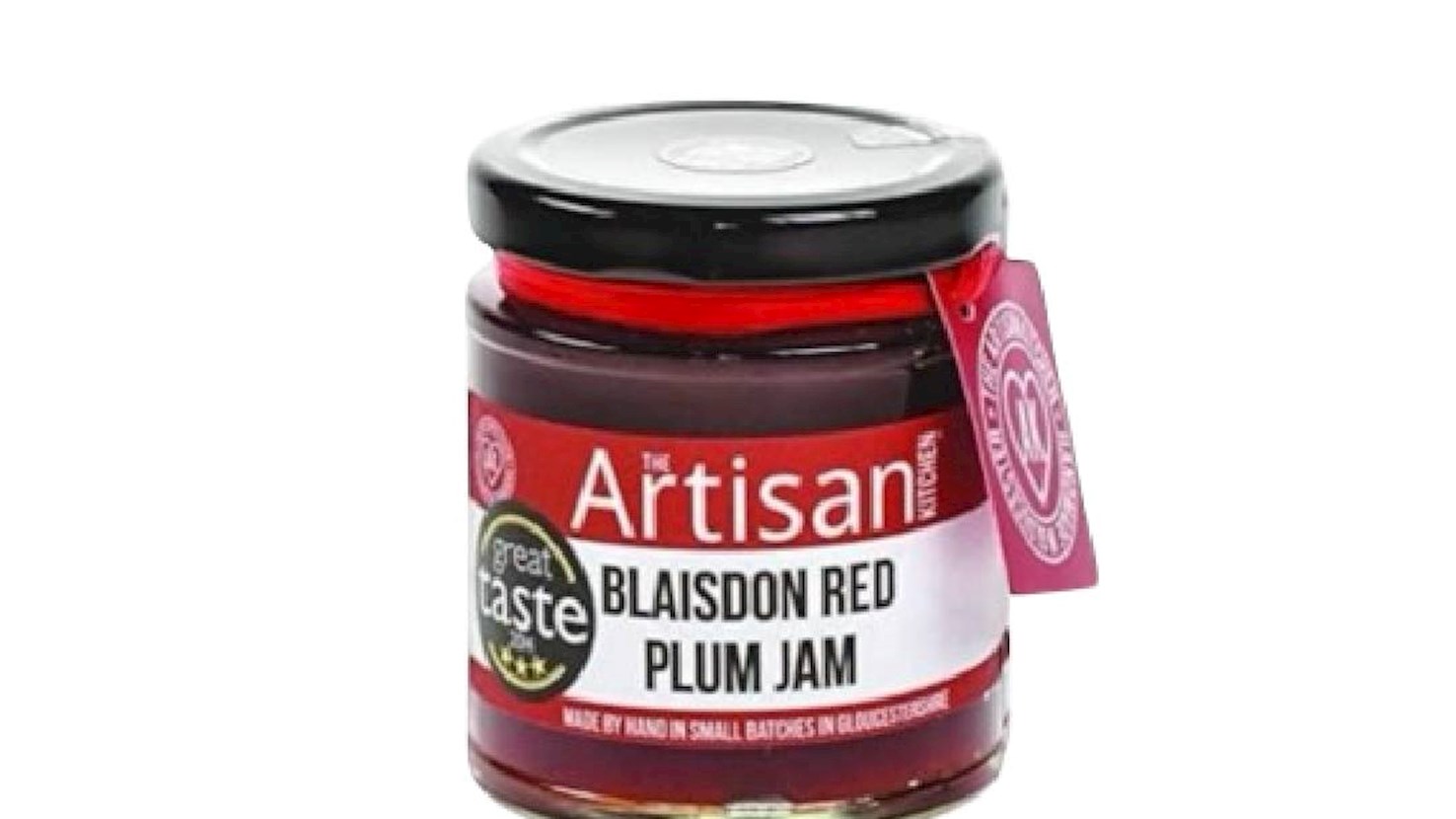
The Artisan Kitchen is a small, highly dedicated craft producer specializing in handmade jams, marmalades, and fruit preserves of exceptional quality. Each product is created in small batches using carefully selected seasonal fruit and traditional copper-pan cooking methods. Behind the brand is a professional chef who has channeled her passion for authentic flavors into unique recipes that highlight the natural richness of the fruit.
The entire production process is done by hand - from sourcing and cooking the fruit to filling, labeling, and packaging - ensuring meticulous care at every stage. With a philosophy rooted in sustainability, quality, and a genuine commitment to artisanal craft, The Artisan Kitchen offers products that reflect the warmth of homemade preparation and a true love of food.
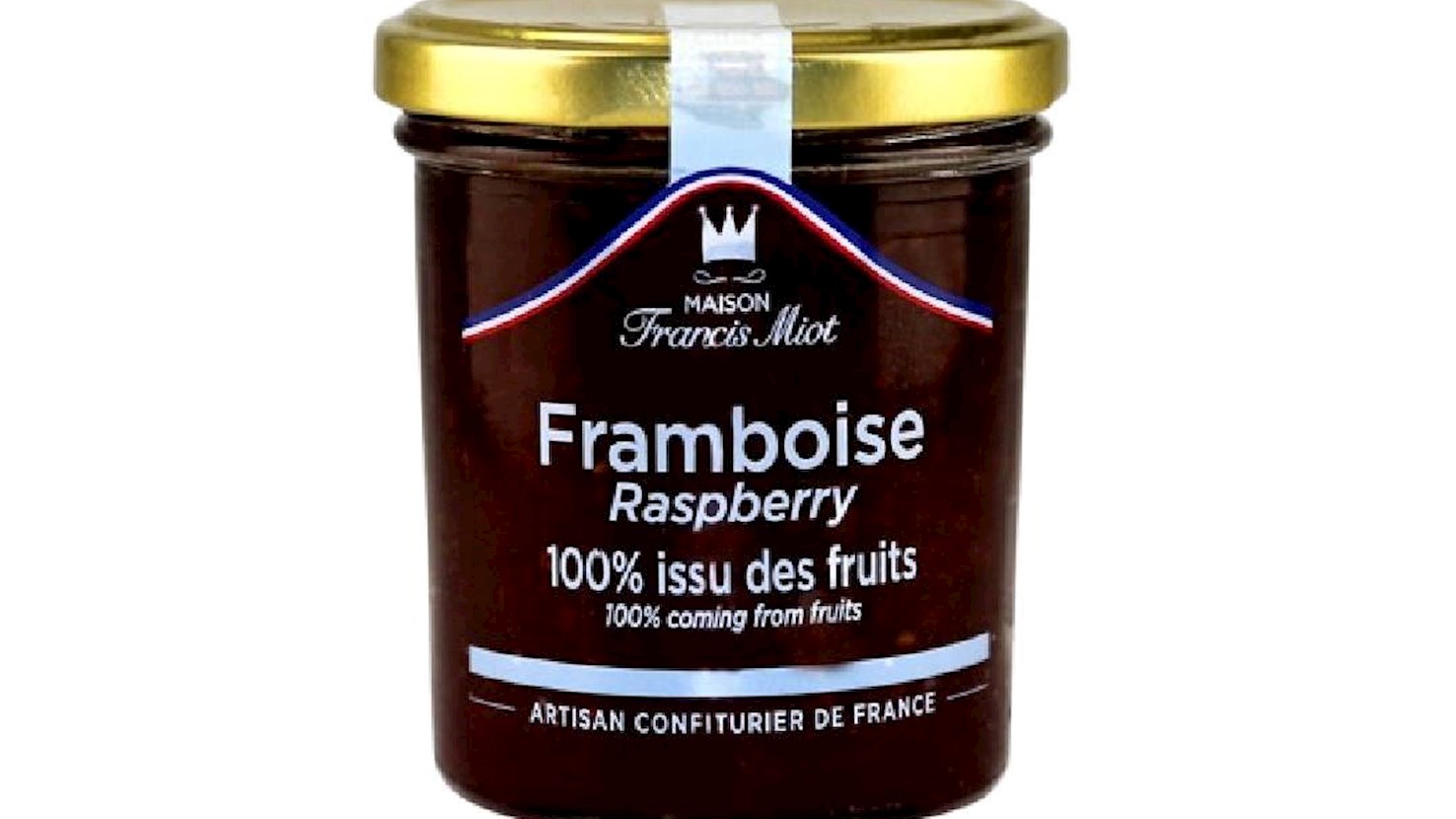
Maison Francis Miot is a renowned French artisanal house celebrated for its exceptional jams, confections, and fine chocolates. Born from a passion for fruit and gourmet craftsmanship, the brand is known for its dedication to using only the highest quality ingredients, carefully selected at peak ripeness to preserve their natural flavors and aromas.
Each jam is prepared in small batches using traditional copper-pan methods, allowing for a rich, authentic taste with less sugar. Maison Francis Miot is especially admired for its creative flavor combinations — blending fruit with spices, flowers, or fine liqueurs — resulting in truly distinctive gourmet creations.
Alongside their signature jams, the collection includes fruit jellies, caramels, artisanal candies, and premium chocolate delicacies. With a deep commitment to artisanal excellence, Maison Francis Miot continues to delight discerning palates around the world with products that embody elegance, tradition, and innovation.
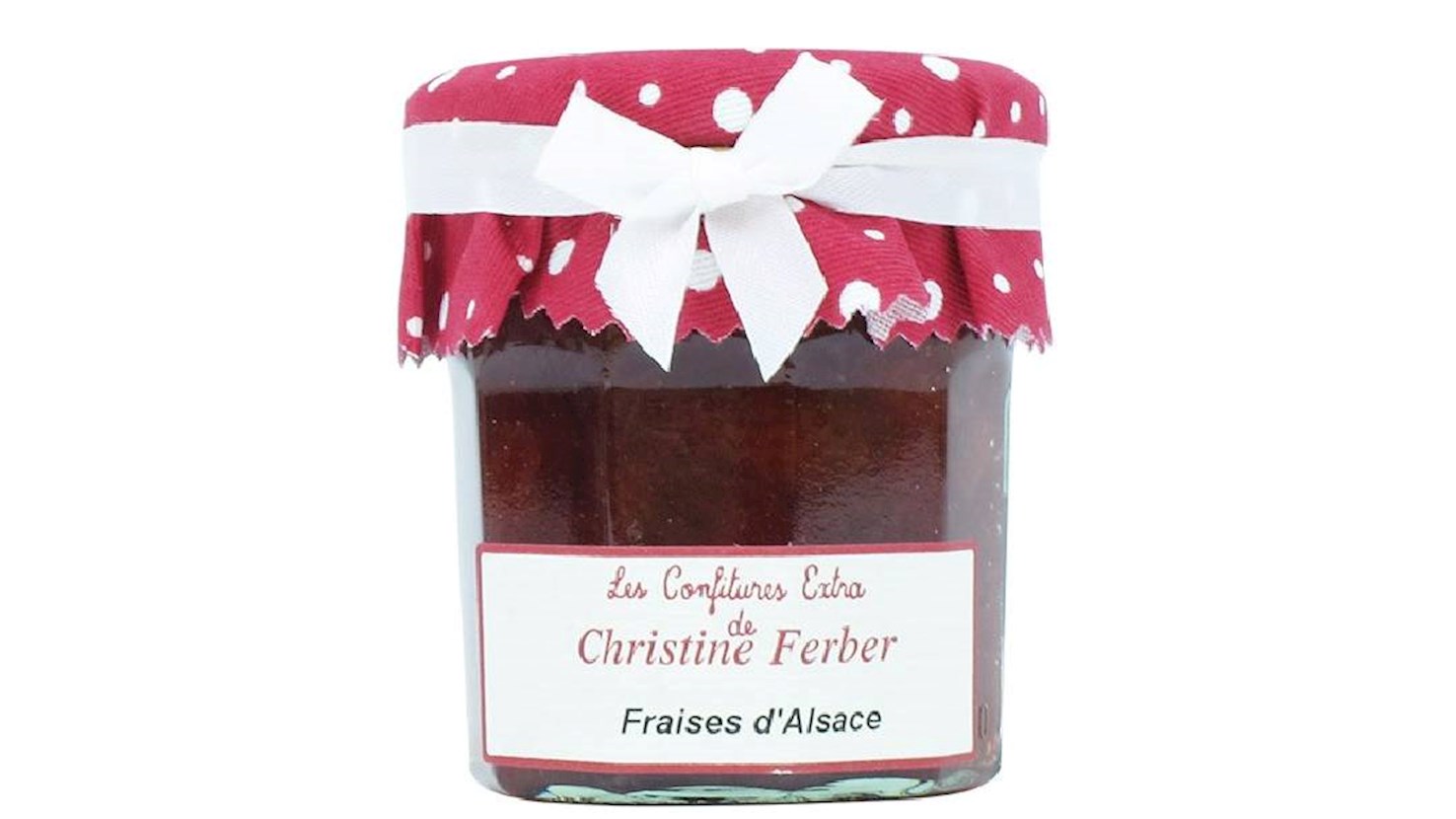
Christine Ferber is a legendary French pastry chef and master of jams, known worldwide as “The Jam Fairy”. From her hometown of Niedermorschwihr, in the heart of Alsace, she has been creating preserves since the 1980s that captivate with their vibrant colors, enticing aromas, and perfect balance of flavors.
Her philosophy is simple yet demanding - to use only the finest, carefully selected fruits and prepare them by hand, in small batches, using traditional copper pans. Every jar is the result of patience, craftsmanship, and an unfailing sense for harmony in taste.
Christine blends the classic with the unexpected - from timeless favorites like strawberry or raspberry to original creations such as peach with lavender or apricot with Madagascar vanilla. Her products grace the tables of the world’s finest restaurants and the homes of true gourmets, bringing joy and a touch of luxury to every bite.
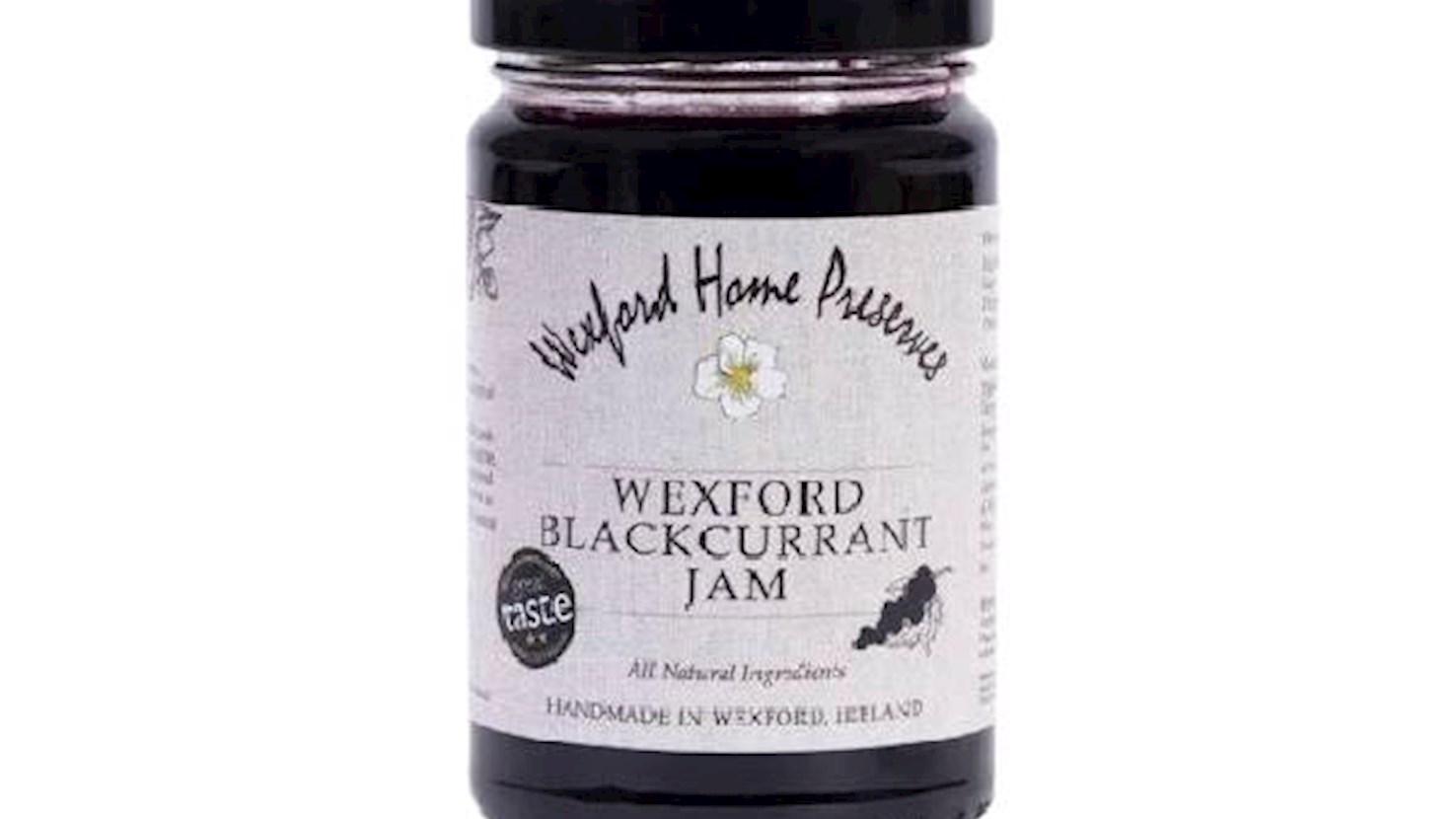
Wexford Home Preserves is a family-run artisan producer known for crafting exceptional jams, marmalades, chutneys, and fruit preserves. At the heart of their philosophy is a dedication to traditional methods, using open-pot boiling techniques in small batches to ensure each jar delivers rich, authentic flavor.
Their preserves are made with carefully selected fruit, with a strong emphasis on seasonality and natural quality. Every product reflects a hands-on approach — from preparation to packaging — with no artificial additives, colors, or preservatives.
With a wide range that includes both classic favorites and more inventive blends, as well as organic and no-added-sugar options, Wexford Home Preserves offers something for every taste. Their commitment to honesty, craftsmanship, and real ingredients is evident in every spoonful.
Awards
Great Taste Awards - 3 Stars
(2025, 2022, 2021)
Dalemain World Marmalade Awards - Gold
(2024, 2021, 2020)
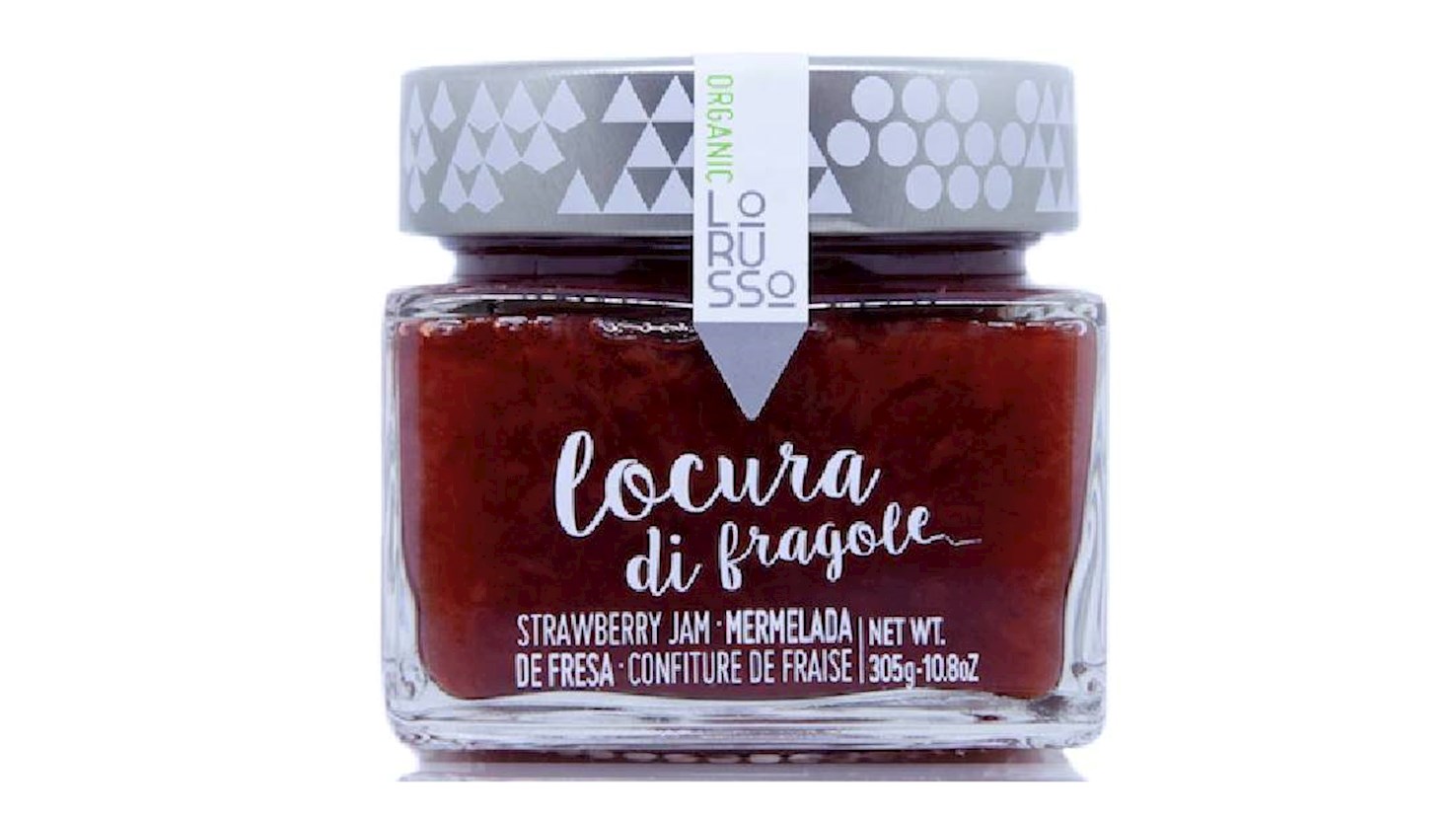
LoRUSSo is a Spanish–Italian family brand that blends tradition, innovation, and a deep commitment to premium quality. Their products are born from a passion for craftsmanship, with the goal of creating jams that captivate through pure flavor, natural ingredients, and meticulous handcrafting.
All marmalades are made from carefully selected organic fruit, with an impressive 85% fruit content and reduced cane sugar. Free from artificial colors, preservatives, gluten, and GMOs, they preserve the authentic aroma and nutritional value of the fruit. Each jar is produced in small batches, with labels applied by hand, making every package unique.
Sustainability is at the heart of LoRUSSo’s philosophy – they use renewable energy, recycle packaging, repurpose fruit waste as compost, and are committed to protecting the environment. Their values also extend to social responsibility, including gender equality and ethical production.
Today, LoRUSSo products can be found in more than 17 countries across three continents, from exclusive delicatessens to prestigious department stores, carrying the hallmark of authenticity and distinctive Mediterranean quality.
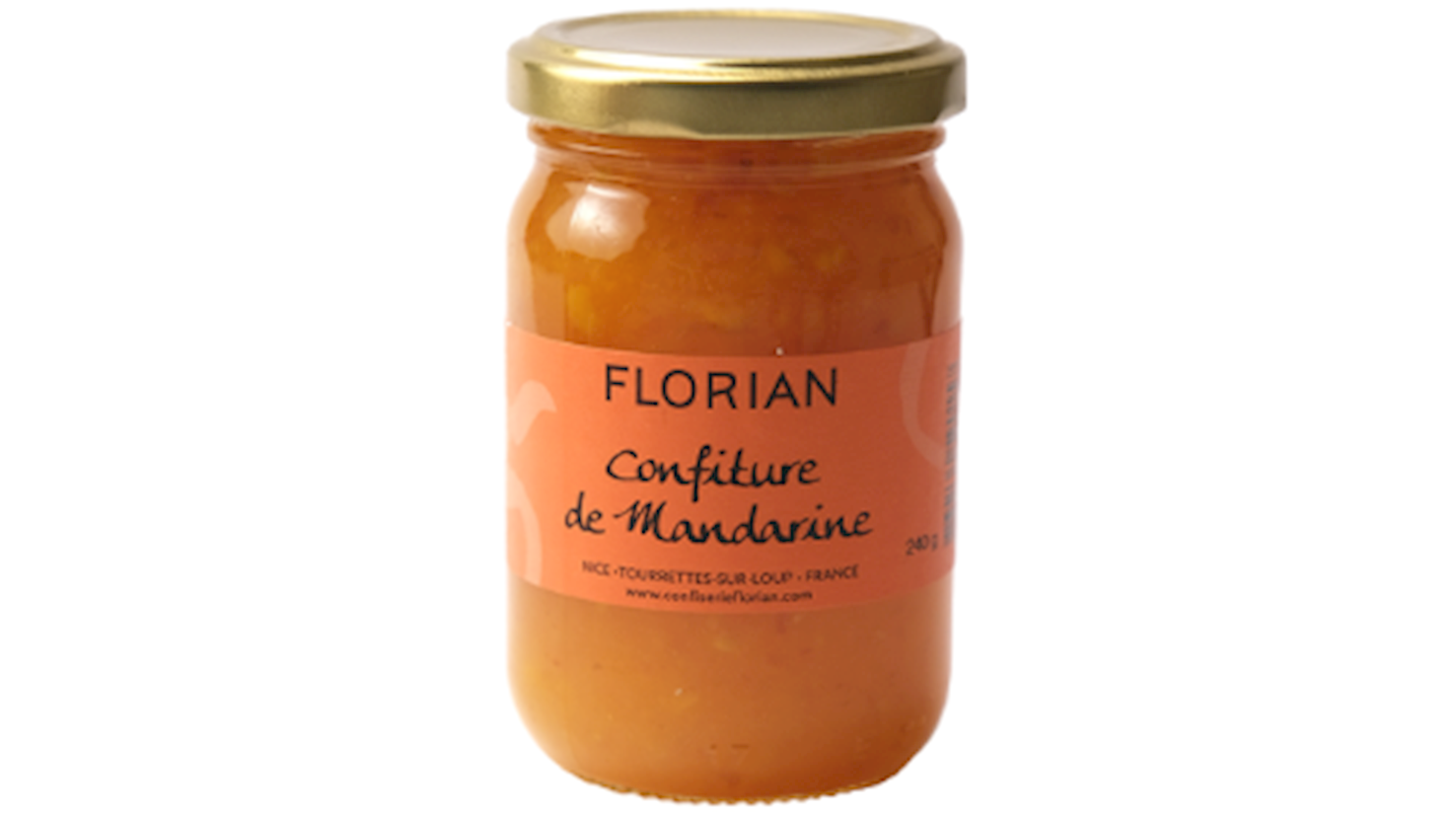
Confiserie Florian is a family-owned confectionery house founded in 1921 on the French Riviera, specializing in traditional hand-crafted processing of fruit, flowers, and citrus into high-quality delicacies. Their production relies on classic methods of candying, crystallizing, jam making, and chocolate coating, carried out in their Pont-du-Loup workshop in the Grasse region, an area known for aromatic plants and floral cultivation. The assortment includes candied citrus peels, crystallized rose, violet, and jasmine petals, traditional jams, pralines, and chocolates enriched with local aromas. A significant share of ingredients is sourced from nearby growers, reinforcing the brand’s strong connection to the Mediterranean terroir. Over time, Florian has introduced more contemporary creations that blend floral and fruity notes with modern confectionery techniques, without compromising the handcrafted nature of their products. Visits to the workshop offer insight into the full production process, along with tastings, further contributing to their reputation as one of France’s most distinctive confectionery houses. Today, Confiserie Florian stands as a blend of tradition, regional authenticity, and meticulously crafted flavor.
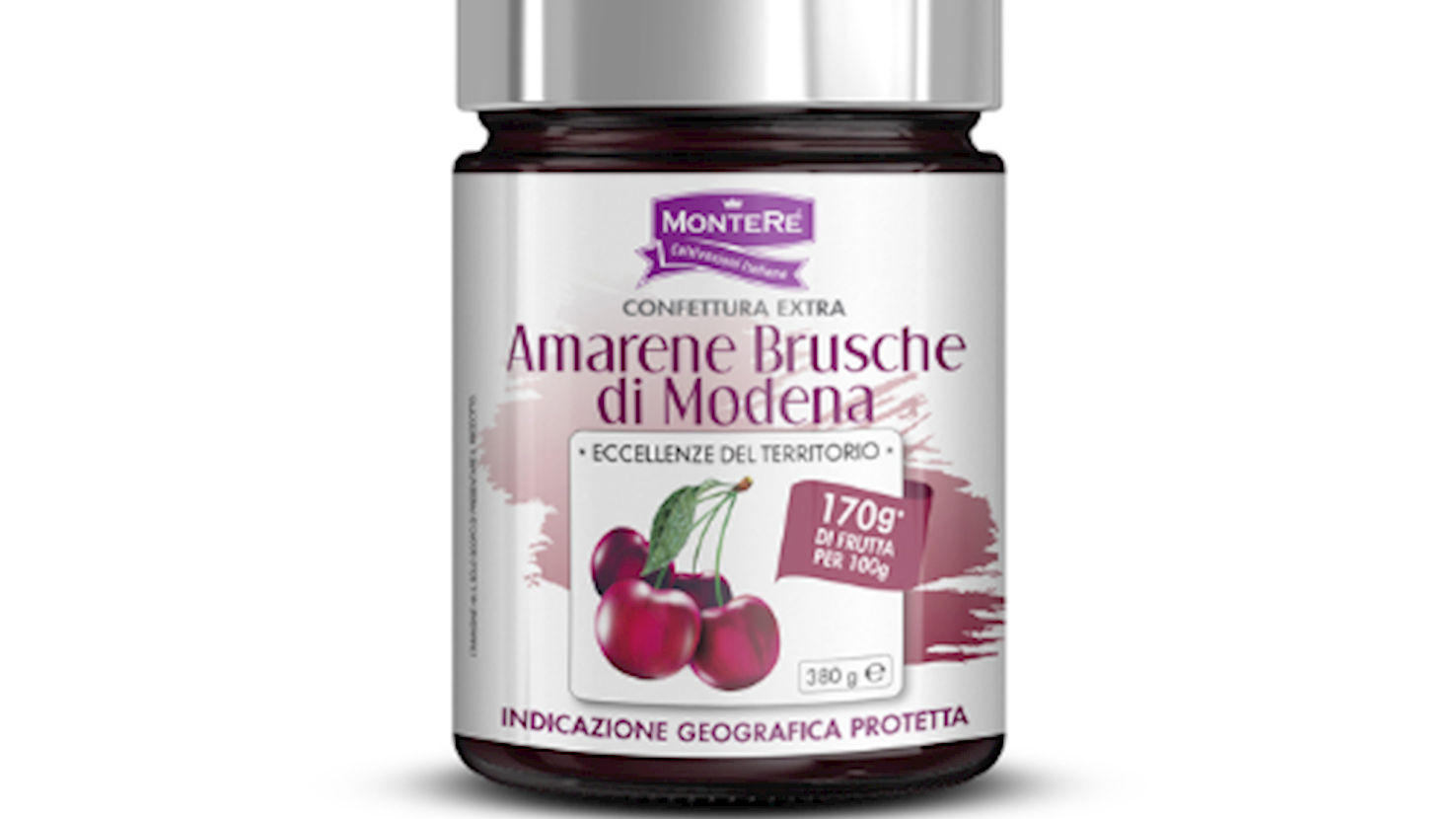
MonteRé is an Italian brand specialized in fruit-based products, developed within the Cooperativa Modenese Essiccazione Frutta in the Modena area, with a strong focus on the processing of plums and other traditional fruit varieties. The company’s roots are in dried fruit production, especially prunes, and over time this experience evolved into a distinctive brand that combines Italian-grown raw materials with a modern approach to processing. MonteRé is particularly known for products such as prugnata made from dried plums, a dense fruit spread with an exceptionally high fruit content and no added pectin, which preserves the natural texture and aroma of the fruit. The brand’s philosophy is built on a transparent supply chain, with fruit sourced mainly in Italy and close cooperation with local growers. Its range also includes other fruit preparations, jams, and dried fruit products, as well as an organic line aimed at consumers looking for certified bio options. The flavor profile of MonteRé products is characterized by clean, fruit-driven notes, without excessive sweetness, highlighting the natural taste of the ingredients. Today, MonteRé positions itself as a bridge between traditional Italian fruit growing and contemporary food production, offering products with a clear identity based on origin, quality, and simplicity of composition.
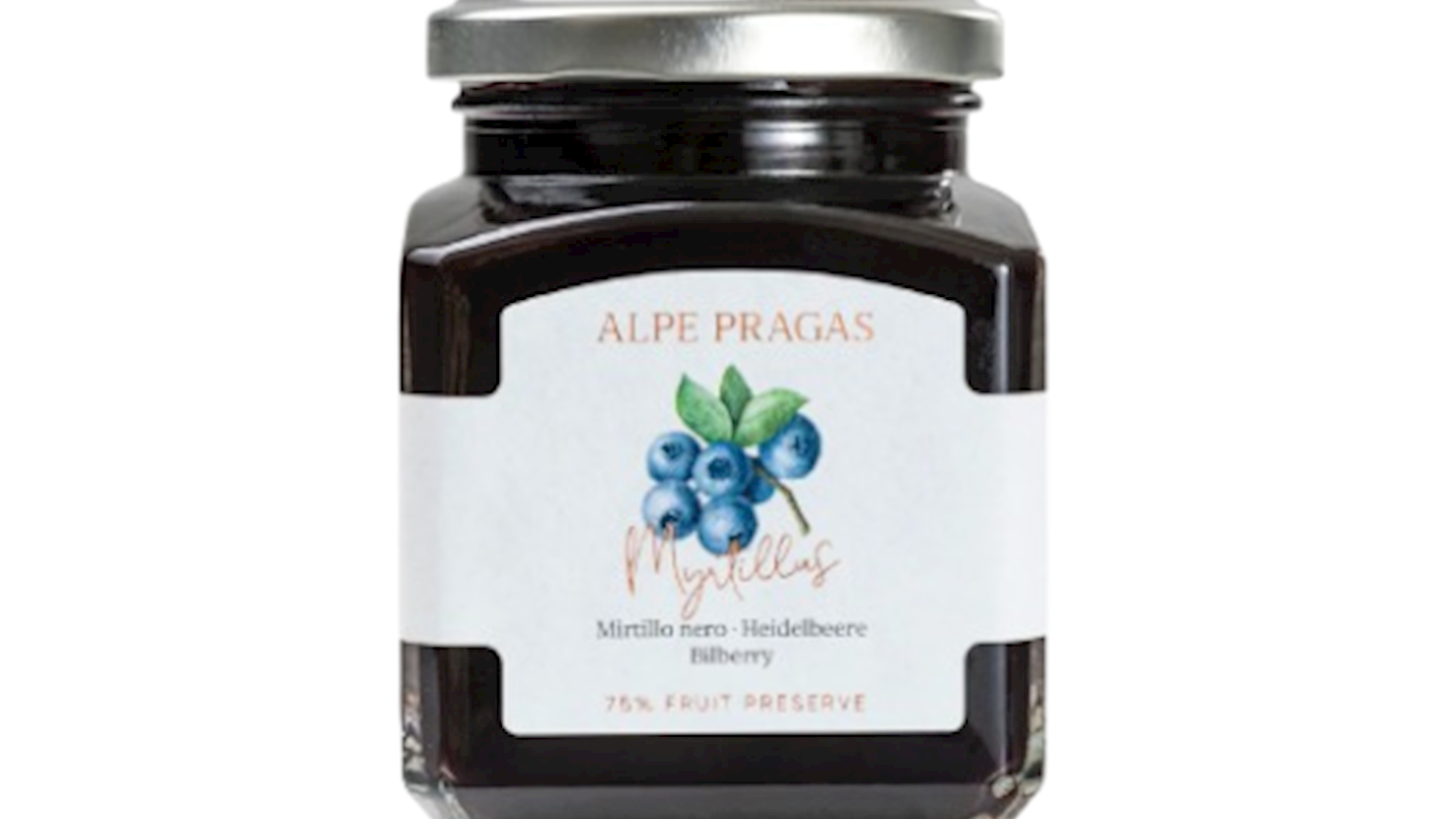
Alpe Pragas is an Italian producer of fruit spreads, compotes, syrups, and juices, based in South Tyrol, in the village of Braies di Fuori in the Dolomites, where the company was founded in 1997. The brand was created from the idea of processing fruit in a way that preserves its natural character as much as possible, without relying on artificial flavors, colors, or unnecessary additives. The core of their philosophy is a high fruit content in finished products, often reaching up to 75%, which results in a clear, pure, and distinctive taste. Their portfolio includes classic and premium preserves, fruit spreads with no added sugar, organic products, and dedicated lines for the HoReCa sector. Special emphasis is placed on the origin of raw materials and the careful selection of fruit from chosen regions, with the aim of preserving the authenticity of each variety. Production combines modern technological standards with a continued artisanal approach to processing and flavor balancing. Their products are widely used not only at breakfast, but also in gastronomy, as accompaniments to cheeses, desserts, and refined dishes.
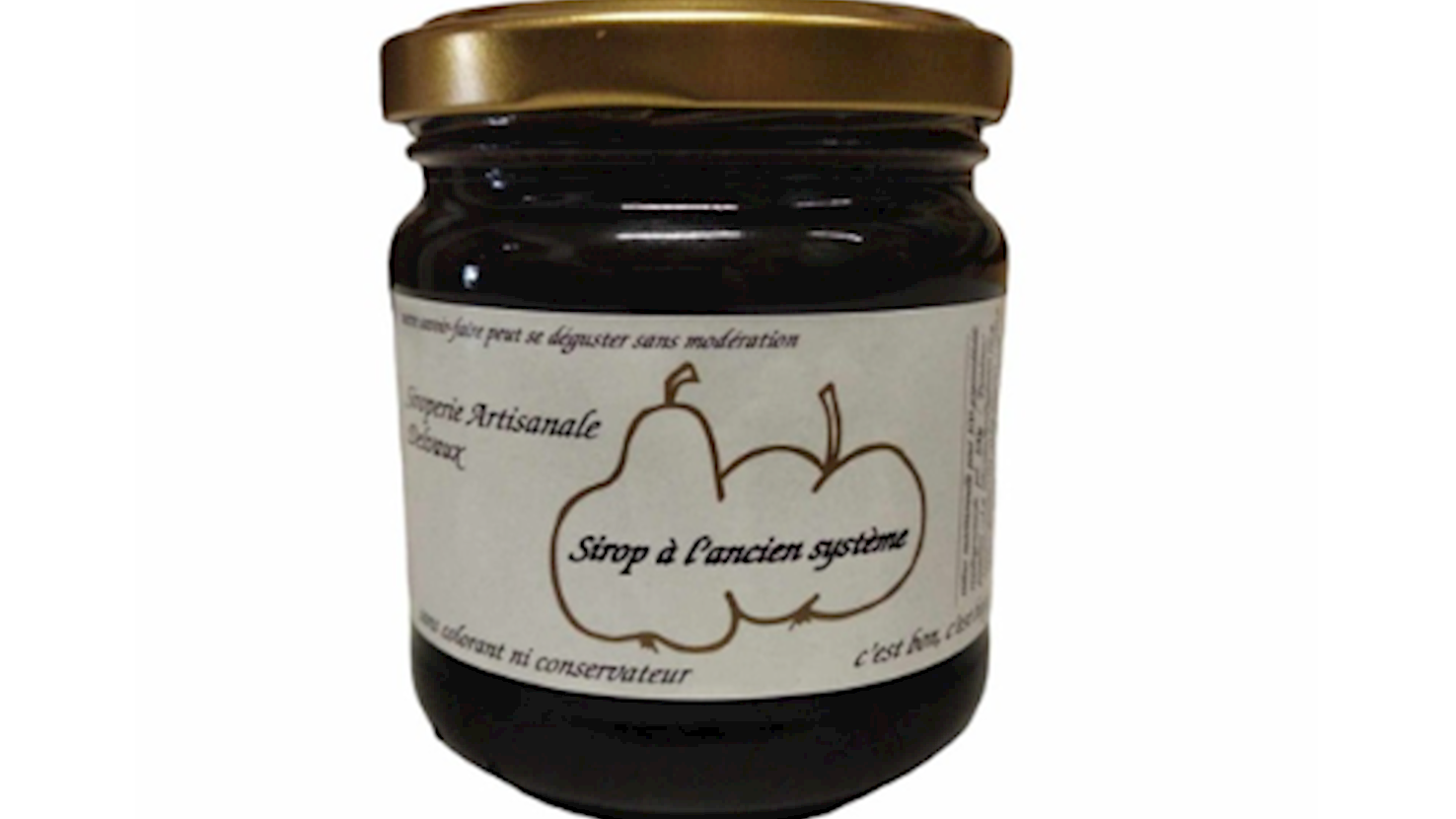
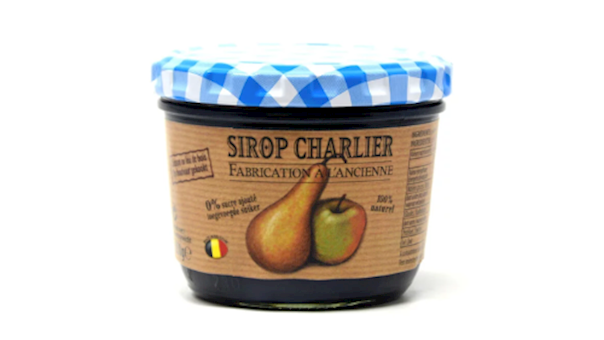
Siroperie Delvaux is a family-run Belgian artisanal producer with more than a century of tradition, founded in 1887 in the Liège region and specialized in fruit syrups and dense fruit spreads made using time-honored methods. Their production is based on the slow reduction of apple and pear juices, without the use of artificial colors, flavors, or preservatives, allowing the natural character of the fruit to remain at the center of each product. The most iconic specialty is Sirop de Liège, a thick fruit molasses with a deep color and a rich, gently caramelized profile, traditionally enjoyed as a spread, a topping for pancakes, or an ingredient in savory and sweet dishes. Raw materials are mainly sourced from local orchards, often from old fruit trees, which contributes to the depth and complexity of the final flavor. The know-how has been passed down through several generations of the same family, preserving original recipes and traditional processing techniques. Their syrups are known for a smooth, velvety texture and a naturally balanced sweetness derived solely from fruit concentration. Delvaux products hold a special place in Belgian culinary heritage as examples of how simple ingredients can be transformed into foods with a strong regional identity. Today, their syrups and spreads are regarded as benchmarks for authentic, non-industrial fruit products that successfully combine tradition with quality.
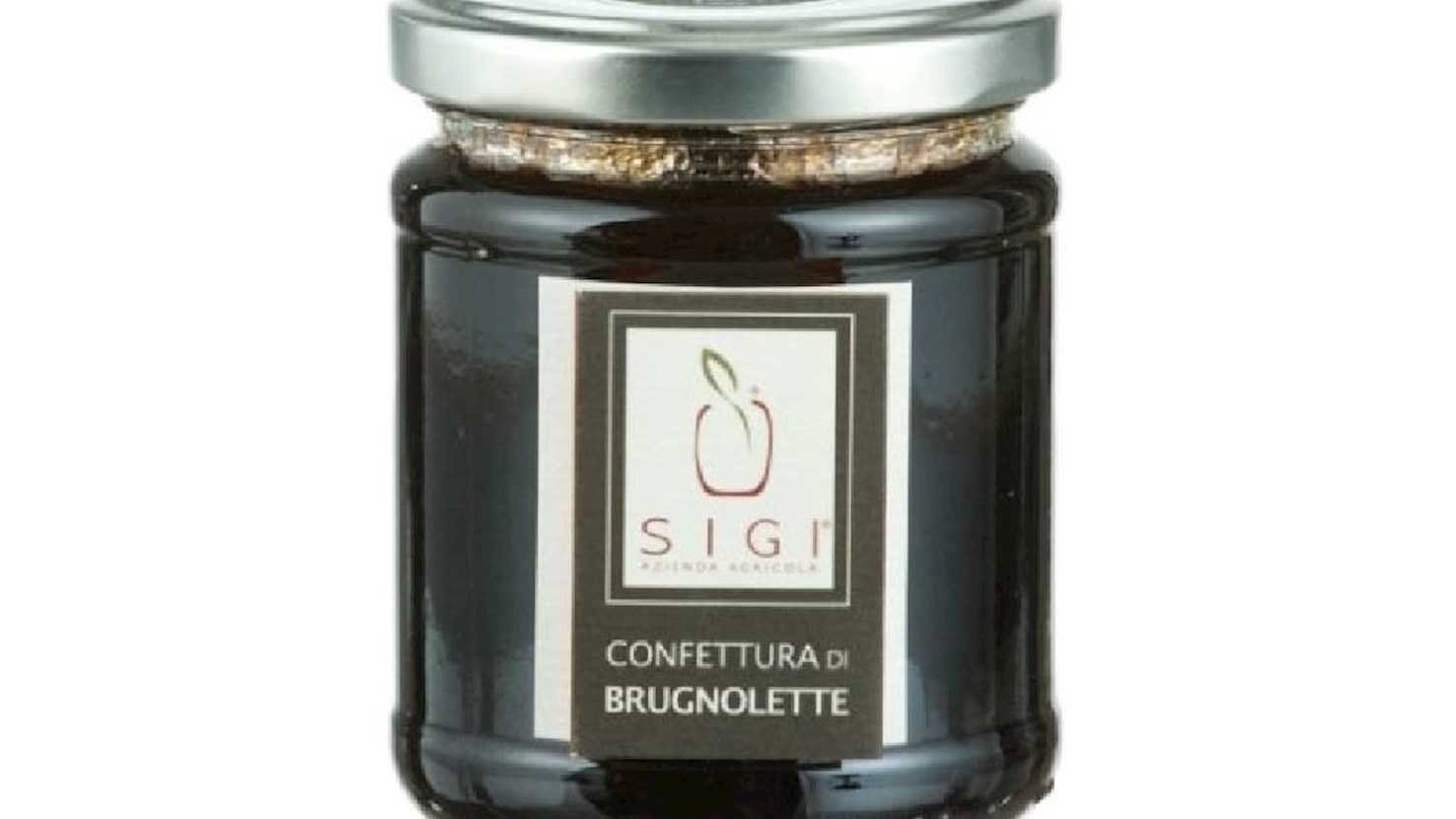
Azienda Agricola SiGi is a family-run artisan producer devoted to preserving authentic flavors and time-honored recipes. Born from a love of nature and tradition, it combines passion, expertise, and craftsmanship to create products of exceptional quality. Their range includes jams, jellies, and spreads made from ancient, nearly forgotten fruit varieties as well as wild-harvested fruits, capturing their natural aroma, color, and taste.
Production is entirely artisanal – every step is carried out by hand, without artificial colors, preservatives, thickeners, or any additives. Fruits are harvested at peak ripeness, then gently cooked in small batches using traditional methods that preserve their full flavor and texture.
Beyond safeguarding culinary heritage, SiGi actively contributes to biodiversity by reintroducing rare and native fruit varieties into cultivation. Their products grace the tables of true flavor enthusiasts as well as prestigious restaurants, valued for their purity, richness, and distinctive character.
The result is a collection of unique delicacies that unite past and present, tradition and innovation, offering in every spoonful a story of love for the land and the fruits it yields.
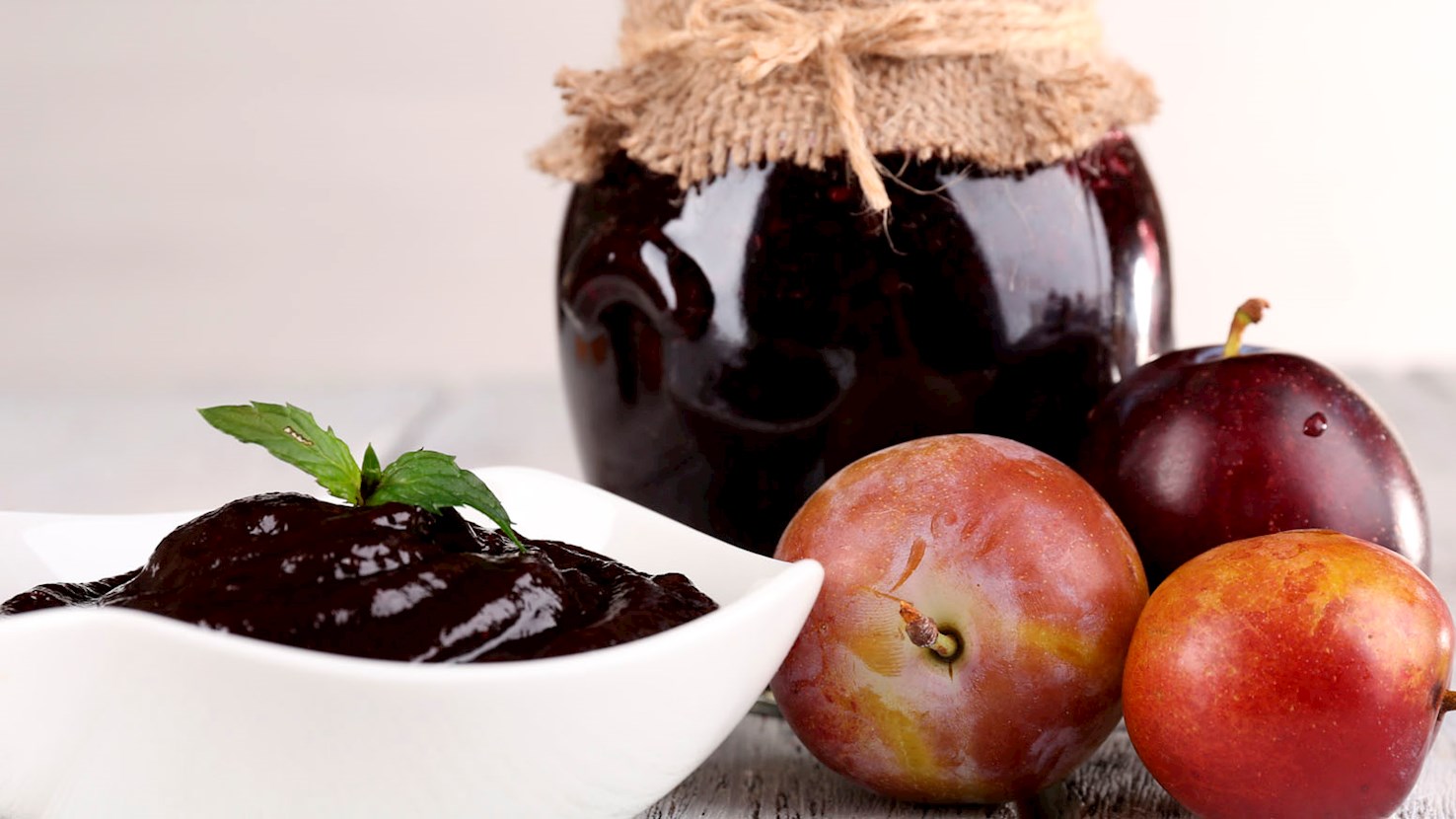
Magiun de prune Topoloveni is a concentrated spread with a shiny surface made in the town of Topoloveni and the surrounding villages, from local, fully ripe, top-quality dark plums which are boiled over for a long time during the concentration phase. The plums contain high amounts of carbohydrates, natural sugar, and vitamin C because of their ripeness. The only ingredient in the product is the plum, and although it may seem that the plum skins are missing from the jam, they are incorporated into it in order not to lose precious nutrients, fibre and vitamins. No sugar is added to the jam. The jam has a sweet and sour flavor and a strong smell. It is pasteurized and marketed in sealed glass jars. Magiun de prune Topoloveni can be eaten for breakfast, enjoyed as a dessert or used as a filling in various pastry products.
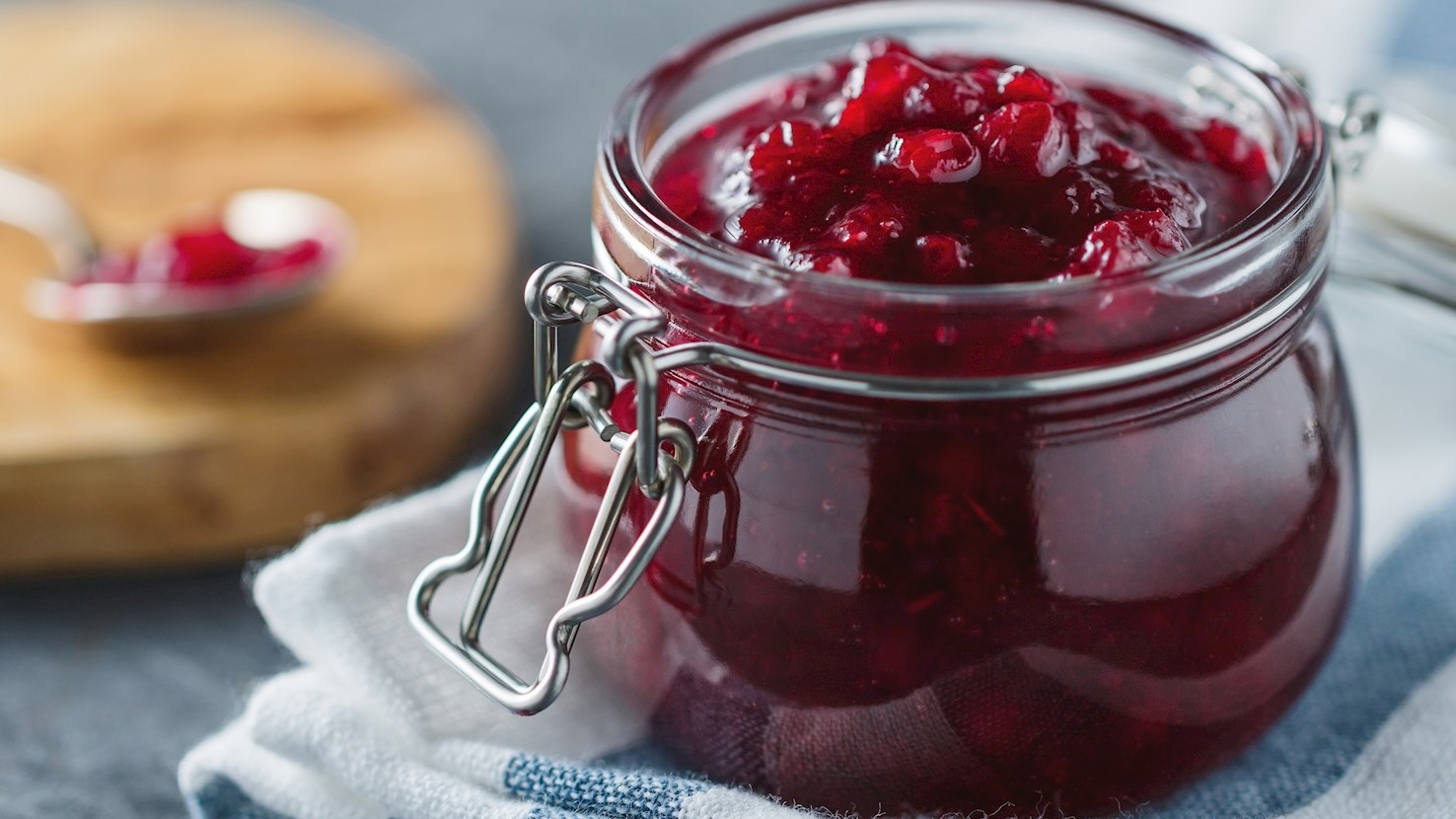
Lingonberry jam is a staple in every Swedish household. Made with bright-red, tangy lingonberries, which are abundant in Swedish forests, the jam has been produced and consumed since ancient times. In the simplest form, lingonberries are merely mixed with sugar and create the raw version of the jam known as rårörda lingon. The more common variety, mostly found in stores, is usually boiled with sugar and sold in jars. Raw lingonberries are sour, but when incorporated with sugar, they create a unique jam, both zesty and sweet, which perfectly complements a variety of dishes. Occasionally, apples or red currants are used to dilute the jam and make it slightly sweeter. Lingonberry jam is usually served as a sauce alongside different meat dishes like the famous Swedish meatballs, sausages, roast meat, or black pudding. It is commonly consumed with porridge and pancakes, but it can also be used as a sandwich spread and incorporated into a variety of dips and desserts. Outside of the native Sweden, the cultivation of lingonberries and the production of lingonberry jam are growing in popularity, especially in Canada and the United States. The jam has also been popularized by the Swedish company IKEA, which sells the jam as an authentic Swedish product available in many locations around the world.
Sirop de Liège is a popular Belgian product made from fresh fruits such as pears, apricots, apples, dates, and prunes. It was originally produced in 1937, and is commonly used in sauces, dressings, salads, marinades, and desserts. Most often, it is spread on a slice od bread or used as an accompaniment to cheeses.
Here in the region of Emilia Romagna, the preparation of fruit preserves can be traced back to the Renaissance times and it is well documented in historical literature. In fact, Amarene Brusche di Modena sour cherry jam represents one of the most important gastronomic traditions of Modena. Today, with the cherry cultivation across the region on the rise, it is produced in the provinces of Modena and Bologna. In full respect of the original recipe, Amarene Brusche jam is made using only sour cherries and sugar. It is most often used in traditional Modena desserts such as Crostata di Amarene, a type of sour cherry tart.
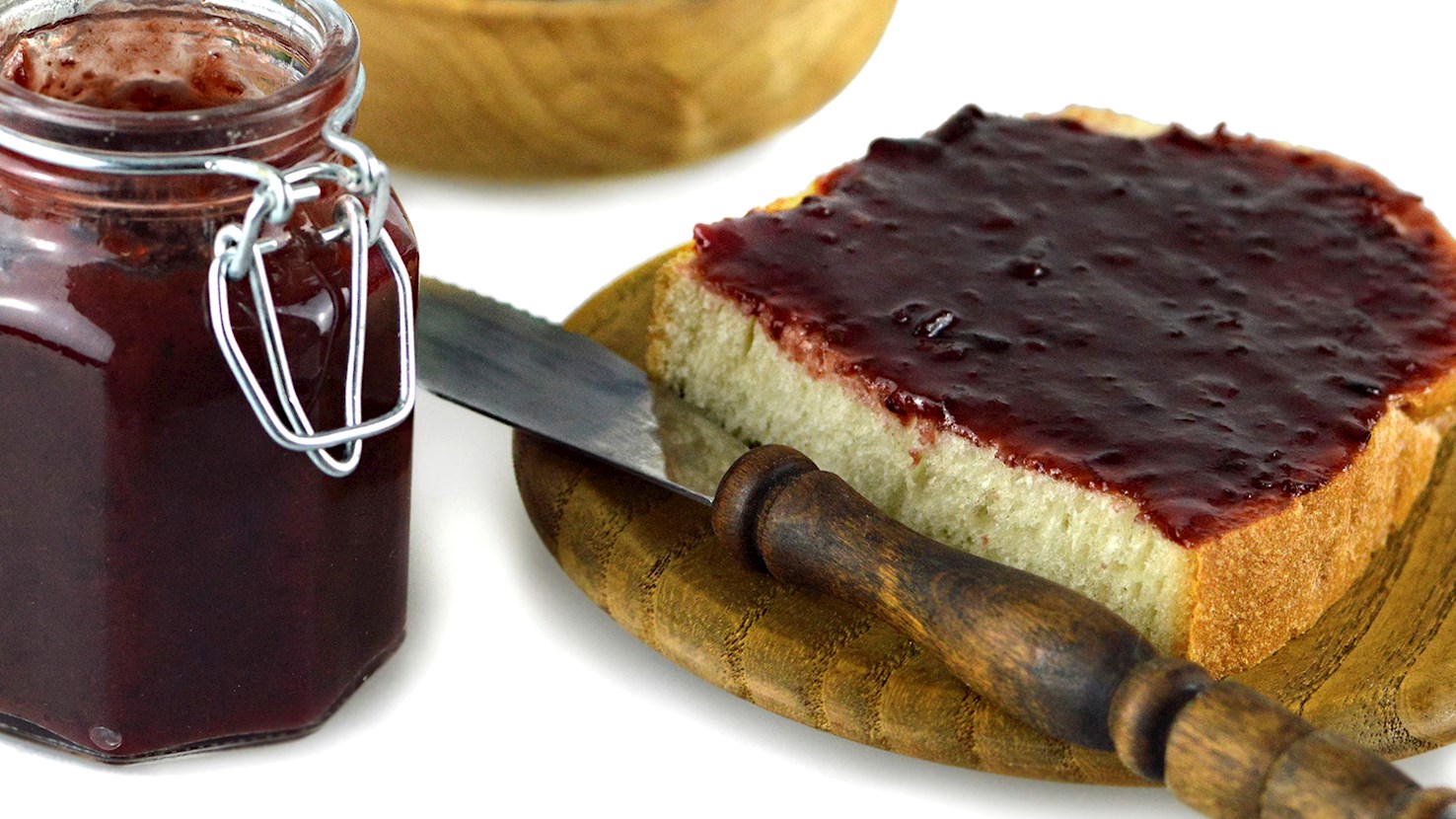
Ribiselmarmelade is a traditional jam made from red currants, known as "ribisel" in Austrian German. This jam is celebrated for its bright, tart flavor and vibrant red color. The preparation involves cooking red currants with sugar until the mixture thickens to a jam-like consistency. Ribiselmarmelade is often used as a spread on bread or pastries, and it can also serve as a filling for various desserts. Its tangy taste makes it a favorite for adding a touch of freshness to sweet dishes.
Pommé de Bretagne is a highly reduced fruit spread made entirely from apples and unpasteurized apple juice or cider, produced primarily in the Ille-et-Vilaine area of northwestern France. Before modern refrigeration, rural agricultural workers in this heavy cider-producing zone needed a reliable method to store massive autumn fruit harvests through the freezing winter months. By boiling down bruised or leftover apples with newly pressed juice, they created a shelf-stable, calorie-rich paste that required no costly refined sugar. During the widespread food shortages of the 1940s, this thick concoction became an essential daily source of calories for local families, taking the place of scarce dairy butter on dining tables. Making the spread involves pouring large volumes of sweet apple liquid into a wide copper cauldron situated over an active wood fire. Once the liquid reaches a rolling boil, cooks drop in hundreds of peeled and cored apple slices. The mixture cooks continuously for a full day and night. Because the high fructose content will scorch against the heated copper, the bubbling mass must be agitated without stopping for up to twenty-four hours using a specific long-handled wooden paddle. This extreme manual labor requires large groups of neighbors to take alternating shifts throughout the night, turning a basic cooking task into a mandatory neighborhood assembly. Once the water completely evaporates, leaving behind a black, caramelized substance, it is scooped into glass jars to cool. Consumers smear the dense spread onto thin buckwheat pancakes or thick slabs of toasted sourdough. It is primarily consumed at breakfast or as a mid-day caloric boost in Breton homes and at regional agricultural festivals. A cup of hot coffee or a glass of chilled, unfiltered alcoholic cider is routinely served with the meal to complement the concentrated tartness of the cooked fruit.
Confiture de groseilles de Bar-le-Duc is a redcurrant preserve from Bar-le-Duc with a clear, jewel-like appearance, featuring whole redcurrants suspended in a translucent jelly made exclusively from redcurrants, sugar, and water. Its reputation was established as early as the fourteenth century, when it was produced for noble tables, and later gained recognition at royal courts and among European elites, becoming closely associated with the town through a long tradition of artisanal know-how. The production process relies on carefully selected ripe redcurrants that are hand-seeded one by one using a goose quill or similar fine tool to remove the seeds without breaking the skin, after which the fruit is gently cooked with sugar so the berries remain intact and evenly coated in a clear syrup that sets naturally without gelling agents. Variations are limited and mostly concern the proportion of sugar or the use of different redcurrant varieties. Confiture de groseilles de Bar-le-Duc is eaten spread thinly on bread, brioche, or toast, served alongside butter or fresh cheese, and used as an accompaniment to game meats or fine pastries. It pairs well with black tea, lightly sweet white wines, or sparkling wines.
Crameillotte is a floral jam from Franche-Comté made from dandelion blossoms that has a smooth, jelly-like consistency, a clear golden color, a mild honeyed sweetness, and a delicate vegetal note. Its emergence is linked to rural foraging practices where springtime dandelion blooms were gathered for both culinary and medicinal uses, and the jam became a seasonal preparation marking the return of flowering meadows after winter. The process begins by harvesting fully opened yellow dandelion heads and removing as much green material as possible to avoid bitterness, then simmering the petals in water to extract flavor, straining the infusion, and cooking the liquid with sugar and citrus until it reaches a setting point, after which it is poured into jars while hot. Common variations involve the use of orange instead of lemon, longer reduction for a firmer texture, or lighter cooking for a more fluid result. Crameillotte is eaten spread on bread, toast, or brioche, used to glaze pastries, or served with fresh cheese and yogurt, and it pairs well with herbal teas, mild white cheeses, and plain baked goods.
Confettura di brugnolette is a fruit preserve made from brugnolette, a plum variety cultivated in southern Italy, especially in Campania and nearby regions. The fruit is small, oval, and firm, with a flavor that combines sweetness and acidity in a way that makes it especially suitable for cooking. Its deep color and dense texture lend themselves well to preserves that are both flavorful and visually appealing. The practice of making preserves from stone fruits is deeply rooted in rural Italian households, where families sought to extend the enjoyment of seasonal harvests. In areas where brugnolette trees were common, their fruit became a natural candidate for preserving. Over generations, the jam gained recognition not only as a household staple but also as a product made by local artisans, often sold at markets or in agriturismi to highlight regional produce. Preparation begins with washing and halving the brugnolette, removing the stones, and combining the flesh with sugar in large pots. Lemon juice is often added, both to balance the flavor and to help the jam set properly. The fruit is simmered slowly until it breaks down and thickens into a glossy preserve, after which it is poured into jars and sealed. The final confettura retains the intense color of the fruit and concentrates its flavor, capturing the essence of the harvest season. Confettura di brugnolette is eaten in a variety of ways. It is spread on bread at breakfast, used to fill pastries, or layered in crostate. It pairs naturally with cheese, where its sweetness complements both fresh and aged varieties, and in some kitchens it is also incorporated into savory dishes such as glazes for meat or poultry. Its versatility ensures that it holds a place in both simple daily meals and more elaborate recipes. What distinguishes this preserve is the use of brugnolette itself, a fruit not widely grown outside its home region. The reliance on a local variety gives the jam a unique character and a clear link to the agricultural identity of the area, something that cannot easily be recreated with other plums. Today, confettura di brugnolette remains closely tied to the places where the fruit is cultivated. It is eaten mainly in southern Italy, purchased directly from markets, specialty shops, or farms, and shared at family tables or given as gifts. Visitors to the region often encounter it as part of breakfast spreads in agriturismi or as a component in desserts.
Bestilj is a traditional Bosnian plum preserve. This thick, richly flavored preserve is created by slowly cooking plums over low heat for several hours, allowing the fruit to break down into a dense, dark, and glossy spread. Bestilj is typically made with minimal or no added sugar, relying on the natural sweetness of the plums, resulting in a slightly tart taste. The final product is often used as a spread on bread, a filling for pastries, or enjoyed on its own as a sweet treat. It holds significant cultural importance, particularly as a way to preserve plums for the winter months, and is traditionally made in the fall during the plum harvest.
TasteAtlas food rankings are based on the ratings of the TasteAtlas audience, with a series of mechanisms that recognize real users and that ignore bot,
nationalist or local patriotic ratings, and give additional value to the ratings of users that the system recognizes as knowledgeable.
For the “Top 99 European Jams” list until June 05, 2026, 357 ratings were recorded, of which 181 were recognized by the system as legitimate.
TasteAtlas Rankings should not be seen as the final global conclusion about food. Their purpose is to promote excellent local foods,
instill pride in traditional dishes, and arouse curiosity about dishes you haven’t tried.
The initial list of top producers was compiled based on available reviews, awards, local recommendations, media and blog coverage, and consumer reviews.
The list will be updated with ratings from TasteAtlas local ambassadors and TasteAtlas users.