


shutterstock

12 Köfte Varieties
Ranked From the Best To the Worst

Last updated on August 17, 2026
01

Islama köfte

4.3 ·

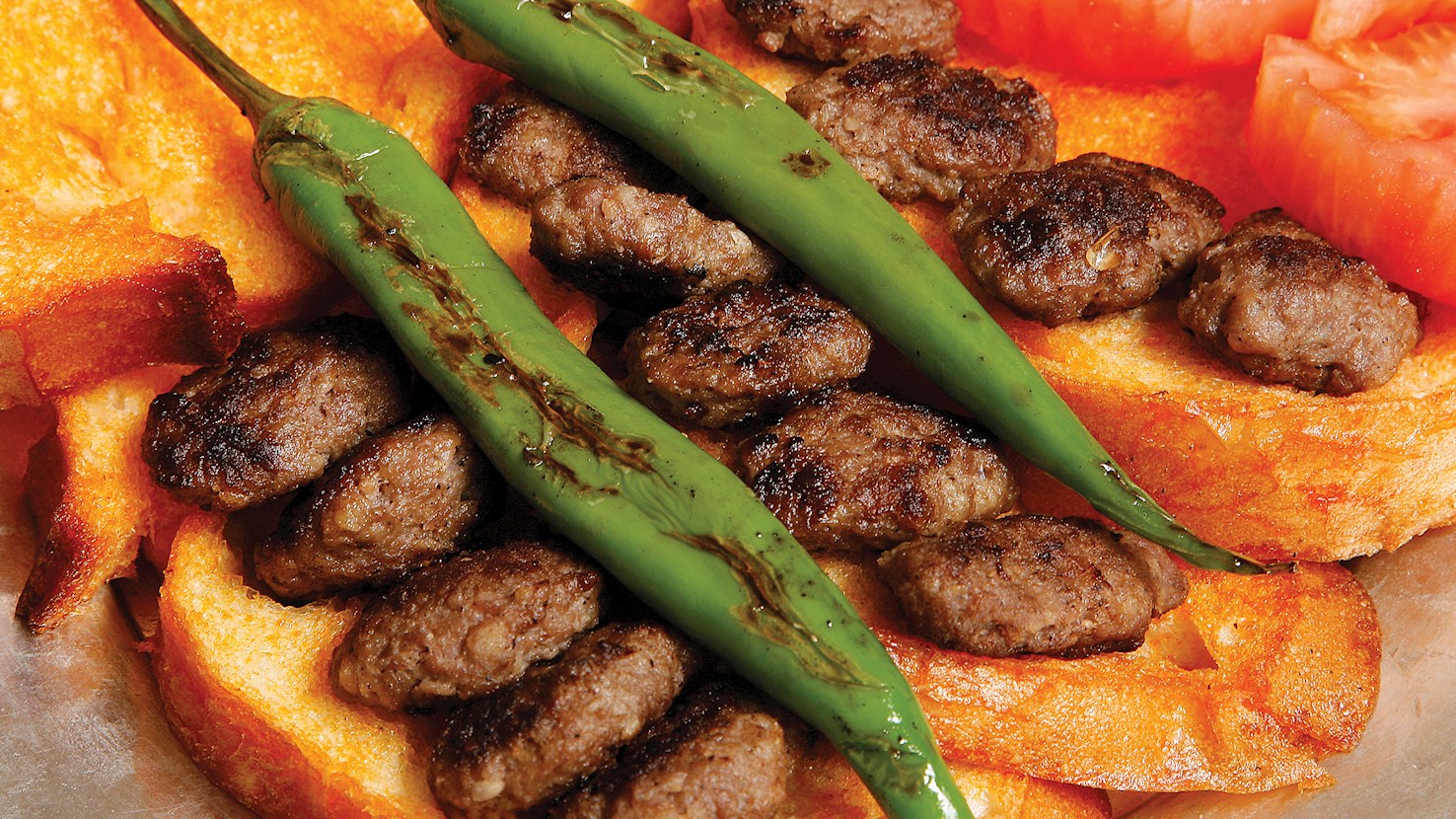
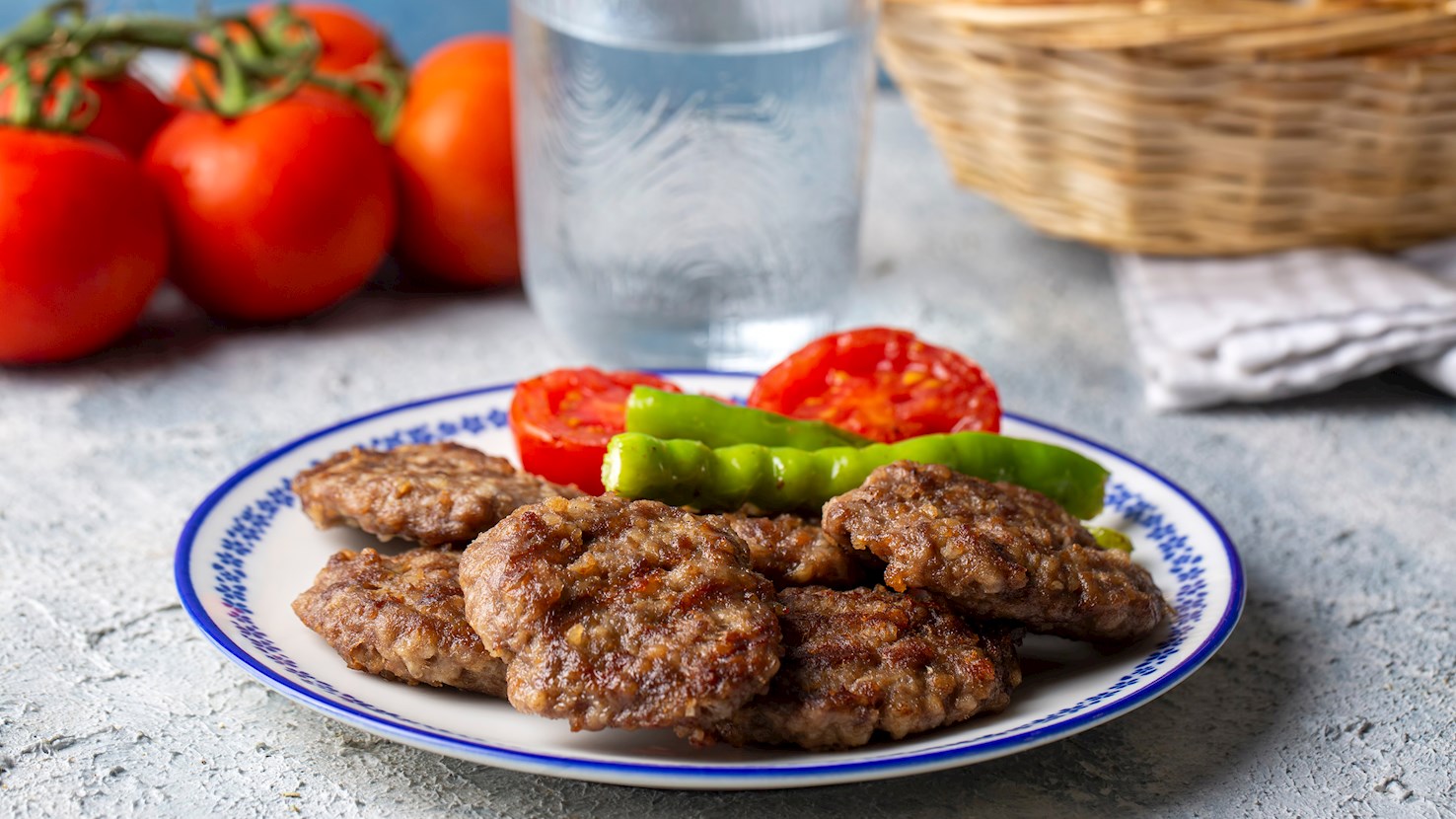
Islama köfte are traditional Turkish meatballs originating from Adapazarı, the capital of Sakarya province. The meatballs are usually made with a combination of grated stale bread, ground beef, onions, garlic, cumin, paprika, eggs, salt, and pepper. Once the mixture has been shaped into meatballs, they're either grilled or fried in oil over medium heat on both sides. The bread is sliced and dipped in a mixture of beef stock, oil, and paprika before it's grilled (or fried in the same pan with the meatballs). Hot green peppers and sliced tomatoes are also grilled or fried, and once everything is fully cooked, it's arranged on a plate with the peppers and tomato slices on the sides.

02

İnegöl köfte

4.1 ·

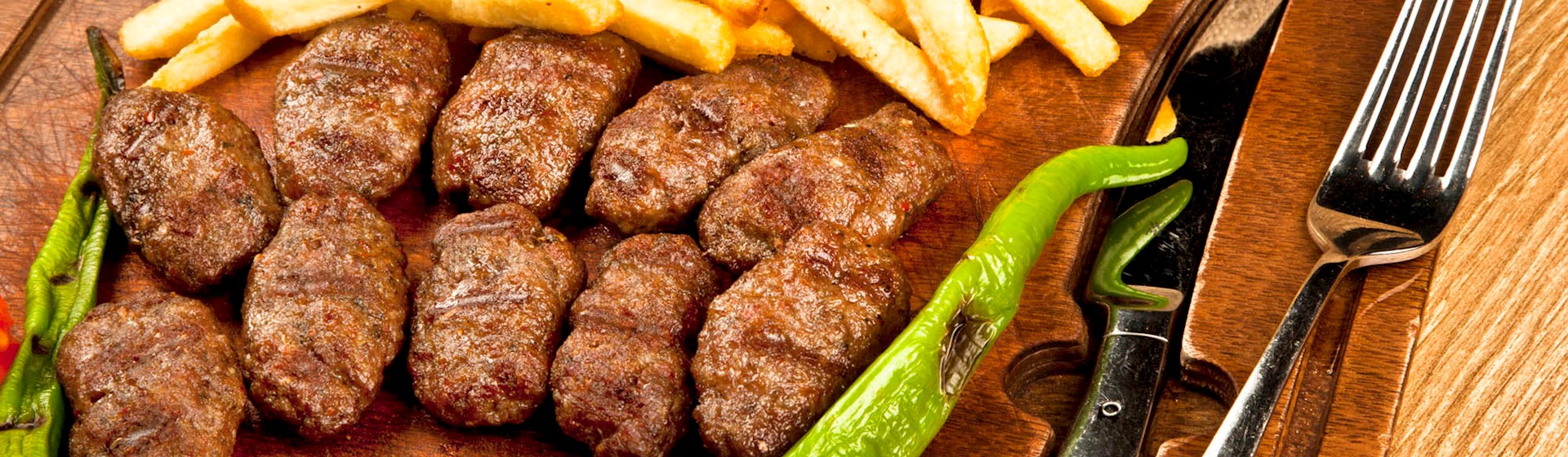
The most famous Turkish meatball dish was invented by Mustafa Efendi, a Turkish immigrant from Bulgaria who came to İnegöl in the late 19th century. İnegöl köfte are made with breadcrumbs and a mixture of ground beef or lamb, seasoned with only onions. They are grilled, and usually served as a main course. Although these delicious meatballs are nowadays found all over the country, it is said that the best ones are prepared in İnegöl.

03

Çiğ köfte

4.1 ·

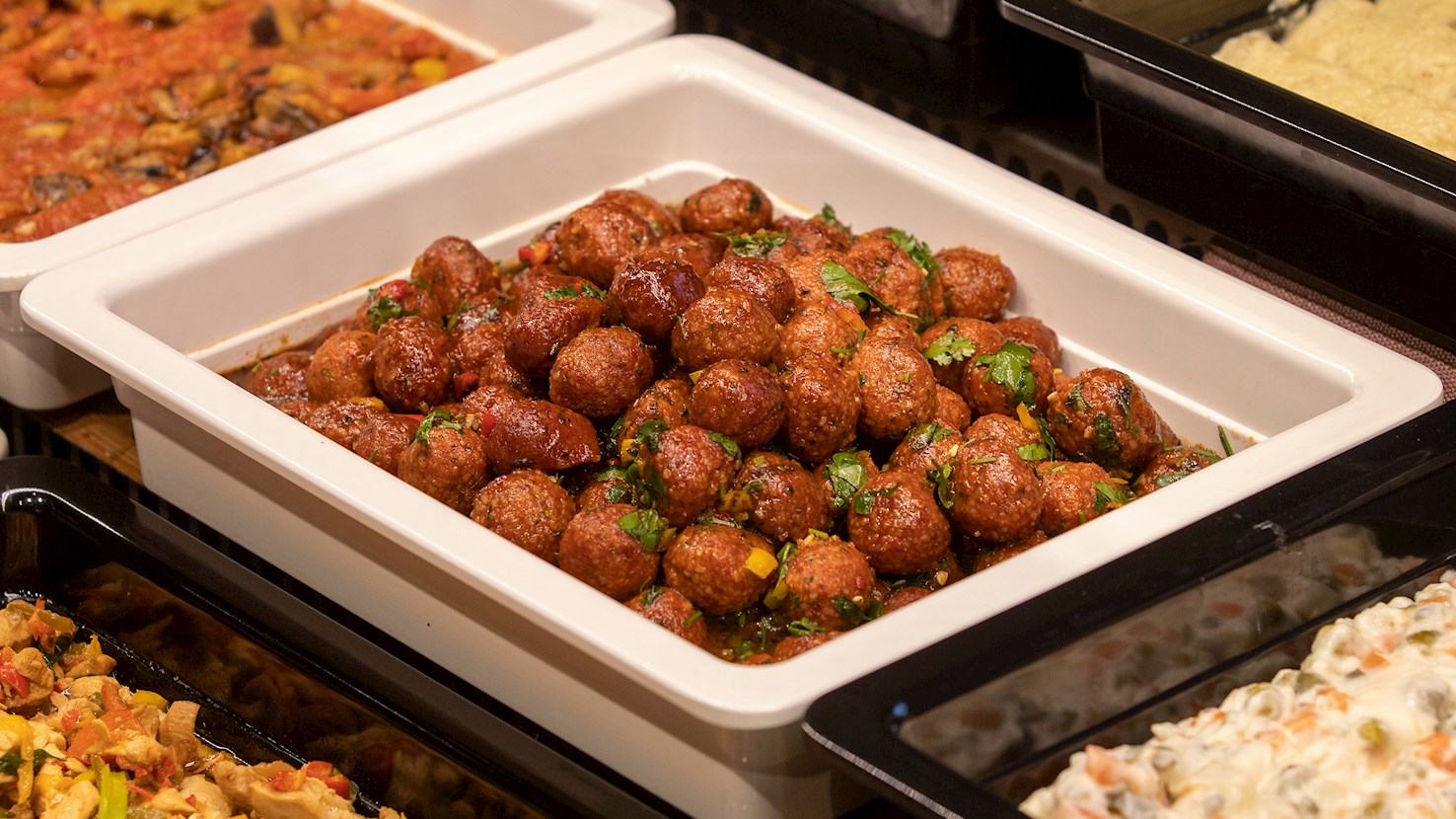
Çiğ köfte is the Turkish version of steak tartare, traditionally made with high-quality ground raw beef (or lamb) that is combined with tomatoes, onions, garlic, pepper, and a selection of Turkish spices. The dish is consumed as a meze, and it is typically served almost cold. Nowadays, due to food safety regulations and health concerns, the meat is almost always replaced with bulgur and ground walnuts, but these vegetarian versions are so good that people mostly can’t tell them from the real thing.

04

Mercimek köfte

4.1 ·

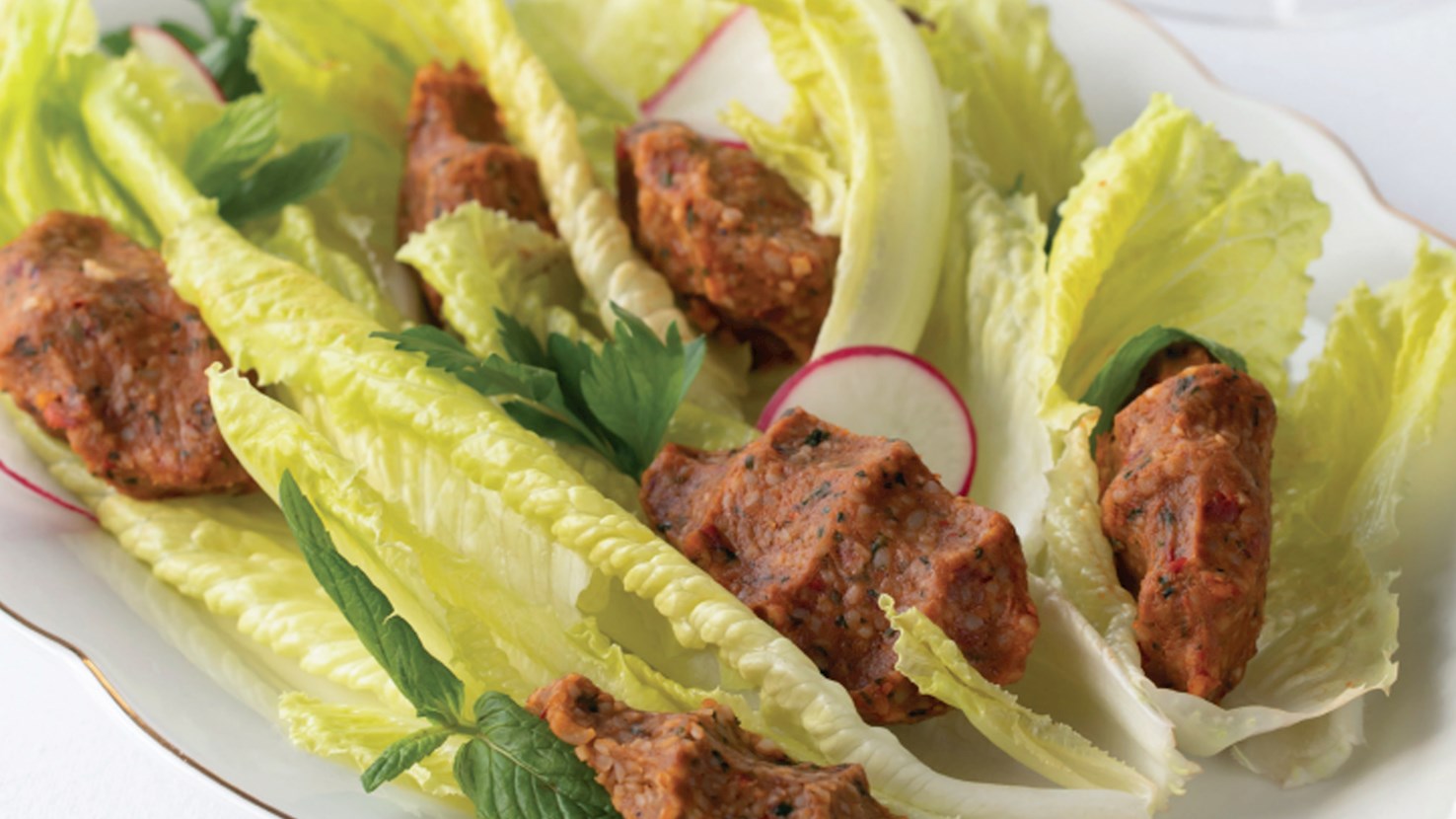
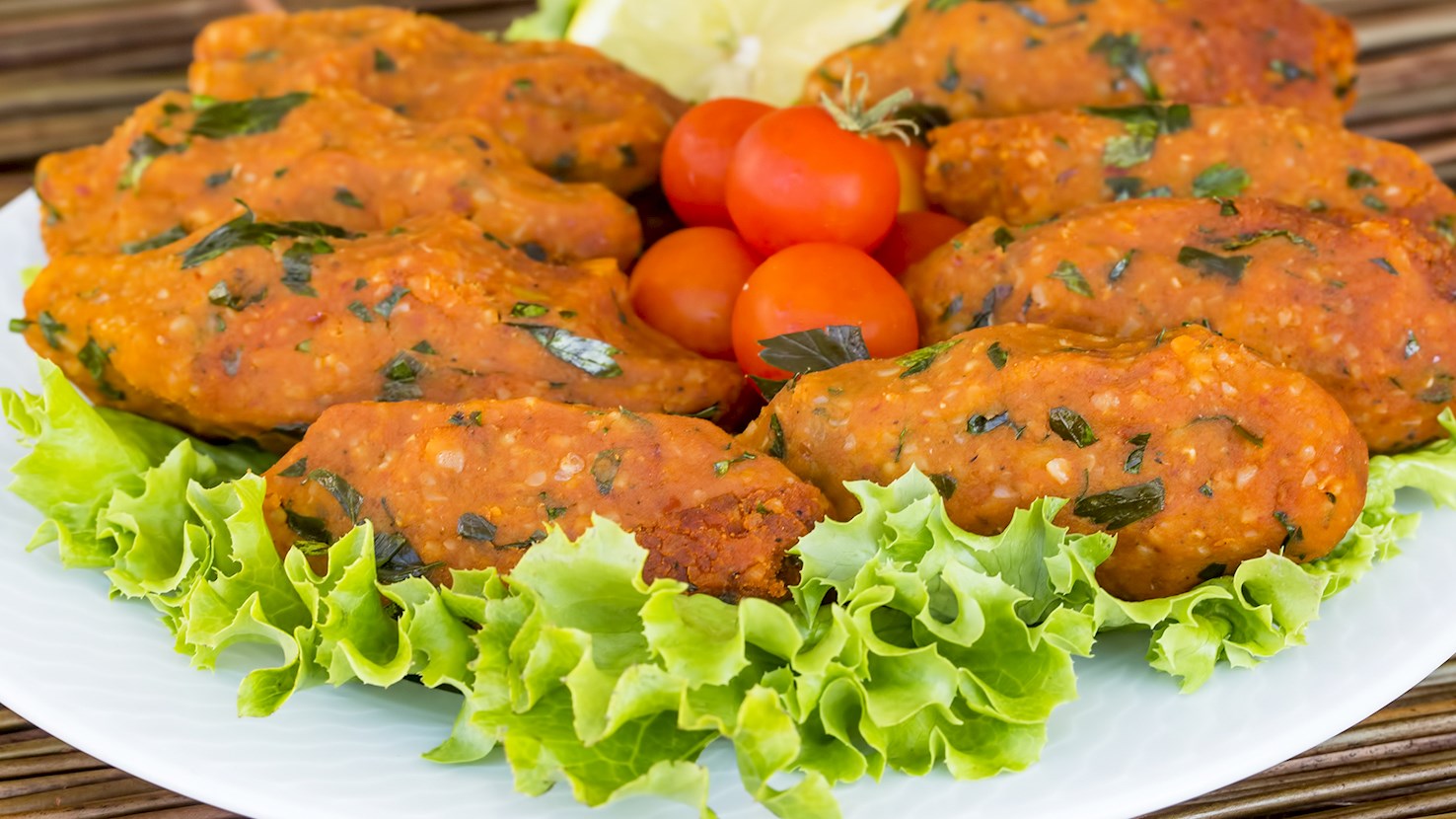
This Turkish dish consists of oval-shaped patties made from a doughy mixture of boiled red lentils and bulgur. The köfte mixture is seasoned with a pinch of salt and flavored with sautéed onions, tomato paste, and a pinch of cumin. In the spicy version of this dish, chili flakes are typically added for heat. Fresh parsley, dill, and spring onions are added near the end of the cooking process for a refreshing flavor. Mercimek köfte are very popular in Turkey, where they are usually served cold as appetizers at social gatherings. They are traditionally eaten with lettuce and a squeeze of lemon juice.

05

İzmir köfte

4.0 ·

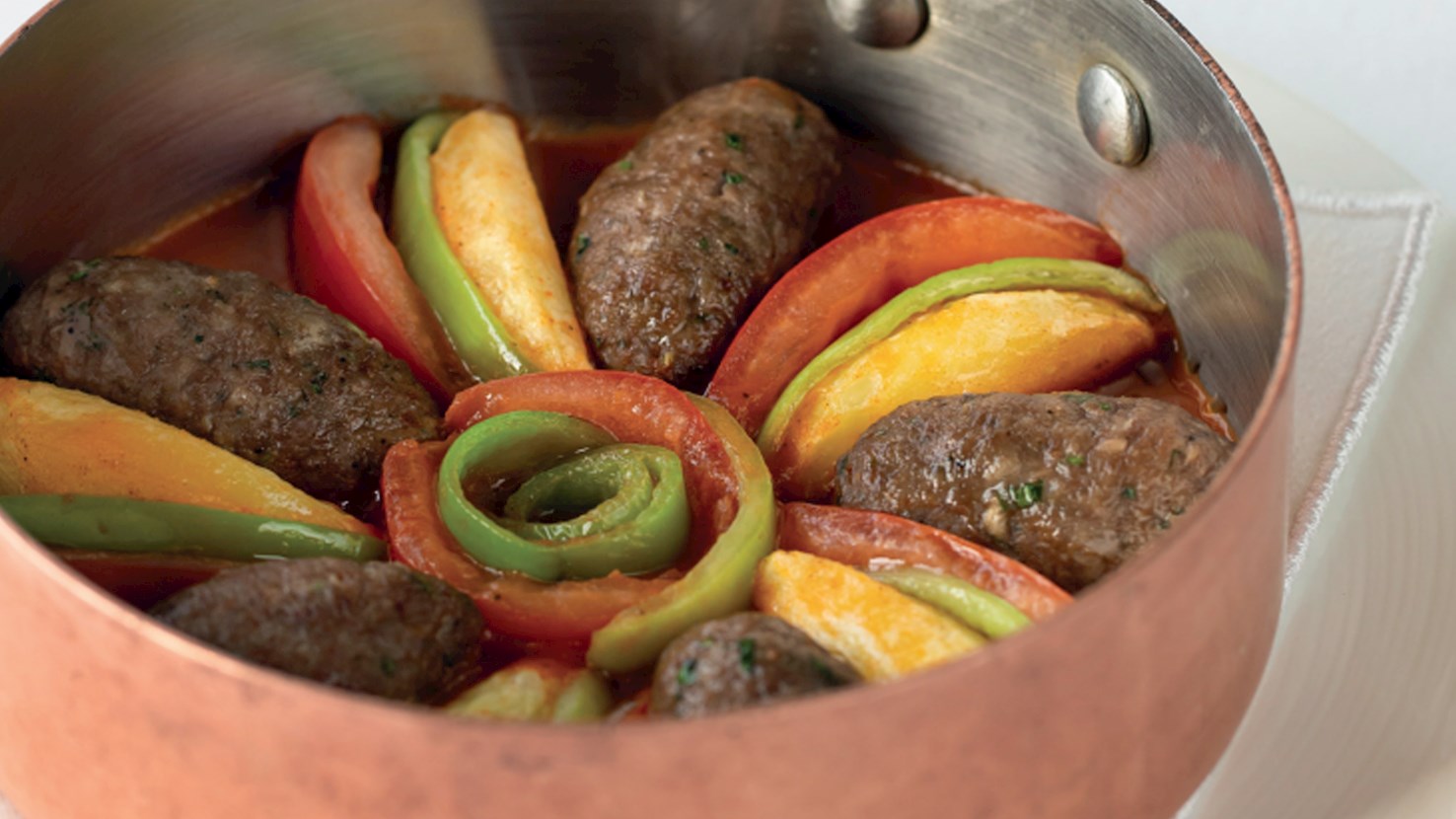
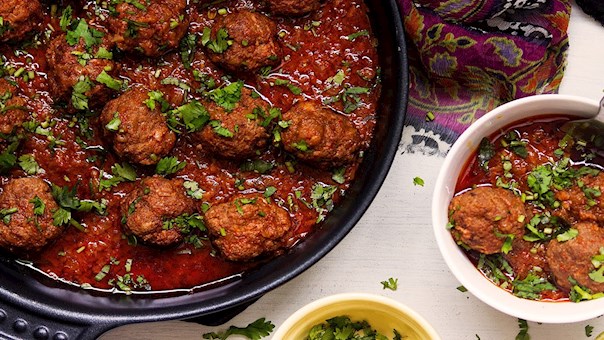
İzmir köfte is a Turkish comfort food dish consisting of köfte (meatballs), peppers, and potatoes in a simple tomato sauce. The dish can either be prepared on a stove or baked in the oven. Köfte are typically made with ground beef or lamb, onions, flour, stale bread, and eggs, flavored with a variety of spices such as red pepper flakes, cumin, black pepper, and mint. Before serving, İzmir köfte are traditionally garnished with chopped parsley on top. It is recommended to use plain rice or a slice of crusty bread as accompaniments. The dish originated and was named after Smyrni, or modern-day Izmir, where it was initially prepared by Greek citizens and was called soutzoukakia smyrneika. It is believed that the dish was brought to other areas in Greece in the 1920s, following the great migration after the Greco-Turkish War.

06

Akçaabat köftesi

4.0 ·

Akçaabat köftesi is a traditional dish originating from the eponymous town in Trabzon. The dish consists of fried meatballs. They are unique in a way because the locals only use the veal of the calves they breed and slaughter. The meatballs are made from ground veal, bread crumbs, grated onions, garlic, salt, and pepper. Once formed into patties, the meatballs are grilled or cooked in a skillet until golden brown. It's recommended to serve these meatballs with a green salad, bulgur pilaf, roasted vegetables, and ayran on the side.

07

Kadınbudu köfte

3.8 ·

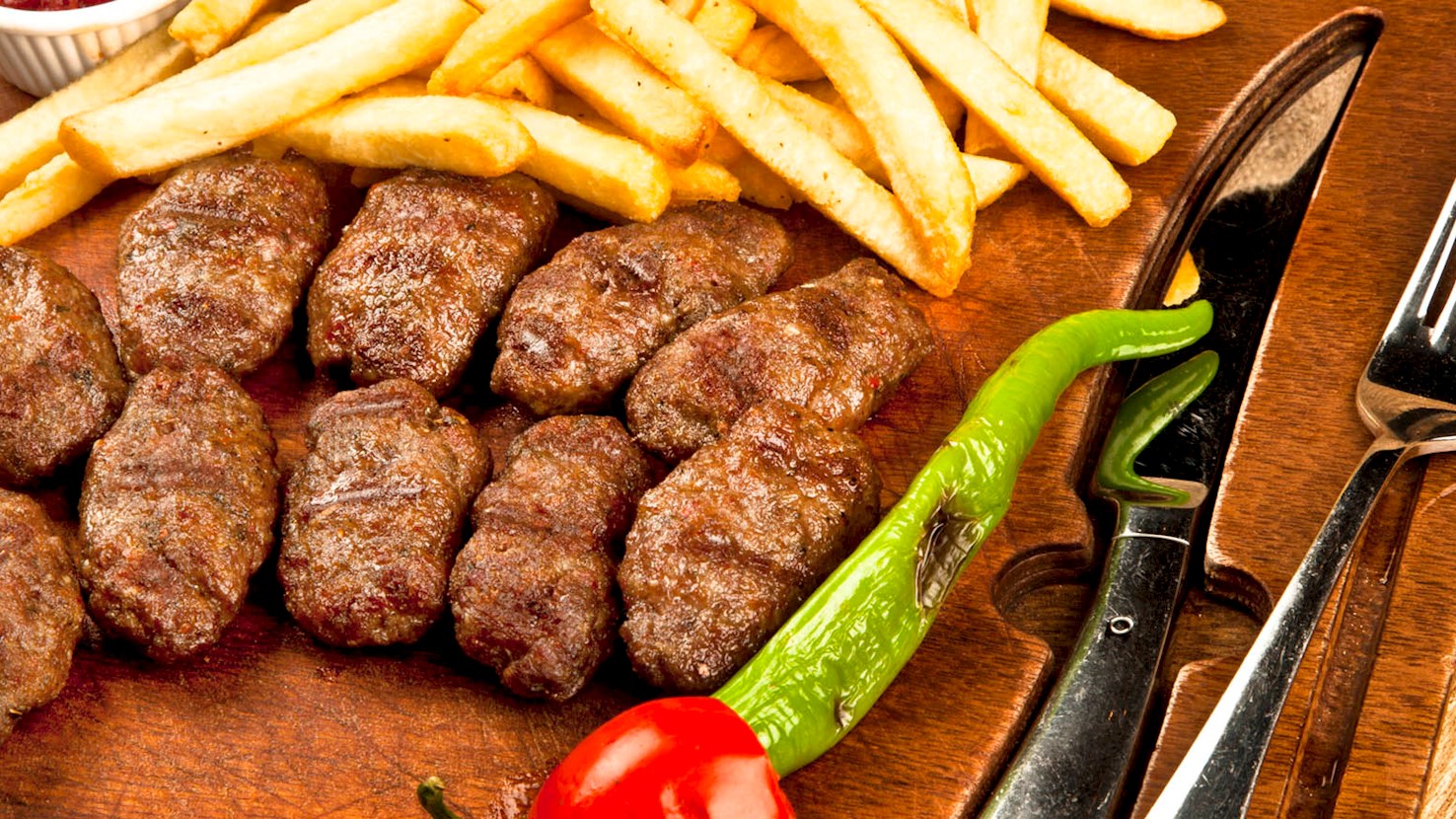
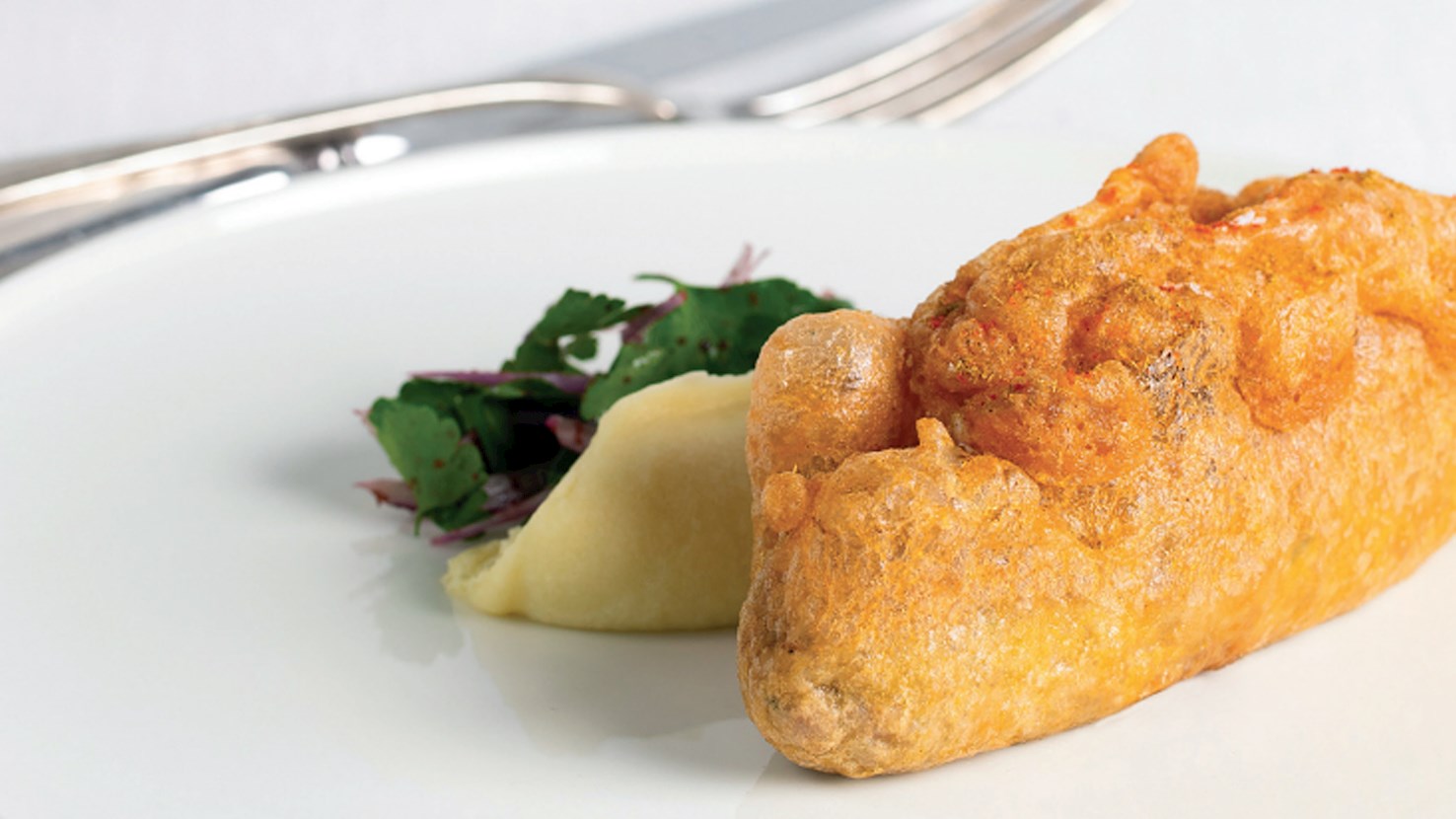
Kadinbudu köfte (lit. lady’s thigh köfte) is a Turkish dish made with ground beef or lamb, rice, onions, eggs, flour, oil, and various spices. It is believed that the unusual name stems from the Ottoman era because it resembled women’s thighs at the time. The meatballs are coated with flour and beaten eggs, then fried in hot oil until golden-brown in color. On the interior, the meat should remain tender and succulent. The dish is typically served either with french fries or pan-fried potato wedges, onions, and tomatoes.

08

Ekşili köfte

3.5 ·

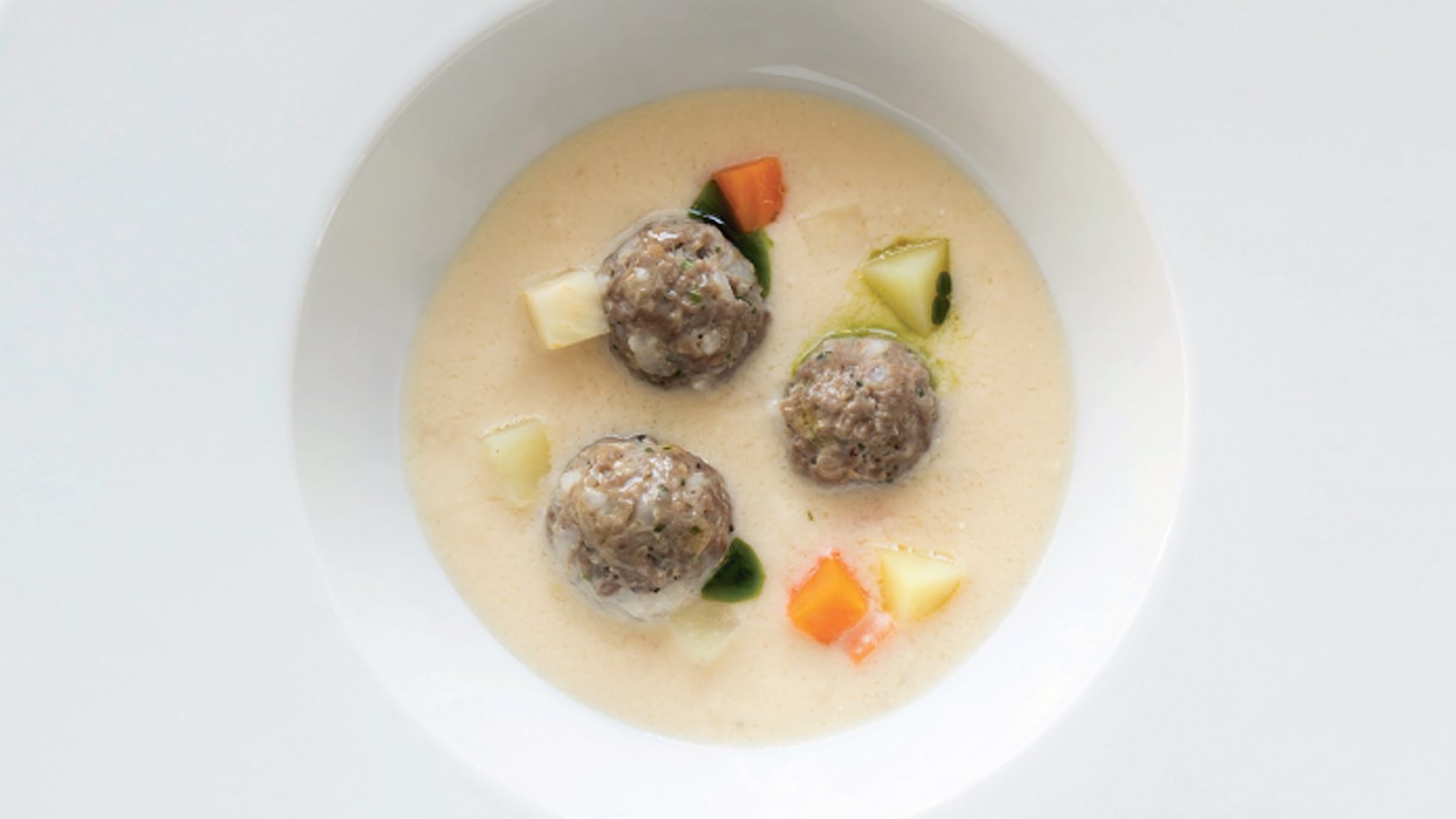
Ekşili köfte is a traditional köfte dish. The meatballs are prepared with a combination of ground beef, rice, eggs, cumin, black pepper, and salt. Once formed, they are cooked in water and beef stock. The sauce is made from flour, egg yolks, lemon juice, and water, with red pepper as garnish. It's poured over the meatballs, then served with bread or salad on the side. The dish is typically eaten with a spoon.

Best restaurants
09

Sulu köfte

3.5 ·

Sulu köfte is a Turkish stew made with köfte meatballs, onions, and rice. They are cooked in a sauce consisting of butter, tomato paste, and water. The name of the dish means watery köfte, referring to the thin, soup-like sauce. Tiny cubes of potatoes and carrots can also be added to the stew in order to elevate its flavors even further. It is recommended to garnish the dish with chopped parsley, then serve it accompanied by Turkish bread on the side.

10

Harput köftesi

3.5 ·

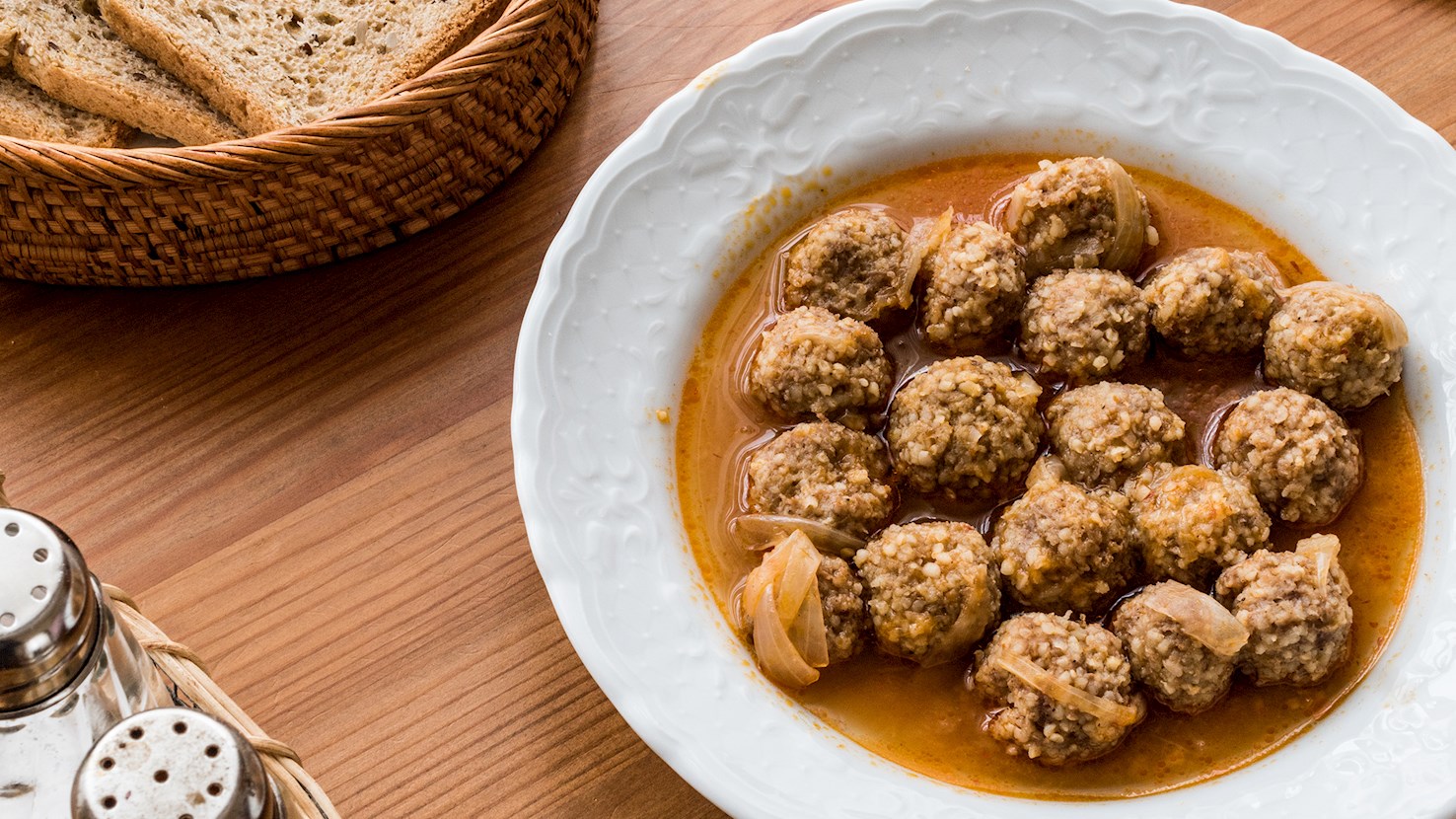
Harput köftesi are traditional Turkish köfte meatballs originating from Elazığ (formerly Harput). The dish is made with a combination of ground beef, basil, onions, bulgur, tomato paste, salt, paprika, black pepper, and parsley. The mixture is shaped into small balls, and the meatballs are then simmered in a combination of oil, water, and tomato paste. Once done, Harput meatballs are served immediately in warmed plates.

About this Ranking

TasteAtlas food rankings are based on the ratings of the TasteAtlas audience, with a series of mechanisms that recognize real users and that ignore bot, nationalist or local patriotic ratings, and give additional value to the ratings of users that the system recognizes as knowledgeable. For the “12 Köfte Varieties Ranked From the Best To the Worst” list until August 17, 2026, 796,144 ratings were recorded, of which 520,250 were recognized by the system as legitimate.

TasteAtlas Rankings should not be seen as the final global conclusion about food. Their purpose is to promote excellent local foods, instill pride in traditional dishes, and arouse curiosity about dishes you haven’t tried.

What People Say

Similar Lists