Top 100 European Liqueurs

Last updated on June 15, 2026

Best European Liqueur Types

01

Averna

4.1 ·

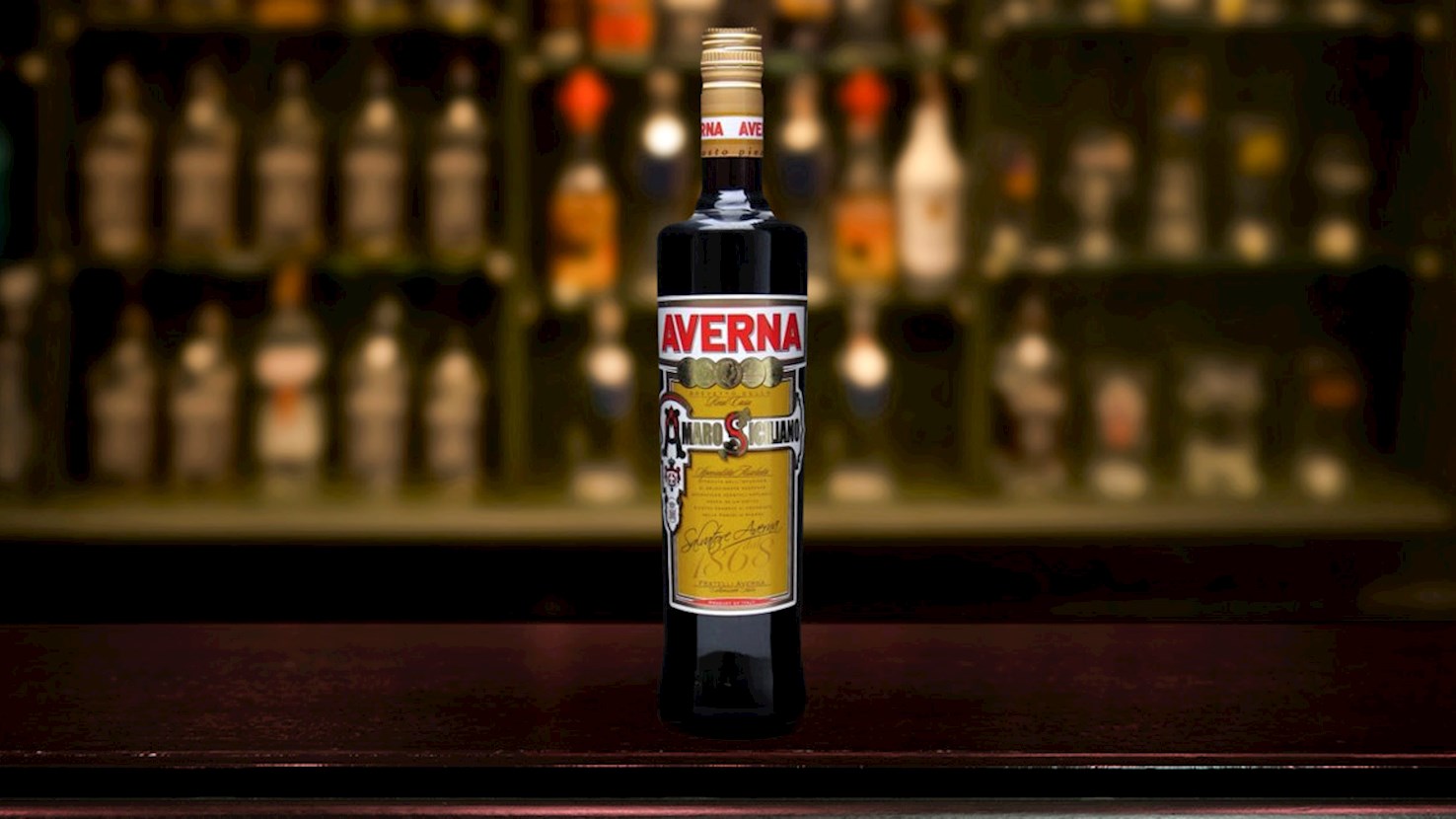
Averna is a popular Italian bitter digestif that was named after its inventor Salvatore Averna who created it in 1868. Some sources state that the recipe was handed to the Avernas by a monk of the local San Spirito monastery. The exact ingredient list remains the Averna family secret, but this bittersweet liqueur is said to be made with more than 60 different herbs, roots, pomegranate, and the essential oils of bitter Sicilian lemons. Though Averna is typically enjoyed on its own, served on the rocks or neat, it can also be used for various cocktails.

02

Teranino

4.1 ·

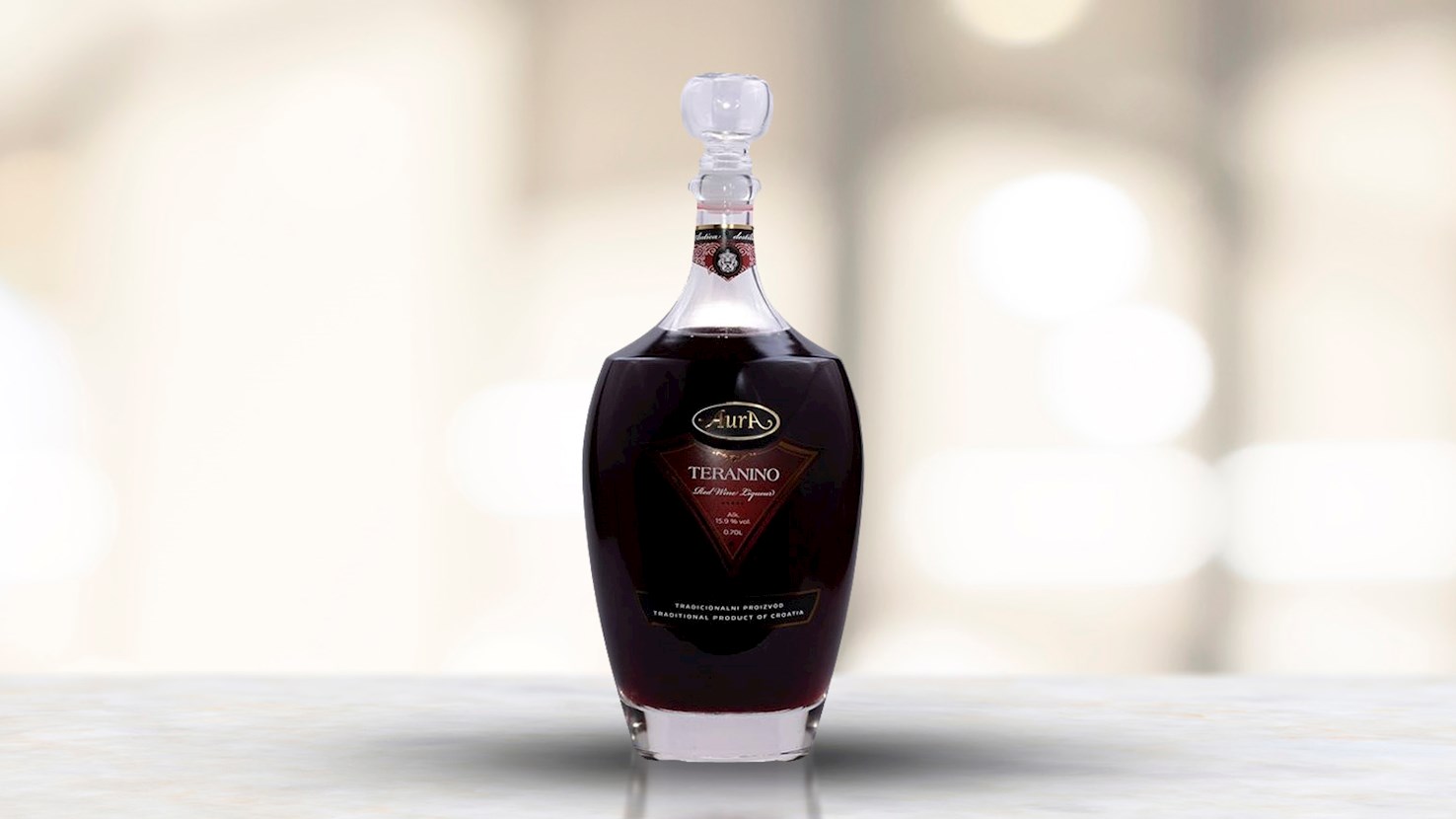
Teranino is a unique Croatian liqueur produced with fruit or pomace brandy and red wine made from Teran variety—hence the name. This liqueur is usually sweetened and flavored with various botanicals such as cinnamon, cloves, star anise, lemon, vanilla, or fennel. The result is a ruby red liqueur with an earthy and herbaceous character, fruity notes, and sweet, spicy aromas. Teranino is sweet and typically has between 15 to 20% ABV. It is best to serve it chilled and enjoy it as an aperitif or a digestif. Teranino can be served neat or on the rocks. This traditional liqueur is mainly produced in Istria, where Teran is one of the most common red grape varieties.

03

Disaronno

4.1 ·

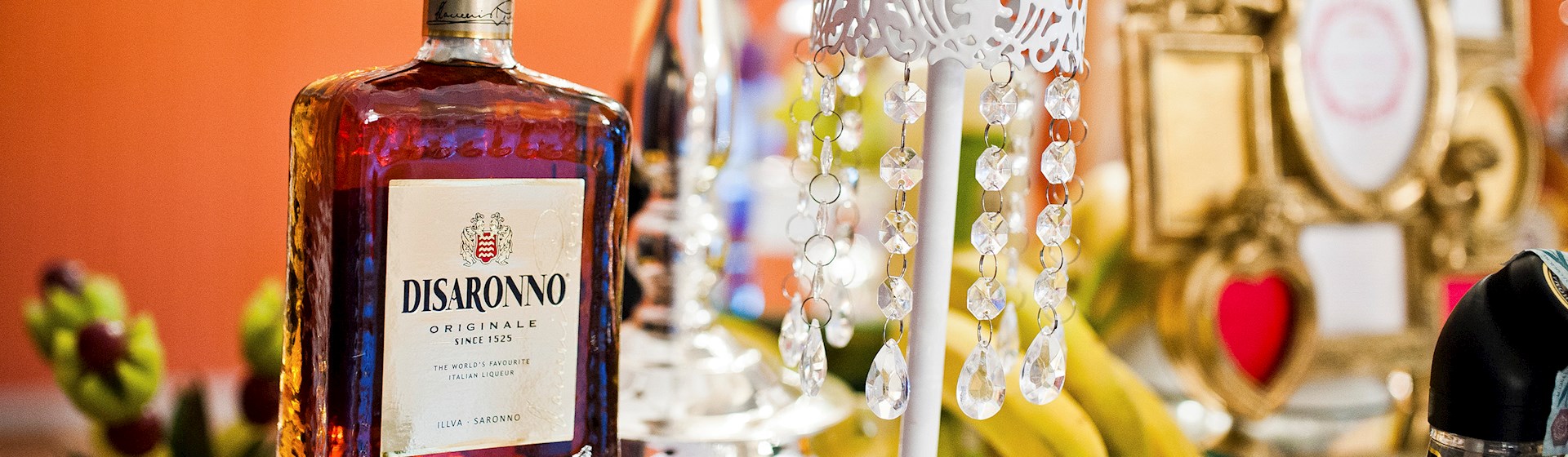
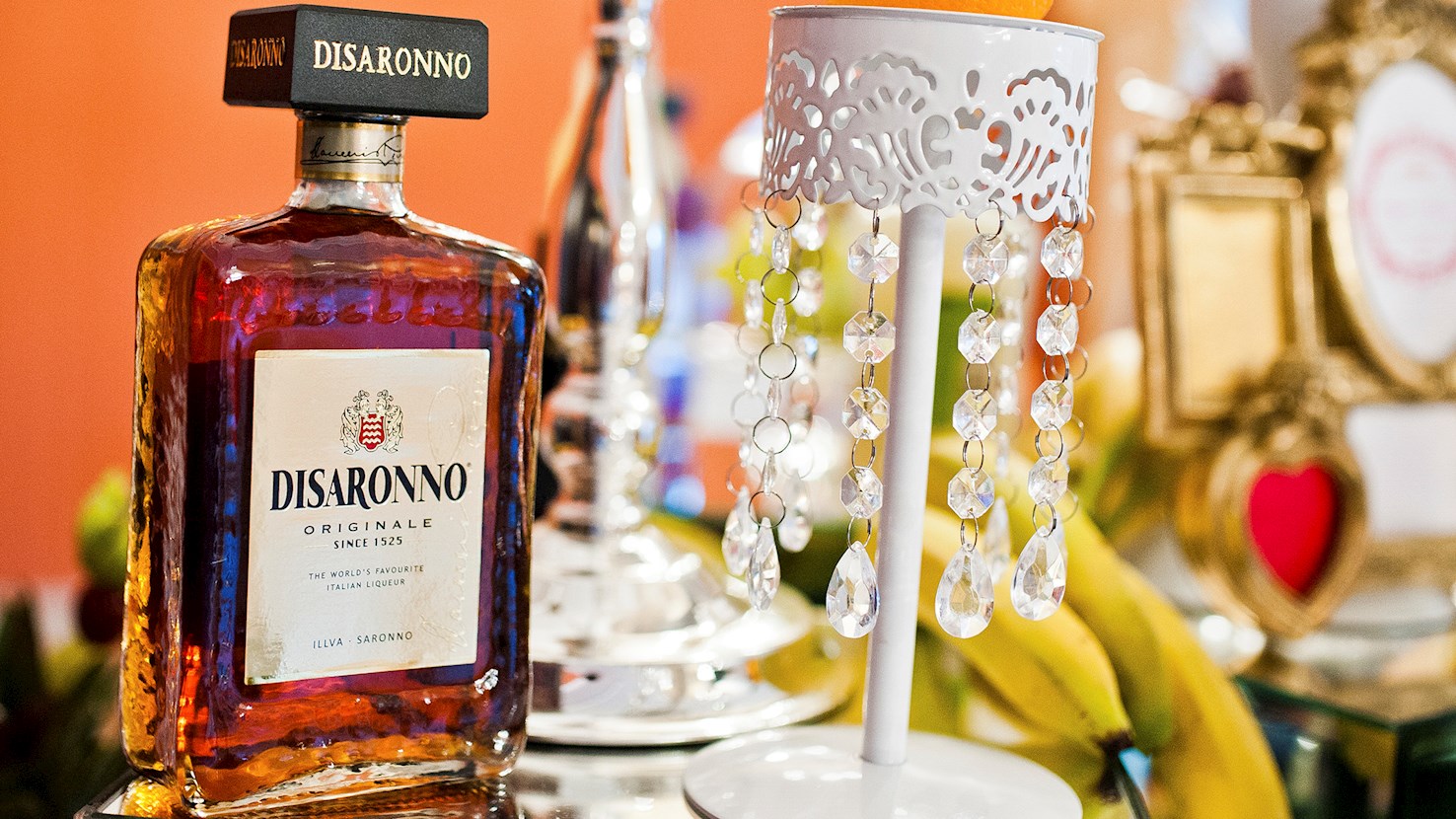
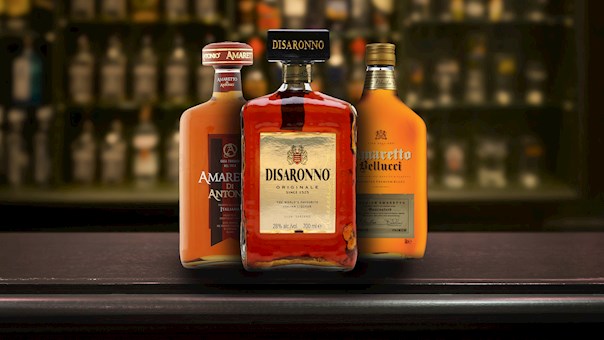
Hailing from Saronno, this renowned amaretto brand is produced with a base spirit, apricot kernel oil, burnt sugar, and 17 different herbs, fruits, and spices. The brand claimed the invention of the original amaretto in the 16th century, and throughout history, its production has remained in the hands of Reina family. Disaronno is distinguished for its use of apricot kernel oil, which provides it with a distinctive combination of almond and apricot flavors. Because of its sweetness and smooth texture, it can be enjoyed neat or on the rocks, but it can also work well in a variety of cocktails and long drinks.

04

Chios Mastiha

4.1 ·

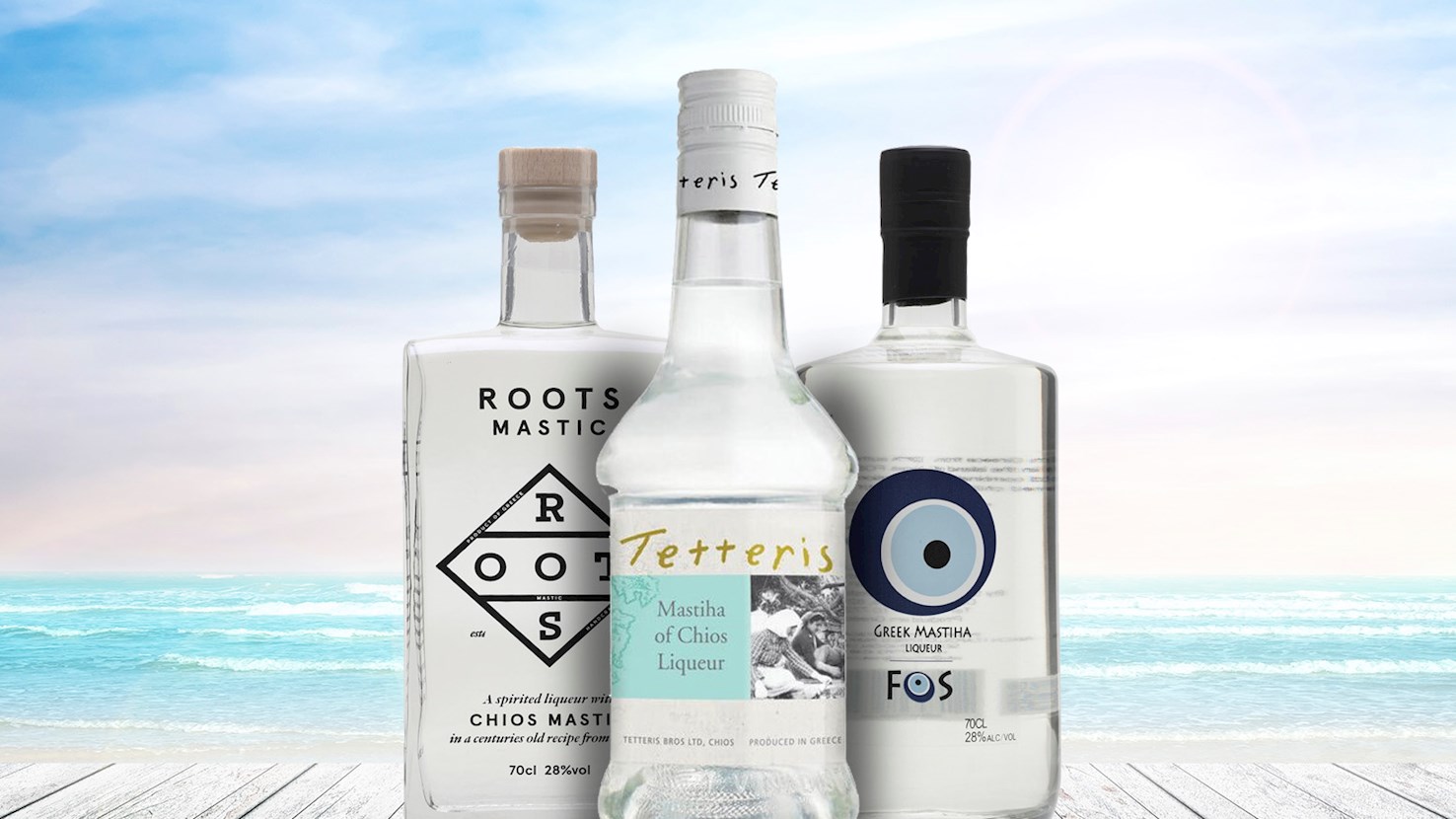
Chios Mastiha is a Greek liqueur that is made with Masticha Chiou—a resinous sap of the Schinias tree. Although Schinias is found in other Mediterranean countries, the plant only produces resin on Chios, presumably because of the island’s unique microclimate. The liqueur is made by macerating Chios mastic or Chios mastic oil in grain spirit or distilling it with alcohol. The combination is then diluted with water and sweetened before it is bottled. Chios Mastiha must have a minimum of 15% ABV. The process results in a clear and subtly sweet spirit with fresh notes of pine, anise, herbs, and citrus fruit. The drink is usually enjoyed neat or on the rocks, occasionally with a squeeze of lemon or mixed with other fruit juices. Recently, it has also become a popular and versatile cocktail ingredient. In Greece, it mostly enjoyed as an aperitif or a digestif, and it is often accompanied by various meze dishes.

05

Rakomelo

4.1 ·

Rakomelo is a Cretan drink that combines honey and tsikoudia, a clear Cretan spirit that is sometimes referred to as raki, though it is not anise-flavored like the namesake Turkish spirit. The drink is often flavored with herbs and spices such as cinnamon, cardamom, or cloves. It is frequently prepared at home by combining warm spirit and honey, but commercially produced versions are also available. Rakomelo is sometimes served warm, usually as a soothing winter drink or a health remedy, while the well-chilled variety is mainly enjoyed neat or with ice, preferably as an aperitif or a digestif. It is believed that it dates back to the 12th century and its origin is mainly associated with Crete, though some sources list the Cyclades as its original location, primarily the island of Amorgos.

06

Vișinată

4 ·

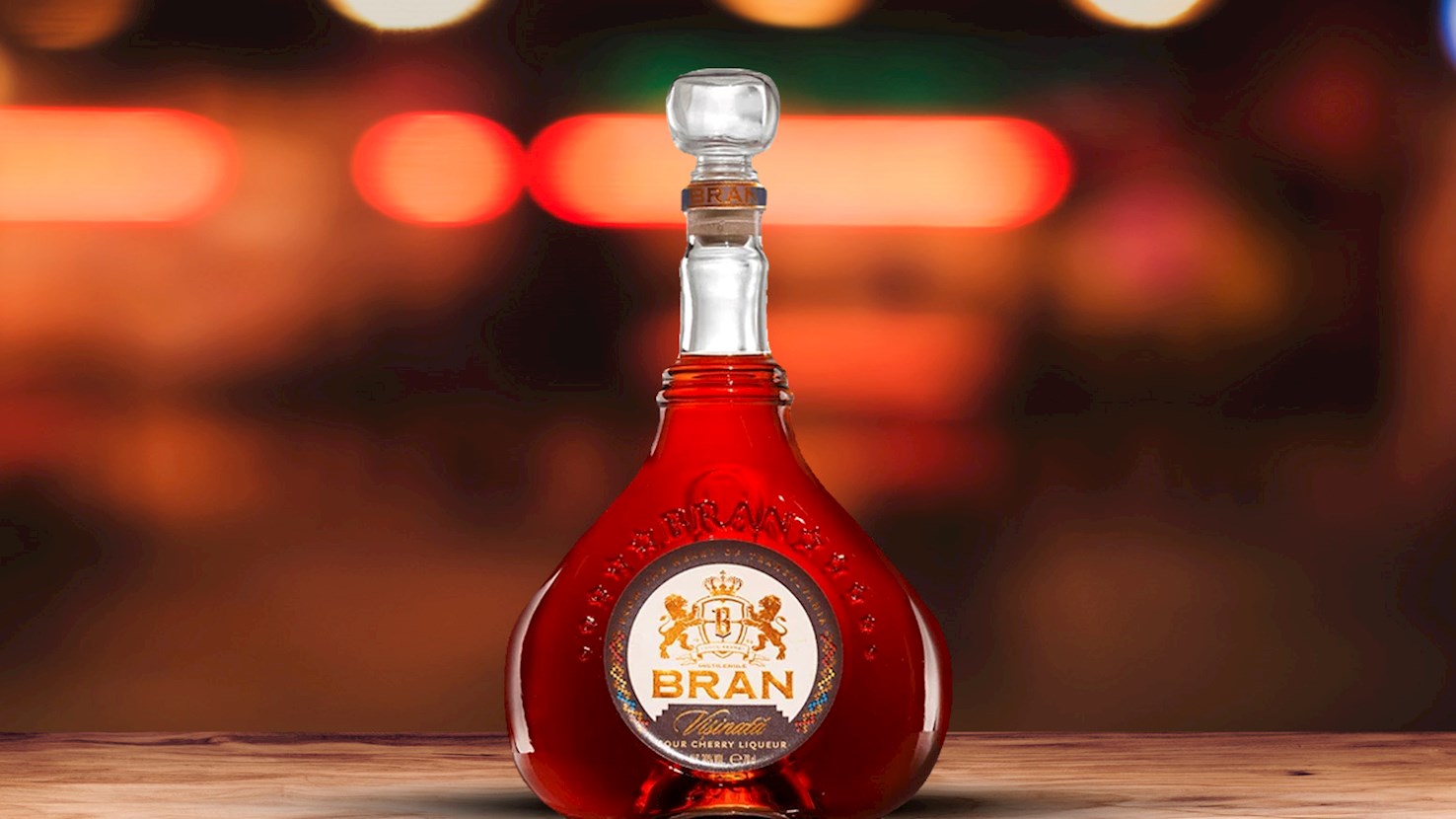
Vișinată is a Romanian version of sour cherry liqueur. Often prepared as a homemade specialty, the drink is made by macerating sour cherries and sugar in neutral alcohol. The combination is left to infuse for several weeks or months until the macerate attains cherry flavors and appealing red color. There are no set recipes for vișinată, and most families have their traditional techniques. The final flavor largely depends on the recipe, choice of base spirit, and the quality and ripeness of cherries. When the macerate is ready, the liquid is filtered, while alcohol-soaked cherries can be used in desserts. Commercial vișinată is also available.

07

Goldwasser

4 ·

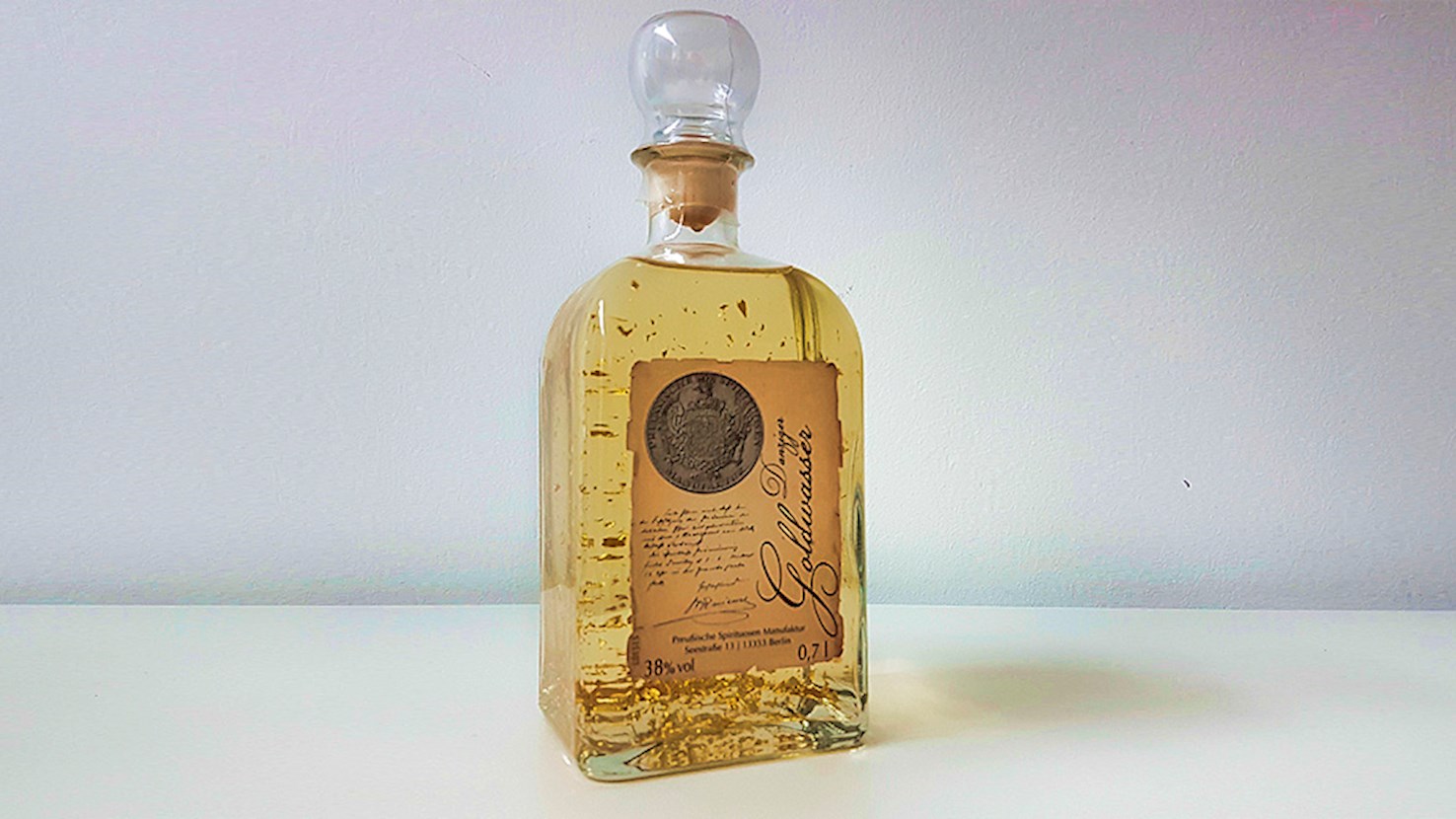
Hailing from Gdańsk, this herbal liqueur is easily distinguished by the flakes of real gold. According to the written records, it first appeared in 1598, and it was an invention of a Dutch Ambrose Vermollen who created a recipe that was based on a secret combination of 20 different herbs and roots. Considered as one of the oldest liqueurs in the world, Goldwasser comes at 40% ABV and displays both sweet and spicy cinnamon aromas, with underlying notes of licorice and mint. Though its history is closely intertwined with Poland, following the political turmoil and the Second World War Goldwasser is now produced in Germany, but it remains a symbol of the city of Gdańsk.

08

Liquore di mirto

4 ·

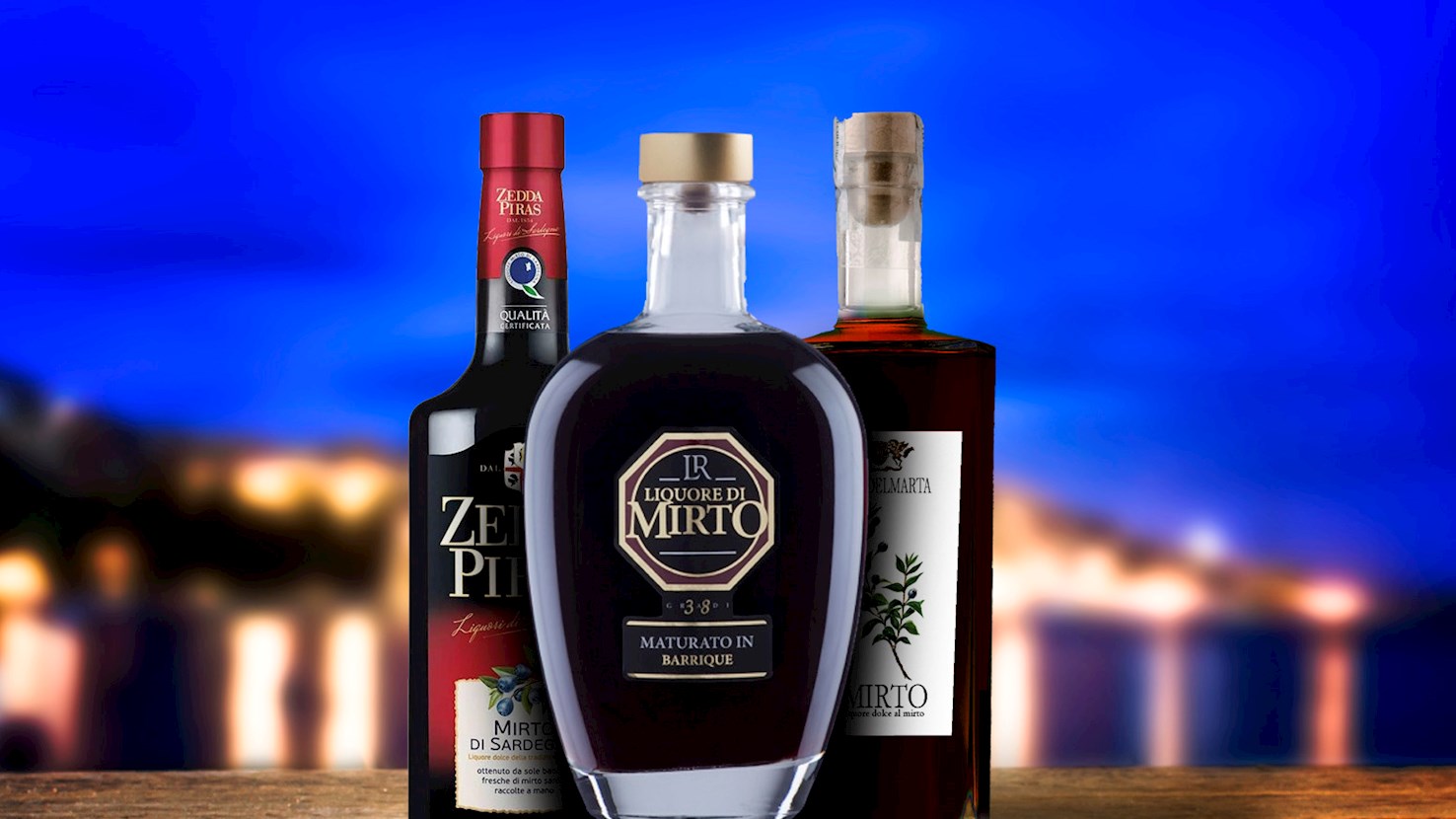
Liquore di mirto is a sweet liqueur typical for Sardinia, though it also found in other parts of southern Italy. It is usually made by macerating red myrtle berries (mirto rosso), sometimes with added myrtle leaves, in alcohol. The berries are usually macerated for several weeks, and then the liquid is strained and sweetened. Before the berries are discarded, they are usually squeezed, and the juice is added to the infusion. The final version is subtly sweet with myrtle and herbaceous aromas. Myrtle liqueur is commonly homemade, but several bottled versions are also available. It is usually enjoyed as an aperitif, digestif, or a cocktail ingredient. If served neat, it should always be well chilled. Apart from the red myrtle liqueur, some varieties are made with white (bianco) berries or only with myrtle leaves.

09

Ginjinha

4 ·

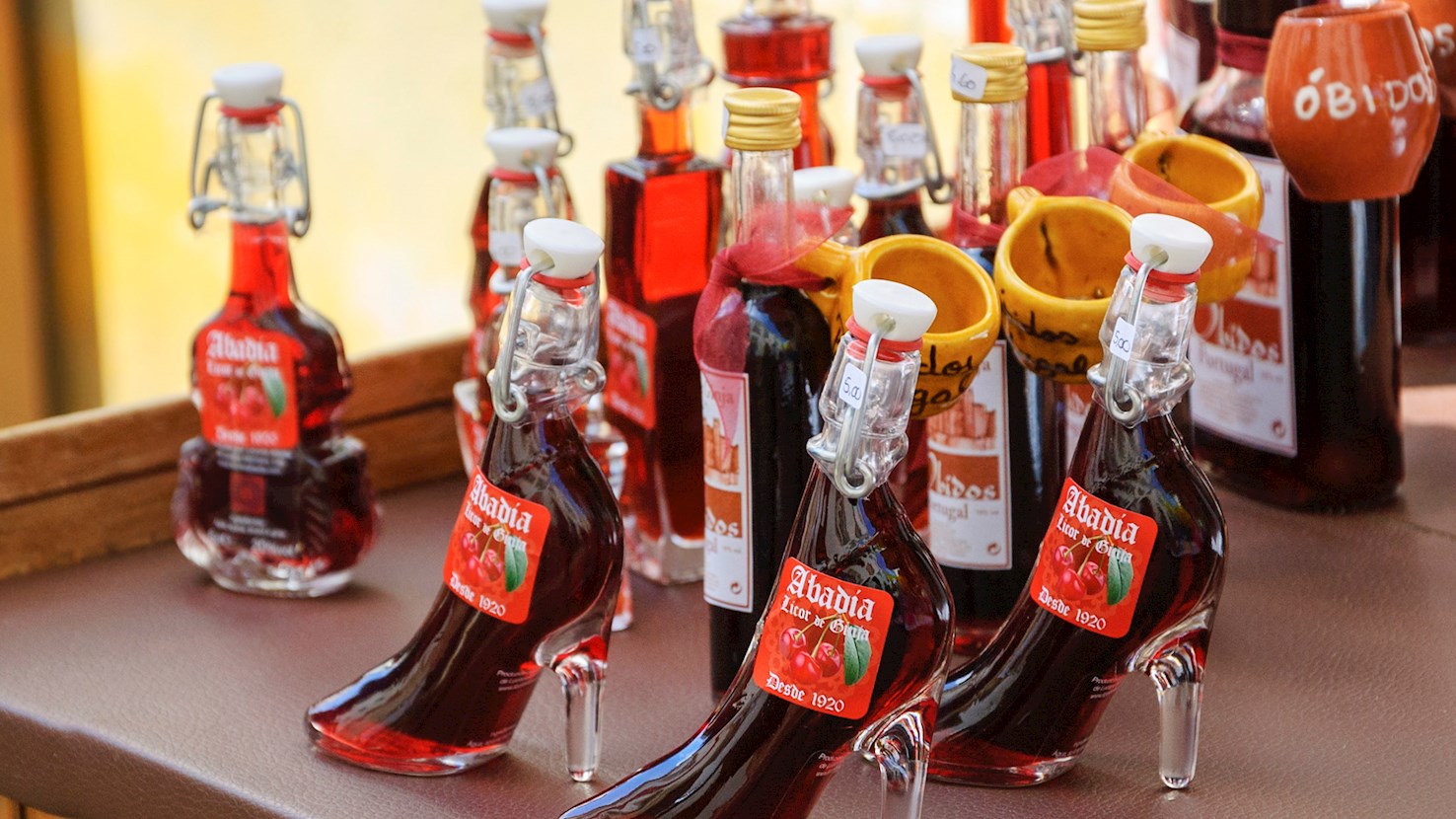
Ginjinha (Ginja) is a traditional sour cherry liqueur that is mostly associated with Óbidos and Alcobaça, but the drink is enjoyed throughout the country, and it is also especially popular in Lisbon and Algarve. The creation of the liqueur was inspired by the ancient recipes of Cistercian monks, and only fresh, natural products should be used, with no artificial preservatives. The liqueur is typically ruby red, subtly sweet with strong cherry aromas. It is best served as an aperitif or a digestif, preferably neat, in shot cups, and with or without the alcohol-soaked cherry. Ginja can also work well in cocktails and remains a true hallmark of the region. It is greatly appreciated by locals and foreigners alike.

10

Sheridan’s

4 ·

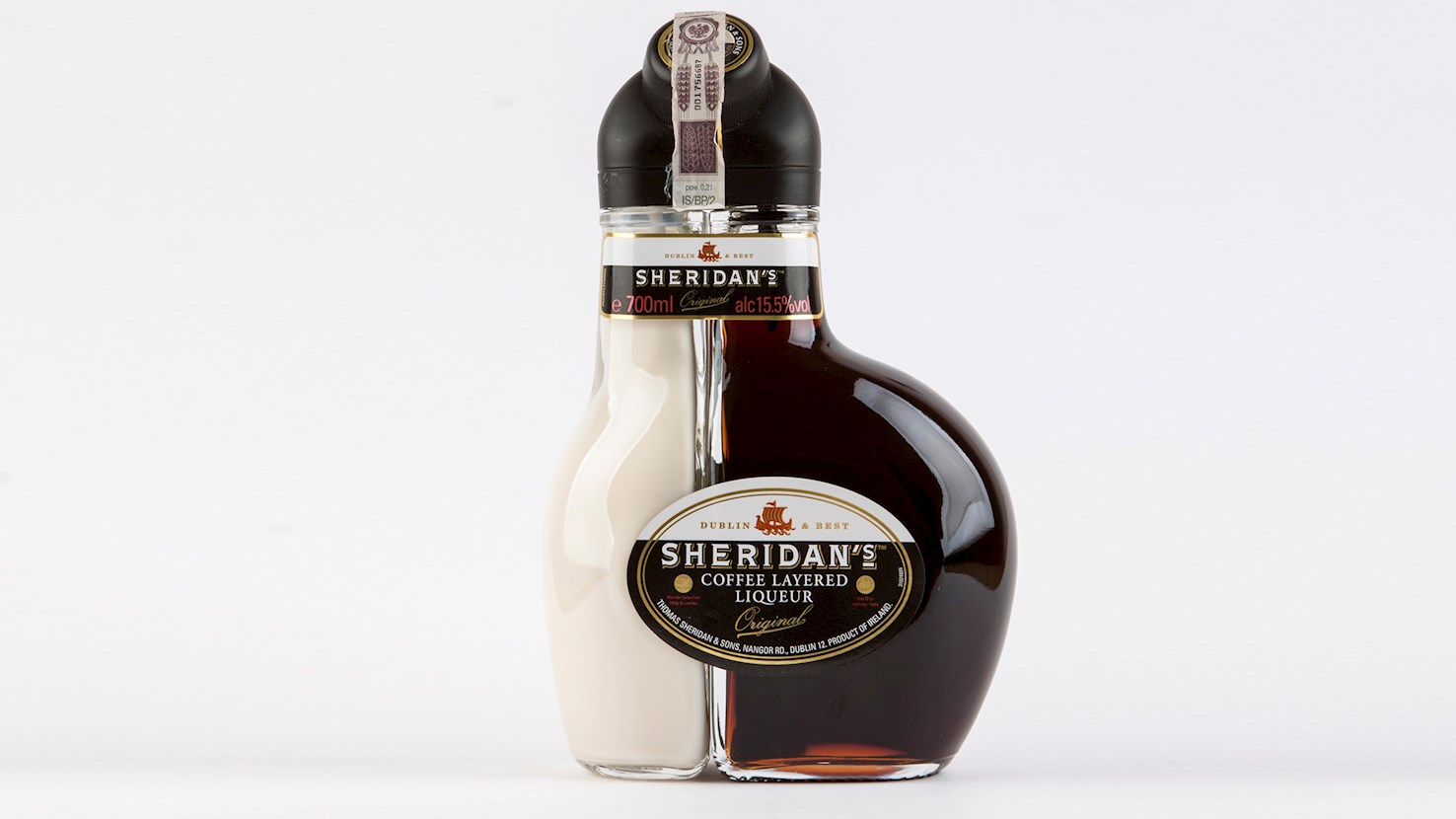
Sheridan’s is an Irish cream liqueur known for its unusual dual-bottle design that contains both a dark coffee-chocolate whiskey-based liqueur (37.6% ABV) and a white vanilla cream liqueur (15.5% ABV), which are poured simultaneously to create a layered drink. It originates from Dublin, Ireland, where it was first introduced to the market in the 1994 by the same company behind Baileys. The liqueur was created during a period when Irish cream and coffee-flavored liqueurs were enjoying global popularity, and Sheridan’s was designed to stand out not only in taste but also in its distinctive presentation. Preparation involves simply pouring from the special bottle, which releases both parts at once so that the dark and light layers naturally separate in the glass, giving it a striking visual appeal. It can be served straight in a glass to highlight the layering effect, over ice for a smoother and chilled experience, or even incorporated into cocktails and desserts where the cream and coffee flavors complement other ingredients. The design of the bottle itself is as much a part of Sheridan’s identity as the flavor, since its engineering ensures that the right proportions of each liqueur flow together. This makes it unique among cream liqueurs, as no other widely available brand is sold in this kind of dual-chamber packaging. Sheridan’s is typically enjoyed as an after-dinner drink, often replacing dessert or accompanying coffee. It is also served in bars and restaurants worldwide, particularly in places where Irish cream liqueurs are popular. When paired, it works well with coffee, chocolate-based desserts, or even simple biscuits, since the richness of the liqueur complements sweet flavors and creamy textures.

Best European Liqueurs
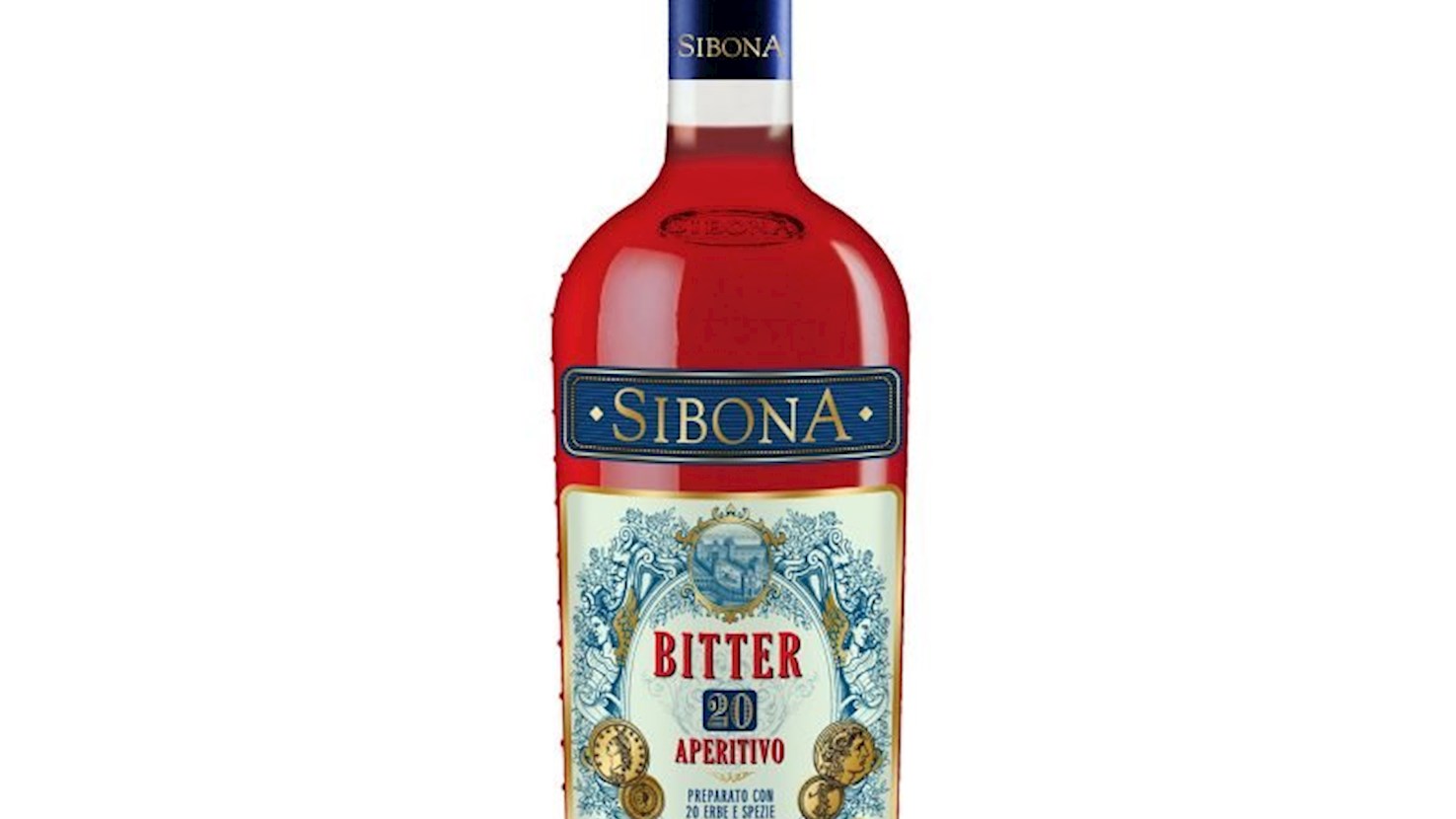
01

Distilleria Sibona

5 ·
Distilleria Sibona is one of the oldest distilleries in the Piedmont region, located in the heart of Roero. It is renowned for its artisanal production of grappa, utilizing fresh pomace from prestigious local wineries. Sibona holds a unique historical distillation license and prides itself on its deep connection to traditional methods while incorporating modern techniques to ensure high-quality products. Their grappa is aged in various types of barrels, including those used for sherry, port, and whiskey, enhancing the flavor profile and creating distinctive spirits.
Awards
ISC-International Spirits Challenge - Double Gold (2020)
IWSC- International wine & spirit competition - Spirit Gold (2024, 2022, 2021, 2019)
02

ABK6 Cognac

5 ·
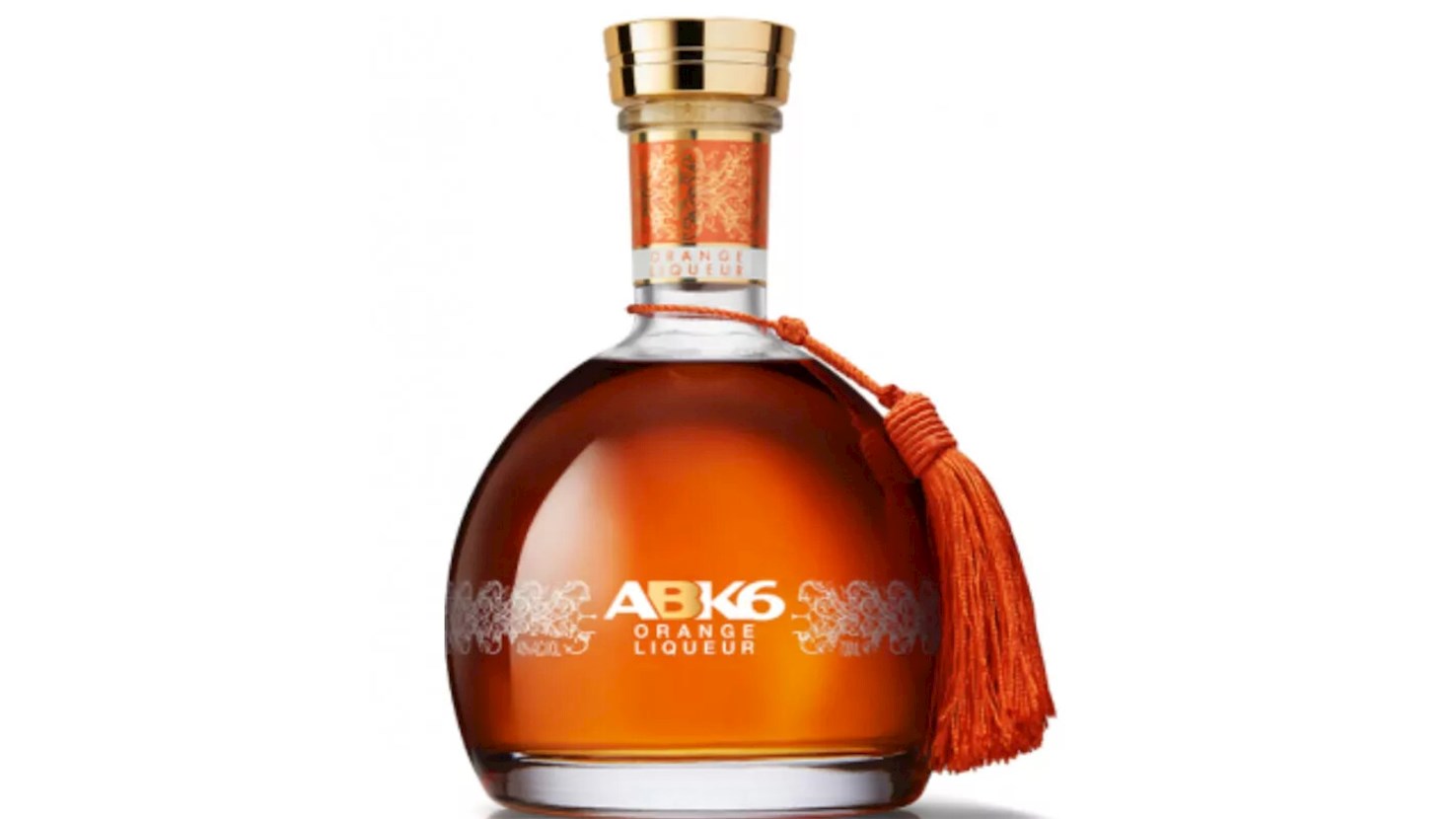
ABK6 Cognac is a prestigious brand created in 2005 by Francis Abécassis. The name "ABK6" is a condensed version of the family name and represents the fusion of tradition and modernity. The brand focuses on producing Single Estate Cognac, meaning the entire process, from vineyard cultivation to bottling, is handled on their own estate. This ensures a unique and high-quality product that reflects the expertise of their Master Blender. ABK6's offerings include a wide range of cognacs, all crafted with meticulous attention to detail and respect for tradition.
Awards
SFWSC - San Francisco World Spirits Competition - Double Gold (2024, 2023)
World Cognac Awards - Best V.S.O.P. (2021)
03

Maison Ferrand

5 ·
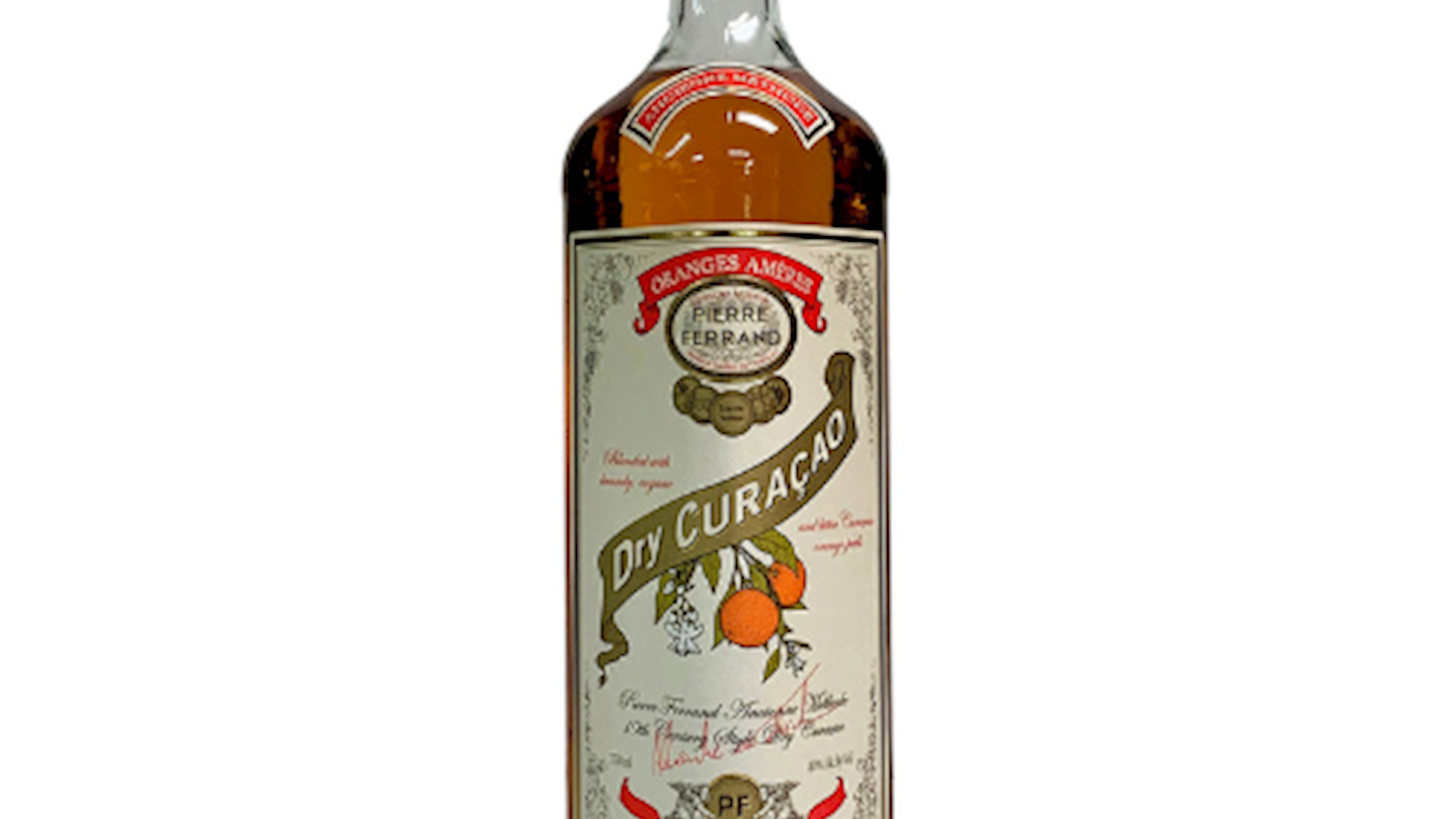
Maison Ferrand is an independent French producer of premium spirits, founded in 1989 in the Charente region, at the heart of the Cognac appellation, under the leadership of Alexandre Gabriel. The house is focused on preserving authentic distillation and ageing techniques while applying a contemporary, research-driven approach to terroir and raw materials. Its portfolio includes Ferrand Cognac from the prestigious Grande Champagne cru, Citadelle Gin as one of the earliest modern French craft gins, Planteray rum (formerly Plantation), as well as liqueurs such as Ferrand Dry Curaçao. The house is particularly known for its double ageing approach to rum, whereby spirits mature first in their countries of origin and are then further aged in France, often in French oak or ex-cognac casks. Maison Ferrand directly operates or closely collaborates with distilleries in the Caribbean, including the West Indies Rum Distillery in Barbados, ensuring strong control over the production process. Sustainability, transparency, and long-term partnerships with local producers are central to its philosophy. The house maintains a careful balance between tradition and innovation, deliberately avoiding an industrial, mass-production model. Today, Maison Ferrand is widely regarded as a reference point in the world of high-quality spirits, with a clearly defined identity and strong global presence.
Awards
World Cognac Awards - Best V.S.O.P. (2023)
SFWSC - San Francisco World Spirits Competition - Double Gold (2023)
04

Grand Marnier

5 ·
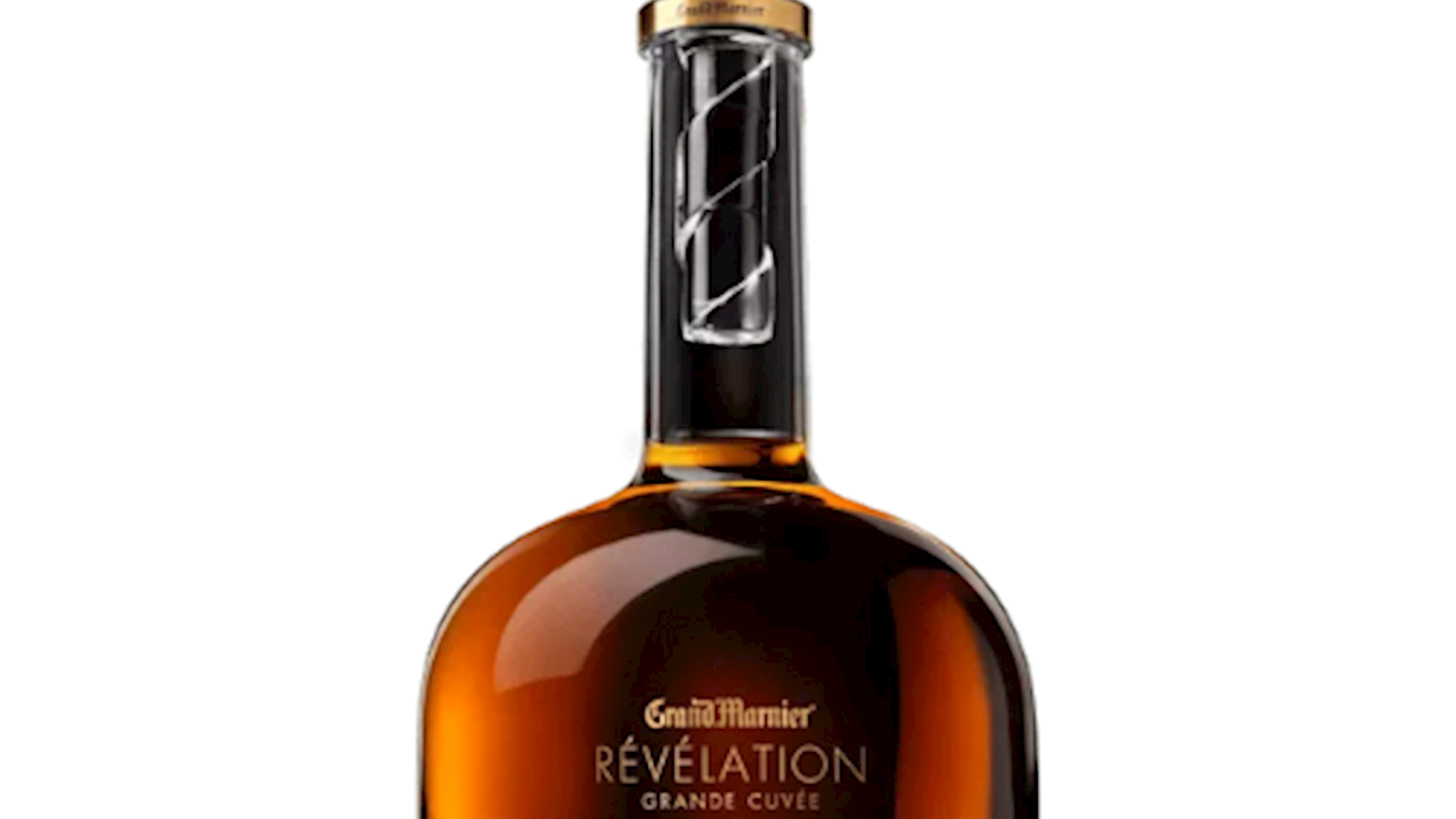
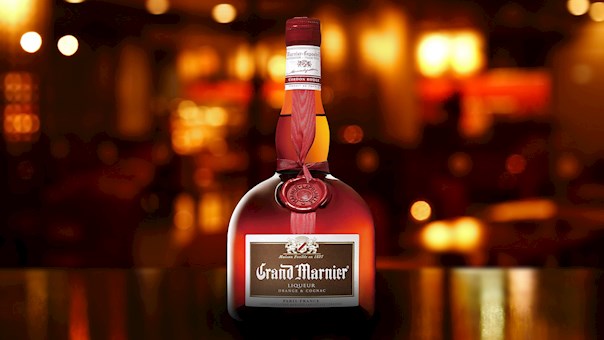
Grand Marnier is a French liqueur brand positioned from the outset at the intersection of luxury, craftsmanship, and enduring family tradition. The brand originated within the Marnier-Lapostolle family, built on a clear vision to combine fine French cognac with the essence of bitter orange - an approach that already in the 19th century set Grand Marnier apart from the then-common liqueurs based on neutral alcohol. Over the decades, the brand has developed a strong identity grounded in recipe consistency, strict control of raw materials, and a pronounced connection to French heritage. Grand Marnier is positioned as a premium, heritage brand, present both in classic bar culture and in high gastronomy and pâtisserie. Its visual identity-marked by the distinctive bottle, red ribbon, and seal-further emphasizes continuity and authority. Today, Grand Marnier is part of the wider luxury portfolio of the Campari Group, while retaining autonomy in production and brand communication. Rather than following trends, the brand relies on history, reputation, and a precisely defined style that makes it one of the most recognizable French liqueur brands on the global market.
Awards
IWSC- International wine & spirit competition - Spirit Gold (2024)
IWSC- International wine & spirit competition - Spirit Gold Outstanding (2024, 2023)
05

Koskenkorva Distillery

5 ·
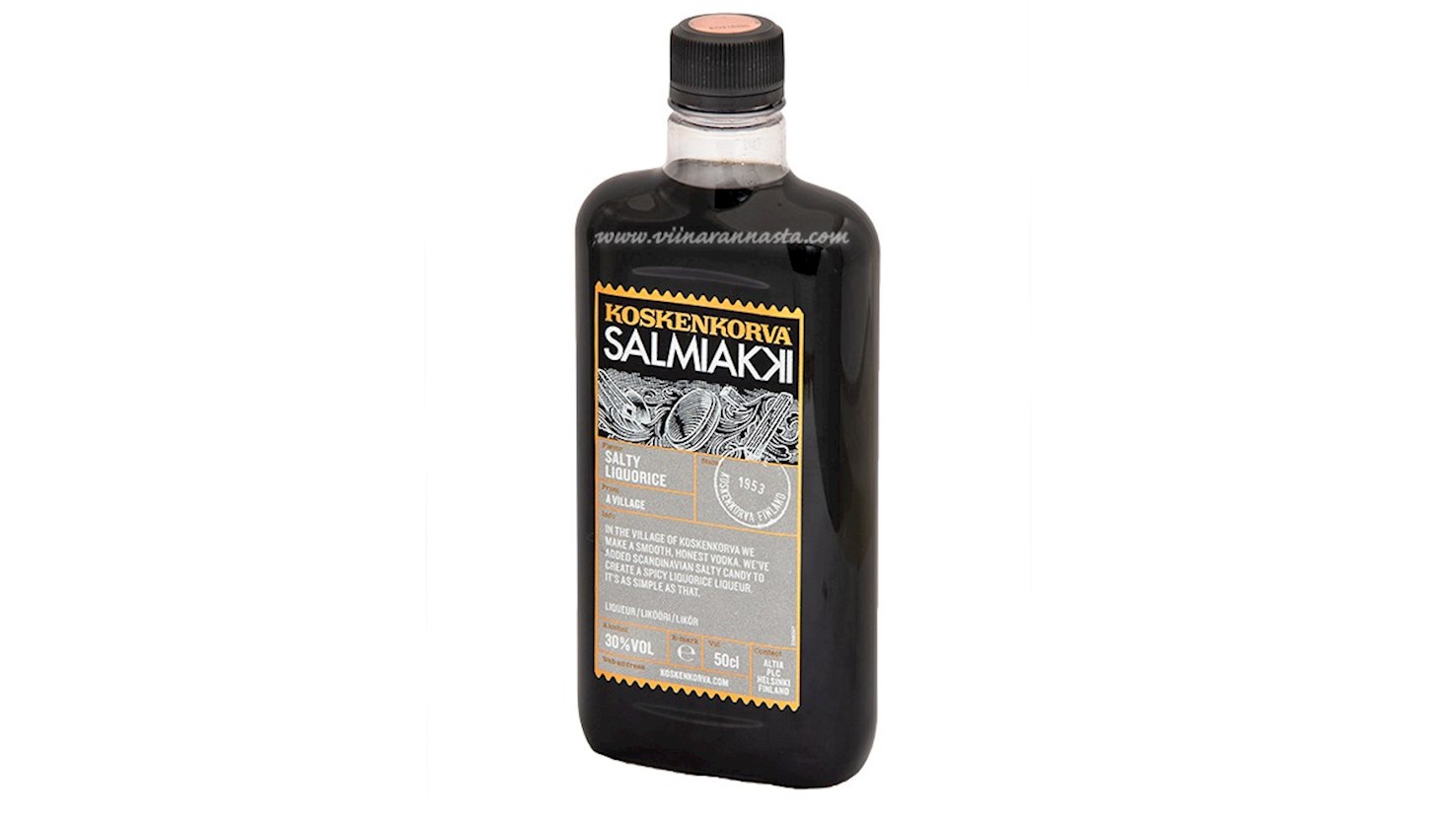
The Koskenkorva distillery, located in the village of Koskenkorva in Southern Ostrobothnia, has a long tradition dating back to the 1940s. This distillery was founded by the Finnish state alcohol company Oy Alkoholiliike Ab on land purchased from the Koskenkorva family. The first experimental distillation process was completed in 1941, and by 1953, the production of spirits became permanent. Koskenkorva Viina, their first product, became Finland’s best-selling spirit as early as 1960. The distillery relies on local barley cultivation, especially the Kaarle and Elmeri varieties, which thrive in the fertile coastal fields around Koskenkorva village.
Awards
IWSC- International wine & spirit competition - Spirit Gold Outstanding (2024, 2023)
The Vodka Masters - Gold (2023, 2022)
06

A de Fussigny

5 ·
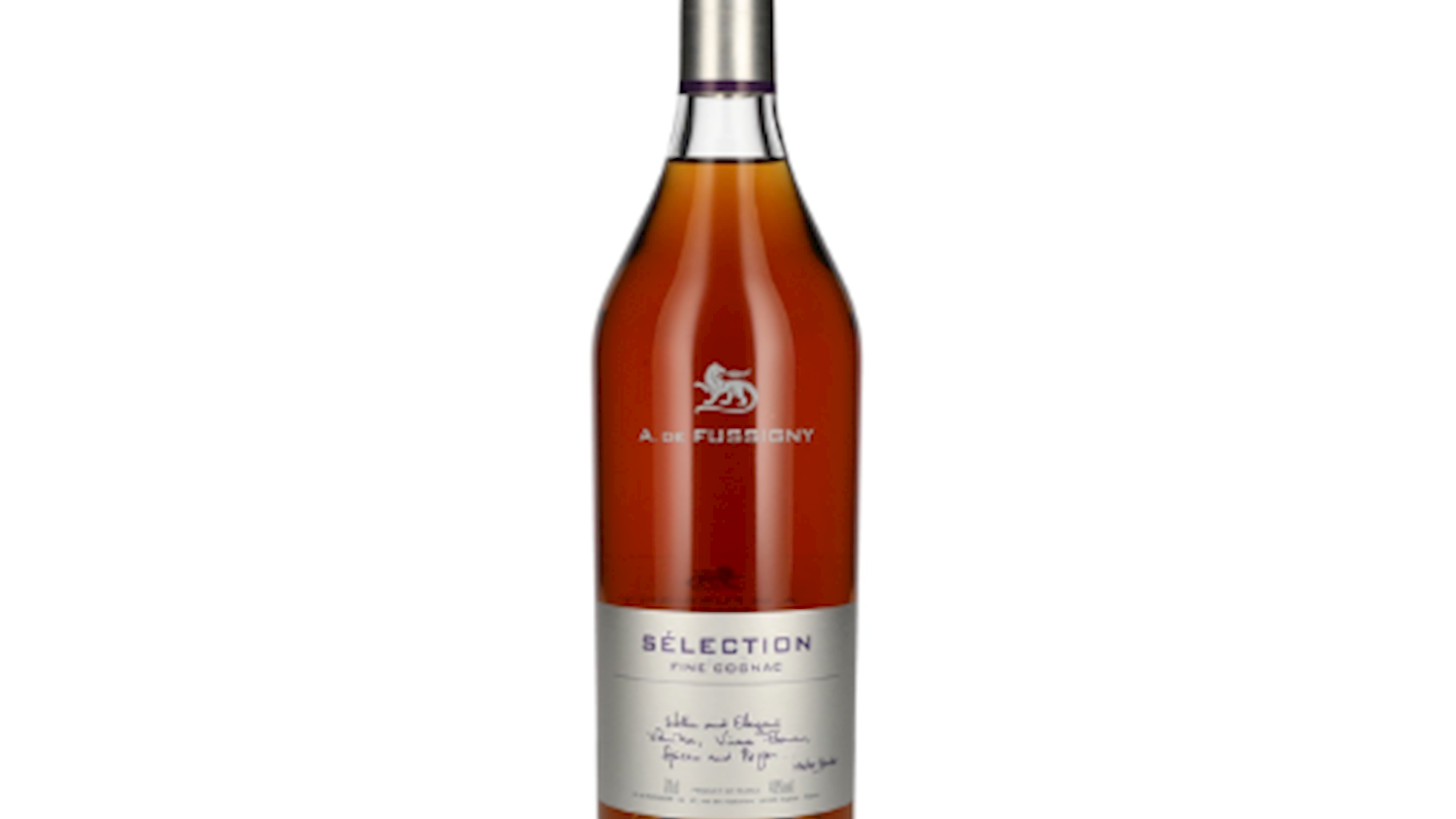
A de Fussigny is a historic Cognac house founded in 1814 and located in the town of Cognac, along the banks of the Charente River. Its cellars benefit from the river’s natural humidity, which supports slow, even aging and contributes to a smooth, rounded style. The house works primarily with Fine Champagne blends, combining eaux-de-vie from Grande and Petite Champagne to achieve balance and aromatic depth. Production focuses on careful selection and maturation of eaux-de-vie in French oak, preserving fruit character while allowing complexity to develop gradually. The style of A de Fussigny Cognacs is generally elegant and approachable, marked by floral notes, ripe fruit, gentle spice, and well-integrated oak. Alongside traditional craftsmanship, the brand is also recognized for its modern presentation and contemporary positioning within the Cognac category.
Awards
SFWSC - San Francisco World Spirits Competition - Double Gold (2024)
ISC-International Spirits Challenge - Double Gold (2023)
07

De Kuyper

5 ·
De Kuyper Royal Distillers is a renowned Dutch family-owned company specializing in the production of premium liqueurs and spirits. Founded in 1695 by Petrus De Kuyper, the company began as a manufacturer of barrels and casks for transporting spirits and beer. By 1752, the family owned a distillery in Schiedam, the epicenter of Dutch gin production. Over the centuries, De Kuyper expanded its operations and product range, establishing partnerships and exporting to markets across Europe, Great Britain, and Canada. In 1911, the company built a new distillery in Schiedam and commenced liqueur production, gradually introducing a variety of flavors. The mid-20th century saw liqueurs become the company's primary focus, aligning with changing consumer tastes and the rising popularity of cocktails.
Awards
ISC-International Spirits Challenge - Double Gold (2022, 2019)
IWSC- International wine & spirit competition - Spirit Gold (2024, 2023, 2021, 2020)
08

Stock Plzen‐Božkov

5 ·
Božkov is a renowned Czech spirits brand established in 1948, known for its high-quality products and rich tradition. Its flagship product, Božkov Original, is a classic "tuzemák" and the best-selling spirit in the Czech Republic. The brand offers a wide range of rums, vodkas, and liqueurs, crafted using premium ingredients such as molasses alcohol, soft Pilsen water, sugar syrup, special caramel, and vanilla aroma. These elements give Božkov products their characteristic golden color and natural flavor. Božkov has earned a reputation as one of the most trusted brands, with a significant presence in the Czech market.
Awards
European Spirits Challenge - Gold (2023)
The Rum & Cachaça Masters - Gold (2022)
09

St. Kilian Distillers

5 ·
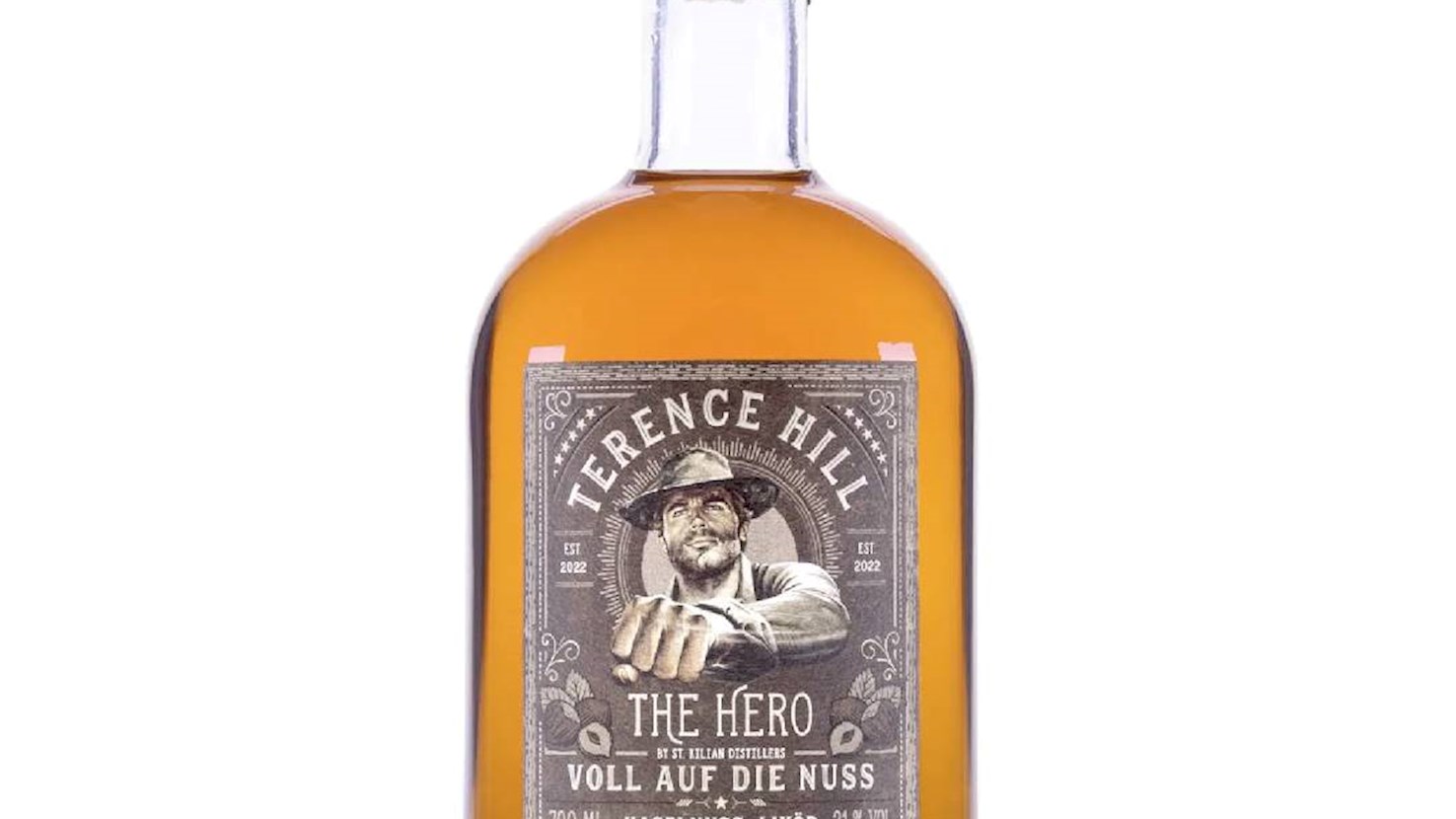
St. Kilian Distillers is a German single malt whisky distillery founded in 2012 in Rüdenau, Bavaria. Located in a former textile factory, the distillery is named after St. Kilian, an Irish-Scottish missionary who worked in Würzburg. St. Kilian Distillers is renowned for its innovation and diverse product range, including special editions created in collaboration with famous personalities and musical bands. Their "White Dog" won the award for the best in the world in 2018.
Awards
IWSC- International wine & spirit competition - Spirit Gold (2024, 2023, 2022)
European Spirits Challenge - Gold (2023)
10

Distillerie Merlet & Fils

5 ·
Awards
ISC-International Spirits Challenge - Double Gold (2023, 2020, 2019)
IWSC- International wine & spirit competition - Spirit Gold Outstanding (2022)
Read more
View all
View map
About this ranking

TasteAtlas food rankings are based on the ratings of the TasteAtlas audience, with a series of mechanisms that recognize real users and that ignore bot, nationalist or local patriotic ratings, and give additional value to the ratings of users that the system recognizes as knowledgeable. For the “Top 100 European Liqueurs” list until June 15, 2026, 4,586 ratings were recorded, of which 3,717 were recognized by the system as legitimate. TasteAtlas Rankings should not be seen as the final global conclusion about food. Their purpose is to promote excellent local foods, instill pride in traditional dishes, and arouse curiosity about dishes you haven’t tried.

The initial list of top producers was compiled based on available reviews, awards, local recommendations, media and blog coverage, and consumer reviews. The list will be updated with ratings from TasteAtlas local ambassadors and TasteAtlas users.

Similar lists