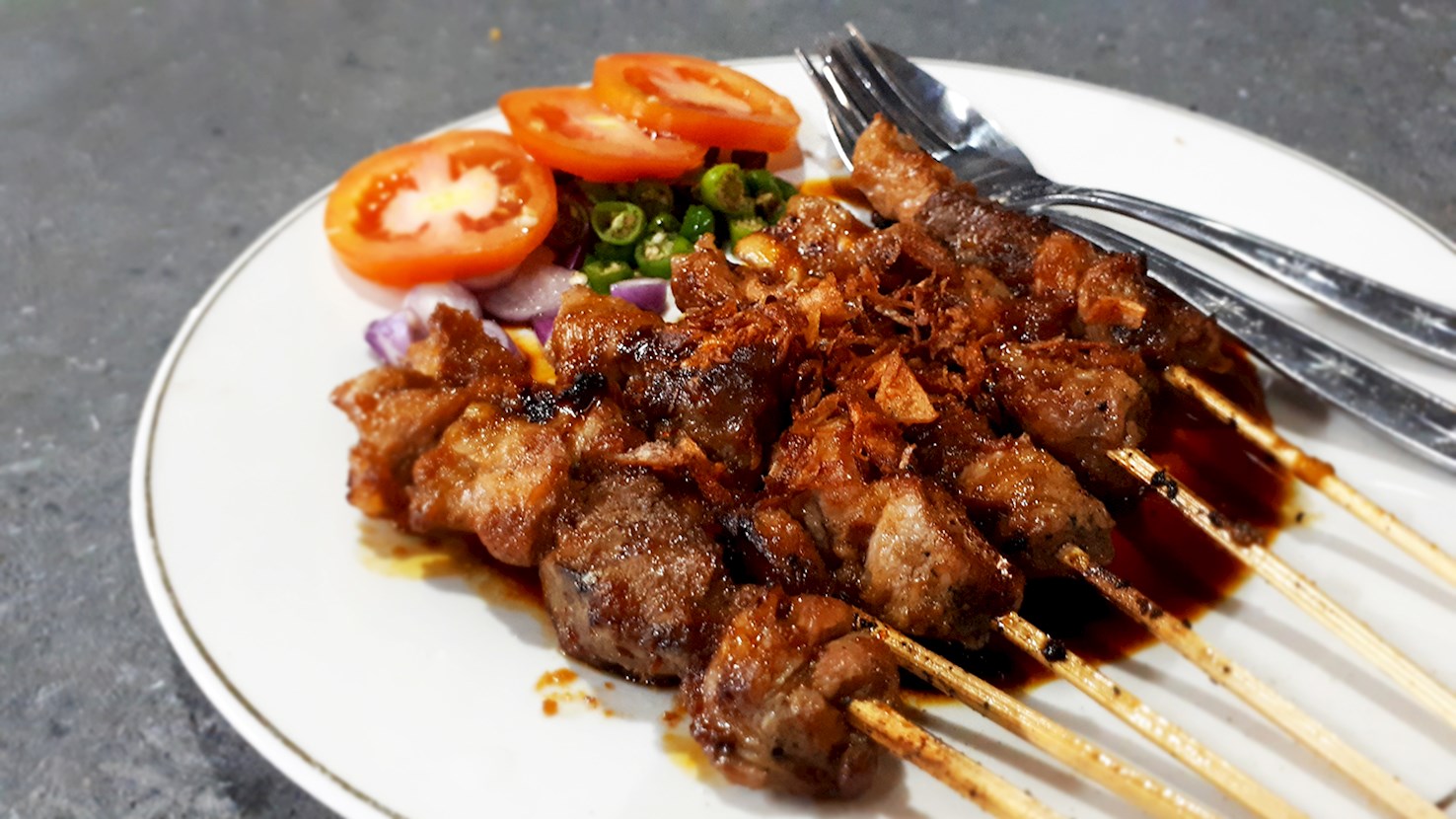
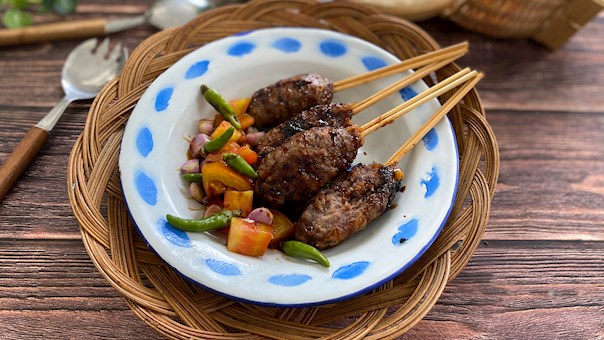
Sate kambing is a traditional dish and a type of satay prepared with goat or mutton as the main ingredient. The meat is cut into chunks or cubes and it's marinated in a combination of ingredients such as kecap manis (sweet soy sauce), galangal, ground shallots, pineapple juice, and (often) chili peppers. After it's been marinated, the meat is placed on skewers that are larger and thicker than the ones used for chicken satay as the texture and thickness of mutton or goat is tougher than chicken. The skewers for sate kambing are usually made from bamboo. The meat is grilled, then served with kecap manis sauce, peanut sauce, or chili sauce, consisting of shallots, bird eye chili peppers, and kecap manis. Some like to eat sate kambing with steamed rice or rice cakes on the side. This type of sate is especially popular in Java.
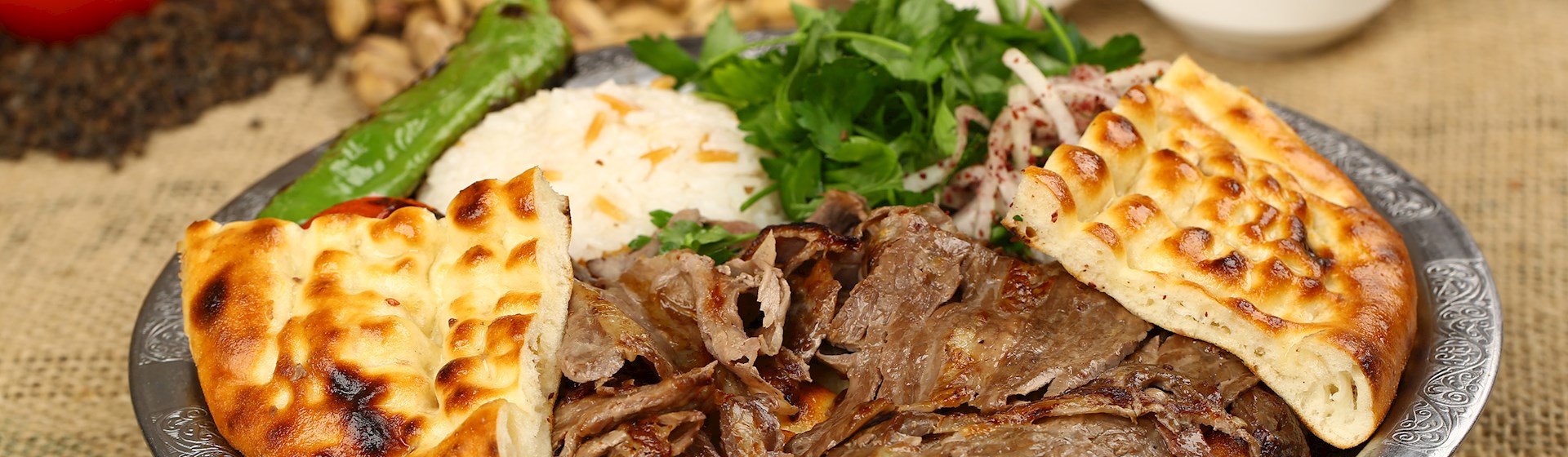
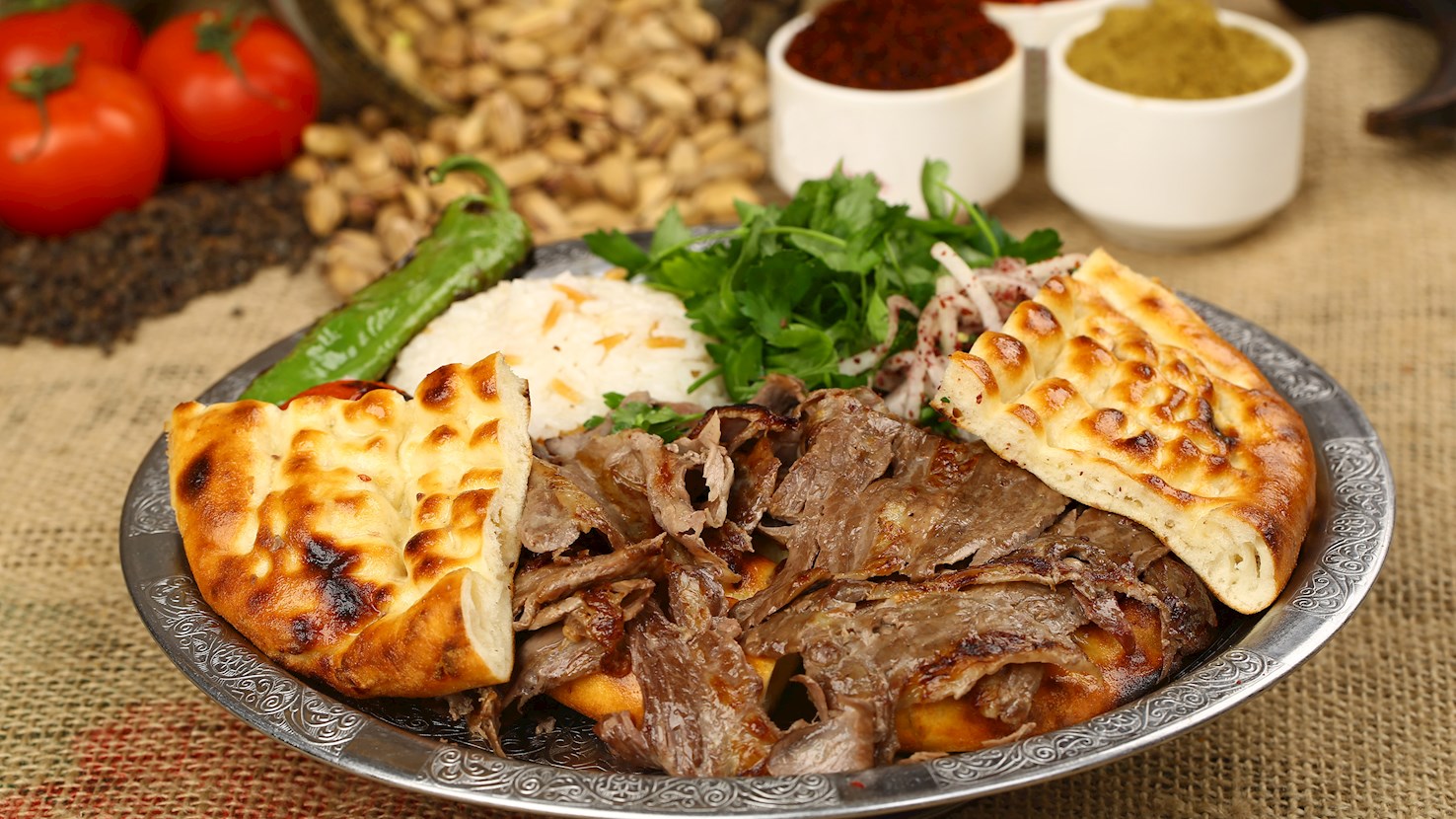
Döner kebab is a delicacy that is known throughout the world, consisting of grilled pieces of meat that are shredded from a vertical skewer. The meat is typically seasoned with fresh herbs and spices. Originally, the meat used in döner was exclusively lamb, but today in Istanbul, there are kebabs prepared with a combination of lamb and beef, or sometimes only with beef. Meat that is grilled vertically on a skewer isn't a new thing, as it has been mentioned in the 18th-century Ottoman travel books. The sandwich form döner kebab, which means rotating kebab, appeared in the early 1970s in Berlin. It is believed that Kadir Nurman was the first to place the shaved pieces of meat into a flatbread and serve it with vegetables such as tomatoes, lettuce, onions, cucumbers, and a squirt or two of sauce, unlike before, when the ingredients were served on a plate. Along with many of the Turkish variations on döner kebab, there are also numerous other regional variations in countries such as Armenia, Vietnam, Austria, Germany, France, and the United Kingdom.
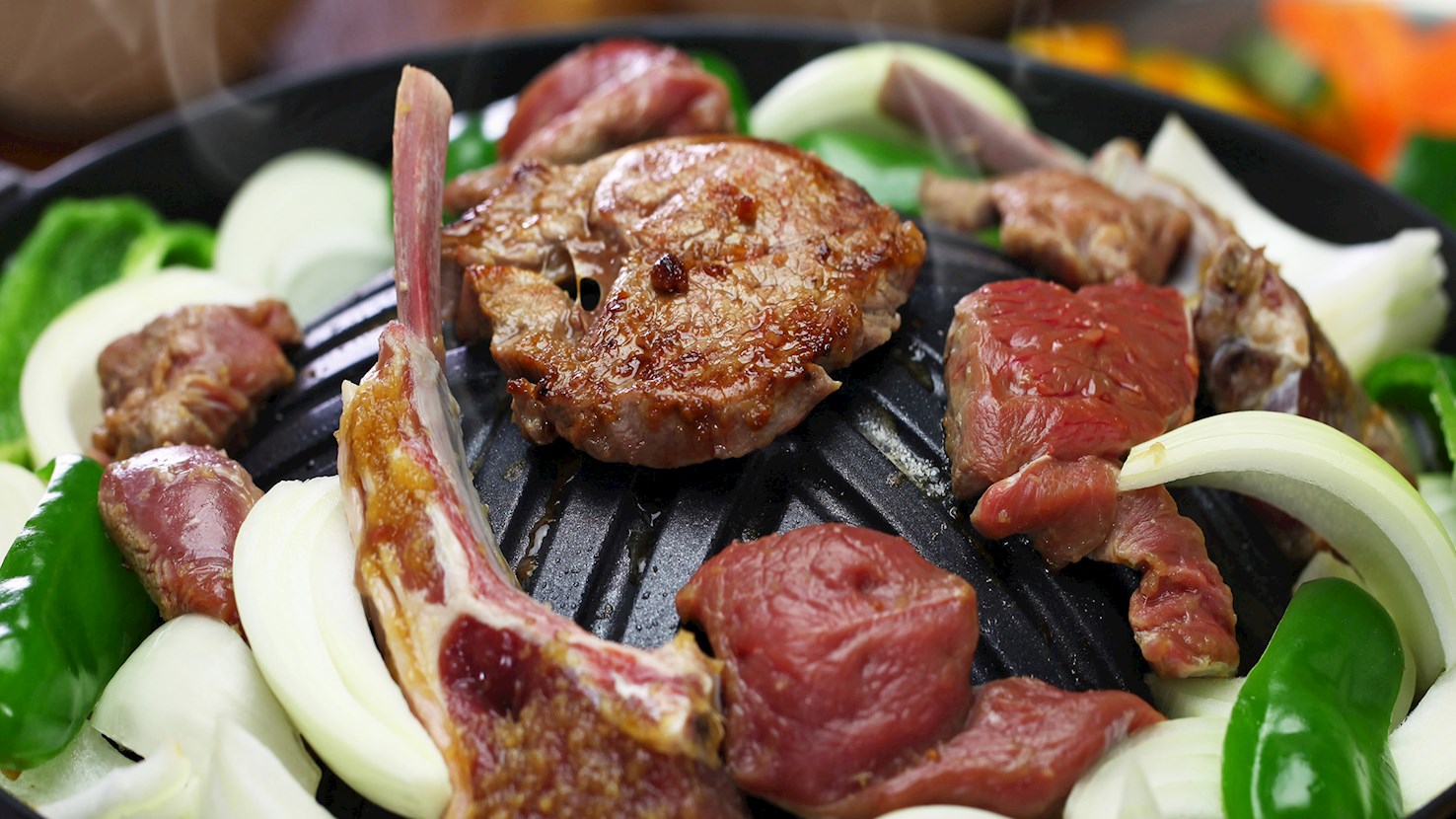
Jingisukan is a Hokkaido-specialty consisting of grilled mutton or lamb. The dish is always prepared tableside on the convex-shaped grills. The guests are served with sliced meat, which can be plain or marinated, and are then encouraged to grill the meat themselves, along with various vegetables such as onions, cabbage, leeks, or peppers. Typical accompaniments include special soy sauce-based condiments, chili sauce or grated garlic. The origins of consuming mutton in Japan date back to 1918 when the government promoted sheep farms, but the practice only remained on Hokkaido, and though restaurants specialized in preparing Jingisukan can be found elsewhere, the dish has remained a favorite on Hokkaido and in its capital Sapporo. It is believed that Jingisukan was named after Genghis Khan—the founder of the Mongol Empire. Although there are many theories about the origin of the name, the most popular say that it was influenced by the convex shape of the grill, which resembles a warrior’s hat, and the fact that the Mongolians were well-known for favoring sheep in their diet. Outside of Japan, the dish can also be found in Taiwan, China, and Thailand.
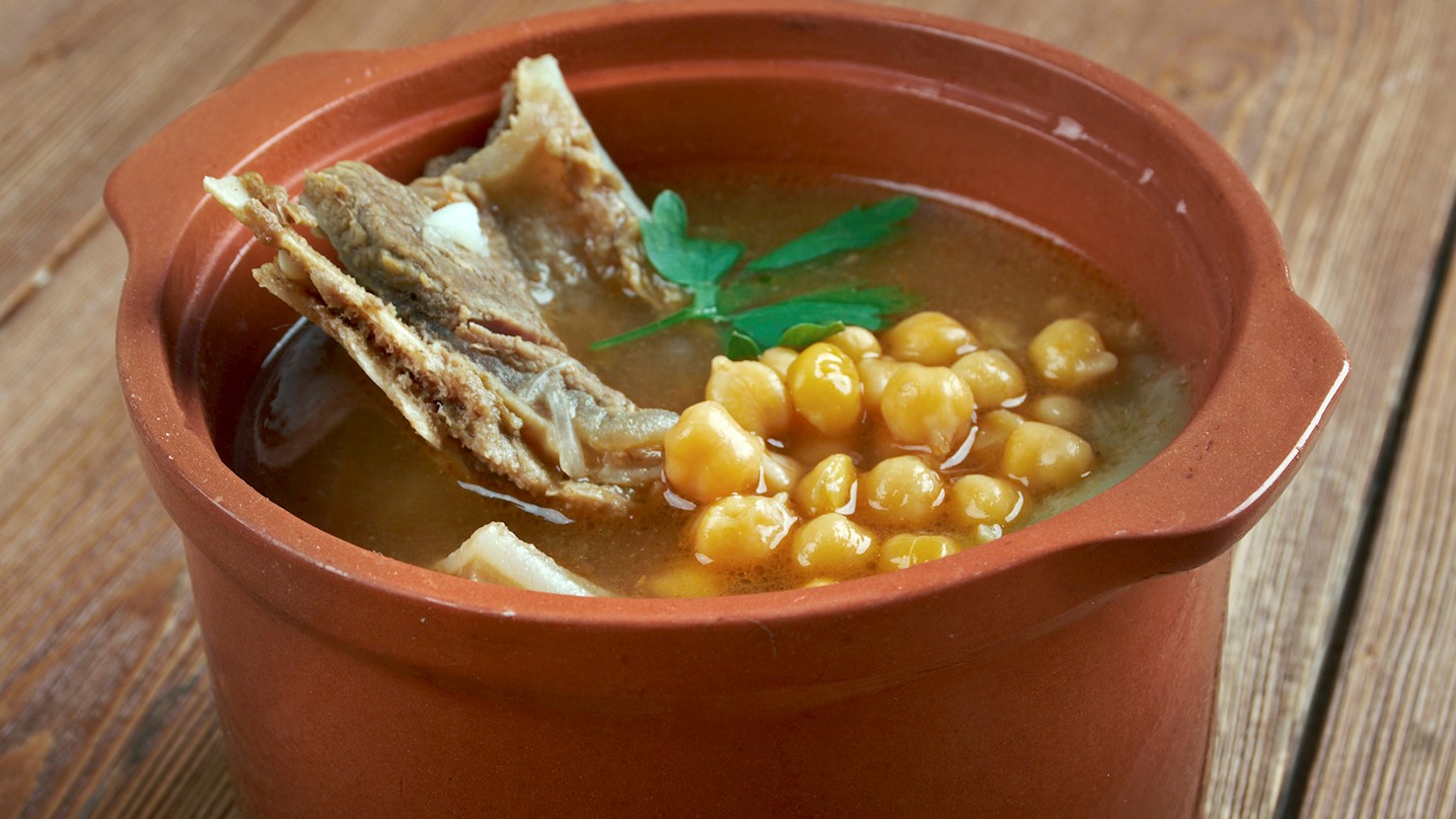
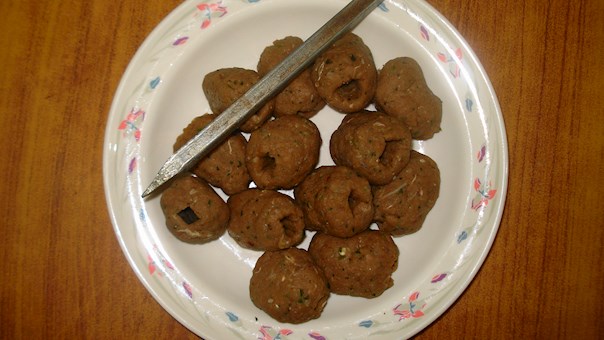
Abgoosht is a stew combining meat, legumes, and vegetables. Its name translates literally as “meat juice,” highlighting the importance of the rich broth it produces during cooking. This dish is commonly prepared by simmering lamb or mutton with chickpeas, white beans, potatoes, tomatoes, onions, and dried limes. Over several hours, the ingredients soften and meld together, creating both a fragrant broth and tender solids that are typically served in separate stages. Preparation begins by placing chunks of bone-in meat in a large pot with water, allowing the simmering process to extract the marrow and deepen the flavor. Chickpeas and white beans, usually soaked in advance, are added along with potatoes, tomatoes, and aromatics such as turmeric and black pepper. Dried limes (limoo amani) contribute a subtle sourness that balances the richness of the meat. As the abgoosht cooks, the broth gradually thickens and develops an amber color. Serving abgoosht follows a distinctive ritual that sets it apart from other stews. Once the cooking is complete, the liquid is separated and poured into bowls, often accompanied by pieces of flatbread torn into it. The remaining solids (meat, potatoes, and legumes) are mashed together with a wooden or metal masher called a goosht-koob. This mash, known as goosht kubideh, is then eaten with fresh herbs, pickles, and warm bread. The two parts of the meal, broth and mash, are enjoyed in succession, creating a contrast in texture and taste. Abgoosht is served across Iran in homes, teahouses, and small restaurants, where it remains a well-loved example of Iranian cooking that relies on slow preparation and accessible ingredients. In some regions, variations appear with additional spices or small noodles, though the core method of simmering meat and legumes remains consistent. The dish is often shared communally, emphasizing its role in family gatherings and casual meals alike.
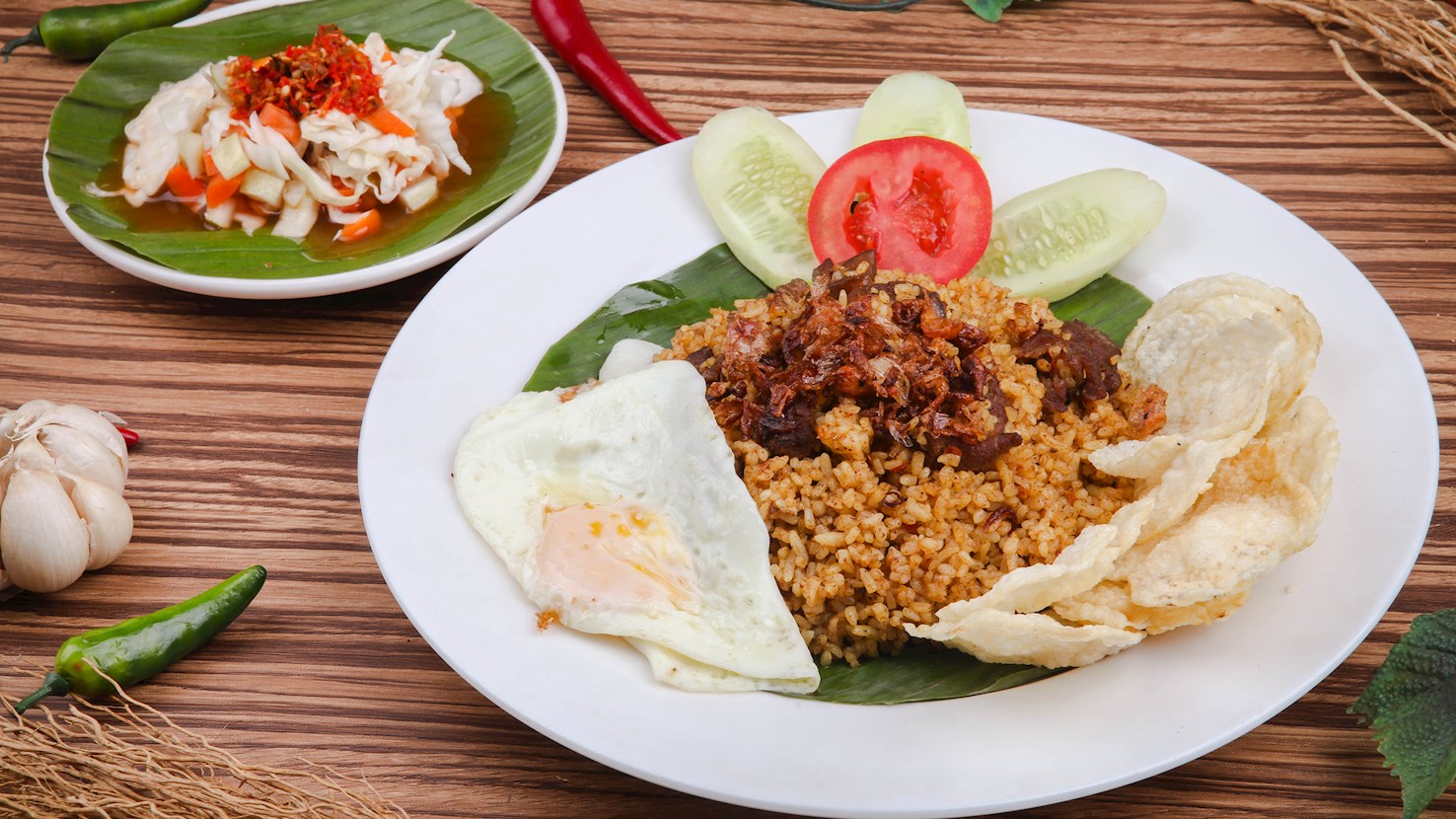
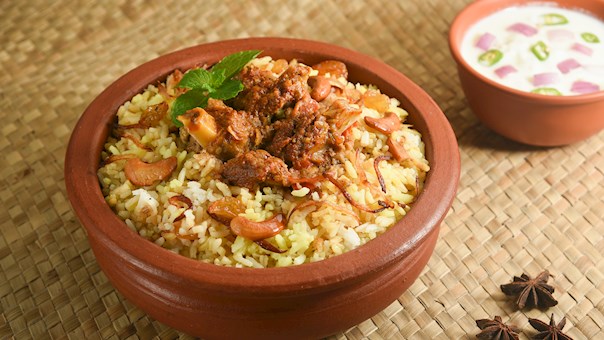
Nasi goreng kambing is an Indonesian fried rice dish made with spiced goat meat, prepared and enjoyed throughout Jakarta and other cities on Java. The dish has a reputation for its robust flavor, which comes from the combination of slow-cooked goat pieces and a complex spice mixture that often includes coriander, cumin, ginger, and sometimes a little curry powder. Vendors cook the goat meat first until tender and fragrant, then shred or chop it into smaller pieces before stir-frying it with cold rice. The cooking process begins by heating oil in a large wok or shallow pan, then sautéing ground shallots, garlic, and chilies until aromatic. Sliced tomatoes or tomato paste are sometimes added to deepen the flavor. Once the seasoning base is ready, the prepared goat meat is tossed in and cooked briefly to blend the spices, followed by cold rice that is broken up and stirred to absorb the seasoning. Sweet soy sauce, known as kecap manis, is added for a glossy finish and a mild sweetness that balances the richness of the meat. Some cooks include sliced cabbage, scallions, or pickled vegetables to create contrast in texture and taste. The dish is usually served with acar (pickled cucumber and carrot) and a side of kerupuk (crispy crackers). Nasi goreng kambing is closely associated with roadside food stalls and casual eateries, where it is prepared in large batches, especially in the evening when people gather for dinner. In Jakarta, it is commonly found around Tanah Abang and Kebon Sirih, neighborhoods known for late-night vendors specializing in goat-based dishes. The rice is typically cooked over high heat to develop a smoky aroma known locally as “aroma gosong,” which many diners consider an essential feature of good fried rice. The dish has roots in Arab and South Asian culinary influences that entered Indonesia through centuries of trade and migration, which explains the use of warm spices and goat meat instead of the more common chicken or beef. While nasi goreng kambing is less widely known outside Indonesia compared to simpler versions of fried rice, it has gained attention among travelers and local food enthusiasts for its distinctive seasoning and hearty character. Some vendors still prepare it over charcoal stoves to enhance the smoky taste, and recipes often vary slightly depending on family preference or regional custom.
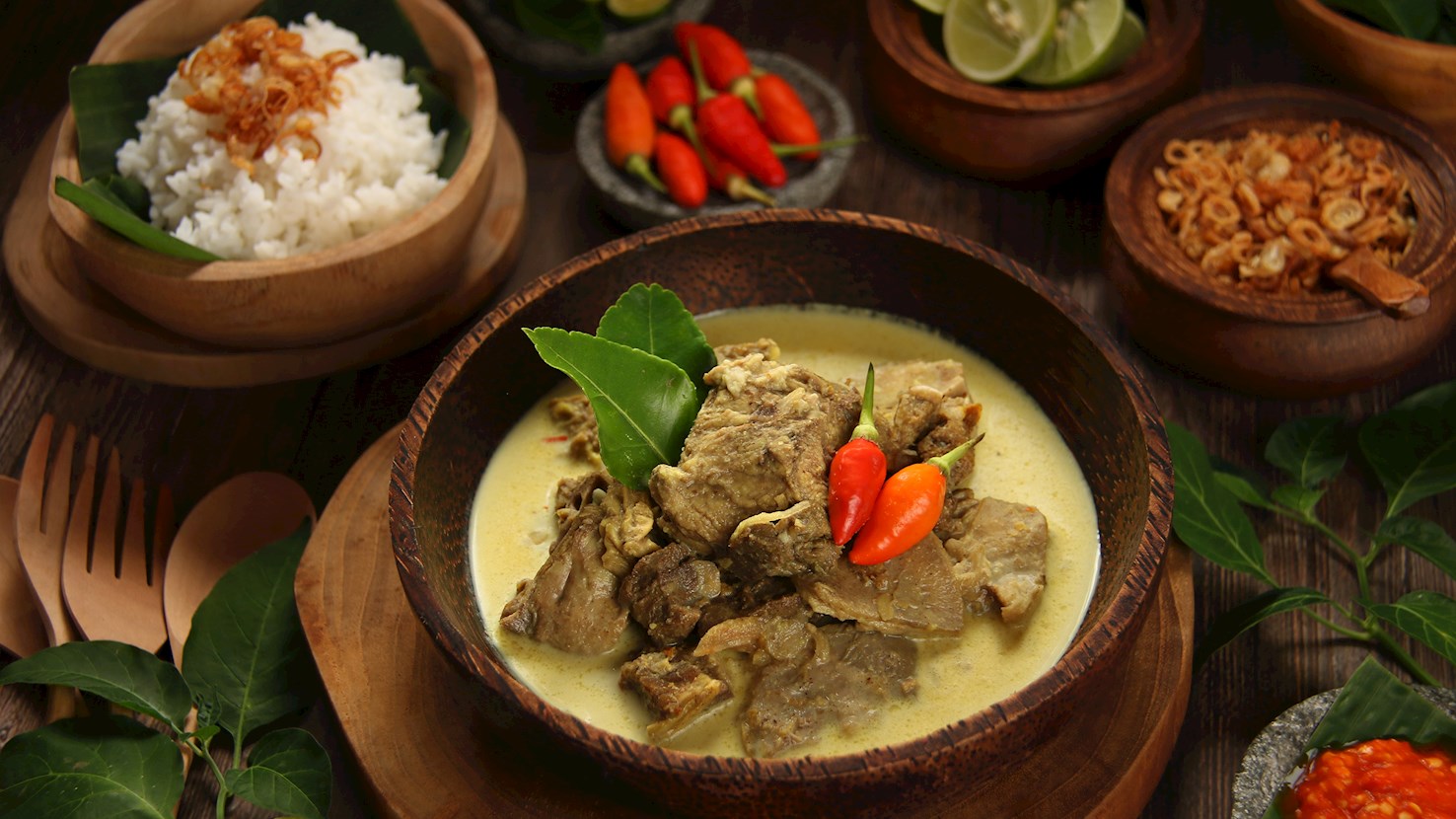
Gulai kambing is a rich and deeply aromatic Indonesian lamb, mutton or goat curry, rooted in Minangkabau traditions from West Sumatra but enjoyed widely across Java and other islands. At its heart, gulai kambing features tender pieces of lamb, mutton or goat meat (often including bone, skin, or offal) simmered slowly in a thick coconut milk broth infused with a complex blend of spices such as turmeric, coriander, cumin, galangal, lemongrass, ginger, cinnamon, and cloves. The result is a golden-yellow curry that is luxuriously creamy yet boldly spiced, with the natural gaminess of the goat mellowed and enriched by the coconut milk and aromatic base. The preparation varies slightly by region, with some versions leaning spicier or sweeter, and others using a thinner broth, but all are defined by their depth of flavor and slow-cooked warmth. Traditionally served hot with steamed rice, gulai kambing is often accompanied by condiments like sambal, pickled vegetables, or crispy shallots to enhance its taste and texture. This dish is a hallmark of festive gatherings, religious feasts, and traditional warung menus.
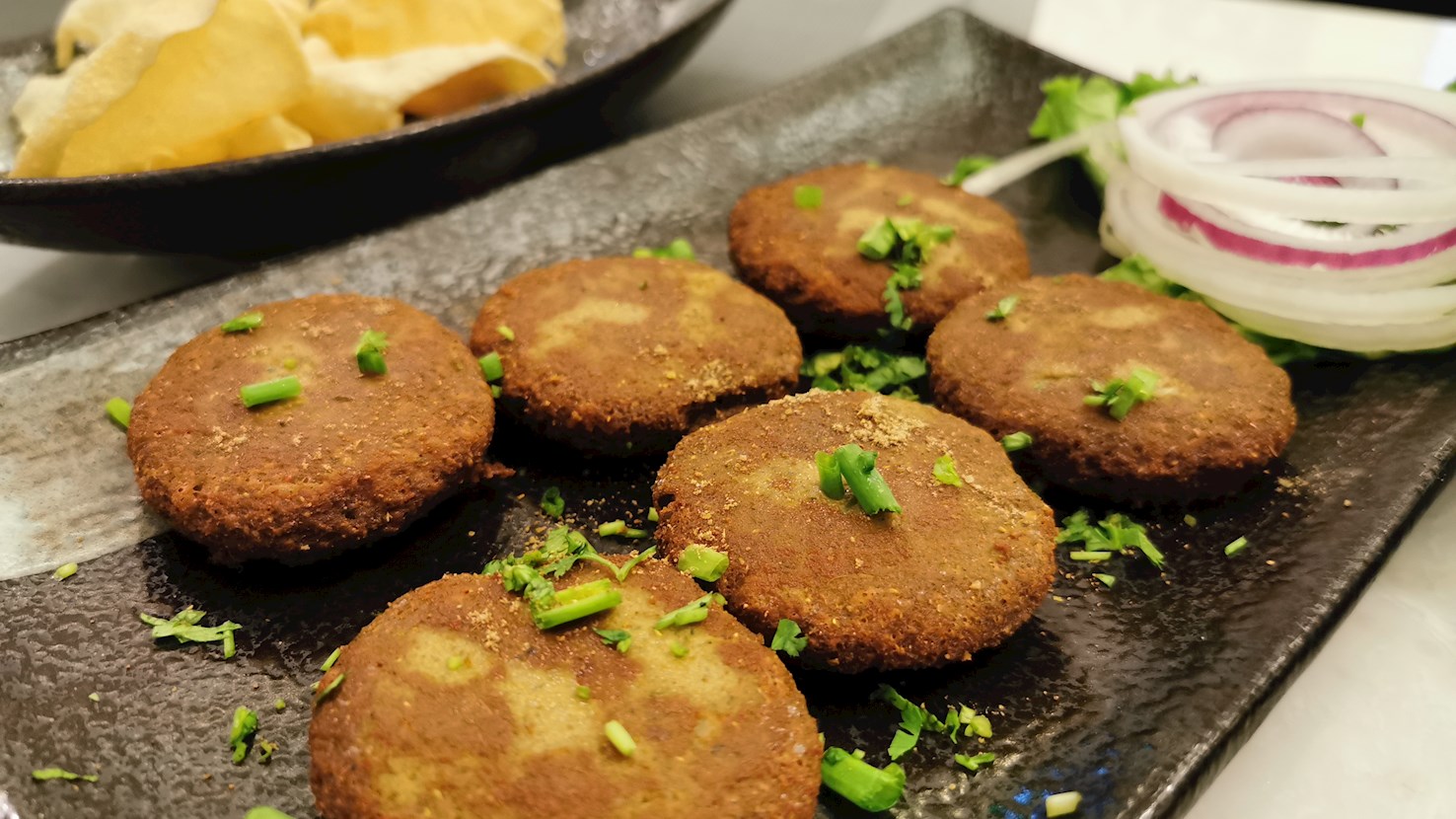
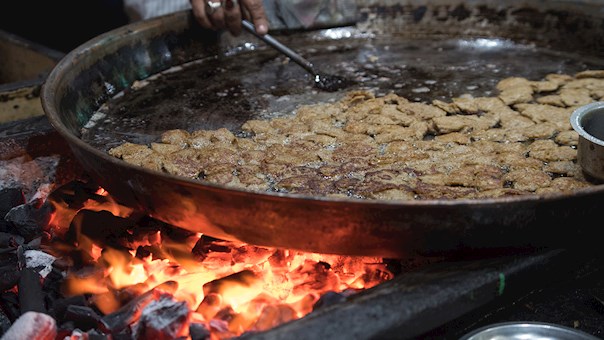
Galouti kebab is a traditional kebab that's especially popular in Lucknow. The dish consists of ground lamb or mutton that's marinated in a combination of ground ginger, garlic, cloves, papaya paste, cardamom, peppercorns, cinnamon, cardamom, chili powder, and nutmeg. After a few hours, the marinated meat is mixed with green chili peppers, gram flour, and coriander leaves. The mixture is shaped into round patties which are then fried in ghee. The meatballs are arranged on a serving platter, and they're usually sprinkled with lemon juice before serving. The name galouti means soft, referring to a belief that Haji Mohammad Fakr-e-Alam Saheb, who first made the dish, gave it to Nawab Asad-ud-Daula, who was toothless and needed a kebab variety which required no chewing. Instead of beef, Haji used fine cuts of lamb which were minced, tenderized, and mixed with numerous exotic spices before being fried. Nowadays, the dish is especially popular during Eid.
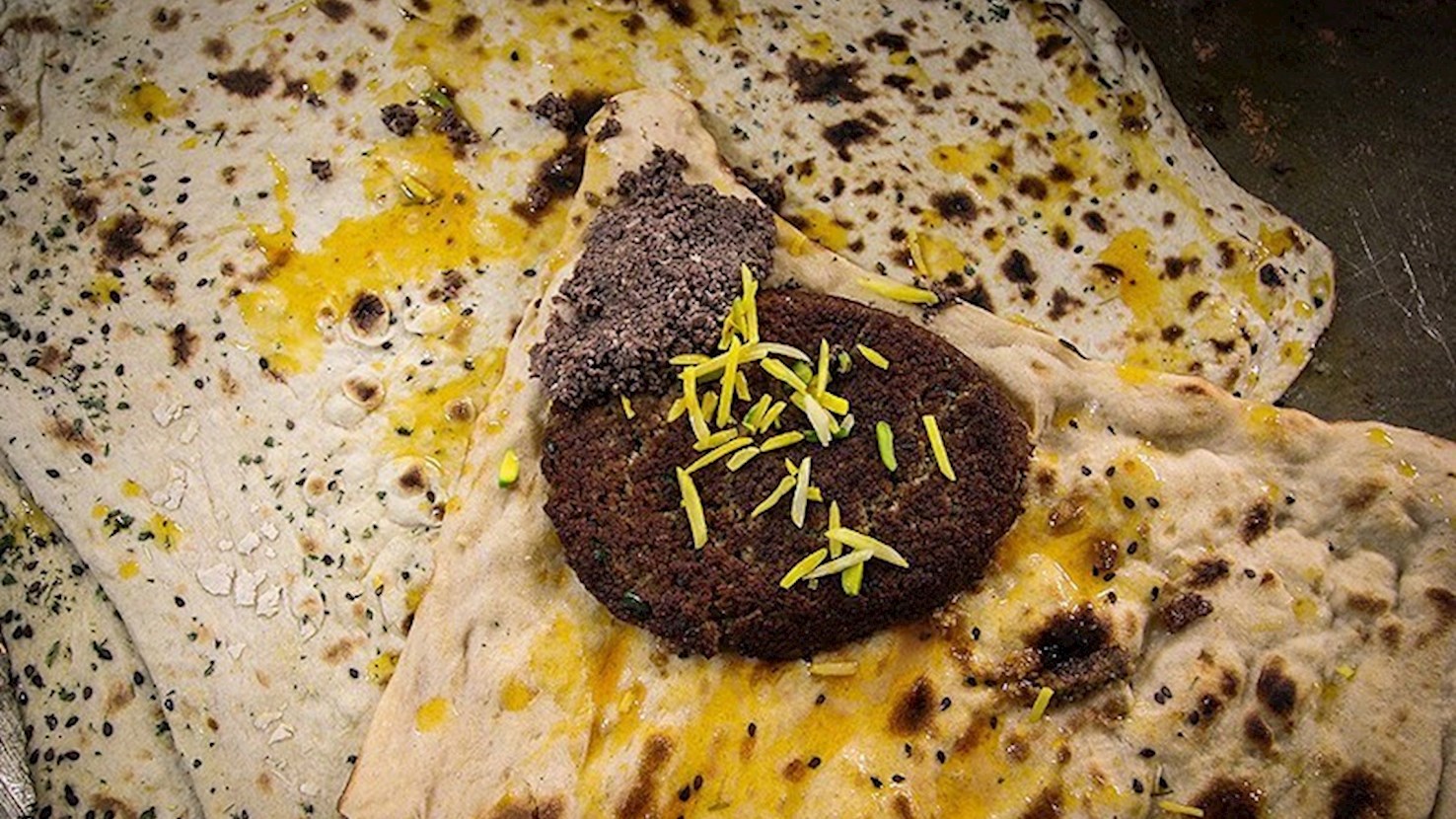
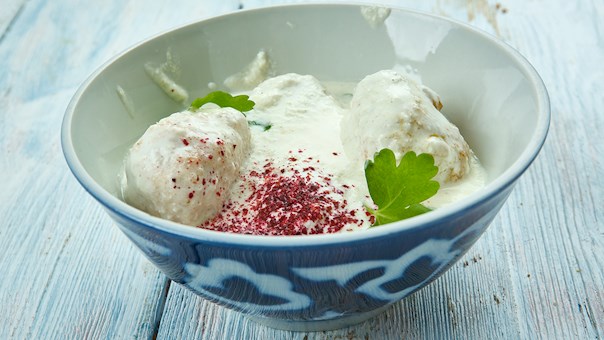
Beryani is a distinctive meat dish from Isfahan, a historic city in central Iran renowned for its rich culinary heritage and architectural landmarks. Unlike the similarly named rice dishes of South Asia, Isfahani beryani is a preparation made with finely minced lamb or mutton, often mixed with lamb lungs, aromatic spices, and onions, then shaped into thick patties and seared until browned and crisp on the outside while remaining tender within. The dish is typically cooked in specialized shallow pans designed specifically for this purpose. Its origins can be traced to the Safavid period when Isfahan was the Persian capital and a center of refined gastronomy. Beryani became an esteemed specialty served to visitors and dignitaries, celebrated for its richness and the skill required to prepare it properly. Over the centuries, it remained associated with the city, and many families developed their own closely guarded recipes. Preparation begins by boiling pieces of lamb and lamb lungs with onions and spices until very tender. The meat is then minced or pounded and seasoned with salt, pepper, cinnamon, turmeric, and sometimes dried mint. A portion of the cooking broth is often added back to the mixture for moisture. The seasoned meat is shaped into compact rounds or ovals and fried in a pan brushed with a little fat or oil. Once cooked, it is lifted out carefully to retain its shape and typically placed on a piece of soft sangak bread to soak up the juices. A small amount of the rendered fat from cooking is usually poured over the top before serving. Beryani is not eaten with rice, unlike many Iranian meals, and is often accompanied by fresh herbs, raw onions, and doogh, a yogurt-based drink. Some vendors in Isfahan maintain decades-old shops dedicated exclusively to this dish, where they still cook it in the same manner as their predecessors. Locals often enjoy it as a midday meal, and it has become a culinary symbol of the city, attracting visitors who seek out the experience in the busy bazaar alleys where Beryani is prepared to order and served hot from the pan.
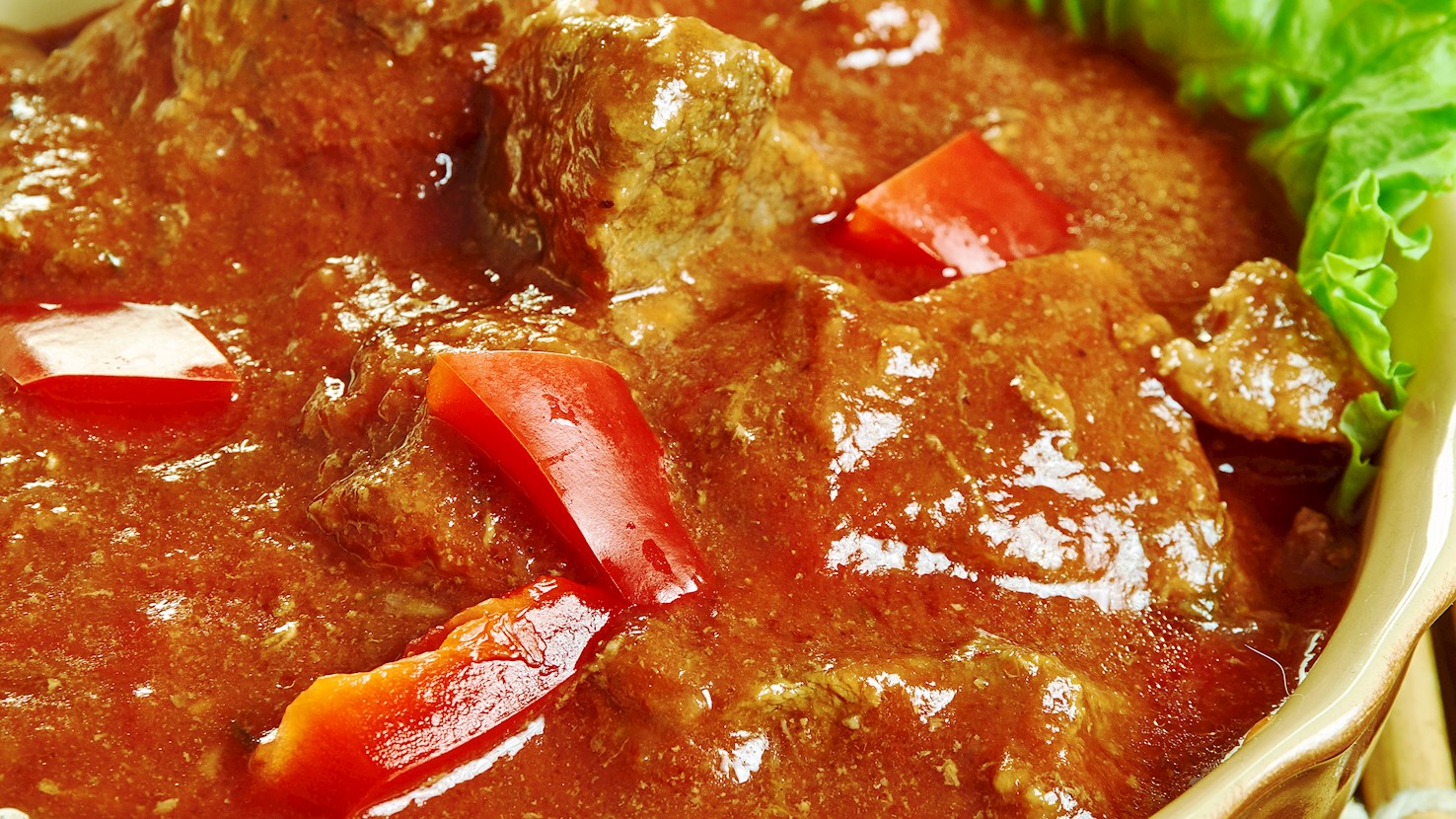
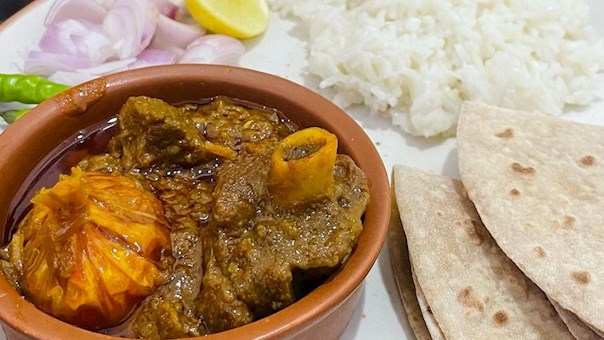
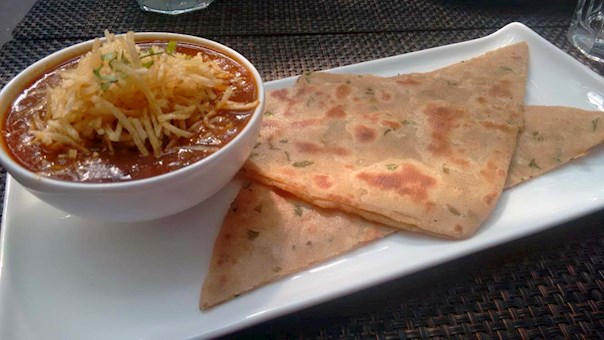
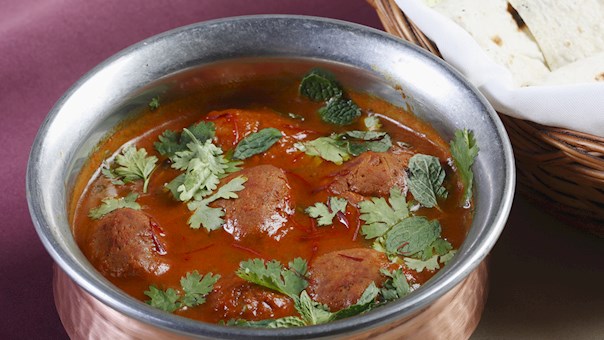
Laal maas is a traditional curry variety originating from Rajasthan. This curry is prepared with mutton (often marinated in kachari cucumbers), yogurt, and Mathania red chili peppers. Other common ingredients include onions, garlic, coriander seeds, ghee, ginger, cardamom, and cinnamon. Once prepared, laal maas can be thick or more on the liquid side. It's traditionally accompanied by wheat flour chapatis and steamed rice. In the past, the curry was prepared with wild game meat, hence the abundance of chili peppers in the dish that are used to mask the gamy aromas, but nowadays it's prepared with mutton, especially during festive occasions and festivals.
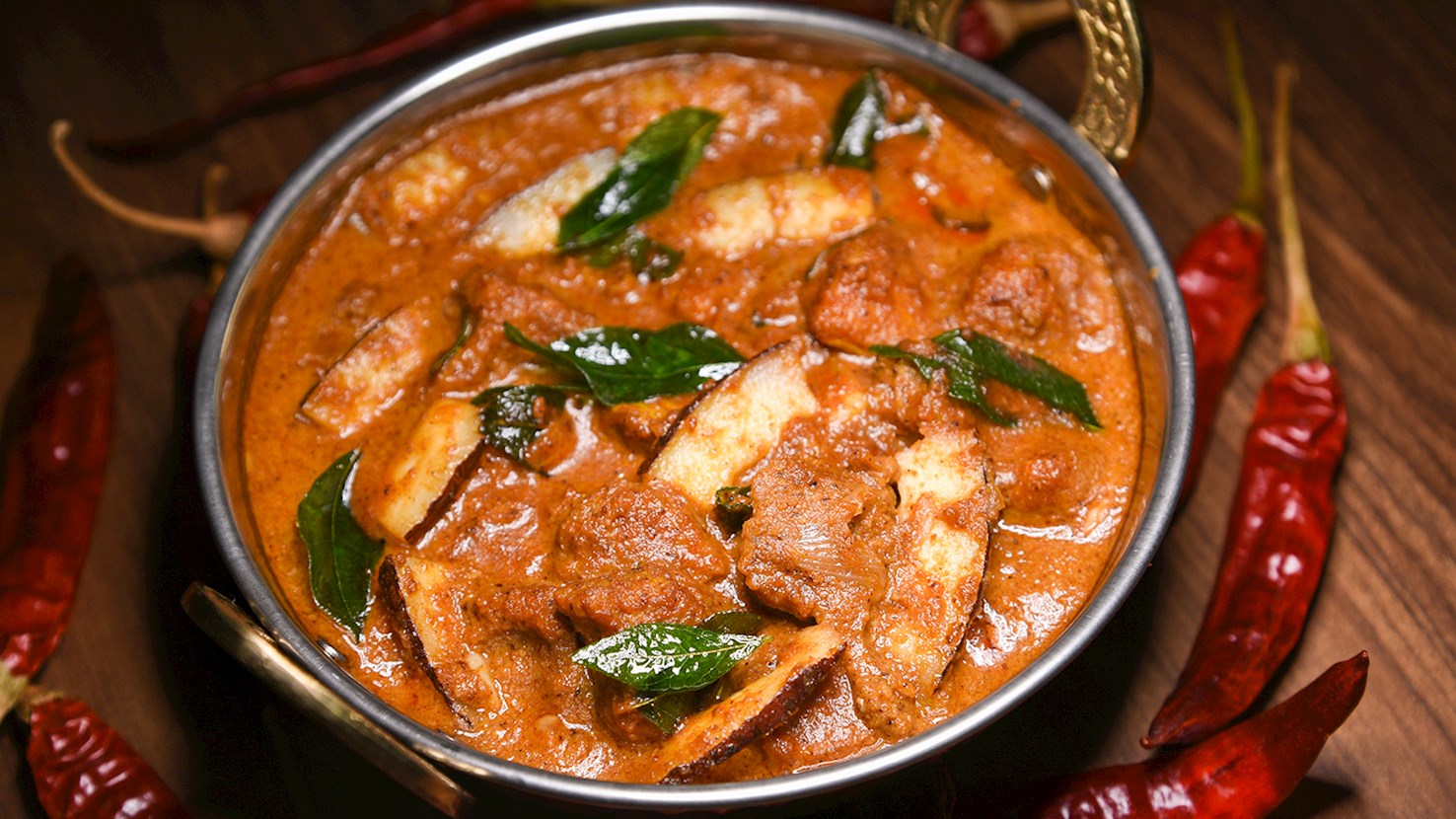
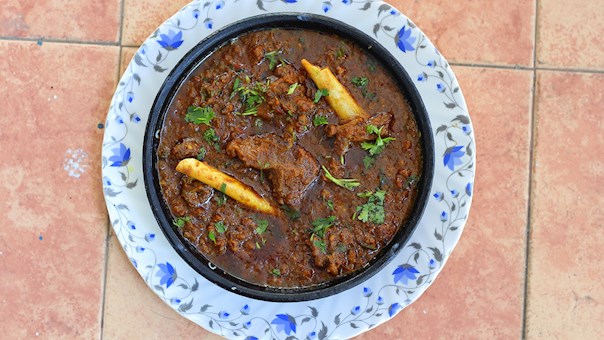
Dating back to the colonial times of the British Raj, railway mutton is a traditional curry prepared with mutton as the main ingredient. Other ingredients used in the dish usually include coconut milk and cream, onions, potatoes, mustard oil, tomatoes, coriander, ginger, garlic, vinegar, and a variety of spices such as tamarind, cardamom, cumin, cinnamon, and Kashmiri chilis. The meat is often marinated in lime juice, coriander, cumin, chili, turmeric, ginger, garlic, and salt. The dish is a milder take on the classic Indian mutton curry (mangshor jhol or kosha mangsho), and it was originally made exclusively for the first class traveling via Indian Railways from Victoria Terminus (located in Mumbay) to Calcutta. It's recommended to serve railway mutton with rice or naan on the side.
TasteAtlas food rankings are based on the ratings of the TasteAtlas audience, with a series of mechanisms that recognize real users and that ignore bot,
nationalist or local patriotic ratings, and give additional value to the ratings of users that the system recognizes as knowledgeable.
For the “Top 26 Asian Mutton Dishes” list until June 15, 2026, 1,689 ratings were recorded, of which 1,153 were recognized by the system as legitimate.
TasteAtlas Rankings should not be seen as the final global conclusion about food. Their purpose is to promote excellent local foods,
instill pride in traditional dishes, and arouse curiosity about dishes you haven’t tried.