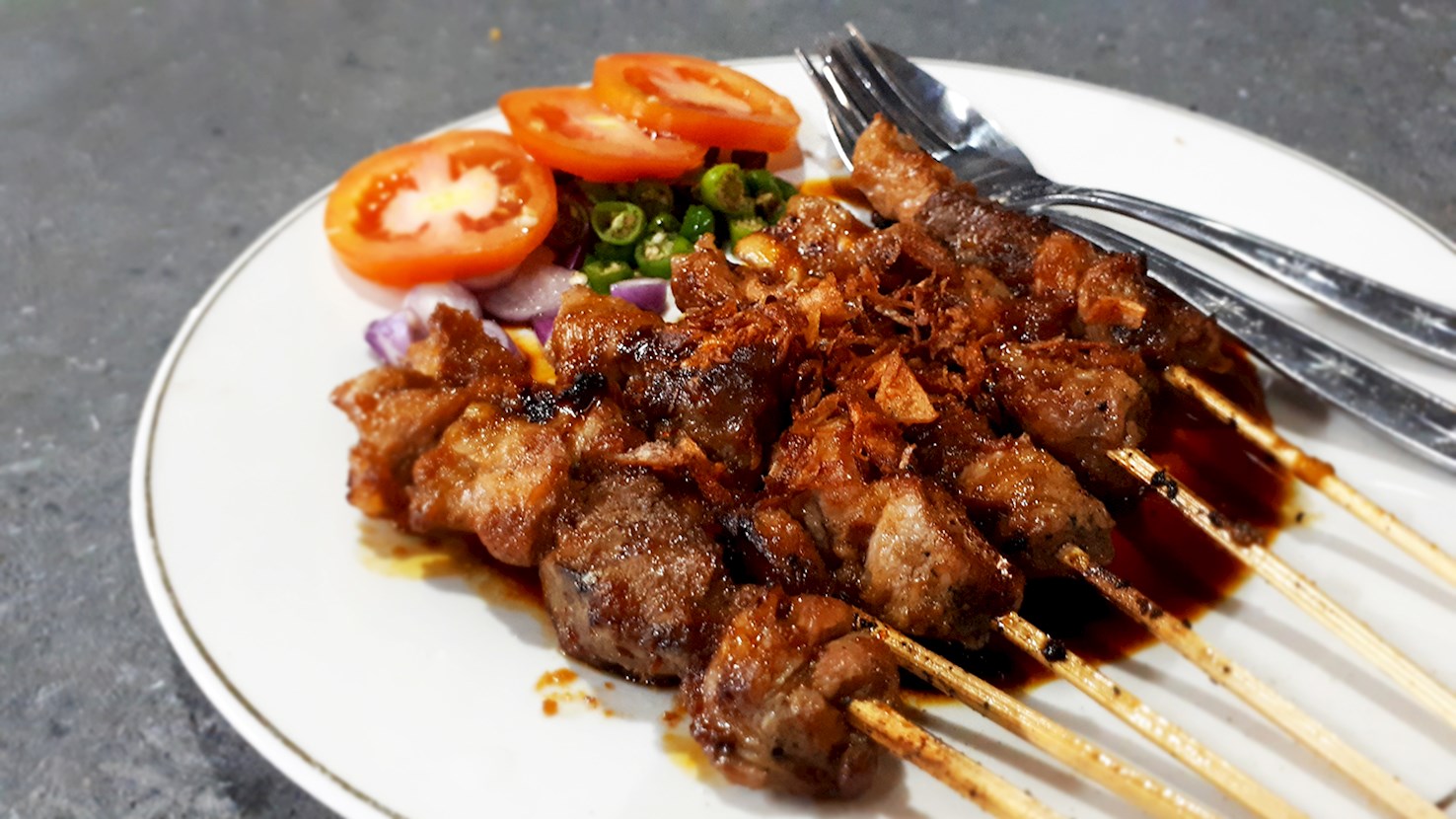
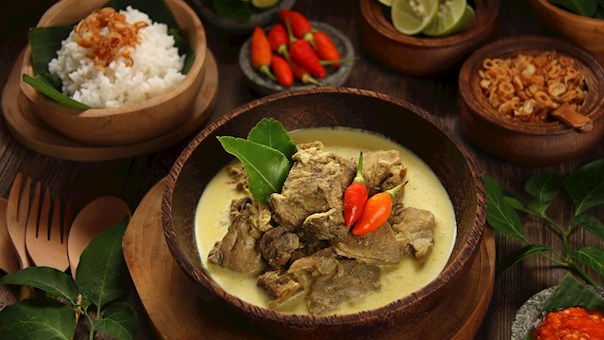
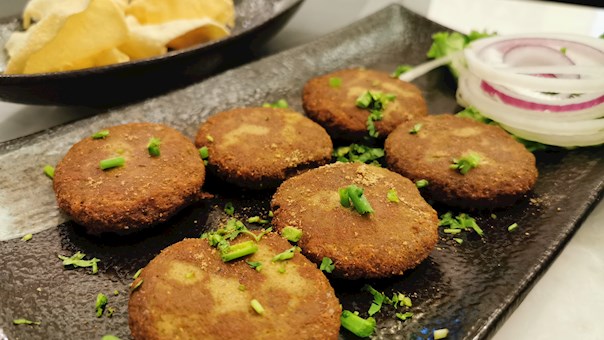
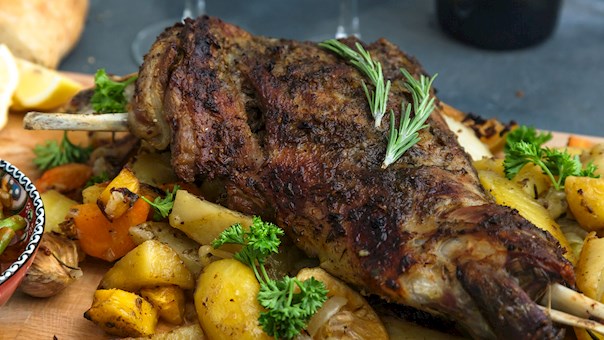
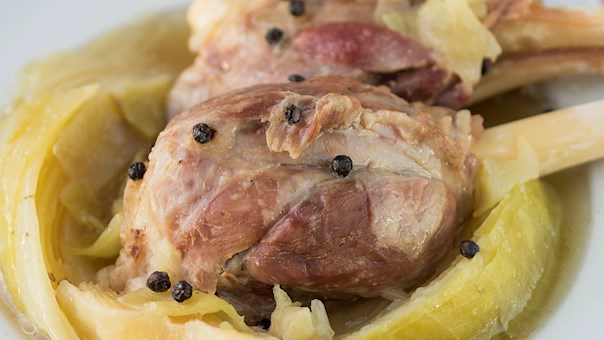
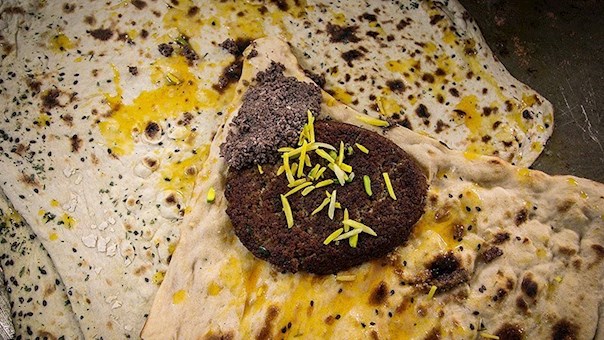
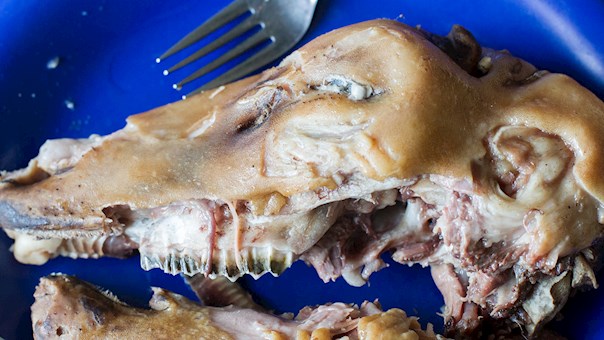
Sate kambing is a traditional dish and a type of satay prepared with goat or mutton as the main ingredient. The meat is cut into chunks or cubes and it's marinated in a combination of ingredients such as kecap manis (sweet soy sauce), galangal, ground shallots, pineapple juice, and (often) chili peppers. After it's been marinated, the meat is placed on skewers that are larger and thicker than the ones used for chicken satay as the texture and thickness of mutton or goat is tougher than chicken. The skewers for sate kambing are usually made from bamboo. The meat is grilled, then served with kecap manis sauce, peanut sauce, or chili sauce, consisting of shallots, bird eye chili peppers, and kecap manis. Some like to eat sate kambing with steamed rice or rice cakes on the side. This type of sate is especially popular in Java.
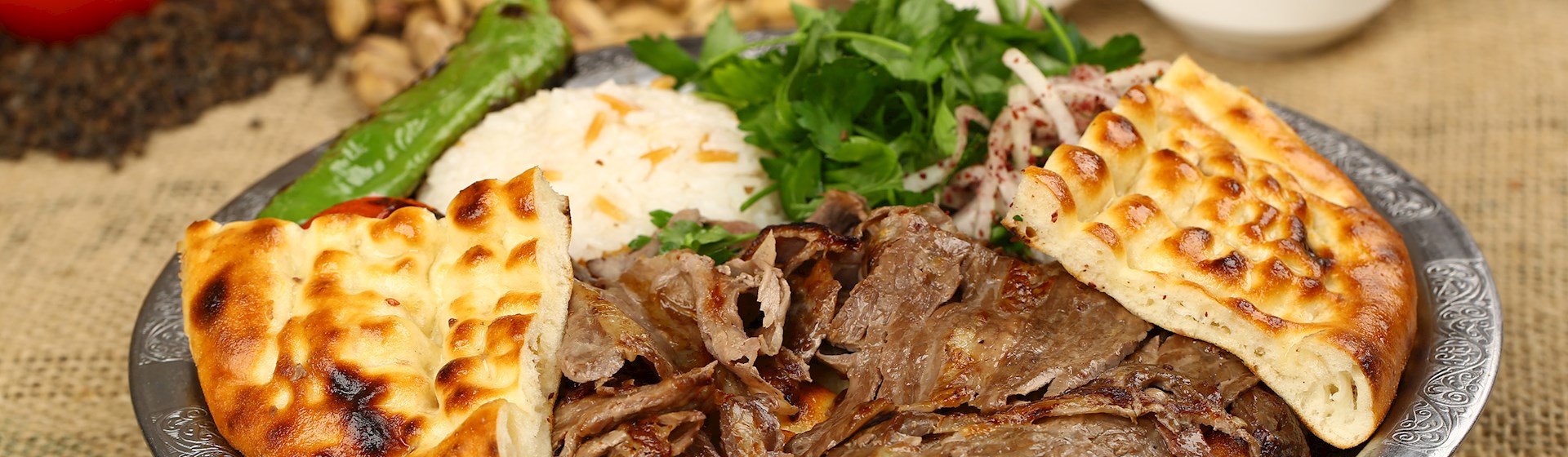
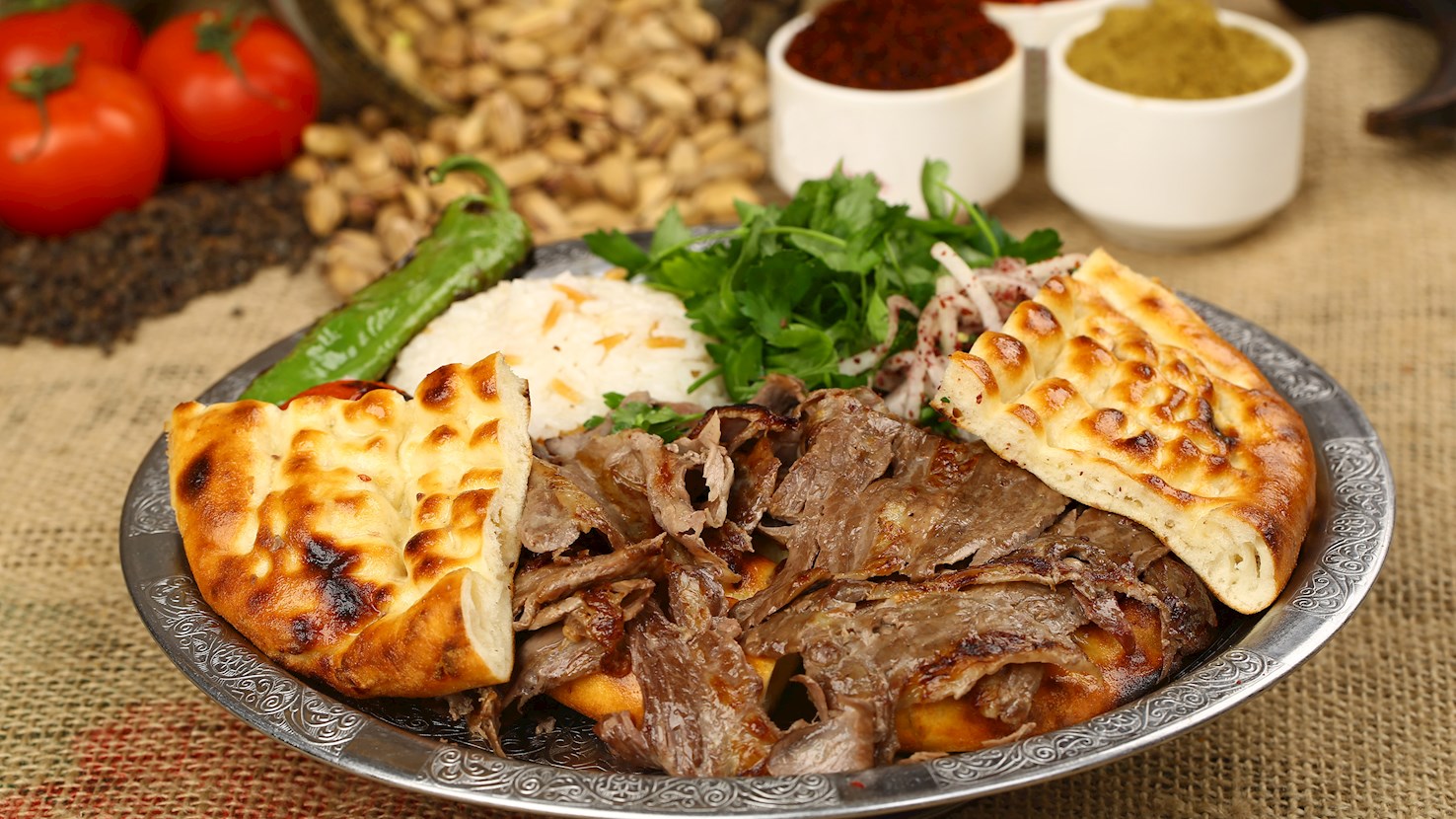
Döner kebab is a delicacy that is known throughout the world, consisting of grilled pieces of meat that are shredded from a vertical skewer. The meat is typically seasoned with fresh herbs and spices. Originally, the meat used in döner was exclusively lamb, but today in Istanbul, there are kebabs prepared with a combination of lamb and beef, or sometimes only with beef. Meat that is grilled vertically on a skewer isn't a new thing, as it has been mentioned in the 18th-century Ottoman travel books. The sandwich form döner kebab, which means rotating kebab, appeared in the early 1970s in Berlin. It is believed that Kadir Nurman was the first to place the shaved pieces of meat into a flatbread and serve it with vegetables such as tomatoes, lettuce, onions, cucumbers, and a squirt or two of sauce, unlike before, when the ingredients were served on a plate. Along with many of the Turkish variations on döner kebab, there are also numerous other regional variations in countries such as Armenia, Vietnam, Austria, Germany, France, and the United Kingdom.
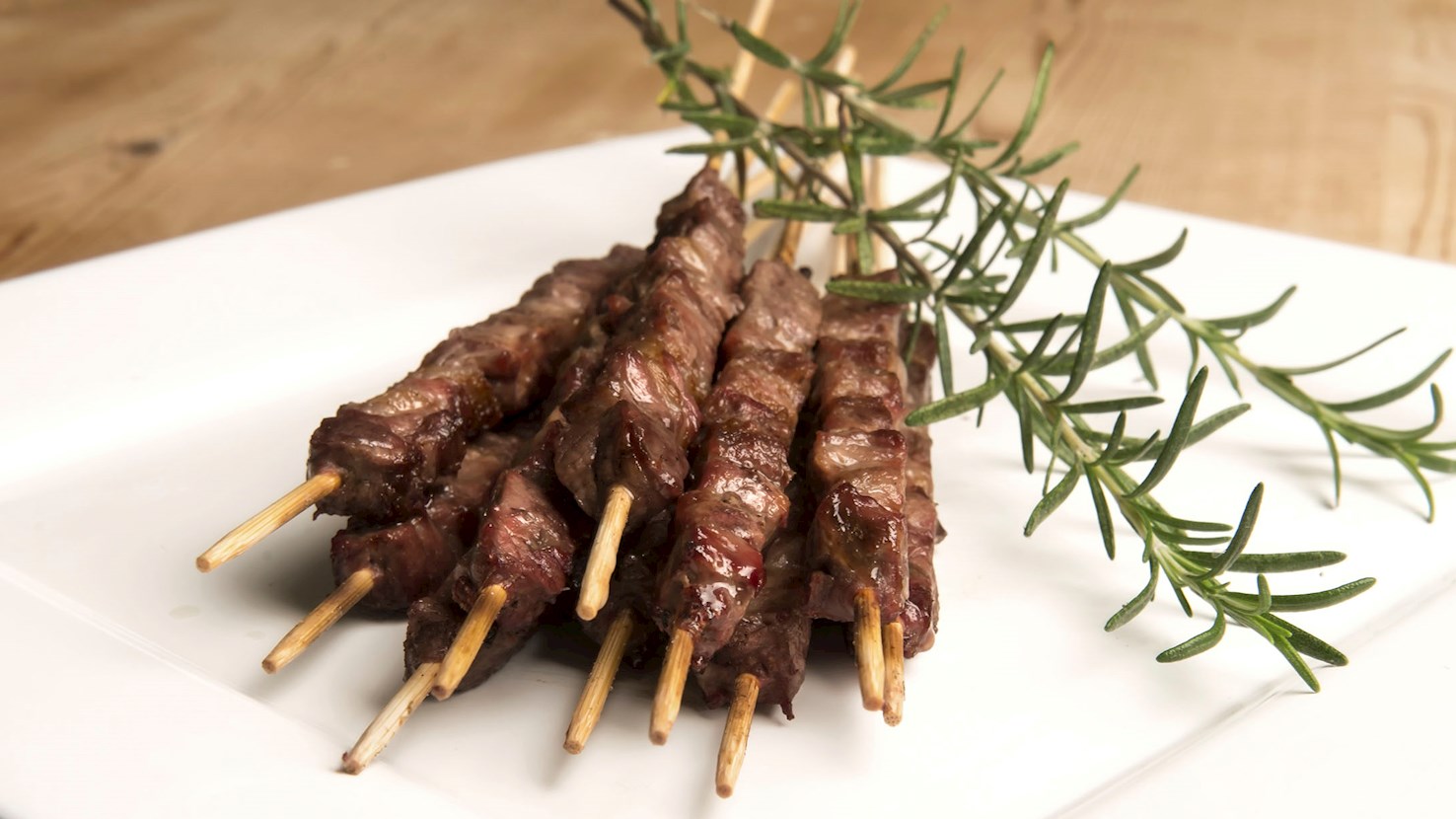
Also known as arrustelle or rustelle in local dialect, arrosticini are skewers made with castrato, the meat of castrated sheep, mutton, or sometimes even lamb, traditionally grilled on an elongated, charcoal-fired brazier called fornacella. One of the most popular meat dishes of modern Italian cuisine, these skewers were once a staple of shepherds who lived in the mountainous areas of Abruzzo, prepared merely with leftover sheep meat of lesser quality. Today, arrosticini are made with well-marbled, more tender cuts mixed with hefty chunks of ovine fat, which makes them particularly succulent. The skewers are sometimes seasoned with Mediterranean herbs, although they are more often simply generously salted to taste and then seared until almost charred. Arrosticini can be found in almost any village and town throughout the region, especially near the Gran Sasso mountain, but they are also available ready-made in numerous supermarkets. In traditional Abruzzo style, to fully enjoy the tenderness and rich flavor of grilled meat, arrosticini are served sizzling hot and are often accompanied by slices of pane unto - a crusty, homebaked sourdough bread that is grilled and drizzled with extra virgin olive oil. As for the wine pairing, arrosticini go hand in hand with a glass of Montepulciano d'Abruzzo.
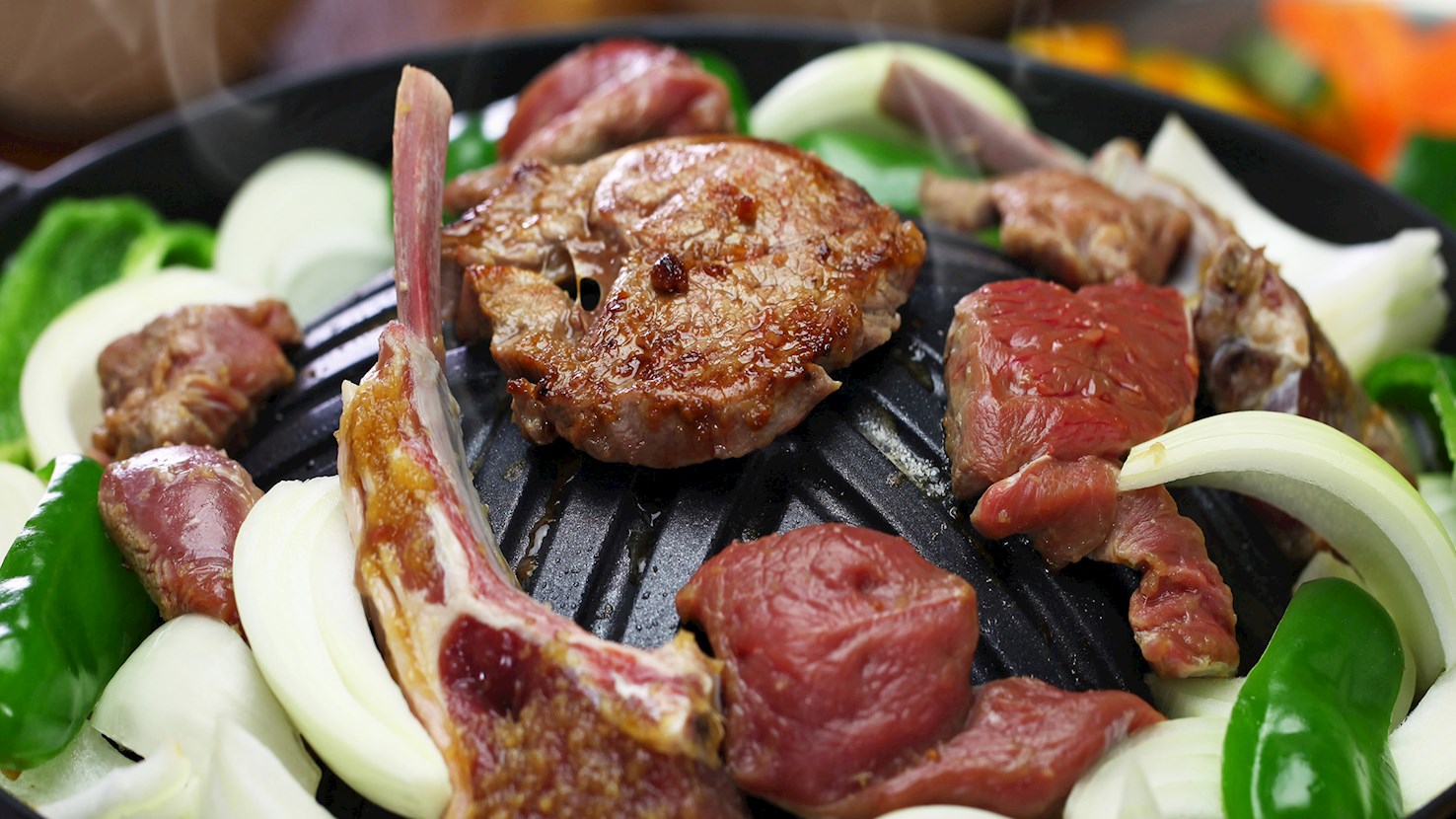
Jingisukan is a Hokkaido-specialty consisting of grilled mutton or lamb. The dish is always prepared tableside on the convex-shaped grills. The guests are served with sliced meat, which can be plain or marinated, and are then encouraged to grill the meat themselves, along with various vegetables such as onions, cabbage, leeks, or peppers. Typical accompaniments include special soy sauce-based condiments, chili sauce or grated garlic. The origins of consuming mutton in Japan date back to 1918 when the government promoted sheep farms, but the practice only remained on Hokkaido, and though restaurants specialized in preparing Jingisukan can be found elsewhere, the dish has remained a favorite on Hokkaido and in its capital Sapporo. It is believed that Jingisukan was named after Genghis Khan—the founder of the Mongol Empire. Although there are many theories about the origin of the name, the most popular say that it was influenced by the convex shape of the grill, which resembles a warrior’s hat, and the fact that the Mongolians were well-known for favoring sheep in their diet. Outside of Japan, the dish can also be found in Taiwan, China, and Thailand.
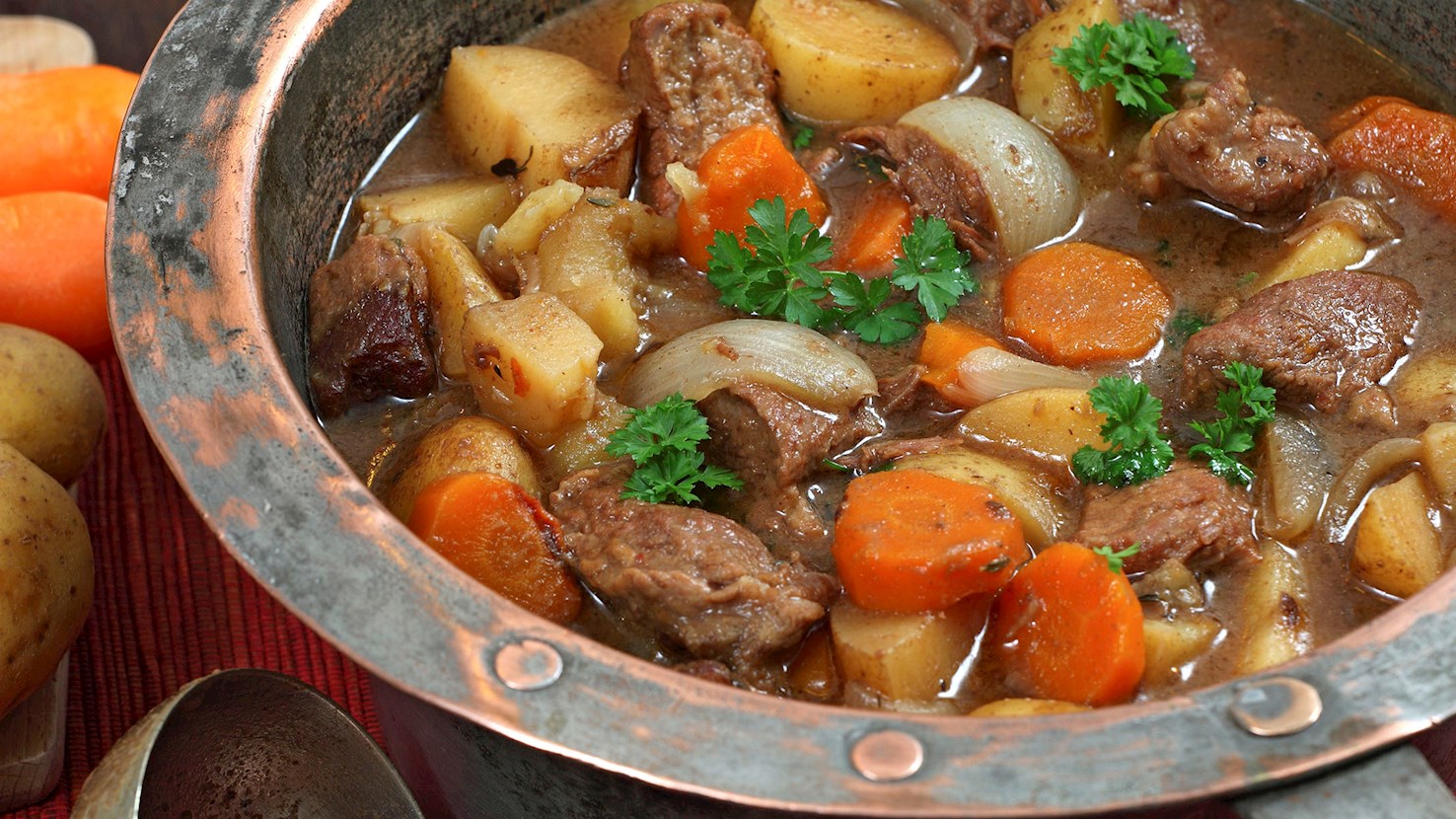
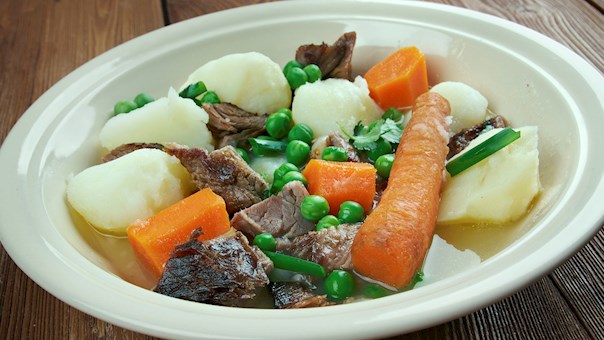
Irish stew is a traditional folk stew that first appeared at the beginning of the 19th century and was developed out of necessity to make a meal out of available, leftover ingredients. Originally, the stew was made only with mutton, onions, potatoes, and sometimes barley, while lamb meat and other root vegetables like carrots, turnips, and parsnips were added later. It is said that goat meat was also used in the past, but besides the previously mentioned mutton and lamb, beef is a common addition in today's recipes. Given that the meat used in the dish is chewy and hard, usually bone-in, the stew is cooked slowly for a couple of hours so that the meat turns tender and releases the fat into the stew, thus enhancing the flavor of the entire dish. A stew made with Guinness stout has gained widespread popularity throughout Ireland as it intensifies the flavors and gives the broth a rich, brown color. Traditionally, the stew is consumed on St. Patrick's Day and for Samhain, an old Gaelic festival, but it can also be found on the menus of most Irish restaurants throughout the year.
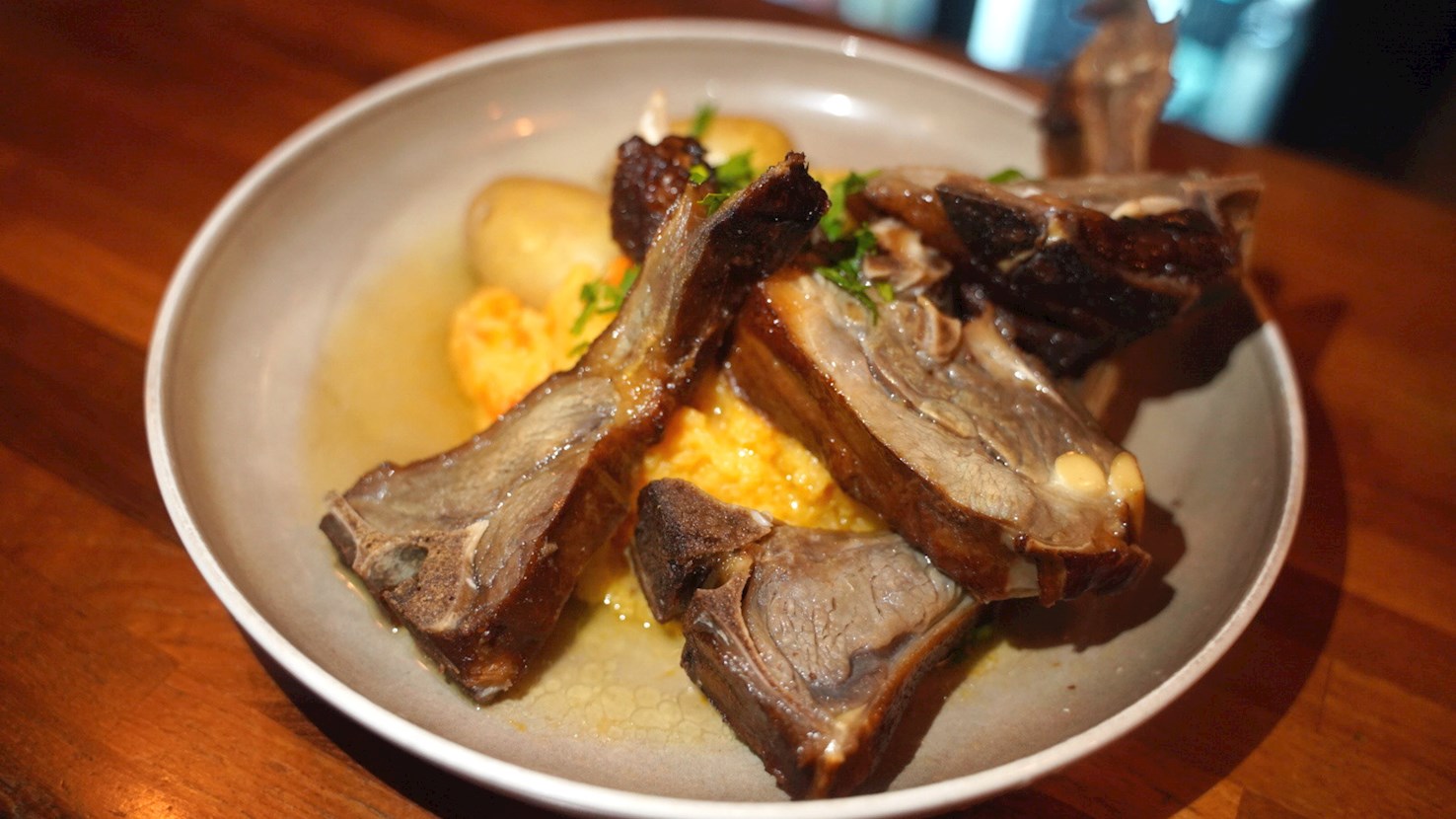
Pinnekjøtt is a traditional Christmas dish predominantly enjoyed in the northern and western parts of the country. It is usually prepared with racks of lamb or mutton, which are brined and air-dried or smoked before they are sliced into individual ribs and cooked. Traditionally, the ribs are placed on birch branches and steamed until all the water evaporates and the meat becomes juicy and tender. This flavorful Norwegian classic stems from the traditional methods of meat preservation and is usually complemented with mashed or boiled potatoes, pureed rutabaga, and various salads.
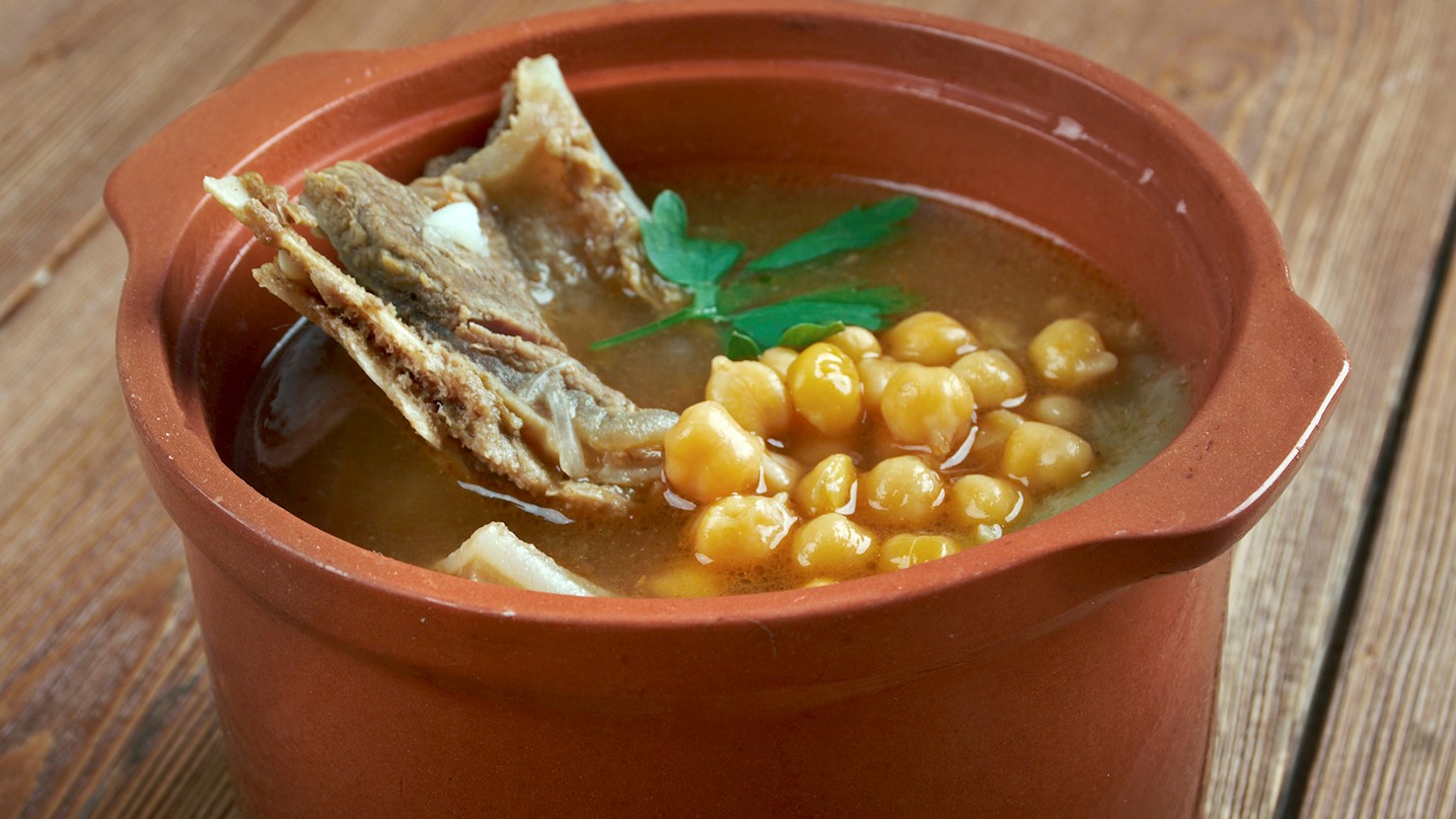
Abgoosht is a stew combining meat, legumes, and vegetables. Its name translates literally as “meat juice,” highlighting the importance of the rich broth it produces during cooking. This dish is commonly prepared by simmering lamb or mutton with chickpeas, white beans, potatoes, tomatoes, onions, and dried limes. Over several hours, the ingredients soften and meld together, creating both a fragrant broth and tender solids that are typically served in separate stages. Preparation begins by placing chunks of bone-in meat in a large pot with water, allowing the simmering process to extract the marrow and deepen the flavor. Chickpeas and white beans, usually soaked in advance, are added along with potatoes, tomatoes, and aromatics such as turmeric and black pepper. Dried limes (limoo amani) contribute a subtle sourness that balances the richness of the meat. As the abgoosht cooks, the broth gradually thickens and develops an amber color. Serving abgoosht follows a distinctive ritual that sets it apart from other stews. Once the cooking is complete, the liquid is separated and poured into bowls, often accompanied by pieces of flatbread torn into it. The remaining solids (meat, potatoes, and legumes) are mashed together with a wooden or metal masher called a goosht-koob. This mash, known as goosht kubideh, is then eaten with fresh herbs, pickles, and warm bread. The two parts of the meal, broth and mash, are enjoyed in succession, creating a contrast in texture and taste. Abgoosht is served across Iran in homes, teahouses, and small restaurants, where it remains a well-loved example of Iranian cooking that relies on slow preparation and accessible ingredients. In some regions, variations appear with additional spices or small noodles, though the core method of simmering meat and legumes remains consistent. The dish is often shared communally, emphasizing its role in family gatherings and casual meals alike.
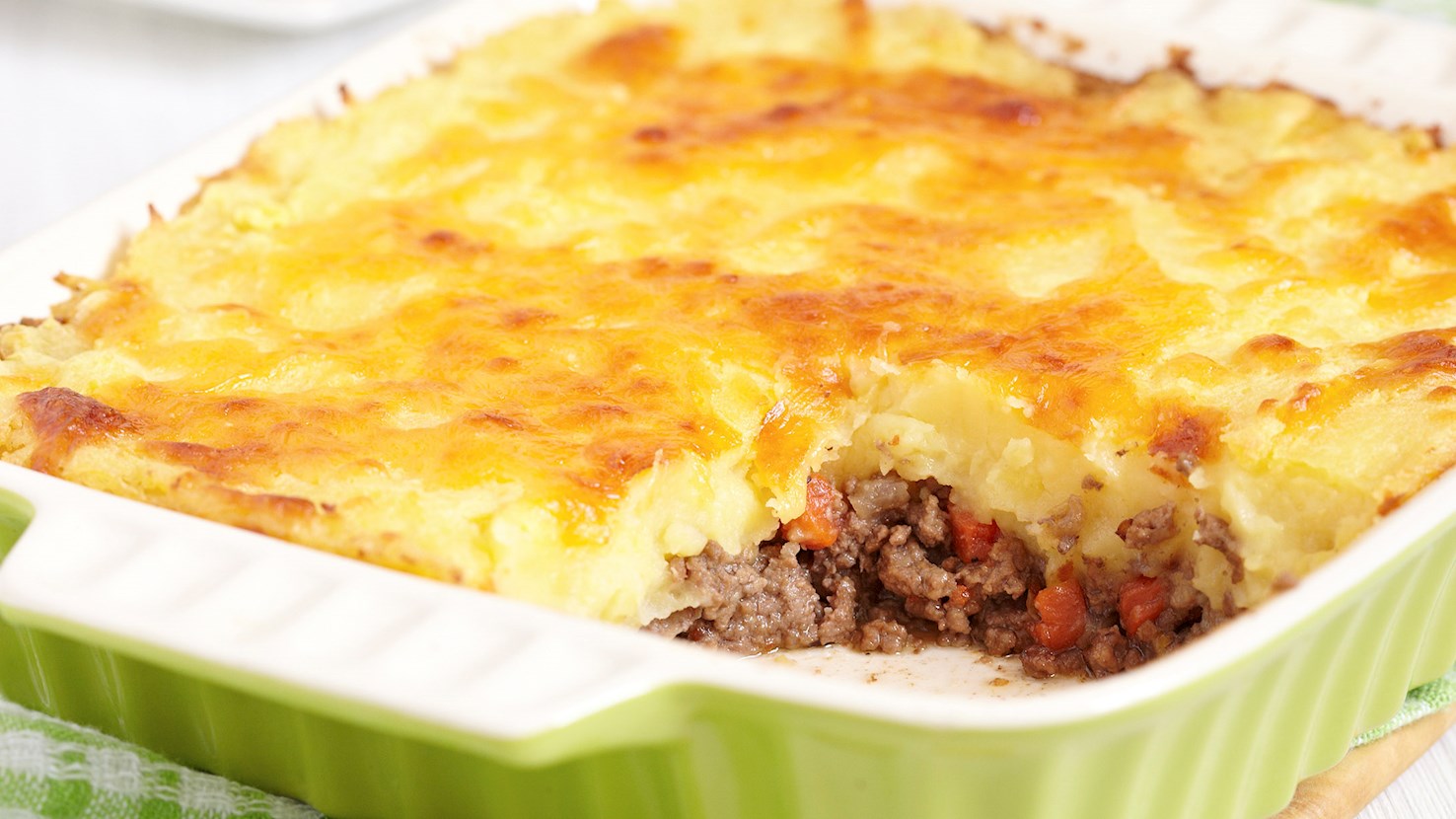
One of the most popular comfort foods in the United Kingdom is called shepherd's pie, a hot and savory dish reminiscent of a casserole, consisting of minced lamb or mutton meat, potatoes, onions, carrots, Worcestershire sauce, thick gravy, and seasonings such as marjoram, parsley, and black pepper. All of the ingredients are placed under a roof of buttery, creamy mashed potatoes, and baked in an oven until the pie is ready for consumption. This simple delicacy was invented by shepherds in the 18th century England and Scotland. The pie became extremely popular in the 1870s, and not by coincidence, as mincing machines became widely available to the public in those years. Today, shepherd's pie is a great way of using up leftover cooked meat, but it is generally recommended to use fresh meat for a better flavor and texture of the pie. This hearty pie is a favorite in numerous pubs, homes, and restaurants throughout the United Kingdom.
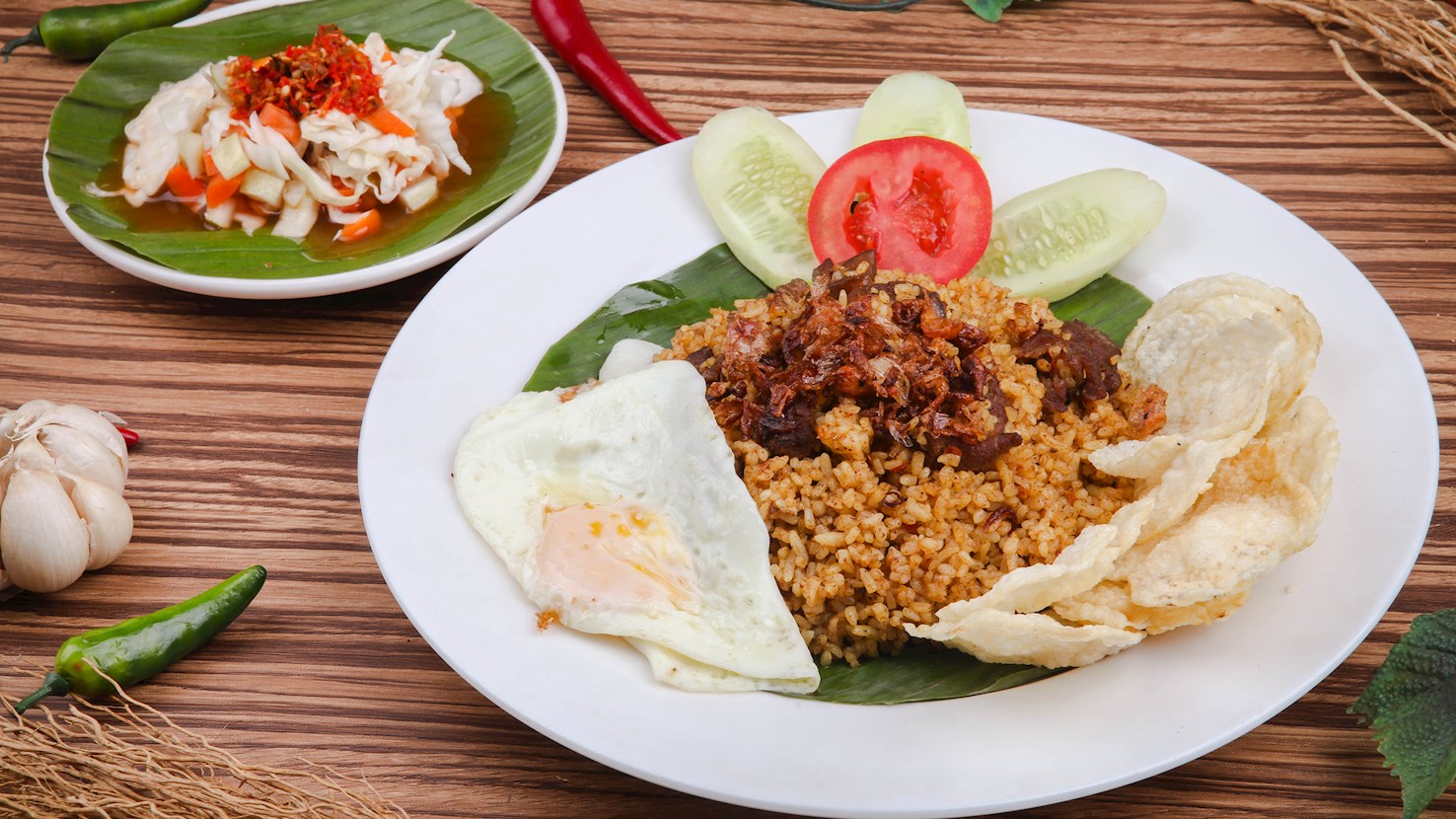
Nasi goreng kambing is an Indonesian fried rice dish made with spiced goat meat, prepared and enjoyed throughout Jakarta and other cities on Java. The dish has a reputation for its robust flavor, which comes from the combination of slow-cooked goat pieces and a complex spice mixture that often includes coriander, cumin, ginger, and sometimes a little curry powder. Vendors cook the goat meat first until tender and fragrant, then shred or chop it into smaller pieces before stir-frying it with cold rice. The cooking process begins by heating oil in a large wok or shallow pan, then sautéing ground shallots, garlic, and chilies until aromatic. Sliced tomatoes or tomato paste are sometimes added to deepen the flavor. Once the seasoning base is ready, the prepared goat meat is tossed in and cooked briefly to blend the spices, followed by cold rice that is broken up and stirred to absorb the seasoning. Sweet soy sauce, known as kecap manis, is added for a glossy finish and a mild sweetness that balances the richness of the meat. Some cooks include sliced cabbage, scallions, or pickled vegetables to create contrast in texture and taste. The dish is usually served with acar (pickled cucumber and carrot) and a side of kerupuk (crispy crackers). Nasi goreng kambing is closely associated with roadside food stalls and casual eateries, where it is prepared in large batches, especially in the evening when people gather for dinner. In Jakarta, it is commonly found around Tanah Abang and Kebon Sirih, neighborhoods known for late-night vendors specializing in goat-based dishes. The rice is typically cooked over high heat to develop a smoky aroma known locally as “aroma gosong,” which many diners consider an essential feature of good fried rice. The dish has roots in Arab and South Asian culinary influences that entered Indonesia through centuries of trade and migration, which explains the use of warm spices and goat meat instead of the more common chicken or beef. While nasi goreng kambing is less widely known outside Indonesia compared to simpler versions of fried rice, it has gained attention among travelers and local food enthusiasts for its distinctive seasoning and hearty character. Some vendors still prepare it over charcoal stoves to enhance the smoky taste, and recipes often vary slightly depending on family preference or regional custom.
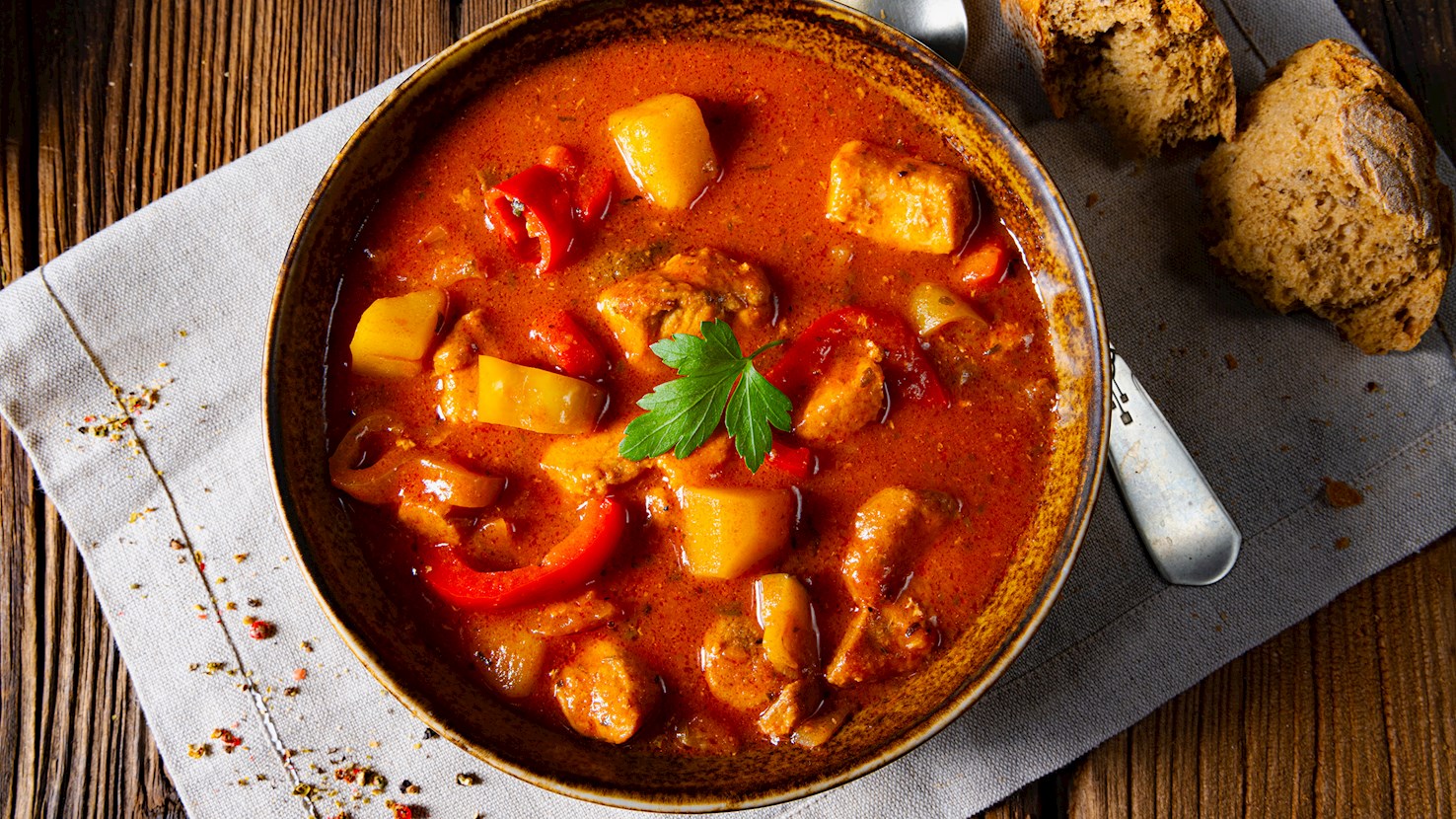
Birkagulyás is a version of a traditional Hungarian goulash prepared with mutton as the key ingredient. The mutton is cooked in a mix of vegetables such as carrots, onions, garlic, tomatoes, potatoes, and celery. The combination is usually flavored with parsley, paprika, black pepper, salt, and caraway seeds. Some recipes also suggest the inclusion of red wine sauce to the mix. Birkagulyás can be served with dumplings, sour cream, or spätzle noodles.
TasteAtlas food rankings are based on the ratings of the TasteAtlas audience, with a series of mechanisms that recognize real users and that ignore bot,
nationalist or local patriotic ratings, and give additional value to the ratings of users that the system recognizes as knowledgeable.
For the “Top 42 Mutton Dishes in the World” list until June 15, 2026, 2,687 ratings were recorded, of which 1,991 were recognized by the system as legitimate.
TasteAtlas Rankings should not be seen as the final global conclusion about food. Their purpose is to promote excellent local foods,
instill pride in traditional dishes, and arouse curiosity about dishes you haven’t tried.