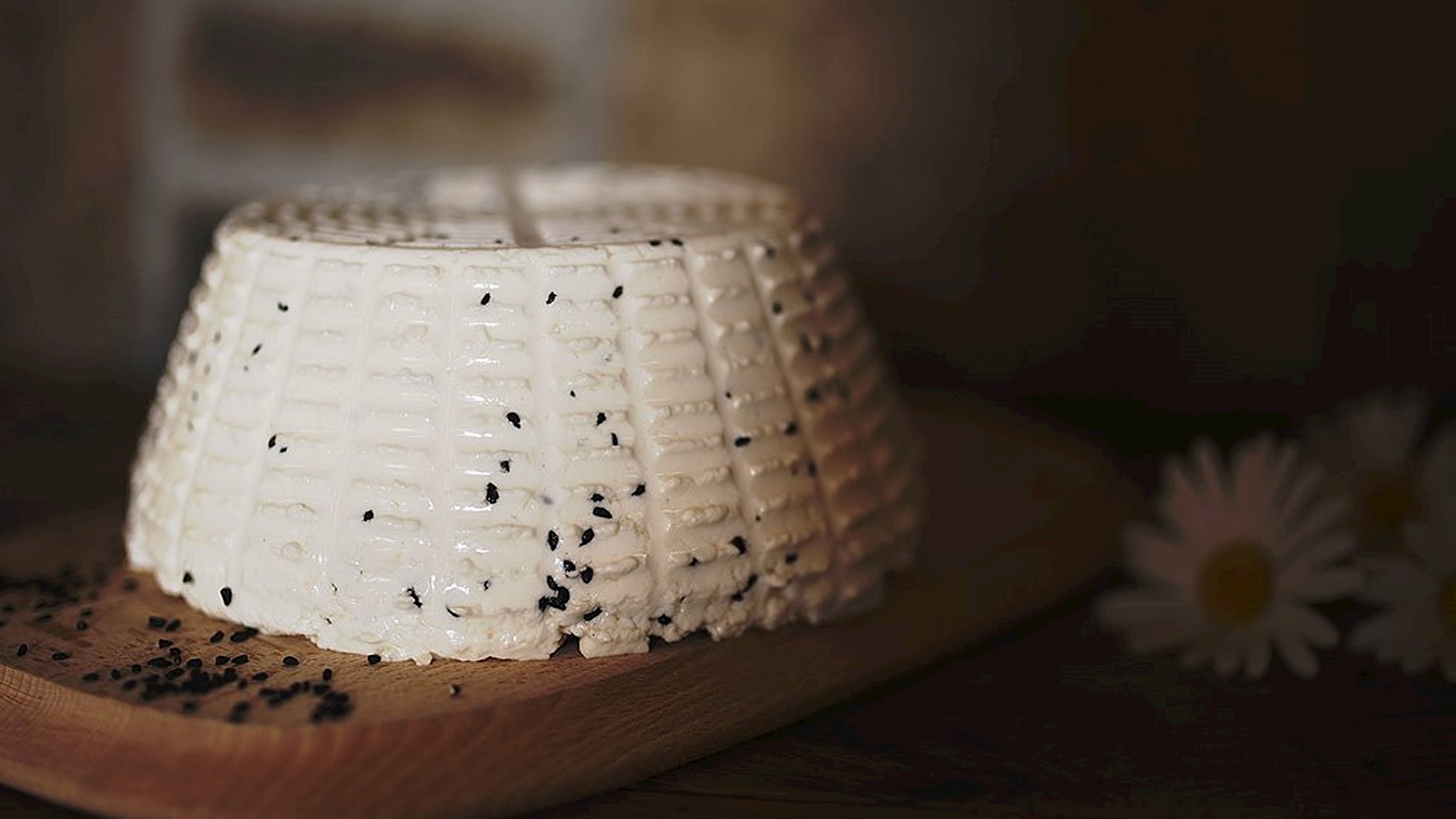
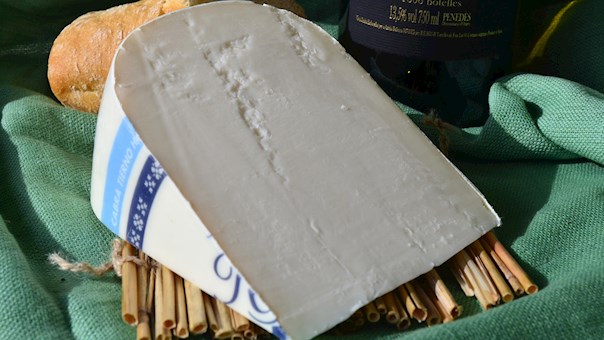
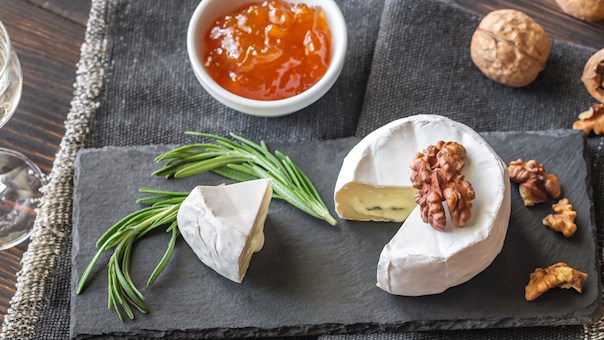
Bryndza Podhalańska is a unique soft cheese made from the milk of the Polska Owca Górska (Polish Mountain Sheep) breed of sheep, produced in the Nowotarski, Tatrzański and some parts of the Žywiecki districts in Poland. The cheese can also be made with a mixture of sheep's and cow's milk, where cows must be of the Polska Krowa Czerwona (Polish Red) breed, and the maximum amount of cow's milk used in the process must not exceed 40%. The cheese gets its name from the traditional name for the region - Podhale, where many skillful cheesemakers produce this white, creamy-white or greenish delicacy with an intense, salty and slightly sour flavor. Since Bryndza Podhalańska is a seasonal product, it is only made from May until September. The unique flora of one of Europe's cleanest regions has a great impact on the quality of this fresh and creamy product, often paired with dry white wines.
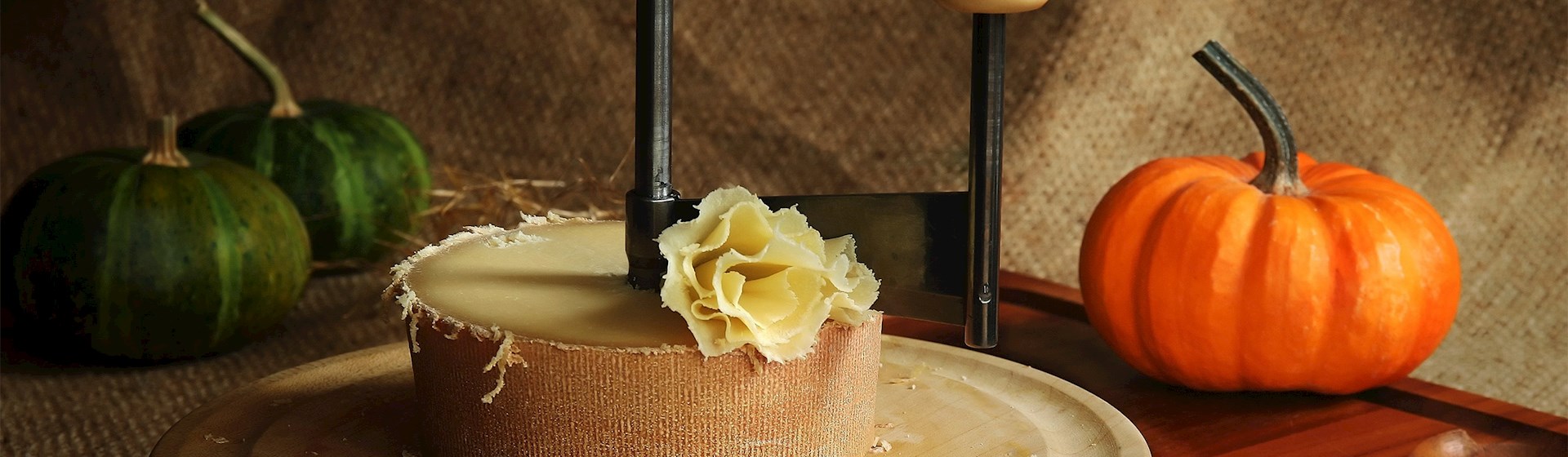
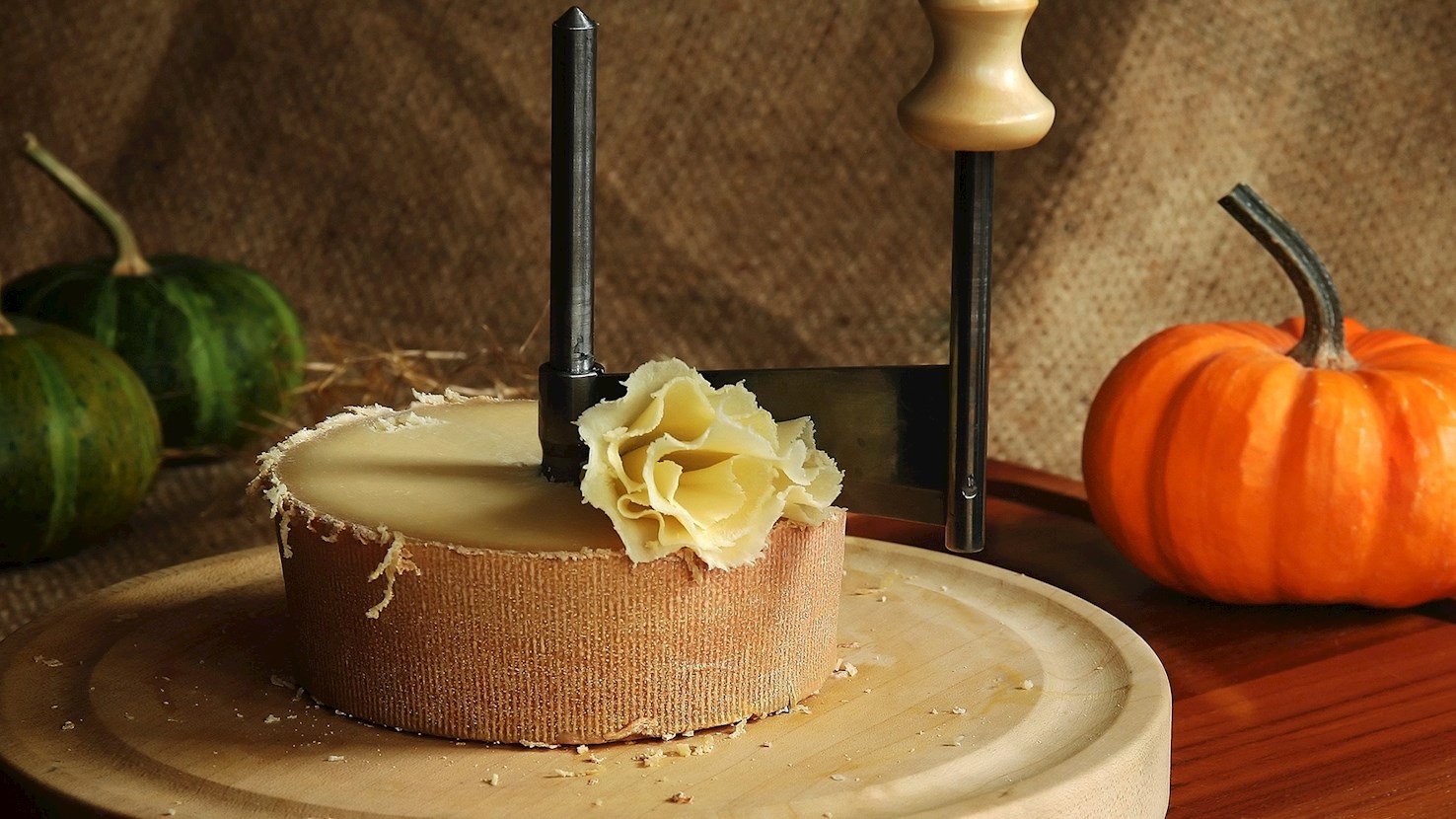
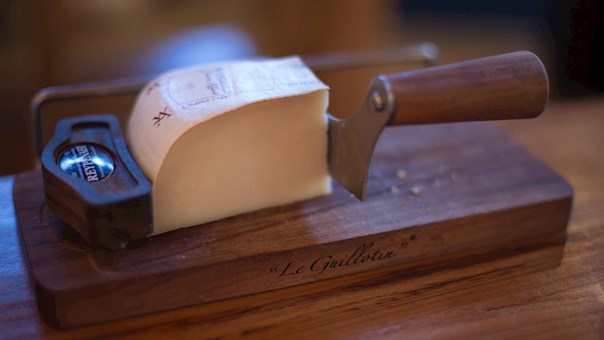
Tête de moine (lit. monk’s head) is a cylindrical, semi-hard Swiss cheese made from cow’s milk. The cheese is kept on spruce wood boards for at least 2,5 months before consumption. It is believed that the cheese was first made by monks in the Bellelay monastery in the community of Saicourt. In the past, they used it as a means of payment. Interestingly, tête de moine is not cut, but scraped or shaved with a special tool called a girolle. During the process, the surface of the cheese comes into direct contact with air, which alters the structure of the paste and helps to release the aromas. Pair it with crisp white wines such as Pinot Grigio.
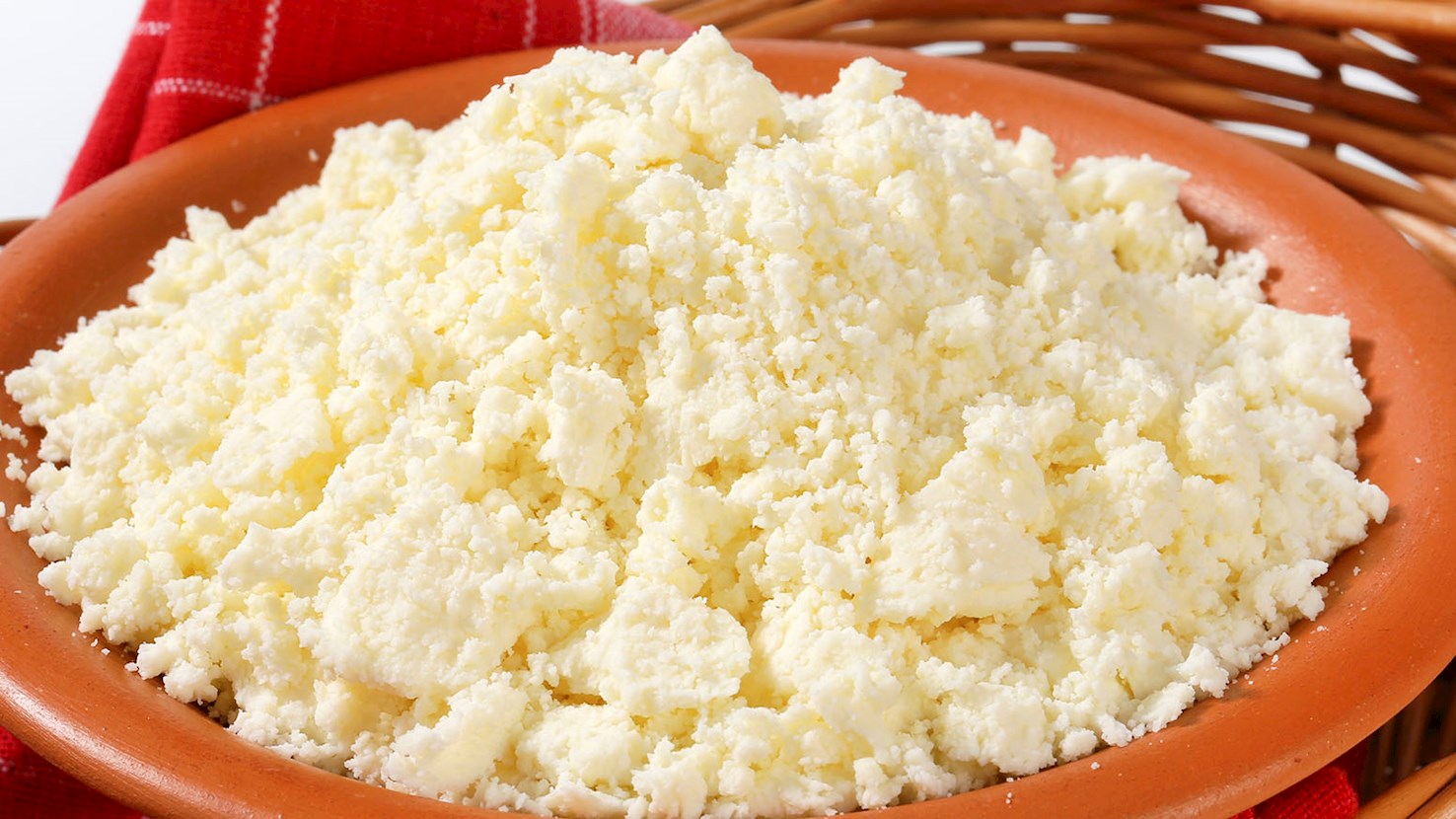
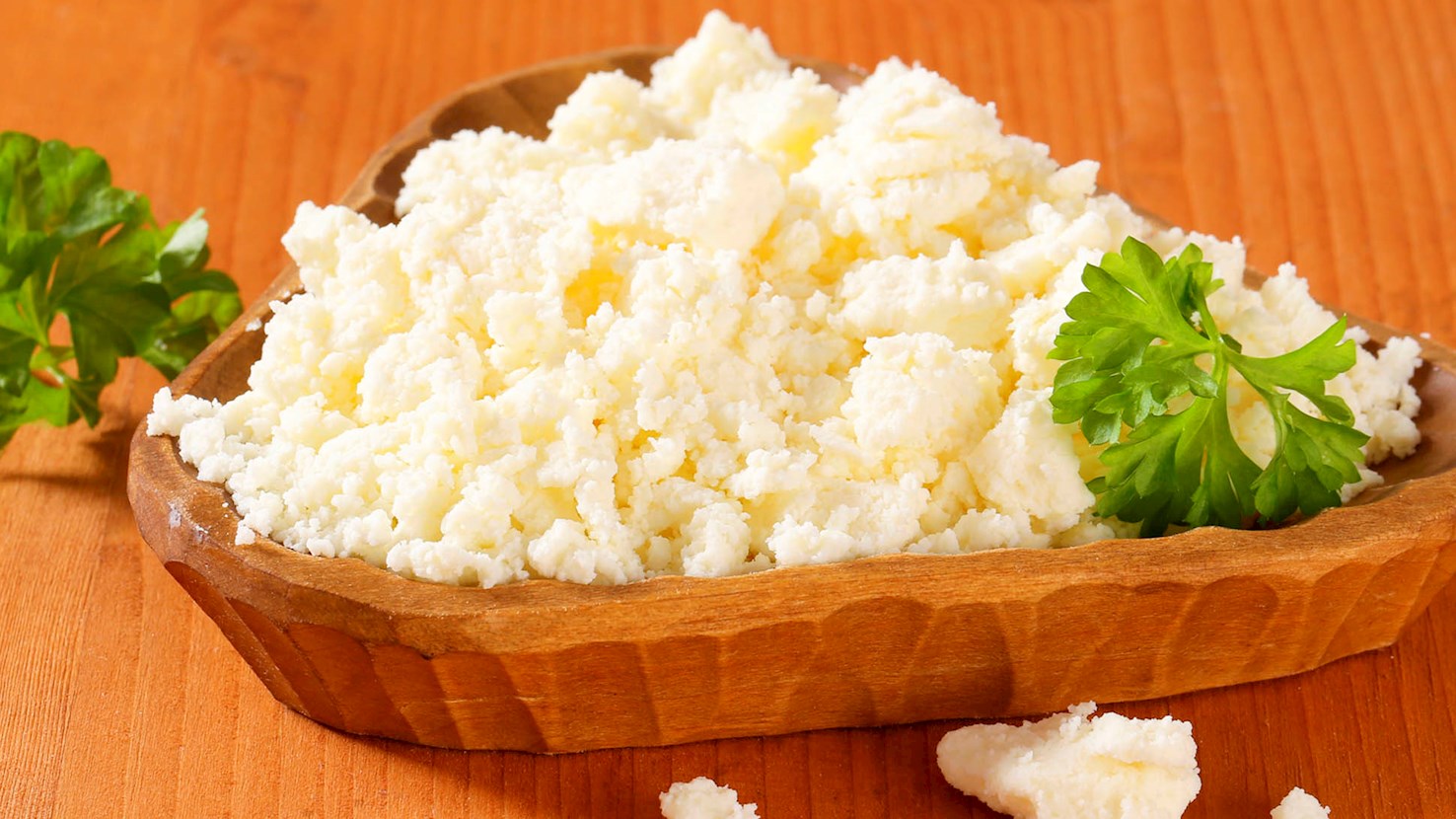
Bundz is a Polish cheese made from sheep's milk. The cheese is produced in the mountainous regions of the country. It is reminiscent of cottage cheese in flavor and texture, and has a mild, fresh flavor. The remaining whey created in the production of bundz is used for the preparation of a traditional Polish sour beverage called żętyca.
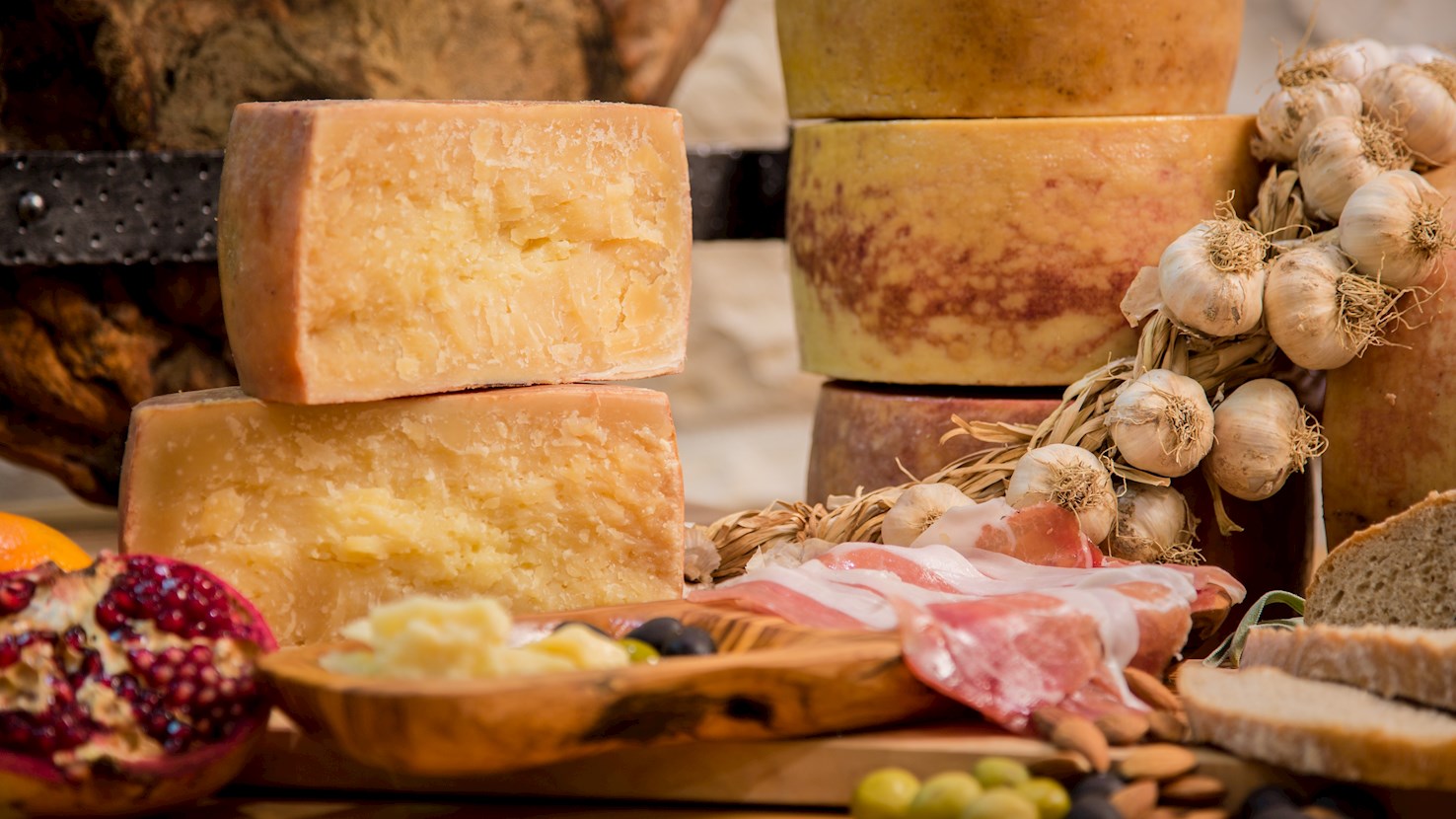
Paškisir is a hard Croatian cheese originating from the island of Pag. The cheese is made from milk of the Pag sheep. The harsh bura wind dusts the island with sea salt, flavoring various herbs (such as immortelle, sage, and sea fennel) on which the sheep graze, and as a result their milk has a unique flavor. This award-winning cheese is characterized by a dry, flaky, grainy, and crumbly texture, and a tangy, salty flavor. The cheese is typically rubbed with ash and olive oil, and it's then left to mature for at least four months. As it matures, the tangy and savory flavors become even stronger. When young, it’s herby and salty, reminiscent of Manchego in texture and flavor, while the aged version somewhat resembles Pecorino Romano. It is recommended to serve the cheese at room temperature, sliced into triangles. Pair the aged one with fruit jams, olive oil, wildflower honey, anchovies, prosciutto slices, grapes, or paške bubice (small local bread rolls), but “don’t use it in sandwiches,” as the locals say. The young version is suitable for shaving on top of risottos and pasta dishes, or it can be melted and used as a pasta sauce. If you want to store Paški sir, it is recommended to place it on a wooden board and turn it every now and then while rubbing it with olive oil in order to prevent the cheese from drying out and developing mold.
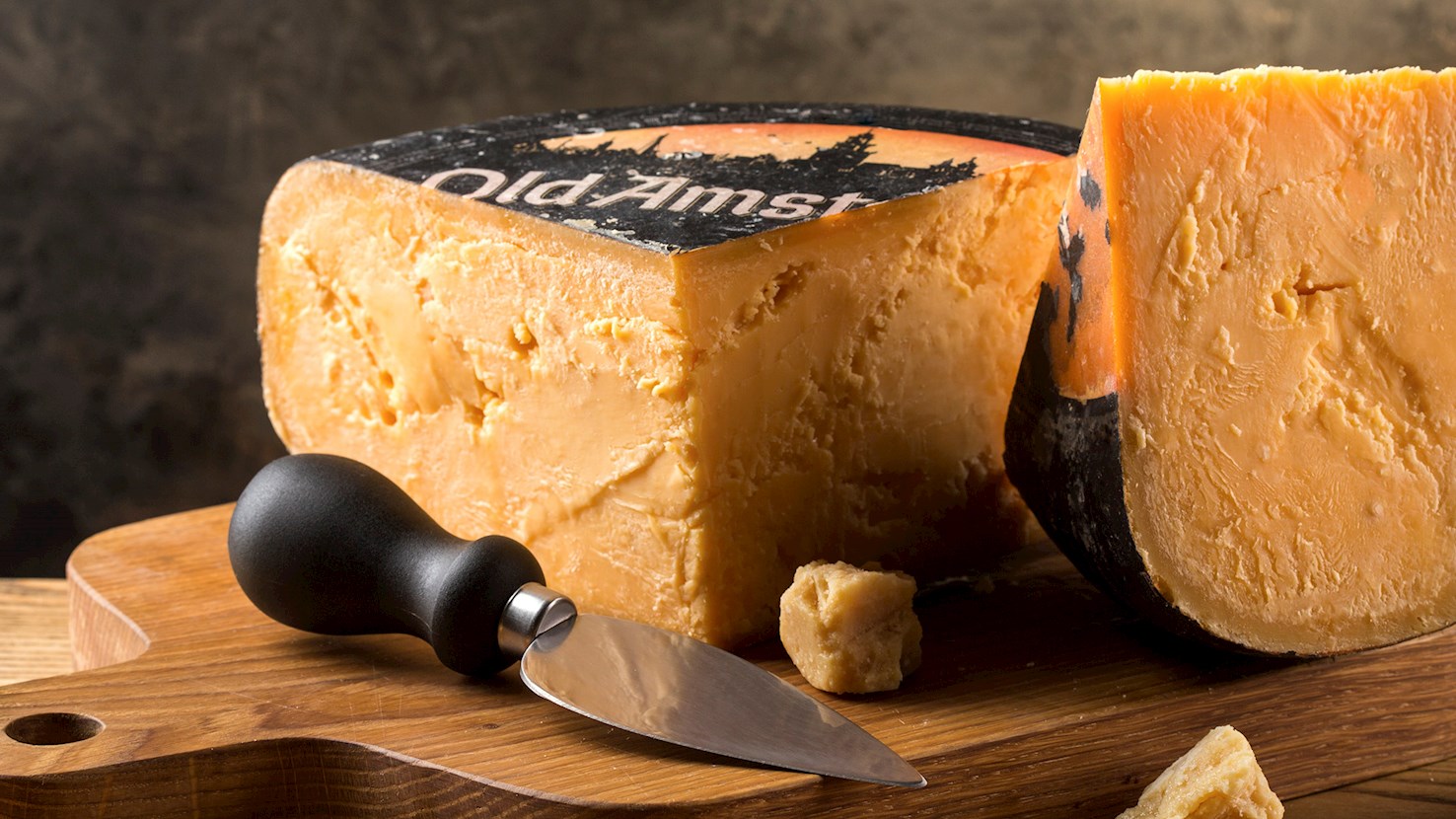
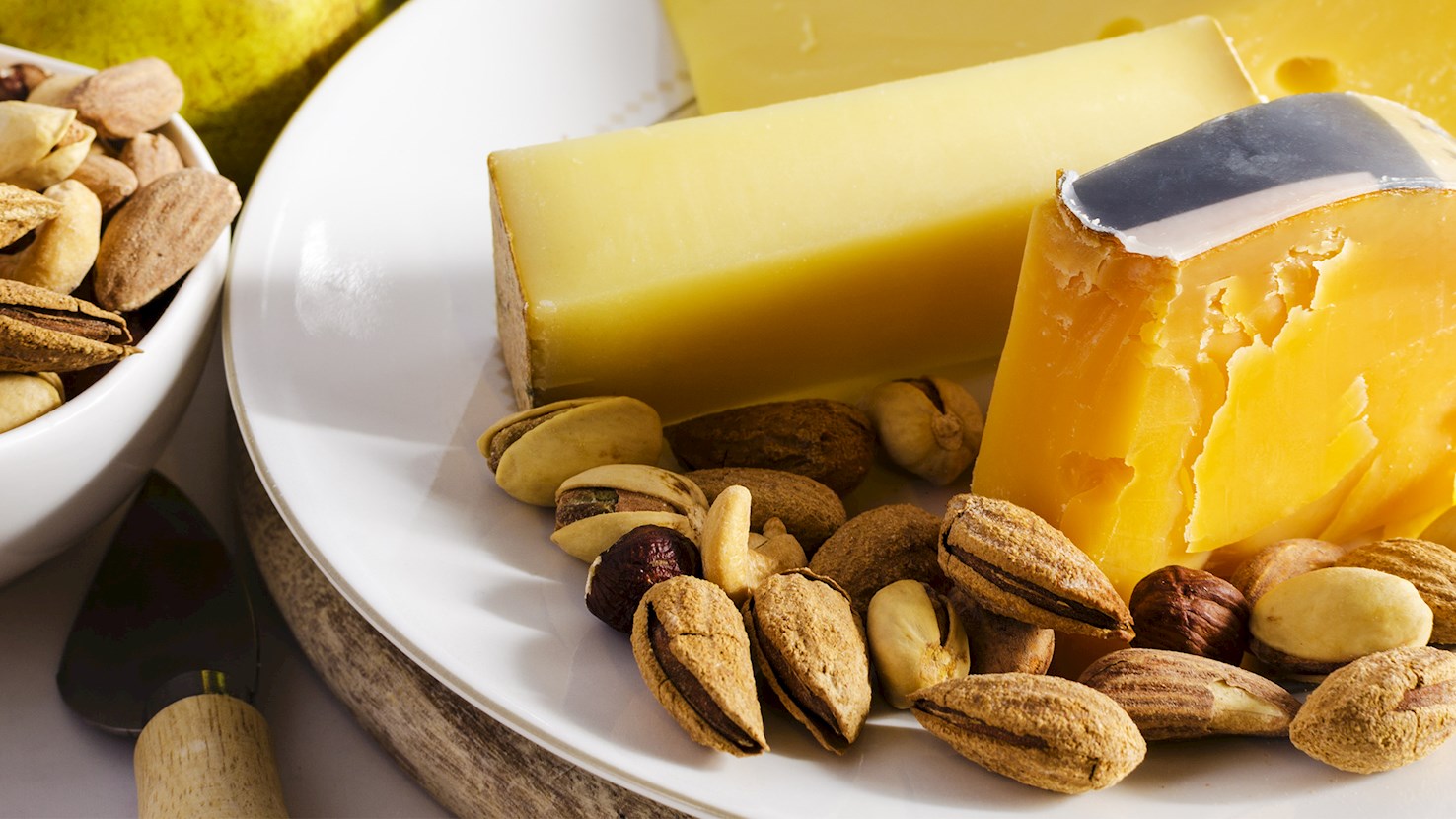
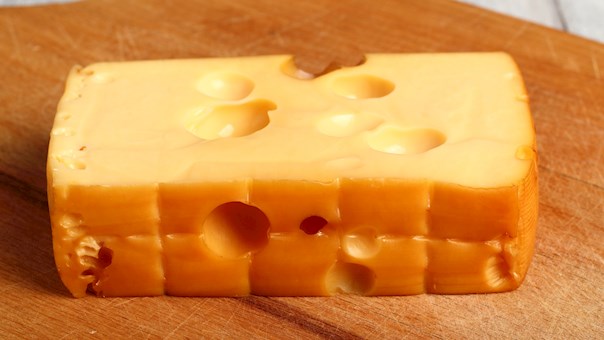
Old Amsterdam is a Dutch Gouda-style cheese made from pasteurized cow's milk. The cheese is matured at three stages, and each one brings out certain characteristics of flavor and texture. As the wheels mature at different rates, master cheesemakers decide when each wheel is ready for consumption based on texture and flavor. The texture of Old Amsterdam is hard and smooth, dotted with occasional eyes and tiny granular crystalline pieces of amino acids. The color of the paste is similar to butterscotch, while the flavors are sweet, rich, toasty, nutty, robust, and caramel-like. The cheese is great for cooking and goes really well with figs, pistachio, and salads. It can also be shredded over soups or used in sandwiches.
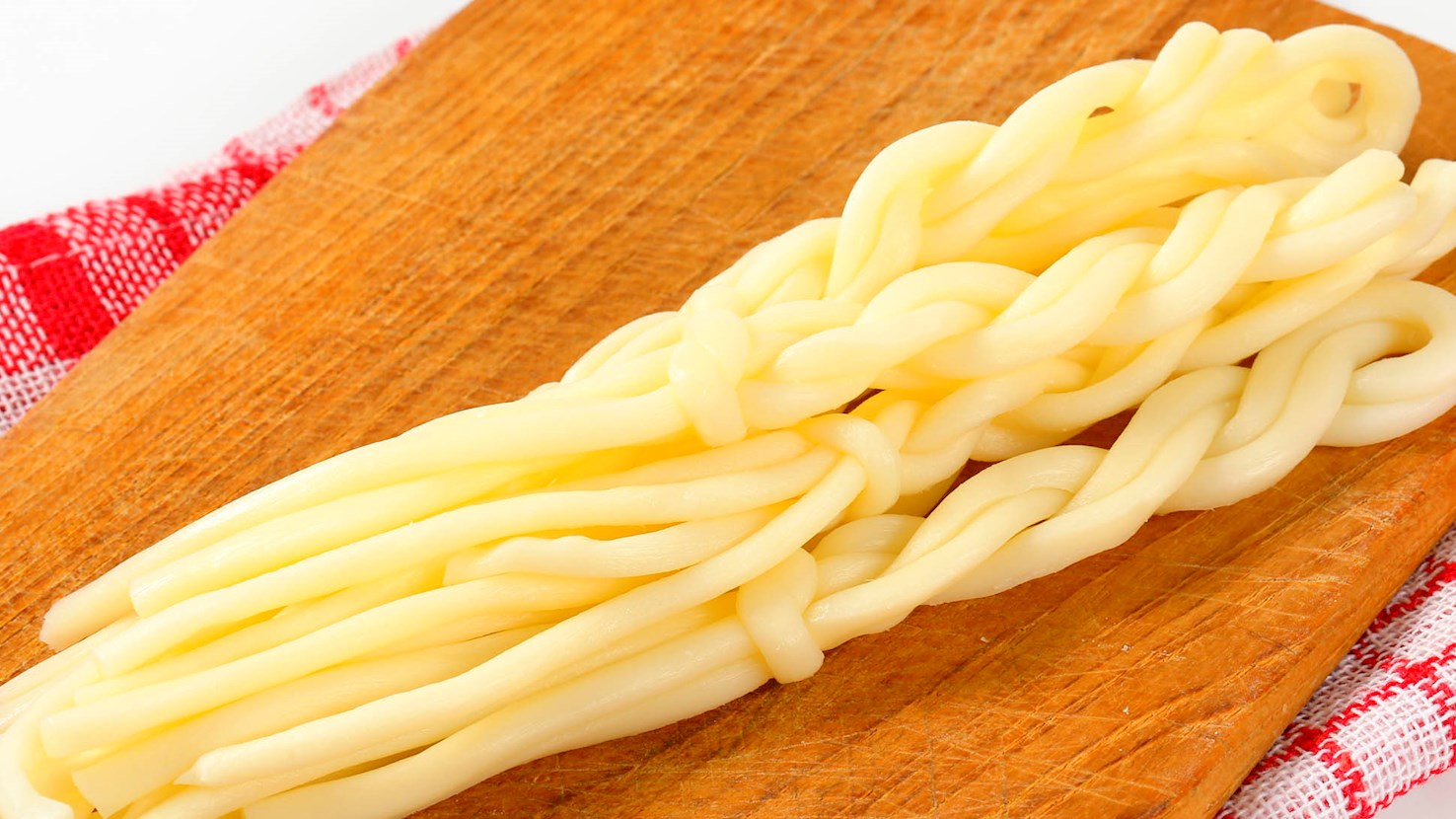
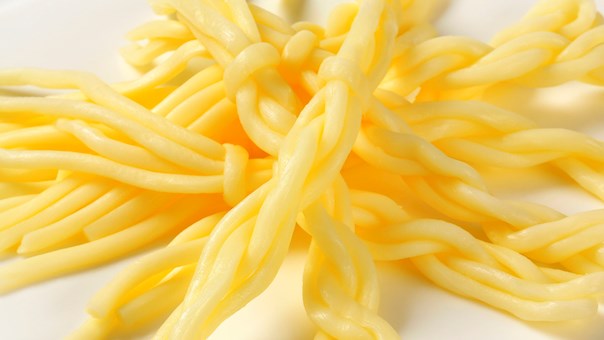
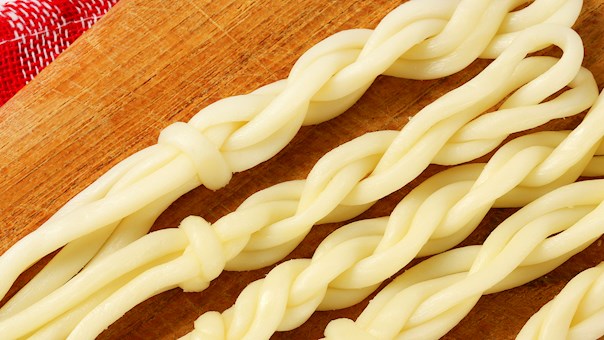
Oravský korbáčik is a steamed string cheese made from cow's milk, very similar to its cousin Zázrivský korbáčik. The cheese is either smoked or unsmoked, visually striking in a unique shape of a little whip (korbáčik in Slovak). It has been made in the Orava region in the Slovak Republic since the second half of the 19th century when it was the only source of income for the local cheese-makers. It is produced almost entirely by hand, steaming the lumps of cheese in hot water and pulling them into strings that are then plaited into whips, a labour-intensive process that requires a skill specific to the women of the region. The texture of Oravský korbáčik is stringy, similar to pasta. The smoked varieties have a smoky scent, yellow color and are saltier than the unsmoked variety of korbáčik that is white and doesn't have a smoky scent. Smoked or not, the taste is delicately milky, savory and acidic. This string cheese is extremely popular to bring as a gift at fairs, weddings, christenings, Christmas and other festive occasions.
Slovenská bryndza is a soft cheese made from sheep's milk produced in the mountainous regions of the Slovak Republic. The sheep usually graze at lower altitudes, but during the summer, they move to higher altitudes to lengthen the grazing period. Its name, bryndza, comes from the Romanian word for cheese - Wallachian. The cheese is white, slightly moist, made from matured milk, and is easily spreadable in granular form. It has a delicate aroma of sheep's milk and a uniquely sour taste that is slightly salty and spicy. Bryndza is also the main ingredient in Slovak national dishes bryndzové halušky and bryndzové pirohy, giving them a unique aroma and flavor.
Beemster Classic is an aged version of this Gouda-style Dutch cheese. The cheese is made from cow's milk and it's aged for at least 18 months. Underneath its natural rind, the texture of this semi-hard cheese is firm, smooth, and creamy. The aromas are strong and rich, while the flavors are salty, sharp, and reminiscent of burnt caramel, with a sweet finish. It's recommended to use the cheese in sandwiches. Pair it with Malbec or full-bodied white wines, or go for a glass of hoppy and bitter craft beer. Beemster is also one of the bestselling cheeses in the US, and it's won a Super Gold medal at the 2014 World Cheese Awards.
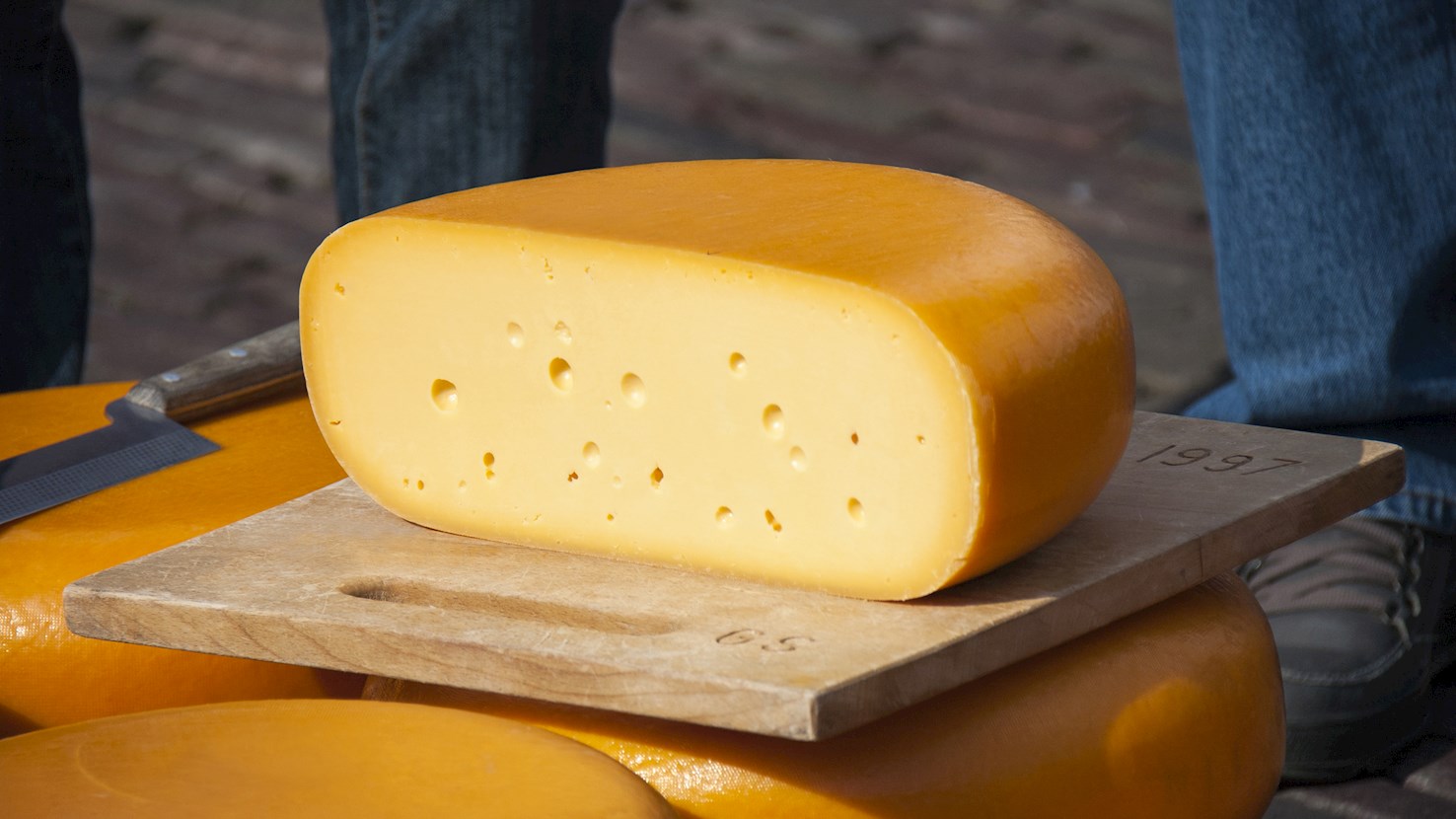
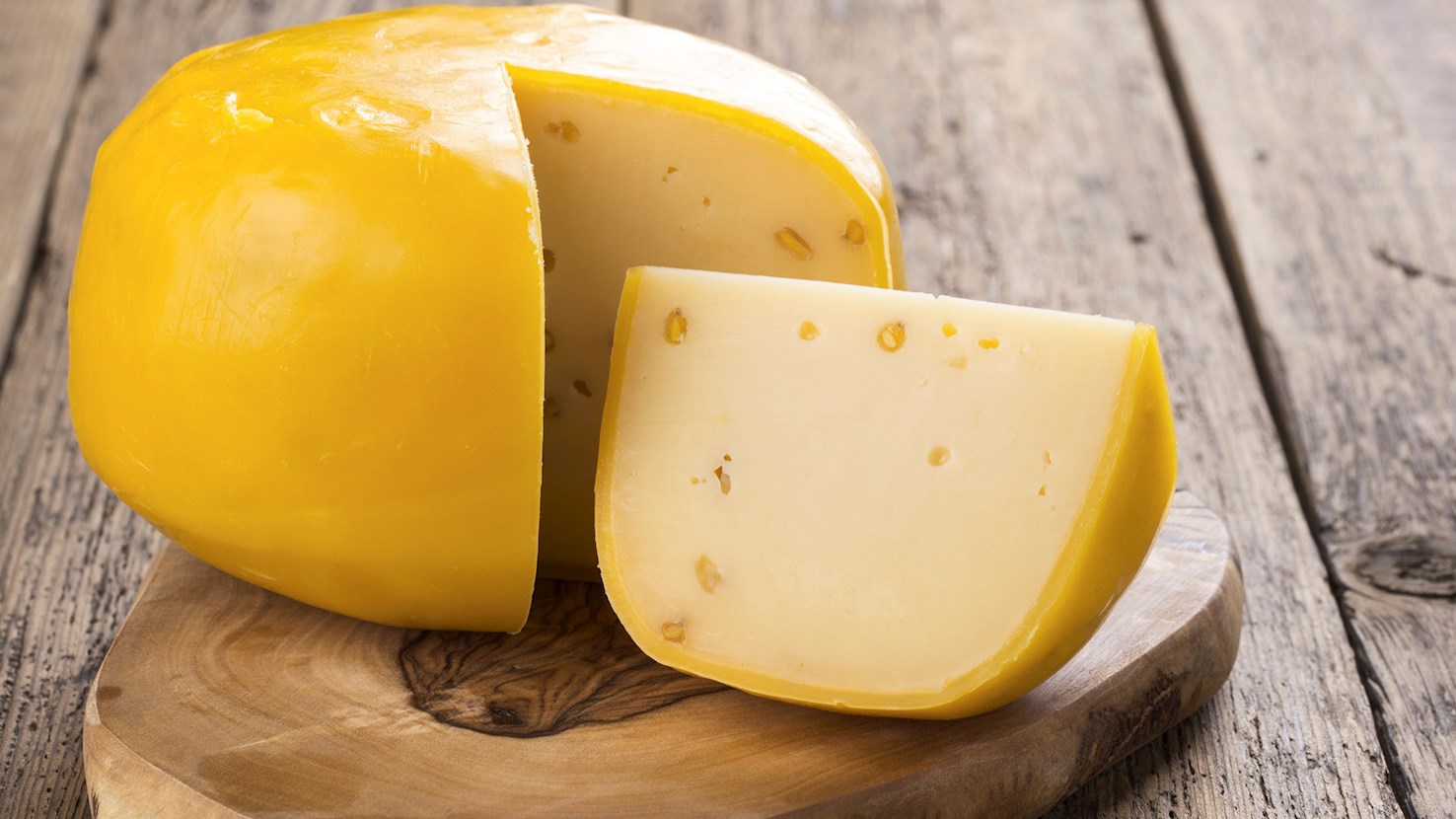
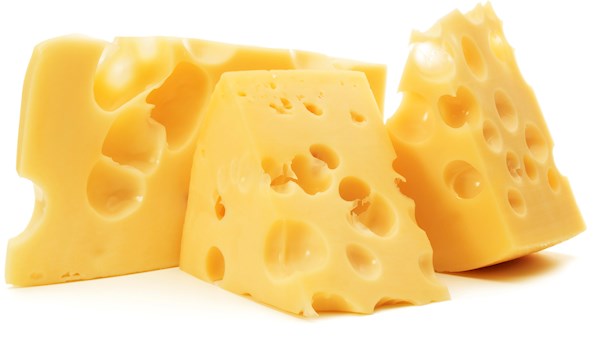
The Netherlands' most prominent export product and one of the world's most popular cheeses, Gouda, is a yellow to orange, creamy, and sweet cow's milk cheese. Because they are pressed into molds, Gouda cheeses usually have a characteristic flattened wheel shape, and many are instantly recognizable thanks to their yellow and red waxy, plastic-looking coating. Its texture ranges from semi-hard to hard, depending on aging time, and the taste also changes with aging. Therefore, Gouda cheeses are classified based on aging time. There are a total of six categories: young cheese (4 weeks), young matured (8–10 weeks), matured (16–18 weeks), extra matured (7–9 months), old cheese (10–12 months), and very old cheese (12 months and more). Young cheese tastes mild and a bit fudgy, but with time turns more and more sweet, nutty, and tangy. Now, because the taste of Gouda changes with time, many are prone to say the term Gouda more aptly describes a style of cheesemaking and not a type of cheese. Additionally, since the term gouda is not protected, it is also used to describe all kinds of cheese prepared in the traditional Dutch way, which means that cheese produced that way doesn't have to have Dutch origin. However, there are some Gouda cheeses that have been granted protection, namely Boerenkaas, Noord-Hollandse Gouda, and Gouda Holland. They all have a PGI status, which means they are produced exclusively in the Netherlands, with milk from Dutch cows. Gouda cheese was first mentioned in 1284, so it can be said that it really stood the test of time. Another interesting historical fact is that although they share the same name, this cheese was not named after the town Gouda because it was produced there but because it was sold there. During the Middle Ages, Gouda was the only city in the County of Holland to have the right to host a cheese market. Today, in the summer months, a traditional style cheese market is held each week in the city of Gouda as a way to attract tourists. Young Gouda is good for slicing and melting, typically used in sandwiches, salads, and snacks, the Dutch kapsalon being one example of the many dishes in which this cheese is used. Aged Gouda, on the other hand, is hard and more suitable for grating over pasta dishes, for example. However, both work well in charcuterie and can be served as part of a cheeseboard with various fruits, jams, and condiments. As far as drinks go, young Gouda goes well with Pinot Grigio and Chardonnay, for example, while classic pairings for aged Gouda are full-bodied reds Bourdoux and Cabernet Franc. Both kinds go well with beers, lighter beers go with young Gouda, and strong, malty ones go with aged Gouda.
Gouda Holland is a semi-hard Dutch cheese that's produced exclusively from cows' milk from Dutch farms, and it's one of the most popular cheeses worldwide. The cheese is made in a flattened wheel shape and it's flavorful and aromatic (mild, fruity, sweet, butterscotch flavors), depending on the stage of maturity. Young Gouda has a sweet, fruity taste, and as it ages it becomes deep yellow and firmer, almost granular. Its flavor is complex; from fruity notes to hints of cocoa and groundnut, which leave a rich and smooth feel in the mouth. It is typically used sliced in sandwiches, or cut into cubes and eaten as a snack. Young Gouda is great for sandwiches, snacks, and salads. Aged Gouda goes really well with strong pale beers like Tripel, Dubbel or Trappist, while wine enthusiasts can pour themselves a glass of wine such as Pinot Noir or Barolo to accompany the cheese. The longer it is aged, the more of a caramel and butterscotch flavor and crunchy texture it gets. It holds a Protected Geographical Indications (PGI) status, meaning that the cheese is produced in Holland with traditional methods using the milk from Dutch cows. It contains a minimum of 48% fat content in dry matter.
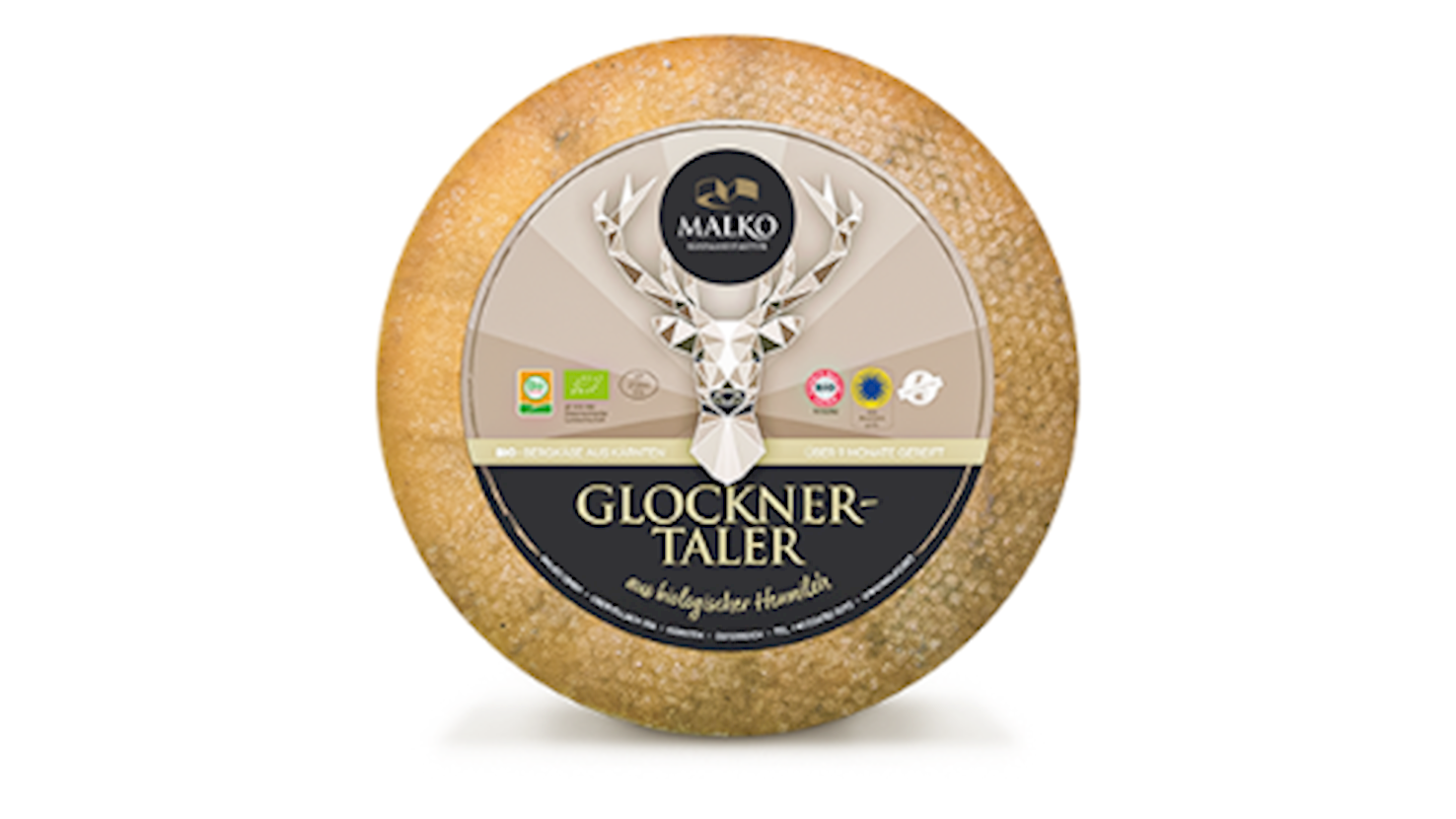
Malko Käsemanufaktur is a cheese producer located in Austria, specializing in crafting a variety of cheeses using traditional Austrian methods. They focus on using local ingredients to maintain the authenticity and quality of their products. Malko Käsemanufaktur also emphasizes sustainable practices in their production processes to minimize environmental impact.
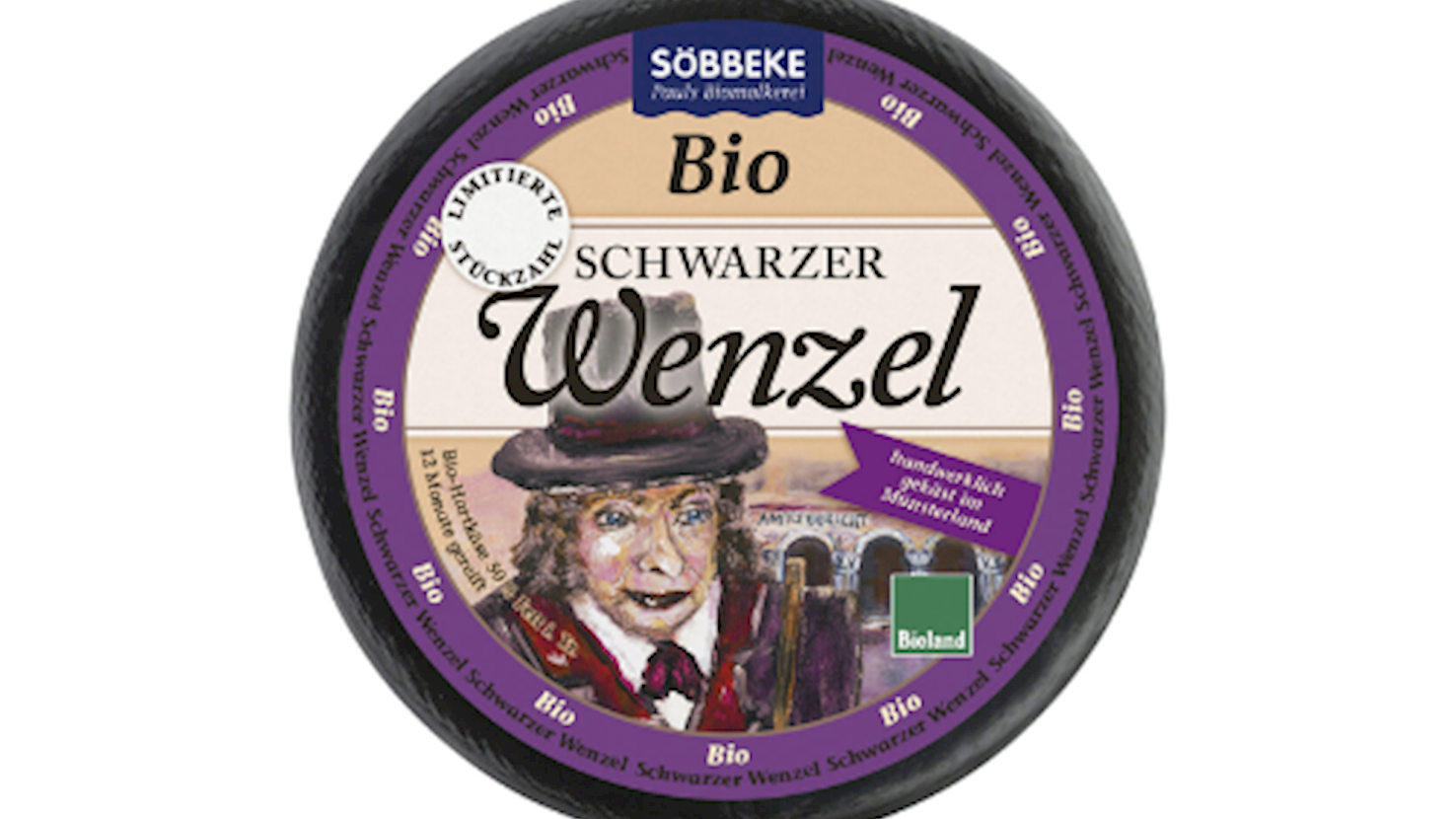
Molkerei Söbbeke is a dairy company based in the town of Epe, Germany. It specializes in producing organic dairy products, including a variety of cheeses, yogurts, and milk. The company emphasizes sustainability and the use of organic milk from local farms in its production processes.
TasteAtlas food rankings are based on the ratings of the TasteAtlas audience, with a series of mechanisms that recognize real users and that ignore bot,
nationalist or local patriotic ratings, and give additional value to the ratings of users that the system recognizes as knowledgeable.
For the “Top 72 Central European Pasteurized Milk Cheeses” list until June 05, 2026, 3,620 ratings were recorded, of which 2,828 were recognized by the system as legitimate.
TasteAtlas Rankings should not be seen as the final global conclusion about food. Their purpose is to promote excellent local foods,
instill pride in traditional dishes, and arouse curiosity about dishes you haven’t tried.
The initial list of top producers was compiled based on available reviews, awards, local recommendations, media and blog coverage, and consumer reviews.
The list will be updated with ratings from TasteAtlas local ambassadors and TasteAtlas users.