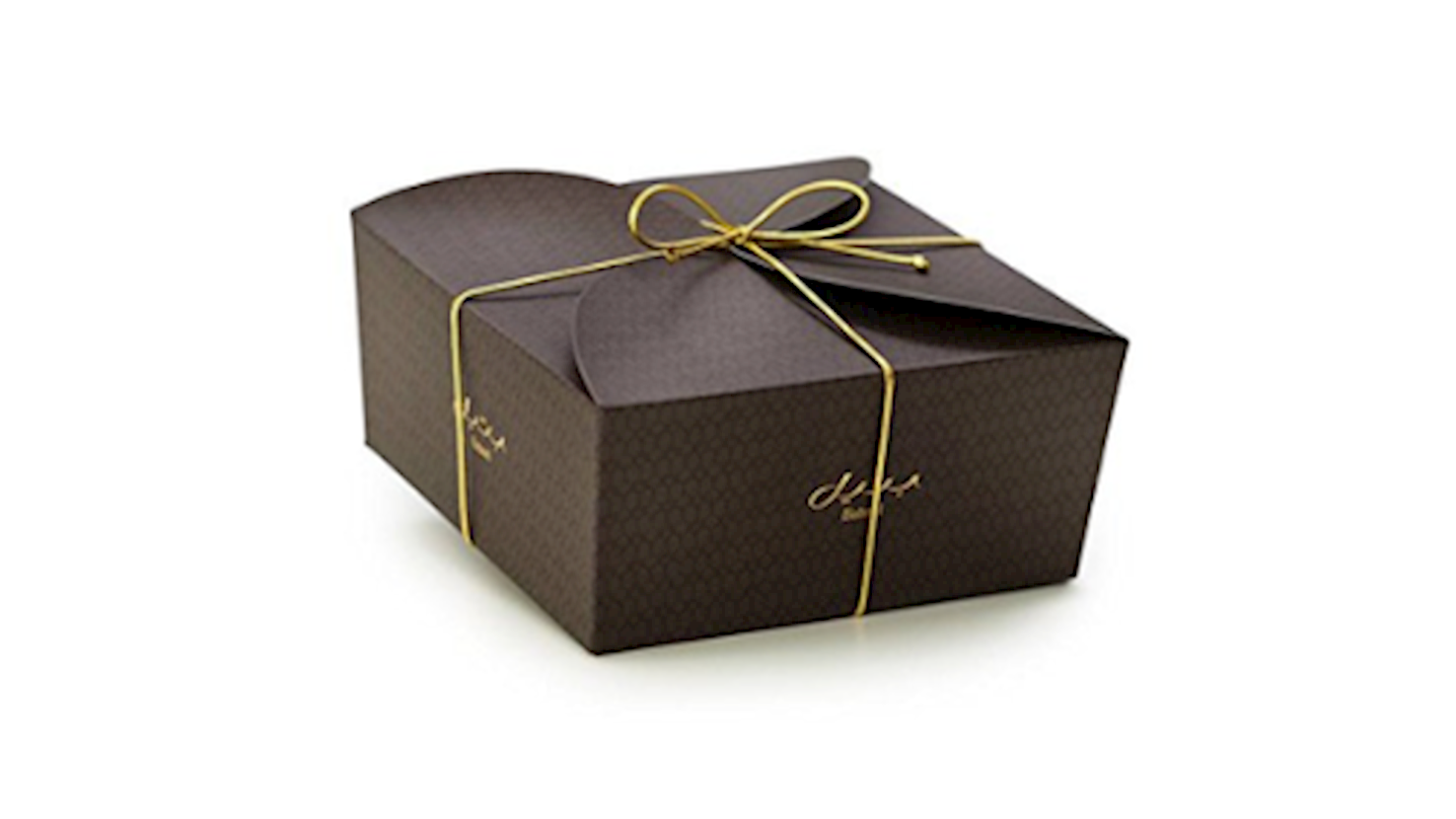
Bateel is a prestigious brand that has redefined the concept of dates, transforming them from a traditional Arabian fruit into a symbol of luxury and refined taste. Its origin lies in Al-Ghat, Saudi Arabia, where organically cultivated plantations with tens of thousands of palm trees are located.
Founded in 1991, the brand opened its first boutique in Dubai, marking the beginning of its international expansion. Bateel combines traditional cultivation methods with modern processing and packaging techniques, creating products that unite natural authenticity with elegance.
The dates are hand-picked, carefully selected, and packaged immediately after harvest to preserve their freshness and nutritional value. The most renowned varieties include Khidri, Medjool, and Segai, while the brand is particularly known for its filled dates.
Its approach blends the cultural heritage of the Arabian Peninsula with contemporary principles of international gastronomy. In doing so, Bateel has become an ambassador of Arabian tradition in a modern, global context.
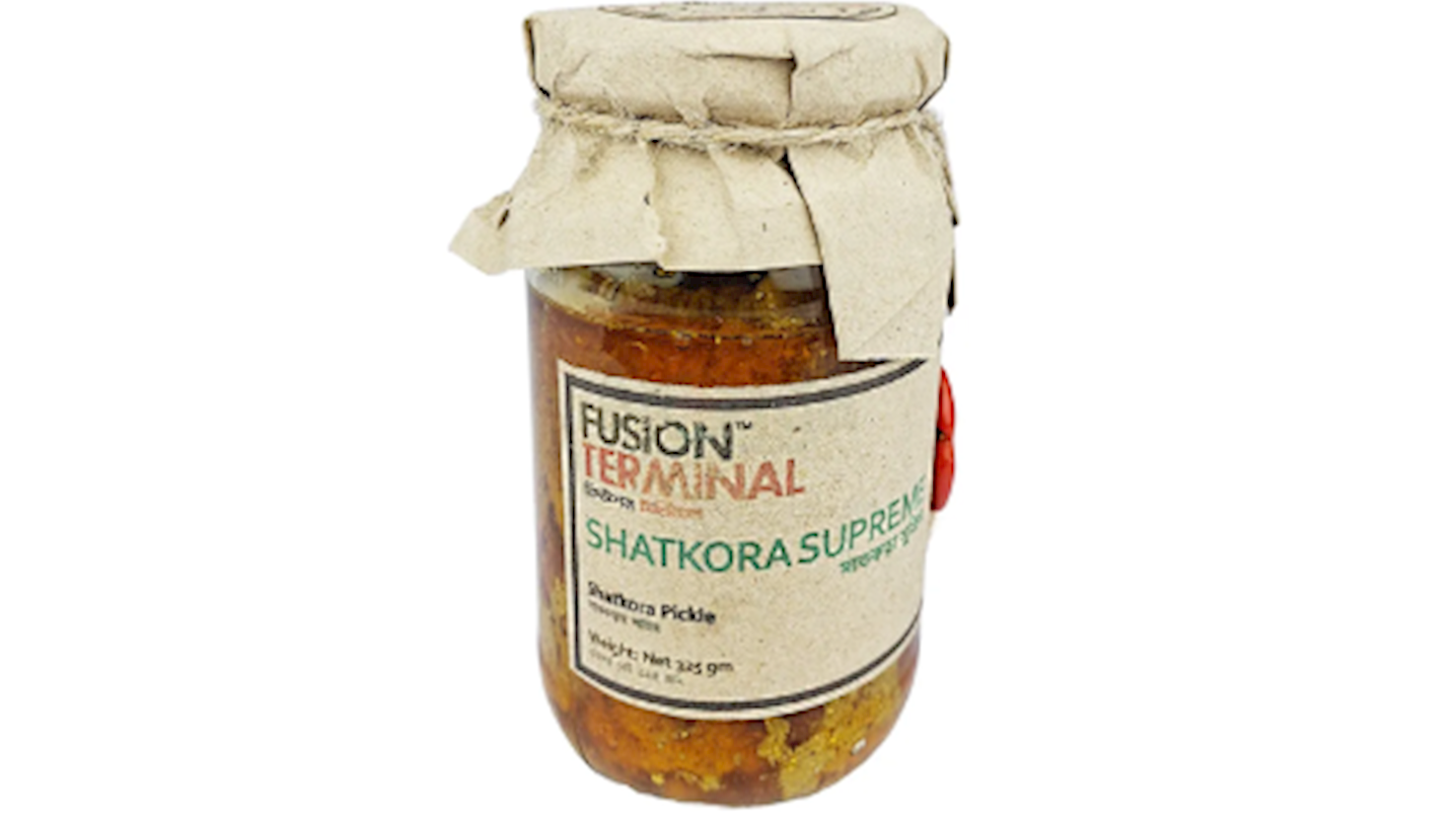
Fusion Terminal is a small Bangladeshi food company founded in 2017, focused on producing natural, handcrafted delicacies that blend local ingredients with a modern culinary approach. Their range includes fermented and pickled products, chili-infused oils, spice blends, and seasonal specialties, all made using natural preservation methods without industrial additives or artificial stabilizers.
Ingredients are sourced from local growers, often featuring lesser-known varieties of Bangladeshi fruits and vegetables that give their products a distinct, authentic flavor profile. The brand’s philosophy centers on sustainability and the “slow food” concept, emphasizing the preservation of traditional recipes while presenting them in contemporary formats.
Production is carried out in small batches to ensure freshness and consistent quality, and sales are primarily handled through their online platform. Today, Fusion Terminal operates as a small but recognizable artisanal producer offering an alternative to industrial food manufacturing, with a clear focus on clean ingredients and expressive regional flavors.
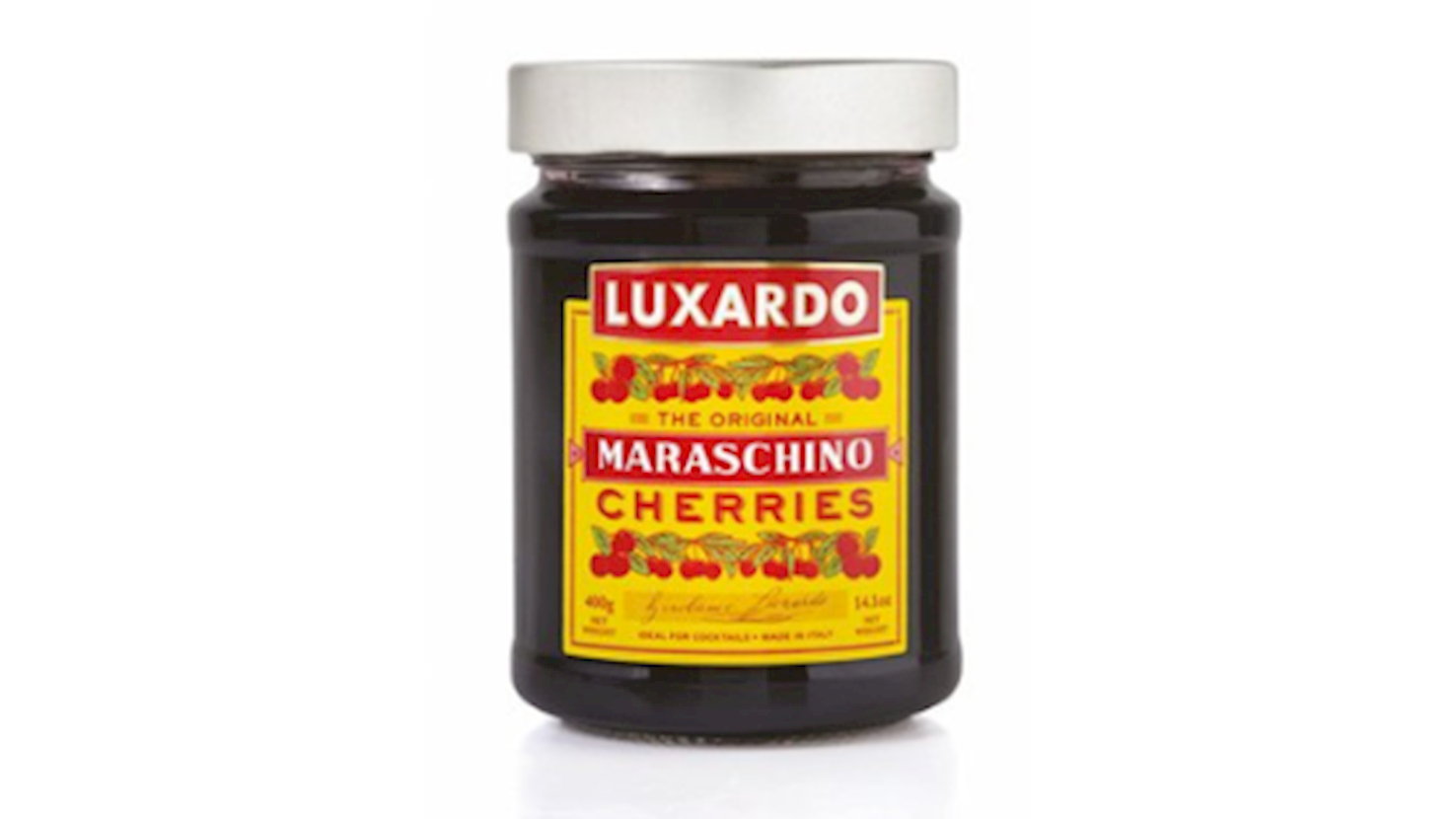
Luxardo is a historic Italian distillery founded in 1821, renowned for its continuous family ownership and its signature Maraschino Originale liqueur made from marasca cherries. After the original factory in Zadar was destroyed during World War II, production was rebuilt in Torreglia near Padua, where the company still operates using traditional methods and long aging processes for its distillates.
Beyond maraschino, Luxardo produces a wide range of liqueurs and spirits - including amaretto, sambuca, grappa, fruit liqueurs, and its celebrated maraschino cherries, regarded as a benchmark in the cocktail industry. Luxardo’s products hold a central place in classic cocktails and Italian gastronomy, and the brand’s global presence reflects its blend of authenticity, craftsmanship, and more than two centuries of heritage.
Awards
IWSC- International wine & spirit competition - Spirit Gold
(2024)
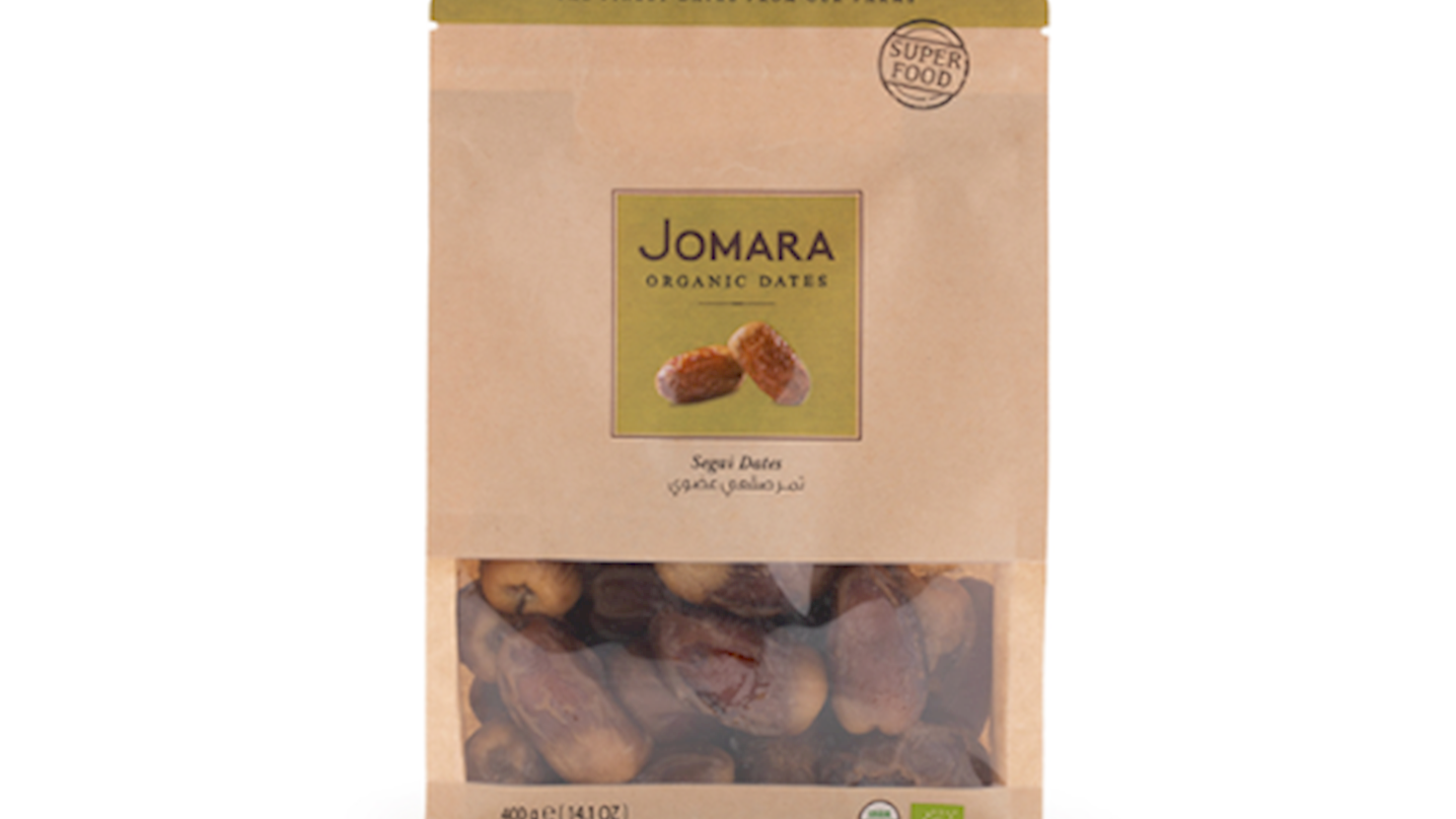
Jomara is a premium Saudi Arabian brand that combines the long-standing tradition of date cultivation with a modern approach to sustainable production and luxurious presentation. The dates are grown on organic plantations in an oasis near the Tuwayq Mountains, where the unique microclimate, fertile soil, and pure spring water create ideal conditions for palm growth.
Each fruit is handpicked and carefully sorted to ensure exceptional freshness and natural sweetness. Jomara produces exclusively organic dates, free from pesticides and chemicals, with special attention devoted to preserving their nutritional value and authentic flavor.
The product range includes a variety of types - from traditional plain dates to gourmet filled versions with pistachios, almonds, and candied orange peel. Through its sustainable and eco-conscious production methods, Jomara promotes the principles of healthy eating and natural sweetness.
Their dates are rich in fiber, minerals, and antioxidants, making them one of the most valued natural superfoods. At the same time, the brand maintains a deep connection to the cultural heritage of Arabia, where dates hold both symbolic and everyday significance.
By carefully blending tradition, quality, and innovation, Jomara has become a symbol of contemporary luxury rooted in authenticity.
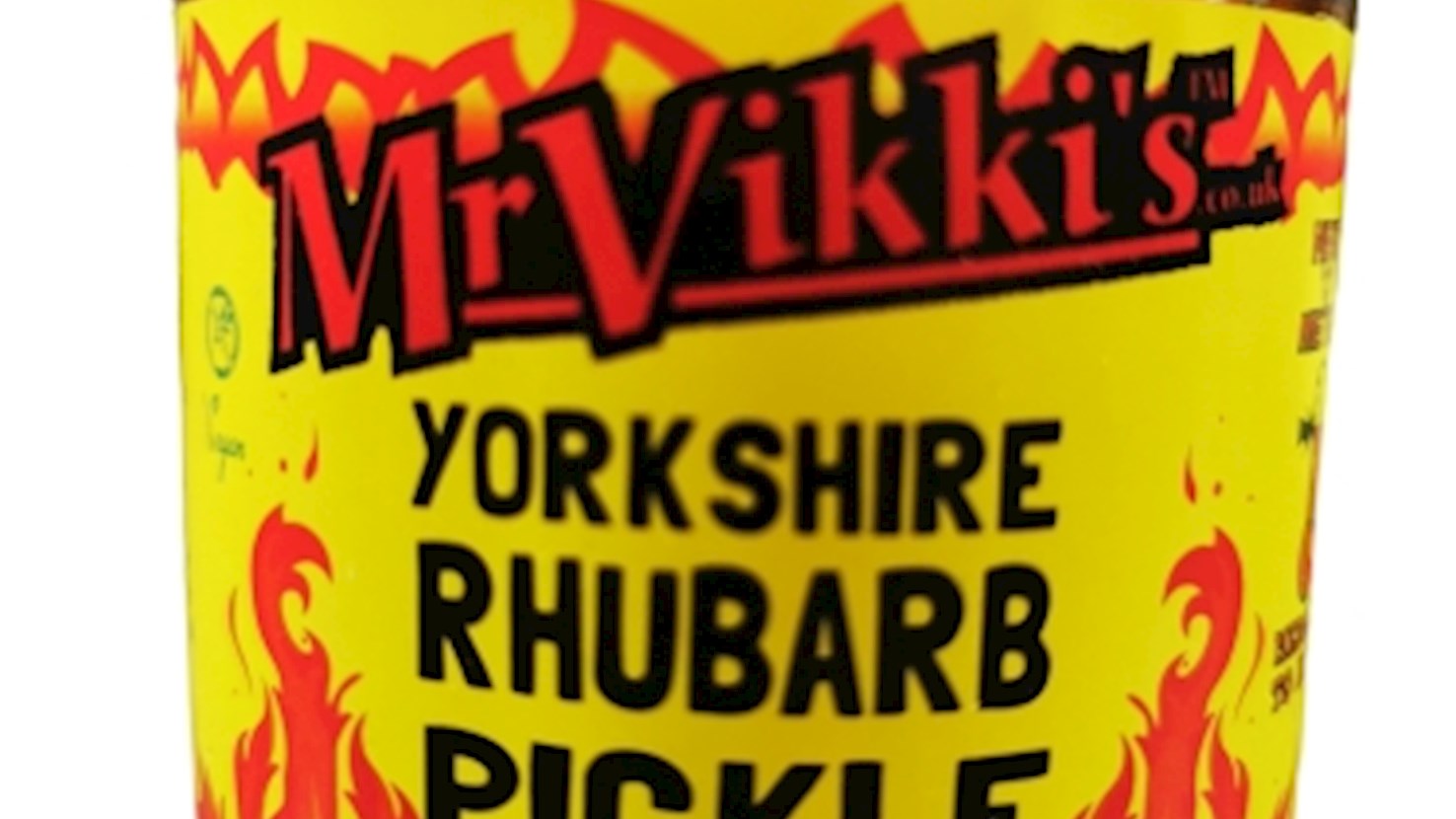
Mr Vikki's is an award-winning producer of artisan hot sauces. The company specializes in creating small-batch, hand-crafted condiments using fresh, natural ingredients.
Their product line includes a variety of chutneys, pickles, and sauces. Mr Vikki's is known for its unique flavor combinations that blend heat with a range of spices.
They have garnered multiple awards for their products at various food competitions.
Awards
Great Taste Awards - 3 Stars
(2024, 2023, 2022, 2021)
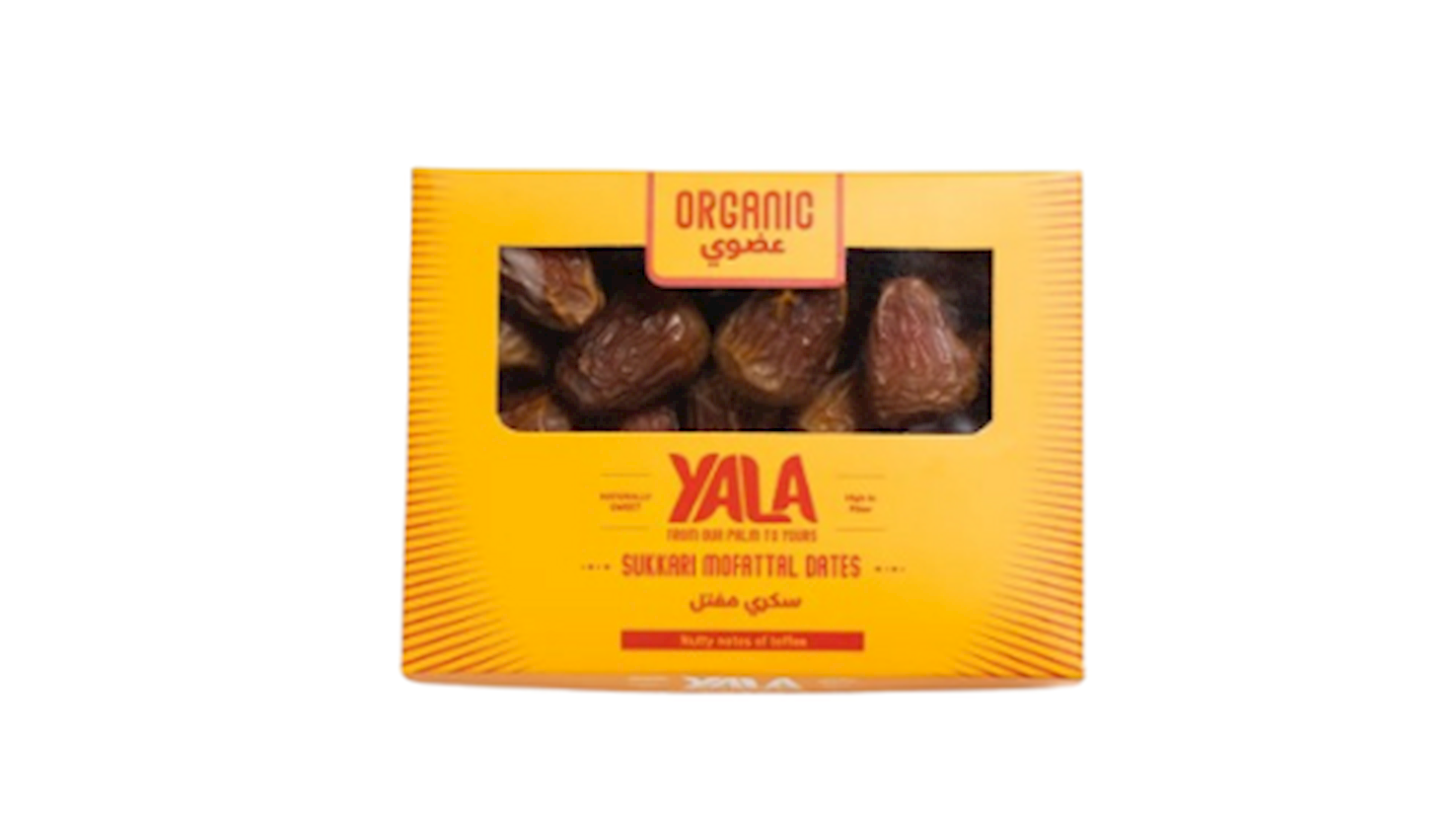
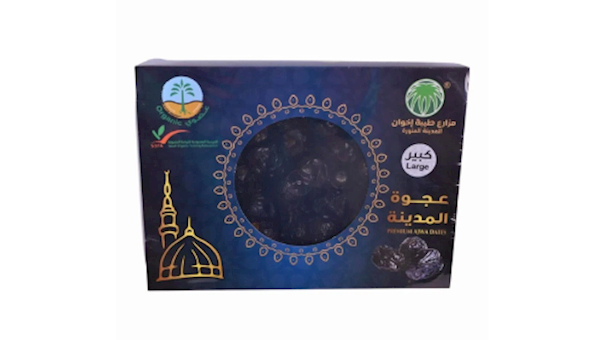
Yala Dates is a modern Saudi brand established in 2010, specializing in the cultivation, processing, and export of high-quality dates with a focus on sustainable and organic production. Its plantations are located in the Al-Qassim and Al-Madinah Al-Munawwarah regions, renowned for their fertile soil and dry climate that provide ideal conditions for palm growth.
The company follows a vertically integrated approach - from planting and harvesting to processing and packaging - ensuring complete quality control and product traceability. Yala offers a wide range of varieties, with particular emphasis on organically and naturally grown dates.
Thanks to its innovative methods, Yala Dates has become one of Saudi Arabia’s leading date exporters to the global market. The brand’s combination of organic cultivation, refined flavor, and reliable quality makes it an ideal choice for delicatessens, restaurants, and premium retailers worldwide.
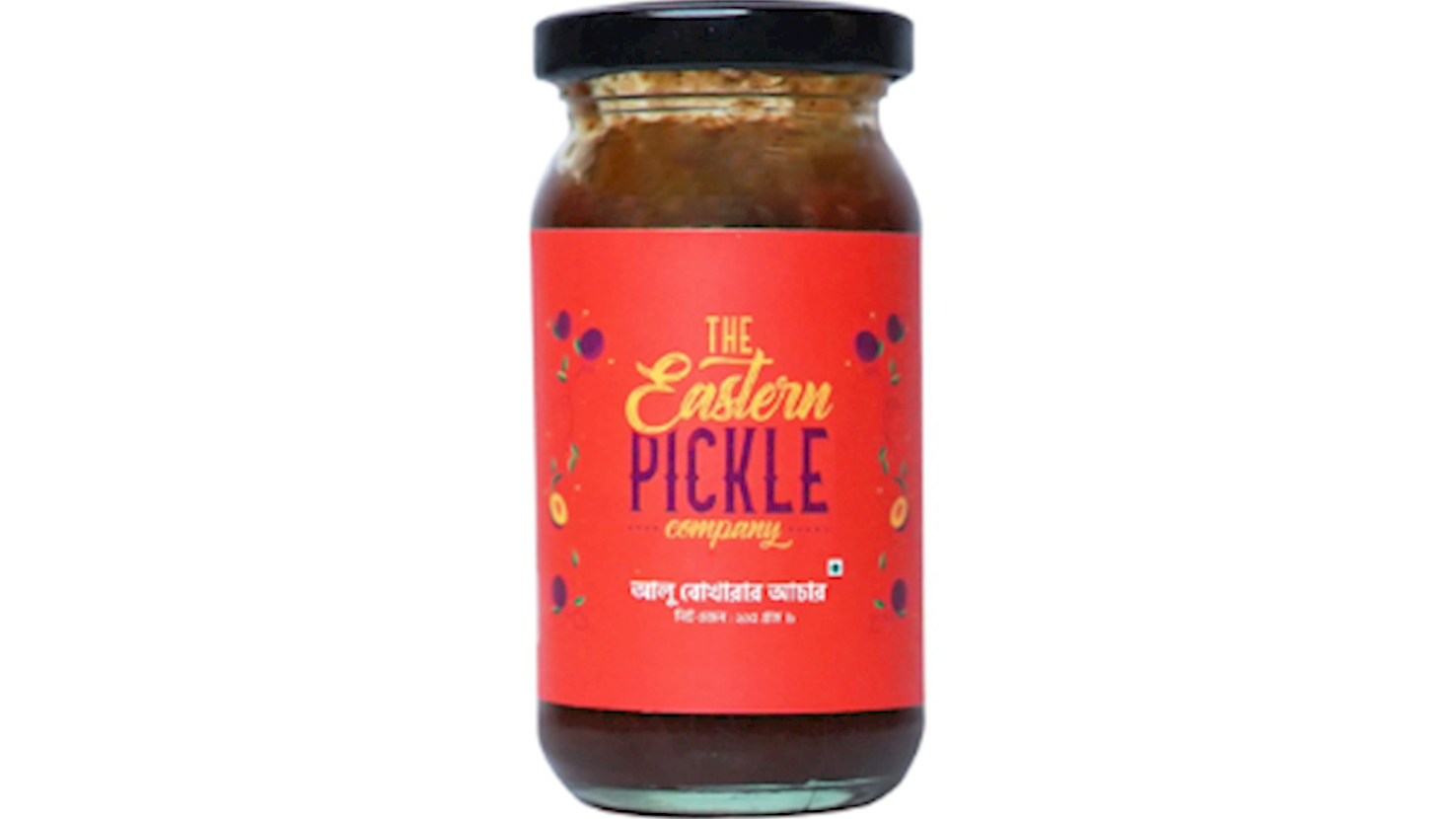
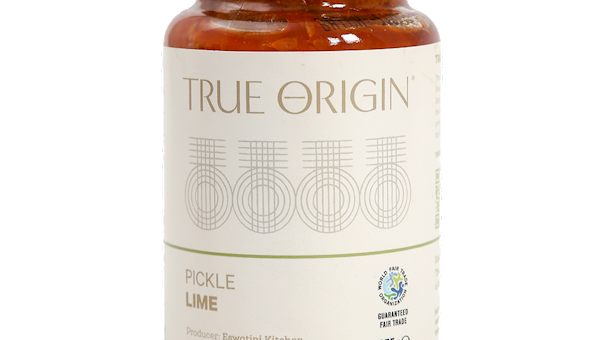
Eastern Pickle Company is a Bangladeshi producer specializing in handcrafted pickles, dipping sauces, spice blends, and ghee, with a strong focus on authentic home-style recipes and clean ingredients. The company follows a fully natural production approach, avoiding artificial colors, preservatives, and additives, so each product derives its color, aroma, and texture solely from carefully selected local raw materials.
Its assortment includes a wide range of traditional and contemporary pickles - from classic vegetable and fruit varieties to more exotic combinations featuring local citrus and chili - alongside modern dipping sauces that cater to current culinary trends. The spice blends are made in small batches to preserve freshness and the distinctive fragrance of South Asian cooking.
The brand’s philosophy blends tradition with a contemporary artisan approach, reflected in its motto “handmade with heart”.
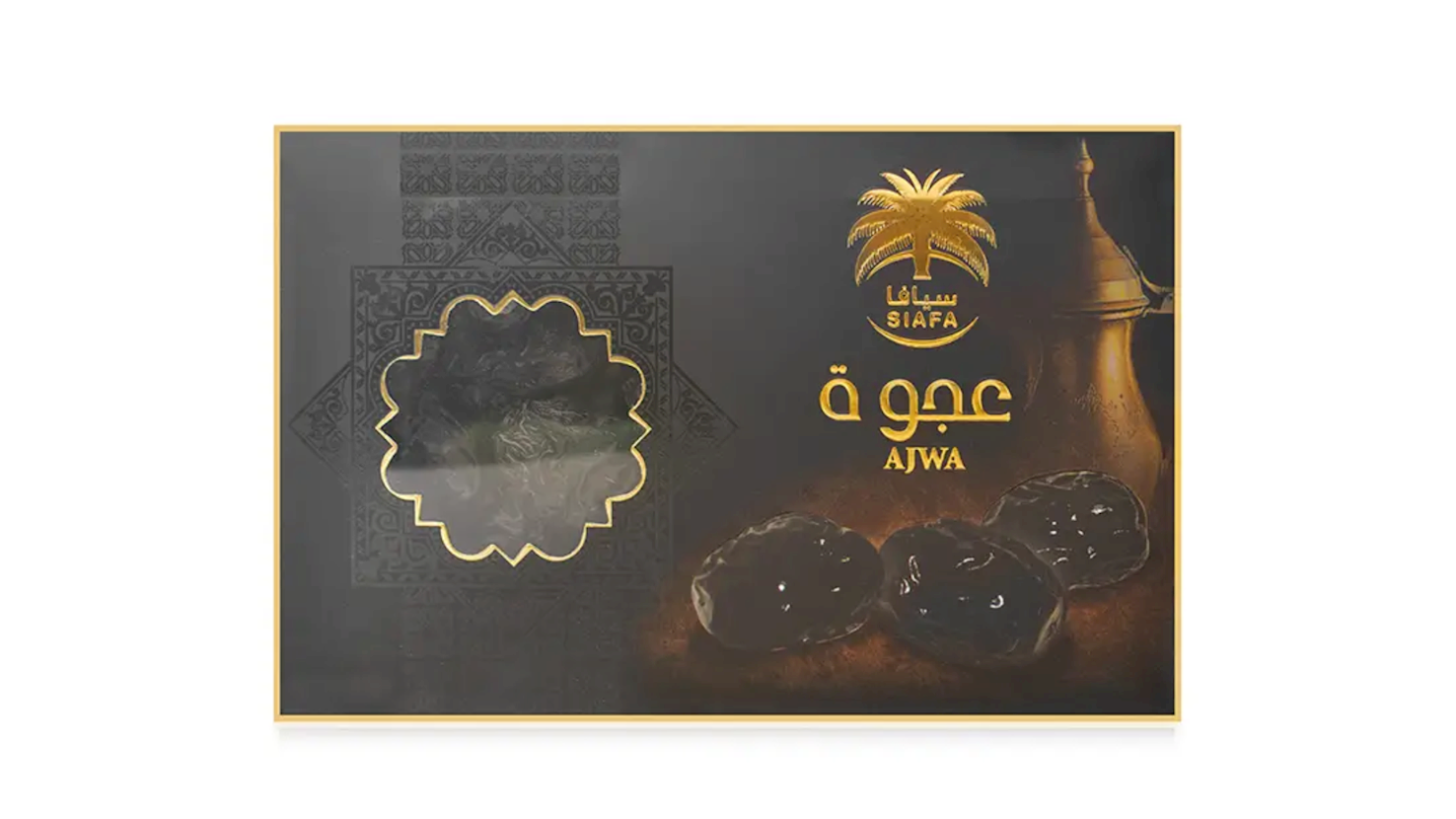
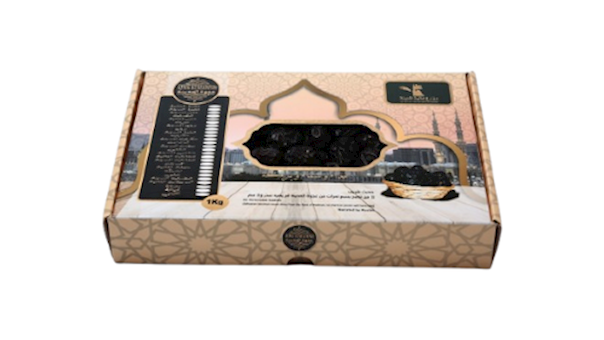
Siafa is a Saudi company specializing in the production, processing, and sale of dates and date-based products. The brand was established in 2007 and was originally known as Al Alwani Dates. Its first shop opened in the Abraj Al Bait complex in Mecca, offering products to local customers and pilgrims. The company subsequently expanded by opening additional stores in Mecca and Medina. Its range includes Ajwa, Mabroom, Sukkary, Khudri, Amber, Sagai, and Safawi dates. In addition to natural dates, the company produces stuffed dates, chocolate-covered dates, maamoul, tamaria, date paste, and various gift packages. Siafa controls several stages of production, from cultivation and sourcing to processing, packaging, and distribution. The company operates a plantation in the Al Qassim region with more than 100,000 date palms. Its production facilities are located in Jeddah and Medina, while its retail network is particularly well developed in Mecca. Siafa products are sold through company-owned stores, supermarkets, duty-free shops, and online channels.
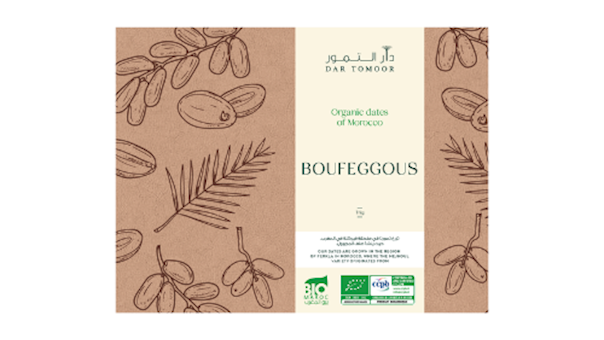
Les Délices Majhoul is a Moroccan family-owned brand specializing in the cultivation and export of organic Majhoul (Medjool) dates, grown in the renowned Tafilalet region, the cradle of date palm cultivation in Morocco. The company operates a 200-hectare plantation in the Boudenib area, home to more than 22,000 organic date palms, combining traditional expertise with modern agricultural technology.
Les Délices Majhoul dates are known for their rich flavor with notes of honey, caramel, and dried fruit, as well as their soft, juicy texture that distinguishes them in the premium organic market. The company blends family heritage, innovation, and social responsibility, offering its employees safe working conditions and social benefits.
Its production process involves minimal processing and careful packaging to preserve the natural aroma and nutritional value of the fruit. Thanks to its combination of organic farming, exceptional quality, and sustainable business practices, Les Délices Majhoul has become a symbol of modern, responsible, and luxurious date production.
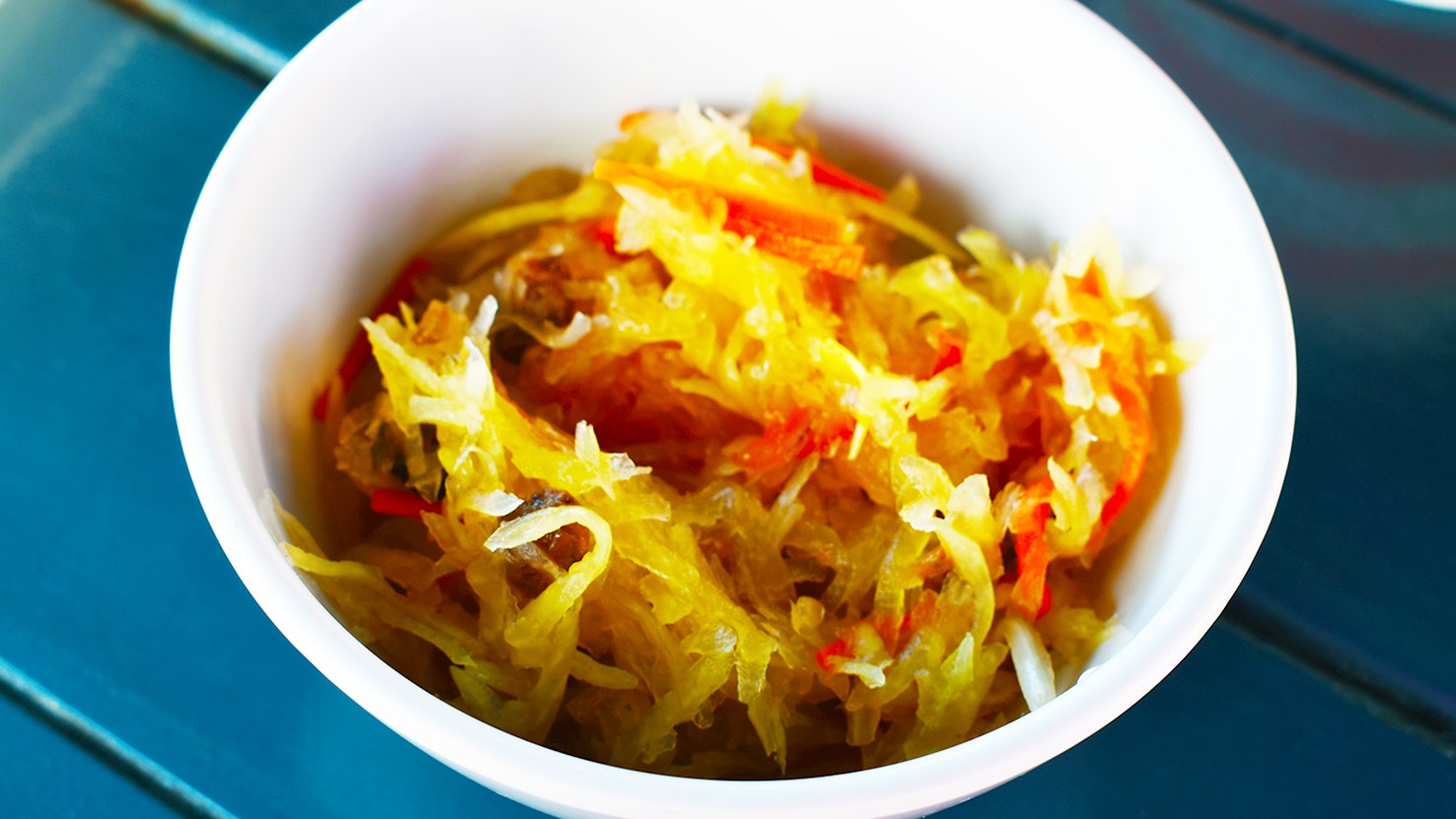
Atchara is the famous Filipino green papaya pickle usually enjoyed as a condiment alongside authentic Filipino dishes. Next to long strips of unripe papaya, it can employ a variety of other vegetables such as carrots, onions, daikon radish, and bell peppers or chili peppers. It may also include pineapple chunks or sweet raisins. The vegetables are occasionally grated, but more commonly julienned, which gives atchara an unusual, crispy texture. The heated marinade, which combines vinegar, sugar, ginger, garlic, salt, and peppercorns, is poured over the vegetables, and the relish is pickled until all the flavors develop. With its crispy texture and a refreshing combination of sweet, sour, and spicy flavors, atchara is the perfect complement to heavier Filipino dishes such as fried beef, sausages, or grilled chicken.
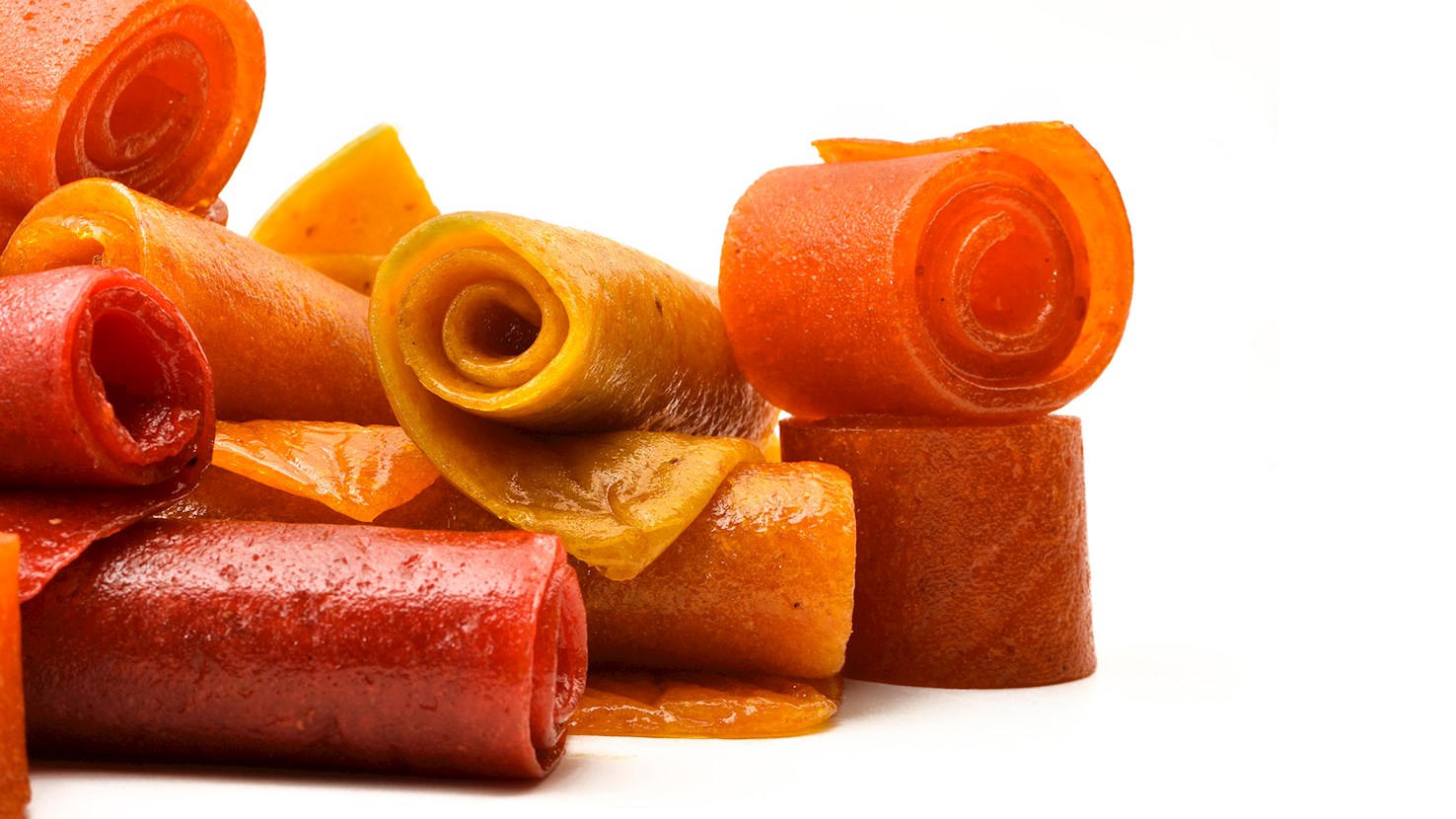
Lavashak is a fruit leather snack from Iran, where it has been prepared for generations as a way to preserve seasonal harvests. Historical accounts suggest that variations of fruit leather have existed in Iran and surrounding regions for centuries, with methods adapted to the local climate and fruit availability. The process begins with ripe fruits such as plums, apricots, barberries, pomegranates, cherries, or sour apples, which are simmered slowly to release their juices and soften the flesh. The cooked fruit is then strained through a fine sieve to remove seeds and skins, resulting in a smooth purée. This mixture is spread in thin layers onto large trays or sheets and left to dry in the sun or in special drying ovens until it becomes firm and pliable. The finished product has a concentrated sweet-sour taste that varies depending on the fruit used and the length of drying. Lavashak is typically cut into strips or squares and sold in stacks or rolled sheets. Its texture is leathery but soft enough to tear by hand, and it can be stored for months without refrigeration. While plum is the most common variety, each region of Iran favors different fruits, and households often prepare mixed lavashak by combining several types of purée. The snack is popular with all ages and is enjoyed as a treat on its own or as part of a platter with nuts and seeds. In markets and shops, it is displayed in large glass jars or wrapped in clear plastic to show its deep colors, which range from amber and orange to dark purple and red. Lavashak is valued for its tartness, which makes it distinct from sweeter fruit leathers found in other cuisines. In Iran, it is sometimes seasoned lightly with salt or spices such as sumac to enhance the flavor. The making of lavashak also has a practical purpose, turning surplus or overripe fruit into a product that can be used long after the fresh harvest has ended. Unlike industrially produced snacks, much of the lavashak in Iran is still handmade, and small producers take care to use ripe, flavorful fruit without additives. In recent years, its popularity has spread beyond Iran, appearing in Middle Eastern grocery stores and specialty shops worldwide.
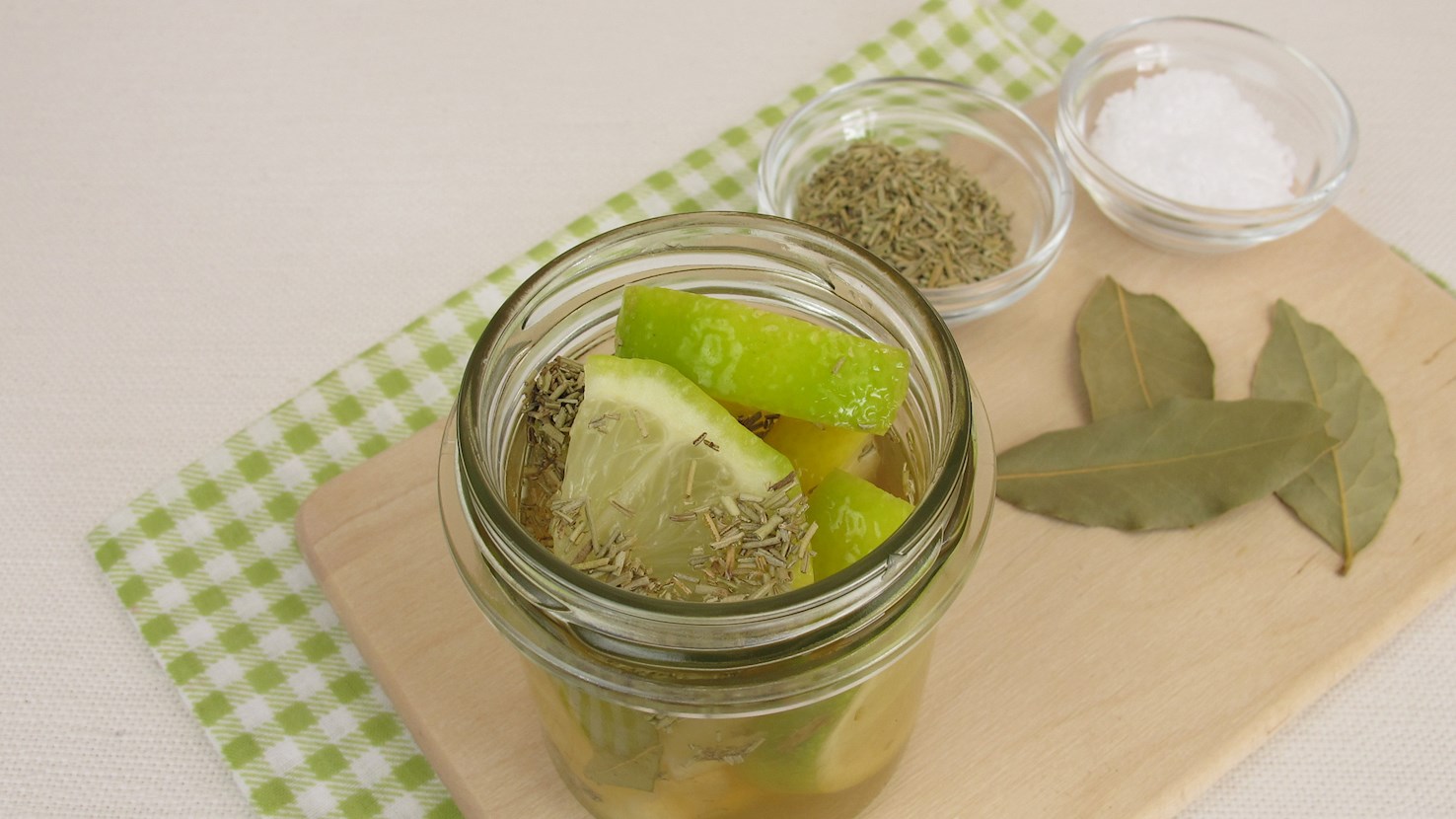
Leems are a Moroccan and North African specialty consisting of preserved lemons pickled in lemon juice and sea salt. These lemons are especially valued for their intense flavor, and are usually added to various tagines, stews, and soups. Leems can also be finely chopped and added to salads, or used as a unique accompaniment to numerous fish and seafood dishes.
Black lemon, also known as loomi, noomi basra, or dried lime, is a popular ingredient in Middle Eastern cuisine. Despite its name, black lemon is actually a dried lime, typically sun-dried or oven-dried until it turns dark brown or black. Black lemons are small, hard, and dark brown to black in color with a wrinkled, leathery skin. They have a unique, tangy, and slightly smoky flavor with a hint of bitterness. The drying process concentrates the citrus flavors and adds complexity. Black lemons are commonly used to add a sour and slightly fermented flavor to various dishes. They are particularly popular in Persian and Gulf cuisine and can be used whole, cracked, or ground into a powder. In stews and soups, black lemons are often added to impart a deep, tangy flavor, typically pierced or crushed to release their flavor during cooking. They are used to flavor rice dishes, such as biryani, providing a sour note that balances the spices. Ground black lemon powder can be used as a seasoning for meats, fish, and vegetables.
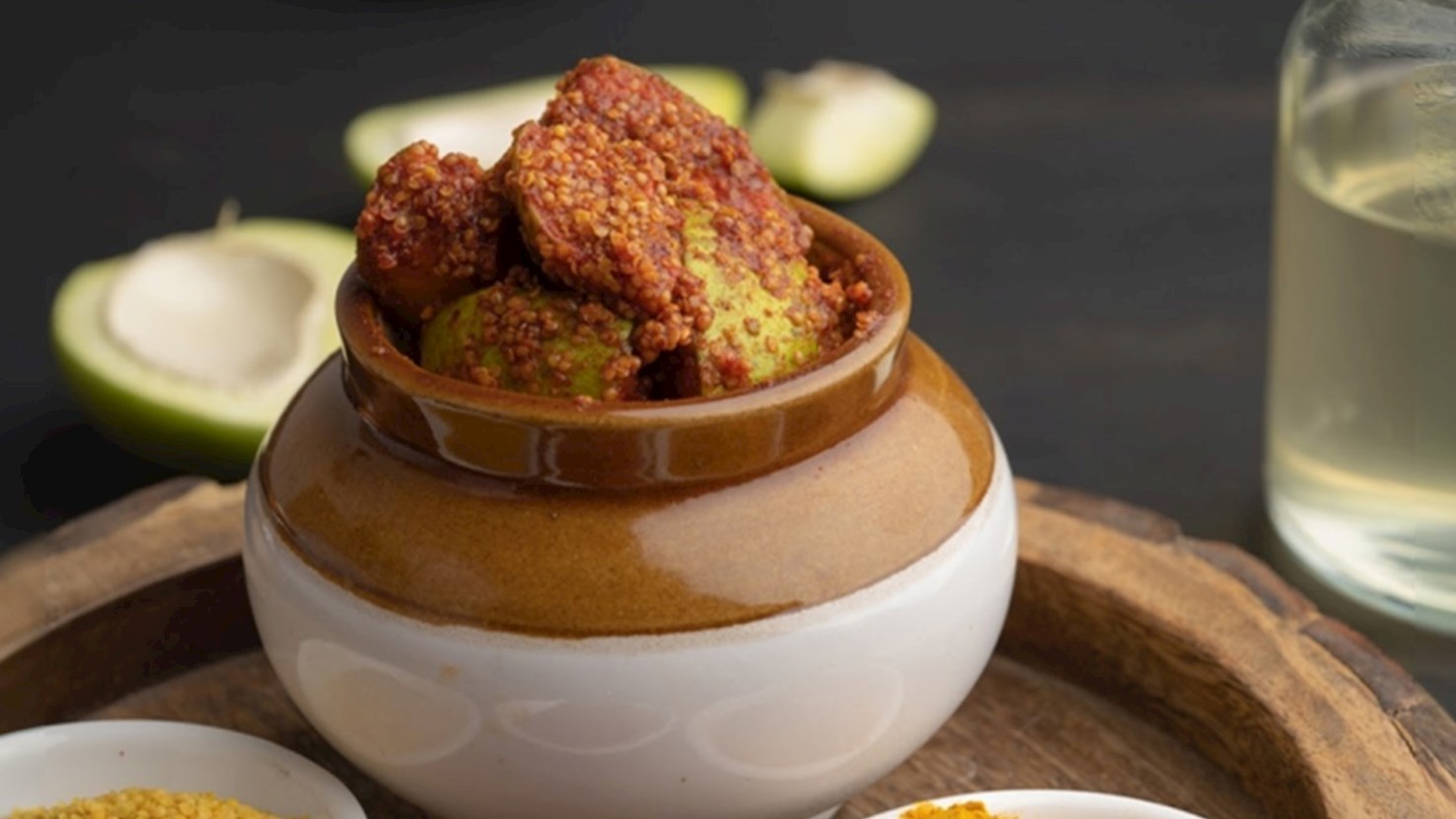
In Nepal, achaar refers to a wide variety of pickles or chutneys, integral to Nepali cuisine. These pickles are made from locally available fruits, vegetables, or legumes, and are flavored with a blend of traditional spices. Achaar is typically served as a side dish, enhancing meals that include rice, lentils, curries, and snacks. The flavors of Nepali achaar can be tangy, spicy, sour, or mildly sweet, depending on the ingredients used. The process of making achaar often involves mixing the chosen ingredients with spices like sesame seeds, mustard seeds, cumin, fenugreek, and coriander. Some achaars are made fresh, while others are preserved in oil or dried in the sun to extend their shelf life.
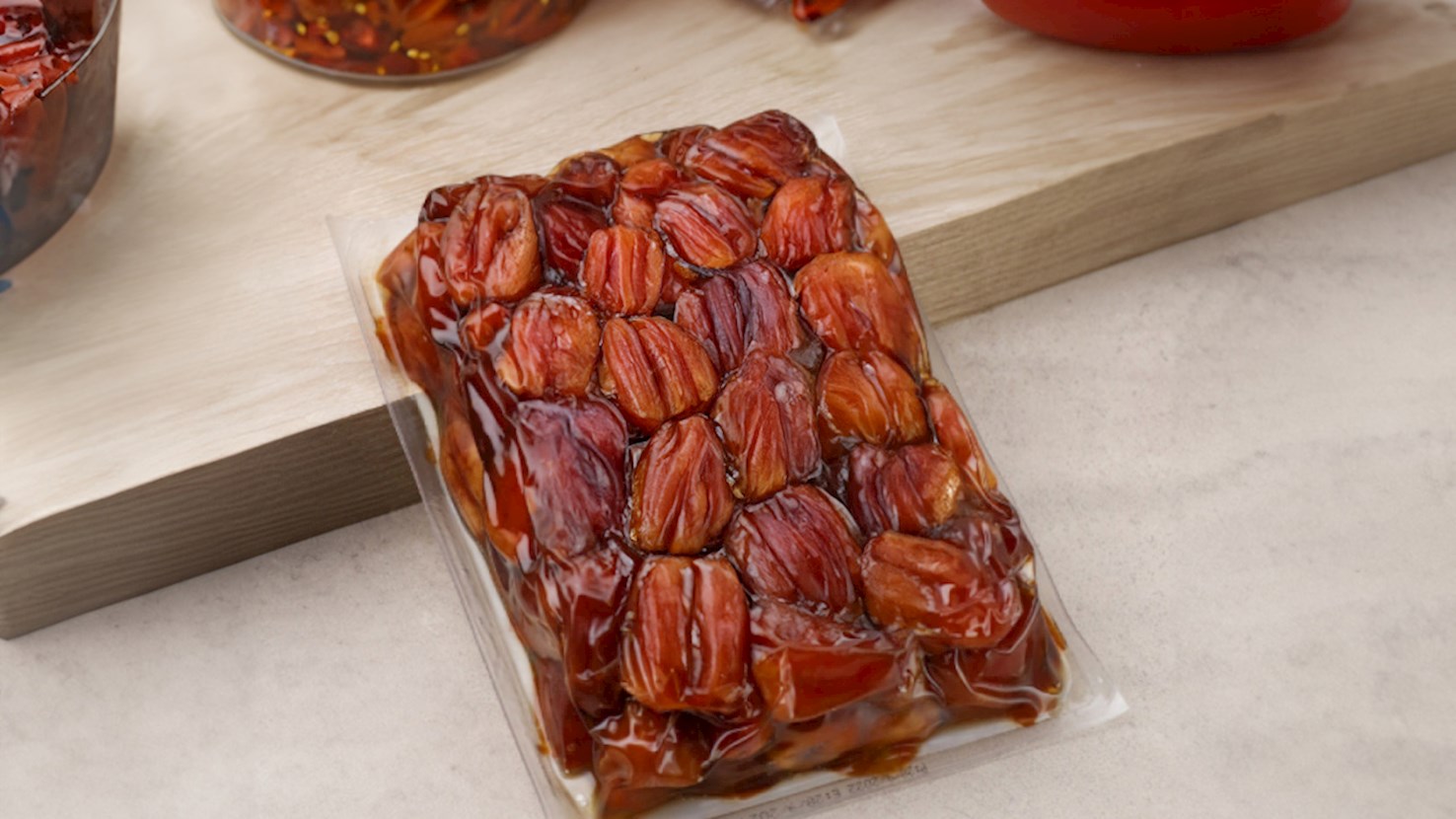
Tamr makbous, or pressed dates, are a traditional delicacy cherished across the Arabian Peninsula and other Middle Eastern countries. This method involves tightly packing dates into tins or molds, often with a layer of natural date syrup, to create a dense, compact block. The pressing process not only preserves the dates for extended periods but also enhances their rich, natural sweetness. This practice allows for convenient storage and transport, making pressed dates a popular staple in the region. It is often served during family gatherings, religious celebrations like Ramadan, and special occasions, symbolizing abundance and hospitality. Another common occasion for enjoying pressed dates is alongside Saudi or Arabic coffee, where the sweetness of the dates perfectly complements the coffee's rich, slightly bitter flavor.
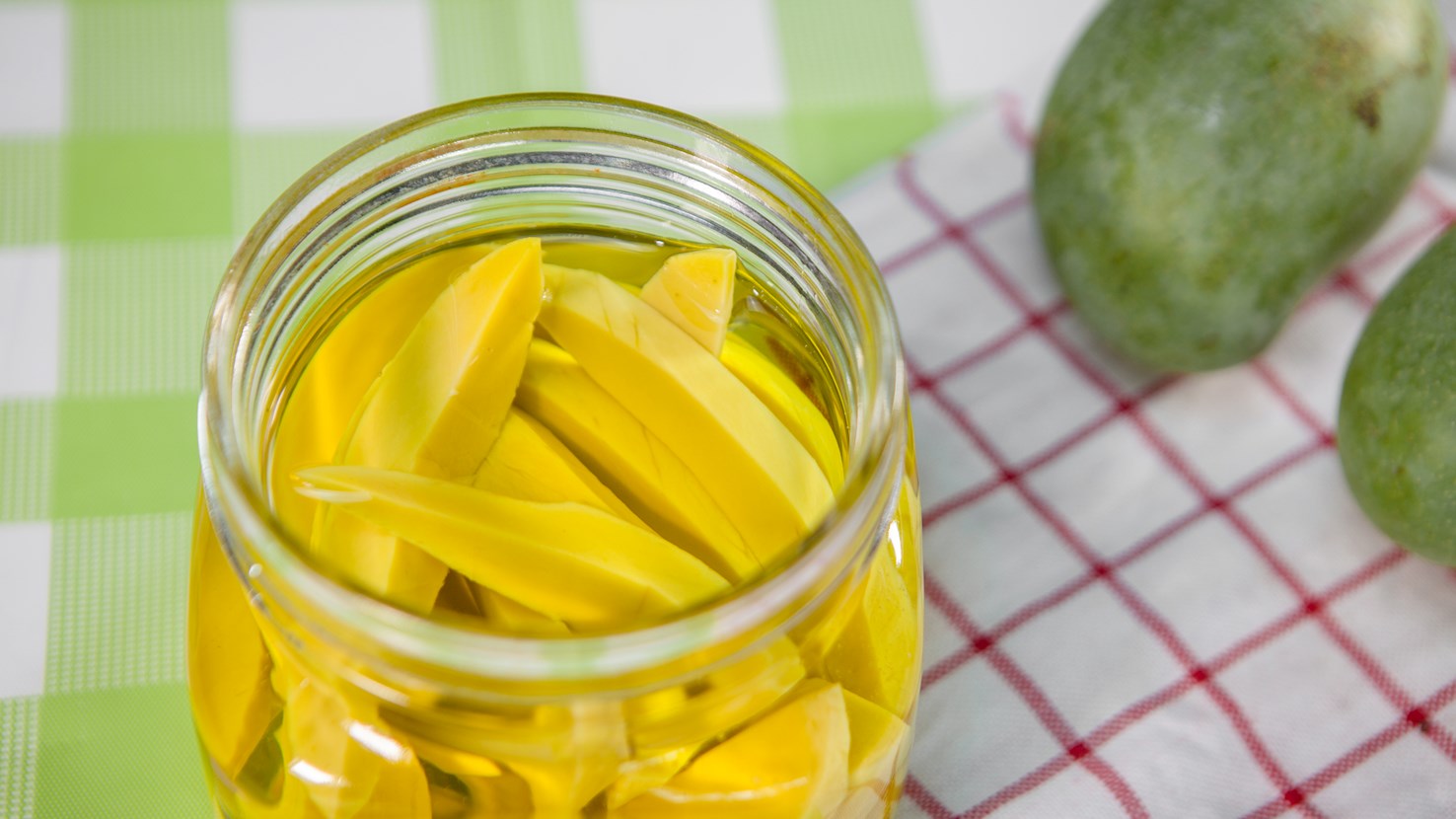
Mamuang dong is the name for Thai-style pickled mangoes. The pickled mangoes are usually made with a combination of sour mango slices, sugar, salt, water, rice vinegar, and rice wine or dry sherry. The rice vinegar, rice wine, and water are brought to a boil in a large pan. The mango slices, salt, and sugar are added to the pan and cooked for a few minutes. The mixture is cooled and placed in sterilized jars, then left to sit for two weeks before consumption.
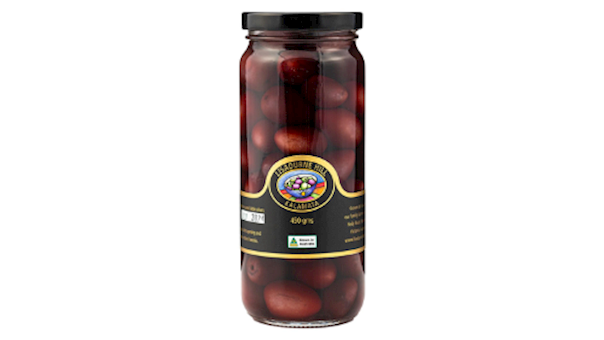
Aceitunas de Campo Real are seasoned table olives from Campo Real, a municipality in the Community of Madrid, Spain, known for a green-brown color, rounded shape, thin skin, firm flesh, and an herb-based dressing. They are sold as a ready-to-eat aperitif and are protected in Madrid under the Denominación de Calidad Aceitunas de Campo Real, established in 1995 to control the product’s quality and identity. The name refers not only to the town but also to a specific way of preparing and dressing the olives. The main olive types used are Manzanilla de Campo Real and Manzanilla Cacereña, with the latter widely used because local production alone has not always been enough to meet demand. What the designation protects most clearly is the preparation and dressing, rather than the idea that every olive must come from the same small local grove. The product grew out of Campo Real’s position as a food-producing town near Madrid, where olives could be processed, seasoned, and sold into a large nearby market. Written and trade references connect the current product with more than two centuries of local olive seasoning, and the organized quality label gave that older practice a regulated commercial form in the late 20th century. Making Aceitunas de Campo Real starts with harvested table olives that need their bitterness reduced before they can be eaten. Depending on the producer and the fruit's condition, the olives may be treated, washed, and kept in brine until they are ready for dressing. The dressing is the defining part: thyme, fennel, oregano, and garlic are the core ingredients, though some producers adjust or omit garlic in summer due to fermentation concerns. Other natural aromatics, such as bay leaf, marjoram, or cumin, may also be used, allowing each maker to maintain a recognizable house style while staying within the expected profile. The olives are left in the seasoned liquid long enough to absorb the herbal flavor, then packed for sale in jars, tins, tubs, or bulk containers for bars and food shops. A good serving should taste clean, salty, herbal, and mildly sharp, with firm flesh rather than a soft or tired texture. Their look is also part of their identity: the fruit is not bright green like some recently processed olives, but closer to a muted green-brown shade that reflects the way it is cured and seasoned. Aceitunas de Campo Real stand out in Spain because the dressing is unusually specific and closely linked to one town, while the product has remained common in everyday Madrid eating rather than becoming only a specialty-shop item. They are served cold or at room temperature, usually in small dishes, often with toothpicks, and they do not need cooking or extra preparation before serving. In Campo Real, Madrid, and other parts of Spain, they are eaten in bars, homes, markets, restaurants, food stores, and at casual gatherings, mainly as an aperitif before lunch or dinner. They pair well with cold beer, vermouth, fino, manzanilla, dry white wine, sparkling water, or a simple red wine served with tapas. Food pairings include potato chips, anchovies, boquerones, cured cheese, jamón, chorizo, crusty bread, tomato salad, roasted peppers, pickled vegetables, tortilla española, gildas, empanadas, and other small savory plates.
Burong mangga is a traditional side dish originating from the Philippines. It consists of mango slices that are pickled in a combination of water and sugar. The mangoes are either untipe or partially ripe. The slices are seasoned with salt, then placed in the mixture of boiled water and sugar. The varieties of mango used for burong mangga are typically Pico and Carabao. If desired, garlic or chili peppers can be added to the pickling solution. Burong mangga is placed in jars and refrigerated for at least two days before opening. It's recommended to pair it with eggplants, dried or fried fish, and steamed okra.
TasteAtlas food rankings are based on the ratings of the TasteAtlas audience, with a series of mechanisms that recognize real users and that ignore bot,
nationalist or local patriotic ratings, and give additional value to the ratings of users that the system recognizes as knowledgeable.
TasteAtlas Rankings should not be seen as the final global conclusion about food. Their purpose is to promote excellent local foods,
instill pride in traditional dishes, and arouse curiosity about dishes you haven’t tried.
The initial list of top producers was compiled based on available reviews, awards, local recommendations, media and blog coverage, and consumer reviews.
The list will be updated with ratings from TasteAtlas local ambassadors and TasteAtlas users.






















What People Say