shutterstock

Top 99 Central European Raw Milk Cheeses

Last updated on May 30, 2026

Best Central European Raw Milk Cheese Types
01

Redykołka

4.4 ·

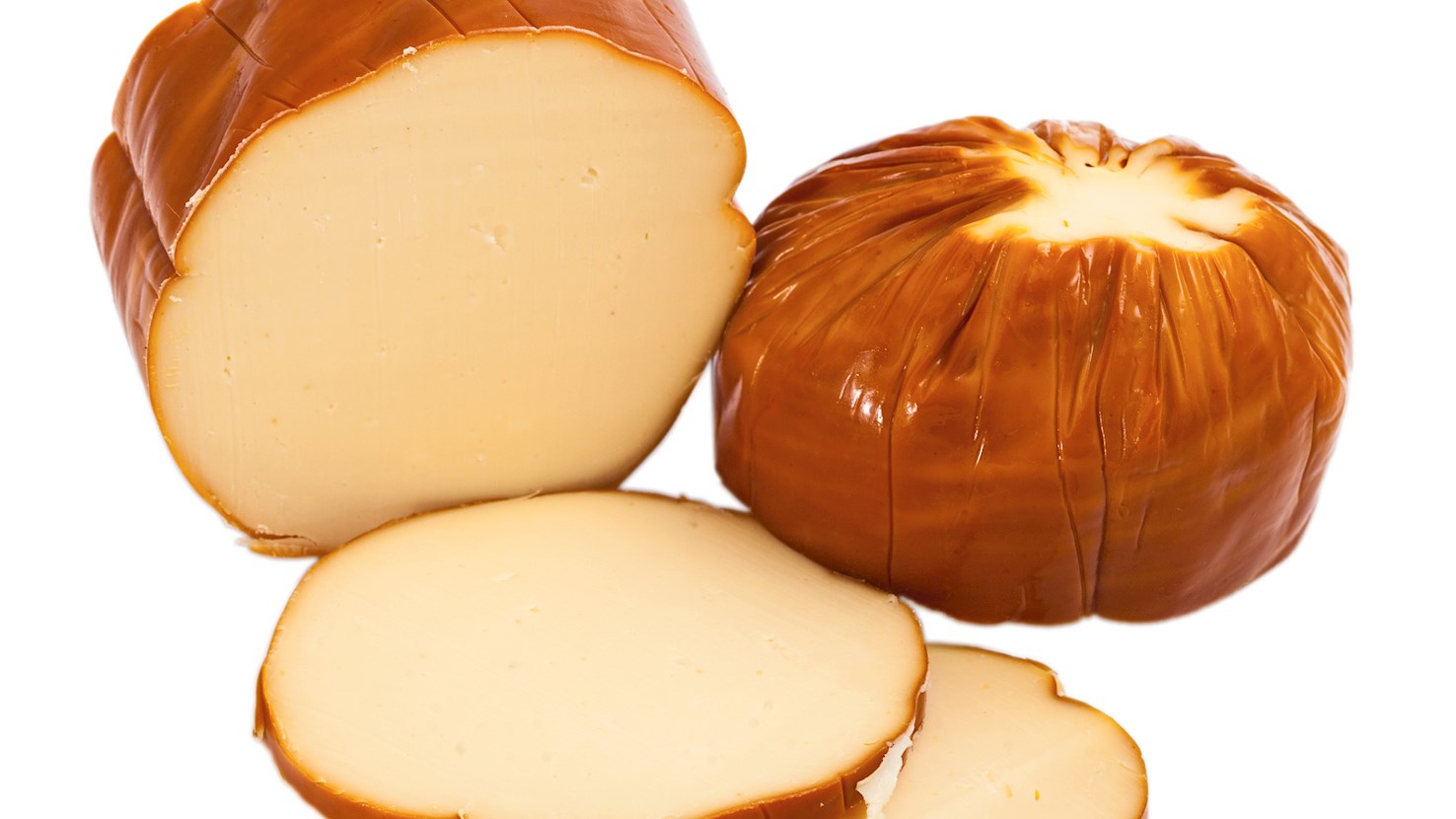
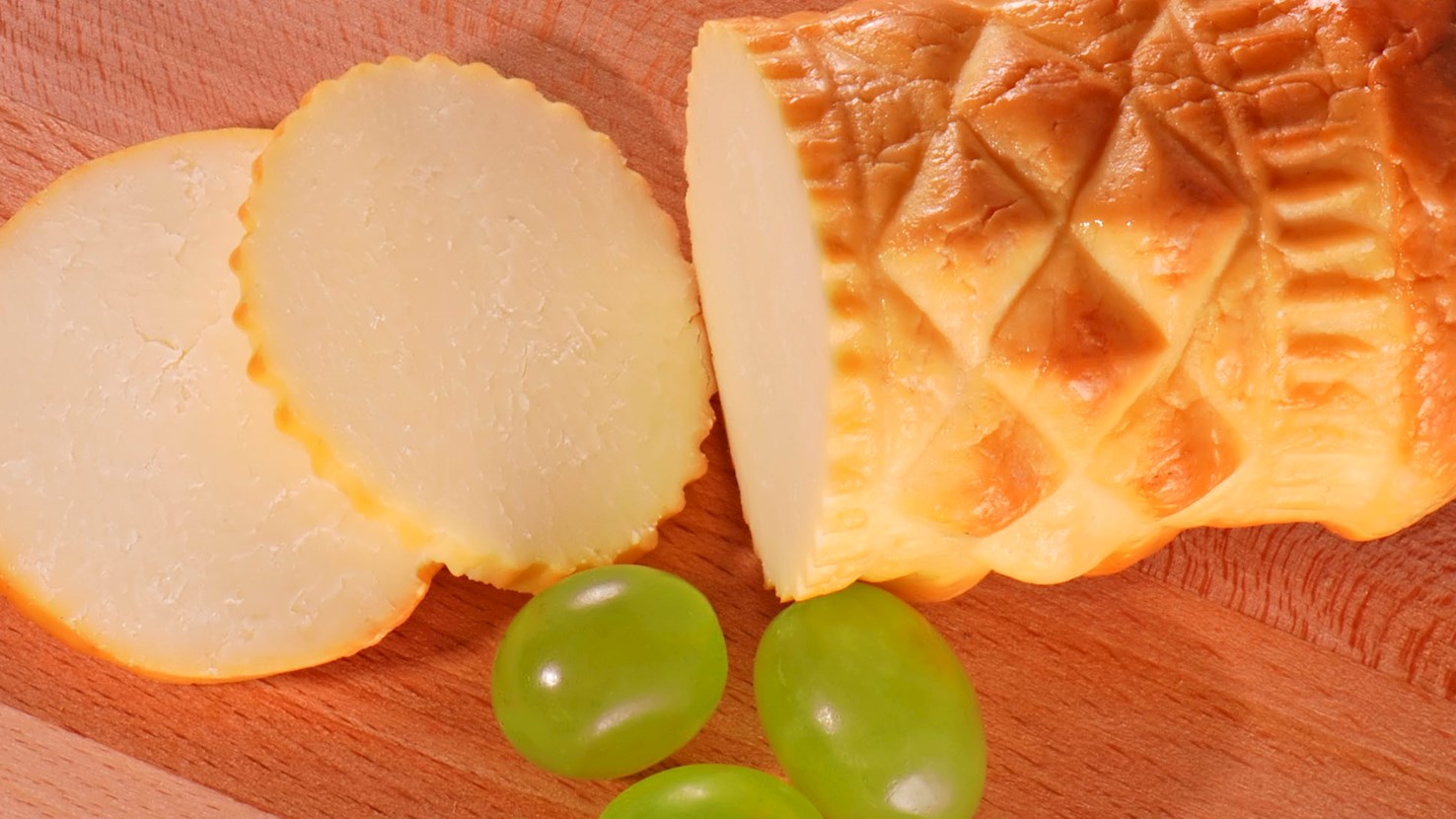
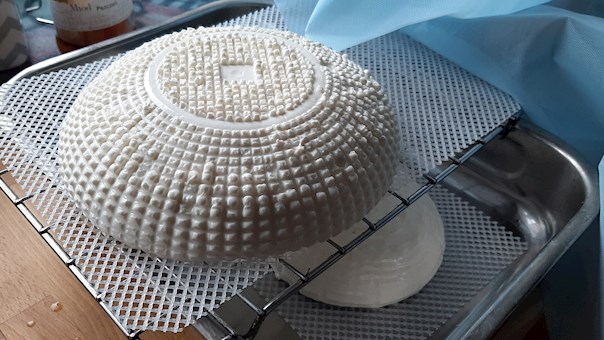
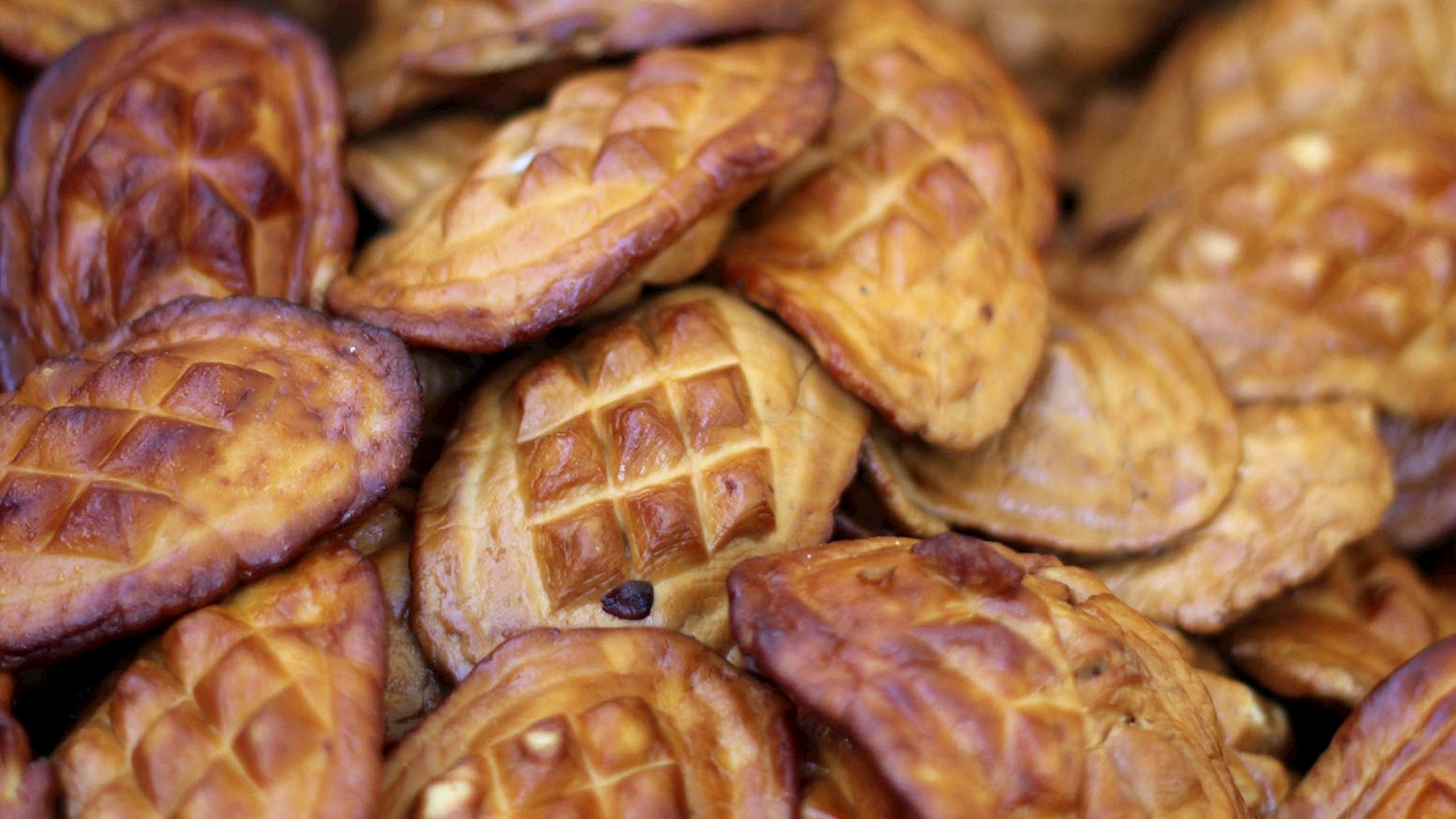
Redykołka is a small, semi-hard cheese made from half-fat sheep's milk in the Podhale region in Poland. The name derives from the Polish word redyk, meaning a ceremony where sheep are taken to mountain pastures, kept there grazing and brought back down from the mountains. The cheese is made in unusual shapes of small animals, birds, hearts or spindles. It must not exceed the maximum weight of 300 grams, the smallest one being redykolka in the shape of a spindle and weighing from 30 to 60 grams. It is made from the leftovers in the process of making the famous Polish Oscypek cheese and is regularly confused with it. In the past, Redykolka was often used as a gift from shepherds to children or guests and it was always given in even numbers. The cheese is smooth and white on the interior while it is straw-colored on the exterior due to having been smoked. Its taste is slightly salty, smoky and spicy.

02

Ovčí Salašnícky Údený Syr

4.4 ·

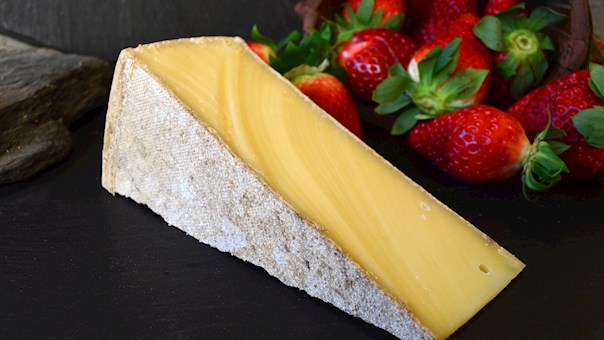
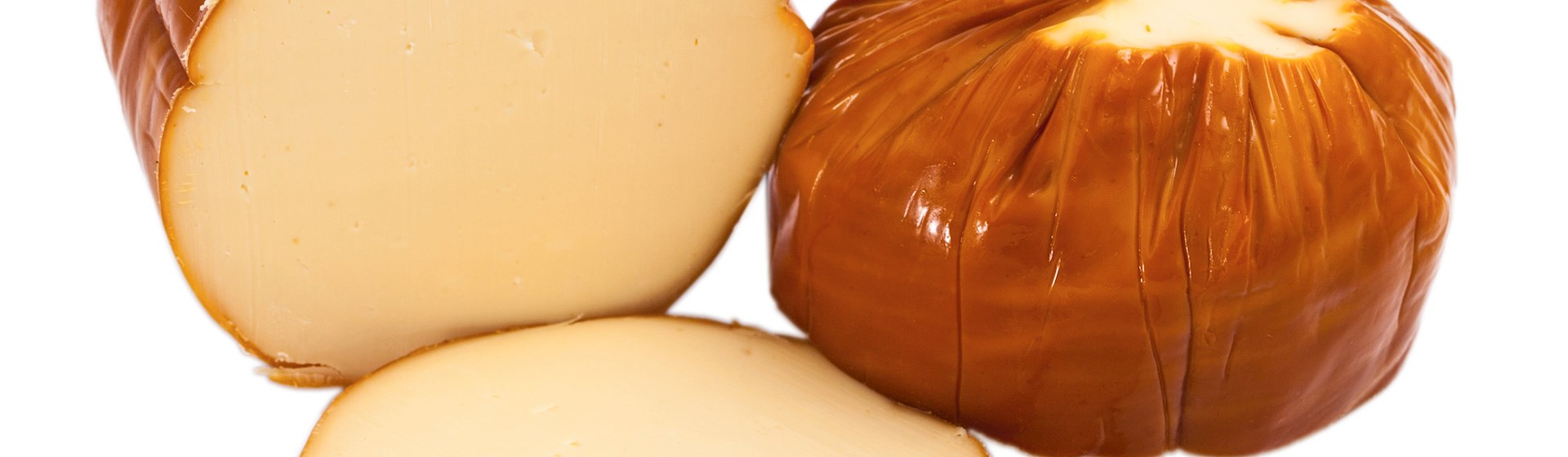
Ovčí salašnícky údený syr is a uniquely shaped, soft cheese, handmade from unpasteurized sheep's milk in a traditional way in mountainous areas and shepherd's huts in the Slovak Republic. The word salašnícky refers to the word salaš - a shepherd's hut where it is produced. The cheese is smoked over hardwood and comes in various shapes - most often as a lump, but it may come shaped like a heart, cockerel or other animals. On the exterior it is firm and dry with a crust and little stains that appear from the smoking process. Its interior is yellow in color with a firm texture that develops small holes when sliced. The flavor is smoky, mild, delicate and slightly acidic. Originally, it was smoked to prolong its shelf life and to be eaten in winter, when cheese was not produced. Pair it with potato dumplings and strong, yeasty beer.

03

Bryndza Podhalańska

4.3 ·

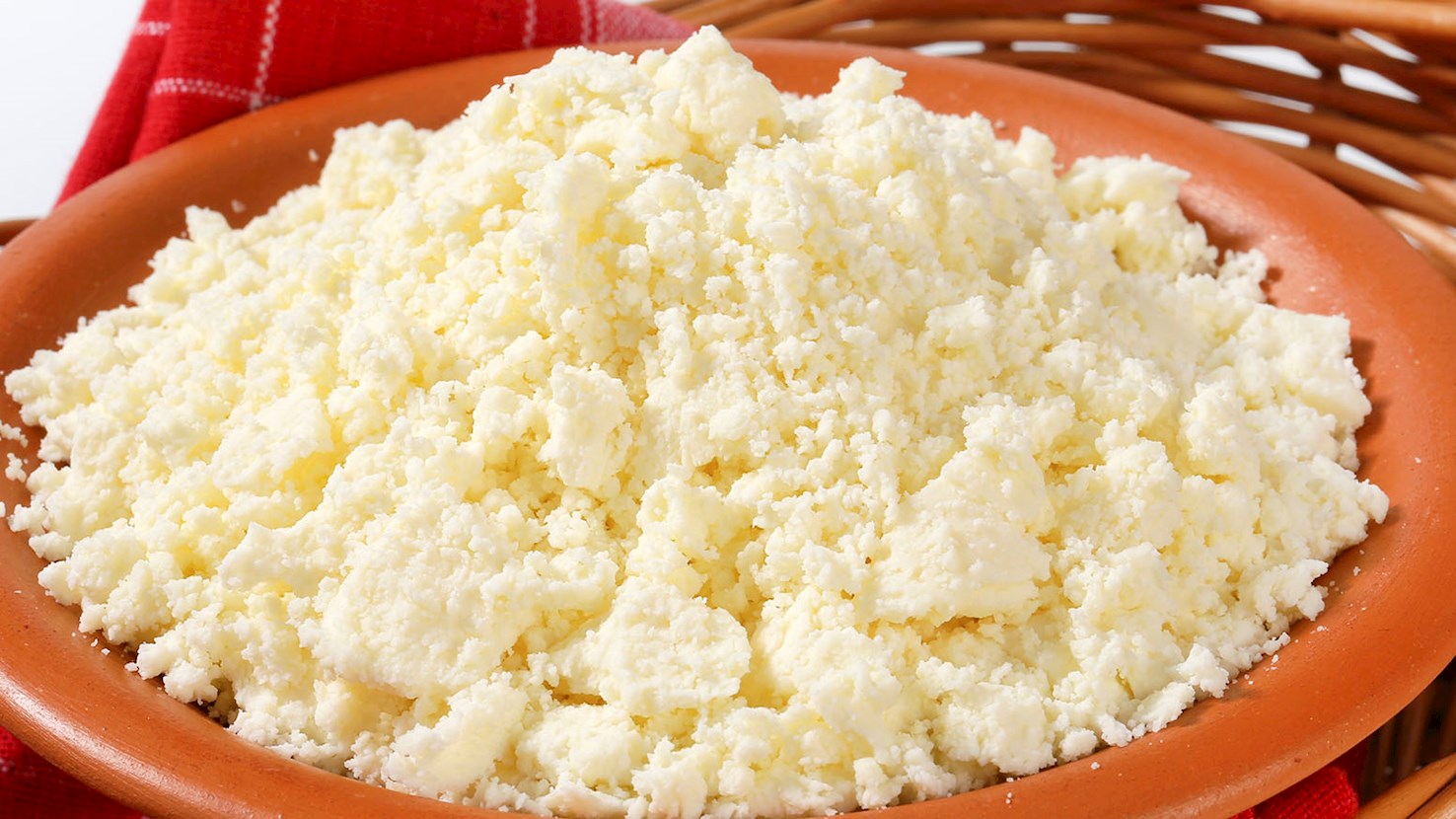
Bryndza Podhalańska is a unique soft cheese made from the milk of the Polska Owca Górska (Polish Mountain Sheep) breed of sheep, produced in the Nowotarski, Tatrzański and some parts of the Žywiecki districts in Poland. The cheese can also be made with a mixture of sheep's and cow's milk, where cows must be of the Polska Krowa Czerwona (Polish Red) breed, and the maximum amount of cow's milk used in the process must not exceed 40%. The cheese gets its name from the traditional name for the region - Podhale, where many skillful cheesemakers produce this white, creamy-white or greenish delicacy with an intense, salty and slightly sour flavor. Since Bryndza Podhalańska is a seasonal product, it is only made from May until September. The unique flora of one of Europe's cleanest regions has a great impact on the quality of this fresh and creamy product, often paired with dry white wines.

04

Tête de Moine

4.3 ·

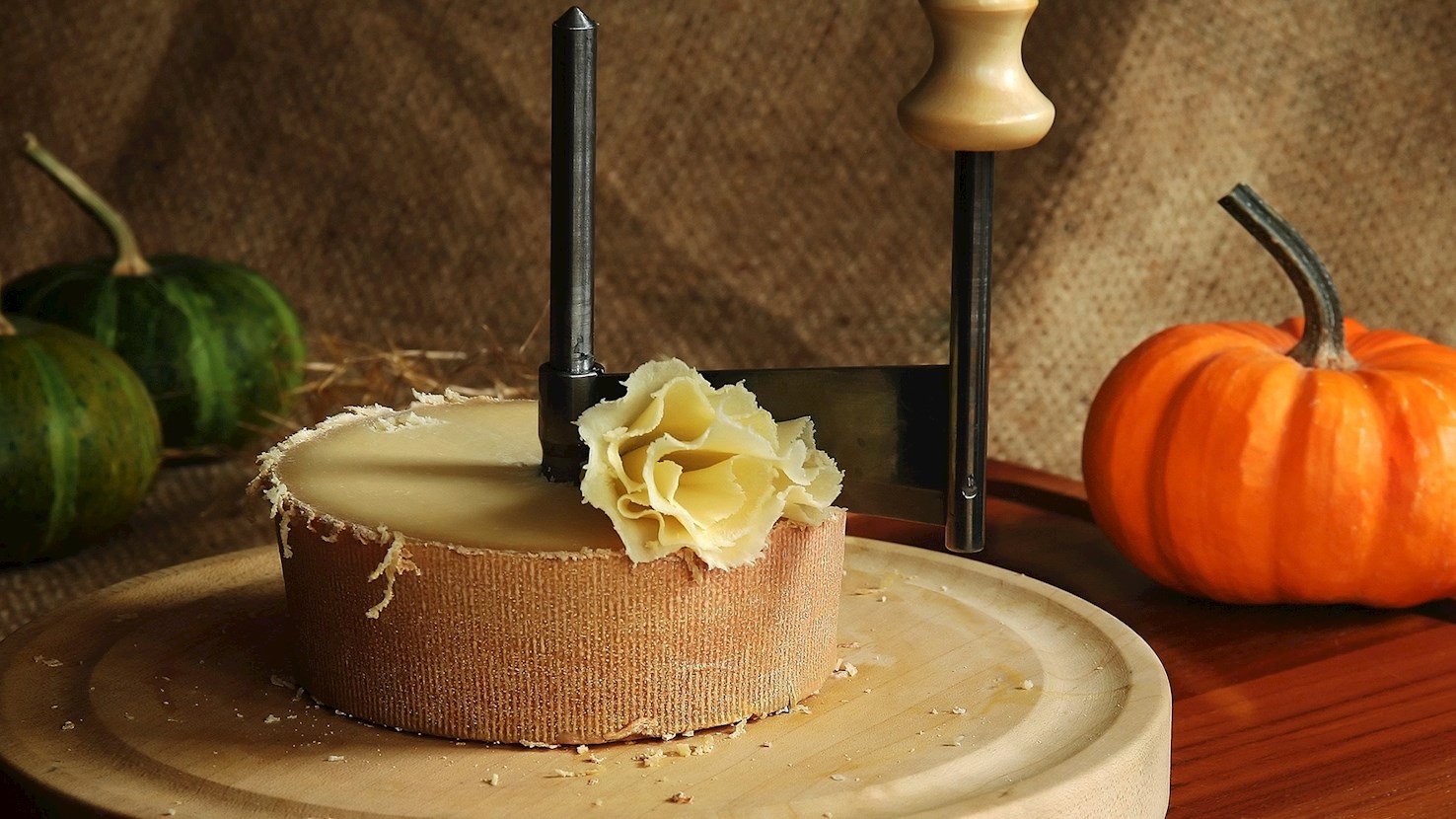
Tête de moine (lit. monk’s head) is a cylindrical, semi-hard Swiss cheese made from cow’s milk. The cheese is kept on spruce wood boards for at least 2,5 months before consumption. It is believed that the cheese was first made by monks in the Bellelay monastery in the community of Saicourt. In the past, they used it as a means of payment. Interestingly, tête de moine is not cut, but scraped or shaved with a special tool called a girolle. During the process, the surface of the cheese comes into direct contact with air, which alters the structure of the paste and helps to release the aromas. Pair it with crisp white wines such as Pinot Grigio.

05

Boerenkaas

4.3 ·

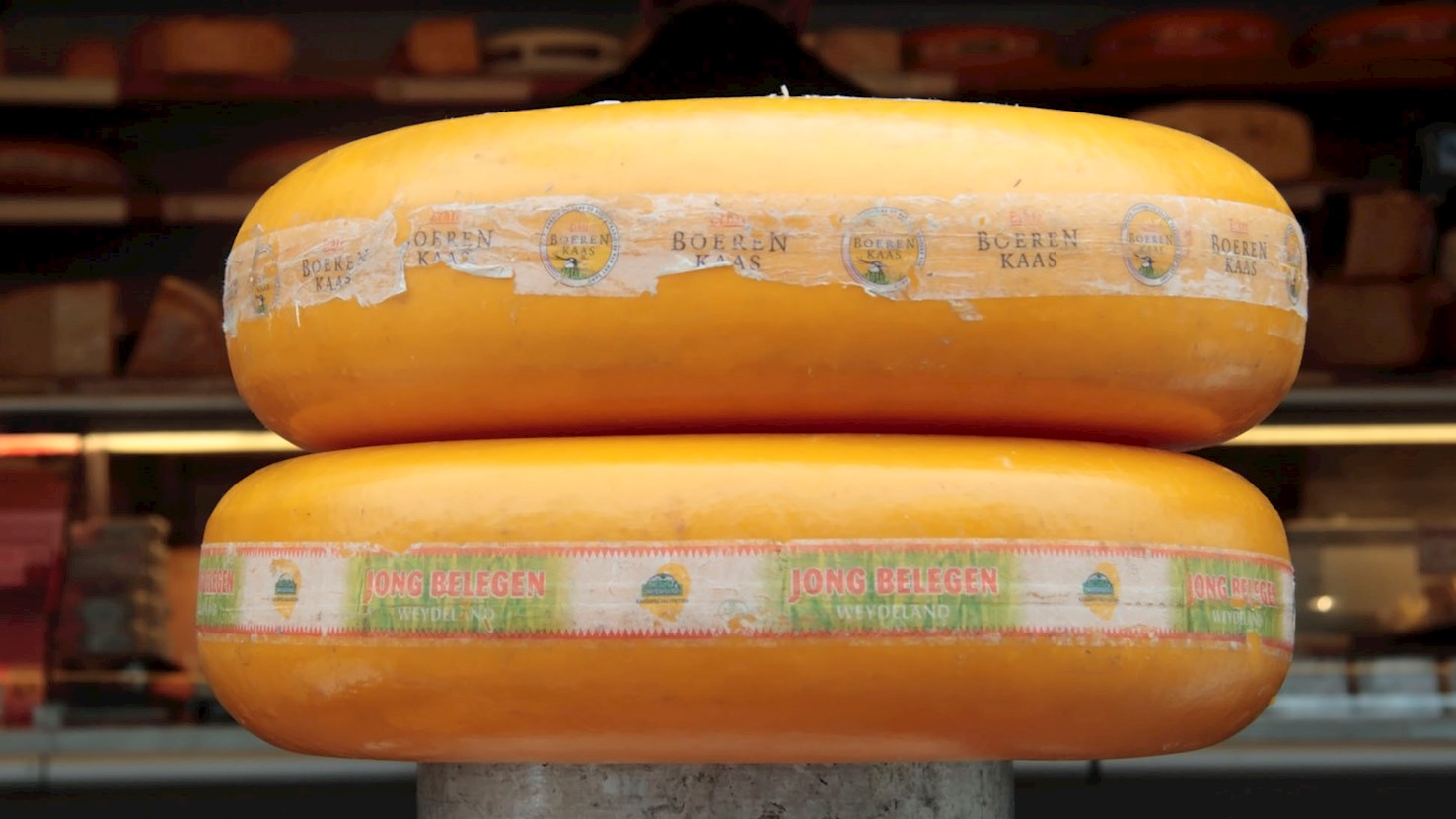
Dutch for farmer's cheese, Boerenkaas is produced using unpasteurized, raw milk from the farm's own animals, which is why only a small percentage of Dutch cheeses can carry that name. Unlike its factory-made counterpart, this unique handmade cheese is said to be more a product of art than of science. Depending on the type of milk used in the process, there are four variations of Boerenkaas: Goudse, Leidse, and Edammer Boerenkaas made from cow's milk and Boerenkaas from goat's, sheep's, or buffalo's milk. Additionally, seeds, herbs, and spices can be added to turn the flavor up a notch. The cheese is semi-hard and has an intense flavor reminiscent of caramel, butterscotch, and cashews, which makes it suitable for pairing with beer and full-bodied red wines. However, the flavor is not consistent because this type of cheese is made on different farms that have different soil types, making it all the more exciting to discover the differences and uniqueness of each Boerenkaas wheel.

Best producers
06

Slovenský Oštiepok

4.3 ·

Slovenský oštiepok is a traditional semi-hard cheese made from half-fat sheep's milk, cow's milk or a mixture of both. It can be either steamed or unsteamed, smoked or unsmoked and can be produced in dairies using the industrial way of production, or on sheep farms (salaš) in the mountainous parts of the Slovak Republic, using the traditional methods. It is quite striking to the eye - shaped like a large egg or a pine cone, with a golden brown exterior due to the smoking process and a creamy yellow color on the interior. Its texture is firm and homogeneous, with small cracks developing on the body when sliced. The taste is delicate and savory, slightly salty, sour to piquant, with a typical smoky flavor. Enjoy it on its own, as a snack and pair it with dry white wines or beer.

07

Slovenská Parenica

4.3 ·

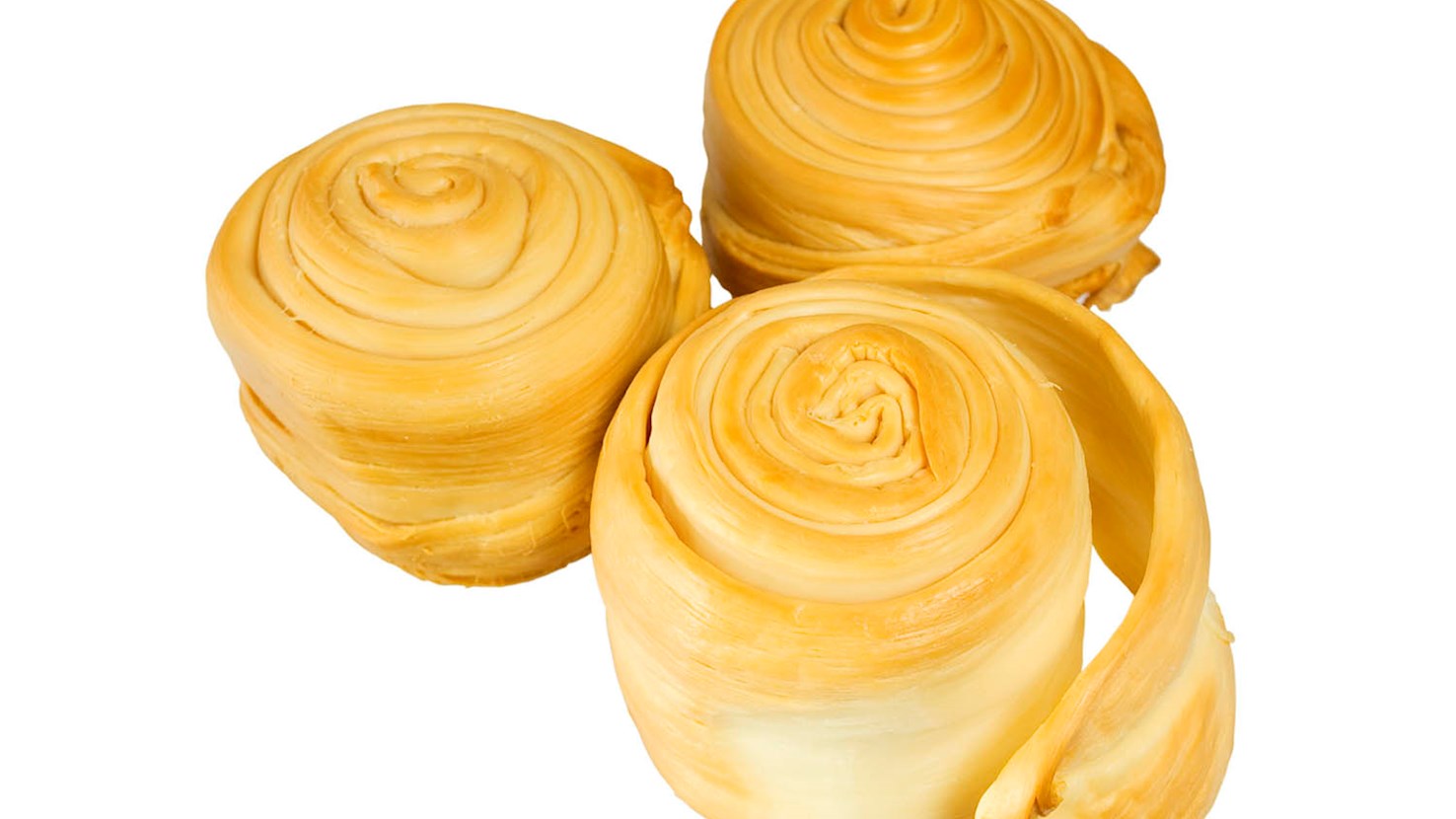
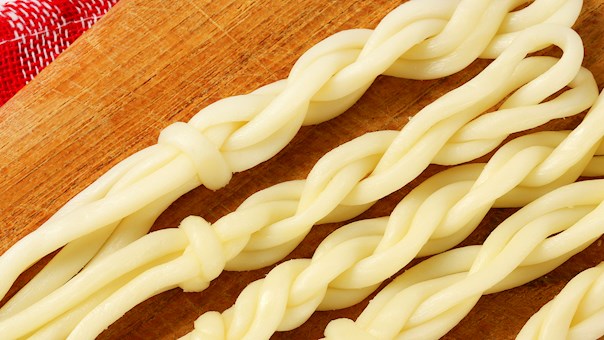
Slovenská parenica is a soft, steamed cheese made from unpasteurized sheep's milk of the Wallachian, Cigaya, East Friesian and improved Wallachian breeds. The cheese can also be made using a mixture of raw sheep's and cow's milk, where the content of sheep's milk must be at least 50%. The parenica is wound in two rolls that are connected in an S-shape or a spiral, steamed and lightly smoked. The rolls are bound with cheese string or chains. Its aroma is smoky with a characteristic smell of sheep's milk, and the taste is delicate, mild and slightly salty. The texture is elastic and supple, with fibers and threads on the interior, and the color is yellow to brown on the exterior, due to being smoked and steamed. It was originally produced around Zvolen and Brezno in the early 19th century, but today it has spread to virtually every part of Slovakia.

08

Oscypek

4.3 ·

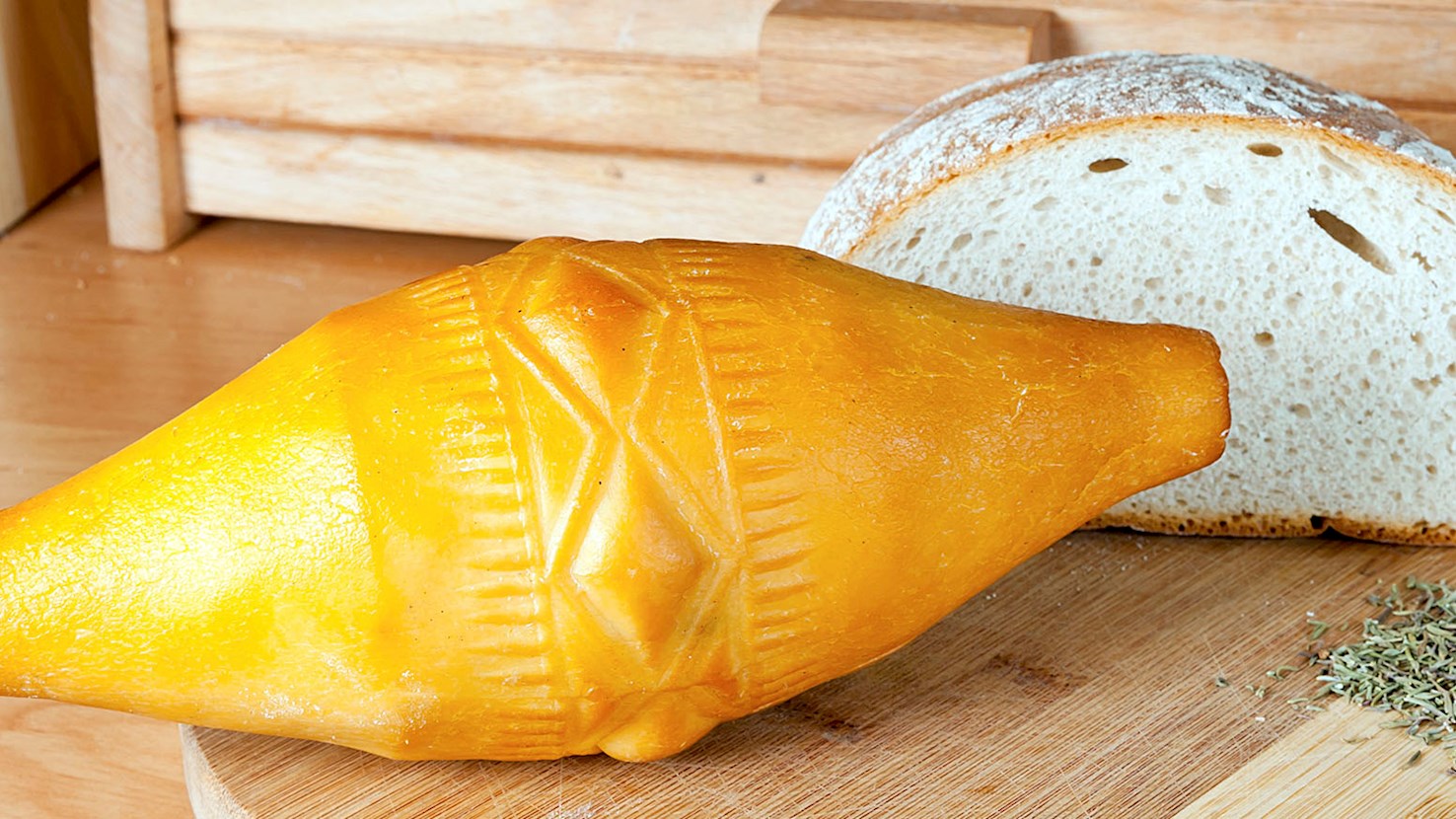
This spindle-shaped smoked cheese hailing from the Tatra highlands is made exclusively with salted and unpasteurized milk from the Polish mountain sheep, though sometimes a small amount of cow milk from the Polish Podgórska red cow breed can also be added. Oscypek is produced from May to September and it is regarded as a traditional product of Poland's southernmost region, Podhale. With its pronounced smokiness and a unique salty and slightly sour flavor with subtle hints of chestnuts, this mildly piquant cheese is best enjoyed grilled, accompanied by cranberry marmalade.

09

Gruyère

4.2 ·

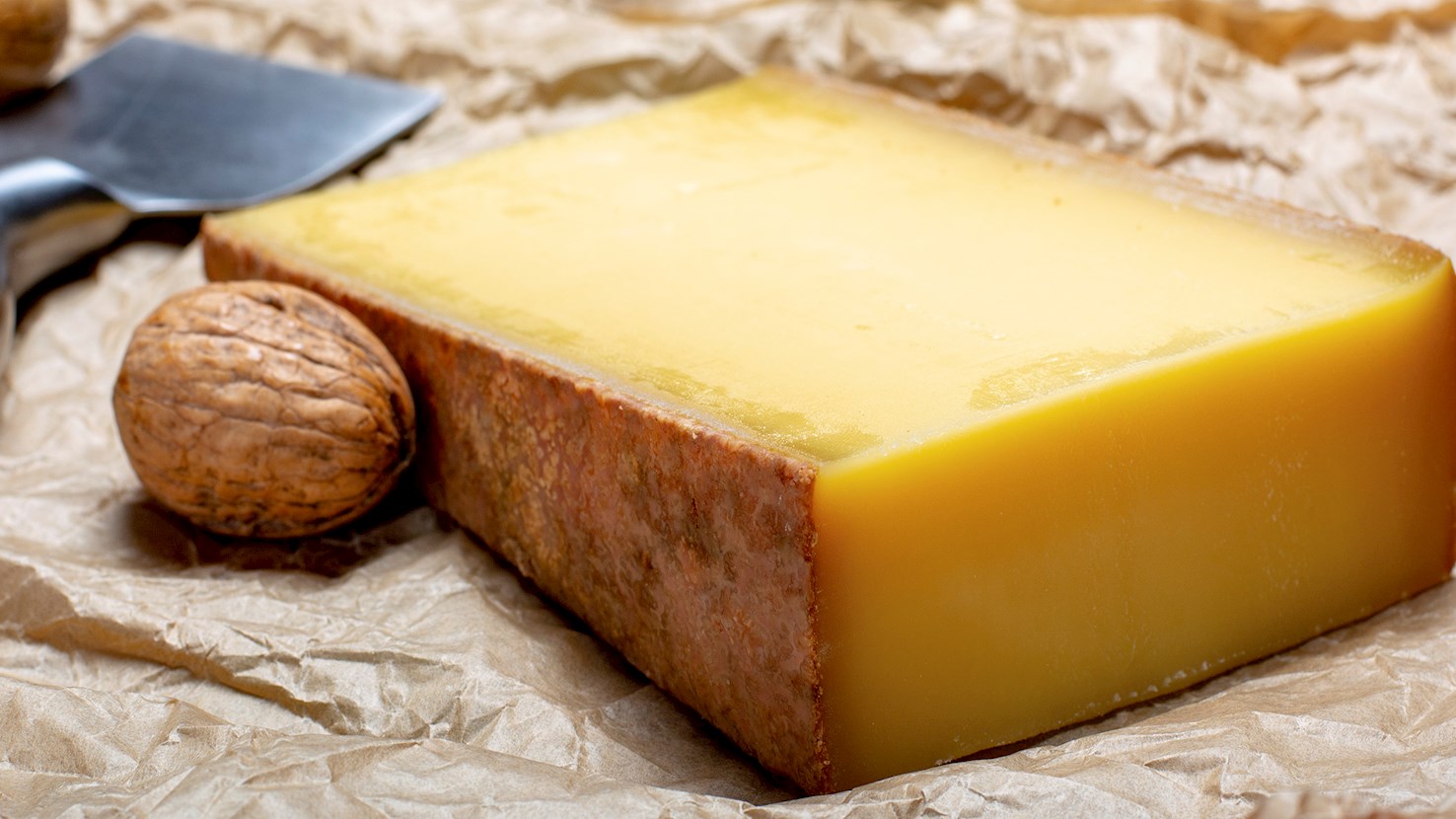
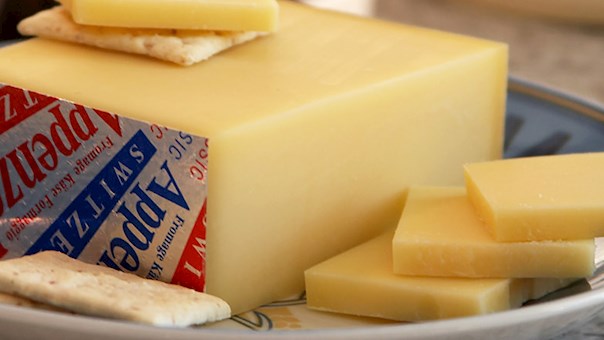
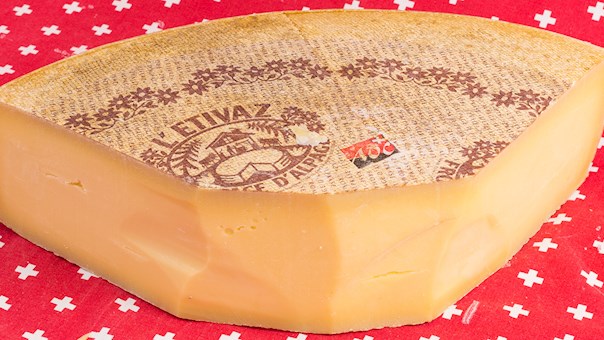
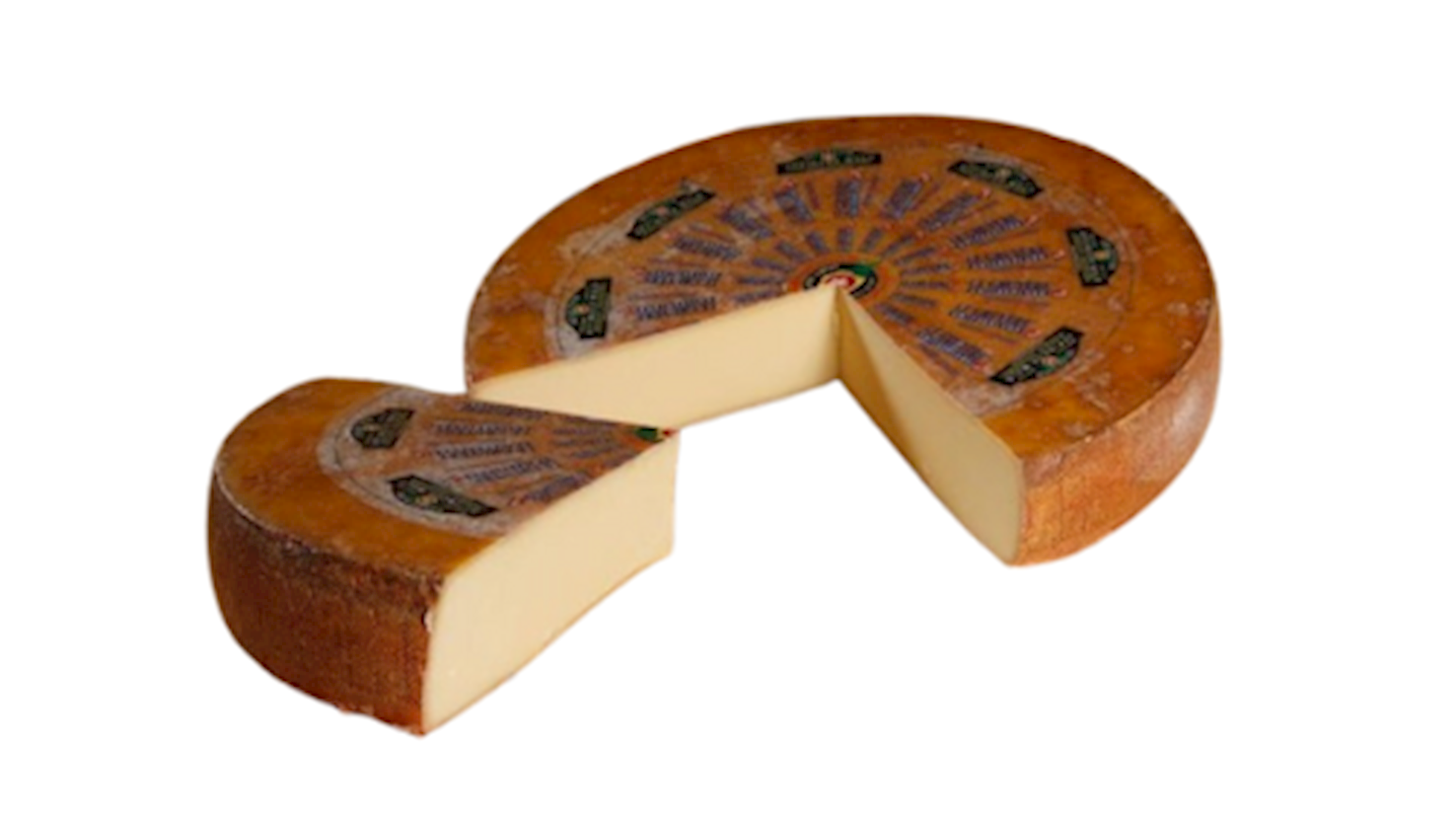
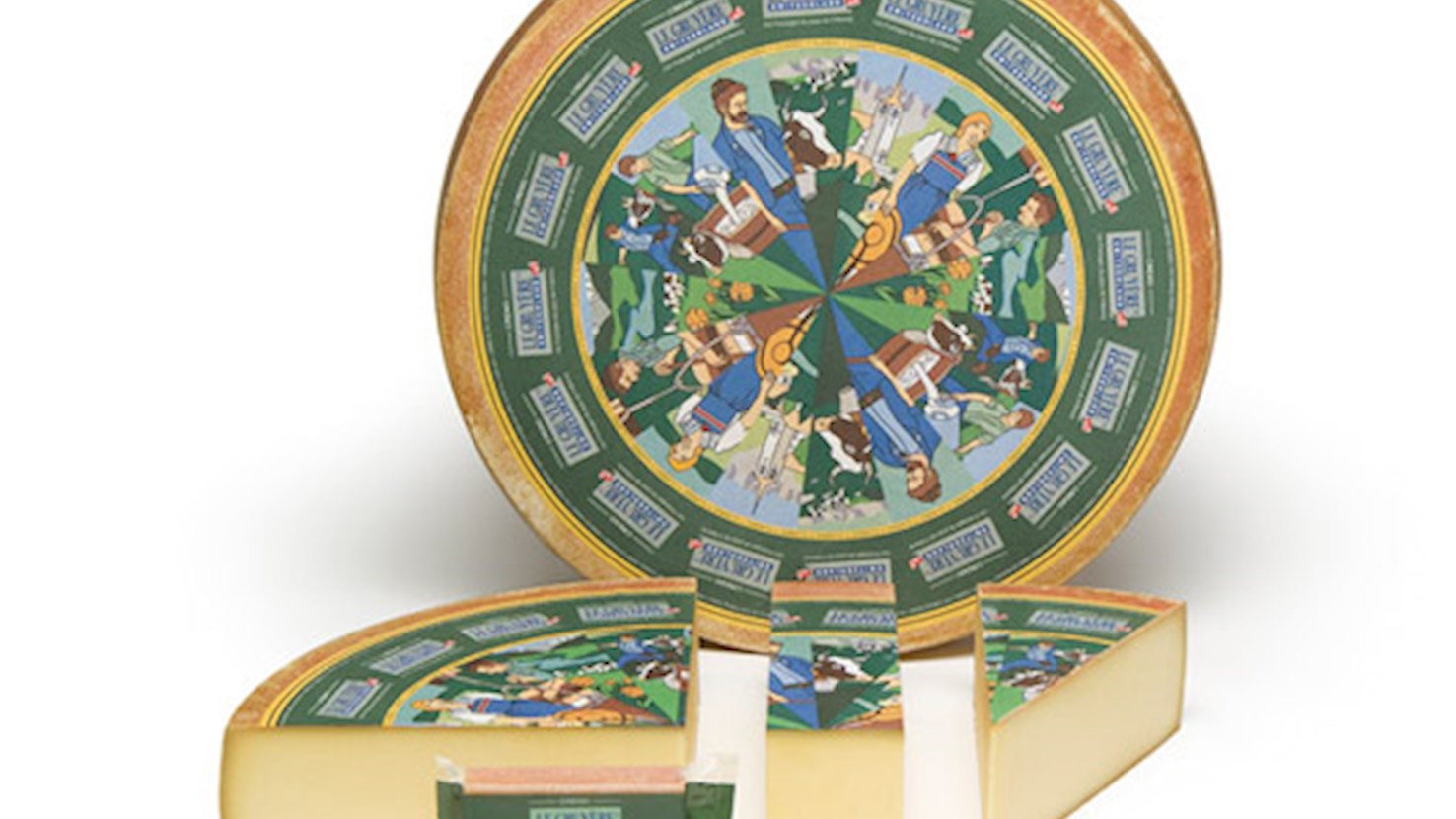
Gruyère is a cooked and pressed cheese made from raw cow's milk. On the exterior, the cheese has a grainy yellow to brown rind, while the interior is ivory to pale yellow in color. The Swiss version (AOP), a hard cheese with a salty and nutty flavor usually has no holes, while the French version (IGP) is required to have them, ranging in size from a pea to a cherry. Gruyère must mature for at least 120 days in cellars so that it develops delicate aromas of caramelized apples, hazelnuts, and brown butter. It melts well, making it ideal for classic fondues, or, alternatively, sliced and consumed on its own and paired with a glass of light red wine. Walnuts and smoky speck also make for great accompaniments.

10

Slovenská Bryndza

4.1 ·

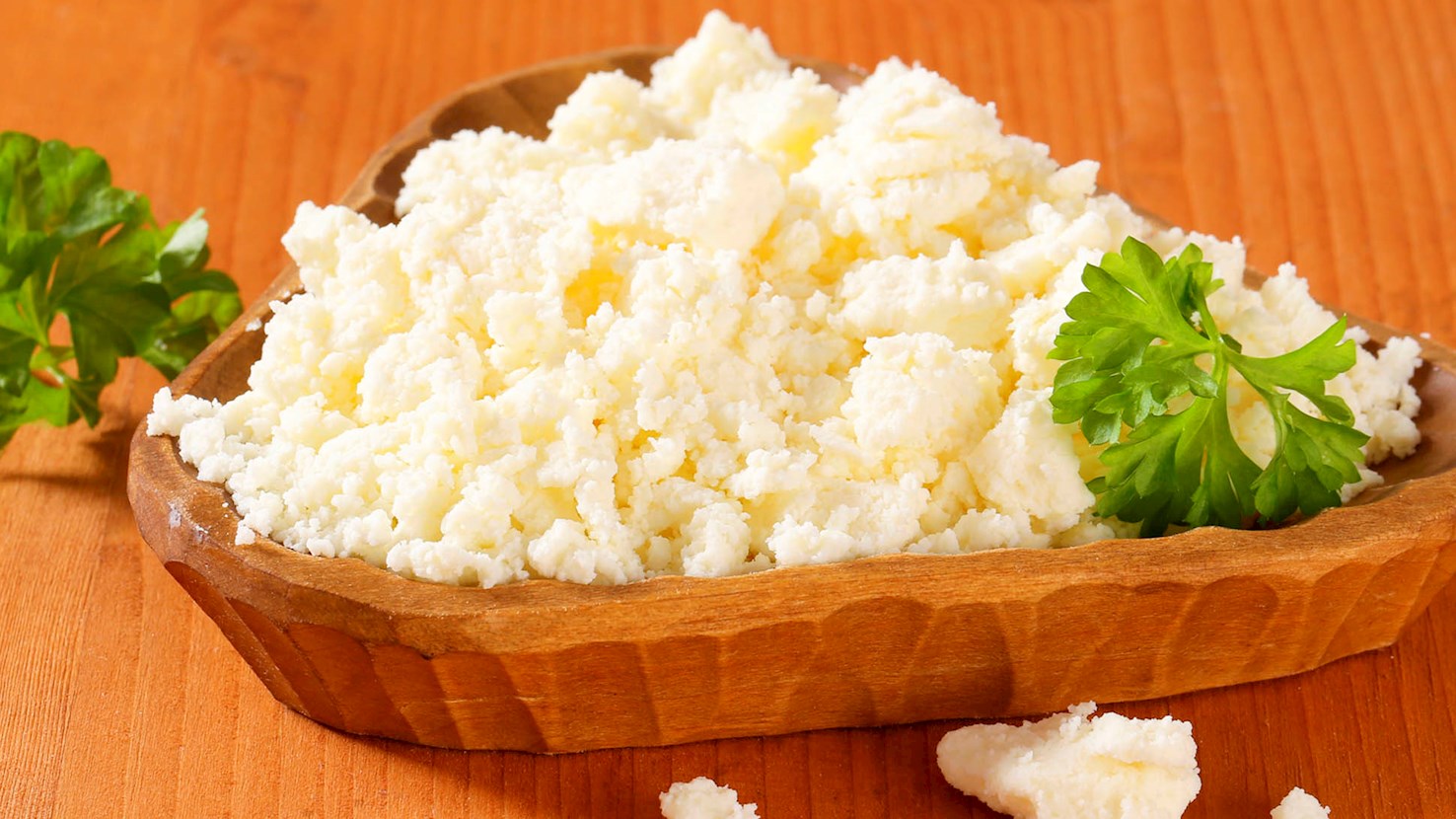
Slovenská bryndza is a soft cheese made from sheep's milk produced in the mountainous regions of the Slovak Republic. The sheep usually graze at lower altitudes, but during the summer, they move to higher altitudes to lengthen the grazing period. Its name, bryndza, comes from the Romanian word for cheese - Wallachian. The cheese is white, slightly moist, made from matured milk, and is easily spreadable in granular form. It has a delicate aroma of sheep's milk and a uniquely sour taste that is slightly salty and spicy. Bryndza is also the main ingredient in Slovak national dishes bryndzové halušky and bryndzové pirohy, giving them a unique aroma and flavor.

Best Central European Raw Milk Cheeses
01

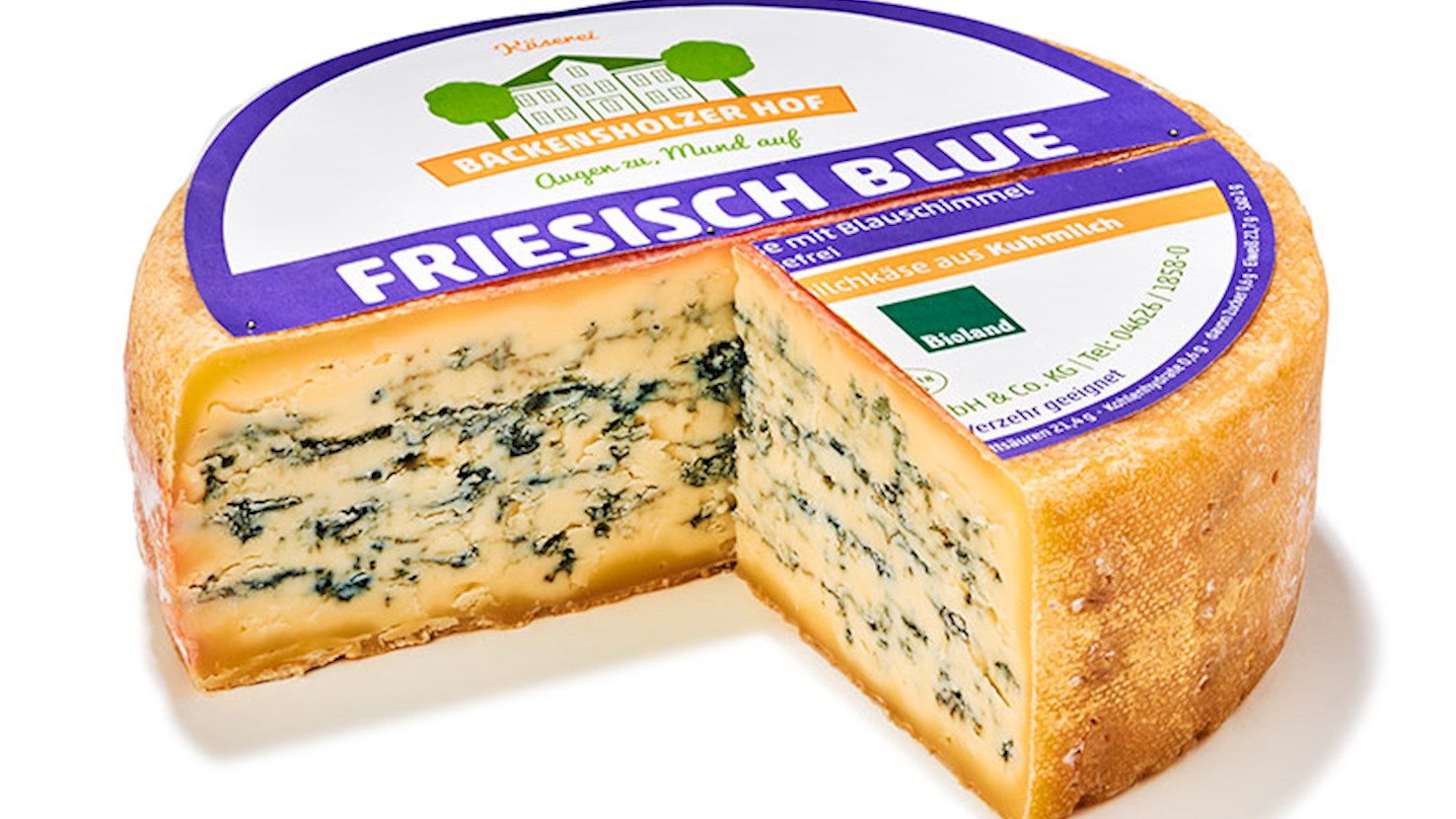
Rohmilchkäserei Backensholz

5 ·
Rohmilchkäserei Backensholz is a cheese producer located in Germany, specializing in organic cheeses made from raw milk. The company is situated in Oster-Ohrstedt, Schleswig-Holstein, and operates with a focus on sustainability and natural cheese production methods. They offer a variety of cheeses, including both cow's milk and goat's milk options, manufactured under strict organic standards.
Awards
World Cheese Awards - Super Gold (2024, 2023, 2022)
World Cheese Awards - Gold (2024, 2023, 2022)
02

Jumi

5 ·
Jumi is a renowned Swiss cheese manufacturer based in Vechigen, in the Canton of Bern, Switzerland. The company specializes in producing high-quality cheeses using traditional methods passed down through generations. Jumi is known for its cheeses made from raw milk, preserving the authentic taste and character of its products. Through careful selection of ingredients and aging techniques, Jumi creates cheeses that stand out with rich flavors, textures, and aromas, ranging from soft to hard, including blue cheeses. In addition to premium cheeses, Jumi takes pride in its sustainable production approach, where livestock is fed on natural pastures, and milk is processed according to the highest quality standards. The company is committed to preserving tradition while embracing innovations that allow the creation of cheeses that meet even the most demanding consumer expectations.
03

Walo Von Mühlenen

5 ·
Walo Von Mühlenen is a Swiss specialist in raw milk cheese, dedicated to the craft of creating exceptional cheese with a rich, Alpine flavor. Based in Switzerland, the company is known for its high-quality cheeses that combine traditional methods with innovative aging techniques. Affineur Walo works closely with nature to produce cheeses that reflect the authenticity and purity of Swiss dairy. Their products highlight their commitment to sustainable practices, using raw milk from cows that graze on rich, natural pastures. Each cheese from Affineur Walo is a unique creation, designed to offer a diverse range of textures and flavors, from creamy to firm, often with a characteristic aromatic finish. Their attention to detail, use of fine ingredients, and respect for the traditional Swiss cheesemaking process have earned them numerous awards and a reputation as a leader in the world of fine cheeses.
Awards
World Cheese Awards - Super Gold (2024, 2023, 2022, 2021)
World Cheese Awards - Super Gold (2019)
04

Gourmino

4.9 ·
Gourmino, based in Langnau im Emmental, Switzerland, is a cooperative formed by a group of Swiss Alpine dairies specializing in the production of Emmental cheese. This producer focuses on traditional cheese-making methods, aging their cheese in natural cave cellars. Gourmino also plays a significant role in supporting local dairy farmers by providing a stable outlet for their milk, while maintaining a commitment to sustainability and quality in their cheese production processes.
Awards
Culture Cheese Magazine Best Cheeses issue - Best (2023)
World Cheese Awards - Super Gold (2023, 2022)
05

Cremo

4.8 ·
Cremo is a dairy company based in Switzerland, primarily known for producing cheese, milk, and other dairy products. It was established in 1927 and is headquartered in Villars-sur-Glâne. The company operates in the competitive Swiss dairy industry, serving both local and international markets.
Awards
World Cheese Awards - Super Gold (2023, 2022)
World Cheese Awards - Gold (2024, 2023, 2022, 2021)
Read more
View all
View map
About this ranking

TasteAtlas food rankings are based on the ratings of the TasteAtlas audience, with a series of mechanisms that recognize real users and that ignore bot, nationalist or local patriotic ratings, and give additional value to the ratings of users that the system recognizes as knowledgeable. For the “Top 99 Central European Raw Milk Cheeses” list until May 30, 2026, 3,964 ratings were recorded, of which 3,016 were recognized by the system as legitimate. TasteAtlas Rankings should not be seen as the final global conclusion about food. Their purpose is to promote excellent local foods, instill pride in traditional dishes, and arouse curiosity about dishes you haven’t tried.

The initial list of top producers was compiled based on available reviews, awards, local recommendations, media and blog coverage, and consumer reviews. The list will be updated with ratings from TasteAtlas local ambassadors and TasteAtlas users.

Similar lists