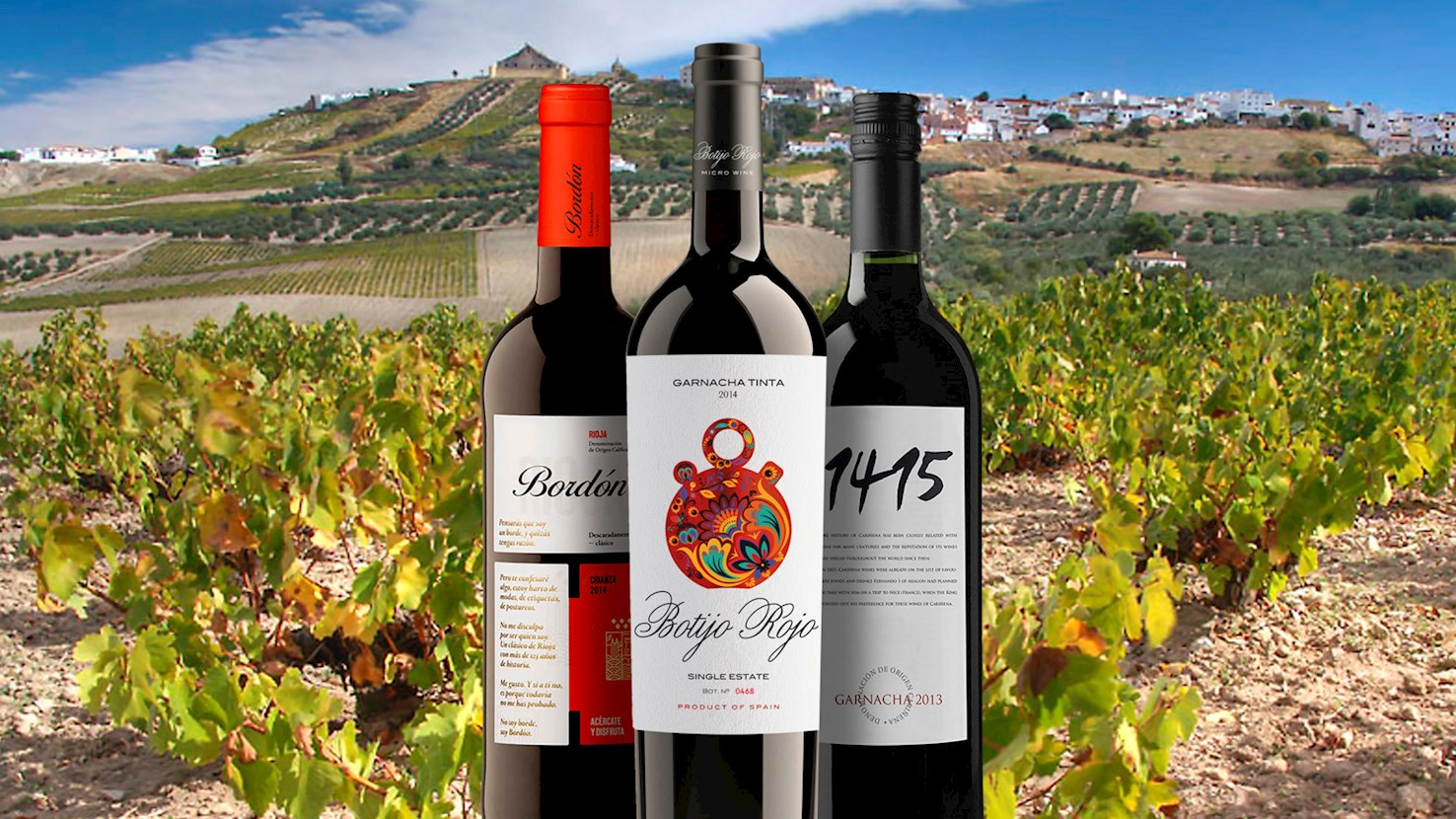
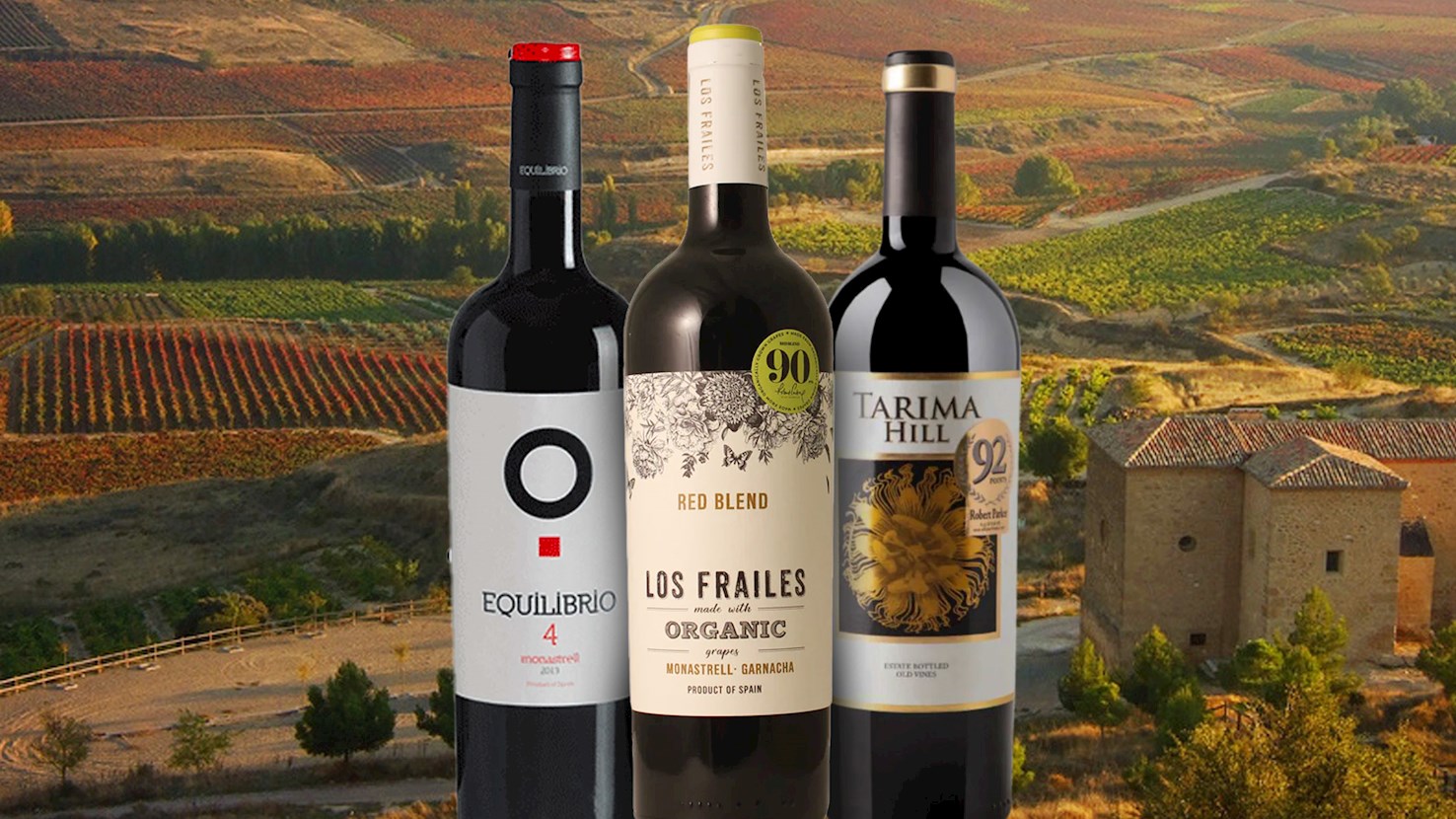
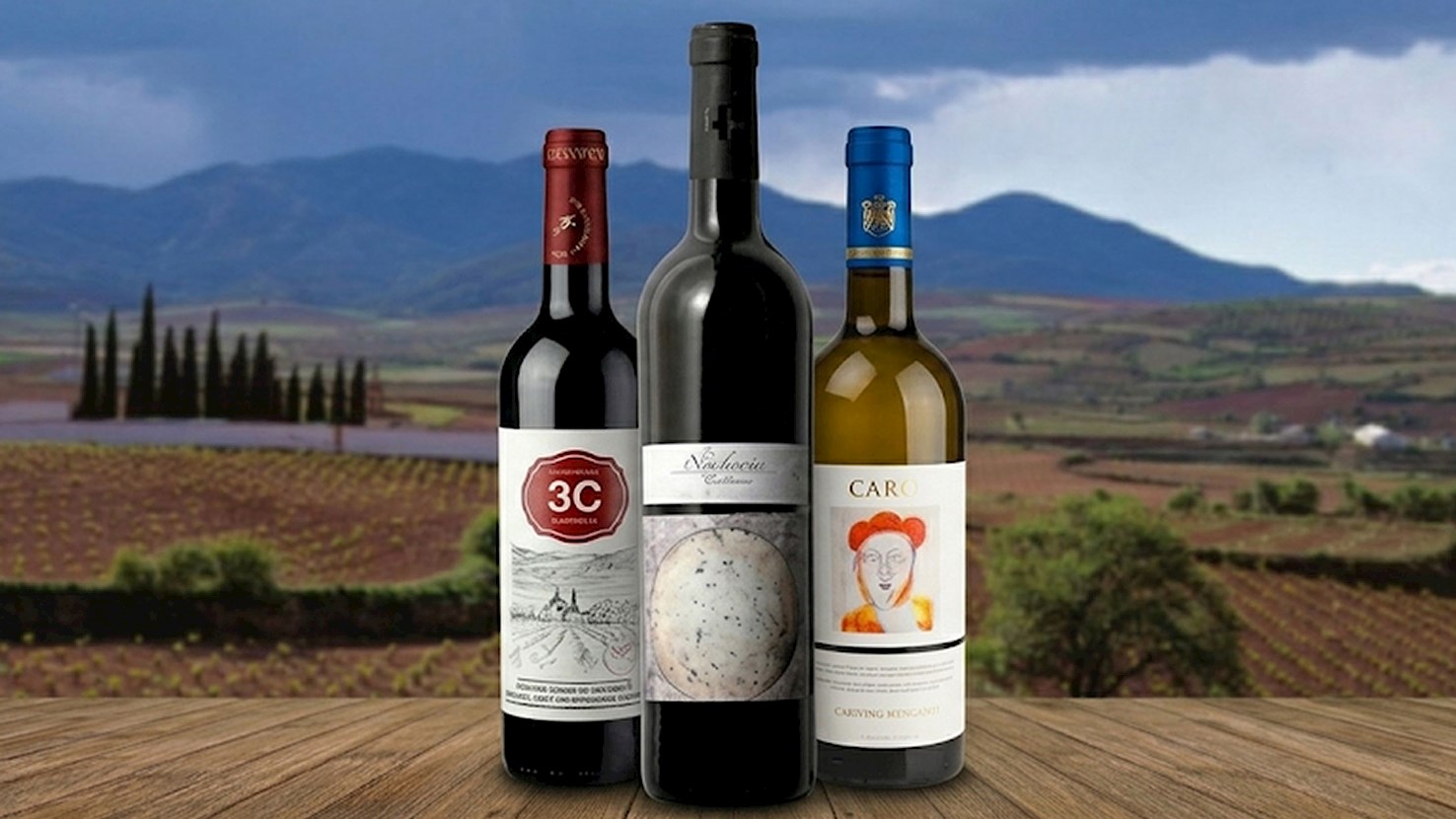
Garnacha, also known as Grenache in France, is a widely cultivated red wine grape variety known for producing wines with rich, fruity flavors and high alcohol content. It is one of the most versatile and widely planted grape varieties in the world, thriving in warm, dry climates. Garnacha grapes are typically medium to large in size with thin skins, which contribute to the grape's characteristic light color and relatively low tannin levels. Wines made from Garnacha often exhibit flavors of red fruits such as raspberry, strawberry, and cherry, along with spicy notes of white pepper, cinnamon, and hints of herbs and earthiness. As the wines age, they can develop more complex flavors, including leather, tobacco, and dried fruits. Garnacha is grown in several wine regions around the world, with notable concentrations in France, Spain, Australia, and the United States. In France, Garnacha is a key grape in the southern Rhône Valley, particularly in Châteauneuf-du-Pape, where it is often blended with Syrah, Mourvèdre, and other varieties to create complex, full-bodied wines. It is also prominent in the Languedoc-Roussillon region. In Spain, it is widely grown in regions such as Rioja, Priorat, and Aragon. In Priorat, Garnacha produces powerful, intense wines with great aging potential. In Australia, Garnacha is significant in regions like McLaren Vale and Barossa Valley, where it is often used in GSM (Garnacha, Syrah, Mourvèdre) blends. In the United States, California, particularly the Central Coast and Paso Robles, has seen a rise in Garnacha plantings, producing both single-varietal wines and blends. Garnacha is incredibly versatile and can be used to produce a variety of wine styles, including red wines that range from light and fruity to rich and full-bodied, rosé wines, particularly in Provence, and fortified wines such as Banyuls and Maury in France. Garnacha wines pair well with a variety of foods due to their fruit-forward nature and moderate tannins, complementing dishes such as roasted meats, stews, grilled vegetables, and Mediterranean cuisine. The spicier and earthier notes of aged Garnacha make it an excellent match for game meats and hearty, rustic dishes.
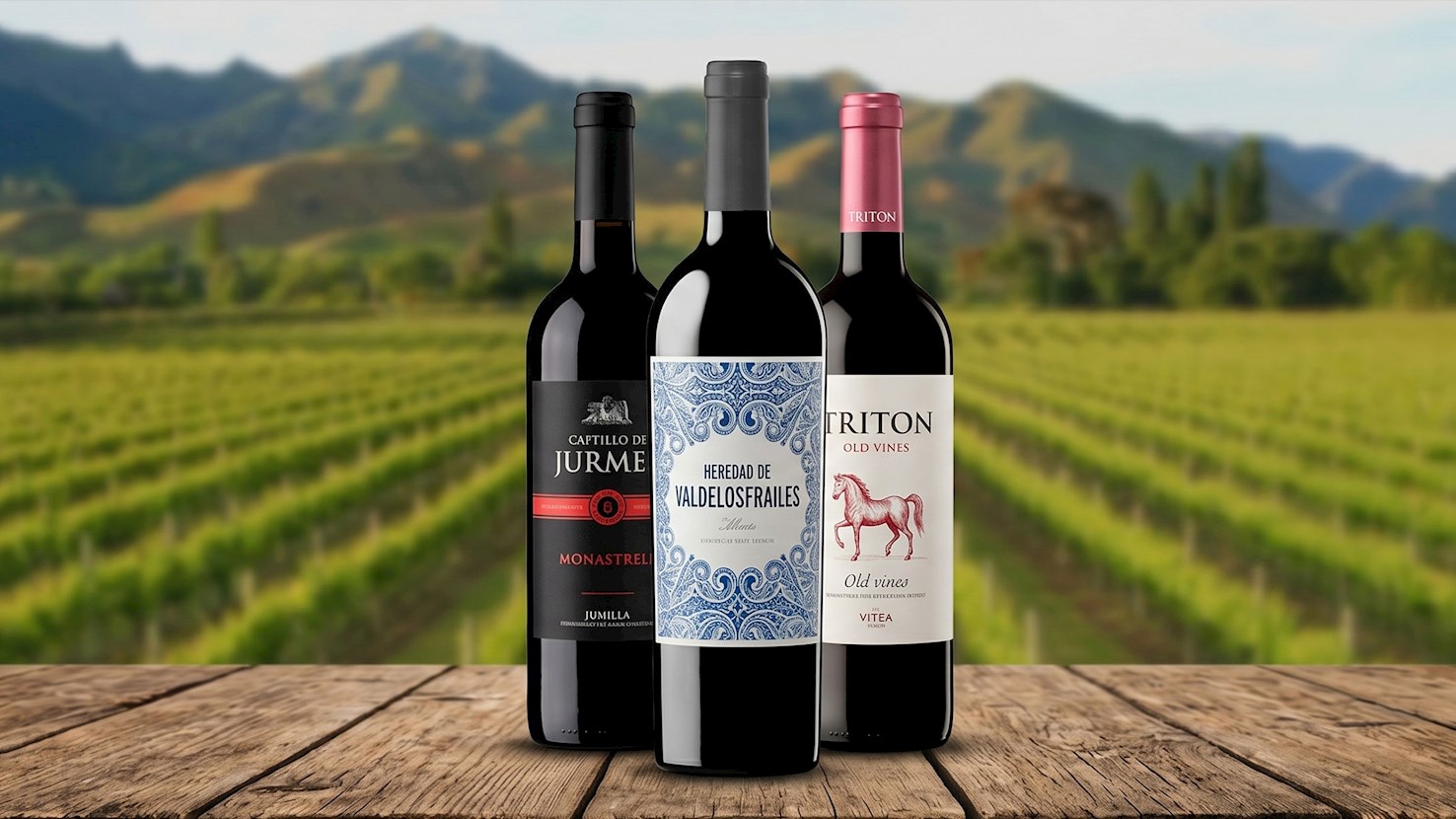
Monastrell, also known as Mourvèdre, is a red wine grape variety widely grown in several wine regions, particularly in Spain and France. Believed to have originated in Spain, it is most commonly known as Monastrell there, while in France it is called Mourvèdre, notably in the Provence and Rhône Valley regions. It is also referred to as Mataro in parts of Australia and California. In Spain, Monastrell is primarily cultivated in the southeastern regions, such as Jumilla, Yecla, and Alicante. In France, it is found in the southern Rhône Valley and Provence and is often used in blends for wines like Châteauneuf-du-Pape and Bandol. Additionally, it is grown in other parts of the world, including Australia and the United States (particularly California). Monastrell wines are typically dark in color with high tannin and alcohol levels, exhibiting rich, robust flavors with notes of blackberries, plums, black pepper, and earthy undertones. They can be meaty or gamey and sometimes show hints of herbs and spices. This grape variety is used to produce a variety of wine styles, including single-varietal wines and blends. It is often blended with Grenache (Garnacha) and Syrah in both Spain and France to create balanced and complex wines, and it is also used to make rosé wines, particularly in Provence. Monastrell wines pair well with hearty and robust dishes, such as grilled meats, stews, and game. The high tannin content makes it a good match for rich and fatty foods, including lamb and beef, and it also pairs well with spicy dishes and strong cheeses. Due to their structure and tannin levels, Monastrell wines often have good aging potential, especially those from top-quality vineyards and producers, developing more complex flavors and softer tannins with a few years of aging. Monastrell is a versatile and robust grape variety that produces rich and flavorful wines, reflecting the characteristics of the regions where it is grown.
Maturana Tinta is a red wine grape variety grown almost exclusively in the Rioja Qualified Designation of Origin (DOCa) in North-Central Spain. It is distinguished by its small, compact clusters and thick-skinned berries that produce wines of high color intensity and notable acidity. In the early 21st century, the variety was found to be genetically identical to the Castets grape, a variety once common in the Bordeaux region of France that has since largely disappeared from its country of origin. Viticulture in the region was significantly altered by the arrival of phylloxera in the late 19th century. During the replanting efforts of the early 20th century, growers prioritized high-yield varieties and clones that were easier to cultivate, leading to the near-total disappearance of Maturana Tinta from the Spanish landscape. The variety was recovered from a small number of surviving vines in old vineyards near Navarrete in the 1990s. Following successful experimental trials and DNA verification, the Rioja Regulatory Council officially authorized its use for commercial winemaking in 2007, making it a key component in the region's efforts to diversify its viticultural heritage. Preparation of the wine involves harvesting the grapes late in the season, as the variety has a late bud-break but a short ripening cycle. Due to its high concentration of anthocyanins and polyphenols, the must requires careful management during maceration and fermentation to balance the extraction of color and tannins. Many producers use French oak barrels or clay amphoras for aging to soften the naturally firm tannic structure without overwhelming the varietal characteristics. The wine is typically served at a temperature between 16°C and 18°C. Unlike many red varieties from the region, Maturana Tinta frequently displays a distinct chemical compound known as pyrazine, which manifests as an aroma of green bell pepper or paprika, similar to its distant genetic relatives in the Cabernet family. The wine is primarily consumed in a gastronomic context where its high acidity and structured profile can be utilized. In the local cuisine of La Rioja, it is paired with fatty red meats such as chuletillas de cordero (lamb chops grilled over vine shoots) or barbecued beef ribs, as the tannins help to cleanse the palate of animal fats. It also complements highly seasoned or spicy dishes that mirror its peppery aromatic profile, such as chorizo-based stews or grilled vegetables seasoned with smoked paprika. The wine's balsamic and herbal undertones allow it to be served alongside hard, aged cheeses or game meats like venison and wild boar.
Tinta de Toro is a black-skinned grape variety and the primary red wine grape of the Toro Denominación de Origen (DO) in the province of Zamora, Castile and León, Spain. While genetically a clonal variation of Tempranillo, the variety has adapted to the specific environmental conditions of the Duero River Valley, resulting in thicker skins and a higher concentration of tannins and sugars than its counterparts in other Spanish regions. The cultivation area is characterized by an extreme continental climate with long, hot summers and very cold winters, located at altitudes between 600 and 750 meters on sandy and gravel-rich soils. The variety was introduced to the region by Roman settlers and expanded under the patronage of the local clergy during the 13th century. Because the sandy soils of the Toro region were resistant to the phylloxera louse in the late 19th century, Tinta de Toro remained one of the few European grape varieties to survive on its own rootstocks while most of the continent was forced to graft onto American vines. This allowed the preservation of ancient genetic material, with many vineyards in the region currently exceeding 100 years of age. The grape was historically valued for its high alcohol content and structural stability, which permitted the wine to withstand long-distance transport. Preparation of the wine involves a rigorous fermentation process to manage the high phenolic content. Many winemakers use temperature-controlled fermentation and extended maceration to extract deep color and firm tannins. To balance the naturally high alcohol levels, which often reach 14.5% or 15%, the wines are frequently aged in French or American oak barrels to introduce oxygen and soften the palate. Serving temperatures are optimal at 16°C to 18°C, and decanting is standard practice for older vintages to separate sediment and allow the aromatic profile to expand. A unique characteristic of Tinta de Toro is its physiological adaptation to the region’s intense solar radiation; the grapes develop a significantly higher ratio of skin to juice compared to Tempranillo grown in Rioja or Ribera del Duero. This results in wines with a deeper color and more robust structural grip. Tinta de Toro is consumed as a centerpiece of the regional Castilian diet and is exported globally as a premium red wine. It is eaten alongside heavy protein dishes such as roasted milk-fed lamb (lechazo), grilled T-bone steaks (chuletón), and wild game stews. The wine also pairs with cured sheep's milk cheeses, such as Queso Zamorano, and spicy sausages like chorizo, which match the wine's power and peppery notes.
Cariñena is a black-skinned wine grape variety and a corresponding protected designation of origin in the Aragon region of northeastern Spain. The grape is characterized by its late budding and late ripening cycle, requiring high heat units and arid conditions to reach full maturity. Globally, it is one of the most widely planted red wine grapes, although it is frequently utilized as a blending component rather than a single-varietal wine. The vine is physically robust, featuring an upright growth habit that allows it to be grown without trellis systems in windy environments. The variety emerged in the Ebro River Valley, specifically around the town of Cariñena in the province of Zaragoza. From this central Spanish location, the vine was exported across the Mediterranean basin by various maritime powers, eventually becoming a staple in the Languedoc-Roussillon region of France, the island of Sardinia in Italy, and later in the New World regions of Chile and California. Its prevalence increased significantly following the phylloxera epidemic of the 19th century because the vine was highly productive and offered a reliable yield for large-scale wine production. In Spain, the grape is also referred to as Mazuelo in the Rioja region, while internationally it is most commonly known as Carignan. Preparation of the wine involves managing the naturally high concentrations of tannins, acidity, and color pigments. In younger vineyards, the grape can be astringent, leading many winemakers to employ carbonic maceration, where whole bunches are fermented in an anaerobic environment to emphasize fruit aromatics like cranberry and plum while minimizing harsh extraction. Conversely, wines produced from vines older than fifty years are typically fermented with standard skin contact and aged in oak barrels to stabilize the color and soften the phenolic structure. The wine should be served at 16°C to 18°C in a glass with a large bowl to allow for aeration. A specific attribute of Cariñena is its sensitivity to powdery mildew and grape moths, which necessitates dry, well-ventilated vineyard sites. When the vines reach a significant age, their yield naturally drops, which shifts the balance of the wine from simple acidity to a complex profile of dried herbs, leather, and dark fruit. Cariñena is typically consumed in conjunction with heavy, savory meals that can offset its tannic grip. It is served with roasted red meats, such as beef or lamb, and is a frequent accompaniment to Mediterranean stews and game birds. Food pairings also include roasted root vegetables, mushrooms, and aged hard cheeses, which complement the earthy and spicy notes inherent to the variety.
Prieto picudo is a red grape variety native to the Castilla y León region in northwestern Spain, particularly thriving in the provinces of León and Zamora. Known for its distinctive characteristics, Prieto Picudo grapes are small and oval-shaped, with thick, dark blue to black skins. The name "prieto picudo" translates to "dark and pointed," referring to the grape's color and shape. This grape thrives in the dry, continental climate of Castilla y León, characterized by hot summers and cold winters, and is well-suited to the region's calcareous and clayey soils. Wines made from prieto picudo grapes are renowned for their intense color, high acidity, and robust tannins. They often exhibit flavors of dark berries such as blackberries and blueberries, along with floral notes, hints of licorice, and sometimes a touch of spice. These wines have good aging potential due to their strong tannic structure and acidity, which allow them to develop complex flavors over time. One of the most popular expressions of prieto picudo is in rosé wines, known locally as "claretes." These vibrant wines offer fresh fruit flavors and crisp acidity, making them refreshing and versatile. Prieto Picudo is also used to produce robust red wines, often aged in oak barrels to soften the tannins and add layers of complexity, resulting in rich, full-bodied wines with a balanced structure. While it can be used as a single varietal, Prieto picudo is sometimes blended with other grape varieties, such as Tempranillo, to create more nuanced and harmonious wines. Prieto picudo is a key grape variety in the Tierra de León DO (Denominación de Origen), where it is highly valued for its unique qualities and contribution to the region's wine identity. The grape's adaptability to the local climate and soil conditions, along with the traditional and modern winemaking techniques employed by local producers, have helped elevate the status of prieto picudo wines. Prieto picudo wines pair well with a variety of dishes. The rosé wines are excellent with light appetizers, seafood, and salads, while the red wines complement grilled meats, stews, and mature cheeses. This distinctive and versatile grape variety offers a unique and flavorful expression of the region's winemaking heritage, continuing to gain recognition for its quality and potential, making it an exciting choice for wine enthusiasts.
TasteAtlas food rankings are based on the ratings of the TasteAtlas audience, with a series of mechanisms that recognize real users and that ignore bot,
nationalist or local patriotic ratings, and give additional value to the ratings of users that the system recognizes as knowledgeable.
For the “Top 6 Spanish Red Grapes” list until June 15, 2026, 41 ratings were recorded, of which 34 were recognized by the system as legitimate.
TasteAtlas Rankings should not be seen as the final global conclusion about food. Their purpose is to promote excellent local foods,
instill pride in traditional dishes, and arouse curiosity about dishes you haven’t tried.