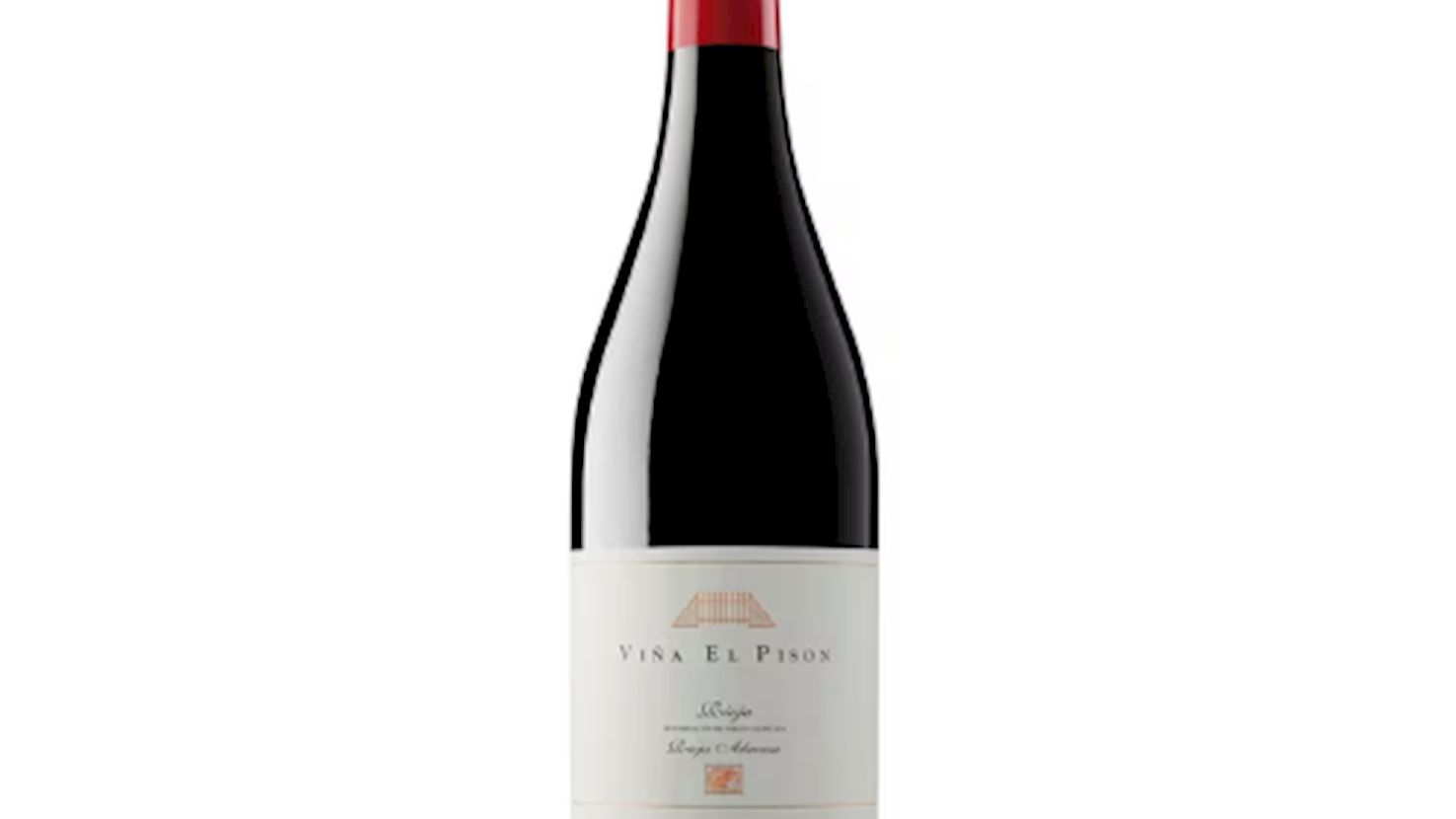
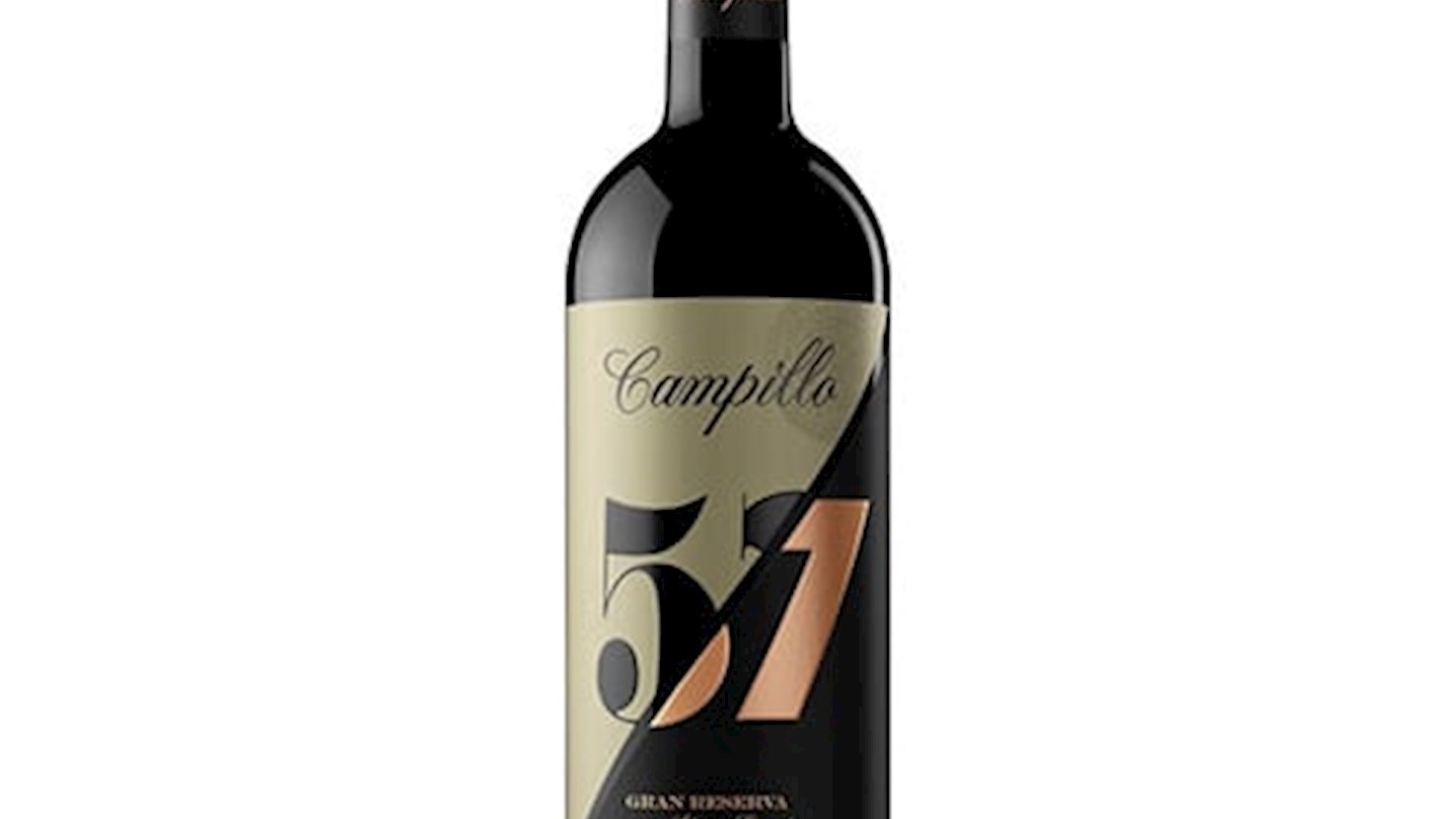
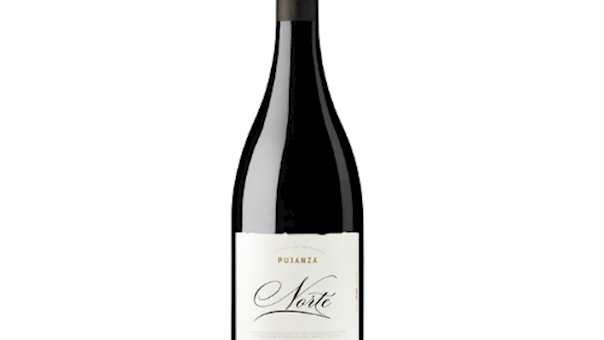
Artadi Bodegas y Viñedos is one of the most influential contemporary wineries in Spain, based in Laguardia in the Rioja Alavesa area, and widely recognized for its strong focus on terroir and a parcel-driven approach to viticulture. Founded in 1985 as an initiative of local growers, under the leadership of Juan Carlos López de Lacalle it evolved into a reference point for wines that prioritize origin over stylistic uniformity. Artadi distanced itself early from the classic Rioja model centered on aging categories and formal classifications, instead emphasizing the expression of individual vineyards and old-vine Tempranillo. The vineyards are farmed according to organic and biodynamic principles, with great attention to work in the field and naturally low yields. In the cellar, minimal intervention is practiced to preserve the purity of the fruit and the authenticity of the terroir. This philosophy has positioned Artadi as one of the pioneers of Spain’s modern, terroir-focused wine movement.
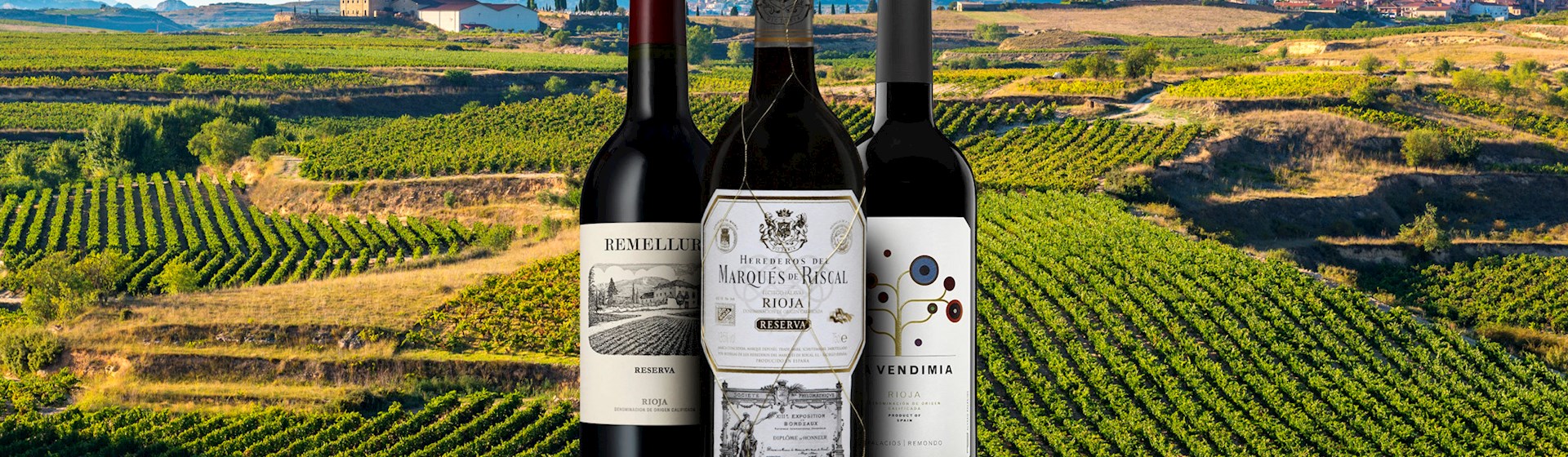
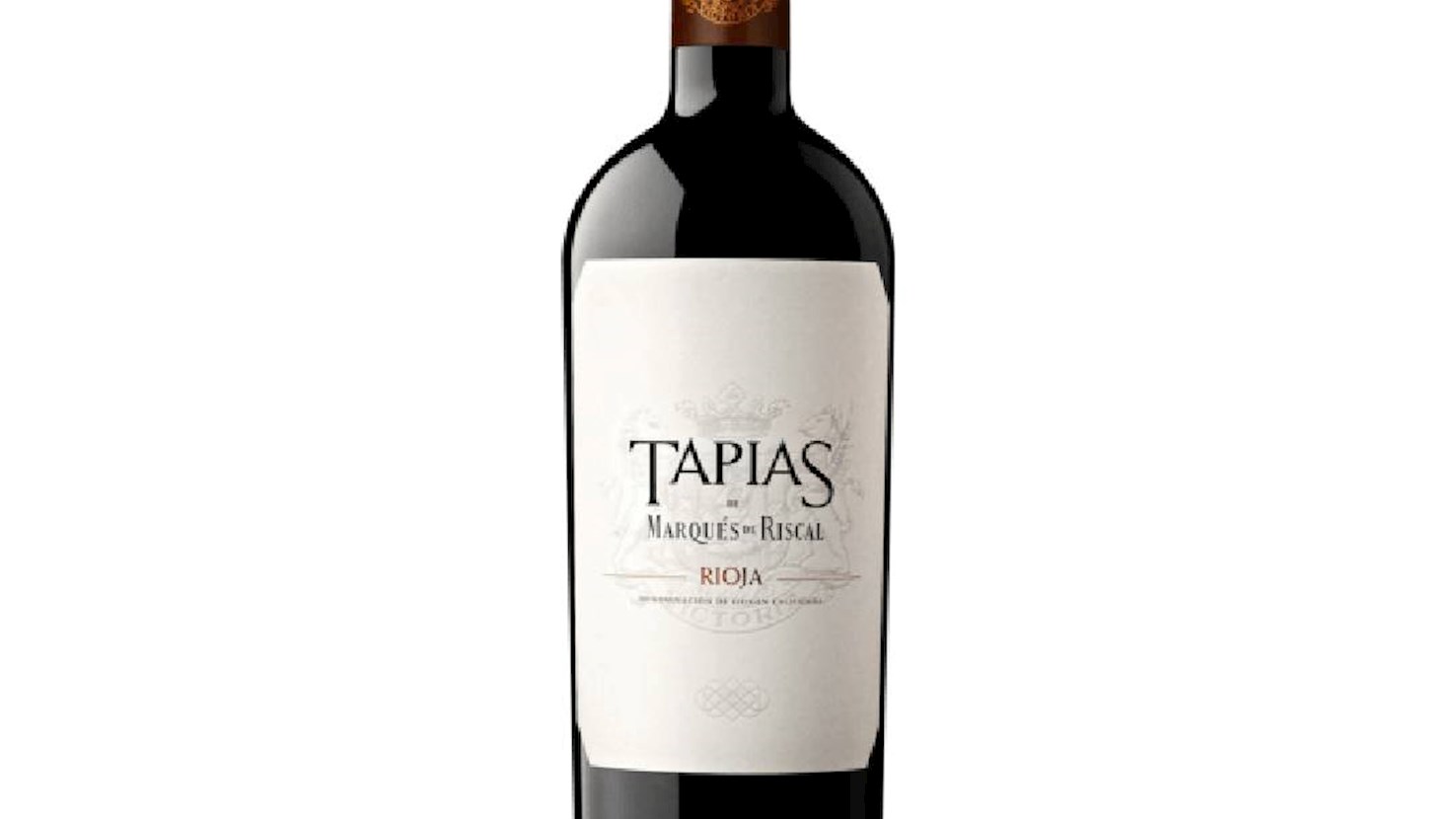
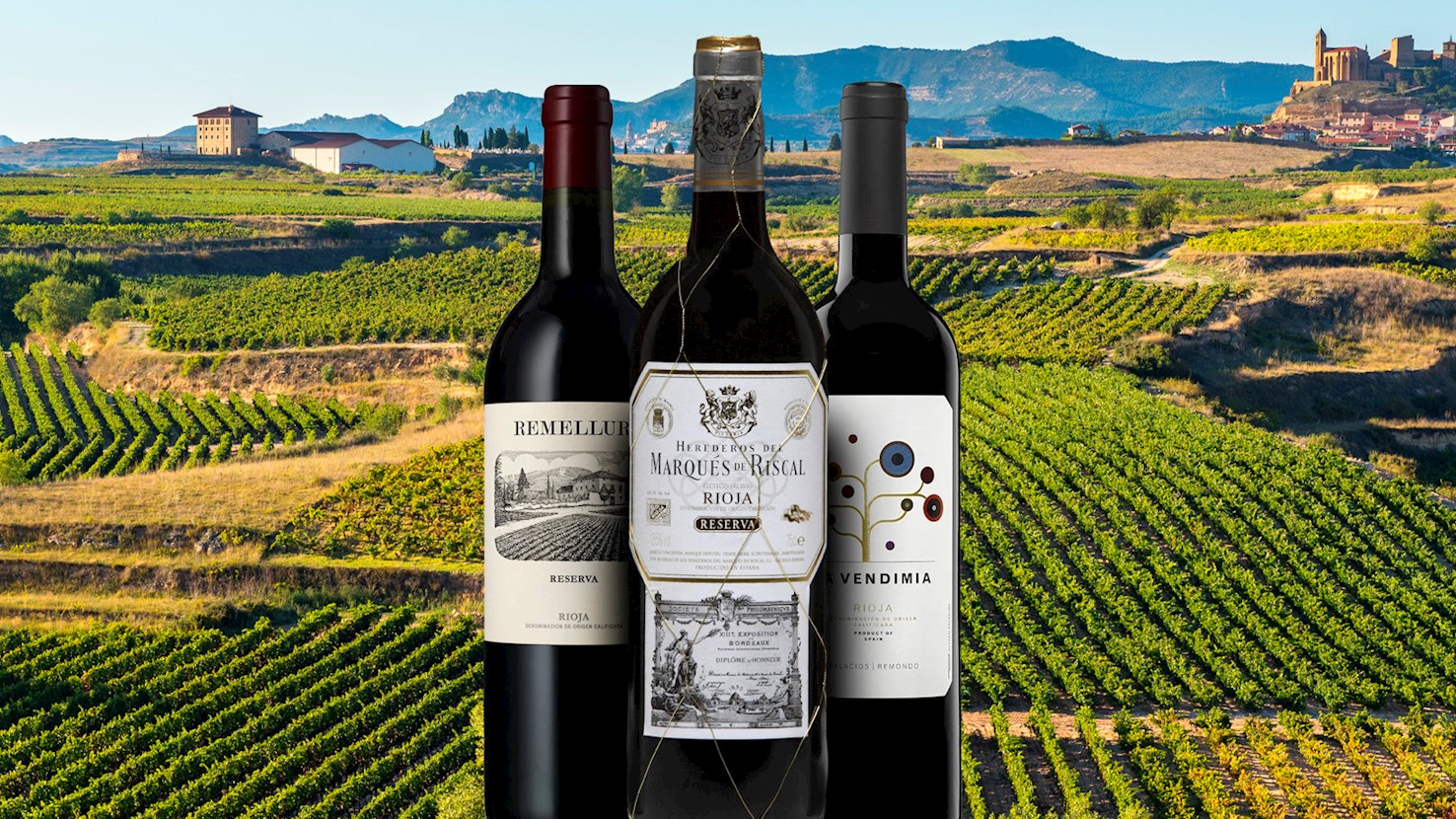
Bodegas Marqués de Riscal is one of Spain’s most prestigious and historic wineries, founded in 1858 in Elciego, at the heart of Rioja Alavesa. From its earliest days, it pioneered the introduction of modern winemaking techniques, blending the traditions of Rioja with expertise and methods from Bordeaux. This vision gave Marqués de Riscal wines their distinctive style - a harmonious combination of elegance, complexity, and remarkable aging potential. Over more than a century and a half, the winery has built a global reputation for its consistent quality and innovative spirit. A striking symbol of its modern identity is the “City of Wine”, featuring the iconic hotel designed by Frank Gehry, where visitors can experience an unforgettable fusion of wine, architecture, and gastronomy. Today, Marqués de Riscal remains a benchmark for prestigious Rioja wines, with each vintage telling a story of tradition, passion, and exceptional craftsmanship.
Awards
Decanter World Wine Awards - Platinum
(2024, 2023, 2020)
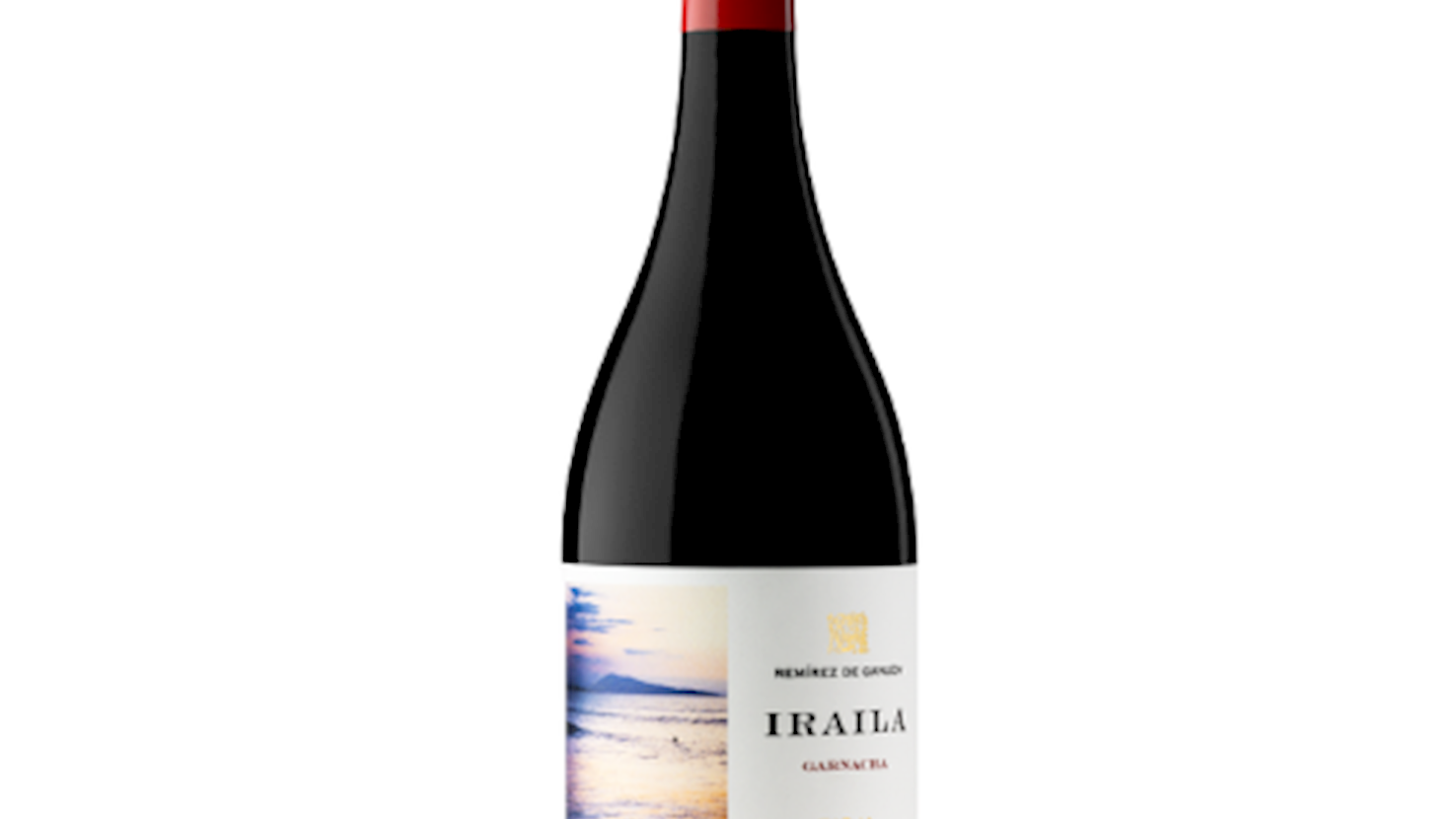
Bodegas Remírez de Ganuza is a winery based in Samaniego in the Rioja Alavesa subregion, founded in 1989 with a clear focus on precise grape selection and controlled vinification. Its work is rooted in old vineyard parcels located at varying altitudes and exposures, allowing for a distinct expression of terroir. The estate is particularly known for its meticulous separation of grape clusters, especially Tempranillo, where the upper “shoulders” are reserved for wines intended for long ageing. Vinification combines traditional Rioja practices with modern technology, including ageing in French oak barrels. The resulting wines are structured, concentrated, and built for longevity, while maintaining balance and elegance. The portfolio includes Reserva and Gran Reserva wines, as well as limited special cuvées. The winery has gained strong international recognition, with certain vintages receiving top scores from leading wine critics. Its philosophy remains centered on vineyard quality, strict selection, and the expression of specific micro-locations within Rioja Alavesa.
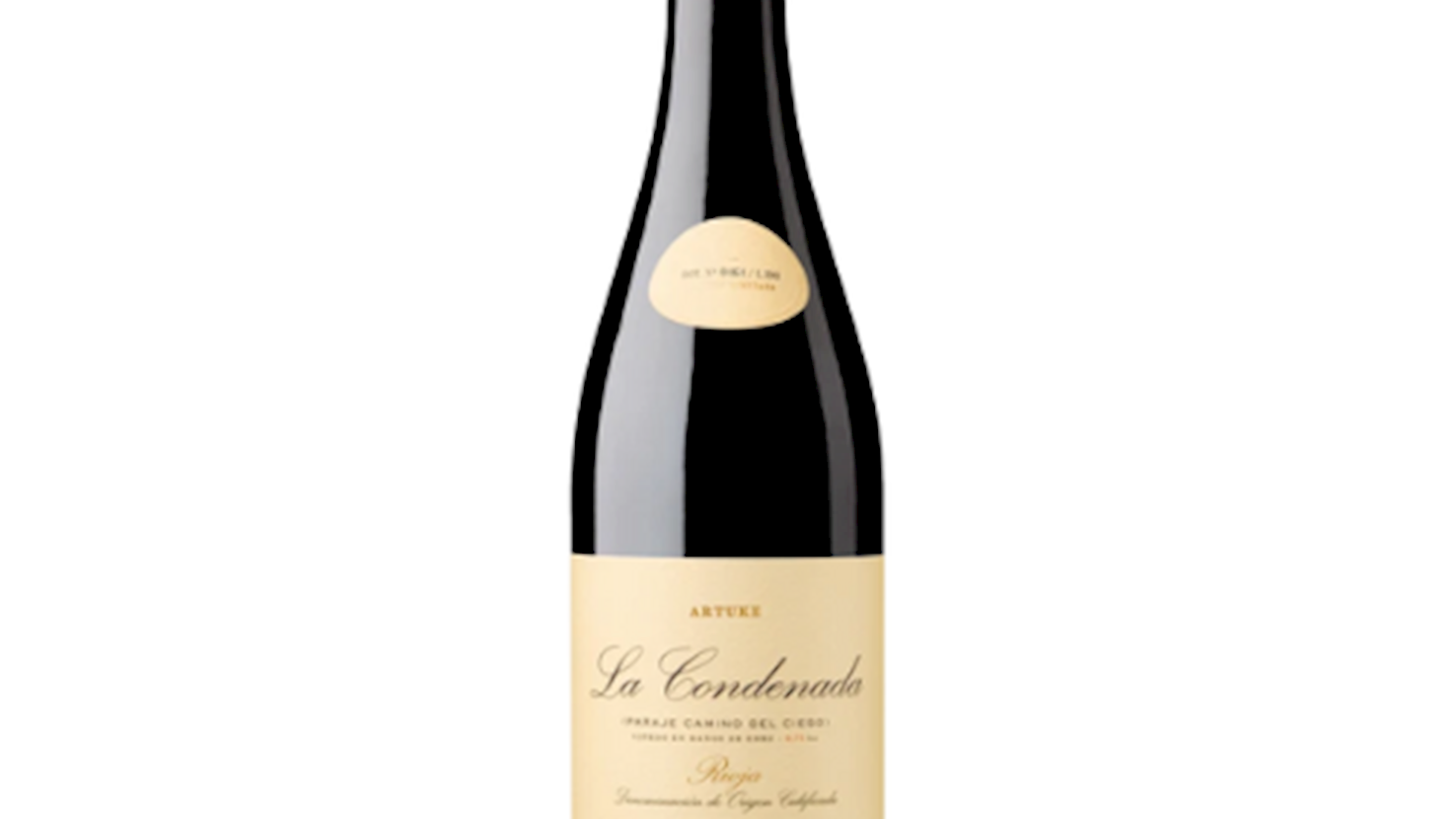
Artuke is an independent, family-run winery based in Baños de Ebro in Rioja Alavesa, led today by brothers Arturo and Kike de Miguel, whose names together form the winery’s name. The project began in the early 1990s, when the family shifted from selling bulk wine to producing estate wines with a clear авторски identity and a strong focus on terroir. Their vineyards are spread across several villages in the area, at elevations that bring freshness and marked minerality, on soils rich in limestone and sand. Vineyard work follows organic principles and minimal intervention, aiming to preserve the natural balance of the vines and the character of each site. In the cellar, spontaneous fermentation and the use of neutral vessels are favored, so that oak never dominates and the purity of fruit and place remains central. Artuke is part of the new generation of Rioja producers who move away from traditional aging categories like Crianza and Reserva in favor of wines that speak first about vineyards rather than time in barrel. Their wines are known for precision, energy, and vibrant freshness, standing in contrast to the heavier, more extracted traditional Rioja style. The portfolio includes approachable everyday wines as well as serious single-vineyard bottlings such as Finca de los Locos, El Escolladero, and Pies Negros, each reflecting the distinct character of its plot. The house style is often described as terroir-driven, with elegance taking precedence over power. Today, Artuke is seen as one of the most authentic voices of contemporary Rioja. The winery represents a clear link between family tradition and a modern philosophy of winemaking. Its wines are widely recognized by international critics as part of the new direction of the region.
Rioja was the first Spanish appellation that received protected status. This renowned Spanish region is located in the north of the country, on both sides of the river Ebro. It is best known for its red varietals and blends, and while Tempranillo is the dominant grape, blending varieties include Garnacha, Graciano, Mazuelo, and Maturana varieties. Some amount of rosés and whites are also produced. The region is vast, and it is divided into three subregions: Rioja Alta, Rioja Alavesa, and Rioja Oriental. Aging guidelines categorize it under the generic label with no aging requirements (also known as Joven), Crianza (aged for two years), Reserva (at least three years of age), and Gran Reserva (five years of age and a minimum of two years in a barrel). The entire area is impacted by two different climates—Atlantic and Mediterranean—but specific microclimates and different types of soil, together with different winemaking techniques and maturation, generate various styles and greatly influence the final character of Rioja wines. They can range from light, fruity, and approachable styles to more complex expressions that often showcase rich notes of dark fruit and spices. Most styles will have firm tannins that are balanced with bright acidity. Pairing suggestions mostly depend on the style and the age, but most examples work well with pork, lamb, and spicy dishes. Aged varieties may also be a good match with game. The new classification system that allows the use of village and municipality on the label tends to encourage producers not to rely exclusively on oak-aging as the sign of quality.
Rioja Alavesa is one of the sub-regions of the famed Rioja appellation. Situated between the River Ebro and the Cantabria mountain range, it is the smallest and the northernmost region of Rioja. Tempranillo is the primary grape variety, with some amount of Graciano, Garnacha, and Mazuelo. Alavesa wines are considered of exceptional quality and are often compared to those of Rioja Alta. Unique soil composition (mostly calcareous clay) and high elevation of the vineyards influence the final character of these wines. They usually have a distinctive fruity profile, good acidity, and excellent aging potential. Carbonic maceration—a technique in which whole bunches of grapes are used in fermentation—is also one of the traditional methods used for Alavesa wines. These wines tend to be easy-drinking, packed with fruit flavors, and intensely-colored. A small amount of white wine is also produced in Rioja Alavesa.
Bizkaiko Txakolina, also known as Txakoli de Bizkaia, is primarily a protected designation of origin (D.O.P.) white wine (though rosé and red wines are also produced) from the coastal province of Bizkaia in the Basque Country, northern Spain. Known for its bright acidity and subtle effervescence, this wine is primarily crafted from the native white grape Hondarrabi Zuri. However, other approved varieties, such as Hondarrabi Zuri Zerratia (Petit Courbu), also appear in white wine blends. A red variety, Hondarrabi Beltza, is used to produce rosé and, less commonly, red txakoli. Bizkaiko Txakolina is typically pale yellow or greenish, with crisp, citrusy aromas and a clean, herbaceous palate. Though most of the production centers around white wine, the appellation also permits rosado (rosé) and tinto (red) wines. The rosé must contain at least 50% red grapes and feature notes of red fruit and green pepper. The red wine is medium-bodied and youthful, characterized by wild berry notes and gentle tannins. Modern variations—known as Txakoli Bereziak—include wines aged on lees, fermented in barrels, late harvest wines, and sparkling versions. These represent a growing sophistication in the region’s winemaking while remaining rooted in tradition. In 2021, the Regulatory Council approved including Pinot Noir and Berdexarie (Cabernet Franc) in the blends as fully authorized red varieties, while several white grapes—Mune Mahatsa (Folle Blanche), Izkiriota (Gros Manseng), Izkiriota Ttipia (Petit Manseng), Sauvignon Blanc, Riesling, and Chardonnay—were granted approval but with certain limitations. The vineyards of Bizkaiko Txakolina are planted on steep, Atlantic-facing slopes, often close to the sea, in over 80 municipalities throughout the province. The wines are traditionally served well chilled and poured from a height into tall glasses to aerate the wine and highlight its natural spritz. It’s a favorite pairing with Basque pintxos, grilled fish, shellfish, and other local seafood. Revived in the 1990s and granted D.O.P. status in 1994, Bizkaiko Txakolina has become a symbol of the Basque region’s commitment to preserving its viticultural heritage while embracing innovation in both cultivation and winemaking.
TasteAtlas food rankings are based on the ratings of the TasteAtlas audience, with a series of mechanisms that recognize real users and that ignore bot,
nationalist or local patriotic ratings, and give additional value to the ratings of users that the system recognizes as knowledgeable.
For the “Top 22 Basque Red Wines” list until June 03, 2026, 157 ratings were recorded, of which 130 were recognized by the system as legitimate.
TasteAtlas Rankings should not be seen as the final global conclusion about food. Their purpose is to promote excellent local foods,
instill pride in traditional dishes, and arouse curiosity about dishes you haven’t tried.
The initial list of top producers was compiled based on available reviews, awards, local recommendations, media and blog coverage, and consumer reviews.
The list will be updated with ratings from TasteAtlas local ambassadors and TasteAtlas users.