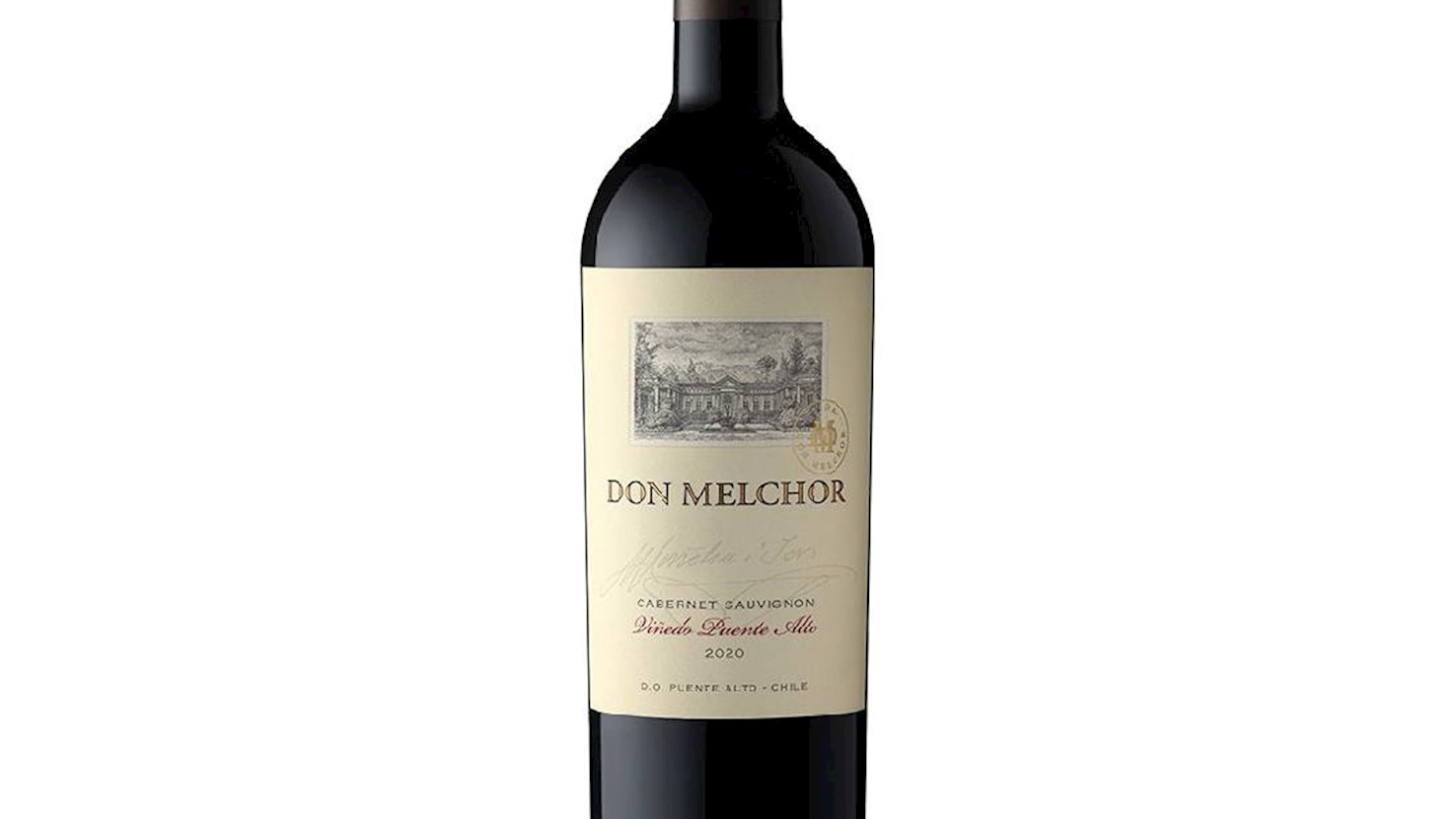
Viña Don Melchor is a specialized Chilean winery dedicated to the production of one of Latin America’s most prestigious Cabernet Sauvignon wines, located in the Puente Alto subregion of the Maipo Valley. Originally established as a premium project of Concha y Toro, it now operates as a distinct winery focused exclusively on the development and refinement of Don Melchor. The vineyards are situated at the foothills of the Andes on alluvial soils composed of gravel, sand, and clay, providing excellent drainage and contributing to the wine’s structure and concentration. A climate defined by warm days and cool nights allows for slow ripening and the preservation of natural acidity.
Winemaking is based on detailed vineyard parceling, with each micro-parcel vinified separately to achieve complexity and precision in the final blend. The focus is on Cabernet Sauvignon, complemented by small proportions of other Bordeaux varieties depending on the vintage. The wines are characterized by depth, structure, and balance, with aromas of dark fruit, spice, and subtle oak influence from aging in French barrels. Viña Don Melchor is widely regarded as a benchmark producer in Chile’s premium wine segment, consistently receiving high international ratings and demonstrating the full potential of the Puente Alto terroir.
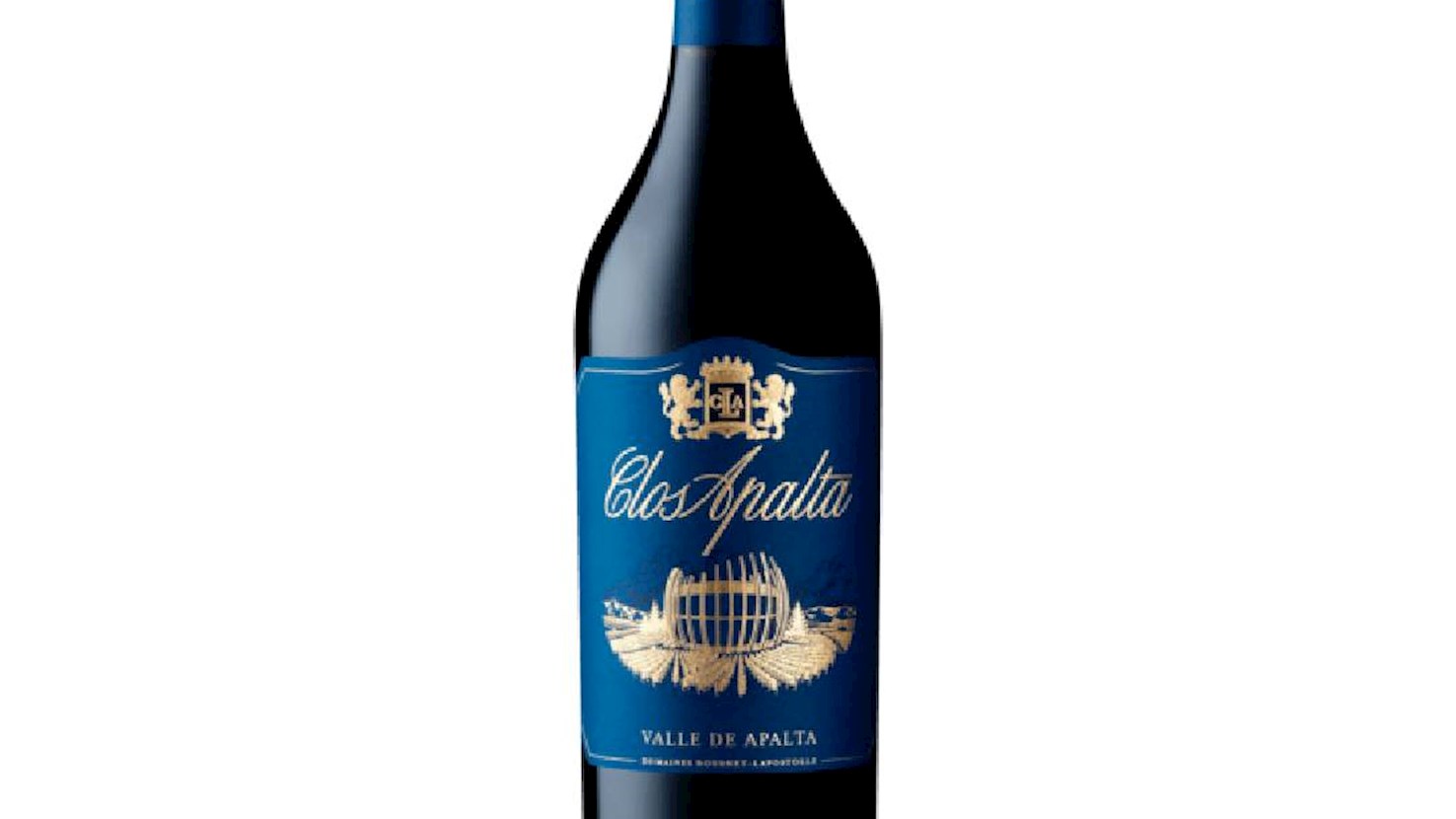
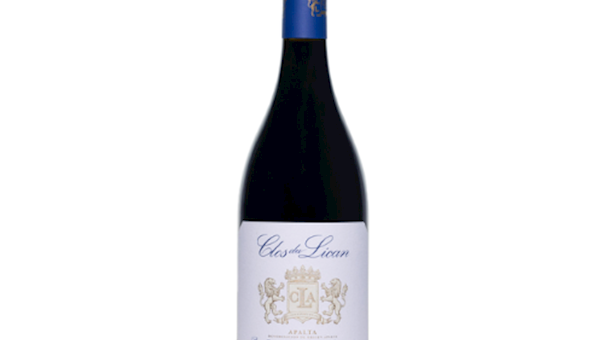
Clos Apalta is a prestigious Chilean winery that seamlessly blends French winemaking heritage with the unique terroir of the Apalta Valley. Surrounded by century-old vineyards planted between 1915 and 1920, the estate cultivates vines of French origin that thrive thanks to a distinctive microclimate and a rare southeast-facing slope, which lends the grapes remarkable freshness and aromatic depth. The diverse soils – ranging from rich granite layers to clay-granitic subsoils – contribute to the wine’s complexity and elegance. Under the stewardship of the Marnier Lapostolle family and guided by renowned oenologists, Clos Apalta crafts wines of powerful character, perfect balance, and exceptional ageing potential.
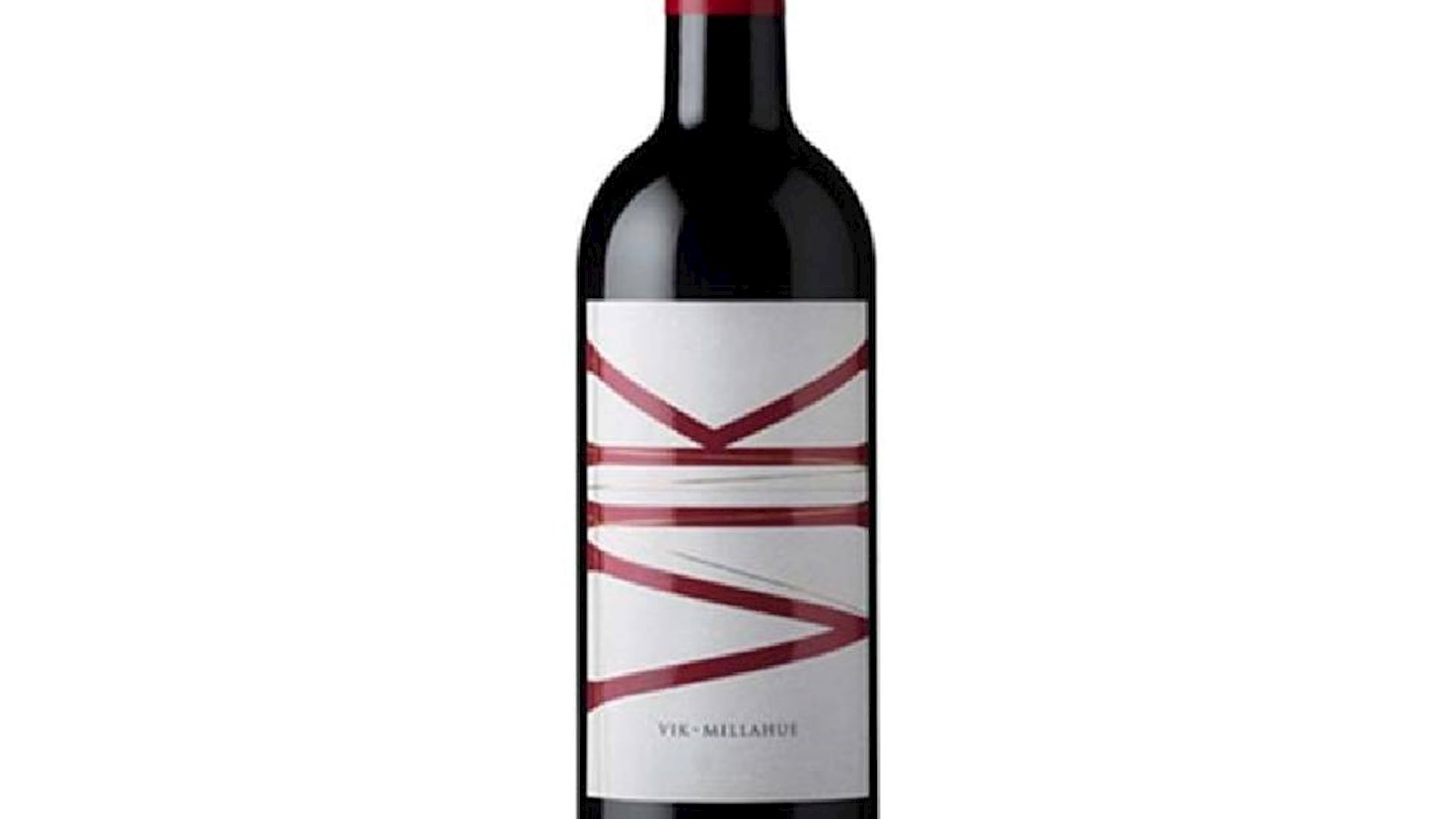
VIK is an ultra-premium Chilean winery located in the Millahue Valley within the Cachapoal Valley, a region whose name means “Place of Gold” in the Mapuche language and reflects its exceptional natural potential. The project was founded with a holistic philosophy that integrates terroir research, precision viticulture, and advanced winemaking in order to produce wines of balance, elegance, and long-term aging potential. VIK works primarily with international varieties such as Cabernet Sauvignon, Cabernet Franc, Carmenère, Merlot, and Syrah, crafting both single-estate and blended wines that clearly express the valley’s diverse microclimates. The portfolio includes flagship labels such as VIK, La Piu Belle, and Milla Cala, all recognized for their structure, complexity, and refinement. Sustainability is central to the estate’s approach, with careful land management and minimal intervention in both vineyard and cellar. Beyond wine production, VIK is also conceived as a complete wine destination, combining contemporary architecture, gastronomy, and immersive visitor experiences. The winery has gained strong international recognition and is consistently ranked among the world’s leading wine estates for both quality and innovation.
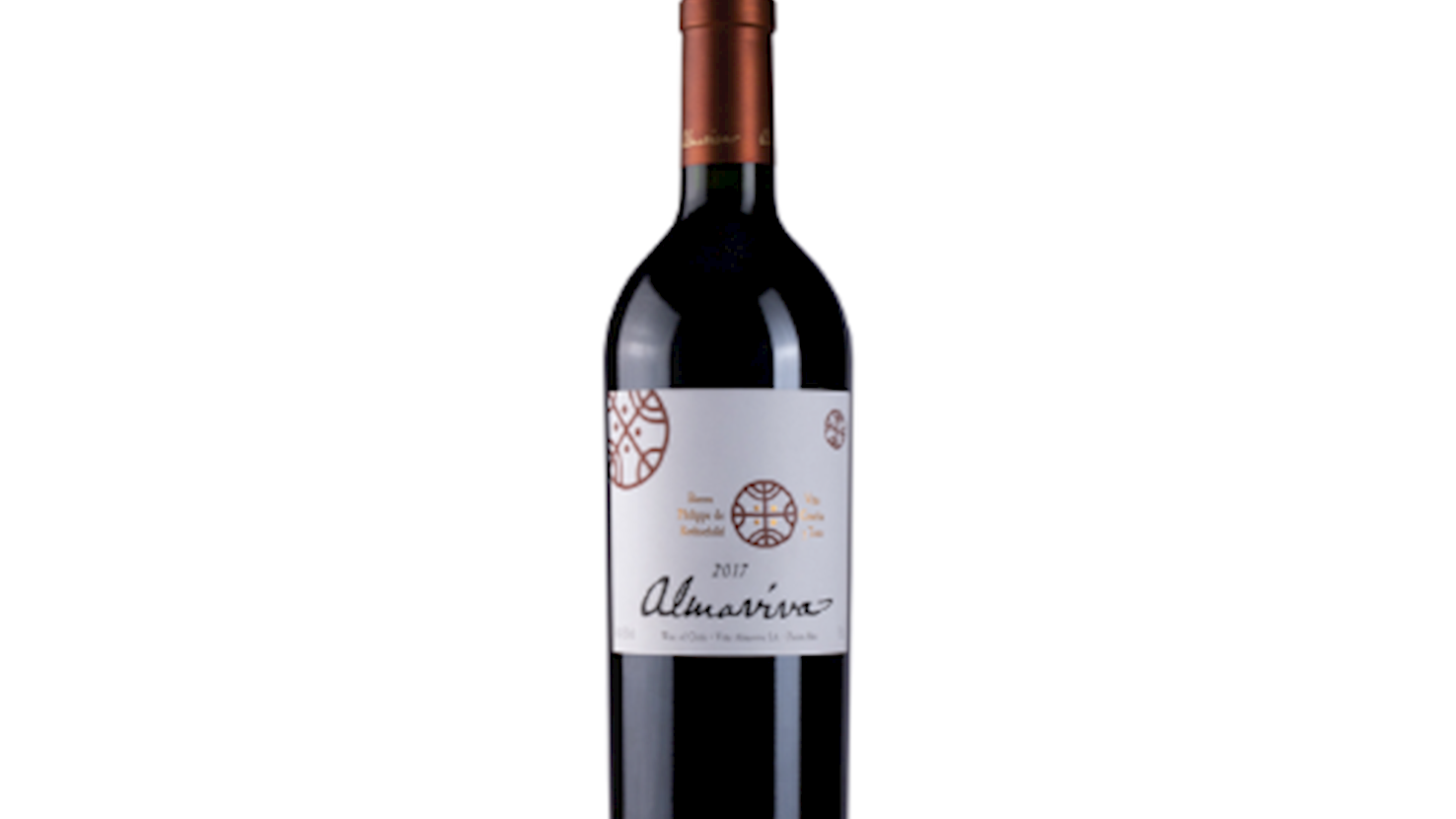
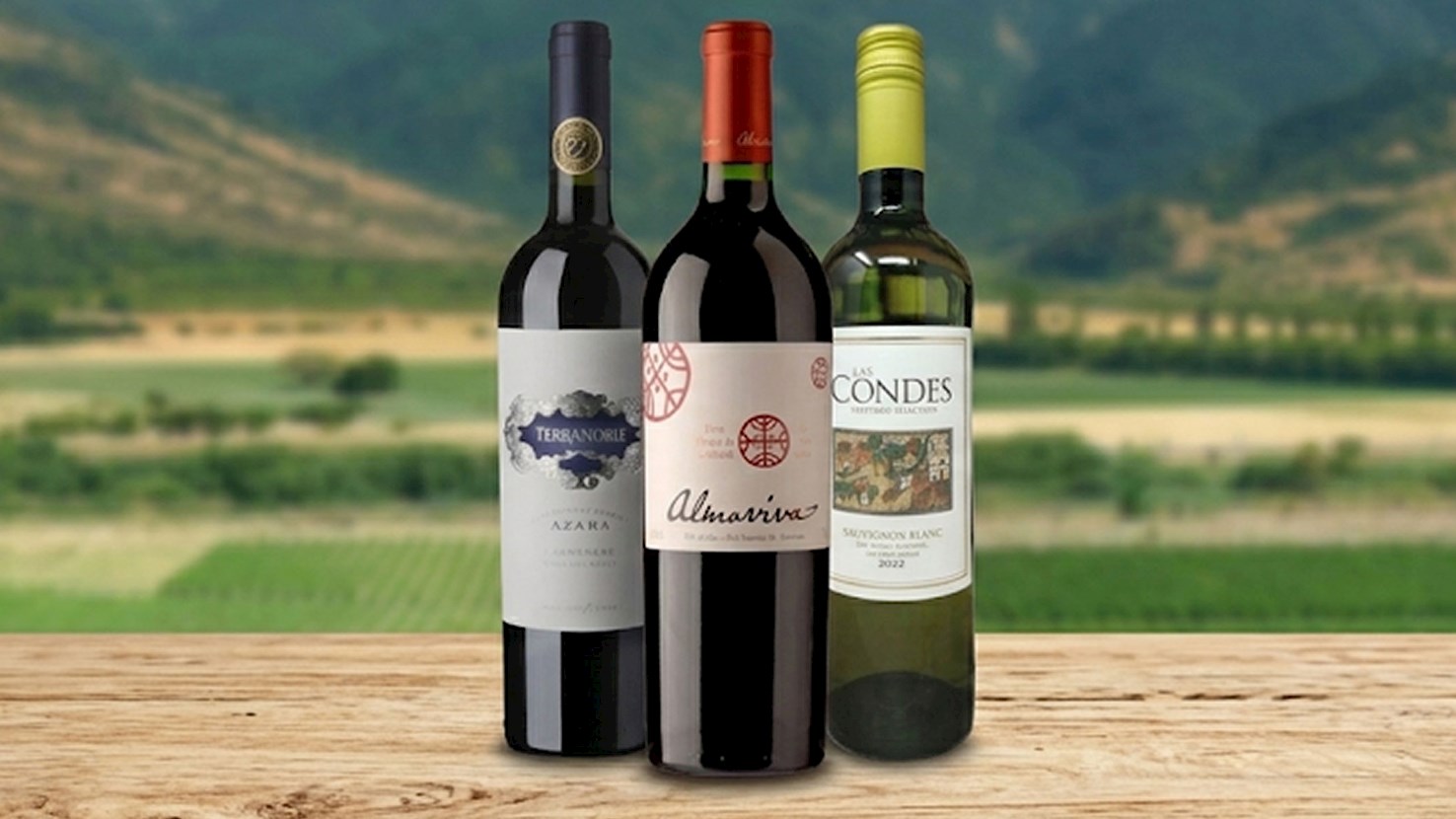
Almaviva is a prestigious Chilean winery and flagship wine established in 1997 as a joint venture between Baron Philippe de Rothschild of Bordeaux and the Chilean producer Viña Concha y Toro. The estate is located in the Maipo Valley, specifically in the Puente Alto sub-region, one of Chile’s most highly regarded areas for premium red wines, characterized by alluvial, stony soils at the foothills of the Andes. Almaviva was conceived as a château-style project, combining French winemaking expertise with the distinct expression of Chilean terroir. The vineyards are planted with classic Bordeaux varieties, led by Cabernet Sauvignon and complemented by Carménère, Cabernet Franc, Petit Verdot, and Merlot. Almaviva is produced as a carefully structured blend, with an emphasis on balance, depth, and aging potential. Winemaking is precise and restrained, followed by maturation for approximately 18 to 20 months in new French oak barrels. Aromatically, the wine shows ripe dark fruit, herbal and spicy notes, and well-integrated oak influence. On the palate, it is layered and refined, with firm yet polished tannins and a long, persistent finish. The name Almaviva is drawn from the literary character Count Almaviva, while the label features symbols inspired by Mapuche culture, reflecting respect for local heritage. Since its first vintage, Almaviva has been recognized as one of the most ambitious and influential fine-wine projects of the New World. It is consistently ranked among Chile’s top wines by international critics. Today, Almaviva stands as a benchmark for premium Chilean Bordeaux-style blends with proven longevity.
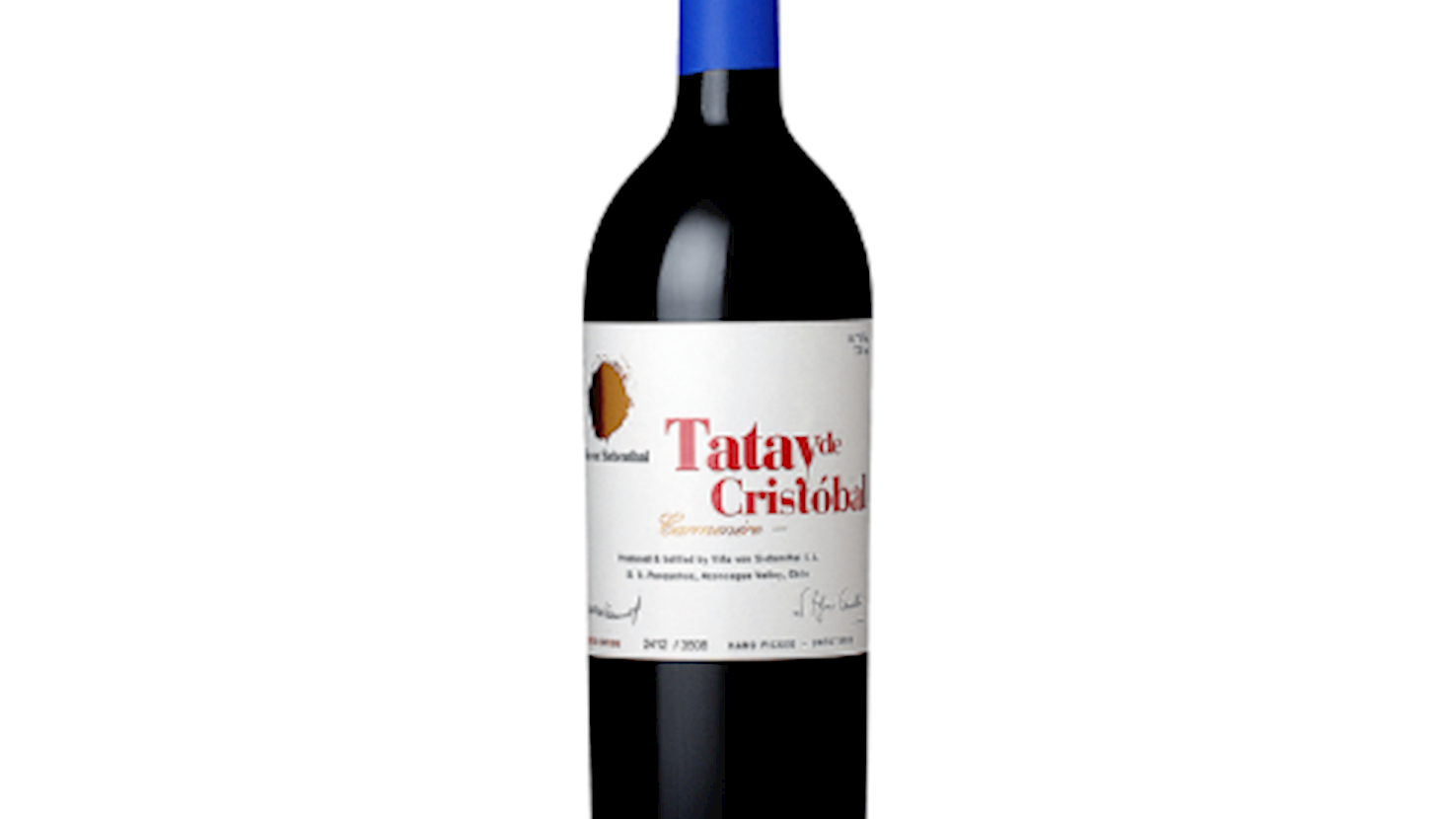
Viña Von Siebenthal is a boutique Chilean winery located in the Aconcagua Valley, founded in 1998 by Swiss vigneron Mauro von Siebenthal, who brought a strong Bordeaux-inspired philosophy to this distinctive terroir. The estate is based in Panquehue, a historic subzone of Aconcagua, where a warm Mediterranean climate, cool Andean influences, and well-drained soils favor wines of structure, depth, and natural balance. Von Siebenthal focuses on small-scale, estate-grown production, working primarily with classic varieties such as Cabernet Sauvignon, Merlot, Cabernet Franc, Carménère, Petit Verdot, and Syrah, with a clear emphasis on red blends and age-worthy styles. The winemaking approach prioritizes precision, extended aging, and careful parcel selection, resulting in wines that highlight elegance, concentration, and longevity rather than overt ripeness. Its portfolio is intentionally limited, with flagship wines that have gained international recognition for their complexity and consistency. Overall, Viña Von Siebenthal represents a refined, artisanal expression of Aconcagua terroir shaped by European sensibility and meticulous craftsmanship.
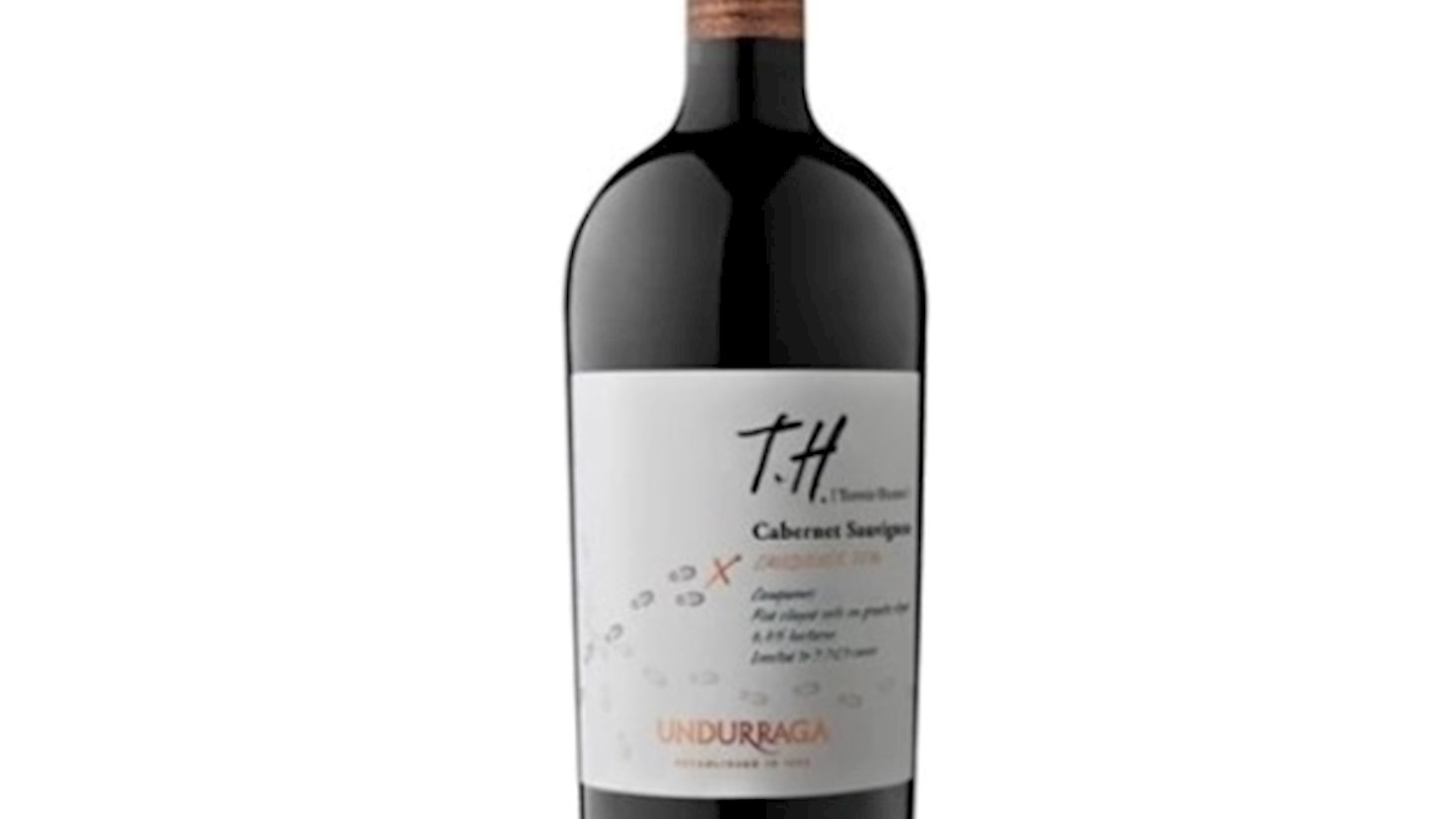
Viña Undurraga, established in 1885 by Francisco Undurraga Vicuña, is one of Chile's oldest wineries and a pioneer in the nation's wine industry. Located in the Maipo Valley, near Talagante, the winery has a rich history of innovation and quality winemaking. Viña Undurraga, established in 1885 by Francisco Undurraga Vicuña, is one of Chile's oldest wineries and a pioneer in the nation's wine industry. Located in the Maipo Valley, near Talagante, the winery has a rich history of innovation and quality winemaking.
Awards
James Suckling - 95 points
(2023)
Decanter World Wine Awards - Platinum
(2019, 2018, 2017)
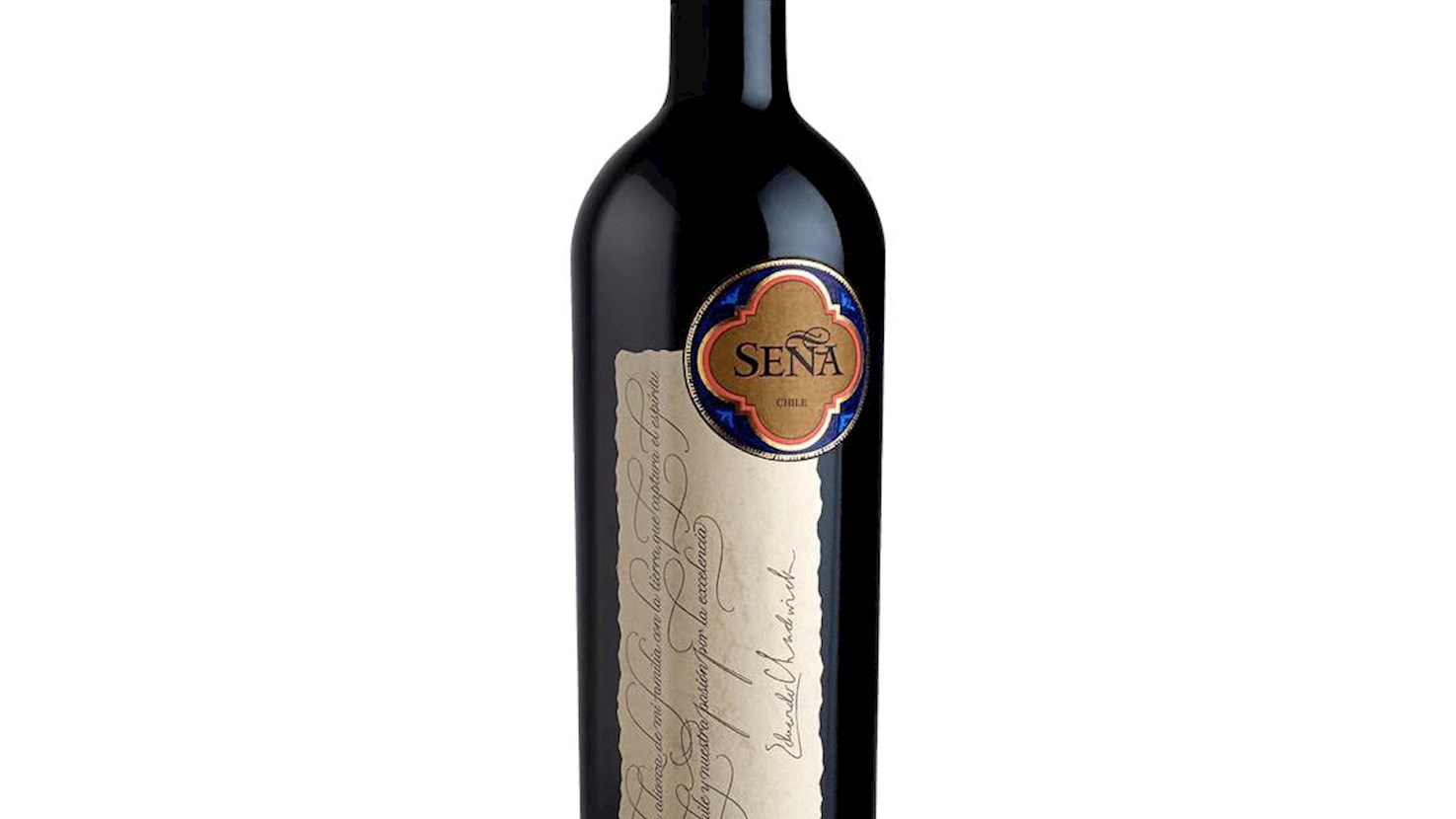
Viña Seña was founded in 1995 as a visionary partnership between Eduardo Chadwick and the legendary Robert Mondavi, with the goal of creating Chile’s first truly iconic wine. Their ambition took root in the Aconcagua Valley, where Mediterranean climate, diverse soils, and cooling Pacific breezes provide the perfect setting for elegant and expressive wines.
The vineyards are farmed according to biodynamic principles, and varieties such as Cabernet Sauvignon, Carmenère, Malbec, and Merlot are carefully blended to capture both the structure of Bordeaux and the distinctive spirit of Chilean terroir.
Today, Seña stands as a symbol of tradition, innovation, and excellence—a benchmark for Chilean winemaking and a unique expression of the land from which it comes.
The winery spans 42 hectares of vineyards planted in 1998, where key red grape varieties characteristic of Bordeaux are cultivated, including Cabernet Sauvignon, Carmenère, Cabernet Franc, Malbec, and Petit Verdot. The vineyards are managed according to biodynamic principles, with the goal of preserving the natural ecosystem and expressing the unique terroir of the Aconcagua Valley.
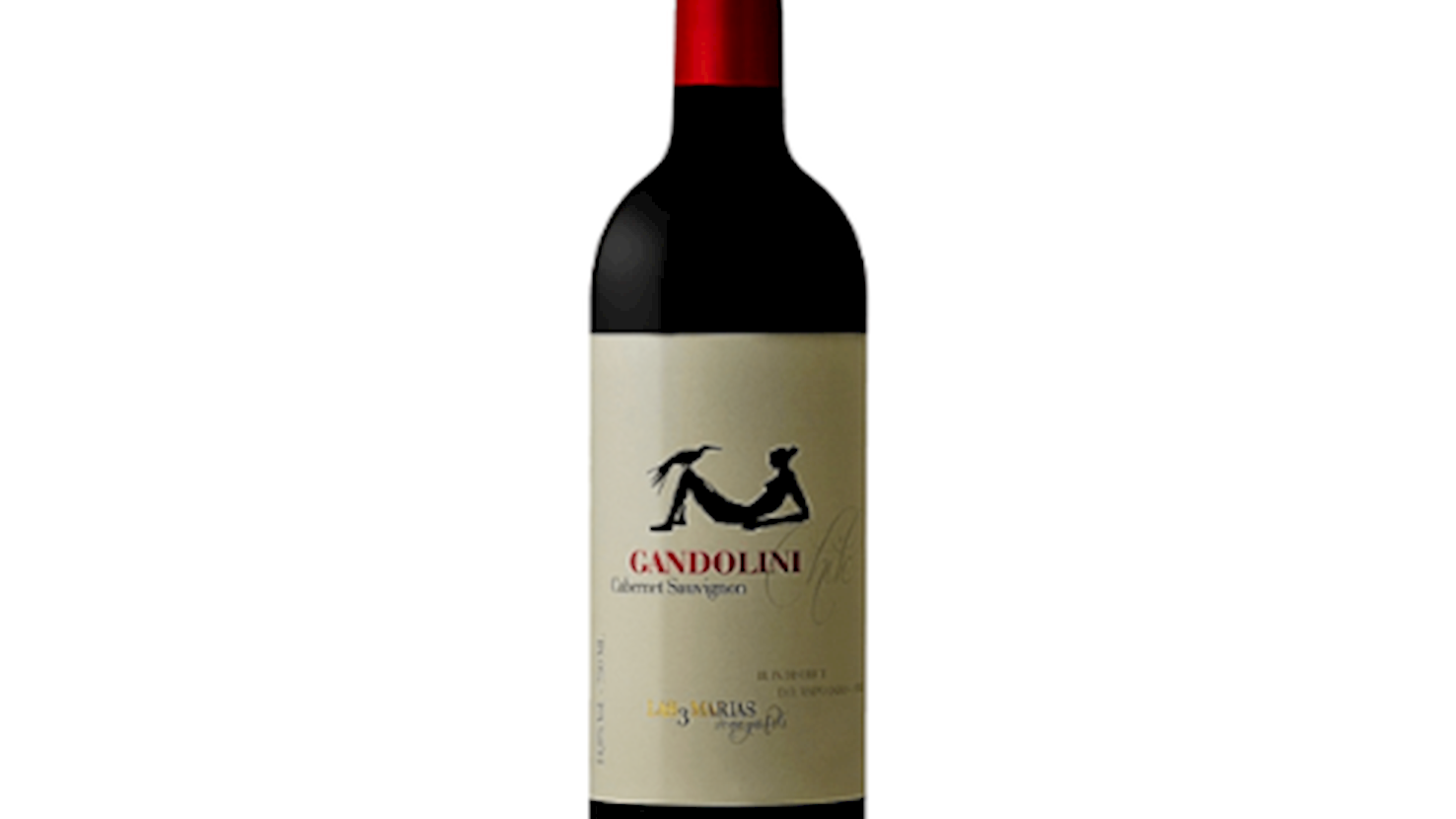
Gandolini is a contemporary Chilean winery founded in 2009 by winemaker Gonzalo Gandolini, with a clear focus on terroir-driven wines and high-altitude vineyard sites. The project is based primarily in the Maipo Valley, with particular emphasis on Alto Maipo and Andean foothill vineyards, where cooler conditions and alluvial soils contribute to freshness, structure and precision. Gandolini works mainly with varieties such as Cabernet Sauvignon, Cabernet Franc, Syrah and Chardonnay, sourcing grapes from carefully selected parcels that allow each site to express its individual character. The winery’s philosophy is centered on minimal intervention in the cellar, meticulous vineyard management and transparent expression of origin rather than stylistic manipulation. The wines are defined by clarity of aromatics, mineral tension, firm yet refined tannins and a balance between power and elegance. Each label is closely linked to a specific vineyard or micro-terroir rather than a broad regional designation. Today, Gandolini is positioned as a boutique producer, recognized for its precise, modern interpretation of Chilean terroirs and its commitment to authenticity and site expression.
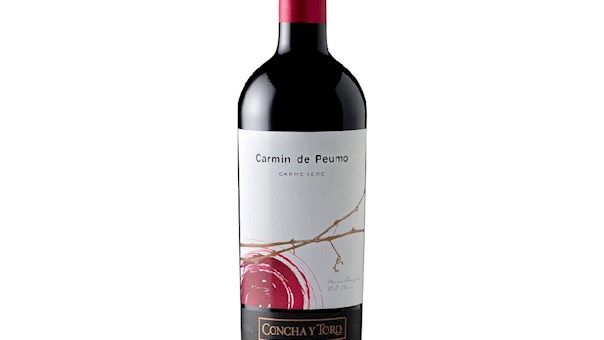
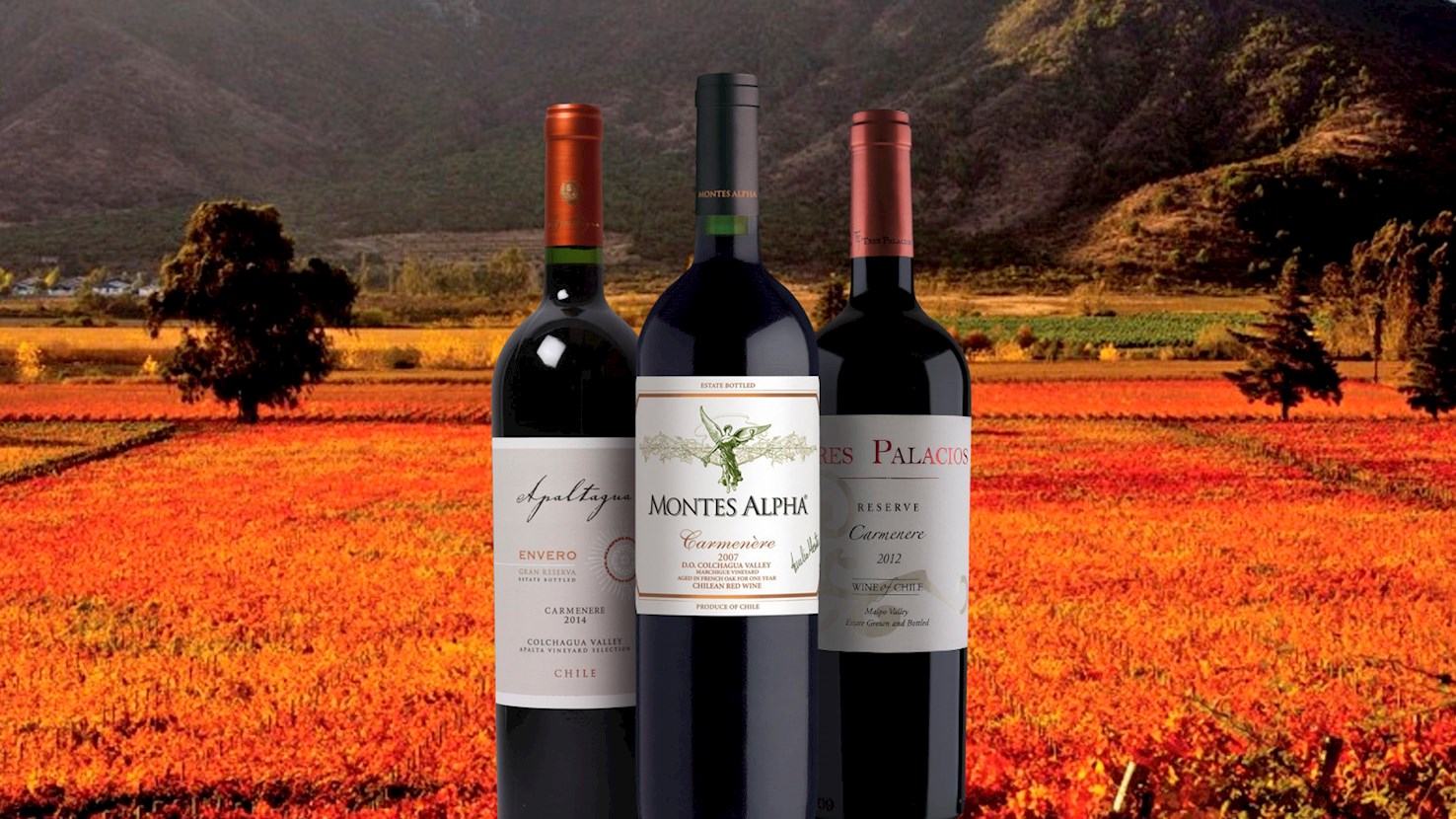
Although Carménère originated in Bordeaux, it has virtually disappeared from its native region, and though small amounts of Carménère are planted in Italy, Argentina, and California, the grape found its true home in Chile where the majority of it is planted today. Long considered extinct and mistaken for Merlot, this dark-skinned grape is used in blends, but it performs best as a single varietal wine. The best expressions of Chilean Carménère will display aromas and flavors of juicy red fruit that may be accompanied by herbal, spicy, and black fruit nuances. This medium-bodied wine is incredibly food-friendly, and it pairs exceptionally well with grilled or roasted meat such as lamb, game, or veal. It can also be an excellent match to spicy dishes and grilled vegetables.
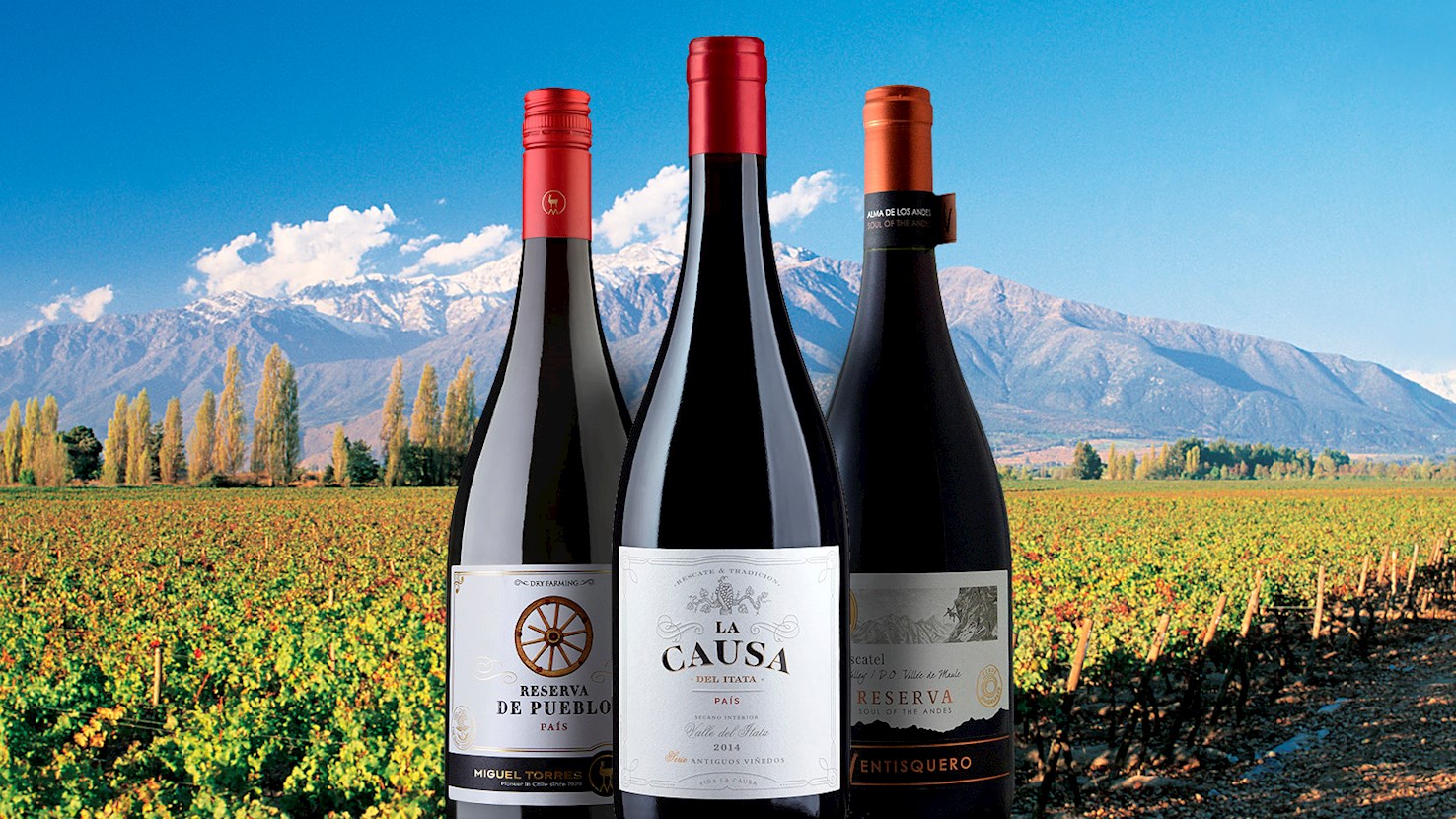
País is a grape variety that was brought over from Spain (known as Listán Negro) to South America. Since its introduction in the 16th century, it was commonly used in the production of basic bulk wines, but it was often overshadowed by more popular French grapes. However, recently more producers have come to realize its full potential to produce good quality, approachable wines. País wines are usually fresh and light to medium-bodied, while they typically display fruity, earthy and herbal aromas and flavors reminiscent of red and black fruits. Depending on their character they can match a variety of dishes, including light appetizers, fish, poultry, pasta, and cheese. Wines with more body could also pair with red meat.
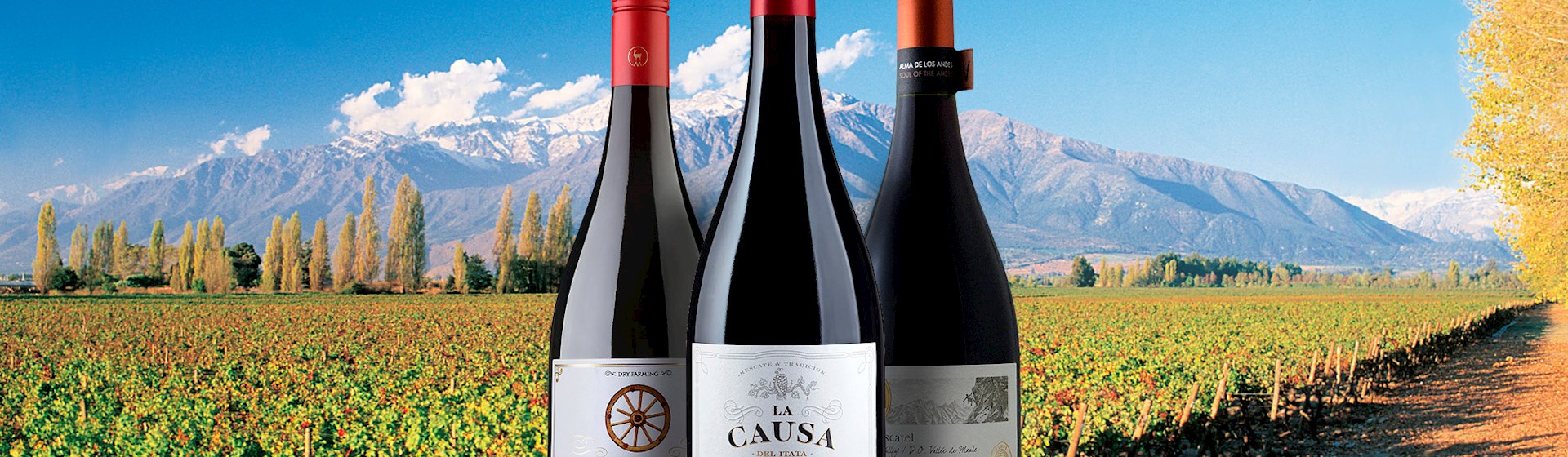
Valle del Maule is a wine-producing region located in central Chile, situated approximately 250 kilometers south of Santiago between the Andes Mountains and the Chilean Coastal Range. Viticulture in this area was established in the mid-16th century by Spanish colonizers who introduced the Pais grape, which remained the dominant variety for centuries. The region encompasses diverse topographical zones including the Andean foothills, the central valley floor, and the secano costero, where granitic and volcanic soils predominate. Climate conditions vary across these zones, but the western areas are notable for their lack of irrigation, relying on seasonal rainfall to support old-growth bush vines. Preparation of Maule wines often involves the use of long-standing vinification techniques such as fermentation in open-top cement tanks or large raulí wood vats to manage the robust tannins found in local varieties. A specific segment of production is governed by the VIGNO association, which requires wines to be made from at least sixty-five percent Carignan grapes sourced from vines that are a minimum of thirty years old and grown without irrigation. These wines are characterized by high natural acidity and concentrated dark fruit profiles, reflecting the stress placed on the vines in the dry-farmed interior. Serving these wines generally requires a temperature of 16 to 18 degrees Celsius for the heavier reds like Carignan and Cabernet Sauvignon, while the lighter Pais wines are often served cooler at 12 degrees Celsius. In Chile, these wines are a staple in both rural family gatherings and modern urban restaurants that focus on heritage viticulture. They are typically consumed alongside substantial dishes such as cordero al palo, which is spit-roasted lamb, or charquicán, a potato and pumpkin stew. The high acidity and firm structure of Maule reds provide a balance to rich, protein-heavy foods like grilled beef, spicy choripán, or slow-cooked legumes common in the Chilean countryside.
Valle del Itata is a wine-producing region located in the Ñuble Region of southern Chile. The viticultural roots of this area date back to 1551 when Spanish settlers planted the first vines near the city of Concepción, making it one of the earliest sites of viticulture in the Americas. For centuries, the region focused on the production of rustic wines for domestic consumption, primarily utilizing the Pais and Muscat of Alexandria varieties that were brought by European missionaries. The geography is characterized by rolling hills of weathered granitic soils and a Mediterranean climate that receives significantly higher rainfall than Chile’s northern valleys, allowing for a system known as secano interior, or dry farming. In this system, vines are grown without artificial irrigation, forcing roots to penetrate deep into the granitic subsoil. Many of the vineyards consist of bush-trained vines that are over one hundred years old, maintained through manual labor rather than machinery due to the steep slopes. Preparation involves harvesting the grapes by hand and often utilizing old-growth wood or concrete vats for fermentation to preserve the primary fruit characteristics and mineral qualities derived from the soil. The resulting wines, particularly those from Pais grapes, are light-bodied with high acidity and noticeable tannins, while the Muscat of Alexandria produces dry, aromatic whites with floral and citrus profiles. Serving these wines typically requires a slight chill, around 12 to 14 degrees Celsius for the reds and 8 to 10 degrees Celsius for the whites, to emphasize their freshness. In Chile, these wines are consumed both in local rural settings and in urban centers where there is a focus on viticultural heritage. They are frequently paired with regional dishes such as longaniza de Chillán, which is a local spiced sausage, or pastel de choclo, a corn and meat pie. The high acidity of Itata wines also makes them suitable companions for fatty meats, empanadas, and wood-fired stews common in the southern Chilean countryside.
Valle de San Antonio is a Chilean viticultural region located in the San Antonio Province, roughly 100 kilometers west of Santiago. It is a coastal valley within the Coastal Range, with vineyards positioned between 4 and 15 kilometers from the Pacific Ocean. The geography features rolling hills exposed to the cooling Humboldt Current. The climate is cool Mediterranean, characterized by morning fogs and persistent sea breezes. Soils are primarily granitic, consisting of red clay, quartz, and loam with low fertility. A physical attribute of the terroir is the extreme ocean proximity, which creates an extended ripening period and maintains high natural acidity. Commercial viticulture began in 1997 when producers sought to develop cool-climate sites. Previously, the land was used for dryland wheat and livestock. Valle de San Antonio was officially recognized as a Denomination of Origin in 2002, facilitated by a water pipeline from the Maipo River for irrigation. The region is one of the few locations producing Pinot Noir Blanc, and the Leyda sub-zone became the most prominent sector for premium white wine. White varieties like Sauvignon Blanc are fermented in stainless steel, while some producers use concrete eggs for texture. Reds such as Pinot Noir undergo cold maceration to extract flavor without harsh tannins. Service temperatures are 8°C to 10°C for whites and 14°C to 16°C for reds. The wine is paired with Pacific seafood, including ceviche, oysters, and razor clams. Sauvignon Blanc matches grilled white fish, while Chardonnay accompanies king crab. Pinot Noir is paired with tuna and mushroom risotto, and Syrah with lean meats. Chilled mineral water is served alongside to refresh the palate.
Valle Central is a Chilean wine appellation and the primary viticultural region of the country, spanning approximately 400 kilometers from the suburbs of Santiago south to the city of Parral. It is an elongated "super-region" situated between the Andes Mountains and the Coastal Range. The geography comprises four major sub-valleys: Maipo, Rapel (including Cachapoal and Colchagua), Curicó, and Maule. The climate is Mediterranean, characterized by semi-arid summers and a wide thermal range, where temperatures drop significantly at night due to cold air descending from the Andes. Soils are primarily alluvial and colluvial, composed of silt, clay, and gravel deposited by glacial erosion. Viticulture in this area was initiated in the 16th century by Spanish settlers who planted the first vines to produce wine for religious purposes. A transformative period occurred in the 1850s when landowners introduced French Vitis vinifera cuttings, specifically Cabernet Sauvignon, Merlot, and Sauvignon Blanc. Unlike European vineyards, this region was never affected by the phylloxera epidemic, resulting in the survival of ungrafted vines that are now among the oldest in the world. In 1994, the region achieved global significance with the rediscovery of Carmenere, a variety once thought extinct in Europe, which had been mislabeled in Chilean vineyards for over a century. Red varieties, which occupy over 70% of the land, undergo fermentation in stainless steel or concrete vats, with premium selections aging in French or American oak barrels for up to 24 months. White varieties are processed at low temperatures to preserve volatile aromatics. Service of the region's structured reds is recommended at 16°C to 18°C, while whites are served at 8°C to 12°C. A specific attribute of the production is the reliance on Andean snowmelt for irrigation, as the dry summers necessitate controlled water management. A unique feature of the Valle Central is its status as a phylloxera-free sanctuary, allowing for the cultivation of original European clones on their own rootstocks. Additionally, the southern Maule sector contains a high concentration of century-old vines of the País and Carignan varieties, which are often dry-farmed without artificial irrigation. In the Alto Maipo area, the high altitude and rocky soils produce Cabernet Sauvignon with a high concentration of tannins and natural acidity, frequently outperforming European counterparts in blind tastings. The wine is paired with grilled beef, lamb chops, and game meats. Carmenere is specifically served with spicy empanadas and corn-based dishes like pastel de choclo. Sauvignon Blanc and Chardonnay are paired with Pacific seafood and creamy pasta. For beverage pairings, the wine is served alongside chilled mineral water to balance the palate. In formal settings, older vintages are decanted to aerate the wine and separate sediment before consumption.
Valle de Casablanca is a Chilean wine appellation situated in the Valparaíso Region, roughly 75 kilometers northwest of Santiago. Positioned as a coastal plain near the Pacific Ocean, it functions as a conduit for the cold Humboldt Current. The geography is defined by the Coastal Range, which allows the Camanchaca fog to enter the valley each morning. The climate is cool Mediterranean, with annual rainfall averaging 540mm. Soils are primarily decomposed granite, featuring layers of sandy loam and clay with low organic matter. Viticulture in this zone was established in 1982 by oenologist Pablo Morandé, who noted the area's similarity to coastal California. Before this, the land was used for livestock and grain farming. The first commercial plantings focused on Chardonnay and Sauvignon Blanc, shifting Chile's production focus toward cool-climate viticulture. The region was officially designated a DO in 1994. It now encompasses approximately 4,000 hectares, including newer plantings of Pinot Noir and Syrah. Vineyards often utilize wind machines and night-harvesting to preserve fruit quality. White varieties undergo cool-temperature fermentation in stainless steel to maintain acidity, while reds like Pinot Noir may experience cold maceration for flavor extraction. Service temperatures are set at 8°C to 10°C for whites and 14°C to 16°C for reds. To avoid wood influence, some producers use concrete eggs or clay amphorae for aging. A physical attribute of the terroir is the diurnal temperature variation, which can reach 20°C. This fluctuation slows the ripening process, balancing sugar levels with high natural acidity. Due to the presence of nematodes in the sandy soil, many vines are grafted onto resistant rootstocks, unlike the ungrafted vines common in central Chile. The valley floor is notably flatter than the surrounding hills, which creates a suction effect that pulls cool ocean air inland during the afternoon. Valle de Casablanca is paired with Chilean sea bass, king crab, and razor clams. Sauvignon Blanc is a standard match for ceviche and oysters, while Chardonnay is served with poultry in cream sauces. Pinot Noir is paired with mushroom risotto and tuna, and Syrah with spiced empanadas.
Valle de Colchagua is a Chilean wine-producing region located in the southern portion of the O’Higgins Region. As a sub-region of the Rapel Valley, it is defined by the Tinguiririca River and bordered by the Andes Mountains and the Coastal Range. The climate is Mediterranean, featuring warm summers and 600mm of annual rainfall. Soil types vary from alluvial clay and silt on the valley floor to granitic and volcanic rocks on the mountain slopes. Viticulture began here in the 16th century, though modern expansion occurred in the 1850s with the arrival of Bordeaux varieties. A pivotal event in 1994 was the identification of Carmenere vines, which had been previously misclassified as Merlot. This led to the region's specialization in late-ripening reds, particularly in the Apalta and Marchigüe zones. Today, the valley spans 23,000 hectares and is a primary center for premium Chilean red wine. Preparation involves hand-harvesting starting in March. Wineries often use gravity-flow systems to move fruit gently, preserving its integrity. Fermentation takes place in stainless steel, concrete, or oak, with high-end reds aging in French oak for 12 to 24 months. White wines from coastal sectors are fermented at lower temperatures to retain acidity. Service occurs at 10°C to 12°C for whites and 16°C to 18°C for reds, with decanting recommended for structured blends. A physical trait of the terroir is the horseshoe-shaped geography of Apalta, which traps heat while sheltering vines from high winds. This is moderated by thermal oscillation, with nightly temperatures dropping significantly due to Pacific breezes. The region remains phylloxera-free, preserving ungrafted vines that are often over a century old. Some estates, such as Montes, utilize Gregorian chants in aging rooms to maintain constant vibrations. The wine is paired with grilled ribeye, roasted lamb, and beef stews. Carmenere is served with corn-based dishes like pastel de choclo and savory empanadas. Coastal whites are paired with Pacific seafood and grilled fish. Sparkling mineral water is served alongside to refresh the palate during the consumption of concentrated red varieties.
Valle de Limarí is a Chilean viticultural region in the northern Coquimbo Region. This semi-arid transversal valley lies between the Atacama Desert and the Pacific Ocean. The landscape is defined by the Limarí River and a "green oasis" appearance supported by Andean snowmelt irrigation. Its climate is moderated by the Camanchaca, a daily coastal fog that regulates temperatures and preserves acidity in the fruit. The region is notable for its calcareous soils (alluvial terraces containing calcium carbonate) which are unique in a country dominated by volcanic and granitic earth. Viticulture was established here in 1548, with the first recorded Chilean vintage in 1551. For centuries, the valley primarily produced Pisco from Moscatel and Pedro Ximénez grapes. The modern fine-wine era began in 1993 when pioneering producers identified the potential of the limestone-rich "caliche" soils for noble varieties. It was officially granted DO status in 1994. Today, it is recognized as a premier site for Chardonnay, Syrah, and Pinot Noir, with vineyards such as Talinay sitting on ancient prehistoric marine beds. Preparation of the wine focuses on maintaining the saline minerality and natural freshness derived from the cool maritime influence. Night-harvesting is standard practice to prevent oxidation. For Chardonnay, many winemakers utilize barrel fermentation and extended lees aging to create a voluminous texture that balances the sharp acidity. Red varieties undergo gentle extraction to highlight savory, peppery aromatics rather than heavy tannins. Serving temperatures are kept at 10°C to 12°C for whites and 16°C to 18°C for reds. Many vineyards feature ungrafted vines, as the region's desert-like isolation provided a natural barrier against phylloxera. A physical attribute of the terroir is the high pH of the soil, which contributes to a distinct "sapid" or salty finish in the wines. This is complemented by the high diurnal range, where afternoon sea breezes quickly cool the vines after warm, sunny mornings. Growers often utilize the pergola training system, an adaptation from the Pisco era, where wide canopies provide shade to protect the grapes from intense northern solar radiation while allowing air to circulate. Valle de Limarí is paired with sea bass ceviche, oysters, clams al parmesano, and crab gratin. The mineral-driven Chardonnay is a standard accompaniment for fatty fish and creamy pasta dishes, while the Syrah pairs with grilled lamb, savory empanadas, and beef stews. It is also served with mature goat cheese and candied papayas, which are regional agricultural staples.
The Valle de Cachapoal is a Chilean wine appellation located in the O'Higgins Region, extending from the Andean foothills to the Coastal Range along the Cachapoal River. Viticulture here began in the 16th century with the arrival of Spanish colonists, though the modern industry was shaped in the 1850s by the introduction of Bordeaux cuttings. The region was originally part of the broader Rapel Valley but achieved independent DO status in 1994. A critical turning point occurred that same year when ampelographers identified that Carmenere had been misidentified as Merlot in local vineyards for decades. This led to a specialized focus on Peumo for Carmenere and Alto Cachapoal for Cabernet Sauvignon. During production, the grapes are often hand-sorted and fermented in stainless steel, concrete, or open-top wooden vats. Aging typically occurs in French oak barrels for 12 to 24 months to stabilize the structure. When serving, red wines are kept at 17°C and white wines at 10°C. It is standard to use aeration for older vintages to release secondary aromas of leather, smoke, and dried herbs. One specific practice in the eastern sector involves night harvesting to ensure the fruit arrives at the winery at temperatures below 15°C, preventing premature oxidation. The region is characterized by the Andean drainage phenomenon, where cold air masses descend from the peaks at night, causing temperature drops of up to 20°C. This thermal oscillation is more pronounced here than in neighboring valleys. In the Alto Cachapoal sub-zone, vineyards are planted on slopes with a 30% incline, which increases solar exposure and forces the vines to produce smaller, more concentrated berries. The water used for irrigation is primarily mineral-heavy snowmelt from the Andes, which enters the valley through a network of canals. The wine is paired with grilled red meats, lamb with herbs, and stews like charquicán. The Carmenere varieties are paired with corn-based dishes such as pastel de choclo or humitas, as well as spiced empanadas. It also accompanies strong cheeses like Roquefort or mature Manchego.
TasteAtlas food rankings are based on the ratings of the TasteAtlas audience, with a series of mechanisms that recognize real users and that ignore bot,
nationalist or local patriotic ratings, and give additional value to the ratings of users that the system recognizes as knowledgeable.
For the “Top 65 Chilean Red Wines” list until June 10, 2026, 163 ratings were recorded, of which 101 were recognized by the system as legitimate.
TasteAtlas Rankings should not be seen as the final global conclusion about food. Their purpose is to promote excellent local foods,
instill pride in traditional dishes, and arouse curiosity about dishes you haven’t tried.
The initial list of top producers was compiled based on available reviews, awards, local recommendations, media and blog coverage, and consumer reviews.
The list will be updated with ratings from TasteAtlas local ambassadors and TasteAtlas users.