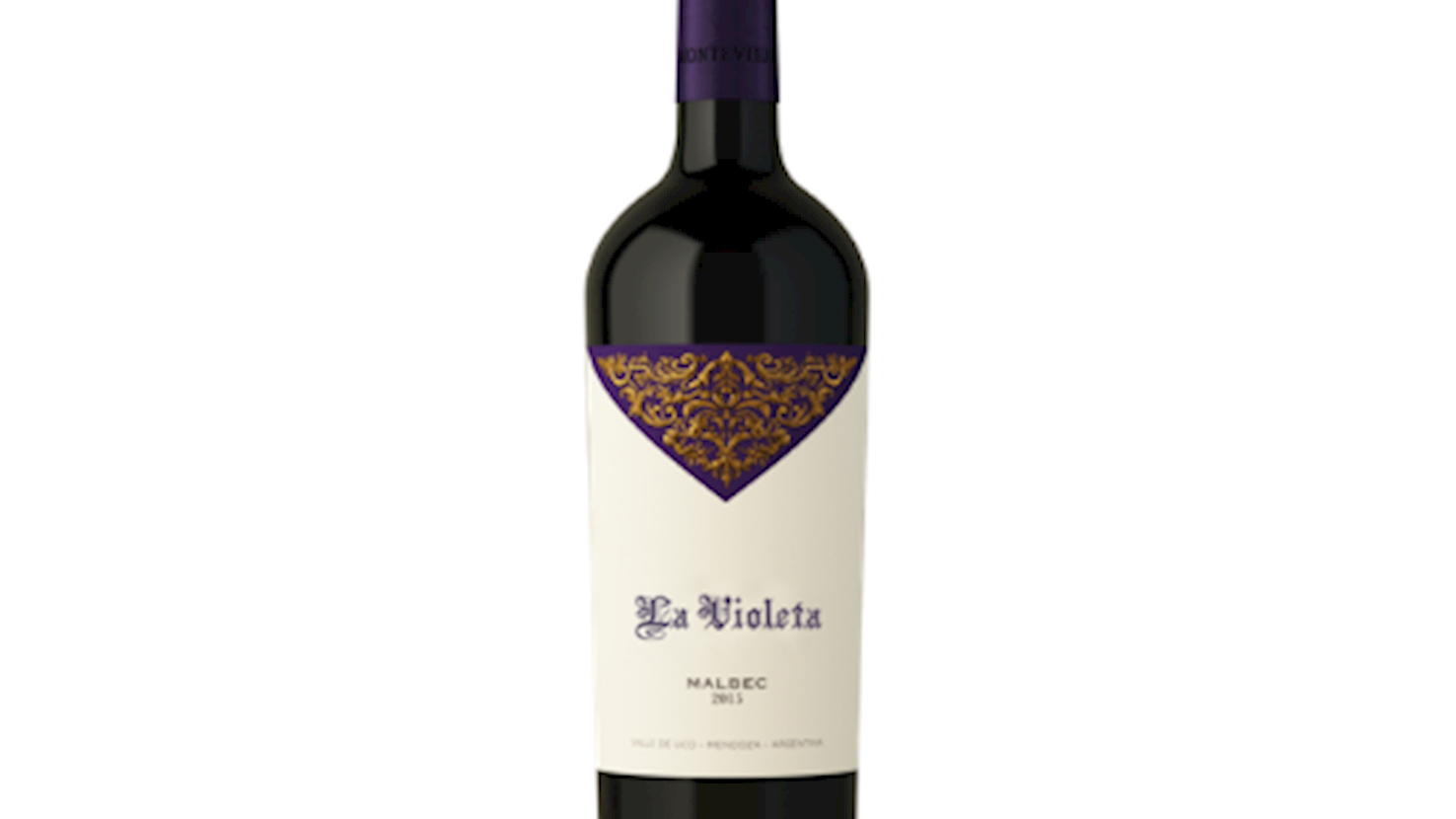
Bodega Monteviejo is an Argentine winery located in the Uco Valley, specifically in the Vista Flores area at the foothills of the Andes. Established in 2001, it forms part of the Clos de los Siete initiative, which brings together international expertise and investment to produce high-quality wines. The project was led by French entrepreneur Catherine Péré-Vergé, reinforcing the connection between French winemaking tradition and Argentine terroir. The vineyards are planted at elevations between 1,000 and 1,200 meters, where abundant sunlight, cool nights, and stony, well-drained soils contribute to wines with both concentration and freshness. The winery focuses primarily on Malbec, alongside varieties such as Cabernet Sauvignon, Merlot, and Syrah, often used in blends. Winemaking combines modern techniques with a gravity-flow system to preserve grape integrity and enhance precision. Stylistically, the wines are characterized by ripe fruit, structured tannins, and integrated oak, balanced by the natural freshness of the high-altitude environment. Architecturally, the winery is modern and harmoniously integrated into the landscape, emphasizing both functionality and connection to the surrounding vineyards. Overall, Bodega Monteviejo represents a contemporary expression of Argentine winemaking shaped by international influence and a strong sense of place.
Bodega Jorge Rubio is a family-owned winery located in General Alvear, in the southern part of Mendoza, Argentina, within the Oasis Sur region, an area characterized by a continental climate with significant temperature variations. Founded in 2003 by winemaker Jorge Alberto Rubio, who brings over four decades of experience in viticulture and winemaking, the winery reflects a consistent and well-defined style rooted in expertise and local conditions. The estate manages around 55 hectares of vineyards, primarily planted with Malbec, Cabernet Sauvignon, and Chardonnay, while also sourcing grapes from trusted local growers to expand its portfolio. The region’s clean air, low humidity, and marked diurnal shifts contribute to wines with pronounced aromas, balanced acidity, and good structural definition. The winery follows a “vinos de autor” philosophy, emphasizing the personal signature of the winemaker and a strong connection to terroir. Its portfolio includes more than 35 labels, ranging from still and sparkling wines to smaller experimental batches with minimal intervention. Although equipped with modern production facilities and a capacity exceeding one million liters annually, key processes such as harvesting and grape selection are still carried out manually to preserve quality and precision. Jorge Rubio wines are typically fruit-forward, balanced, and approachable, offering a strong value-to-quality ratio and maintaining a presence in both domestic and export markets.
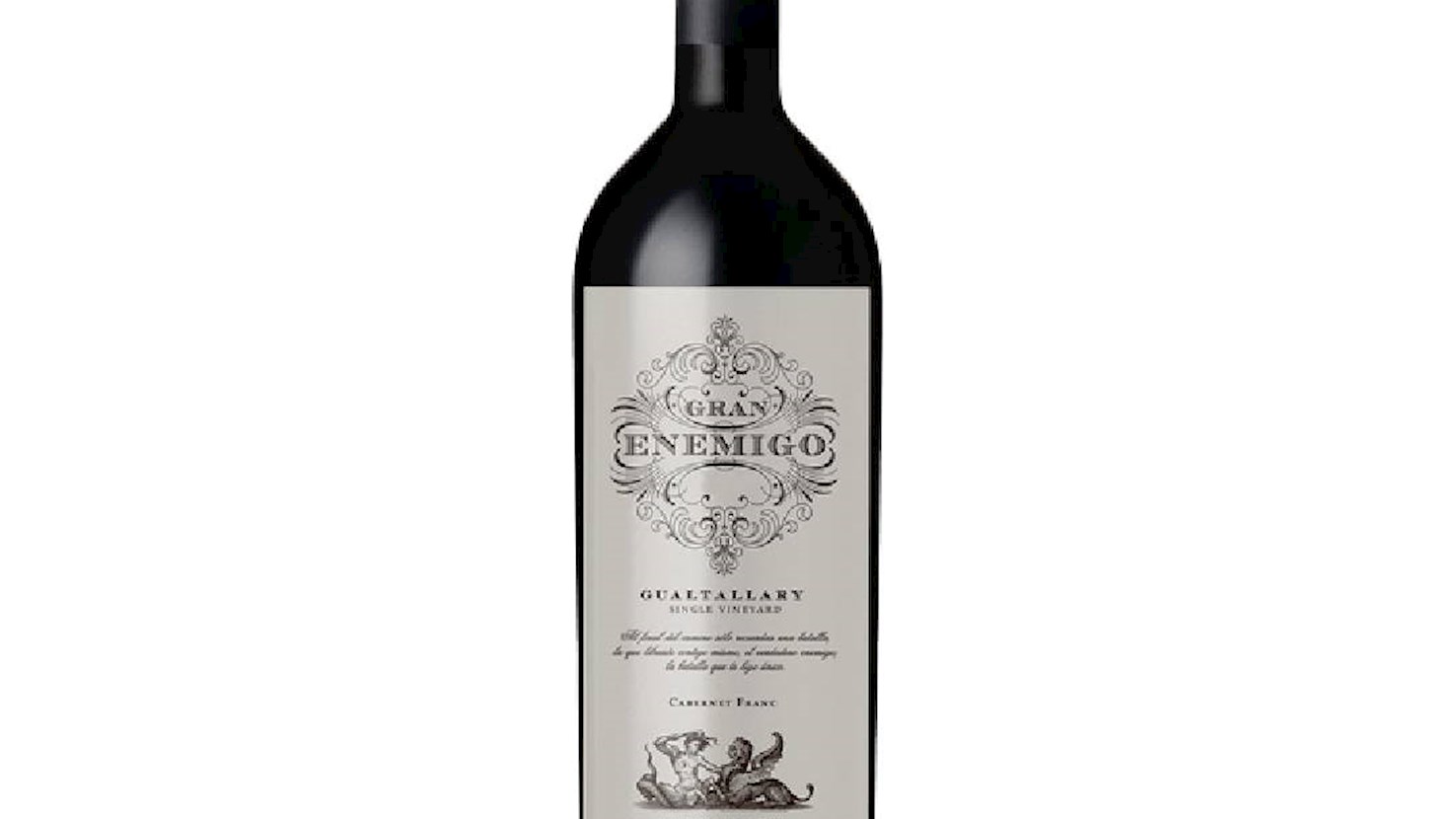
El Enemigo is a distinguished winery located in Mendoza, Argentina, renowned for its exceptional wines that blend traditional Argentine varietals with classic French influences. The winery was established as a collaborative venture between historian Adrianna Catena and acclaimed winemaker Alejandro Vigil, who also serves as the chief winemaker at Bodega Catena Zapata. El Enemigo's vineyards are situated in high-altitude regions of Mendoza, including Gualtallary, Agrelo, and El Cepillo, where the unique terroir contributes to the distinct character of their wines. The winery places a significant emphasis on Cabernet Franc, producing wines inspired by Bordeaux's Pomerol region, particularly Château Cheval Blanc.
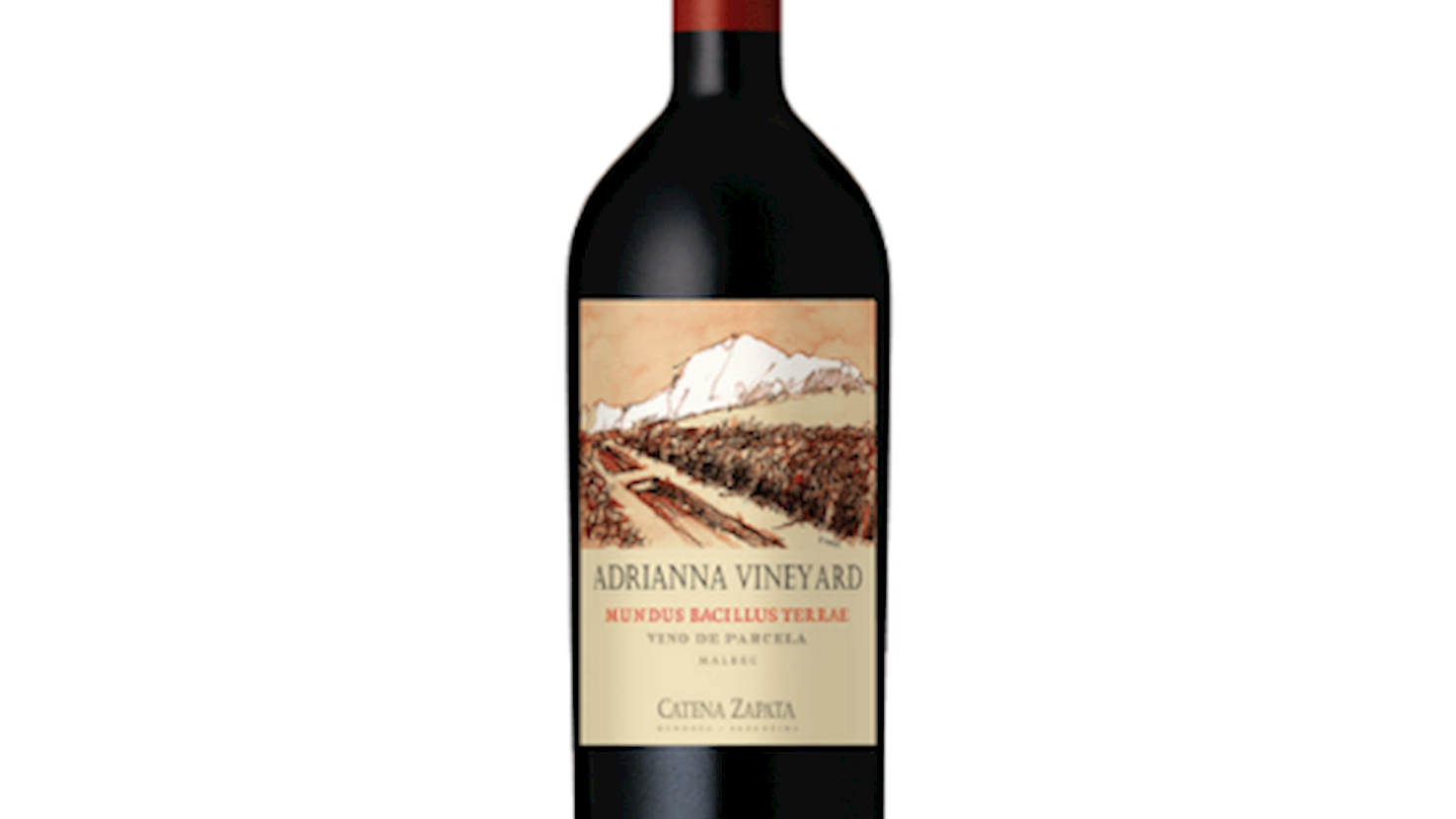
Catena Zapata is a renowned Argentinian winery located in the Mendoza region, celebrated for pioneering high-altitude viticulture and producing world-class Malbec wines. Founded in 1902, this family-owned winery is led by the Catena family, who have played a crucial role in elevating Argentina's wine reputation globally. Catena Zapata focuses on sustainable practices and meticulous vineyard management, especially in the Andean foothills, where they grow their grapes at various altitudes to enhance complexity and character.
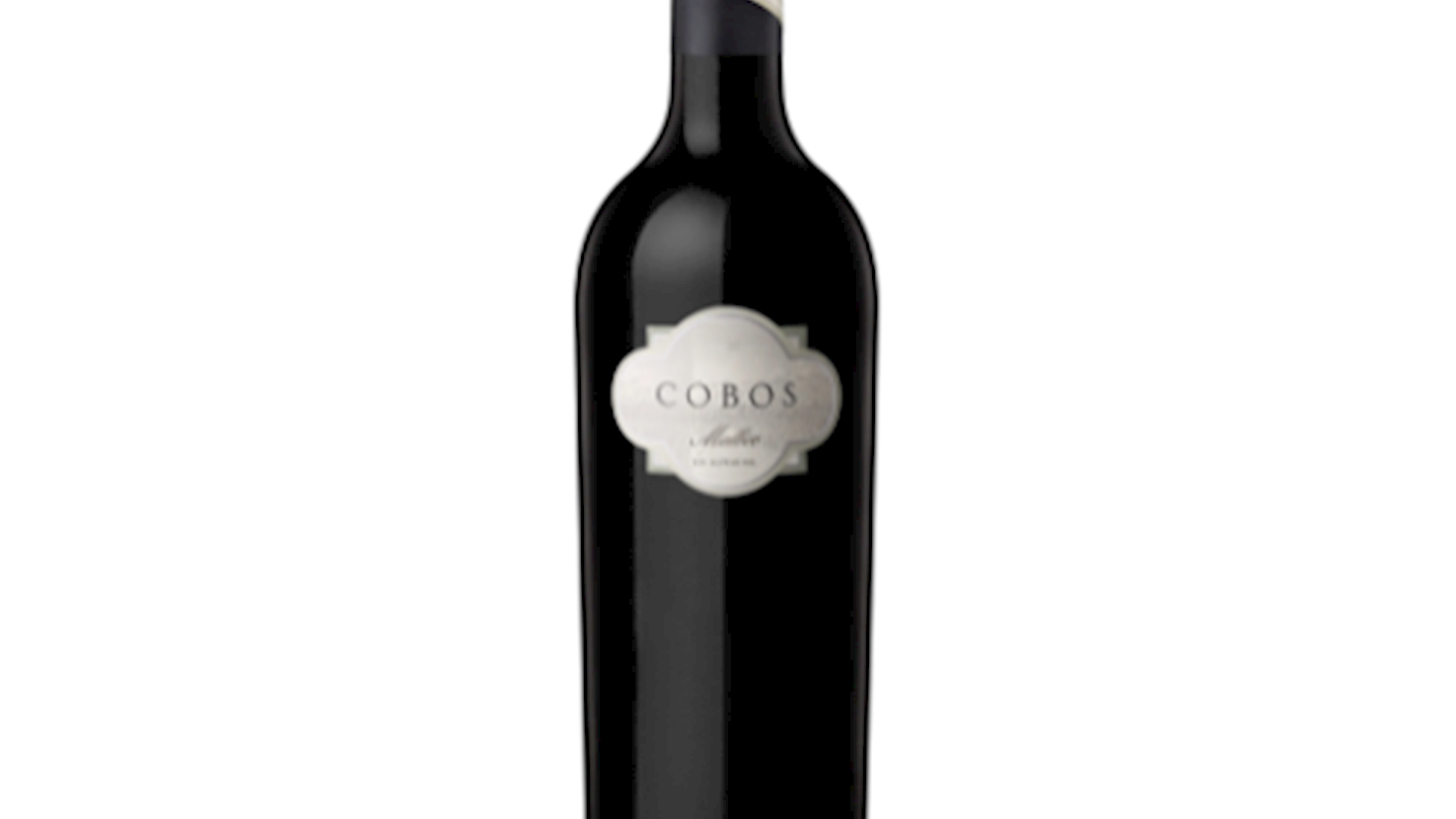
Viña Cobos is one of the most influential and internationally recognized wine projects in Argentina, closely associated with the rise of Malbec as a world-class variety. The winery was founded in 1998 by renowned winemaker Paul Hobbs, who began working in Mendoza in the late 1980s and identified the region’s exceptional potential for producing wines of depth, structure, and longevity. Viña Cobos works primarily with vineyards in Luján de Cuyo and the Uco Valley, selecting old vines and high-quality sites defined by altitude, alluvial soils, and strong diurnal temperature variation. Malbec is at the core of the project, interpreted through a site-specific approach that emphasizes balance between power and precision. Winemaking is meticulous, combining traditional techniques with modern control, and oak is used judiciously to support rather than dominate the fruit. The portfolio ranges from the iconic Cobos Malbecs sourced from top parcels, through the Bramare single-vineyard series, to the more accessible Felino line. Viña Cobos wines are known for their concentration, polished tannins, layered aromatics, and long, structured finishes. The estate has received some of the highest critical scores in Argentine wine history, including multiple perfect ratings.
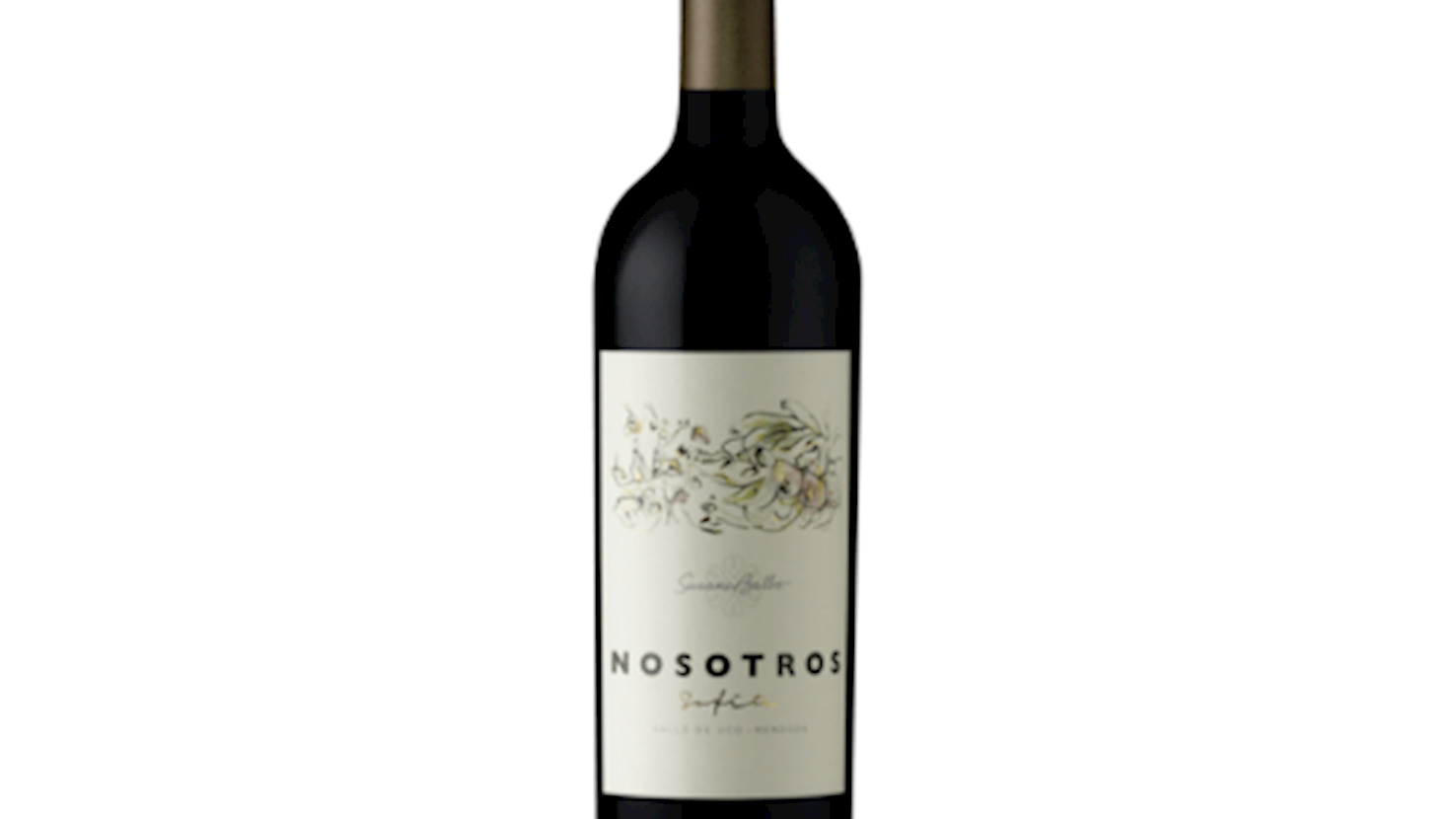
Susana Balbo is a family-owned winery based in Agrelo, Luján de Cuyo, founded in 1999 by Susana Balbo, the first female winemaker in Argentina and one of the country’s most influential figures in modern winemaking. The winery combines technical precision with an innovative approach, focusing on clear varietal expression and balance rather than excessive ripeness or oak. Its vineyards span both classic areas such as Agrelo and high-altitude sites in the Uco Valley, including Gualtallary, allowing for a wide range of styles driven by terroir. The portfolio ranges from the approachable Crios line to more site-specific and premium wines under BenMarco, Signature and Nosotros, each reflecting a distinct philosophy and level of complexity. Susana Balbo is internationally recognized for elevating Argentine Torrontés and for shaping the country’s contemporary wine identity through quality, consistency and long-term vision.
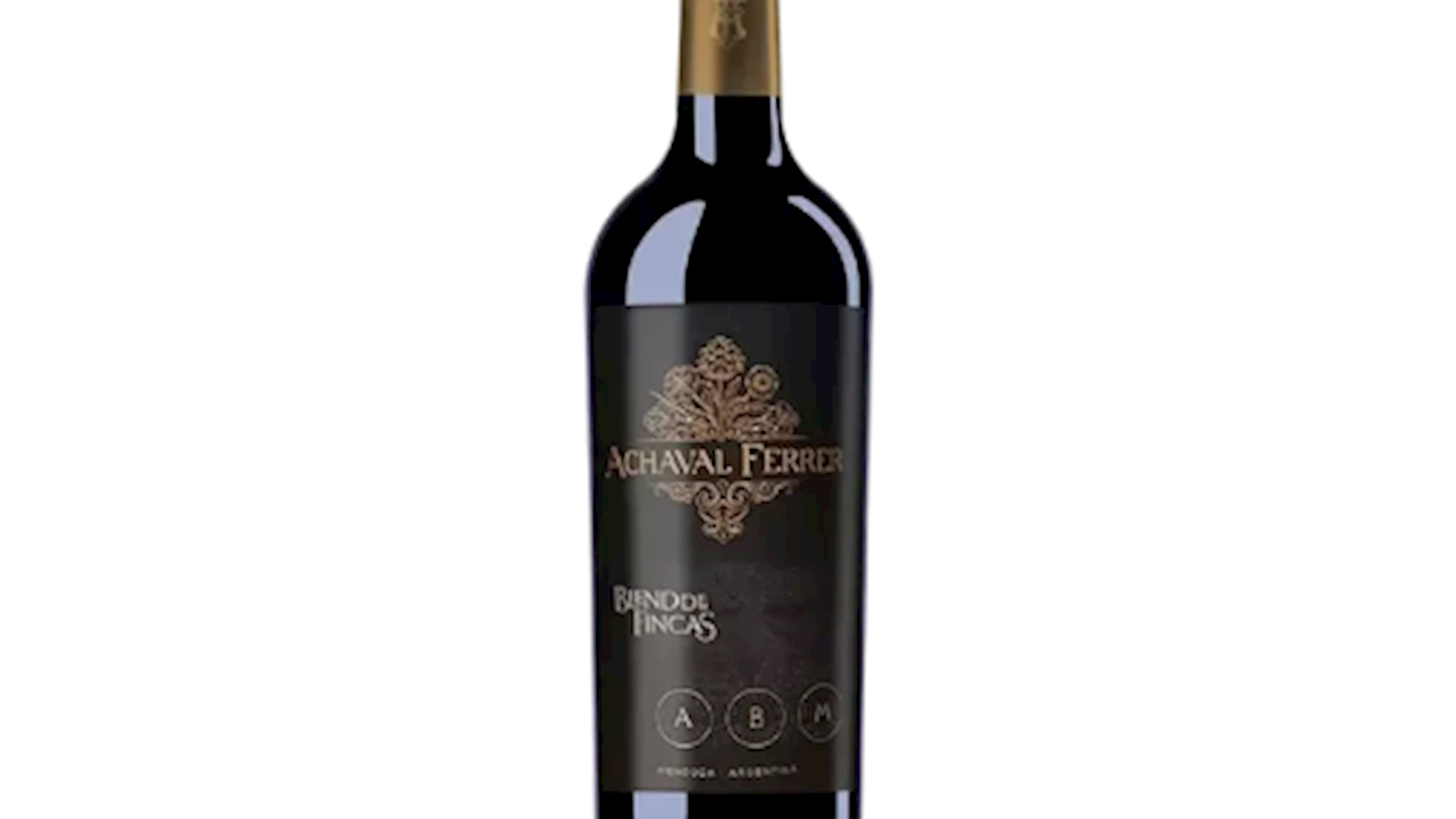
Achaval Ferrer is a renowned Argentine winery based in Mendoza, founded in 1998 with a clear focus on terroir-driven, high-precision winemaking. From the beginning, the project has been centered on expressing the character of exceptional vineyards rather than relying on heavy intervention in the cellar. The estate is especially known for its old, low-yielding vineyards, many of them ungrafted, which contribute to concentration, balance, and natural intensity, particularly in Malbec. Achaval Ferrer gained international recognition through its iconic single-vineyard “Finca” Malbecs - Altamira, Bella Vista, and Mirador - each sourced from distinct terroirs and vinified separately to highlight site-specific identity. The winemaking philosophy emphasizes manual harvesting, minimal extraction, restrained use of oak, and purity of fruit. Aromatic precision, refined tannins, and vibrant acidity are consistent hallmarks across the range. Alongside its vineyard-designated wines, the portfolio includes Quimera, a structured Bordeaux-style blend, and more approachable Mendoza expressions. Achaval Ferrer is widely regarded as a benchmark producer that helped redefine the global perception of Argentine Malbec through elegance, depth, and authenticity.
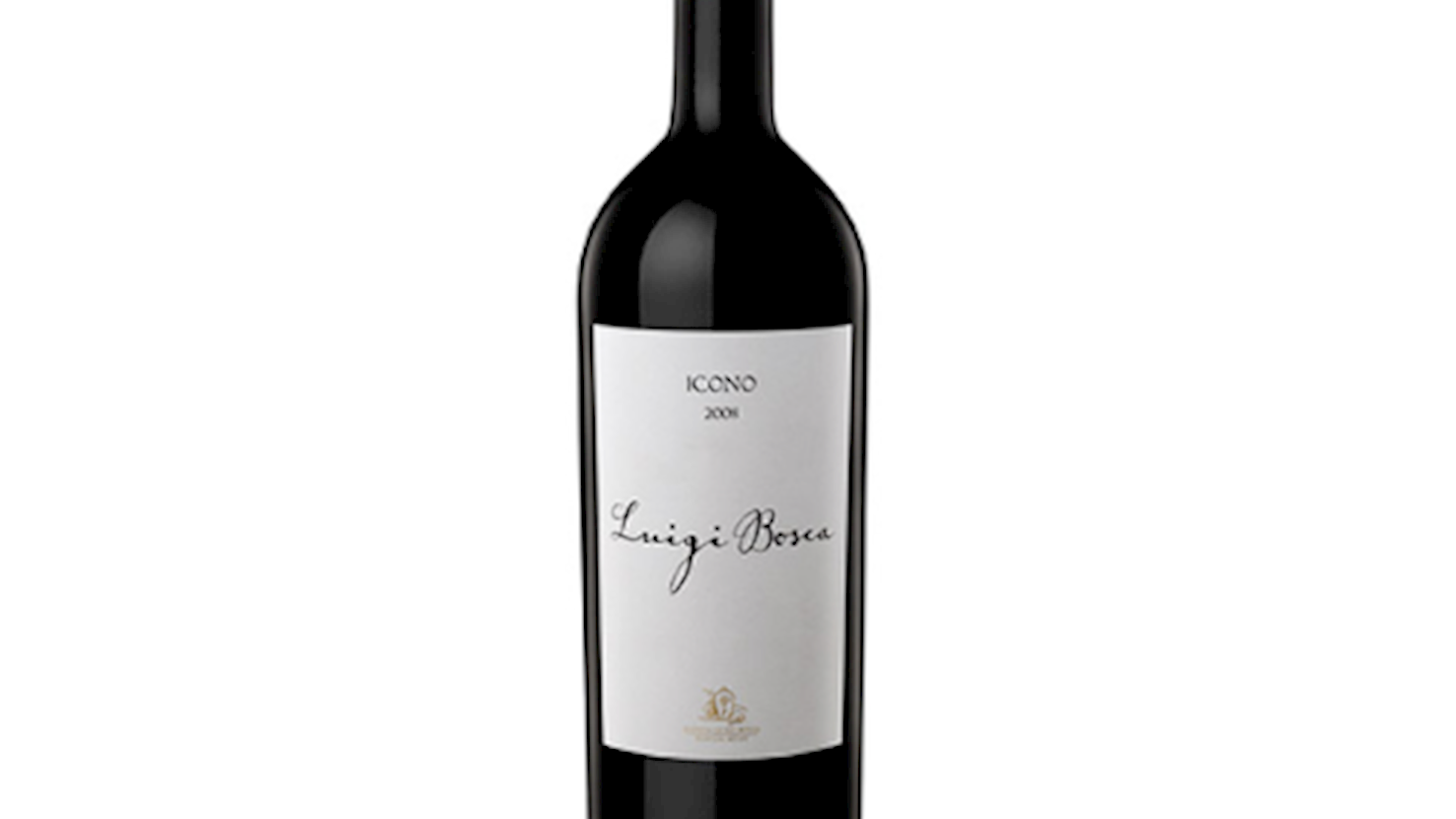
Luigi Bosca is one of Argentina’s most historic and influential family-owned wineries, founded in 1901 in Mendoza, by Don Leoncio Arizu. For more than a century, the winery has remained under family ownership, building its reputation on consistency, long-term vision, and a deep commitment to terroir expression. Its vineyards span some of Mendoza’s most respected areas, including Luján de Cuyo, Maipú, and the Uco Valley, allowing a broad and nuanced interpretation of altitude, soil diversity, and climate. Luigi Bosca played a key role in the creation of Argentina’s first Denomination of Controlled Origin, DOC Luján de Cuyo, underscoring its leadership in quality-driven winemaking. The portfolio is structured into distinct collections, ranging from the classic Insignia wines to the more site-focused De Sangre, Apuntes, and Legacy lines. Stylistically, Luigi Bosca wines emphasize balance, precision, and elegance rather than excess power, with Malbec at the core of the identity alongside Cabernet Sauvignon, Chardonnay, and other varieties. Oak aging is used with restraint to support structure and complexity while preserving varietal clarity. Today, Luigi Bosca is recognized internationally as a benchmark producer, representing the evolution and maturity of Argentine fine wine.
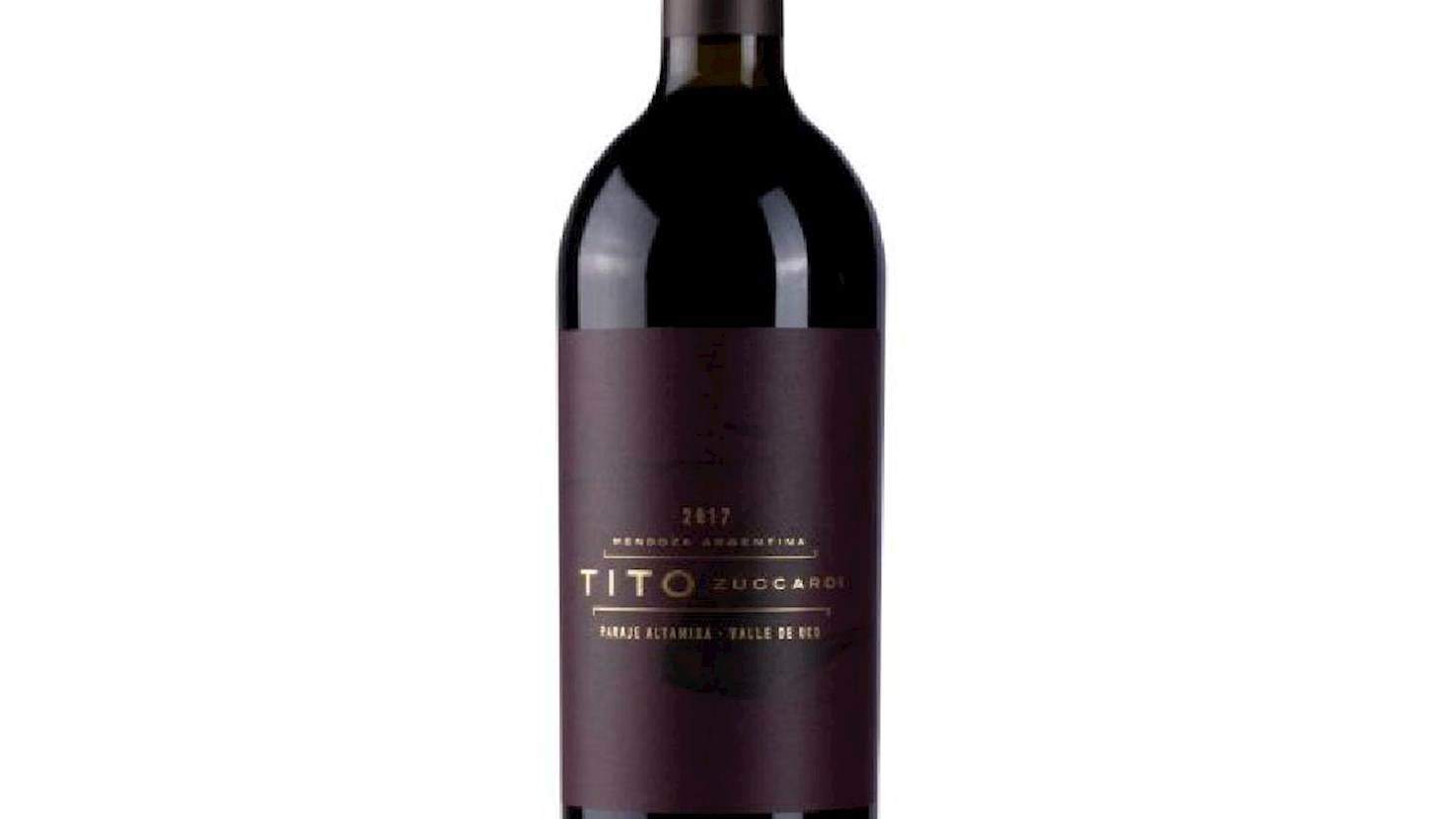
Familia Zuccardi is a family-owned Argentine winery based in Mendoza, founded in 1963 and widely regarded as one of the leading voices of contemporary Argentine winemaking. Established by Alberto “Tito” Zuccardi, the estate was later shaped by the second and third generations, with José Alberto and Sebastián Zuccardi placing strong emphasis on the detailed exploration of terroir, particularly in the Valle de Uco. The winery’s philosophy centers on expressing a clear sense of place, where altitude, soil composition, and microclimate define the style and character of each wine. Vineyards are planted on high-altitude, alluvial and stony soils at the foothills of the Andes, while winemaking is deliberately restrained to allow the natural identity of each site to emerge. Zuccardi is especially renowned for its Malbec and Chardonnay, alongside single-vineyard and parcel-driven wines that map the diversity of Valle de Uco with precision. Zuccardi Valle de Uco winery has been repeatedly recognized among the world’s best, reinforcing the estate’s international reputation. In addition to wine, the family also produces high-quality extra virgin olive oils, with sustainability and long-term environmental stewardship as core principles of the project.
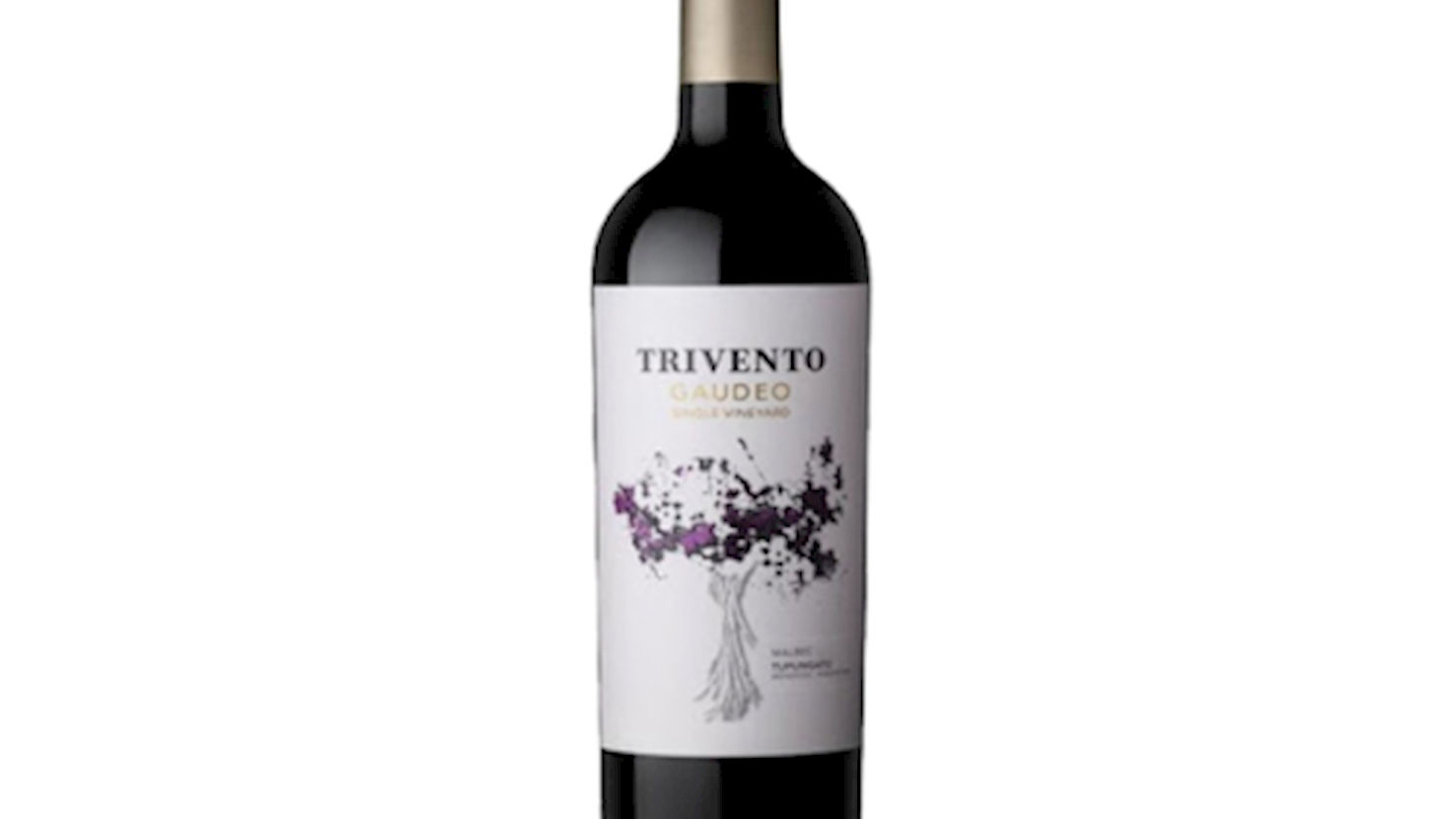
Trivento is an Argentine winery based in Mendoza, founded in 1996 and named after the three winds - Polar, Zonda, and Sudestada - that shape the region’s climate and influence viticulture. The winery operates across key areas such as Maipú and Luján de Cuyo, working with a wide range of vineyard sites that reflect the diversity of Mendoza’s terroirs. Trivento combines large-scale production with a consistent focus on quality, making it one of Argentina’s most internationally recognized wine producers. Its portfolio spans classic varieties including Malbec, Cabernet Sauvignon, Syrah, and Chardonnay, offered in styles ranging from accessible everyday wines to more structured premium expressions. The winery places strong emphasis on innovation, while maintaining a clear stylistic identity rooted in fruit clarity and balance. As part of the Concha y Toro group, Trivento benefits from global reach and distribution, positioning it as a key ambassador for Argentine wine on international markets.
Awards
Decanter World Wine Awards - Platinum
(2020, 2018, 2017, 2016)
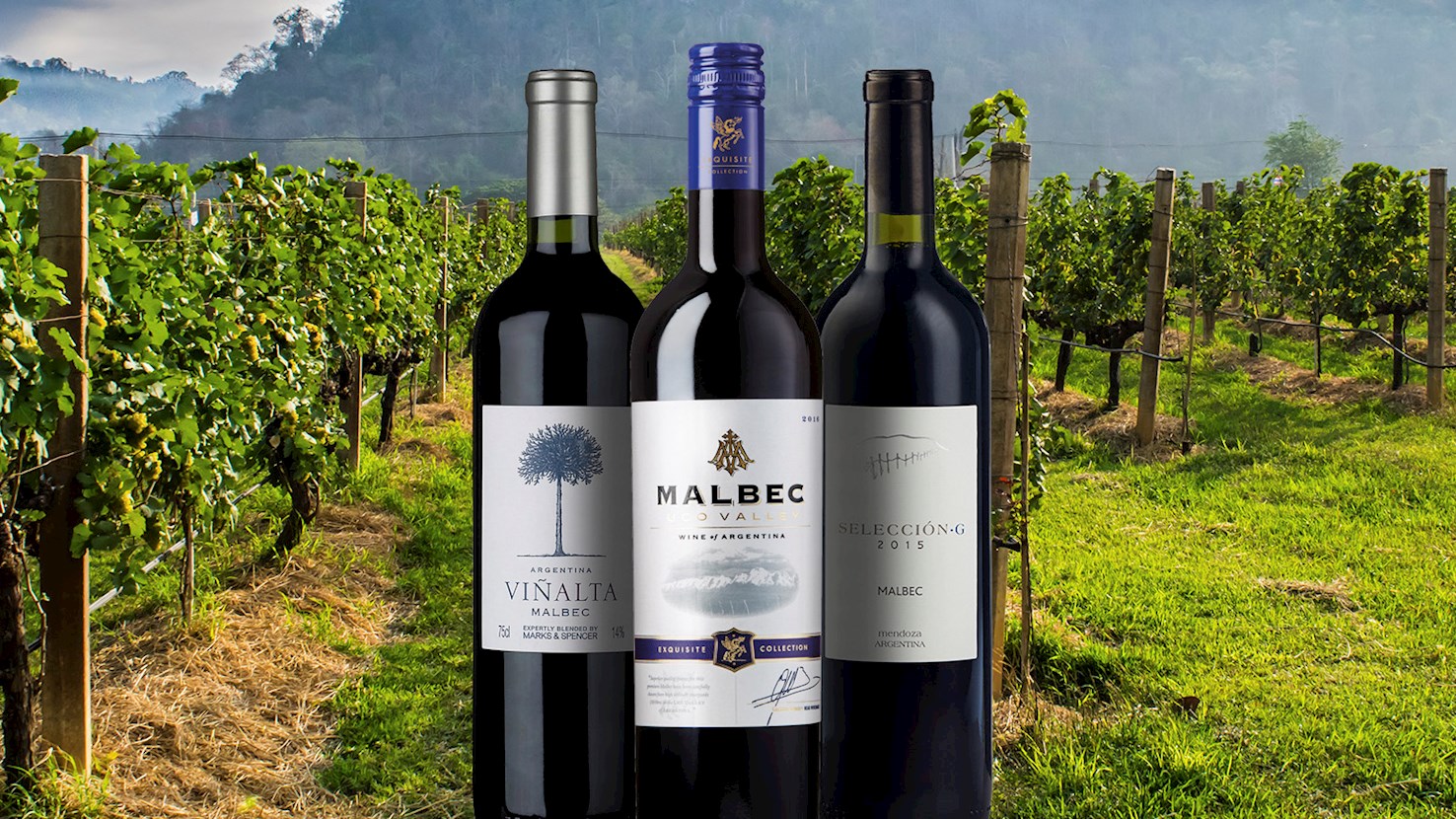
Malbec originally comes from southwest France, but recently it has become one of the most important grape varieties in Argentina, where it developed an entirely different flavor profile. Due to the unique geographic and climatic features, Argentinian Malbec usually displays fruity notes of cherries, strawberries, or plums that are complemented by soft and velvety tannins. When aged in oak, the wine usually develops chocolate, vanilla, tobacco, or cocoa nuances. Argentinian Malbec is best paired with grilled or roasted beef, especially leaner cuts such as skirt steak, but it can also work well with pork or poultry.
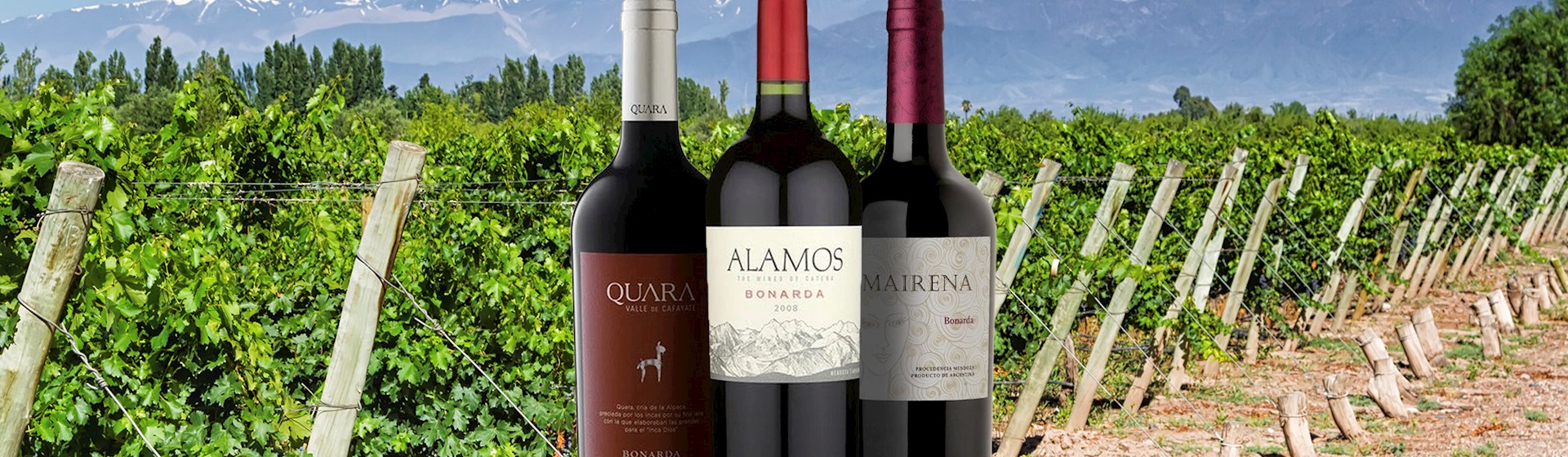
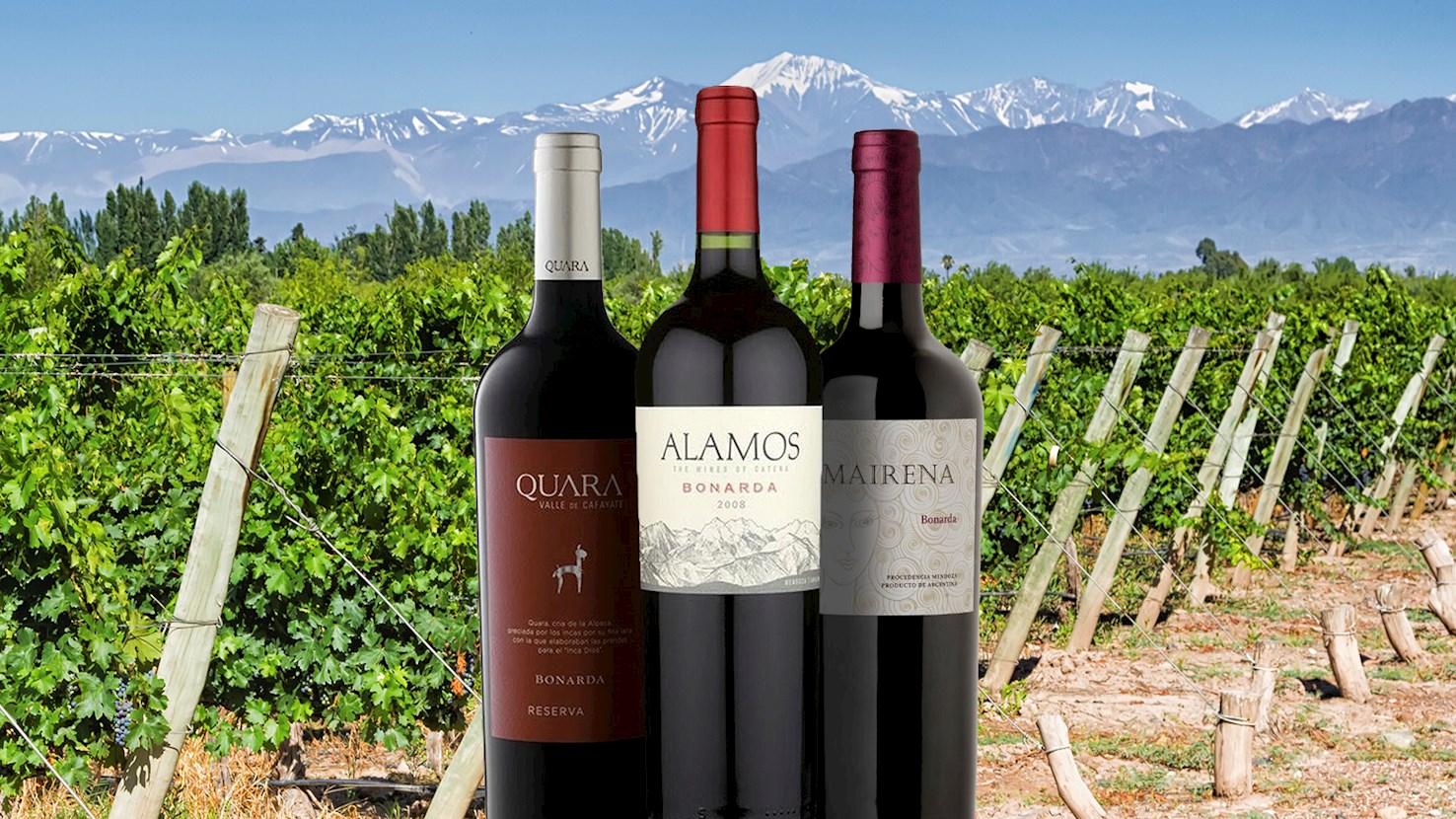
Although it originated in Savoie, where it is known as Douce Noir, this red grape variety has shown great potential in Argentina. The grape is dominantly planted in Mendoza wine region, and up until recently, it has been the most commonly planted grape in the country. Bonarda is used in blends, as well as high-quality varietals that are typically light-bodied and fruity, with moderate tannins and well-balanced acidity. These pleasant and approachable wines usually display aromas of cherries, plums, and cloves, and can match various dishes, from tomato-based pasta dishes to hearty meat-based courses. Argentinian Bonarda should not be mistaken with the Italian Bonarda Piemontese.
Tunuyán is a highly structured, mineral-driven red or crisp white wine produced within the legally demarcated Tunuyán Geographical Indication (GI), situated in the central portion of the Uco Valley within the Mendoza province of western Argentina, flanked by the Tupungato department to the north and San Carlos to the south. The expansion of viticulture in this sub-alpine zone began in the late nineteenth century with municipal demarcation in 1880, though its modern identity as a premium high-altitude viticultural center solidified in the late 1990s when international investments funded extensive soil mapping and deep-well irrigation infrastructure to plant vines on the high alluvial cones adjacent to the Andes mountains, leading to formal legal recognition under national viticultural registries to certify wines cultivated within these specific gravelly, calcium carbonate-rich soils. The preparation of Tunuyán wine adheres to separate technological parameters based on the varietal composition. White wines, primarily Chardonnay and Sauvignon Blanc, are harvested early to preserve high organic acid levels, pressed immediately under anaerobic conditions to prevent oxidation, and fermented in temperature-controlled stainless steel vats or concrete eggs at twelve to fourteen degrees Celsius. Red wines, dominated by Malbec, Cabernet Franc, and Cabernet Sauvignon, undergo meticulous sorting, a cold pre-fermentation maceration to extract anthocyanins, and alcoholic fermentation at twenty-five to twenty-eight degrees Celsius, followed by aging in neutral concrete vats or French oak barrels to preserve the fresh fruit profile while managing the firm, structural tannins induced by the alpine climate. The wine is distributed across premium global markets and localized gastronomy hubs, served at ten to twelve degrees Celsius in wide-mouthed white wine glasses for the oak-aged Chardonnay to allow the stone fruit and mineral elements to expand, or at sixteen to eighteen degrees Celsius in deep red wine glasses to optimize the release of fresh red fruit, violet, and graphite aromatics characteristic of the regional Malbec. For food and beverage pairings, the high natural acidity and tightly wound tannin profile of Tunuyán wines make them highly effective at balancing rich proteins and dense fats, meaning it is eaten alongside charcoal-grilled ribeye steak (ojo de bife), roasted lamb chops seasoned with rosemary, slow-cooked venison stews, flame-roasted pork bellies, and aged, firm cheeses like provolone or semi-hard sheep milk cheeses.
The Uco Valley is a high-altitude viticultural region located in the southwest of Mendoza, Argentina, situated along the Tunuyán River at the foot of the Andes Mountains. It comprises three administrative departments, Tupungato, Tunuyán, and San Carlos, covering a total area of approximately 1,500 square kilometers. The geography is defined by its extreme elevation, ranging from 900 to 1,600 meters above sea level, which creates a semi-desert continental climate. This environment is characterized by high solar radiation, over 250 sunny days per year, and a significant diurnal temperature variation where nights remain cool despite warm daytime temperatures. The development of the region as a premier wine zone began in the late 19th century with the establishment of wineries like Antigal in 1897, but the modern shift toward high-altitude viticulture gained momentum in the early 1990s. A pivotal moment occurred when producers began exploring cooler, higher-elevation sites to achieve more balanced acidity and slower fruit ripening than was possible in the lower, warmer plains of Mendoza. This exploration led to the identification of specific micro-terroirs with diverse soil compositions, including alluvial stones, sand, clay, and significant deposits of calcium carbonate. By 2026, the Uco Valley has transitioned from a general fruit and vegetable production hub into a globally recognized center for technical winemaking, with the total area under vine expanding to over 23,000 hectares. Preparation of the wines involves managing the high tannin levels and deep pigments resulting from the thick grape skins developed at high altitudes. Grapes such as Malbec, Cabernet Franc, and Chardonnay are typically harvested by hand to ensure fruit integrity. In the cellar, modern techniques such as fermentation in concrete eggs, temperature-controlled stainless steel, and the use of French oak barrels are employed to maintain the natural freshness and mineral character of the fruit. Serving these wines requires careful temperature control; red varieties like Malbec are best served at 16°C to 18°C to emphasize their floral and dark fruit aromas, while white wines such as Chardonnay and Sauvignon Blanc are served at 10°C to 12°C to highlight their crisp acidity and stony finish. The wine is primarily consumed in professional and domestic dining settings, often paired with the meat-centric cuisine of Argentina. It is served with asado (grilled beef), where the structured tannins and high acidity of the Malbec cut through the intramuscular fat of the steak. The region's Cabernet Franc is frequently paired with roasted lamb or stuffed red peppers, while the high-altitude Chardonnay is served alongside grilled river trout or mountain cheeses.
Béquignol Noir is a red wine grape variety that originated in the Southwest region of France. It is primarily cultivated in the Gironde and Vendée departments, though it has seen a significant decline in French acreage since the mid-20th century. The majority of current global plantings are found in the Mendoza province of Argentina, where the variety is frequently referred to as Red Chenin. In Argentinian viticulture, the grape is often utilized as a blending component to enhance the color of red wines. The first documented reference to this variety appeared between 1763 and 1777 in the journals of the mayor of Libourne, Antoine Feuilhade, who noted its cultivation in the Bordeaux region. While it was historically confused with other regional varieties such as Cabernet Franc and Fer, DNA analysis conducted in 1999 confirmed its status as a genetically distinct variety. Research from 2011 has further identified a parent-offspring relationship with the Savagnin grape of the Jura region. Preparation of the wine typically focuses on short maceration periods, as the variety is known for producing deeply colored but light-bodied wines with low tannin content. Because these wines lack a heavy phenolic structure, they are intended for immediate consumption rather than extended aging. For serving, the wine is best presented at a temperature between 12°C and 14°C to maintain its fresh character. The vine is characterized by high vigor and significant resistance to drought, making it well-suited to arid climates like those found in the high-altitude vineyards of Mendoza. A specific physical trait of the variety is the production of very small berries, a characteristic reflected in its name, which derives from the Gascon term for "little beak". The wine is consumed alongside light meals or as an accompaniment to appetizers in casual settings. Given its light body and fresh acidity, it pairs effectively with soft cheeses, charcuterie boards, and white meats such as roast chicken or pork. It is also served with simple vegetable dishes and light pasta preparations where a more tannic red wine might overwhelm the food.
Tupungato is a prominent viticultural department located in the northern reaches of the Uco Valley in Mendoza. It is situated at the foot of the Andes Mountains, dominated by the 6,570-meter Tupungato volcano from which the region takes its name. Vineyard elevations are among the highest in Mendoza, typically ranging between 1,000 and 1,500 meters above sea level. The region's geography is characterized by an arid continental climate with a significant diurnal temperature variation of up to 15°C, which facilitates a slow ripening process. The soil is predominantly alluvial, consisting of sandy loam surface layers over a subsoil rich in limestone, calcium carbonate, and rounded pebbles. The establishment of viticulture in this department dates back to the mid-19th century, with the region gaining official status as a department on November 8, 1858. Significant development occurred in the 1990s when international investors and local producers began planting vineyards in previously uncultivated high-altitude zones to explore the potential for premium wine production. Today, vineyards cover approximately 21,000 hectares, representing roughly 30% of the department's cultivated land. Preparation of the wine often emphasizes minimal intervention to reflect the specific terroir. Grapes are manually harvested in small boxes and sorted before destemming. Some red varieties undergo cold maceration for up to 20 days at temperatures around 10°C to 12°C to extract color and aromatics without harsh tannins. Fermentation frequently involves native yeasts in stainless steel or concrete vats, followed by aging in a combination of concrete tanks and French oak barrels. White wines are typically fermented at cooler temperatures, near 15°C, to preserve natural acidity and fresh fruit profiles. Red wines are served at 16°C to 18°C, while white wines and sparkling varieties are served between 6°C and 10°C. A specific feature of this region is the presence of the Gualtallary and El Peral districts, which are recognized for their unique calcareous soil compositions. These soils, combined with high ultraviolet radiation at altitude, produce grapes with thicker skins and higher concentrations of anthocyanins and phenols. This results in red wines, particularly Malbec and Cabernet Franc, with intense color, firm tannins, and a characteristic mineral profile often compared to chalk or graphite. The region is also a major producer of base grapes for sparkling wines, utilizing the high natural acidity found in its Chardonnay and Pinot Noir. The wines are commonly consumed alongside the local cuisine of the Cuyo region. Red varieties like Malbec and Cabernet Sauvignon are paired with grilled red meats, specifically beef cuts cooked in the asado style, as the tannins complement the protein and fat of the meat. They also accompany mature cheeses, spicy vegetable dishes, and slow-roasted goat. White wines and sparkling expressions are paired with full-flavored fish, such as tuna or shellfish, as well as white meats, sushi, and grilled vegetables.
Las Compuertas is a Geographical Indication and viticultural district situated in the Luján de Cuyo department of Mendoza. It is positioned on the northern bank of the Mendoza River at the foot of the Andes Mountains, with elevations ranging from 950 to 1,080 meters above sea level. The terroir is defined by alluvial soils composed of sandy loam surface layers and a stony subsoil of pebbles, granite, and sandstone, which provides efficient drainage and imparts a mineral profile to the grapes. The name is derived from the Spanish term for floodgates, a reference to the 1785 "Toma de los Españoles" dam project designed to regulate the Mendoza River's flow for irrigation. During the late 19th century, the landscape transitioned from cattle rearing and alfalfa cultivation to viticulture following a government initiative to expand the wine industry. By the early 20th century, the region was populated with high-density vineyards, primarily Malbec, some of which were planted as early as 1914 and 1929 and remain in production on their original rootstocks. Preparation involves manual harvesting into 18-kilogram boxes to maintain grape integrity, followed by vinification that frequently utilizes concrete eggs and indigenous yeasts to emphasize the specific site characteristics. Some red varieties undergo a cold maceration for five days at 12°C before fermentation, which may be conducted with minimal intervention to preserve aromatic freshness. Serving temperatures are recommended between 12°C and 14°C for lighter reds like Criolla Chica and 15°C to 18°C for more robust Malbec and Cabernet Franc, allowing the complex notes of violet, plum, and spice to emerge. The region is the first to receive snowmelt from the mountain acequias, providing it with an abundant water supply compared to eastern districts. Proximity to the mountains creates a cooling effect with a significant diurnal temperature range, often reaching 14°C, which allows for a slow ripening process that retains natural acidity. Malbec from this area is distinguished by its velvety texture and elegant tannins, while newer efforts have focused on recovering heritage varieties such as Criolla Chica and Charbono. Consumption typically takes place in a dining setting where the wine's acidity and structure can complement various food profiles. Red wines from the district pair with roasted meats, including Argentinian steak, lamb, and grilled venison. Lighter expressions are served with soft cheeses, white meats, and dishes featuring wild mushrooms or truffles. Bold Malbecs also match well with hearty stews, chorizo pasta, and savory empanadas.
Perdriel is a Geographical Indication located in the Luján de Cuyo department of Mendoza, situated approximately 20 kilometers south of the provincial capital. The region occupies the southern bank of the Mendoza River at an elevation of approximately 950 to 980 meters above sea level. Its geography is characterized by a semi-arid continental climate with low annual rainfall, where vineyard hydration is sustained by snowmelt from the nearby Andes Mountains. The soil is primarily alluvial, consisting of a sandy loam surface with a high concentration of riverbed stones and gravel starting at a depth of about 20 centimeters, which facilitates deep root systems and efficient drainage. Viticulture in this district became a central economic activity during the late 19th century as winemaking shifted from the city center to the outskirts of Mendoza. By the early 20th century, the area had established several significant estates, some of which continue to operate with their original vineyards today. The region is notable for maintaining a high percentage of Malbec and Cabernet Sauvignon vines that are over 100 years old and remain on their original rootstocks. These heritage plantings are balanced and exhibit low vigor, producing fruit that winemakers have historically used to establish the region as a source for high-quality red wines. Preparation of the wine typically begins with hand-harvesting from selected vineyard lots followed by a cold maceration period of approximately five days to preserve fresh aromatics. Fermentation occurs at controlled temperatures, often around 25°C to 28°C, with extended skin contact for up to 30 days to extract depth and structure. Many red wines from this area undergo aging in French oak barrels for 12 months, followed by further maturation in the bottle for nearly a year before release. The recommended serving temperature for these red varieties is between 16°C and 18°C, which prevents the alcohol from overpowering the delicate floral and fruit profiles. A specific attribute of this territory is the presence of a natural air corridor created by the Mendoza River, which allows cold air from the mountains to descend through the vineyards. This creates a high diurnal temperature range where the heat of the day facilitates sugar development and the cold nights preserve natural acidity, leading to a refined style of Malbec frequently noted for distinct violet aromas. Additionally, the district is one of the few in Argentina to utilize a Controlled Designation of Origin (DOC) status for certain labels, which mandates specific production standards and grape sourcing. Perdriel wines are consumed primarily as an accompaniment to a meal and are commonly paired with grilled red meats such as ribeye steak or slow-cooked lamb, reflecting the region's local culinary habits. The robust tannins and structure of the Cabernet blends also complement aged hard cheeses and savory roast dinners. White varieties from the area, such as Chardonnay and Sauvignon Blanc, are often paired with seafood, particularly light salads or grilled chicken.
Agrelo is a specific viticultural district and Geographical Indication (GI) located in the Luján de Cuyo department of Mendoza. It is situated on a high-altitude plain approximately 30 kilometers south of Mendoza City, at an average elevation of 1,000 meters above sea level. The region is bounded by the Mendoza River to the north and the foothills of the Cordon del Plata to the west. Its geography is characterized by deep, silty-clay soils of alluvial origin, which have a high water-retention capacity compared to the stonier soils found in other parts of the province. The climate is semi-arid and continental, with an annual rainfall of less than 200 mm and over 300 days of sunshine per year. The development of viticulture in Agrelo began in the late 19th century, following the arrival of European immigrants who recognized the suitability of the deep soils and the availability of water from the Mendoza River. Early settlers established expansive estates and implemented a system of irrigation canals that diverted glacial meltwater from the Andes. Throughout the 20th century, the district became a primary source for high-quality red grapes, eventually gaining a reputation as a specialized site for Cabernet Sauvignon and Malbec. In May 2025, the northern, higher portion of the district was further refined with the official designation of the Alto Agrelo GI, marking a formal technical recognition of its specific micro-terroir. Preparation of Agrelo wine focuses on extracting the characteristic soft tannin structure permitted by the region's clay-dominant soils. Malbec and Cabernet Sauvignon are the primary varieties, though Cabernet Franc and Syrah are also significant. Winemaking involves temperature-controlled fermentation, typically between 24°C and 28°C for red wines to manage phenolic extraction. Aging often occurs in French oak barrels or large concrete vats for 12 to 18 months to enhance structural complexity. Red wines are served at 16°C to 18°C, while the region's white wines, such as Chardonnay or Sémillon, are served at 10°C to 12°C. A specific feature of Agrelo is the "thermal amplitude," where daytime temperatures remain high while night temperatures drop significantly due to the proximity of the Andes. This cycle slows the ripening of the grapes, allowing for the development of complex aromatics, such as black plum and violet in Malbec, and cassis or red pepper in Cabernet Sauvignon, while maintaining natural acidity. The depth of the soil in this district allows vine roots to penetrate several meters deep, which minimizes water stress during the hot summer months. The wines are consumed as a standard accompaniment to the Argentine asado. Red varieties are paired with grilled beef cuts such as ojo de bife (ribeye) or vacío (flank steak), where the wine's structured tannins complement the proteins and fats of the meat. They are also paired with roasted lamb, hard cheeses like Sardo or Reggianito, and savory dishes such as lentil stews or meat-filled empanadas. White wines from the region are typically paired with grilled river fish, poultry in herb-based sauces, or vegetable-based risottos.
Luján de Cuyo is a premium viticultural department located in the upper Mendoza River valley of western Argentina, approximately 20 kilometers south of Mendoza City. It is positioned at the foot of the Andes mountain range at elevations between 900 and 1,100 meters above sea level. The geography is characterized by a semi-arid desert climate with less than 200 mm of annual rainfall and high solar radiation. The soil is predominantly alluvial, consisting of a sandy-loam surface over a stony subsoil of gravel and clay, which provides the excellent drainage necessary for high-quality grape production. The establishment of vineyards in this area followed the migration of the Huarpe people, who engineered the initial network of irrigation canals to redirect Andean snowmelt. Following the founding of the city in the 16th century, viticulture expanded under Spanish influence, but the most significant transformation occurred in 1853 when French agronomist Michel Pouget introduced Malbec cuttings to the region. The industry further accelerated in 1885 with the arrival of the Great Western Railway, connecting Luján de Cuyo to the port of Buenos Aires. In 1989, local producers formed a regulatory council, and in 1991, the region became the first in South America to be officially recognized as a Denominación de Origen Controlada (DOC). Preparation of the wine involves strict management of the irrigation systems, as the lack of rainfall makes the vines entirely dependent on the acequias (canals). While modern drip irrigation is common, many vineyards still utilize the historical flood irrigation method. Malbec is the primary variety, alongside Cabernet Sauvignon and old-vine Sémillon. Grapes are fermented in temperature-controlled stainless steel or concrete vats. To meet DOC requirements, Malbec must be aged for at least 24 months, including a minimum of 12 months in oak barrels. Red wines are served at temperatures between 16°C and 18°C, and white wines are served between 8°C and 12°C. A specific feature of Luján de Cuyo is its high concentration of "centenarian" vineyards, with many plots of Malbec and Sémillon vines dating back to the early 20th century. These old vines have deep root systems and naturally low yields, producing fruit with high aromatic concentration. The region also experiences a significant diurnal temperature range, where daytime heat is balanced by cool night winds descending from the mountains, a process that preserves the natural acidity of the grapes. The wines are consumed as a central component of the asado, the Argentine social meal centered on grilled meats. Red wines from the region, specifically Malbec and Cabernet Sauvignon, are paired with grass-fed beef cuts like ojo de bife (ribeye) and entraña (skirt steak), as the wine's tannins effectively cut through the protein and fat. Other suitable pairings include spicy beef empanadas, grilled provolone cheese (provoleta), and roasted lamb. White varieties such as Sémillon or Chardonnay are paired with grilled river trout, roasted poultry, or dishes containing local olive oil and nuts.
TasteAtlas food rankings are based on the ratings of the TasteAtlas audience, with a series of mechanisms that recognize real users and that ignore bot,
nationalist or local patriotic ratings, and give additional value to the ratings of users that the system recognizes as knowledgeable.
For the “Top 66 Local Red Wines in Mendoza Province” list until June 15, 2026, 219 ratings were recorded, of which 166 were recognized by the system as legitimate.
TasteAtlas Rankings should not be seen as the final global conclusion about food. Their purpose is to promote excellent local foods,
instill pride in traditional dishes, and arouse curiosity about dishes you haven’t tried.
The initial list of top producers was compiled based on available reviews, awards, local recommendations, media and blog coverage, and consumer reviews.
The list will be updated with ratings from TasteAtlas local ambassadors and TasteAtlas users.