Arroz tapado is a Peruvian dish that is easy to prepare and inexpensive. It is made with rice, carrots, ground beef, tomato paste, onions, garlic, black olives, and chopped hard-boiled eggs. This dish is layered, usually in a way where rice is on the bottom and on the top, with the other ingredients sandwiched in the middle layer. Once assembled, arroz tapado is garnished with parsley and served with green salads, plantains, or avocado slices on the side, if desired.
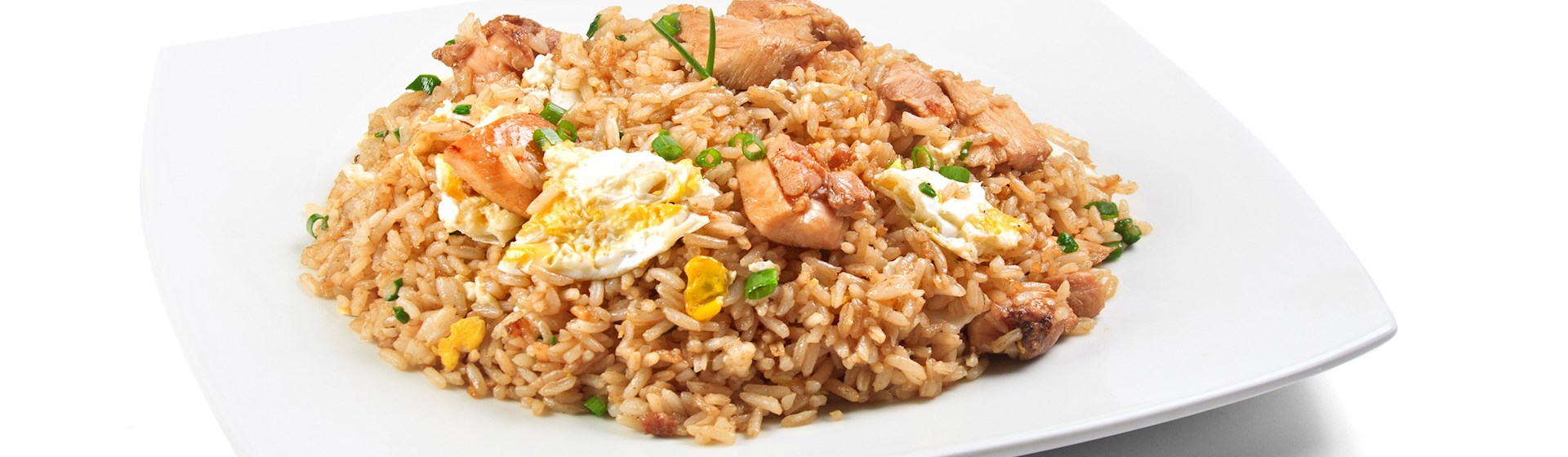
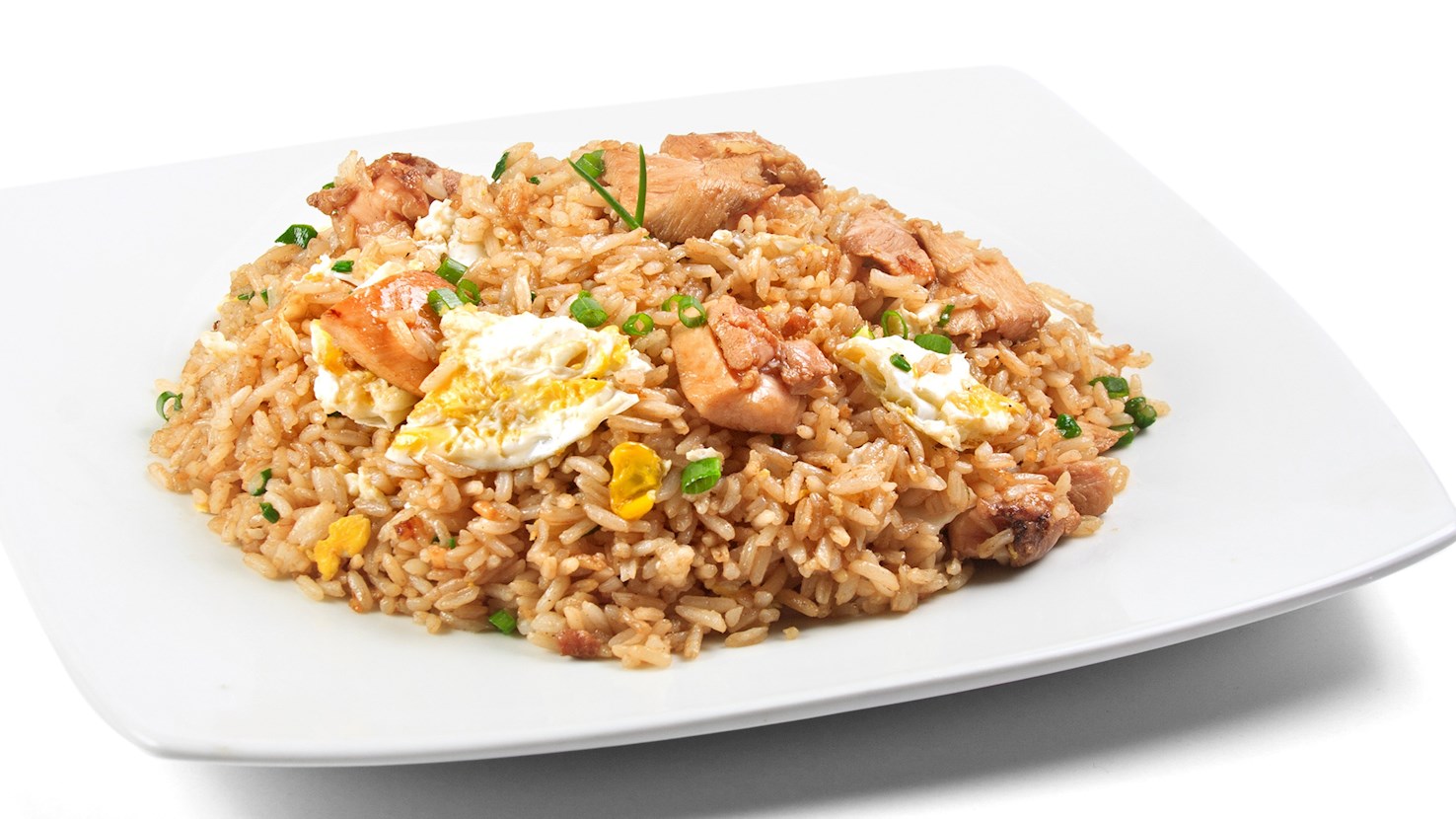
Arroz chaufa is a popular Peruvian dish with a great influence of Chinese cuisine. It consists of a combination of fried rice, meats, vegetables, and fruits. Most commonly, rice is fried with shredded chicken, salami, garlic, ginger, slivered almonds, eggs, chicken stock, soy sauce, pineapple chunks, and pineapple juice, although there are numerous variations on the dish using ingredients such as fish, beef, pork, jerky, and even alligator meat. Once prepared, the dish is typically garnished with chopped scallions and coriander.
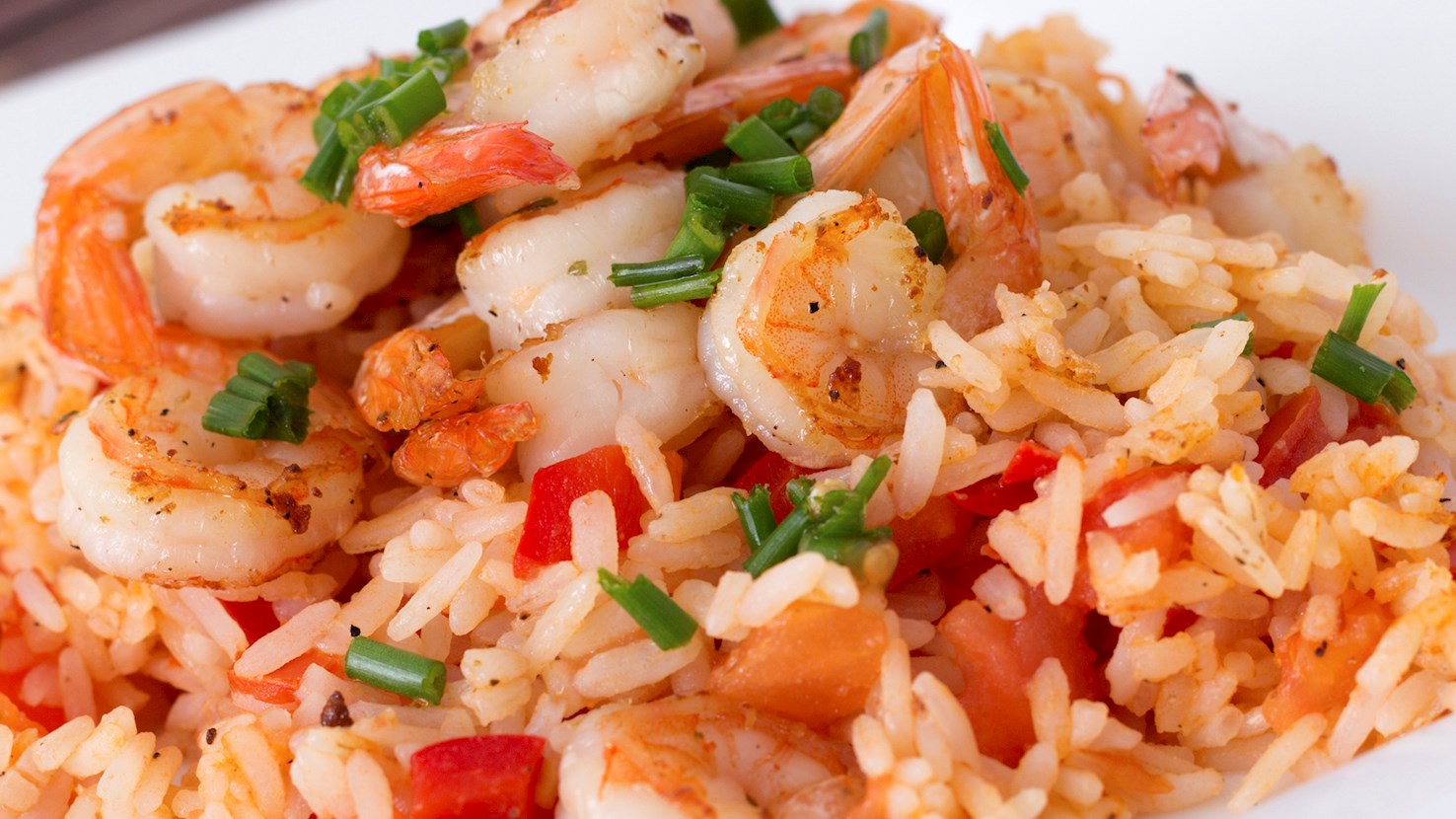
Arroz con camarones is a dish that is popular throughout Latin America, especially in Peru, Ecuador and Mexico. It consists of rice that is cooked in a flavorful shrimp broth, combined with shrimp, peppers, tomatoes, and onions. The dish is usually seasoned with cumin, garlic, and achiote, with the addition of finely chopped parsley used for garnishing. Arroz con camarones can be served with numerous accompaniments such as lime wedges, hot sauce, avocado slices, or fried plantains.
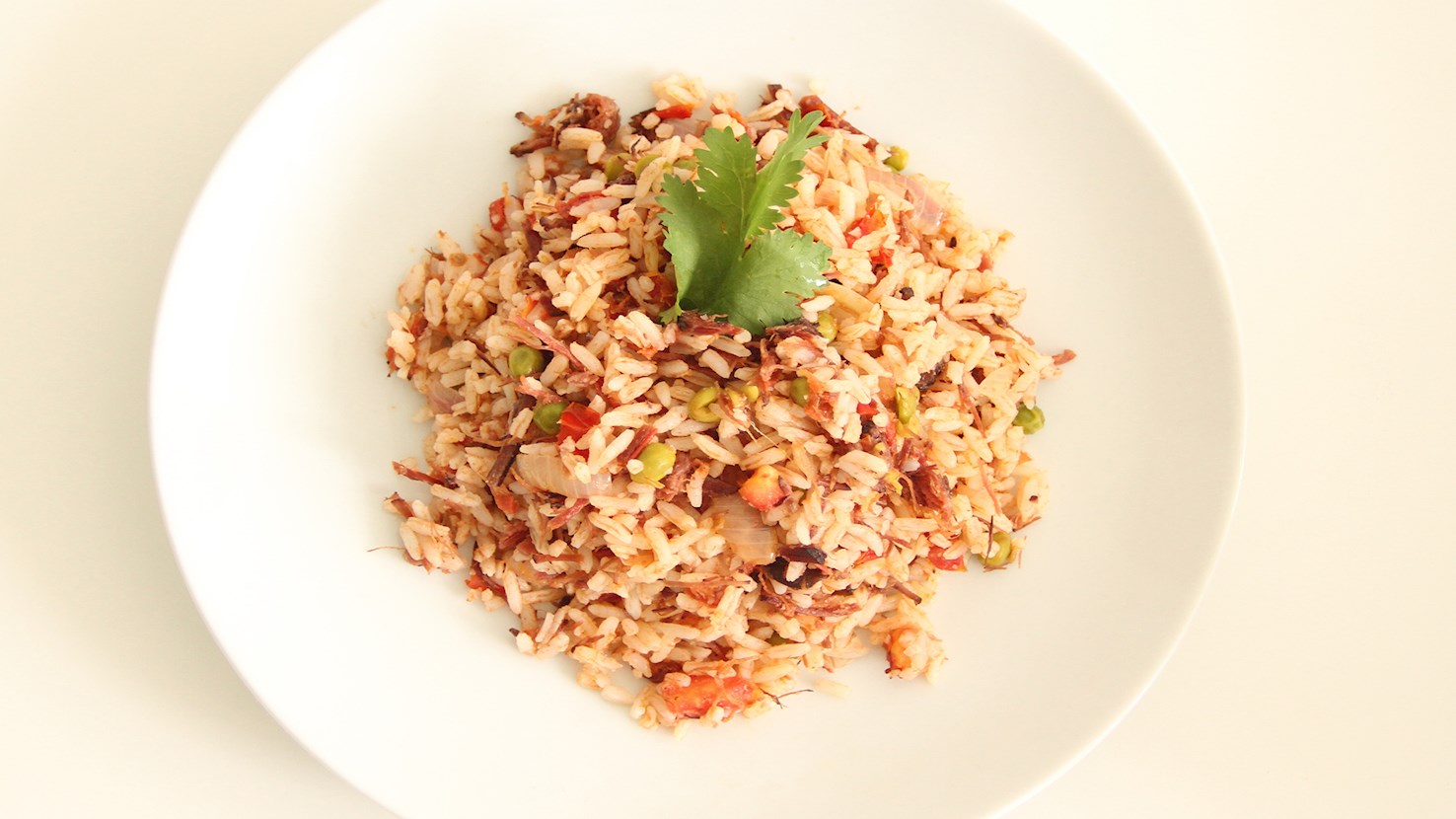
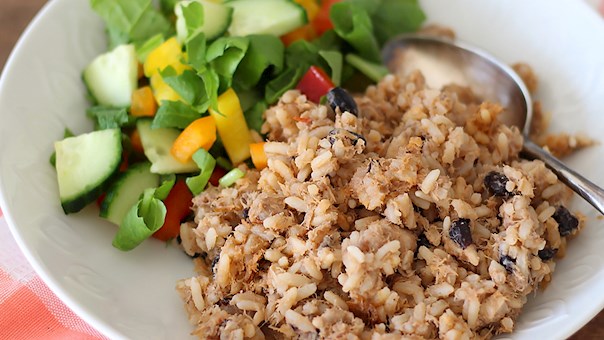
Baião is a traditional folk dance of the Brazilian Ceará region, which was popularized by two musicians, Humberto Teixeira and Luís Gonzaga, in a song called Baião-de-dois (baião for two). The name of the song attached itself to the dish of the same name, consisting of freshly picked black-eyed peas and rice cooked together, reminiscent of a couple dancing the baião. The dish has numerous varieties throughout the region, so some cooks add dried beef (carne de sol), while the others add pork or cheese to the combination. Garnishes may include freshly chopped coriander and chives. The history of the dish dates back to the time of great difficulties, when food was scarce and nothing could go to waste, so, like many other dishes, this one was also created out of necessity, combining rice, beans, and kitchen leftovers.
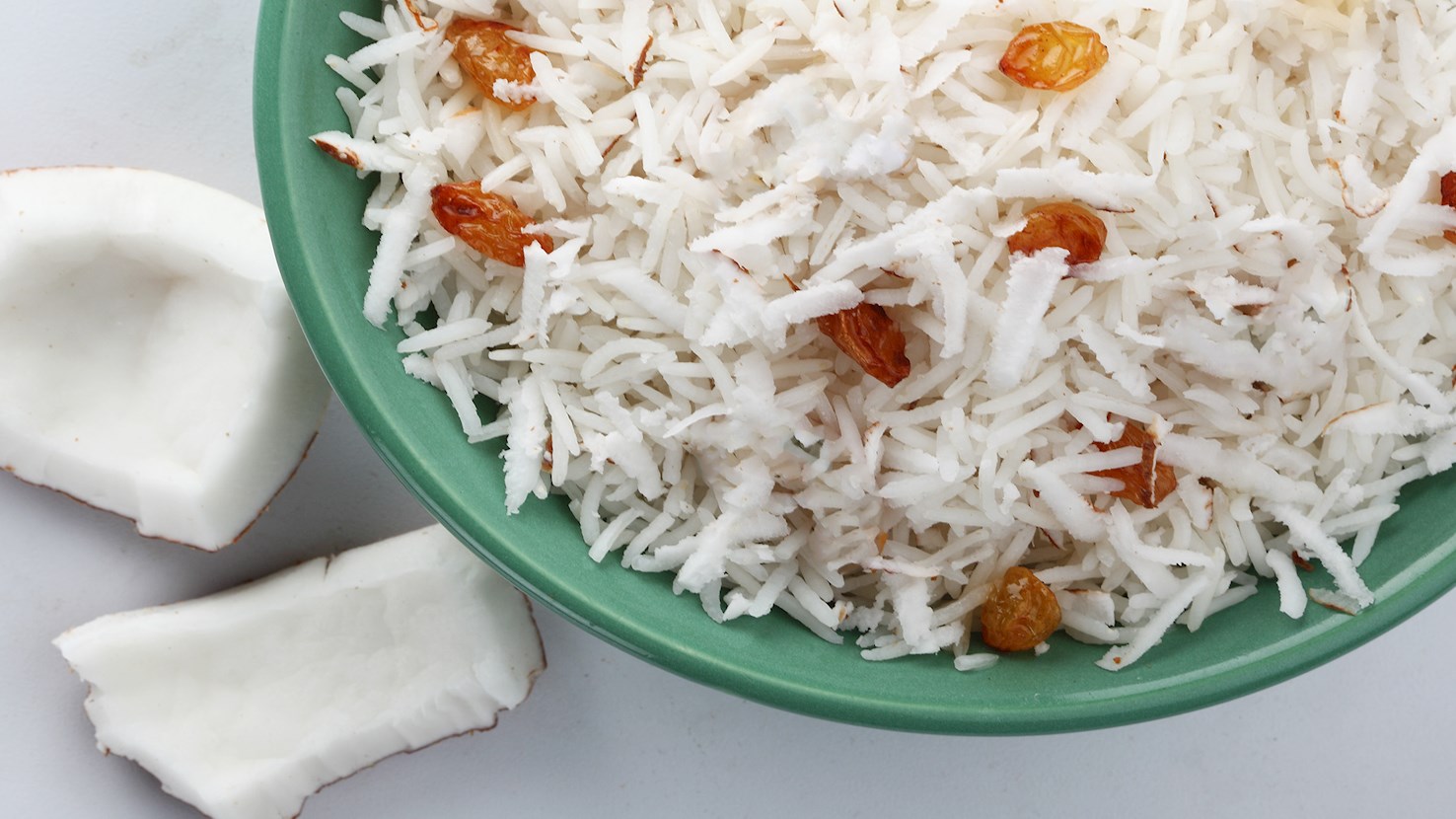
Both savory and sweet in flavor, arroz con coco is a flavorful Colombian side dish consisting of white rice, coconut milk, sugar, salt, and water. When mixed with raisins, arroz con coco becomes slightly sweeter, while the version without raisins is more savory and traditionally served with fish dishes. It is recommended to use coconut milk without stabilizers so that it can separate into fat and solids.
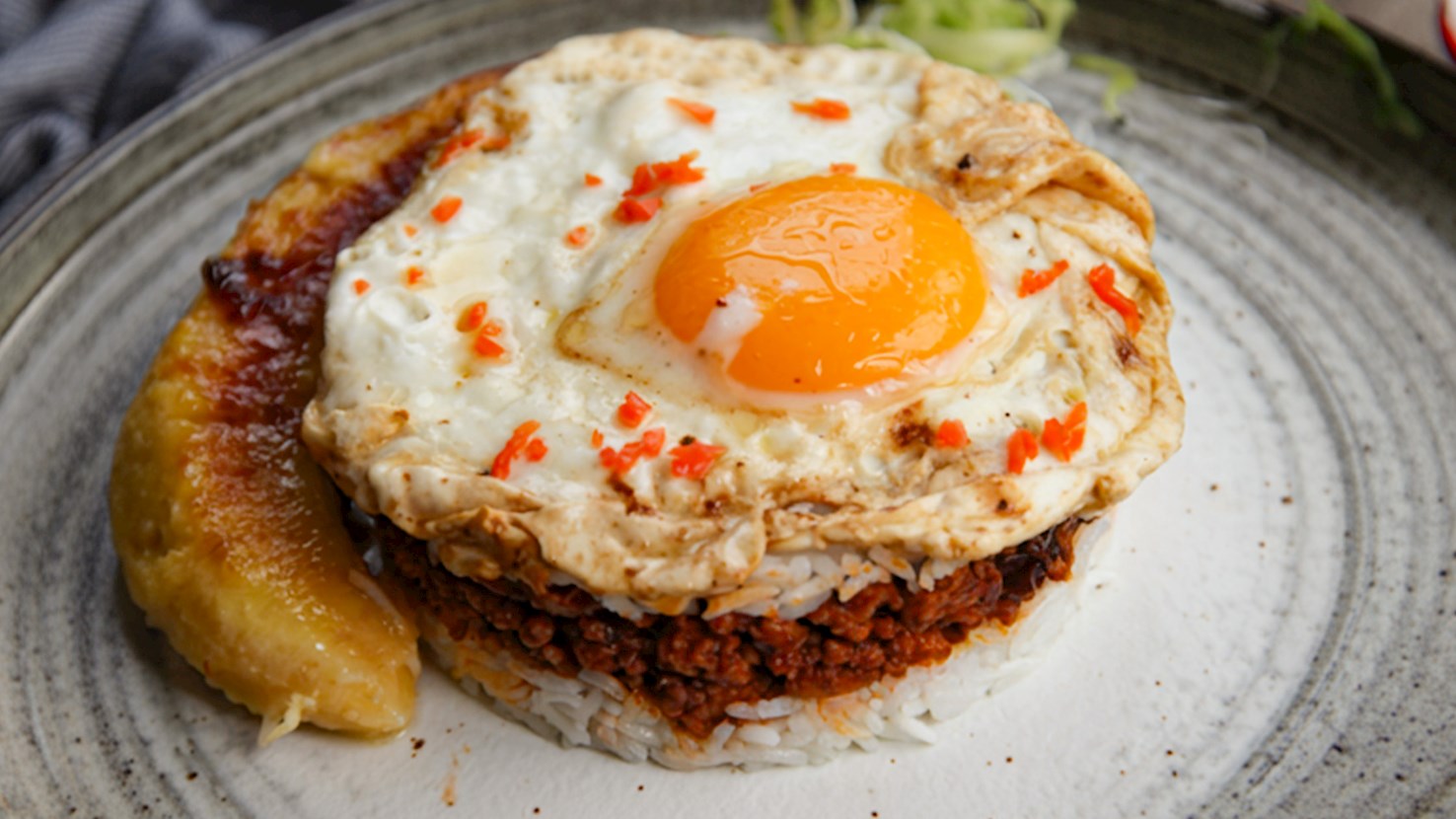
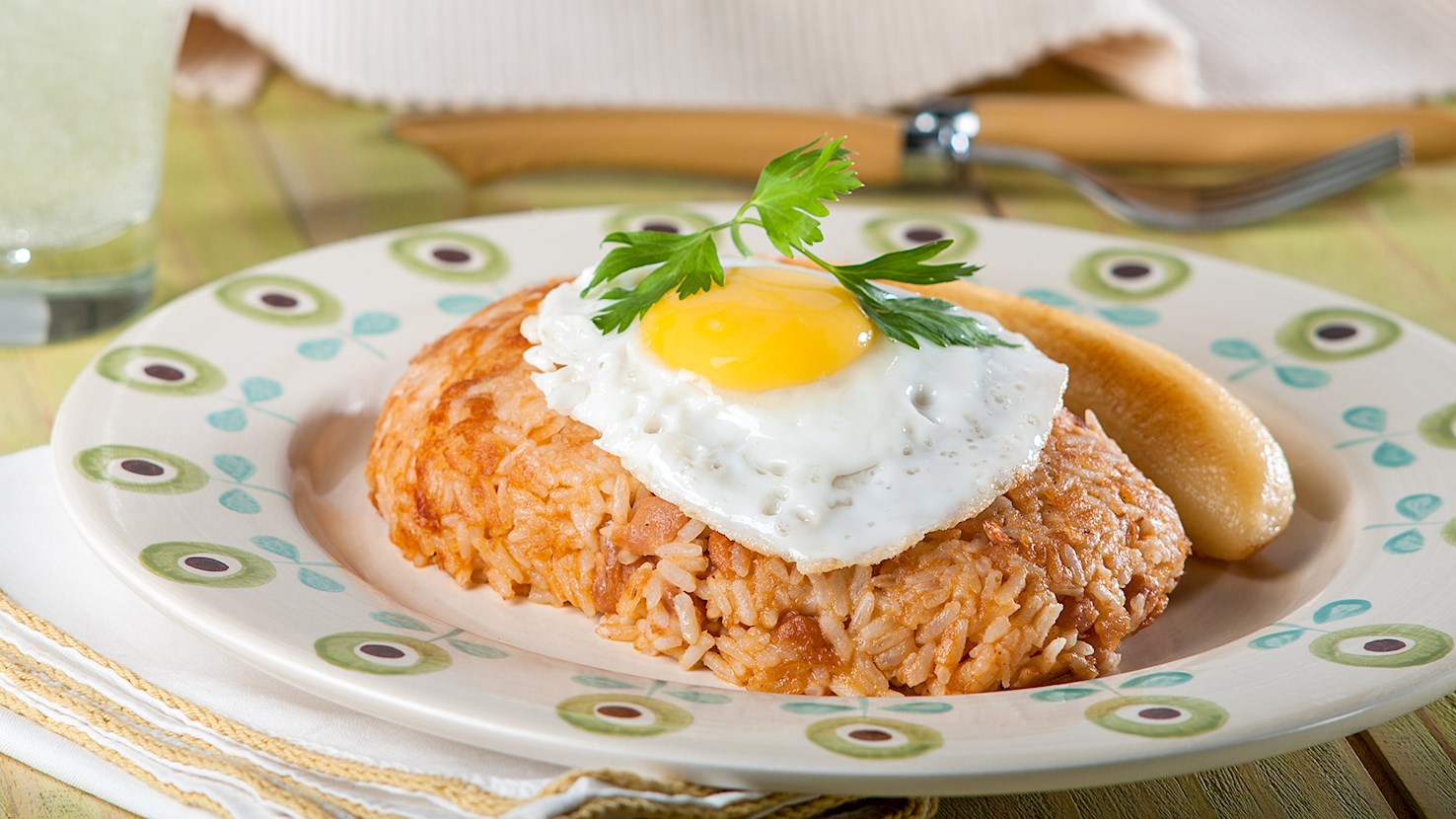
Tacu-tacu is a simple and rustic Peruvian dish that combines rice, beans, various spices, and onions. The ingredients are typically pan-fried and formed in a thick, pancake-like dish. It is believed that tacu-tacu originated among the African community, while the name stems from the Quechuan taka-taka, which translates as pounded or mashed. The variation of this classic may include lentils, and the dish is typically served with a fried egg on top or sided with breaded and fried meat, fried plantains, and the onion-based salsa criolla.
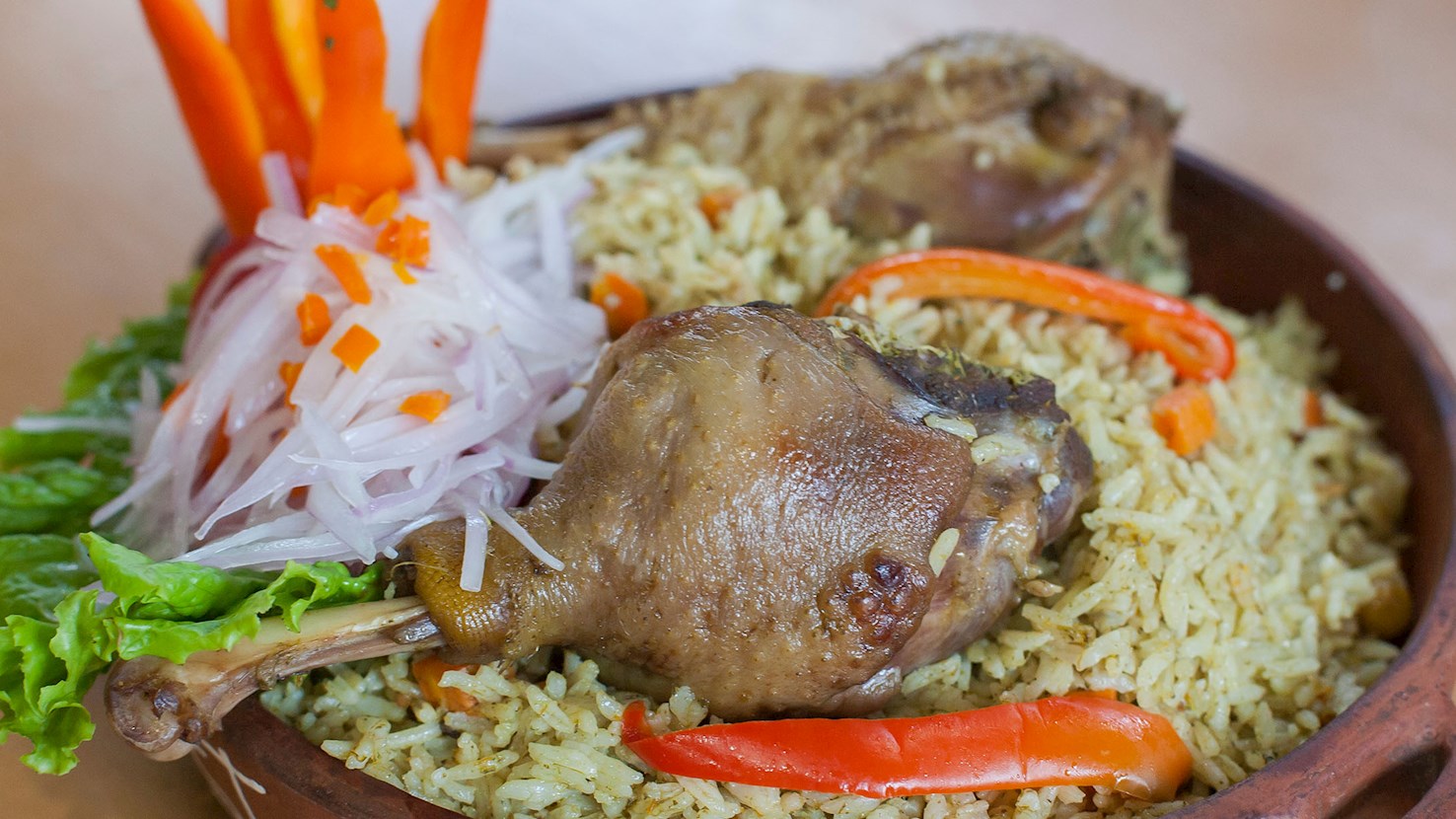
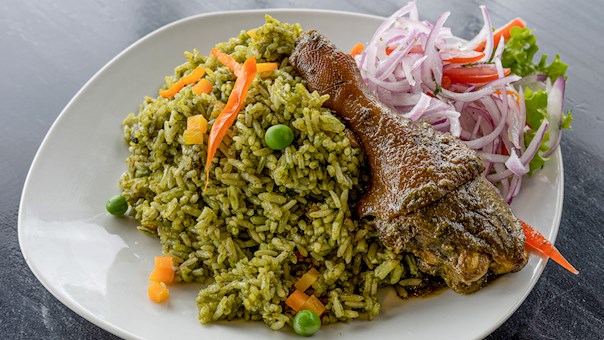
Arroz con pato a la chiclayana (also known as arroz con pato de lambayeque) is a traditional dish originating from the city of Chiclayo. It's usually made with a combination of duck meat, oil, garlic, onions, rice, peas, pumpkin (squash), red peppers, scallions, aji limo peppers, lime juice, and salt. The garlic, onions, and squash are cooked in oil, then combined with the browned duck meat and water. Once the duck becomes tender it's taken out and the rice, peas, pepper, and coriander are simmered in the cooking liquid. Once cooked, the rice mixture is seasoned with lime juice and served alongside duck meat.
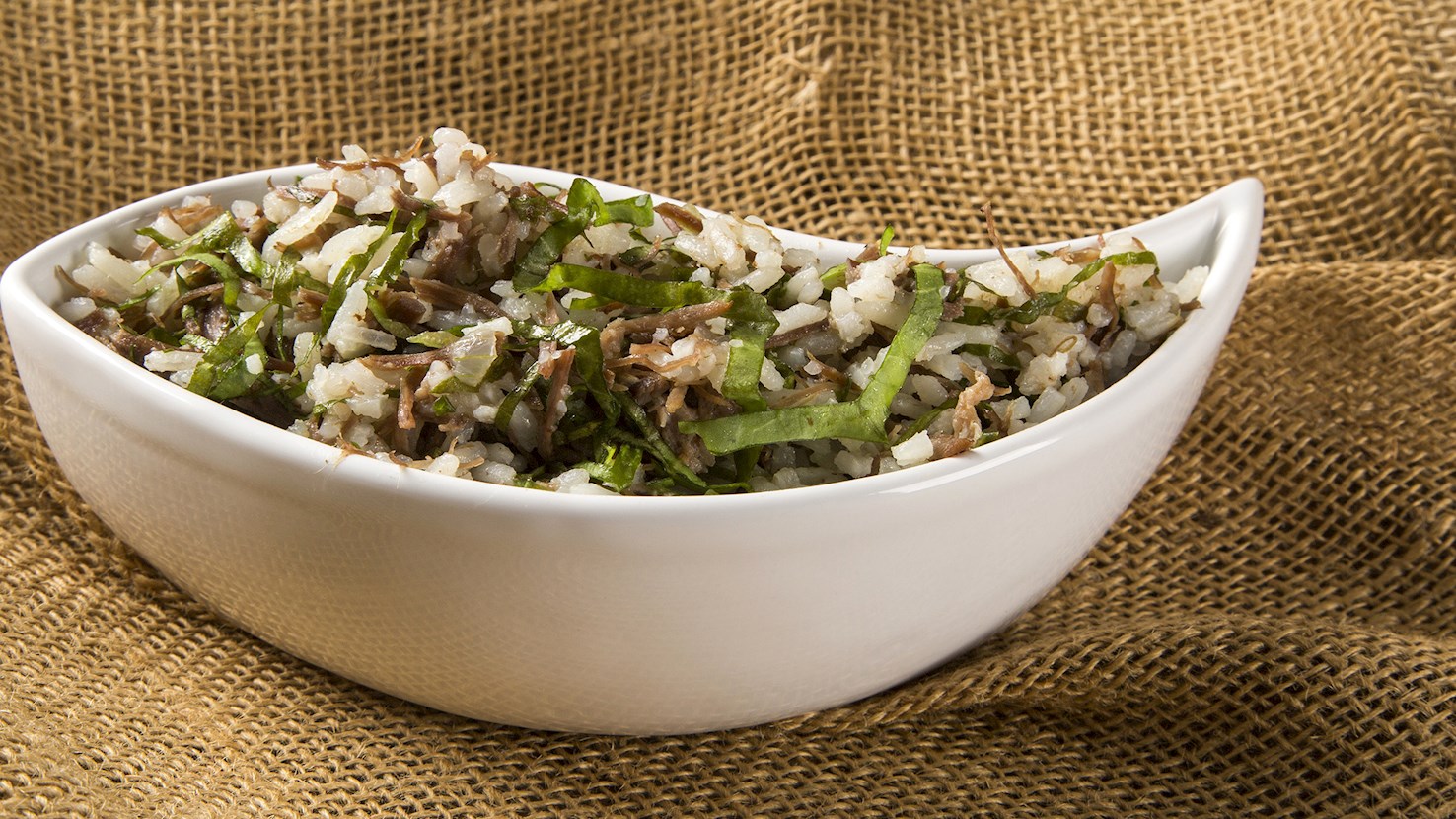
Arroz carreteiro or wagoner's rice is a hearty rice and meat dish hailing from the south of Brazil. Originally, it was prepared by gauchos who needed a nutritious meal on their travels. Back then, arroz carreteiro was made with dried beef, but today it can be made with either charqui or leftovers from barbecues. Other ingredients include onions, sausages, bell peppers, garlic, oil, and parsley. When served, arroz carreteiro is often topped with grated parmesan.
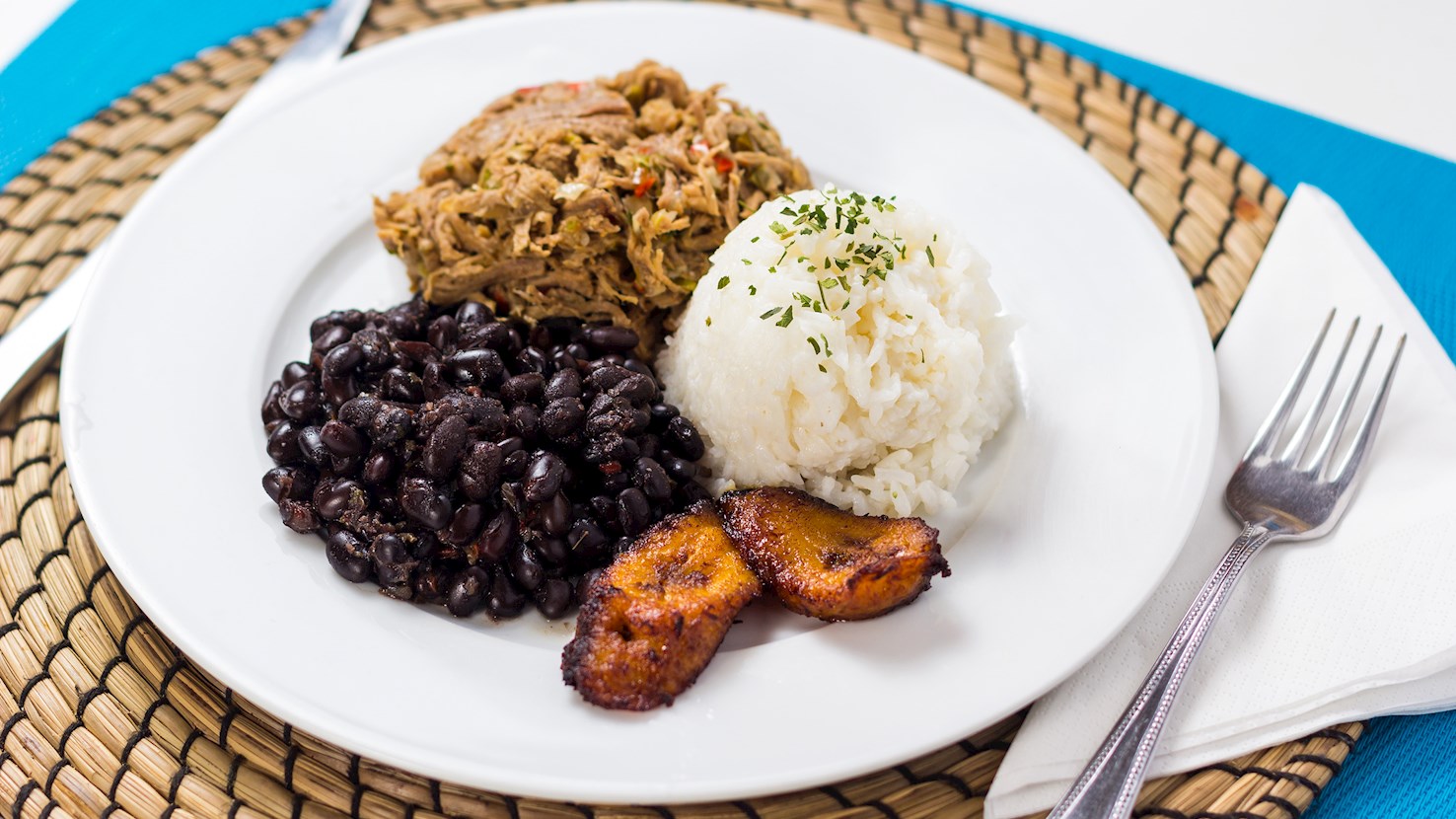
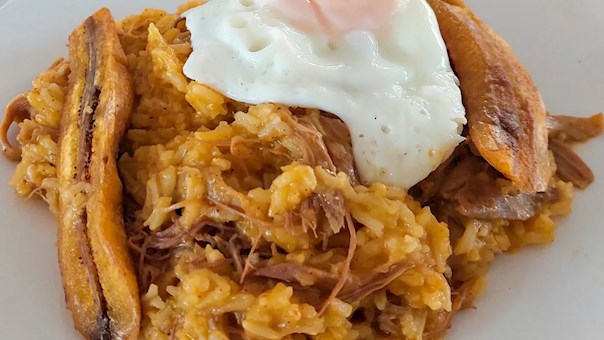
Pabellon criollo is a traditional dish consisting of black beans, white rice, and slices of steak cooked with tomatoes. The word pabellon means flag, referring to the colors of individual components, which are arranged to resemble the national flag. The dish is sometimes also served with fried plantains, known as tajadas, along with arepas and white cheese. The plantains keep the food from slipping over the plate, and in that case, the dish is known as pabellon con baranda, where baranda means guard rail. If the dish is served with a fried egg on top, it is known as pabellon a caballo. Pabellon criollo is especially popular with Venezuelan cowboys, known as llanos.
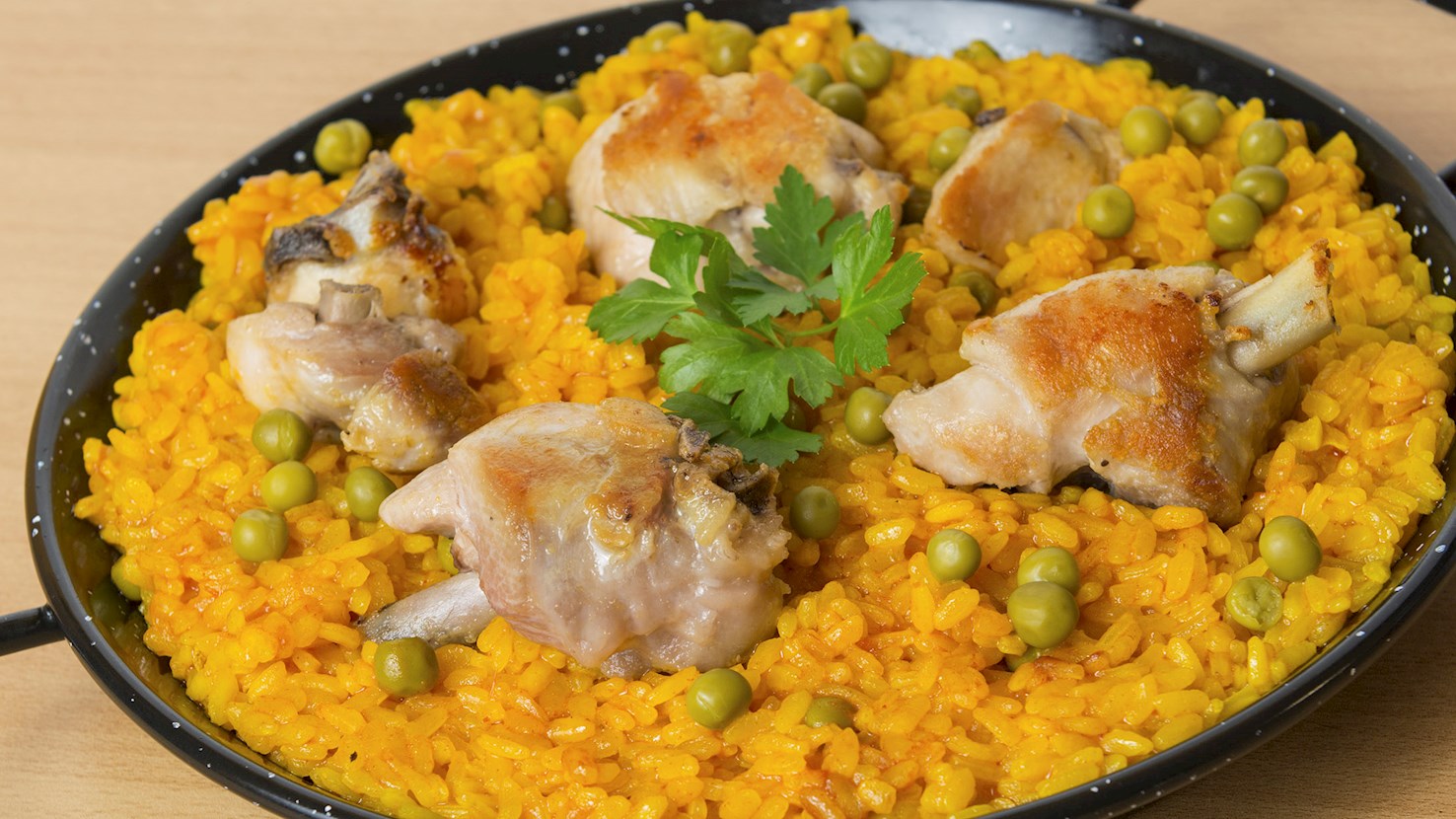
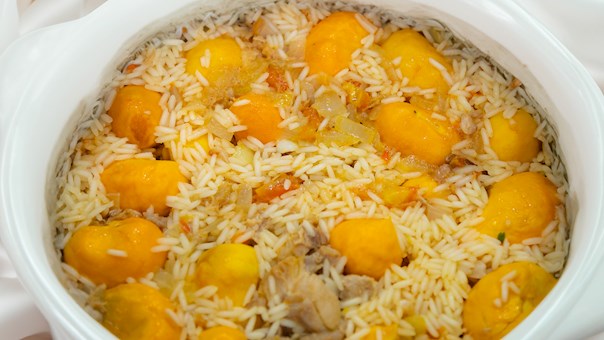
Galinhada is a one-pot dish consisting of bone-in chicken pieces and rice stewed together with a vibrant array of aromatics, vegetables, and spices. To execute the classic recipe, cooks begin by intensely marinating cuts of poultry—most commonly thighs, drumsticks, and occasionally breasts—in a sharp blend of lime juice or vinegar, crushed garlic, salt, and black pepper. Then, the meat is aggressively seared in a large, heavy-bottomed pan or iron skillet until the fat renders and the skin develops a deep, golden-brown crust. Once the chicken reaches proper caramelization, chopped onions, bell peppers, and tomatoes are folded directly into the rendered fat to build a highly flavorful, aromatic base, effectively dissolving the savory browned bits from the bottom of the cookware. Long-grain white rice is then stirred into this rich mixture, briefly toasting the grains to coat them before the simmering liquid—usually homemade chicken broth or water—is introduced. The entire pot is tightly covered and left to cook slowly over low heat, allowing the rice to swell and absorb the deeply savory liquid while the chicken becomes meltingly tender. While this fundamental cooking method remains constant across Brazil, significant regional variations fundamentally alter the dish's final flavor profile and visual presentation. In the state of Minas Gerais, cooks impart a vibrant golden-yellow hue to the meal using ground annatto seeds or turmeric, frequently folding whole kernels of corn, sweet peas, and fresh green beans into the simmering pot. Conversely, the iteration originating from the central-western state of Goiás relies heavily on pequi, a highly aromatic native savanna fruit that imbues the rice with a distinctly floral, earthy flavor and a bright yellow tint, often accompanied by guariroba, a uniquely bitter native heart-of-palm. The widespread culinary footprint of this hearty meal stems directly from its 17th-century roots, driven by the bandeirantes—colonial explorers and fortune hunters who traversed the rugged Brazilian interior. These lengthy expeditions necessitated sustaining single-vessel meals that used readily foraged ingredients alongside easily transportable staples like rice, eventually transitioning to locally raised poultry as permanent farming settlements developed along the established trade routes. Today, this deeply historic dish is almost exclusively served family-style, brought directly to the center of the dining table in the pot in which it was cooked, for communal sharing. It is traditionally presented alongside simple, highly acidic accompaniments designed specifically to cut through the heavy richness of the rendered chicken fat, such as a sharp tomato and onion vinaigrette (vinagrete), fiery local malagueta chili sauce, crispy toasted cassava flour (farofa) for added texture, and a generous scattering of freshly chopped parsley and scallions applied immediately before eating.
TasteAtlas food rankings are based on the ratings of the TasteAtlas audience, with a series of mechanisms that recognize real users and that ignore bot,
nationalist or local patriotic ratings, and give additional value to the ratings of users that the system recognizes as knowledgeable.
For the “Top 25 South American Rice Dishes” list until September 15, 2026, 3,719 ratings were recorded, of which 1,368 were recognized by the system as legitimate.
TasteAtlas Rankings should not be seen as the final global conclusion about food. Their purpose is to promote excellent local foods,
instill pride in traditional dishes, and arouse curiosity about dishes you haven’t tried.








What People Say