Shutterstock

Top 50 Asian Sauces

Last updated on June 15, 2026

Best Asian Sauces

01

Toum

4.5 ·

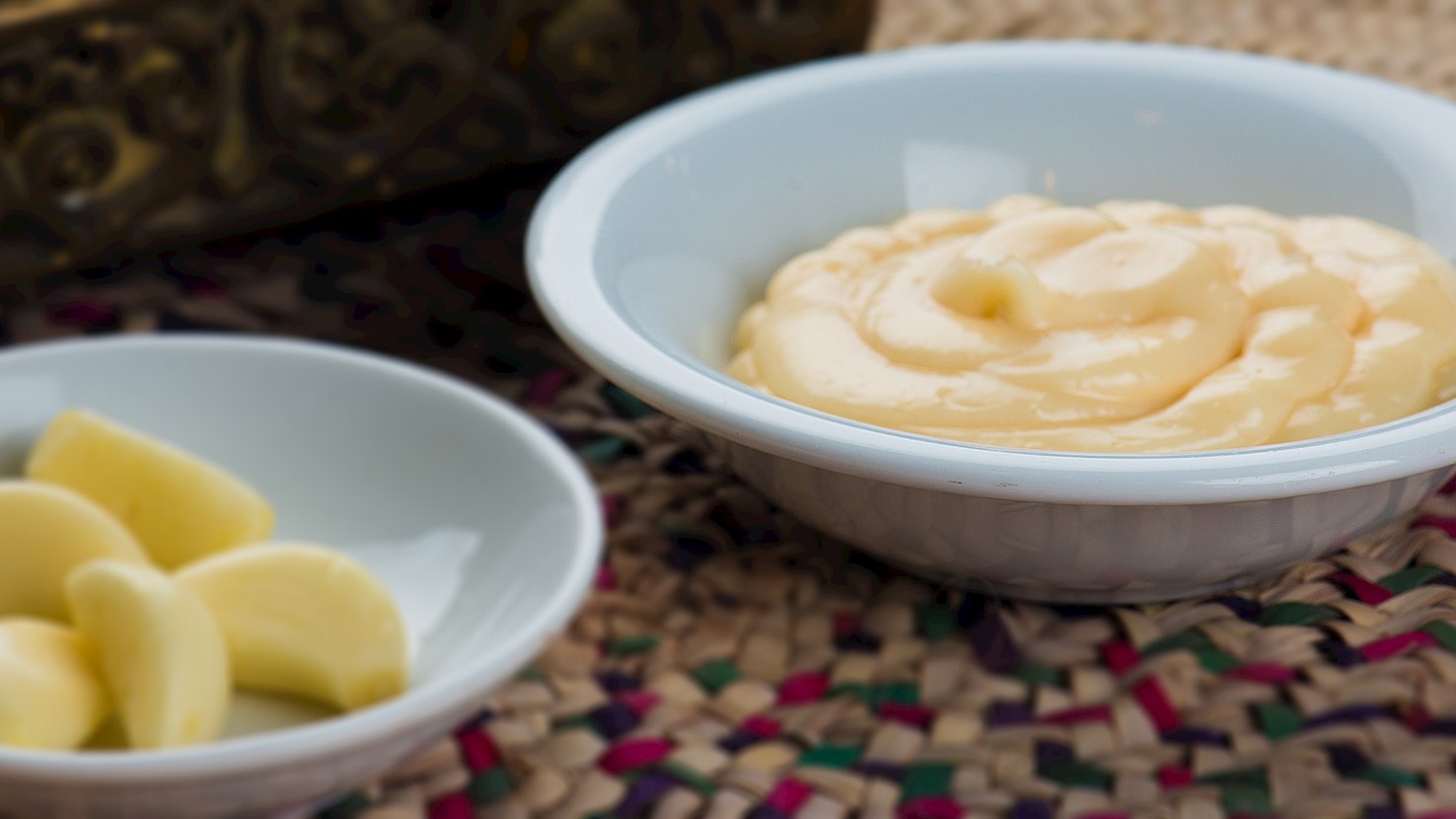
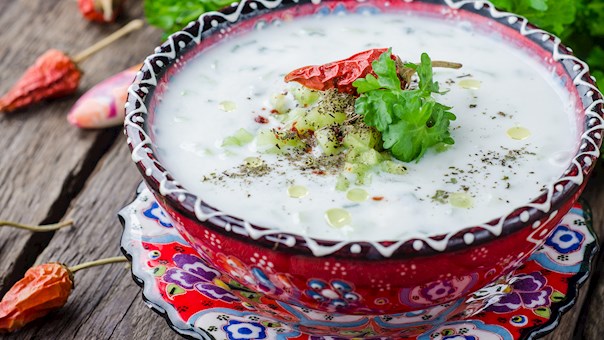
Toum is an authentic Lebanese and Syrian garlic paste. It is made with whole garlic cloves, which are slowly crushed using a mortar and pestle, or nowadays simply ground in a food processor. During this process, oil (preferably neutral oil such as canola, or the flavorful olive oil) is gently added to create a homogeneous garlic paste with an unusual, fluffy texture. Finally, salt and lemon juice are added to the mix, giving the paste a salty flavor and ivory color. Toum is used for marinades, sauces, and dips, and can enrich any meal. It is usually combined with chicken in traditional dishes such as roast chicken, chicken skewers or chicken shawarma, but is also commonly combined with beef, lamb, or goat meat. It is often used as a spread in the famous Lebanese pita sandwiches and wraps, or as a simple spread over bread, which is served as a starter or a snack. Toum can be made in advance and can keep up as long as three weeks. Since it is highly versatile, numerous ingredients, such as mint, can be added to diversify its flavor and texture. This delightful, pungent garlic spread and its adaptations can also be found in eastern Mediterranean countries, Egypt, and Iraq.

02

Curry Paste

4.4 ·

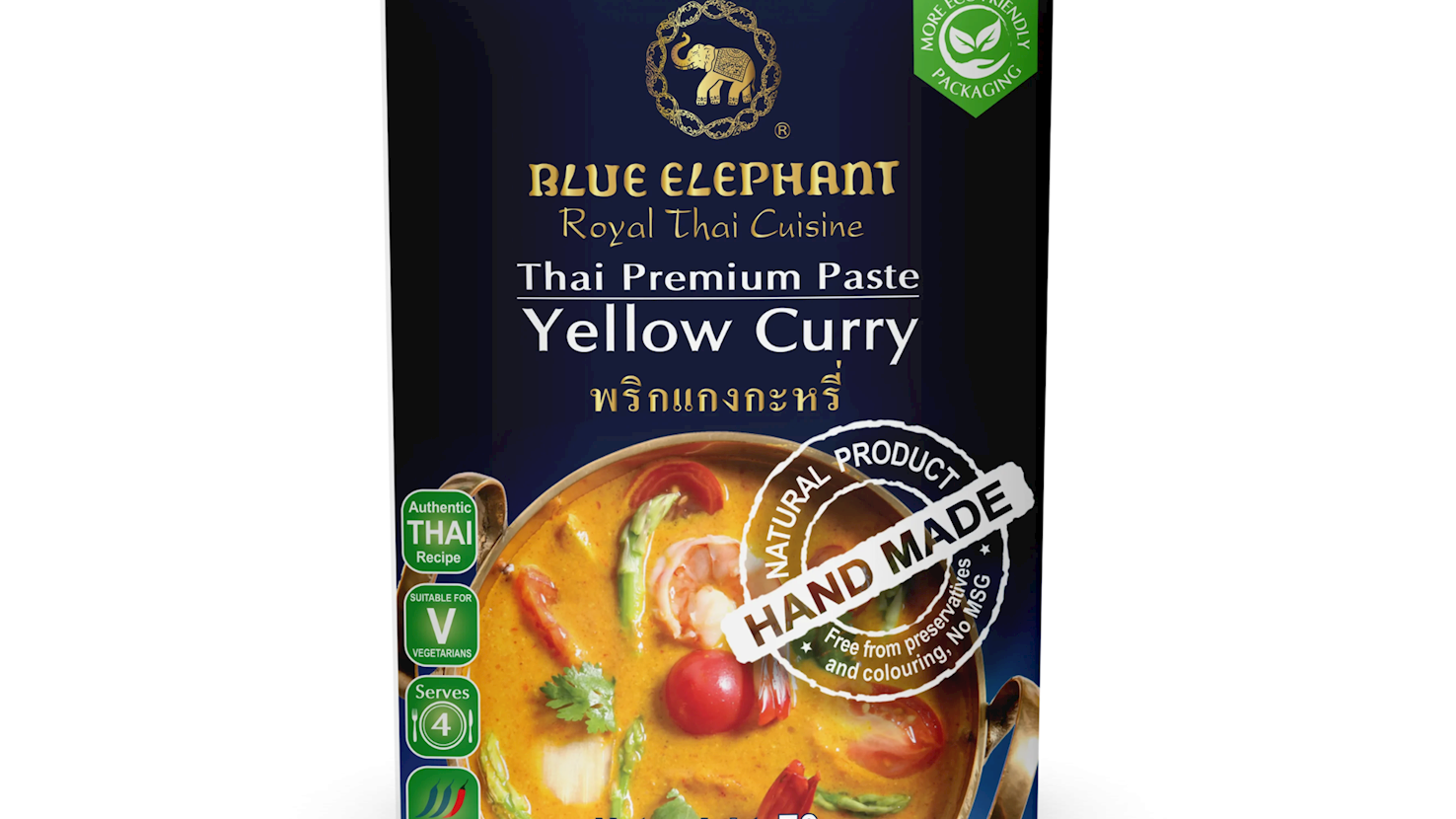
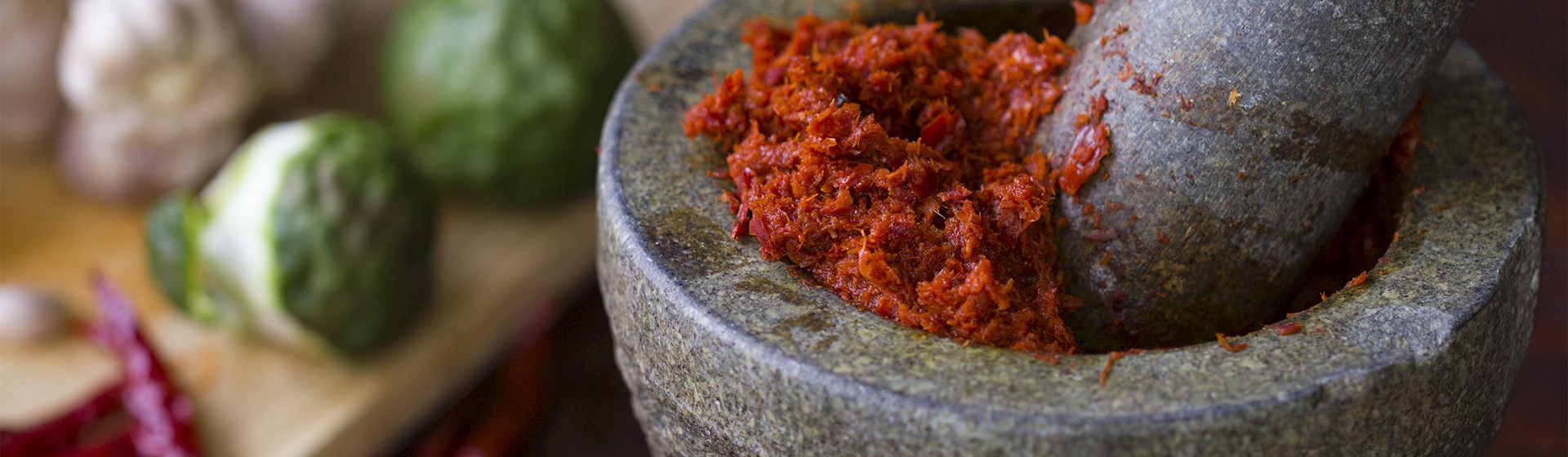
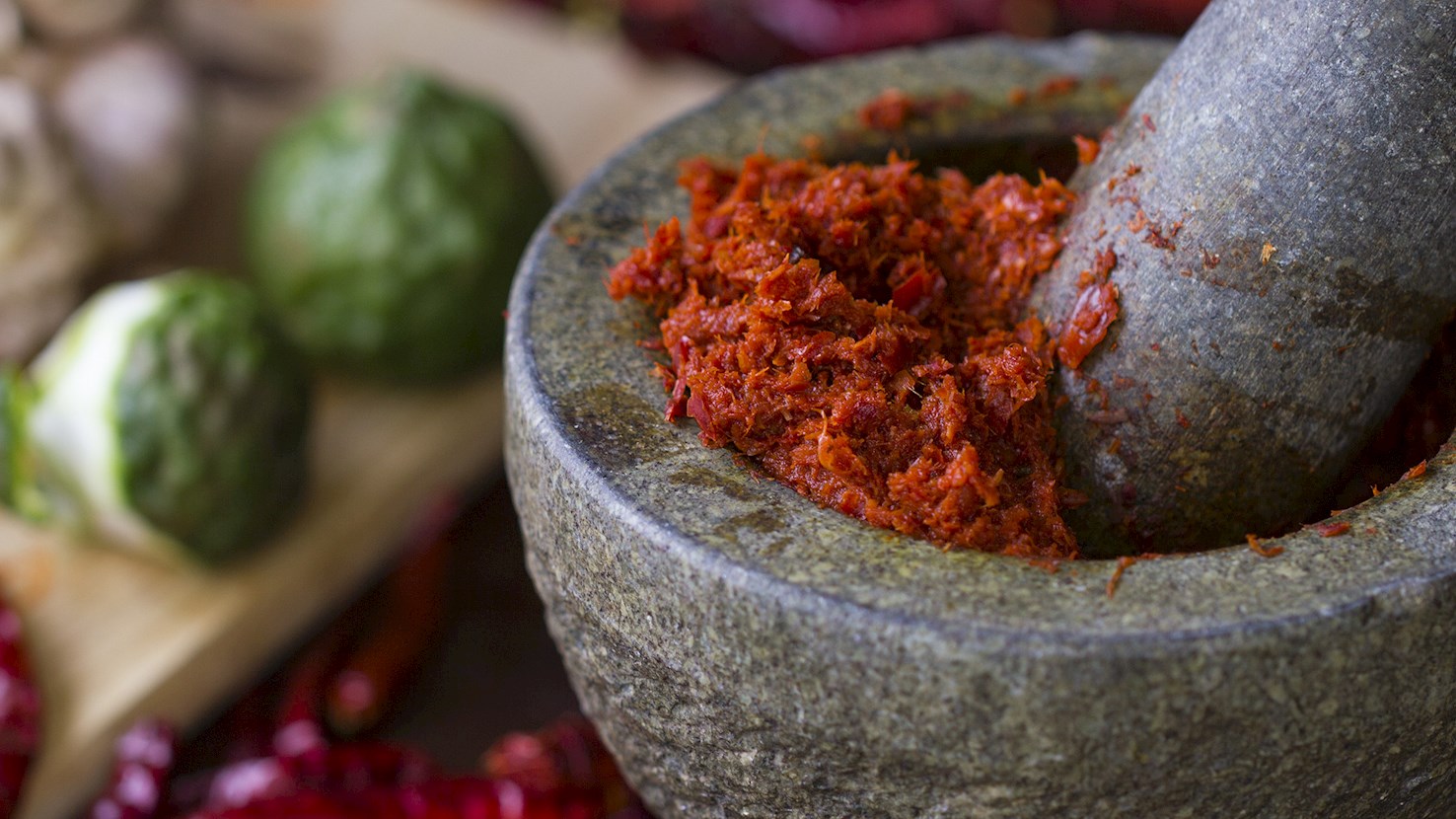
Gaeng is a Thai word for the world-famous Thai curry paste, either yellow, red, or green in color, sorted by the order of spiciness where yellow curry is slightly spicy and green curry is the spiciest. Yellow curry consists of coconut milk as its base and toasted and powdered variety of spices such as turmeric, anise, cinnamon, dried chilis, bay leaves, ginger, coriander, cumin, and fermented shrimp paste. Yellow curries are often prepared with bits of beef, lamb or chicken, onions, potatoes, and pineapple. Red curries consist of coconut milk, red chili powder, white pepper, cumin, nutmeg, coriander, garlic, lemongrass, ginger, and grated kaffir limes. The sauce pairs well with roasted pork, beef, shrimp, duck, eel, bamboo shoots, Thai basil, and pumpkin. Green curries consist of coconut milk, hot green chilis, lemongrass, ginger, coriander, cumin, white pepper, onions, palm sugar, grated kaffir lime, garlic, and holy basil (Thailand's beloved pungent herb). This devilishly hot curry pairs well with beef or chicken and Thai eggplants. There is also a popular Thai curry that is not linked with a specific color - massaman curry, consisting of cumin, caraway, cloves, anise, cinnamon, cardamom, white pepper, ginger, nutmeg, cashews, lime, garlic, lemongrass, and the extremely hot bird's eye chilis. Massaman curry is a legacy of Muslim spice traders, so it is not usually paired with pork, but with tamarind, bitter oranges, potatoes, pineapples, chicken, or beef, which is the reason why it is more aromatic than spicy in the end. One might wonder why most curries are served with rice on the side, and the reason is that beverages and liquids spread the spicy, hot oils all over the surface of the tongue while rice is used to "mop them up" - so the next time you eat a hot and spicy curry, try eating more rice instead of drinking a cold beverage to soothe the palate.

03

Yúxiāng

4.3 ·

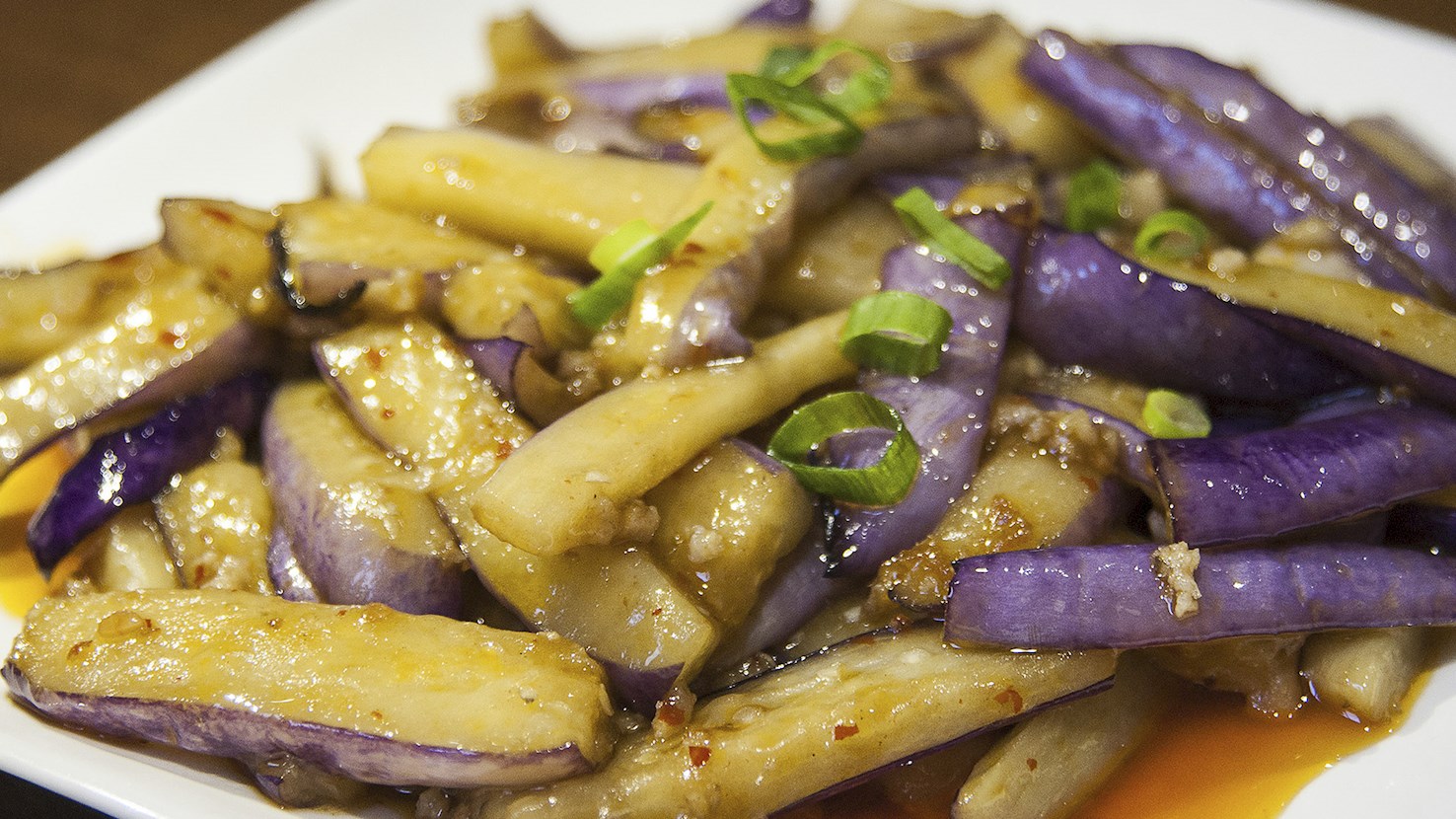
This traditional Chinese seasoning mix is said to have originated in Sichuan cuisine, which is known for spiciness and bold flavors, but has since spread to other regions as well. The word yuxiang also refers to the sauce in which the meat or vegetables were cooked. Yúxiāng literally translates to fish fragrance, although it contains no seafood and is not commonly used in seafood dishes, but rather to create a flavor base for vegetarian recipes and various dishes containing beef, pork, or chicken. The mix typically consists of finely minced pickled chili called pao la jiao, white scallion, ginger, and garlic; in more or less equal amounts. To create the sauce, on top of the basic mixture, cooking with yúxiāng almost always includes the use of sugar, salt, chili peppers, soy sauce or vinegar and doubanjiang - a spicy fermented broad bean, soybean, and rice paste popularly known as the soul of Sichuan cuisine.

04

Nước chấm (Vietnamese Fish Sauce)

4.3 ·

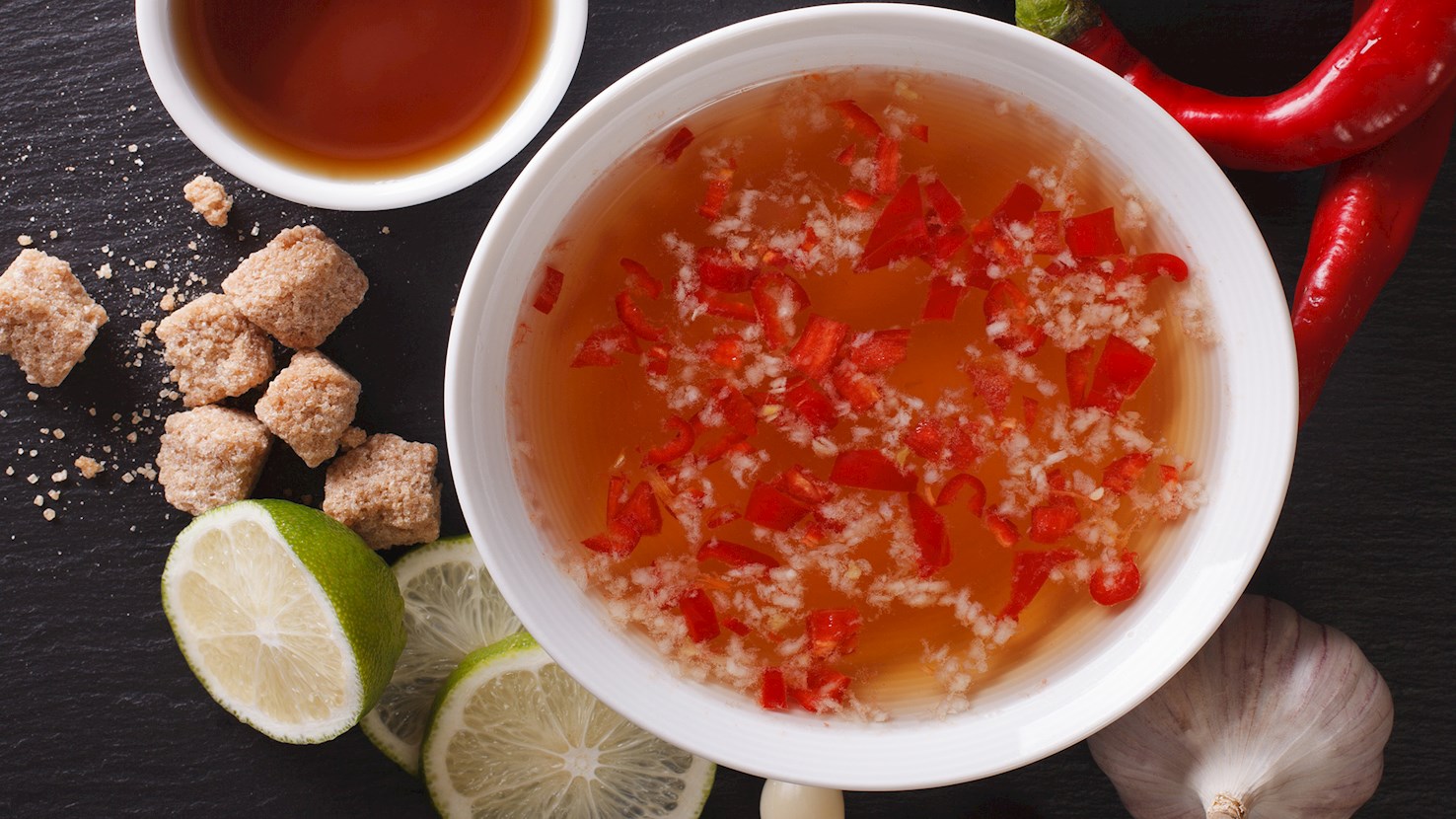
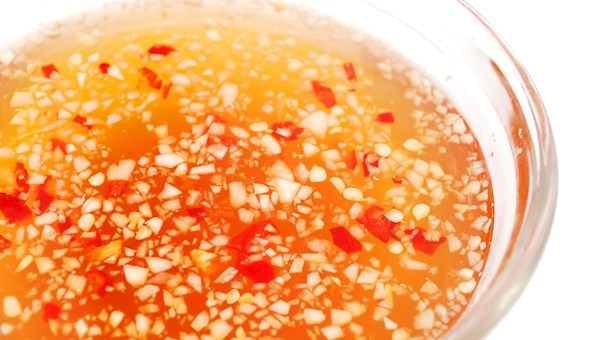
In its basic form, this ubiquitous Vietnamese sauce is prepared with a sour base of lime juice, or optionally vinegar, sugar, water, and fish sauce. Common additions include finely sliced chili peppers, garlic, shallots, spring onions, ginger, or fresh herbs. The sauce comes in many regional varieties, and the final composition may also depend on the type of meal which it accompanies. Nước chấm is usually served as a dipping sauce alongside chả giò (spring rolls), bánh xèo (crispy pancakes), and various meat or seafood dishes, as well as noodles and soups.

05

Pecel

4.2 ·

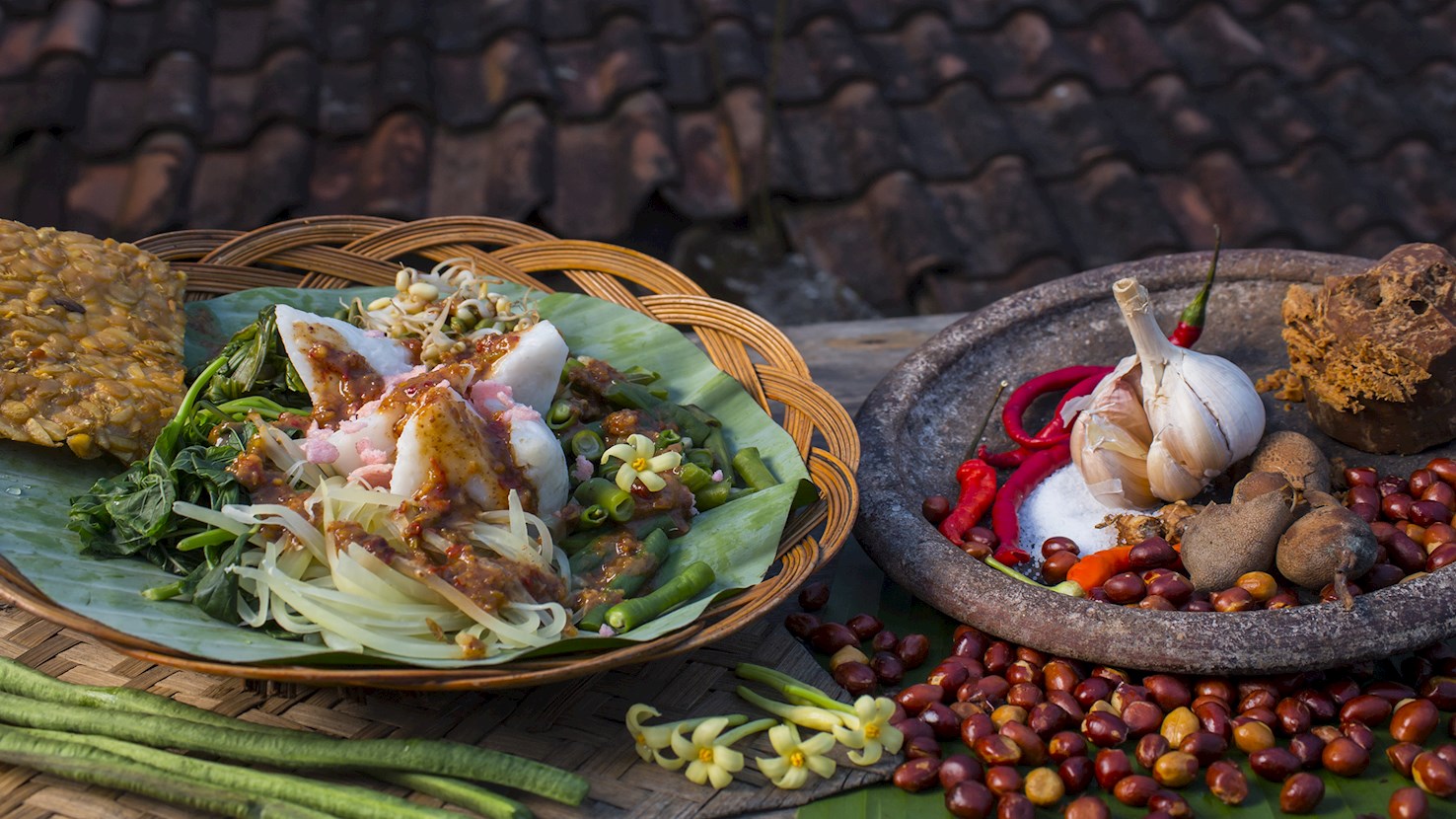
Indonesian pecel may refer to a fragrant peanut sauce or a combination of the sauce and various vegetables, when it is commonly referred to as a salad. The base of the sauce is prepared with roasted peanuts and spices that typically include chili peppers, palm sugar, garlic, tamarind juice, shrimp paste, kaffir lime leaves, salt, and kencur, an aromatic ginger variety. Usually associated with Java, the sauce is characterized by its distinctive combination of sweet and spicy flavors. When served with rice, the dish goes under the name nasi pecel.

06

Mala sauce

4.2 ·

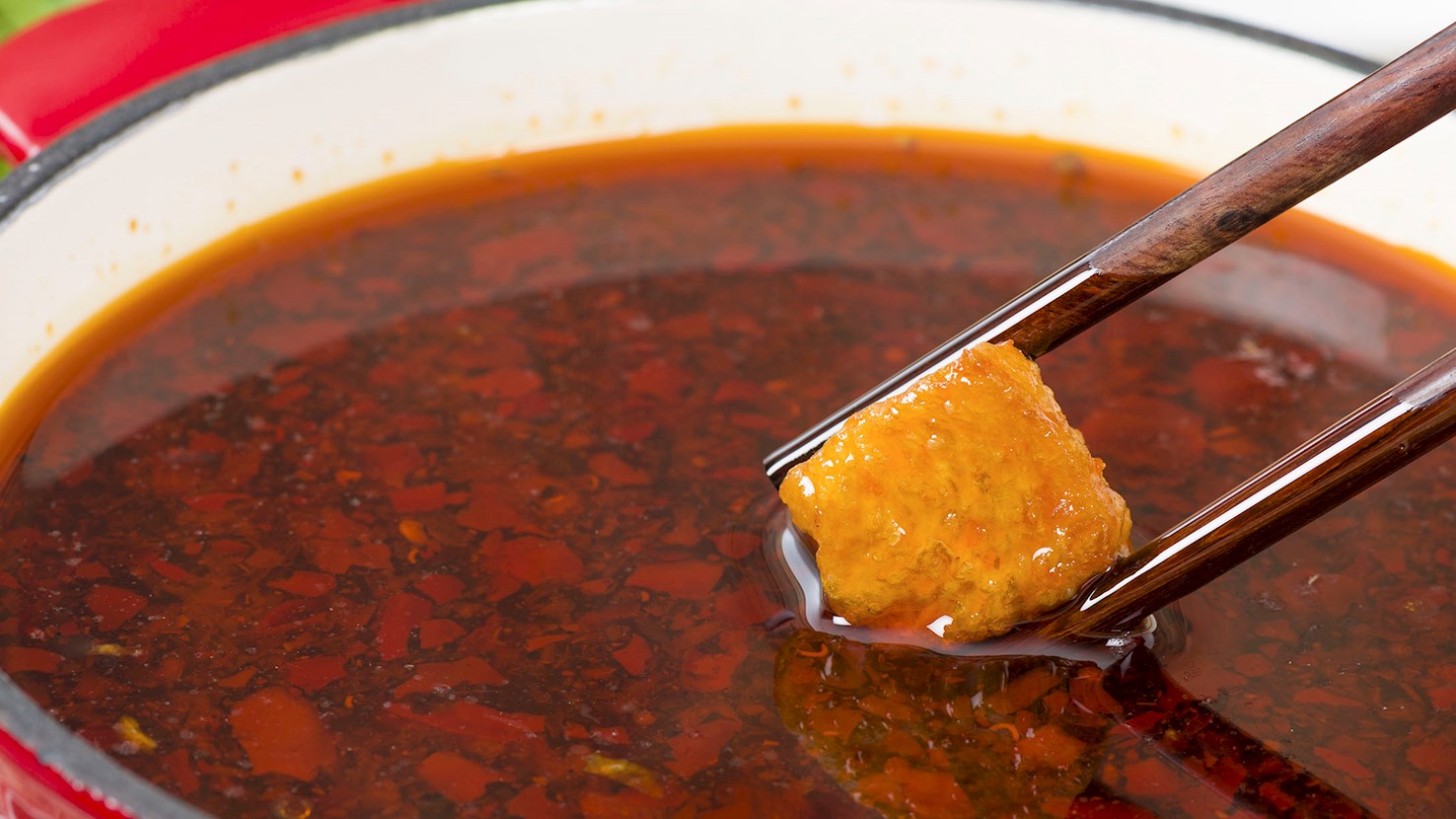
Mala is a brothy, spicy sauce consisting of Sichuan peppercorns, chili peppers, oil, and a handful of various spices. In Chinese gastronomy, it is considered as one of the most popular sauces with many regional varieties. The sauce is so spicy that it is even implicated in its name, the term málà literally meaning numbing and spicy, caused by the Sichuan peppercorns. Although the origins of the sauce are still unclear, the most popular theory suggests that it was invented in Sichuan in the 19th and 20th century, when it was full of pier workers who were regularly eating cheap foods such as beef stomach, kidney, and solidified blood. The sharp flavors and layers of oil in mala helped to mask the bad scents. Today, mala is used in various stir-fries, stews, and hot pots.

07

Sambal terasi

4.2 ·

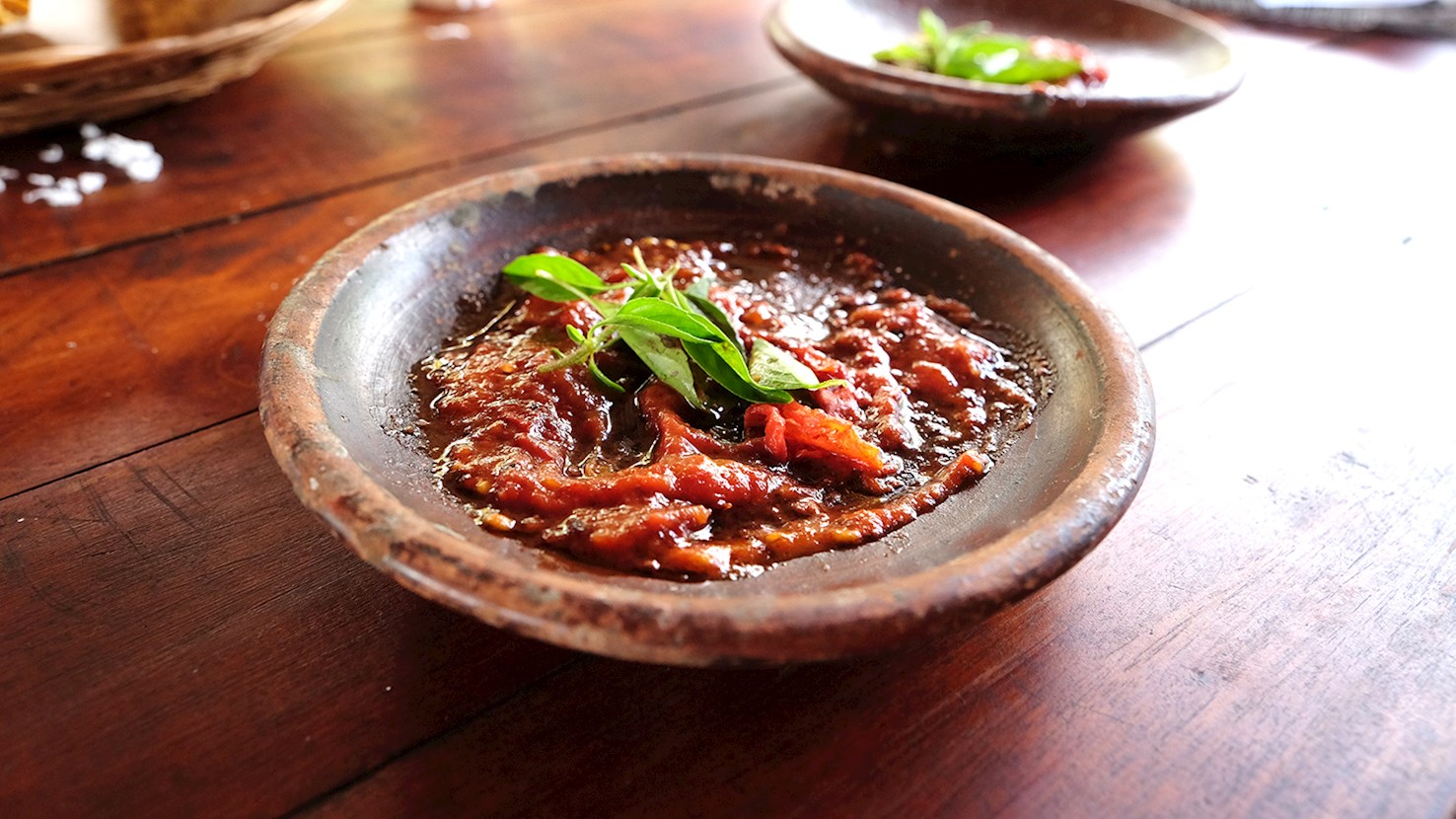
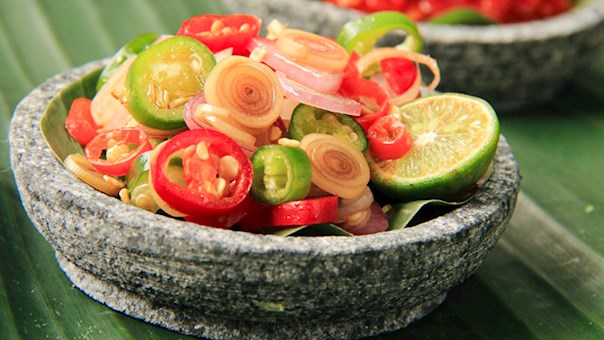
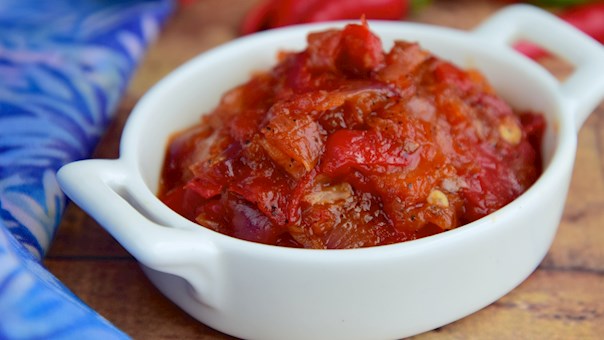
Sambal terasi is an Indonesian chili paste made primarily from fresh red chilies and fermented shrimp paste known as terasi. It is one of the most common and widely used sambals across Indonesia and serves as a versatile condiment that accompanies a variety of dishes, from fried fish and vegetables to rice and tofu. The key ingredient, terasi, is made from ground, salted, and fermented small shrimp that is sun-dried and either formed into blocks or sold loose. Before being used in sambal, terasi is typically toasted or fried to reduce its strong odor and enhance its umami flavor. The sambal is prepared by grinding red chilies, garlic, shallots, and sometimes tomatoes together with the toasted shrimp paste using a mortar and pestle, though modern versions may use a blender. Palm sugar is added to introduce sweetness, and tamarind juice or lime juice provides a sour note to balance the flavors. Salt is used for seasoning, and a small amount of oil is often added to blend everything smoothly or to fry the sambal further if a cooked version is desired. There are two main types of sambal terasi: sambal terasi mentah (raw), which uses raw chilies and ingredients and is served fresh, and sambal terasi matang (cooked), where the ingredients are sautéed to develop a deeper, more mellow flavor. Sambal terasi is an essential part of Indonesian cuisine and is found in households and restaurants throughout the country. It is known for its bold, savory taste and ability to enhance even the simplest dishes. While it can be very spicy depending on the amount and type of chilies used, it is always characterized by its complex combination of spicy, salty, sweet, and tangy notes. Because of its strong flavor and the presence of shrimp paste, sambal terasi is often made in small batches and consumed fresh, although it can be stored for several days in a sealed container in the refrigerator. In Malaysia, sambal terasi is known as sambal belacan.

08

Sambal

4.1 ·

This quintessential Southeast Asian condiment is usually made only with spicy chili peppers and salt. It is occasionally adapted with lime juice, onions, sugar, ginger, shrimp paste, or vinegar. Traditionally prepared in a mortar, it is characterized by its thick consistency and an incredibly strong and sharp flavor. This original Indonesian creation has gained worldwide acclaim, and store bought varieties are available at numerous Asian food markets and international stores around the world. Sambal is used in a variety of Asian dishes, usually as a spicy condiment, seasoning, or a topping served alongside meat, seafood, vegetables, or rice.

09

Nam phrik

4 ·

The term nam phrik refers to a vast range of chili-based sauces that are found throughout Thailand. Although the sauces may vary in consistency, they are traditionally prepared in a mortar, and apart from fresh or dry chili peppers, they usually consist of lime juice, garlic, seasonings, as well as fish sauces or shrimp paste. Different regional varieties include ingredients such as galangal, sugar, tamarind, and even dry or fermented fish and fruits. Most nam phrik are served as dipping sauces with vegetables and meat or fish.

10

Nam phrik phao

4 ·

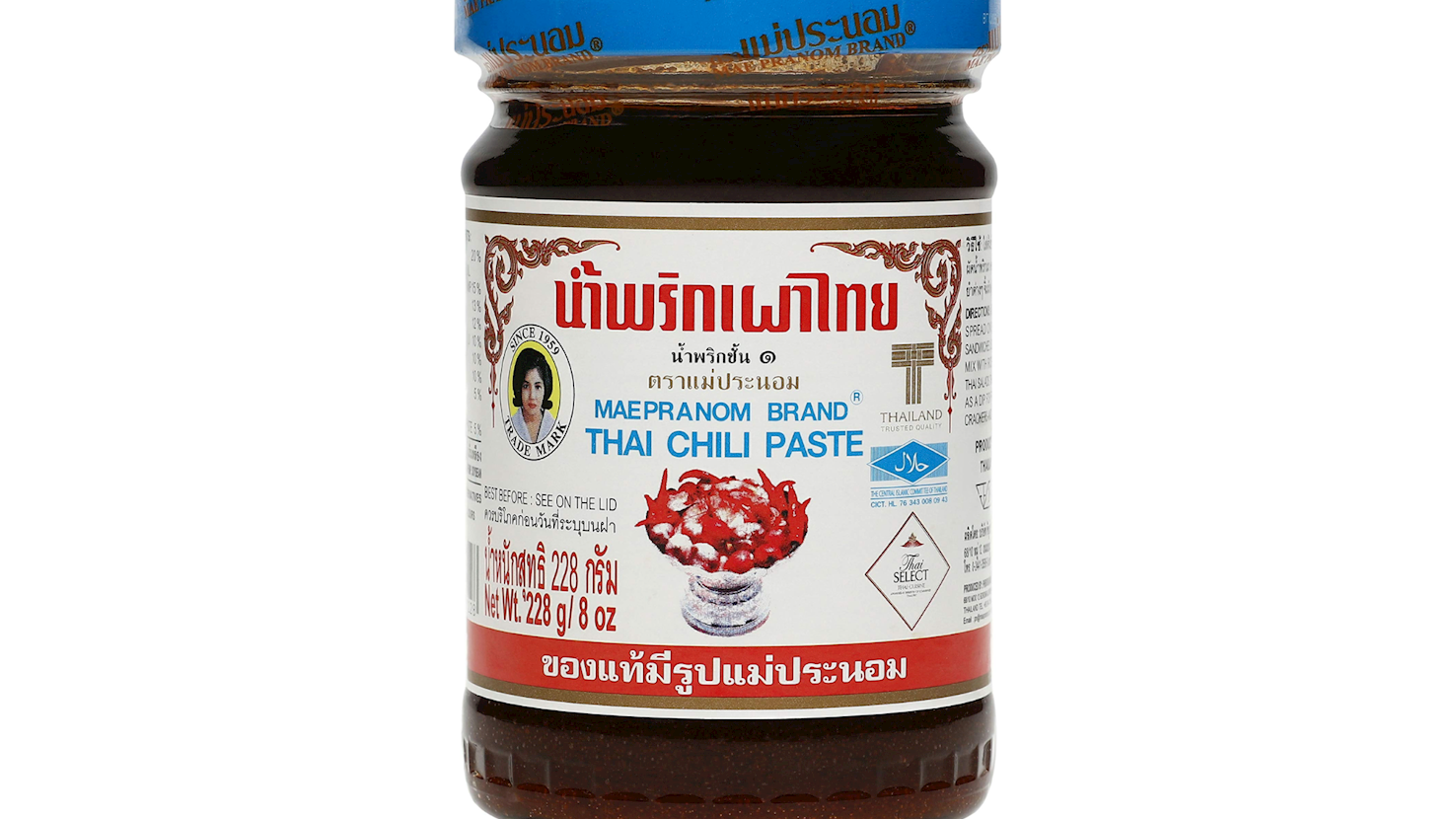
Nam phrik phao is a versatile Thai concoction and a secret ingredient in numerous Thai dishes. It is made with a combination of roasted chili peppers, dried shrimp, garlic, shallots, ginger, fish sauce, tamarind paste, fermented shrimp paste, and palm sugar. It can be used as a sauce, condiment, a dip, or a spread, along with being used in a number of different dishes as a cooking ingredient.

Best Asian Sauces

01

Lao Gan Ma

4.8 ·
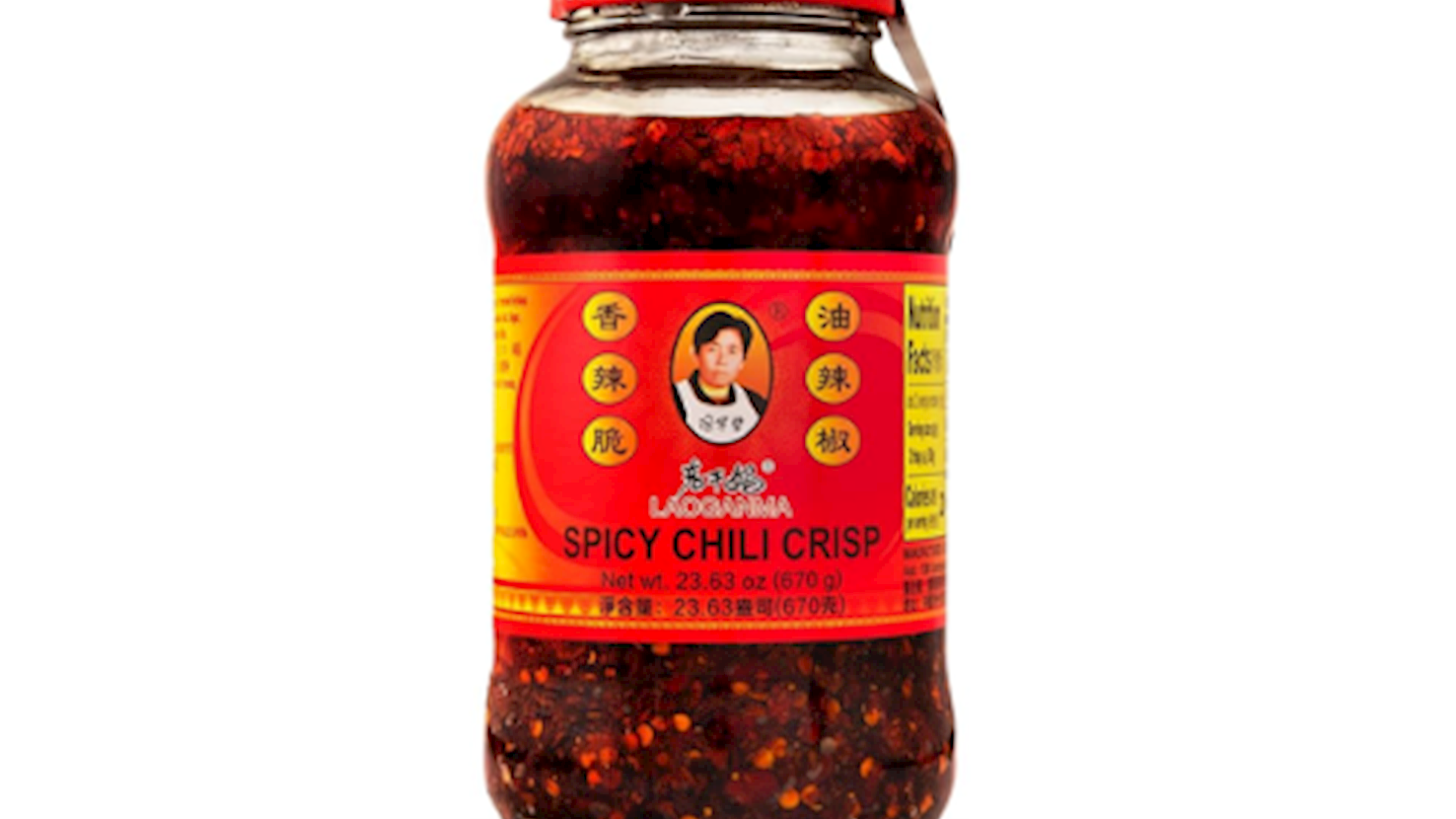
Lao Gan Ma is a Chinese brand renowned worldwide for its authentic chili sauces originating from Guizhou Province. The company was founded in 1997 by Tao Huabi, a woman of remarkable entrepreneurial determination who began her journey modestly, running a small noodle restaurant. The sauce she created - made from chili peppers, fermented soybeans, and oil-quickly became recognized for its aromatic depth and layered flavor. The brand has grown into a cultural icon of Chinese cuisine, known for its label featuring the portrait of its founder - a simple yet striking image that has become synonymous with homemade taste. Its product range includes various chili sauces used in households and restaurants across the globe. The uniqueness of Lao Gan Ma lies in the perfect balance between spiciness, saltiness, and umami, making it suitable for almost any dish - from noodles and rice to meat and vegetables. Today, the company exports to over 30 countries and produces millions of jars annually while maintaining its traditional production methods. Its philosophy reflects a blend of tradition and ingenuity-proof that a local product, built on simple ingredients and genuine flavor, can become a global phenomenon. Lao Gan Ma has become not only an essential part of countless kitchens but also a story of perseverance and quality that transcends the boundaries of gastronomy.
02

Lee Kum Kee

4.7 ·
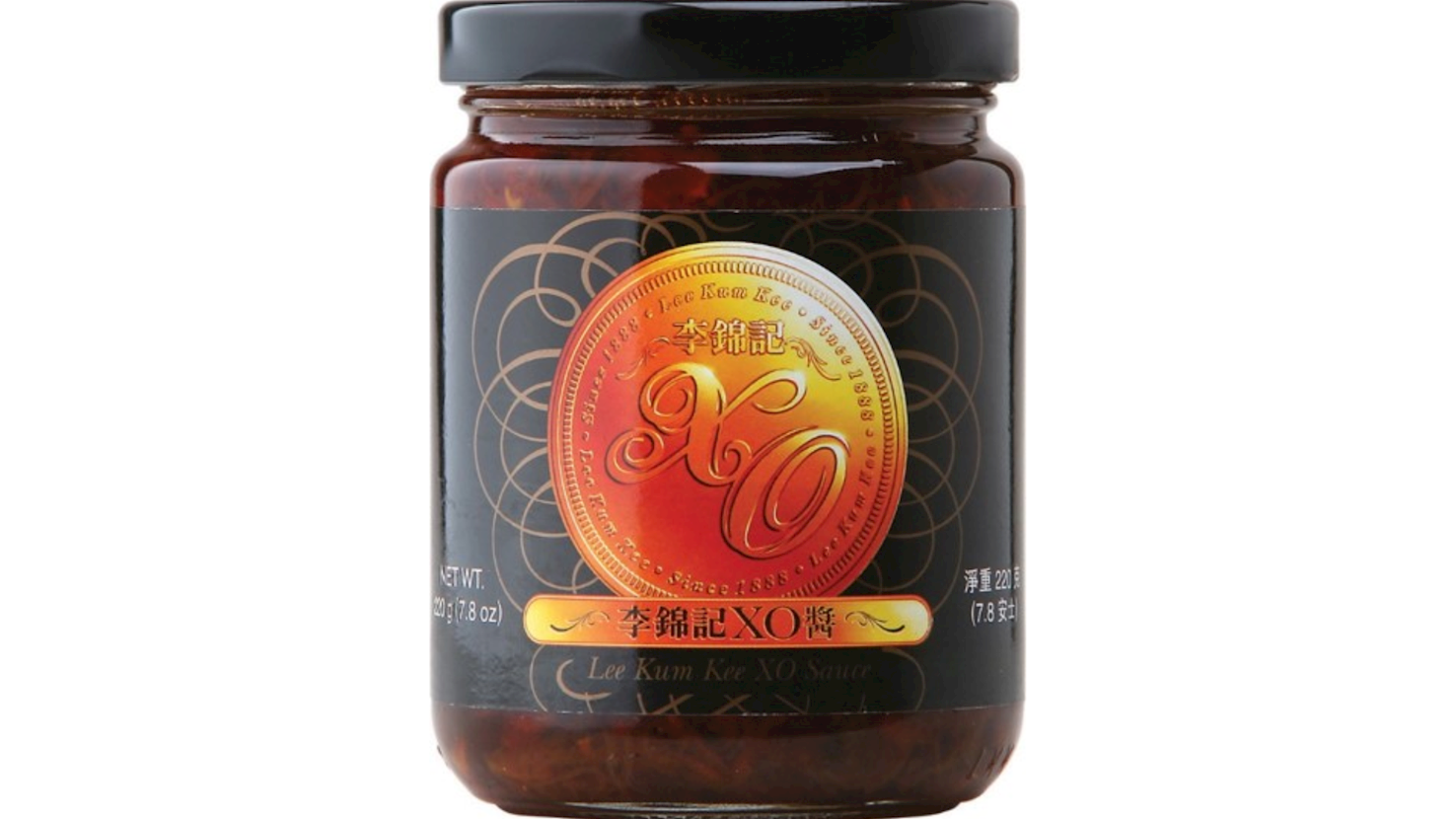
Lee Kum Kee is a well-known and reputable Chinese food manufacturer, specializing in sauces and condiments. Founded in 1888 in Guangdong, China, the company has a long history of producing high-quality products that are widely used in Asian cooking. Lee Kum Kee is particularly famous for its oyster sauce, soy sauce, and various other cooking sauces, which are staples in both home kitchens and professional restaurants around the world. The company uses traditional recipes combined with modern production techniques to ensure consistency and authenticity in its products. With a strong focus on innovation and quality, Lee Kum Kee has expanded its product range to include seasonings, marinades, and ready-to-cook products, catering to a diverse global audience.
Awards
Great Taste Awards - 3 Stars (2024, 2023)
Great Taste Awards - 2 Stars (2024, 2023)
03

Kisoondo Traditional Jang

n/a ·
Kisoondo Traditional Jang is a family-run producer from Damyang County in South Korea, recognized for crafting traditional fermented sauces using methods passed down through generations. Their production includes classic Korean jang varieties such as gochujang, doenjang and ganjang, all made exclusively from natural ingredients without additives, preservatives or industrial sweeteners. The raw materials are sourced locally - hand-processed soybeans, bamboo salt and regional water - emphasizing a strong connection to the terroir of Damyang. Fermentation takes place outdoors in ceramic onggi vessels throughout the year, exposed to seasonal temperature shifts and wind, which contributes to slow, deep and complex fermentation. This approach results in sauces with a rich umami profile, layered flavors and pronounced notes of soy, minerality and natural earthiness. Quantities are limited because every step is done by hand under strict fermentation control. Kisoondo Traditional Jang is used in marinades, soups, stews, kimchi preparation and as a finishing element in dishes that benefit from natural fermented depth. The products are considered part of the premium segment of traditional Korean gastronomy and are often purchased as gifts or as specialty ingredients for gourmet kitchens. Due to limited production, they are mainly available in select specialty stores and through chosen distributors. Kisoondo Traditional Jang represents a blend of artisanal craftsmanship, cultural heritage and carefully preserved tradition carried through every jar of fermented jang.
Read more
View all
View map
About this ranking

TasteAtlas food rankings are based on the ratings of the TasteAtlas audience, with a series of mechanisms that recognize real users and that ignore bot, nationalist or local patriotic ratings, and give additional value to the ratings of users that the system recognizes as knowledgeable. For the “Top 50 Asian Sauces” list until June 15, 2026, 4,420 ratings were recorded, of which 1,888 were recognized by the system as legitimate. TasteAtlas Rankings should not be seen as the final global conclusion about food. Their purpose is to promote excellent local foods, instill pride in traditional dishes, and arouse curiosity about dishes you haven’t tried.

The initial list of top producers was compiled based on available reviews, awards, local recommendations, media and blog coverage, and consumer reviews. The list will be updated with ratings from TasteAtlas local ambassadors and TasteAtlas users.

Similar lists