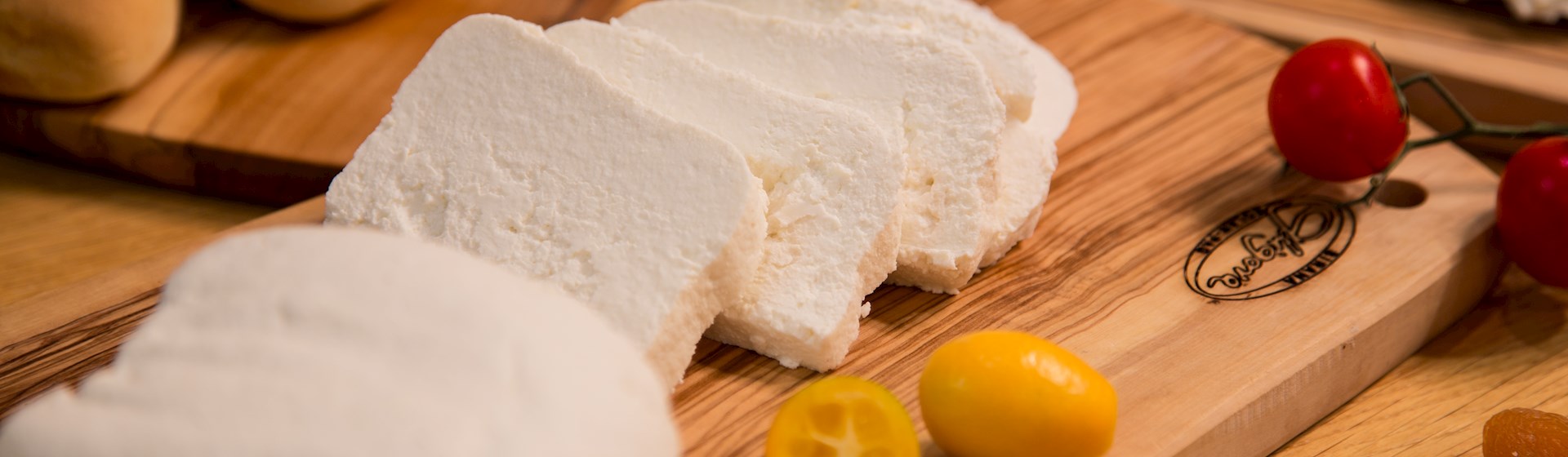
Top 6 Croatian Sheep's Milk Cheeses

Last updated on June 05, 2026

Best Croatian Sheep's Milk Cheeses
01

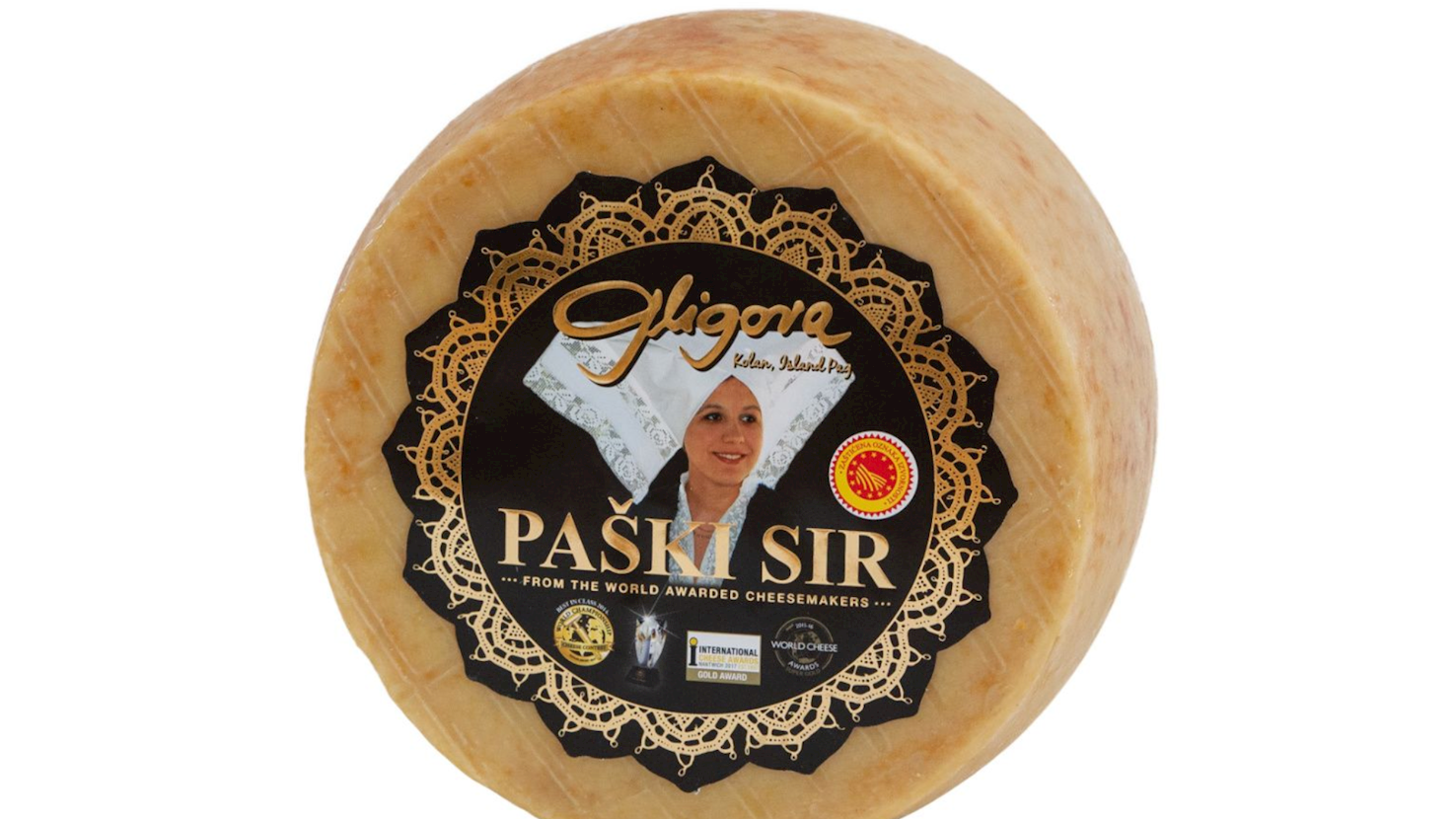
Sirana Gligora

4.9 ·
Sirana Gligora, located in Croatia, specializes in producing artisan cheeses primarily from sheep's milk. The company was founded by Ivan Gligora in 1995 on the island of Pag. They are notably recognized for their flagship cheese, Paški sir, a hard sheep's milk cheese awarded internationally for its quality. Sirana Gligora uses traditional cheese-making techniques integrated with modern technology.
Awards
World Cheese Awards - Super Gold (2022)
Global Cheese Awards - Best (2021)
02

Agrolaguna

4.8 ·
Agrolaguna is one of the most renowned and respected olive oil producers in Croatia, headquartered in Poreč, on the western coast of Istria. Founded in 1976, it has become synonymous with quality and tradition in the production of extra virgin olive oil over the decades. Agrolaguna manages extensive olive groves as well as vineyards and wineries, enabling it to offer top-quality products from Istria, a region famous for its excellent gastronomic specialties. Their olive oils are produced from indigenous Istrian olive varieties such as Buža, Istarska Bjelica, and Rosinjola. They take particular pride in their cold pressing process, carried out in state-of-the-art facilities immediately after harvest, which ensures the preservation of all natural aromas, nutritional values, and high polyphenol content. Agrolaguna continuously wins numerous awards at international competitions, confirming its reputation as a producer of premium oils that reflect the unique terroir of Istria. In addition to wine and olive oil, Agrolaguna is also engaged in the production of truffles, as well as the processing and sale of local gastronomic products such as honey, jams, and spices.
Awards
World Cheese Awards - Super Gold (2024)
Global Cheese Awards - Best (2023)
03

OPG Vidas

4.5 ·
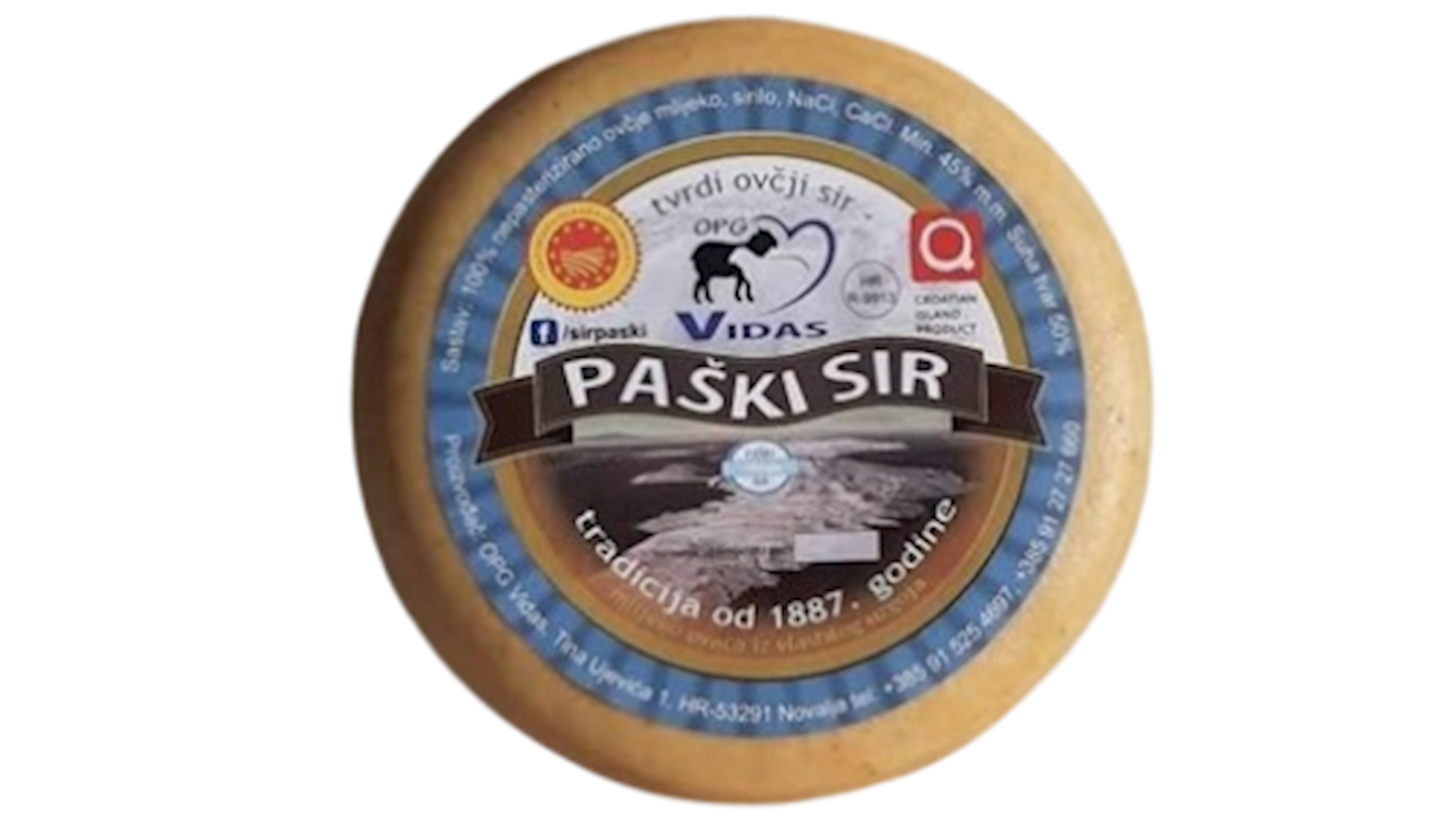
OPG Vidas is a family-run agricultural estate on the island of Pag in Croatia, with a tradition dating back to 1887, when the production of Pag cheese began using a recipe that has been preserved to this day. Based in Novalja, the estate focuses on sheep farming and the production of traditional Pag cheese, made from the milk of indigenous sheep that graze on sparse, aromatic herbs shaped by the island’s harsh conditions. The combination of strong bora winds, sea salt in the air, and rocky terrain gives the cheese its distinctive intensity and subtle mineral character. Production relies on traditional methods, including the use of raw sheep’s milk and a maturation period of several months, during which the cheese develops complexity and structure. The relatively small scale of the farm allows for close control over every stage of production, from animal care to final aging. In addition to cheese, OPG Vidas also produces olive oil and specialty products such as cheese preserved in olive oil, expanding its range within local gastronomy. A notable detail is the historic stamp pressed into each wheel of cheese, a tradition dating back to the Austro-Hungarian period, reflecting the estate’s long-standing heritage. Today, OPG Vidas represents an authentic, small-scale producer of Pag cheese, focused on preserving tradition and expressing the unique terroir of the island.

Best Croatian Sheep's Milk Cheese Types
01

Paški sir (Pag cheese)

4.3 ·

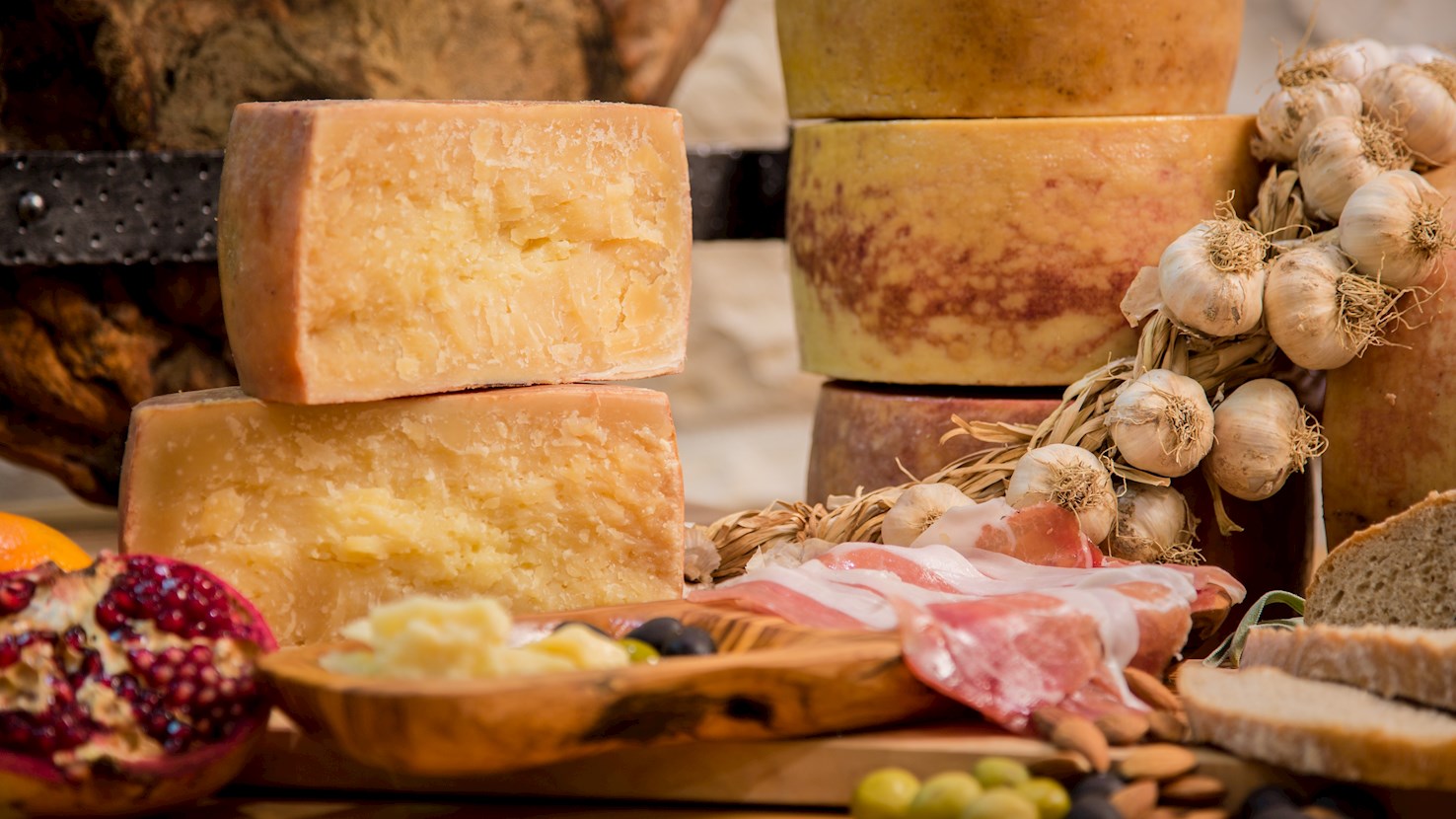
Paški sir is a hard Croatian cheese originating from the island of Pag. The cheese is made from milk of the Pag sheep. The harsh bura wind dusts the island with sea salt, flavoring various herbs (such as immortelle, sage, and sea fennel) on which the sheep graze, and as a result their milk has a unique flavor. This award-winning cheese is characterized by a dry, flaky, grainy, and crumbly texture, and a tangy, salty flavor. The cheese is typically rubbed with ash and olive oil, and it's then left to mature for at least four months. As it matures, the tangy and savory flavors become even stronger. When young, it’s herby and salty, reminiscent of Manchego in texture and flavor, while the aged version somewhat resembles Pecorino Romano. It is recommended to serve the cheese at room temperature, sliced into triangles. Pair the aged one with fruit jams, olive oil, wildflower honey, anchovies, prosciutto slices, grapes, or paške bubice (small local bread rolls), but “don’t use it in sandwiches,” as the locals say. The young version is suitable for shaving on top of risottos and pasta dishes, or it can be melted and used as a pasta sauce. If you want to store Paški sir, it is recommended to place it on a wooden board and turn it every now and then while rubbing it with olive oil in order to prevent the cheese from drying out and developing mold.

02

Paška skuta

3.6 ·

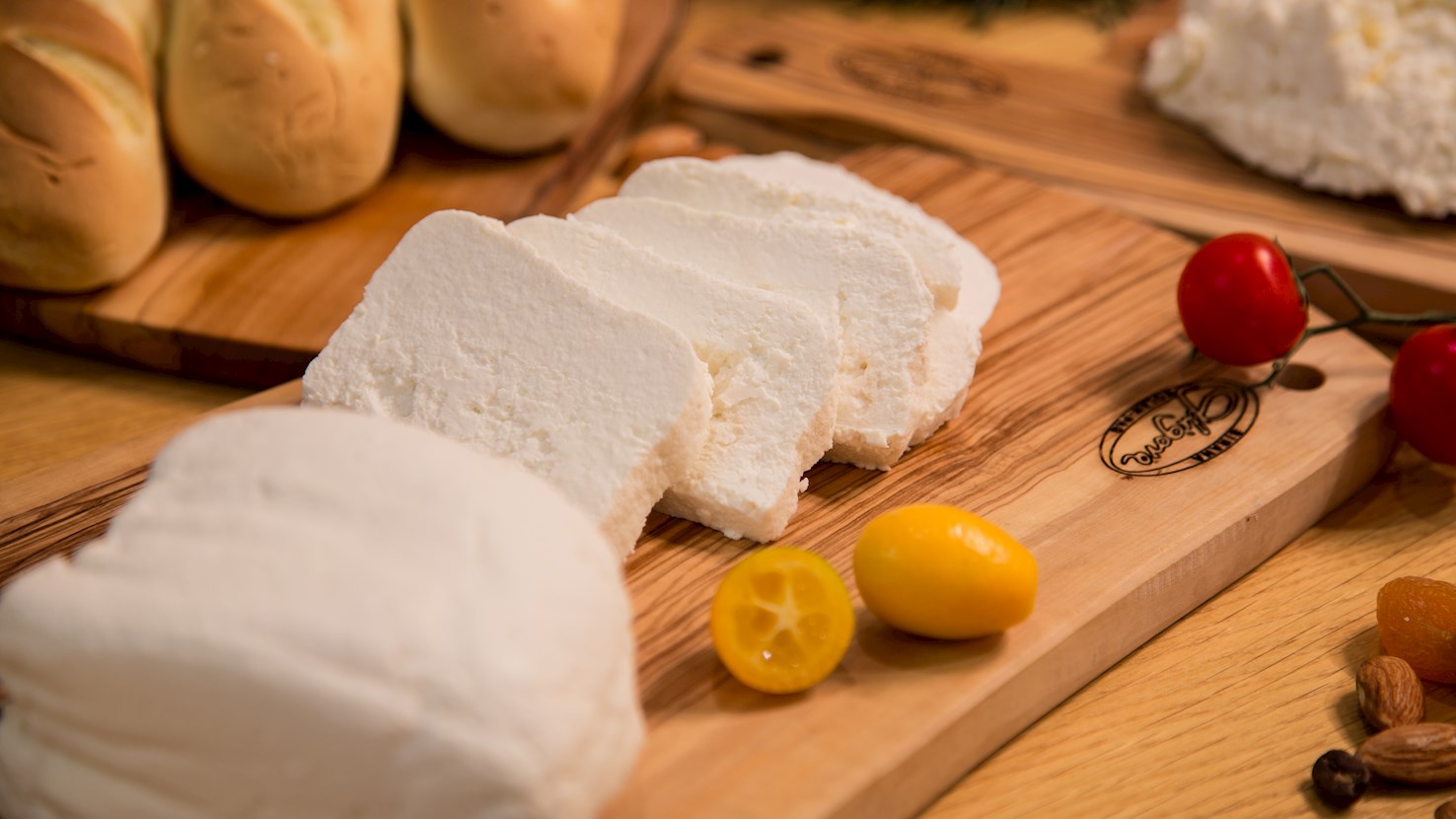
Paška skuta is a traditional ricotta-type cheese produced on the island of Pag. The skuta is made from leftover whey after the production of the famous and award-winning Paški sir. The curd is separated and drained, usually overnight, and the result is a soft and fresh cheese with a unique mild and gentle flavor coming from the milk of the indigenous Pag sheep (Paška ovca). This fresh skuta is low in fat and it's full of healthy Omega-3, protein, calcium, and zinc. The cheese is very versatile and it's recommended to use it in cheese cakes or flavor it with orange liqueur and serve it with fresh fruit. Paška skuta is especially good for liver regeneration, and on the island of Pag, while the strong bura wind blew over the landscape, people would often begin their day with a cup of black coffee with pieces of skuta placed inside of it.

03

Istarska skuta

n/a ·

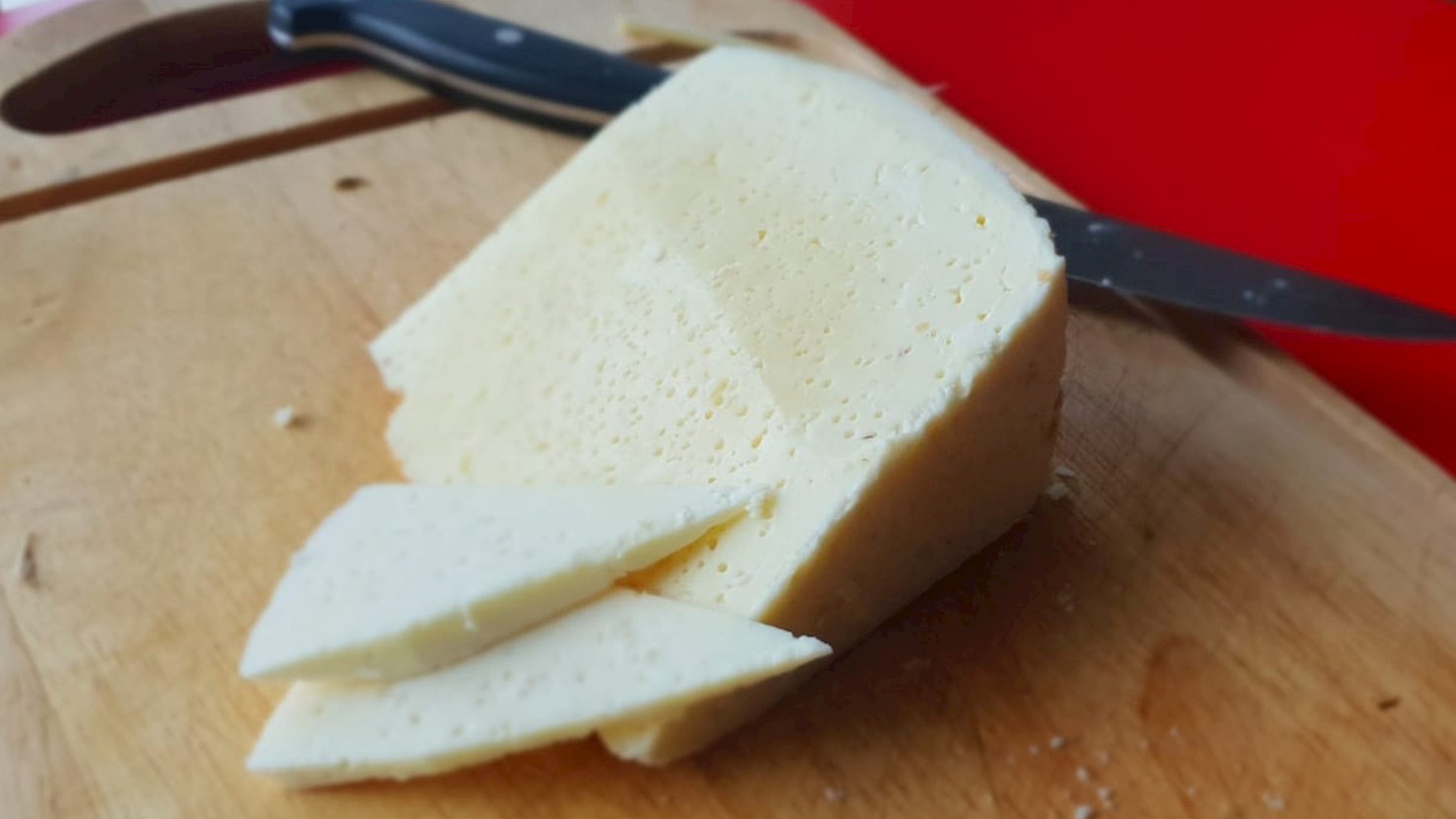
Istarska skuta is a Croatian cheese hailing from Istria. This white curd cheese made from full-fat cow's milk or sheep's milk whey is soft, supple, and creamy in texture. The aromas are creamy and the flavors are mild. The sheep's milk version is stronger than cow's milk version, with a recognizable aromatic scent. The sheep's milk version is also somewhat grainier than cow's milk skuta. The cheese can be spread on bread and it's also often used as an accompaniment or an ingredient in various savory and sweet dishes, from appetizers to desserts. When heat treated, istarska skuta keeps its creamy texture. The cheese is also low in fat. When compared with the skuta from the island of Pag, the Istrian variety has a slightly smaller amount of water content and slightly higher amounts of fat in dry matter then Pag curd.

04

Grobnički sir

n/a ·

Grobnički sir is a Croatian cheese produced in the Grobnik valley, near the city of Rijeka. It is made from sheep's milk and has a cylindrical shape. The cheese is chalky-white in color and hard and granulated in texture, filled with numerous circular or elliptical eyes throughout its body. The flavor is very salty, yet pleasant. Grobnik cheese matures in brine for up to one year, so it doesn't have a rind. It is recommended to consume it as an appetizer with local ham.

05

Brački sir

n/a ·

Brački sir is a hard sheep-milk cheese from the island of Brač in Croatia, produced from the milk of the indigenous Dalmatian pramenka breed grazing the karst pastures of the island. This cheese emerged in local herding and dairy traditions where the limited grazing terrain of Brač encouraged small-scale production and careful ageing of sheep's milk curd. Historically, the island's rocky soil, sparse vegetation, and the needs of island households meant that milk-preserve practices developed to create durable cheeses; Brački sir evolved in that setting and became one of the recognizable hard cheeses of the region. The production begins with fresh sheep's milk, traditionally from flocks of Dalmatian pramenka sheep that feed on the island's limestone terrain and herbs, which influences the milk's flavor. The milk is warmed and coagulated with rennet, the curd is cut and drained, then placed into moulds where it is pressed, salted "in dry", and left to mature in airy rooms for a period of months. Brački sir undergoes a maturing period of around three months on average. The wheel develops a firm, compact texture, a pale to straw-yellow interior, and a rind that may be rubbed with oil or left natural; the taste is described as nutty, subtly salty, and reflective of the island's environment. It is typically served sliced at room temperature, arranged on a cheese board or with crusty bread and olive oil. It pairs exceptionally well with a local dry white wine from Brač or a light red from Dalmatia, and is also enjoyed alongside figs, olives, or prosciutto.

06

Krčki sir (Krk cheese)

n/a ·

Krčki sir is a Croatian cheese originating from the island of Krk. This hard, full-fat cheese is made from raw sheep's milk. It has a smooth yellowish rind with a subtle herbal aroma. The texture is dense and smooth, while the flavors are rich and full, a result of the sheep's diet of aromatic herbs that grow on the island. The cheese is traditionally produced by small family farms (OPG) all across the island. Depending on the level of maturity of Krčki sir, it can be sliced and consumed as a table cheese or grated over pasta dishes.

Read more
View all
View map
About this ranking

TasteAtlas food rankings are based on the ratings of the TasteAtlas audience, with a series of mechanisms that recognize real users and that ignore bot, nationalist or local patriotic ratings, and give additional value to the ratings of users that the system recognizes as knowledgeable. For the “Top 6 Croatian Sheep's Milk Cheeses” list until June 05, 2026, 271 ratings were recorded, of which 121 were recognized by the system as legitimate. TasteAtlas Rankings should not be seen as the final global conclusion about food. Their purpose is to promote excellent local foods, instill pride in traditional dishes, and arouse curiosity about dishes you haven’t tried.

The initial list of top producers was compiled based on available reviews, awards, local recommendations, media and blog coverage, and consumer reviews. The list will be updated with ratings from TasteAtlas local ambassadors and TasteAtlas users.

Similar lists