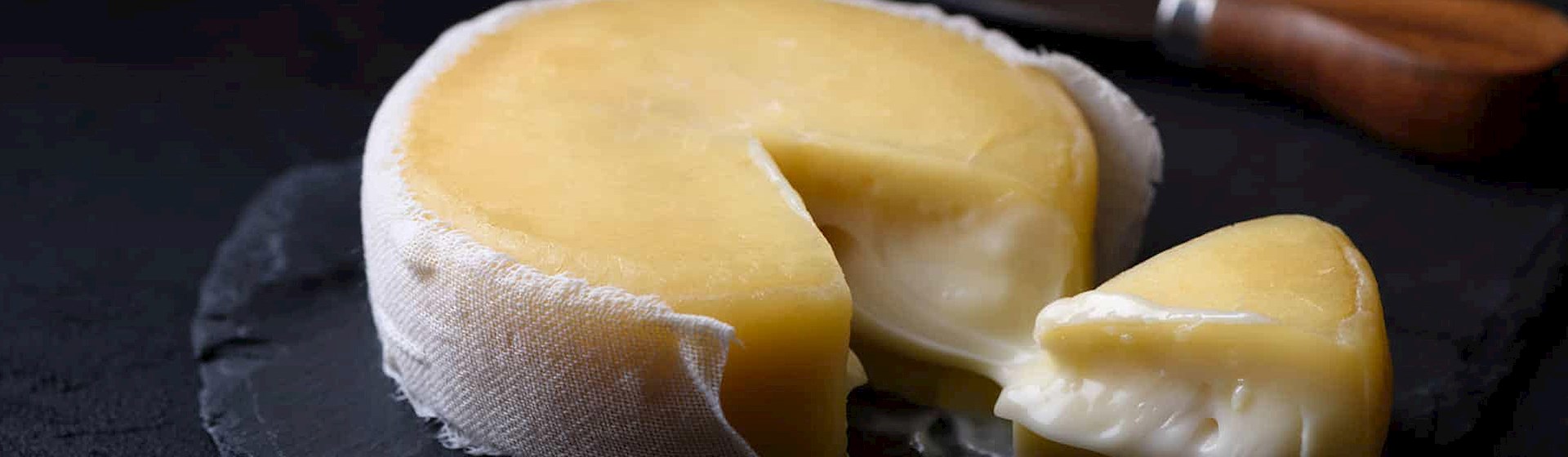
Top 13 Portuguese Sheep's Milk Cheeses

Last updated on July 08, 2026

Best Portuguese Sheep's Milk Cheeses
01

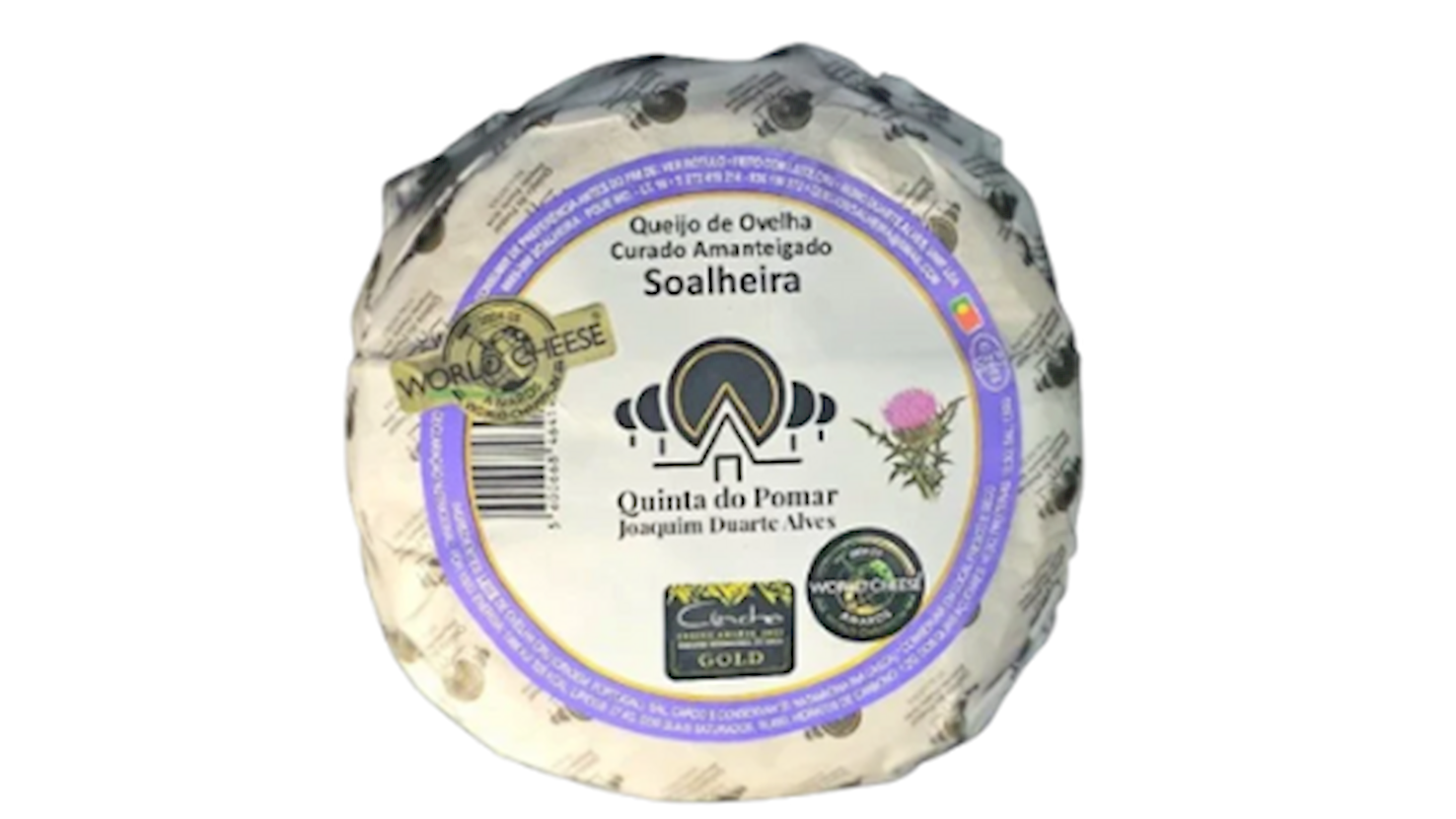
Queijo Soalheira Quinta Pomar

5.0 ·

Queijo Soalheira Quinta Pomar is a family-run artisanal dairy from the village of Soalheira, located at the foothills of the Serra da Gardunha mountain range in central Portugal, founded in 1983. It was created from the Alves family’s desire to produce authentic regional cheeses based on local knowledge and raw materials, primarily sheep’s milk sourced from nearby farms.

Production relies on traditional methods, the use of raw milk and vegetable rennet made from thistle flower, combined with modern hygiene standards. The focus is on small batches and consistent quality, without industrial shortcuts.

Today, Quinta do Pomar is internationally recognized as one of the most important producers of traditional Portuguese cheeses, with numerous awards and a strong identity closely tied to the terroir of Soalheira.

Awards
World Cheese Awards - Super Gold (2024)
Great Taste Awards - 2 Stars (2021)
02

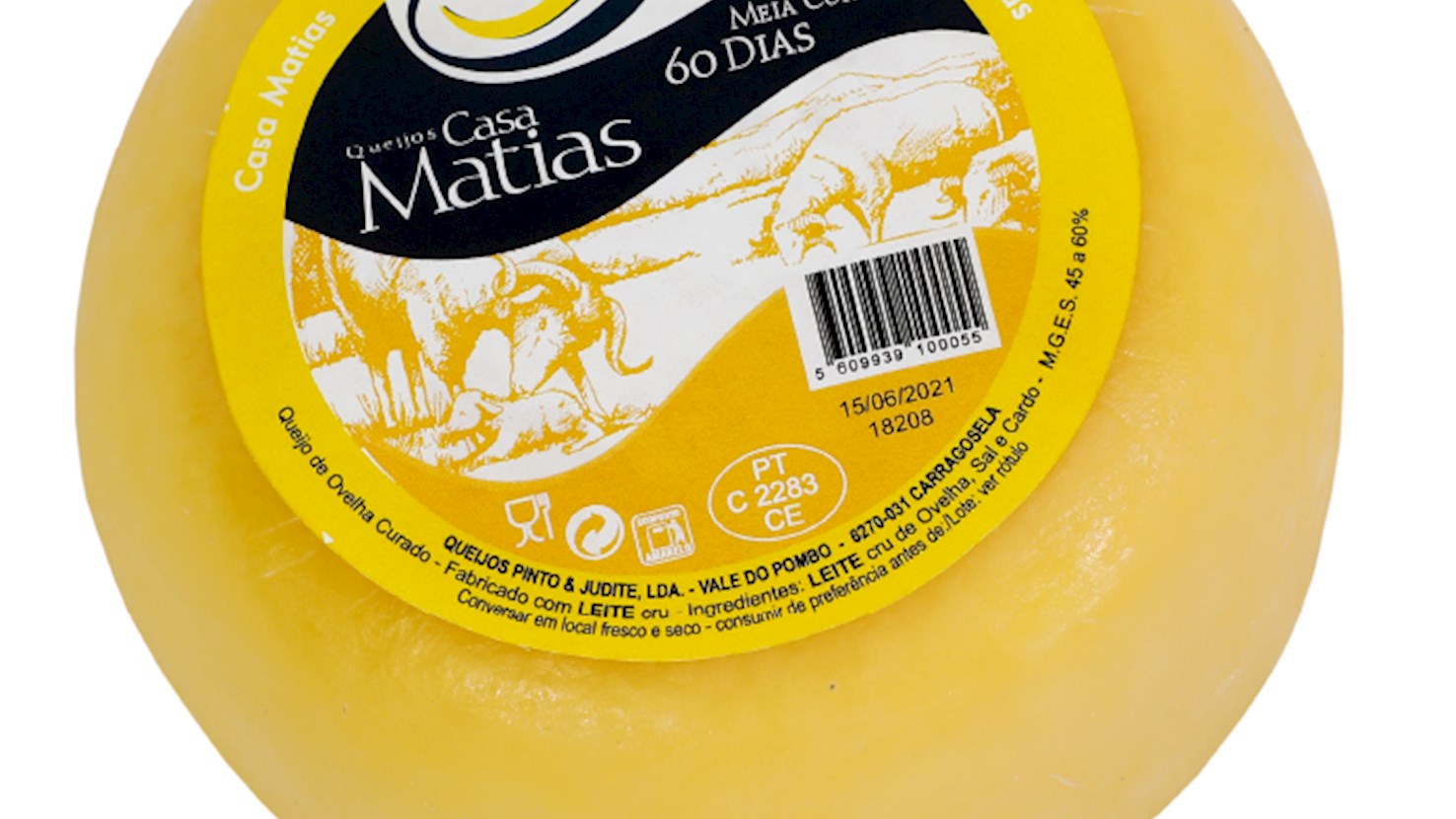
Queijos Pinto & Judite

4.5 ·
Awards
Great Taste Awards - 3 Stars (2024)
Great Taste Awards - 2 Stars (2023)

Best Portuguese Sheep's Milk Cheese Types
01

Queijo de Azeitão

4.6 ·

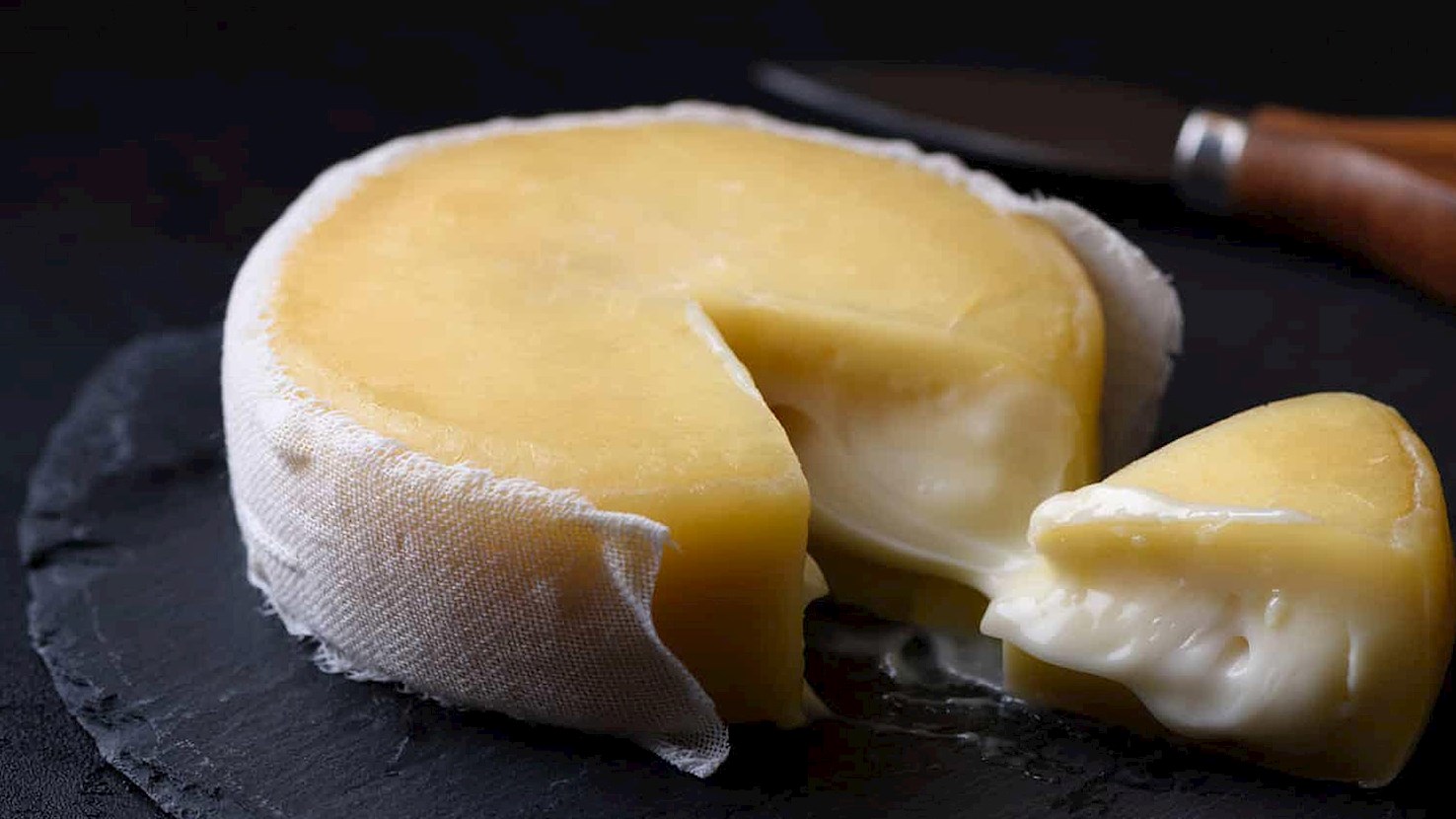
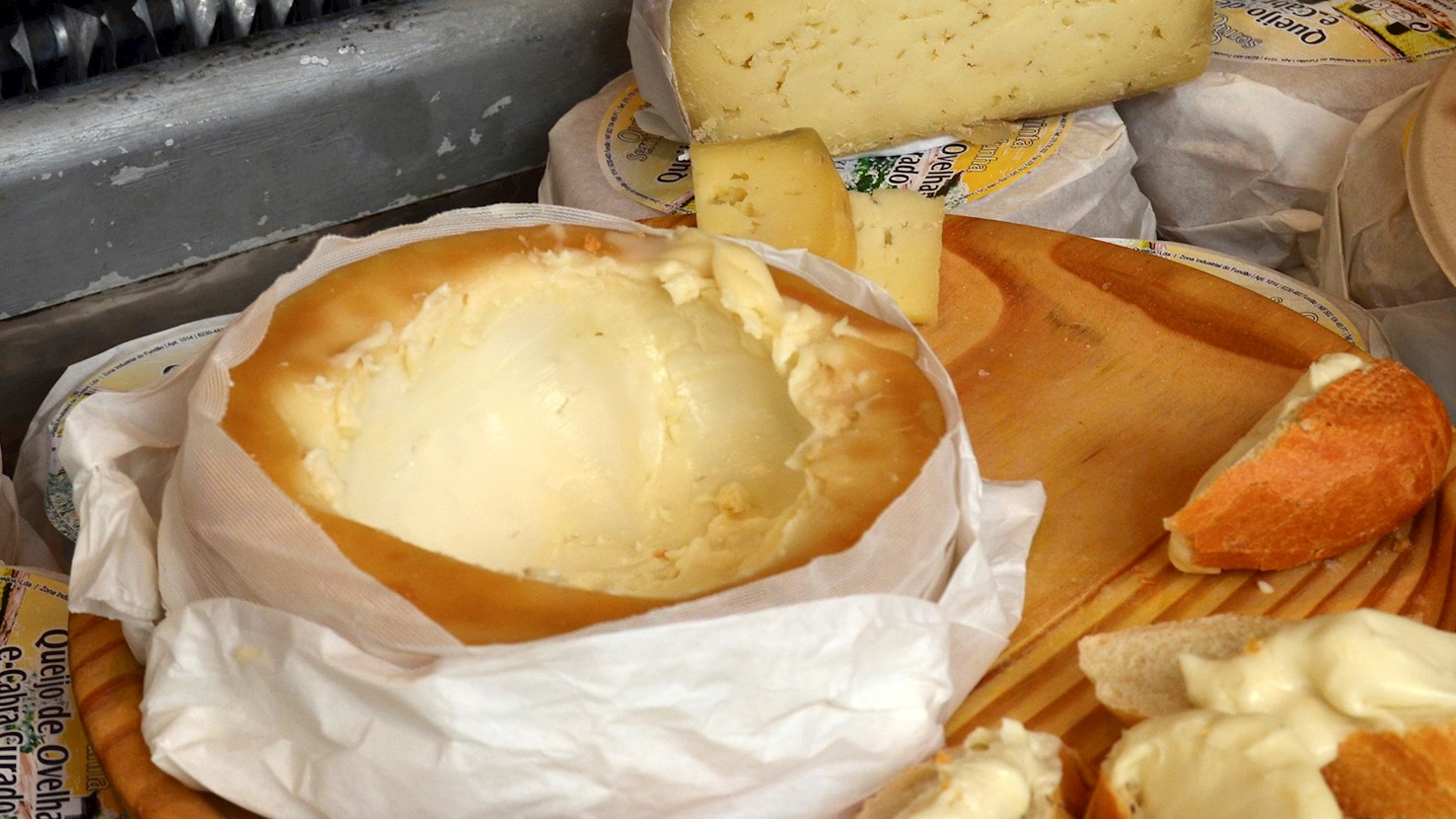
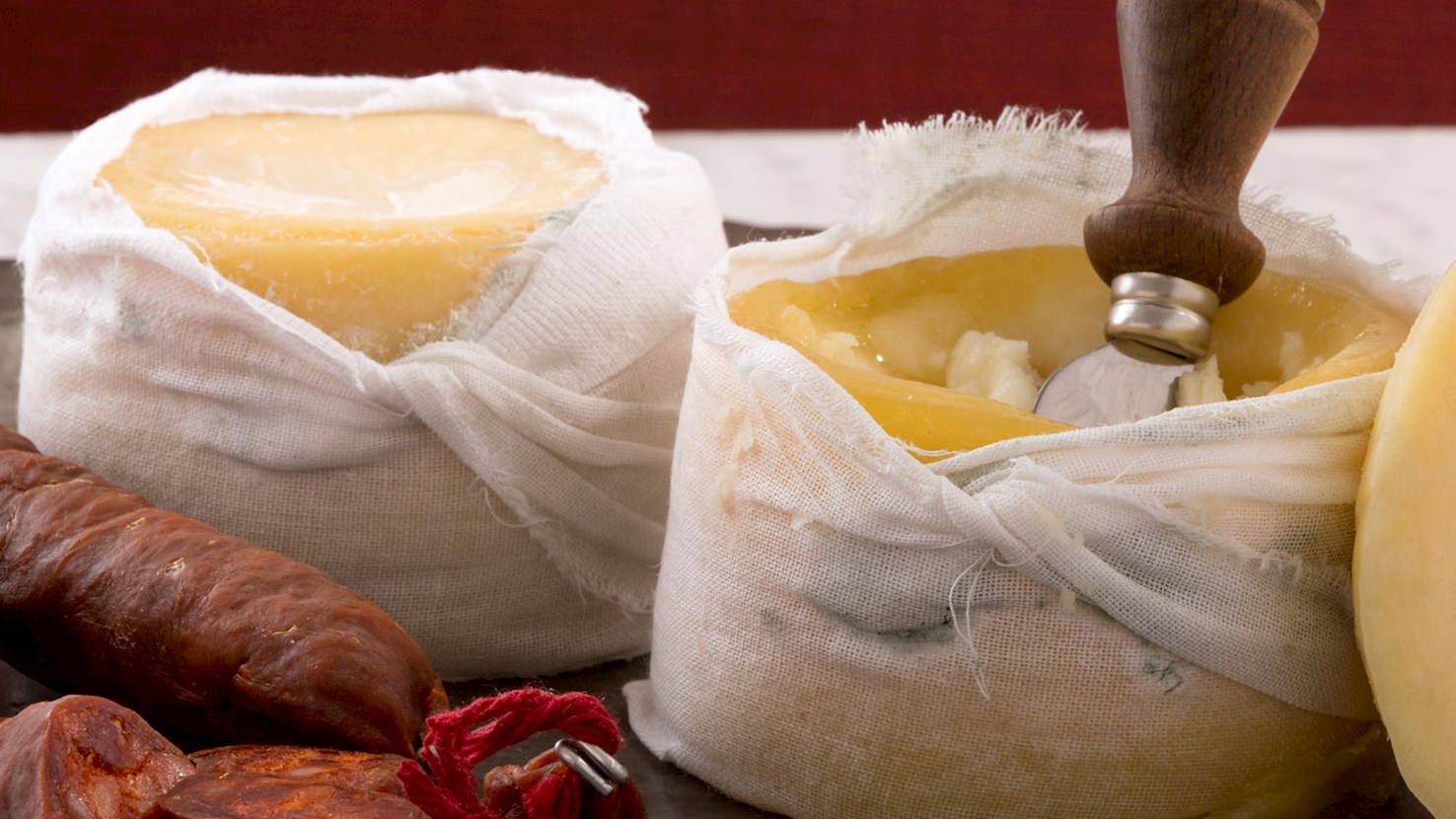
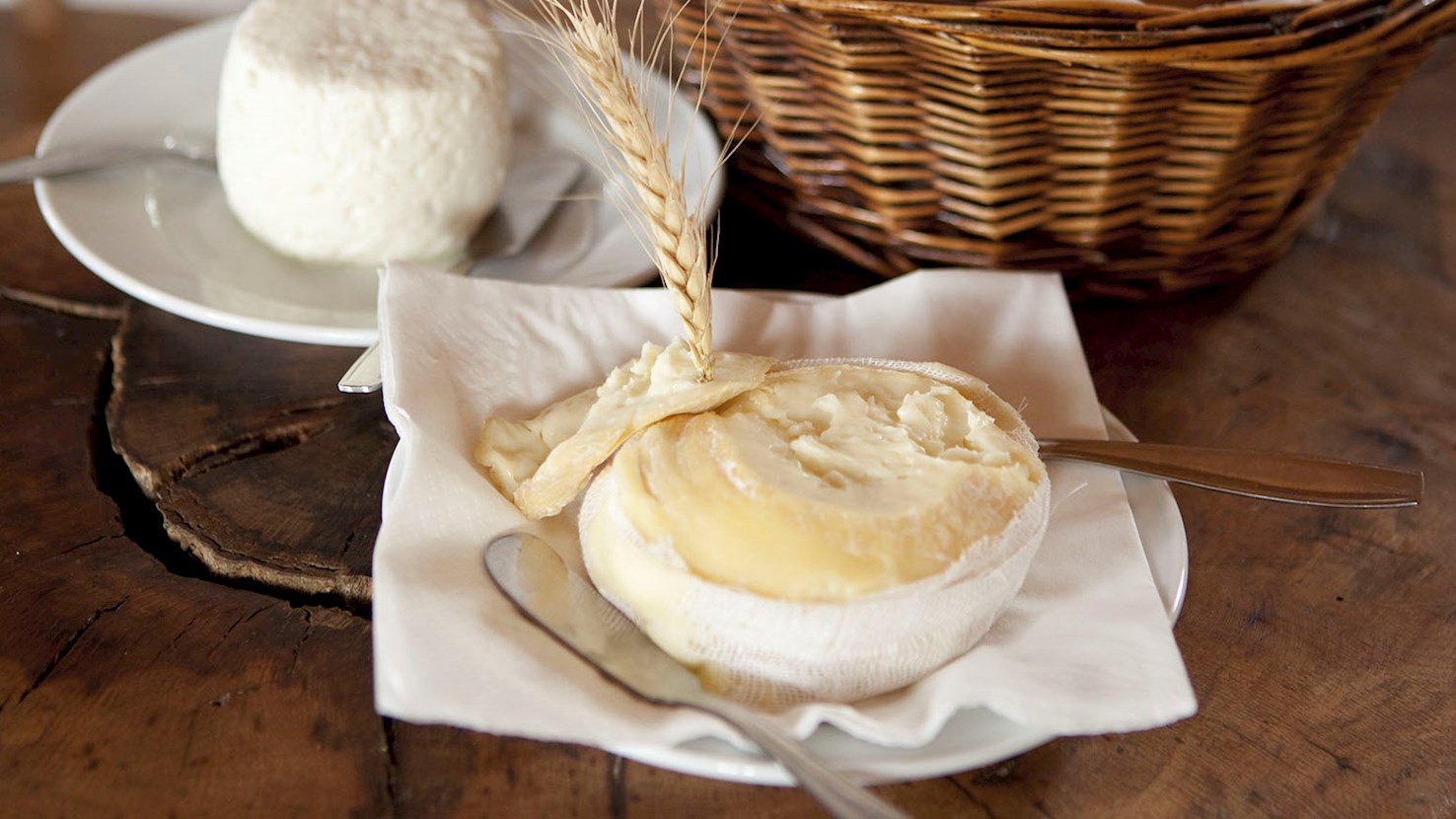
Azeitão is a semi-soft cheese made from unpasteurized sheep milk. The origins of this cheese date back to the 19th century, when Gaspar Henriques de Paiva emigrated to the town of Azeitão. Out of nostalgia for his place of birth, he imported black dairy sheep from his home town to Azeitão and brought cheesemakers from Beira Baixa to make cheeses. De Paiva's Azeitão cheeses quickly became famous throughout Portugal, winning several awards at agricultural fairs. The milk for this cheese is taken from sheep that graze on natural vegetation in the pastures of Azeitão. The sheep are milked manually, and the milk is mixed with the extract of a local variety of thistle to start the curdling process instead of animal rennet, meaning the cheese is 100% vegetarian. Salt is added to the curd, which is then manually worked and wrapped into muslin cloth bundles, called cinchos. The finished cheese is round and flat with a yellowish crust concealing a light-colored interior with a semi-solid consistency. The flavor is both sour and salty with herby undertones. This runny cheese is best served scooped onto a slice of fresh bread, and also makes a delicious dessert when paired with fruit and a semi-dry white wine.

02

Queijo Serra da Estrela

4.5 ·

Serra da Estrela is a semi-soft cheese made from the milk of Bordaleira Serra da Estrela and Churra Mondegueira breeds of sheep. Milking is done by hand, after which the milk is heated, salted, and curdled using thistle extract. The curd is formed into cheeses, which are left to ripen in humid and cold conditions. The cheese has a creamy, semi-soft interior that is yellowish-white in color, while its flavor is clean, sweet, and slightly sour. This cheese is Portugal's oldest, most traditional food product with international acclaim. In the 13th century, the king of Portugal opened the first cheese market in Celorico da Beira, in the Serra da Estrela mountain range, where the cheese is still produced today. This cheese was even present on some of the first ships to sail to the New World. Serra da Estrela is traditionally consumed as an appetizer or dessert, and it pairs well with regional wines from the Dão region and broa—local cornbread. A product rich in tradition and culture, Serra da Estrela cheese is the pride of the region, and it is considered the father of all sheep cheeses in Portugal.

03

Queijo Serpa

4.4 ·

Produced in the district of Beja in eastern Portugal, Serpa is a semi-soft sheep's milk cheese that's similar to Pecorino. Instead of animal rennet, Serpa is curdled using an extract made from a species of thistle that grows in the countryside of Alentejo. The leaves of the plant are dried and soaked in water, and this liquid is added to the heated milk to begin the curdling process. The curd is placed into molds, and the molded cheeses are then gently wrapped in muslin cloth for further ripening. The rind of Serpa is thin and malleable, while the cheese's interior is semi-soft and yellowish-white in color. Serpa is the most famous traditional Alentejano cheese, and its strong flavor is a fundamental part of the region's cultural heritage. It is perfect for any occasion and makes a great appetizer or snack when served with fresh bread and a glass of wine. It's also used in numerous local baked dishes, such as pork ribs with baked ham and Serpa cheese.

04

Queijo de Évora

4.2 ·

This sheep cheese is a part of Alentejo's traditional cheese heritage. Cheese has long been an integral part of the life of the region's peasant families. An important part of the daily diet, especially for the poorer classes, cheese was even used to pay wages. Évora cheese is made from unpasteurized milk from Merino breed sheep that graze freely in the pastures of the region. Raw milk is filtered through cloths and heavily salted, and then it is heated by a wood fire. Once the curd has formed, the cheese is left to mature for a month. Évora cheese has a well-formed, smooth, yellow crust. The aroma and flavor are slightly sour and spicy, and the flavor becomes more pronounced when the cheese is left to age longer. It is traditionally consumed as a snack or appetizer with homemade bread and a glass of wine.

05

Queijo da Beira Baixa

4.1 ·

The Portuguese region of Beira Baixa produces some of the country's best known traditional cheeses. The region has a long history of agriculture, and its granitic soils and healthy pastures make it the perfect place to create rich, tasty cheese. Beira Baixa cheese is a semi-hard cheese made from sheep’s milk, and it comes in three cheese types: Castelo Branco cheese, Beira Baixa spicy cheese, and Beira Baixa yellow cheese. Two methods are used to produce this cheese – ovelheira, using vegetable rennet (Castelo Branco cheese), and cabreira, using animal rennet (Beira Baixa cheeses). The Castelo Branco variety is semi-hard and yellowish with an accentuated, slightly spicy flavor. The Beira Baixa spicy variant is a hard cheese with no rind and a spicy flavor, while the Beira Baixa yellow cheese is semi-soft and yellowish in color with an intense, pleasant tart flavor. All of the Beira Baixa cheeses are great to use as snacks or appetizers, and served with good fresh bread, it makes it a simple but excellent meal.

06

Requeijão Serra da Estrela

4.1 ·

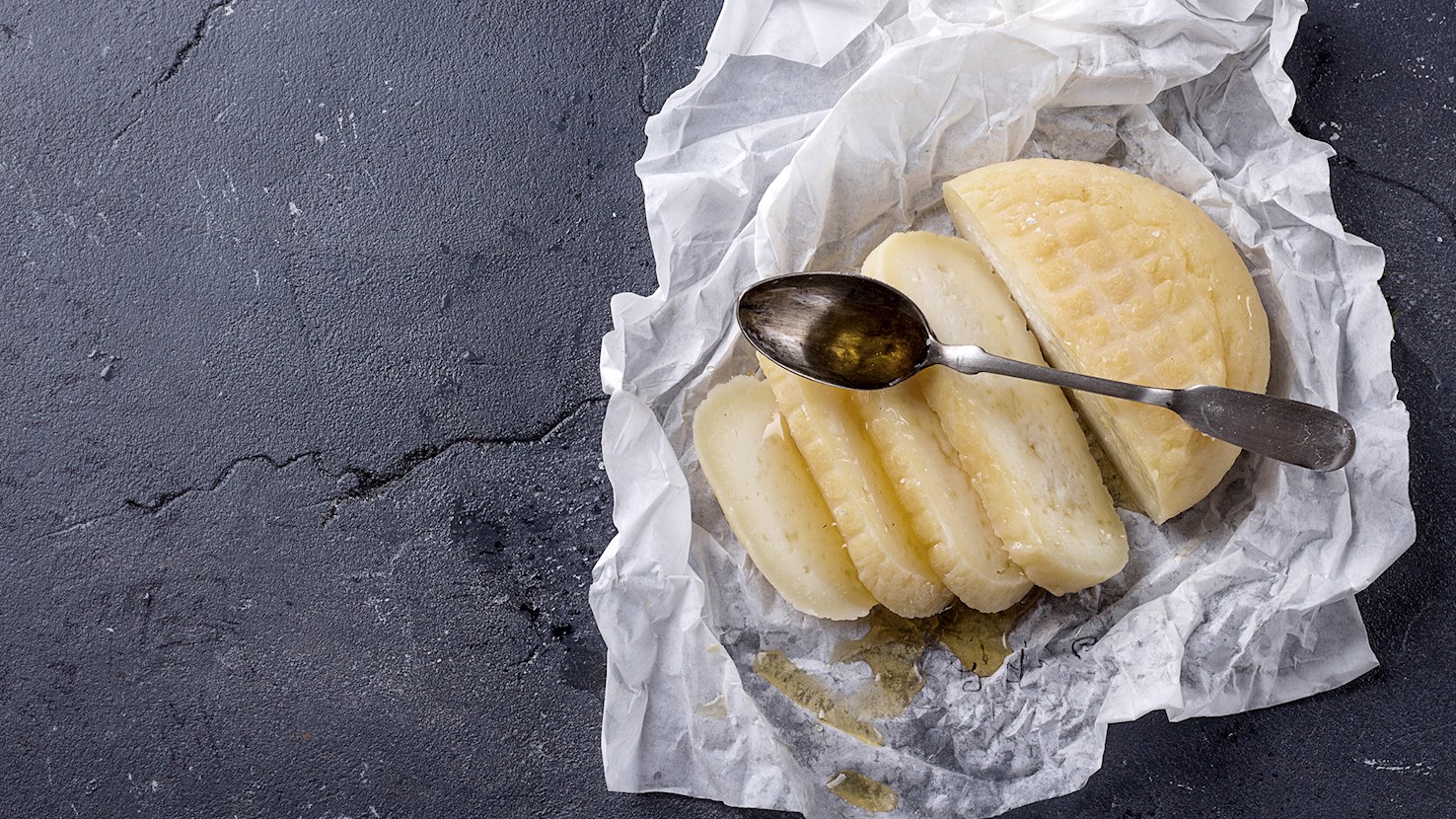
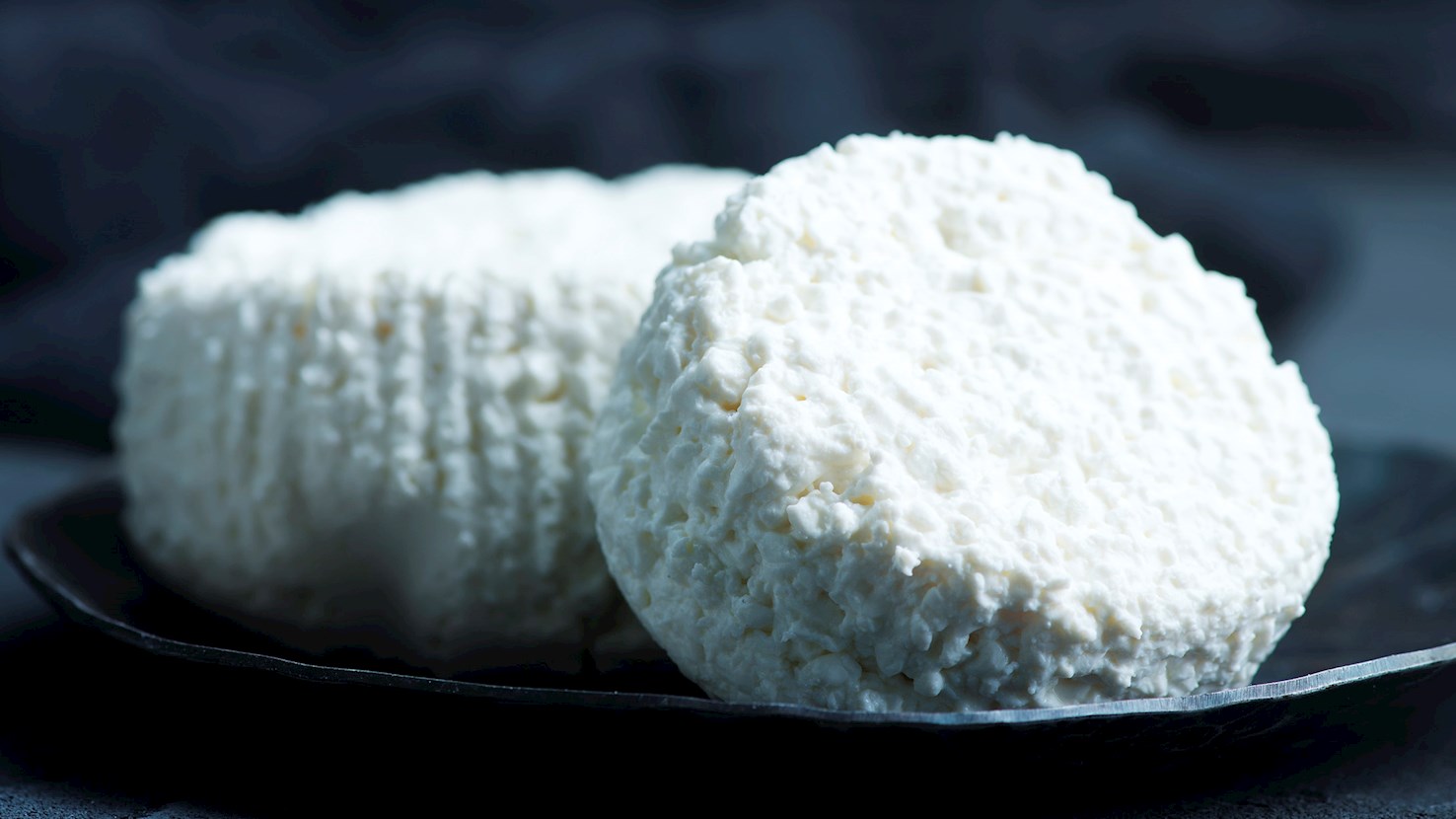
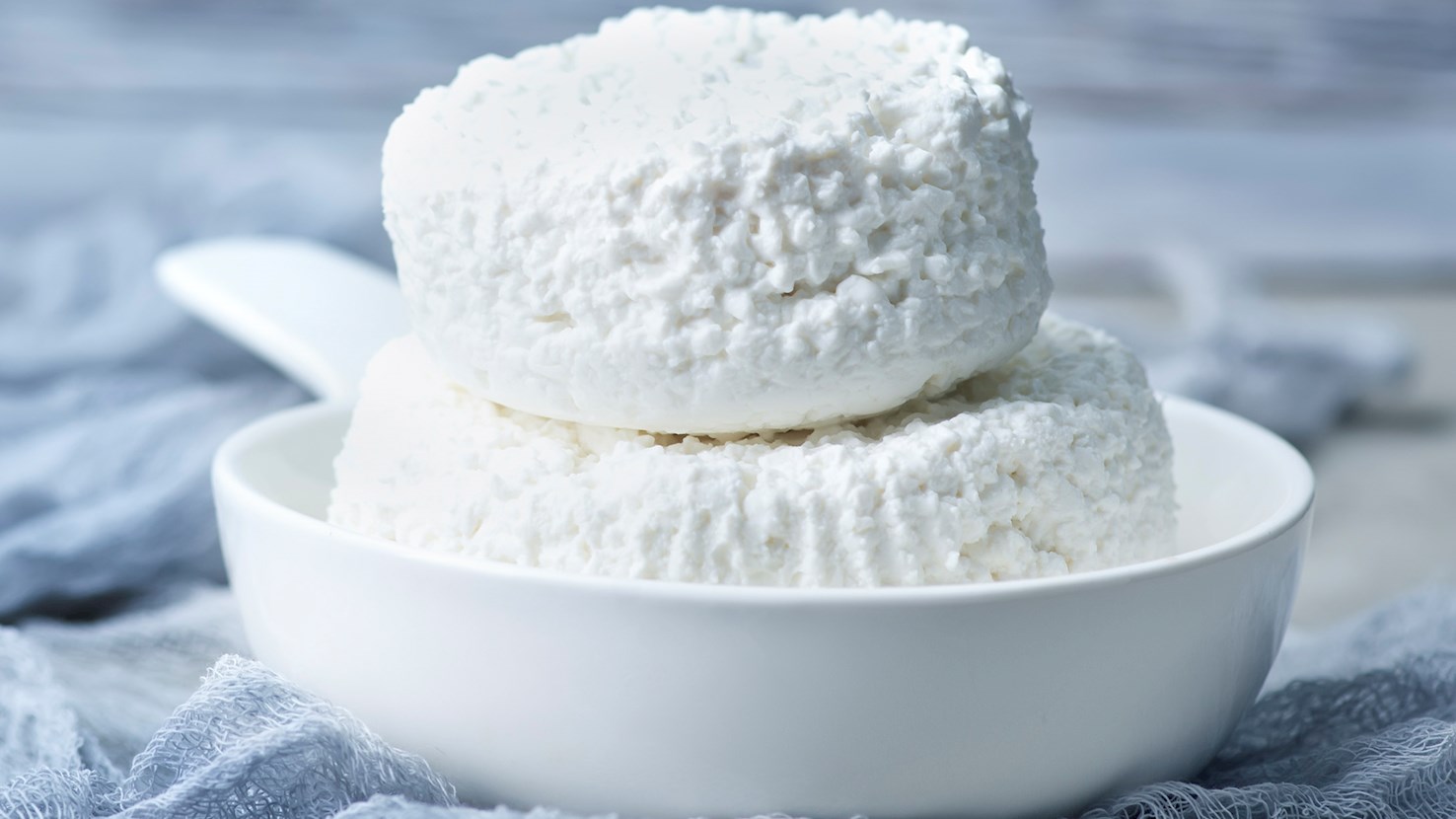
Serra da Estrela cottage cheese is a milk product obtained by heating and curdling unpasteurized sheep milk from the Churra Bordaleira and Mondegueira breeds, which are raised in the Beira littoral and interior. After heating, rennet is added to the milk to curdle it, and when it separates, it is strained and packaged in parchment immediately. Serra da Estrela cottage cheese ranges in texture from creamy to grainy. It is white and takes the shape of the vessel in which it is placed, and it has a mild and pleasant flavor and aroma.
The history of Serra da Estrela cheese is well documented. In the past, the cheese was packaged in the oldest form of packaging – it was wrapped in cabbage leaves and transported in wicker baskets. It remained a local product for a long time due to the fact that it would spoil easily in transport. Today, this cheese is popular throughout the country, and it is highly valued as an accompaniment to many traditional dishes and as a basic ingredient in regional pastries, puddings, and cakes. It is eaten fresh with a sprinkling of salt and pepper, or as a dessert mixed with honey, nuts, or traditional abóbora de doce (sweet pumpkin preserves).

07

Queijo de Nisa

4.1 ·

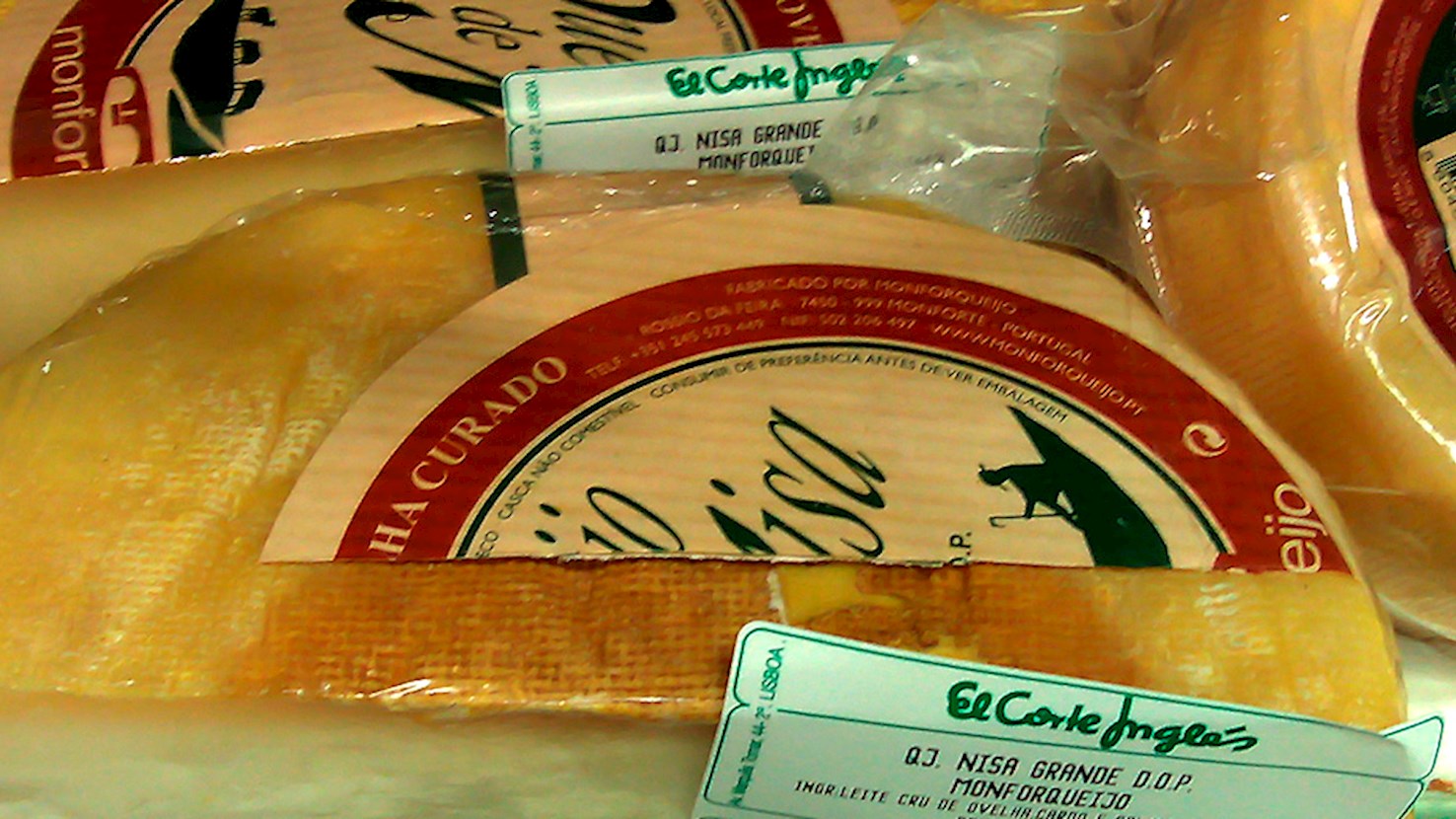
This semi-hard cheese is made from ewes' milk taken from local Merino breed sheep in the region of Portalegre in eastern Portugal. The milk is curdled, salted, and formed into cheeses before being left to ripen for about two months in cold and humid conditions. Nisa cheese is semi-hard and yellowish-white in color, and its flavor is robust with a mildly acidic note. It is best enjoyed with bread and wine, especially if the wine comes from Portalegre. This cheese is traditionally consumed as a snack during the day or as an ingredient in traditional dishes, such as quiche de legumes, a pie made with carrots, zucchini, and cheese. Nisa cheese, the production of which is confined to just a few dozen local family-run dairy farms, was listed as one of the 100 best cheeses in the world by Wine Spectator magazine in 2008.

08

Requeijão da Beira Baixa

4.0 ·

Requeijão da Beira Baixa is a cottage cheese from the region of Beira Baixa. The raw goat/sheep milk is not subjected to any kind of fermentation – instead, it is heated and mixed with whey until small flakes start to appear on the surface. The cheese is then placed in traditional fine wicker baskets (known as açafates) to be distributed and sold. This cottage cheese has a soft consistency and is white and creamy with a grainy texture. The aroma is pleasant with a sweet lactic acid note, and it melts in the mouth.
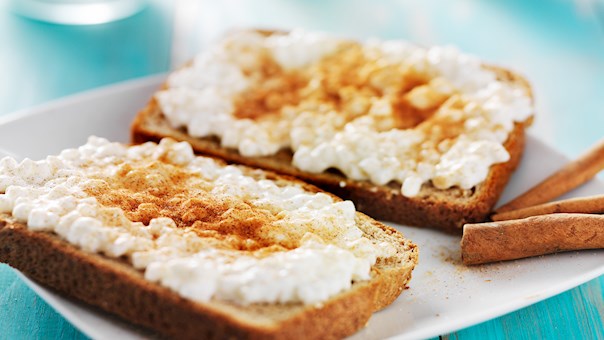
It makes a delicious breakfast, it can be served as a dessert topped with sugar or cinnamon, it goes well with bread and honey or pumpkin jam (doce de abóbora), and it makes a great appetizer simply spread on sliced bread. It is also frequently used as a base for cheesecakes and cheese tarts (queijadas).

09

Saloio Regional

3.9 ·

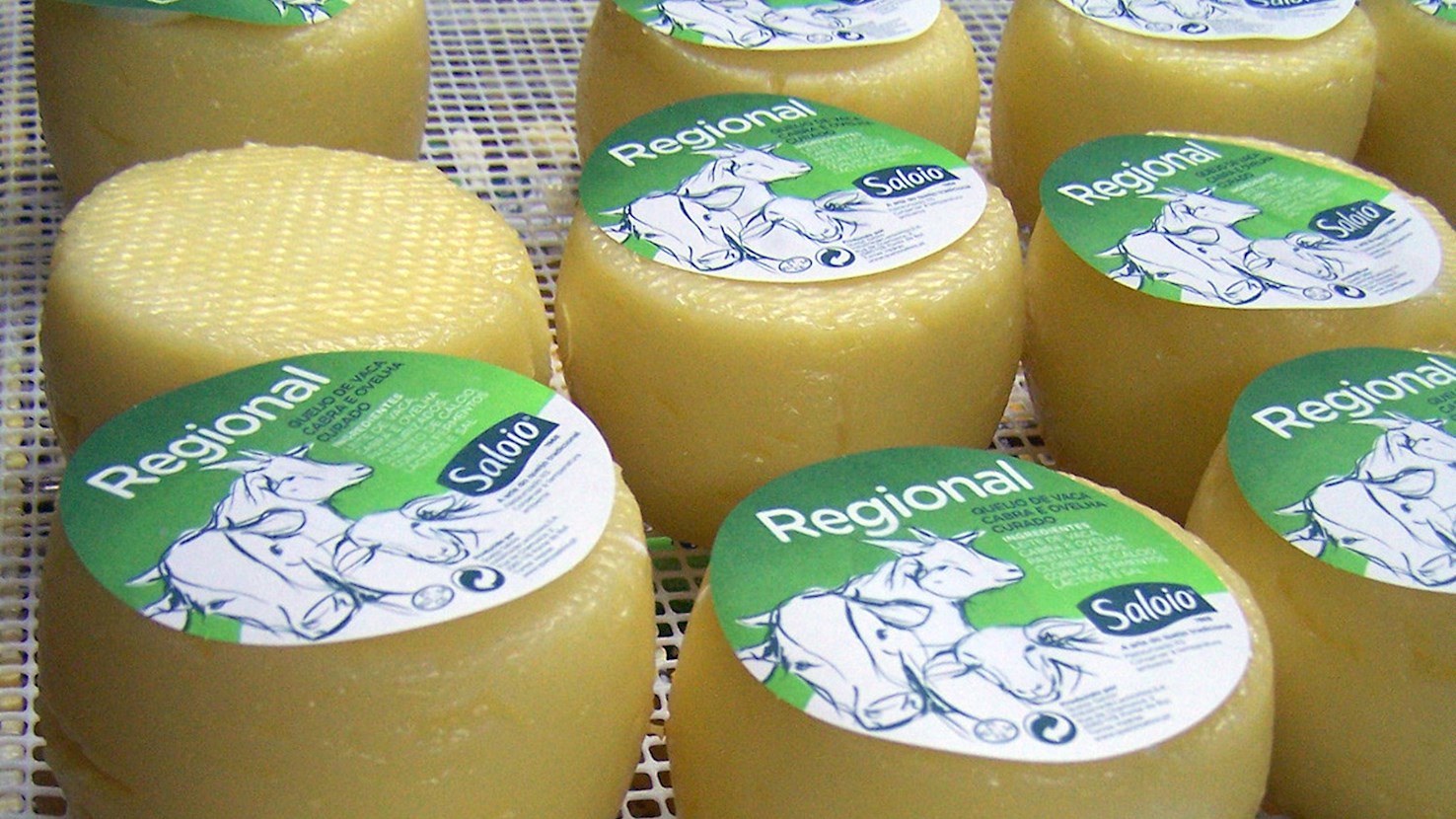
Originating from the Portuguese county of Ponte do Rol, north of Lisbon, this small, firm-textured, unsalted sheep's milk cheese known as Saloio Regional is traditionally served in authentic cylindrical molds (cinchos) in which the cheese was prepared. In some restaurants in Lisbon and the surrounding area, Saloio is often served as an appetizera with a bit of salt. The name saloio denotes a person that lives in rural areas, possibly referring to the production area of this interesting cheese.

10

Zimbro

3.4 ·

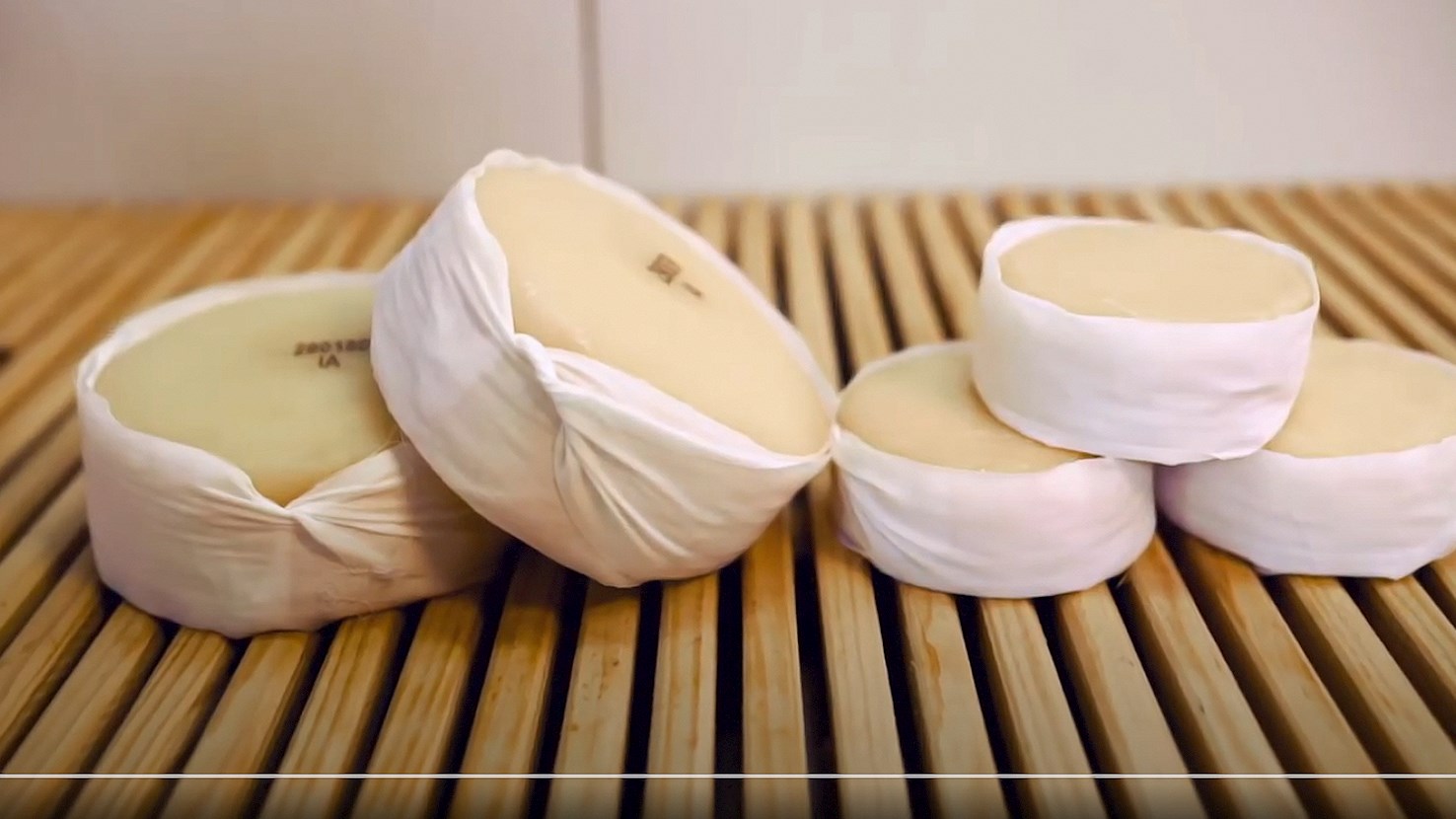
Zimbro is a Portuguese cheese produced in the Serra da Estrela mountains. The cheese is made from raw sheep's milk and thistle rennet. It's aged for 60 days in order to produce a thick, pudding-like interior that hides beneath its washed rind. The interior is kept in place as the cheese is traditionally bound with strips of white cloth. The aromas are clean, while the flavors range from herbal and fruity to sweet and slightly sour. The top of the cheese is typically sliced off, and the interior can then be scooped. It's recommended to pair Zimbro with Crianza Rioja.

Read more
View all
View map
About this ranking

TasteAtlas food rankings are based on the ratings of the TasteAtlas audience, with a series of mechanisms that recognize real users and that ignore bot, nationalist or local patriotic ratings, and give additional value to the ratings of users that the system recognizes as knowledgeable. For the “Top 13 Portuguese Sheep's Milk Cheeses” list until July 08, 2026, 1,216 ratings were recorded, of which 688 were recognized by the system as legitimate. TasteAtlas Rankings should not be seen as the final global conclusion about food. Their purpose is to promote excellent local foods, instill pride in traditional dishes, and arouse curiosity about dishes you haven’t tried.

The initial list of top producers was compiled based on available reviews, awards, local recommendations, media and blog coverage, and consumer reviews. The list will be updated with ratings from TasteAtlas local ambassadors and TasteAtlas users.

Similar lists