Top 38 Italian Sparkling Wines

Last updated on July 01, 2026

Best Italian Sparkling Wine Types
01

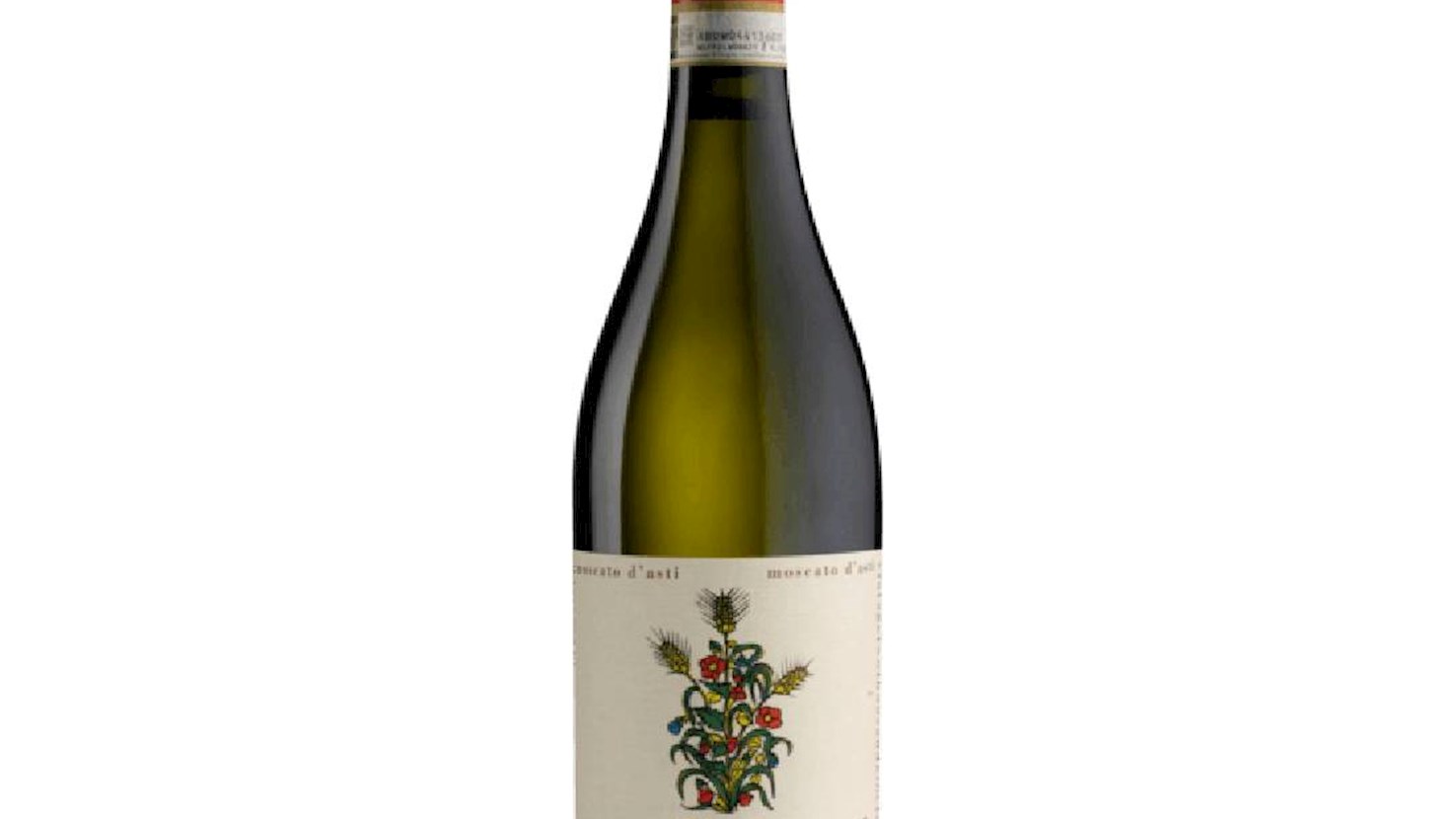
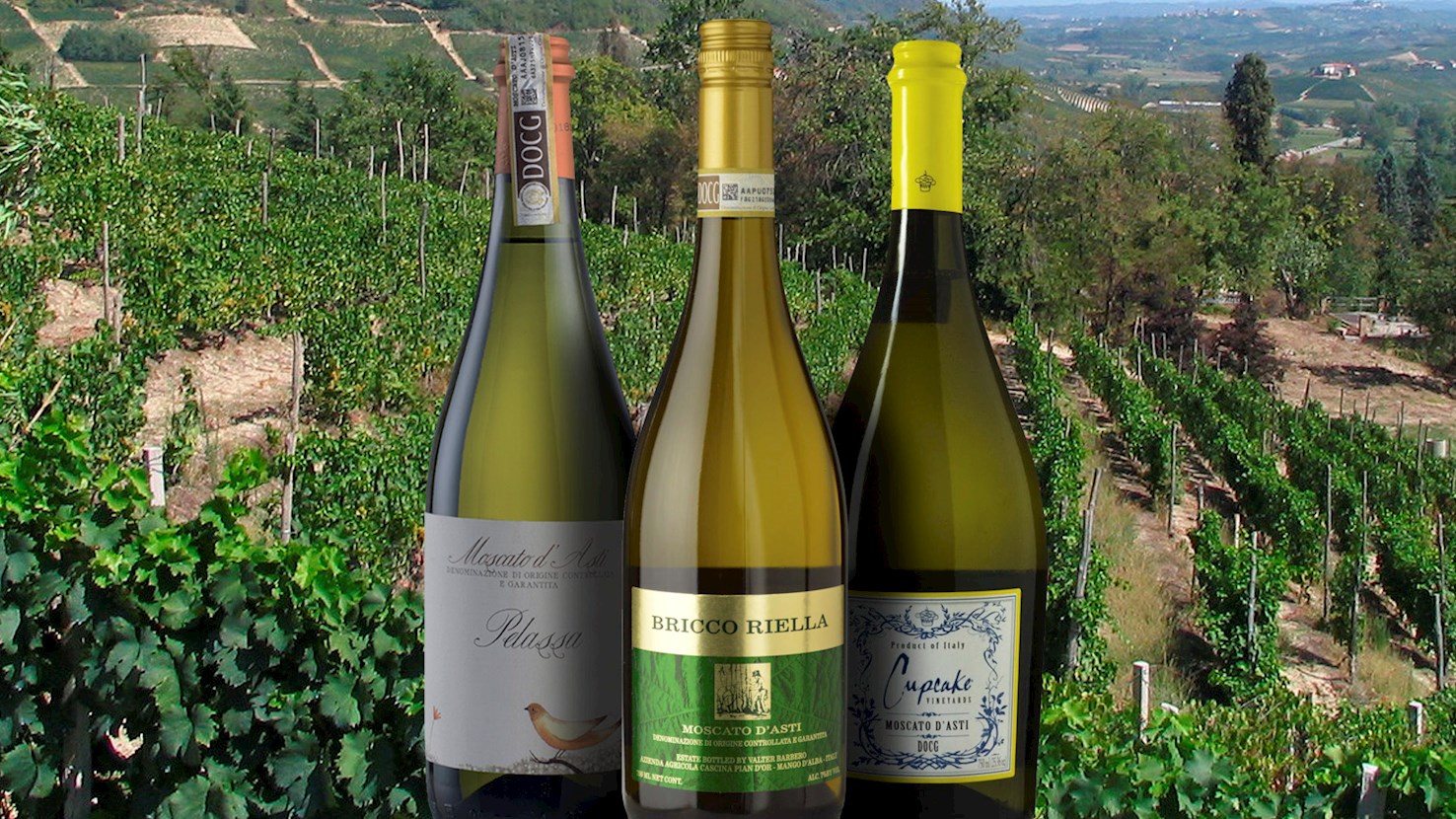
Moscato d'Asti

4.0 ·

Made entirely from the Moscato Bianco grapes, Moscato d'Asti is a fragrant, not overly sweet fizzante (semi-sparkling) wine that is produced mainly in the province of Asti and the nearby Alessandria and Cuneo. The wine is delicate, floral, and aromatic, with hints of peach, apple, pear, pineapple, sage, lime, and orange. Because it is sweet and low in alcohol, it naturally pairs with desserts, especially those made with apples, berries, peaches, hazelnut, and lemon, but it also works well with fresh salads, charcuterie, antipasto plates, or cheese. The wine should not be confused with Asti Spumante, a fully sparkling version that falls under the same Asti DOCG.

02

Prosecco

4.0 ·
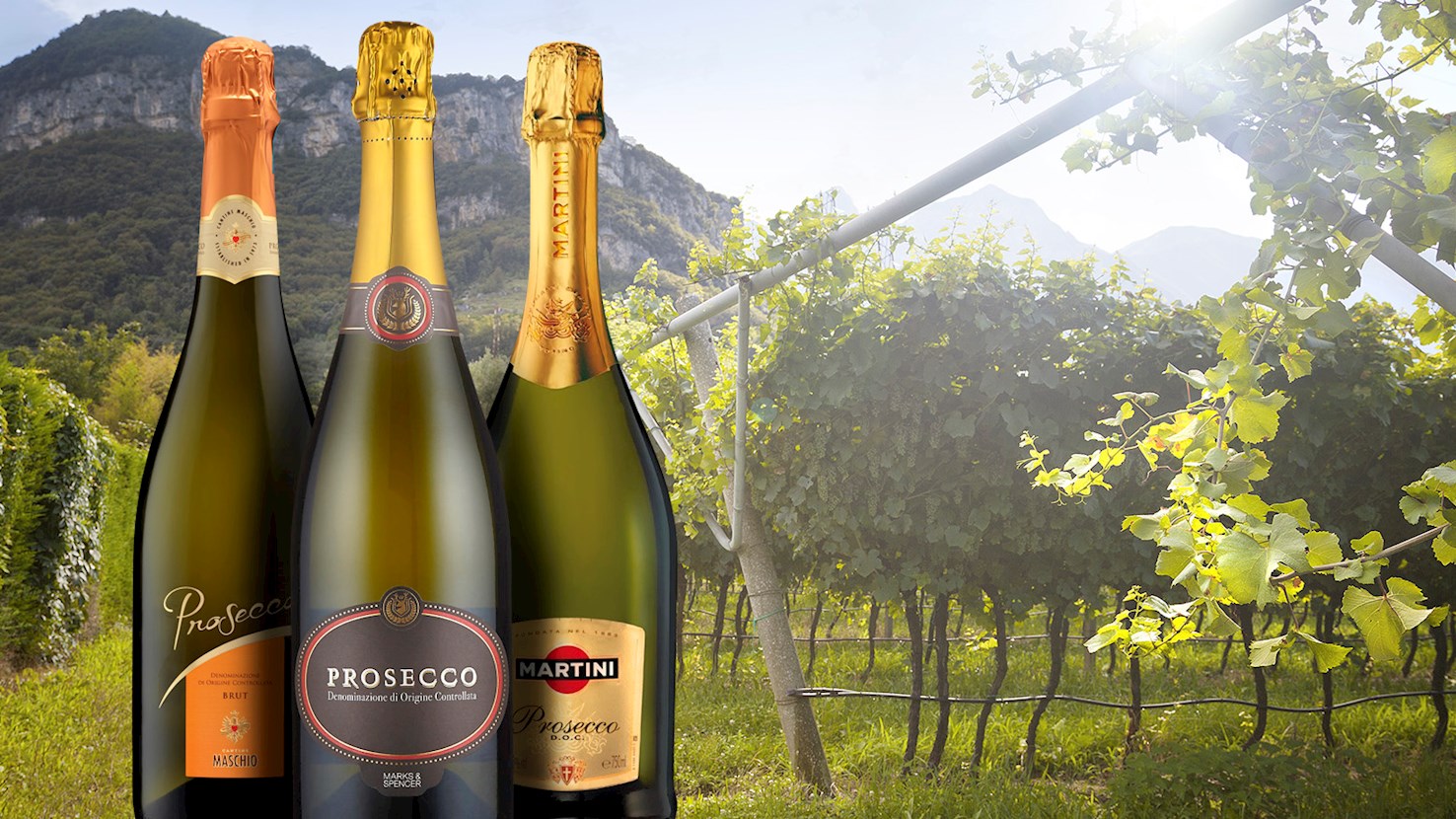
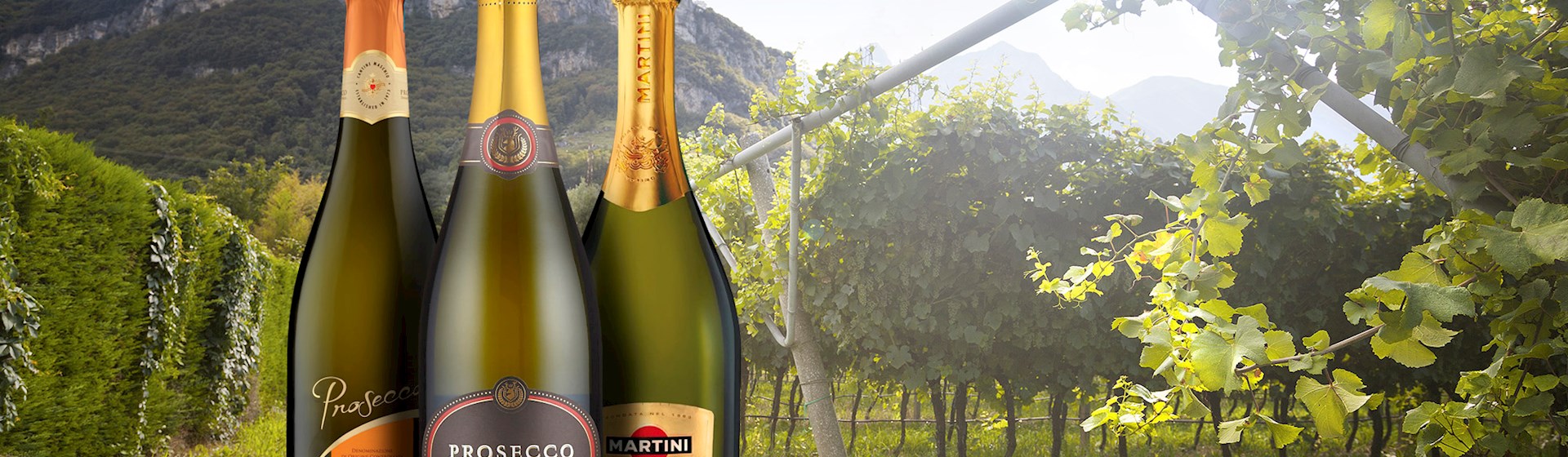
One of the most exported Italian white wines, Prosecco is a sparkling wine that comes in three levels of perlage: the bubbliest spumante (sparkling), followed by frizzante (semi-sparkling), and tranquillo (still). Prosecco is made exclusively in the regions of Veneto and Friuli-Venezia Giulia. Glera is the predominant grape variety used in the production of Prosecco, though Perera, Bianchetta, and Verdiso are often used as well. Unlike its more expensive bubbly counterparts, the secondary fermentation of Prosecco takes place under pressure, in huge stainless steel tanks, making the wine production less expensive. This process is officially known as the Charmat-Martinotti method. During this stage, a mixture of yeast and sugar is added to the base wine inside sealed, pressure-resistant tanks called autoclaves. As the yeast consumes the sugar, it releases carbon dioxide that gets trapped in the wine, creating Prosecco's signature bubbles before the wine is filtered and bottled under pressure. Considering that Prosecco does not ferment in the bottle and grows stale with time, it should be enjoyed as young as possible, preferably within several years of its vintage. This Italian favorite tends to exhibit more fruity and flowery aromas and much lighter bubbles. Prosecco is quite versatile, but it leans towards the sweeter end of the wine spectrum, which makes it great as an aperitif and an ideal match for fruit-based desserts, as well as for light charcuterie and cheese appetizers. It is also commonly added to many sparkling cocktails made with fruit juice and other ingredients, most noted of which is a Bellini, a mixture of prosecco, peach purée, and nectar.
03

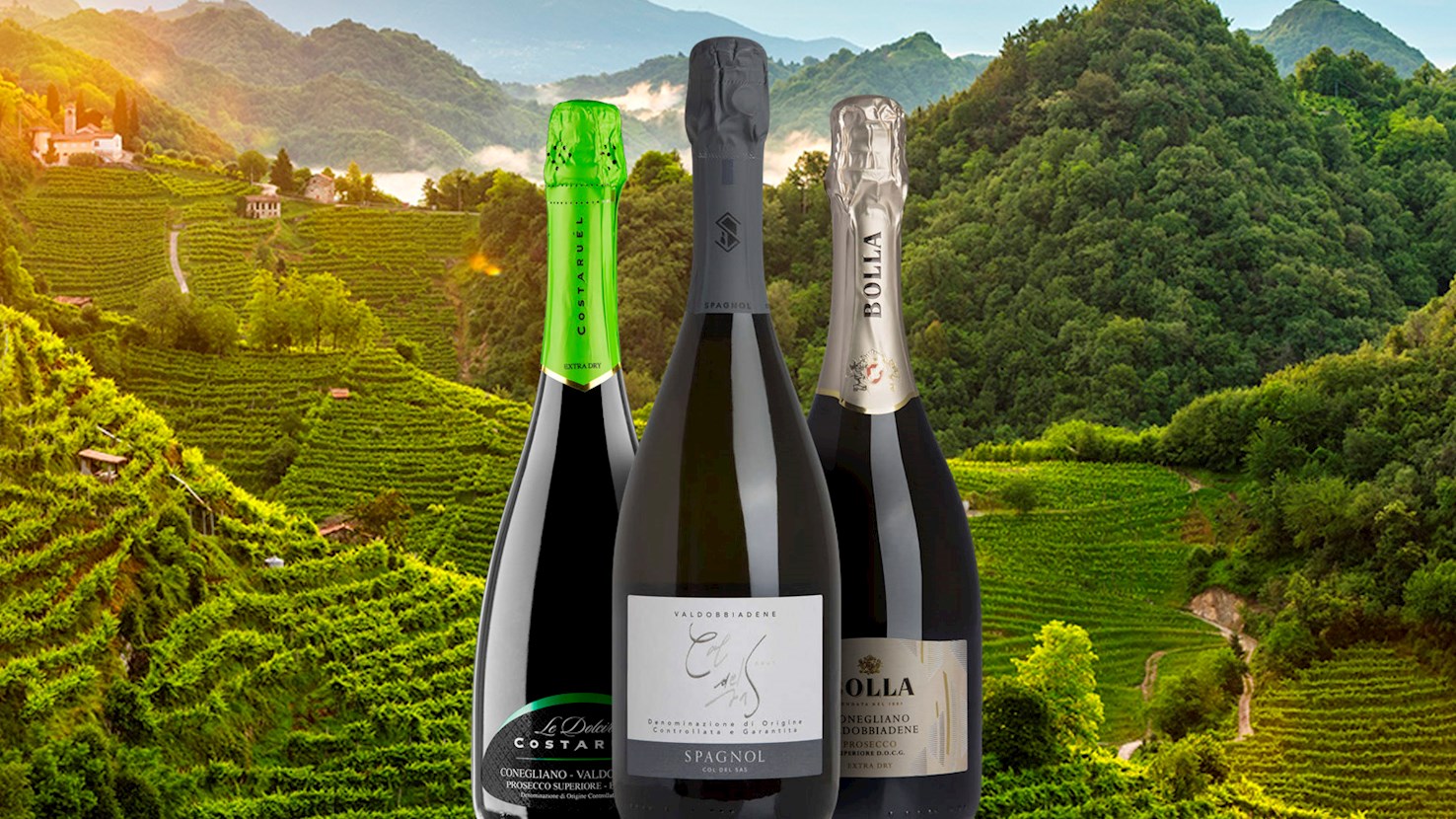
Conegliano Valdobbiadene Prosecco

3.9 ·

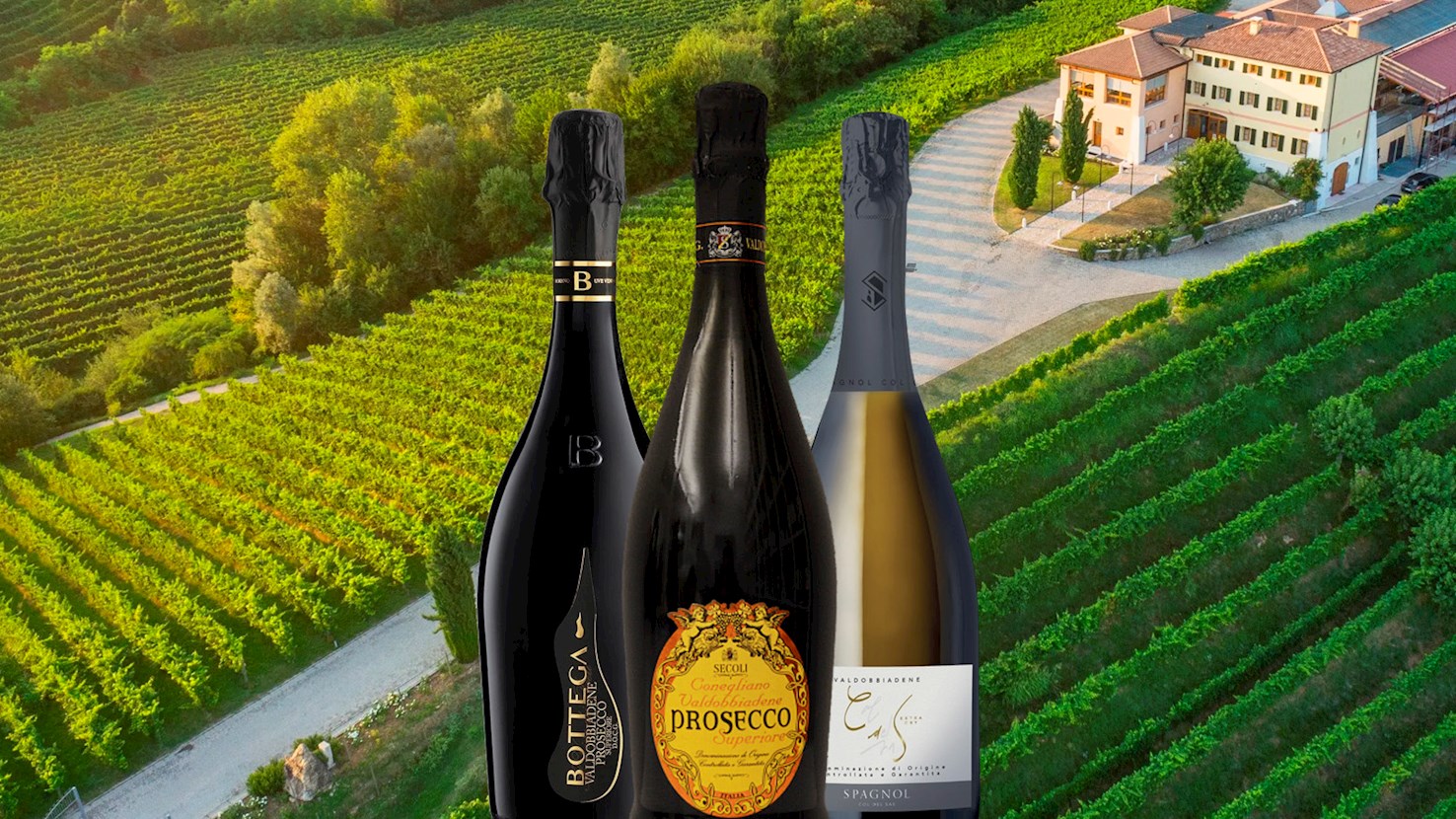
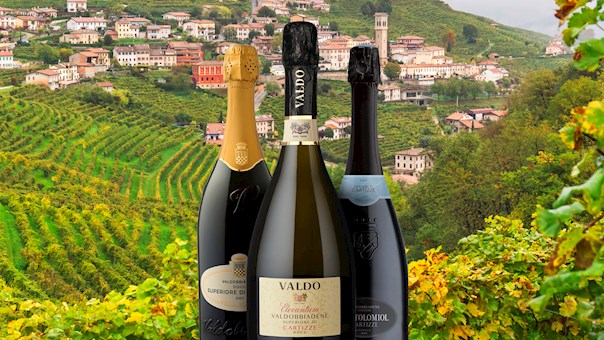
Conegliano Valdobbiadene Prosecco is a DOCG region in Italy that produces premium, high-quality Prosecco. These prized sparkling wines are made with Glera as the principal grape variety, while common additions include Bianchetta Trevigiana, Perera, and/or Verdiso. The wines produced in the region are refined and well-balanced with a straw-yellow color and fine effervescence. The aromas are floral and fruity, reminiscent of wisteria, acacia, rose, and white-fleshed fruits such as apple, pear, and peach. They also might display subtle citrus nuances. These wines can be enjoyed as an aperitif or an accompaniment to light appetizers and snacks. They also pair well with fish, vegetable-based main courses, and salads. The region mostly produces fully sparkling (spumante) wines, though there is a small amount of semi-sparkling (frizzante) and still wines, but only spumante versions can be labeled as Superiore. The region also includes prestigious Cartizze and Rive subzones, and there is also a small number of col fondo (sur lie) Prosecco, in which the second fermentation takes place in the bottle and the sediment remains in the bottle.

04

Franciacorta

3.8 ·

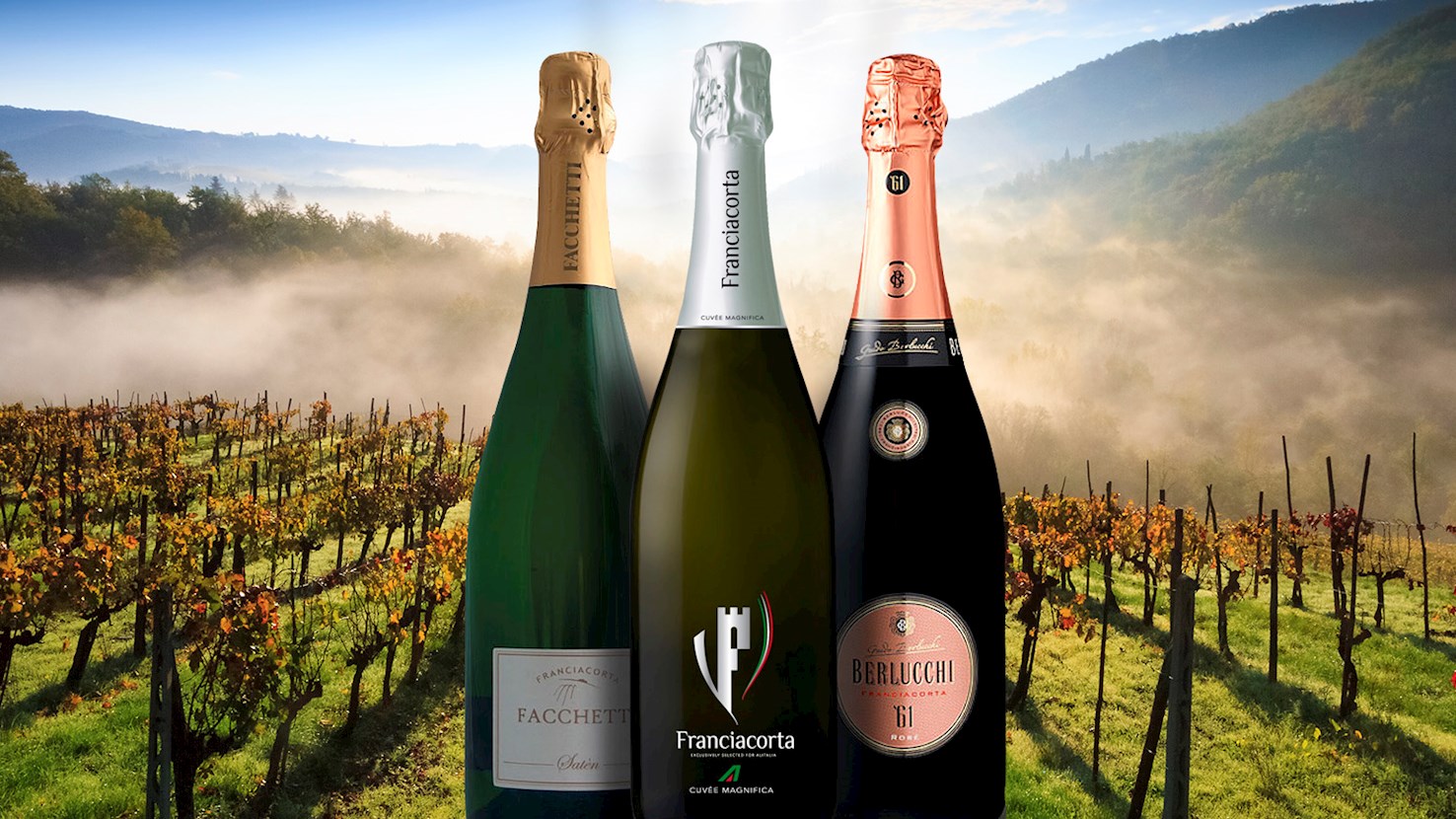
Widely regarded as the finest Italian sparkling wine, Franciacorta is made using metodo classico—just like Champagne and Cava. It is produced with a typical blend of Chardonnay, Pinot Bianco, and Pinot Nero, and comes in non-vintage, millesimato or vintage, and riserva form. Apart from the standard white version, there are also Franciacorta Satèn—made exclusively with Chardonnay and Pinot Bianco grapes—and Franciacorta Rosé made with a base of at least 25% Pinot Nero. Depending on its style, this delicate wine with subtle notes of white fruits, flowers and peaches provides excellent pairing for a wide range of dishes, from delicious Lombard desserts like bossolà and sbrisolona to pasta and seafood dishes, as well as cheese and charcuterie.

05

Lambrusco di Sorbara

3.6 ·

This high-quality Lambrusco wine is produced from a namesake grape variety, grown in vicinity of Modena and the village of Sorbara. The region has been awarded DOC in 1970 and has been known to produce fragrant, red and rosé sparkling wines. They can vary in sweetness but the second fermentation must take place in the bottles or autoclaves. The wines are characterized by their fruity, floral notes, and because of their pronounced acidity, they pair well with hearty dishes, such as grilled or braised meat, rich meat or cheese based sauces, and strong, well-aged cheese varieties.

06

Lambrusco

3.6 ·

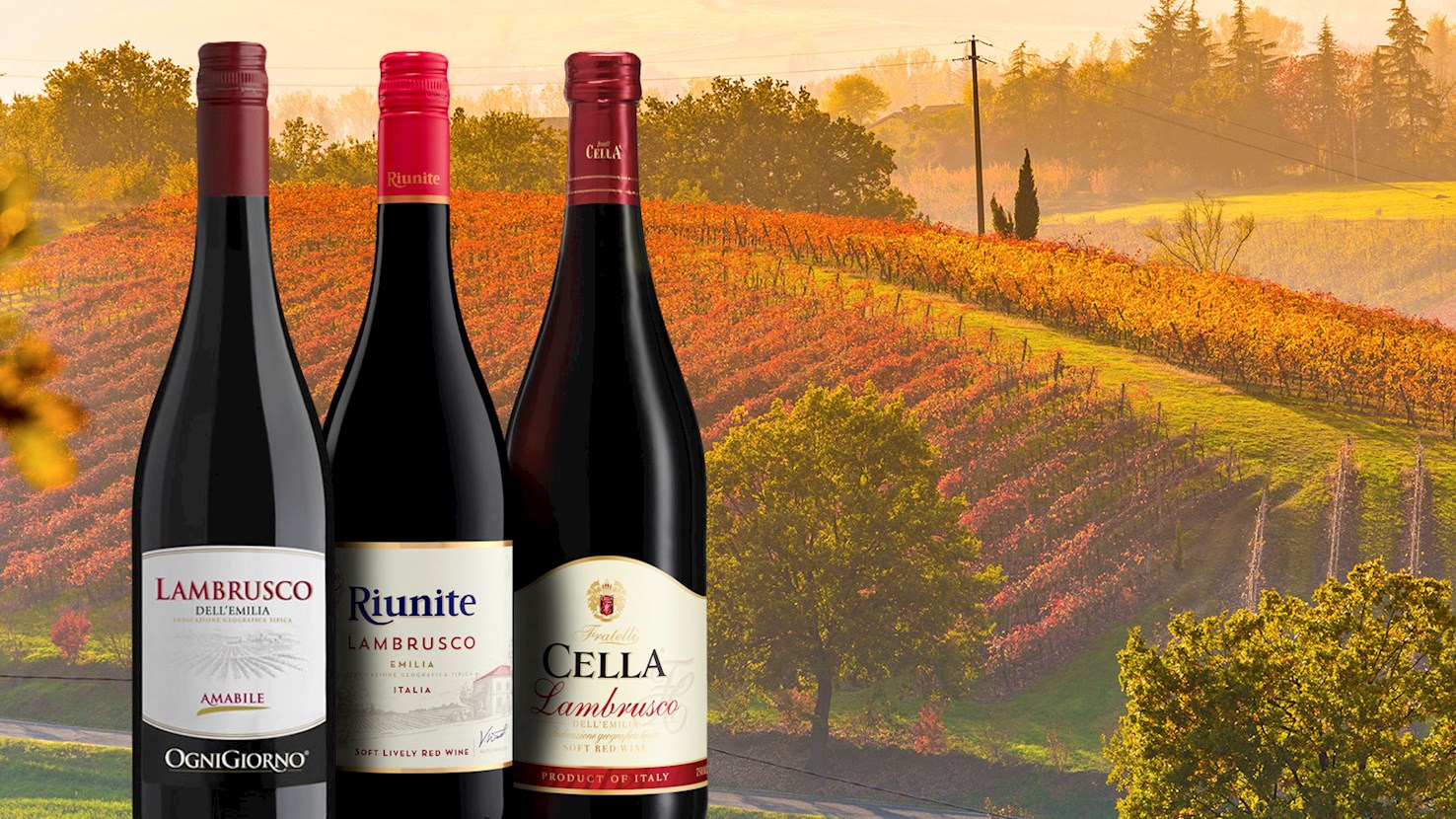
Lambrusco is a sparkling red wine hailing from the Emilia-Romagna and Lombardy region of Italy, particularly from areas around Modena, Reggio Emilia and Mantua. This wine is made from several varieties of the Lambrusco grape, each contributing different characteristics to the final product. Lambrusco wines are typically light and frothy, with a range of sweetness levels from dry (secco) to sweet (dolce). They exhibit a vibrant ruby-red color and often have a delightful effervescence due to their natural sparkle. The aromatic profile of Lambrusco includes notes of red berries, cherries, and sometimes floral hints like violets. On the palate, these wines are known for their refreshing acidity, light tannins, and fruity flavors, which can include strawberries, raspberries, and blackberries. The sweetness can vary, but even the sweeter versions maintain a balance with their acidity, making them enjoyable and easy to drink. Lambrusco is best enjoyed chilled and is a popular choice for pairing with a variety of foods. It goes particularly well with the rich and savory dishes of Emilia-Romagna, such as cured meats, cheeses, pasta with hearty sauces, and even pizza.

07

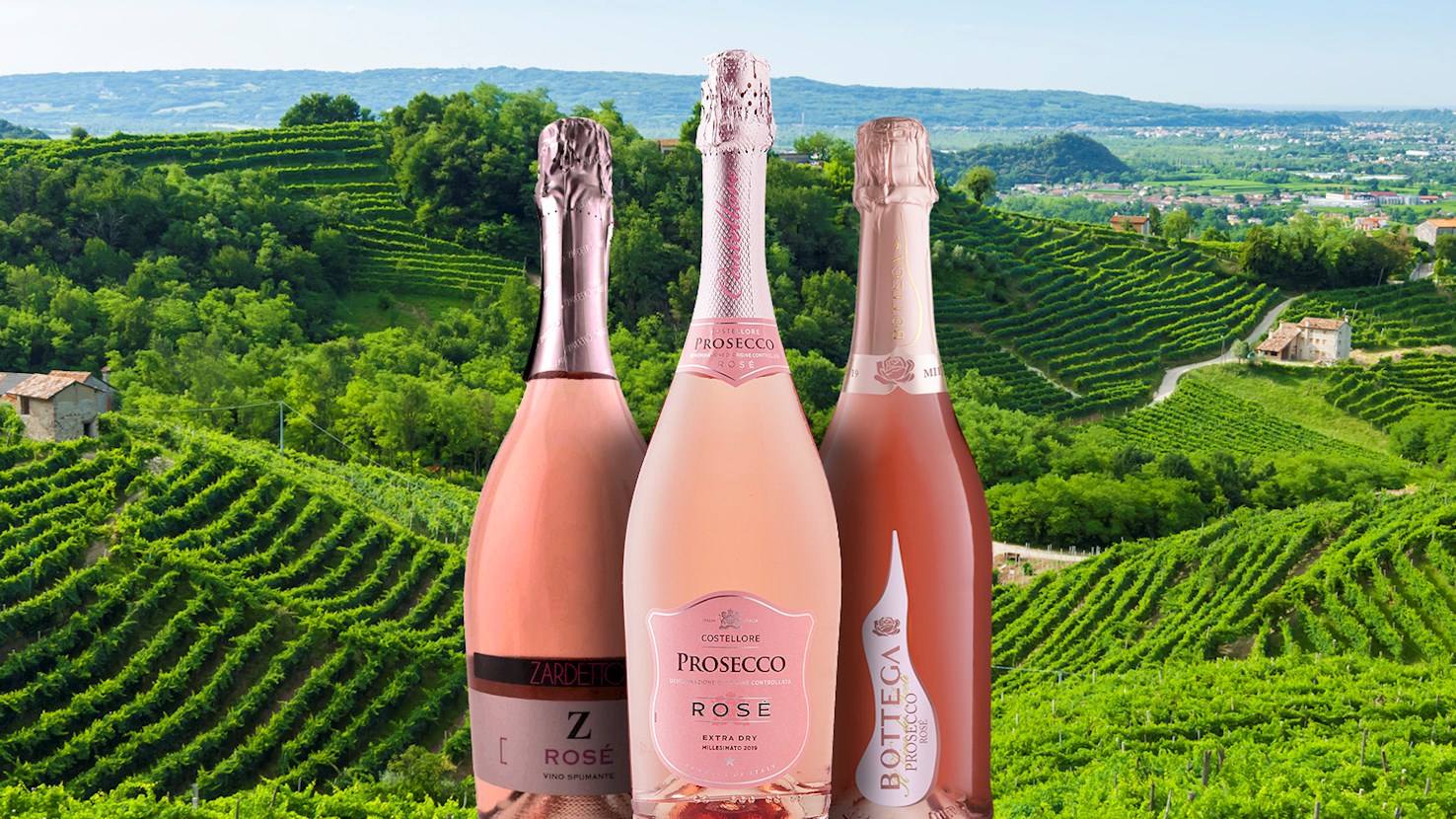
Prosecco Rosé

3.5 ·

In 2020, the production of Prosecco rosé has been officially approved by the Italian government. The wine can be made with Glera and Pinot Noir (Pinot Nero) varieties, with a maximum of 10-15% of Pinot Noir. It has to be produced using the Charmat-Martinotti method, in which the second fermentation, which has to last for at least 60 days, takes place in pressurized tanks. Prosecco has long been one of the most popular Italian sparkling wines and was only available in the classic white (bianco) version. The decision to include rosé styles has long been in the works, with some of the producers strongly opposing the idea, arguing that rosé styles significantly move away from the original Prosecco identity. Regardless of the opposition, the decision has been approved, the rules have been updated, and it is expected that more than 30 million bottles of Prosecco rosé will be produced annually. Prosecco rosé can range from Brut Nature to Extra Dry, and it can be released on January 1 after the harvest. It should be noted that the decision to include rose styles is only approved for Prosecco DOC and does not include Asolo Prosecco and Conegliano Valdobbiadene DOCGs.

08

Conegliano Valdobbiadene Prosecco Superiore

3.5 ·

Conegliano Valdobbiadene Prosecco Superiore is a prestigious type of sparkling wine from the Trentino province in Italy. It is produced in a specific area between the towns of Conegliano and Valdobbiadene, located in the hills north of Treviso. Conegliano Valdobbiadene Prosecco Superiore has the status of a Denominazione di Origine Controllata e Garantita (DOCG), and is one of three types of Conegliano Valdobbiadene Prosecco DOCG (other two being Conegliano Valdobbiadene Prosecco Superiore Rive and Conegliano Valdobbiadene Superiore di Cartizze). This means it must adhere to strict guidelines in terms of grape variety, yield, winemaking practices, and aging. Prosecco Superiore is made primarily from the Glera grape. The wines are light, crisp, and aromatic, typically showcasing flavors of green apples, pears, and floral notes. The wines are generally made using the Charmat method (also called the Italian method), where the secondary fermentation occurs in large pressurized tanks rather than individual bottles. This helps to preserve the fresh, fruity characteristics of the wine. Conegliano Valdobbiadene Prosecco Superiore pairs well with a variety of foods. It is often enjoyed as an aperitif but also matches nicely with seafood, salads, and light pasta dishes. It's usually best served chilled, in a flute or white wine glass to preserve the bubbles and allow the aromas to concentrate.

09

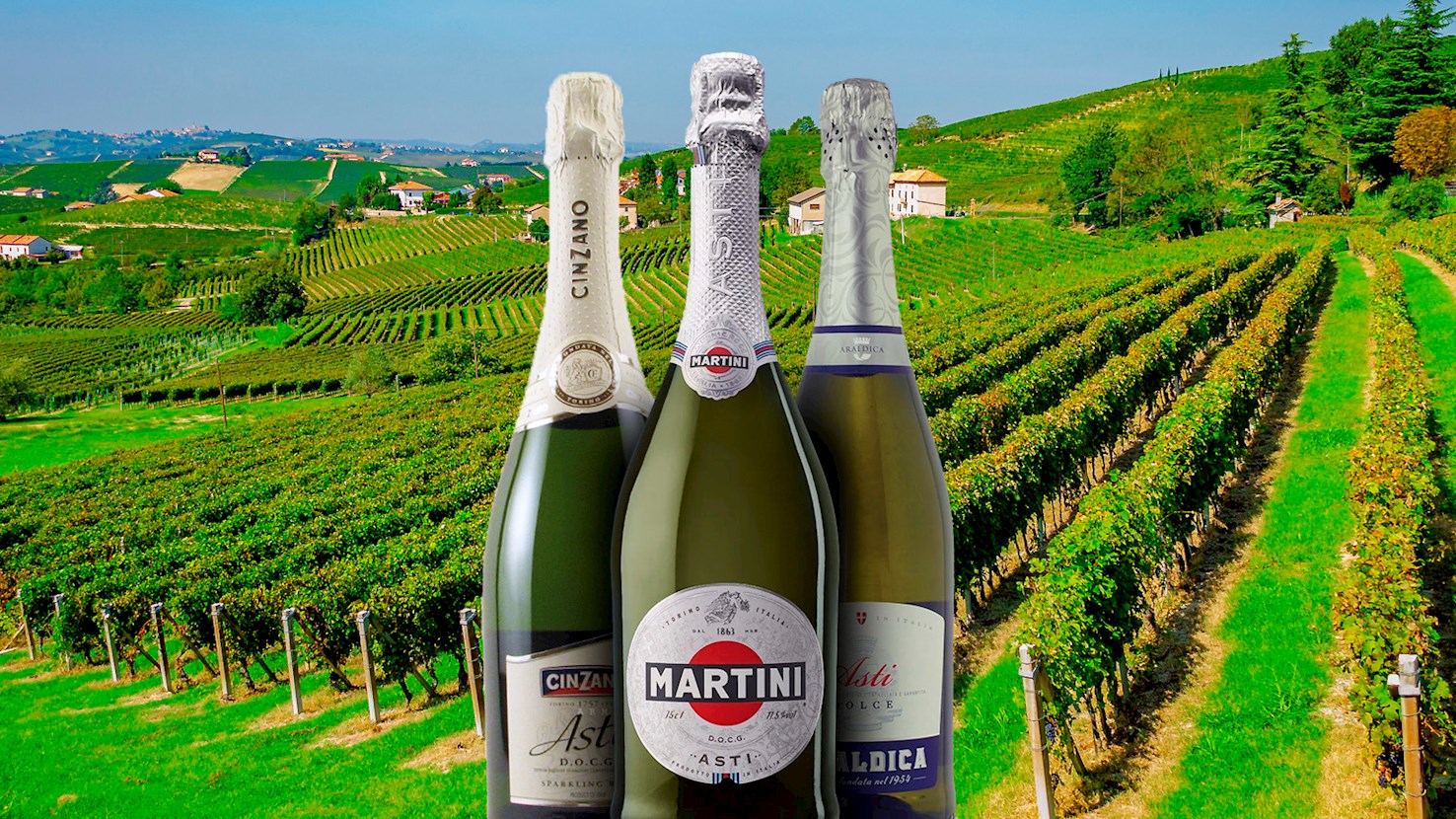
Asti Spumante

3.3 ·

Asti Spumante is a fully sparkling wine produced under Asti DOCG appellation. It is made from Moscato Bianco grapes and most commonly by Charmat method, in which fermentation takes place in pressurized tanks. If it is made using the traditional method, where the wine undergoes a second fermentation in the bottle, it is labeled Asti Spumante metodo classico. The best examples of Asti Spumante are light, fresh, and sweet, without being cloying. Flavors and aromas are floral and fruity, reminiscent of peaches, pears, oranges, acacia, and honeysuckle. Asti Spumante wines are traditionally paired with desserts, but they also make a great aperitif and go well with charcuterie. The same appellation also includes the more prestigious Moscato d'Asti. Though the wines are often mixed up, Asti Spumante has more bubbles, slightly higher alcohol content (between 7 and 9% ABV), and less aromatic complexity than Moscato d'Asti. Asti Spumante is usually more affordable.

10

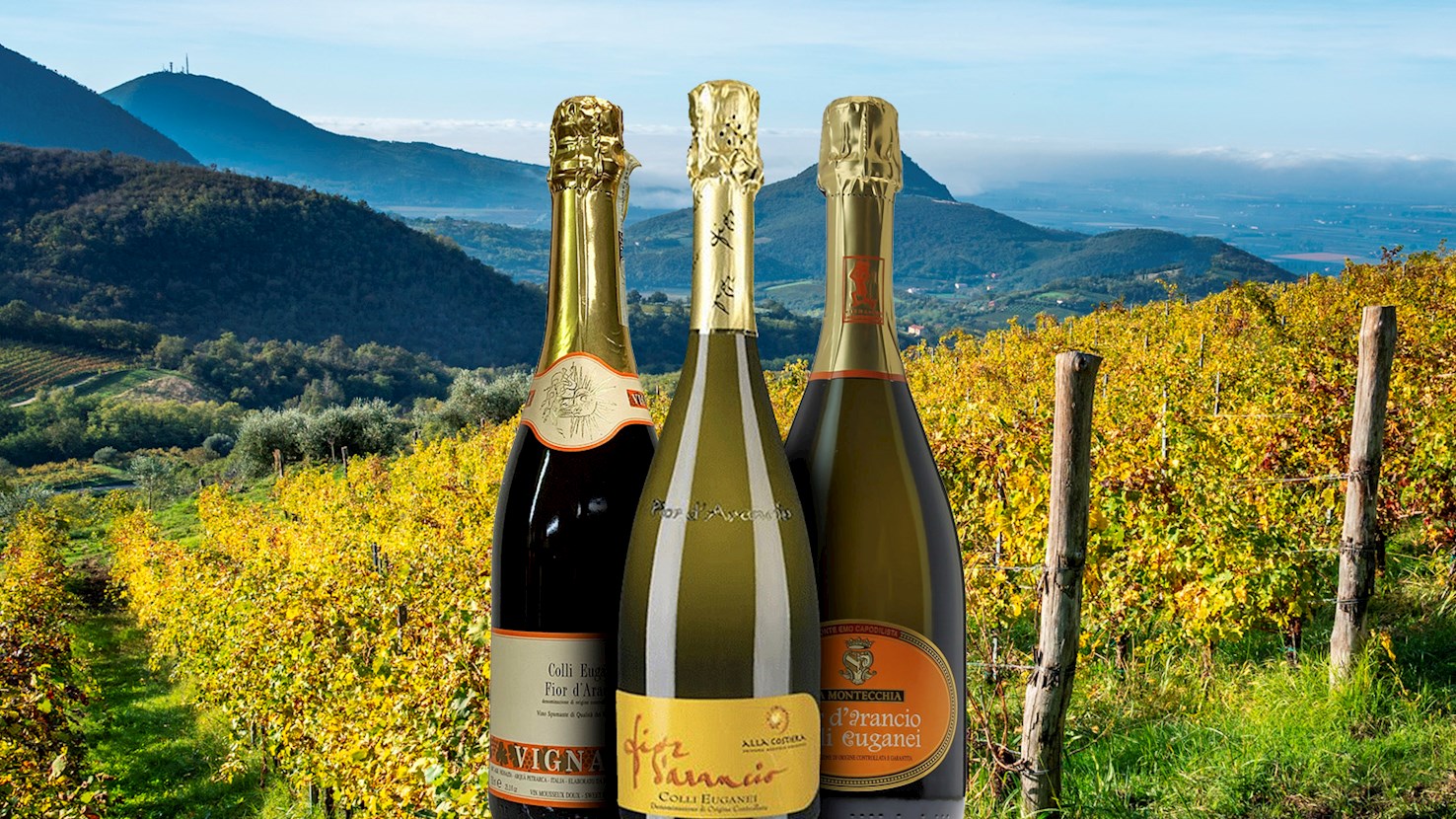
Colli Euganei Fior d’Arancio spumante

n/a ·

Sparkling wines are the hallmark of the Colli Euganei Fior d’Arancio appellation. The wines are produced from Moscato Giallo, which must make up at least 95% of the blend. They typically have fine perlage and a good balance of sweetness and acidity, with typical floral, fruity, and citrus notes. These wines make an excellent aperitif, but they can also work well with fish or vegetable appetizers and desserts, especially those made from shortcrust or puff pastry.

Best Italian Sparkling Wines
01

Ferrari Trento

5.0 ·

Ferrari Trento is a prestigious Italian sparkling wine house synonymous with exceptional quality and tradition in the production of sparkling wines. Founded in 1902, Ferrari is recognized as one of the leaders in producing Trento DOC (Denominazione di Origine Controllata) wines, which are crafted using the traditional method, also known as the Champagne method. Throughout over a century, Ferrari has remained committed to high standards and innovation, creating sparkling wines that reflect the richness of the Italian terroir.

Ferrari Trento is particularly known for its use of Chardonnay, which, combined with meticulous vineyard practices and winemaking techniques, produces wines with rich, elegant, and fruity aromas. Among the most renowned products of the house is the Ferrari Perlé, a sparkling wine resulting from exceptional grape selection and careful production, as well as the Ferrari Rosé, which offers a refined balance between freshness and complexity. Ferrari is also celebrated for wines that consistently win numerous awards worldwide and is a symbol of luxury at prestigious events and special occasions. With a dedication to tradition, a passion for viticulture, and a continuous pursuit of innovation, Ferrari Trento has become synonymous with Italian luxury and quality in the world of sparkling wines.

Awards
Vivino - 4.6
Vivino - 4.0
02

Ca’ del Bosco

4.9 ·

​Ca' del Bosco is a distinguished Italian winery renowned for its exceptional sparkling wines. Founded in 1968, the winery has become synonymous with innovation and quality in the world of viticulture.

Their commitment to organic viticulture, established in 2014, reflects a deep respect for nature and sustainability. ​Ca' del Bosco produces a diverse range of wines, including eight types of Franciacorta DOCG, such as Cuvée Prestige, Cuvée Prestige Rosé, Vintage Collection Brut, Vintage Collection Satèn, Vintage Collection Dosage Zéro, Vintage Collection Dosage Zéro Noir, Cuvée Annamaria Clementi, and Cuvée Annamaria Clementi Rosé. Their production philosophy, known as the "Ca' del Bosco Method," emphasizes meticulous attention to detail at every stage of the winemaking process, resulting in wines of exceptional harmony and balance. ​Over the decades, Ca' del Bosco has garnered international acclaim, becoming a symbol of Italian wine excellence.

Their wines have received numerous awards, including 41 "Tre Bicchieri" recognitions from Gambero Rosso since 1998, making them the second most awarded winery in the history of this publication. ​

Awards
Vivino - 4.5
Vivino - 4.2
03

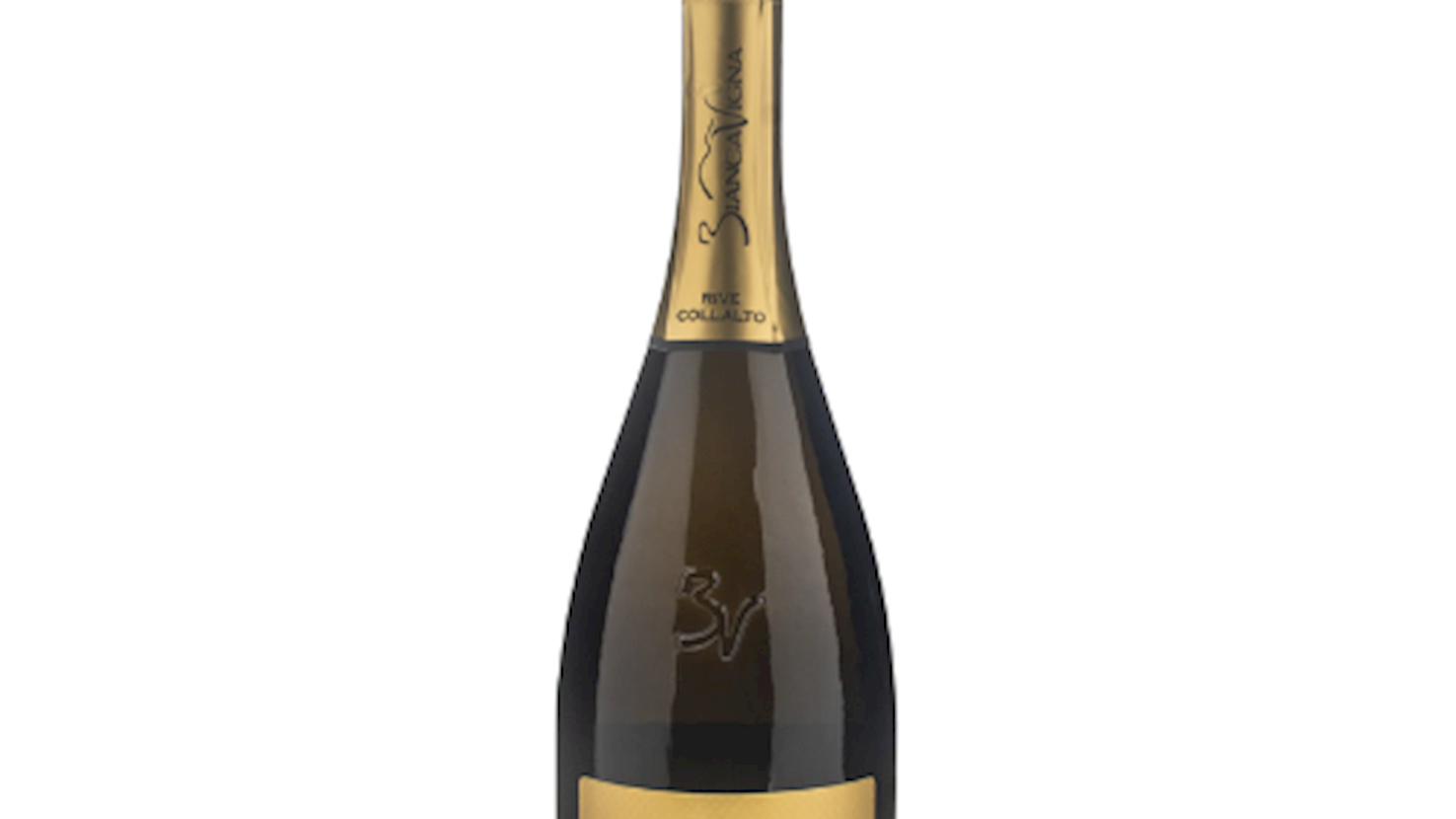
BiancaVigna

4.9 ·

BiancaVigna is a family-run winery located in the Conegliano Valdobbiadene area of Veneto, founded in 2004 by Elena and Enrico Moschetta on the basis of a long-standing family tradition in viticulture dating back to the early 20th century. Its vineyards are spread across steep, hillside sites such as Ogliano, Soligo, San Gallo, and Collalto, all within the Conegliano Valdobbiadene Prosecco Superiore DOCG zone, allowing each wine to reflect specific microclimatic and soil conditions.

Production focuses primarily on Glera, with an emphasis on precision in both vineyard management and winemaking to preserve freshness, clarity of fruit, and refined mousse. BiancaVigna places strong importance on sustainability, applying integrated vineyard management practices, with part of the range certified organic.

The winery itself is designed according to CasaClima Wine standards, prioritizing energy efficiency and reduced environmental impact. The style of the wines is clean and contemporary, marked by elegant aromatics of pear, apple, and subtle floral notes, balanced by vibrant acidity and a mineral-driven finish.

Alongside classic expressions, the estate produces “Rive” bottlings that highlight the distinct identity of individual vineyard sites.

Awards
IWSC- International wine & spirit competition - Gold (2023, 2022)
Vivino - 3.7
04

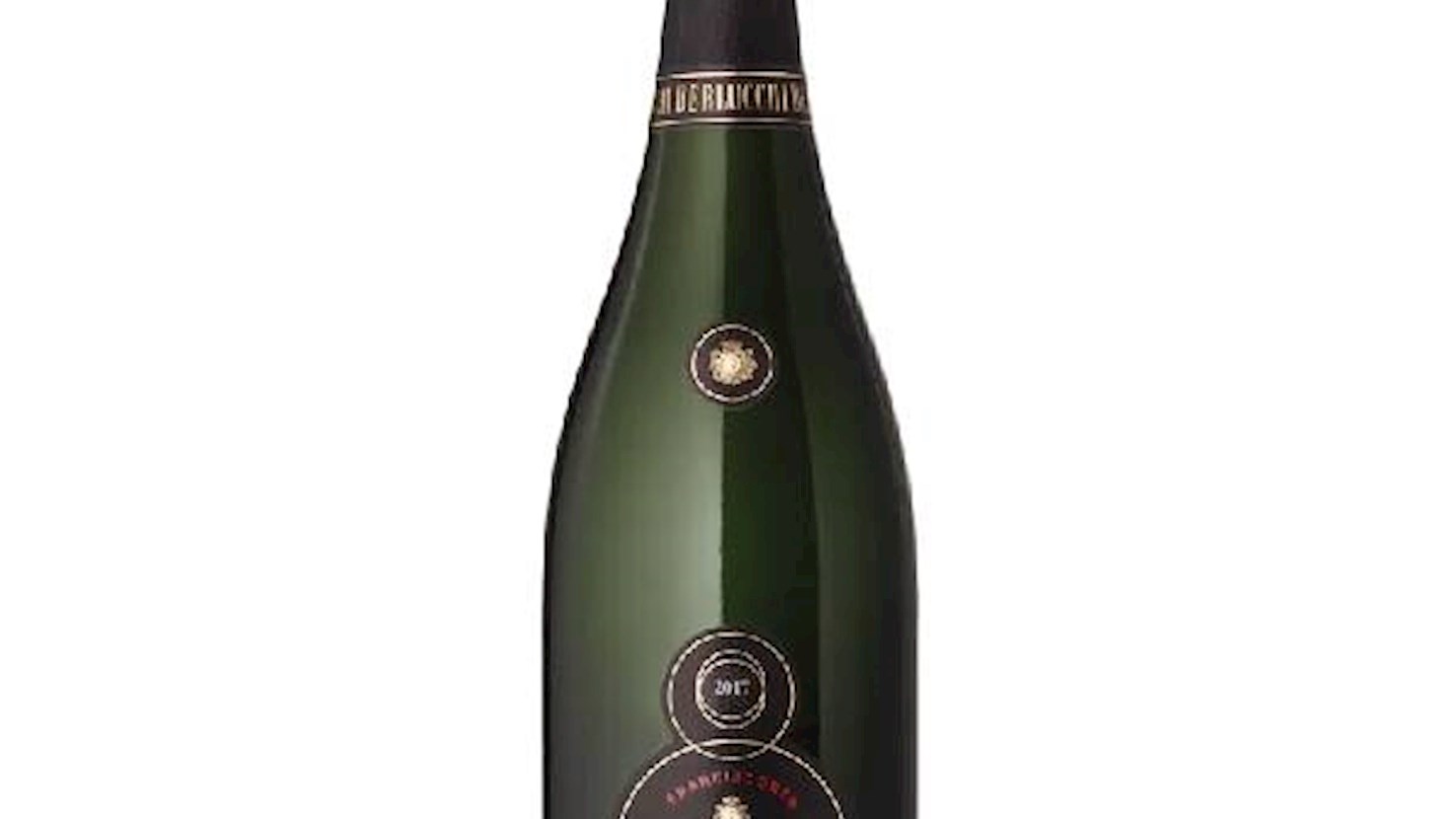
Guido Berlucchi

4.8 ·

Berlucchi is a prestigious Italian winery, renowned as the pioneer of sparkling wine production in the Franciacorta region. Founded in 1955 in the heart of Lombardy, the winery gained worldwide recognition thanks to its founder, Franco Ziliani, who was the first to produce sparkling wine in the area using the traditional bottle fermentation method. Berlucchi wines are synonymous with excellence, elegance, and innovation.

The winery masterfully blends modern technology with traditional winemaking techniques to create wines with rich flavors, remarkable freshness, and a fine, persistent perlage. Their portfolio includes various styles of Franciacorta wines, such as Berlucchi ’61, Palazzo Lana, and Cuvée Imperiale, each distinguished by its unique character and aroma profile. With an unwavering commitment to quality and a passion for viticulture, Berlucchi has established itself as one of the most esteemed producers of sparkling wines in Italy and beyond.

Awards
Decanter World Wine Awards - Platinum (2018)
05

Bellavista

4.6 ·

Bellavista is renowned for its exceptional sparkling wines, crafted using the traditional Franciacorta method. Their wines are distinguished by elegance, complexity, and a signature style, with the unique bottle design adding to their recognition in the market.

In addition to sparkling wines, Bellavista also produces still wines, further enriching their selection. This winery is synonymous with quality and prestige, with its products earning accolades worldwide.

Bellavista is an ideal destination for wine enthusiasts seeking to explore rich traditions and enjoy premium wines from one of Italy's most celebrated regions.

Awards
Vivino - 4.4
06

Vietti

4.6 ·

Vietti is a renowned winery located in Castiglione Falletto, at the very heart of Piedmont’s celebrated Langhe region, and stands among the most respected names in Italian winemaking. For generations, the Vietti family has cultivated vineyards on some of the most prestigious sites of Barolo and Barbaresco, combining deeply rooted tradition with innovative vision.

The estate was among the first to bottle wines from single vineyards, emphasizing the uniqueness of terroir and the expression of each plot. Vietti also played a crucial role in reviving the nearly forgotten Arneis grape, which has since become the emblematic white wine of the Langhe.

From powerful and complex Barolos to graceful whites, every bottle reflects passion, dedication, and an authentic sense of place, offering a true taste of Piedmont’s soul.

Awards
Falstaff - 100
Vivino - 4.6
07

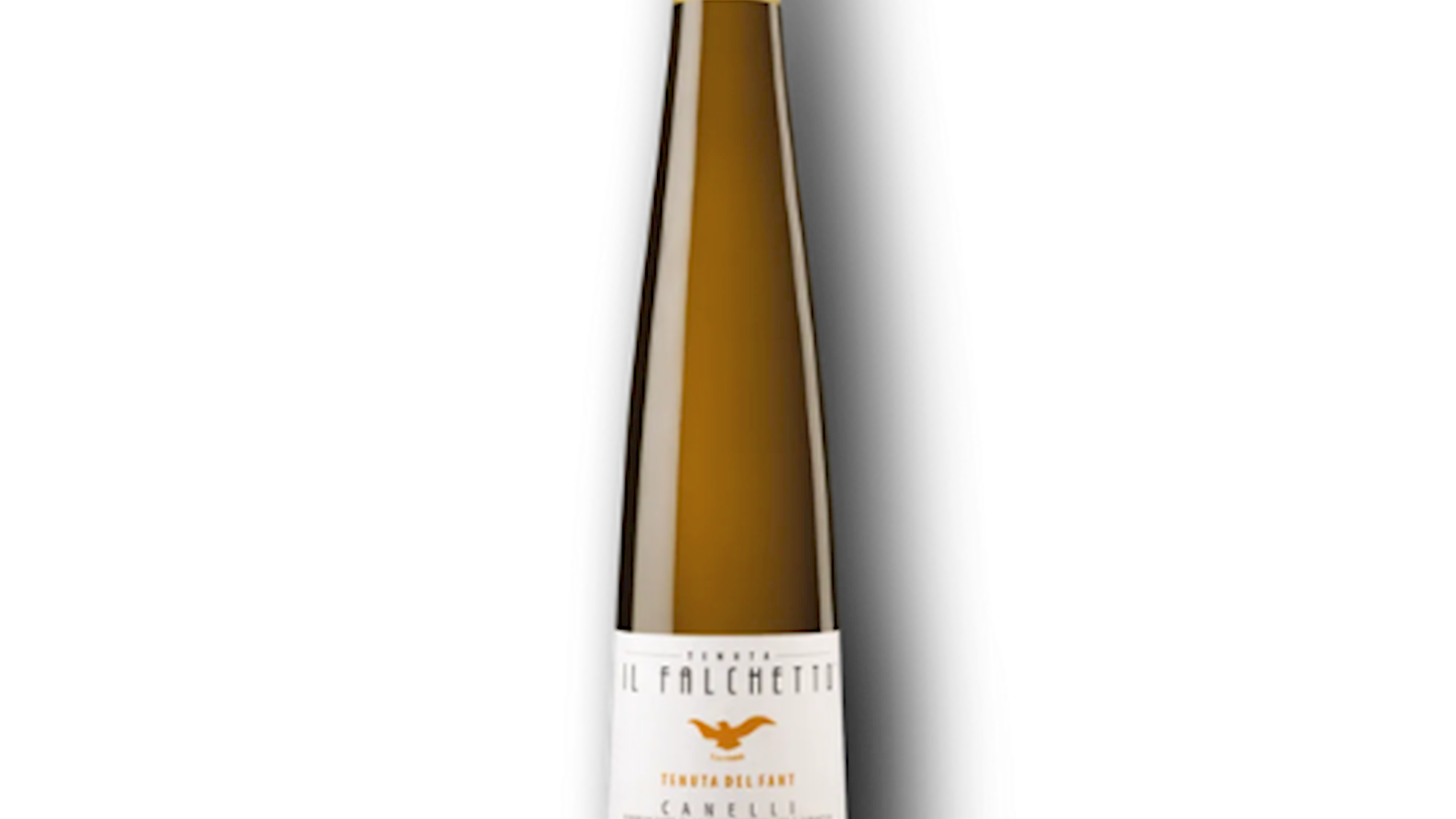
Tenuta il Falchetto

4.5 ·

Tenuta il Falchetto is a family-owned winery from Piedmont, located in Santo Stefano Belbo, on the border between the Langhe and Monferrato areas. Its history began in 1940, when the Forno family started producing wine, and today the estate is run by the fourth generation, continuing a strong link between tradition and careful vineyard management.

The vineyards are spread across several sites in the provinces of Cuneo and Asti, with a particular focus on the Canelli zone, renowned for Moscato d’Asti. Alongside Moscato, the estate cultivates Barbera, Dolcetto, Pinot Nero, Chardonnay, Sauvignon, and other varieties, allowing for a diverse and well-defined portfolio.

The winemaking philosophy emphasizes balance, precision, and respect for the character of each site, supported by hand harvesting and attentive cellar work. Wines from Tenuta il Falchetto are known for their aromatic clarity, freshness, and sense of place, offering both approachable styles and more structured expressions with aging potential.

Awards
Vivino - 4.1
08

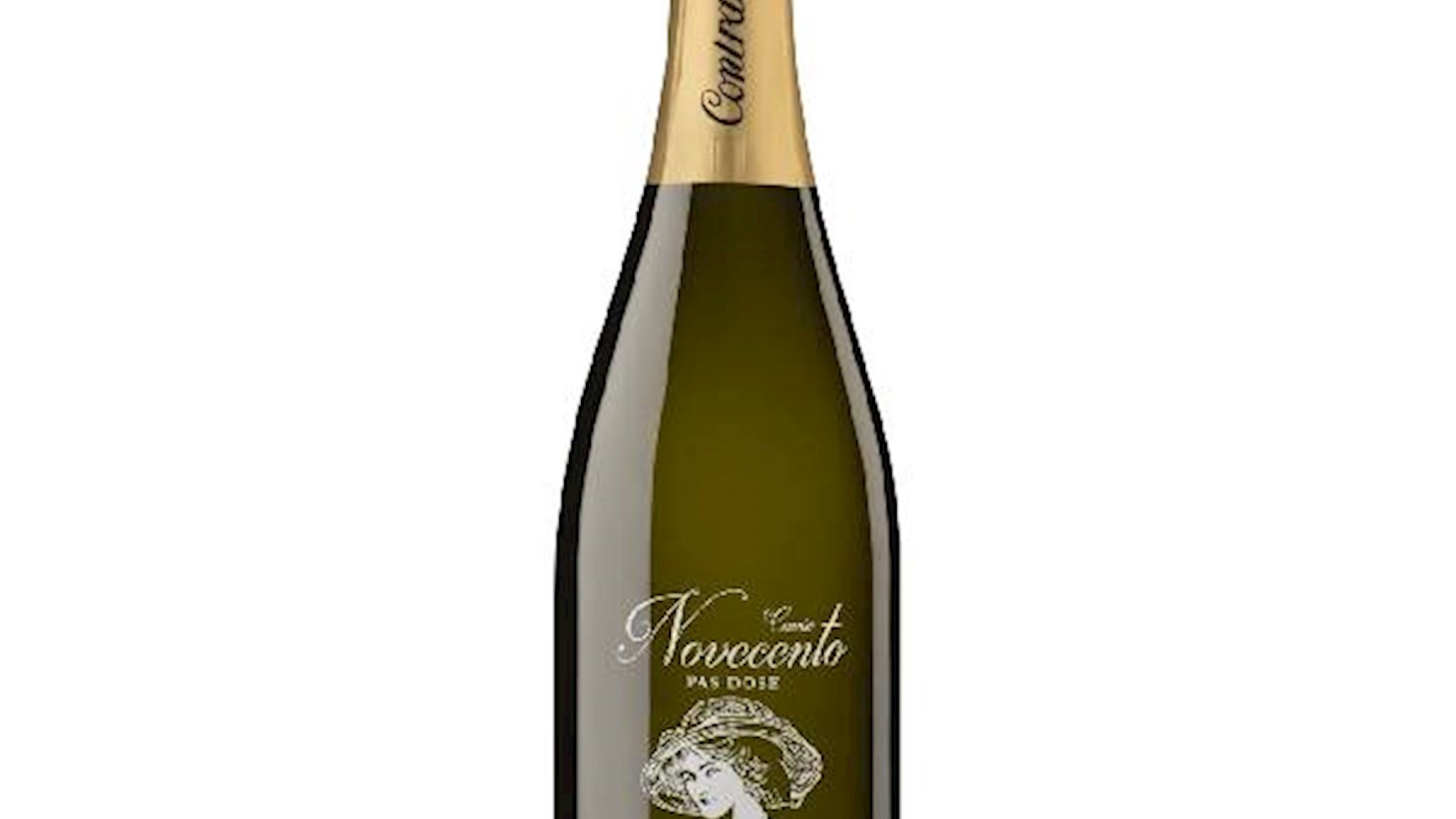
Contratto Winery

4.4 ·

Contratto is a renowned Italian wine producer, known for its long-standing tradition and innovations in the world of sparkling wines. In addition to sparkling wines, since 1920, they have also been producing vermouths and liqueurs, using original recipes that have remained unchanged.

Today, the winery is part of the UNESCO World Heritage thanks to its historic cellars, known as the "Cathedral of Wine," which were manually excavated and span 5,000 square meters. Contratto continues to blend tradition and innovation, crafting high-quality wines that captivate wine enthusiasts around the globe.

09

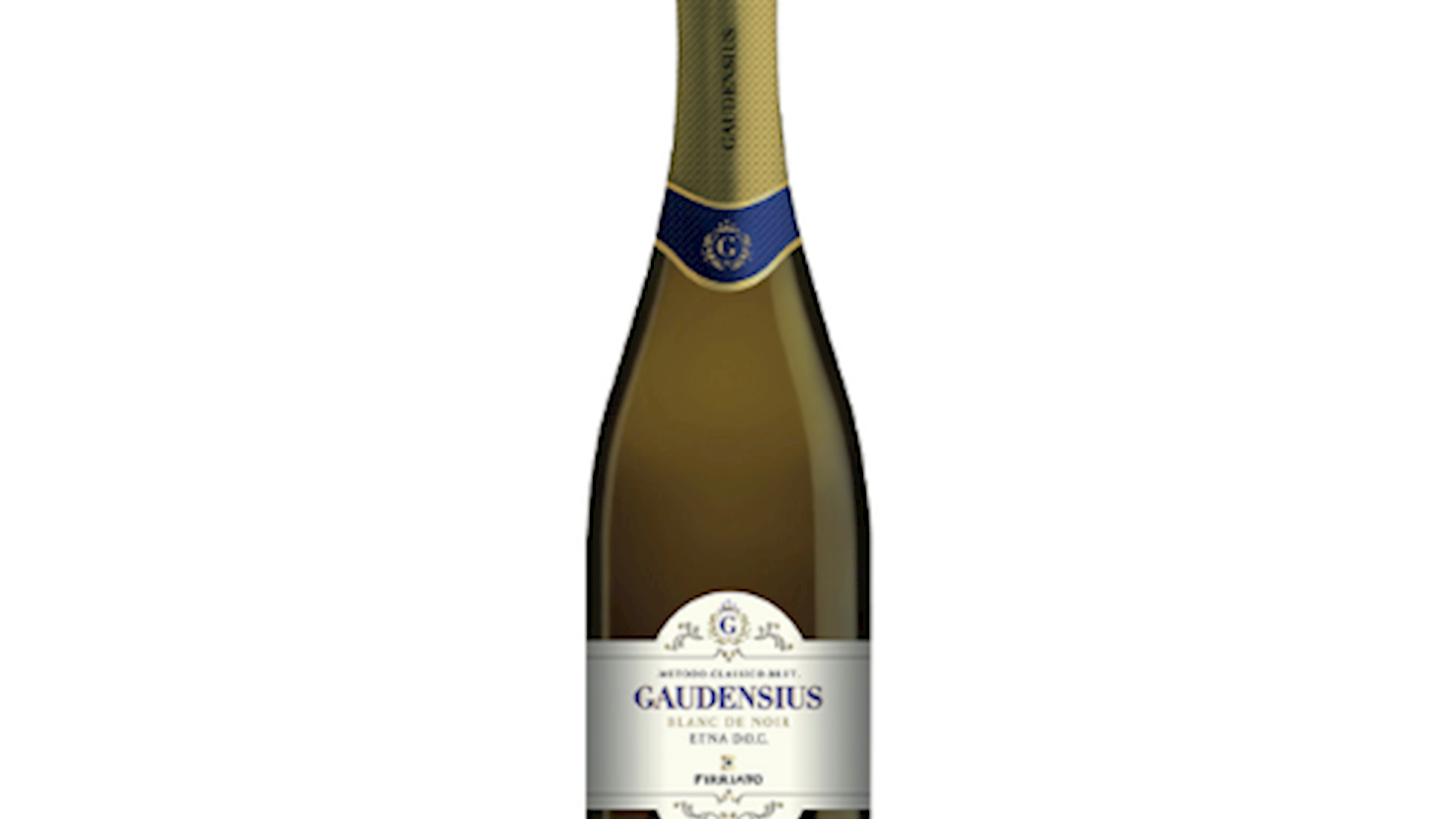
Firriato

4.2 ·

Firriato is one of the most prestigious and innovative wineries in Sicily, with a strong focus on sustainable production, authentic terroir, and the preservation of the region’s viticultural heritage. Founded in the late 1970s by Salvatore di Gaetano in the Trapani area, on the western coast of the island, Firriato has grown from a family project into an internationally recognized wine estate that brings together six distinct vineyards, spread across three unique ecosystems: the inland area of western Sicily, the volcanic slopes of Mount Etna, and the island of Favignana. Their philosophy is based on precision viticulture that respects differences in microclimate, altitude, soil composition, and traditional vine-growing methods.

Particular emphasis is placed on the protection and promotion of native Sicilian grape varieties such as Nero d’Avola, Perricone, Nerello Mascalese/Cappuccio, Grillo, Catarratto, and Zibibbo, along with international varieties like Cabernet Sauvignon and Merlot. The winery is especially renowned for preserving pre-phylloxera vineyards on the slopes of Etna, where vines over 150 years old yield wines of remarkable character and complexity, such as those in the acclaimed Cavanera Etnea line. Family dedication, a scientific approach to agronomy, deep respect for nature and terroir, and ongoing investment in innovation - all of these elements make Firriato one of the leading forces in contemporary Italian winemaking.

Awards
Vivino - 4.0
Vivino - 3.8
10

Adami

4.1 ·

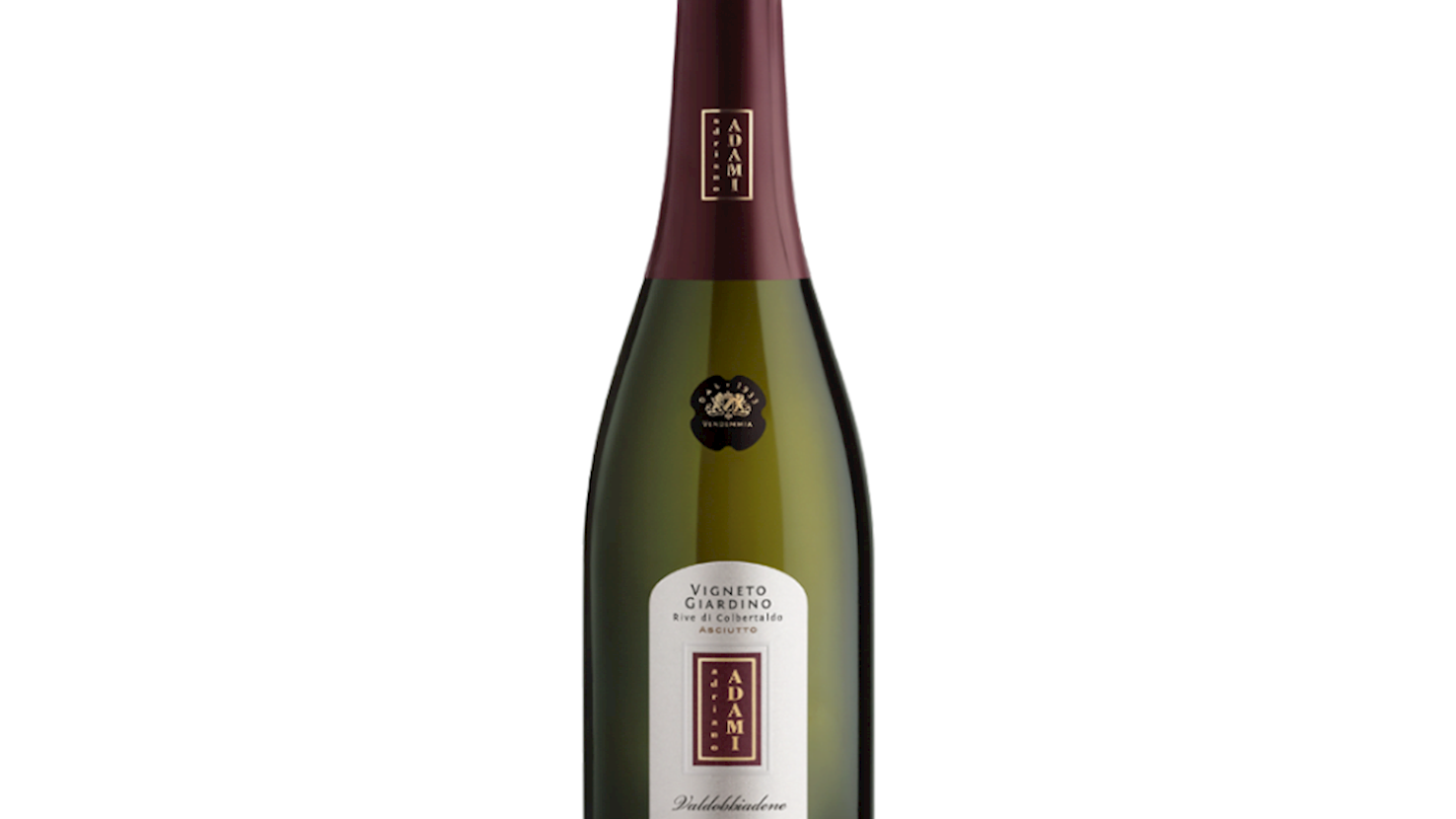
Adami is a renowned family-owned winery based in Valdobbiadene, in the Veneto region of Italy, dedicated for over a century to the production of premium Prosecco Superiore DOCG wines. The winery was founded in 1920 by Abele Adami, who purchased the historic Vigneto Giardino vineyard in Colbertaldo.

In 1933, Abele presented the first single-vineyard Prosecco at a national wine exhibition in Siena, laying the foundation for the production of wines with clearly defined origin and identity. Today, the winery is managed by the third and fourth generations of the Adami family – Armando and Franco, along with their successors – who continue the tradition while incorporating modern enological techniques. Adami owns and cultivates approximately 50 hectares of vineyards, some of which are family-owned and others managed in partnership with local growers. The vineyards are located on the steep hillsides of Valdobbiadene, benefiting from diverse microclimates and soil types, which contribute to the production of wines with distinct character and complexity. Adami is a symbol of high-quality Prosecco, built on deep respect for tradition and a continuous drive for innovation.

Their wines faithfully express the terroir of Valdobbiadene and the Adami family's commitment to excellence in every aspect of winemaking.

Awards
Vivino - 3.9
Read more
View all
View map
About this ranking

TasteAtlas food rankings are based on the ratings of the TasteAtlas audience, with a series of mechanisms that recognize real users and that ignore bot, nationalist or local patriotic ratings, and give additional value to the ratings of users that the system recognizes as knowledgeable. For the “Top 38 Italian Sparkling Wines” list until July 01, 2026, 552 ratings were recorded, of which 418 were recognized by the system as legitimate. TasteAtlas Rankings should not be seen as the final global conclusion about food. Their purpose is to promote excellent local foods, instill pride in traditional dishes, and arouse curiosity about dishes you haven’t tried.

The initial list of top producers was compiled based on available reviews, awards, local recommendations, media and blog coverage, and consumer reviews. The list will be updated with ratings from TasteAtlas local ambassadors and TasteAtlas users.

Similar lists