shutterstock

Top 4 Spice Blends and Seasonings
in East Asia

Last updated on June 15, 2026

Best Spice Blends and Seasonings in the World
01

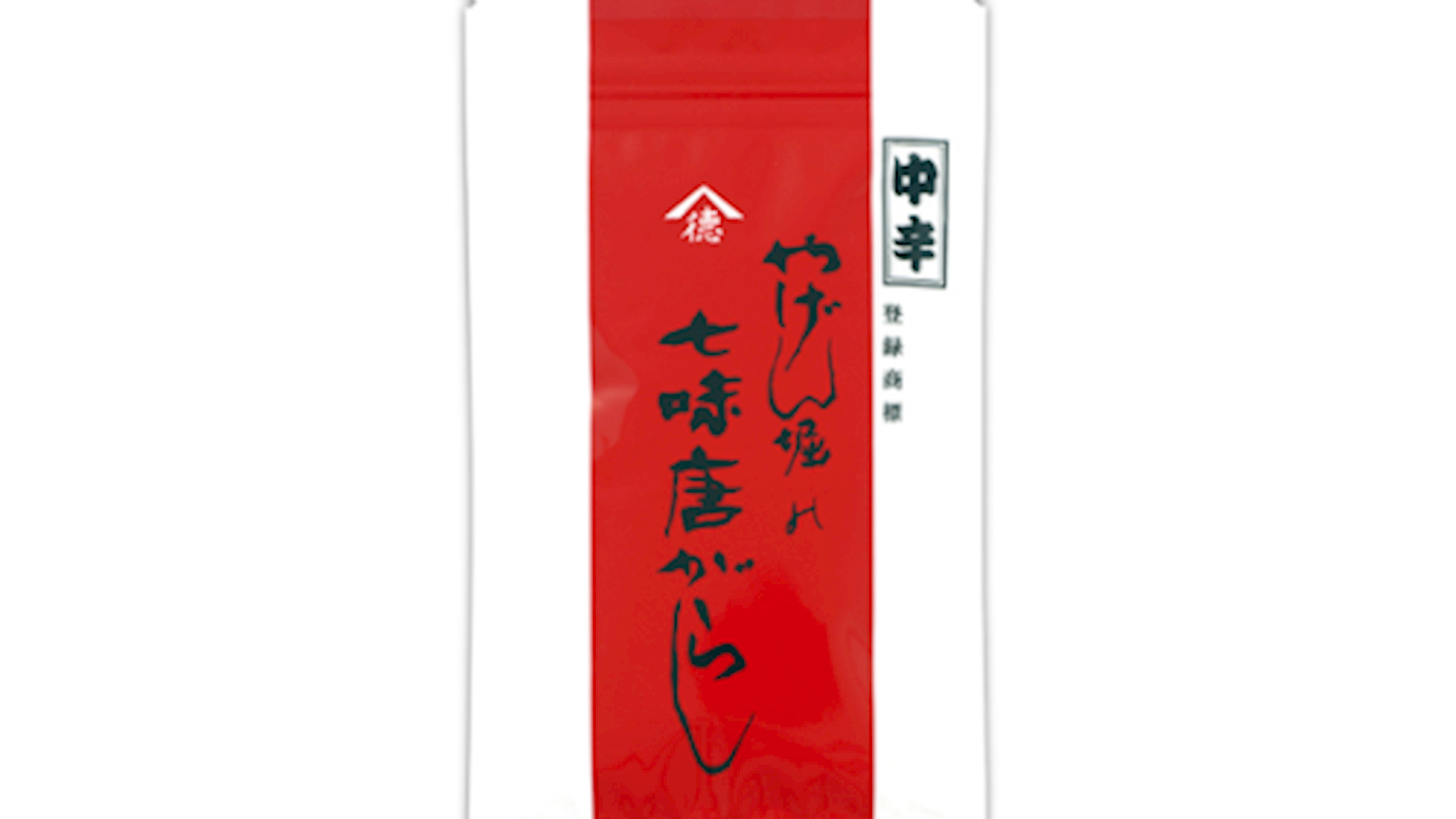
Yagenbori Shichimi Togarashi

4.6 ·
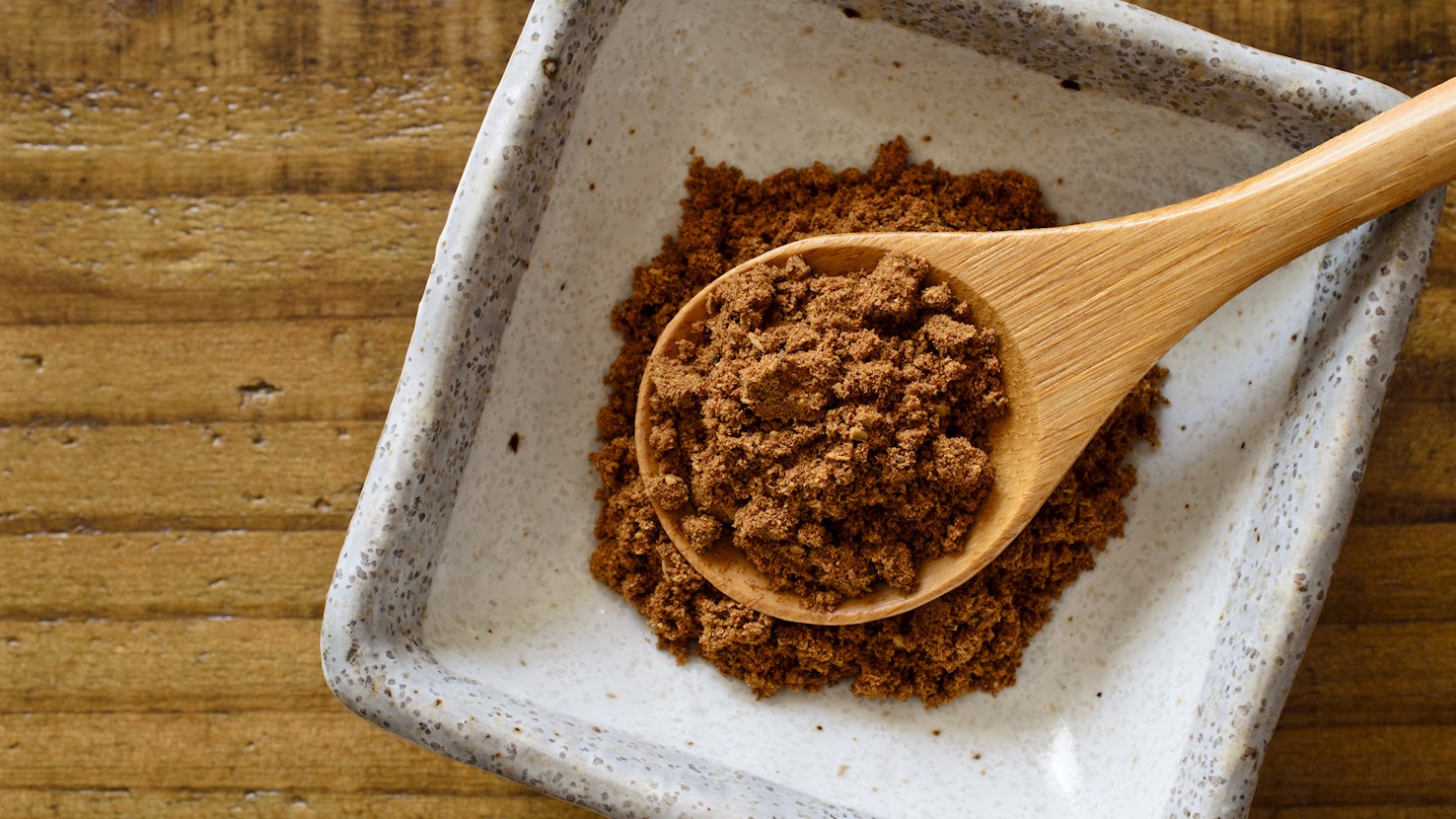
Yagenbori Shichimi Togarashi is a historic Japanese spice brand founded in 1625 during the Edo period, recognized as one of Tokyo’s oldest producers of the traditional seven-spice blend. The brand built its reputation on a carefully balanced mixture of red chili pepper, sansho (Japanese pepper), sesame seeds, poppy seeds, hemp seeds, and dried citrus peel, creating a layered profile of heat and aroma. Rather than delivering simple spiciness, Yagenbori emphasizes complexity and controlled warmth that enhances rather than overwhelms dishes. Production continues to rely on traditional hand-blending techniques and strict ingredient selection. For more than three centuries, the brand has remained closely tied to Tokyo’s culinary identity, particularly as a finishing spice for soba and udon noodles, soups, rice dishes, and grilled foods. Its distinctive packaging and availability in different levels of spiciness further reinforce its status as an authentic gastronomic emblem of the Japanese capital.
02

Lee Kum Kee

4.2 ·
Lee Kum Kee is a well-known and reputable Chinese food manufacturer, specializing in sauces and condiments. Founded in 1888 in Guangdong, China, the company has a long history of producing high-quality products that are widely used in Asian cooking. Lee Kum Kee is particularly famous for its oyster sauce, soy sauce, and various other cooking sauces, which are staples in both home kitchens and professional restaurants around the world. The company uses traditional recipes combined with modern production techniques to ensure consistency and authenticity in its products. With a strong focus on innovation and quality, Lee Kum Kee has expanded its product range to include seasonings, marinades, and ready-to-cook products, catering to a diverse global audience.
Awards
Great Taste Awards - 3 Stars (2024, 2023)
Great Taste Awards - 2 Stars (2024, 2023)

Best Spice Blend and Seasoning Types in the World
01

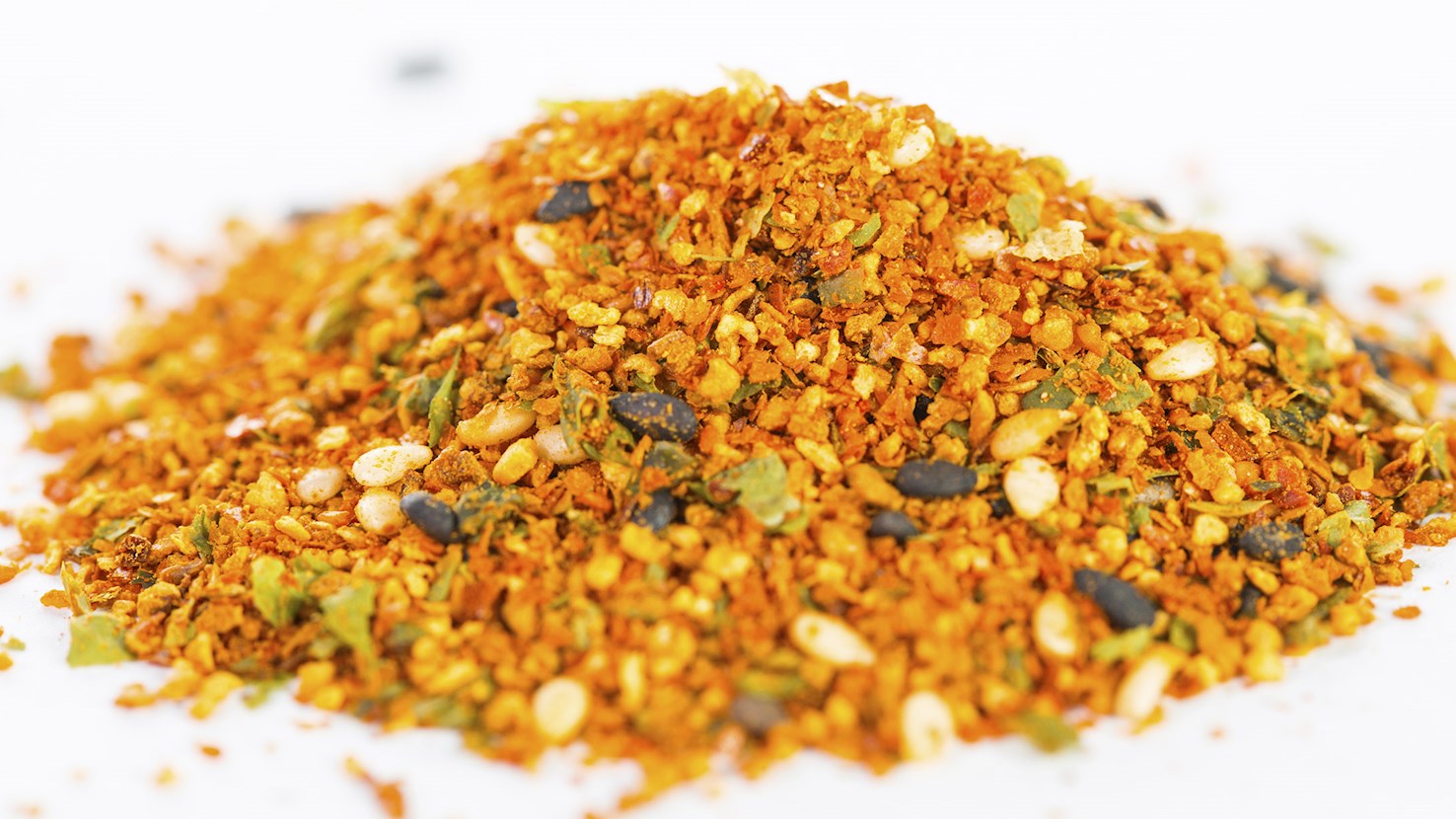
Shichimi Togarashi

4.1 ·

Sometimes referred to as the seven-spice powder, shichimi togarashi is a spice blend widely used in Japanese cuisine for imparting a nice smoky-sweet heat to a variety of dishes, from a steaming bowl of soba noodles to grilled fish. The origin of shichimi togarashi dates back at least to the 17th century when it was produced by local herb dealers in what was then a small, little-known fishing village of Edo, currently known as Tokyo. Its Japanese name literally translates to seven-flavor chili pepper, which is a reference to the usual seven ingredients that are used to make it: ground chili pepper, sansho or Japanese pepper, roasted satsuma mandarin peel, black or white sesame seeds, hemp seeds or hearts, ground ginger, and nori seaweed. Despite its name, the blend can also add or substitute other ingredients, including poppy seeds, yuzu citrus peel, shiso mint, and rapeseed, while the primary ingredient is always ground chili pepper. Shichimi togarashi is usually simply sprinkled on top of cooked dishes, but it also makes for an excellent rub or marinade for various meats and seafood. Also, while the selection of shichimi togarashi tends to be fairly limited in Western markets, in Japan, these flavorful spice blends are readily available in specialty stores such as the famous Yagenbori, which was established in 1625 and hasn't changed the manufacturing process since.

02

Wu xiang fen (Five-spice powder)

3.8 ·

Wu xiang fen or five-spice powder is a traditional spice blend originating from China. The spice blend consists of five spices: fennel seeds, cinnamon, cloves, Sichuan peppercorns, and star anise. The number five refers to the five flavors that are represented in the blend – sweet, salty, bitter, sour, and umami. There are many ways to use the aromatic five-spice powder – in marinades, stir-fries, soups, stews, as a seasoning for the breading for fried foods, as a glaze, or a dry rub for meat and seafood. Interestingly, the spice blend has antiseptic properties and it's sometimes used to cure indigestion.

03

Làjiāo fěn

n/a ·

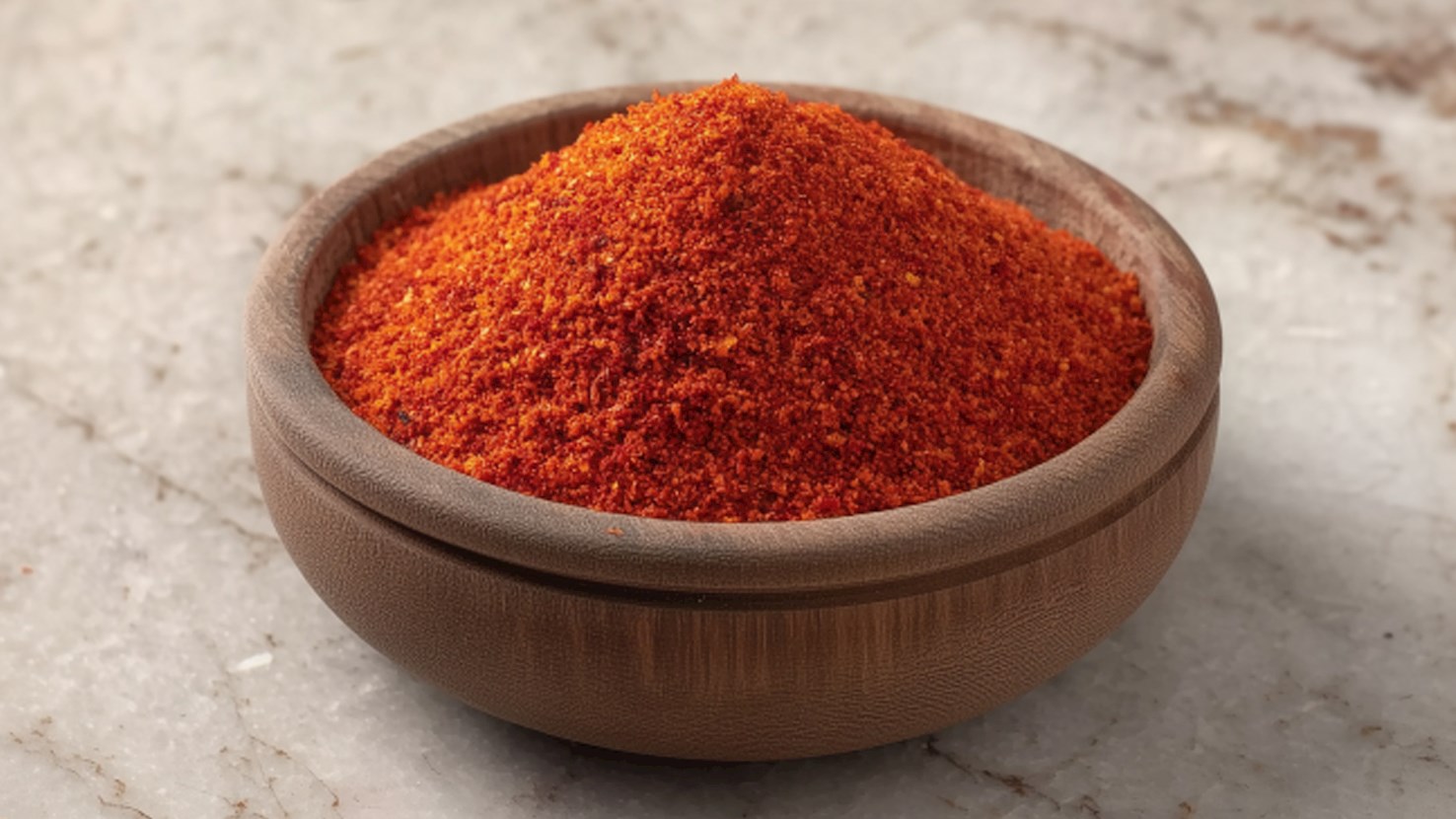
Làjiāo fěn is a finely ground chili powder originating from China, most strongly associated with Sichuan and Hunan, where the love for heat and layered spice defines much of the local cuisine. It is not a dish on its own but a key seasoning that transforms the character of countless preparations, from simple stir-fries to complex braises. The use of dried and ground chili peppers in Chinese cooking developed after the arrival of the chili plant from the Americas in the 16th century, when it quickly became integral to inland provinces where bold, pungent flavors were valued for their ability to stimulate the appetite and balance rich or oily foods. Over centuries, techniques for drying, roasting, and grinding chilies evolved regionally, producing powders of distinct color, aroma, and intensity. The preparation of làjiāo fěn begins with carefully chosen ripe red chili peppers, which are sun-dried or lightly roasted to concentrate their heat and flavor. They are then ground into a fine or coarse powder, sometimes blended with toasted sesame seeds, salt, or Sichuan peppercorns for additional layers of taste. The balance of roasting time and grind size is crucial: too coarse, and the chili lacks intensity; too fine, and it can lose its fragrance. In many households and markets, the process remains artisanal, with small batches prepared to ensure maximum freshness and potency. Làjiāo fěn is most often sprinkled directly onto dishes as a finishing spice or incorporated into sauces and marinades to provide both heat and a subtle smoky depth. It is an essential finishing touch in classics like hotpot, grilled skewers, cold noodles, and stir-fried vegetables, and is often paired with oil to create a chili paste or infused condiment. Its presence is especially notable in street food culture, where it is dusted over fried snacks or noodles to intensify their flavor. Unique to this ingredient is its dual function as both a heat source and a carrier of aroma, with the type of chili and roasting method greatly influencing its final character. It is consumed daily across China and in many Chinese diaspora kitchens worldwide, pairing naturally with rice dishes, meats, tofu, and even simple steamed vegetables, where a pinch can transform a mild plate into a deeply flavorful meal.

04

Mala

n/a ·

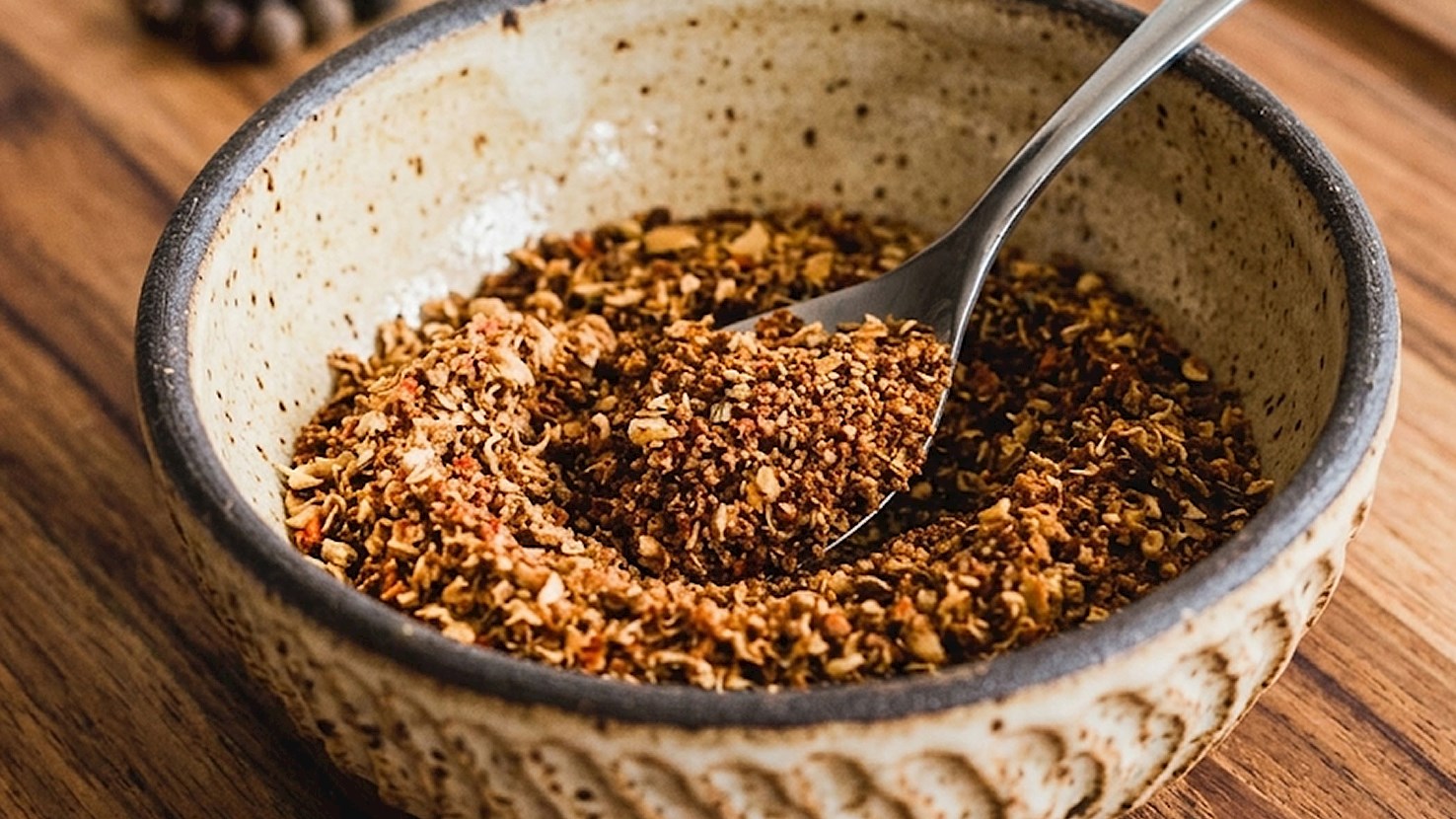
Mala seasoning is a spice blend and flavor profile from China defined by the combined sensations of numbing and heat created through the interaction of Sichuan peppercorns and chili peppers, producing a sharp, tingling mouthfeel, layered spiciness, and a complex aroma supported by ingredients such as garlic, ginger, scallions, fermented bean pastes, and aromatic spices carried in oil or dry blends. The flavor profile developed as chili peppers, introduced to China in the late Ming period, merged with the long-established use of Sichuan pepper in regional cooking, forming a defining taste that aligned with local preservation methods, climate, and cooking practices that favored bold seasoning and oil-based flavor extraction. Preparation centers on gently toasting Sichuan peppercorns to release citrusy numbing compounds, frying dried chilies in oil to extract heat and color, and combining these elements with aromatics and fermented components to create either a pourable chili oil, a spoonable paste, or a dry seasoning powder, with careful temperature control to prevent bitterness and preserve fragrance. Common variations adjust the ratio of numbing to heat, substitute different chili varieties, or incorporate additional spices such as star anise or cassia, while the defining characteristic remains the dual sensory effect rather than a fixed ingredient list. Mala seasoning is used to flavor stir-fries, hot pots, cold dressed meats, noodles, and vegetables, applied during cooking or as a finishing condiment, and it pairs naturally with foods that benefit from fat and texture, such as tofu, beef, lamb, mushrooms, and root vegetables, where the numbing heat balances richness and amplifies savory depth.

About this ranking

TasteAtlas food rankings are based on the ratings of the TasteAtlas audience, with a series of mechanisms that recognize real users and that ignore bot, nationalist or local patriotic ratings, and give additional value to the ratings of users that the system recognizes as knowledgeable. For the “Top 4 Spice Blends and Seasonings in East Asia” list until June 15, 2026, 138 ratings were recorded, of which 118 were recognized by the system as legitimate. TasteAtlas Rankings should not be seen as the final global conclusion about food. Their purpose is to promote excellent local foods, instill pride in traditional dishes, and arouse curiosity about dishes you haven’t tried.

The initial list of top producers was compiled based on available reviews, awards, local recommendations, media and blog coverage, and consumer reviews. The list will be updated with ratings from TasteAtlas local ambassadors and TasteAtlas users.

Similar lists