Top 100 Asian Spirits and Liqueurs

Last updated on June 03, 2026

Best Asian Spirit/Liqueur Types
01

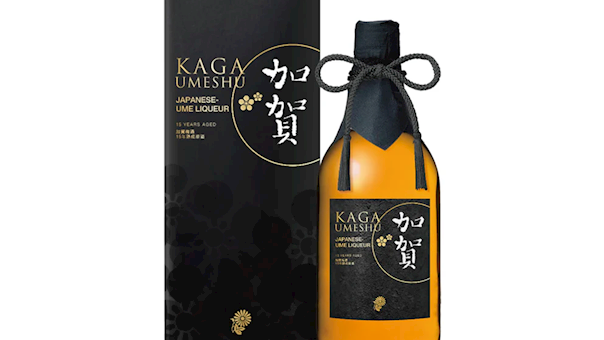
Umeshu

4.3 ·

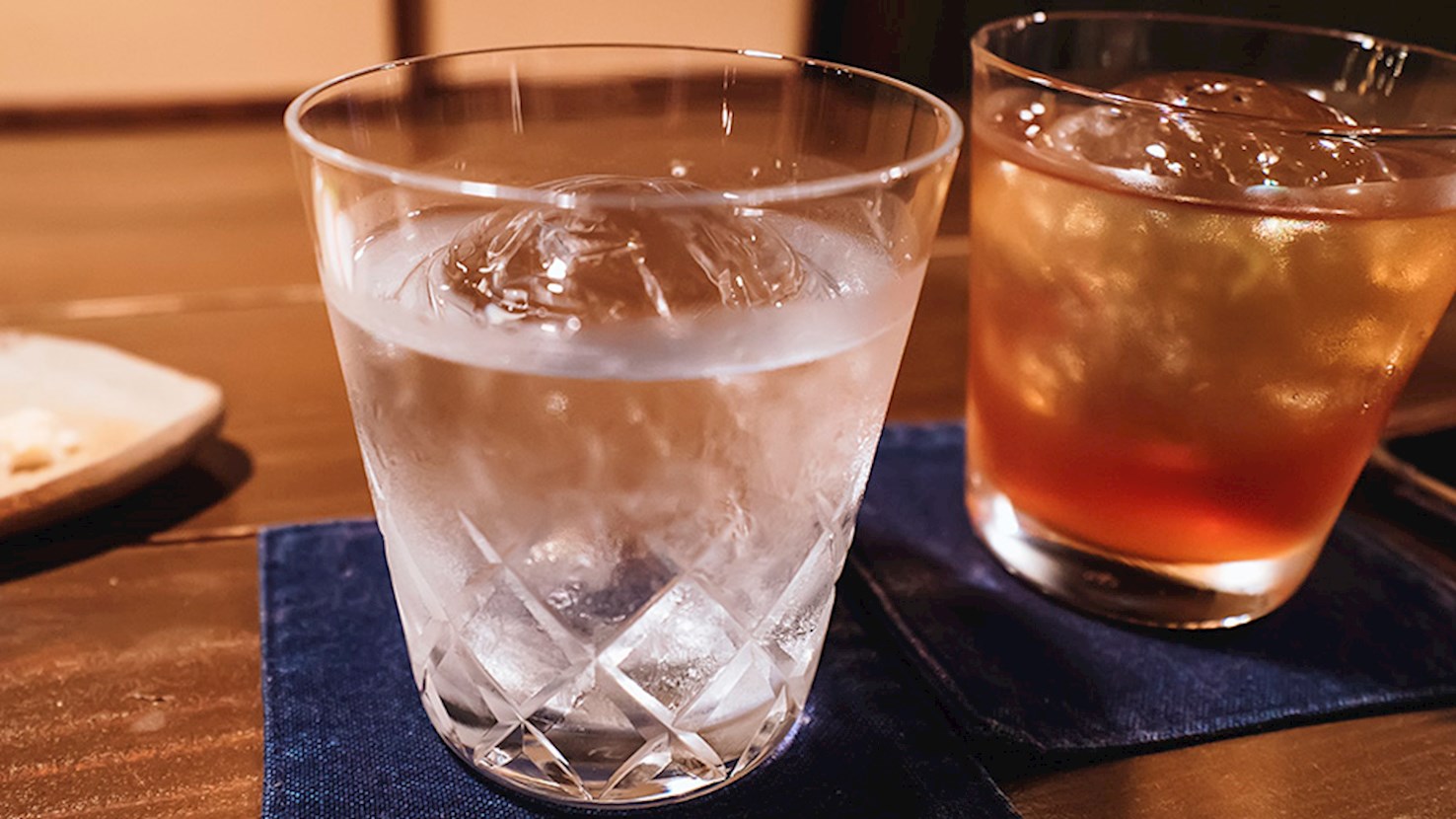
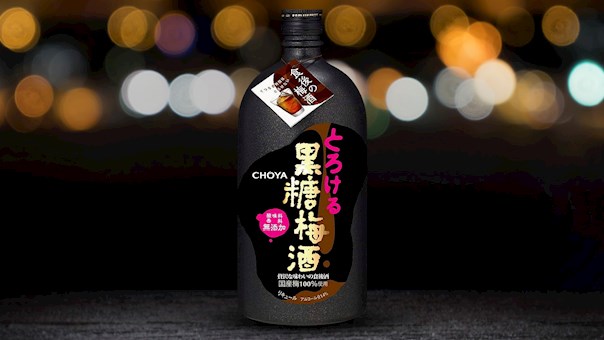
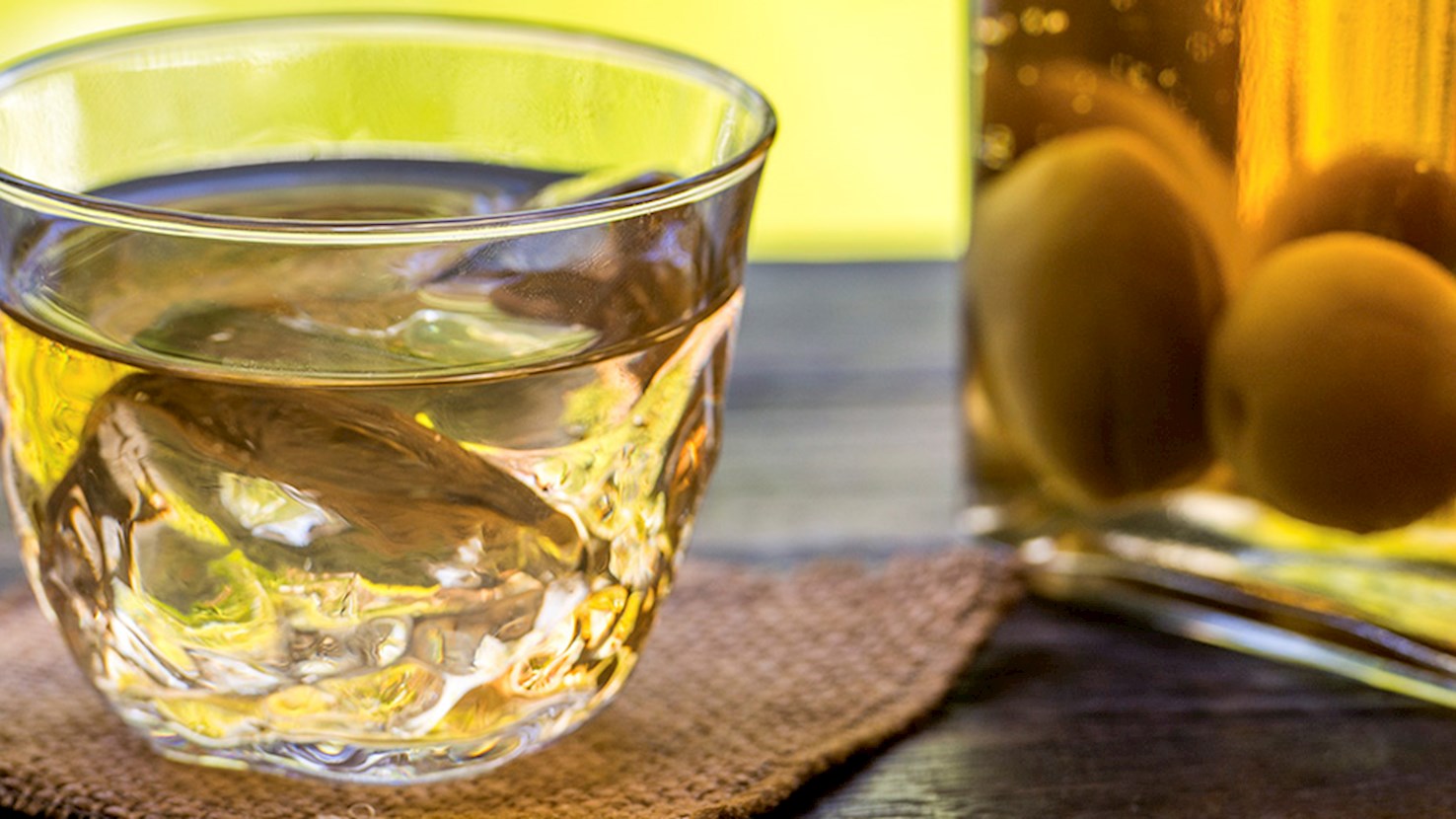
Umeshu is a Japanese liqueur made by macerating sugar and ume plums (Prunus mume) in alcohol. It is usually made with rock sugar and ripe or green ume plums, while the base is generally made with shōchū, though other neutral spirits can also be used. The result is a bittersweet liqueur with a fruity aroma. Apart from the classic version, umeshu comes in a variety of styles that may include other sweeteners such as honey or black sugar, while some add additional flavorings. Umeshu can be enjoyed straight, on the rocks, or diluted with water, tea, or soda. It also incorporates well in cocktails and typically has 10-15% ABV. Ume plums were brought to Japan from China and are botanically classified as Japanese apricot. Apart from umeshu, they are also pickled (umeboshi) and can be enjoyed as a condiment or a side dish. Umeshu is often homemade, but there are numerous commercially available labels.

02

Japanese Whisky

4 ·

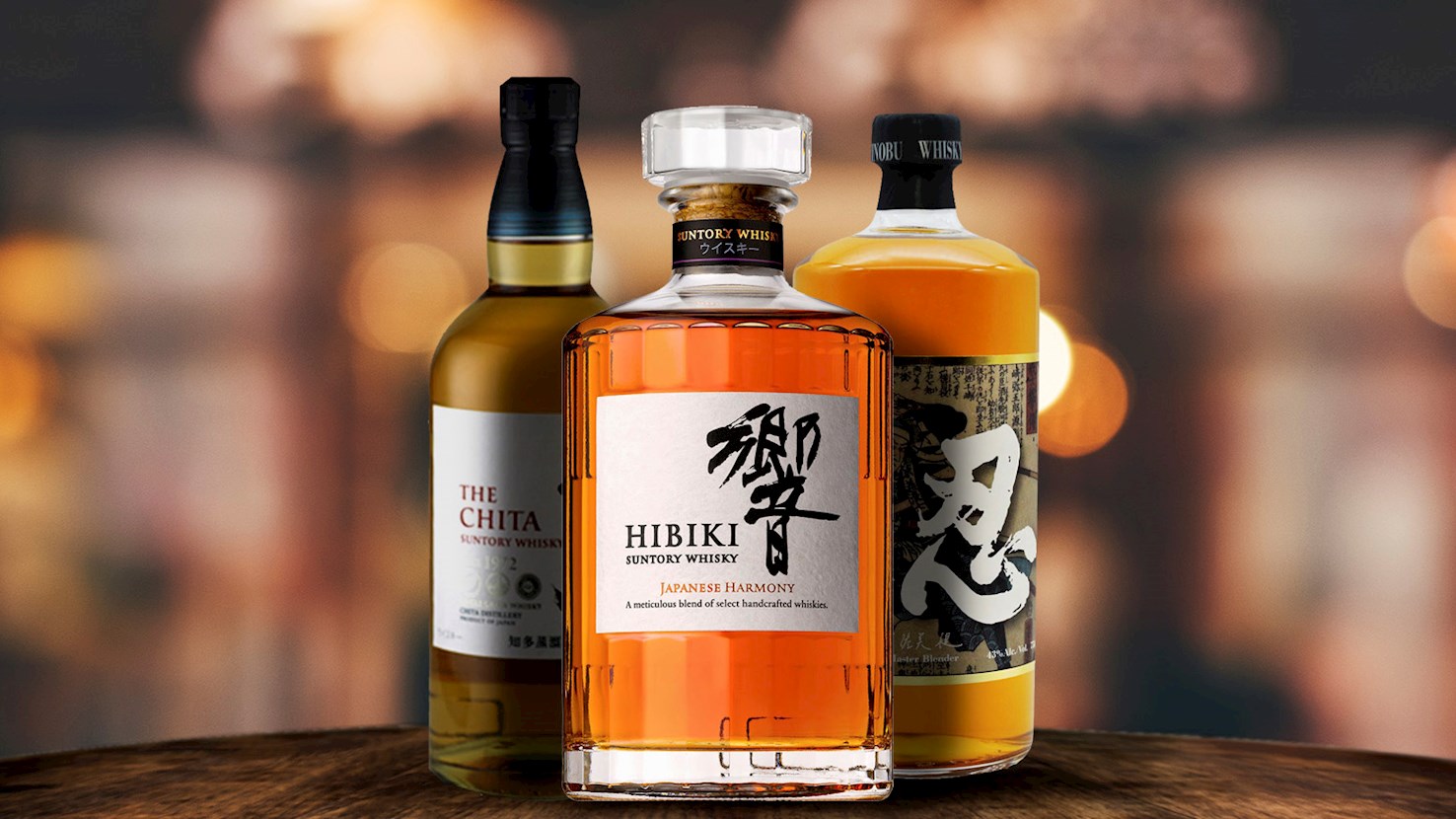
Japanese single malt, blended malt, and blended whiskies were inspired and modeled on Scottish tradition. They are double distilled from malted barley, which is occasionally peated (dried over smoked peat) and fermented grains. The spirit is then aged in oak casks, which may include American or Scottish oak, old Sherry casks, or Japanese Mizunara oak. The official production of Japanese whiskey started in 1923 when the first distillery was opened in Yamazaki (Kyoto). The distillery was a joint effort of Shinjiro Torii and Masataka Taketsuru, who eventually went to found his own Nikka distillery on Hokkaido. The two companies remain the biggest producers of Japanese whisky. Despite its fairly recent invention, Japanese whisky has been praised for its finesse and usually exceptional quality. Due to the recent upsurge in international popularity and the small scale of production, some distilleries even import foreign whisky and use it Japanese blends. Still, Japanese whisky holds its typical characteristic due to the specific climate, faster maturation, and water quality. Though the styles differ depending on the distillation procedure and the choice of grains, most varieties are powerful yet milder and more mellow that Scotch. They are balanced, complex, and aromatic with a wide range of flavors and aromas. Japanese prefer to enjoy it as a highball mixed with soda water, but it can be served neat, on the rocks, or mixed with water. It can also work well as a cocktail ingredient.

03

Lambanog

3.7 ·

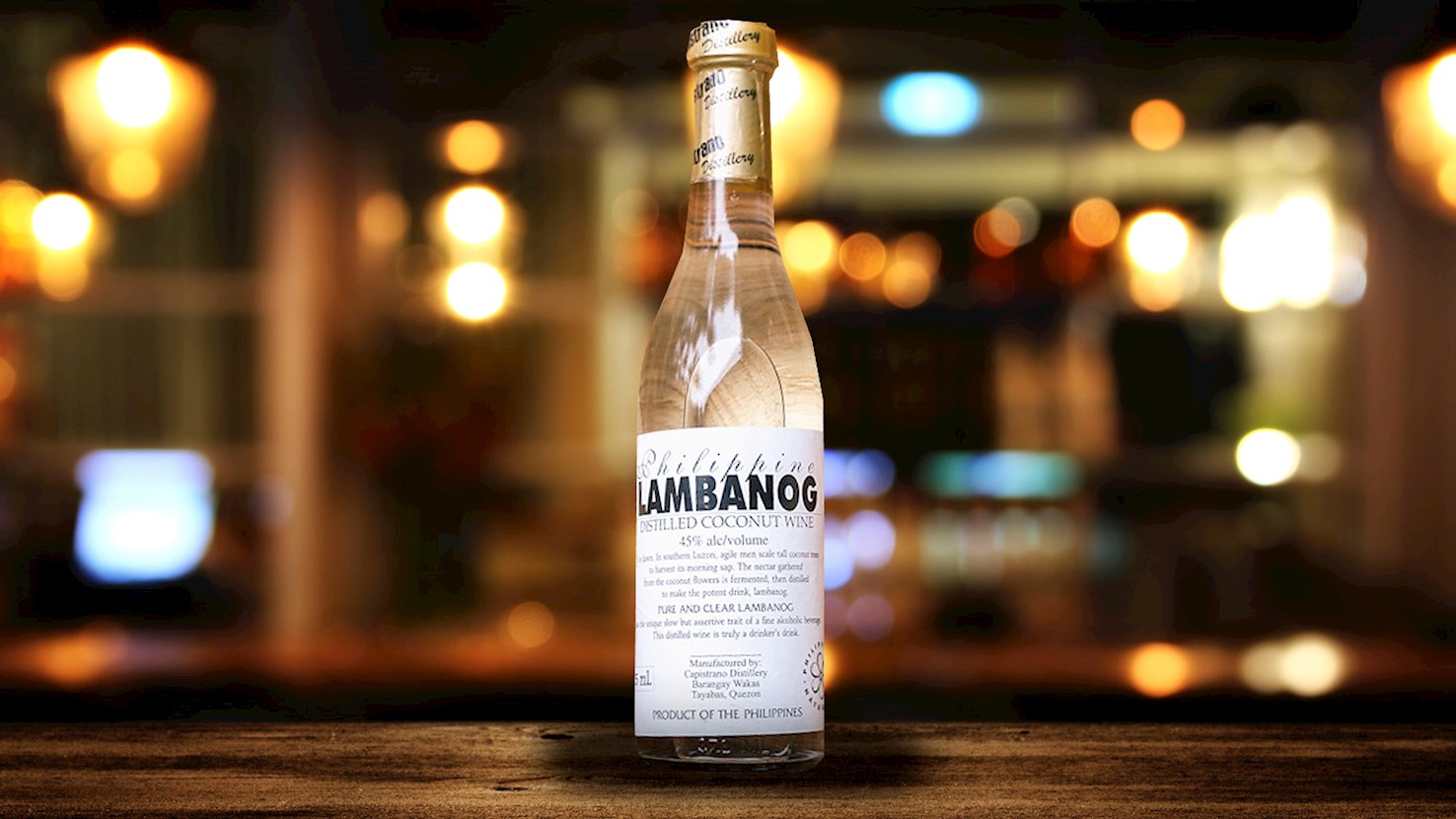
This potent Filipino drink is made from the fermented sap of the coconut palm. It is a clear, colorless spirit that is quite strong, with the usual alcohol content at around 40% ABV. Apart from the classic version, modern varieties are often tinted, sweetened, and flavored. Lambanog is traditionally enjoyed neat, usually as a shot, but it also blends well in cocktails and mixed drinks. In the past, it was frequently produced by farmers, similar to a local version of moonshine, but recently it has mostly shifted to factory production, and its quality has significantly improved. The drink is traditionally produced and enjoyed in the Quezon province.

04

Soju

3.6 ·

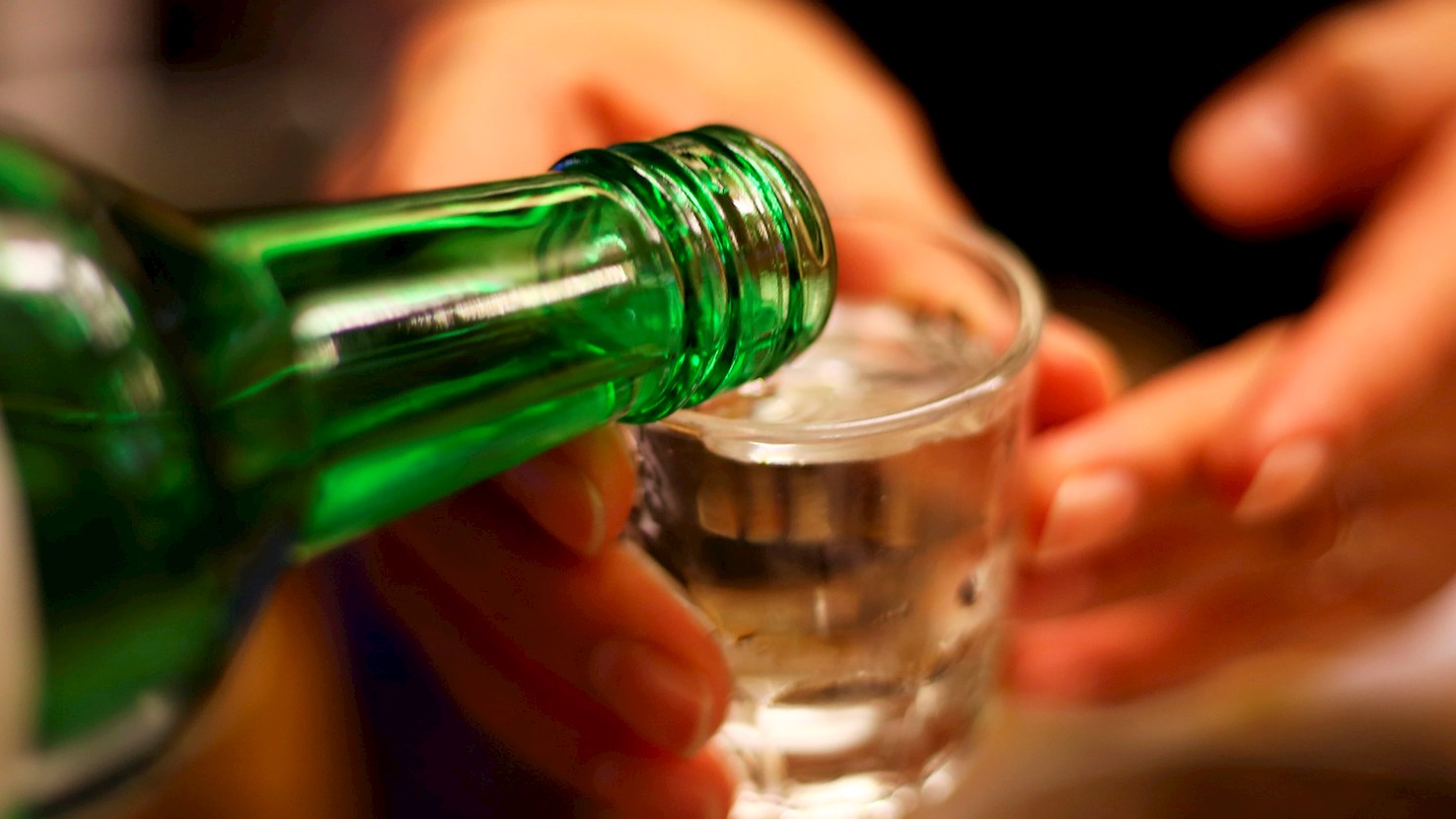
Korean soju is distilled from fermented rice, or optionally wheat, barley, sweet potatoes, or tapioca. It is believed that it initially appeared when Mongols introduced the distilling technique to the Koreans, sometime in the 13th century. The first varieties were made with rice, but in 1965 Korean government introduced a ban on using rice, and many producers looked for alternative sources. Soju is a clear spirit that is usually low in alcohol and has a mild, neutral flavor, which makes it work well with a wide array of dishes. It is usually enjoyed well-chilled, served in small traditional glasses, but Koreans also prefer to drop a shot of soju in beer. Apart from the classic type, it also comes in many fruit-flavored versions. Although it might come as a surprise, soju regularly tops the list of the best-selling drinks in the world, due to the large per capita consumption in South Korea.

05

Maesil-ju

3.6 ·

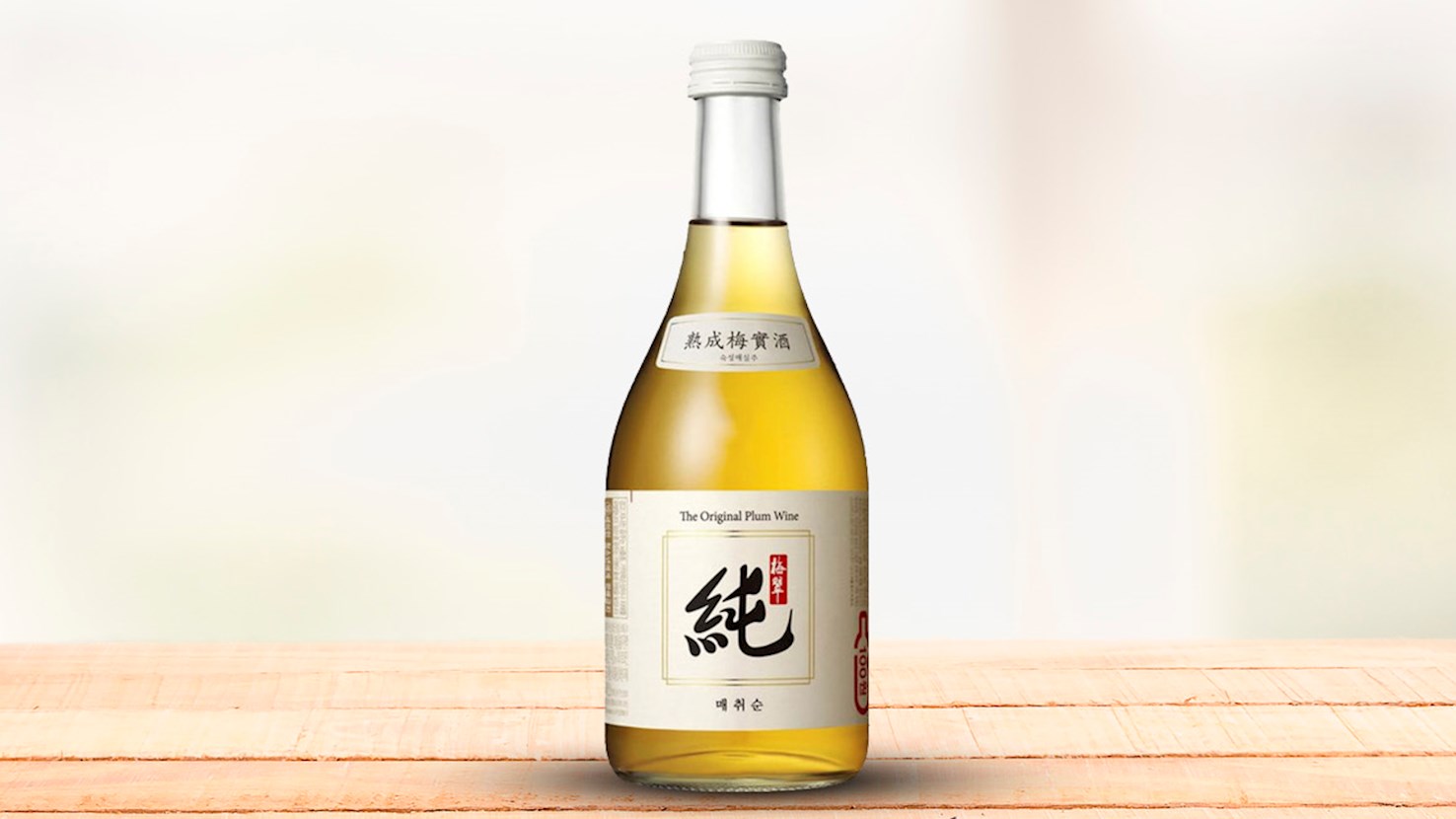
Maesil-ju is a traditional liqueur made with small-sized Asian plums (Prunus mume). Either unripe green or ripe yellow fruits can be used, sometimes even a mixture of both varieties. The drink is traditionally produced by steeping the fruit, together with sugar, in soju – traditional Korean spirit usually distilled from rice. The combination is macerated for at least several weeks until the beverage attains its distinctive golden color and bitter-sweet flavor. The fruit is usually strained, though several plums can be left inside jars or bottles. Maesil-ju is traditionally enjoyed neat, served in small shot glasses. It can pair well with seafood. The alcohol content typically varies around 14%.

06

Awamori

3.5 ·

Believed to have been the first distilled beverage in Japan, awamori is almost exclusively associated with Okinawa. The drink is distilled from fermented long-grained rice and black koji mold, which is usually referenced as the key ingredient that gives awamori its distinctive flavor. The drink improves and mellows with age and is typically stored in clay pots and allowed to mature. It is the most common drink on Okinawa that is usually served alongside water and ice, allowing each person to mix and adjust it according to their taste. It can also be enjoyed neat, incorporated into cocktails or mixed with soda or sweet coffee-flavored milk.

07

Midori

3.4 ·

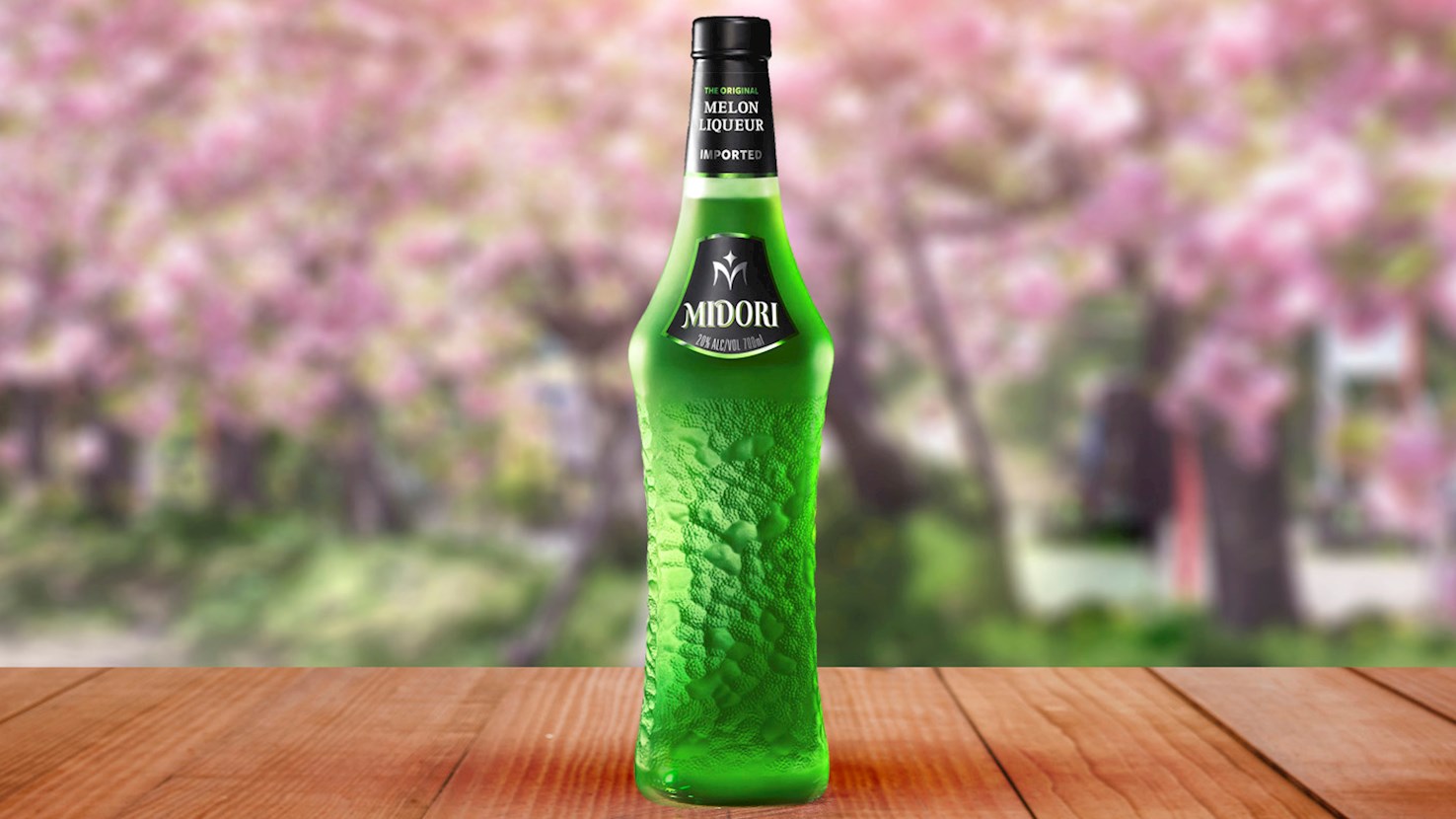
Midori is a vibrant green melon-flavored liqueur. It is made with a base spirit infused with yubari and musk melons, which are cultivated and sourced from Japan. The drink also includes sugar, brandy, and artificial coloring, which provides its distinctive green color. Midori is a clear and sweet liqueur with a subtle melon flavor. When it was released in 1964, it was initially named Hermes Melon Liqueur. The name Midori, which translates as green, was introduced in 1978. In the same year, the liqueur gained international attention after it was launched at the legendary ‘Studio 54’ in New York. Midori can be sipped on its own, but it is usually used as a cocktail ingredient. It goes especially well with citrus flavors, and it can be mixed with spirits, liqueurs, or fruit juice. Midori was initially solely produced in Japan, but some production was later moved to Mexico and France. It is bottled at 21% ABV.

08

Ceylon arrack

3.4 ·

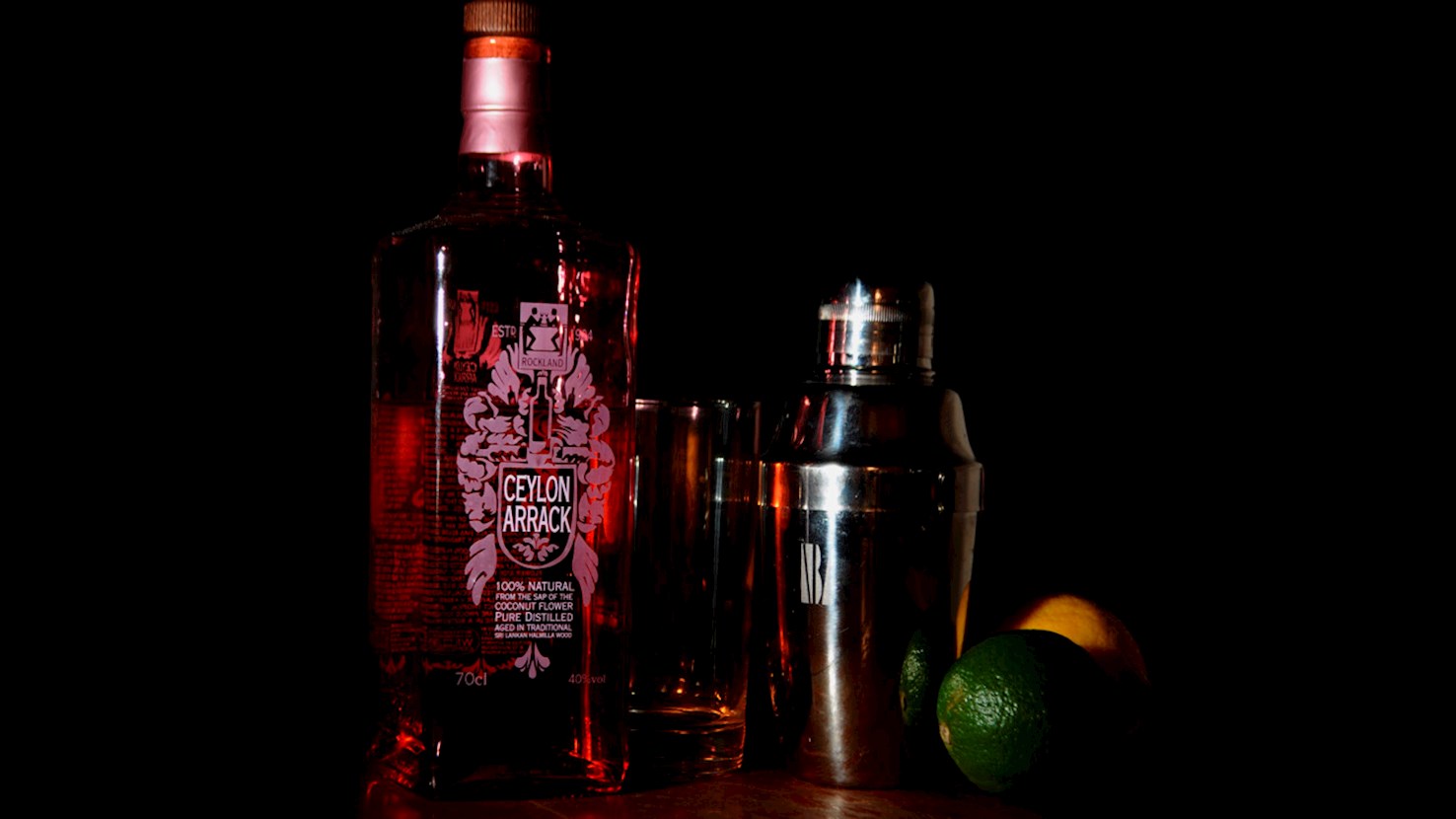
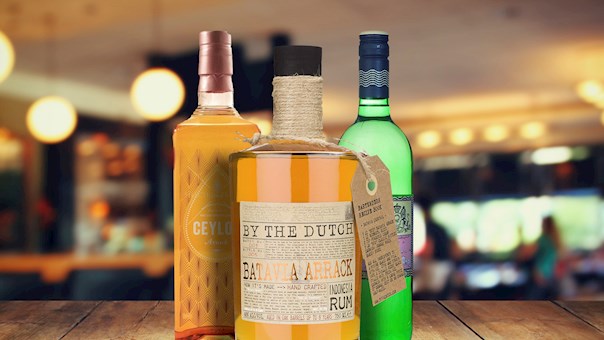
Ceylon arrack is a spirit that is produced from palm toddy—the fermented juice of the coconut palm that is extracted from palm flowers. The toddy sap is fermented naturally, and it is then distilled in pot or column stills before it is aged in wood. The result is a strong, golden-colored spirit that is smooth and subtly sweet with typical aromas of nuts, vanilla, and coconut. Ceylon arrack belongs to the wide group of spirits that are found in the Far East and which are collectively known as arrack, but which often do not have much in common. They tend to be produced from various ingredients, and can greatly differ in style and character. The origin of the Sri Lankan arrack is vague, but the drink was already familiar by the time the first European explorer reached Sri Lankan shores in the 18th century. The production of arrack was once considerable, but the drink fell out of fashion and has only recently been promoted as a national Sri Lankan spirit, and efforts have been made to improve its quality and presence at the global market. The locals mix arrack with coconut water, but the drink can also be enjoyed neat, over ice, or combined with water, ginger ale, or coke. It can also work well as a cocktail ingredient. The highest quality, premium Ceylon arrack is labeled as Special Old Arrack (VSOA).

09

Shōchū

3.3 ·

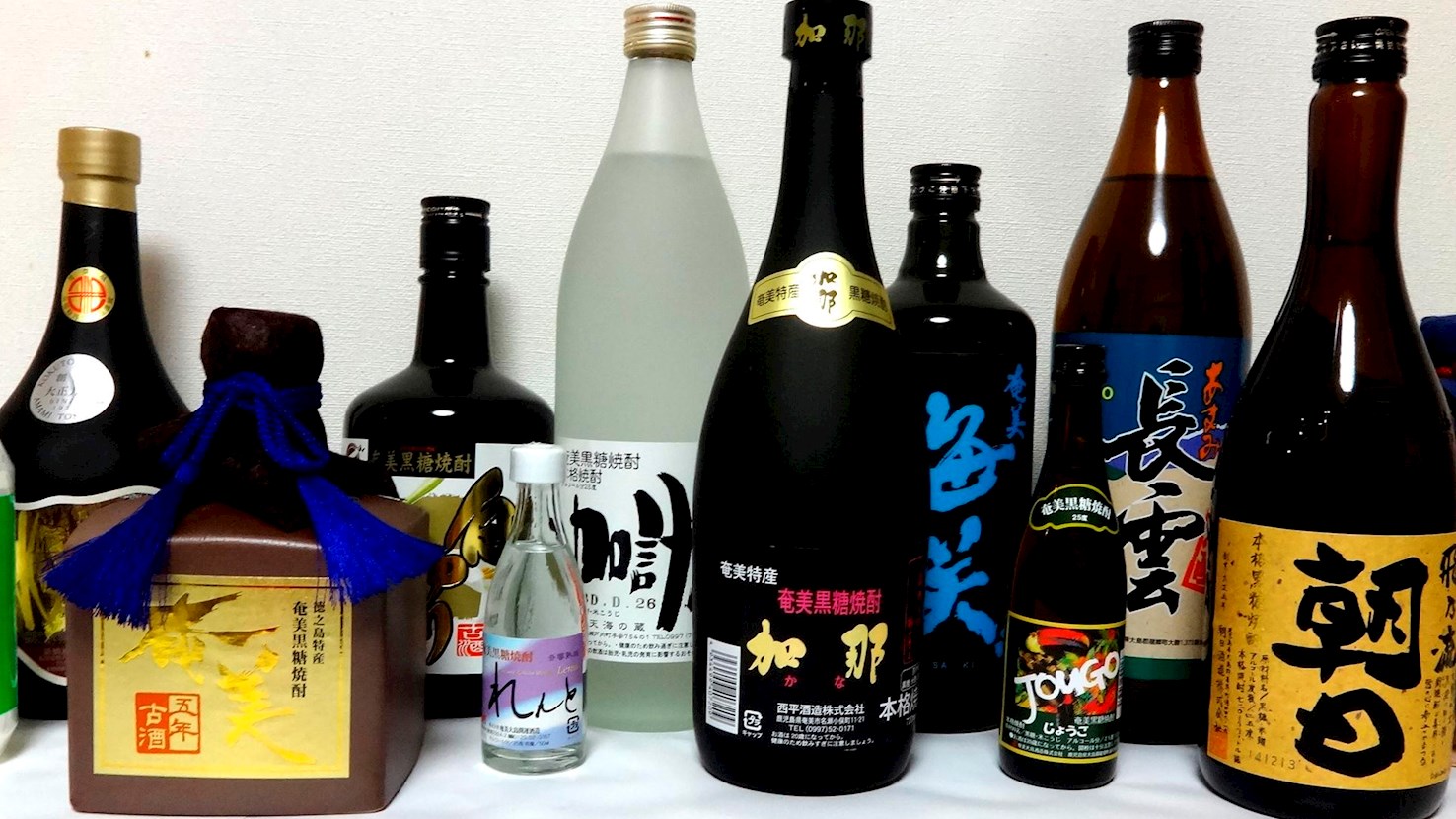
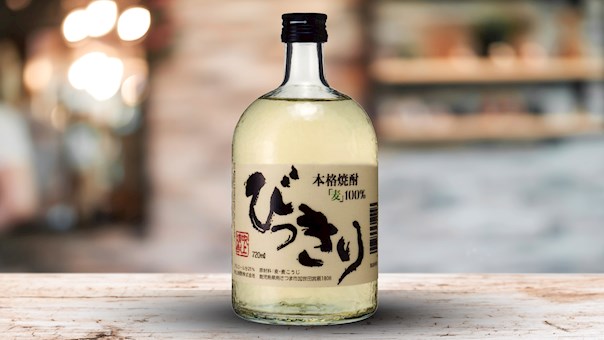
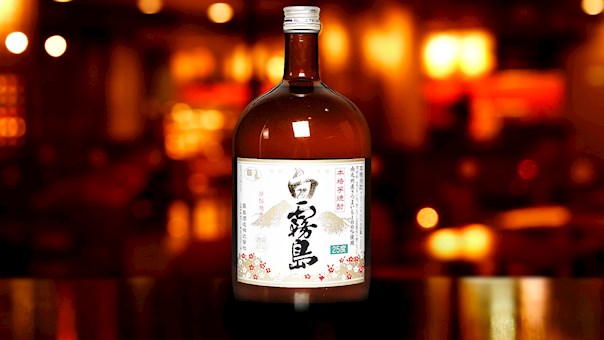
Shōchū is the most popular Japanese spirit that has been produced since the 16th century. It is distilled from fermented koji mold and various basic ingredients such as barley, sweet potatoes, rice, buckwheat, brown sugar, as well as sesame, chestnuts, carrots, or perilla leaves. The choice of the base ingredient and the type of koji used in the production are crucial since the top quality shōchū (honkaku) is distilled only once to show the true character of the base ingredient. Shōchū usually comes at 25% ABV, and traditionally it is not matured. It can be enjoyed neat or on the rocks, as well as diluted with oolong tea, fruit juices, and warm or cold water.

10

Rakı

3.3 ·

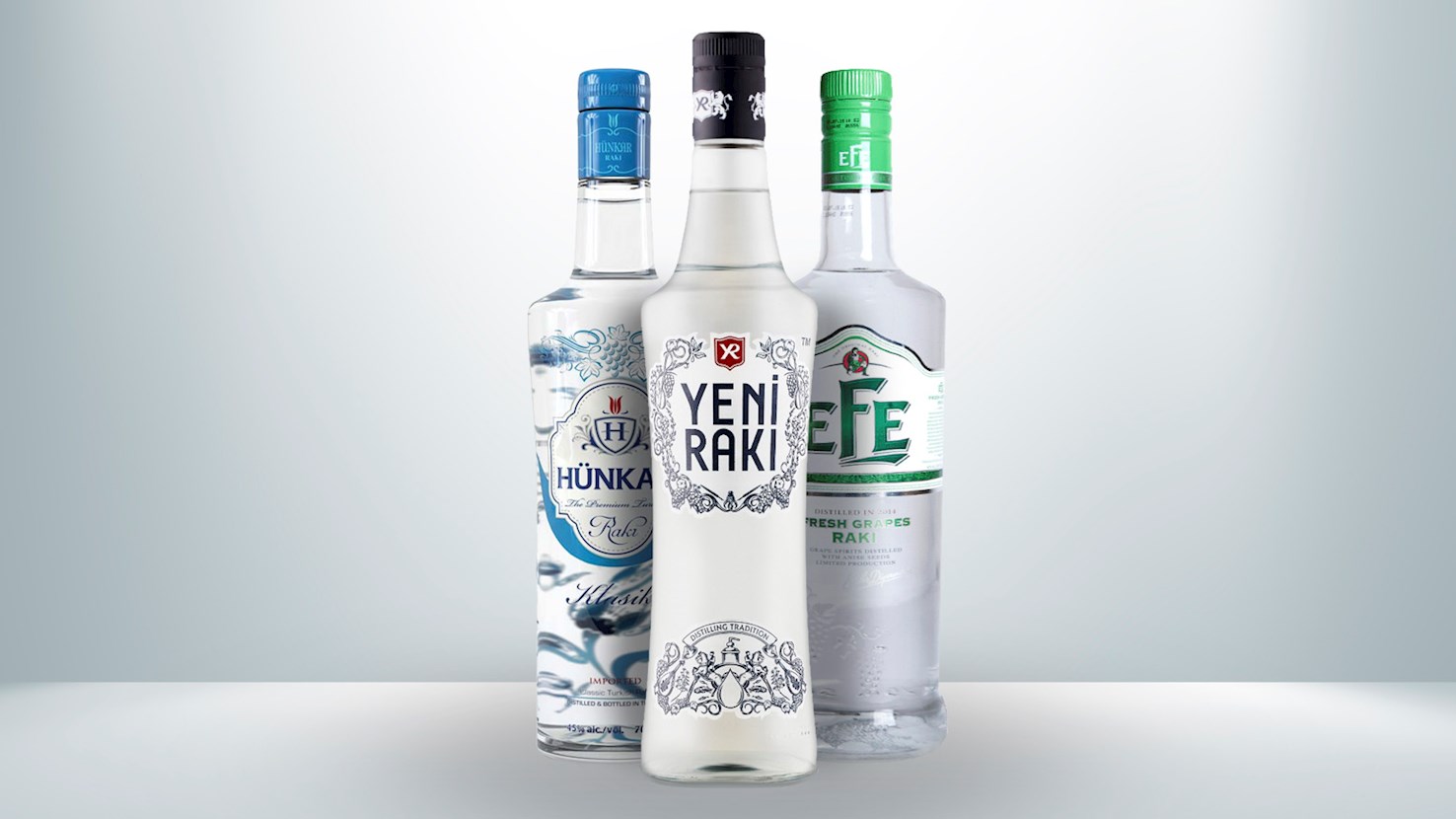
It is said that Greek winemakers in Asia Minor were the first to produce rakı—the anise-flavored spirit distilled from fermented grape pomace. However, it was in Türkiye that raki was heavily popularized, which led to a monopolization of its production in 1923. Most modern-day rakı varieties are based on the use of fermented grapes, raisins, or dried figs, which are mashed, then fermented and distilled in copper columns. The drink is then diluted and combined with anise or optionally fennel seeds in a mixture that would later be distilled into rakı. In both Türkiye and Greece, rakı is a communal affair, traditionally enjoyed along small meze dishes. It is usually poured into kadeh glasses, with the optional addition of ice-cold water or ice. When mixed with water, rakı turns milky white, which led to a creation of its colloquial name, aslan sütü or lion’s milk.

Best producers
11

Feni

3.3 ·
12

Mugi shōchū

3.2 ·
13

Arak

3.2 ·
14

Imo shōchū

3.2 ·
15

Arrack

3.2 ·
16

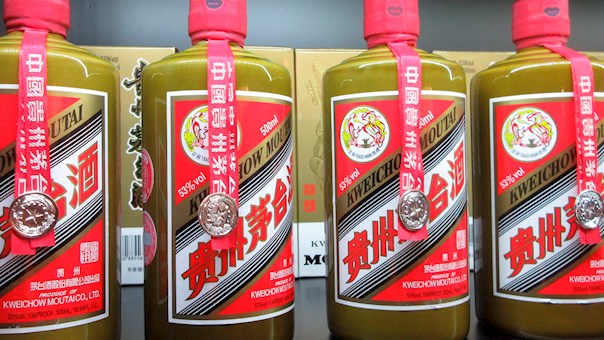
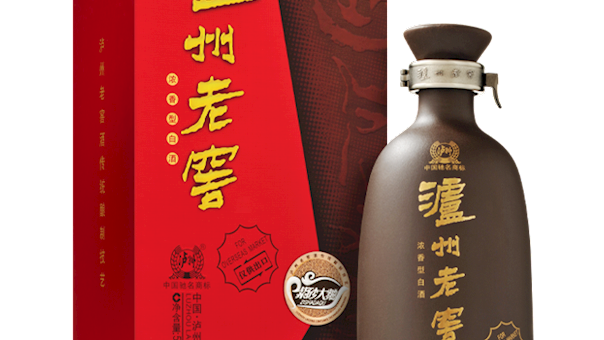
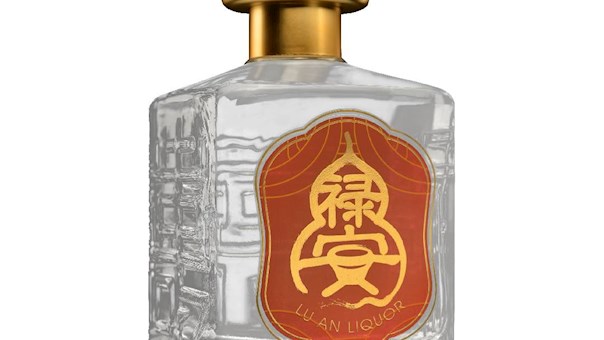
Báijiǔ

2.7 ·
18

Black Sugar Umeshu

n/a ·
19

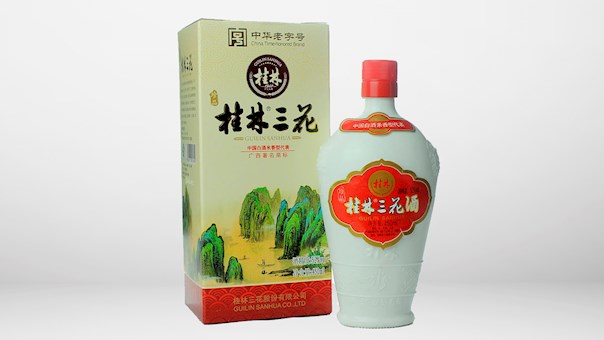
Sanhuajiu

n/a ·
20

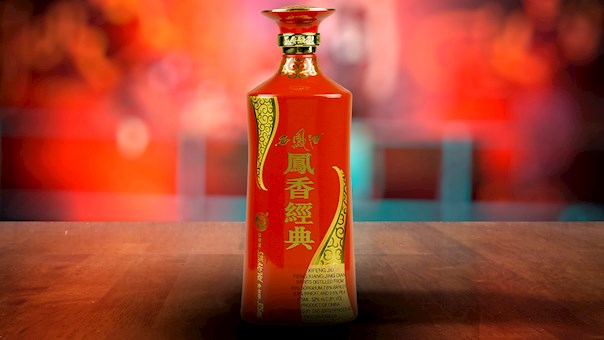
Xifengjiu

n/a ·

Best Asian Spirits and Liqueurs
01

Kavalan

5 ·
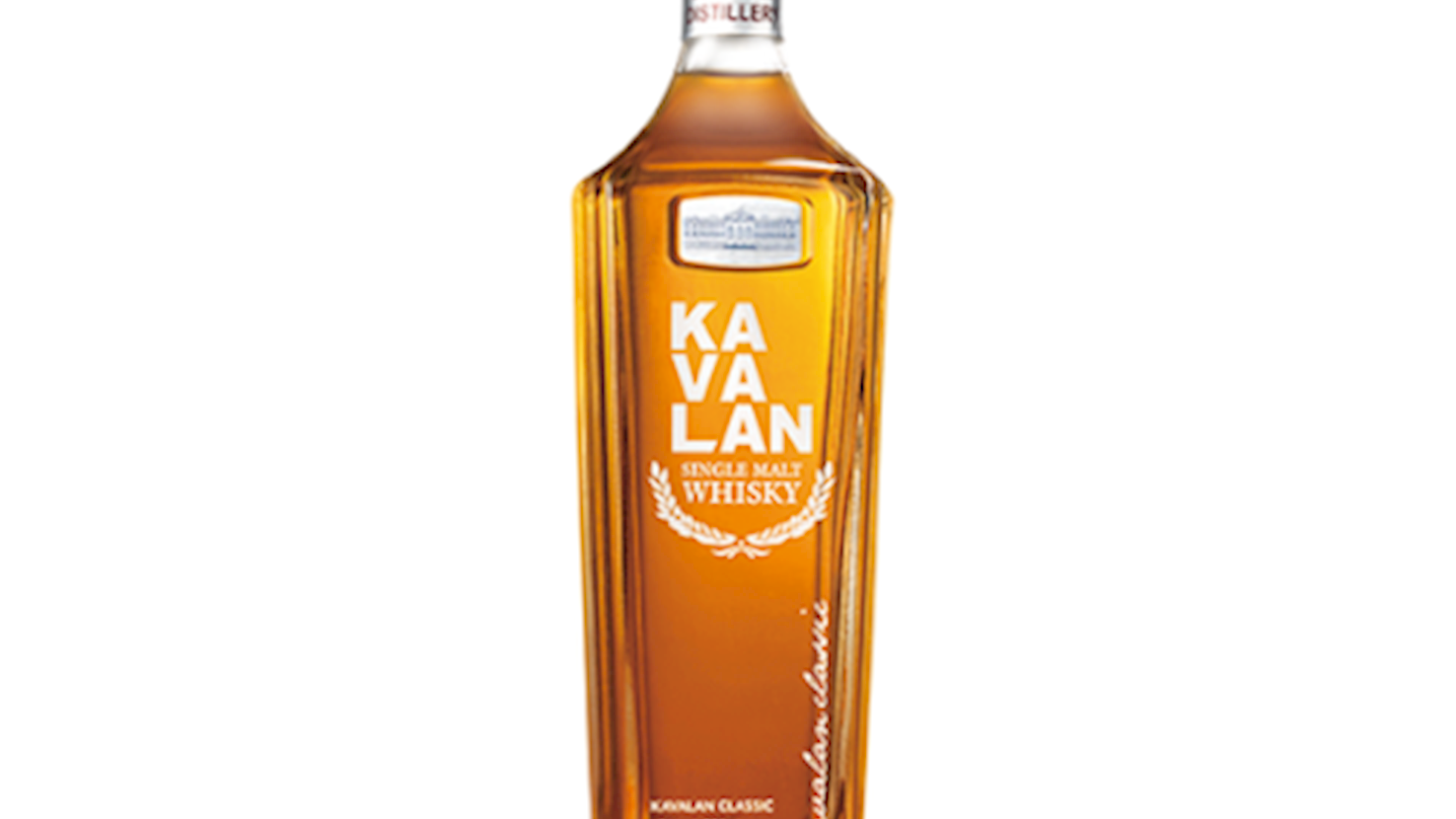
Kavalan is a renowned Taiwanese whisky brand, celebrated for its single malts produced in Yilan County. Established by King Car Group, Kavalan leverages Taiwan’s subtropical climate to mature its whisky faster, creating rich and complex flavors. The brand has earned global acclaim, winning numerous awards for its innovation and craftsmanship, especially for expressions aged in various casks like sherry, port, and wine. Kavalan’s unique process and commitment to quality make it a standout in the world of whisky.
Awards
SFWSC - San Francisco World Spirits Competition - Double Gold (2024, 2023)
ISC-International Spirits Challenge - Double Gold (2024)
02

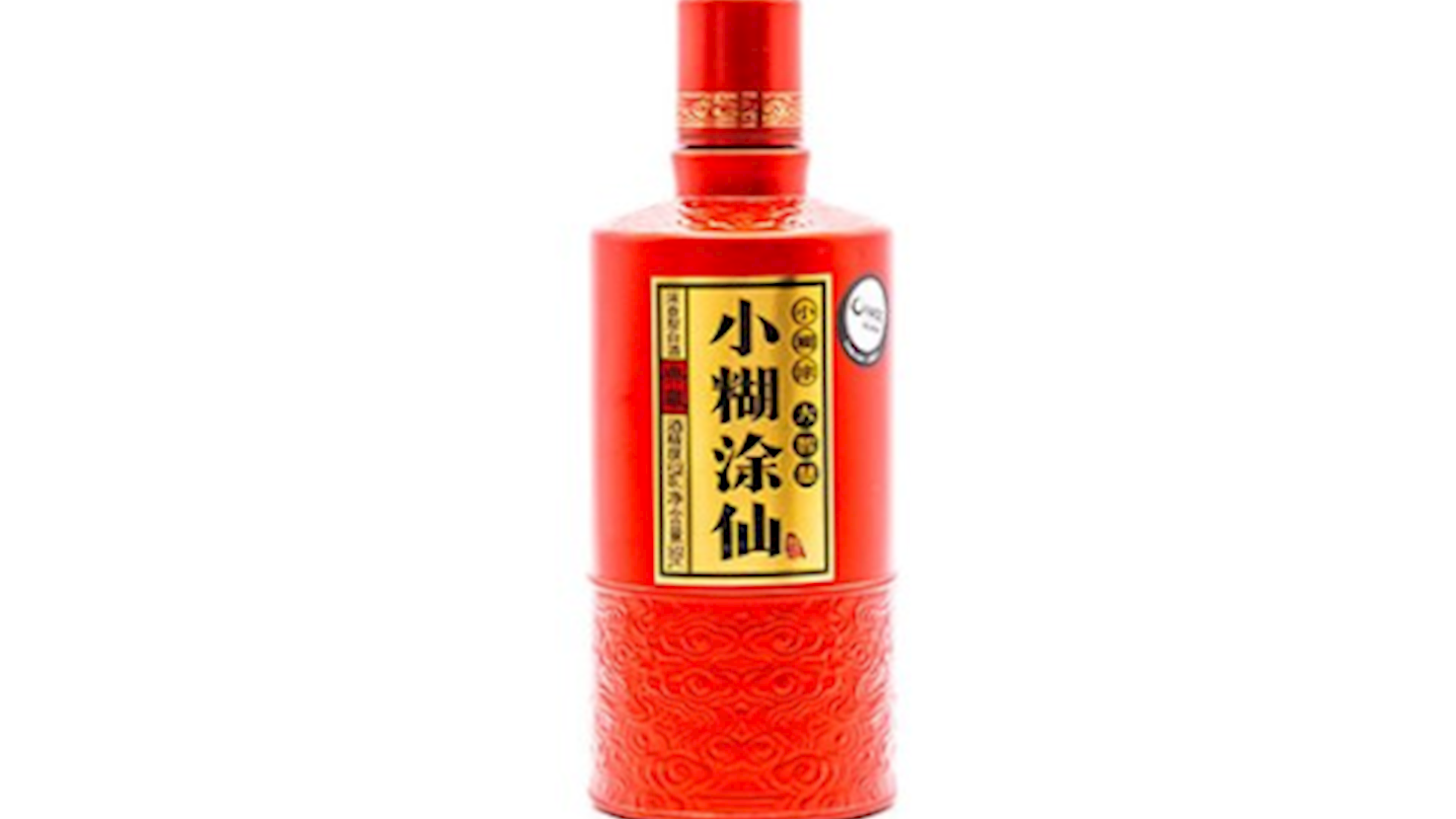
Xiaohutuxian Group

5 ·
Xiaohutuxian Group is a modern Chinese distillery based in Chengdu, Sichuan Province, specializing in the production of high-quality baijiu spirits that seamlessly blend tradition and innovation. The company has built a reputation as one of the leading producers in the premium segment of the Chinese market, combining authentic fermentation and distillation methods with a modern approach to design, marketing, and brand identity. A particular focus is placed on preserving the microbial culture and grain base traditionally used in Chinese baijiu production, ensuring consistency in quality and richness of flavor. Their spirits are distinguished by complex aromatic profiles that unite floral, fruity, nutty, and umami tones, creating a unique tasting experience. The company’s vision is to connect the past and future of Chinese distillation - honoring tradition while introducing technological innovation and contemporary aesthetics. Today, Xiaohutuxian Group stands as a symbol of the new wave of Chinese producers redefining the global identity of baijiu, combining artisanal precision, cultural authenticity, and distinctive design into a single, harmonious whole.
Awards
SFWSC - San Francisco World Spirits Competition - Double Gold (2024, 2023)
IWSC- International wine & spirit competition - Spirit Gold (2024, 2023, 2022, 2021, 2020)
03

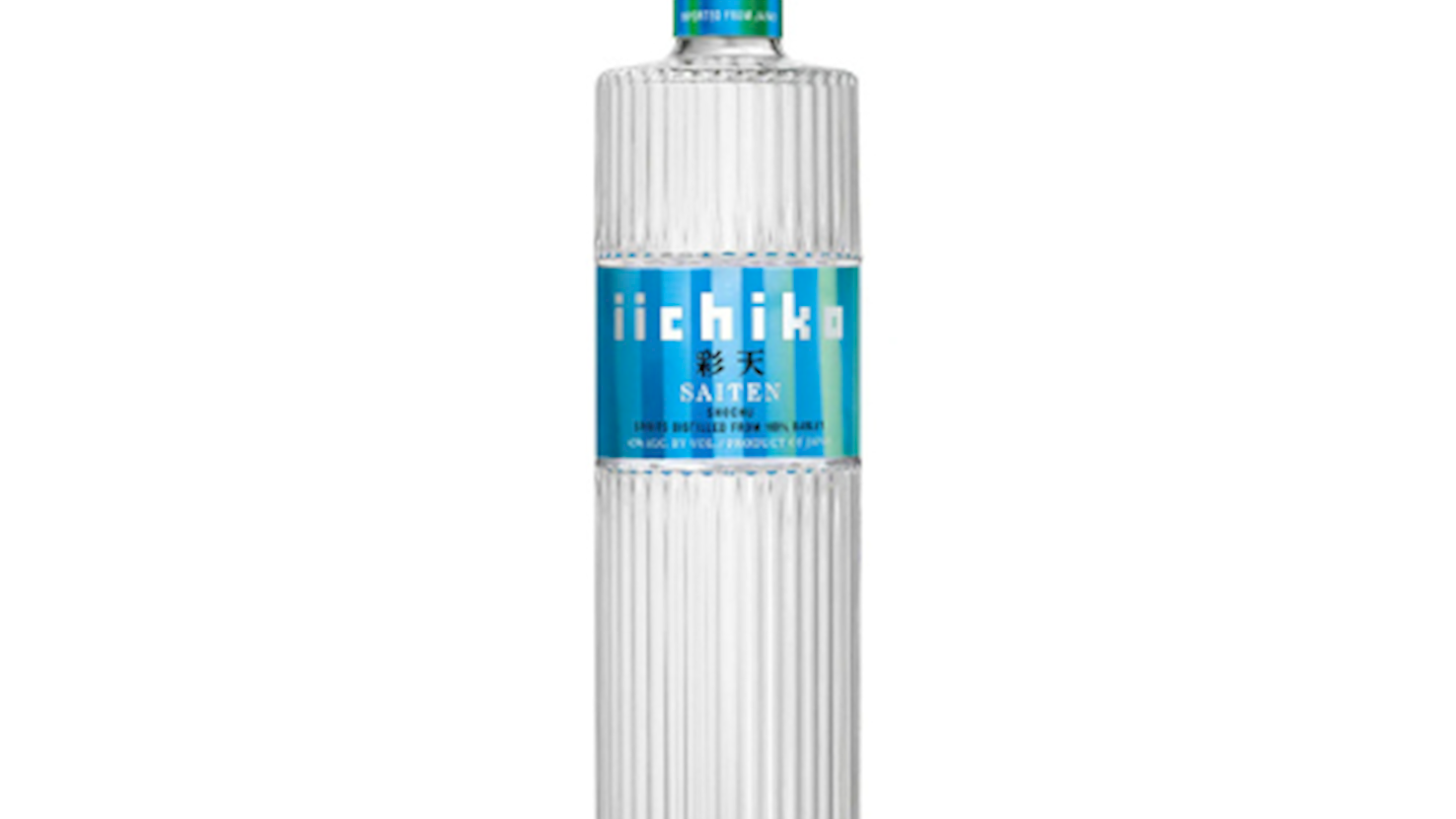
Iichiko

5 ·
Iichiko is a renowned Japanese producer of shochu, a traditional Japanese spirit made from various ingredients like barley, sweet potatoes, and rice. Founded by Sanwa Shurui, Iichiko is famous for its commitment to high-quality production and innovation. Headquartered in the Oita Prefecture of Kyushu, Japan, an area known for its clean water and natural beauty, Iichiko has become a global leader in the shochu industry. Iichiko's most notable products include its flagship barley-based shochu, iichiko Saiten, which is crafted using unique methods such as the "all Koji" fermentation technique. This involves using barley Koji, a special mold that helps break down the starches in barley into sugars, enhancing the flavor profile of the spirit. The production also focuses on the single distillation process, preserving the delicate aromas and flavors of the barley.
Awards
SFWSC - San Francisco World Spirits Competition - Double Gold (2024, 2023)
ISC-International Spirits Challenge - Double Gold (2022)
04

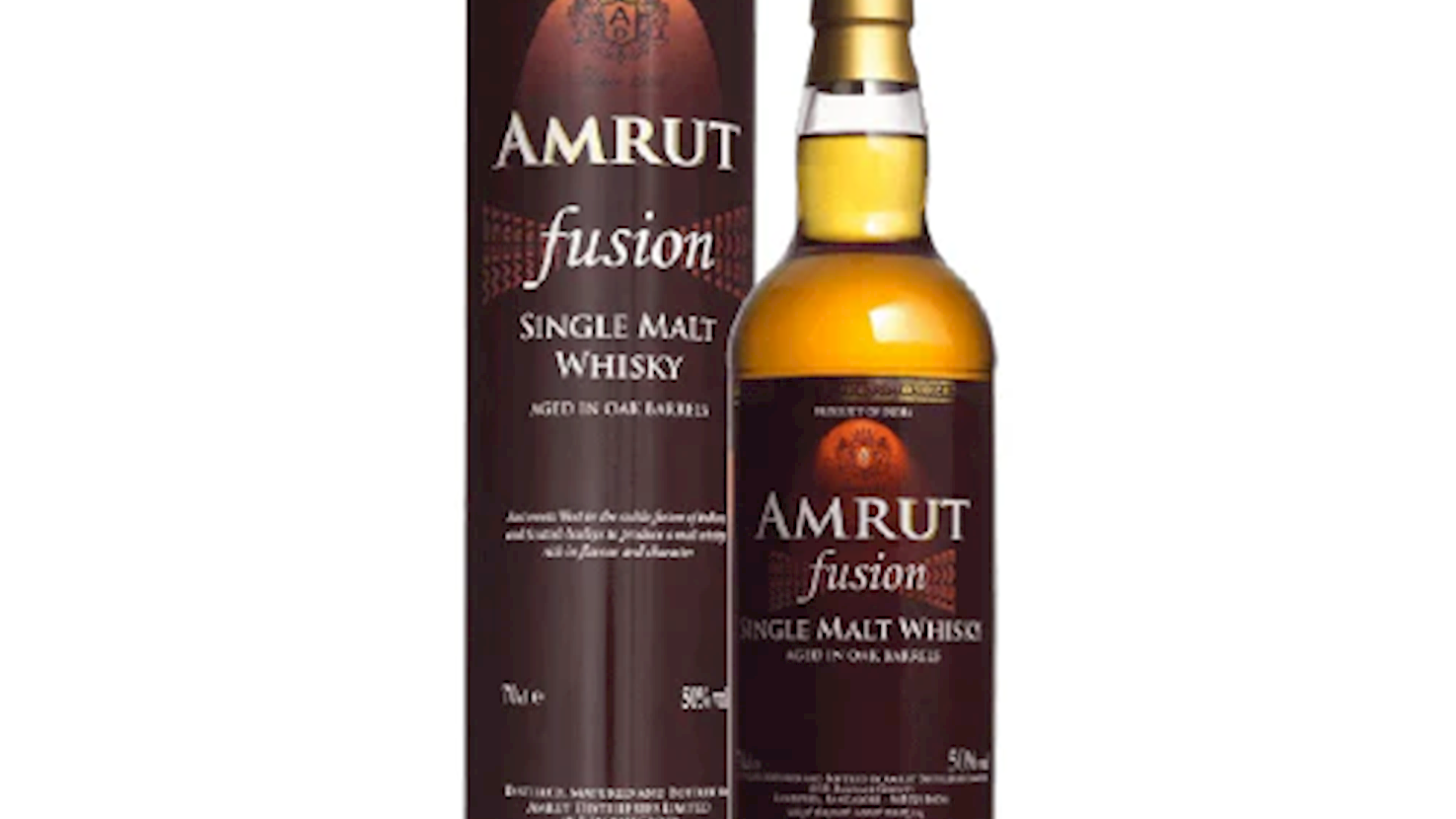
Amrut Distilleries

5 ·
Amrut Distilleries, founded in 1948 and based in Bengaluru, Karnataka, is a pioneering Indian spirits producer. Renowned for introducing India's first single malt whisky, Amrut Indian Single Malt, in 2004, the company has gained international acclaim for its innovation and quality. Amrut sources indigenous six-row barley and employs traditional distilling methods to craft a diverse range of products, including single malts, rum, brandy, and blended whiskies, earning global recognition as a leader in the Indian spirits industry.
Awards
Bartender Spirits Awards - Double Gold (2023, 2022)
IWSC- International wine & spirit competition - Spirit Gold (2024, 2020)
05

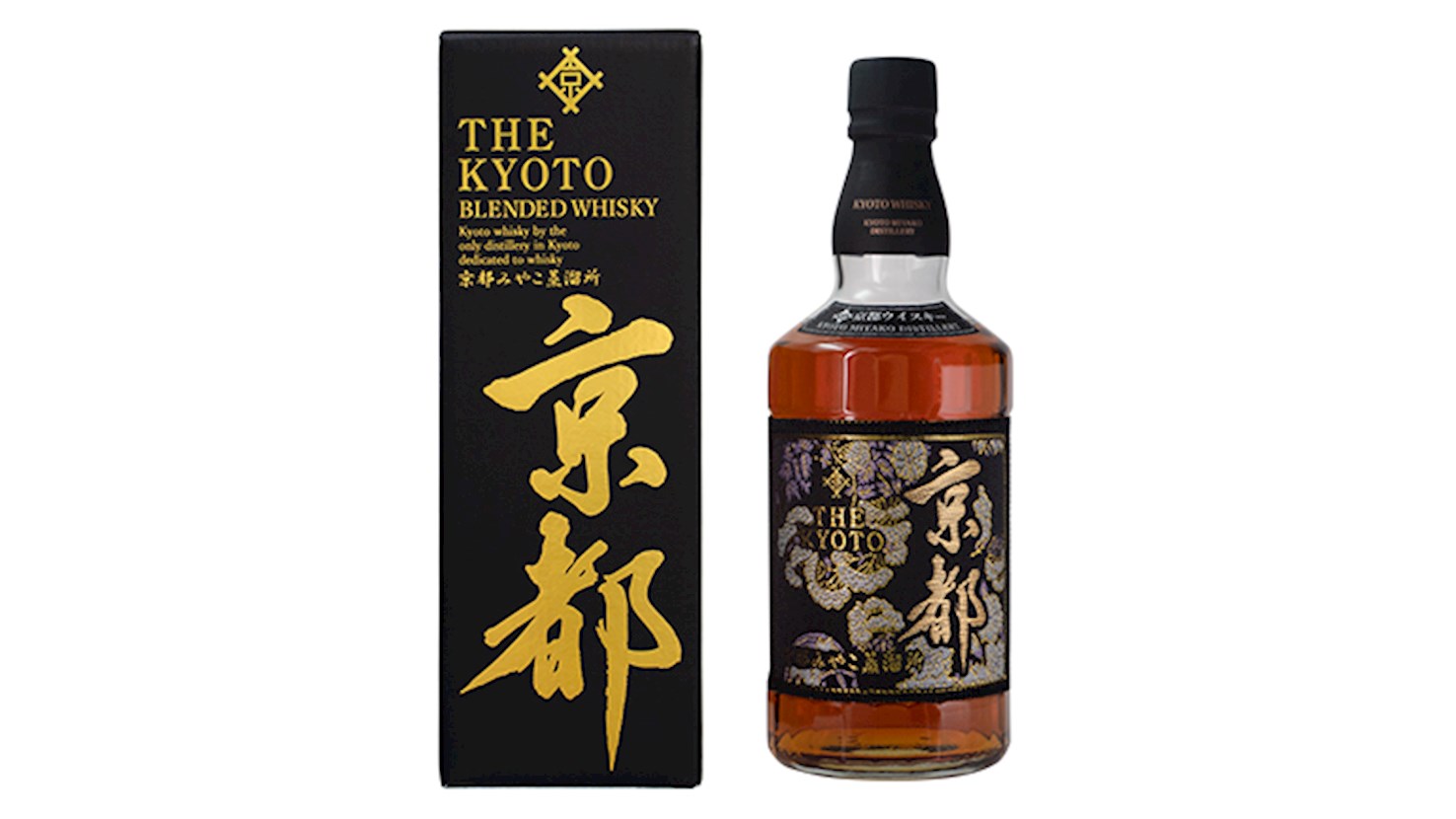
The Kyoto Distillery

5 ·
Awards
NYWSC - New York World Spirits Competition - Double Gold (2023)
SFWSC - San Francisco World Spirits Competition - Double Gold (2023)
06

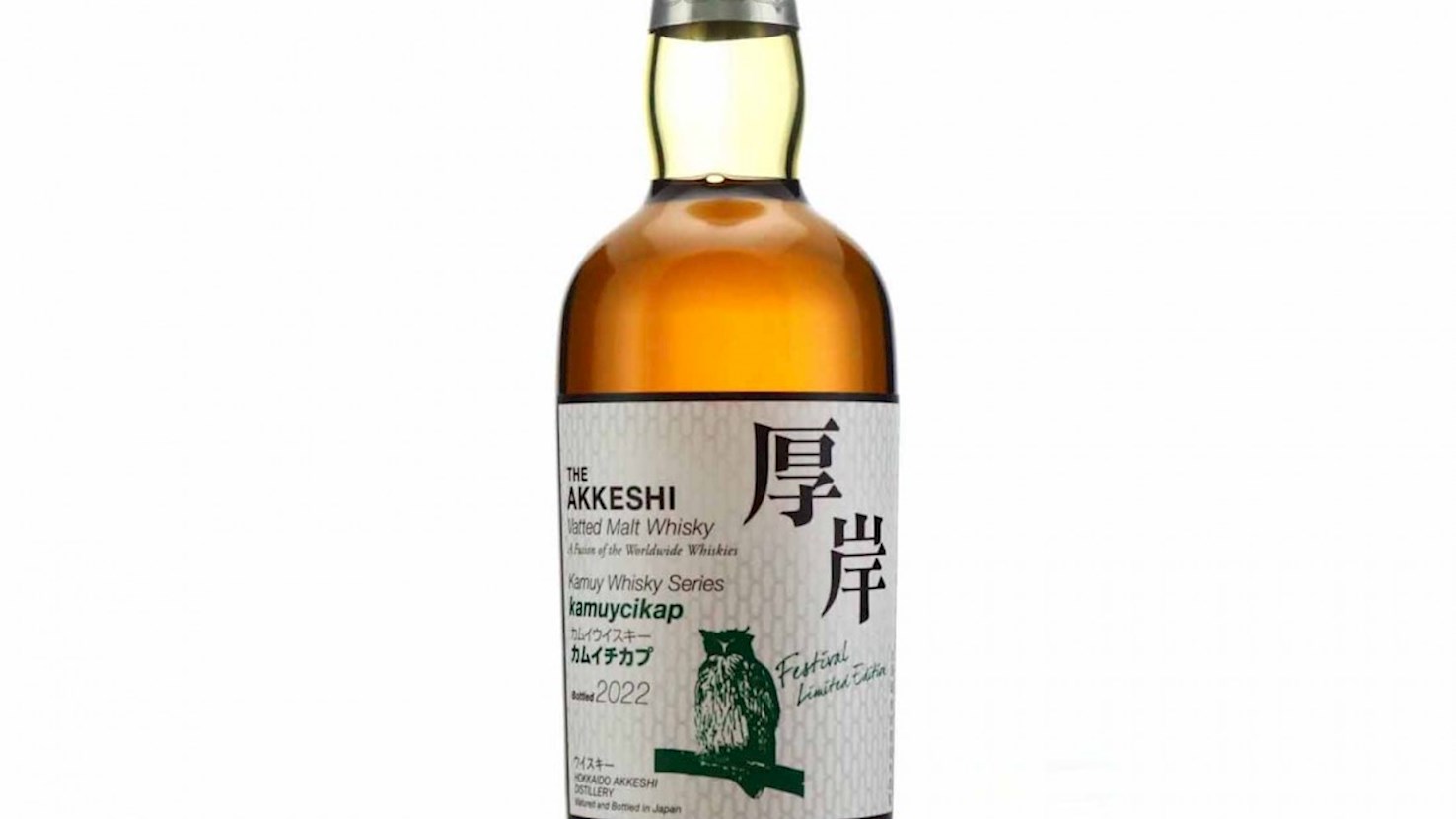
Akkeshi

5 ·
Located in Japan’s northern most island of Hokkaido and further east than any other distillery in the country, production at Akkeshi Distillery started in 2016. The goal of Akkeshi Distillery is to blend traditional Scottish methods with the unique flavors of Akkeshi, Japan. With extremely unique aromas and flavors unlike anything else these whiskies will be a delight to aficionados worldwide. Akkeshi Distillery is the true embodiment of craftsmanship and is on track to be a leader in the highest quality Japanese whisky world. ​
Awards
ISC-International Spirits Challenge - Gold (2024)
ISC-International Spirits Challenge - Gold (2023, 2022, 2021)
07

Kirin Brewery Company

5 ·
Awards
ISC-International Spirits Challenge - Double Gold (2020, 2019)
ISC-International Spirits Challenge - Gold (2024)
08

Nagahama Distillery

5 ·
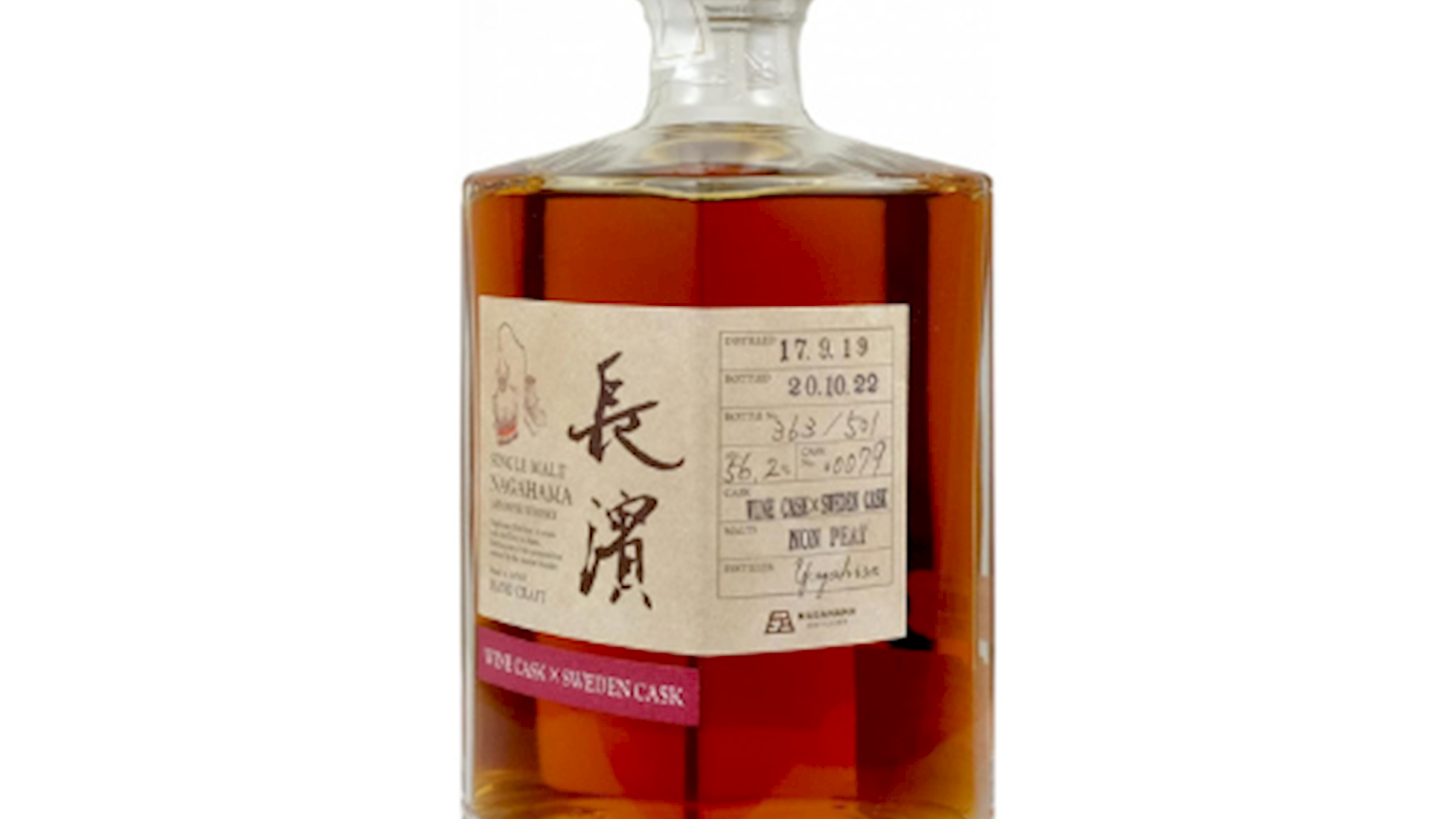
Nagahama Distillery is a Japanese distillery located in Nagahama, Shiga Prefecture. It is renowned for being Japan's smallest distillery, offering artisanal whiskies with unique and bold flavors. Nagahama Distillery uses traditional production methods, focusing on small-batch processes to ensure the highest quality and character in its whiskies. The distillery offers tours where visitors can learn about the whisky-making process, taste their products, and explore the charming surroundings of Nagahama.
Awards
ISC-International Spirits Challenge - Gold (2024)
IWSC- International wine & spirit competition - Spirit Gold (2023)
09

Sakurao Brewery and Distillery Co

5 ·
Awards
ISC-International Spirits Challenge - Gold (2024)
The Gin Masters – Second Tasting - Gold (2022)
10

VentureWhisky Ltd.

5 ·
Awards
ISC-International Spirits Challenge - Double Gold (2020)
ISC-International Spirits Challenge - Gold (2024)
Read more
View all
View map
About this ranking

TasteAtlas food rankings are based on the ratings of the TasteAtlas audience, with a series of mechanisms that recognize real users and that ignore bot, nationalist or local patriotic ratings, and give additional value to the ratings of users that the system recognizes as knowledgeable. For the “Top 100 Asian Spirits and Liqueurs” list until June 03, 2026, 957 ratings were recorded, of which 673 were recognized by the system as legitimate. TasteAtlas Rankings should not be seen as the final global conclusion about food. Their purpose is to promote excellent local foods, instill pride in traditional dishes, and arouse curiosity about dishes you haven’t tried.

The initial list of top producers was compiled based on available reviews, awards, local recommendations, media and blog coverage, and consumer reviews. The list will be updated with ratings from TasteAtlas local ambassadors and TasteAtlas users.

Similar lists