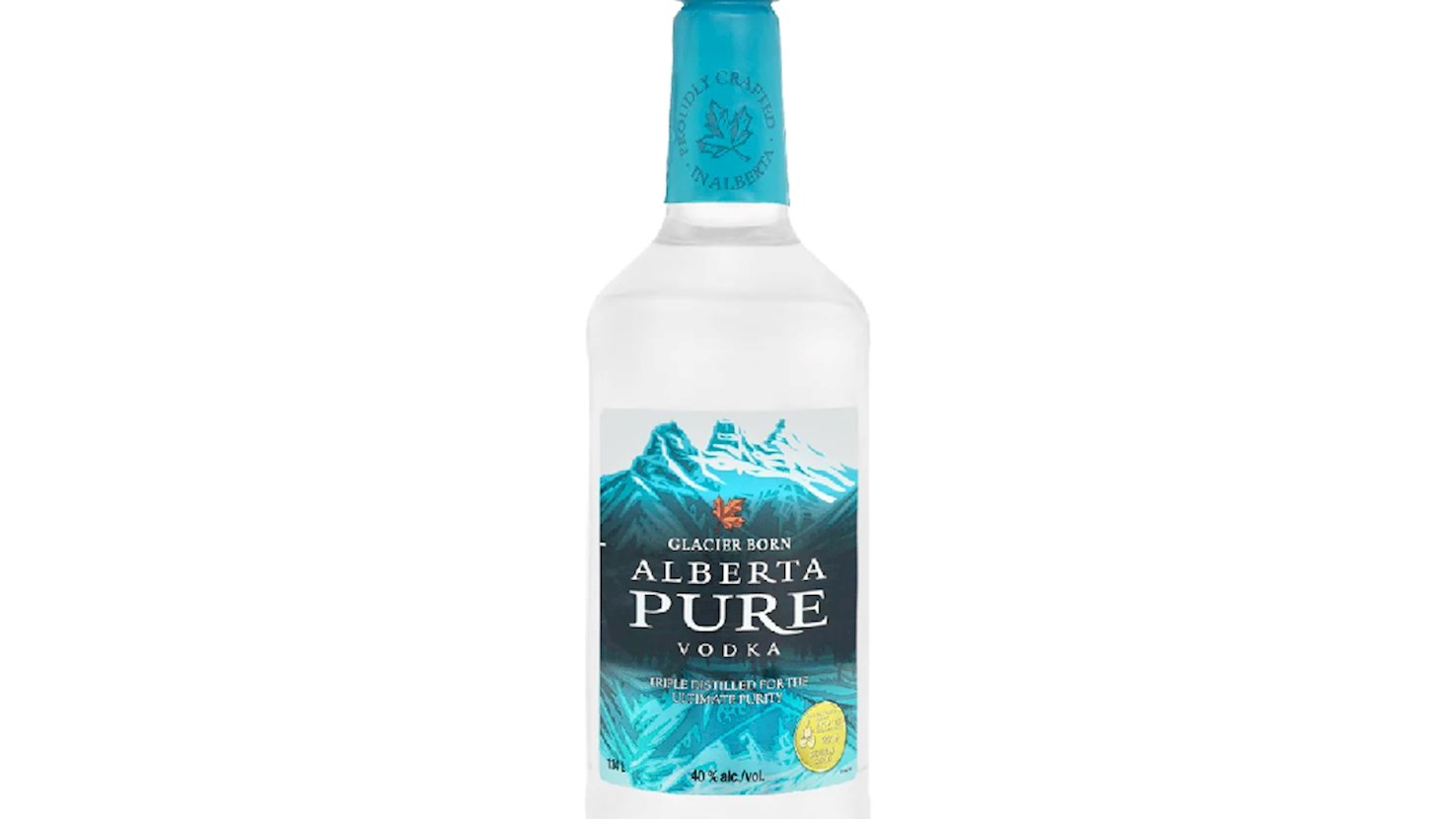
Alberta Distillers, located in Calgary, Alberta, is known for its high-quality rye whisky made from 100% Canadian prairie rye. They are one of Western Canada’s oldest distilleries and have received numerous awards for their Alberta Premium line, including "World’s Best Rye Whisky." The distillery prides itself on using local ingredients, including glacier-fed Rocky Mountain water, to craft a range of spirits that includes cask strength whisky, Alberta Springs, and premium vodkas like Alberta Pure.
Eau Claire Distillery, established in 2013, is Alberta's first craft distillery, located in Turner Valley. The distillery emphasizes a farm-to-glass philosophy, utilizing locally sourced grains and traditional methods, including horse-drawn farming with Percheron draft horses.
Housed in a restored 1929 building that once served as a movie theatre and dance hall, Eau Claire produces a range of artisanal spirits, such as gin, vodka, and whisky, and offers tours and tastings to showcase their commitment to quality and heritage.
Awards
SFWSC - San Francisco World Spirits Competition - Double Gold
(2024, 2023)
NYWSC - New York World Spirits Competition - Double Gold
(2023)
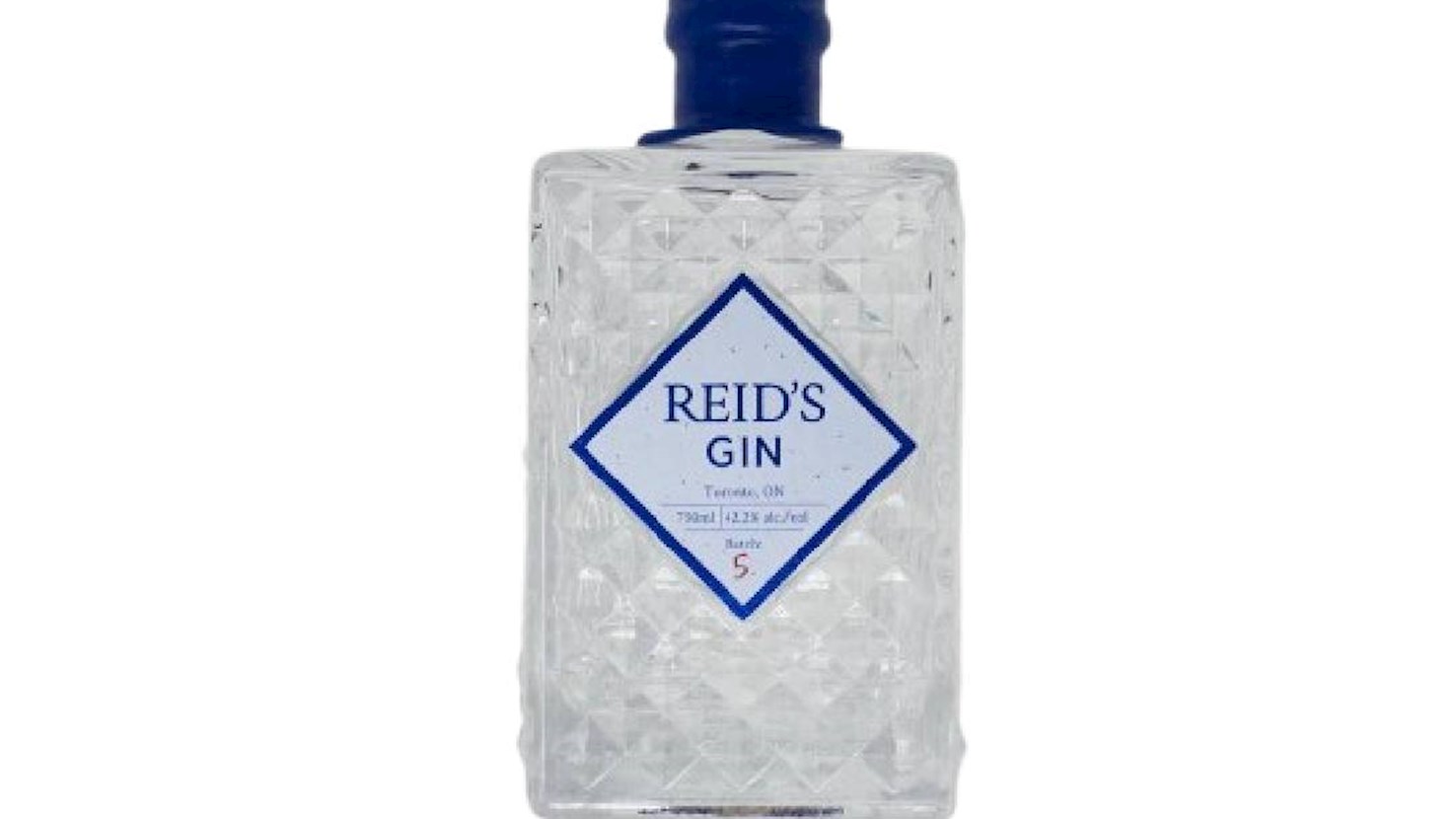
Reid's Distillery is a family-run craft distillery devoted to the art of exceptional gin making, where passion for quality, tradition, and modern creativity come together in every bottle. Their gins are crafted using Canadian wheat and a thoughtful blend of botanicals, with wild-foraged Canadian juniper taking center stage to deliver a truly distinctive flavor profile.
Inspired by a spirit of exploration and a desire to create something uniquely their own, Reid’s combines classic distillation techniques with a bold, contemporary approach.
The result is a collection of gins that are elegant, nuanced, and instantly memorable—ranging from timeless dry styles to inventive, aromatic expressions. Each one reflects the skill, care, and character that defines their work.
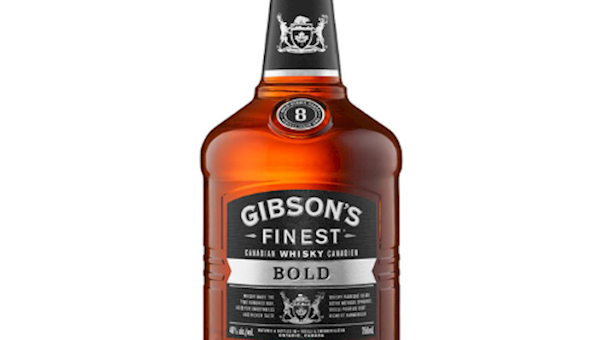
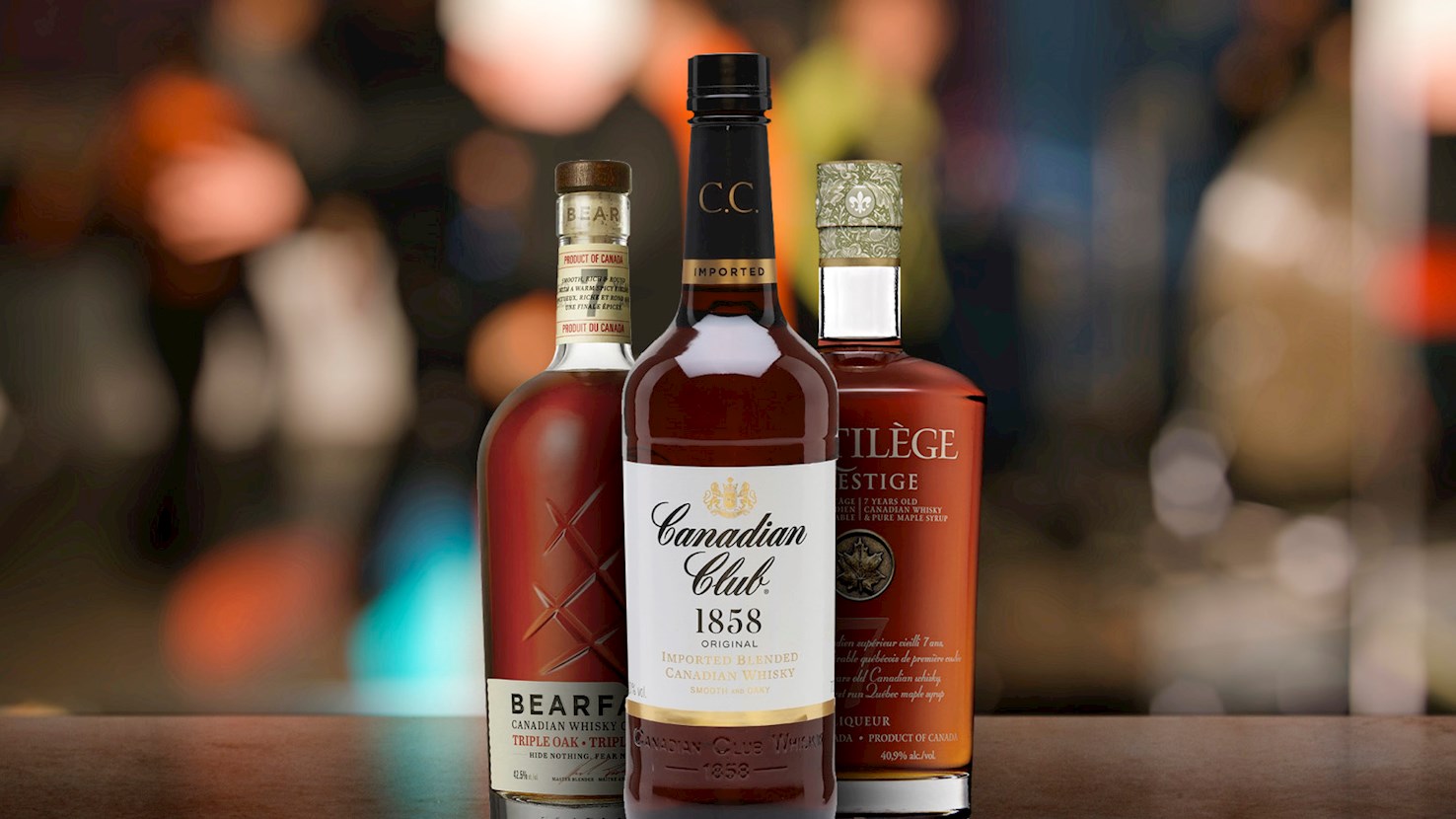
Canadian whisky is a complex and somewhat confusing whisky style. Officially, to be labeled Canadian whisky the spirit must be distilled from a mash of cereal grains and aged for a minimum of three years. Most examples are blends, and they almost always include some percent of rye whisky, though not always. It is a common misconception that Canadian whisky is rye whisky, and the two terms are often used interchangeably. This stems from the time when rye was added to spirits, mostly based on wheat, to improve their flavor. The name rye whisky soon caught up, and it was often used for most Canadian whisky styles—regardless of their rye content. Most producers in Canada distill and age whisky separately, and then blend them. The law also permits the addition of 9.09% of other spirits—such as brandy, bourbon, or rum—to the blend. Corn is probably the most important grain, but rye provides the most flavor. All these elements influence the great diversity among the category. Canadian whisky rose in popularity during Prohibition. It was smuggled and supplied to speakeasies that were scattered across the States. Even after the Prohibition, it was the whisky of choice among Americans, mostly because of its lighter character. Nowadays, some of the best-selling whiskies in the United States are Canadian. For a very long period, Canadian whisky got a bad rep because of their blending technique. However, this perception has recently started to change, and Canadian whisky became a legitimate contender on the global whisky market. Most examples are of high-quality and showcase a unique character—mostly due to the great art of blending. Interestingly, Canadian whisky is spelled without an e—same as its Scottish counterpart—unlike whiskey, used in Ireland and the United States.
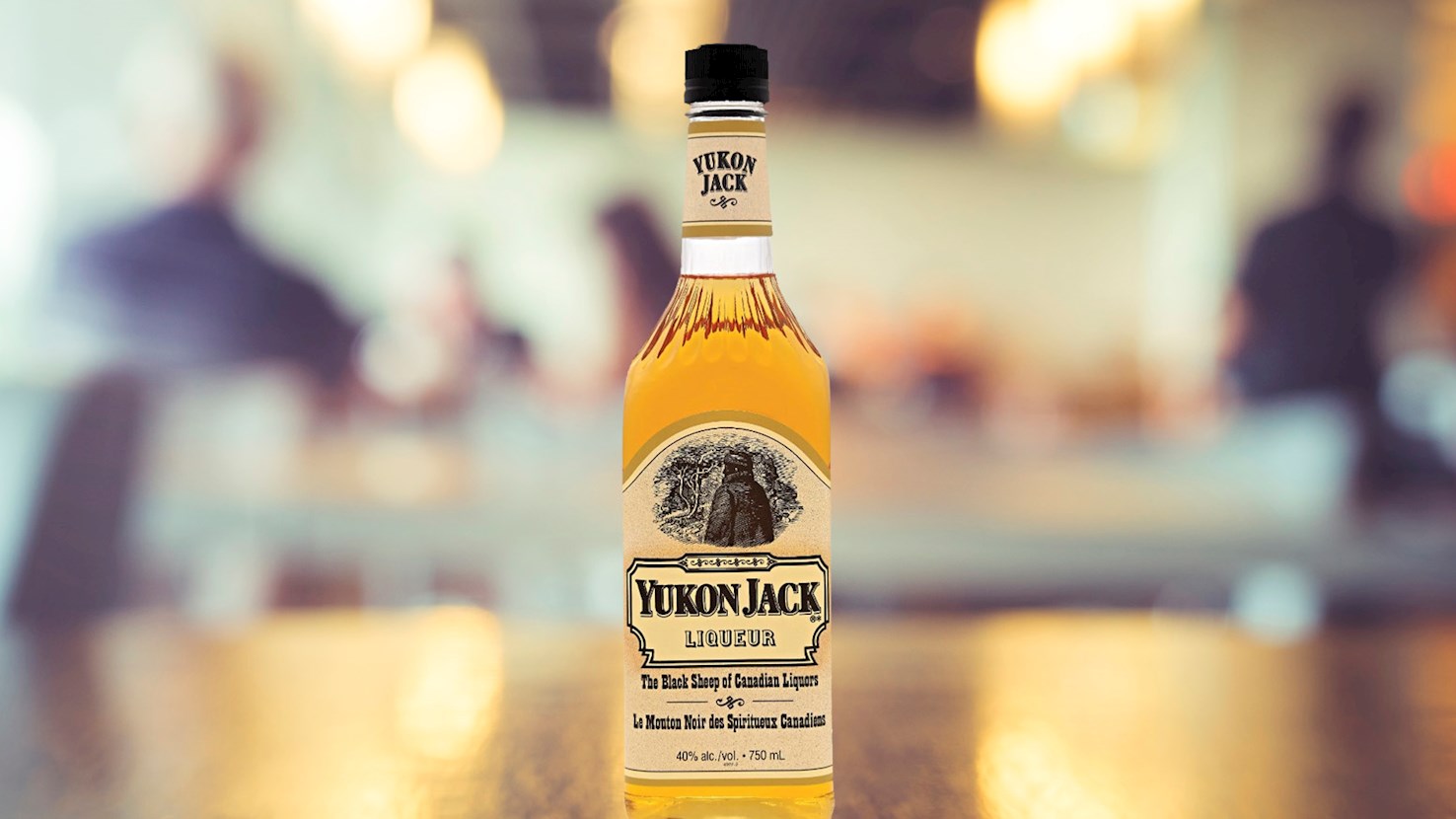
Advertised as the black sheep of Canadian liqueurs, Yukon Jack is a liqueur that combines blended Canadian whiskey and honey. It is an overproof liqueur available as 100 proof for American and 80 proof for the Canadian market. Yukon Jack has an appealing golden color. It is a potent and sweet liqueur that has a smooth flavor and aromas of vanilla and spices. Although it can be enjoyed neat or on the rocks, it also works well in cocktails and long drinks. Yukon Jack is produced in Valleyfield, Quebec, while the Sazerac Company owns the brand.
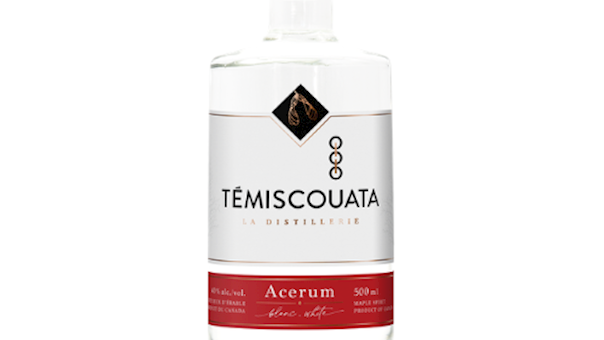
Acerum is an unaged or aged eau-de-vie spirit made from the distillation of fermented maple sap or its derived concentrates, produced entirely within the borders of the province of Quebec, and protected legally under a Protected Geographical Indication (PGI) status established in 2025. The development of this spirit began in the 1970s and 1990s when university researchers and independent maple farmers in Quebec sought methods to convert the province’s abundant raw maple surplus into a stable alcoholic beverage, culminating in 1996 when the provincial government issued the first official artisanal permit to ferment maple-based sugars, which eventually led to the formal founding of the Union of Maple Spirits Distillers to establish strict collective production criteria. Preparation of the spirit requires using one hundred percent Quebec-harvested maple sap, maple concentrate, or maple syrup, which is combined with water and yeast to undergo a fermentation process lasting between fifteen and twenty days. The resulting maple wine is then run through a batch or column still, where the distillation must terminate before exceeding ninety percent alcohol by volume at twenty degrees Celsius to ensure that the heavy aromatic volatile compounds and esters are retained rather than stripped out. Despite its sweet maple origin, the finished distillate contains a maximum residual sugar concentration of only fifteen grams per liter and must be bottled at a minimum strength of thirty-five percent alcohol by volume, resulting in a bone-dry or crisp flavor profile rather than a thick syrup texture. White variations are bottled directly after distillation to feature raw aromas of green apple, pear, and subtle fresh vegetation, whereas amber or aged variations spend a minimum of several months to years in oak barrels, absorbing wood-derived compounds that introduce flavors of toasted nuts, butterscotch, and warm baking spices. The spirit is served at room temperature or slightly chilled, using standard tulip-shaped spirits glasses that concentrate the delicate aromas towards the top of the glass. It is consumed inside tasting rooms, cocktail bars, and private residences across Quebec and specialized export markets, acting primarily as a digestive drink at the conclusion of a meal or integrated into classic cocktail bases like old fashioneds and daiquiris. For food pairings, the dry yet aromatic structure of unaged white Acerum complements smoked salmon, duck terrines, and mild goat cheeses, while the rich tannic structure of barrel-aged versions pairs with pecan tarts, caramelized apple desserts, high-percentage dark chocolate, and sharp cheddar.
TasteAtlas food rankings are based on the ratings of the TasteAtlas audience, with a series of mechanisms that recognize real users and that ignore bot,
nationalist or local patriotic ratings, and give additional value to the ratings of users that the system recognizes as knowledgeable.
TasteAtlas Rankings should not be seen as the final global conclusion about food. Their purpose is to promote excellent local foods,
instill pride in traditional dishes, and arouse curiosity about dishes you haven’t tried.
The initial list of top producers was compiled based on available reviews, awards, local recommendations, media and blog coverage, and consumer reviews.
The list will be updated with ratings from TasteAtlas local ambassadors and TasteAtlas users.





What People Say