Top 100 British Spirits

Last updated on June 10, 2026

Best British Spirits
01

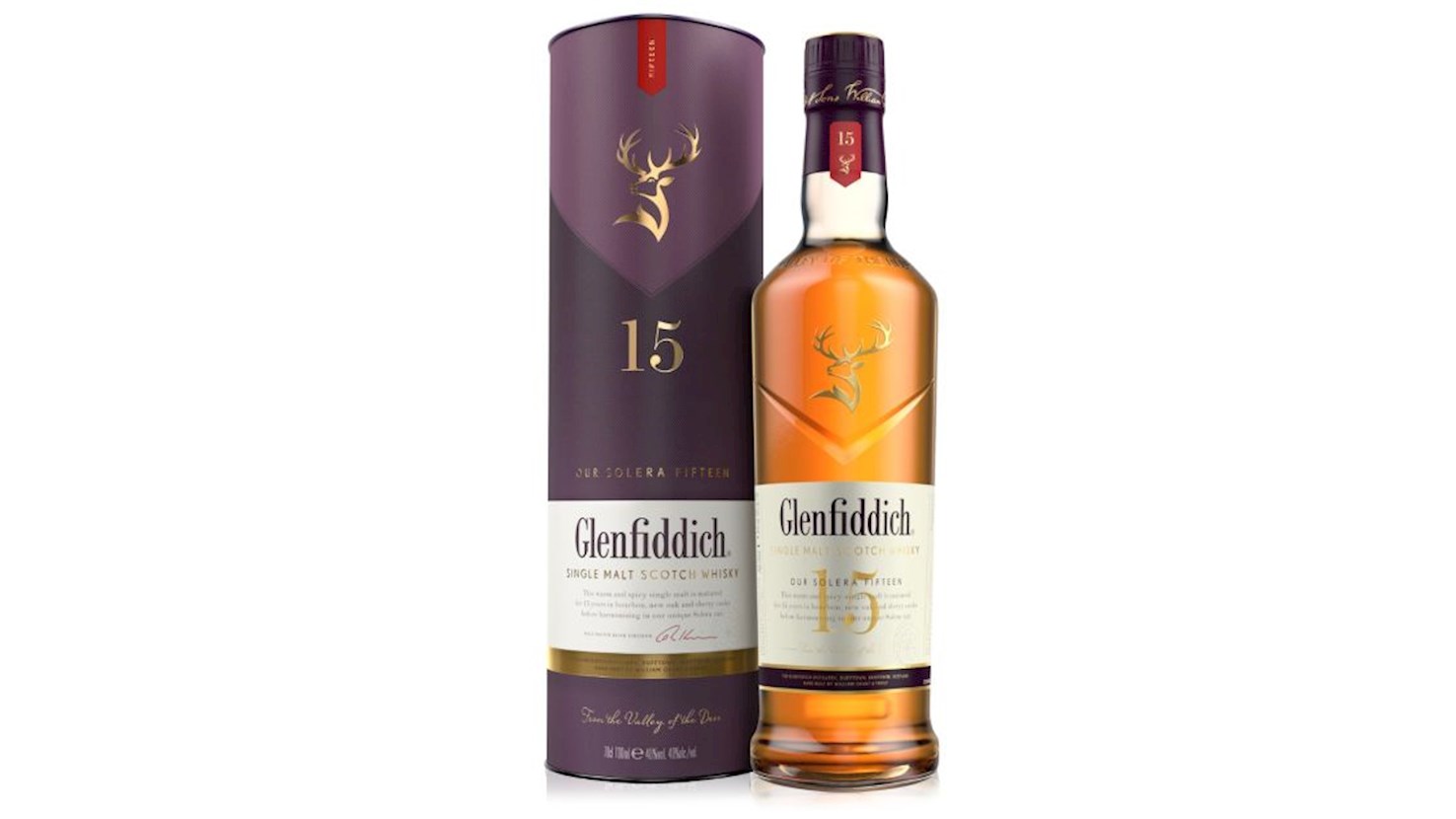
Glenfiddich

5 ·
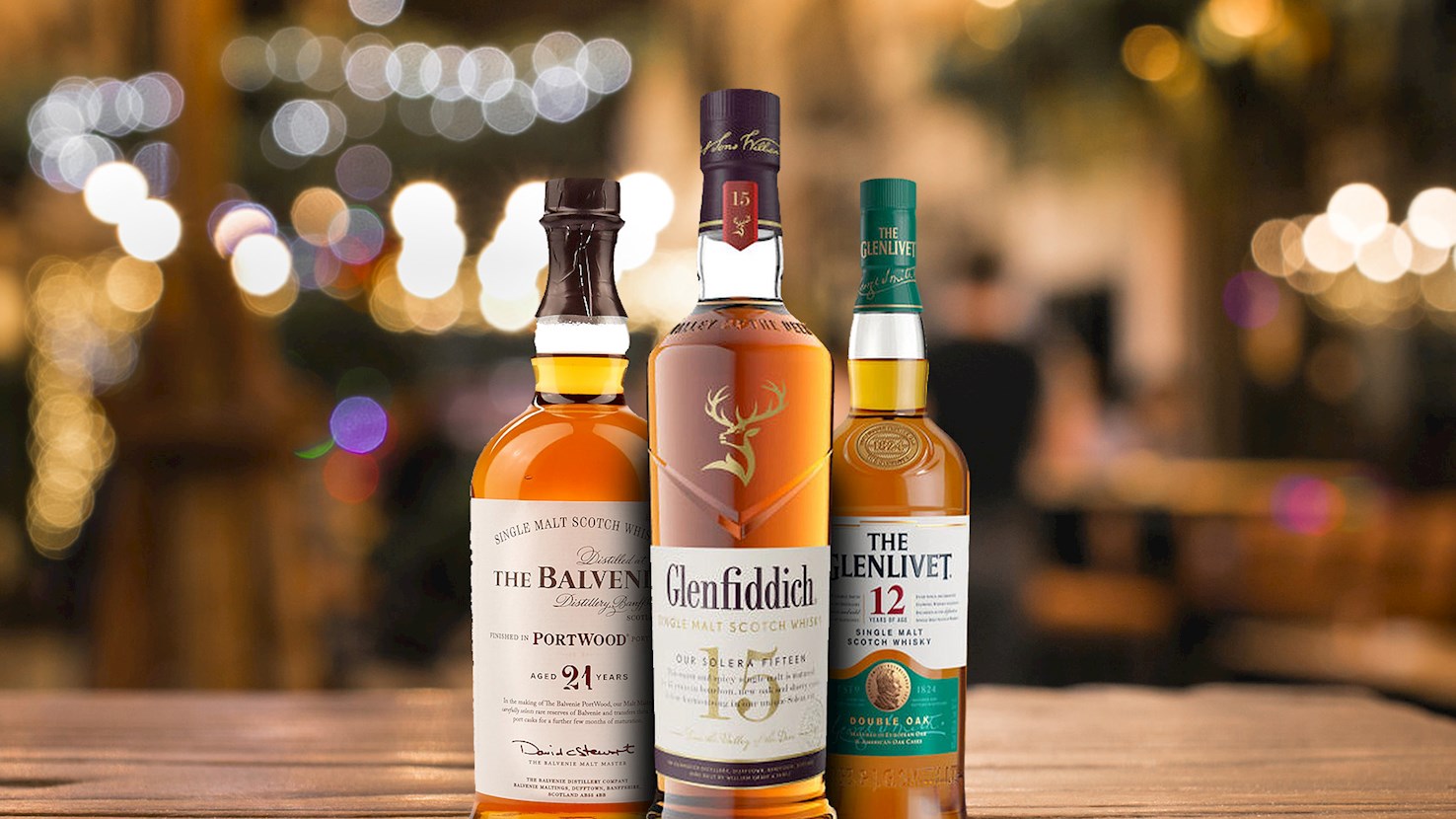
Glenfiddich is one of the most renowned and awarded producers of single malt whisky in the world, with a rich tradition dating back to 1887. Founded in Dufftown, in the heart of Scotland's Speyside region, Glenfiddich remains family-owned and proudly continues to use the same traditional production methods, combining craftsmanship with innovation. Their whiskies are celebrated for their complex flavor profiles, elegance, and carefully selected ingredients, with a special emphasis on the purity of spring water and a long maturation process in oak casks. Glenfiddich offers a diverse range of whiskies that capture the distinct qualities of Scottish single malts.
Awards
SFWSC - San Francisco World Spirits Competition - Double Gold (2024)
ISC-International Spirits Challenge - Double Gold (2024)
02

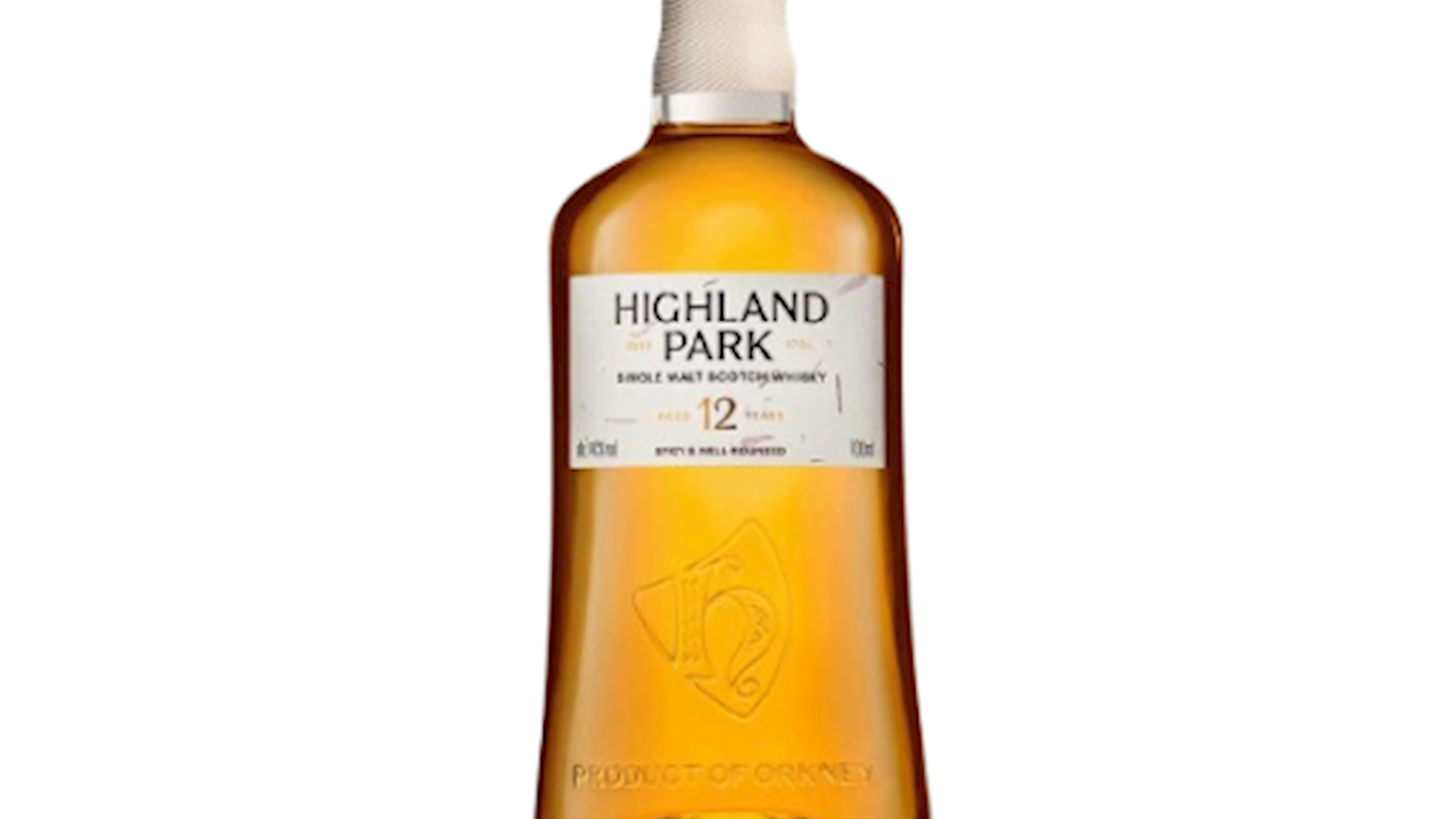
Highland Park

5 ·
Highland Park Distillery, located in Kirkwall on the Orkney Islands, Scotland, is one of the oldest distilleries in the country, founded in 1798. Known for its distinctively rich and smoky single malt whiskies, Highland Park combines traditional craftsmanship with the unique influence of Orkney’s coastal climate and local peat. The distillery's whiskies are celebrated for their balance of heather honey sweetness and aromatic peat smoke, crafted using time-honored methods and aged in sherry-seasoned oak casks.
Awards
SFWSC - San Francisco World Spirits Competition - Double Gold (2024, 2023)
ISC-International Spirits Challenge - Double Gold (2024)
03

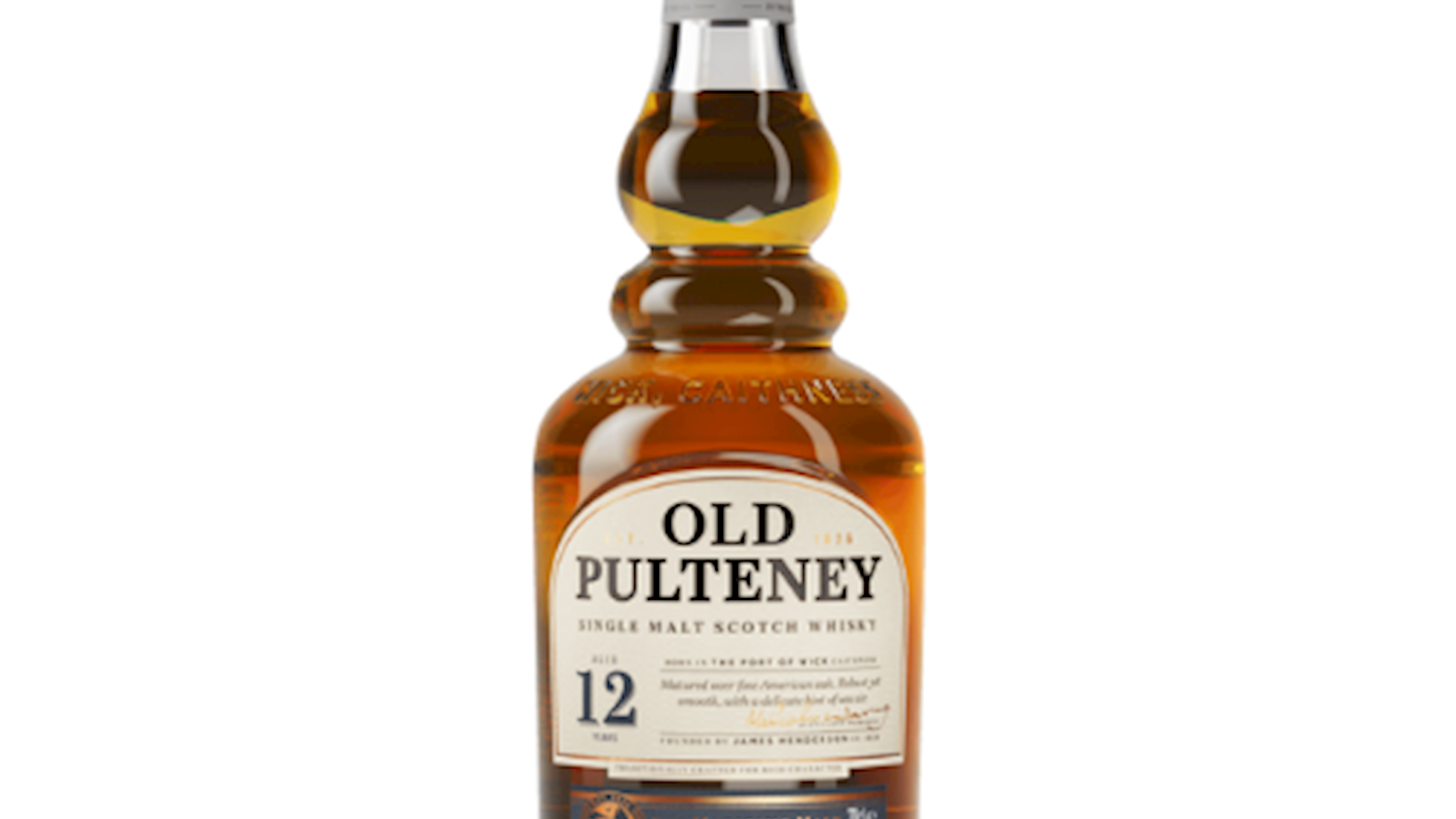
Old Pulteney

5 ·
Old Pulteney distillery is a malt whisky production and aging facility in the Pulteneytown area of Wick, Caithness, in the Highland area of Scotland. The distillery produces the Old Pulteney single malt whisky at a number of ages and has a visitor centre in Huddart Street. The distillery was established in 1826 in the name of Sir William Pulteney. The distillery was the most northerly on the Scottish mainland and was quite inaccessible, except by sea.
Awards
SFWSC - San Francisco World Spirits Competition - Double Gold (2024, 2023)
ISC-International Spirits Challenge - Double Gold (2023)
04

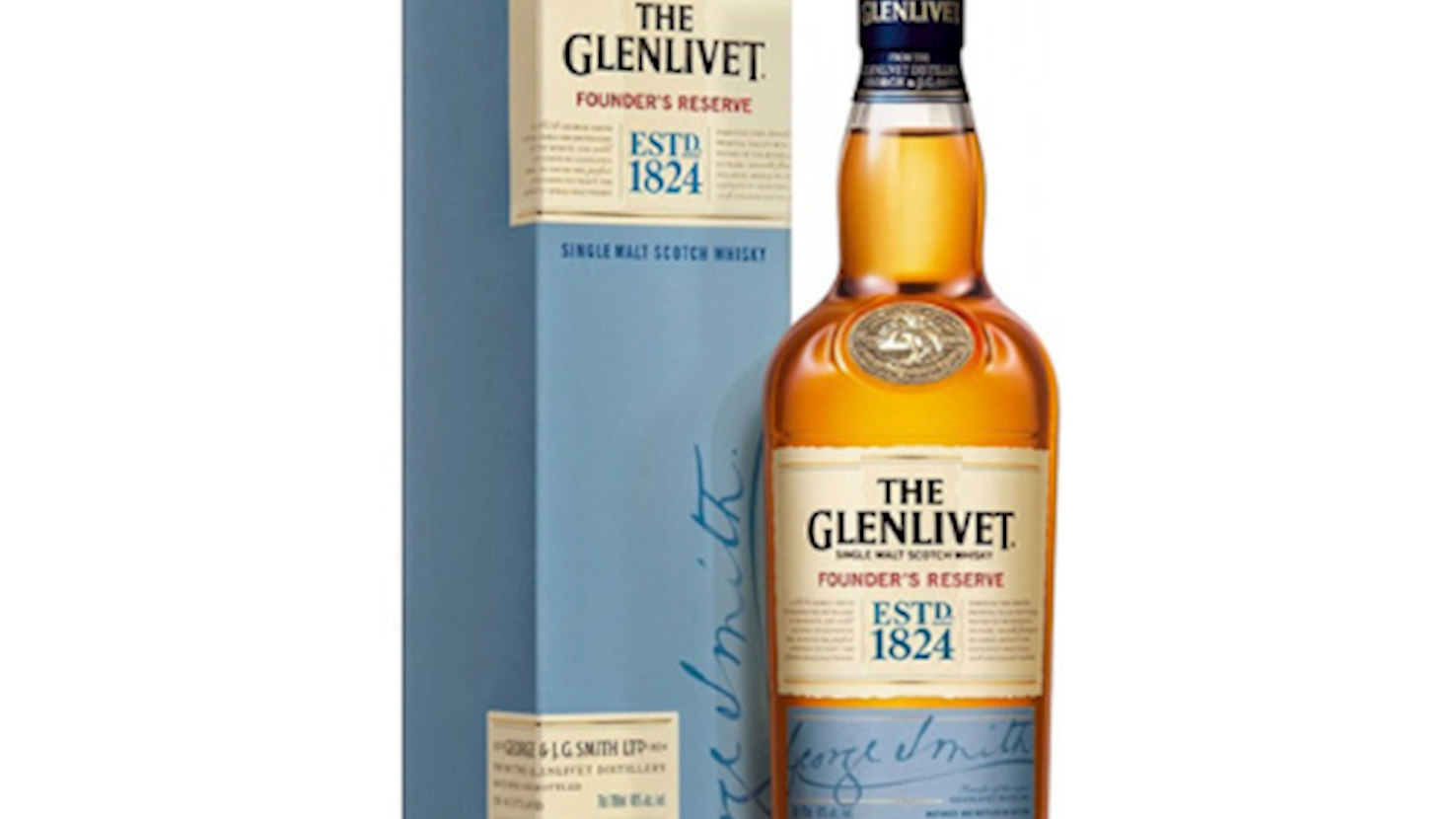
The Glenlivet

5 ·
The Glenlivet is one of the most renowned Scotch whisky distilleries, founded in 1824 in the Livet Valley in the Speyside region. Their whisky is known for its smooth and fruity notes, achieved through a unique distillation process and the use of high-quality ingredients. Glenlivet was the first whisky in Scotland to receive a license for distillation, becoming synonymous with premium single malt whisky. Their portfolio includes various age expressions and special editions, catering to diverse tastes. Today, the brand is part of the Pernod Ricard group and remains a symbol of innovation and tradition in the whisky industry.
Awards
ISC-International Spirits Challenge - Double Gold (2024)
SFWSC - San Francisco World Spirits Competition - Double Gold (2023)
05

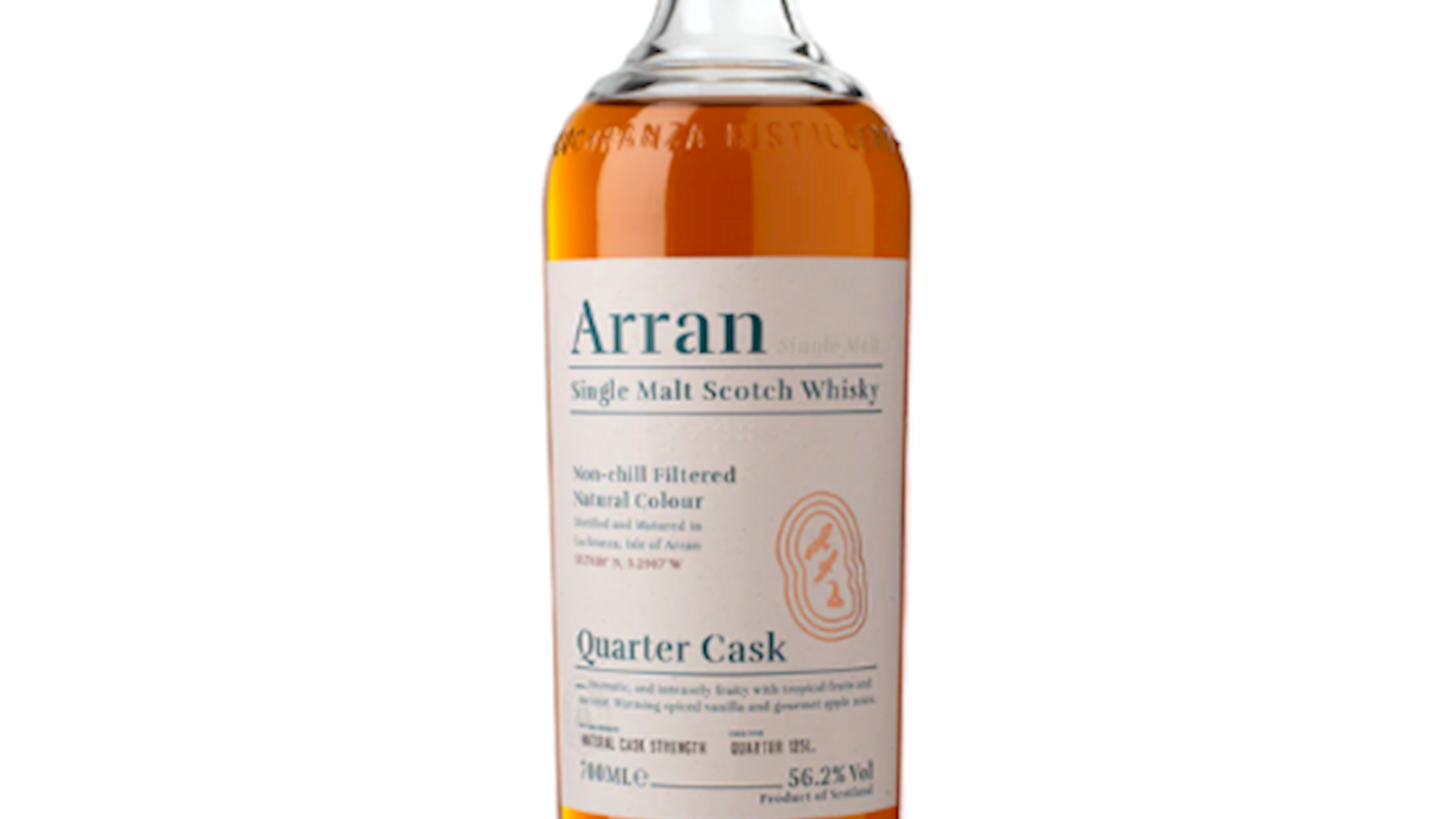
Arran Whisky

5 ·
Arran Whisky is a Scottish distillery located on the Isle of Arran, one of Scotland's most picturesque islands. Founded in 1995, the distillery has quickly become famous for producing high-quality single malt Scotch whiskies. Arran whiskies are celebrated for their rich, well-balanced flavors, often featuring notes of fruit, honey, and a touch of sea salt, influenced by the island’s maritime climate. Arran Distillers is known for its commitment to craftsmanship and tradition, using a combination of traditional copper pot stills and modern techniques to create a range of expressions, from lighter, fruitier drams to more complex, sherried whiskies. The distillery offers a wide selection, including core releases, limited editions, and cask finishes.
Awards
SFWSC - San Francisco World Spirits Competition - Double Gold (2024, 2023)
IWSC- International wine & spirit competition - Spirit Gold (2024)
06

Loch Lomond Whiskies

5 ·
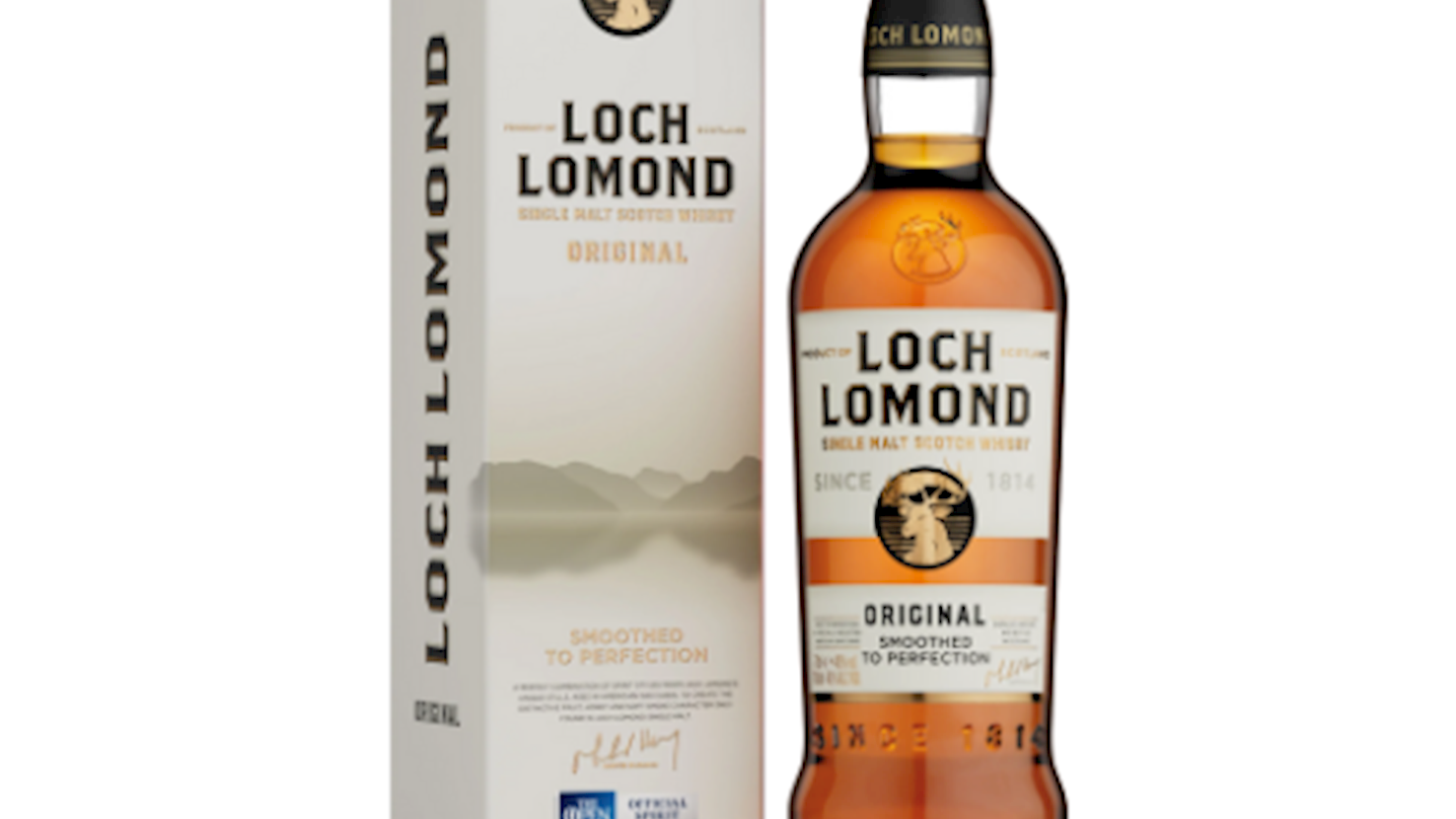
Loch Lomond Whiskies is a renowned Scottish whisky brand, celebrated for its high-quality single malt and blended whiskies. Based near the iconic Loch Lomond in the Scottish Highlands, the distillery draws inspiration from the region’s natural beauty and pure water source, which contribute to the distinct character of its whiskies. The brand is known for its innovation in whisky production, utilizing unique distillation methods. One of their signature techniques is the use of a custom-designed still, called the “Loch Lomond still,” which allows for a wide range of flavor profiles, from rich and fruity to smooth and smoky. Loch Lomond Whiskies produces a variety of expressions, including aged single malts, limited-edition releases, and special cask finishes, catering to different tastes and preferences.
Awards
SFWSC - San Francisco World Spirits Competition - Double Gold (2024, 2023)
ISC-International Spirits Challenge - Double Gold (2024)
07

Benriach Distillery

5 ·
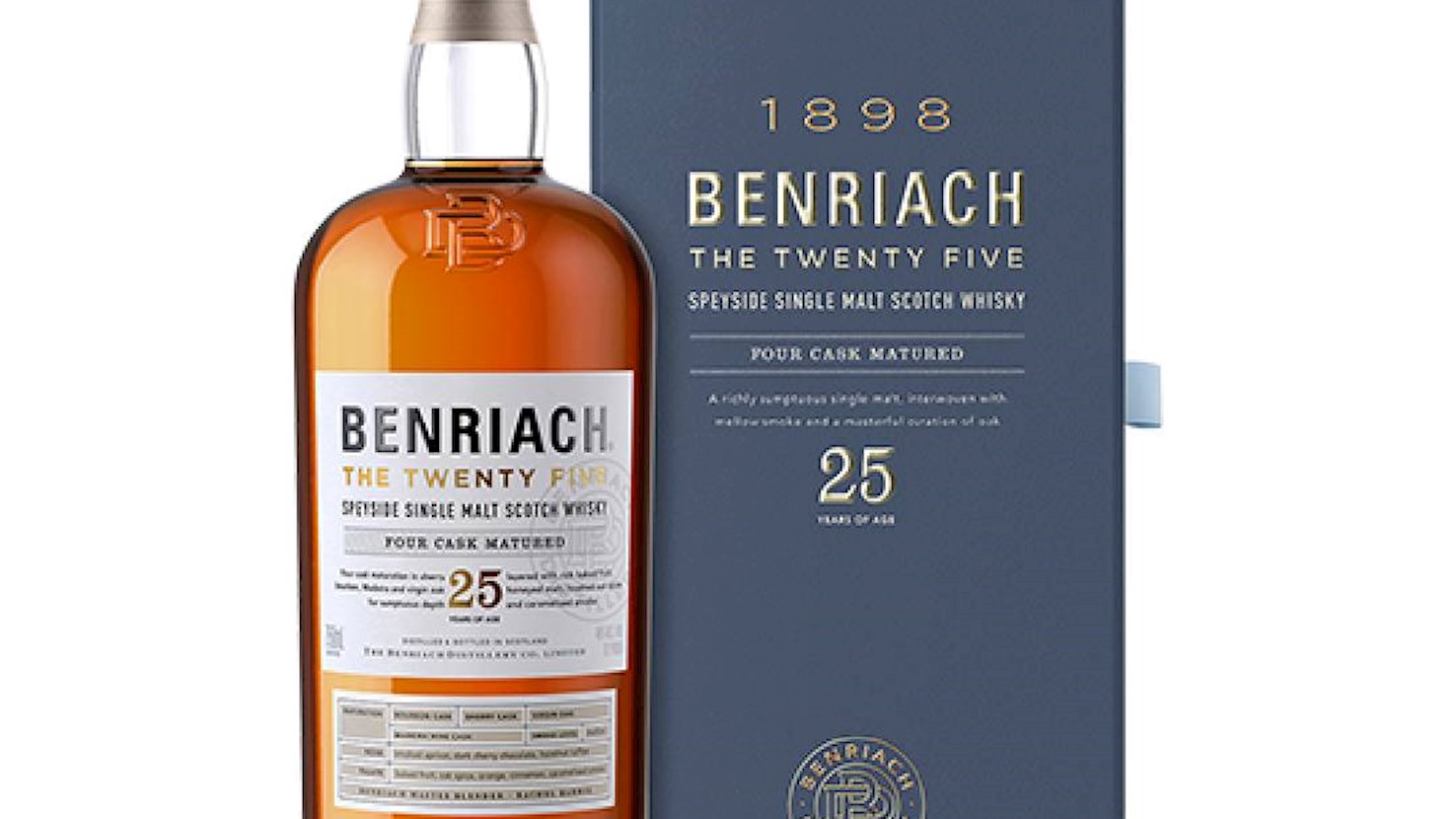
Benriach Distillery, established in 1898, is located in the heart of Speyside, Scotland. Known for its innovative approach, Benriach produces three distinct styles of whisky: unpeated, peated, and triple-distilled. This versatility allows the distillery to craft a diverse range of single malts, each with unique flavor profiles. The distillery is renowned for its use of a wide variety of cask types, including bourbon, sherry, port, and rum barrels, to enhance the complexity of its whiskies. Benriach is one of the few distilleries in Scotland that continues to use floor maltings, showcasing a dedication to traditional whisky-making techniques. In addition to its core range, Benriach regularly releases special editions and single cask bottlings, appealing to collectors and enthusiasts alike. Their commitment to innovation is evident in experimental finishes and bold flavor combinations that push the boundaries of whisky craftsmanship.
Awards
SFWSC - San Francisco World Spirits Competition - Double Gold (2024, 2023)
IWSC- International wine & spirit competition - Spirit Gold (2024)
08

Aberlour Distillery

5 ·
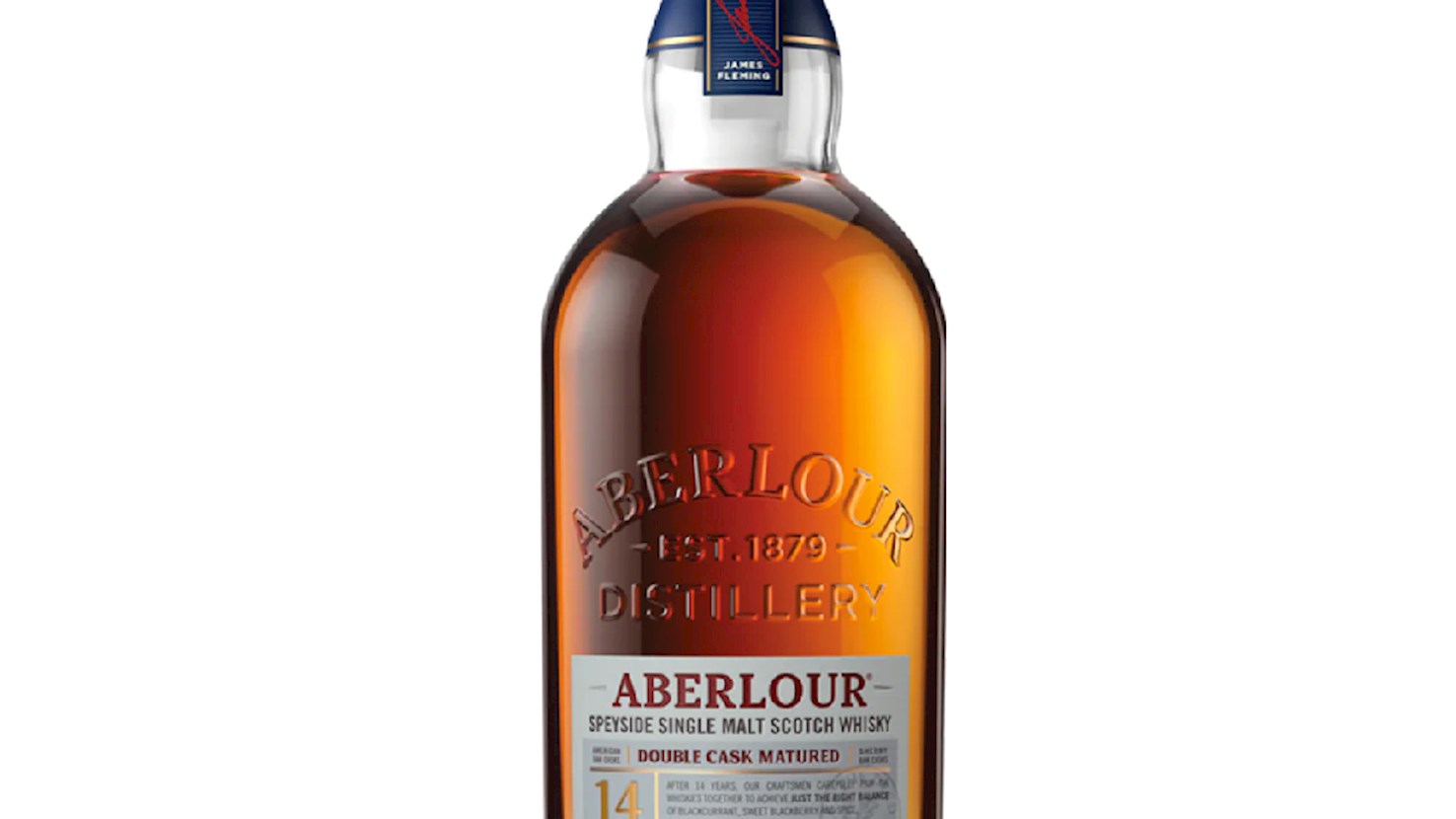
Aberlour is a renowned distillery located in the heart of Speyside, Scotland, known for its complex and rich single malt Scotch whiskies. Established in 1879 by James Fleming, Aberlour uses pure water from nearby Ben Rinnes and local barley to craft its whiskies. The distillery is especially known for its double cask maturation process, aging whisky in both Oloroso Sherry butts and American Oak barrels to create a balanced and deep flavor profile.
Awards
SFWSC - San Francisco World Spirits Competition - Double Gold (2024, 2023)
ISC-International Spirits Challenge - Double Gold (2023, 2021)
09

Dewar's

5 ·
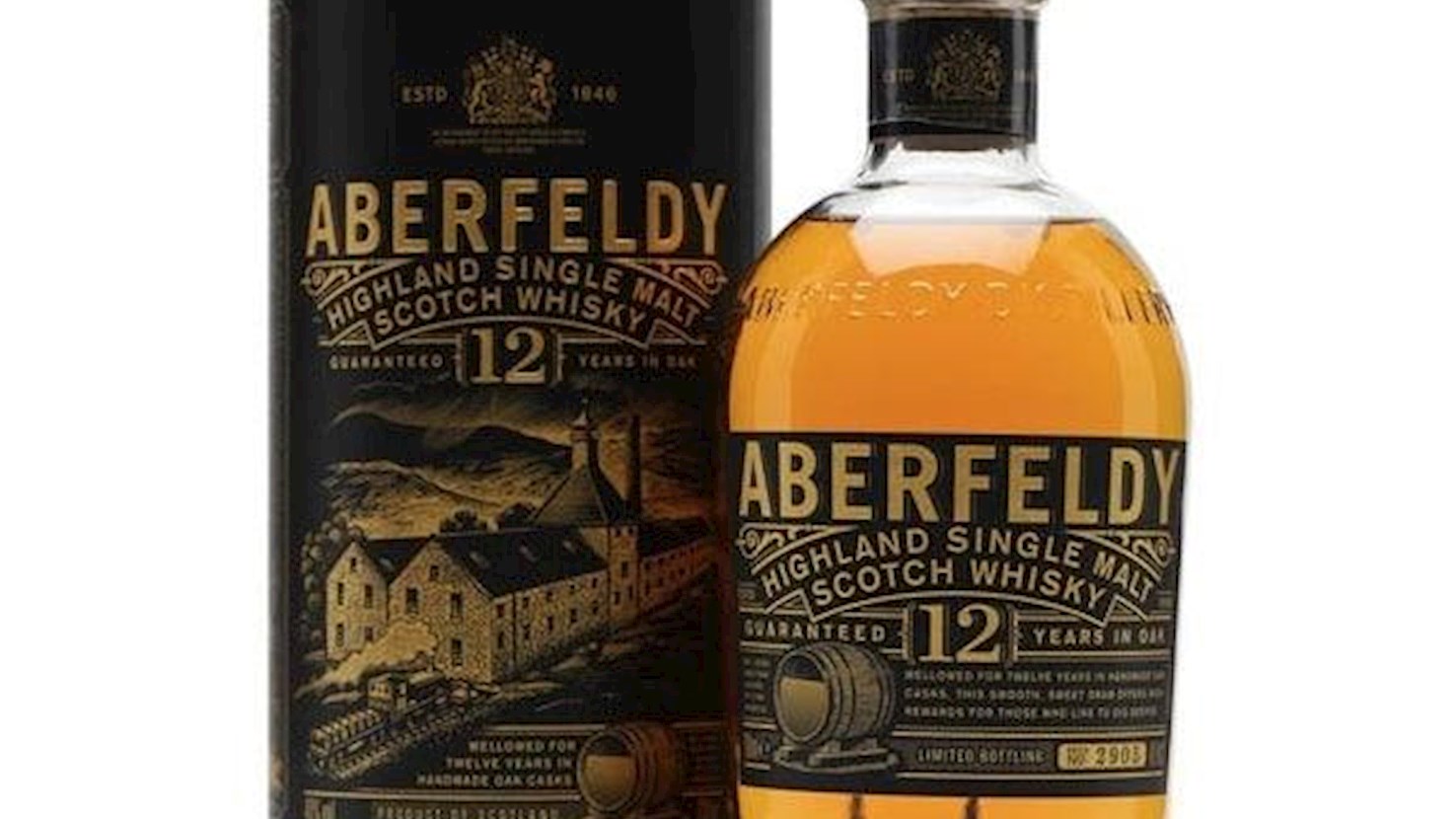
John Dewar & Sons, established in 1846 in Perth, Scotland, by John Dewar, is a prominent name in the Scotch whisky industry. The company expanded rapidly under the leadership of John’s sons, Alexander and Tommy, who successfully promoted the brand worldwide. In 1998, Dewar & Sons became part of Bacardi and continues to thrive with operations across Scotland. The company owns five distilleries: Aberfeldy, Aultmore, Craigellachie, Macduff, and Royal Brackla, contributing to its rich heritage in whisky production.
Awards
SFWSC - San Francisco World Spirits Competition - Double Gold (2024, 2023)
ISC-International Spirits Challenge - Double Gold (2024)
10

Johnnie Walker

5 ·

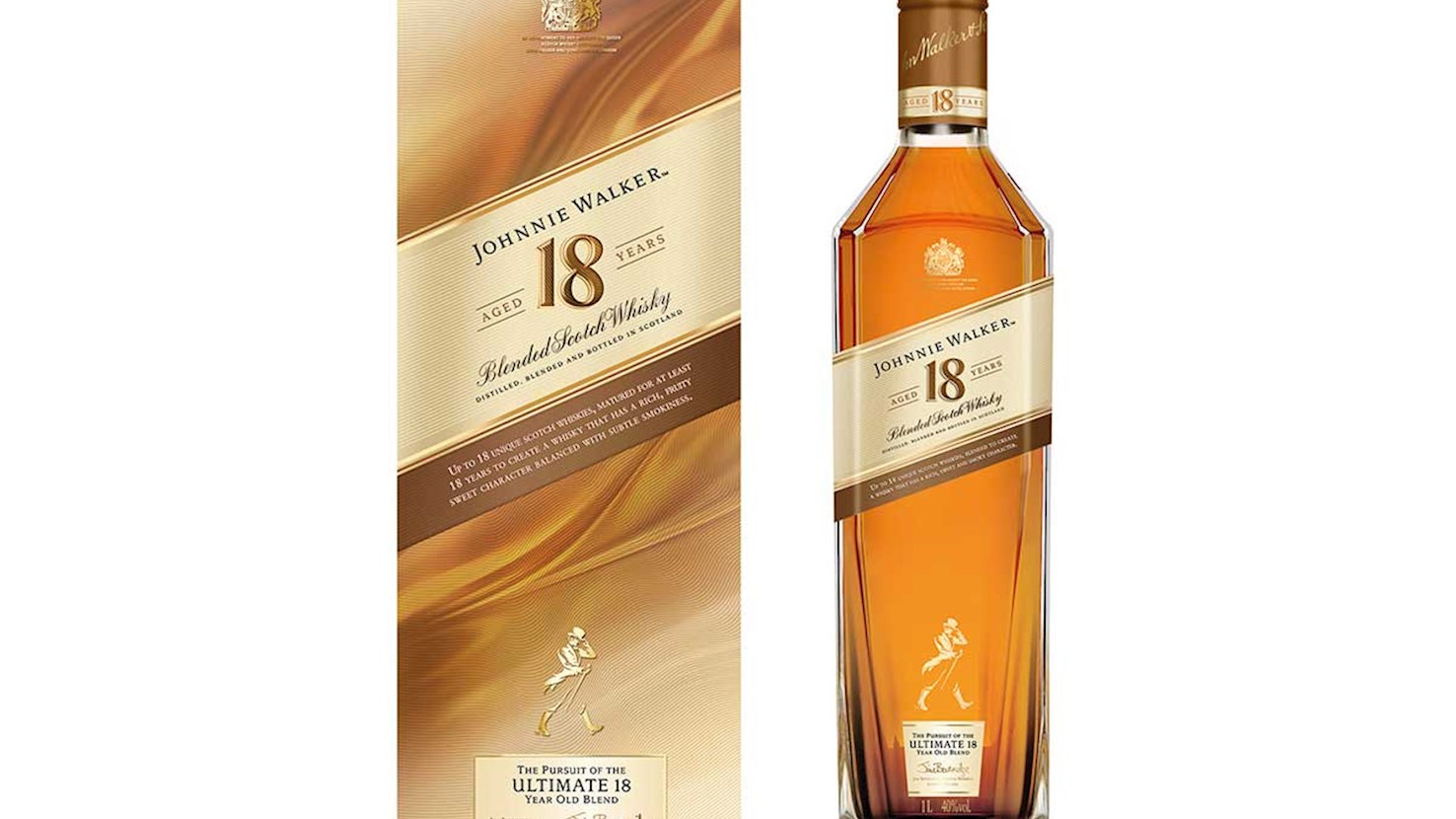
Johnnie Walker is one of the world's most iconic Scotch whisky brands, with a history dating back to 1820 when grocer John Walker began selling whisky in Kilmarnock, Scotland. Over the following decades, the company developed a reputation for creating consistently blended whiskies, helping to establish the global popularity of Scotch whisky. The brand expanded significantly under the leadership of John Walker’s descendants, becoming one of the first whisky producers to export its products internationally. Today, Johnnie Walker is owned by Diageo and is recognized as one of the best-selling Scotch whisky brands in the world. Its portfolio includes renowned expressions such as Johnnie Walker Red Label, Johnnie Walker Black Label, Johnnie Walker Green Label, Johnnie Walker Gold Label Reserve, and the prestigious Johnnie Walker Blue Label. The brand is distinguished by its expertise in blending malt and grain whiskies sourced from different regions of Scotland, creating balanced and recognizable flavor profiles. Its famous Striding Man logo, introduced in 1908, has become one of the most recognizable symbols in the spirits industry. With more than two centuries of heritage, Johnnie Walker remains a leading ambassador of Scotch whisky worldwide, combining tradition, craftsmanship, and innovation in every expression.

Awards
SFWSC - San Francisco World Spirits Competition - Double Gold (2024, 2023)
ISC-International Spirits Challenge - Double Gold (2021, 2019)

Best British Spirit Types
01

Speyside whisky

4.2 ·

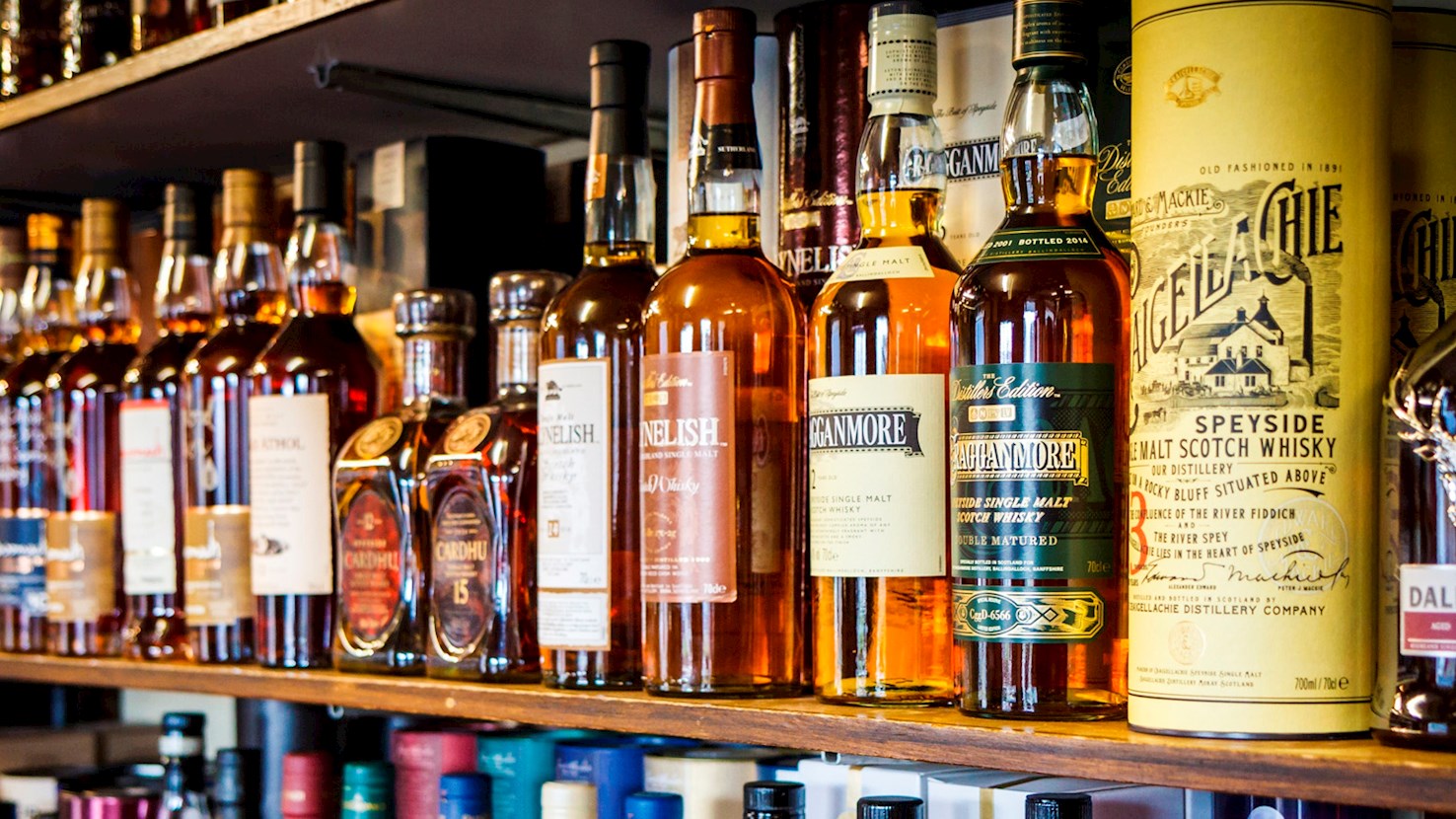
Often dubbed as the whisky center, Speyside is one of five official Scottish whisky regions. Although it is geographically a part of Highlands, this area is a separate appellation, because of the large concentration of distilleries and the high-quality single malts that come from the area. Whiskies that are produced in the region are less peaty than other styles, but their character can vary from floral and fruity to rich and spicy. Although they were once similar to the robust styles in the Highlands, most distilleries in the area have shifted their focus on lighter and sweeter styles that display classic flavors of vanilla, apple, honey, oak, and dry fruit. The most famous distilleries include Glenlivet, The Balvenie, Aberlour, Tomintoul, Glen Moray and Macallan, while Glenfiddich from Speyside produces the world’s best-selling single malt.

02

Highland whisky

4 ·

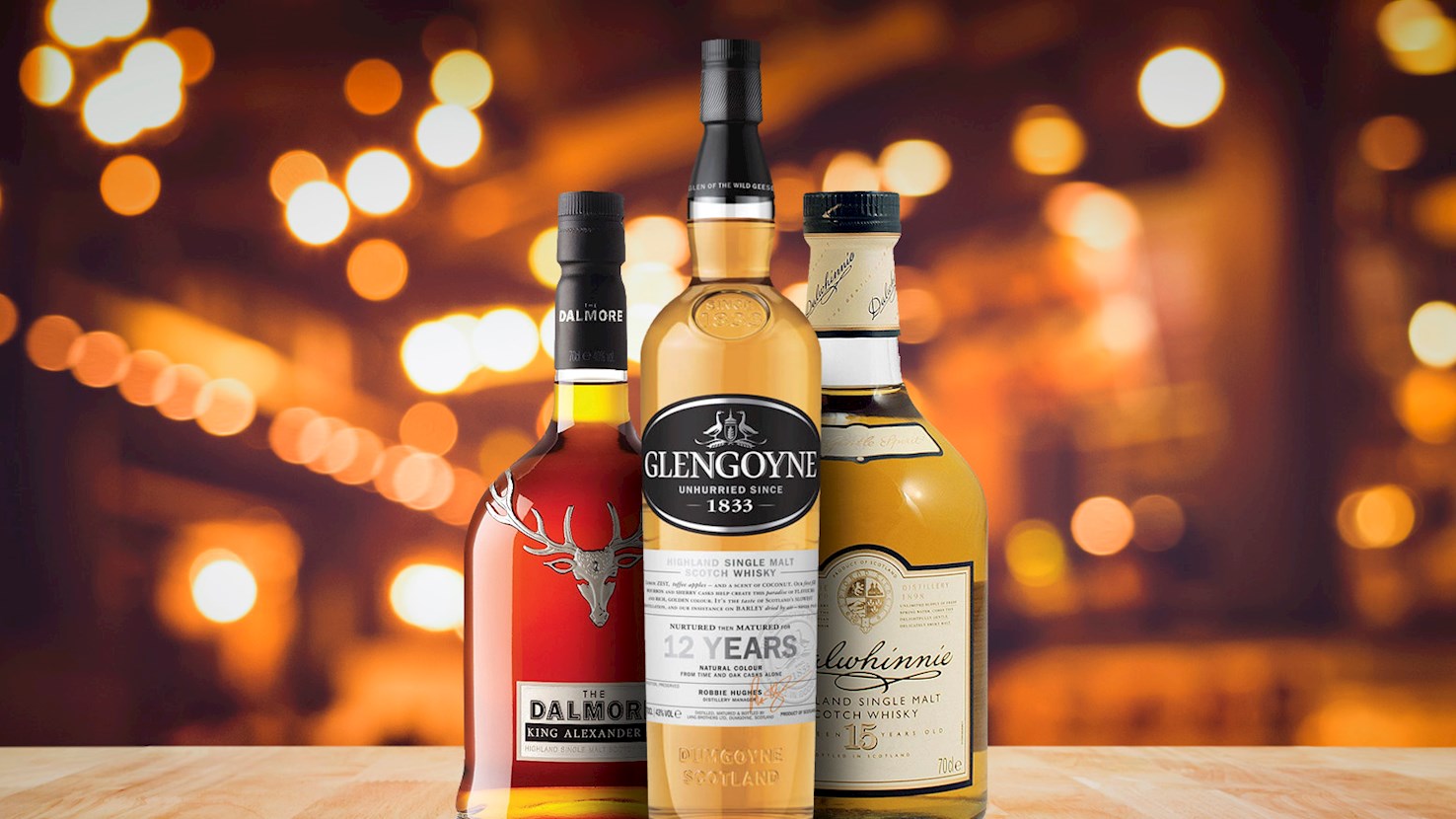
In terms of size, Highland is the largest region designated for the production of Scottish whisky. It covers most of the Scottish mainland, and though it sometimes includes the islands, they are mostly regarded as a separate region. Because of its size and diverse geography, Highland single malts may significantly vary in character. Single malts from the north tend to be full-bodied, rich, and sweet, while those found in the east and the south will be lighter and more fruity. Styles from the west are typically more powerful, peaty, and smoky. Some of the top producers include Dalmore, Glenmorangie, Aberfeldy, Glen Garioch, Clynelish, Pulteney, and Oban.

03

Islay whisky

4 ·

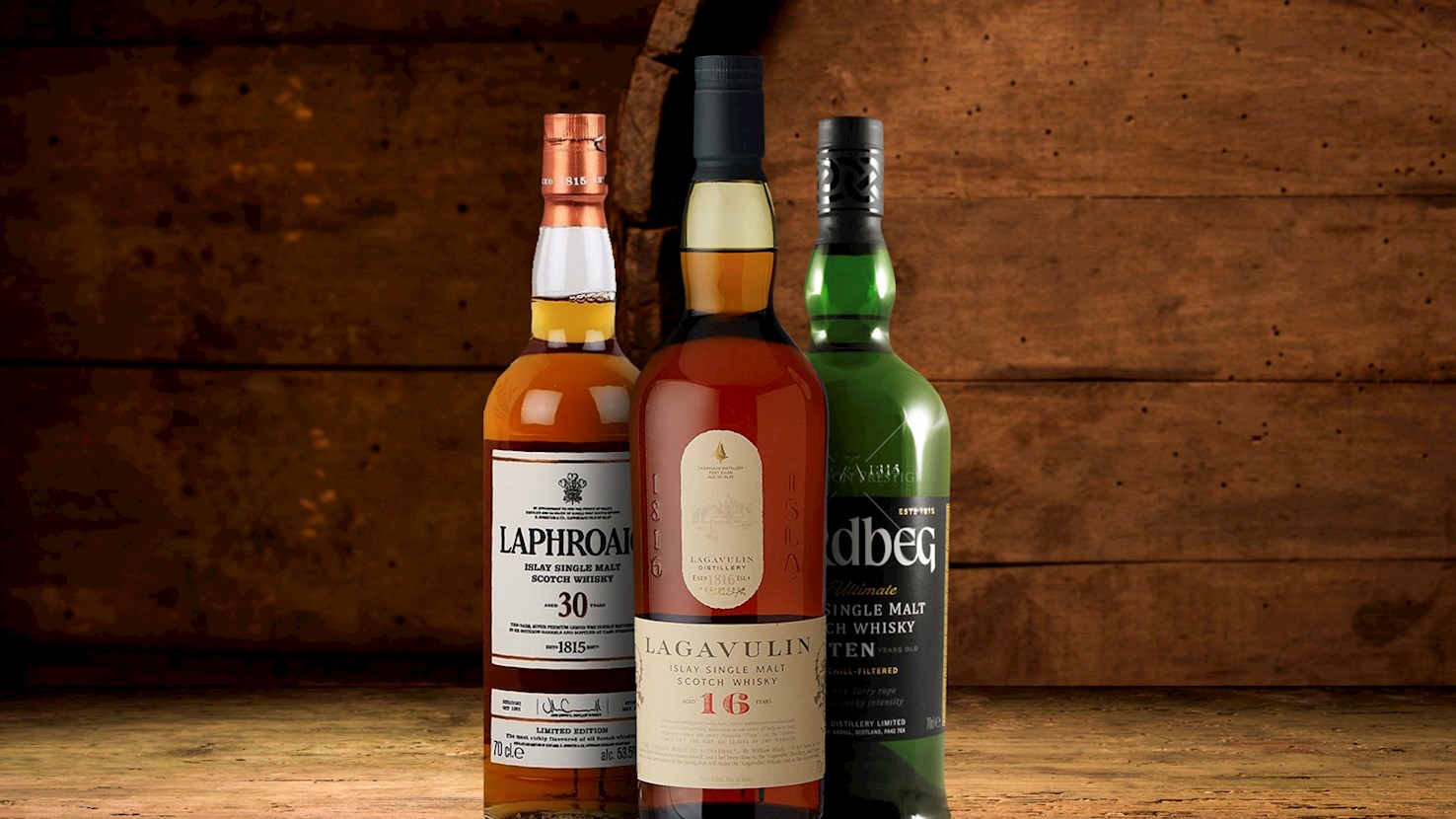
Islay is a Scottish island and one of the officially recognized Scottish whisky regions. There are nine operational distilleries on the island, and most of them produce strong, robust, smoky, and peated whisky, but there are also fruity and smooth examples. Southern distilleries mostly rely on peat, and their whisky tends to be packed with salinity, while those in the north mostly focus on slightly milder and lighter styles. Regardless of some differences, Islay whisky is complimented as the strongest-flavored variety.

Best producers
04

Campbeltown whisky

3.8 ·

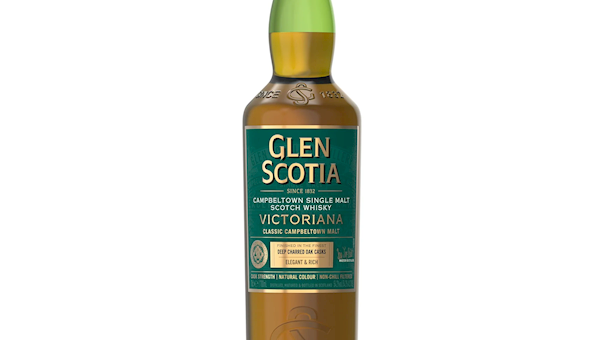
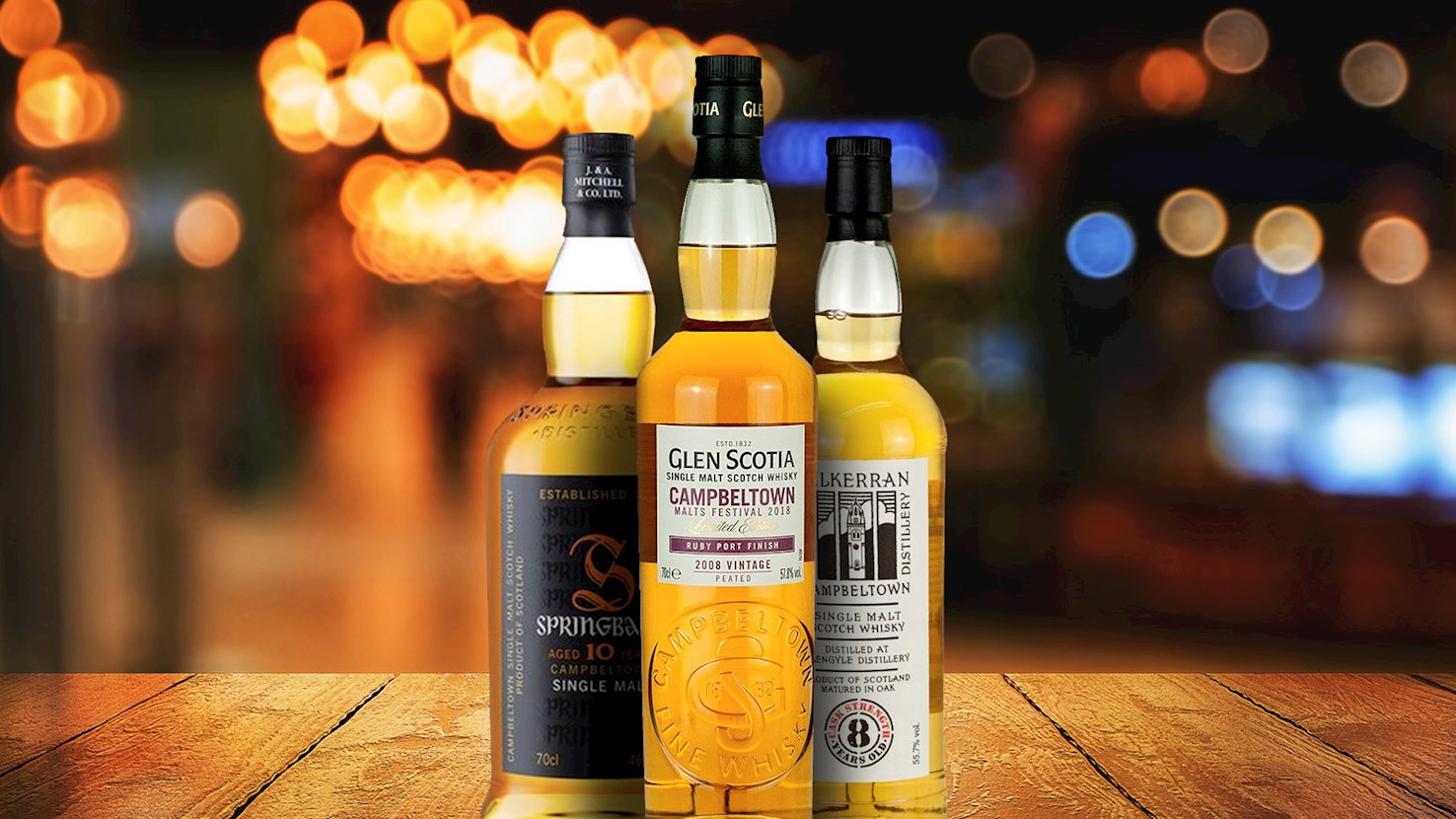
Campbeltown is a small whisky region that was once the center of Scottish whisky production. Nowadays, there are only three distilleries left, but Campbeltown remains an important area that produces distinctive and unique styles. Whisky from Campbeltown can slightly vary in character, but they are usually peaty and often robust, with salty, smoky, and fruity nuances that are complemented by hints of vanilla and toffee. Three distilleries in Campbeltown are Springbank, Glengyle, and Glen Scotia.

05

London Dry gin

3.8 ·

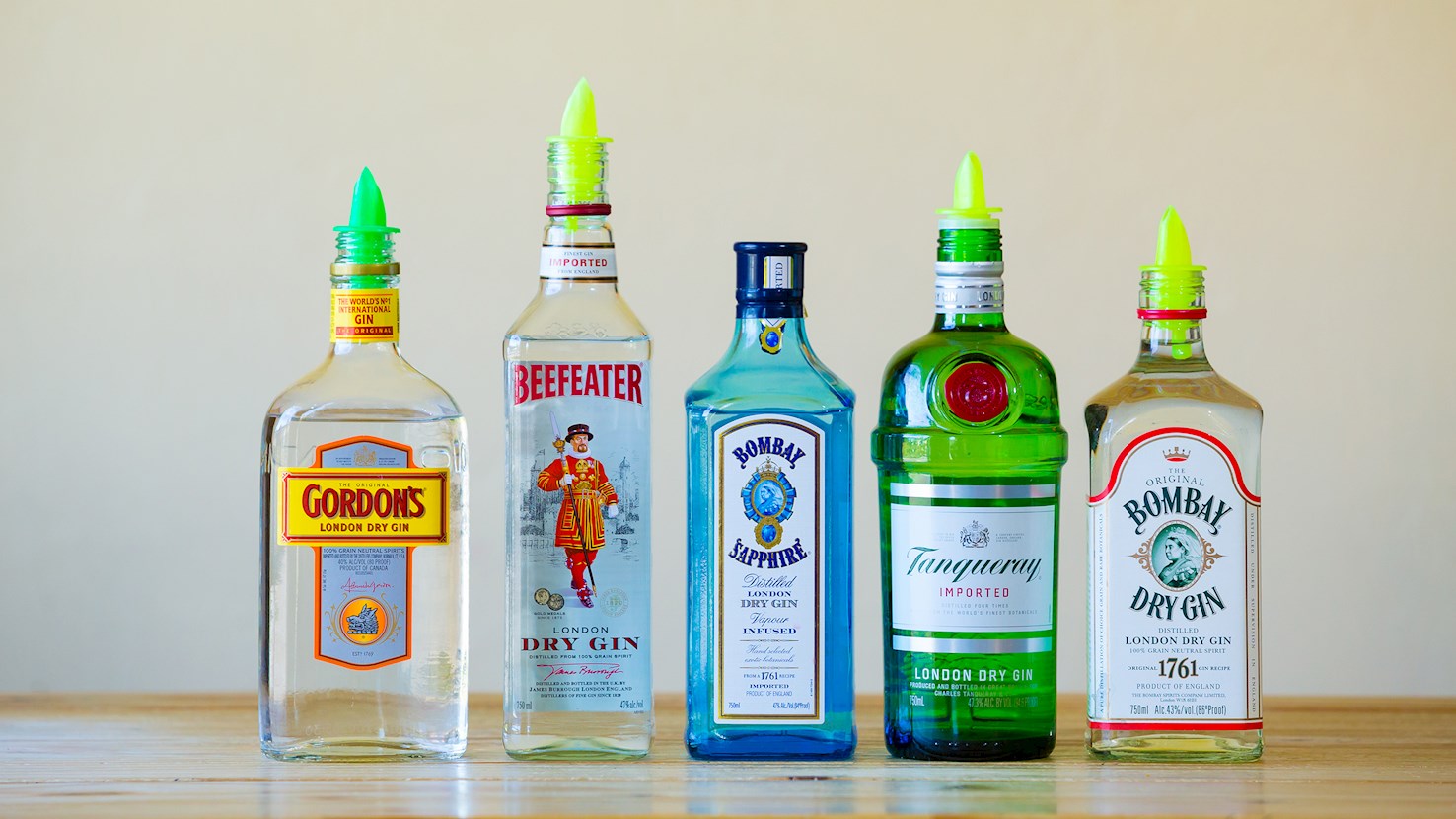
London Dry gin style is a quality designation for a specific gin variety in which all the flavors have to be natural and added through distillation. This gin is also distilled from a neutral base spirit that is enriched with various botanicals. Juniper berries are indispensable for most London dry examples, while other additions usually include citrus peel, angelica root, and coriander seeds. Most traditional gin varieties falling in this category will have dominant juniper flavor as well as herbaceous and citrus notes, though several modern interpretations step away from the conventional approach. London Dry style was introduced after the invention of continuous column stills (Coffey stills), which could distill clean spirits that could reach 96% ABV. Prior to that, most gin styles were crude and harsh, and producers often had to add sweeteners and flavorings to make it more palatable. When the designation first appeared, most examples were labeled simply as dry gin, but because most gin production was concentrated in London, it often included the additional London label. Despite its name, London dry gin has no geographical restriction, and it can be produced anywhere in the world. Additional guidelines stipulate that it can be mixed with water to achieve the minimum strength of 37.5% ABV. It can contain minimal amount of sweeteners, but flavorings or color cannot be added after distillation.

06

Scotch Whisky

3.7 ·

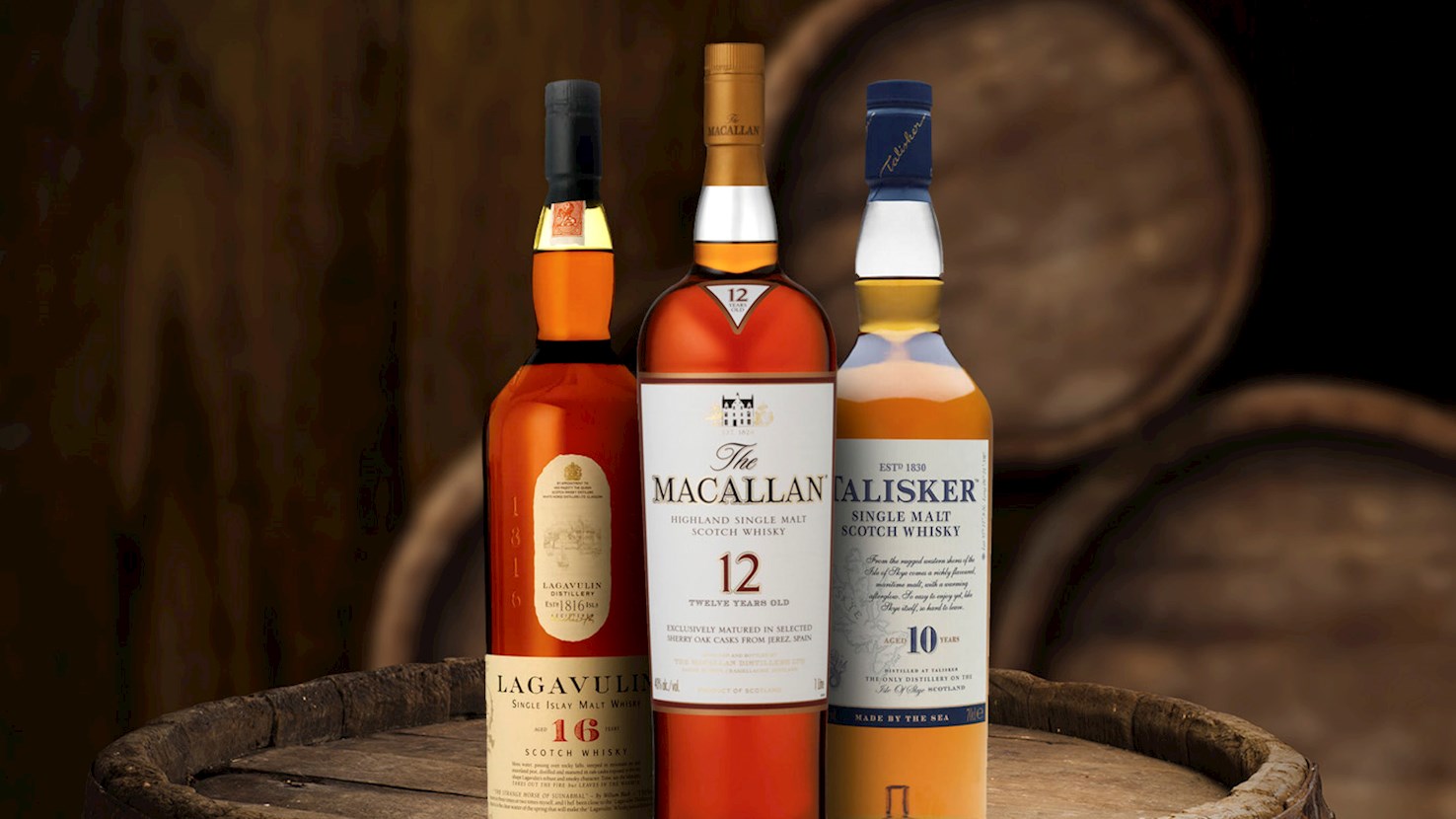
Scotch is the renowned whisky variety hailing from Scotland. Although it can be made with the addition of other grains or cereals, the original Scottish whisky has to be made with a base of water and malted barley—barley that has been soaked and allowed to germinate. The grains are fermented only by using yeast, and no artificial additions can be added, apart from the plain caramel coloring. All Scotch whisky must be aged for a minimum of three years in oak casks, and the age is dictated by the youngest whisky in the blend. The minimum requirement for bottling is 40% ABV. While many defining factors can influence the final flavor and taste profile of Scotch such as distilling tradition, climate, grain composition, and age, all varieties will have a distinctive and rich malt flavor, while other elements typically include smoke, vanilla, and fruit. Officially, the production of Scotch is divided into five Scottish regions, and the basic division of Scotch types includes single malt (only made from malted barley), blended Scotch (mix of grain and malt), blended malt Scotch (combination of two or more single malts), grain whisky (made from grains other than malted barley that includes single grain varieties that are made from one distillery). Scotch whisky is best served in a tasting (nosing) glass, and although many believe that the best way to appreciate good quality Scotch is to serve it neat, it is often also recommended to combine it with water, which helps to bring out malty flavors, or over ice, which makes Scotch more approachable. Scotch can also work well as a cocktail ingredient.

07

Plymouth gin

3.6 ·

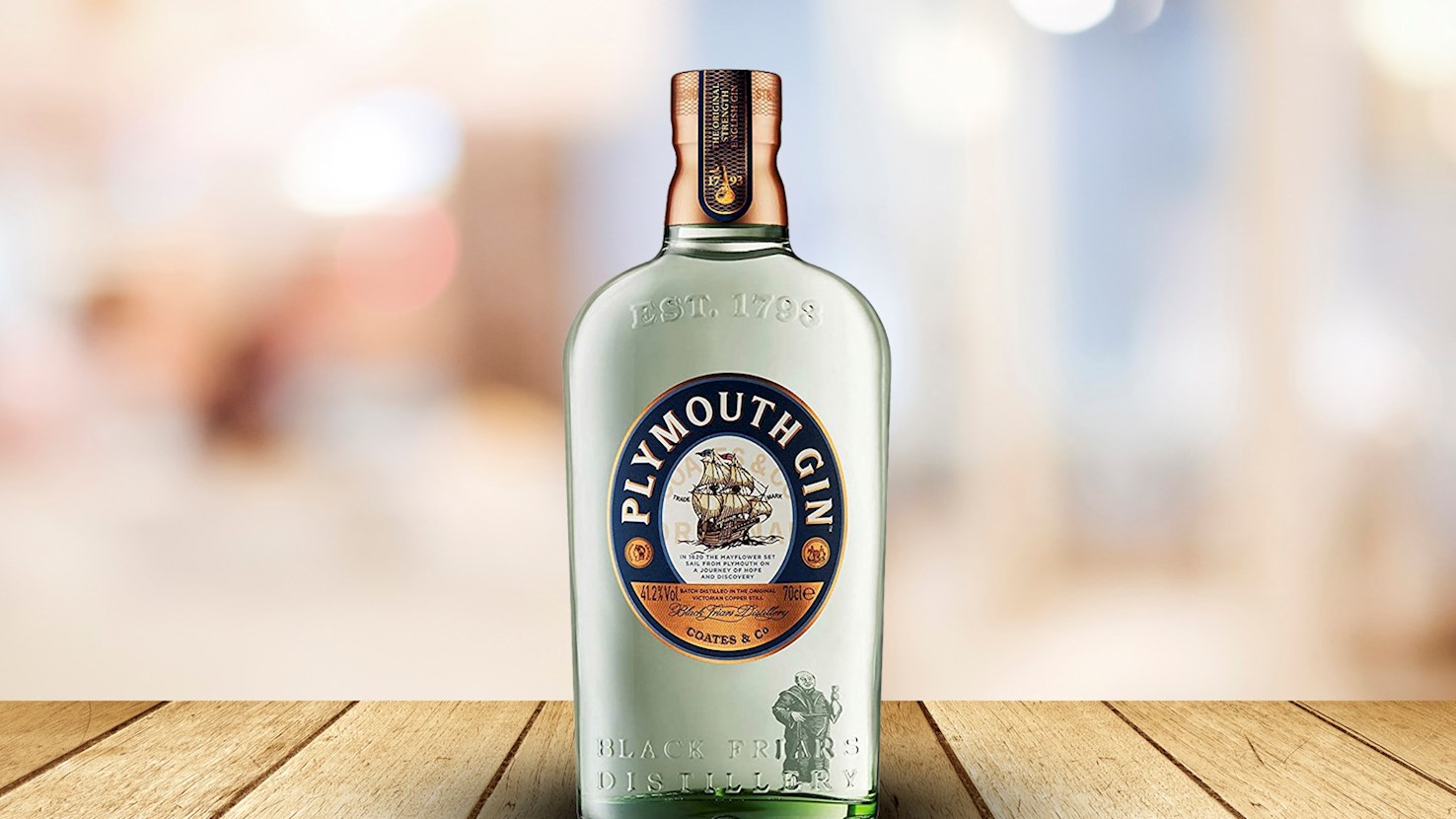
Plymouth gin is made with grain alcohol, soft Dartmoor water, and seven botanicals that include juniper berries, coriander seeds, angelica root, orange and lemon peel, orris, and cardamom. It was created in 1793, and it is still produced in the original copper still that dates from 1855. Plymouth was the only type of gin with a geographical indication, but since 2015, it is no longer applied. This gin is still only produced in Plymouth, at the namesake distillery, which was formerly known as the Black Friars Distillery. Plymouth gin is full-bodied and smooth, with juniper flavor and aromas that are accompanied by citrusy, earthy, and herbaceous nuances. Original Plymouth gin is bottled at 41.2%, but the distillery produces several other versions, including the Navy Strength version that reaches 57% ABV.

08

Whisky

3.5 ·

Whisky or whiskey is a spirit made from fermented grains, typically corn, rye, wheat, and barley, and is always aged, predominantly in oak barrels. The story of its discovery provokes heated debates, since both Irish and Scots claim whisky as their invention. Because of the lack of written evidence, it is difficult to state where it first originated, but it is believed that Christian monks introduced distillation to the British Isles and were soon followed by apothecaries. These original varieties did not have much in common with the present-day versions, until the introduction of the crucial element—aging a distillate in oak casks, which resulted in an aromatic and mellow drink with a wide variety of aromas. In the second half of the 19th century, first companies started to export their whisky, primarily to the British Empire and the United States. Throughout the 20th century, many regional varieties sparked interest, the most notable being American bourbon. Despite its varying popularity, whisky has become an international drink and has recently seen a revival. Apart from Ireland, Scotland, and the United States, it is produced in many other countries, creating a wide group of drinks that may differ in their base ingredient, distillation process, and the length of maturation. Whisky is usually enjoyed at room temperature, served neat, on the rocks, or with a splash of water.

09

Lowland whisky

3.5 ·

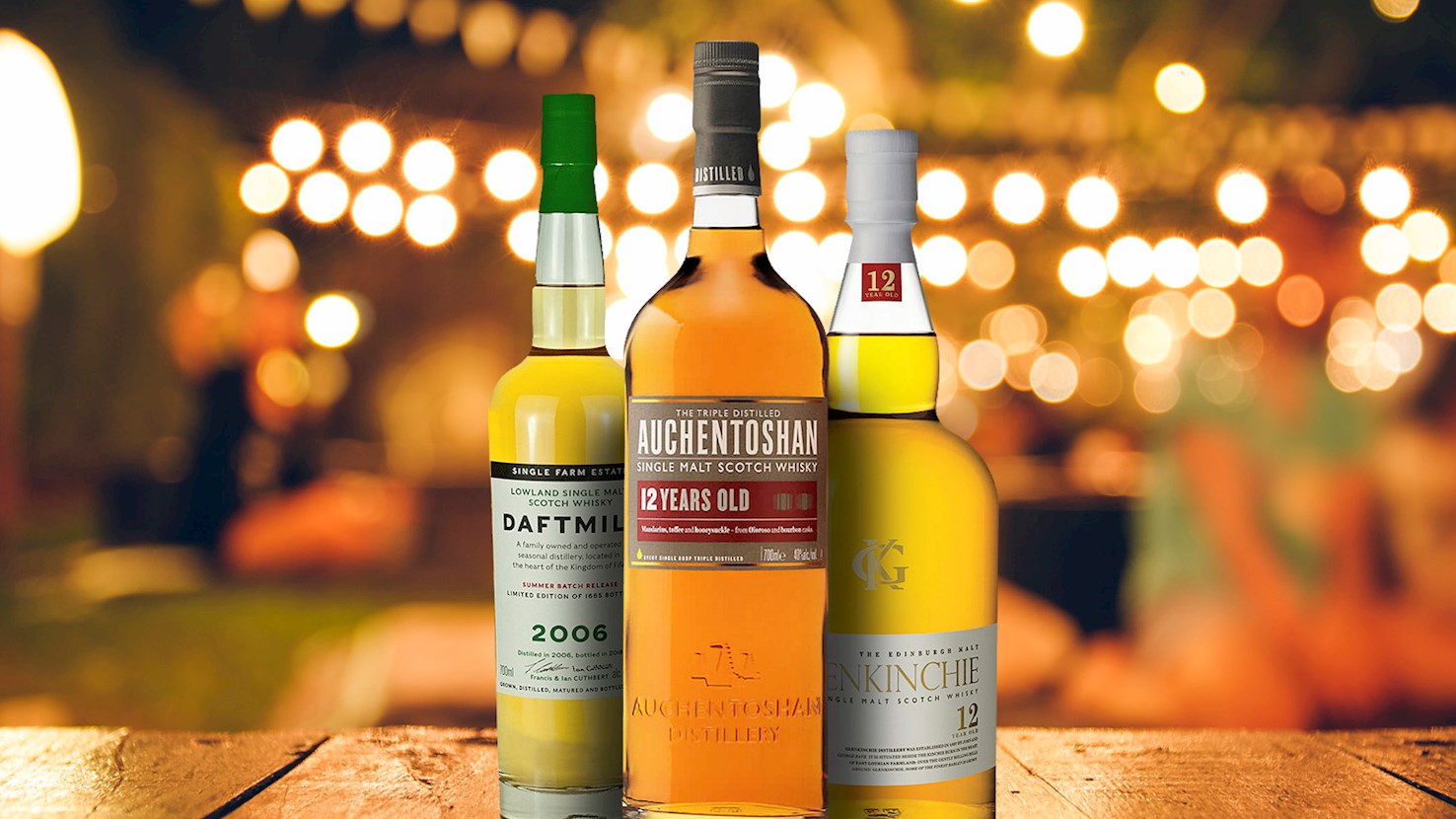
Lowland is a region for Scottish whisky that is located in the south of Scotland. This small region, in terms of the number of distilleries, is mostly associated with triple distillation, though not all distilleries employ it. Traditionally, whisky that is produced in the area will be lighter, softer, smoother, and more elegant, with a floral and fruity character and typical honeysuckle, grass, toffee, ginger, toast, and cinnamon aromas. Because of their light style and the lack of peaty flavors, these whiskies are often called the Lowland Ladies. They make a perfect aperitif and are excellent entry-level whisky. Best distilleries in the region include Glenkinchie, Auchentoshan, and Bladnoch.

10

Old Tom

n/a ·

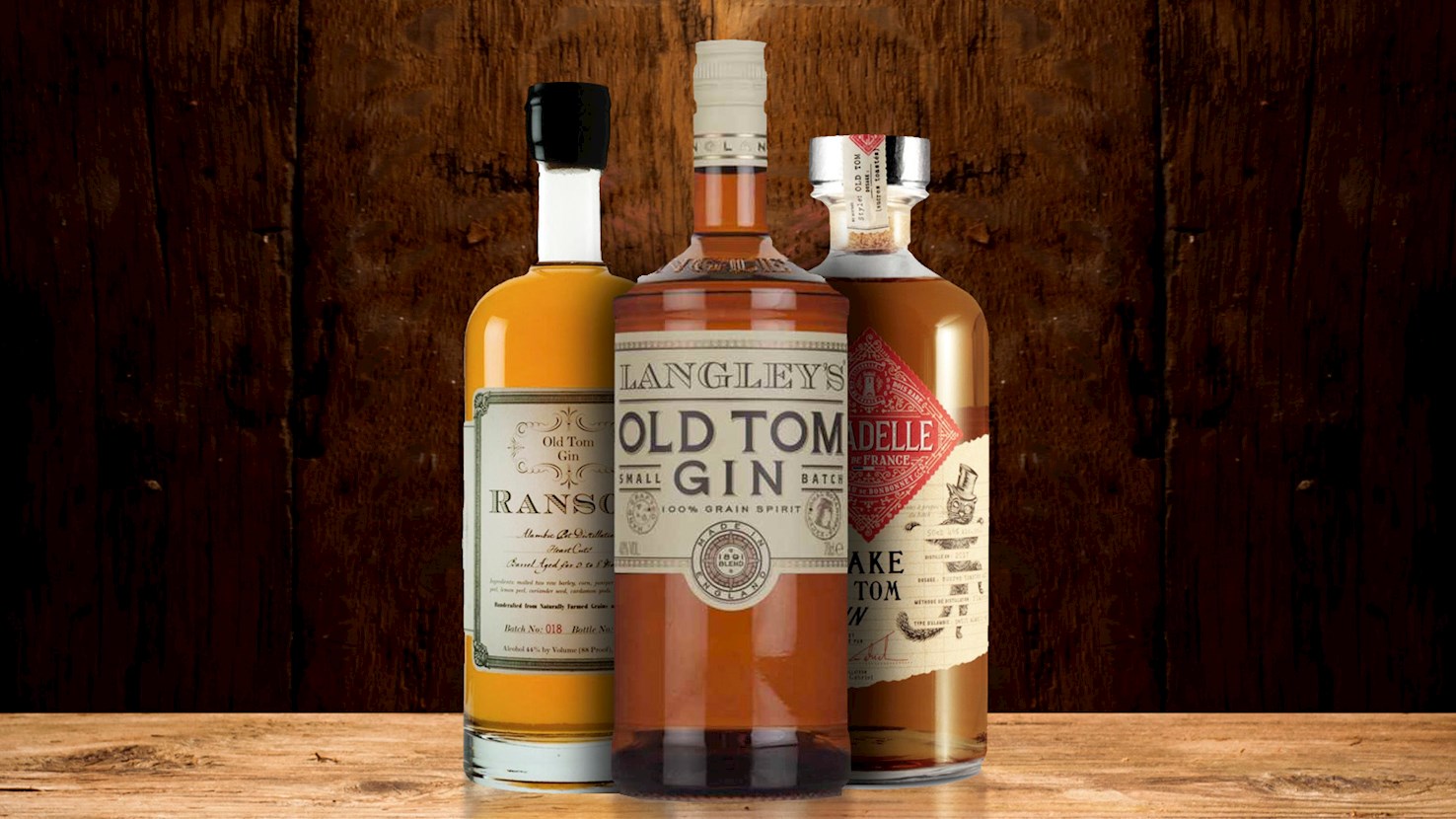
Old Tom is a gin style that evolved in England during the 18th century. It is generally believed that Old Tom was somewhat of a middle style between herbal-packed London Dry gins and malty Dutch jenever, but some believe it was a predecessor that used sweeteners to help mask the harsh flavor of gin. Despite its immense popularity throughout the 18th and 19th centuries, in the 20th century, it became virtually non-existent until the craft cocktail movement ignited its renewal. The category is diverse, and there are no uniform rules on how it should be made. Like other gin styles, it includes juniper berries. Although it can be sweetened, it is not always the case, and it can also be aged. It is usually softer, smoother, and more subtle than other gin styles. Although there are several theories explaining the etymology of Old Tom, none of them has yet to be proven entirely true. Because it is less intense and aromatic, this gin style is especially suitable for cocktails.

Read more
View all
View map
About this ranking

TasteAtlas food rankings are based on the ratings of the TasteAtlas audience, with a series of mechanisms that recognize real users and that ignore bot, nationalist or local patriotic ratings, and give additional value to the ratings of users that the system recognizes as knowledgeable. For the “Top 100 British Spirits” list until June 10, 2026, 890 ratings were recorded, of which 762 were recognized by the system as legitimate. TasteAtlas Rankings should not be seen as the final global conclusion about food. Their purpose is to promote excellent local foods, instill pride in traditional dishes, and arouse curiosity about dishes you haven’t tried.

The initial list of top producers was compiled based on available reviews, awards, local recommendations, media and blog coverage, and consumer reviews. The list will be updated with ratings from TasteAtlas local ambassadors and TasteAtlas users.

Similar lists